
DIY Bed Projects
DIY Bed Projects can elevate your bedroom’s style and function without pro carpentry skills. With basic tools and a weekend, you can build a frame, add storage, and craft a headboard that matches your space and sleep goals.

Key Takeaways: DIY Bed Projects
- Start simple: a sturdy platform frame and a basic headboard deliver impact fast.
- Use hidden storage to reclaim floor space and reduce bedroom clutter.
- Layered lighting supports wind-down routines and better sleep.
- Inspect reclaimed materials and seal joints to deter pests.
- Choose sustainable finishes for healthier, eco-conscious sheets and bedding.
Creative DIY Bed Frame Projects
Answer first: The fastest win is a simple platform frame sized to your mattress with strong center support. Choose materials you can cut accurately, and design for easy assembly and future moves.
DIY bed frames are the backbone of your bedroom. A well-built frame doesn’t need exotic joinery; straight cuts, a reliable center beam, and proper fasteners go a long way. Most makers use dimensional lumber or plywood because it’s affordable, predictable, and easy to source.
For inspiration and step-by-step ideas, explore our guide to creative DIY bed frame projects. If you prefer a no-frills approach with storage potential, consider platform and storage beds, which pair clean lines with built-in utility.
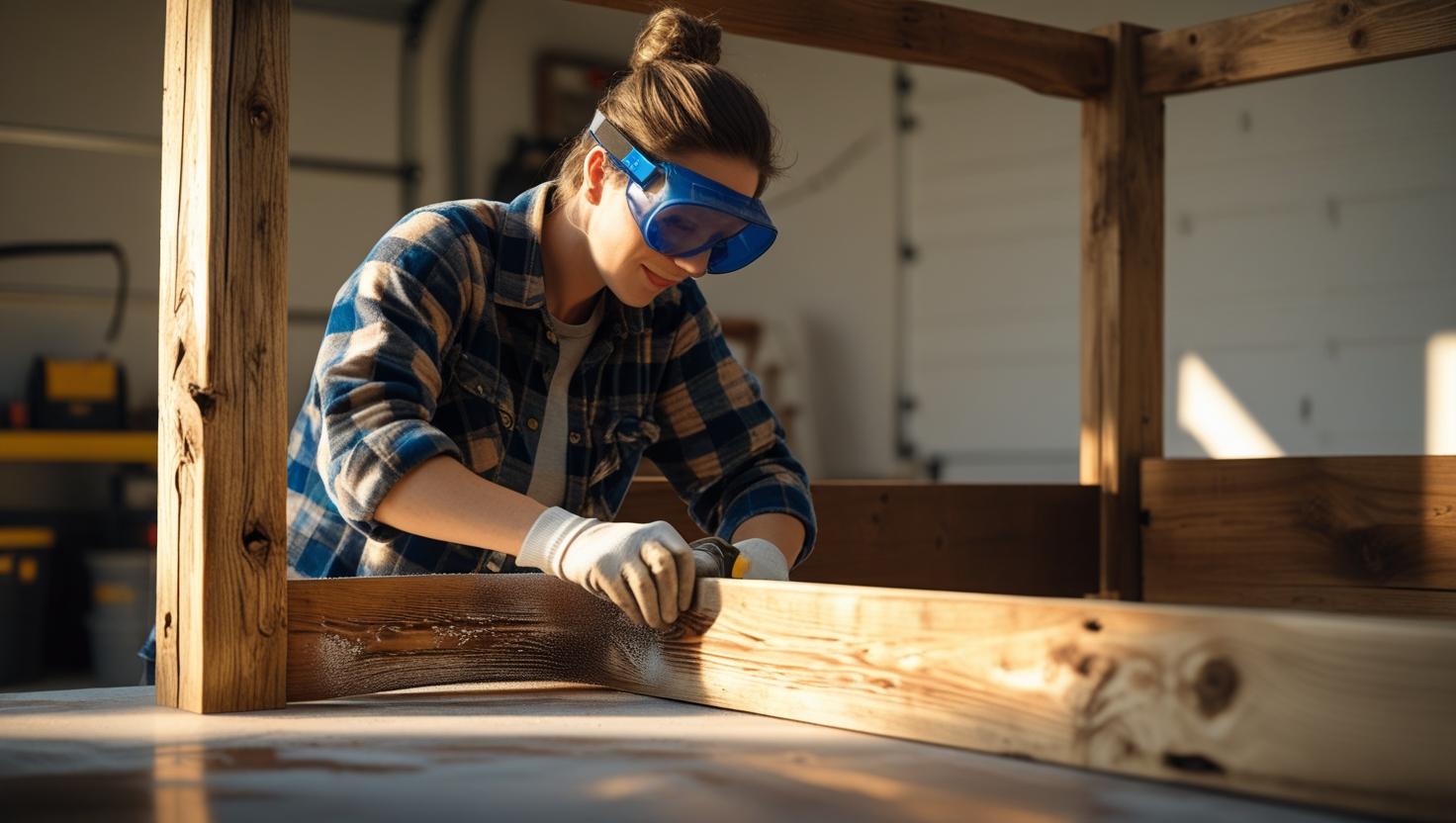
DIY Headboards to Match Your Bed Project
Answer first: Pick a headboard style that supports how you use your bed—padded for reading, wood for durability, or mixed materials for a design moment.
A headboard adds height, texture, and personality without a full frame rebuild. Upholstered panels soften the look and feel; wood slats create rhythm and ventilation; cane or rattan adds organic warmth. Keep mounting flexible—French cleats or hidden brackets make removal simple when you redecorate.
For a minimalist route, you can even skip the headboard and go for a frame-forward look; see bed ideas from Parachute for design cues here.
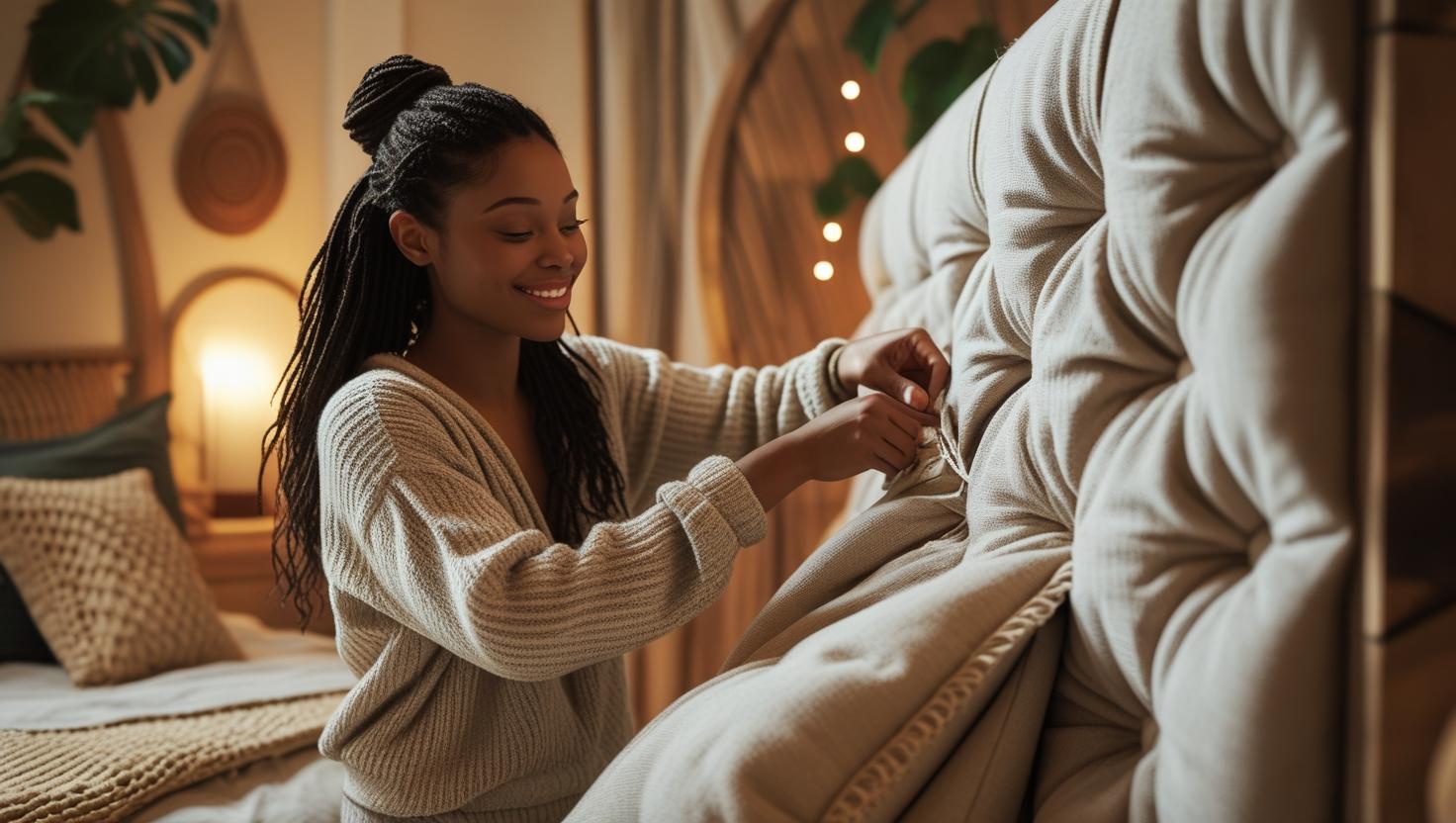
DIY Bed Projects with Hidden Storage
Answer first: Use the space under and around your mattress for drawers, lift-up platforms, or cubbies. Design for full-extension access so storage stays practical.
Under-bed drawers tame linens, out-of-season clothes, and spare pillows. A hinged platform gives you blanket-chest capacity without extra furniture. If you’re tight on square footage, combine shallow drawers on one side with open cubbies on the other to fit baseboards and outlets.
See space-saving ideas in our bedroom storage solutions and our overview of platform and storage beds. If shoes are your pain point, try boxes or trays sized to your frame’s clearance for easy slide-in access.
Lighting Tips to Complement DIY Bed Projects
Answer first: Layer ambient, task, and accent lighting with warm, dimmable sources. Keep evenings soft and nights dark to support your body clock.
Lighting shapes mood and melatonin. Swap a single harsh overhead for a trio: a soft ceiling light, focused bedside task lamps, and low accent glow. Aim for warm color temperatures in the evening, and use dimmers or smart bulbs to taper light before bed. Learn fundamentals in Bedroom Lighting 101 and consult Sleep Foundation’s guidance on bedroom environment here and how light affects sleep here.
Bed Bug Prevention for DIY Sleepers
Answer first: Inspect reclaimed pieces, heat-treat soft goods, and seal joints. Elevate and isolate the bed to reduce hiding places.
Bed bugs hitchhike on textiles and nest in crevices. When using reclaimed wood, sand surfaces smooth and seal exposed end grain. Steam-clean textiles and use high-heat drying cycles when possible. During assembly, avoid deep, unsealed voids near the head of the bed. For step-by-step prevention and management, visit our guide to bed bug prevention and management.

Eco-Friendly vs. Conventional Bedding: What to Know
Answer first: Sustainable bedding favors natural, low-impact fibers and safer finishes. It often breathes better, lasts longer, and reduces environmental load.
“Eco-friendly” isn’t just a label—it reflects fiber choice, farming practices, chemical use, and end-of-life options. Organic bedding made from certified cotton, linen, hemp, or responsibly sourced bamboo viscose typically uses fewer pesticides and supports better soil and water outcomes. Conventional polyester sheets are durable and affordable, but they shed microfibers and can trap heat.
When picking materials, balance priorities: breathability, feel, durability, and care. Linen is airy and strong; cotton is familiar and versatile; TENCEL™ lyocell feels cool and drapes beautifully; wool regulates moisture and temperature across seasons. If you trend hot, eco-conscious sheets from natural fibers can improve comfort on warm nights. Explore material choices in our advantages of sustainable bed frame materials and our deep dives into sustainable bedding materials.
Certifications help you compare options. Look for GOTS (organic textiles), OEKO-TEX Standard 100 (tested for harmful substances), FSC (responsibly managed wood for frames), and GREENGUARD Gold (low chemical emissions). A buyer’s mindset helps: choose fewer, better pieces; care for them well; and plan for repair, donation, or recycling at end of life. This approach supports sustainable bedding choices without sacrificing comfort.
Need style guidance to pair an eco-friendly frame and sheets with your decor? Browse Parachute’s bed style ideas here and Better Homes & Gardens’ bedroom decor tips here.
Materials & Hardware: Strong, Safe, and Simple
Answer first: Use quality plywood or hardwood, rated fasteners, and a center beam on queen and larger. Pre-drill and square every joint.
Most DIYers succeed with 3/4-inch plywood for platforms and 2x lumber for rails and legs. Add a center beam and legs under queen and king frames to prevent sagging. Corner brackets or bed rail fasteners increase rigidity while keeping the frame easy to disassemble. Sand edges smooth, break sharp corners, and seal surfaces for longevity.
Planning Your Cut List and Build Sequence
Answer first: Plan cuts around full-sheet yields, label parts, and dry-fit before glue and screws. This saves time and materials.
Sketch a scale plan with dimensions for every rail, slat, and support. Group identical parts to batch-cut safely. Mark the “show face” on visible pieces to keep grain direction consistent. Dry-fit hardware and drawers to confirm clearances, then assemble in sub-components so finishing and moving the bed are easier.
Finishes: Durable, Low-VOC, and Cohesive
Answer first: Choose low-VOC finishes that match your bedding palette. Test on offcuts to preview color and sheen.
Water-based polyurethane protects against scuffs without heavy fumes. Hardwax oils bring out grain with a natural feel. If you love painted frames, use a primer that blocks tannins, then apply a durable enamel. Tie finish color to your textiles—organic bedding and sustainable bedding often look best with warm woods and matte sheens for a calm, eco-conscious bedroom.
Mattress Support & Ventilation
Answer first: Slats with 2–3 inch spacing balance airflow and support. Add a thin bunkie board for foam mattresses if needed.
Foam mattresses like continuous support; hybrid and innerspring models can ride on slats. If you’re unsure, consult your mattress warranty. Keep side rails tall enough for a secure mattress recess, and consider adding a non-skid pad.
Project Difficulty Ratings and Cost Breakdown
Before you start any DIY bed project, it helps to know what you’re getting into. Here’s a quick breakdown of difficulty levels, estimated costs, and time commitments for the most popular builds.
| Project | Difficulty | Cost Estimate | Time Needed | Tools Required |
|---|---|---|---|---|
| Simple Platform Bed | Beginner | $100 – $250 | 4–6 hours | Drill, saw, sander |
| Pallet Bed Frame | Beginner | $30 – $80 | 3–5 hours | Sander, drill, pry bar |
| Storage Platform Bed | Intermediate | $200 – $500 | 8–12 hours | Drill, saw, drawer slides, clamps |
| Floating Bed Frame | Intermediate | $150 – $400 | 6–10 hours | Drill, saw, level, LED strip |
| Upholstered Headboard | Beginner | $60 – $180 | 2–4 hours | Staple gun, foam, fabric |
| Farmhouse Bed Frame | Intermediate | $250 – $600 | 10–16 hours | Miter saw, Kreg jig, drill, sander |
| Murphy Bed | Advanced | $400 – $1,200 | 16–24 hours | Full workshop + hardware kit |
| Loft Bed | Intermediate–Advanced | $200 – $500 | 10–14 hours | Drill, saw, bolts, level |
| Canopy Bed Frame | Intermediate | $150 – $400 | 8–12 hours | Drill, saw, pipe fittings or wood |
| Daybed with Trundle | Advanced | $300 – $700 | 14–20 hours | Full workshop + casters + slides |
Don’t let the “advanced” label scare you off if you’ve got some experience. The difference between intermediate and advanced is mostly about precision and patience, not some secret skill. If you can measure twice and cut once, you’re halfway there.
Essential Tools for DIY Bed Projects
You don’t need a full woodshop to build a bed. Most beginner and intermediate projects require just a handful of tools that you probably already own or can pick up affordably.
The Starter Kit (Under $150)
- Cordless drill/driver — the single most important tool. Get one with at least 18V.
- Circular saw — handles all the straight cuts you’ll need. A track guide keeps cuts clean.
- Orbital sander — smooths everything from rough lumber to final finish. Worth every dollar.
- Speed square and tape measure — accurate marking is what separates sloppy builds from tight ones.
- Bar clamps (at least 4) — you’ll use these more than you’d expect. Buy extras.
Upgrade Tools (For Intermediate+ Builds)
- Miter saw — makes angled and crosscuts effortless. Almost essential for farmhouse and canopy builds.
- Pocket hole jig (Kreg) — creates strong, hidden joints. Makes assembly way easier.
- Router — adds decorative edges and dadoes. Nice to have, not strictly necessary for most beds.
- Level (48-inch) — critical for loft beds and floating frames where everything needs to be perfectly horizontal.
If you’re new to woodworking and want to explore what’s possible beyond bed frames, our creative DIY bed frame projects guide covers dozens of designs with step-by-step instructions.
Safety Tips Every DIY Builder Should Know
Building a bed isn’t dangerous, but it’s not risk-free either. A few common-sense precautions keep the project fun instead of painful.
- Always wear safety glasses when cutting or sanding. Wood chips and sawdust aren’t something you want in your eyes.
- Use hearing protection with power saws. Even a circular saw exceeds safe noise levels.
- Sand before you assemble. It’s ten times harder to sand tight corners after the frame is together.
- Pre-drill screw holes. Driving screws without pilot holes splits wood, especially near edges. Takes 30 extra seconds and prevents cracked boards.
- Test the weight. Before putting your mattress on, press down firmly on every slat and joint. You want to find weak spots before someone’s sleeping on them.
- Anchor loft and bunk beds to the wall. Free-standing tall frames can tip. Two L-brackets and four lag screws into a stud make it rock solid.
- Use wood glue AND screws on structural joints. Screws alone can work loose over time. Glue plus screws creates a bond that lasts decades.
Choosing the Right Wood for Your DIY Bed
Material choice affects how your bed looks, how it holds up, and how much you’ll spend. Here’s a quick rundown.
Pine is the most popular choice for DIY beds, and for good reason. It’s cheap (about $3–$6 per board foot), easy to work with hand tools, and takes stain well. The downsides are that it’s soft — it dents and scratches more easily than hardwood — and the knots can be unpredictable.
Poplar sits one step above pine. It’s still affordable ($4–$7 per board foot), takes paint better than almost any wood, and is harder than pine. If you’re planning to paint your bed frame, poplar is the smart choice.
Oak and maple are the premium options. They’re heavy, hard, and beautiful — but they cost two to three times more than softwoods and require sharper tools. Save these for builds you want to keep for 20+ years.
For a detailed comparison of all bed frame materials including metal and composite options, our comparing bed frame materials guide breaks it all down. And if you’re interested in eco-friendly wood choices, check out the sustainable bed frame materials page.
Finishing Touches That Make DIY Beds Look Professional
The difference between a DIY bed that looks homemade and one that looks custom-built usually comes down to finishing. Spend an extra hour or two on these details and you’ll be amazed at the result.
- Fill nail holes and gaps with wood filler before sanding. Let it dry completely, then sand flush.
- Sand progressively: 80 grit to remove rough spots, 120 grit for smoothing, 220 grit for a silky finish. Don’t skip grits.
- Apply pre-stain conditioner on softwoods like pine. Without it, stain absorbs unevenly and looks blotchy.
- Two coats of polyurethane protect the finish from daily wear. Sand lightly between coats with 320 grit for the smoothest result.
- Add felt pads to the bottom of all legs. Prevents scratching your floors when you inevitably bump the frame while making the bed.
A well-finished DIY bed frame can rival anything you’d find in a furniture store. Pair it with the right nightstand and some bedroom storage solutions, and your room looks like you hired an interior designer. For global design inspiration, our bed designs from around the world guide has styles that translate beautifully into DIY builds.
FAQ
- What tools do I need for DIY bed projects?
- Most builds use a saw, drill/driver, measuring tape, square, level, clamps, wood screws, sandpaper, and safety gear. A pocket-hole jig speeds assembly for frames and drawers. For storage beds, budget drawer slides, hinges, and a brad nailer.
- Can DIY bed projects support heavy mattresses?
- Yes. Use hardwood or thick plywood with a center beam on queen and king frames. Reinforce corners with brackets and use rated fasteners. Inspect reclaimed pieces for cracks, and seal knots or checks before assembly.
Final Thoughts on DIY Bed Projects
DIY Bed Projects let you shape a restful space that fits your style, budget, and routine. Start with a simple, strong frame, add storage where it counts, layer warm lighting, and choose sustainable materials when you can. For more bedroom-friendly builds and sleep tips, explore guides across Cozy Bed Quarters and our trusted sources below.