
Lamps and Lighting: 7 Inspiring Ways to Illuminate Your Space
Lamps and Lighting are the foundation of a cozy, well-designed space—offering warmth, functionality, and style in every corner. In this guide, we’ll explore how to layer light, choose fixtures, and use creativity to elevate every room.
Key Takeaways
- Layer ambient, task, and accent lamps for depth and flexibility in mood and function.
- Use dimmers, warm LED bulbs, and thoughtful positioning to create a relaxing ambiance.
- Vary lamp heights, use shade textures, and embrace shadows to enhance visual interest.
- Update style trends with decorative lampshades and custom fixtures to match your decor personality.
- Balance utility with design—your lighting should inspire as much as illuminate.
Why Layering With Lamps and Lighting Matters
Layering light isn’t just a trend—it’s the secret sauce behind comfortable, lived-in interiors. Think of your lighting like layers of clothes: a cozy sweater (ambient), a task-driven jacket (task), and a stylish scarf (accent). When combined, they create a sense of depth, warmth, and style.
- Ambient lighting—your room’s basic brightness—can come from ceiling fixtures, floor lamps, or wall uplights.
- Task lighting supports specific activities, like bedside reading or desk work—check out our reading lamp guide.
- Accent lighting highlights special features—artwork, architectural details, or decorative objects.
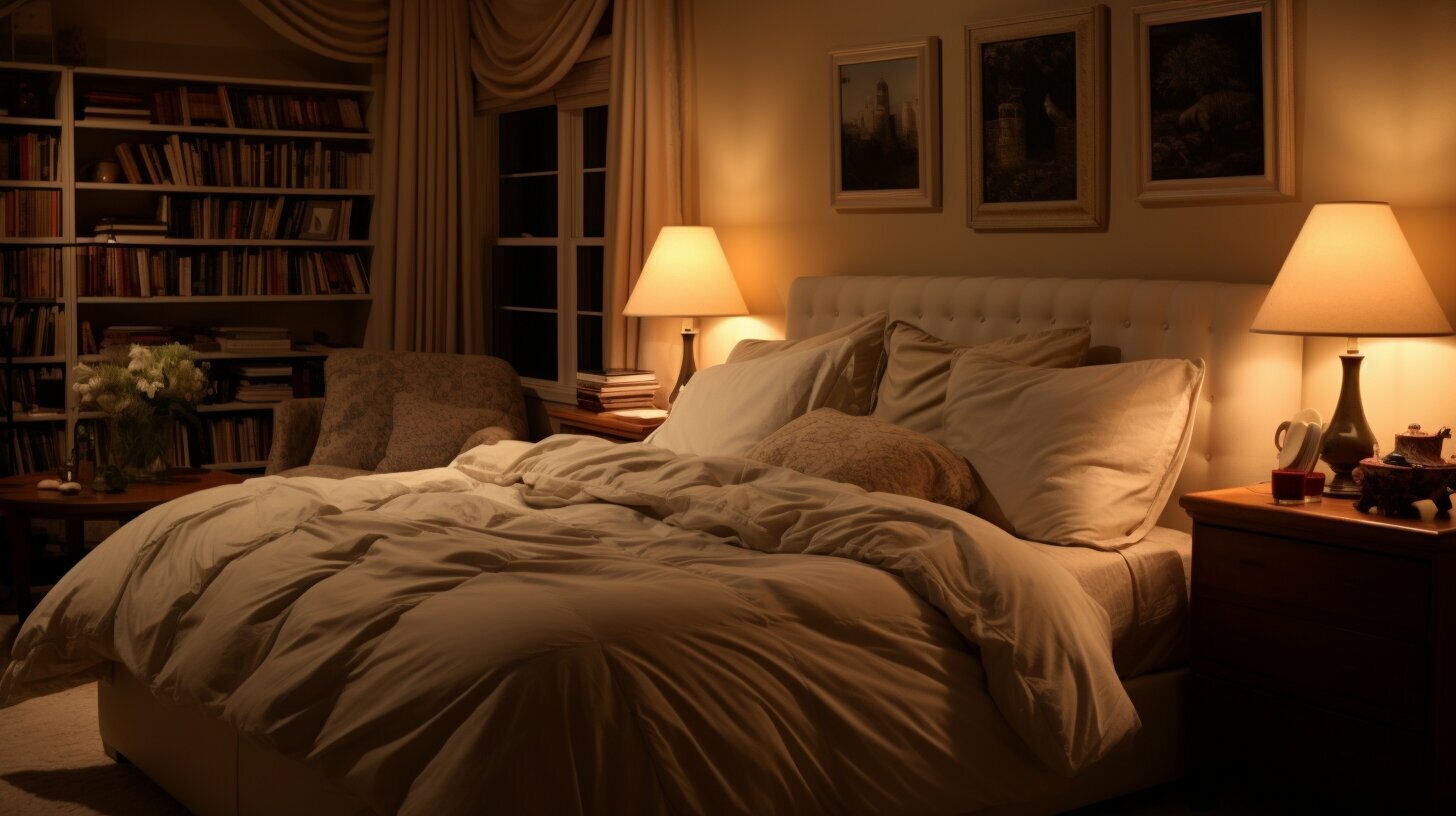
By blending these three layers, you achieve a dynamic, flexible lighting design. It lets you adjust the mood for morning wake-up, afternoon focus, or late-night relaxation with ease. That’s why layered lamps and lighting matter: they tailor brightness and vibe to your rhythm.
1. Ambient Lighting: Setting the Mood
Ambient lighting provides the gentle glow that makes a room feel comfortable—a “big hug” of light. Here’s how to fine-tune it:
- Ceiling fixtures: Pendant lights, flush mounts, and chandeliers work well.
- Warm LEDs: Use bulbs rated 2700–3000 K.
- Dimmers: Install dimmer switches to easily shift ambiance.
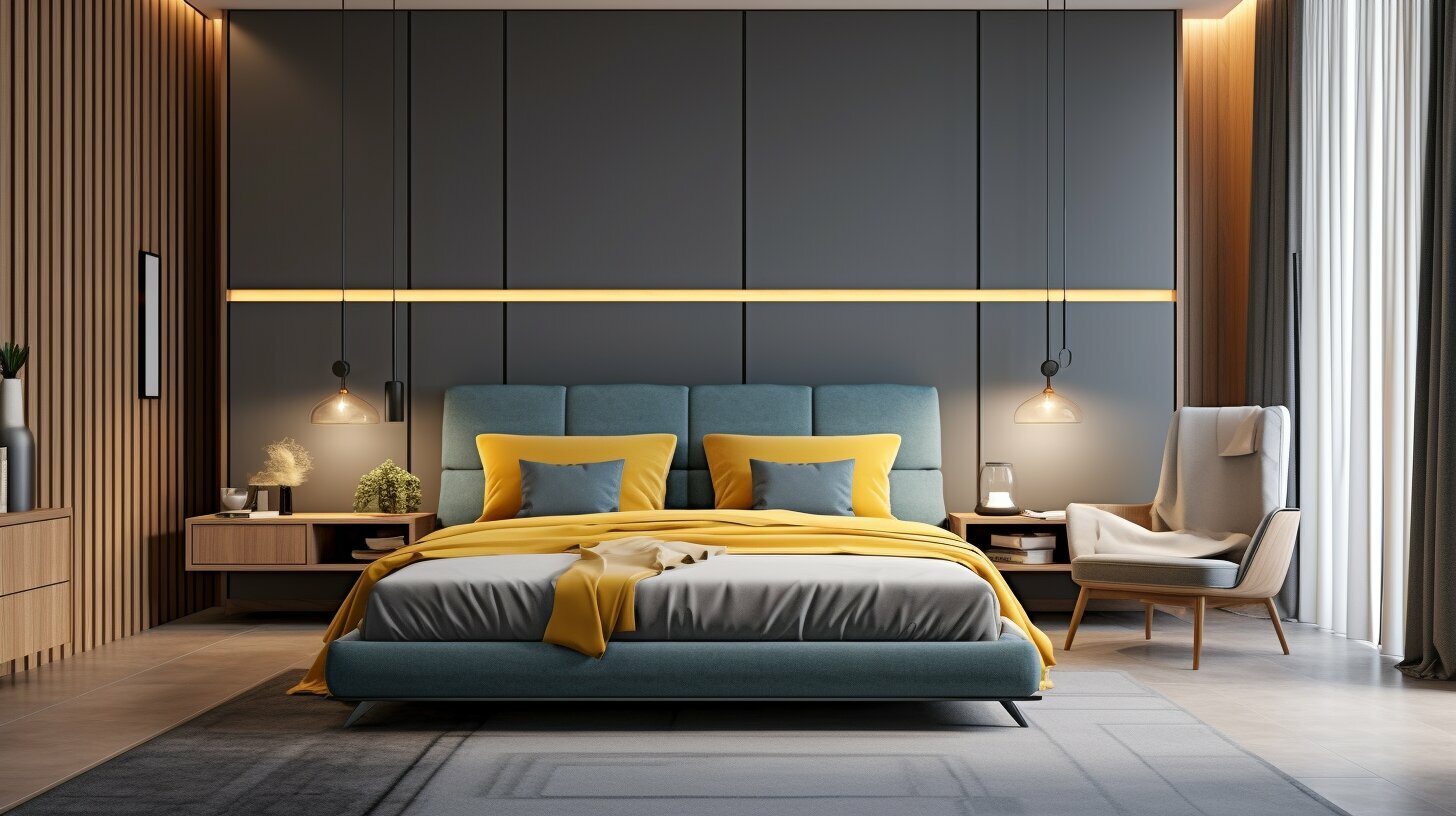
Example: In one client’s bedroom, we swapped a harsh overhead fixture for a sculptural pendant on a dimmer and added wall wash uplights—instantly transforming a sterile space into a spa-like retreat. The takeaway? Thoughtful ambient lighting sets the tone for comfort and relaxation.
Need more ideas? Explore The Spruce’s lighting guide for expert advice.
2. Task Lighting: Focused & Functional
Task lighting shines where you need it—be it reading, working, crafting, or applying makeup. Good task lighting reduces eye strain, boosts productivity, and enhances comfort.
- Table lamps: Adjustable swing-arm or swivel-head lamps are perfect by the bed or sofa.
- Desk lamps: Look for gooseneck arms or 4000K neutral white bulbs for clear visibility.
- Floor lamps: Use arc or clamp models in smaller spaces for functional flair.
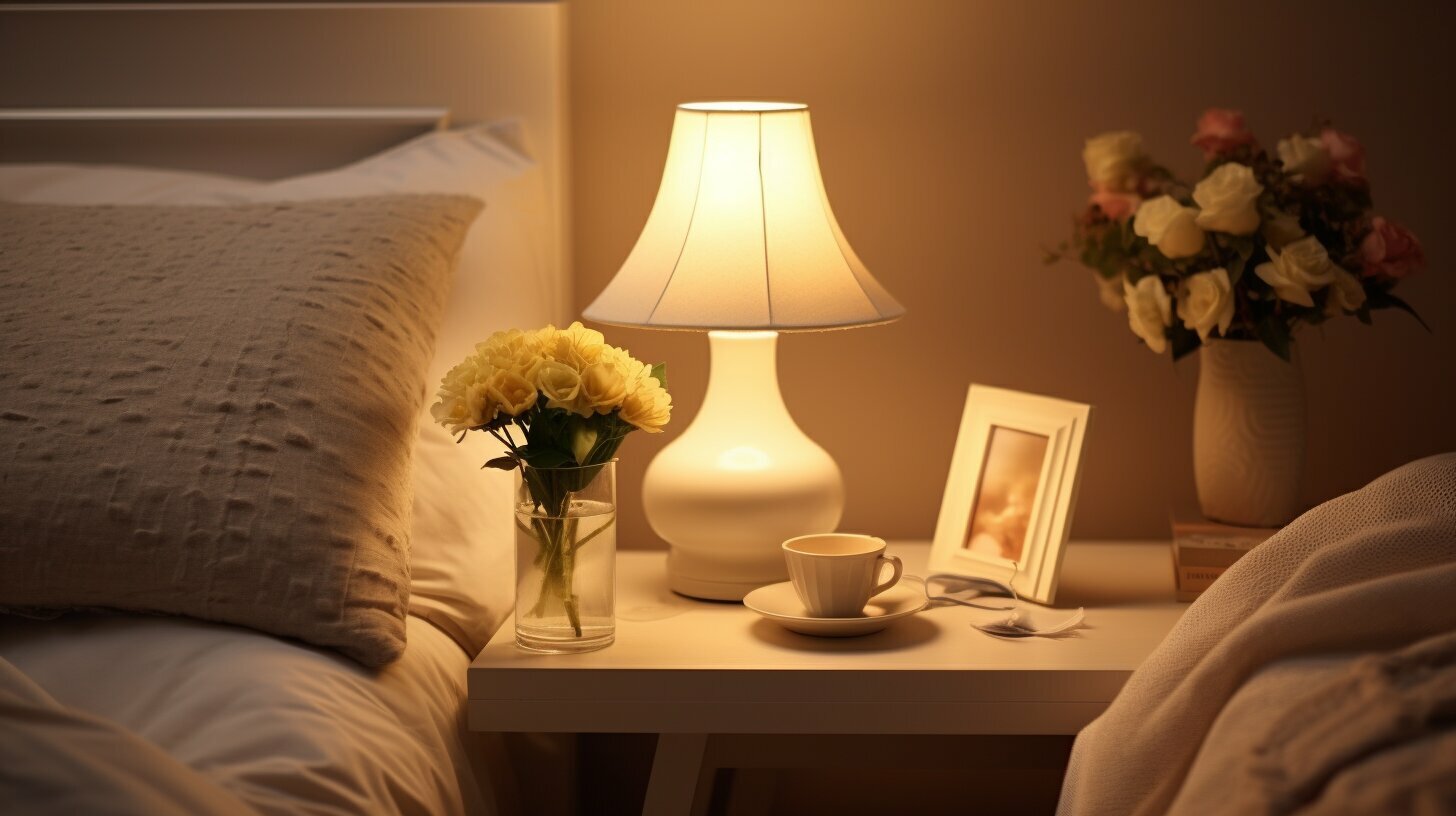
Example: A writer’s studio outfitted with a brass swing-arm table lamp and a tall tripod floor lamp by a reading chair reduced their eye fatigue by 60%, making writing marathons a joy. The lesson? Good task lighting supports your routines and passions.
3. Accent Lighting: Highlight & Decorate
Accent lighting plays artist: it spotlights your favorite pieces and bathes them in flattering light.
- Wall sconces: Use uplights to emphasize wall textures or downlights for reading nooks and bedside flare.
- Picture lights: Highlight art, framed photos, or mirrors—LED picture lights deliver glow without glare or heat damage.
- Mini uplights: Hidden LED strips under floating shelves or behind crown molding create a soft halo of sophistication.
Tip: Place sconces or picture lights 12–18″ above your piece to avoid hot spots and maximize even illumination. This soft spotlight treatment highlights art and adds high-end ambiance.
For inspiration, check out Architectural Digest’s room lighting ideas.
4. Positioning Lamps and Lighting for Best Effect
How you position your lamps and lighting can make or break a space. Follow these guidelines:
- Eyelvl alignment: Place bedside lamps so the center is around eye level when seated (approx. 48–54″ from floor).
- Corner balance: Corner floor lamps fill dark spaces and reduce harsh ceiling shadows.
- Wall height: Mount sconces ~60–66″ up to softly light without glare.
- Angle for drama: Adjust beams of light to sculpt a room—aim upward to soften, downward to focus, or sideways to highlight textures.
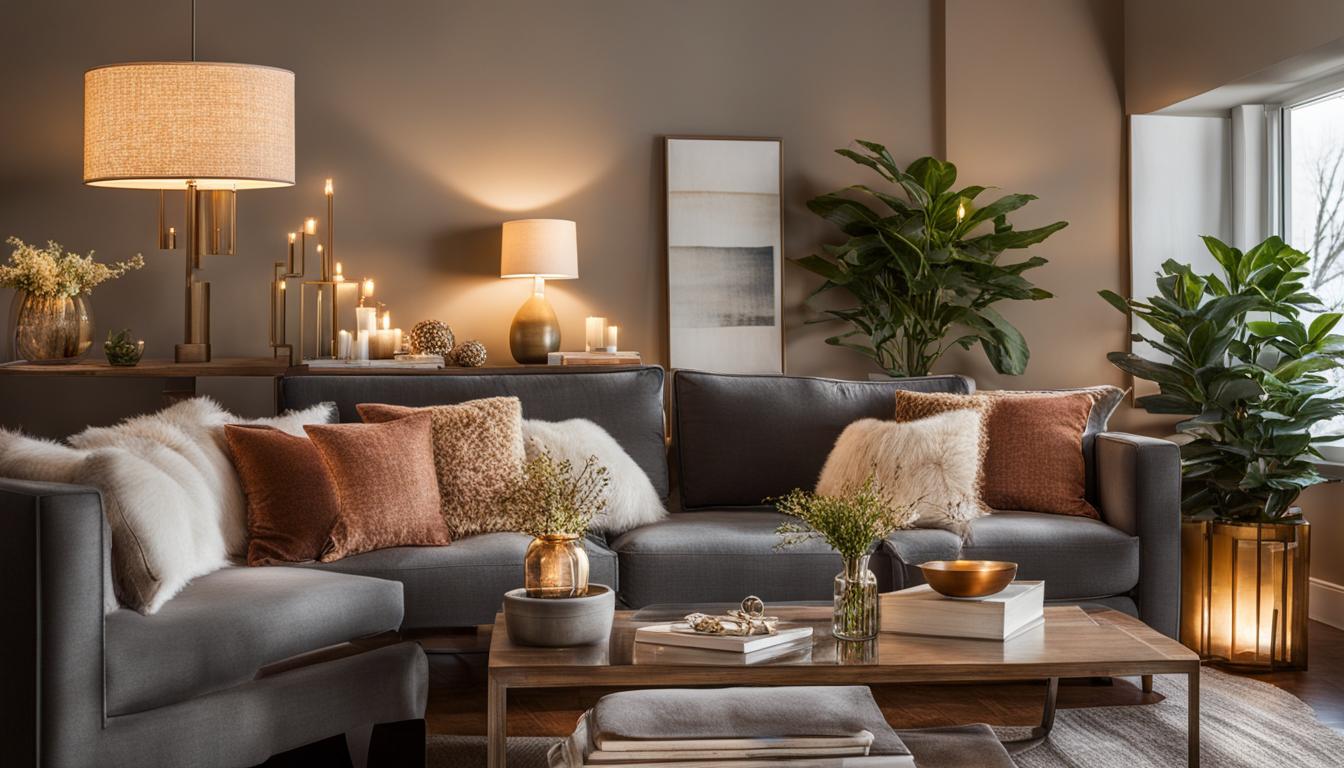
Example: By tilting a textured lampshade slightly off-center above a cozy armchair, one homeowner created dancing wall shadows—they loved how the light felt alive. Correct positioning lets your lighting breathe life into your rooms.
For step-by-step transformation, read our bedroom lighting makeover guide.
5. Embrace Shadows for Depth and Texture
Shadows are the other half of light. They define shapes, create drama, and invite intrigue. Think of shadows like contour makeup for your room—they enhance depth and character.
- Perforated shades: Look for shades with cutouts or weave that cast patterned shadows, adding a touch of whimsy.
- Layered heights: Mixing heights from table, floor, and wall lamps interplays light and shadow organically.
- Adjustable heads: Reading lamps that you can tilt toward the floor or wall add moody dimension.
Explore more real-life styling in Apartment Therapy’s bedroom lighting inspiration.
6. Lampshades: Small Touches, Big Impact
Often overlooked, lampshades are design’s unsung heroes—they define how light behaves and how spaces feel. A well-chosen shade can turn an ordinary bulb into centerpiece mood lighting.
- Fabric shades: White linen or cotton diffuses light gently. Patterned fabrics can bring pops of color or texture.
- Metallic & glass: Brass, copper, or tinted glass direct downward light for sleek, bold styling.
- Custom sizes: Square bases look best with square shade profiles. Taller base = shorter shade; wider base = wider shade.
- The 2/3 rule: Shade height should be ~2/3 of the lamp base height for balanced proportion.
7. Custom Lighting Solutions
Custom lighting adds personality and exclusivity—perfect for homes that tell a story. These fixtures can be tailored in:
- Color finishes: Matte black for urban minimalism, brushed gold for classic glam, or soft pastels for nursery charm.
- Size & scale: Oversized pendants over dining tables or tiered chandeliers in vaulted ceilings create dramatic focal points.
- Smart controls: Program multi-scene systems—bright for morning, dimmed for evenings, and night-soft for late-night bathroom runs.
Bringing Together Function and Fashion
The magic of great room lighting lies where practicality meets style. Lamps and lighting should be both tools and treasures—serving your life while enriching your aesthetic.
- Style synergy: Mix streamlined mid-century bases with modern geometric shades or go boho with textured wicker bases and vibrant fabric shades.
- Consistency matters: Select a signature finish (black, brass, white) and repeat across fixtures for cohesion.
- Practical elegance: Include at least one functional hidden light like a recessed night light or closet sensor to balance the decorative pieces.
Color Temperature Explained: Why It Matters for Sleep
Not all light is created equal, and the color of your bedroom lighting directly affects how well you sleep. Color temperature is measured in Kelvin (K), and understanding the scale helps you pick bulbs that work with your body instead of against it.
- 2700K (Warm White) — the gold standard for bedrooms. This soft, yellowish light mimics sunset and signals your brain to start producing melatonin. It’s what most incandescent bulbs naturally produce.
- 3000K (Soft White) — slightly brighter and cleaner than warm white. Good for bedside reading lamps where you need a bit more clarity without the harshness.
- 4000K–5000K (Cool/Daylight) — energizing and alert-inducing. Great for bathrooms and kitchens, terrible for bedrooms. This temperature suppresses melatonin and makes it harder to fall asleep.
The takeaway is simple: stick with 2700K–3000K for every light source in your bedroom. If you’ve got a ceiling fixture with cool-white bulbs, swap them out. It costs about $15 for a four-pack and the difference in sleep quality can be noticeable within days.
Smart Lighting for Bedrooms: What’s Worth It
Smart bulbs and lighting systems have gotten much better — and much cheaper — over the past few years. Some features genuinely improve your sleep routine. Others are just expensive novelties.
Worth the investment:
- Scheduled dimming. Set your bedroom lights to gradually dim over 30 minutes before your target bedtime. It mimics a natural sunset and helps your body ease into sleep mode without you having to think about it.
- Warm-to-cool shifting. Some smart bulbs adjust color temperature throughout the day — energizing cool light in the morning, warm light in the evening. If you use your bedroom as a workspace too, this is genuinely helpful.
- Voice or app control. Being able to turn off the lights without getting out of bed sounds lazy, but it removes that one last barrier between you and sleep. Don’t underestimate the power of staying horizontal.
Skip these:
- Color-changing party modes. Fun for a minute, useless for sleep. Your bedroom doesn’t need to turn purple.
- Motion-activated bedroom lighting. In a hallway or bathroom, great. In a bedroom, the sensor triggers every time you roll over and it’s maddening.
- Expensive smart switches when bulbs will do. A $12 smart bulb does 90% of what a $50 smart switch does in a single-fixture bedroom.
Bulb Types Compared: LED, Incandescent, and Halogen
The bulb you choose affects brightness, energy cost, heat output, and color quality. Here’s how the main types stack up for bedroom use.
| Bulb Type | Energy Use | Lifespan | Color Quality | Heat Output | Best For |
|---|---|---|---|---|---|
| LED | Very Low | 15,000–50,000 hrs | Excellent (if 2700K) | Minimal | Every bedroom fixture |
| Incandescent | High | 750–2,000 hrs | Warm, natural | Very High | Warm ambiance (being phased out) |
| Halogen | Moderate | 2,000–4,000 hrs | Bright, crisp | High | Accent lighting, reading |
| CFL | Low | 8,000–15,000 hrs | Varies (often harsh) | Low | Not recommended for bedrooms |
LEDs win on every practical metric. They last 15+ years in typical bedroom use, cost pennies to run, and come in every color temperature you’d want. The only knock against them used to be color quality, but modern LEDs at 2700K are virtually indistinguishable from old-school incandescents.
Lamp Placement Tips Room by Room
Knowing where to put your lamps is just as important as choosing the right ones. Poor placement creates dark spots, glare, or shadows that make a bedroom feel uncomfortable.
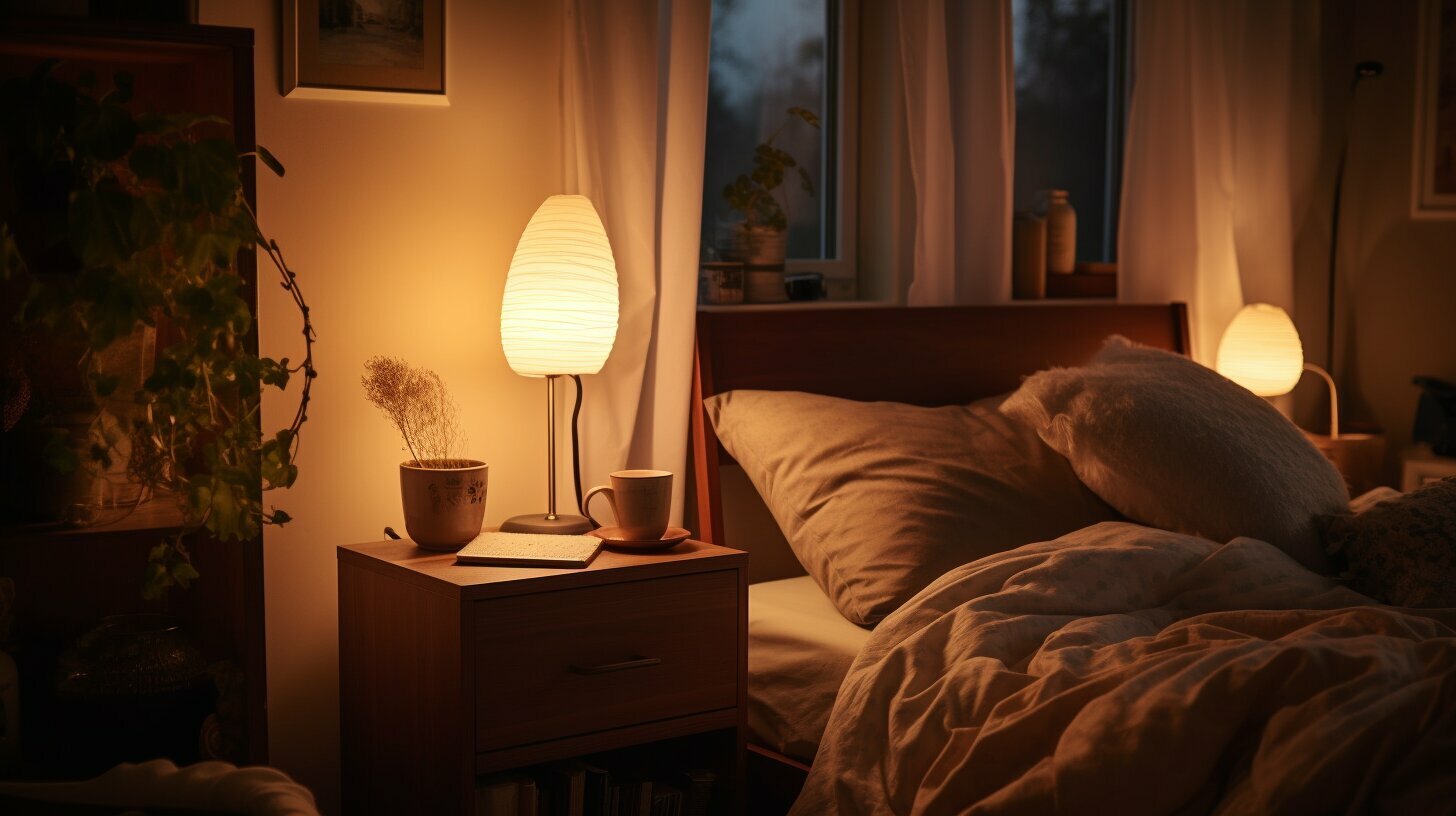
Bedside lamps should sit on your nightstand with the bottom of the shade at roughly eye level when you’re sitting up in bed. Too high and the bare bulb hits your eyes. Too low and you don’t get enough reading light.
Dresser lamps work best slightly off-center on the dresser surface, paired with a mirror behind or above them. The mirror reflects and doubles the light, brightening that side of the room. Our mirrors and wall decor guide digs into this pairing in detail.
Floor lamps belong in corners or beside reading chairs. They fill vertical space and cast light upward or outward depending on the shade design. In small bedrooms, a slim arc floor lamp gives you overhead-style lighting without the need for a ceiling fixture.
Under-bed LED strips serve as nightlights that don’t disturb your partner. Motion-activated strips that glow warm white are perfect for middle-of-the-night bathroom trips. They cost about $15–$25 and install in minutes.
Dimming Options: More Control, Better Sleep
If there’s one upgrade every bedroom should have, it’s dimmers. The ability to adjust light levels throughout the evening is one of the simplest ways to improve your sleep hygiene.
Plug-in dimmers are the easiest option. They sit between the wall outlet and your lamp cord. No wiring, no electrician. Most cost $10–$20 and work with any dimmable LED bulb.
Wall dimmer switches replace your existing light switch and control the overhead fixture. Installation takes about 15 minutes if you’re comfortable with basic wiring. If not, an electrician can do it for $50–$100.
Smart dimming through apps or voice assistants gives you the most flexibility. You can set scenes (“reading mode” at 60%, “wind-down mode” at 20%, “sleep mode” off) and trigger them with a tap or voice command.
The sweet spot for bedroom evening lighting is around 30–40% of your fixture’s maximum brightness. That’s enough to see what you’re doing without overstimulating your brain. Pair it with warm-temperature bulbs and you’ve created the ideal environment for winding down.
For more ideas on creating a perfect sleep environment, check out our guide to the ideal sleep environment. And if you’re redesigning your bedroom around better lighting, our bed designs from around the world guide features rooms with stunning lighting integration from cultures around the globe.
FAQ
What bulb should I use in lamps and lighting for a cozy mood?
Opt for warm LED bulbs in the 2700–3000 K range—they mimic the comforting tone of incandescent light and use far less energy, making them ideal for relaxed spaces.
How many light sources should I include in a room?
Aim for at least three: an ambient fixture for overall light, a task lamp for activities, and an accent light to highlight features. More layers bring richness and adaptability.
Can lampshades affect light quality?
Absolutely—fabric shades soften light, while glass or metal shades direct illumination. Choosing shape, color, and material thoughtfully shapes the room’s mood.
Learn more in cozy bedroom lighting ideas, energy‑saving lighting guides, and how to choose the right lightbulb.
When layering lamps and lighting, you’re crafting both comfort and ambiance. Thoughtful placement, soft bulbs, quality shades, and custom touches turn mere illumination into a personal sanctuary that supports your lifestyle and aesthetic.