
Mirrors and Wall Decor Designs
Mirrors and Wall Decor Designs can transform a bedroom fast—bouncing light, adding depth, and creating a calm look you’ll love waking up to. In this guide, you’ll learn where to place mirrors for maximum impact, how to choose shapes and finishes, and which eco-minded options pair beautifully with organic bedding and other sustainable accents.
Key Takeaways: Mirrors and Wall Decor Designs
- Placement is power: Position mirrors to reflect windows, plants, or art—never clutter.
- Right size, right height: Aim for ~two-thirds the width of the furniture below and hang at eye level.
- Function + style: Mirrors brighten, expand, and serve as striking focal points.
- Eco wins: Choose reclaimed frames and low-VOC finishes to complement sustainable bedding.
- Curate with intention: Mix shapes and materials for a collected, serene look using Mirrors and Wall Decor Designs that fit your space.
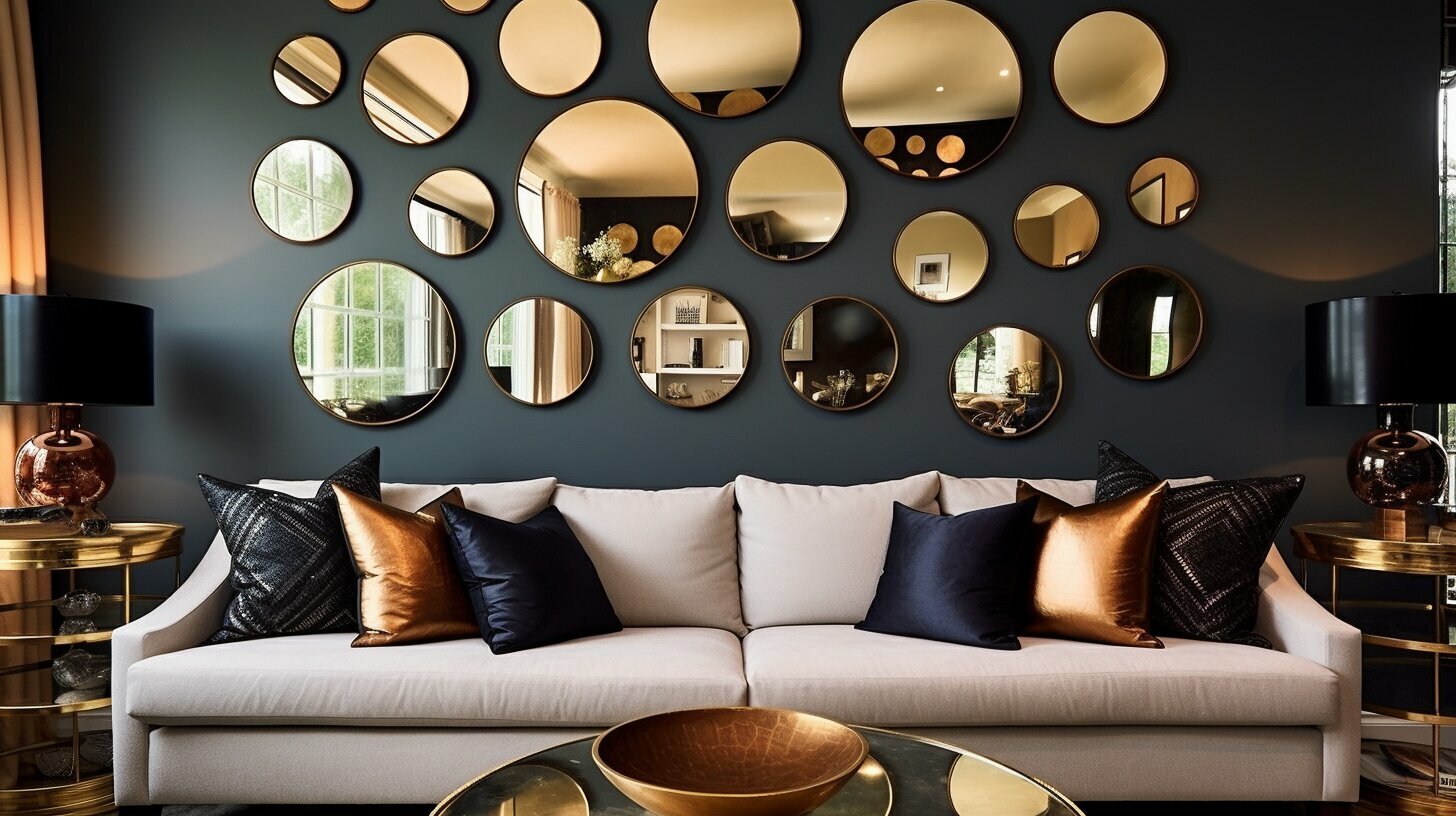
Why mirrors matter: more light, more depth, more calm
Bottom line: Mirrors act like visual amplifiers—doubling views you love and brightening dim corners. Place one across from a window to echo natural light and create a sense of spaciousness.
To build a relaxing sleep setup, pair mirror placement with an overall restful environment—cool, quiet, and low-glare lighting. See the National Sleep Foundation’s guidance on optimizing the bedroom environment and keeping light levels in check so reflections feel soothing, not stimulating.
For even more daylight magic, explore how mirrors can enhance natural light throughout the day.
Blend style and function for everyday ease
Answer first: Choose mirrors that do double duty—brighten the room and serve daily routines. A tall mirror near a wardrobe or a dresser mirror angled toward a window gives both light and utility.
Tie reflective surfaces to your furniture plan: a low dresser mirror can bounce morning sun, while a bedside mirror pairs nicely with layered lighting (sconces + ambient). Get more ideas in our guide to bedroom mirrors and lighting, and consider space-savvy pieces that complement platform and storage beds for a clutter-free look.
Add Art Deco glamour when you want drama
In short: Geometric lines, gilded frames, and glossy finishes deliver an instant boutique feel. Keep other accents quiet so the mirror remains the star.
Try a statement mirror flanked by slender sconces or a pair of petite mirrors above nightstands for symmetry. Browse shimmering ideas in our roundup of luxurious bedroom mirror ideas.
Make it eco-chic with reclaimed frames and safer finishes
Quick take: Sustainable choices look great and reduce impact. Seek FSC-certified wood frames, vintage or upcycled finds, and low-VOC finishes that pair well with organic bedding and eco-conscious sheets.
To extend your planet-friendly palette beyond mirrors, consider responsibly made furniture—our primer on sustainable bed frame materials outlines woods, certifications, and durability trade-offs. Layer these with breathable, sustainable bedding for a cohesive, green sanctuary.
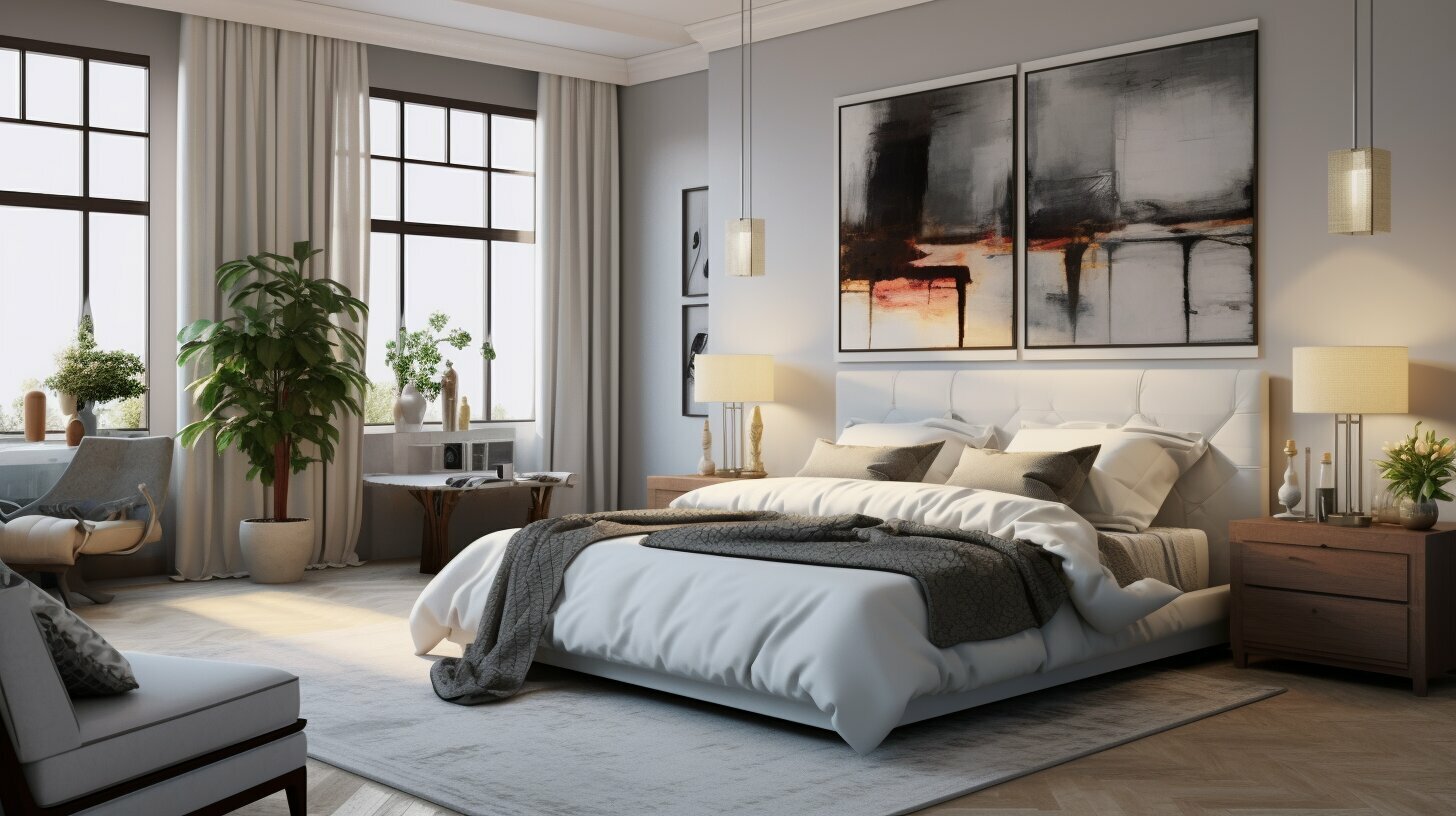
Sprinkle reflective accents for subtle shine
TL;DR: Small mirrored trays, frames, and candleholders brighten shelves without dominating the room. Cluster two or three near a light source for a gentle glow.
Balance sparkle with soft textures—linen duvets, knit throws, and organic bedding help the eye rest between reflective moments. For wall inspiration beyond mirrors, Parachute’s curated blank wall decor ideas offer mix-and-match concepts from oversized art to floating shelves.
Choose the right mirror: shape, size, and frame
Start here: Pick a silhouette that solves your goal—tall for height, round for softness, grid for structure. Then match frame tone to hardware and lighting.
A reliable size rule is to span about two-thirds the width of the furniture beneath. For small rooms, lean mirrors free up wall space and expand the view. Compare options in our full-length mirror guide and try a low-profile frame over patterned walls from our modern wall-decor trends piece.
Placement that flatters: reflect what you love, hide what you don’t
Fast rule: Aim mirrors at windows, plants, or art—never piles or busy zones. This is the core of Mirrors and Wall Decor Designs that feel calming.
Twin mirrors above nightstands give hotel-level balance; a single oversized mirror opposite the bed can open the room. For small spaces, angle a mirror to capture the best light and review our mirror hacks for small bedrooms. For deeper layout advice, see bedroom mirror placement.
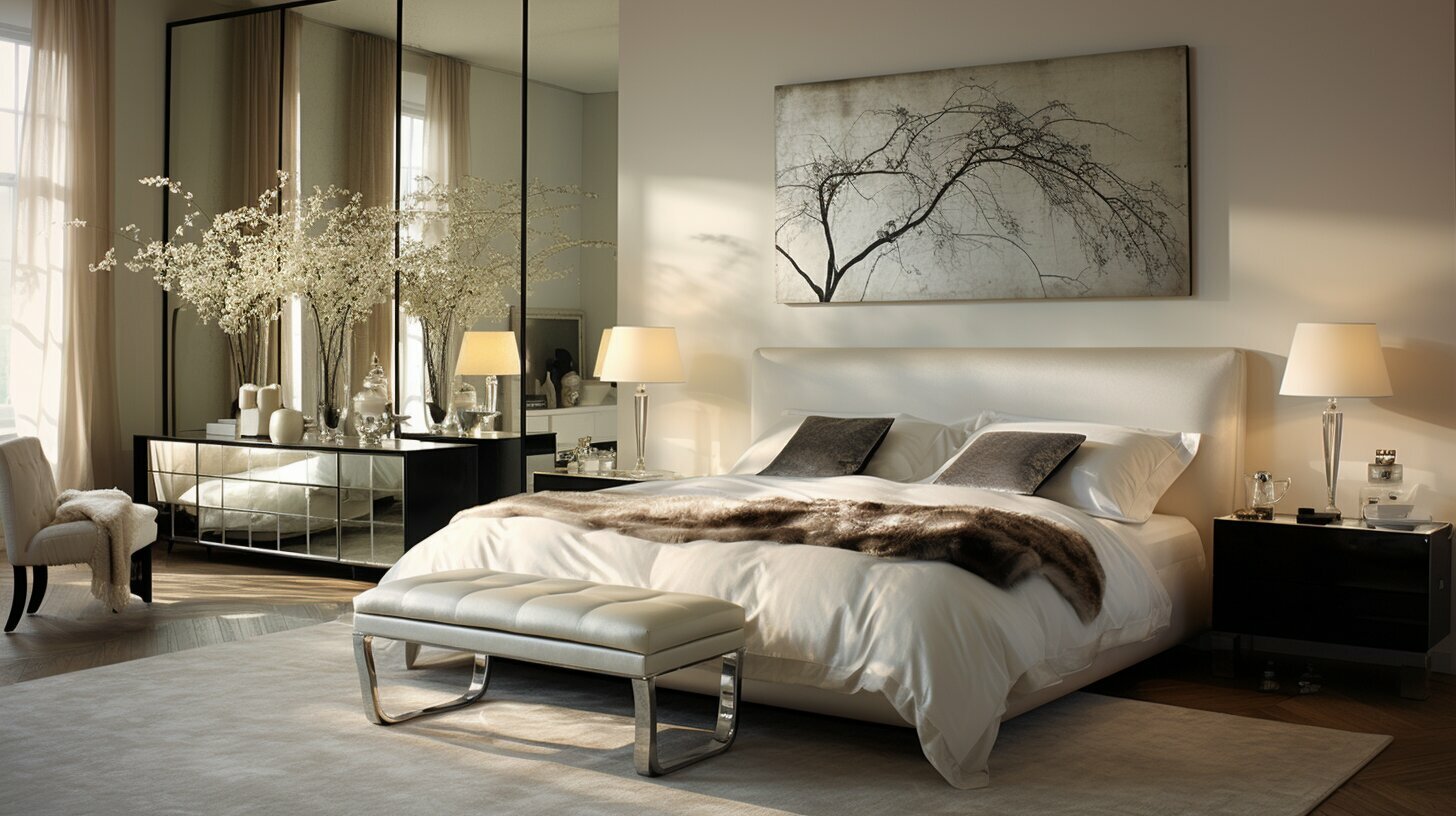
Style inspiration: mix finishes and silhouettes with intention
Key idea: The most personal rooms blend shapes and textures: rattan with brass, black metal with warm wood, convex accents with clean lines.
Try a mini gallery of varied mirror shapes, or pair one sculptural piece with two simple ones. See creative layouts in our guide to creative mirror placement.
Size guidelines that just work
Quick math: Over furniture, choose a mirror ~⅔ the width below it; on empty walls, size up to fill the negative space without touching corners.
Map the footprint with painter’s tape before making holes. This reduces patching and ensures your Mirrors and Wall Decor Designs feel proportional from day one.
Secure hanging tips (and when to call for help)
Safety first: Use anchors for drywall, masonry hardware for brick, and always verify weight ratings. Hang at eye level or slightly above for visual balance.
Better Homes & Gardens has a straightforward primer on hanging hardware—brackets, D-rings, and wire systems—see their guide on how to hang a mirror. If your mirror is heavy or antique, enlist a pro. When in doubt, our placement guide covers common pitfalls and fixes.
Buyer’s guide: finishes, glass types, and budget
Short answer: Choose a finish that echoes existing metals, specify tempered or safety-backed glass for weighty pieces, and invest where size matters most.
- Frames & finishes: Matte black = modern; unlacquered brass = patina; wood = warmth. Reclaimed or vintage frames score eco points.
- Glass options: Standard is fine for most; consider anti-fog or low-iron glass for truer color near vanity areas.
- Budgeting: Splurge on the largest focal mirror; save on accent pieces. Upcycled finds can anchor Mirrors and Wall Decor Designs beautifully.
Sleep-friendly styling: calm reflections, restful light
Essentials first: Keep direct glare out of sightlines and dim lights at night so reflections don’t over-stimulate. This supports a more restful routine.
For deeper sleep hygiene guidance—including darkness, temperature, and quiet—browse the National Sleep Foundation’s tips on making a sleep-friendly bedroom. Pair these practices with soft textiles, like eco-conscious sheets, for a space that looks and sleeps better.
Final Thoughts
Mirrors and Wall Decor Designs are more than decoration—they shape light, balance, and mood. Start with one thoughtful focal mirror, add a few subtle reflective accents, and let your materials mix feel collected over time. For more ideas, explore our beloved guide to vintage mirrors for bedroom decor and keep curating a bedroom that tells your story.
Mirror Placement Rules: Where to Hang for Maximum Impact
Where you put a mirror matters just as much as which mirror you buy. The right placement makes a room feel bigger, brighter, and more intentional. The wrong placement creates awkward reflections or wasted potential.
Opposite a window. This is the classic trick, and it works every time. A mirror across from a window bounces natural light deeper into the room, making the space feel almost twice as bright without adding a single lamp. If your bedroom only has one window, this placement is a no-brainer.
Above the dresser or console. A horizontal mirror centered above a piece of furniture creates a focal point that anchors the wall. Leave about 4–6 inches of space between the furniture top and the mirror’s bottom edge. Too close looks cramped; too high looks disconnected.
Behind nightstand lamps. A mirror behind a table lamp multiplies the light output. It’s a subtle trick that works especially well with warm-toned bulbs and creates a cozy glow at night. For the right lamp and table pairing, check out our nightstands and bedside tables guide.
Leaning against a wall. Floor-length mirrors don’t always need to be mounted. Leaning a large mirror against a wall at a slight angle creates a relaxed, modern look. Just make sure it’s secured with an anti-tip bracket — a falling mirror is a serious safety hazard.
Where NOT to Place Bedroom Mirrors
- Directly facing the bed. Many people find it unsettling to see their own reflection when waking up at night. Feng shui practitioners also advise against it, saying it disrupts restful energy. Whether you buy into the philosophy or not, most designers agree — angling the mirror away from direct bed view is smarter.
- In tight hallways or narrow spaces. A mirror in a cramped corridor can create a disorienting effect instead of opening the space up. It needs room to breathe.
- Reflecting clutter. A mirror doubles whatever it sees. If it’s reflecting a messy closet or a pile of laundry, it makes the mess feel twice as big. Point it at something worth looking at.
Types of Mirrors for Every Bedroom Style
Mirrors aren’t one-size-fits-all. The frame style, shape, and size should complement your bedroom’s personality, not fight against it.
- Round mirrors soften a room full of straight lines and rectangular furniture. They work beautifully above a dresser or floating shelf.
- Arched mirrors add a touch of elegance without going full ornate. They’ve become hugely popular in modern farmhouse and transitional bedrooms.
- Sunburst mirrors are statement pieces. One above the headboard or on a feature wall can replace a piece of art entirely.
- Full-length mirrors serve a practical purpose (getting dressed) while also making small bedrooms feel more spacious. Lean or mount — both work.
- Gallery mirror sets use three to five small mirrors arranged in a cluster. They create visual interest without the weight of a single large piece.
When choosing a mirror frame, match it to your existing hardware and fixtures. Brass frames pair with brass drawer pulls. Matte black frames complement dark iron light fixtures. Consistency in these small details makes a room feel intentionally designed rather than randomly decorated.
Wall Art and Decor Ideas Beyond Mirrors
Mirrors are great, but they shouldn’t be the only thing on your bedroom walls. A well-designed bedroom mixes mirrors with other types of wall decor for depth and personality.
Gallery walls combine framed prints, photos, and small objects in a curated arrangement. The key is keeping frames within the same color family — all black, all white, or all natural wood — while varying the sizes. It looks intentional instead of chaotic.
Textile wall hangings add warmth and texture that framed art can’t match. Woven tapestries, macramé pieces, or a vintage quilt mounted on a dowel bring softness to a room dominated by hard surfaces. They also help with sound absorption, which is a quiet bonus in bedrooms.
Floating shelves with curated objects give you display space without taking up floor area. A small plant, a few books, and a candle on a single shelf does more for a room’s personality than most wall art. For more ideas on using vertical space effectively, our bedroom storage solutions guide covers this in depth.
Feng Shui Principles for Bedroom Walls
You don’t have to be a feng shui devotee to benefit from a few of its core principles. These guidelines have stuck around for centuries because they genuinely help bedrooms feel more restful.
- Keep the area above the headboard simple. A single piece of calming art or nothing at all. Heavy frames or shelves above where you sleep can create subconscious anxiety.
- Use pairs for balance. Two matching lamps, two framed prints, two sconces. Symmetry in the bedroom promotes a sense of stability and calm.
- Choose calming imagery. Nature scenes, abstract pieces in soft colors, or nature photography. Avoid anything with aggressive energy — busy cityscapes, bold reds, or action scenes aren’t ideal for a sleep space.
- No mirrors reflecting the bed. This is the most repeated feng shui rule for bedrooms, and it aligns with common sense. Angle mirrors to reflect a window, a plant, or a piece of art instead.
For a deeper look at how bedroom layout affects your rest, our feng shui bedroom layout guide covers furniture positioning, color choices, and energy flow. And if you’re exploring global design inspiration, our bed designs from around the world guide shows how different cultures approach bedroom aesthetics.
Lighting and Mirrors: How They Work Together
Mirrors and lighting have a symbiotic relationship. Get the pairing right and your bedroom feels warm and inviting. Get it wrong and you’ve got harsh glare or dark corners.
The simplest trick: place a mirror where it catches light from a lamp or window, then bounces it toward the darkest part of the room. You’re essentially creating a second light source without adding another fixture.
Avoid placing mirrors where they’ll reflect overhead fluorescent lighting or bare bulbs. The reflection amplifies the harshness. Soft, diffused light — like what comes from a linen lampshade or a frosted sconce — reflects beautifully and creates that warm glow everyone wants in a bedroom.
For more on choosing the right bedroom lighting, our lamps and lighting guide walks through ambient, task, and accent options that pair perfectly with thoughtful mirror placement.
FAQ
- How do mirrors make a bedroom feel larger?
- They reflect light and pleasing views, which increases perceived depth and brightness—especially when placed opposite windows or plants.
- Can I mix mirrors with other wall art?
- Yes. Blend shapes and sizes for a curated look—one statement mirror plus a few smaller pieces keeps the wall dynamic without clutter.
- What’s the best way to hang a heavy mirror?
- Use hardware rated for the mirror’s weight (anchors for drywall, masonry hardware for brick). Measure twice, level the mounting points, then lift into place.
- Are mirrored furniture pieces practical for bedrooms?
- They can be. Limit them to one or two accent items to avoid glare; pair with matte textures and organic bedding for balance.
- How do I keep mirrors clean and streak-free?
- Use a microfiber cloth with a gentle glass cleaner; avoid abrasive scrubbers and keep moisture away from frame joints.