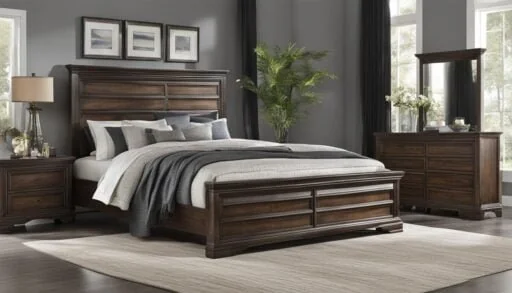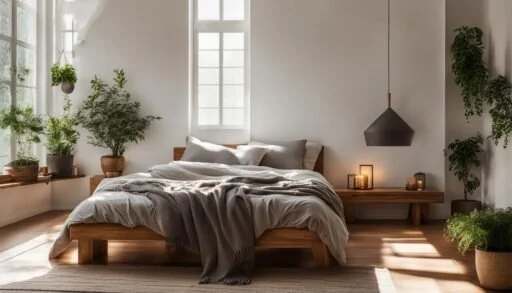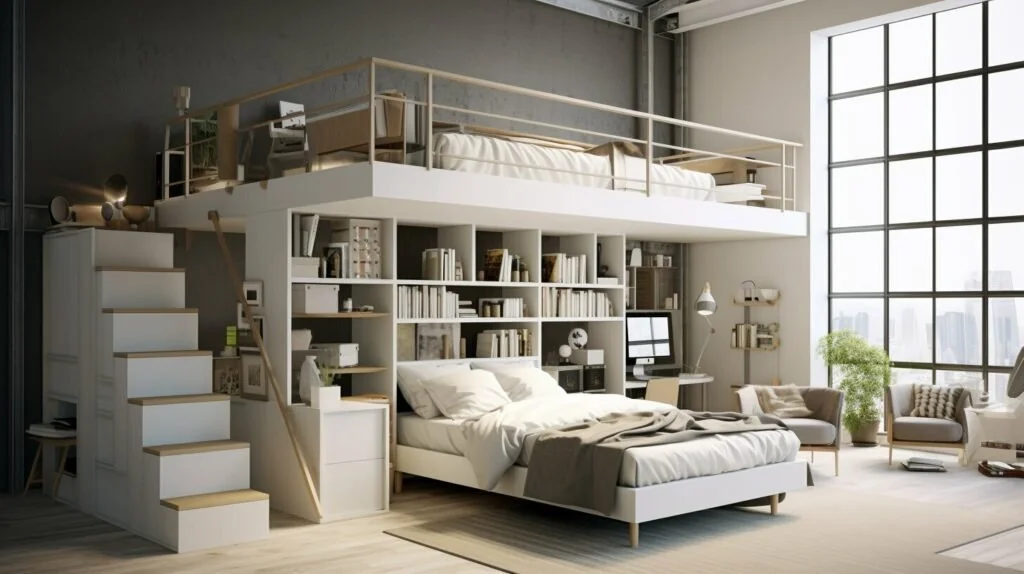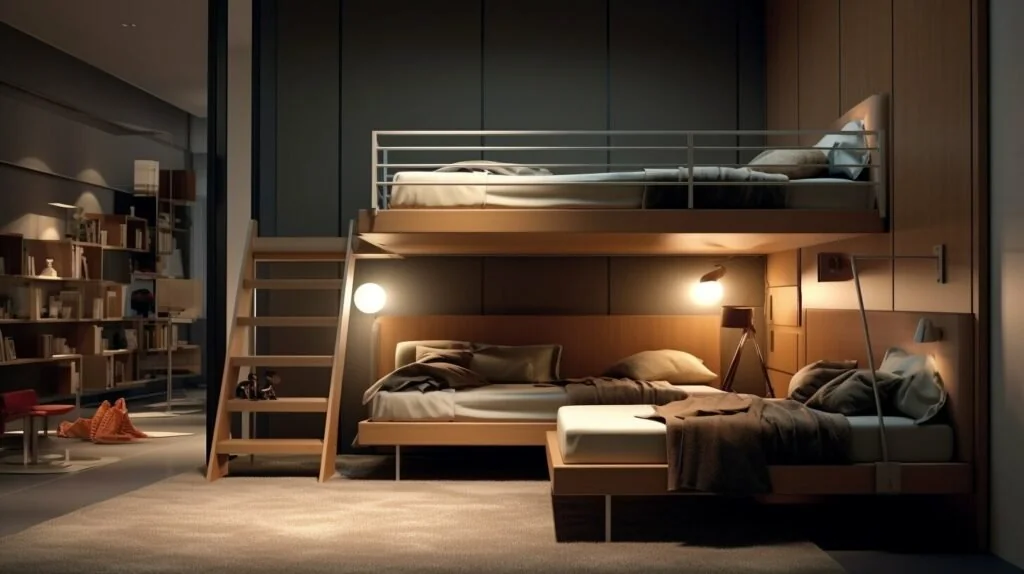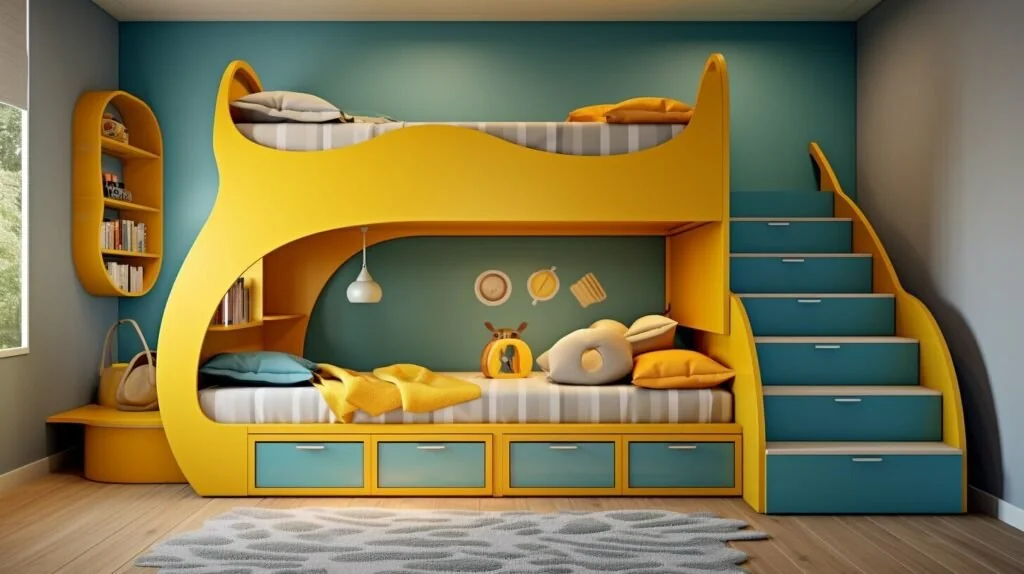
Discover Creative DIY Bed Frame Projects for Your Home

Creative DIY Bed Frame Projects

DIY Bed Frame Projects: 19 Stylish Builds at Home

Ready to upgrade your bedroom without overspending? DIY bed frame projects let you customize style, add storage, and build a frame that fits your space and budget—no advanced shop needed.
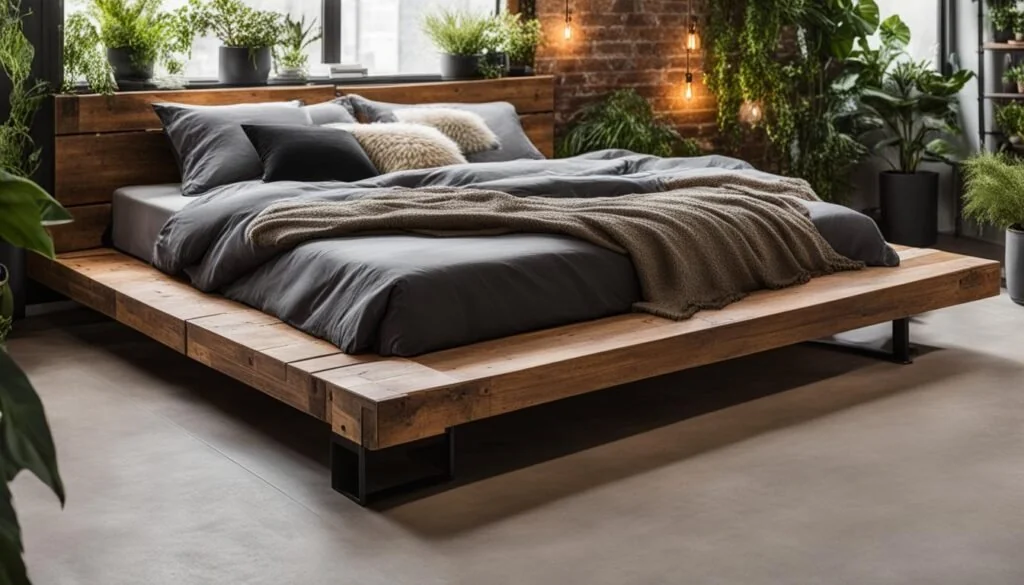
Creative DIY bed frame projects with tools and materials arranged on a workbench
DIY bed frame projects: personalize your bedroom with skill-building weekend builds.

Key Takeaways: DIY bed frame projects

  • DIY bed frame projects deliver custom design, solid value, and weekend-friendly builds.
  • Choose from floating, platform, storage, canopy, and minimalist wood box styles.
  • Right materials and hardware = a sturdy, quiet, and long-lasting result.
  • Match the build to your tools, skill level, time, and budget.
  • Use sustainable wood and finishes to align with eco-conscious goals.

Start Here: Plan Your DIY Bed Frame

Answer first: Define size, style, and storage needs before buying materials. This keeps costs lean and prevents rework.

Measure your mattress (twin, full, queen, king) and confirm room clearances for walking paths and drawers. Sketch a quick cut list and fastener plan. For build fundamentals, see our tips and tricks for building a sturdy DIY bed frame.

Minimalist Wood Box Frame (Clean Lines, Low Cost)

Answer first: A wood box platform gives you a modern look with fewer cuts and fasteners—great for first-time DIY bed frame projects.

Use straight 2x lumber or plywood, glue, and pocket screws for strong joints. A 1–2 inch mattress recess prevents sliding. If you like this aesthetic, our guide on DIY bed frames for building your dream bed details finishes, sanding, and assembly tips.
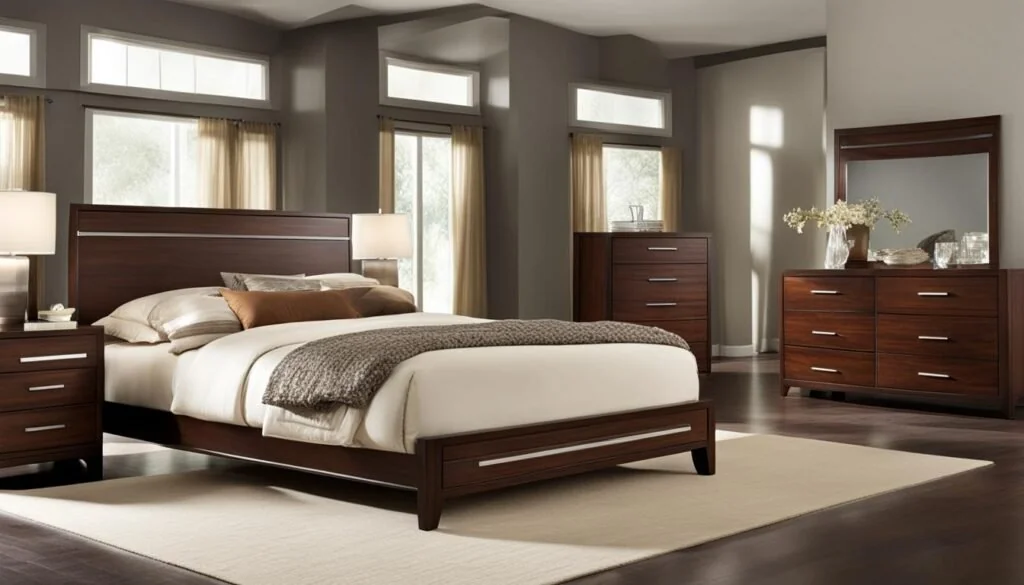
Minimalist wood box bed frame design with clean lines
Minimalist box frames: sleek profile, simple joinery, reliable support.

Floating Bed Frames (Modern Statement)

Answer first: Floating frames hide the base, creating a levitating effect that adds drama to small or modern rooms.

Build a smaller support plinth and set it in from the edges. Add center supports and cross slats for even weight distribution. For a weekend refresh, see how to upcycle and refresh your existing bed frame.

Storage Bed Frames (Built-In Drawers & Lift-Up)

Answer first: Storage frames turn unused space into drawers or lift-up compartments—ideal for compact bedrooms.

Plan drawer clearance and hardware before cutting. Use full-extension slides and a face frame for clean looks. Dive deeper with our platform and storage beds guide and this overview of DIY bed frames for building your dream bed.
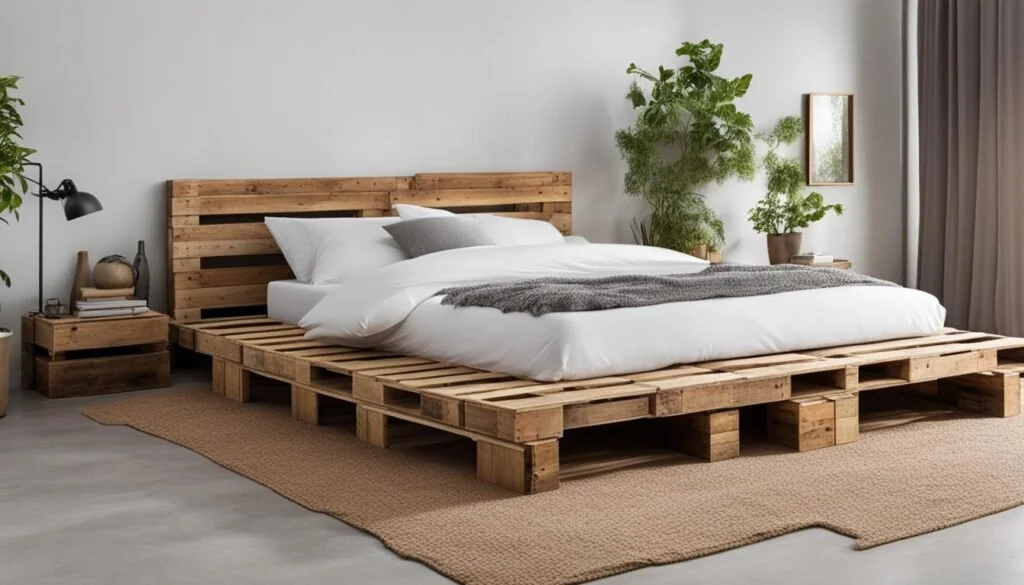
DIY pallet bed frame with integrated storage crates
Storage builds maximize function—great for renters and small spaces.

Upcycled Pallet Frames (Rustic, Budget-Friendly)

Answer first: Pallets are affordable and full of character, but choose heat-treated wood (marked “HT”) and sand thoroughly.

Disassemble with a pry bar or oscillating tool to reduce splits. Seal with a low-VOC finish for a smoother feel. For style inspiration, explore our bed designs from around the world.

Canopy & Four-Poster Frames (Instant Drama)

Answer first: A canopy adds height and softness, turning simple rooms into restful retreats.

Anchor posts to side rails with hardware rated for bed loads. Sheer fabric diffuses light and elevates the look. See the build process in our article on creative DIY bed frame projects for your home.
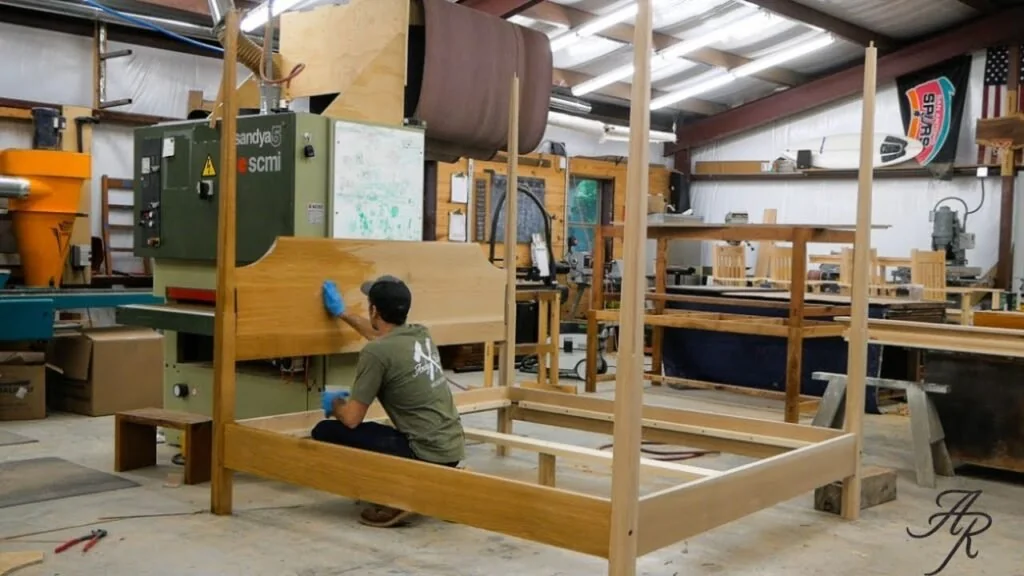
DIY four-poster canopy bed frame build in a small workshop
Canopy frames: structural planning pays off in a showpiece result.

Hardware That Matters (Quiet, Sturdy, Long-Term)

Answer first: Quality screws, brackets, and bed rail fasteners reduce wobble and squeaks, extending the life of DIY bed frame projects.

Use pocket screws for rails, confirm pilot holes, and add felt pads where wood meets flooring. Center supports are essential for queen and king sizes.

Sizing & Slats (Better Sleep Support)

Answer first: Slat spacing affects mattress performance; tighter spacing helps prevent sag and preserves warranties.

Most foam and hybrid mattresses prefer 3″ or less slat gaps. If you love a streamlined look, a thin bunkie board can boost support without adding height.

Finishes & Safety (Low-VOC, Child-Safe)

Answer first: Finishes change both look and indoor air quality—choose low-odor, low-VOC options when possible.

Water-based poly dries quickly. Hardwax oils highlight grain on maple, oak, and ash. Round over sharp edges for a safer frame.

Style Variations for Every Room

Answer first: Match the frame to your theme—minimalist, rustic, Japandi, mid-century, or boho—and keep the palette consistent.

Consider fabric accents on the headboard or a wrap on the wall behind the bed. For creative refreshes, see how to upcycle and refresh your existing bed frame.

Materials & Sustainability (Smart Swaps)

Answer first: Responsible materials make DIY bed frame projects more planet-friendly without sacrificing style.

FSC-certified wood and water-based finishes reduce impact. If you’re updating your bedding alongside the frame, consider organic bedding, sustainable bedding, and eco-conscious sheets to complete the look.

Sustainable DIY bed frame projects using FSC-certified wood and low-VOC finishes
Pair sustainable lumber with low-VOC finishes for healthier bedrooms.

Cost & Time Planning (Budget Like a Pro)

Answer first: Pricing your build up front prevents surprise runs and overspending.

Compare store prices to your cut list. Buy extra fasteners and one spare board for mistakes. Many DIY bed frame projects finish in a weekend with basic tools.

19 DIY Bed Frame Tutorials by Type & Size

Answer first: Use this reference to pick a project that fits your tools, timeline, and room size.

  • Minimalist Box: Twin, Full, Queen, King
  • Floating Platform: Queen, King
  • Storage Drawers: Full, Queen
  • Lift-Up Platform: Queen
  • Canopy/Four-Poster: Full, Queen, King
  • Pallet Rustic: Full, Queen
  • Low Platform: Twin, Queen
  • Metal-Accent Hybrid: Queen
  • Daybed with Trundle: Twin
  • Kids’ Cabin Bed: Twin
  • Slatted Scandinavian: Queen
  • Japandi Frame: Queen
  • Mid-Century Tapered Leg: Full
  • Rustic Farmhouse: King
  • Box Frame on Casters: Full
  • Live-Edge Platform: Queen
  • Wall-Mounted Headboard + Base: Queen
  • Platform with Bench Footboard: Queen
  • Compact Studio Platform: Full

Tool List & Shop Setup (Basics Only)

Answer first: You can build most DIY bed frame projects with a circular saw, drill/driver, sander, square, clamps, and pocket jig.

A larger workspace helps, but a balcony or driveway with sawhorses works. Pre-finish parts before final assembly to save time.

Common Mistakes to Avoid

Answer first: Planning and prep eliminate most headaches in DIY bed frame projects.

Don’t skip center supports on larger sizes. Verify square at every stage. Label parts as you cut. Use countersinks to avoid proud screw heads.

Mattress Compatibility & Setup

Answer first: Match your mattress type to the right slat spacing and height for comfort and warranty peace of mind.

Many foam and hybrid models prefer closer spacing; adding a bunkie board can help. For an external overview, see the Sleep Foundation bed frame guide.

Bedroom Styling Tips (Finish the Look)

Answer first: Keep textures cohesive—wood tone, bedding, and lighting should work together.

Layer a throw at the foot and add a soft rug under the front two-thirds of the bed. For styling inspo, browse Parachute Home’s bedroom styling tips.

Project Budget Benchmarks

Answer first: Ballpark costs help you pick materials without guesswork.

Expect $80–$250 for minimalist platforms, $200–$500 for storage builds, and $250–$600+ for canopy frames depending on wood species and hardware quality.

FAQ

What wood is best for DIY bed frame projects?
Poplar and pine are budget-friendly and easy to work; oak, ash, and maple are stronger and take finish beautifully. Choose straight boards with minimal warp.
How many slats do I need?
Aim for 3″ or less between slats. More slats give better support, especially for foam and hybrid mattresses.
Do I need a center support?
Yes for queen and king. A center beam with legs reduces sag, squeaks, and fastener stress.
Can I build a bed frame in a small apartment?
Absolutely. Make cuts at a home center when possible, pre-finish parts, and assemble in stages to keep dust and noise down.
How do I keep a DIY bed from squeaking?
Tighten fasteners, add felt where wood meets wood, and use quality hardware. Check for racking and reinforce with corner brackets if needed.

Final Thoughts

DIY bed frame projects offer custom style, solid savings, and the satisfaction of a build you’ll use every day. When you’re ready to choose a plan, explore our curated ideas and how-to guides here at Cozy Bed Quarters.

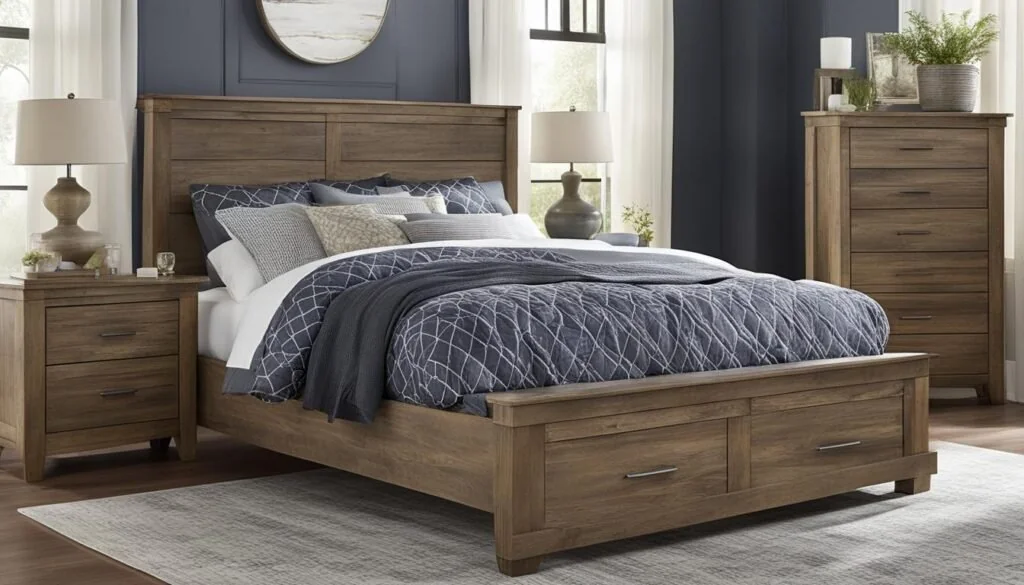
Helpful next steps: learn how to build a sturdy bed frame, compare platform vs. storage beds, and browse DIY bed frames for building your dream bed.

Related Reading

Comparing Bed Frame Materials: Your Guide to the Best Choice

Comparing Bed Frame Materials


Comparing Bed Frame Materials: Wood vs Metal Guide

Comparing bed frame materials like wood and metal helps you find the perfect match for your space. This guide breaks down durability, style, cost, and support so you can choose confidently.

In this guide on comparing bed frame materials, we’ll look at how wood and metal stack up across multiple factors—so you can choose the one that truly fits your needs, tastes, and budget.

Key Takeaways: Comparing Bed Frame Materials

  • Comparing bed frame materials highlights tradeoffs: wood excels in warmth and stability; metal wins on price, weight, and easy moving.
  • Wood bed frames provide warmth, solidity, and aesthetic versatility; metal bed frames tend to be more affordable, lightweight, and modern.
  • Prioritize weight capacity, noise control, maintenance, cost, and your bedroom’s aesthetic.
  • Quality construction matters more than material alone.
  • Match your frame to your mattress dimensions for the best fit.

Matching Your Bed Frame to Your Mattress Size

To get the right bed frame, always start with your mattress dimensions.

Measure the length, width, and even depth of your mattress. Some mattresses—like twin XL or California King—are nonstandard, so double-check those dimensions. Remember, the frame, headboard, or footboard may add a few inches. Also consider clearance for bedding, side tables, and walking space.

If you’d like a trustworthy reference, see the Sleep Foundation’s Mattress Size Guide, which outlines standard and specialty mattress dimensions in one place.

Considerations for Matching Frame + Mattress

  1. Measure precisely: Confirm mattress width, length, and any unusual dimensions.
  2. Account for frame overhang: Headboards, footboards, and side rails may add width or height.
  3. Check bedroom clearance: Leave at least 24–30″ on the sides for easy access, and make sure doors/windows aren’t obstructed.

By making sure your frame and mattress align dimensionally, you prevent wobble, uneven support, or gaps.

bed frame size guide for comparing bed frame materials

Types of Bed Frame Supports When Comparing Bed Frame Materials

The support system—platform base vs box spring—has a big effect on comfort, mattress life, and height.

There are two primary support systems used in bed frames:

  • Platform beds: Slats (closely spaced) or solid panels that support the mattress directly.
  • Box springs or foundations: A traditional base that lifts and supports the mattress beneath a fabric covering.

For a deeper comparison, see Architectural Digest’s platform vs. box spring overview.

bed frame height and support comparison

Comparing Wood and Metal Bed Frame Materials

Wood offers warmth, heft, and timelessness; metal offers affordability, lightness, and a sleek silhouette.

Here’s how they compare across key dimensions:

Durability & Strength

Solid hardwood frames (oak, maple, walnut) can last for decades if well cared for. They resist sagging and absorb shock well. However, cheaper woods (particleboard, MDF) may degrade faster.

Metal frames (steel, iron) are strong when well welded or braced. Thin-gauge metal can bend, and joints may loosen over time if hardware isn’t robust.

Noise & Stability

Wood tends to be quieter under load. Proper joinery and tight fittings reduce creaks. Metal frames can creak if bolts loosen; look for locking hardware or cross-bracing to minimize noise.

Weight & Mobility

Wood frames are heavier and harder to move once assembled. Metal frames are lighter and often modular, which makes them easier to shift or disassemble.

Cost

Entry-level wood frames usually cost more than budget metal frames due to material and labor. Premium wood (solid hardwood) can outprice mid-tier metal, while metal offers strong value at lower price points.

Style & Aesthetics

Wood frames suit classic, rustic, boho, or Scandinavian interiors. Metal frames fit minimal, industrial, or modern styles.

Maintenance & Care

Wood benefits from occasional polishing or sealing and protection from moisture. Metal may need touch-up paint or rust protection in humid environments.

Weight Support & Mattress Compatibility

For heavier sleepers or couples, engineering matters more than material. Well-designed wood or metal frames can exceed 1,000 lb capacity with strong center support and closely spaced slats.

wooden bed frame vs metal frame comparison for comparing bed frame materials

Eco & Sustainability Considerations When Comparing Bed Frame Materials

For an eco-conscious buyer, frame material choice affects carbon footprint, recyclability, and sourcing ethics.

  • Renewable wood sourcing: Choose FSC-certified or reclaimed wood frames.
  • Metal recyclability: Many steel frames are recyclable at end-of-life.
  • Production energy & transport: Local sourcing lowers carbon cost for both wood and metal.
  • Chemical treatments: Prefer low-VOC finishes or powder coating; avoid harsh adhesives or finishes.

Eco-Friendly vs Conventional Bed Frame Materials

When comparing bed frame materials, it’s important to weigh environmental impact across sourcing, use, and disposal.

Eco-friendly frames prioritize responsible wood (FSC), recycled metals, or reclaimed materials. Reclaimed wood reduces waste and adds unique character. Conventional wood often relies on particleboard or MDF with chemical adhesives that can off-gas. Conventional metal may use coatings that aren’t eco-optimized.

Recyclability matters: metal frames are often fully recyclable; solid wood can be refinished or repaired and even composted if untreated. Many low-grade composites end up in landfills due to adhesives and fillers.

For eco-conscious buyers, comparing bed frame materials with these criteria supports a healthier home and planet.

Buyer’s Guide to Certifications When Comparing Bed Frame Materials

Certifications help verify safety, sustainability, and low emissions.

FSC (Forest Stewardship Council) confirms responsibly managed forests for wood frames. GREENGUARD or GREENGUARD Gold indicate low chemical emissions for finishes and adhesives. If your frame includes upholstered or foam parts, look for CertiPUR-US® to avoid harmful chemicals. These signals make comparing bed frame materials clearer and safer.

Cost Comparison When Comparing Bed Frame Materials: Short vs Long-Term

Cost isn’t just about the sticker price—it’s about value over time.

Metal frames often win on upfront affordability, making them ideal for renters or guest rooms. Lower-cost models may need earlier replacement.

Solid hardwood frames cost more initially but can last decades with care. Over the long term, durability and timeless style can make them more economical than buying multiple budget frames.

Consider lifetime costs: assembly ease, maintenance, repairability, and warranty coverage. A higher upfront investment in a quality wood or reinforced metal frame may save money over time.

comparing bed frame materials final overview image with wood vs metal

Which Bed Frame Material Is Right for You? Comparing Bed Frame Materials by Lifestyle

Match the choice to your lifestyle and priorities.

Renters or frequent movers: Metal frames are lighter, easier to disassemble, and budget-friendly. A sturdy steel frame can be the most practical option.

Long-term homeowners: Solid hardwood frames offer longevity, repairability, and a look that ages gracefully.

Eco-conscious buyers: FSC-certified wood, reclaimed wood, or recyclable steel frames reduce environmental impact.

Design-focused sleepers: Wood offers wide stylistic range (rustic, farmhouse, Scandinavian). Metal suits industrial, minimal, or modern interiors.

Families: Solid wood frames can feel sturdier and less prone to shifting or squeaking.

By comparing bed frame materials across these scenarios, you can balance cost, durability, style, and sustainability—and choose a frame that supports both your home and your long-term comfort.

Trusted Brand Examples for Comparing Bed Frame Materials

Real-world examples help when comparing bed frame materials.

The Sleep Foundation’s best bed frame roundup covers options across wood and metal with notes on durability, price, and assembly.

Parachute Home emphasizes minimalist wood designs crafted from responsibly sourced hardwoods.

Architectural Digest highlights top-rated platform beds—both wood and metal—focusing on design appeal and long-term usability.

FAQ

Is a metal or wood bed frame quieter?
Wood frames tend to be quieter, as metal can creak with movement if joints loosen.
Which bed frame lasts longer—wood or metal?
Solid hardwood frames can last decades with maintenance; high-quality metal frames also last long when well engineered and protected from corrosion.
Are metal bed frames less expensive than wood?
Generally yes—metal offers better affordability at lower tiers, though premium wood frames can outlast cheaper metal and may be the better long-term value.

Final Thoughts: Comparing Bed Frame Materials

Choosing between wood vs metal bed frames comes down to your priorities—whether you value long-term durability, aesthetics, noise control, or eco credentials. Both materials can provide years of solid support when well built. At Cozy Bed Quarters, we recommend focusing on real specs (weight capacity, slat spacing, hardware quality) more than the label when comparing bed frame materials for your home.

Related Reading

10 Smart Ways to Maximize Space with Loft Beds

Loft Beds: "Maximizing Vertical Space"

Loft Beds That Maximize Vertical Bedroom Space

Feeling cramped in your bedroom? Loft beds are a game-changer for small spaces, offering a stylish and practical way to reclaim your floor space. Let’s explore how loft beds can turn your bedroom into a cozy, functional sanctuary while still reflecting your personal style.

Key Takeaways

  • Space Efficiency: Loft beds free up valuable floor space.
  • Multi-Functionality: Combine sleep, work, storage, and relaxation.
  • Customization: Tailor loft beds for small or shared spaces.
  • Aesthetic Variety: Match with any decor style—modern, rustic, or industrial.
  • Sustainability: Reduce your furniture footprint and make greener choices.

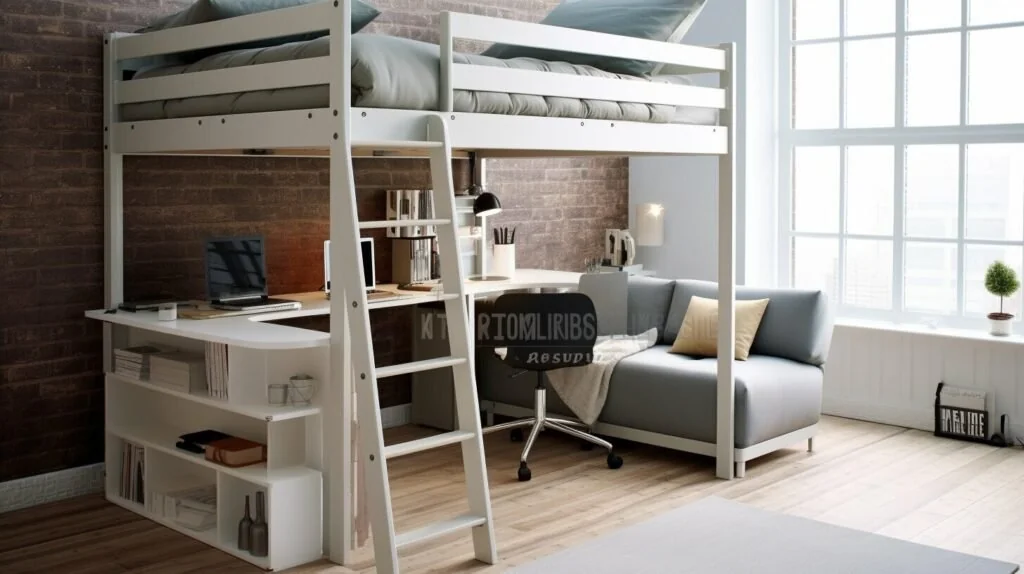
1. Create a Cozy Workstation Underneath

Elevate your bed and utilize the space below as a dedicated workspace. Whether you’re working from home or need a study area, a loft bed with an integrated desk keeps your room tidy and efficient. It’s ideal for remote workers, students, or creatives seeking a defined corner to focus. For additional ideas on saving floor space, check out these space-saving bed frame solutions.

Loft Beds

2. Incorporate Built-In Storage

One of the best features of modern loft beds is the potential to add built-in storage. Drawers under the stairs, cubbies in the frame, or overhead shelves help keep clutter at bay. These smart additions help you store everything from clothes to books without using extra furniture. See creative storage solutions with loft beds on Lord Decor.

Loft Beds

3. Design a Relaxing Lounge Area

A loft bed doesn’t have to be all about utility—it can create space for unwinding too. Set up a small sofa or bean bag underneath and add a lamp or fairy lights for a relaxed vibe. This cozy nook is perfect for reading, watching shows, or catching up with friends. For more design inspo, visit Architectural Digest.

Loft Beds

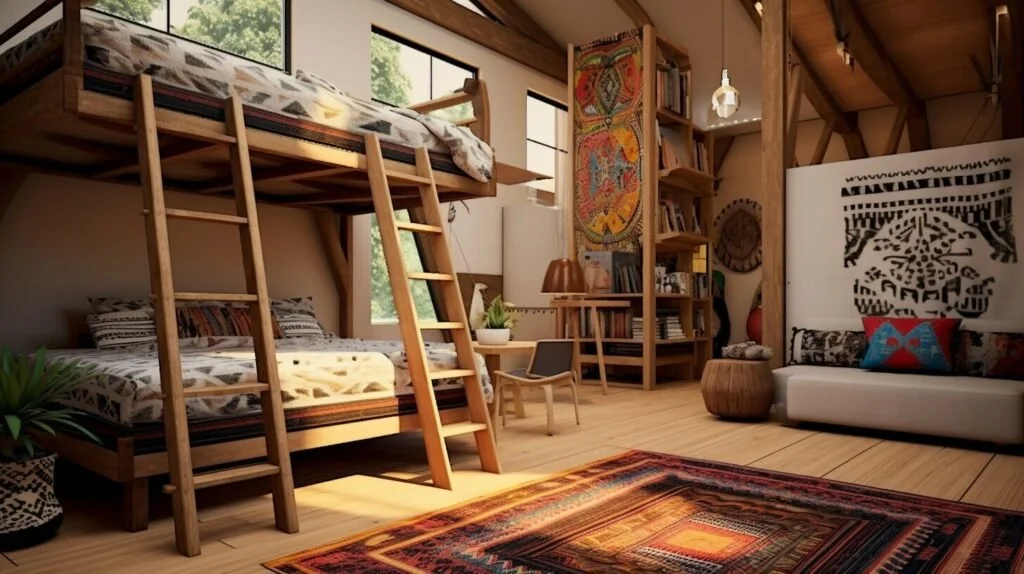
4. Optimize for Shared Bedrooms

Loft beds are lifesavers in shared bedrooms. You can use bunk-style layouts or L-shaped arrangements for roommates, siblings, or guests. Add curtains or personalized decor to define each person’s space and keep things cozy. See more shared bedroom hacks from Pottery Barn Kids.

Loft Beds

5. Embrace International Design Inspirations

Loft beds aren’t a one-size-fits-all design. Parisian lofts bring vintage charm, while Scandinavian ones emphasize simplicity and light. Industrial Brooklyn conversions add raw edge with wood and steel. Borrow globally loved styles and adapt them to your room’s personality. Find inspiration worldwide on The Spruce.

Loft Beds

6. Customize for Small Spaces

Not all bedrooms are created equal, which is why custom loft beds are so valuable. From 125-square-foot cottages to snug guest rooms, personalized designs make it possible to have both comfort and functionality. Incorporate wardrobes, desks, or stairs to truly make it your own. Check out Apartment Therapy for DIY-friendly layouts.

Loft Beds

7. Add a Touch of Playfulness

Loft beds for kids can be just as practical as they are fun. Incorporate a slide, play tent, or treehouse theme to make the bedroom a dreamland. These beds encourage imaginative play while freeing up space for toy bins or craft tables. Explore whimsical options at Pottery Barn Kids.

Loft Beds

8. Enhance Aesthetic Appeal

From sleek metal frames to natural wood finishes, the style of your loft bed can match any decor. Modern lovers might prefer black steel, while rustic fans go for warm wood grains. Use bedding, lighting, and art to tie it into the room. Explore trending decor with Architectural Digest.

Loft Beds

9. Focus on Sustainability

Choosing a loft bed made from responsibly sourced wood or recycled materials is a great step toward greener living. Many designs also reduce the need for additional furniture, lowering your consumption footprint. Less furniture, less waste. Learn more about sustainable living from Architectural Digest.

Loft Beds

10. Plan for the Future

Modular loft beds grow with you. Look for ones that let you swap the desk for a dresser or separate the frame into twin beds. These future-proof options are great investments, especially for children or evolving spaces. Discover flexible furniture tips on The Spruce.

Loft Beds

FAQs

Are loft beds safe for adults?
Yes! Many loft beds are built with adult users in mind, offering sturdy frames and wider dimensions for comfort and safety.
What’s the ideal ceiling height for a loft bed?
Ceilings should be at least 8 feet tall to allow comfortable headspace above and below the bed.
Can I build a loft bed myself?
Absolutely. With the right materials and tools, you can DIY a loft bed tailored to your room. Just ensure it’s secure and stable!

Related Articles