
Beds and Bed Features
Choosing the right Beds and Bed Features is vital – after all, we spend roughly one-third of our lives in bed. Let’s dive into sizes, materials, styles, and comfort-boosting upgrades to help you craft your ideal sanctuary. Understanding the right Beds and Bed Features can noticeably improve your sleeping experience.
Key Takeaways
- The right Beds and Bed Features can dramatically improve your sleep quality and room design.
- Selecting the ideal bed size ensures both comfort and a balanced bedroom layout.
- Explore diverse bed styles—platform, canopy, Murphy, bunk, and sleigh—to match function with personality.
- Comfort upgrades like adjustable bases, storage, and smart tech maximize lifestyle fit.
- Durability, warranty, and material quality determine long-term satisfaction and value.
1. Why Beds and Bed Features Matter for Sleep Quality & Room Design
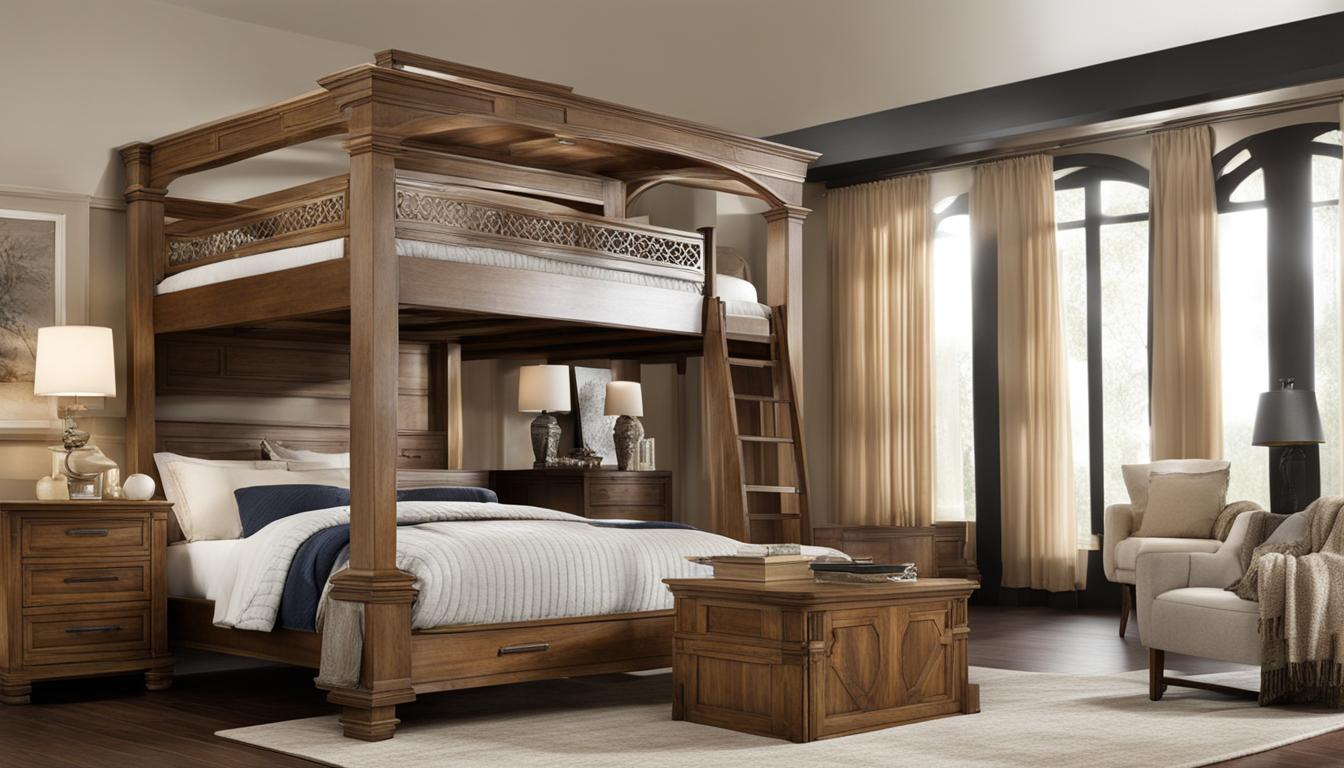
Beds and Bed Features are more than just practical—they shape your sleep, posture, health, and bedroom vibe. A supportive frame aligns your spine; the right mattress base reduces partner disturbance; and storage features keep your sanctuary clutter-free, fostering restful sleep. Beyond function, the aesthetic of a bed anchors the mood of the entire room.
Your bed often takes center stage in bedroom décor. Whether you favor a sleek modern aesthetic or a cozy retreat, your bed frame and features set the tone. A cohesive design can ease stress, signal relaxation, and even improve sleep quality. For an even smoother experience, explore our guide to choosing the right bedding, since linens and accessories complete the environment. Discover more healthy sleep tips from Sleep Foundation.
2. Understanding Bed Sizes & Dimensions
Selecting the right size is crucial for comfort and fit. Each bed size serves unique needs, from compact sleeping quarters to spacious master suites. Overlooking bed size often leads to poor sleep and wasted space—choosing correctly can enhance both comfort and functionality.
- Twin (39″ × 75″): Best for kids, guest rooms, or compact spaces.
- Twin XL (39″ × 80″): Adds length for tall teens or dorm dwellers.
- Full (54″ × 75″): Cozy for solo sleepers who prefer extra room.
- Queen (60″ × 80″): The top pick for couples—ample space without overwhelming average rooms.
- King (76″ × 80″): Luxurious space for couples or pet-sharing sleepers.
- California King (72″ × 84″): Ideal for tall individuals or long rooms.
We explore these and more in our guide to bed sizes and sleep quality. Many experts recommend at least 24–36 inches of clearance on each side for easy navigation. Planning ahead prevents regret and ensures your bedroom remains a restful, clutter-free haven.
3. Choosing a Bed Style That Suits You
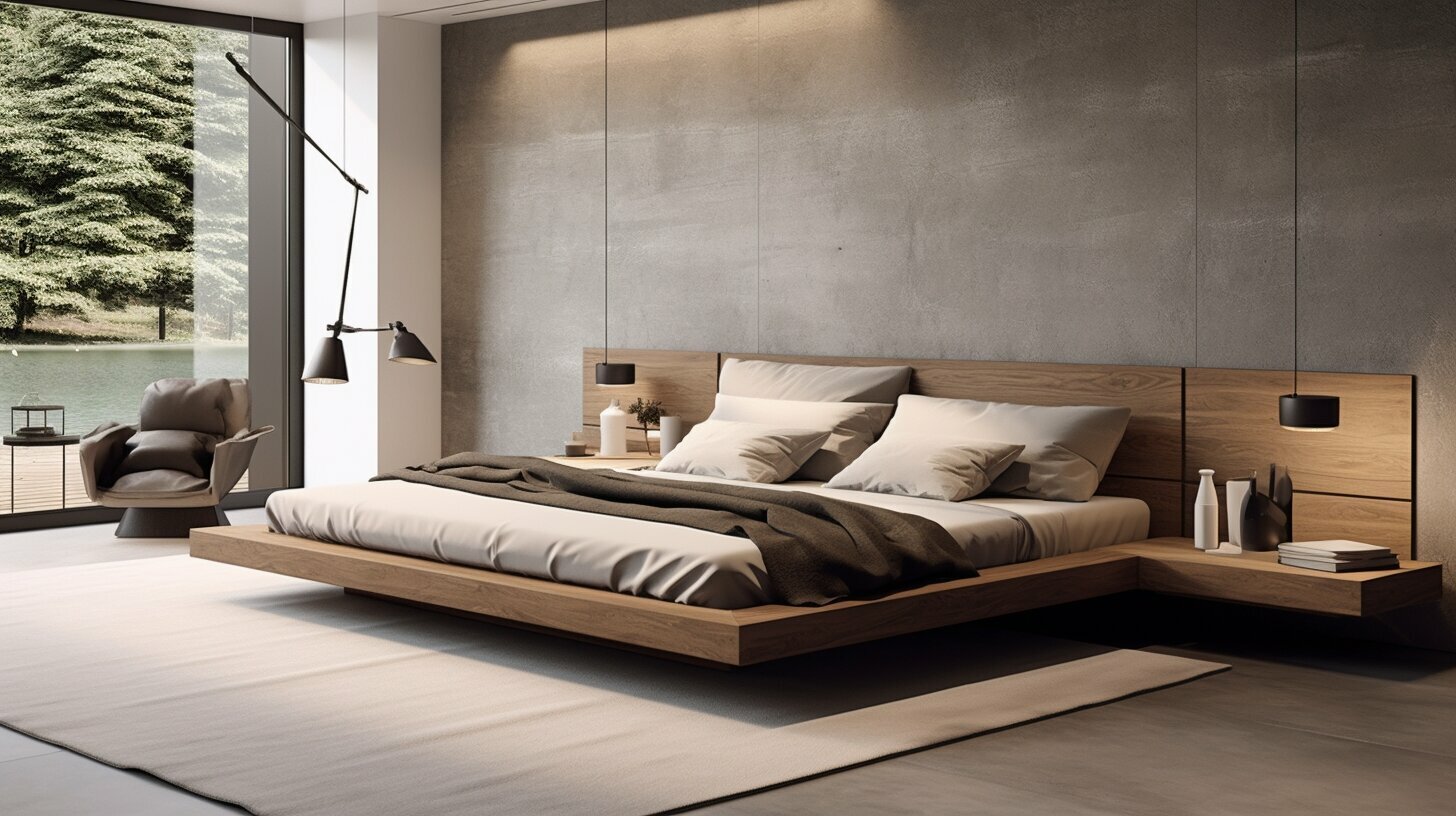
Bed styles go far beyond aesthetics—they influence how you interact with your bedroom each day. A thoughtfully chosen frame reflects personality while supporting lifestyle needs like storage, lounging, or saving space. Here’s a closer look at popular styles:
- Platform Beds: Low-profile with clean lines, often eliminating the need for a box spring. Perfect for modern, minimalist looks.
- Canopy Beds: Tall four-poster frames allow for draped fabric or decorative accents, creating a dramatic, cozy atmosphere.
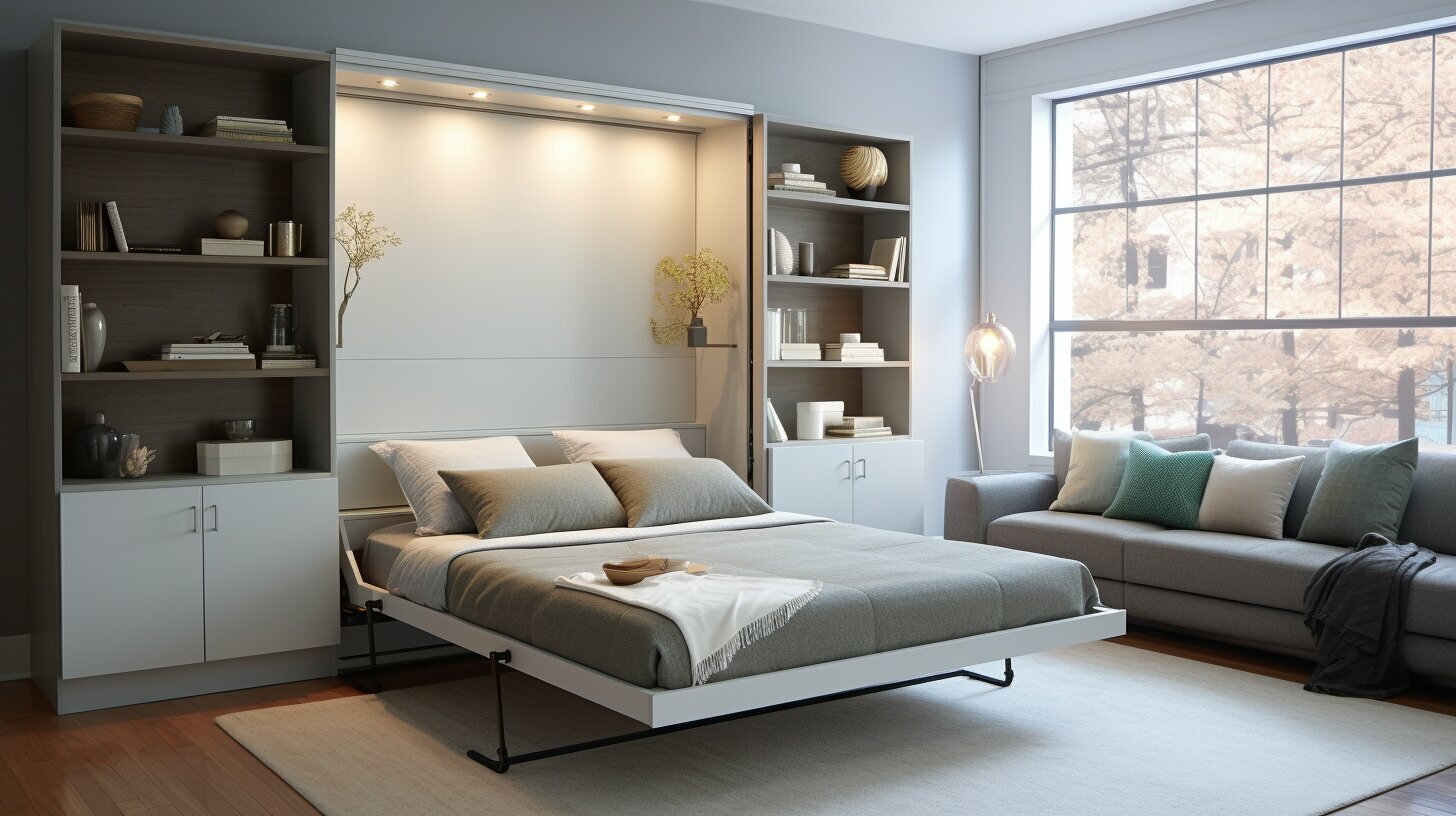
- Murphy Beds: Designed to fold into a wall or cabinet, making them ideal for small apartments or multi-purpose rooms.
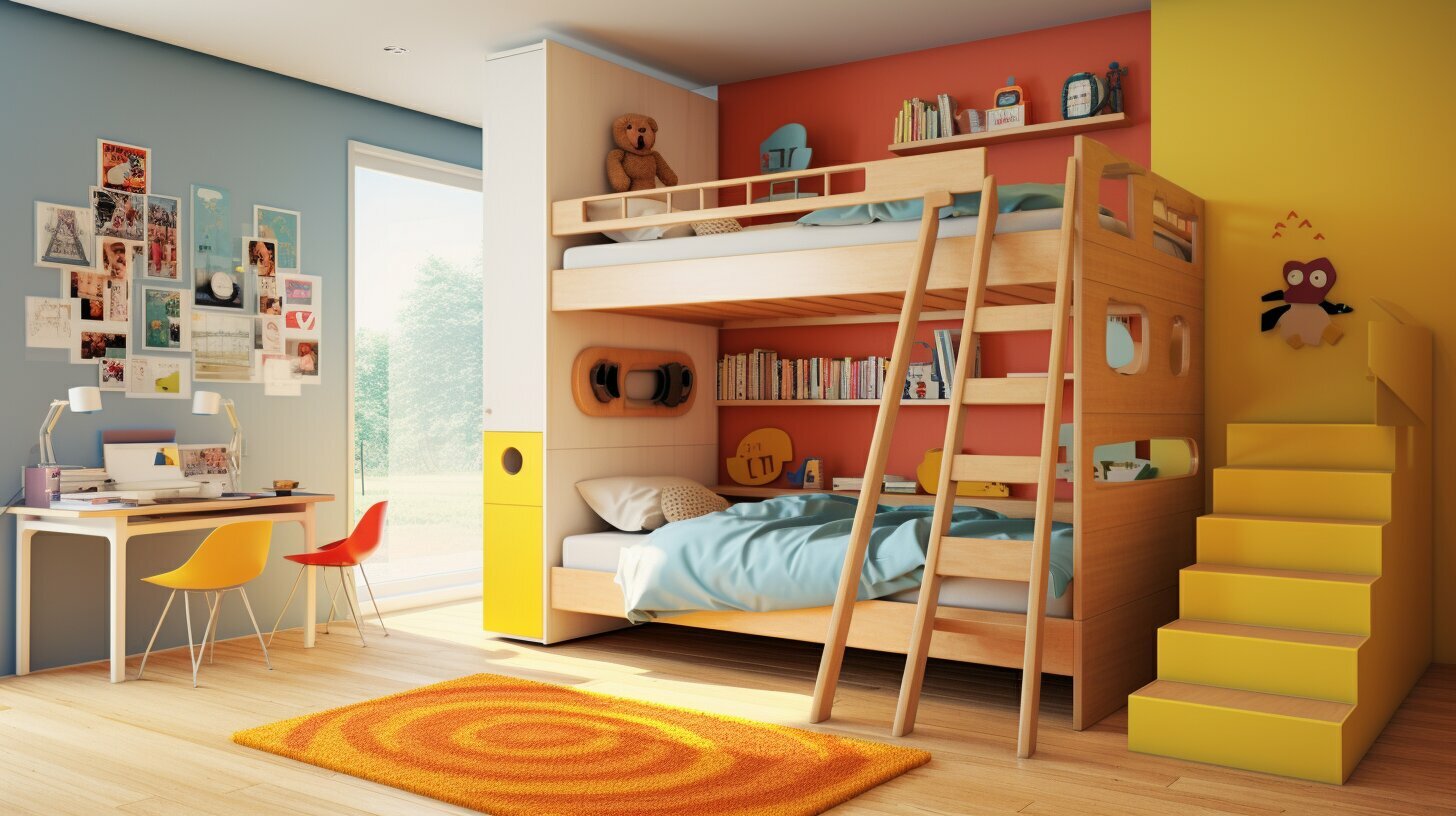
- Bunk Beds: Functional for shared kids’ rooms or guest spaces, often with built-in ladders and storage options.
- Sleigh Beds: Characterized by curved headboards and footboards, bringing a timeless, classic charm to any bedroom.
Each of these designs not only enhances visual appeal but also meets practical needs. For example, a Murphy bed can free up office space during the day, while a canopy bed might create a luxurious sanctuary. Dive deeper into design choices with our bedroom materials and design guide.

4. Essential Bed Features for Comfort & Functionality
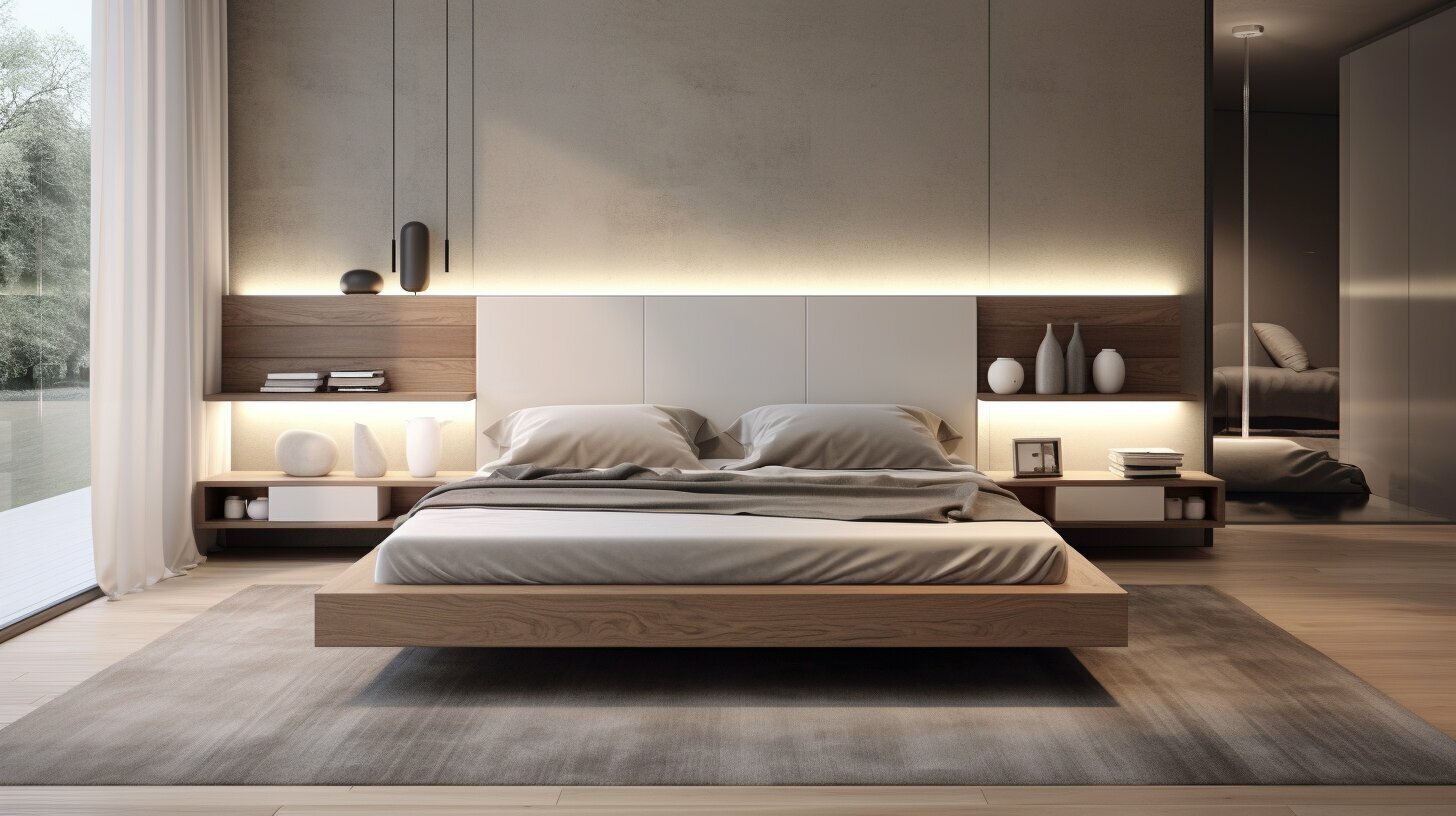
Comfort isn’t just about the mattress—it’s about how every element of your bed works together. Adjustable bases let you raise your head or feet, which can improve circulation, relieve pressure, and reduce snoring. Built-in storage drawers or lift-up platforms simplify small-space living, reducing clutter while keeping essentials within reach.
Smart technology also has a growing role in modern bedrooms. Features like USB charging ports, under-bed lighting, and even temperature-regulating systems add convenience and enhance relaxation. To see which accessories work best, check out our guide on platform and storage beds.
5. Matching Bed Features to Your Lifestyle
Matching your bed features to your daily habits can significantly improve your sleep and satisfaction. If you love reading or watching shows in bed, an adjustable frame with built-in lights is a must-have. Parents may appreciate bunk beds with integrated storage, while city dwellers benefit from Murphy or loft setups that maximize every inch.
Consider your long-term routines, too. For example, if you’re planning for growing kids, a bunk or loft can transition with them into teenage years. Similarly, investing in a durable platform bed today may save you from frequent replacements later.
6. Investing Wisely: Durability, Warranty & Budget
Choosing a bed isn’t just about style—it’s a long-term investment in your health and comfort. Focus on quality materials like solid hardwood, reinforced steel, or engineered wood with proper finishes that resist wear. These materials not only extend the life of your bed but also provide stability and safety.
Warranty coverage is another sign of confidence from manufacturers. Look for beds offering 5–10 years of protection, especially on moving parts like adjustable bases. When balancing cost, prioritize features that directly improve your day-to-day rest—such as ergonomic support or storage—over extras that add expense without value.
7. How to Style Your Bed for Ultimate Comfort
Styling your bed is where function meets personal flair. Start with a high-quality mattress protector and fitted sheet for cleanliness and longevity. Add plush pillows and seasonal duvets for comfort, then layer with throws and cushions to bring texture and warmth. A bold headboard or canopy can act as a statement piece, making your bed the true centerpiece of the room.
Bed Type Comparison: Finding Your Perfect Match
With so many bed types out there, picking the right one can feel overwhelming. But it doesn’t have to be. Here’s a side-by-side comparison that cuts through the noise and shows you what actually matters for each style.
| Bed Type | Best For | Storage | Price Range | Space Needed |
|---|---|---|---|---|
| Platform Bed | Minimalists, small rooms | Often built-in drawers | $200 – $1,500 | Low — no box spring needed |
| Adjustable Bed | Back pain, reading in bed | Minimal | $500 – $3,000+ | Standard — needs wall clearance |
| Canopy Bed | Statement piece, romance | None built-in | $400 – $3,000 | High ceilings required |
| Four-Poster Bed | Traditional style, larger rooms | None built-in | $500 – $4,000 | Spacious rooms only |
| Storage Bed | Small apartments, maximizers | Drawers or lift-up | $300 – $2,000 | Moderate — allow drawer clearance |
| Murphy Bed | Multi-use rooms, studios | Bed IS the storage | $800 – $3,500 | Wall mounting required |
| Sleigh Bed | Classic elegance lovers | None built-in | $400 – $2,500 | Extra room for curved foot |
| Bunk Bed | Kids, guest rooms | Some models include it | $200 – $1,500 | Ceiling height 8ft+ ideal |
The right bed type depends on three things: your room size, your sleep habits, and how you actually use your bedroom during the day. Someone who works from their bedroom has different needs than someone who only uses it for sleeping.
Adjustable Beds vs. Platform Beds: The Head-to-Head
These two bed types get compared a lot, and for good reason. They’re the most popular choices for adults who want something beyond a basic frame.
Adjustable beds let you raise the head or foot of the mattress with a remote or app. If you deal with back pain, acid reflux, snoring, or just love reading and watching TV in bed, an adjustable base is a genuine quality-of-life upgrade. The motor does the work, and most modern units are whisper-quiet.
The downside? They cost more, weigh more, and limit your mattress options to flexible types like memory foam or latex. Innerspring mattresses don’t bend well on adjustable frames. You’ll also need wall clearance behind the headboard for the tilting mechanism.
Platform beds are simpler and cheaper. They sit low to the ground, skip the box spring entirely, and work with almost any mattress type. Many platform designs include built-in drawers or a lift-up storage cavity, which makes them fantastic for small bedrooms. For a deep dive into storage-focused options, see our platform and storage beds guide.
The trade-off is that platforms are static. You can’t change the sleeping angle, and the low profile can make getting in and out harder for people with mobility issues. If comfort customization matters more than simplicity, go adjustable. If you want clean lines and storage on a budget, platform is your pick.
Canopy Beds vs. Four-Poster Beds: What’s the Difference?
People mix these up constantly, and honestly, the line between them is blurry. Both have four tall posts at the corners. The difference is what happens at the top.
A four-poster bed has four vertical posts and nothing connecting them. The posts themselves are the design statement. They can be ornate and carved, or sleek and modern. Either way, the top is open.
A canopy bed takes those four posts and connects them with a frame across the top. That frame can hold fabric drapes, sheer curtains, or stay bare for a structural look. The canopy creates a sense of enclosure that some people find cozy and others find claustrophobic. Try it in person before buying if you can.
Both styles need room. A canopy bed in a bedroom with eight-foot ceilings will feel cramped. Nine feet or higher works much better. Four-poster beds are slightly more forgiving on ceiling height since there’s nothing across the top. For more global style inspiration, our bed designs from around the world guide covers how different cultures approach tall-frame beds.
Smart Features Worth the Money (And Ones That Aren’t)
Smart bed features have exploded in the last few years. Some are genuinely useful. Others are gimmicks that sound cool in a showroom and collect dust at home. Here’s what’s actually worth paying for.
Worth it:
- USB charging ports built into the headboard or frame. Simple, useful, and saves you from fumbling with power strips behind the nightstand.
- Under-bed LED lighting with motion sensors. They turn on when your feet hit the floor at 2 AM, so you don’t blind yourself with the overhead light. Genuinely helpful.
- Adjustable firmness zones on dual-sided mattresses. If you and your partner prefer different firmness levels, this is a relationship saver.
- Whisper-quiet motors on adjustable bases. A noisy motor defeats the purpose of a relaxing bed.
Skip it:
- Built-in speakers in the headboard. They sound worse than a ten-dollar Bluetooth speaker and you can’t upgrade them.
- Sleep tracking built into the mattress. Dedicated trackers like Oura or Whoop are more accurate and don’t lock you into one mattress brand.
- Automatic bed-making mechanisms. They exist. They’re expensive. They break. Just make your bed the old-fashioned way.
For a complete look at sleep tech options, check out our smart beds and sleep tracking guide.
Your Bed Buying Checklist: 10 Things to Verify Before You Buy
Before you hand over your credit card, run through this checklist. It takes five minutes and saves you from the most common buying mistakes.
- Measure your room first. Including doorways, hallways, and stairwells the bed needs to pass through. More people forget this step than you’d think.
- Check mattress compatibility. Not every frame works with every mattress. Adjustable bases need flexible mattresses. Platform beds need no box spring. Verify before ordering.
- Test the bed height. Sit on a surface the same height as the frame you’re considering. Can you get in and out comfortably? This matters more as you get older.
- Read the weight capacity. Every frame has one. If two adults plus a dog will be on this bed, add up the weight and make sure the frame can handle it with room to spare.
- Check the warranty. Good frames come with five to ten years of coverage. If the warranty is under two years, that’s a red flag about build quality.
- Inspect the slat system. Slats should be spaced no more than three inches apart for most mattresses. Wider gaps can void your mattress warranty and cause sagging.
- Consider assembly. Some frames require professional assembly. Factor that cost in, or check if tools are included.
- Look at the return policy. You won’t know if you love a bed until you sleep on it. A 30-day return window is the minimum you should accept.
- Budget for the whole setup. Frame, mattress, bedding, and accessories. A great frame with a cheap mattress still sleeps badly.
- Read real reviews. Not just the five-star ones. Look for patterns in three-star reviews, which tend to be the most honest about pros and cons.
For help choosing the right bedding to go with your new frame, our bedding materials guide covers fabrics and fills in detail. And if you’re looking for the perfect nightstand to complete the setup, we’ve got you covered there too.
Best Bed Type for Your Situation
Still not sure which direction to go? Here are some quick recommendations based on common situations:
- First apartment on a budget: Platform bed with built-in storage. Affordable, functional, and no box spring to buy.
- Couple with different sleep preferences: Adjustable bed with split firmness zones. You each get your own comfort settings.
- Small studio apartment: Murphy bed. It disappears during the day and gives you back your living space.
- Kids sharing a room: Bunk bed with built-in drawers. Maximizes floor space and keeps their stuff organized.
- Master bedroom makeover: Canopy or four-poster bed for a dramatic upgrade. Pair with quality bedding and good lighting.
- Back or joint pain: Adjustable bed, hands down. The ability to change positions without stacking pillows is a big deal.
- DIY enthusiast: Custom platform bed. Build it exactly to your specs and add whatever features you want. Our DIY bed frame projects guide can get you started.
FAQ
- How do I measure my room for the right bed size?
- Measure the room dimensions and subtract space for furniture. Leave at least 24–36 inches of walking space. Use painter’s tape to outline bed sizes on the floor for a better visual fit.
- Can I retrofit storage to a regular bed frame?
- Yes, with rolling bins or under-bed organizers. Some manufacturers offer retrofit drawers or compartments. Pair with a storage bed accessory skirt to keep things tidy.
- How do adjustable beds affect mattress choices?
- They pair best with memory foam, latex, or hybrid mattresses. Always confirm “adjustable base compatible” labeling to protect comfort and warranty.
- What smart features are truly useful?
- USB ports, ambient lighting, massage, and temperature control are common. Choose based on your lifestyle to avoid paying for unused features.
By carefully choosing Beds and Bed Features that match your sleep needs, room layout, style preferences, and comfort goals, you can create a bedroom that supports your health, reflects your taste, and feels like the haven you deserve. Explore our guides on bedding materials and bedroom design for comfort and durability to keep your space feeling fresh and functional year-round.