
Custom Bed Frame Materials
Choosing the right materials for a custom bed frame can elevate your sleep experience and match your unique style. Whether you prefer the warmth of wood, the sleek look of metal, or the practicality of a platform design, this guide helps you build the perfect custom solution for your space, lifestyle, and comfort needs.
Key Takeaways
- Solid wood custom bed frames offer timeless charm and long-lasting strength.
- Metal frames bring durability, a modern edge, and high weight capacity.
- Composites are budget-friendly for short-term or lightweight uses.
- Platform frames are ideal for custom builds with storage and no box spring.
- Sustainable materials like FSC wood and recycled steel support eco-conscious design.
Solid Wood: Natural Beauty and Strength for Custom Builds
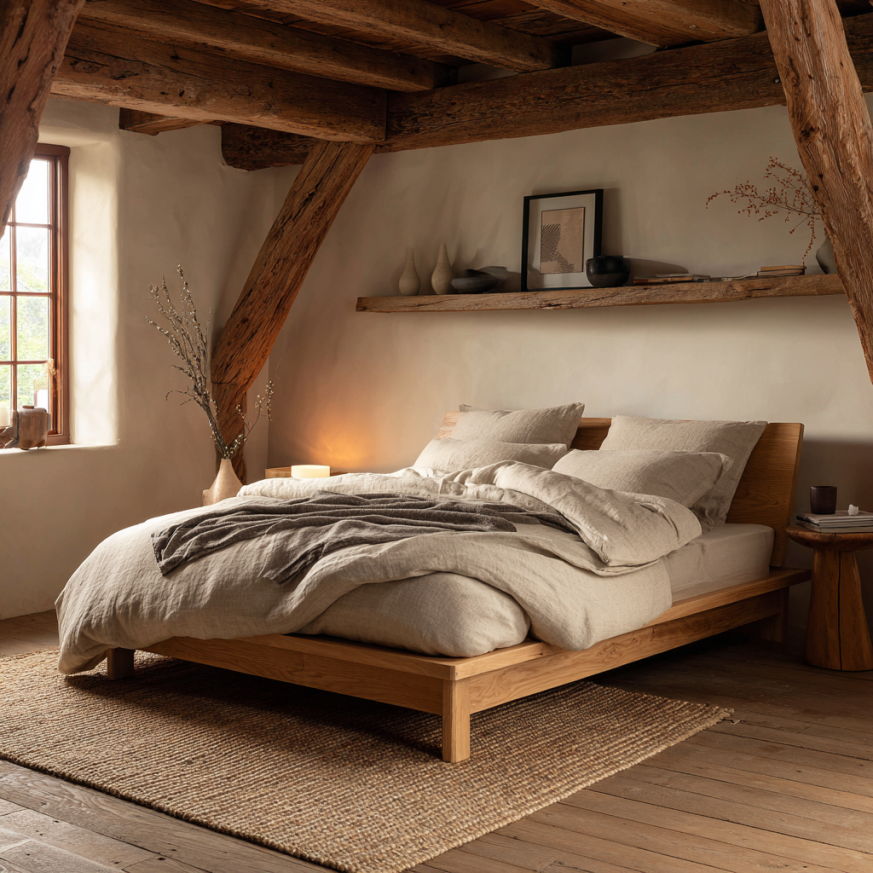
Hardwoods like oak, walnut, and maple are excellent materials for crafting a custom bed frame. These woods offer durability, rich natural grain, and timeless appeal. A custom wood frame can be designed to match any room style—from rustic to Scandinavian. For more help choosing, see our guide on sustainable bed frame materials.
- Refinishable for long-term use
- Pairs well with nearly all mattress types
- Custom stain or paint options
Metal Frames: Modern Style Meets Strength
Designing a custom bed frame with metal allows for sleek, minimalist aesthetics with exceptional strength. Steel and iron are great choices for durability and pest resistance. Explore our guide on platform and storage beds for integration ideas.
- Ideal for industrial or urban-style bedrooms
- Available in many powder-coated finishes
- Less bulky—great for tighter layouts

Composite & Plastic: Budget-Friendly for Temporary Custom Frames
For quick or low-cost projects, MDF, particleboard, or plastic components may work in a custom bed frame. These materials are lightweight and easy to assemble. However, they’re not ideal for long-term durability. Review our mattress guide to ensure compatibility with these builds.
- Good for guest rooms or kids’ beds
- Often found in flat-pack custom builds
Platform Beds: Ideal Base for Custom Bed Frames
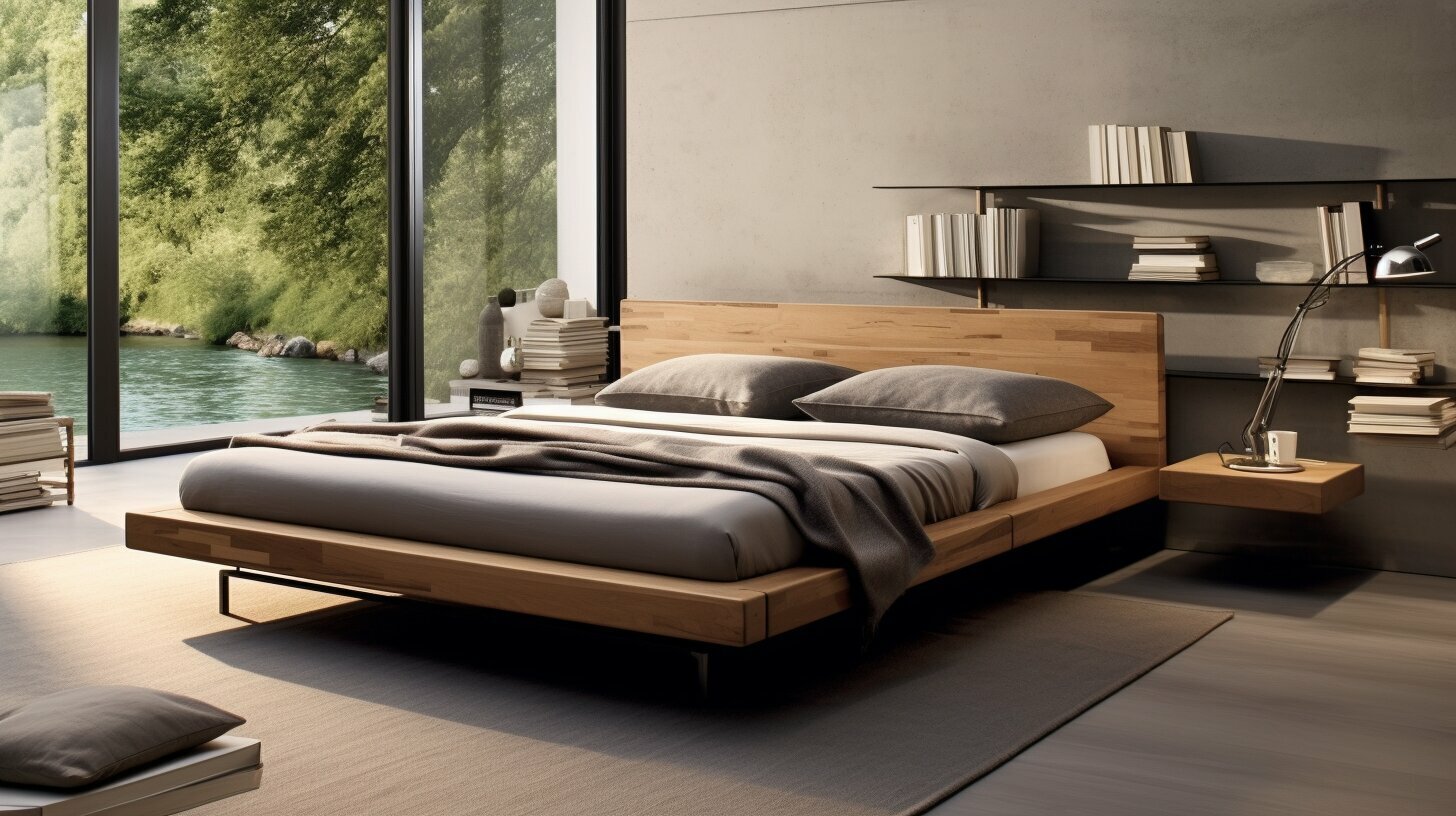
If you’re planning a custom bed frame, platform designs offer flexibility, support, and a sleek profile without the need for a box spring. Many also include built-in storage. Learn more in our platform and storage beds guide.
- Great for custom under-bed storage
- Pairs well with memory foam or hybrid mattresses
- Supports sleek, contemporary styles

Sustainable Materials for Custom Bed Frames
FSC-certified wood, recycled steel, bamboo, and reclaimed wood are all excellent options for sustainable custom bed frame projects. Explore our sustainable bed frame materials article for more eco-conscious ideas.
Size & Height Planning for Custom Frames
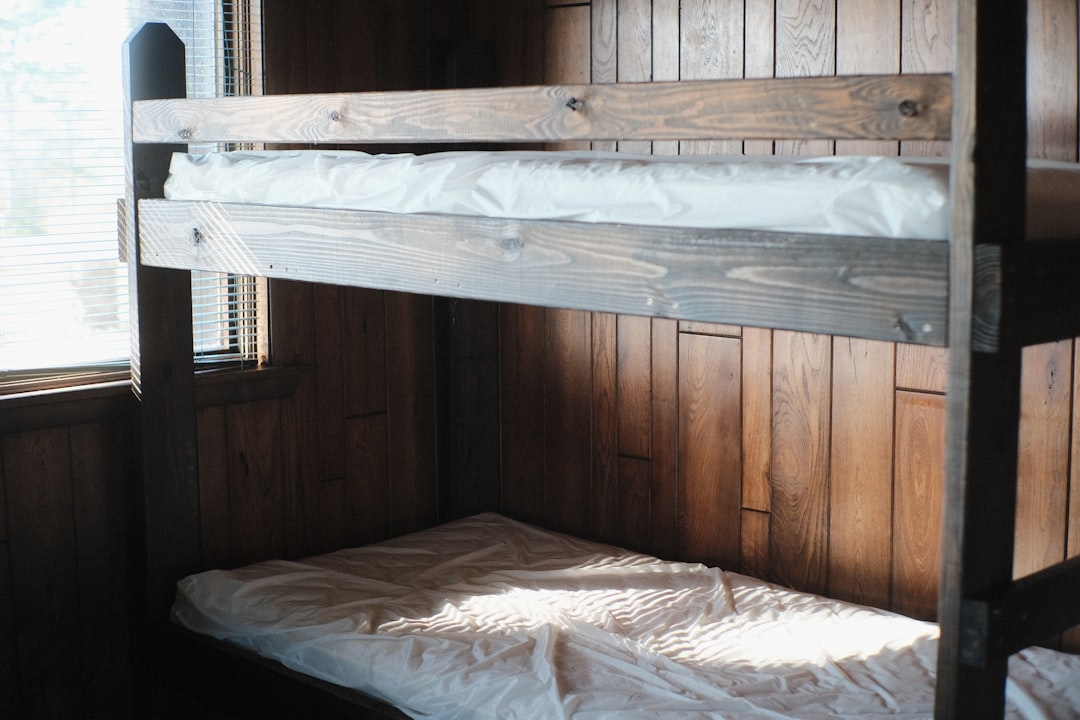
Custom bed frames should be designed to match both your mattress and the room’s layout. Consider ceiling height, walkways, and under-bed clearance. If designing for a small space, low-profile or lift-up storage options may help maximize functionality. Use our mattress guide for sizing help.
Maintenance Tips for Custom Frames
- Dust weekly to preserve finish
- Check screws and joints seasonally
- Use protective pads to avoid floor damage
Regular maintenance will keep your custom bed frame looking and functioning great. Clean wood with mild products, and treat metal to prevent rust—especially in humid climates.
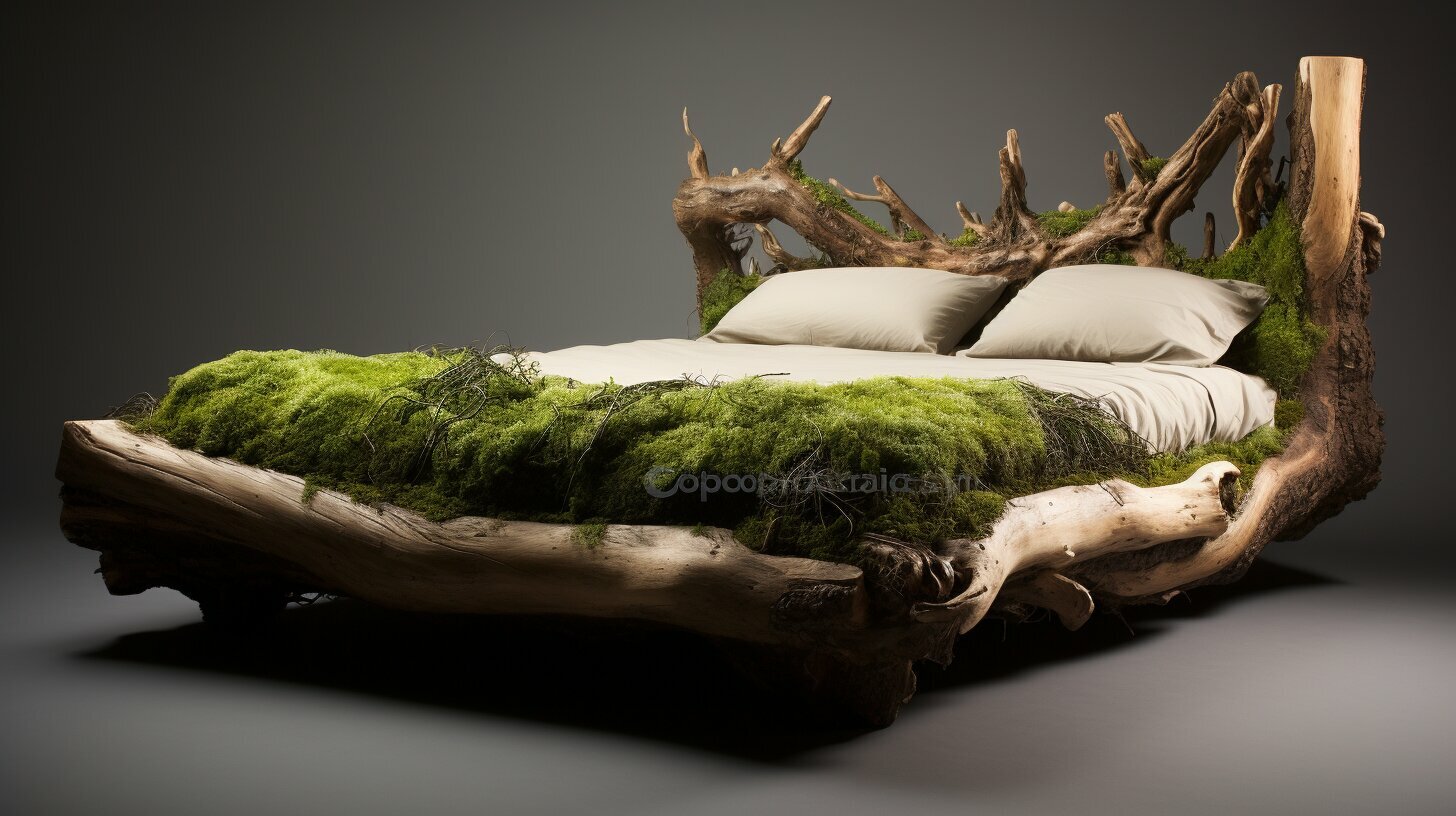
No matter which direction you take your custom bed frame project, the key is matching materials and design to how you actually live. A weekend DIY build can be just as rewarding as a professional commission if you plan well and pick the right materials for your situation.
Final Thoughts on Building the Perfect Custom Bed Frame
When creating a custom bed frame, your material choice sets the foundation for comfort, durability, and design. Whether you choose handcrafted hardwood, modern metal, or a sustainable hybrid, your custom frame should reflect your lifestyle and sleep needs. For more inspiration, check out our guide on using essential oils for relaxation.
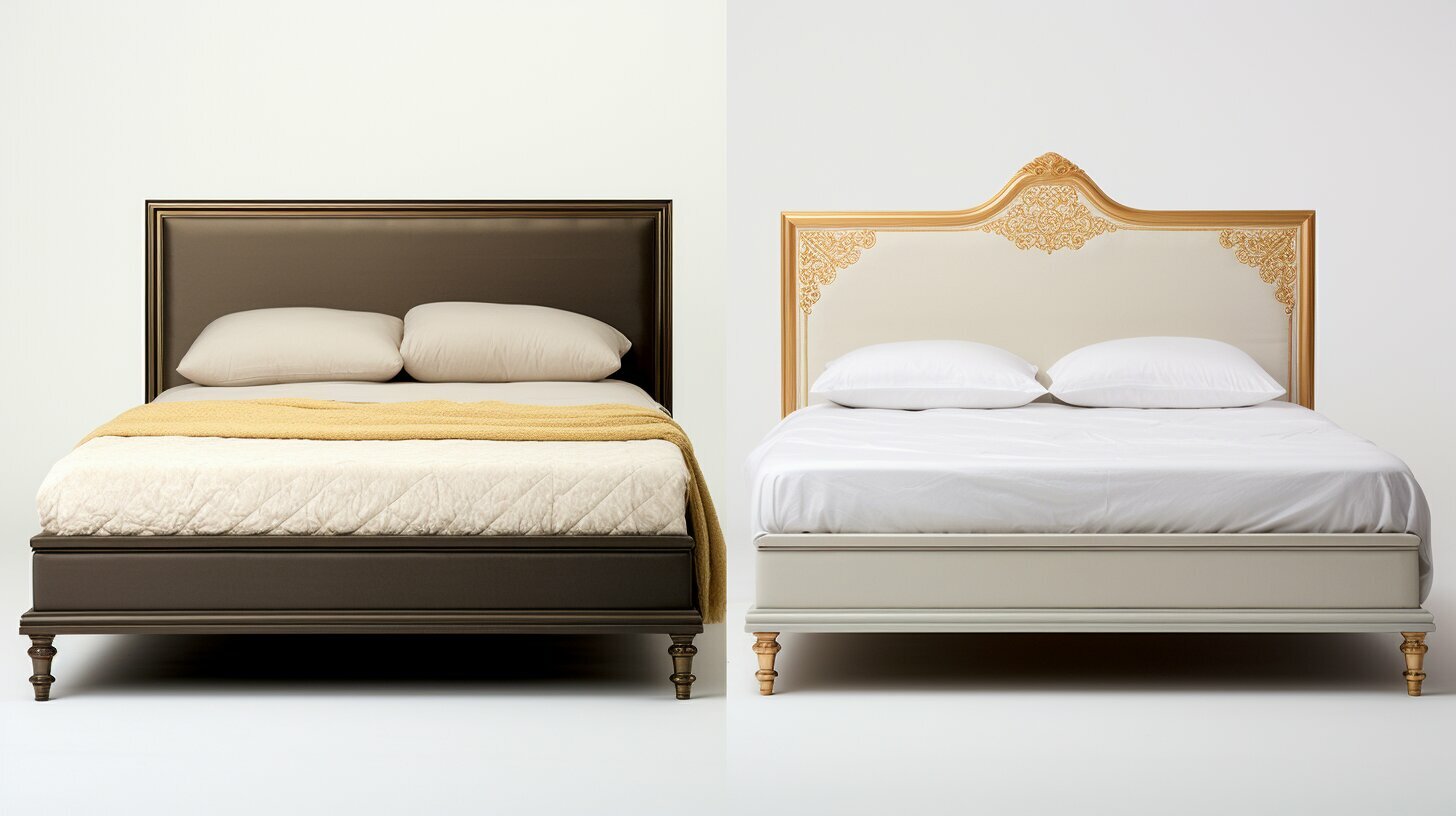
Choosing Wood for Your Custom Build: A Practical Breakdown
If you’ve decided on wood for your custom bed frame, the next question is which species. Each type handles weight, moisture, and wear differently, and your pick should match how you plan to use the bed and how much you want to spend upfront.
Oak is the workhorse. It handles heavy loads, resists dents, and takes stain beautifully. White oak is slightly harder than red oak and has better moisture resistance, which matters if you live somewhere humid. Expect to pay around twelve to fifteen dollars per board foot for quality white oak lumber.
Walnut brings a rich, dark tone that photographs well and ages gracefully. It’s softer than oak, so it dents more easily, but for a bed frame that isn’t getting kicked around, that rarely matters. Budget about fifteen to twenty dollars per board foot.
Pine and poplar sit at the budget-friendly end. Pine shows character with its knots and grain variation, while poplar takes paint better than almost any other wood. Neither will last as long as hardwood under heavy use, but for a guest bed or a kid room, they’re solid picks at five to eight dollars per board foot.
If you want to compare how these materials stack up against metal and composite options, our bed frame materials comparison guide covers the full spectrum.
Upholstery and Fabric Options for Custom Frames
Adding fabric to a custom bed frame gives it a finished, polished look that bare wood or metal just can’t match. Upholstered headboards and side rails turn a simple frame into something that feels intentionally designed.
Linen is the go-to for a relaxed, organic look. It breathes well, softens over time, and works in almost any bedroom style. The downside? It wrinkles. If that bothers you, look for a linen-cotton blend that holds its shape better.
Velvet adds instant luxury. A deep emerald or navy velvet headboard makes a statement, and the fabric is surprisingly durable if you pick a performance-grade option. Just keep it away from direct sunlight, which can fade the color over time.
Performance fabrics like Crypton or Sunbrella are worth considering if you’ve got kids or pets. They resist stains, clean up easily, and still feel comfortable. They don’t have the same texture as natural fibers, but the trade-off in durability is often worth it.
For a DIY upholstery job, you’ll need about three to four yards of fabric for a queen headboard, plus a couple inches of foam padding and a plywood backer. Total material cost usually lands between sixty and one hundred fifty dollars depending on the fabric. Our DIY bed frame projects guide includes step-by-step instructions for wrapping your own headboard.
Working With a Craftsman: What to Expect
Going fully custom means either building it yourself or hiring someone who can. If you choose a professional, here’s what the process typically looks like.
Start with measurements. A good craftsman will want to see your bedroom, or at least get detailed room dimensions, before quoting anything. Ceiling height, doorway width, and floor type all affect the design. Bring photos of styles you like. Pinterest boards are genuinely useful here.
Expect a design consultation that covers materials, finish options, and timeline. Most custom bed frame builds take four to eight weeks, depending on complexity and the builder schedule. Rush jobs cost more and sometimes compromise quality, so plan ahead if you can.
Budget-wise, a custom hardwood bed frame from a local woodworker typically runs between eight hundred and three thousand dollars for a queen size. That includes materials, labor, and a basic finish. Add upholstery, special joinery, or built-in storage, and the price climbs. But you’re getting something that fits your room exactly and that no one else has.
Before you commit, ask for references and look at past work. A skilled craftsman should be happy to show you examples. And always get a written agreement that covers timeline, materials, finish, and final price.
Budget Planning for Custom Bed Frame Projects
Custom doesn’t have to mean expensive. The range is wider than most people expect, and smart planning stretches your budget further.
| Approach | Estimated Cost (Queen) | Best For |
|---|---|---|
| Full DIY with pine/poplar | 50 – 00 | Budget builds, first-time projects |
| DIY with hardwood | 00 – 00 | Experienced builders, heirloom quality |
| Local craftsman (basic) | 00 – ,800 | Custom fit, no DIY skills needed |
| Local craftsman (premium) | ,800 – ,500+ | Complex designs, built-in storage, upholstery |
| Metal fabrication | 00 – ,500 | Industrial style, ultra-durable frames |
If you go the DIY route, factor in tool costs unless you already have a workshop. A basic setup with a circular saw, drill, sander, and clamps runs about two hundred dollars at a home center. If you’re planning more projects down the road, that investment pays for itself fast.
For style inspiration that spans well beyond what you will find at big-box stores, browse our bed designs from around the world guide. Some of those designs translate into custom builds beautifully, especially Japanese platform styles and Scandinavian minimalist frames.
Custom Sizing: When Standard Dimensions Won’t Work
One of the biggest reasons people go custom is sizing. Maybe your room can’t fit a standard queen, or maybe you’re tall and need extra length. Custom frames solve both problems.
For odd room sizes, measure your available space and subtract at least twenty-four inches on each side for walking room. That gives you the maximum frame footprint. A good builder can work within any dimension you give them.
For extra-tall sleepers, consider extending a California King by two to four inches, or building a custom frame around an oversized mattress. Just double-check mattress availability first. Some specialty sizes require custom bedding too, which adds to the total cost.
Pair your custom frame with the right nightstand or bedside table and you’ve got a bedroom setup that fits like it was designed by an architect, because in a way, it was.
Design Trends for Custom Bed Frames in 2025 and Beyond
Custom bed frame design keeps evolving, and a few trends have real staying power right now. Knowing what’s popular can spark ideas even if you end up going a completely different direction.
Japandi style blends Japanese minimalism with Scandinavian warmth. Think low-profile platforms with clean lines, light-toned woods like ash or birch, and no headboard or a very simple slatted one. These frames look calm and intentional without trying too hard. They also happen to be relatively straightforward to build, which makes them a favorite for first-time DIY projects.
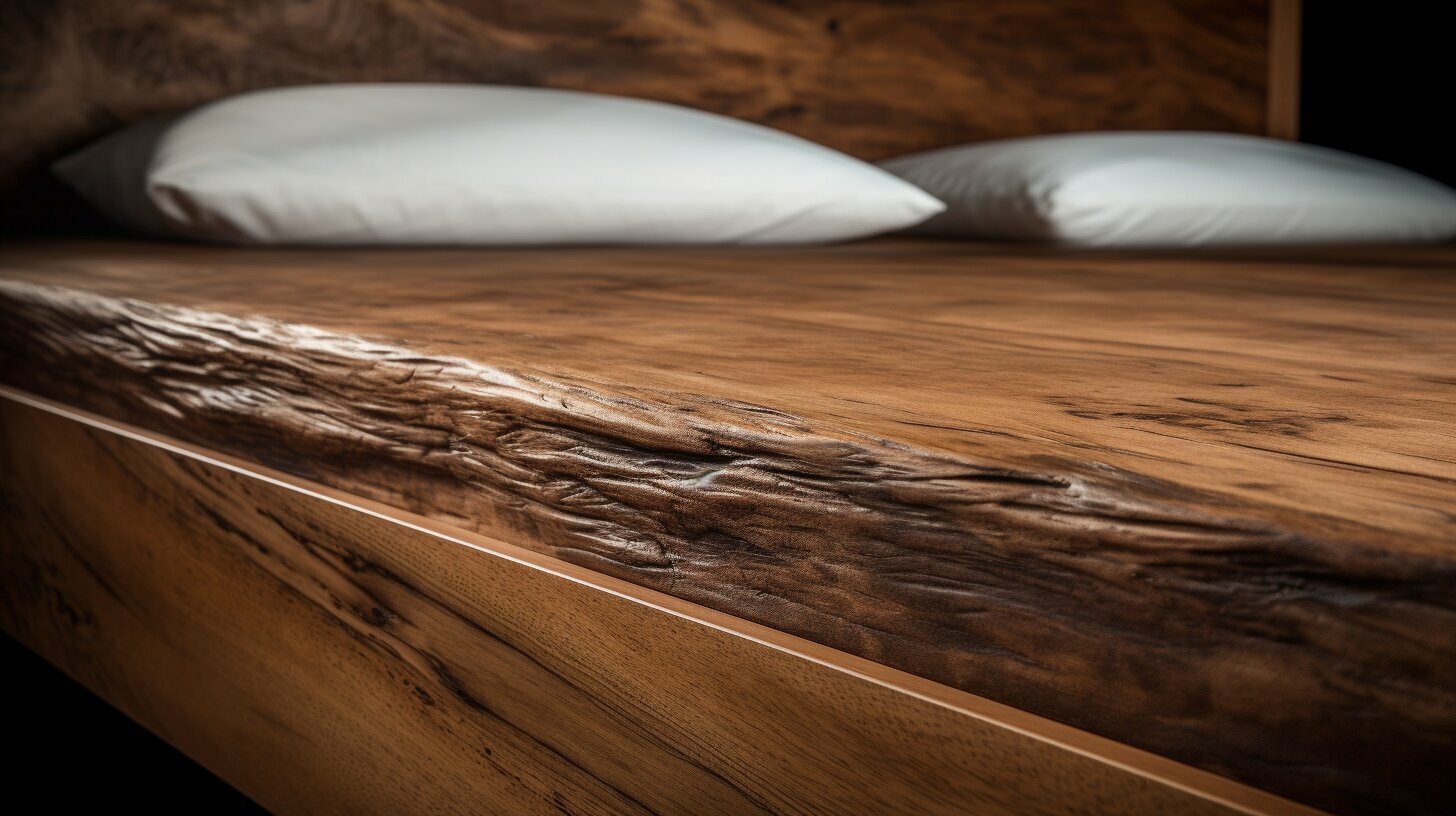
Live-edge headboards are another trend that keeps growing. A slab of walnut or maple with its natural bark edge left intact becomes a one-of-a-kind focal point. No two pieces look the same, which is the whole appeal. You can find live-edge slabs at specialty lumber yards or even online. Just make sure you get one that has been properly dried and sealed, or it will crack as it ages.
Mixed-material frames combine wood and metal in the same piece. A steel base with a wooden headboard panel, for example, or iron legs supporting a solid timber platform. The contrast between warm and cool materials creates visual interest without adding bulk.
Storage-forward designs aren’t new, but they keep getting smarter. We’re seeing custom frames with hidden drawers that open from the foot of the bed, flip-up mattress platforms with massive cavities underneath, and even frames with built-in bookshelves along the headboard wall. If you’re tight on space, these builds solve two problems at once.
For more storage-focused ideas, our bedroom storage solutions guide covers everything from hidden beds to vertical organization. And if you want to see how different cultures approach custom bed design, our bed designs from around the world article has some genuinely inspiring examples.
FAQ
- What’s the best material for a custom bed frame?
- Solid wood and metal are top choices due to their durability and customization flexibility.
- Can I build a custom bed frame with storage?
- Yes, platform frames and lift-up designs are ideal for integrating custom storage solutions.
- How can I make my custom bed frame eco-friendly?
- Use FSC-certified wood, recycled steel, or reclaimed materials and avoid toxic finishes.