
Key Takeaways
- Nightstands combine style and function with storage for nightly essentials like phones, books, lamps, and chargers.
- Choose from diverse styles—modern, rustic, floating, traditional, mid-century—in materials from solid wood to mirrored finishes.
- Size matters: Match nightstand height to your bed (typically 24-28″ tall) and consider drawer count based on storage needs.
- Sets offer symmetry and value, while individual pieces allow eclectic customization and unique design.
- Top retailers include IKEA ($39-99), Target ($50-150), Wayfair ($60-200), and West Elm ($200-500) with seasonal sales offering 20-40% off.
Nightstands and Bedside Tables Stylish Ideas
Nightstands and bedside tables are essential for blending style with function in any bedroom, offering storage and easy access to nightly essentials. Whether you need a place for your alarm clock, reading lamp, water glass, or phone charger, the right nightstand keeps everything within arm’s reach while complementing your bedroom’s aesthetic.
In this guide, we’ll explore types, styles, materials, sizes, colors, and shopping strategies to help you find the perfect nightstands for your space and budget.
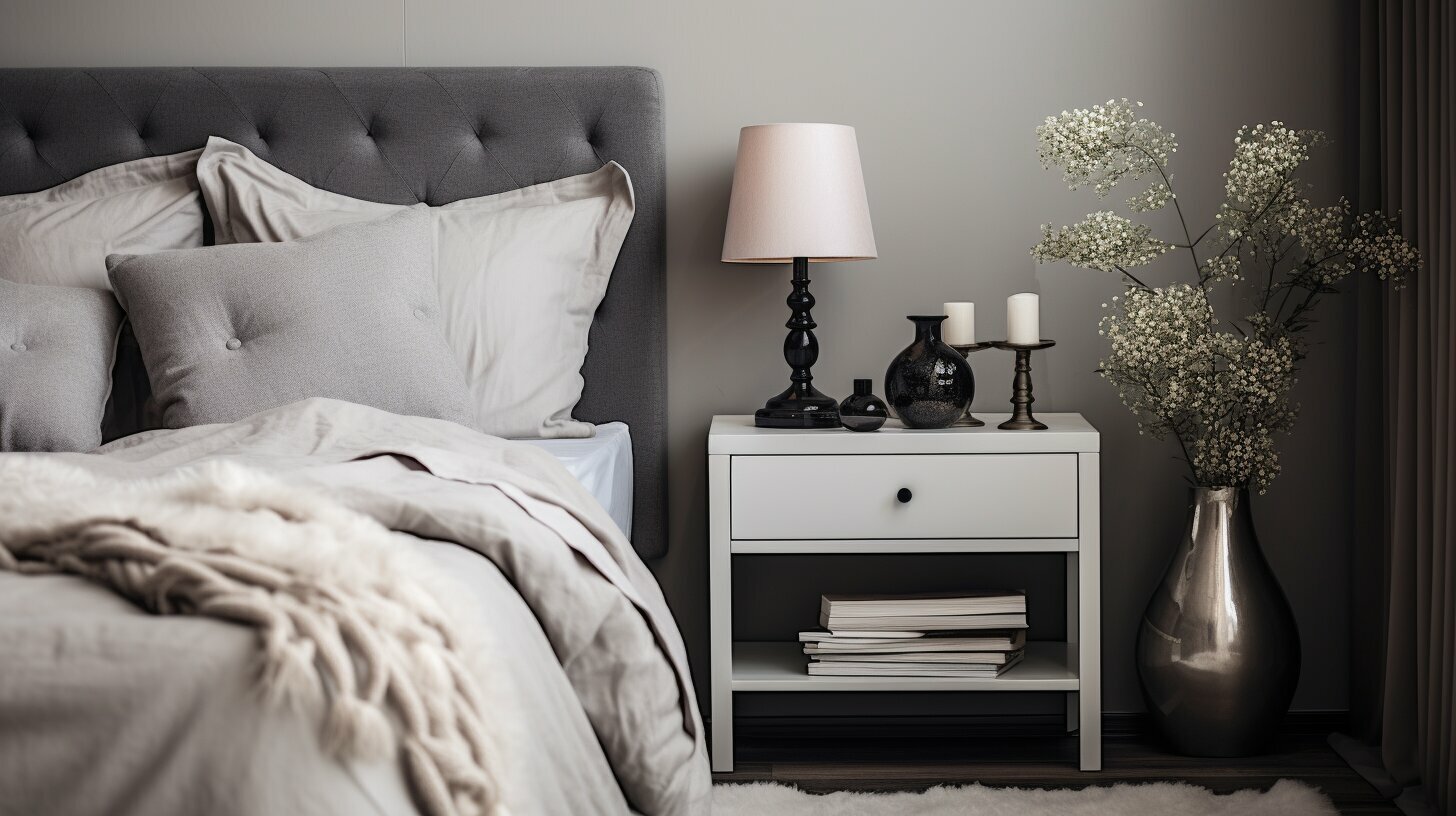
Types and Styles of Nightstands
Nightstands and bedside tables come in several distinct types to suit your storage needs and design preferences.
Drawer nightstands hide clutter with 1-3 drawers—perfect for storing chargers, medications, books, and personal items out of sight. Look for soft-close drawer mechanisms that prevent slamming. Most drawer nightstands measure 24-28″ tall to align with standard mattress height (20-24″ from floor).
Open shelf nightstands offer easy access to frequently used items and create an airy, minimalist look. They work great for displaying decorative objects, plants, or books. Downside: dust accumulates faster than in closed storage.
Cabinet nightstands combine enclosed storage with a door instead of drawers—ideal for hiding larger items like extra blankets or electronics. Some feature adjustable interior shelving.
Popular styles include rustic (reclaimed wood, distressed finishes), modern (clean lines, minimal hardware), traditional (ornate details, classic proportions), and mid-century (tapered legs, warm wood tones). Materials range from solid wood and engineered wood to metal, mirrored finishes, and even acrylic or glass.
For more on how nightstands evolved beyond simple bedside storage, explore the multifunctional role of nightstands.
Color Options to Match Your Decor
Colors like black, white, brown, walnut, gray, and blue let you coordinate or contrast with your bedroom palette.
Black nightstands offer bold sophistication and work especially well in modern, industrial, or masculine bedrooms. They anchor lighter bedding and create striking contrast. Pair with metallic hardware for added drama.
White nightstands add minimalist brightness and make small bedrooms feel more spacious. They’re versatile—working with virtually any color scheme—and hide dust better than dark finishes. White-washed or distressed white finishes add character to farmhouse or cottage styles.
Walnut or brown nightstands bring natural warmth and timeless appeal. Medium to dark wood tones create cozy, traditional atmospheres. Walnut specifically offers rich grain patterns and ages beautifully over decades.
Gray nightstands suit modern interiors perfectly—sophisticated without being stark. Gray works as a neutral that pairs with both warm and cool color schemes. Charcoal gray adds depth; light gray keeps things airy.
Blue nightstands introduce a serene pop of color—especially navy or slate blue. Research shows that calming colors like blue and gray may contribute to better sleep environments (Sleep Foundation). For more color ideas, HGTV’s bedroom gallery has real-room examples worth browsing.
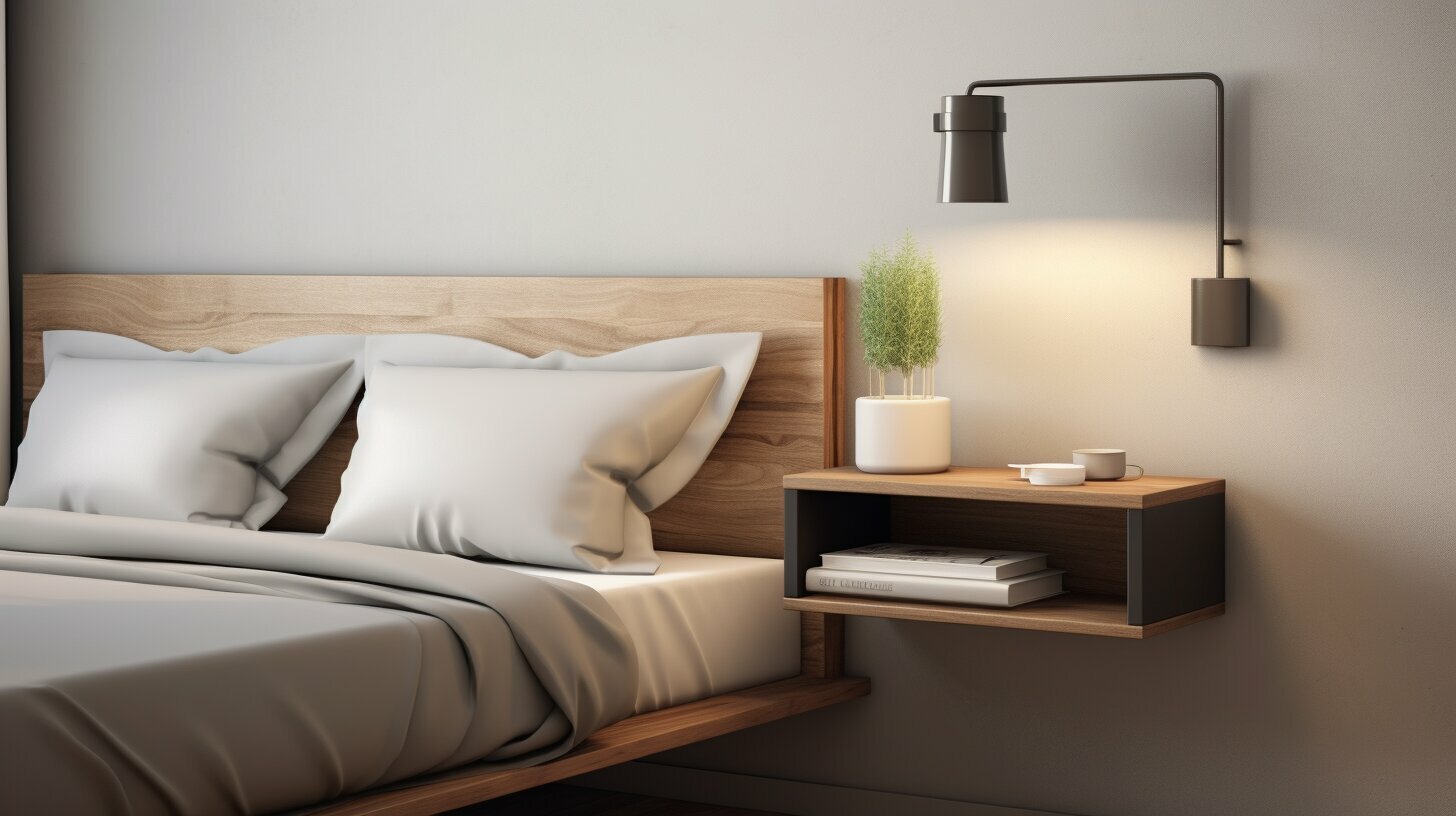
Your choice of color in nightstands significantly impacts the room’s ambiance and cohesion. For inspiration, see our curated style guide and learn more about bedroom furniture layout principles.
Size and Storage Considerations
Select the right size based on your bed height and available floor space.
Height matching is critical: Your nightstand top should sit level with or slightly below your mattress top (within 2-4 inches). This makes reaching for items comfortable without straining. Standard nightstands are 24-28″ tall; platform beds or low-profile mattresses may need shorter options (18-22″). If you’re setting up a room for a child moving out of a crib or adjusting for a senior’s needs, our bed transition and special beds guide covers height, safety, and accessibility in detail.
Width and depth depend on available space. Standard nightstands are 18-24″ wide and 16-20″ deep. Narrow rooms need compact options (12-16″ wide). Measure your space first—leave at least 3-6″ clearance on each side for cleaning and airflow.
Drawer count affects functionality: Single-drawer nightstands work for minimalists who only need space for a phone and book. Two-drawer options suit most people—top drawer for daily items, bottom for overflow. Three-drawer nightstands offer extensive organization but take more vertical space.
Open vs. closed storage is a personal preference. Closed storage (drawers/cabinets) hides clutter and maintains clean lines. Open shelves display decorative items and provide quick access but require tidier organization.
Materials play a role in durability. Solid wood nightstands (oak, maple, walnut) last 20-30+ years with proper care. Engineered wood with veneer offers wood appearance at lower cost but may chip over time. For detailed material comparisons, see this materials guide.
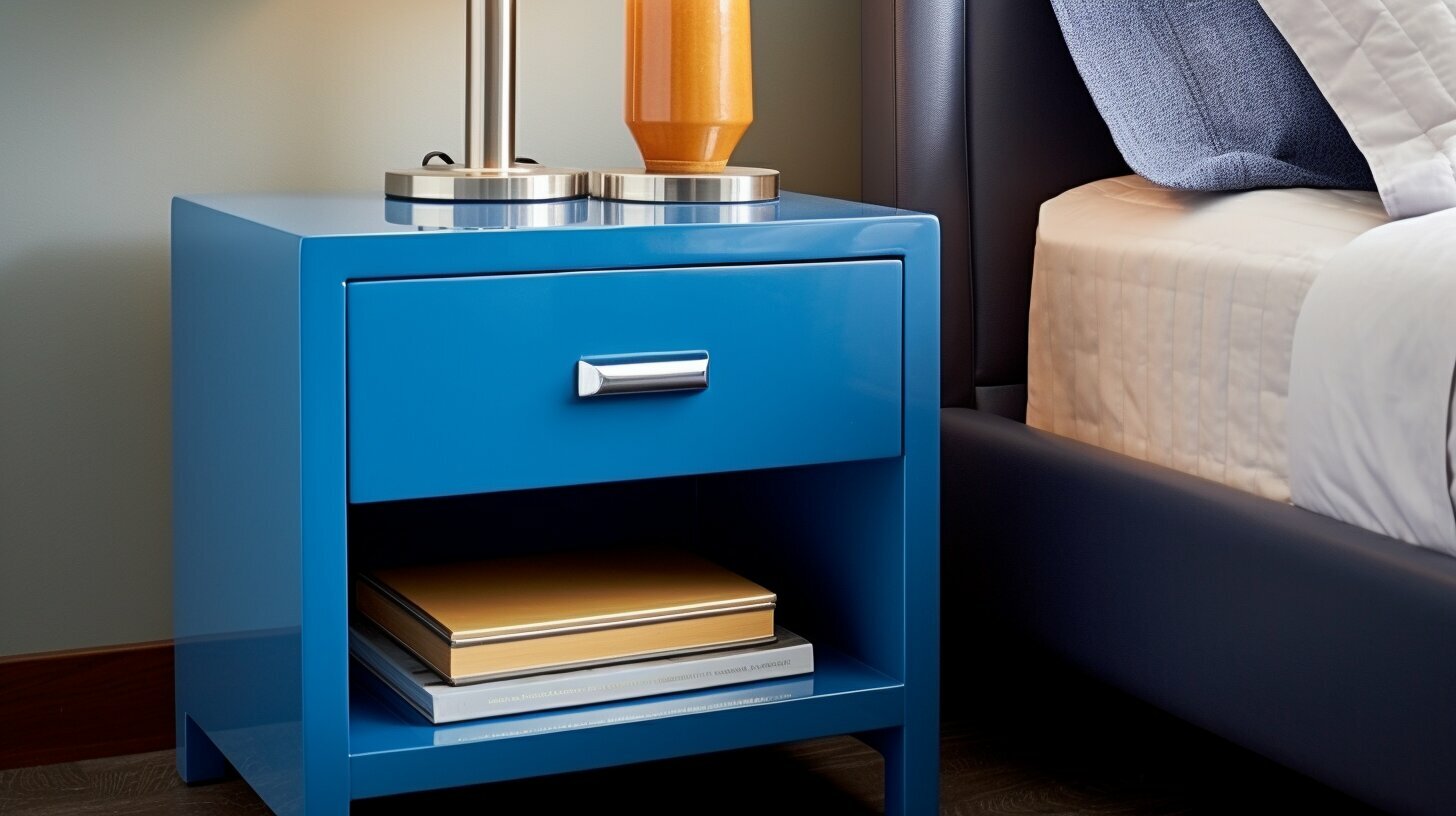
Functionality should guide your decision—choose nightstands that meet your storage habits without overcrowding the room. Don’t miss our tips on how to style and organize them effectively, and explore essential bedroom accessories to complete your setup.
Individual vs. Set Purchases
Decide between buying a single piece or a matching set.
Individual nightstands offer customization and eclectic design options. You can mix styles—pairing vintage with modern, or using different colors on each side. This approach works great if you and your partner have different storage needs. It’s also budget-friendly if you’re furnishing gradually.
Matching sets create symmetry and visual harmony—especially important in traditional or formal bedrooms. Most retailers offer 2-3% discounts on sets versus buying pieces separately. Sets guarantee identical height, finish, and hardware, which matters if you’re particular about balance.
Asymmetrical pairing is trending: Use similar but not identical nightstands for collected, curated style. Match by color or material rather than exact design. For example, pair a three-drawer nightstand on one side with a two-drawer version on the other—same wood tone, different configuration.
For small bedrooms, multi-functional nightstands can maximize space while maintaining style and practicality. Also consider bedroom furniture accessories that add functionality without taking floor space.
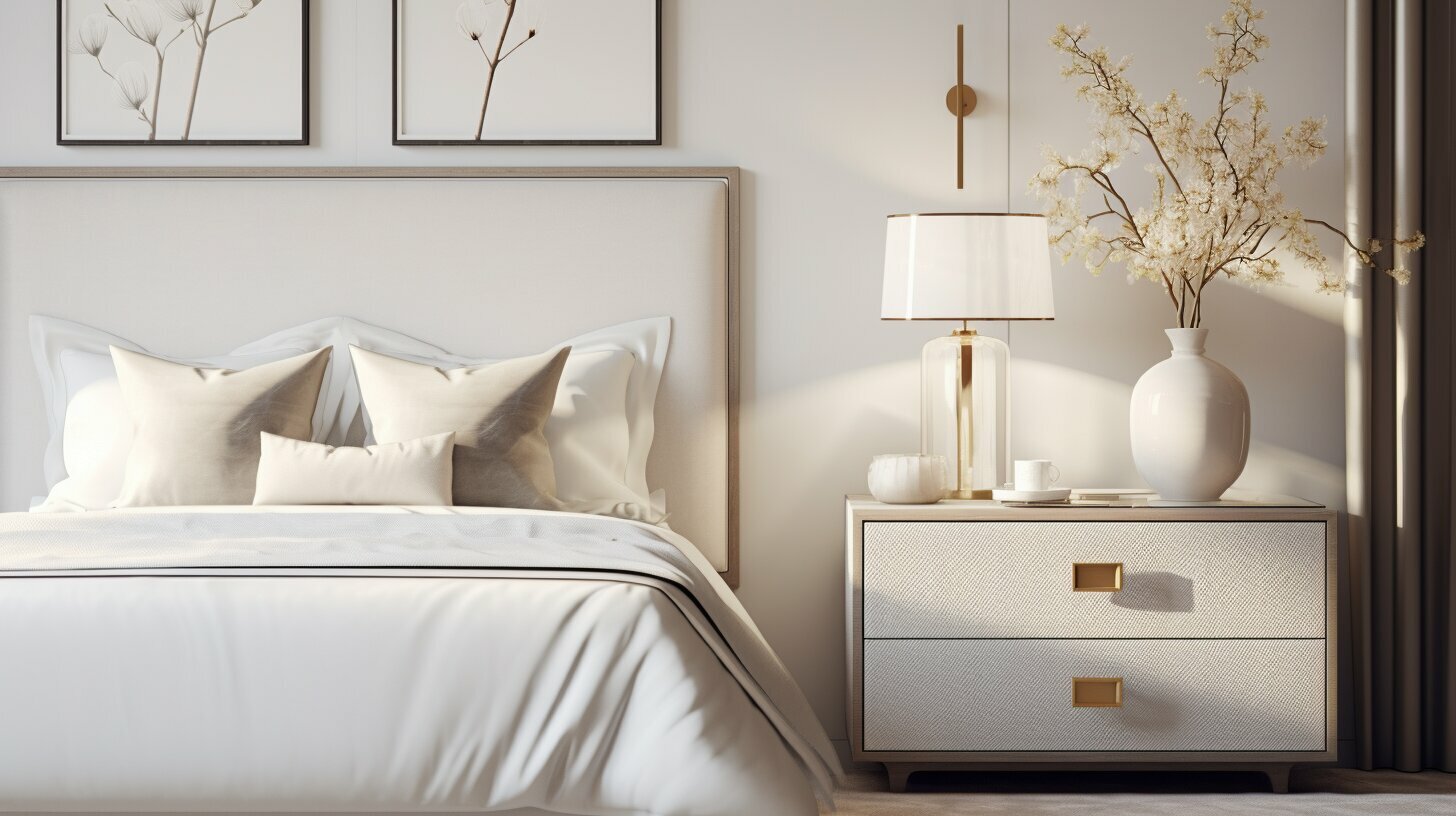
Whether solo or paired, nightstands add harmony and practicality to your sleep space.
Top Retailers and Best Deals
Major retailers offer wide selections of nightstands and bedside tables across styles and price points.
IKEA leads in affordable, modern options ($39-99 typical). Popular picks include the HEMNES (solid wood, 2 drawers, $99) and TARVA (unfinished pine, DIY-friendly, $49). Pros: Budget-friendly, easy assembly, Scandinavian aesthetic. Cons: Engineered wood construction may not last 10+ years.
Target offers mid-range style ($50-150). The Threshold collection balances quality and price. Expect clean-lined designs, occasional solid wood, and frequent 20-30% seasonal sales. Good for renters or anyone refreshing on a budget.
Wayfair provides huge selection ($60-200 typical) with detailed reviews. Filter by material, style, price, and customer ratings. Their open-box deals can save 30-40%. Ships quickly but assembly required. Perfect for comparing many options at once.
West Elm delivers quality mid-century and modern designs ($200-500). Solid wood construction, unique hardware, and designer collaborations. Sales happen 4-5 times yearly with 20% off. Worth the investment if you want furniture that lasts 15-20 years.
Pottery Barn focuses on traditional and transitional styles ($250-600). Known for excellent customer service and generous return policies. Their kids’ line offers durable options for children’s rooms.
In fact, Architectural Digest notes that high-quality nightstands don’t have to break the bank—smart shopping during sales events (Memorial Day, Labor Day, Black Friday) can land premium pieces at mid-range prices. Many retailers now feature modern additions like built-in USB ports, wireless charging pads, and cable management systems.
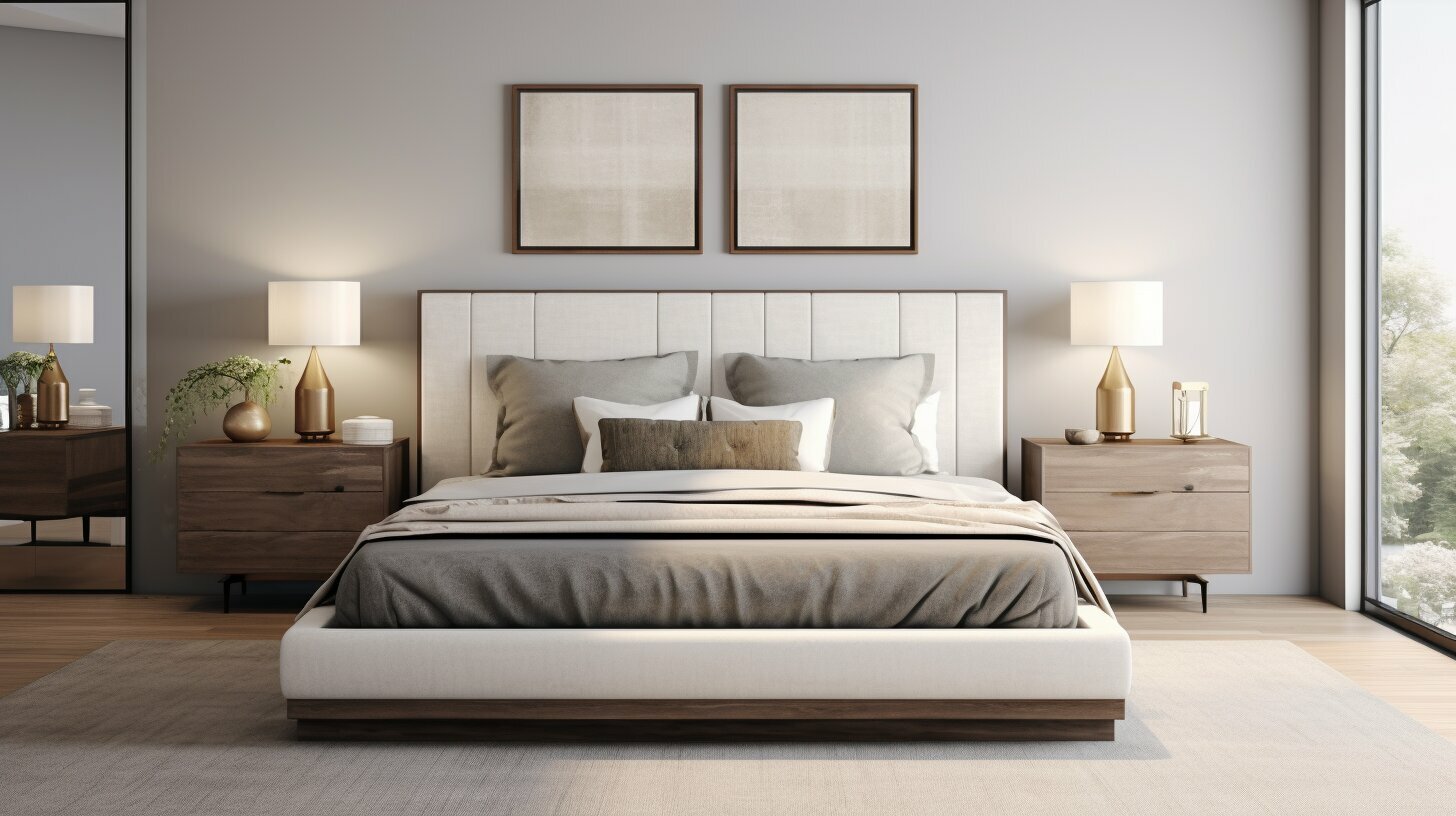
With the right choice, you can achieve both aesthetics and functionality. Curious about the latest features? Read about modern innovations in nightstands that go beyond just storage.
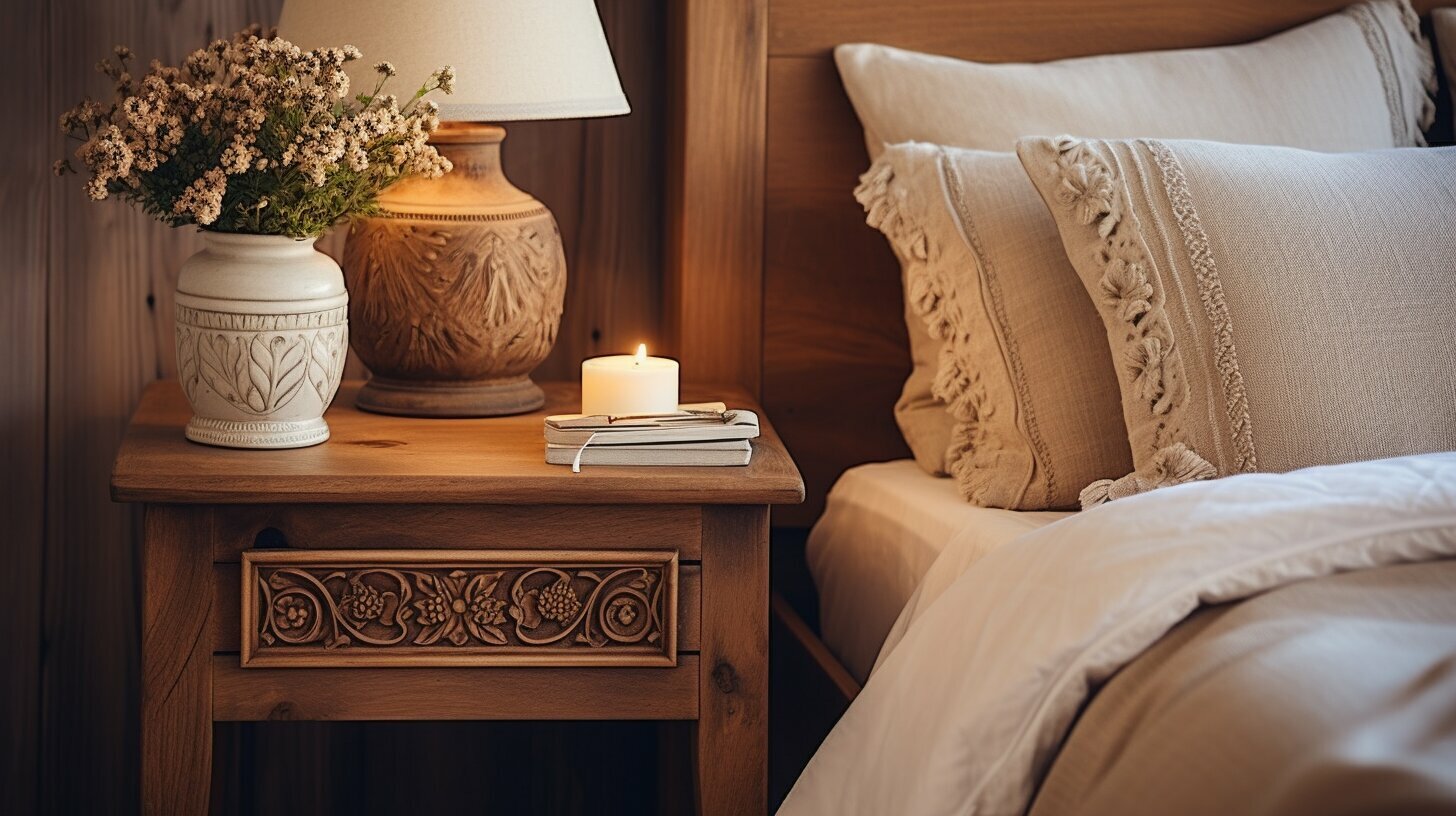
Smart Shopping Tips for Nightstands
Measure first: Know your bed height, available floor space, and clearance needs before shopping. Bring measurements on your phone or paper.
Consider assembly: Ready-to-assemble (RTA) furniture saves 30-50% on cost but requires 30-90 minutes assembly time. If you’re not handy, factor in TaskRabbit assembly costs ($50-100).
Check construction: Look for dovetail drawer joints (stronger than stapled), soft-close mechanisms, and solid wood drawer boxes (not thin particleboard). Tip nightstands gently—they shouldn’t wobble.
Think long-term: Neutral wood tones (walnut, oak, natural) transition better between homes and style changes than trendy colors. That said, painted finishes are easier to touch up if scratched. And if you’re feeling handy, you can even build your own bed frame and design a matching nightstand into the project.
Read dimensions carefully: Online photos distort size. A 16″ wide nightstand looks substantial in a photo but may be too narrow in person. Always check actual measurements.
Plan for cables: Modern life means phone chargers, lamp cords, and maybe alarm clock plugs. Look for nightstands with cable management holes or rear cutouts. Alternatively, position nightstands to hide cords behind them.
Nightstand Materials at a Glance
The material you pick shapes how your nightstand looks, how long it lasts, and what you’ll pay. Here’s a side-by-side breakdown so you can compare before you shop.
| Material | Lifespan | Weight | Price Range | Best For |
|---|---|---|---|---|
| Solid Wood (oak, walnut, maple) | 20–30+ years | Heavy | $150–$600 | Long-term bedrooms, traditional or rustic style |
| Engineered Wood (MDF, particleboard) | 5–10 years | Medium | $40–$200 | Budget buys, rentals, kids’ rooms |
| Metal (steel, iron, brass) | 15–25 years | Light–Medium | $60–$300 | Industrial, modern, or pet-friendly homes |
| Upholstered (fabric, leather) | 8–15 years | Medium | $100–$400 | Cozy, glam, or padded bedside look |
| Glass / Mirrored | 10–15 years | Heavy | $80–$350 | Glam or Hollywood-inspired bedrooms |
| Acrylic / Lucite | 10–20 years | Light | $100–$300 | Small rooms where you want a “see-through” effect |
Solid wood wins on longevity every time. But don’t count out engineered wood—brands like IKEA have gotten surprisingly good at making budget pieces that hold up for years, as long as you’re careful with moisture. Metal frames are a smart pick if you’ve got kids or pets who bump into things, since they won’t chip or scratch like painted finishes do.
Upholstered nightstands bring a soft, cozy vibe that works beautifully in texture-heavy bedrooms. The tradeoff? They’re harder to clean. A damp cloth won’t cut it when you spill coffee—grab a fabric protector spray on day one and thank yourself later.
Your Nightstand Buying Checklist
Before you hit “add to cart,” run through this quick list. It’ll save you from returns and buyer’s remorse.
- Measure your mattress height first—your nightstand top should land within 2–4 inches of the mattress surface for comfortable reaching.
- Check the depth—anything deeper than 20 inches can block walkways in tight bedrooms.
- Count your outlets—if the nightstand covers a wall plug, you’ll need an open-back design or a built-in cutout.
- Test the drawer slides—if you’re shopping in person, pull them open all the way. Cheap slides that stop halfway are a daily annoyance you don’t need.
- Think about what actually goes inside—phone chargers, books, meds, sleep masks? Pick drawer count based on your real stuff, not wishful thinking.
- Check assembly requirements—some nightstands arrive fully built, others need an hour and a hex wrench. Know what you’re signing up for.
- Read the one-star reviews first—if people complain about wobbling or peeling finish after six months, that’s your warning sign.
- Factor in delivery and returns—free shipping sounds great until the box shows up damaged. Always check return policies before buying.
Sounds basic, right? You’d be surprised how many people skip these steps and end up with a nightstand that’s too tall, too deep, or missing the storage they actually need. Ten minutes of planning saves weeks of frustration.
And if you’re buying online, screenshot the product dimensions and hold a tape measure up to your actual space. Photos can be deceiving—a nightstand that looks perfect on screen might overwhelm a small room or disappear next to a king bed.
Related Articles: Everything About Nightstands
Choosing Your Nightstand
- Best Small Nightstands for Cozy Bedrooms
- The Multifunctional Role of Modern Nightstands
- Maximizing Small Bedrooms with Multi-Functional Nightstands
- Best Materials and Designs for Durable Nightstands
Styling & Organization
- How to Style and Organize Your Bedside Table
- Stylish Nightstands and Bedside Tables Guide
- Bedroom Accessories: 5 Ways to Enhance Comfort and Aesthetics
- Essential Bedroom Furniture Accessories
Complete Bedroom Setup
- Bedroom Furniture Layout: 7 Cozy Ideas for a Balanced Room
- How to Choose Matching Bedroom Furniture
- Rustic Bedroom Furniture Ideas and Inspiration
- Bed Designs: A Global Tour of Sleep Sanctuaries
Modern Features & Trends
FAQ
What are nightstands and bedside tables used for?
They provide convenient surface and storage space for items like lamps, books, glasses, phones, chargers, medications, and water beside your bed. Modern nightstands often include built-in USB ports and wireless charging pads for tech devices.
What materials are best for nightstands?
Solid wood (oak, walnut, maple) offers the best durability and can last 20-30+ years. Metal nightstands work well in modern or industrial spaces and are extremely durable. Mirrored finishes add glamour but show fingerprints. Engineered wood with veneer provides wood appearance at lower cost but may not last as long. Choose based on durability needs, aesthetic preference, and budget.
Should I buy a nightstand set or just one?
Sets offer visual symmetry, coordinated design, and often better pricing (typically 2-3% discount versus buying separately). Singles offer customization, eclectic design flexibility, and the ability to meet different storage needs on each side of the bed. Consider a set for traditional/formal bedrooms, and mix-and-match for casual or bohemian styles.
Where can I find affordable nightstands?
IKEA ($39-99), Target ($50-150), and Wayfair ($60-200) offer stylish, durable options at a range of price points with frequent sales. Shop during Memorial Day, Labor Day, and Black Friday for 20-40% off. Wayfair’s open-box section and Target’s clearance end caps can save an additional 30-50%.
How tall should my nightstand be?
Ideally, your nightstand top should be level with your mattress top or 2-4 inches below. Standard nightstands are 24-28″ tall, which works for most beds. Measure from the floor to your mattress top, then choose a nightstand height within that range for comfortable reaching.
Can I use different nightstands on each side of the bed?
Absolutely! Asymmetrical pairing is a popular design trend. Match by color, material, or style rather than exact design. For example, use two different wooden nightstands in the same finish, or pair a drawer nightstand with an open shelf version. This works especially well if you and your partner have different storage needs.
What’s the difference between a nightstand and a bedside table?
The terms are used interchangeably. Technically, “nightstand” often refers to pieces with storage (drawers/cabinets), while “bedside table” can include simpler surface-only designs. In practice, both describe small tables positioned beside a bed for holding essentials.
Final Thoughts
Nightstands and bedside tables are essential bedroom furniture that combine practicality with style. Whether you choose budget-friendly IKEA options, mid-range Target finds, or investment pieces from West Elm, the right nightstand keeps your essentials organized and accessible while complementing your bedroom aesthetic.
Consider your storage needs, measure your space carefully, and choose materials that fit your budget and longevity expectations. With proper planning, your nightstands will serve you well for years while keeping your bedroom both functional and beautiful.
At Cozy Bed Quarters, we help you create the perfect sleep space with curated guides, honest reviews, and practical advice. Explore our related articles above to complete your bedroom transformation.