The most durable nightstand finishes are the catalysed, cross-linked ones: conversion varnish and catalysed lacquer, with a well-applied polyurethane close behind. On metal, a baked powder coat over steel (or plain aluminium, which cannot rust at all) is the best defence against corrosion. Oil and wax feel lovely and are the easiest to repair, but they are the least resistant to water rings and spills.
Nightstands rarely die of structural failure. What people notice is a scratched top, a white ring under a glass, a chipped drawer edge or rust creeping up a leg — finish problems, not wood problems. So when two nightstands look similar, the coating tells you more about how the piece will age than the species underneath.
The main nightstand finishes, from toughest to most forgiving
Catalysed lacquer and conversion varnish
These are the finishes on most mid- and high-end factory furniture. They cure by chemical cross-linking rather than by evaporating alone, so they shrug off water, alcohol and solvents far better than plain lacquer. As Woodshop News explains, the trade-off among catalysed and non-catalysed finishes is durability versus ease of use — and that applies to repairs too.
Conversion varnish is usually the harder of the two, though finishers on WoodWeb’s forum warn it is fussy: applied too thick, over-catalysed or sprayed cold, it can turn brittle. The shopper’s downside is repairs — a deep scratch in a cross-linked film means sanding back a whole panel.
Polyurethane: water-based vs. oil-based
Polyurethane is the finish most often named on product pages, and the water-based/oil-based split is the part worth understanding.
- Oil-based polyurethane builds a thicker film per coat and adds a warm amber tone. Finishing pros quoted by Family Handyman note that oil-based products carry roughly 45–50% solids against about 30–35% for most water-based ones — solids being the part that stays behind as protection.
- Water-based polyurethane dries faster, smells much less because it uses fewer petroleum solvents, and stays clear instead of yellowing. Modern formulas are genuinely hard-wearing; they simply need more coats for the same film thickness.
For a nightstand, either works. Choose water-based to keep pale woods pale and odour low; choose oil-based for a warmer look on walnut or cherry and more film build per coat.
Oil and wax (penetrating finishes)
Danish oil, tung oil and hardwax-oil blends soak in rather than sitting on top. You get a natural, low-sheen surface and, crucially, one you can repair yourself with sandpaper and a fresh wipe-on coat. The cost is protection: oiled tops mark from water and hot mugs more easily, and need re-oiling. Among the oils, Canadian Woodworking notes that tung oil cures harder and resists moisture better than linseed, which dries slowly, cures soft and can mould in humid conditions.
Laminate and melamine tops
High-pressure laminate (HPL) is made from layers of resin-impregnated paper pressed and cured into a hard sheet, then bonded to a panel — the same construction that has kept it on kitchen worktops for decades, because it resists scratches, heat and moisture well. Melamine-faced board is the cheaper cousin: a thinner melamine surface pressed onto particleboard or MDF, still wipe-clean but easier to chip at the edges. Neither can be sanded and refinished, so check that edges are properly banded; that is where water gets in.
Thermofoil
Thermofoil is a vinyl film vacuum-pressed onto an MDF profile — seamless, easy to clean and common on inexpensive white or gloss nightstands. Its weakness is heat and steam: cabinet makers such as Deslaurier note that high temperatures can make thermofoil delaminate from its substrate, and the usual fix is replacing the part. A bedroom has no oven or dishwasher, so it fares better here than in a kitchen — just keep it clear of radiators.
Powder-coated metal vs. plated metal
Powder coating is a dry polymer powder applied electrostatically then baked, forming a thick barrier that resists chipping and peeling far better than sprayed paint. That barrier is the whole defence, though: as SendCutSend explains, zinc plating is sacrificial — the zinc corrodes first and shields the steel even where it is scratched — while powder coating protects only while intact. So check legs and frames for even coverage and touch up chips promptly with matching enamel.
Durability comparison by material and finish
There is no industry-standard lifespan figure for nightstands, so any article quoting exact “years of life” is estimating. What can be compared honestly is how each surface handles the things that actually ruin a bedside table, and how easily it is fixed.
| Surface |
Scratches & dents |
Heat & water rings |
Rust risk |
Repairable at home? |
Best for |
| Conversion varnish / catalysed lacquer on solid wood |
Excellent |
Excellent |
None |
No — pro refinish |
Long-term, heavy daily use |
| Oil-based polyurethane on solid wood |
Very good |
Very good |
None |
Partly — sand and recoat |
Warm-toned woods, family rooms |
| Water-based polyurethane |
Good |
Good |
None |
Partly — sand and recoat |
Pale woods, low-odour bedrooms |
| Oil / hardwax-oil |
Marks, but blends in |
Weakest — use coasters |
None |
Yes — easiest of all |
Natural look, DIY-minded owners |
| High-pressure laminate |
Excellent |
Excellent |
None |
No — replace part |
Kids’ rooms, rentals, budget builds |
| Melamine-faced board |
Good, edges chip |
Good if edges sealed |
None |
No — replace part |
Low-cost, low-traffic use |
| Thermofoil over MDF |
Good |
Poor near heat sources |
None |
No — replace part |
Cheap gloss looks, dry rooms |
| Powder-coated steel |
Very good |
Excellent |
Low while coating is intact |
Chip touch-up only |
Slim frames, industrial style |
| Anodised or coated aluminium |
Good |
Excellent |
None (aluminium doesn’t rust) |
No |
Humid rooms, coastal homes |
| Untreated or lightly lacquered iron |
Good |
Good |
High in humid air |
Yes — wax and repaint |
Vintage looks, dry climates |
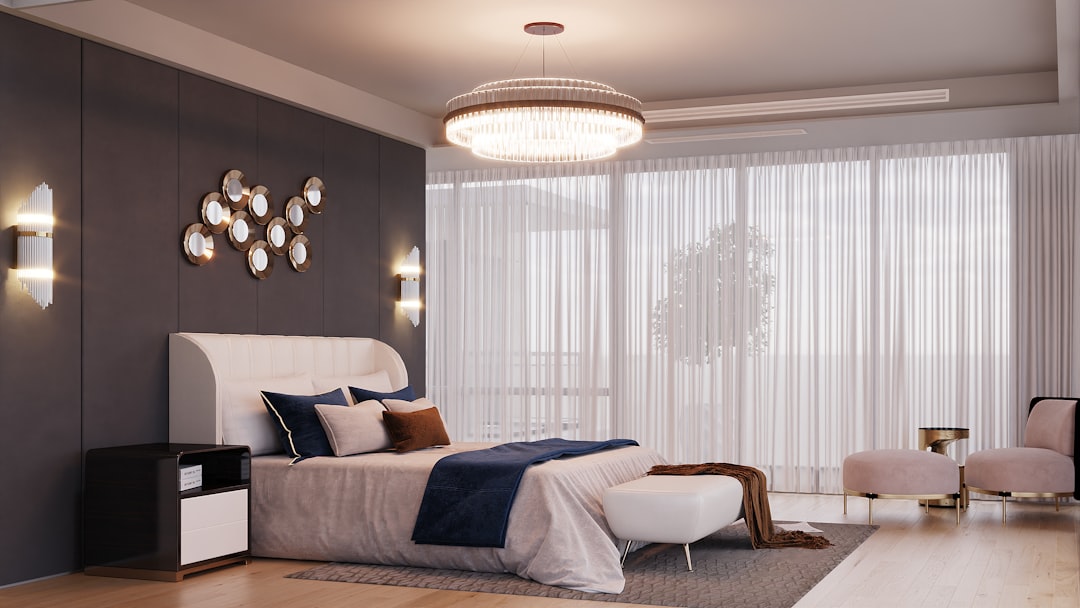
The most rust-proof nightstand options
If your bedroom is humid — coastal, basement-level, or open to an en-suite bathroom — rust is a genuine concern, and it usually starts at the hardware rather than the frame. Three choices help:
- Aluminium. Rust is specifically iron oxide, so an aluminium frame cannot rust. It forms its own protective oxide layer instead, and anodising thickens that layer.
- Stainless steel hardware. Stainless resists corrosion because chromium in the alloy forms a protective chromium-oxide film, as steelmaker Outokumpu describes. Stainless screws, hinges and slides are a cheap upgrade on an ordinary nightstand.
- Powder-coated steel, kept intact. Strong and affordable, but only as rust-proof as its coating. Look for even coverage inside corners and around welds, where thin spots hide.
Keep humidifiers and damp glasses off metal tops, and wipe frames dry after cleaning. Our guide to iron bed frames and their maintenance covers the same rust-prevention habits on larger pieces.
What’s under the finish still counts
- Solid wood. Oak, maple and walnut are dense, take finishes well and can be sanded back and refinished decades later — the real reason they outlast makeovers.
- Engineered wood. Furniture-grade plywood and MDF stay dimensionally stable and suit laminate and veneer surfaces. Their weak points are water at the edges and screws pulling out of particleboard, so reinforced corners and metal-to-metal fixings matter more than the surface.
- Rattan and cane fronts. Texture without weight. Look for a protective top coat and a taut weave; cane can crack in very dry air and sag in damp rooms.
Which finish for which room
- Kids’ and teens’ rooms: high-pressure laminate or a catalysed factory finish — both wipe clean and neither needs you to police coasters.
- Humid or coastal bedrooms: aluminium or powder-coated steel with stainless hardware, plus sealed edges on any engineered-wood panel.
- Very dry climates: solid wood is fine, but expect seasonal movement; oiled finishes are easy to refresh.
- Rentals: laminate or melamine gives the most resistance per dollar, as long as water stays off the edges.
- Heirloom pieces: solid hardwood with oil or polyurethane, so the surface can be renewed rather than replaced.
Care and touch-up by finish
- Filmed finishes (poly, lacquer, conversion varnish): dust dry, damp-wipe occasionally, use coasters, and skip silicone-heavy sprays that complicate future refinishing.
- Oil and wax: re-oil when water stops beading; small scratches sand out and blend.
- Laminate, melamine, thermofoil: mild soap and water, no abrasive pads, no standing water near seams.
- Metal: dry after cleaning, touch up chips quickly; paste wax on iron adds a barrier in humid rooms.
A white ring under a glass is usually moisture trapped in the finish film rather than damage to the wood. It is often reversible, but the method depends on the finish — ask a local refinisher before experimenting on a piece you care about.
How to judge build quality in 60 seconds
- Grip a top corner and rock the piece — a rattle means loose joinery, not just loose screws.
- Pull a drawer fully out and look for dovetailed or dowelled joints and ball-bearing slides rather than staples and plastic runners.
- Check the top under a light: even sheen and no dust nibs point to a controlled spray finish.
- For floating designs, read the stated load rating and fixing type before buying.
If floor space is tight, a narrow or floating design keeps walkways clear — see our notes on small bedroom storage and small bedroom layouts.
FAQ
What is the single most durable nightstand finish?
Conversion varnish, closely followed by catalysed lacquer. Both cure by cross-linking, so they resist water, alcohol and abrasion better than air-dried finishes — but damage needs professional refinishing.
What is the most scratch-resistant nightstand surface?
High-pressure laminate for practical purposes, and a catalysed factory finish if you want real wood. Both handle keys, jewellery and reading glasses being dropped on them night after night.
Which nightstand is most rust-proof?
An aluminium frame with stainless hardware, since aluminium cannot form rust at all. Powder-coated steel is the next best option and is usually cheaper, provided the coating stays undamaged.
Can a laminate or thermofoil nightstand be refinished?
Not really — neither surface sands back, and paint adheres poorly without careful priming. Plan to replace damaged panels, or buy solid wood if refinishing matters to you.
Is water-based polyurethane durable enough for a bedside table?
Yes. It carries fewer solids per coat, so it needs more coats, but a properly built water-based film handles bedside duty comfortably and keeps pale woods from yellowing.
Related reading from Cozy Bed Quarters
Updated September 2026.