
Top Christmas Throws and Blankets for a Warm Winter
Continue reading
Top Christmas Throws and Blankets for a Warm Winter
Continue reading
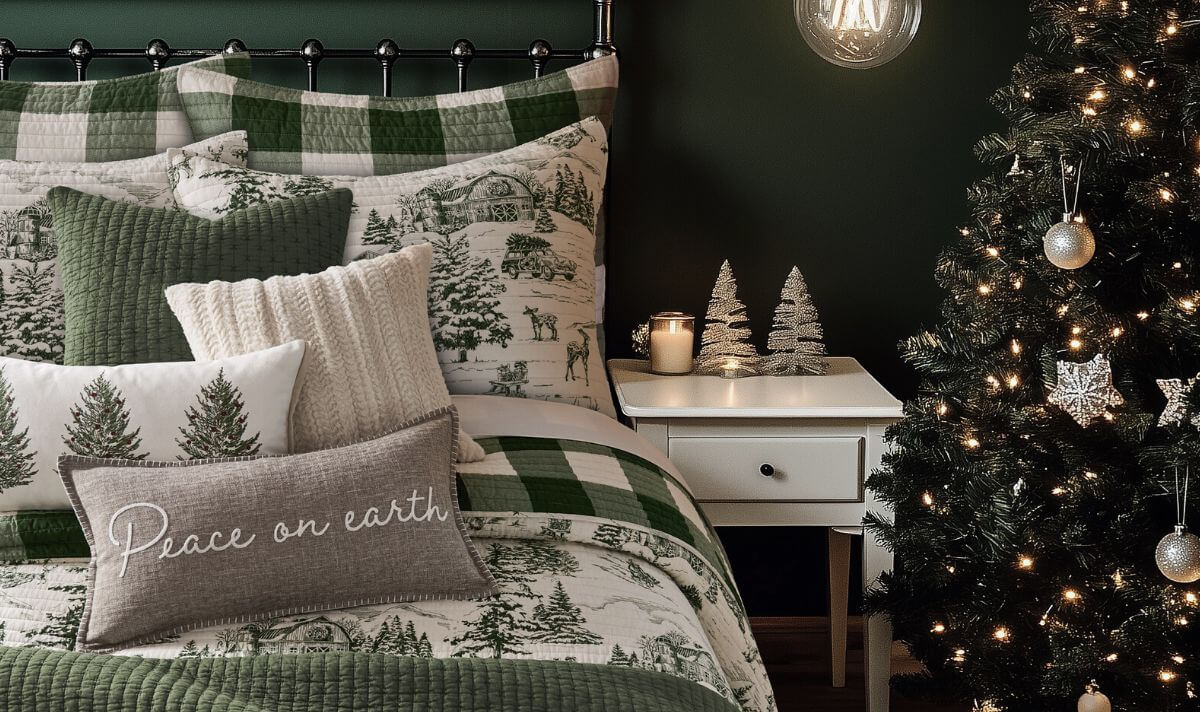
Christmas pillow covers are the easiest way to bring holiday cheer to your bedroom without committing to a complete seasonal makeover. In Phoenix, where our winters are mild (60s-70s°F days, 40s-50s°F nights), these covers add just enough festive warmth without the heavy layering you’d see in colder climates. Swap them in December, swap them out January—no fuss, instant transformation.
At Cozy Bed Quarters, we help Phoenix residents create cozy bedrooms that work year-round. Christmas pillow covers hit the sweet spot: festive enough to feel special, practical enough to actually use. In this guide, we’ll cover fabric choices, sizing, styling strategies, and where to shop for the best deals in 2026.
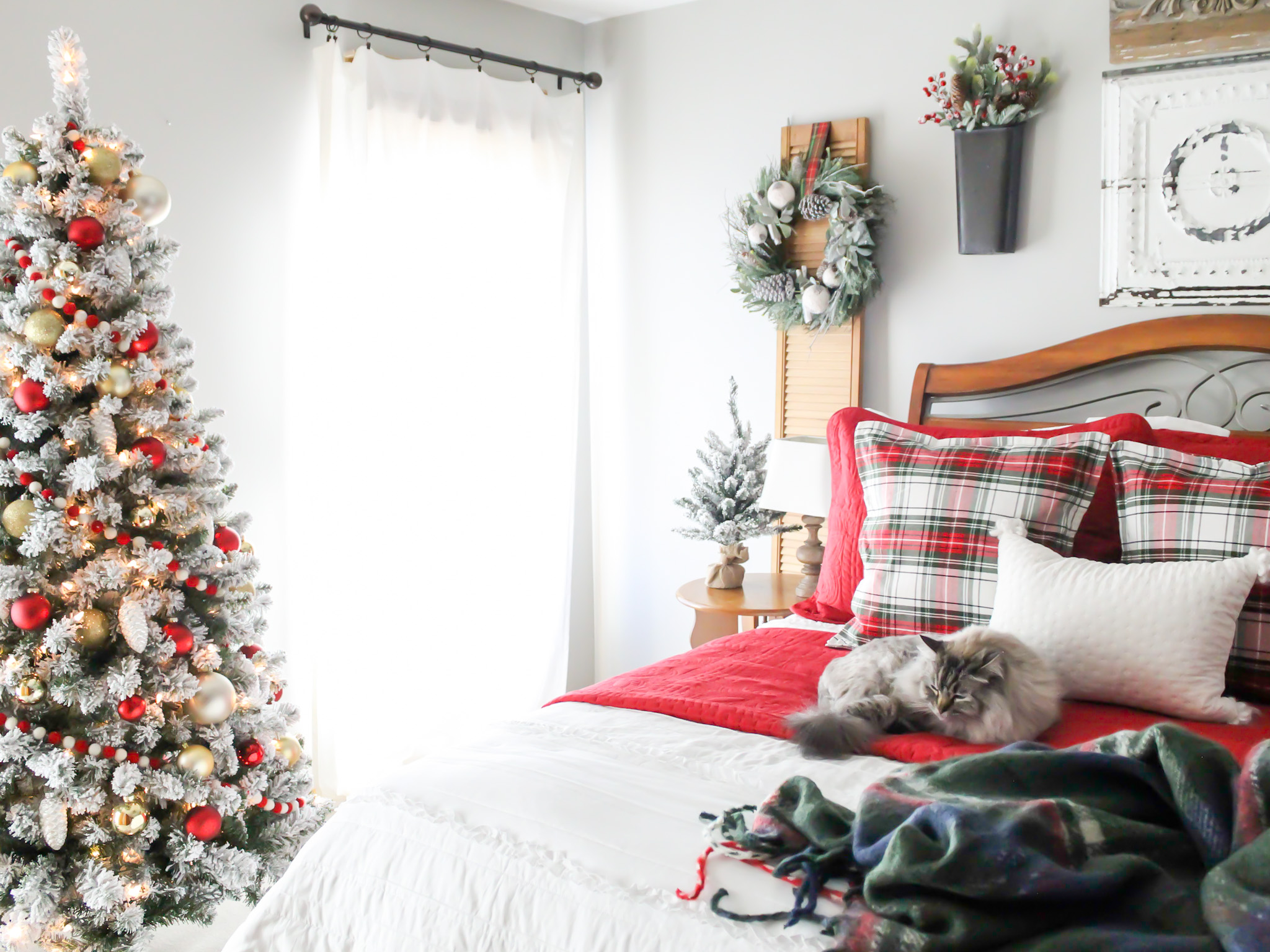
The holidays are a great time to refresh your bedroom with touches that evoke warmth and joy. But in Phoenix’s dry climate (average humidity 20-30% in winter), we need different strategies than snow-belt states.
Temperature considerations: Our winter evenings drop to 40-50°F, so you want coziness—but not the heavy quilts and flannel you’d use in Minnesota. Pillow covers add visual warmth without actual heat buildup. You’re creating the vibe without overheating at 3 AM when your heater kicks in.
Dry air challenges: Low humidity means static electricity and faster fabric wear. Cotton and linen pillow covers handle dry air better than synthetics (which generate static) or delicate silks (which crack). This matters for pieces you’ll handle daily.
Rental-friendly: Many Phoenix residents rent, and landlords frown on painting walls or major decor changes. Pillow covers deliver seasonal impact without security deposit risks. Swap them as seasons change—Christmas, Valentine’s, spring florals, fall pumpkins.
Storage reality: Phoenix homes often lack basements or attics. Pillow covers fold flat and store in a single drawer or under-bed bin, unlike bulky seasonal comforters or throws. Come January, they disappear until next December.
Material matters more than you’d think. Here’s what works in Phoenix’s climate:
Pros: Breathable, machine-washable, no static buildup, affordable ($8-15 per cover). Holds up to dry air without cracking. Easy to find in every Christmas pattern imaginable—buffalo check, plaid, Santa prints, snowflakes.
Cons: Wrinkles easily (but that’s fixable with a quick iron or steam). Not as plush as velvet.
Best for: Everyday use, Phoenix’s dry climate, families with kids or pets who need washable options.
Where to buy: Target ($10-15), Amazon ($8-20), HomeGoods ($12-18)
Pros: Rich texture, jewel tones look expensive, holds color well, doesn’t generate static. That deep green or burgundy velvet screams “holiday elegance.” Hides wrinkles naturally.
Cons: Higher price ($15-30), shows every pet hair or dust particle (annoying in Phoenix’s dusty season). Hand-wash or delicate cycle only—not throw-in-and-forget.
Best for: Guest bedrooms, formal holiday looks, master bedrooms without pets.
Where to buy: Pottery Barn ($25-35), West Elm ($28-40), Amazon ($15-25)
Pros: Relaxed, rustic vibe, breathes exceptionally well, gets softer with washing. Perfect for farmhouse or Scandinavian Christmas aesthetics. Handles dry air beautifully—actually improves with low humidity.
Cons: Wrinkles are the point (intentionally rumpled look), so if you hate wrinkles, pass. Limited holiday patterns—mostly neutrals with subtle embroidery.
Best for: Minimalist Christmas decor, master bedrooms, adults who like natural textures.
Where to buy: Crate & Barrel ($18-28), World Market ($12-22), Etsy (handmade, $15-35)
Pros: 3D texture creates visual interest, cozy winter feeling, covers don’t slip off pillows. Often white or cream with subtle patterns—easy to mix with any bedding.
Cons: Bulkier storage, can stretch out over time, hand-wash recommended. Not cheap ($20-35 per cover).
Best for: Accent pillows (not sleeping pillows), texture layering, neutral Christmas palettes.
Where to buy: Pottery Barn ($30-45), Target Hearth & Hand ($20-28), Amazon ($18-30)

| Fabric | Price Range | Breathability | Care | Best For Phoenix? |
|---|---|---|---|---|
| Cotton | $8-15 | Excellent | Machine wash | ✅ Yes – Best choice |
| Velvet | $15-30 | Moderate | Delicate cycle | ✅ Yes – If no pets |
| Linen | $12-25 | Excellent | Machine wash | ✅ Yes – Love wrinkles |
| Knit | $20-35 | Good | Hand wash | ⚠️ Accent only |
Wrong size = saggy or overstuffed pillows that ruin the look.
Standard sizes:
Measuring tip: Covers should be 1-2 inches smaller than your insert for proper fullness. A 20″ insert needs an 18″ cover (snug and plump). Same-size cover = flat pillow.
Insert quality matters: Down alternative ($12-18) holds shape better than cheap polyester ($5-8) which flattens after a month. We like Foamily or Utopia Bedding inserts from Amazon—affordable and durable. Wirecutter’s throw pillow testing confirms that quality inserts make a huge difference in longevity.
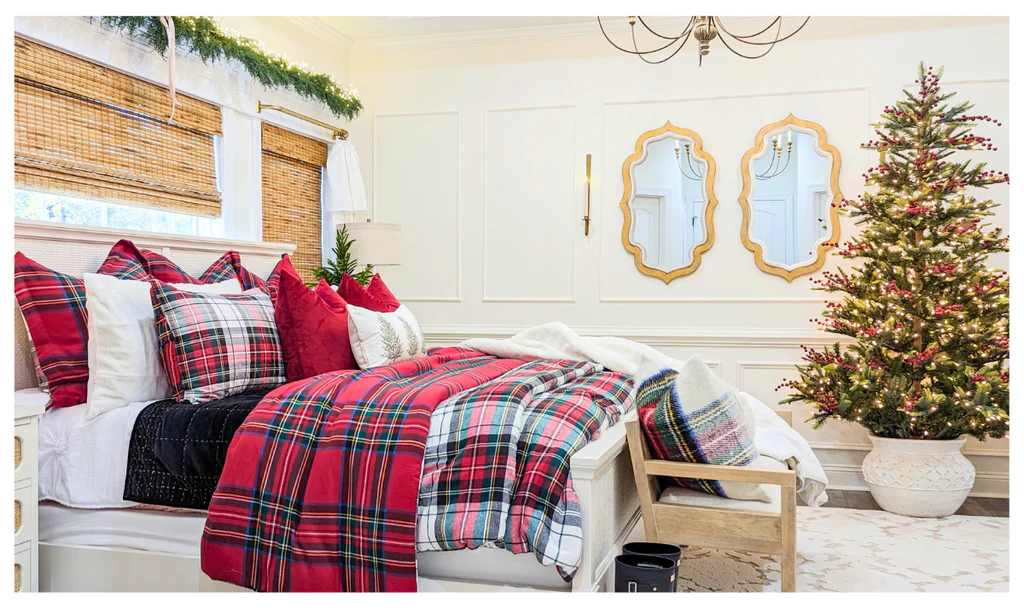
Styling strategy depends on your existing bedding. Here’s what works:
If you have white, gray, or beige bedding year-round (smart for Phoenix heat), Christmas covers stand out beautifully:
Formula: White duvet + 2-4 Christmas pillow covers + 1 throw blanket = instant holiday bedroom
Example:
– 2 standard white sleeping pillows (hidden under shams)
– 2 red buffalo check 20″x20″ covers
– 1 green velvet 18″x18″ cover
– 1 cream knit 12″x20″ lumbar (optional)
– Red or plaid throw at foot of bed
Cost: $40-80 total if buying new covers
If your everyday bedding is navy, teal, or patterned, Christmas covers need coordination:
Strategy: Pick ONE Christmas color that matches your bedding, then use neutrals
Example for navy bedding:
– Keep your navy duvet
– Add white pillow covers with silver embroidered snowflakes
– 1 navy/red buffalo check cover (ties in both colors)
– Skip green entirely (clashes with navy)
Back row (against headboard): 2 larger covers (20″x20″ or 22″x22″) in your main Christmas pattern—usually plaid or solid red/green
Middle row: 1-2 medium covers (18″x18″) in complementary pattern or texture—maybe one with embroidery or different fabric
Front accent: 1 lumbar pillow (12″x20″) in neutral or metallic—white, cream, gold, or silver
Phoenix-specific tip: Use lighter fabrics (cotton, linen) for sleeping pillows even if they’re holiday-themed. Save velvet/knit for accent pillows you don’t sleep on. You’ll thank yourself when it’s still 55°F in your bedroom at night.

What’s trending for holiday bedrooms this year:
Vintage plaids are back—think Pendleton-style buffalo check in red/black or green/navy. Modern twist: mixing different plaid scales (large check + small gingham). The Spruce’s Christmas bedroom ideas showcase how vintage patterns create timeless holiday appeal.
Jewel tones over pastels—emerald green, burgundy, and navy replace the soft pink/mint trend from 2023-24. Richer, more sophisticated. Research from the Sleep Foundation suggests deeper, calming colors can positively impact sleep quality.
Sustainable materials—organic cotton and linen Christmas covers are easier to find. Brands like Coyuchi and West Elm lead here. Costs 20-30% more but lasts longer. Real Simple’s sustainable bedding guide explains why organic materials are worth the investment.
Embroidered details instead of printed patterns—hand-stitched snowflakes, trees, or “Merry Christmas” text. More artisanal, less mass-produced look.
Neutral Christmas—cream, white, natural linen with subtle gold or silver details. Perfect for minimalists who want festive without traditional red/green. Works year-round in Phoenix’s light-filled bedrooms.
Target (Best Value)
– Hearth & Hand collection: $12-20 per cover
– Studio McGee neutrals: $15-25
– Wide selection October-December
– In stock at Tempe, Scottsdale, Chandler locations
– 20-30% off in November (Circle Week)
Amazon (Best Selection)
– Every pattern imaginable: $8-30
– Prime shipping (arrives in 2 days)
– Read reviews carefully—quality varies wildly
– Search “Christmas pillow covers 18×18” + filter by 4+ stars
– Best sellers: Anickal, Peziwmo, Yanfind brands
HomeGoods (Best for Unique Finds)
– Velvet and luxury options: $12-25
– Selection is hit-or-miss (it’s off-price)
– Check weekly starting late October
– Phoenix locations: Scottsdale Quarter, Desert Ridge, Ahwatukee
Pottery Barn / West Elm (Best Quality)
– Premium materials: $25-45
– Classic designs that work for years
– Sales in November (20-30% off)
– Worth it if you’re building long-term collection
Etsy (Best for Handmade)
– Custom embroidery options
– Unique patterns not in big-box stores
– $18-40 depending on seller
– Order by early November for Christmas delivery
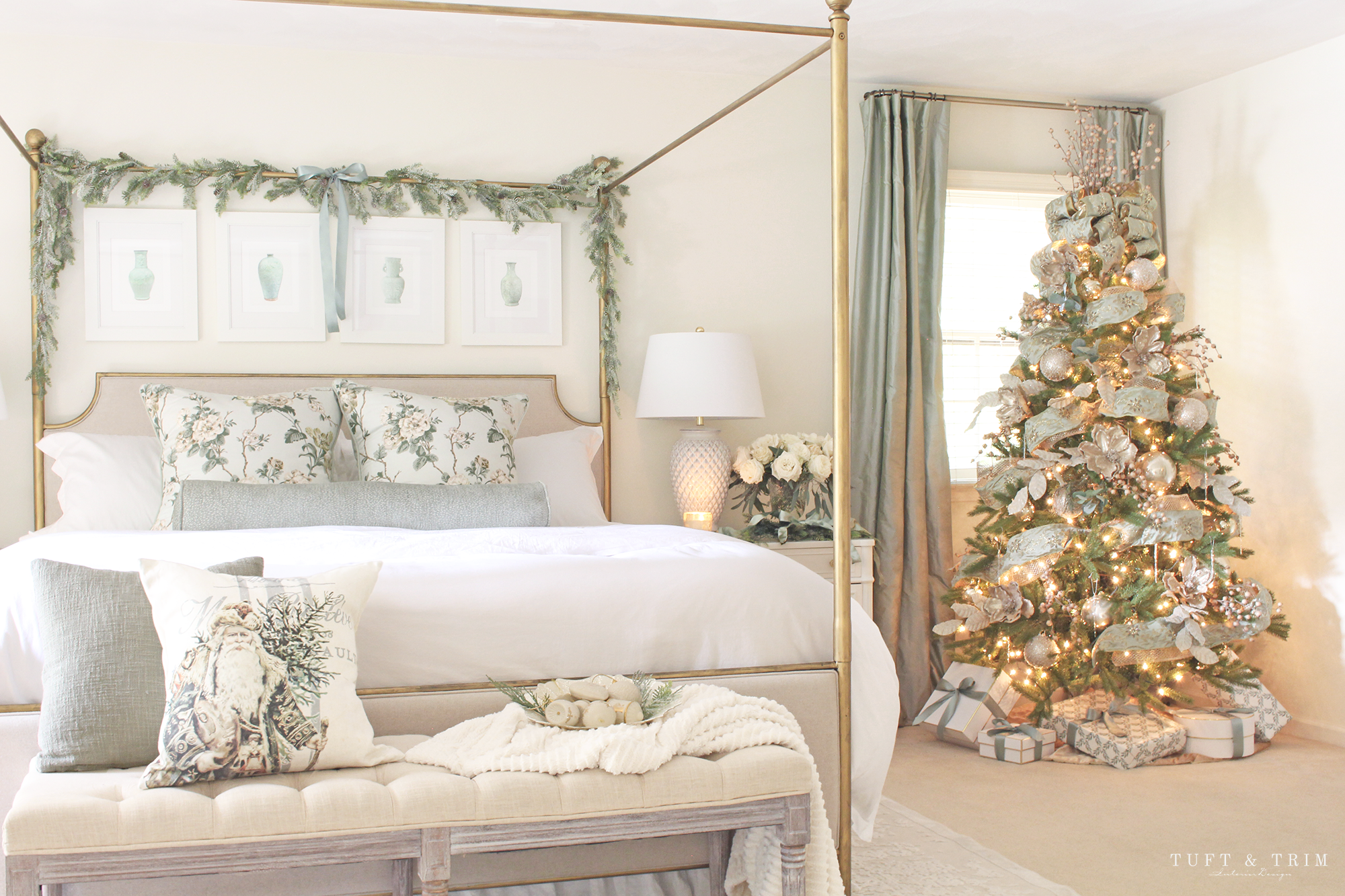
Proper care extends life from 2-3 seasons to 5-10 seasons:
Washing: Machine-wash cotton and linen in cold water, gentle cycle. Tumble dry low or air dry (fast in Phoenix’s dry air—30-60 minutes outside). Velvet and knit: delicate cycle in mesh bag, air dry flat. For detailed fabric care instructions, Good Housekeeping’s pillow care guide offers expert tips.
Static prevention: Add 1/4 cup white vinegar to rinse cycle or use wool dryer balls. Phoenix’s 20% winter humidity creates static electricity—vinegar neutralizes it naturally.
Storage (January-November): Wash before storing. Fold flat (don’t stuff) in cotton storage bags or pillowcases—plastic traps moisture and creates musty smells even in dry climates. Add cedar sachets to prevent dust mites. Store in closet shelf or under-bed bins.
Rotation strategy: Buy enough covers to change every 2-3 weeks during December. This spreads wear and lets you wash/rotate without empty pillows. Minimum: 4-6 covers total.
Starter Budget ($50-80):
– 4 cotton covers from Target/Amazon
– 2 pillow inserts (if needed)
– Total Christmas bedroom transformation
Mid-Range ($100-150):
– Mix of cotton and velvet covers
– 1-2 lumbar pillows
– Higher quality inserts
– Coordinating throw blanket
Premium ($200-300):
– West Elm/Pottery Barn collection
– Mix of textures (linen, velvet, knit)
– Multiple sets to rotate
– Builds collection over years
Phoenix tip: Start mid-range, then add premium pieces annually. By year 3-4, you’ll have a rotation that feels luxurious without one-time sticker shock.
Christmas pillow covers are the easiest, most affordable way to transform your Phoenix bedroom for the holidays. They work with our mild winters, dry climate, and rental-friendly lifestyle. Start with 2-4 cotton covers in classic patterns—red buffalo check or green plaid—and build from there.
The beauty is flexibility: swap them in Thanksgiving weekend, enjoy all December, pack them away New Year’s Day. No heavy comforters, no overwhelming decor, just the right touch of festive coziness for desert winters.
At Cozy Bed Quarters, we help Phoenix residents create comfortable, stylish bedrooms year-round. Explore our guides on bedding, bedroom furniture, and seasonal decor below.
Most throw pillows are 18″x18″ or 20″x20″. Measure your existing pillow inserts before buying covers. The cover should be 1-2 inches smaller than the insert for a plump, full look. For example, an 18″ cover fits a 20″ insert perfectly.
Yes, cotton and linen covers are machine-washable in cold water, gentle cycle. Tumble dry low or air dry (fast in Phoenix’s dry climate). Velvet and knit require delicate cycle in a mesh bag and air drying. Always check care labels—some embroidered or beaded covers need hand-washing.
For a Queen or King bed: 2-4 covers create good visual impact. Start with 2 matching covers in your main pattern (plaid or solid), add 1-2 accent covers in different textures or complementary colors. More than 5 looks cluttered unless you have a California King.
Most people swap them in the day after Thanksgiving (late November) and remove them January 1-2. Some keep them through Epiphany (January 6). In Phoenix, our mild winters mean you can enjoy them the full 5-6 weeks without overheating.
Absolutely. In fact, they’re perfect for small spaces because they add holiday cheer without taking up floor space like a Christmas tree would. Stick to 2-3 covers max in small rooms to avoid visual clutter. Choose one or two colors rather than mixing many patterns.
Yes! That’s one of their best features—move them between bedroom and living room as needed. Use the same covers on your bed at night, display them on the couch during the day. This is especially practical in Phoenix where many of us have open floor plans connecting bedroom and living areas.
Cotton wins for Phoenix’s dry climate. It breathes better, doesn’t generate static electricity (a problem in 20-30% humidity), and machine-washes easily. Save velvet for accent pillows you don’t sleep on. Velvet looks luxurious but shows every speck of dust—annoying during Phoenix’s dusty season.

The fastest way to get a christmas bedroom aesthetic is to pick one color direction, layer the bed with texture, and swap your lighting for something warm and low. Everything else — a mini tree, a wreath, a candle — is a finishing touch, not the main event. Three or four well-placed pieces will read as festive; fifteen will read as clutter, and clutter is the enemy of sleep.

Decide on the mood before you buy anything. That single step prevents the most common holiday decorating mess: a red plaid duvet, a silver tinsel garland, a gold star and a green wreath all fighting each other in one small room. Pick a lane and stick to it.
| Style | Colors | Best for |
|---|---|---|
| Cozy neutral | Cream, beige, warm wood, soft gold | Rooms you want to keep decorated into January |
| Traditional | Red, green, white, buffalo check | Guest rooms and anyone who loves classic Christmas |
| Scandi minimal | White, pale gray, light wood, one sprig of greenery | Small bedrooms and minimalists |
| Winter white | White, silver, icy blue, frosted glass | A festive look without warm-toned color |
| Rustic farmhouse | Natural wood, burlap, pinecones, muted red | Rooms with exposed wood or vintage furniture |
A useful ratio: keep most of the room in your existing neutrals and let the holiday color live in a small share of it. Muted burgundy reads as Christmas just as clearly as fire-engine red, and it is far easier to relax around.
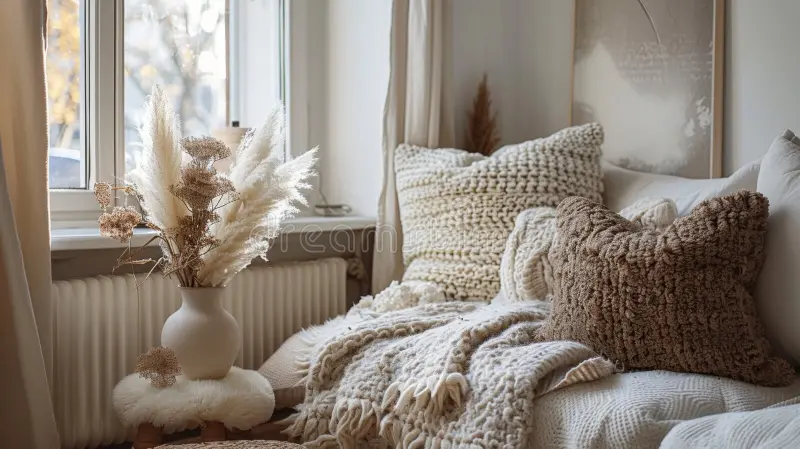
Your bed takes up the most visual space in the room, so changing it changes everything. You do not need a new sheet set. Keep your usual white, cream or gray sheets as the base and layer on top.
Texture beats pattern every time. Waffle weave, brushed cotton, boucle and knit all catch light and shadow, which is what actually makes a room look warm in photos and in person. If you are shopping for the bed itself, our Christmas bedding ideas and holiday throws and blankets guides go deeper on fabrics and combinations.

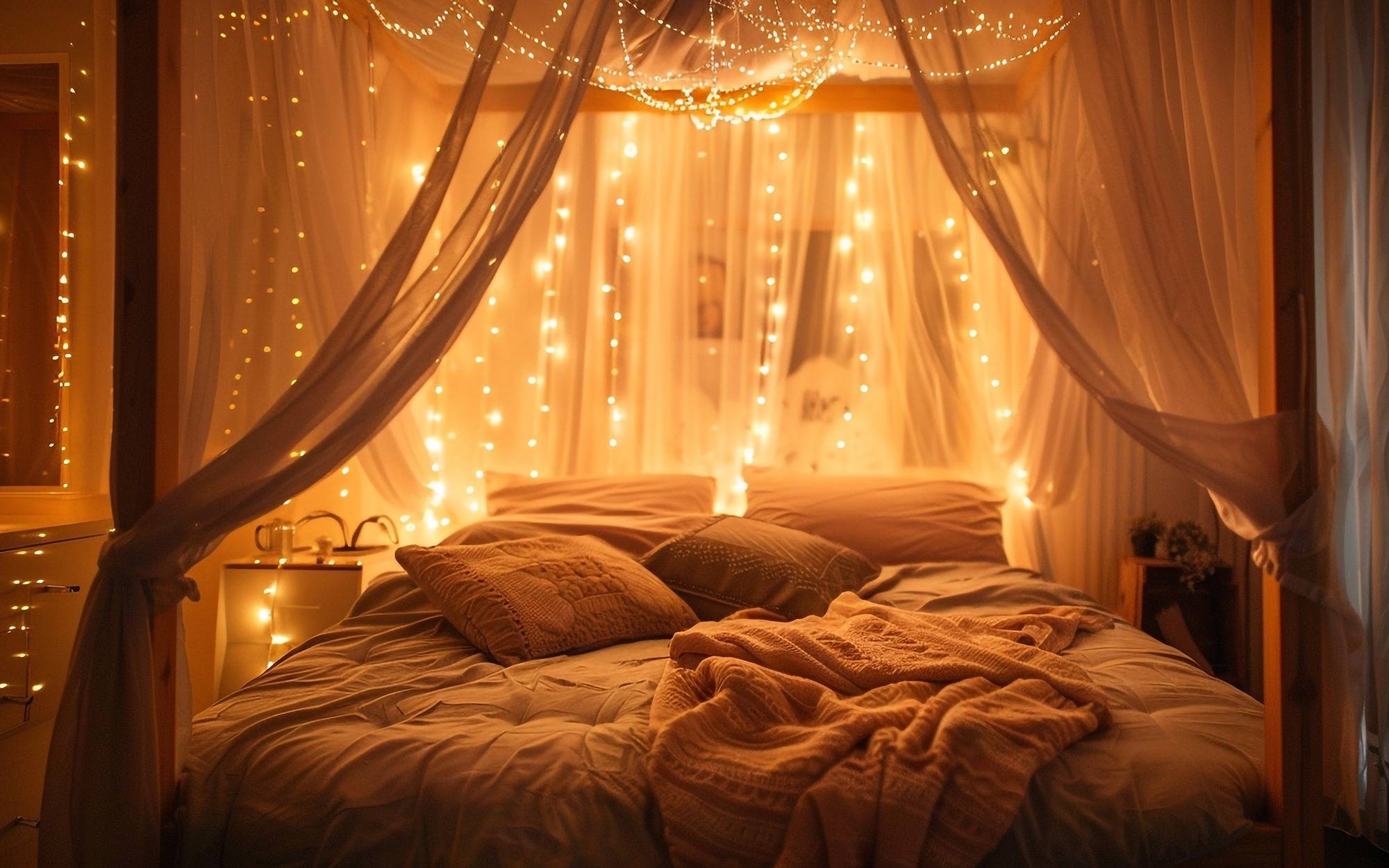
If you only change one thing, change the light. Overhead fixtures flatten a room; low, warm, scattered light does the opposite.
Use warm white bulbs and string lights around 2700K rather than cool white. This is not just an aesthetic preference — the Sleep Foundation notes that warm-colored light in the red, orange and yellow range has less effect on your circadian rhythm and melatonin than cooler light does. Cool white strings in a bedroom look like an office at 10 p.m., and they feel like one too.
Places that work:
Battery-operated sets with built-in timers save you from cord management and from falling asleep with everything blazing. Skip anything that blinks, fades or cycles colors near the bed. For the layering principles behind all of this, see our guide to cozy bedroom lighting.
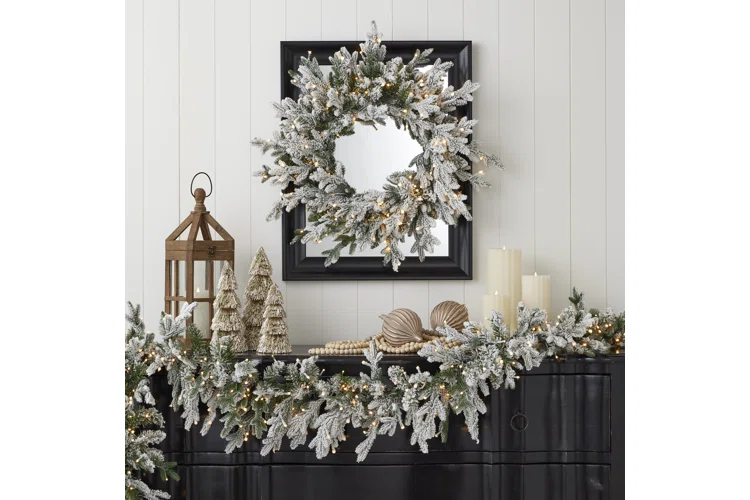
You do not need to cover a wall. One wreath above the headboard, or one garland along a shelf or window frame, is usually the whole job.
A 16- to 20-inch wreath hung roughly a hand’s width above the headboard centers the bed nicely, and removable adhesive hooks keep rental walls intact. Faux eucalyptus and pine hold up all season; real greenery looks better for a couple of weeks, then starts dropping in dry heated air.
The cheapest wall swap is one you already own: pull the art out of an existing frame and drop in a seasonal print. If you want a more permanent plan for that space, our bedroom wall decor ideas cover what works above a bed.
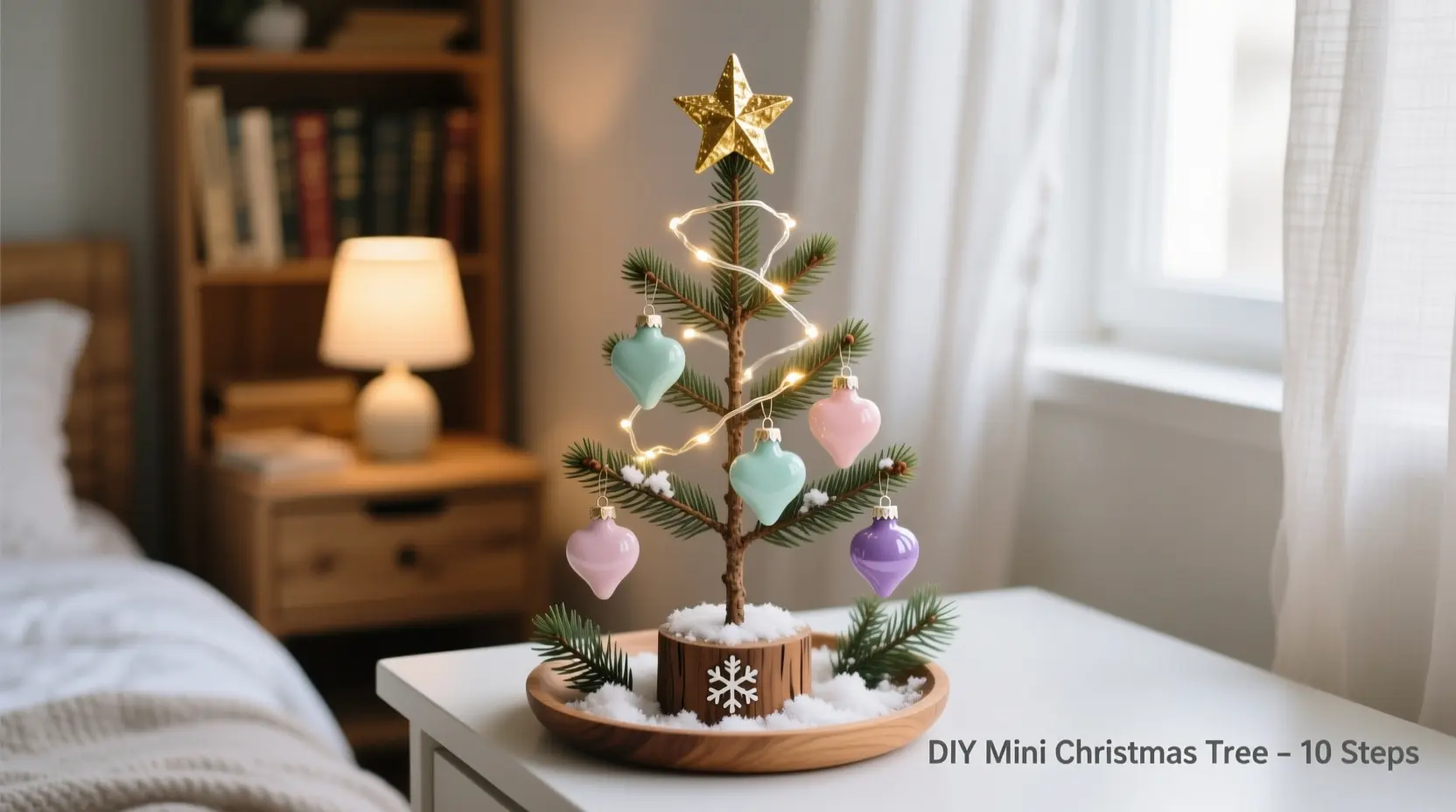
Nightstands still have a job to do. You need room for a glass of water, your phone, glasses and whatever you are reading. Anything beyond two or three decorative items starts to feel stressful.
Good candidates: a small pre-lit tabletop tree, a single ceramic house or wooden figure, a short stack of books tied with ribbon, or one candle. Style one nightstand and leave the other plain — asymmetry looks more designed than a matching pair, and it keeps one surface fully usable.

A tree in the bedroom is charming as long as it fits. Measure the floor space first — a tree that looked slim in a big store will feel enormous in a 10×11 room.
Keep the decorating restrained: one or two colors, a modest number of ornaments, warm white lights, and no tinsel. Skip the topper if it pushes the tree awkwardly close to the ceiling.
Safety matters more in a small room than a large one. Fire agencies advise keeping a tree at least three feet from any heat source, including heat vents, radiators, space heaters and candles — NIST summarizes the standard guidance here. Put the tree on a stable surface, never a wobbly nightstand, and use a timer so it is not running while you sleep.
Scent is half of what makes a room feel like Christmas. Pine, cedar, cinnamon, clove, vanilla and orange all work. Aim for something you notice walking in and forget about five minutes later.
Reed diffusers and essential oil diffusers give you a low, continuous background scent without an open flame. That matters: the National Fire Protection Association reports that more than a third of home candle fires start in the bedroom, and December is the peak month for candle fires. Flameless LED candles with a flicker and a timer get you the same glow with none of that risk. If you do burn a real candle, keep it well away from bedding and curtains, and put it out before you get into bed.
One more sensory layer worth stealing: quiet instrumental holiday music or a winter ambient track in the evening. It sets the mood without the visual clutter of another object on a shelf.
Natural materials suit every palette on the list above, and most of them are free or close to it.

Stepping onto cold tile or hardwood on a December morning undoes a lot of cozy. A soft rug where you get out of bed fixes it. A neutral base rug with a smaller sheepskin or patterned layer on top adds depth you can take apart in January — our guide to layering rugs in a bedroom covers the proportions.
Then the rule that saves most bedrooms: pick three to five holiday elements and stop. Festive bedding, string lights and a nightstand tree is a complete look. So is a plaid duvet, a wreath and a garland. Before you add anything, clear the non-seasonal stuff out — everyday frames, summer pillows, general dresser-top drift. A room with breathing space always looks more expensive than one with eight small ornaments on every surface. In a tight room, the tricks that make a small bedroom look bigger apply double in December.
The point of decorating the room you sleep in is that it should help you rest, not compete with it. An hour before bed, kill the overhead light and leave only the strings or a lamp on. Switch from stimulating scents to something softer if strong cinnamon keeps you wired. Set timers so the tree and lights shut off on their own. And keep the room cool — the Sleep Foundation puts the ideal bedroom temperature around 65°F, which is easy to forget when the heat is running and the bed has four layers on it.
The details people actually remember are rarely from a store display: the ornament you made as a kid, a framed photo from a past Christmas, folded flannel pajamas at the end of the bed, the same holiday book on the nightstand every year. Those are free, and they do more for a room than another set of matching baubles.
Most people start the weekend after Thanksgiving, which in 2026 falls at the end of November. That leaves about five weeks before New Year’s, or a bit longer if you keep things up through Epiphany on January 6.
Scandi minimal or winter white. Pale bedding, one tabletop tree, string lights, and nothing on the floor. Skip floor trees and busy patterns, which visually eat square footage.
Get the warmth from color and texture instead of fabric weight. A cotton quilt with a knit throw looks as cozy as a heavy down comforter and sleeps far cooler, and warm-toned lighting adds the illusion of heat without any.
They carry real risk — bedrooms are where the largest share of home candle fires start, per NFPA data. Battery LED candles with timers give you the same look. If you use real ones, never leave them burning unattended or while you drift off.
2700K warm white, dimmable if possible. Cool white above 4000K looks harsh in a bedroom, and color-changing or blinking lights are a poor fit next to a bed.
It depends on what you already own, and prices move week to week during the season, so we won’t guess at numbers. Pillow covers, string lights and one throw will change the room for very little, and reusing neutral pieces year after year keeps the running cost near zero.
Updated September 2026.

The best Christmas duvet covers are one of the easiest ways to transform your bedroom for December—and in Phoenix, where our mild winters mean we want visual coziness without actual overheating, they’re the perfect solution. With the right fabrics, colors, and textures, you can create a festive space that feels warm and welcoming without redecorating the entire room or adding heavy layers you’ll regret at 3 AM.
December brings a special kind of comfort: soft lighting, quiet evenings, and the joy of stepping into a warm, winter-ready bed. Swapping your everyday bedding for one of the best Christmas duvet covers is a simple upgrade that instantly adds holiday charm. In Phoenix’s 40-50°F winter nights (which feel cold when you’re used to 110°F summers), the right duvet creates that cozy feeling without actually making you sweat.
In this guide, you’ll explore popular styles with specific prices, cozy fabric options for desert climates, current winter trends, and practical tips for choosing Christmas bedding that feels festive, comfortable, and easy to live with all season long. We’ll cover everything from classic red plaid to minimalist Scandinavian styles, with real product recommendations and Phoenix-specific advice.
For even more winter styling inspiration, check out our guide on layering your bed for winter.
A duvet cover takes up 60-80% of your bed’s visual area—the largest single element in most bedrooms. Changing it immediately sets the tone of the room. You don’t need extra decorations, wreaths, or complicated styling. Your bed becomes the centerpiece.
The 5-minute transformation: Remove old duvet cover, shake out new one, stuff duvet inside, zip or button closed. Done. Your bedroom now looks festive. Compare this to painting walls (2-3 days), buying new furniture ($500-2000), or extensive decorating (hours of work).
Phoenix advantage: In our bright, sunny rooms with large windows, a Christmas duvet creates visual warmth without blocking natural light or adding clutter. The bed does the work while keeping your space open and airy.
Holiday bedding adds visual warmth through rich colors (deep reds, forest greens, warm neutrals) and soft textures (flannel, brushed cotton, cable knit patterns). This creates that cozy December feeling even when your actual room temperature is 68-70°F.
Phoenix reality check: We don’t need heavy down comforters or thick flannel sheets like Minnesota. But we DO want that cozy holiday vibe. Christmas duvet covers solve this—they look warm and festive while still being breathable enough for mild desert winters.
The psychological effect matters too. Red and green plaids, winter white patterns, or rustic cabin prints trigger “it’s the holidays” feelings the moment you walk into your bedroom. Your brain associates these patterns with warmth, comfort, and celebration—even if the actual temperature is moderate.
Compared to new furniture ($300-2000 for a dresser or nightstand) or full décor updates ($500+ for curtains, rugs, lamps), a seasonal duvet cover is incredibly affordable while delivering maximum visual impact.
Price breakdown:
– Budget duvet covers: $35-50 (Target, Amazon Basics)
– Mid-range quality: $60-100 (Pottery Barn, West Elm, Crate & Barrel)
– Premium designer: $120-200 (Serena & Lily, Garnet Hill)
– Luxury options: $250+ (rarely necessary unless you want ultra-premium)
For $60-80, you get a complete bedroom transformation that lasts 5-10 holiday seasons. That’s $6-16 per year. Compare that to a $150 wreath that might last 2-3 years, or $80 worth of throw pillows that go out of style.
Reusability: Unlike disposable decorations, a quality Christmas duvet cover can be used every December for years. Store it properly (cotton storage bag, not plastic), and it’ll maintain its color and softness for a decade.

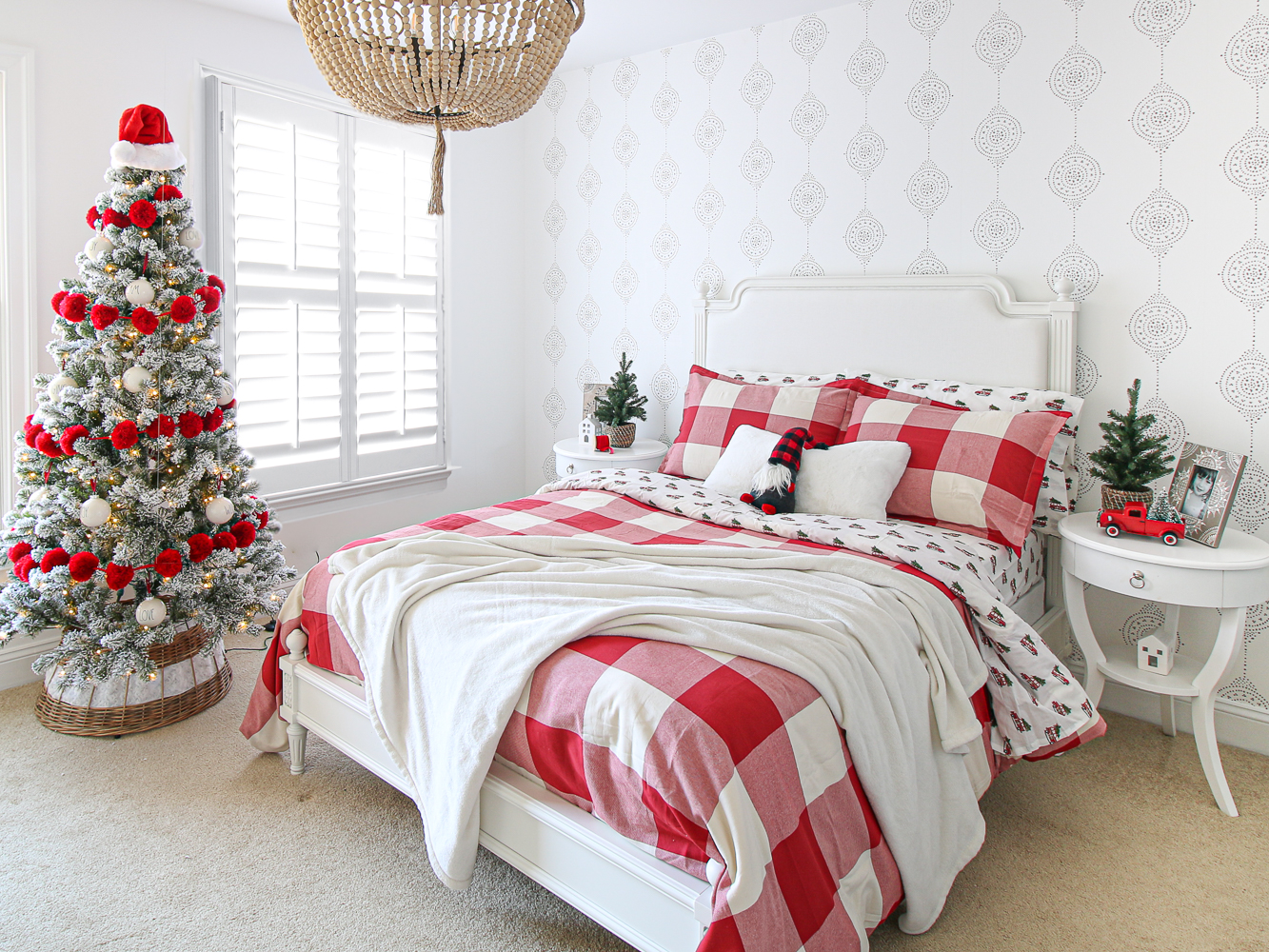
Traditional styles are timeless and cheerful, often featuring buffalo check plaids, reindeer, snowflakes, and red/green color palettes. These work beautifully in rustic, farmhouse, and family-friendly bedrooms—especially popular in Phoenix’s Southwestern-style homes where rustic elements already dominate.
Signature looks:
– **Buffalo check plaid** (red/black or green/black): Most iconic Christmas pattern, works with any décor style
– **Tartan plaids** (multi-color): Scottish-inspired, feels traditional and elegant
– **Reindeer or deer prints**: Woodland cabin vibe, pairs with natural wood furniture
– **Snowflake patterns**: Winter wonderland without being too “Christmas” (works November-February)
– **Classic red with white accents**: Timeless, bright, instantly festive
Best for: Main bedrooms, family homes, anyone who loves traditional Christmas aesthetics, rustic or farmhouse style homes (common in Phoenix suburbs)
Where to buy classic designs:**
– **Target Hearth & Hand collection:** $45-65, excellent quality, machine-washable
– **Amazon (Stone & Beam, Pinzon):** $40-70, lots of plaid options
– **Pottery Barn Red Plaid:** $79-129, premium quality, lasts 10+ years
– **L.L.Bean Flannel Duvet:** $89-139, heavyweight, very warm
Phoenix tip: Choose cotton-blend plaids over heavy flannel. You get the visual warmth without waking up sweaty when your heater kicks in at 3 AM and indoor temps hit 72°F.
See more traditional options in The Company Store’s holiday bedding collection.
Neutral tones, Scandinavian-inspired prints, and simple graphics create a calm, seasonal look without overwhelming the room. Perfect for modern homes, small bedrooms, or people who want “festive but subtle.”
Signature looks:
– **Cream/white with subtle texture:** Cable knit patterns, waffle weave, matelassé
– **Soft gray with white snowflakes:** Modern, peaceful, works year-round
– **Natural linen in oatmeal or sand:** Rustic-meets-modern, very popular in Phoenix
– **White with metallic thread accents:** Tiny gold or silver stars, barely-there festive
– **Beige plaid (tone-on-tone):** Plaid pattern in same-color family, sophisticated
Best for: Small bedrooms (light colors make space feel larger), modern/contemporary homes, people who dislike bold red/green, Phoenix’s bright sunny rooms (neutrals don’t compete with natural light)
Where to buy minimalist designs:**
– **West Elm Organic Cotton Duvet:** $79-109, simple textures, natural colors
– **Crate & Barrel Belgian Linen:** $149-199, luxury feel, minimal patterns
– **H&M Home:** $35-55, affordable Scandi-style, decent quality
– **Zara Home:** $60-90, trendy minimalist prints
– **The White Company (UK):** $100-150, pristine winter whites
Phoenix advantage: Neutral Christmas bedding works with our desert color palettes (terracotta, sand, sage green). You’re not fighting existing décor—just enhancing it for the season.
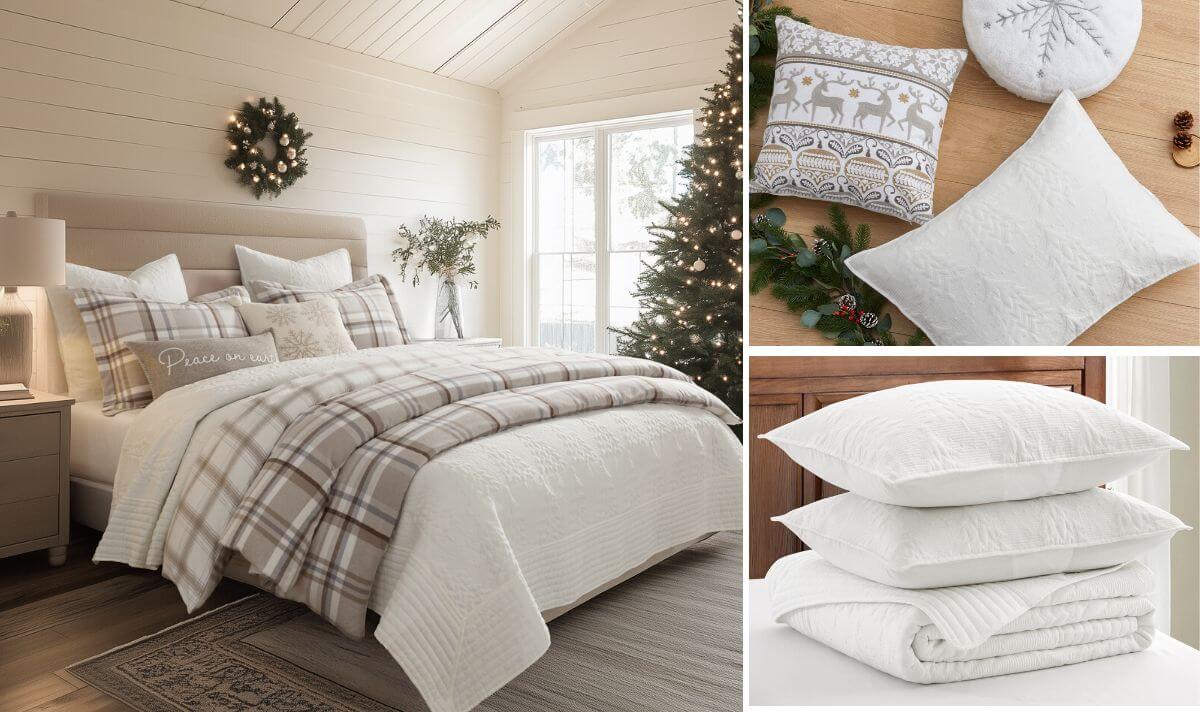
Icy blues, muted greens, soft metallics, and snowy forest themes offer a refined and luxurious holiday feel. Think “ski lodge in Aspen” rather than “Santa’s workshop.”
Signature looks:
– **Icy blue with silver accents:** Cool tones, feels fresh and elegant
– **Forest green with gold thread:** Rich jewel tone, sophisticated
– **White-on-white embroidered snowflakes:** Textural, subtle, very upscale
– **Soft sage green with cream:** Nature-inspired, calming
– **Navy blue with white trees:** Winter forest, modern twist on classic
Best for: Master bedrooms, guest rooms, people who want sophisticated (not cute) Christmas, homes with elegant/traditional décor, cooler Phoenix microclimates (North Phoenix, Cave Creek where it actually gets cold)
Where to buy winter wonderland designs:**
– **Pottery Barn Velvet Duvet:** $129-179, rich textures, jewel tones
– **Serena & Lily:** $168-248, coastal-meets-winter elegance
– **Garnet Hill Flannel:** $148-198, premium quality, beautiful colors
– **Restoration Hardware (RH):** $200-350, luxury hotel quality
– **Sferra (high-end):** $300-600, investment piece, heirloom quality
Phoenix consideration: Icy blues and cool greens work beautifully in our bright, warm climate. They create visual cooling while still feeling festive—perfect for mild desert winters.

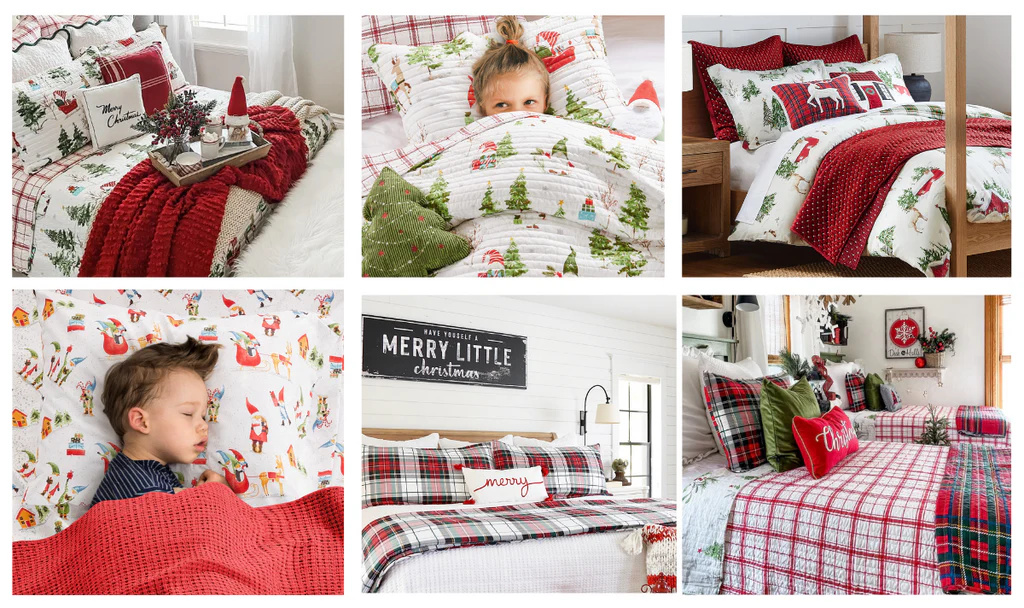
Bright, fun designs are perfect for kids’ rooms and guest bedrooms, featuring cheerful characters, bold holiday icons, and playful patterns that make people smile.
Signature looks:
– **Santa, reindeer, snowmen characters:** Fun, cartoon-style, kid-friendly
– **Candy cane stripes:** Bold red/white, playful energy
– **Christmas lights pattern:** Colorful bulbs on dark background
– **Gingerbread houses and cookies:** Sweet, whimsical
– **Penguins, polar bears, winter animals:** Cute without being too “baby”
Best for: Kids’ bedrooms (ages 4-12), playrooms with daybeds, guest rooms for families with children, anyone who loves fun, cheerful Christmas décor
Where to buy playful designs:**
– **Target Pillowfort collection:** $30-50, kids’ designs, durable
– **Pottery Barn Kids:** $79-129, quality construction, fun prints
– **Amazon (various brands):** $25-45, huge selection, quality varies
– **Land’s End Kids:** $60-90, classic fun designs
– **Garnet Hill Kids:** $98-148, premium quality, will last
Phoenix tip: Whimsical prints work great in darker, smaller bedrooms (common in older Phoenix homes). Bright patterns add energy to rooms that don’t get much natural light.
Fabric choice matters more than you’d think—especially in Phoenix where temperature swings between 40°F nights and 70°F afternoons are common in December.
Thicker and warmer, brushed flannel is one of the most popular choices for winter duvet covers. The brushed surface creates air pockets that trap heat, making it feel cozy and soft.
Pros:**
– Very warm (perfect for cold sleepers)
– Ultra-soft, brushed texture feels luxurious
– Gets softer with every wash
– Classic winter aesthetic
– Available in tons of Christmas prints (especially plaids)
Cons:**
– Can be too warm for Phoenix (unless you keep bedroom 62-65°F)
– Pills over time if low quality
– Takes longer to dry after washing
– Heavier weight (harder to stuff duvet inside cover)
Best for:** North Phoenix/higher elevations where it actually gets cold (35-40°F nights), cold sleepers, bedrooms with poor heating, people who love that “cabin in the woods” cozy feeling
Weight guide:**
– **Lightweight flannel:** 4-5 oz per square yard ($35-60)
– **Medium flannel:** 5-6 oz per square yard ($50-90)
– **Heavyweight flannel:** 6+ oz per square yard ($80-140)
Top picks:**
– **L.L.Bean Scotch Plaid Flannel:** $89-139, 6 oz heavyweight, lifetime guarantee
– **Lands’ End Flannel:** $70-110, 5.5 oz, excellent quality/price ratio
– **Pottery Barn Flannel:** $79-129, soft hand, good durability
– **Eddie Bauer Flannel:** $60-90, solid mid-weight option
Learn more about top-rated flannel options in Wirecutter’s best duvet covers guide.
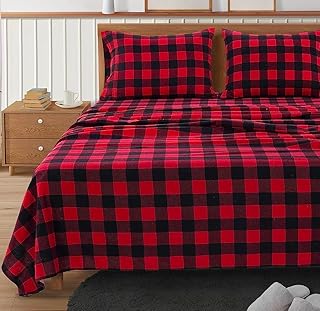
Breathable, soft, and easy to care for—ideal for Phoenix’s mild winters where you want festive look without overheating. Cotton regulates temperature naturally, wicks moisture, and feels crisp and fresh.
Pros:**
– Breathable (won’t overheat you)
– Machine-washable, dries quickly
– Wide range of thread counts (150-400+)
– Holds dye well (vibrant colors, crisp patterns)
– Works year-round (use solo in summer, layer in winter)
– Most affordable option ($35-90)
Cons:**
– Wrinkles easily (but that’s fixable with quick ironing)
– Not as inherently cozy-feeling as flannel
– Lower thread counts feel rough
– Can fade over many washes if low quality
Best for:** Phoenix’s climate (perfect for 40-60°F nights), warm sleepers, people who want versatile bedding, easy-care preferences, bedrooms with fluctuating temps
Thread count guide:**
– **200-300 TC:** Crisp, breathable, budget-friendly ($35-60)
– **300-400 TC:** Soft, smooth, good quality ($60-100)
– **400-600 TC:** Luxury feel, very soft ($100-150)
– **600+ TC:** Often marketing gimmick, diminishing returns
Top picks for Phoenix:**
– **Target Threshold Cotton:** $40-60, 300 TC, excellent value
– **Crate & Barrel Organic Cotton:** $79-119, soft, sustainable
– **West Elm Organic Cotton:** $79-129, modern designs
– **Parachute Percale:** $119-159, crisp, hotel-quality feel
Phoenix pro tip: Choose percale weave over sateen. Percale is cooler and crisper—better for our climate than silky-smooth sateen which can trap heat.
Natural fiber from flax plants, linen is temperature-regulating, moisture-wicking, and gets softer with age. Perfect for minimalist Christmas aesthetics.
Pros:**
– Most breathable fabric (better than cotton)
– Temperature-regulating (cool in heat, warm in cold)
– Naturally antimicrobial
– Gets softer every wash (unlike cotton which eventually wears out)
– Luxurious, relaxed aesthetic
– Lasts 20-30 years with proper care
Cons:**
– Expensive ($100-250)
– Wrinkles are the point (intentionally rumpled look)
– Limited Christmas print options (mostly neutrals)
– Feels rough initially (needs 3-5 washes to soften)
– Dry air can make it feel stiff (Phoenix problem—use fabric softener)
Best for:** Minimalist Christmas aesthetics, Phoenix’s dry climate (linen actually improves in low humidity), master bedrooms, people who appreciate natural materials, long-term investment buyers
Where to buy:**
– **Crate & Barrel Belgian Linen:** $149-199, classic quality
– **West Elm Belgian Linen:** $149-179, modern colors
– **Parachute Linen:** $229-269, ultra-soft, pre-washed
– **Magic Linen:** $130-180, European import, rustic charm
Synthetic fabrics that mimic natural fibers. Super affordable, easy to care for, but not as breathable.
Pros:**
– Very cheap ($25-50)
– Wrinkle-resistant
– Dries fast
– Durable (doesn’t fade or shrink)
– Good for kids/pets (easy to wash frequently)
Cons:**
– Not breathable (traps heat and moisture)
– Can feel plastic-y or slippery
– Pills easily if low quality
– Generates static in Phoenix’s dry air
– Doesn’t regulate temperature
Best for:** Guest rooms you rarely use, kids’ rooms (easy washing), temporary/rental situations, extreme budget constraints
Phoenix warning: Skip microfiber for primary bedrooms. The lack of breathability makes Phoenix’s already-dry air feel stifling. You’ll wake up sweaty even in December.
Bamboo-derived rayon is soft, sustainable, and naturally temperature-regulating. Gaining popularity for its eco-credentials.
Pros:**
– Softer than cotton
– Naturally moisture-wicking
– Sustainable/eco-friendly
– Naturally antimicrobial
– Silky-smooth feel
– Temperature-regulating
Cons:**
– More expensive ($80-150)
– Limited Christmas print options
– Can be chemically processed (check certifications)
– Wrinkles moderately
– Needs gentle washing
Best for:** Eco-conscious buyers, hot sleepers in Phoenix, people who love silky-soft bedding, sensitive skin
Where to buy:**
– **Cariloha Bamboo:** $119-159, very soft
– **Ettitude Bamboo:** $138-178, sustainable production
– **Cozy Earth Bamboo:** $245-295, luxury option
What’s trending for holiday bedding in 2025-2026:
Scandinavian-inspired winter patterns with clean lines and muted colors—think soft grays, whites, and single evergreen branches instead of busy all-over prints. Minimalist Christmas is huge right now, especially in modern homes.
Subtle metallic accents (gold and silver threads woven into fabric)—not shiny or loud, but tiny touches that catch light. A cream duvet with fine gold threading looks elegant, not gaudy.
Rustic cabin themes with woodland prints and pine motifs—deer, trees, pinecones, mountains. The “modern cabin” aesthetic pairs perfectly with Phoenix’s Southwestern style homes.
Rich jewel tones: emerald green, burgundy, navy blue—replacing traditional bright red/green with more sophisticated, muted versions. These work better in modern homes where traditional Christmas colors clash with contemporary décor.
Reversible designs—one side festive (red plaid), other side neutral (cream solid). Flip halfway through December for variety, or use neutral side in January without storing. Smart for small closets (common in Phoenix homes).
Textured fabrics—cable knit patterns, waffle weave, matelassé, bouclé. These add visual interest without busy prints. Texture = cozy without pattern overload.
Vintage-inspired plaids—not modern buffalo check, but old-school Scottish tartans in muted colors (think Pendleton blankets). Feels timeless and heirloom-quality.
For more trend inspiration, read House Beautiful’s 2025 Christmas bedding trends.
Color creates mood more than any other element. Choose one palette and stick with it for a cohesive look.
Deep reds and forest greens (Traditional):**
– Most recognizable Christmas colors
– Works in rustic, farmhouse, traditional homes
– Pairs with: Gold accents, white, cream, wood tones
– Phoenix homes: Use with natural wood/Southwestern furniture
– Feeling: Warm, classic, festive, family-friendly
Soft creams and beige (Minimalist):**
– Sophisticated, calm, not overtly “Christmas”
– Works in modern, contemporary, small spaces
– Pairs with: Soft grays, whites, natural wood, brass
– Phoenix homes: Blends with desert color palettes
– Feeling: Peaceful, elegant, winter-without-clutter
Icy blues with silver accents (Elegant):**
– Cool tones, visually refreshing
– Works in master bedrooms, guest rooms, elegant spaces
– Pairs with: White, soft gray, silver, crystal
– Phoenix homes: Creates cooling effect in bright rooms
– Feeling: Luxurious, fresh, winter wonderland
Navy and burgundy (Modern Traditional):**
– Traditional colors, modern twist
– Works in contemporary homes where red/green clash
– Pairs with: White, gold, brass, natural wood
– Phoenix homes: Sophisticated without looking dated
– Feeling: Rich, grown-up, timeless
Professional designers use this exact formula for magazine-worthy beds:
Layer 1: Duvet Cover (the foundation)
– Your Christmas duvet cover goes here
– Fills your duvet insert
– Creates base color/pattern
– Cost: $40-150
Layer 2: Folded Blanket (at foot of bed)
– Adds texture and visual interest
– Provides extra warmth option
– Fold in thirds lengthwise, drape across foot
– Materials: Chunky knit ($40-80), faux fur ($35-70), cable knit ($50-90)
– Colors: Contrast with duvet (cream blanket on red duvet) OR match (all neutrals)
Layer 3: Throw Blanket (casually draped)
– Smaller than folded blanket
– Toss artfully over corner or side
– Shows you “live” in the space (not just styled)
– Cost: $25-60
Layer 4: Accent Pillows (2-4 Christmas pillows)
– Front of bed, on top of sleeping pillows
– Mix: 2 matching + 1-2 accent
– Sizes: Two 20″x20″ + one 12″x20″ lumbar
– Our guide: Christmas pillow covers guide
– Cost: $8-15 per cover
Total investment for complete layered look:** $150-350 depending on quality choices
Phoenix-specific layering tip: Use lighter-weight layers. Full setup should look cozy but not actually generate excessive heat. Cotton duvet + light throw + 3 pillows = perfect visual warmth without overheating.
Even the best Christmas duvet cover looks flat in harsh overhead lighting. Warm lighting creates ambiance.
String lights along headboard:** $12-20 for 20-30 feet, warm white LED
Bedside lamps with warm bulbs:** Replace with 2700K LED bulbs, $3-5 each
Flameless candles on nightstands:** $10-20 for set of 3
Dimmer switches: Install on overhead lights, $15-30 plus electrician
Warm lighting enhances the cozy feel—explore our cozy bedroom lighting ideas for December.
Match fabric to your climate and sleep style:
– **Cold sleepers in North Phoenix/higher elevations:** Flannel, heavyweight cotton
– **Warm sleepers or central Phoenix:** Cotton percale, linen, bamboo
– **Fluctuating bedroom temps:** Cotton (most adaptable)
– **Don’t want to store duvet:** Reversible (festive one side, neutral other)
Choose patterns that suit your room size:
– **Small bedrooms (under 12×12 feet):** Subtle patterns, light colors, minimalist
– **Large master bedrooms:** Bold plaids, rich colors, statement patterns work fine
– **Guest rooms:** Fun whimsical OR elegant neutral (depends on typical guests)
Look for practical features:
– **Corner ties:** Keep duvet from shifting inside cover (critical feature)
– **Hidden zipper or buttons:** Seamless look, professional finish
– **Machine-washable:** Should say “machine wash cold, tumble dry low”
– **Fade-resistant dyes:** Look for “colorfast” or “fade-resistant” in description
– **Reinforced stitching:** Double-stitched seams last longer
– **Pre-shrunk fabric:** Won’t shrink first wash (especially important for cotton)
Quality markers to check before buying:**
– Thread count (cotton): 250-400 TC sweet spot
– Weight (flannel): 5-6 oz per square yard is good
– Fabric content: 100% cotton or linen better than blends (usually)
– Brand reputation: Pottery Barn, West Elm, L.L.Bean = reliable quality
– Return policy: Can you return if it doesn’t match in person?
– Reviews: Read 3-star reviews (most honest about problems)
Size matters—measure your duvet insert:**
– **Twin:** 68″x86″ (kids’ rooms)
– **Full/Queen:** 88″x92″ (most common)
– **King:** 104″x92″ (master bedrooms)
– **Cal King:** 104″x96″ (less common)
– Duvet cover should match insert size exactly (not bigger or smaller)
Phoenix-specific shopping tips:
– Buy early November (best selection, 20-30% off)
– Shop Target’s Hearth & Hand (launches early October, quality + value)
– Check HomeGoods weekly (rotating stock, hidden gems, $40-80 range)
– Online: Amazon Prime for easy returns, West Elm for modern styles
– Avoid Black Friday madness—best deals are early November or mid-December clearance
Washing instructions (follow these exactly):**
**Cotton:** Machine wash cold, gentle cycle, tumble dry low. Remove promptly to prevent wrinkles. Iron if needed (medium heat).
**Flannel:** Wash cold first time (sets dye), warm water after. Use fabric softener to prevent pilling. Tumble dry low, remove immediately. Gets softer each wash.
**Linen:** Machine wash cold, gentle cycle. Tumble dry low for 10 min, then air dry (prevents excessive wrinkling). Don’t over-dry or it becomes stiff in Phoenix’s dry air.
**Microfiber:** Wash warm, avoid fabric softener (reduces absorbency). Tumble dry low. Remove quickly to prevent static.
**General rules:**
– Wash before first use (removes sizing chemicals)
– Wash separately first time (prevents dye transfer)
– Turn inside-out (protects prints from fading)
– Don’t overload washer (needs room to move)
– Skip bleach (even on whites—damages fibers)
– Phoenix water is hard—use extra rinse cycle if colors look dingy
Storage (January-November):**
**Wash before storing:** Don’t store dirty—attracts moths and dust mites
**Dry completely:** Phoenix humidity is low but moisture can still cause mildew
**Fold, don’t stuff:** Maintains shape, prevents permanent creases
**Use cotton storage bags:** Breathable, unlike plastic which traps moisture and causes musty smell
**Add cedar sachets:** Natural moth deterrent, smells fresh
**Store location:** Closet shelf, under-bed bins (NOT attic in Phoenix—heat degrades fabric)
**Label clearly:** “Christmas Duvet – Red Plaid – Queen” for easy identification next year
Lifespan expectations:**
– Budget cotton/microfiber ($35-50): 3-5 years
– Mid-range cotton/flannel ($60-100): 5-10 years
– Premium cotton/linen ($120-200): 10-20 years
– Luxury investment pieces ($250+): 20-30 years (heirloom quality)
Minimal Budget ($80-120):
– Christmas duvet cover: $40-60 (Target, Amazon)
– 2 pillow covers: $15-25 (matching or coordinating)
– Small throw blanket: $25-35
Total: Complete festive look, good quality for price
Mid-Range Budget ($150-250):
– Quality duvet cover: $80-120 (Pottery Barn, West Elm)
– 3-4 pillow covers: $30-50 (mix of patterns)
– Chunky knit throw: $50-80
– String lights: $15
Total: Magazine-quality bed, lasts 8-10 years
Premium Budget ($300-500):
– Designer duvet: $150-200 (Serena & Lily, Garnet Hill)
– Luxury pillows: $60-100 (down inserts + quality covers)
– Premium throw: $80-120 (cashmere blend, cable knit)
– Layered blankets: $50-80
Total: Investment pieces, 15-20 year lifespan
Phoenix money-saving strategy:
– Buy one premium duvet cover you love ($100-150)
– Reuse neutral sheets/blankets you already own
– Add inexpensive holiday pillows ($8-15 each)
– Total spend: $130-180 for transformation that lasts decade
Buying wrong size: Measure your duvet insert FIRST. A Queen duvet in a King cover looks saggy and sad.
Choosing pattern over fabric quality: A beautiful print on scratchy fabric = regret. Feel matters more than looks.
Forgetting about washing: “Dry clean only” Christmas bedding = you’ll never clean it. Choose machine-washable.
Mixing too many Christmas styles: Red plaid duvet + snowflake pillows + reindeer throw = visual chaos. Pick ONE aesthetic.
Buying flannel in Phoenix without testing: Flannel in 70°F bedroom = sweat. Test one night before buying multiple items.
Not checking return policy: Colors look different in person. Buy from stores with easy returns (Target, Amazon, Pottery Barn).
Buying duvet cover without ties: Duvet shifts inside cover, bunches up. Corner ties are NON-NEGOTIABLE.
Storing in plastic bags: Creates musty smell even in dry Phoenix. Use cotton storage bags or pillowcases.
For more expert guidance on bedding choices and bedroom comfort:
Flannel (5-6 oz weight) is warmest for cold climates. For Phoenix’s mild winters (40-50°F nights), cotton percale or cotton-linen blends work best—festive look without overheating. Bamboo is great for hot sleepers. Avoid microfiber in Phoenix (doesn’t breathe, generates static in dry air).
Focus on one main seasonal piece—your Christmas duvet cover—then add just 2-3 accent pillows and one throw blanket. Skip the wall decorations, table décor, and knick-knacks. The bed alone creates the festive feeling. In Phoenix’s bright, open rooms, this minimalist approach works better than cluttered “Christmas explosion” style.
Yes, for actual cold climates. Flannel (especially 5-6 oz heavyweight) is one of the warmest fabric options. BUT in Phoenix, flannel can be TOO warm—indoor temps often hit 68-72°F with heating. Choose medium-weight flannel (4-5 oz) or cotton instead for desert winters.
Measure your duvet insert, not your mattress. Twin: 68″x86″, Full/Queen: 88″x92″, King: 104″x92″, Cal King: 104″x96″. The cover should match your insert size exactly. If your insert is between sizes, size up (better than too tight).
Depends on the pattern. Classic red/green plaids feel specifically “Christmas” (take down January 1-2). But winter neutrals (cream, white, soft gray with snowflakes), icy blues, or forest greens work through February. Reversible duvet covers solve this—flip to neutral side in January.
Buy covers with corner ties (or loops)—these attach to your duvet insert corners and prevent shifting. This feature is non-negotiable. Without ties, your duvet will bunch up in one corner after a week, creating lumpy, uneven coverage.
Wash and dry completely, fold (don’t stuff), place in cotton storage bag or pillowcase (NOT plastic—creates musty smell), add cedar sachet, store on closet shelf or under bed. In Phoenix, avoid attic storage—extreme heat (140°F+ in summer) degrades fabric over time.
Depends on use. For seasonal/Christmas use (6-8 weeks per year), mid-range ($60-100) is plenty. You’ll get 10+ years from quality brands like Pottery Barn or West Elm. Save premium ($150-250) for year-round pieces. Budget ($35-50) works for kids’ rooms or guest rooms used rarely.
Choosing the best Christmas duvet covers comes down to comfort, fabric quality, and a style that fits your Phoenix home. With thoughtful choices and the right materials, your bedroom can feel warm, festive, and inviting all December long—without overheating in our mild desert winters.
The key is balancing visual warmth (festive patterns, rich colors, cozy textures) with actual comfort (breathable fabrics, appropriate weights, temperature-regulating materials). Phoenix residents have the advantage of enjoying Christmas aesthetics without needing heavy winter bedding that would be necessary in colder climates.
Start with a quality duvet cover you love ($60-120 range for best value), add 2-3 coordinating pillows and a throw blanket, and you’re done. This simple formula creates a magazine-worthy Christmas bedroom in under 10 minutes—and costs less than one nice dinner out.
At Cozy Bed Quarters, we help Phoenix residents create comfortable, beautiful bedrooms year-round. Explore our guides on seasonal bedding, bedroom styling, and holiday décor for more inspiration.

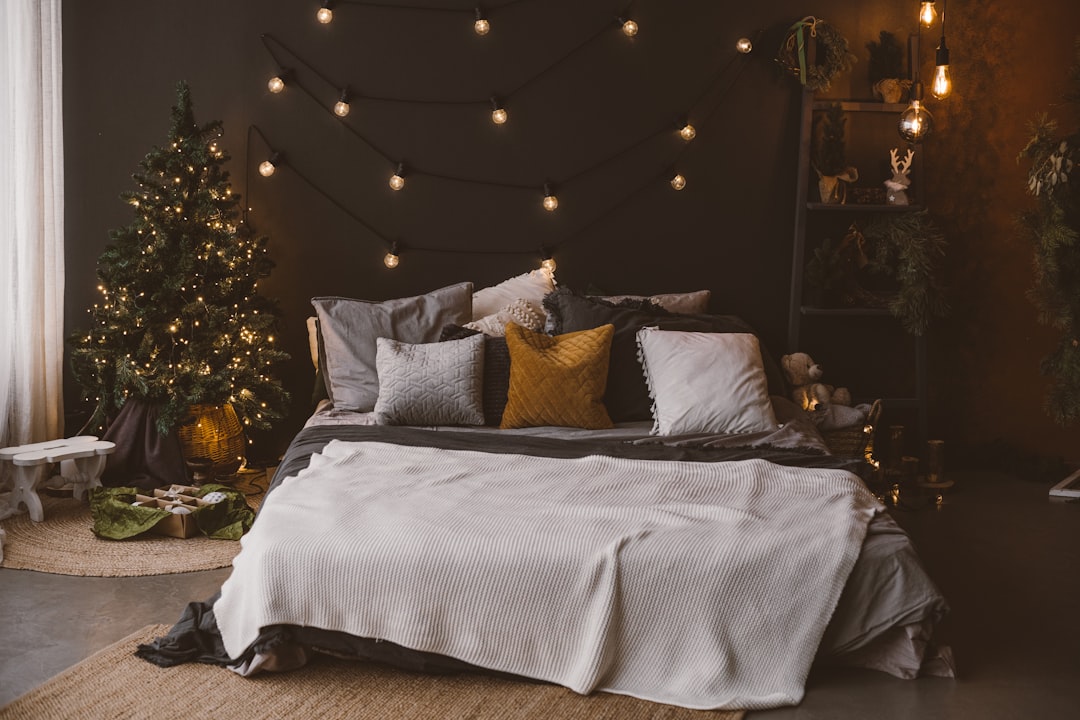
Creating a warm, welcoming bedroom is one of the best ways to feel the magic of the holiday season. And in 2025, Christmas comforter sets are doing more than bringing festive cheer—they’re shaping how people decorate, sleep, and embrace winter coziness. With new fabrics, modern holiday prints, bold color palettes, and shifting consumer preferences, this year’s trends are all about comfort, personality, and everyday usability.
From soft winter textures to Scandinavian minimalism, the 2025 trends blend holiday spirit with modern style, helping you transform your bedroom into a seasonal retreat you’ll love all December long.
Comforter sets in 2025 are heavily influenced by fabric innovation. Breathable microfiber, brushed cotton, and sustainable blended fabrics remain top choices thanks to their soft feel and winter-ready insulation. Many of this year’s styles focus on:
These improvements mean you can enjoy festive bedding that feels both luxurious and practical for everyday use. For more on sustainable and plush winter fabrics, check out Better Homes & Gardens’ 2025 bedding trends overview.
Holiday bedding has evolved far beyond traditional red-and-green patterns. This year introduces a wider range of festive patterns, holiday motifs, and seasonal prints, including:
This blend of themes ensures that every home—modern, rustic, or eclectic—can find a comforter style that matches its personality. See inspiring examples in House Beautiful’s roundup of Christmas bedding sets for 2025.
The 2025 color trends for Christmas comforter sets highlight both tradition and modern elegance:
This mix allows you to choose a look that matches your décor style—vibrant, cozy, or understated. Jewel tones and woodland vibes are big this year, as highlighted in Accio’s 11 Christmas Bedding Trends for 2025.
Minimal Christmas comforters use clean lines, soft neutrals, and subtle holiday patterns like simple trees or snowflakes. Perfect for people who want a festive look without overwhelming decorations.
These comforters remain popular every year for a reason. Plaid patterns, snowflake prints, and reindeer motifs never go out of style. In 2025, these classics are returning with richer colors and softer textures.
This trend includes Sherpa-lined comforters, woodland prints, and rustic patterns inspired by mountain lodges. Ideal for those who love warm, cabin-like bedrooms. Rustic charm and winter woodland themes are hugely popular—explore more in the trends from Levtex Home’s best luxury Christmas bedding for 2025.
Soft whites, light beige, natural greens, and minimal geometric designs define this cozy yet simple holiday aesthetic.
Fun characters, bold colors, glow-in-the-dark accents, and soft-touch fabrics are trending in children’s Christmas bedding. These designs create a joyful and playful holiday sleeping space.
These materials remain popular for their comfort, washability, and temperature balance.
Sustainable cotton, bamboo blends, and recycled microfiber reflect the growing shift toward environmentally responsible bedding.
People are gravitating toward cozy, plush textures that add instant warmth and softness.
New textile technologies strike the balance between warmth and breathability—perfect for households with different temperature preferences.
Blend subtle stripes, winter motifs, and textured throws to create depth without overcrowding the room.
Add pops of color or warmth using throws, bolster pillows, or knitted blankets for a complete festive look.
Choose a focused theme such as:
This keeps your décor visually connected and easy to update each year.
Pick lightweight or heavyweight comforters based on how cold your winters get.
Ensure your comforter complements your existing walls, furniture, and décor.
Look for high-quality stitching, fade-resistant dyes, and strong fabric.
Machine-washable comforters remain the most practical choice for many families.
Use knits, velvet pillows, or faux fur throws for a luxe appearance.
Coordinate bedside décor, garlands, and rugs to achieve a cohesive look.
String lights, lanterns, or warm lamps enhance the holiday atmosphere.
Matching pillows and balanced placement make your bed look hotel-worthy.
An easy, inexpensive way to update your holiday look.
Flip between two designs to refresh your space instantly.
Soft throws in seasonal colors instantly enhance your room.
Use leftover fabric or holiday textiles to create your own festive touch.
Many people look for reversible designs, extra-fluffy fills, wrinkle-resistant materials, and durable machine-washable fabrics. These features help create a cozy holiday look without extra effort.
Shoppers focus on verified reviews, high-quality stitching, long-lasting fabric dyes, and warmth levels to ensure their comforter lasts year after year.
What are the trending Christmas comforter sets for 2025?
Minimalist prints, rustic lodge styles, Scandinavian designs, and classic red-and-green comforters are the top trends.
What materials are best for holiday comforters?
Microfiber, brushed cotton, Sherpa, and eco-friendly blends offer warmth, softness, and durability.
How do I choose a festive comforter set that matches my décor?
Start with your room’s main colors and choose a comforter that complements them through patterns or tones.
Are reversible Christmas comforters worth it?
Yes—reversible designs offer two looks in one, making them budget-friendly and versatile.
Holiday bedding is more than decoration—it’s a way to bring warmth, comfort, and seasonal joy into your home. The 2025 Christmas comforter sets combine modern style, timeless patterns, and cozy winter textures that lift the look of any bedroom. Whether you prefer minimal neutrals, rustic lodge themes, bright classic colors, or Scandinavian simplicity, the right comforter helps create a festive retreat you’ll love throughout the season.
If you’re looking for cozy inspiration and trending ideas, visit Cozy Bed Quarters—your trusted place for holiday bedroom style.

The fastest way to make a bedroom feel like the holidays is to change what’s on the bed. Most christmas bedding ideas come down to five looks — red-and-green plaid, winter white with snowflakes or metallic thread, chunky knit and sherpa texture, playful nostalgic prints, and velvet in jewel tones — and the right one depends on your room’s existing colors and how warm you sleep. Choose the look first, then choose the fabric, because fabric is what decides whether you actually sleep well under all that festive layering.

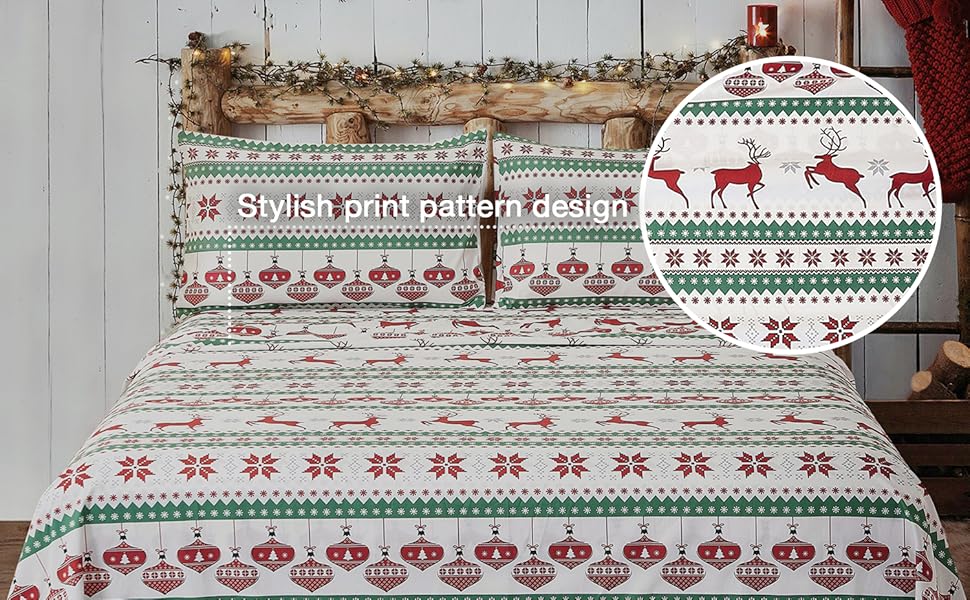
Plaid is the shorthand for Christmas. Deep red and forest green tartan on a duvet or flannel sheet set reads festive from the doorway, and it sits happily next to wood furniture, leather, and anything rustic. If your room already has a lot going on, keep the plaid to the duvet and go plain on the pillowcases.
Plaid also stretches past December. A muted buffalo check in charcoal and red still looks right in February, which is a decent argument for buying it over a Santa print. If you want a deeper look at cover styles and closures, our guide to Christmas duvet covers goes through the options.

Soft white bedding with tonal snowflake embroidery, a faint metallic shimmer, or a simple pintuck texture gives you the season without the color clash. This is the easiest option if your bedroom is already neutral, and it’s the one that can stay on the bed through the whole of winter. Add warmth with a cream sherpa throw and a couple of cable-knit cushions so it doesn’t read as a hotel room.
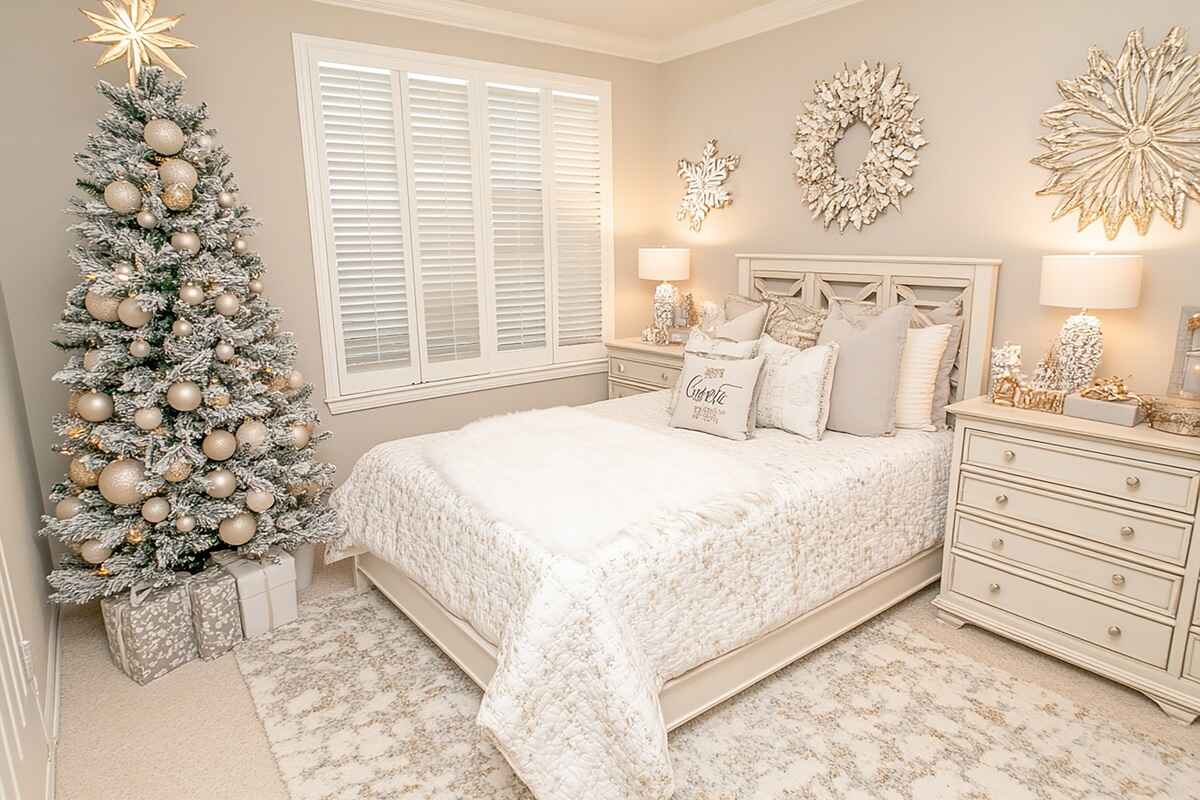
Skip the print entirely and let texture do the work: a cable-knit blanket, a sherpa-backed comforter, chenille or bouclé cushions, a waffle-weave top layer. It’s the cabin look, it photographs beautifully, and it’s completely pattern-free, so it works in a room where a reindeer print would feel out of place.
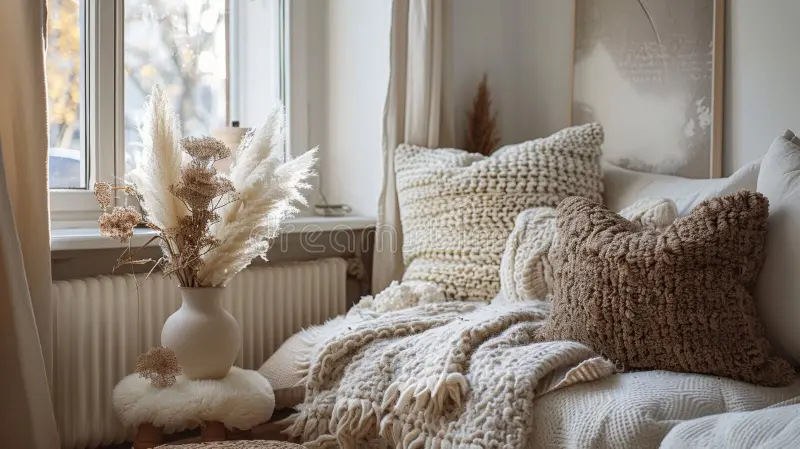
Gingerbread people, retro Santas, candy canes, cartoon reindeer — the loud, slightly kitsch end of holiday bedding has a big following, and it’s the obvious pick for kids’ rooms and guest beds where a bit of silliness is the point. Buy these in cotton or microfiber rather than anything expensive; novelty prints date fast and get washed hard.
Emerald, burgundy, and deep navy velvet — usually as a quilted coverlet, a duvet, or a pair of shams — is the grown-up version of holiday bedding. Velvet is heavy and traps heat, so it works better as a folded foot-of-bed layer or on cushions than as the thing you sleep directly under.
If glitter and gingerbread aren’t the vibe, holiday bedding still works — it just needs to be quieter. Look for dark buffalo check, solid forest green or oxblood, flannel in heathered grey, or a subtle pine-tree silhouette print on a charcoal ground. Matte fabrics, no metallics, one pattern maximum, and two pillows instead of six. It reads seasonal without announcing it.
This is the part that gets skipped, and it’s the part that matters. A gorgeous duvet cover you sweat under all night isn’t a win.
If you want the longer version of how each fiber actually feels and wears, see our guide to cozy bedding materials. And if chemical safety matters to you, look for an OEKO-TEX Standard 100 label, which means the finished item was lab-tested for a long list of harmful substances.

| Feature | Flannel | Rayon from bamboo | Microfiber | Percale cotton |
|---|---|---|---|---|
| Warmth | High | Medium | Medium | Low to medium |
| Breathability | Moderate | Good | Lower | High |
| Feel | Fuzzy, softens with washing | Silky, drapey | Smooth from day one | Crisp, matte |
| Common gripe | Pilling if washed hot | Wrinkles, needs gentle wash | Can feel clammy | Wrinkles, feels cool at first |
| Best for | Cold rooms and cold sleepers | Year-round use | Kids’ rooms and budgets | Hot sleepers |
Holiday beds look good because of layers, but layers are also how people end up kicking everything off at 2am. Sleep Foundation notes that many experts put the ideal bedroom temperature around 65°F (18.3°C), so build the bed so you can strip a layer without wrecking the look.
Then stop. The bed is already the focal point; the rest of the room only needs a wreath or a small tree. If the wall behind the bed looks bare next to all that layering, our bedroom wall decor ideas has low-commitment options.
Seasonal sets sell out in the popular sizes first, so know your measurements before you shop rather than after. Check the mattress depth too — deep or pillow-top mattresses need fitted sheets with pockets to match, and a standard 12-inch pocket will pop off all night. If you’re between sizes or buying for a guest bed, our queen size bed dimensions guide lays out the numbers and how much floor space each size wants. Duvet covers vary by region, too: European and UK sizing doesn’t map neatly onto US sizes, so read the centimeter measurements rather than trusting the name.
If storage is the real problem, the same tricks that work year-round apply here — see our storage ideas for small bedrooms.
Festive bedding generally lands in stores from late September and sells through November, with the best sizes and the more popular patterns thinning out first. Buying in the first half of November is the sensible middle ground: full size availability, and you still get to use it for six weeks. The deep discounts come after December 25 — good if you’re happy to buy for next year and store it.
One honest note: there’s no research showing that a printed duvet cover improves your sleep. What does affect sleep is room temperature, fabric breathability, and not overheating under five layers. Buy the plaid because it makes you happy walking into the room, and choose the fabric for how you sleep. If you’d rather your seasonal buy do double duty, certified and sustainably made bedding in a plain jewel tone works in December and in May.
There’s no rule. Most people swap in late November, after Thanksgiving in the US. A neutral winter-white or knit look can go on the bed in early November and stay until February without feeling out of season.
Duvet covers if you want to store less — the cover folds down small and slips over the insert you already own. Comforter sets if you want a coordinated look out of the bag and don’t mind storing the bulk.
Yes, and it’s the cheapest version of the whole idea. Two plaid or embroidered shams and a knit throw over plain white bedding gets you most of the effect for a fraction of the cost and the storage.
Updated September 2026.