Hypoallergenic Mattress Guide: What Actually Helps Allergy Sufferers

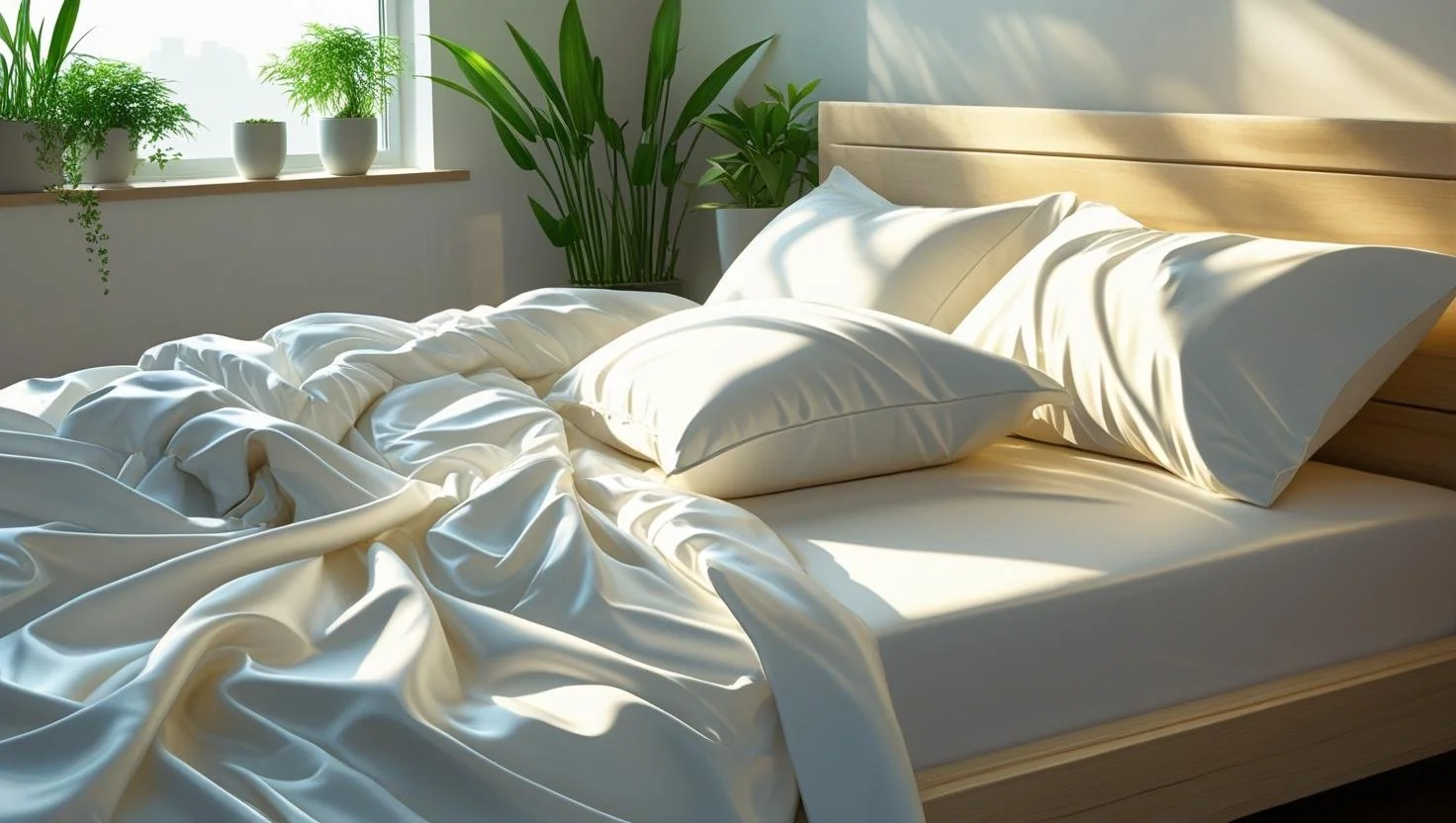
Clean bedroom setup for allergy sufferers with hypoallergenic mattress

A hypoallergenic mattress won’t cure your allergies, but a dense, tightly built bed sealed inside a zippered allergen-barrier encasement does cut how much dust mite allergen you breathe for eight hours a night. Latex and high-density foam give mites far less fiber to burrow into than an old pillow-top full of loose batting. The biggest gains, though, come from the cover you zip over it, weekly hot washes, and keeping bedroom humidity under 50%.

What “hypoallergenic mattress” actually means

Less than the label suggests. The FDA has said plainly that there are no federal standards or definitions governing the term “hypoallergenic” — that guidance is aimed at cosmetics, and no mattress-specific rulebook has filled the gap. A brand can print the word on a box with zero testing behind it.

So treat “hypoallergenic” as a starting point, not proof. What matters is the actual build: what the materials are, how tightly they’re constructed, whether the cover seals, and whether any third party has tested the finished product.

What’s really triggering you in bed

Four culprits do most of the damage, and only one of them is about the foam itself.

  • Dust mites and their droppings. They’re microscopic — roughly a quarter to a third of a millimeter — and they feed on the skin flakes you shed all night. The Asthma and Allergy Foundation of America recommends allergen-barrier covers on mattresses and pillows plus weekly hot washing of sheets and blankets, because mites keep living in bedding even after you’ve covered the mattress.
  • Mold. Sweat plus a poorly ventilated room plus a mattress sitting flat on a solid platform is a recipe for damp underneath.
  • Pet dander. It clings to fabric and rides in on your clothes even if the dog never gets on the bed.
  • Chemical off-gassing. Not a true allergy, but new-foam VOCs give some people headaches and throat irritation for the first week or two.

If you wake up congested and clear by mid-morning, that pattern points at the bedroom, not pollen season.

The best hypoallergenic mattress materials, compared

Natural latex

Latex foam is dense and closed off — there’s no loose fiber for mites to settle into — and the pinholes that run through Dunlop and Talalay layers keep air moving, which helps the bed dry out instead of staying humid. It’s also the longest-lasting option here; a good latex core often outlives two foam beds.

Two catches. Natural latex contains rubber tree proteins, so if you have a diagnosed natural rubber latex allergy, ask your allergist before buying — even though the foam is encased in fabric. And “latex” on a spec sheet can mean a synthetic SBR blend or a thin 1-inch comfort layer over polyfoam. Look for stated thickness and a Dunlop or Talalay label, and check for GOLS certification if organic content matters to you.

Cutaway of a natural latex hypoallergenic mattress showing pinhole-ventilated foam layers

Memory foam and polyfoam

Solid foam has no internal cavities, so mites can’t colonize the core the way they do a fiber-filled quilted top. The weak point is the cover and quilting: a plush, thick, non-removable knit top is exactly the kind of surface that collects skin flakes. Foam also traps heat and sweat, and moisture is what mites need to survive.

If you sleep hot, a foam bed needs help — see our notes on bedding materials for hot sleepers before you layer on a heavy quilt.

Hybrids and innersprings

Coils breathe beautifully, which works in your favor for humidity. The trade-off is the comfort layer: a hybrid with thick fiber padding or a euro-top gives allergens more to hold onto than a smooth foam or latex surface. Hybrids with a latex or dense-foam comfort layer land in a good middle spot. If you’re weighing the two constructions, our memory foam vs. hybrid breakdown goes deeper on feel and support.

Wool and cotton layers

Wool manages moisture well and is often used as a natural flame barrier instead of chemical treatments. It’s not mite-proof, though — any fibrous layer can hold allergen. It just needs the same encasement everything else does.

Material Mite resistance Watch out for Best for
Natural latex High — dense, no fiber pockets Rubber protein allergy; blends sold as “natural” Long-term buyers who sleep warm
Memory foam High in the core Plush quilted tops, heat and sweat Pressure relief on a budget
Hybrid Medium to high Thick fiber euro-tops Airflow plus bounce
Traditional innerspring with pillow-top Lowest Loose batting, open coil cavity Only with a full encasement

New to the categories? Our overview of different types of mattresses explains how each one is built.

The encasement does most of the work

This is the part people skip, and it matters more than which foam you picked. A mattress pad covers the top. An encasement zips around all six sides and traps whatever’s already inside.

What to check before you buy:

  • Six-sided with a zipper, ideally with a flap or Velcro tab over the zipper pull so the gap at the end is sealed.
  • Stated pore size. Allergen-barrier fabrics are woven tight enough that pores measure in the single-digit microns — small enough to block mite droppings while still letting air through. If a listing won’t tell you, that’s a tell.
  • Depth. Measure your mattress from the seam at the bottom to the top of the quilting. Encasements are sold in ranges like 6–9″, 9–12″, and 12–18″. Too shallow won’t zip; too deep bunches and stresses the seams.
  • Washable at the temperature you actually use. Check the care tag before you commit.
  • Independent testing. The asthma & allergy friendly® Certification Program — run by AAFA with Allergy Standards Limited — publishes a list of certified mattress encasings and pads that passed barrier and durability testing.

Do the box spring or foundation too if you have one. It’s a fabric-covered box collecting the same debris.

The weekly routine that actually lowers allergen levels

  1. Wash sheets, pillowcases and pillow protectors weekly. Water at 130°F kills mites outright. Many home water heaters are set to 120°F to avoid scald risk — allergy practice guidance supports leaving it there and washing weekly anyway, since the wash itself flushes out most allergen. Follow with 15–20 minutes on high heat in the dryer to finish the job.
  2. Keep humidity in the 30–50% range. The EPA recommends that range indoors, and mites can’t survive long stretches below roughly 40–50% relative humidity because they absorb moisture from the air rather than drinking. A $15 hygrometer on the nightstand tells you where you stand; a dehumidifier or a bathroom fan that actually vents outside fixes most bedrooms.
  3. Vacuum the encasement with a HEPA machine every few weeks, edges and seams included. Strip the bed first.
  4. Let the bed breathe. Pull the covers back for 20 minutes each morning instead of making it immediately. Drying the surface out is the point.
  5. Cut the soft clutter. Stuffed animals, floor cushions and heavy curtains are all mite habitat. Anything that can’t be washed weekly can go in the dryer on high or in the freezer overnight.

Layer diagram of a hypoallergenic mattress with breathable cover and support core

Certifications worth looking for

  • asthma & allergy friendly® Certified — testing against set allergen-barrier standards, mainly on bedding and encasements.
  • GREENGUARD Gold — UL Solutions tests the finished product for chemical emissions, covering more than 360 VOCs, with compliance to the California Department of Public Health’s Section 01350 method. Useful if off-gassing bothers you.
  • CertiPUR-US® — applies to the polyurethane foam inside, not the whole mattress. Worth having, but it isn’t an allergy claim.
  • GOLS / GOTS — organic content verification for latex and for cotton or wool, respectively.

Also ask about the sleep trial length and the return process. If a new bed makes your symptoms worse, you want a real way out — a point we get into in our luxury mattress guide, where trial terms vary a lot.

Do mild allergy sufferers and kids need one?

You don’t need a diagnosis to benefit. Morning sniffles, a scratchy throat, or itchy eyes that fade once you leave the bedroom are worth taking seriously. For kids, start with the encasement and weekly washing on the bed they already have — it’s cheap, reversible, and tells you fast whether the mattress is part of the problem.

One caution for anyone with asthma: skip scented sprays and “allergen-killing” mists on bedding. Fragrance is an irritant for plenty of people, and it doesn’t address the allergen already in the mattress.

When to replace the mattress instead

Most mattresses are considered worn out around 7–10 years, though latex often runs longer and cheap polyfoam shorter. Replace sooner if you see visible sagging deeper than an inch, water or sweat staining that reached the core, or a musty smell that returns after airing it out. A stained, damp core is one situation an encasement can’t fix.

Zippered allergen-barrier encasement being fitted over a mattress for allergy protection

Hypoallergenic mattress FAQ

Is a hypoallergenic mattress worth it if I already use an encasement?

The encasement gives you most of the benefit. A new bed makes sense when the old one is sagging, stained, or so plush on top that nothing washes clean — otherwise put the money toward a certified encasement and pillow covers first.

Does a hypoallergenic mattress help with asthma?

It can reduce exposure to dust mite allergen, which is a common asthma trigger, but it’s one piece of a plan that includes bedding washes, humidity control, and whatever your doctor has prescribed. Don’t change medication based on new bedding.

Can I just steam clean my mattress?

Steam adds moisture to a material that can’t dry quickly, which risks mold in the core. Vacuum with HEPA and encase it instead.

Are latex mattresses safe if I’m allergic to latex gloves?

Talk to your allergist. Glove reactions involve natural rubber proteins, and foam latex contains those proteins too, though it’s sealed under layers of fabric. It’s an individual call, not a blanket yes or no.

How often should I replace pillows?

Every couple of years is the common recommendation, and use a zippered pillow encasement under the pillowcase in the meantime. If neck pain is also in the picture, our guide to pillows for neck pain covers loft and fill.

Updated September 2026.

Bamboo vs Cotton: A Friendly Review of Eco-Friendly Bedding Materials

Bamboo vs Cotton

Bamboo vs Cotton Sheets Compared for Comfort

Choosing between bamboo vs cotton bedding is more than just a matter of taste—your decision can impact your sleep, your health, and even the planet. In this warm, expert guide, we’ll answer all your key questions about bamboo vs cotton bedding so you can make the best choice for your comfort and the environment. For a broader fabric overview, start with our complete guide to bedding materials and benefits.

Key Takeaways

Bamboo vs cotton bedding comes down to balancing eco-friendliness, comfort, cost, and health benefits for your unique needs.

  • Bamboo bedding offers exceptional softness, moisture-wicking, and is often more eco-friendly.
  • Cotton bedding remains a timeless favorite for breathability and affordability—especially in organic options.
  • Bamboo vs cotton bedding is about balancing comfort, sustainability, and cost to match your unique needs.
  • Bamboo’s durability and resistance to allergens give it an edge for humid climates and allergy-prone sleepers.
  • Cotton’s wide range of qualities and price points means there’s an option for every budget and style.
  • Look for organic and certified materials to maximize eco-friendliness, whichever you choose.

Understanding Bamboo and Cotton Bedding

Summary: Bamboo vs cotton bedding starts at the source—bamboo is fast-growing and processed into smooth, breathable fabric, while cotton is a traditional favorite for softness and airflow. Certifications and processing methods influence sustainability and feel.

When comparing bamboo vs cotton bedding, it’s helpful to understand what sets these materials apart from the moment they’re grown. Bamboo bedding comes from the fast-growing bamboo plant—a grass that can shoot up over a meter per day, needing little water or pesticides. After harvesting, bamboo is processed into fibers, creating fabrics that are smooth, breathable, and naturally hypoallergenic.

Cotton, meanwhile, is a classic in the world of textiles. For generations, cotton bedding has been loved for its natural softness and breathability. But there’s a catch: conventional cotton farming is water-intensive and often relies on pesticides. Fortunately, organic cotton is becoming more available, grown without harmful chemicals and under strict eco-friendly standards.

Both bamboo and cotton are plant-based, renewable resources. However, how they’re processed and the certifications they carry make a big difference in their environmental impact and feel.

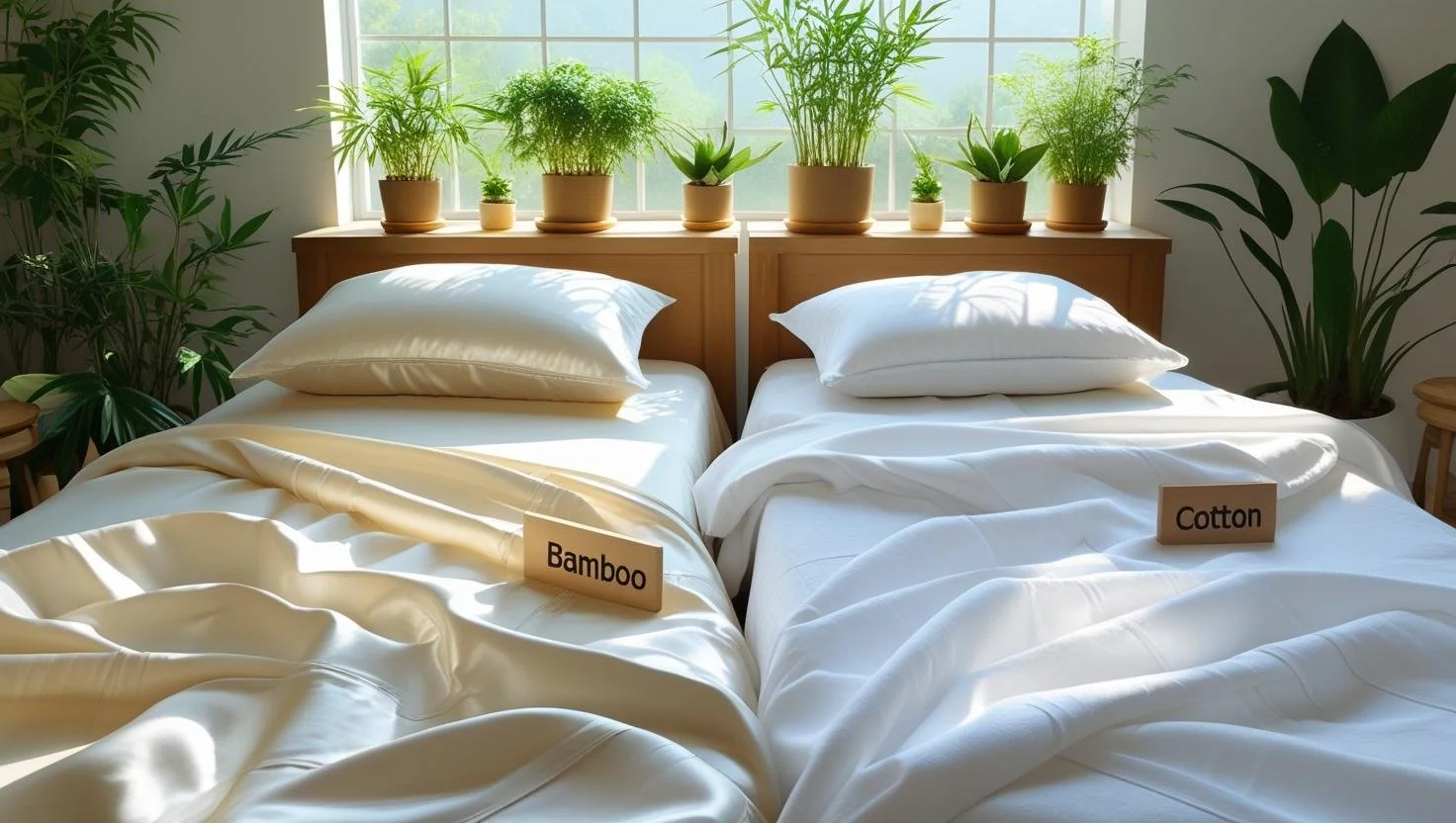
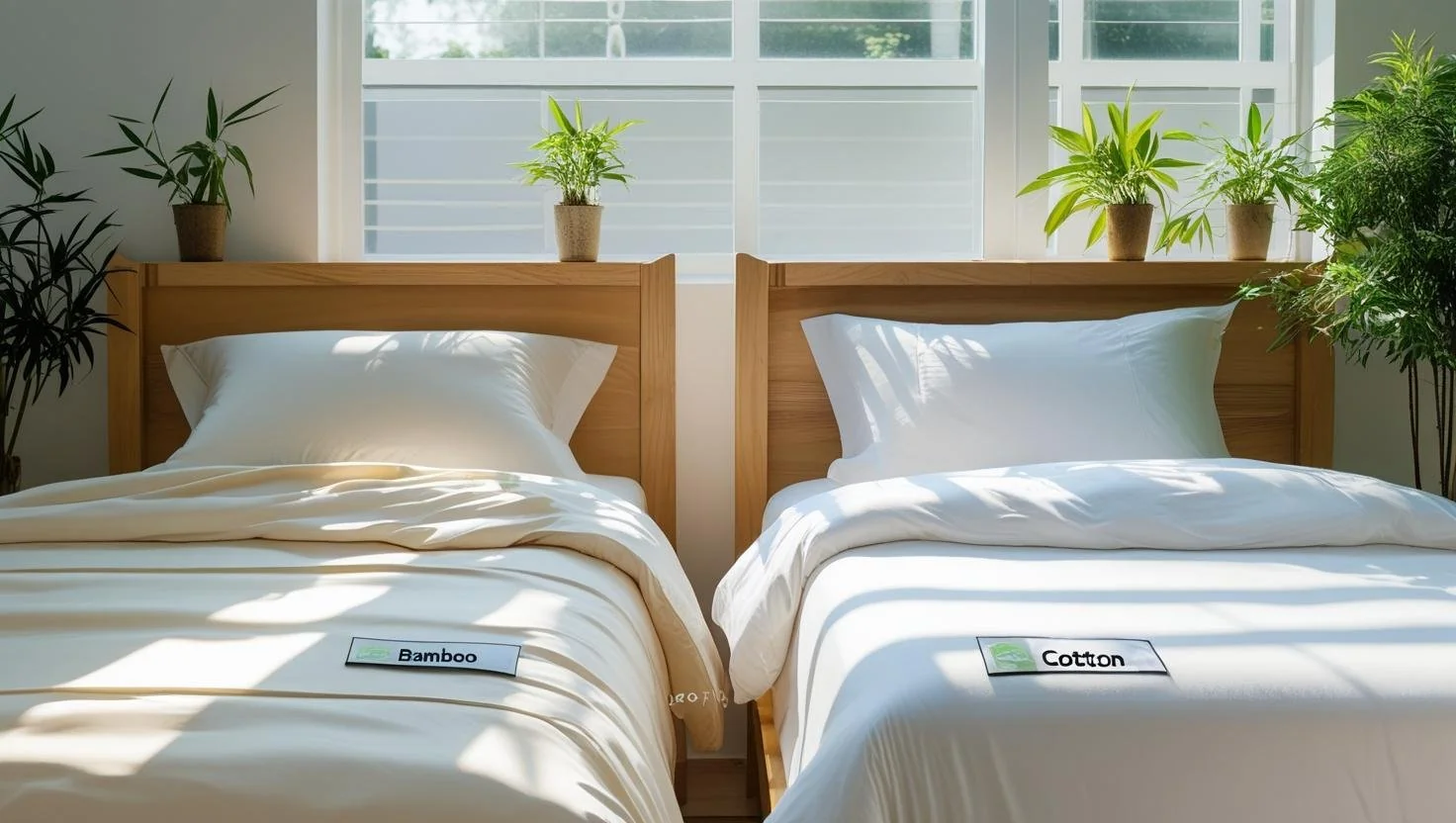
Side-by-side sheet swatches comparing bamboo vs cotton sheets for eco-conscious shoppers

Comfort and Feel: Bamboo vs Cotton

Summary: Bamboo feels silky, lightweight, and cool; cotton delivers familiar crispness and breathability. Hot sleepers often prefer bamboo, while cotton percale offers a cool, classic hand feel.

One of the first things you’ll notice when you slip into bamboo vs cotton bedding is the feel. Bamboo bedding is prized for its silky-smooth touch—often compared to cashmere or silk, but with added breathability. If you’re a hot sleeper or live in a humid area, bamboo sheets’ natural moisture-wicking properties keep you dry and cool all night. Many people with sensitive skin or allergies report fewer flare-ups with bamboo bedding, thanks to its hypoallergenic qualities.

Cotton sheets, especially those made from long-staple or organic cotton, are cozy and crisp—like slipping into your favorite soft T-shirt. Cotton allows excellent airflow, and higher thread counts can boost that luxurious feel. However, not all cotton is created equal; lower-quality or blended cotton might feel rougher or less breathable. If you’re deciding on weave, visit our quick primer on percale vs. sateen sheets.

Comfort comparison to help you choose bamboo vs cotton bedding if you’re a hot sleeper.

Durability and Maintenance

Summary: Both can be long-lasting with proper care. Bamboo resists wear and allergens; quality cotton holds up for years when washed gently and dried on low.

How long your bedding lasts—and how easy it is to care for—can make a big difference in your nightly comfort and your wallet. When comparing bamboo vs cotton bedding, bamboo bedding is surprisingly tough despite its softness. Thanks to strong fibers, bamboo sheets can handle frequent washing and hold their shape, softness, and vibrant color over time. Plus, bamboo’s natural resistance to bacteria, mold, and mildew makes it a smart pick for humid climates or anyone prone to allergies.

Cotton bedding can be very durable, especially in higher thread counts and weaves like percale or sateen. However, cotton can sometimes wear thin, pill, or fade if it’s lower quality or washed in hot water. Following care instructions is essential: both bamboo and cotton bedding should be washed in cool or warm water and dried on low to preserve their best qualities. For both, avoiding bleach and fabric softeners extends the life of your sheets.

If easy upkeep and lasting softness are priorities, bamboo may have a slight edge. Still, well-made cotton sheets can last years with proper care.

Practical care tips that extend the life of bamboo vs cotton bedding in real homes.

Eco-Friendliness and Sustainability

Summary: Bamboo is highly renewable and low-impact to grow; organic cotton is a greener alternative to conventional cotton. Certifications like GOTS and OEKO-TEX help you verify safer choices.

Eco-conscious shoppers often face the bamboo vs cotton bedding question for sustainability. Bamboo wins points for its rapid growth, minimal water use, and lack of pesticides during cultivation. Its dense root systems also prevent soil erosion and help store carbon, making bamboo an environmental superstar. When processed mechanically (rather than with harsh chemicals), bamboo sheets are among the most sustainable choices available.

Cotton, on the other hand, can be tough on the planet—especially conventional cotton, which uses significant water and often relies on pesticides. However, organic cotton bedding is a much greener alternative. Certified by standards like GOTS, organic cotton is grown without synthetic chemicals, protecting soil and water health.

To truly go green with bamboo or cotton, look for certifications (like OEKO-TEX or GOTS) and brands that are transparent about their sourcing and processing. For more sustainable bedding choices, check out our guide to eco-friendly bedding materials or our roundup of sustainable bedding brands.


Cost Considerations

Summary: Bamboo often costs more upfront; cotton spans a wide price range. Quality and certifications drive price for both, and longevity can offset initial cost.

Price matters, especially when investing in bedding that’s both comfortable and eco-conscious. In the bamboo vs cotton bedding debate, bamboo bedding usually costs a bit more upfront due to processing and material costs. However, many find that bamboo’s durability and long-lasting softness mean you buy new sheets less often—potentially saving money in the long run.

Cotton bedding is available in a wide range of prices. Budget-friendly options exist, but these are often made from blended or lower-grade cotton, which can wear out faster. Higher-quality organic cotton bedding may cost as much as bamboo, but for many, it’s worth it for the comfort and sustainability. Want to compare beyond just these two? Explore our bedding material benefits guide for a bigger picture view.

Budget tips to weigh the cost of bamboo vs cotton bedding for every household.

Health and Allergy Benefits

Summary: Both can be gentle on sensitive skin; bamboo is naturally moisture-wicking and antimicrobial, while organic cotton avoids harsh chemicals. Certifications reduce irritants.

For those with allergies or sensitive skin, the right bedding can make all the difference. Bamboo bedding is naturally hypoallergenic, with antimicrobial and moisture-wicking properties that help keep dust mites and mold at bay. Many sleepers notice fewer skin irritations and reduced allergy symptoms with bamboo sheets—especially compared to synthetic blends.

Cotton, particularly organic cotton, is also a safe bet for sensitive skin, as it’s breathable and contains no harsh chemicals. However, some people may be sensitive to residues from non-organic cotton farming or certain dyes. Always check for OEKO-TEX or GOTS certifications to ensure your bedding is free of irritants. For more tips, visit our guide to bedding and allergies and our best bedding for hot sleepers.

Health insights that show how bamboo vs cotton bedding supports sensitive skin and allergy relief.

Style, Colors, and Design Options

Summary: Both offer wide color and pattern ranges. Bamboo holds dye well for lasting color; cotton spans classic whites to bold prints for any aesthetic.

A beautiful bedroom is about more than just comfort—it’s about style and self-expression. Both bamboo and cotton sheets come in a wide range of colors, patterns, and finishes. Bamboo sheets tend to hold dye well, so colors stay vibrant wash after wash. You’ll often find them in soft, nature-inspired hues that fit any decor. Cotton bedding is incredibly versatile, from classic whites and cool blues to bold prints and textures.

Whether your style is minimalist, bohemian, or somewhere in between, there’s a bamboo or cotton set that matches your vision. And if you want to learn how to layer and style your bed like a pro, check out our layering and bedding materials guide for easy inspiration.

Design inspiration to style your bed with bamboo vs cotton bedding in modern bedrooms.

Real-Life Experiences: What Sleepers Say

Summary: Bamboo gets raves for coolness and easy care; cotton fans love the familiar crisp feel that softens with every wash.

Curious how bamboo vs cotton bedding compares in everyday use? Real-life reviews offer helpful insights. Many bamboo bedding fans rave about the cool, barely-there feel on hot nights and the ease of care. Parents often note how quickly bamboo sheets dry—handy for busy households. Meanwhile, cotton loyalists love the familiar, crisp sensation and how cotton bedding softens even more over time.

If you tend to overheat or struggle with allergies, bamboo bedding might be the hero you’ve been seeking. If you’re after that cozy, fresh-laundry feel and classic style, you can’t go wrong with high-quality cotton sheets.

What real users report when choosing bamboo vs cotton bedding for everyday sleep.

Conclusion

Ultimately, bamboo vs cotton bedding is about finding what works best for you—bamboo for silky sustainability, or cotton for classic, customizable comfort.

Deciding between bamboo vs cotton bedding comes down to what matters most to you: eco-friendliness, comfort, style, or budget. Bamboo offers a silky-smooth, hypoallergenic experience with standout sustainability, while cotton brings time-tested comfort and a world of design choices—especially in organic varieties. Both can help you create a healthier, cozier bedroom, so trust your priorities and enjoy the journey! For more fabric-by-fabric advice, browse our guide to bedding material choices.

FAQ

Is bamboo or cotton better for hot sleepers?
Bamboo vs cotton bedding for hot sleepers: Bamboo is cooler and more moisture-wicking, making it a top choice for hot sleepers, while cotton is breathable but some blends may retain heat. Percale weave organic cotton is also excellent for coolness.
Which is more sustainable: bamboo or cotton?
Bamboo vs cotton bedding in sustainability: Bamboo is usually more sustainable due to rapid growth and low water use, but organic cotton is also eco-friendly when certified. Always check for responsible processing with both.
Does bamboo bedding last as long as cotton?
Yes, both bamboo vs cotton bedding can be highly durable. Quality bamboo bedding resists wear and tear, while good cotton sheets can last years with gentle care.
Is bamboo bedding hypoallergenic?
Bamboo bedding is naturally hypoallergenic and antimicrobial, making it a great choice for allergy-prone sleepers. Organic cotton is also hypoallergenic if processed without chemicals.
How do I care for bamboo vs cotton sheets?
Bamboo vs cotton bedding care: Wash both in cold or warm water, dry on low, and avoid bleach or fabric softeners to keep sheets soft and long-lasting. Use gentle, eco-friendly detergents for best results.

Learn more in our deep dive into bamboo bedding, organic cotton buying tips, and bedding recommendations for hot sleepers.

Related reading from Cozy Bed Quarters

Other reading we found popular