Where to Donate Bedding: The Short Answer
Clean, undamaged sheets, blankets, quilts, duvet covers and mattress protectors are accepted by most homeless and family shelters, domestic violence refuges, refugee resettlement agencies, charity thrift stores such as The Salvation Army and Goodwill, and many animal rescues. Pillows, duvet inserts and mattress toppers are the items most often refused for hygiene reasons, so always check the organisation’s accepted-items list or call before you drive over. Anything torn, stained, damp or pest-exposed should go to textile recycling or be repurposed at home rather than donated.
Key Points
- Wash and fully dry everything, then bag it by set with the size labelled.
- Policies vary by location — the same national charity may accept linens in one town and decline them in another.
- Twin-size bedding is frequently the most requested size for shelters with bunks and for children’s programmes.
- Donation keeps usable textiles in circulation; EPA figures for 2018 put textiles sent to US landfills at 11.3 million tons, with a recycling rate of just 15.8 percent for items like sheets and pillowcases.
- Noncash donations are only deductible if you itemise and the items are in good used condition or better.

Who Accepts Bedding Donations
1. Homeless, family and domestic violence shelters
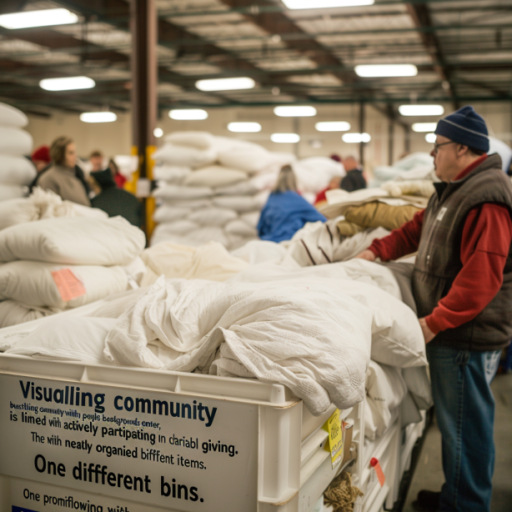
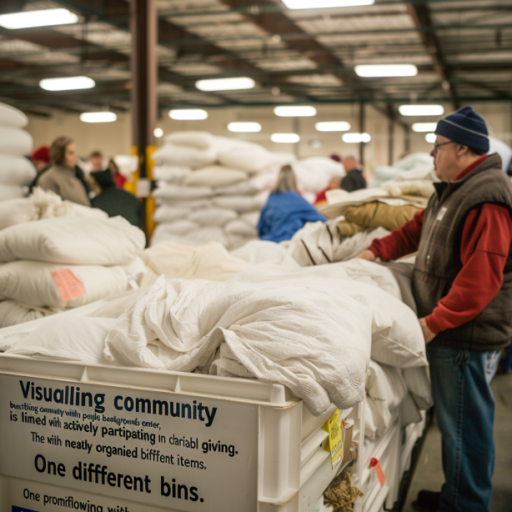
Shelters and transitional housing programmes are the most direct route: your linens go straight onto a bed rather than through a resale step. Most want twin and full sheet sets, blankets and mattress protectors; many ask for neutral colours and complete, labelled sets so intake volunteers can hand them out quickly. Storage and laundry capacity are the usual limits, which is why a phone call first saves everyone a wasted trip. If one shelter is full, ask for a referral — most know which partner agency is short.
2. Charity thrift stores
Thrift operations resell donated goods to fund services. The Salvation Army lists over 2,500 drop-off locations across the United States for clothing and household goods, with proceeds supporting its programmes, and Goodwill stores fund job training and employment services the same way. Habitat for Humanity ReStores are worth a call too, although they focus on furniture, appliances, housewares and building materials, so soft linens are accepted at some stores and not others.
3. Children’s bed programmes
Sleep in Heavenly Peace builds and delivers beds to children who don’t have one, working through local volunteer chapters. Programmes like this generally need new twin sheets, pillows and mattress protectors to go out with each bed, rather than used linens — check your nearest chapter’s current wish list before buying or bagging anything.
4. Refugee resettlement and mutual aid groups
Resettlement agencies and neighbourhood mutual aid networks assemble move-in kits for households arriving with nothing. They tend to want complete sets — fitted sheet, flat sheet, pillowcases and a blanket — in common sizes, which makes them a good home for spare guest-room bedding.
5. Animal shelters and rescues
Rescues use flat sheets, towels and blankets to line kennels and crates. Many ask for items without loose stuffing, since torn fill can be swallowed, and some decline anything that has been treated with strong fragrance. This is the best destination for bedding that is clean and soft but too dated or faded for a human recipient. Wash anything that has been near pets on the hottest setting the label allows first — the same approach used when washing bedding to deal with fleas.
6. Faith groups, community drives and reuse platforms
Churches, mosques, synagogues, schools and community centres run seasonal blanket and coat drives, and many issue receipts on the spot. For fast, hyperlocal rehoming, free-reuse networks such as Freecycle and Buy Nothing groups let a neighbour claim your linens within hours. Post clear photos, state the size and fibre, and arrange pickup in a public spot.
What Gets Accepted — and What Doesn’t
| Item |
Typical status |
Notes |
| Sheet sets, pillowcases, flat sheets |
Usually accepted |
Twin and full are in highest demand at shelters |
| Blankets, quilts, duvet covers |
Usually accepted |
Bundle covers with matching shams where possible |
| Mattress protectors and crib sheets |
Often accepted |
Crib items may need to meet current safety rules — ask |
| Comforters and duvet inserts |
Varies |
Bulk and laundering cost are the sticking points |
| Pillows and foam toppers |
Frequently declined |
Hygiene policies; try animal rescues or textile recycling |
| Electric blankets, waterbed sheets |
Often declined |
Safety and compatibility concerns |
| Torn, stained, damp or pest-exposed items |
Not accepted |
Recycle or repurpose instead |
Charities pay to dispose of what they can’t use, so leaving out the borderline items is genuinely helpful. A simple test: if you wouldn’t hand it to a friend staying the night, don’t donate it.
How to Prepare Bedding for Donation
- Wash and dry completely. Follow the care label, use the hottest temperature the fabric allows, and make sure items are bone dry so nothing develops mildew in a bag. If you’re unsure how hot is safe for a given fibre, see our guide to washing temperatures and shrinkage.
- Skip heavy fragrance. Fresh and neutral beats perfumed — recipients may have allergies or sensitivities.
- Inspect in daylight. Check seams, elastic and corners for holes, thinning fabric or set-in stains.
- Bundle by set. Fold the sheets and tuck the set inside one of its own pillowcases so nothing separates during sorting.
- Label the size and count. A note such as “Queen sheet set x2, throw blanket x1” on a clear bag cuts intake time to seconds.
- Ask for a receipt at drop-off if you plan to claim a deduction.
Finding a Drop-Off or Pickup Near You
Map searches are a starting point, not an answer — results mix in retailers and closed locations. Narrow them down like this:
- Open the organisation’s own website and look for an “accepted items” or “current needs” page before you go.
- Call. Needs change weekly, and a two-minute call tells you sizes, hours and whether they’re at capacity.
- Check neighbourhood apps and community noticeboards in libraries and coffee shops for drives that never show up in search results.
- For larger loads, ask about home pickup. Several charity thrift operations schedule collections, and some will take linens alongside furniture.
Timing: Donate What the Season Needs
Matching donations to the weather gets them placed faster. Heavy blankets, quilts and warm comforters move quickly from autumn through winter, while breathable cotton and linen sheets are more useful in summer, particularly in hot climates and buildings without air conditioning. Shelters with limited storage may simply decline out-of-season bulk, so ask what they’re short of right now. If you’re deciding what to keep and what to pass on, our comparison of a duvet versus a comforter helps clarify which layers you actually use year-round.
Tax Deductions: What Actually Applies
Donated bedding may be deductible, but only under specific conditions. Contributions are deductible only if you itemise deductions on Schedule A, the recipient must be a qualified organisation, and clothing and household items generally must be in good used condition or better to be claimed at all. You deduct fair market value — what the item would sell for second-hand, not what you paid.
Keep a dated list describing what you gave, and get a written acknowledgement from the charity for donations of $250 or more. If your total noncash contributions for the year exceed $500, the IRS requires Form 8283 with your return. Photographs of the items are a sensible backup. Tax rules change and individual situations differ, so confirm details with the IRS or a tax professional rather than relying on a bedding guide.
If Your Bedding Can’t Be Donated
Worn linens still have value as raw material or around the house:
- Textile recycling: Some municipalities and take-back bins accept clean but worn textiles for processing into wiping cloths, insulation and industrial fibre. Search your city’s waste department site, or use a locator such as Earth911. Remove hardware like zippers and snaps if the programme asks you to, and note that acceptance of pillows and pads varies widely.
- Repurpose at home: Flat sheets become drop cloths, cleaning rags, garment bags, produce bags or furniture wraps for moving day. Worn duvets make crate liners, pet beds or picnic quilts.
- Pass it sideways: Community theatre groups, art programmes, gardeners (frost cover) and workshops often want fabric that charities can’t use.
Buying Your Replacement Set With Reuse in Mind
The longer a set lasts, the more likely it can be donated later. Durable weaves such as percale and linen, and well-made cotton, wool and Tencel-type fibres, tend to survive repeated hot washes better than thin novelty sets. Third-party certifications give you something concrete to check: GOTS covers organic fibre content and processing, and OEKO-TEX STANDARD 100 tests finished textiles for harmful substances. Neither certification guarantees durability, so read fibre content and weave alongside the labels. For fibre-by-fibre detail, see our bedding materials guide, our picks for hot sleepers, and our overview of sustainable bedding brands.
FAQ
Can I donate bedding with minor stains or pilling?
Light pilling is usually fine. Visible stains, tears or persistent odours are the most common reasons donations get rejected, so send those items to textile recycling instead.
Who takes pillows?
Many people-facing shelters decline used pillows on hygiene grounds. Animal rescues and some textile recycling programmes will often take them if they’re clean and bagged — call first.
Can I donate a used duvet or comforter?
Sometimes. Duvet covers are widely accepted; inserts and comforters are harder to launder in bulk, so policies vary by organisation.
Does anyone pick up bedding donations?
Some charity thrift operations and resettlement groups schedule home pickups, usually with a minimum quantity or alongside furniture. Ask how bags should be labelled and left.
What size is most needed?
Twin is the most requested size at shelters with bunk beds and at children’s bed programmes. If you’re unsure whether a spare set fits a recipient’s bed, our guide on queen bedding on a full bed explains where sizes do and don’t overlap.
Can I donate bedding year-round?
Yes. Seasonal drives concentrate attention, but shelters and thrift stores take clean linens throughout the year — subject to their storage capacity that week.
Updated September 2026.