How to Create the Perfect Sleep Environment for Deep Rest

Create Sleep Environment Deep - Cozy bedroom at golden hour with layered featuring create perfect sleep

Creating the Optimal Sleep Environment at Home

You can create an optimal sleep environment that helps you fall asleep faster and wake up feeling better. Small, affordable changes—blocking light, adding white noise, and choosing the right pillow—add up quickly for deeper rest and better daytime energy. For a bigger reset, see our hypoallergenic mattress guide.

Updated 2025

Key Takeaways

  • Focus on light, temperature, noise, and tactile comfort to improve sleep quality.
  • Simple, budget-friendly fixes—fan for white noise, blackout curtains, eye mask—work fast.
  • Set a cooler room near 65°F to support your natural nightly cooldown.
  • Limit evening screen time to protect melatonin and ease bedtime.
  • At least one change today moves you toward an optimal sleep environment.

An optimal sleep environment with a dark, cool, quiet bedroom setup - featuring create perfect sleep

Why your bedroom setup matters for better sleep

Your room teaches your brain when to wind down. Light, noise, temperature, and touch are the cues that set your clock and shape how deeply you sleep. Even modest evening light can delay melatonin, and unpredictable noises can trigger micro-awakenings you barely notice.

Most adults need at least seven hours of sleep nightly, and about one in three U.S. adults falls short of that goal. See guidance from the CDC and recommended sleep durations from the American Academy of Sleep Medicine (AASM).

Start with the basics: keep nights darker, trim irregular sounds, and let your body cool near 65°F. A few small changes can bring you much closer to an optimal sleep environment.

How to build an optimal sleep environment: master light

Late-night glare from screens and bright bulbs quietly pushes bedtime later. Reducing evening light supports your circadian rhythm so you get sleepy on schedule.

Reduce evening blue light from devices and bright lamps

Stop scrolling an hour before bed when possible. If you must use screens, enable strong blue-light filters and dim brightness. Keep overhead lighting low and indirect after dinner.

Use blackout curtains, dimmers, and a comfy sleep mask

Streetlamps and hallway glow add up. Install blackout curtains, swap to dimmers, and remove charging LEDs from the bedroom. When full blackout isn’t possible, a soft mask blocks stray light without pressure.
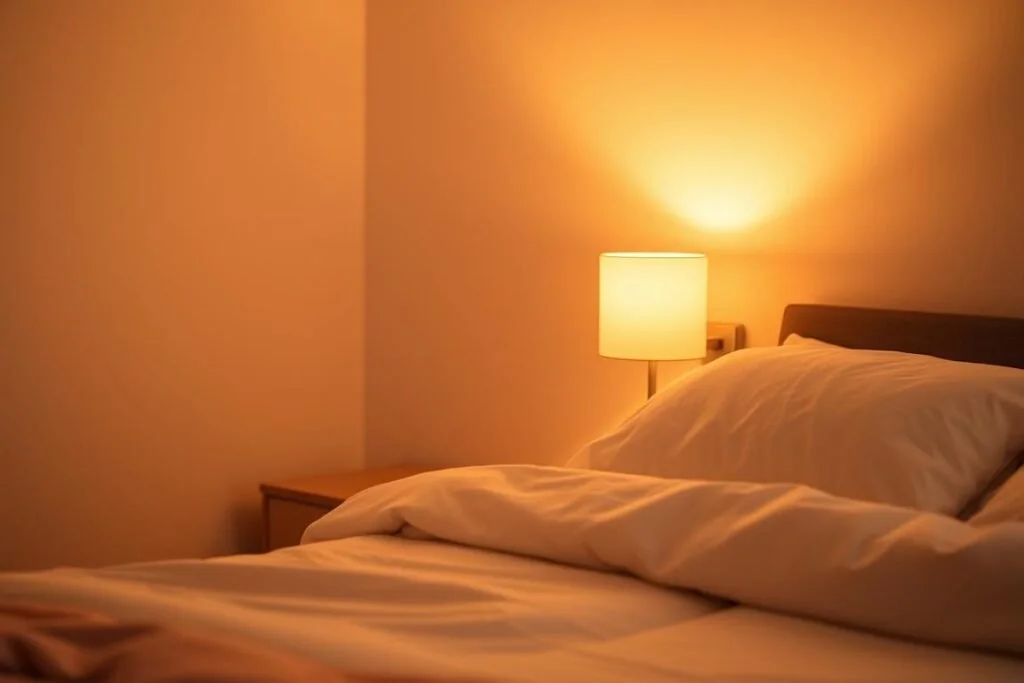
Light control tips for creating an optimal sleep environment - create featuring create perfect sleep

  • Dim lights 60–90 minutes before bed to protect melatonin.
  • Keep the path to the bathroom dark or use a very low, warm night light.
  • Consider blackout solutions if outdoor light leaks onto your bed; see our guide to blackout curtains that actually work.

Dial in temperature and airflow for a cool, cozy night

Cooling slightly at night helps your core temperature drop, which promotes deeper sleep. For many people, ~65°F (18.3°C) is the sweet spot.

Start around 65°F and adjust by a few degrees

A good starting point is around 65°F. If you wake sweaty, lower a degree; if you feel chilled, raise it one. Track how you feel in the morning and adjust slowly until sleep feels easier.

Use layers, breathable fabrics, and a fan for fine-tuning

Layer sheets and blankets so you can change warmth without fully waking. Choose moisture-wicking pajamas if you run hot. A box fan improves airflow and adds gentle white noise.
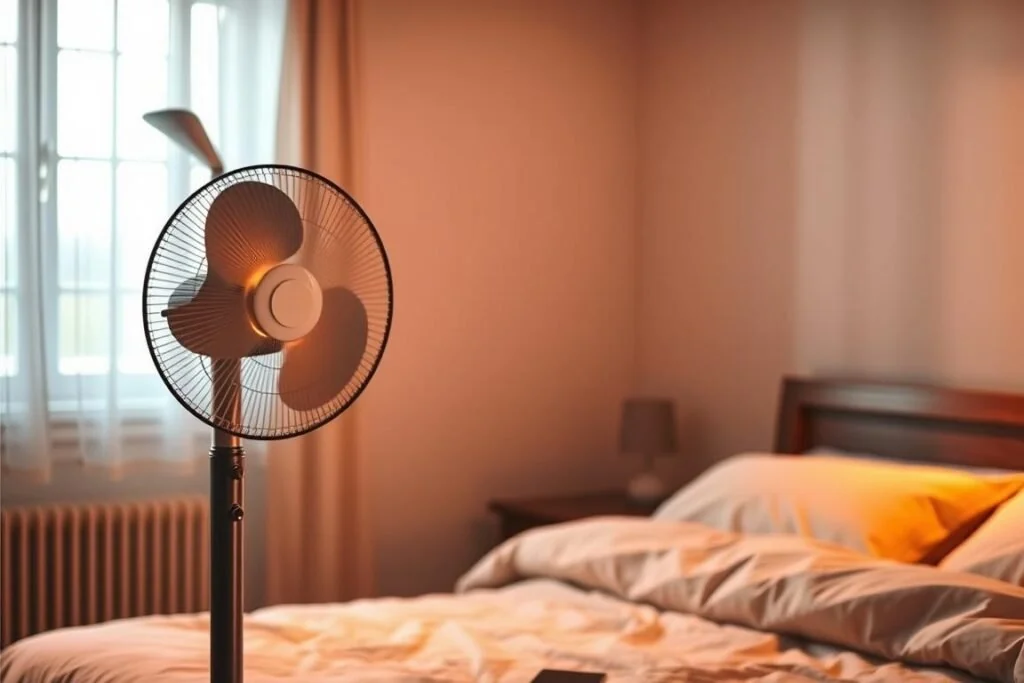
Cooling, airflow, and breathable bedding layers for an optimal sleep e featuring create perfect sleep

  • Target 30–50% relative humidity to avoid stuffiness or dryness.
  • Crack a window briefly in the evening when outdoor air is comfortable.
  • Swap heat-trapping polyester blends for cotton, linen, or bamboo.

Quiet the room: manage noise for uninterrupted sleep

Sudden sounds can nudge you out of deep sleep before you realize it. The fix is to reduce spikes and keep sound steady.

Mask unpredictable noises with white noise or a simple fan

A consistent hum helps your brain stop “scanning” for changes. Place the device across the room so the sound is even, not loud near your head. Compare options in white noise vs. pink noise or explore our white noise and sleep guide.

Wind-down sounds that calm the evening

Try low-tempo music, nature audio, or guided breathing tracks while you dim lights. Experiment with short sessions to find what actually helps you drift off.

  • Use rugs, curtains, and bookshelves to reduce echoes.
  • Log recurring noises for a week; plan masking or timing workarounds.

Design for comfort: mattress, pillows, and sheets that fit your body

Treat your bed like a system. The right mix of mattress firmness, pillow loft, and breathable sheets supports alignment and keeps you comfortable through the night.

Match mattress feel to your sleep position

Medium-firm works well for many. Side sleepers often prefer a touch softer to ease shoulder and hip pressure, while back and stomach sleepers usually need slightly firmer to keep the spine neutral. If your mattress sags or you wake sore, it may be time to replace it—see our how to choose a mattress guide.

Pick pillows that keep your neck aligned

Choose loft by position: thicker for side, medium for back, thinner for stomach. Consider adjustable fill so you can fine-tune height. For side sleepers, start with our best pillows for side sleepers.

Select breathable sheets and layered bedding

Natural fibers like cotton, linen, and bamboo help with airflow. Layer a sheet, light blanket, and comforter so you can nudge warmth up or down without waking fully. If you’re shopping, look for trusted certifications (e.g., CertiPUR-US®, GREENGUARD) and read labels—see this bedding certifications overview and this non-toxic mattress guide.

Optimal sleep environment checklist

Use this quick list to set consistent nighttime cues.

  • Declutter visible surfaces; keep pathways open on both sides of the bed.
  • Face the bed toward the door if it makes you feel safer and calmer.
  • Set a device curfew an hour before bed; charge phones outside the room.
  • Dim lights, close curtains, and lay out sleepwear during your wind-down.
  • Add a few drops of lavender to a diffuser if you enjoy a light scent.
  • Keep a bedside mini-checklist: devices off, lights low, curtains closed.

Low-cost upgrades and quick wins

A few small swaps can elevate comfort tonight. Start with fresh linens, a quick tidy, and one budget gadget.

Budget helpers: fresh sheets, earplugs, eye mask, box fan

Wash or swap pillowcases to reduce allergens. Add a box fan for cooling and masking street noise, or try simple earplugs if outside sounds wake you. An inexpensive eye mask blocks stray light until blackout curtains are installed.

Reset the room’s mood daily

Make the bed each morning to “set” the room for the evening. Crack a window for fresh air when weather allows, then dim lights early. See more tips in our Feng Shui bedroom layout guide or guest bedroom setup on a budget.

FAQ

What is an optimal sleep environment?

It’s a bedroom set up to align with your body’s sleep biology: dark at night, cool (around 65°F), quiet or steadily masked, and comfortable for your spine and skin.

Is 65°F right for everyone?

It’s a strong starting point, but individual needs vary. Adjust by a degree or two based on how you feel overnight and in the morning.

Do blackout curtains really help?

Yes. Even modest light at night can delay melatonin and fragment sleep. Blackout curtains or a good mask are simple, effective fixes.

What pillow height should I choose?

Match loft to your position: higher for side, medium for back, lower for stomach. Adjustable-fill pillows make fine-tuning easy.

Conclusion

When you tune light, temperature, noise, and comfort together, you create an optimal sleep environment that makes great nights more common. Start with one change tonight—dim lights, set the thermostat, or add white noise—and build from there. For more practical ideas, explore Cozy Bed Quarters at cozybedquarters.com.

Related reading from Cozy Bed Quarters

Other reading we found popular

How to Fix Your Sleep Schedule: A Step-by-Step Plan

fix sleep schedule

Simple Ways to Reset a Disrupted Sleep Schedule

Updated 2025

You can fix sleep schedule without harsh tactics. Start by picking a realistic bedtime and wake time you can keep most days. Small shifts of 15–30 minutes make change manageable and help your body adjust without burnout.

Adults need at least seven hours most nights for better health and daytime energy. According to the CDC, consistency helps you fall asleep faster and feel more alert the next day.

This guide gives a clear path you can follow while fitting work, family, and social life. You’ll focus on habits that improve sleep quality, avoid extreme moves, and build a simple wind-down that signals bedtime to your clock—and steadily fix sleep schedule in a sustainable way. For broader background, explore our sleep hygiene guide.

Morning light helps fix sleep schedule by resetting circadian rhythm

Key Takeaways

  • Choose a realistic wake time and bedtime—and stick to them daily.
  • Shift timing gradually in 15–30 minute steps for sustainable progress.
  • Use consistent cues and a nightly routine to train your body to sleep.
  • Aim for at least seven hours to protect health and daytime energy.
  • Small, steady changes add up and help you fix sleep schedule for good.

Why Your Sleep Schedule Matters for Your Day-to-Day Energy

Regular timing smooths out mood, focus, and stamina. When your hours stay steady, your body and mind run more efficiently. A consistent schedule supports memory, reaction time, and mood—and reduces daytime drowsiness.

  • Consistent hours sharpen focus and boost energy.
  • Good sleep protects heart, immunity, and long-term cognitive health.
  • Even one hour of drift can lower sleep quality and raise next-day fatigue.
What Short-term effect Long-term effect Why it matters
Irregular timing Sleepiness, slower reactions Higher accident and error rates Disrupts attention and safety
Chronic short sleep Poor mood, low energy Cardiometabolic and immune issues Affects health and longevity
Regular sleep hours Sharper thinking, steadier mood Better metabolism and resilience Aligns body clock for quality rest

Understand Your Circadian Rhythm and Internal Clock

Light and darkness talk to your biological clock, steering daytime energy and nightly rest. Morning light tells your brain to be alert; evening darkness lets melatonin rise so sleep comes easier. Aligning with this day-night pattern helps you fix sleep schedule naturally.

Light, melatonin, and the sleep-wake cycle

Bright morning light suppresses melatonin and signals wakefulness. Evening light—especially from screens—can delay melatonin and push your cycle later.

Day-night alignment and your brain’s signals

Your internal clock coordinates when you feel alert or tired. Matching your routine to daylight locks this rhythm in place and supports overall well-being.

  • Use morning light (outdoor light if possible) to anchor your rhythm.
  • Dim lights in the last hour before bed to cue melatonin release.
  • Small changes in light timing can nudge earlier bedtimes or smoother mornings.

The Core Plan to Fix Sleep Schedule

Start with one clear anchor: a consistent wake-up time you keep every day. That single habit helps your internal clock lock into a reliable rhythm so you can steadily fix sleep schedule.

Set a consistent wake-up time (even on weekends)

Pick a realistic time you can maintain seven days a week. This stabilizes your rhythm and makes earlier bedtimes easier to reach.

Shift your timing gradually in 15–30 minute steps

If you need to move bedtime earlier (or later), change it in 15–30 minute increments every few days. Small shifts prevent grogginess and keep progress steady.

Build a wind-down routine that cues sleep

Create a short pre-bed routine with dim lights, calm reading, light stretching, or breathing. For a simple checklist, see our sleep hygiene checklist.

Align with bright mornings and dim evenings

Get bright light soon after waking and keep evenings low-light. Pair this with steady habits to help your brain predict bedtime and naturally fix sleep schedule.

  • Hold your wake-up time after late nights to keep momentum.
  • Track tweaks for a week to discover what helps most.

Sleep Hygiene & Environment Essentials

Evening habits and a calm bedroom make it easier for your body to drift into rest. Simple, repeatable steps improve sleep quality without drastic measures.

Sleep hygiene habits to fix sleep schedule at night

Reduce evening screens and blue light

Set a one-hour screen cutoff. Dim lamps, silence notifications, and avoid heavy mental work or late caffeine.

Create a relaxing pre-bed ritual

Try 10–20 minutes of yoga, gentle stretches, journaling, or a caffeine-free tea. Consistency turns this into a strong cue for sleep.

Dark, quiet, and cool

Use blackout curtains or a sleep mask to block light and keep the room slightly cool. For noise, consider a fan or machine—see our picks for best white noise machines—or simple foam earplugs.

Bedding, pillows, and comfort cues

Choose a mattress and pillows that keep your spine aligned. Keep bright LEDs out of sight and reserve the bed for sleep and intimacy. For light control tips, explore how to make your bedroom dark. For more background on bedding safety, see this overview of bedding certifications from Sleep Foundation.

Daily Choices: Caffeine, Alcohol, Exercise, and Meals

Timing your food, drink, and movement helps your body wind down on schedule. Small changes can produce better nights and steadier daytime energy.

Caffeine timing tips to fix sleep schedule

Caffeine cutoffs and alcohol pitfalls

Pick a personal caffeine cutoff (many do well between late morning and early afternoon). Skip nightcaps—alcohol can fragment sleep later.

Exercise timing that supports your cycle

Move most days. Finish vigorous workouts 1–2 hours before bed; light evening stretching or a short walk can relax you without spiking alertness.

Evening eating patterns and light snacks

Eat your last full meal 2–3 hours before bed. If hungry later, choose a small, balanced snack. Keep hydration steady by day and taper at night.

  • Quick wins: earlier caffeine cutoff, no late alcohol, earlier workouts, and dinner on the early side to help fix sleep schedule.

Tools & Troubleshooting

Targeted tools can help you realign faster while you build strong routines. Use them briefly and intentionally to avoid rebound effects.

Melatonin: when it helps and how to use it safely

Low doses can nudge your circadian rhythm after travel or shifts. Start small and talk with your clinician if you take medications or notice side effects.

Light therapy vs. natural morning light

A timed light box delivers high-intensity morning light; outdoor light plus a short walk also works well. Use light at the same time daily for best results.

CBT-I for chronic insomnia

Cognitive Behavioral Therapy for Insomnia teaches thought and behavior changes that deliver lasting improvements. It’s a strong option if you’re still struggling to fix sleep schedule. Read an overview from the AASM here: CBT-I facts.

Shift work, jet lag, and social jet lag

Anchor one realistic wake time on work and off days when possible. Use planned light and darkness around shifts or flights; brief, early naps can improve safety without wrecking night sleep.

Stress, racing thoughts, and mental health

Stress can hijack bedtime. Try deep breathing, a 10-minute journal, or CBT-I techniques to quiet looping thoughts. Watch a quick explainer: What is your circadian rhythm?

Tool Best time Main benefit Consideration
Melatonin Evening, short-term Shifts circadian rhythm Possible side effects; consult clinician
Light therapy box Morning, consistent Faster phase adjustment Requires timing and brightness
Natural morning light Daily after waking Supports long-term alignment Weather and routines vary
CBT-I For chronic issues Lasting behavior change Needs sessions or guided program

Helpful resources: Reset your sleep routine (Sleep Foundation).

How long it takes—and when to get help

Many people feel clearer mornings and easier bedtimes within 1–2 weeks of steady habits. If symptoms last three months or you suspect a sleep disorder (e.g., loud snoring, gasping, severe daytime sleepiness), talk with a clinician or sleep specialist.

FAQ

What is the fastest way to fix sleep schedule?

Set a consistent wake-up time, get bright morning light, and move bedtime earlier in 15–30 minute steps. Pair this with a simple wind-down.

Should I sleep in after a late night?

Try not to. Hold your wake time and use a short early nap (under 30 minutes) if needed. This protects your nighttime sleep drive.

Does melatonin fix sleep schedule on its own?

It can help with timing, but routines and light are the real anchors. Use low doses briefly and follow your provider’s guidance.

What temperature is best for sleep?

Many people sleep best slightly cool. Keep the bedroom dark, quiet, and comfortably cool to support quality rest.

How much sleep do adults need?

Most adults do best with at least seven hours per night. Protecting that window makes it easier to fix sleep schedule and feel steady energy.

Conclusion

Anchor one simple habit, build a gentle routine, and you can fix sleep schedule without drastic moves. Hold a steady wake-up time, nudge bedtime in small steps, use morning light and dim evenings, and keep your room calm and comfortable. With patience, better sleep brings clearer thinking, more energy, and lasting health benefits. For more cozy, practical bedroom tips, visit Cozy Bed Quarters.

Related reading from Cozy Bed Quarters

Other reading we found popular

The Best Sleep Apps of 2025: Tracking, Meditation & Soundscapes

best sleep apps

Sleep Apps That Help Improve Rest Patterns

Best sleep apps 2025: Calm for soothing stories, Sleep Cycle for tracking, and Oura for wearable insights—use 7–14 day trials to see what truly helps.

Updated 2025. Most options work on iOS and Android; some pair with wearables for richer data. These tools can improve perceived sleep quality and routines—but they do not replace clinical sleep studies or medical care. For deeper guidance, see our sleep hygiene checklist.

Key Takeaways

  • best sleep apps depend on your goal—relaxation, tracking, or story-led wind-downs.
  • Use free trials (7–14 days) to test bedtime fit before subscribing.
  • Confirm device/OS compatibility and that background audio continues with the screen locked.
  • Typical prices: $5–$10 per month or $50–$80 per year; some offer lifetime options.
  • Use soundscapes and gentle alarms to shape routines; treat app data as guidance, not diagnosis.

Best Sleep Apps 2025: Quick Picks

Match your aim—soothing content, straightforward tracking, or wearables—to the right tool. Try two side-by-side for a week to learn what calms you fastest.

Calm

Content-first app with meditations, music, and celebrity sleep stories that make bedtime feel simple and quiet.

  • Strength: huge library of stories, soundscapes, and meditations
  • Trial: 7 days
  • Price: about $69.99/year; family plan available

Sleep Cycle

All-in-one phone tracker plus wind-down audio—great if you want to relax at night and review clear graphs in the morning.

  • Strength: night graphs with time-stamped disturbances; short lessons and meditations
  • Trial: 7 days
  • Price: about $9.99/month or $39.99/year

SleepWatch

Apple Watch-first companion that auto-captures heart rate and movement for low-effort nightly tracking.

  • Strength: seamless Watch integration; simple score; white-noise composer
  • Trial: 7 days
  • Price: about $5/month or $40/year

Pillow

iOS app with color-coded sleep stages, nap mode, and optional Watch metrics for richer context.

  • Strength: glanceable stage charts; recordings; smart-wake naps
  • Trial: 7 days
  • Price: about $9.99/month or $39.99/year

Oura

Ring-based wearable for people who want low-profile hardware and deep nightly metrics.

  • Strength: readiness and sleep scores; multi-day battery
  • Trial: first month of membership often free
  • Price: ring from ~$299; membership ~$5.99/month or $69.99/year

Sleep Reset

Structured CBT-I–informed program with coaching and habit plans for people who want a guided path.

  • Strength: daily coaching and experiments to reduce time to sleep
  • Trial: about 1 week
  • Price: ~ $297 for an 8-week plan

More Story-First Picks

If narration helps you unwind, try Headspace sleepcasts, BetterSleep’s sound mixer + stories, Slumber’s meditations, or Sleepiest’s classic tales (iOS-only).

  • Headspace: 45-min sleepcasts; adjustable voice/ambient balance
  • BetterSleep: story library + custom soundscapes
  • Slumber / Sleepiest: calming tales and loops

Overview of the best sleep apps 2025 with stories, trackers, and wearables

Overview of the best sleep apps 2025, from story-led Calm to wearable Oura insights.

Tracking, Audio & Data Basics

A few reliable metrics and simple audio cues can make nights calmer—skip the overwhelm and focus on what changes behavior.

What to Track

Start with total time in bed, a nightly sleep score, basic stages (light, deep, REM), and disturbances. Heart rate and variability add helpful recovery context.

  • Mini-scenario: You see multiple 3 a.m. disturbances—try earlier caffeine cutoffs and steady wind-down time for a week.
  • Pair data with environment tweaks—see our white noise vs pink noise guide for steady background sound.

Smart Alarms & Recordings

Smart alarms aim to wake you from a lighter stage to reduce grogginess; recordings can reveal snoring or outside noise so you can act on it.

  • Test smart-wake during a trial; keep the window moderate (e.g., 15–30 minutes).
  • Review time-stamped clips to link noises with wake-ups.
  • Explore sleep-hygiene basics from the Sleep Foundation and CDC to support what your app shows.

Best sleep apps tracking insights with stages and disturbances

Example of sleep tracking charts and disturbance markers from popular apps.

Audio That Actually Helps

Consistent, low-volume soundscapes—white noise, gentle rain, or slow instrumental music—mask abrupt sounds and cue your brain for rest.

  • Mini-scenario: Light sleeper near a busy street? Use steady white noise overnight and a softer alarm tone in the morning.
  • Download favorites for offline playback if Wi-Fi is spotty.
  • Keep volume low; you want a calm backdrop, not a soundtrack.

If you’re also upgrading bedding for a cleaner sleep environment, consider products with recognized labels—this bedding certifications guide explains what to look for. For eco-conscious buyers, Orbasics’ non-toxic bedding guide highlights safe brands to pair with your sleep setup.

Soundscapes and gentle music used by the best sleep apps

Soundscapes and story-based audio that help many people unwind at night.

Devices, Platforms, and Privacy

Choose hardware that fits your bedroom and sensitivity. Phone-only tracking is convenient; watches and rings add heart-rate and temperature for richer trends.

iOS & Android Basics

Phone-first options use your microphone and accelerometer to estimate movement and capture sounds. Confirm OS requirements and that audio continues when your screen locks.

  • Mini-scenario: If you share a room, place the phone closer to you or try a wearable to avoid logging your partner’s sounds.
  • For quick wins, add a bedtime reminder and a 10-minute wind-down playlist—our how to fall asleep fast checklist can help.
  • For high-level context on consumer sleep tech, review guidance from the AASM.

Wearables & Accuracy

Wearables blend motion with heart-rate (and sometimes skin temperature) to estimate stages more consistently than phones, though they’re still not diagnostic.

  • Export CSV or PDF reports before appointments to discuss trends, not single nights.
  • Focus on week-over-week improvements: steadier bedtimes and fewer disturbances—use our sleep hygiene checklist as a baseline.

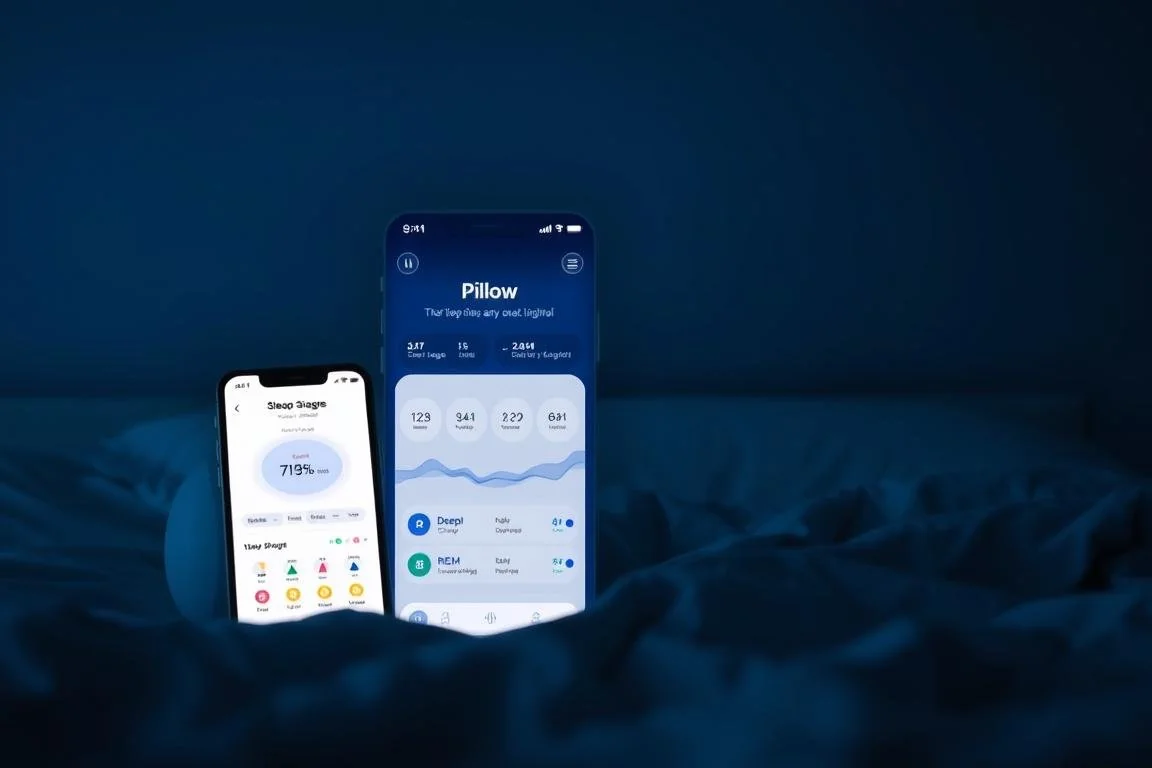
Pillow sleep app showing color-coded stages and smart alarms - sleep apps

Pillow app interface with smart alarms and color-coded sleep stages.

FAQ

Do sleep apps really improve sleep?

They can improve routines and perceived sleep quality by nudging consistent bedtimes and calmer wind-downs. Use them to guide habits, not to diagnose medical issues.

What’s the best sleep app for iPhone and Apple Watch?

For watch-first tracking, try SleepWatch or Pillow. If you prefer soothing content without tracking, Calm is a great pick.

Are smart alarms worth it?

They try to wake you during lighter stages to reduce grogginess. Results vary—test during a free trial and keep your wake window modest.

Which app is best if I don’t want subscriptions?

Look for lifetime options or free tiers with downloadable audio, and confirm offline access to avoid buffering at bedtime.

How should I use trials?

Test 5–7 nights, vary content, and jot quick notes each morning about ease of use, wake quality, and whether recordings or data actually helped.

Conclusion

Pick one option from this best sleep apps list and use it nightly for a week. Track what actually helps you fall asleep—stories, gentle soundscapes, or a wearable’s guidance—and keep what works. For more bedroom upgrades and routines, visit Cozy Bed Quarters.

Related Reading from Cozy Bed Quarters

Other Reading We Found Popular