How to Fix Your Sleep Schedule: A Step-by-Step Plan

fix sleep schedule

Simple Ways to Reset a Disrupted Sleep Schedule

Updated 2025

You can fix sleep schedule without harsh tactics. Start by picking a realistic bedtime and wake time you can keep most days. Small shifts of 15–30 minutes make change manageable and help your body adjust without burnout.

Adults need at least seven hours most nights for better health and daytime energy. According to the CDC, consistency helps you fall asleep faster and feel more alert the next day.

This guide gives a clear path you can follow while fitting work, family, and social life. You’ll focus on habits that improve sleep quality, avoid extreme moves, and build a simple wind-down that signals bedtime to your clock—and steadily fix sleep schedule in a sustainable way. For broader background, explore our sleep hygiene guide.

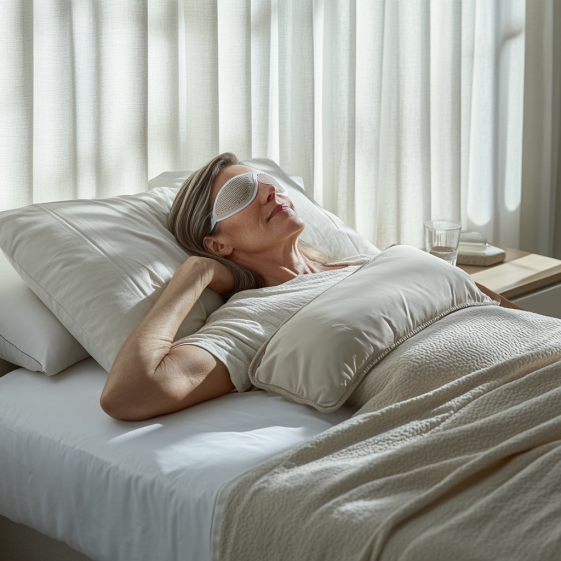
Morning light through bedroom curtains helps fix your sleep schedule by resetting circadian rhythm

Key Takeaways

  • Choose a realistic wake time and bedtime—and stick to them daily.
  • Shift timing gradually in 15–30 minute steps for sustainable progress.
  • Use consistent cues and a nightly routine to train your body to sleep.
  • Aim for at least seven hours to protect health and daytime energy.
  • Small, steady changes add up and help you fix sleep schedule for good.

Why Your Sleep Schedule Matters for Your Day-to-Day Energy

Regular timing smooths out mood, focus, and stamina. When your hours stay steady, your body and mind run more efficiently. A consistent schedule supports memory, reaction time, and mood—and reduces daytime drowsiness.

  • Consistent hours sharpen focus and boost energy.
  • Good sleep protects heart, immunity, and long-term cognitive health.
  • Even one hour of drift can lower sleep quality and raise next-day fatigue.
What Short-term effect Long-term effect Why it matters
Irregular timing Sleepiness, slower reactions Higher accident and error rates Disrupts attention and safety
Chronic short sleep Poor mood, low energy Cardiometabolic and immune issues Affects health and longevity
Regular sleep hours Sharper thinking, steadier mood Better metabolism and resilience Aligns body clock for quality rest

Understand Your Circadian Rhythm and Internal Clock

Light and darkness talk to your biological clock, steering daytime energy and nightly rest. Morning light tells your brain to be alert; evening darkness lets melatonin rise so sleep comes easier. Aligning with this day-night pattern helps you fix sleep schedule naturally.

Light, melatonin, and the sleep-wake cycle

Bright morning light suppresses melatonin and signals wakefulness. Evening light—especially from screens—can delay melatonin and push your cycle later.

Day-night alignment and your brain’s signals

Your internal clock coordinates when you feel alert or tired. Matching your routine to daylight locks this rhythm in place and supports overall well-being.

  • Use morning light (outdoor light if possible) to anchor your rhythm.
  • Dim lights in the last hour before bed to cue melatonin release.
  • Small changes in light timing can nudge earlier bedtimes or smoother mornings.

The Core Plan to Fix Sleep Schedule

Start with one clear anchor: a consistent wake-up time you keep every day. That single habit helps your internal clock lock into a reliable rhythm so you can steadily fix sleep schedule.

Set a consistent wake-up time (even on weekends)

Pick a realistic time you can maintain seven days a week. This stabilizes your rhythm and makes earlier bedtimes easier to reach.

Shift your timing gradually in 15–30 minute steps

If you need to move bedtime earlier (or later), change it in 15–30 minute increments every few days. Small shifts prevent grogginess and keep progress steady.

Build a wind-down routine that cues sleep

Create a short pre-bed routine with dim lights, calm reading, light stretching, or breathing. For a simple checklist, see our sleep hygiene checklist.

Align with bright mornings and dim evenings

Get bright light soon after waking and keep evenings low-light. Pair this with steady habits to help your brain predict bedtime and naturally fix sleep schedule.

  • Hold your wake-up time after late nights to keep momentum.
  • Track tweaks for a week to discover what helps most.

Sleep Hygiene & Environment Essentials

Evening habits and a calm bedroom make it easier for your body to drift into rest. Simple, repeatable steps improve sleep quality without drastic measures.

Sleep hygiene habits to fix sleep schedule at night

Reduce evening screens and blue light

Set a one-hour screen cutoff. Dim lamps, silence notifications, and avoid heavy mental work or late caffeine.

Create a relaxing pre-bed ritual

Try 10–20 minutes of yoga, gentle stretches, journaling, or a caffeine-free tea. Consistency turns this into a strong cue for sleep.

Dark, quiet, and cool

Use blackout curtains or a sleep mask to block light and keep the room slightly cool. For noise, consider a fan or machine—see our picks for best white noise machines—or simple foam earplugs.

Bedding, pillows, and comfort cues

Choose a mattress and pillows that keep your spine aligned. Keep bright LEDs out of sight and reserve the bed for sleep and intimacy. For light control tips, explore how to make your bedroom dark. For more background on bedding safety, see this overview of bedding certifications from Sleep Foundation.

Daily Choices: Caffeine, Alcohol, Exercise, and Meals

Timing your food, drink, and movement helps your body wind down on schedule. Small changes can produce better nights and steadier daytime energy.

Caffeine timing tips to fix sleep schedule

Caffeine cutoffs and alcohol pitfalls

Pick a personal caffeine cutoff (many do well between late morning and early afternoon). Skip nightcaps—alcohol can fragment sleep later.

Exercise timing that supports your cycle

Move most days. Finish vigorous workouts 1–2 hours before bed; light evening stretching or a short walk can relax you without spiking alertness.

Evening eating patterns and light snacks

Eat your last full meal 2–3 hours before bed. If hungry later, choose a small, balanced snack. Keep hydration steady by day and taper at night.

  • Quick wins: earlier caffeine cutoff, no late alcohol, earlier workouts, and dinner on the early side to help fix sleep schedule.

Tools & Troubleshooting

Targeted tools can help you realign faster while you build strong routines. Use them briefly and intentionally to avoid rebound effects.

Melatonin: when it helps and how to use it safely

Low doses can nudge your circadian rhythm after travel or shifts. Start small and talk with your clinician if you take medications or notice side effects.

Light therapy vs. natural morning light

A timed light box delivers high-intensity morning light; outdoor light plus a short walk also works well. Use light at the same time daily for best results.

CBT-I for chronic insomnia

Cognitive Behavioral Therapy for Insomnia teaches thought and behavior changes that deliver lasting improvements. It’s a strong option if you’re still struggling to fix sleep schedule. Read an overview from the AASM here: CBT-I facts.

Shift work, jet lag, and social jet lag

Anchor one realistic wake time on work and off days when possible. Use planned light and darkness around shifts or flights; brief, early naps can improve safety without wrecking night sleep.

Stress, racing thoughts, and mental health

Stress can hijack bedtime. Try deep breathing, a 10-minute journal, or CBT-I techniques to quiet looping thoughts. Watch a quick explainer: What is your circadian rhythm?

Tool Best time Main benefit Consideration
Melatonin Evening, short-term Shifts circadian rhythm Possible side effects; consult clinician
Light therapy box Morning, consistent Faster phase adjustment Requires timing and brightness
Natural morning light Daily after waking Supports long-term alignment Weather and routines vary
CBT-I For chronic issues Lasting behavior change Needs sessions or guided program

Helpful resources: Reset your sleep routine (Sleep Foundation).

How long it takes—and when to get help

Many people feel clearer mornings and easier bedtimes within 1–2 weeks of steady habits. If symptoms last three months or you suspect a sleep disorder (e.g., loud snoring, gasping, severe daytime sleepiness), talk with a clinician or sleep specialist.

FAQ

What is the fastest way to fix sleep schedule?

Set a consistent wake-up time, get bright morning light, and move bedtime earlier in 15–30 minute steps. Pair this with a simple wind-down.

Should I sleep in after a late night?

Try not to. Hold your wake time and use a short early nap (under 30 minutes) if needed. This protects your nighttime sleep drive.

Does melatonin fix sleep schedule on its own?

It can help with timing, but routines and light are the real anchors. Use low doses briefly and follow your provider’s guidance.

What temperature is best for sleep?

Many people sleep best slightly cool. Keep the bedroom dark, quiet, and comfortably cool to support quality rest.

How much sleep do adults need?

Most adults do best with at least seven hours per night. Protecting that window makes it easier to fix sleep schedule and feel steady energy.

Conclusion

Anchor one simple habit, build a gentle routine, and you can fix sleep schedule without drastic moves. Hold a steady wake-up time, nudge bedtime in small steps, use morning light and dim evenings, and keep your room calm and comfortable. With patience, better sleep brings clearer thinking, more energy, and lasting health benefits. For more cozy, practical bedroom tips, visit Cozy Bed Quarters.


Other reading we found popular

Best Sleep Hacks for Deep Sleep: 9 Fixes That Work Tonight

best sleep hacks for deep sleep bedroom setup

The best sleep hacks for deep sleep are mostly timing fixes, not gadgets: one wake-up time you never move, a cool dark room, caffeine finished by early afternoon, and no alcohol in the last three hours before bed. Deep sleep (the slow-wave stage) mostly happens in the first half of the night, so anything that delays sleep onset quietly steals it. Fix the front end of your night and the deep stuff usually takes care of itself.

What “deep sleep” actually is

Sleep runs in cycles of roughly 90 minutes. Deep sleep is stage N3 — the slow-wave stage where you’re hardest to wake, growth hormone is released, and tissue repair and memory consolidation do their heavy lifting.

Two things are worth knowing. Most of your N3 is front-loaded — the early cycles carry big chunks of it, and later cycles shift toward REM. And the amount you get, typically around 15–20% of total sleep time for adults, drops steadily with age. That decline is normal; a 55-year-old will not match their 20-year-old numbers.

That’s also why chasing a wearable’s number is a bad idea. Trackers estimate stages from movement and heart rate, not brain waves — watch the trend over weeks, not last night’s score.

cool, dark, clutter-free bedroom set up with the best sleep hacks for deep sleep

Best sleep hacks for deep sleep, ranked by payoff

Start at the top. The first three sleep hacks for deep sleep do more than the other six combined, and they cost nothing.

1. Pick one wake time and defend it

Your body clock anchors to when you get up, not when you go to bed. Set one alarm time for all seven days and let bedtime land wherever sleepiness puts it. Weekend lie-ins longer than an hour shove your clock later, and Sunday night insomnia is the bill.

If your current schedule is a mess, don’t yank it back three hours at once. Move in 15–20 minute steps every two or three days — the slow version in our step-by-step plan for fixing your sleep schedule sticks far better than a single heroic early night.

2. Get light in your eyes early, and kill it late

Ten to twenty minutes of outdoor light within an hour of waking sets the timer for melatonin release that evening. Cloudy day? Still worth it — an overcast morning outdoors is far brighter than your kitchen ceiling.

Then flip it at night. Ninety minutes before bed, switch to lamps instead of overheads, drop screen brightness, and skip the bathroom’s full light array at tooth-brushing time. Total brightness matters more than the blue-light-glasses debate.

3. Run the room cold

Your core temperature has to fall roughly 1–2°F for sleep to start and hold. A warm room blocks that. Sleep clinicians generally point to around 60–67°F (15.5–19.5°C) for the bedroom, and most people who sleep badly in summer are simply too warm.

What to check, cheapest first:

  • Thermostat — drop it 2–3 degrees and give it three nights before judging.
  • Duvet weight — a 13.5 tog winter duvet in June is a sweat trap. Keep a 4.5 tog or a cotton blanket for warm months.
  • Fabric — cotton percale, linen, or bamboo viscose breathe. Microfiber and satin polyester hold heat.
  • Mattress — dense all-foam beds sleep hot; a fan aimed across the bed fixes most of that.
  • Feet — warm feet (socks, or just out from under the covers) help you dump heat through the skin faster.

Our full guide to building the right sleep environment covers noise and darkness in more depth.

4. Set a caffeine curfew you can actually hit

Caffeine’s half-life sits around five hours for most adults, so half of a 3 p.m. coffee is still circulating at 8 p.m. In a controlled crossover trial, 400 mg of caffeine — roughly four cups of brewed coffee — taken six hours before bedtime measurably reduced total sleep time, even though participants didn’t always notice it.

Simple rule: last caffeinated drink 8–10 hours before lights out. For an 11 p.m. bedtime, that’s 1–3 p.m. Watch hidden sources — green tea, dark chocolate, pre-workout, some painkillers.

herbal tea and a book on a nightstand during a wind-down routine

5. Skip the nightcap

Alcohol is the classic trap. It knocks you out faster and can bump slow-wave sleep early on, then rebounds: fragmented second half, suppressed REM, more 3 a.m. wake-ups, elevated heart rate all night. Wide awake in the small hours? Start here — why you keep waking at 3 a.m.

If you drink, finish at least three hours before bed and match each glass with water.

6. Build a 30-minute wind-down that’s the same every night

Your brain needs a runway. Thirty minutes, same order, boring on purpose: lights down, phone on a charger across the room, shower, teeth, five pages of a paper book. Repetition is the active ingredient — the sequence starts to trigger sleepiness on its own. Longer version: our nighttime routine guide.

A warm shower or bath 60–120 minutes before bed fits nicely here: skin warms, blood vessels dilate, and core temperature then falls faster than it otherwise would.

7. Move your body earlier in the day

Regular exercise deepens sleep; timing matters at the margins. Hard intervals or heavy lifting within about an hour of bed leave core temperature and adrenaline high. Moderate evening exercise finished 90 minutes out is fine for most people, and a 20-minute walk after dinner helps sleep and blood sugar both.

Morning or early-afternoon workouts stack two of the best sleep hacks for deep sleep at once: the exercise and the daylight.

8. Eat for the night, not against it

Finish big meals three hours before bed. Lying down on a full stomach invites reflux, which fragments deep sleep even when you don’t fully wake.

Still hungry at 10 p.m.? A small carb-plus-protein snack is fine — oatmeal, yogurt and berries, banana with nut butter, a handful of almonds. Kiwi and tart cherry juice get a lot of attention on thin, early research, so treat them as experiments rather than sure things. More in our list of foods worth eating before bed.

Front-load fluids, too. Most of your water before 7 p.m. means fewer bathroom trips carving up those early, deep-sleep-heavy cycles.

magnesium-rich bedtime snacks including almonds, banana and yogurt

9. Give your brain somewhere to put the noise

If you lie down and your to-do list starts talking, write it out. Five minutes with paper before you brush your teeth — tomorrow’s tasks, anything unresolved — parks the loop on the page instead of in your head.

Then pick one physical off-ramp and stick with it:

  • Slow breathing — in for four, out for six or eight; the long exhale does the work.
  • Body scan — attention from toes to scalp, releasing each area, about ten minutes.
  • Cognitive shuffle — picture unrelated objects in random order (apple, ladder, dog) to block storytelling.

Still awake after about 20 minutes? Get up. Another room, low light, something dull to read, back to bed when you’re heavy-eyed. Lying there frustrated teaches your brain that bed is where you stay awake.

soft lamp light in a bedroom an hour before bedtime

Common deep sleep killers and what to change

Symptom Likely cause What to try first
Wake at 2–4 a.m. most nights Evening alcohol, late meal, or a too-warm room Cut alcohol for a week; drop the thermostat 3 degrees
Take 45+ minutes to fall asleep Bedtime too early for your clock, or bright evenings Later bedtime, same wake time; lamps only after 9 p.m.
Eight hours in bed, still wrecked Fragmented sleep — noise, pets, snoring, reflux Earplugs or white noise; pets off the bed for two weeks
Sunday nights are always bad Weekend schedule drift Keep weekend wake time within one hour of weekdays
Hip or shoulder pain at 5 a.m. Mattress too firm or sagging Check for sag with a straightedge; try a topper first

dark bedroom with blackout curtains and a fan for cooler sleep

Can you catch up on deep sleep at the weekend?

Partly, and not cleanly. After a short night your body does prioritise slow-wave sleep the next night — that rebound is real. What doesn’t come back neatly is the rest of it: lost REM, the attention and mood costs, and the clock disruption from sleeping until noon.

Better repair is small and boring: an extra 30–60 minutes a night for a week or two, plus a short early-afternoon nap if you need one. Chip away at the debt instead of trying to clear it in one go.

How long until any of this shows up?

Give any of these sleep hacks for deep sleep 10–14 nights before you rule on it. One night proves nothing — slow-wave sleep bounces around with exercise, stress, illness, and how early you got up.

Change one thing at a time. Move your caffeine curfew, cool the room, and buy a new pillow in the same week and you’ll never know which one helped.

When it isn’t a habits problem

Some deep sleep loss won’t respond to routine tweaks. See a doctor if you snore loudly, gasp or stop breathing in your sleep, wake unrefreshed for months despite full nights, fall asleep during the day, or get restless, crawling sensations in your legs at night. Untreated sleep apnea wrecks slow-wave sleep no matter how tidy your bedtime routine is — and it’s very treatable once diagnosed.

FAQ

How much deep sleep do I need?

There’s no single target. For most adults it lands around 15–20% of total sleep, and it sorts itself out once you get enough total hours. Sleeping seven to nine hours and waking clear-headed? Your deep sleep is doing its job.

Does magnesium help?

Magnesium supports muscle relaxation and normal nerve function, and some small studies suggest a modest benefit for older adults with insomnia. Evidence for boosting deep sleep in healthy people is thin, though, so it belongs well below the basic sleep hacks for deep sleep above. If you try it, glycinate is gentler on the stomach than oxide — and check with your doctor or pharmacist first if you take other medications.

Do naps reduce deep sleep at night?

Long or late naps do. A 20-minute nap before about 3 p.m. is usually harmless; 90 minutes at 6 p.m. burns off the sleep pressure you need for a solid night.

Does a weighted blanket increase deep sleep?

Evidence is limited, and it’s mostly about feeling calmer and falling asleep more easily rather than measurable extra slow-wave sleep. If it helps you settle, fine — just go lighter than the old “10% of body weight” rule if you sleep warm, since the extra layer traps heat.

What about melatonin?

Melatonin is a timing signal, not a sedative. It helps most with jet lag or a shifted body clock, in a small dose a few hours before target bedtime — not for deepening sleep you already get. Over-the-counter doses are often far higher than needed.

Updated September 2026.

Best Sleeping Positions: Back, Side and Stomach Guide

Person showing the best sleeping positions for stomach sleepers with thin pillow and pelvic support

For most people, the best sleeping position is the one that keeps your head, neck and spine in a straight, neutral line while leaving your airway open — and side sleeping achieves that most easily for the widest range of sleepers. Back sleeping is excellent for spinal alignment and pressure relief but tends to make snoring worse, while stomach sleeping is the hardest position on the neck and lower back. The good news: you rarely need to change positions entirely, because pillow height, a knee or pelvis pillow, and the right mattress feel fix most of the problems people blame on their posture.

Key Takeaways

  • Side sleeping suits the most people: it keeps the airway open, helps nighttime reflux (especially on the left), and works in pregnancy. Use a pillow tall enough to fill the gap at your shoulder, plus one between your knees.
  • Back sleeping distributes weight evenly and keeps the spine neutral. Add a pillow under the knees and use a thin or contoured pillow — but expect more snoring.
  • Stomach sleeping is the least spine-friendly. If you can’t give it up, use an ultra-thin pillow (or none) and a pillow under your hips.
  • Combination sleepers do best with an adjustable-loft pillow, a medium-firm mattress and a body pillow to steady the hips.
  • Snorers should avoid lying flat on the back; side sleeping and modest head-of-bed elevation are the two simplest changes to try.

Why Your Sleeping Position Matters

You spend roughly a third of your life in one posture, held there for hours without the micro-adjustments you make when awake. That makes sleep position one of the few “free” levers you can pull for comfort. Position influences:

  • Spinal alignment — whether your neck and lower back rest in a neutral curve or are held at an angle all night.
  • Breathing and snoring — gravity can let the tongue and soft palate fall back into the throat when you lie flat on your back.
  • Reflux and heartburn — the position of the stomach relative to the esophagus changes how easily acid travels upward.
  • Pressure points — shoulders and hips carry most of the load when you’re on your side; the ribs and pelvis do when you’re face down.
  • Sleep continuity — pain and breathing interruptions cause awakenings you may not remember, which is often why you wake up unrefreshed.

One honest caveat: most position advice is based on anatomy, clinical experience and relatively small studies rather than large trials. Pain and comfort are highly individual, so treat the guidance below as a starting point and let your own mornings be the tiebreaker.

Back, Side and Stomach Sleeping Compared

Position Best for Watch out for Key fix
Side (especially left) Snoring, reflux, pregnancy, lower-back pressure Shoulder and hip pain, arm numbness Pillow between knees; loft matched to shoulder width
Back Neutral spine, even weight distribution, sore joints Snoring and sleep apnea; lumbar aching Pillow under knees; thin or contoured head pillow
Stomach Habitual comfort; keeps airway clear for some snorers Neck rotation, lumbar extension, tingling arms Ultra-thin or no pillow; pillow under the pelvis
Combination Natural pressure relief from movement Gear that only works in one position Adjustable-loft pillow; medium-firm surface

Best Sleeping Positions: Back, Side & Stomach Compared - sleep quality

Side Sleeping: The Most Broadly Useful Position

Side sleeping keeps the tongue and soft palate from collapsing backward, which is why it’s the first thing recommended for snorers and for people with mild, position-dependent sleep apnea. Johns Hopkins Medicine notes that side sleeping supports healthy airflow while keeping the spine in reasonable alignment.

The trade-off is pressure: your shoulder and hip carry your body weight on a small contact area, so a surface that’s too firm creates soreness, and one that’s too soft lets the hips sink and twist the lower back.

  • Choose a pillow tall and firm enough to fill the space between your ear and the mattress — your nose should line up with your breastbone, not tilt down toward the bed.
  • Put a pillow between your knees so the top hip doesn’t rotate forward.
  • Keep the legs only gently bent. A tightly curled fetal position limits chest expansion and can aggravate stiff hips and lower backs.
  • If your shoulder aches, try a softer comfort layer or topper — see our guide to memory foam mattresses for different sleepers for pressure-relief options.
  • Avoid tucking your arm under your head or pillow; that’s the usual cause of a numb, tingling hand at 3 a.m.

side sleeping best sleep positions to reduce snoring

Back Sleeping: Best for Neutral Alignment

Lying on your back spreads your weight across the largest possible area and keeps your head, neck and spine naturally stacked, with no twisting. It’s often the most comfortable choice for painful joints and for anyone recovering from shoulder problems.

Two things spoil it. First, snoring and obstructive sleep apnea are usually worst flat on the back. Second, if the mattress doesn’t support the lumbar curve, the lower back arches and aches by morning.

  • Slide a pillow under your knees to flatten the lumbar arch slightly and release tension in the low back.
  • Use a thin or contoured pillow. A tall pillow pushes your chin toward your chest, which strains the neck and narrows the airway.
  • A medium-firm feel is the usual sweet spot; our overview of mattress types and how they support the body explains the differences.
  • If you snore on your back, raise the whole upper body rather than just the head — see the elevation section below.

Stomach Sleeping: Manageable, Not Ideal

Face-down sleeping forces the neck to rotate nearly 90 degrees for hours and pushes the lower back into extension, which is why it’s the position most often linked to morning neck and lumbar soreness. It does keep some people’s airway clear, and plenty of lifelong stomach sleepers sleep soundly — so the practical goal is damage control rather than a total ban.

  • Use an ultra-thin pillow or none at all, so the neck isn’t extended on top of being rotated.
  • Place a flat pillow under your pelvis and lower abdomen to reduce the arch in your lower back.
  • Alternate which way you turn your head rather than always favouring one side.
  • Try a “three-quarter” transition: hug a body pillow and roll most of your weight onto one side while one leg stays forward. It feels similar to stomach sleeping but spares the neck.

Person showing the best sleeping positions for stomach sleepers with thin pillow and pelvic support

Combination Sleeping

Shifting positions is normal and even useful — it’s how your body relieves pressure. The problem is gear tuned to a single posture. An adjustable-loft pillow (one you can add or remove fill from), a medium-firm mattress with enough surface give for the shoulder, and a body pillow to stop the hips from rolling too far will cover most transitions. Use morning soreness as your diagnostic: a stiff neck points to pillow height, a sore low back points to support, and aching shoulders point to the comfort layer.

Best Sleeping Positions to Stop Snoring

Snoring happens when relaxed tissue in the throat and nose vibrates in a narrowed airway. Position matters because gravity decides where that tissue falls.

  • Sleep on your side. Positional therapy — deliberately keeping people off their backs — has been studied as a treatment for position-dependent snoring and mild sleep apnea, with research published in the sleep medicine literature reporting reduced snoring when patients stayed off their backs. Effects vary a lot between individuals.
  • Make rolling over harder. The classic home version is the “tennis ball trick” (a ball or firm object attached to the back of a sleep shirt); purpose-made positional trainers and firm body pillows do the same job more comfortably.
  • Raise your upper body. Elevating the head and torso a few inches reduces the tendency for the airway to collapse and helps reflux-related throat irritation. A wedge that supports the shoulders, an adjustable base, or risers under the head of the bed all work; stacking pillows under the head alone just kinks the neck. We cover the practical methods in sleeping on an incline, and an adjustable bed lets partners elevate independently.
  • Don’t stay flat on your back if you snore heavily, and avoid a tightly curled posture that restricts chest expansion.

Lifestyle factors work alongside position: alcohol and sedatives before bed relax throat muscles, nasal congestion forces mouth breathing, dry air irritates the throat, and excess weight around the neck narrows the airway. Nasal strips and a humidifier are cheap, low-risk things to try, though evidence that they help snoring is modest.

elevated sleeping best sleep positions to reduce snoring

Best Position for Acid Reflux and Heartburn

If heartburn wakes you, position is one of the more evidence-backed adjustments available. A systematic review and meta-analysis found that sleeping in the left lateral (left-side) position was associated with improved gastroesophageal reflux symptoms compared with other positions. Raising the head of the bed has also been reviewed as a reflux measure, with a systematic review of head-of-bed elevation finding symptom benefit, though the underlying studies are small. Combining the two — left side plus a gentle incline — is a reasonable, low-cost experiment; our notes on inclined bed setups cover how to do it without sliding down the bed.

Special Situations

Pregnancy

Sleeping on the side is the standard recommendation in later pregnancy, and many people find the left side most comfortable for circulation and reflux. A wedge under the bump and a pillow between the knees help. Follow the advice of your own midwife or doctor, since individual circumstances differ.

Neck and shoulder pain

Pain on waking that fades within an hour usually points to pillow height or mattress feel rather than the position itself. Change one variable at a time and give each change several nights.

Infants

Adult position advice does not transfer to babies. Safe-sleep guidance for infants is specific — on the back, on a firm flat surface — so check current recommendations with your pediatrician rather than applying anything from this guide.

Woman demonstrating the best sleeping positions for back sleepers with proper neck and knee supportWoman demonstrating the best sleeping positions for back sleepers with proper neck and knee support

How to Actually Change Your Sleep Position

  1. Set the stage first. Fix pillow loft and add the knee or hip pillow before trying to switch positions; often the discomfort that keeps pushing you back to an old habit disappears.
  2. Use a physical barrier. A body pillow behind your back, or pillows either side of you, makes rolling less automatic.
  3. Start at lights-out. You control only the position you fall asleep in, and that’s enough to shift a good share of the night.
  4. Give it two weeks. New positions feel wrong for several nights before they feel normal.
  5. Keep the room cool. Overheating causes tossing that undoes positional work; breathable bedding helps you hold a position longer.

When to See a Doctor

Position changes are for ordinary snoring and everyday aches. Seek medical advice if you have witnessed pauses in breathing, gasping or choking at night, heavy daytime sleepiness, morning headaches, reflux most nights, or pain that wakes you or persists through the day. These can indicate sleep apnea or another condition that no pillow arrangement will fix.

FAQ

What is the single best sleeping position?
Side sleeping suits the largest number of people because it balances spinal alignment with an open airway. Back sleeping is the best choice for neutral alignment if you don’t snore.
Left side or right side?
The left side has the better evidence for reducing nighttime reflux symptoms. Otherwise, choose the side that leaves your shoulder and hip comfortable, and switch when one gets sore.
Is stomach sleeping ever OK?
It’s the least spine-friendly position, but it’s workable with a very thin pillow (or none) and a pillow under the pelvis. If you wake with neck or back pain, move toward a side position.
What pillow height should I use?
Back: thin or contoured. Side: firmer and tall enough to match your shoulder width. Stomach: ultra-thin or none. The test is whether your nose stays in line with your breastbone.
Does sleeping with the head raised really help snoring?
Elevating the upper body helps some people, and it’s well supported for reflux. Evidence specific to snoring is thinner, so treat it as a cheap experiment rather than a guaranteed fix — and raise the torso, not just the head.
How do I stop shoulder pain from side sleeping?
Soften the surface under the shoulder with a topper or a more conforming comfort layer, keep the head properly supported so the shoulder isn’t crushed, and add a knee pillow so the hips stay level.
Does my mattress matter more than my position?
They interact. A medium-firm surface works for most positions, but side sleepers usually need more surface give and stomach sleepers need firmer support to stop the hips from sinking.

Updated September 2026.