When Is the Best Time to Replace a Mattress? 2025–2026 Guide
Deciding when to replace a mattress is one of the most important choices you’ll make for better sleep and long-term health. A worn-out mattress can quietly cause back pain, poor rest, and even allergies — often without you realizing it’s the source. At Cozy Bed Quarters in Phoenix, we help Arizona sleepers recognize the right time to replace a mattress so they wake up feeling refreshed instead of stiff or tired.
This guide covers the clear signs it’s time for a new one, average lifespans by mattress type, how your body weight and sleep position speed up wear, and the smartest months in 2025–2026 to shop for the best prices and selection.
Why It’s Important to Know When to Replace a Mattress
Your mattress directly affects spinal alignment, pressure relief, and sleep quality. Over time, materials compress, sag, or lose support — turning a once-comfortable bed into a source of discomfort.
Waiting too long can lead to:
- Morning back, neck, or hip pain that lingers
- Restless nights and frequent wake-ups
- Worsened allergies from trapped dust mites and allergens
- Lower energy, mood swings, and reduced focus during the day
Replacing your mattress at the right time restores proper support, improves airflow (especially helpful for hot sleepers in Arizona’s dry climate), and helps you sleep deeper. For more on how old mattresses affect health, see Sleep Foundation’s mattress replacement guide.
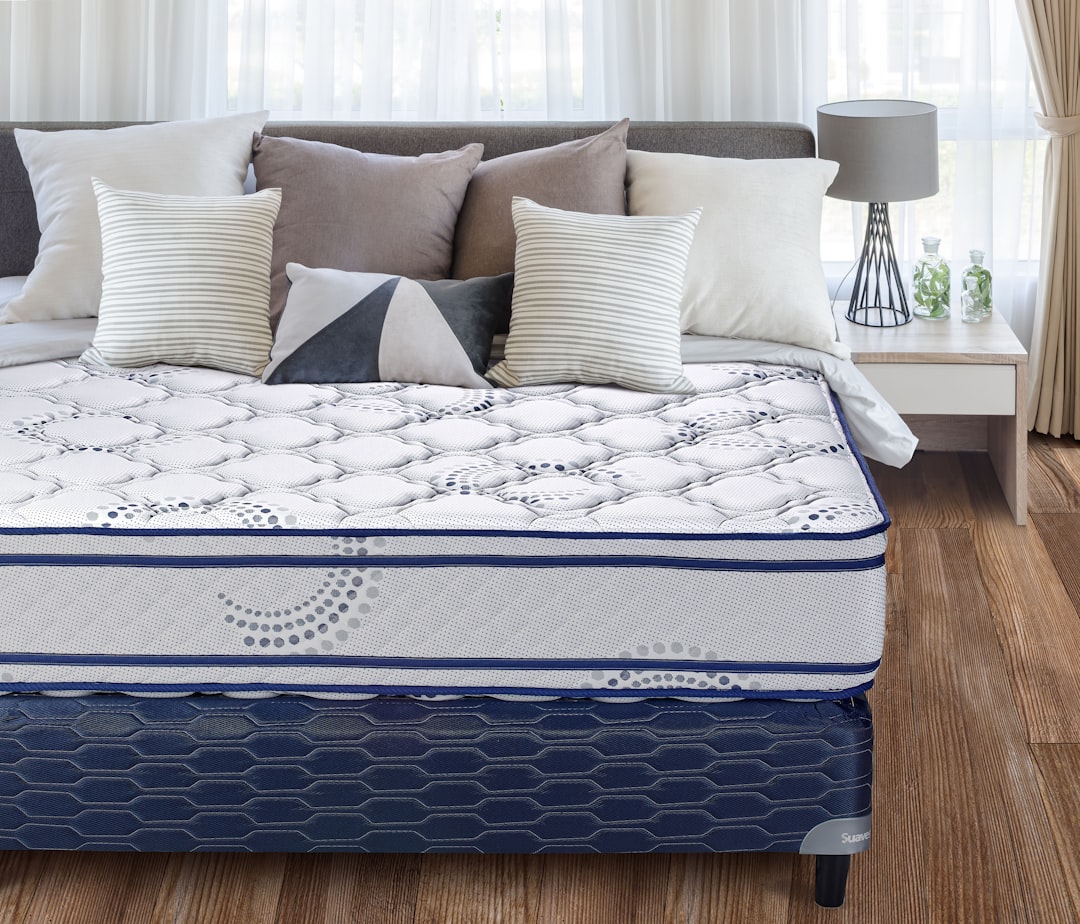
How Long Should a Mattress Last? Average Lifespan by Type
The general guideline is to replace a mattress every 7–10 years, but real lifespan depends on quality, usage, body weight, and maintenance.
| Mattress Type |
Average Lifespan |
Common Replacement Signs |
| Innerspring |
6–8 years |
Sagging coils, creaking noises, uneven surface |
| Memory Foam |
8–10 years |
Deep body indentations, loss of support |
| Latex |
10–12 years |
Noticeable softening or firmness loss |
| Hybrid |
8–10 years |
Sagging edges, reduced bounce, uneven feel |
| Pillow Top |
5–7 years |
Flattened top layer, lumps, discomfort |
These are averages — comfort is the ultimate test. If you wake up sore or sleep better away from home, it may be time to replace a mattress even sooner. Check Wirecutter’s mattress lifespan guide for more details.
Clear Signs It’s Time to Replace a Mattress
Your body usually gives you clues before the calendar does. Here are the most reliable signs it’s time to replace a mattress:
1. You Wake Up with Aches or Stiffness
Morning back, neck, or hip pain that eases after moving around often means your mattress no longer supports proper spinal alignment.
2. Visible Sagging or Uneven Surface
Dips, lumps, or body impressions mean weight isn’t distributed evenly — leading to poor posture and discomfort overnight.
3. Restless Nights & Frequent Wake-Ups
If you toss and turn or wake up often, your mattress may no longer relieve pressure points effectively.
4. Increased Allergies or Congestion
Older mattresses trap dust mites, dead skin, and allergens — especially noticeable if you sneeze more at night or in the morning.
5. You Sleep Better Away from Home
Hotel beds, guest rooms, or even the couch feel more comfortable? That’s a classic red flag it’s time to replace a mattress.
6. Odors, Stains, or Noise
Musty smells, visible stains (even with a protector), or creaking sounds are hygiene and structural warning signs.
If several of these apply, it’s likely time to replace a mattress. For more warning signs, read Sleep Foundation’s replacement checklist.
How Body Type & Sleep Position Speed Up Wear
Heavier sleepers (>230 lbs) compress materials faster — often needing to replace a mattress closer to 6–8 years. Lighter sleepers (<130 lbs) may stretch it to 10+ years.
Sleep position also matters:
- Side sleepers create deeper hip/shoulder impressions
- Stomach sleepers cause midsection sagging
- Back sleepers wear the center more evenly
Combination sleepers who move a lot can accelerate uneven wear. See NapLab’s guide on mattress longevity by body type.
Can You Refresh Instead of Replacing a Mattress?
Sometimes a full replacement isn’t needed yet. Consider these steps first:
- Mattress topper — adds softness or support (great for mild sagging)
- New protector — improves hygiene and extends life
- Adjustable base — changes angle for better alignment
- Rotate regularly — prevents one-sided wear
If sagging is deep (>1.5 inches), pain persists, or the mattress is 8+ years old, it’s usually better to replace a mattress than patch it. Cozy Bed Quarters offers toppers and protectors to bridge the gap when possible.
Best Months to Replace a Mattress & Save in 2025–2026
Timing your purchase can save 20–50%. The strongest sales months are:
- January — New Year clearance (old stock must go)
- May — Memorial Day (summer kickoff deals)
- September — Labor Day (back-to-school extended)
- November — Black Friday & Cyber Monday (deepest discounts)
- December — End-of-year clearance
These months often include free delivery, bundles with bed frames, and 0% financing — perfect for a full bedroom refresh. For more on sale timing, see Wirecutter’s mattress sale calendar.
Conclusion: Listen to Your Body & Time It Right
Knowing when to replace a mattress can prevent years of poor sleep, morning pain, and unnecessary discomfort. If you wake up sore, notice sagging, sleep restlessly, or your mattress is 7–10 years old, it’s likely time for an upgrade — especially in Phoenix where cooling and support matter even more in our dry, hot climate.
Replacing your mattress at the right moment restores comfort, improves alignment, and helps you sleep deeply again. Whether you need memory foam, hybrid, latex, or a full bedroom refresh, Cozy Bed Quarters is here to guide you with expert advice and quality options.
Ready to wake up feeling great? Explore our current mattress collections, toppers, and bedroom essentials at Cozy Bed Quarters today — your sleep sanctuary starts here.