How to clean a mattress (and why you should)
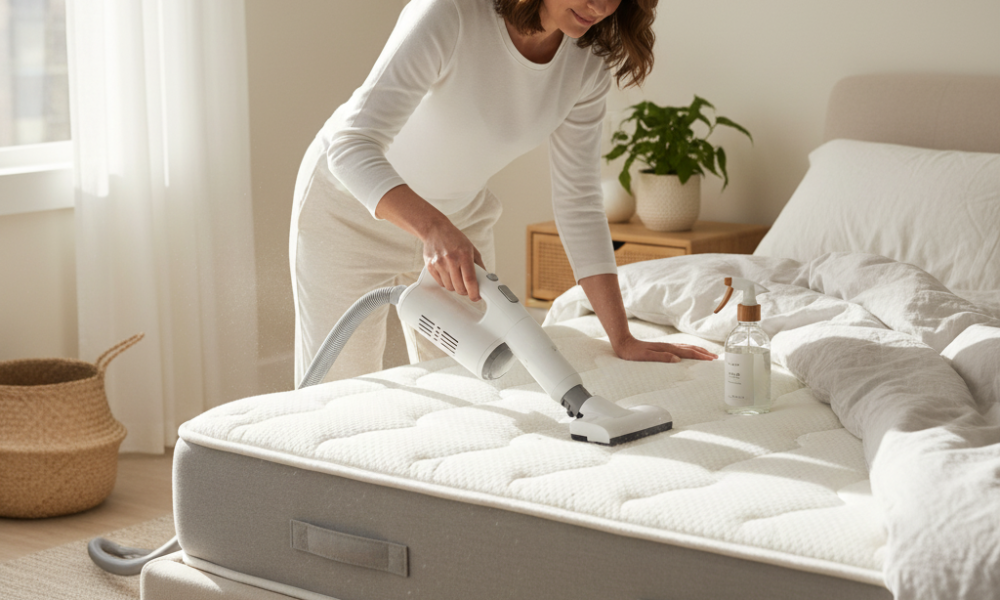
If you’ve wondered how to clean a mattress without wrecking the materials, this quick tutorial shows the safest tools, stain-by-stain remedies, and simple upkeep habits that keep your bed fresh, supportive, and hygienic for years. We’ll start with dry methods, then spot-treat, deodorize, and—most important—dry fast. Let’s keep it simple and effective.
Key Takeaways: how to clean a mattress
- Dry first: Vacuum slowly, then spot treat—avoid soaking the core.
- Match remedy to stain: Sweat, blood, and urine respond to different solutions.
- Deodorize smart: Use light baking soda; don’t pack it into seams.
- Dry fast: Fans, airflow, and sunlight beat lingering moisture every time.
- Protect + rotate: A breathable protector and seasonal rotation keep freshness longer.
Why Deep-Cleaning Your Mattress Matters
Answer first: Regular cleaning removes buildup that flattens fabrics, traps odors, and irritates allergies—so your bed feels and smells like new for longer.
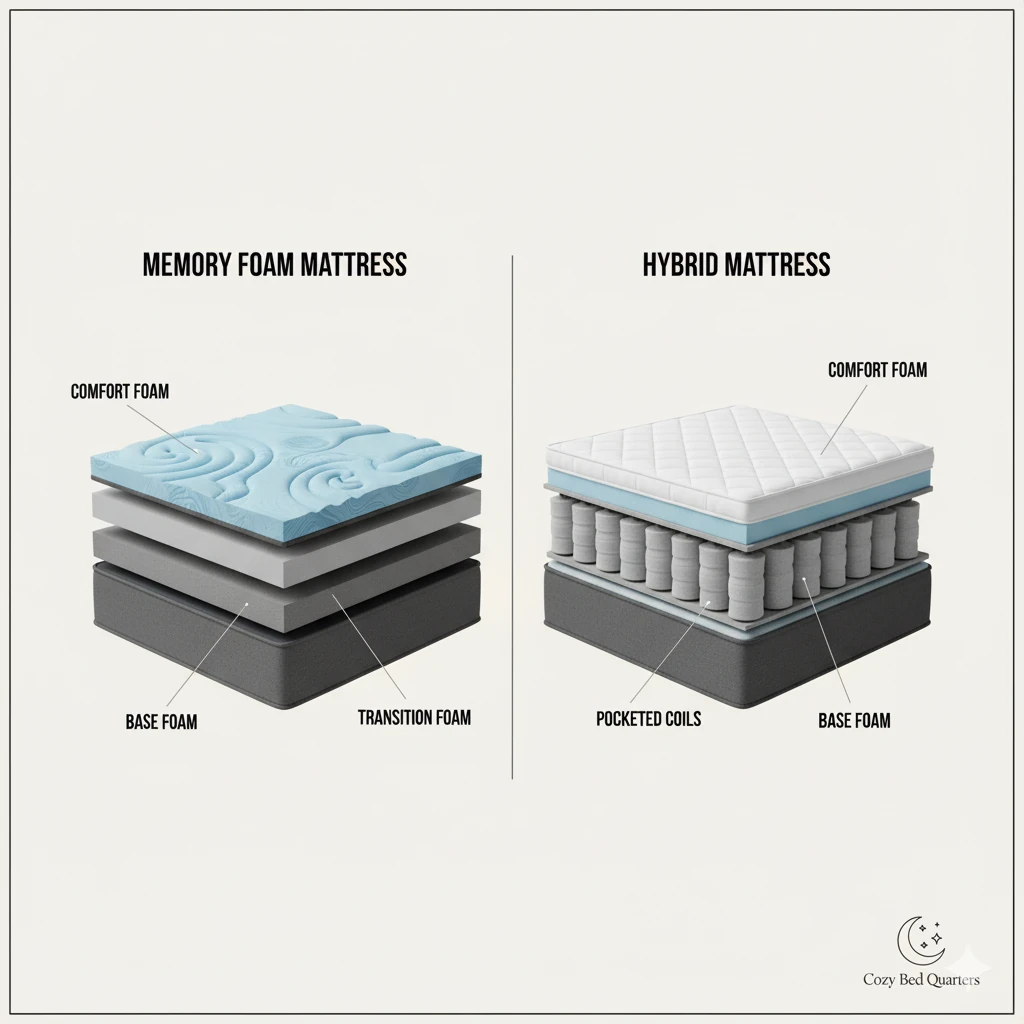
Mattresses collect sweat salts, skin oils, dust, and allergens that can dull fabrics and cause odors. Routine maintenance helps foams and fibers rebound properly and supports a healthier sleep surface. Many manufacturers also require a clean, protected mattress to validate warranty coverage.
Tools & Solutions You’ll Need
Start with the safest basics
Answer first: Keep tools gentle, moisture light, and drying rapid—your foam core will thank you.
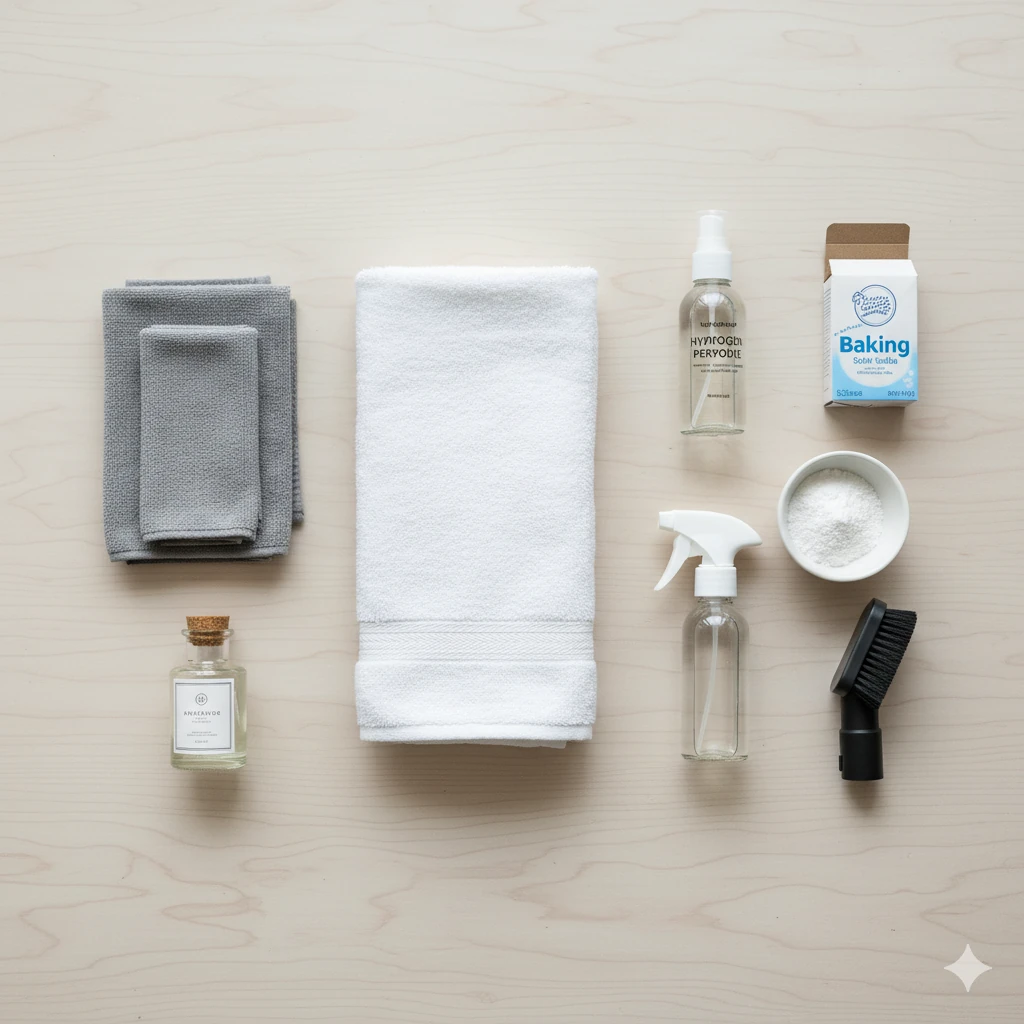
- Upholstery vacuum with crevice tool
- Microfiber cloths, white towels (lint-free)
- Spray bottles for spot treatments
- Gentle enzyme cleaner (bio stains), unscented dish soap
- Hydrogen peroxide 3% and baking soda (use sparingly; always patch-test)
- Optional: rubbing alcohol (quick-dry deodorizer), a few essential oil drops for baking soda
- Fan, open windows, or indirect sunlight for faster drying
Step-by-Step: Vacuum, Spot Treat, Deodorize, Dry
1) Strip & Pre-Check
Answer first: Remove bedding, read labels, and note warranty cautions before you get anything wet.
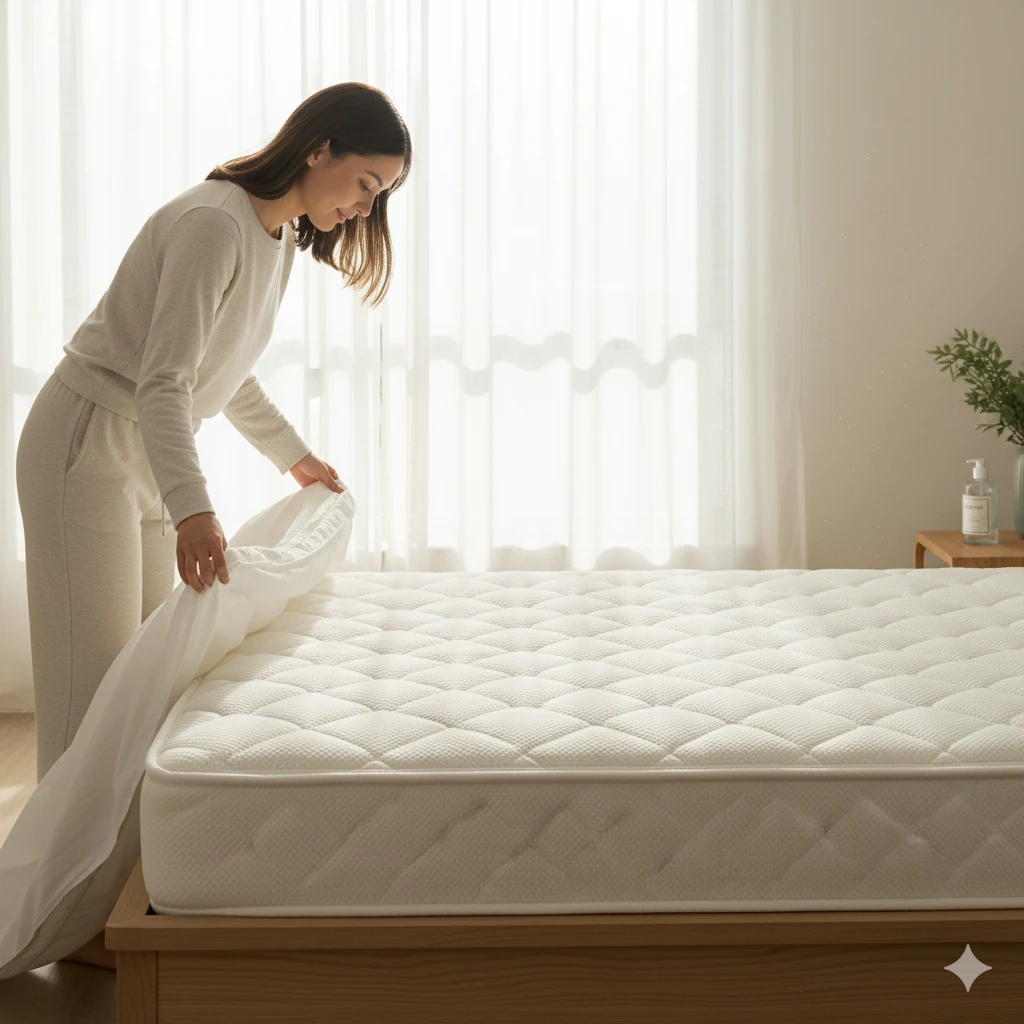
- Remove all bedding and the protector.
- Check tags for care notes or “don’t saturate” warnings.
- Pre-identify stains so you can match the right remedy.
2) Vacuum Thoroughly
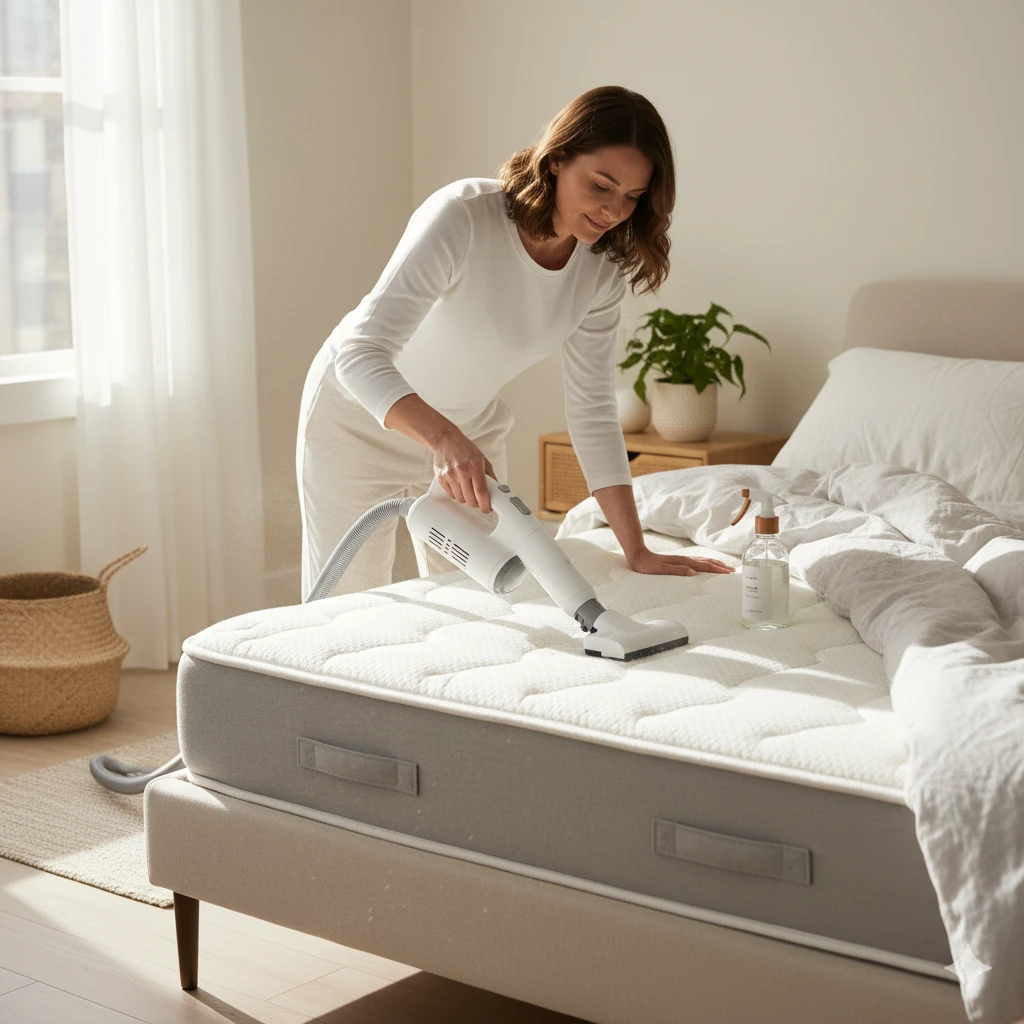
Answer first: Slow, overlapping vacuum passes lift dust and dander so stain removers work faster and safer.
Use the upholstery head in slow passes; switch to the crevice tool for piping and tufts. Evidence supports routine mattress vacuuming to reduce allergens and debris. How to Clean a Mattress (BHG); Vacuuming Matters (BHG).
3) Spot Treat Stains
Answer first: Mist lightly and blot—don’t scrub—to pull soils up without pushing moisture into foam.
Match remedies to stain type (details below). Keep applications thin and repeat in rounds. Sleep Foundation and Parachute provide consumer-friendly methods. SF: Clean a Mattress, Parachute: Steps & Tips.
4) Deodorize (Optional)
Answer first: A light dusting of baking soda helps with odors—then vacuum once it’s had time to absorb.
Use a thin, even layer and avoid packing powder into seams. Some editors caution that overuse can be rough on vacuums—moderation wins. BHG: Baking Soda Caution.
5) Dry Fast
Answer first: Airflow beats time; foam and moisture aren’t friends.
Aim a fan across the surface, open windows, or position near indirect sunlight. Ensure the core feels completely dry before making the bed. Sleep Foundation also notes to avoid over-wetting, especially with memory foam. SF: Mattress Care.
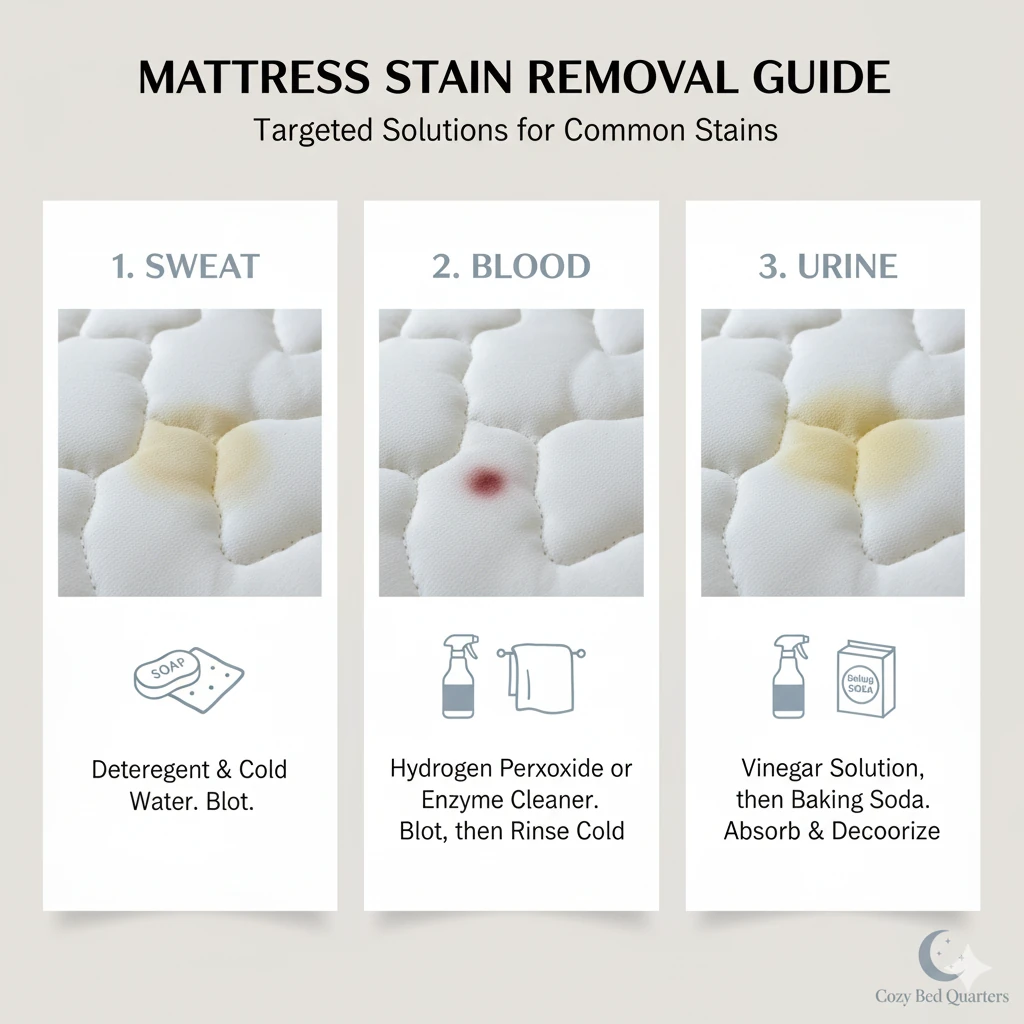
Stain Removal by Type (Sweat, Blood, Urine)
Sweat & Yellowing
Answer first: Start mild, escalate carefully—cool water + a drop of soap, then tiny dabs of 3% peroxide only if needed.
Mix a few drops of gentle dish soap in cool water; lightly mist and blot. For stubborn discoloration, dab a cloth with 3% hydrogen peroxide and spot-touch the fabric only—always patch-test first to avoid bleaching. Follow with clean water on a cloth and blot dry. SF: Yellow Stains.
Blood
Answer first: Cold water only—heat sets proteins.
Blot with a cloth dampened in cold water and unscented soap. Enzyme cleaners labeled for protein stains can help; mist lightly, wait a few minutes, then blot until transfer stops. SF: Stain Guide.
Urine (Fresh)
Answer first: Blot quickly, then use an enzyme cleaner; keep pass-through moisture minimal.
Blot up excess with towels. Apply an enzyme cleaner for biological stains, working from the outside in. Blot repeatedly. Finish with a light baking soda dusting and vacuum once dry. SF: Urine Smell & Stains.
Urine (Set-in Odor)
Answer first: Enzyme first, then a light vinegar-water mist; dry fully between rounds.
After enzyme treatment and drying, lightly mist a 50:50 mix of water and white vinegar, then blot; let dry fully. Avoid saturating the foam—thin applications in rounds are safer. SF: Clean a Mattress.
Ongoing Maintenance: Protector, Rotation, Sun + Air
Protect First
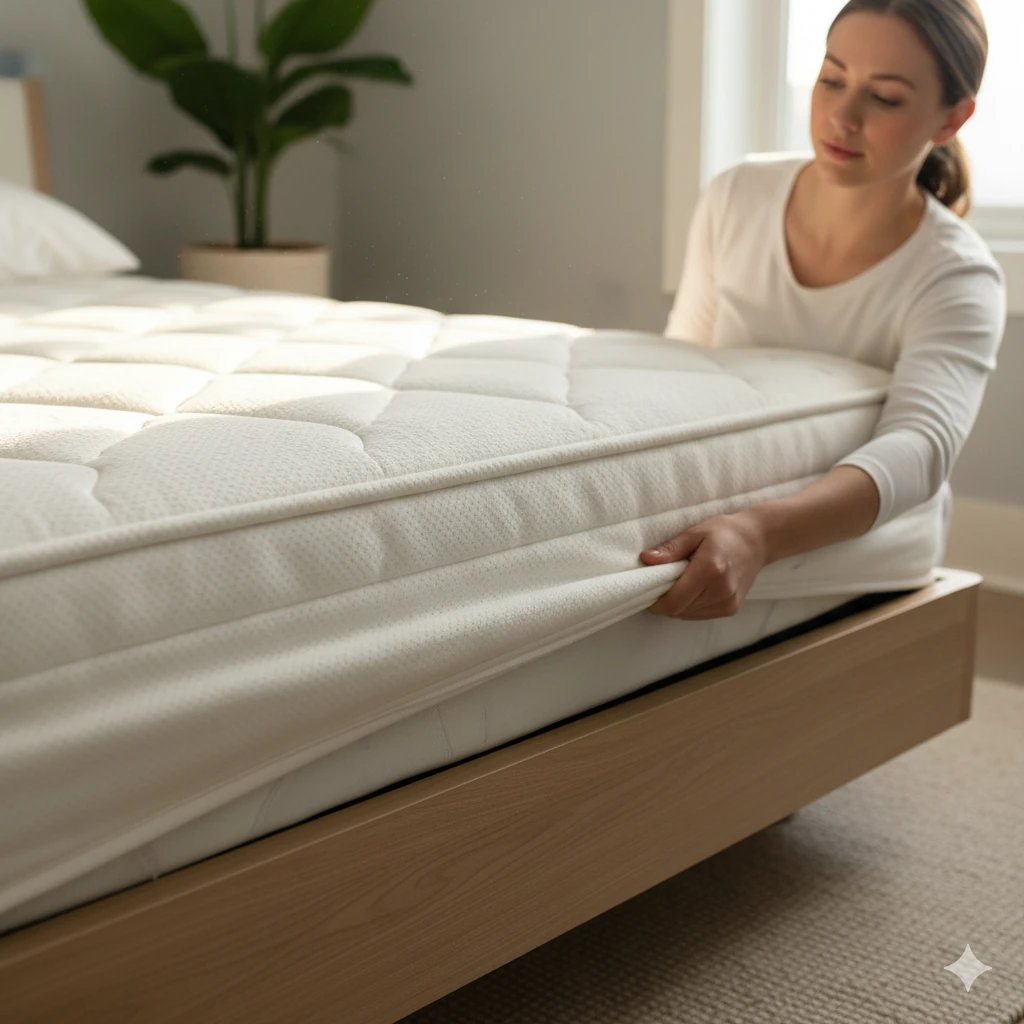
Answer first: A breathable, waterproof protector blocks stains and extends comfort life.
Wash bedding weekly and the protector monthly. Parachute’s mattress care guidance echoes simple, repeatable habits. Parachute: Mattress Care.
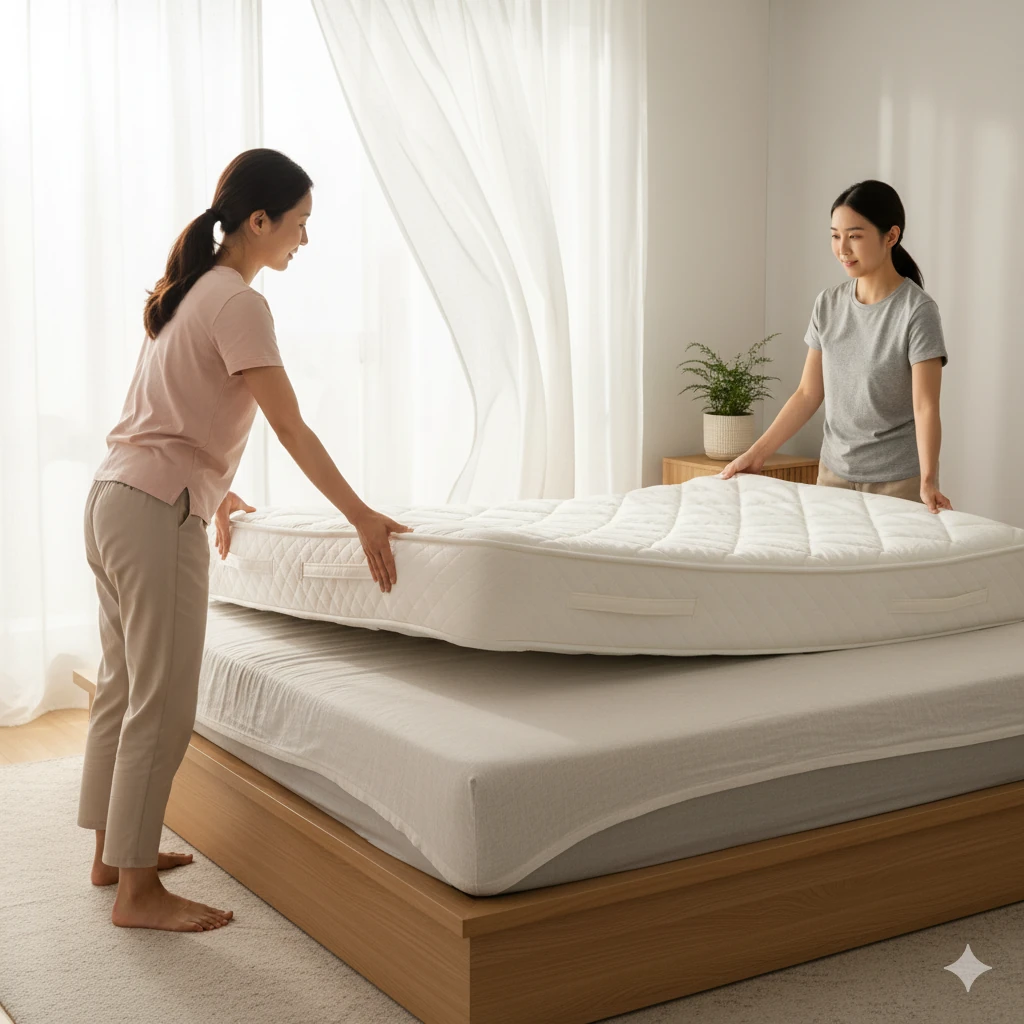
Rotate on a Schedule
Answer first: Rotation evens wear; some brands suggest every 6 months.
Rotate the mattress seasonally (or as directed). During laundry day, leave the mattress bare for 30–60 minutes with a window open—sunlight and airflow help keep it fresh. BHG: Rotate Your Mattress.
Know When Cleaning Isn’t Enough
Answer first: Persistent odors, visible mold, or deep impressions usually mean it’s time to replace.
Need help with specific messes? Try these focused guides:
Safe Practices & When to Replace
Safety First
Answer first: Light moisture, plenty of airflow, and no harsh mixes keep both you and your mattress safe.
- Avoid steamers or heavy soaking—moisture trapped in foam can cause odors or damage.
- Never mix ammonia with bleach or peroxide products.
- Patch-test any cleaner on an unseen area first.
- If persistent odors, visible mold, or deep body impressions remain, it’s time to replace.
For comfort troubleshooting beyond cleanliness, see our targeted cleaning and care library above or check BHG’s longevity tips for keeping mattresses fresher longer. BHG: Make Your Mattress Last.
FAQ
- How often should I deep-clean, and how to clean a mattress safely each time?
- Vacuum monthly and spot clean as needed. Do a deeper refresh every 3–4 months. Work in light layers, blot instead of scrub, and dry thoroughly with airflow or sunlight.
- Can I use a steam cleaner on my mattress?
- It’s not recommended for most foam beds; heat and moisture can damage adhesives and trap odors. Stick to minimal moisture methods and fast drying.
- What’s the best way to remove old urine smell?
- Treat with an enzyme cleaner first and allow full drying. Follow with a light vinegar-water mist and a thin baking soda layer; vacuum once dry.
- Will hydrogen peroxide bleach my mattress?
- It can lighten fabrics. Use only 3%, dab sparingly on a cloth, and patch-test in a hidden spot. Blot with clean water after and dry quickly.
- When should I replace my mattress instead of cleaning?
- Replace if there’s visible mold, lingering odors after multiple treatments, or deep impressions that cause pain or misalignment.
More Expert Insights
Ever woken up to find an unexpected accident on your bed? Or maybe your little one (or furry friend) had a slip-up? Knowing how to clean a mattress from pee is one of those real-life skills you hope you never need—until you do. The good news? With a few simple tricks (and some cozy patience), you can get your mattress fresh and clean again.
Your bed is supposed to be your cozy retreat — not a place for lingering smells or mystery stains. Leaving urine in a mattress isn’t just unpleasant; it can lead to odors, bacteria buildup, and even shorten your mattress’s lifespan. Learning how to clean a mattress from pee helps protect your sleep sanctuary, ensuring it’s always a welcoming, peaceful place to unwind.
When accidents happen, speed is your best friend. Here’s the play-by-play for tackling fresh stains:
Grab a clean, dry towel and gently blot the area. Press firmly but don’t rub — rubbing just pushes the urine deeper into the mattress fibers.
In a spray bottle, combine cold water, white vinegar, and a small squirt of laundry detergent. (Vinegar is a natural odor neutralizer—here’s why it works).
Sprinkle a heavy layer of baking soda over the area. Let it sit for at least 8 hours (overnight is perfect!). Baking soda naturally lifts odors and moisture. Good Housekeeping recommends it as a household staple.
Sometimes, you don’t catch an accident right away. Dried pee can feel more intimidating, but don’t worry—you’ve got this.
Mix 1 cup hydrogen peroxide, 1 tablespoon baking soda, and a few drops of liquid dish soap. Stir gently.
Heads up: Hydrogen peroxide can have a mild bleaching effect. Always test it on a small hidden spot first.
Curious why it works? Hydrogen peroxide is a powerhouse oxidizer that breaks down the stubborn components in dried urine.
Dust a generous layer of baking soda over the entire mattress. Focus on smelly areas.
For extra-tough cases, use an enzyme cleaner — recommended by the American Kennel Club for pet accidents.
Short answer: YES! Vinegar’s natural acidity breaks down urine and neutralizes bacteria. On delicate memory foam mattresses, test first. A baking soda and hydrogen peroxide combo is a great alternative. Learn more about vinegar cleaning.
Accidents happen to all of us (even our pets and kids!). The trick is knowing how to clean a mattress from pee calmly, quickly, and effectively. With a little patience and some pantry basics, you can bring your bed back to fresh and cozy status — ready for many more dreamy nights ahead.
Before applying any cleaner, spot clean a mattress by giving it a thorough vacuum. Use a brush attachment and slowly work across the top, seams, sides, and corners. This removes crumbs, pet hair, and dust that might otherwise smear when wet.
Spot clean a mattress with homemade solutions for common stains. For protein-based stains like sweat or urine, mix 1/4 cup hydrogen peroxide, 1 tbsp dish soap, and 1 tbsp baking soda. Apply gently and blot after 30 minutes.
After cleaning, always air out your mattress. This speeds up drying, eliminates hidden moisture, and kills bacteria. If possible, move the mattress outside into the sun—nature’s best disinfectant. Indoors, open windows and use fans.
Spot cleaning a mattress keeps your sleep environment cleaner, healthier, and more comfortable. From vacuuming and baking soda to gentle blotting and flipping, small habits add up to big benefits for your rest and wellness.