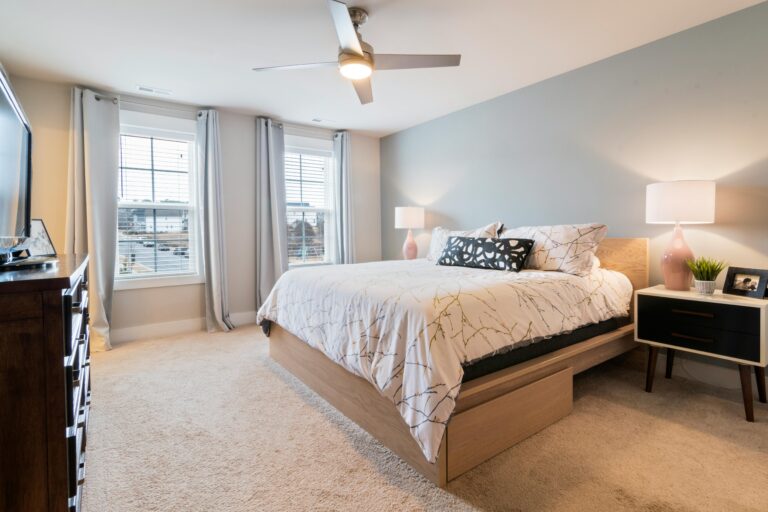
Platform Bed: Benefits, Comparisons & Buying Guide
A platform bed delivers sleek style, strong, even mattress support, and no need for a box spring—making it a smart, space-saving upgrade for most sleepers, especially in modern or smaller bedrooms.
Key Takeaways on Platform Beds
Platform bed frames support your mattress directly—no box spring required.They look clean and minimal, helping small rooms feel more open.
Slatted designs can improve airflow for cooler sleep and help prevent sagging.
Choose solid wood for warmth and longevity; metal for a modern, industrial vibe.
Great for most mattresses; confirm slat spacing and weight capacity before buying.
Expect 10–15+ years of use with basic maintenance and periodic hardware checks.
Why Platform Beds Are Taking Over Modern Bedrooms
Short answer: A platform bed cuts bulk and noise while boosting support and style—no box spring, less wobble, and a cleaner look from day one.
Tired of waking up with backaches or feeling like your mattress is sinking into quicksand? You’re not alone. Many people feel stuck with bulky bed frames that creak, wobble, or take up half the room. Maybe your bedroom feels more like a storage unit than a restful space.
That’s where the platform bed comes in—a simple yet smart fix for poor sleep and cluttered spaces.
This isn’t just another trendy bedroom piece. It’s a solution that blends comfort, clean design, and reliable support—without the need for a box spring or complicated setup. If you’re thinking about changing your bed frame, or deciding between a platform bed and an adjustable bed frame , this guide will walk you through the key differences and practical benefits.
Low-profile platform bed creating an open, airy feel. What’s Better for You?
Fast verdict: Pick a platform bed for simplicity, style, and value; choose an adjustable bed frame if you need elevation for snoring, reflux, reading, or medical comfort.
Feature
Platform Bed
Adjustable Bed Frame
Setup
Simple and quick
More involved, may need tech support
Mattress Type
Works with most mattresses
Must be flexible and compatible
Movement
Static
Raises/lowers head and/or feet
Aesthetic
Minimal and modern
Functional but often bulkier
Cost
Generally lower
Often more expensive
Choose simplicity or flexibility based on your nightly needs. Is the Thuma Bed Frame the Same as a Platform Bed?
In short: Thuma is a premium platform bed with elevated materials and joinery, priced accordingly.
What sets the Thuma bed frame apart:
Crafted from solid wood
Tool-free assembly
Japanese joinery-inspired construction
Sleek, noise-free design
Ships in easy-to-handle boxes
It’s a type of platform bed , but marketed as a luxury upgrade. You’re paying for the materials and the branding more than for any radical change in design.
Thuma’s solid-wood platform bed emphasizes quiet, tool-free assembly. Benefits of Sleeping on a Platform Bed
Bottom line: A well-built platform bed improves support, airflow, and room feel—often fixing creaks and mid-mattress sagging instantly.
Even support – No sagging in the middle of the mattressCooler sleep – Slatted bases allow better air circulationMore space – Low-profile design visually opens up the roomStorage options – Some platform beds offer built-in drawersCleaner look – No need for dust-collecting box springs
➡️ Bonus for allergy sufferers: Less fabric and clutter means fewer allergens build up under the bed.
Slatted platform bases help your mattress breathe for cooler sleep. Who Should Choose?
Quick guidance: Choose a platform bed if you value simplicity, firm support, and easy setup; skip it if ultra-low height makes getting in/out difficult.
Live in a smaller apartment or loft
Like minimal furniture with purpose
Don’t want to deal with bulky, high-maintenance bed frames
Prefer a mattress that feels firm and supported
Want something easy to assemble and move
Not the best option if:
You struggle to get in and out of lower beds
You need the tech features of an adjustable bed frame
Your mattress type doesn’t sit well on slats (like some spring mattresses)
Low profile and clean lines help small rooms feel larger. Platform Beds and Sleep Health: Is There a Difference?
Short answer: Yes—your frame influences spinal alignment, motion control, and noise; a sturdy platform bed can reduce pain and extend mattress life.
Uneven spinal alignment
Mid-back pain
Mattress wear and tear
Noisy nights from unstable wood or metal
Even support helps your spine stay neutral through the night. Materials and Styles: Choosing the Right Platform Bed
Platform beds come in all kinds of finishes, but the most popular materials are:
Solid wood – Durable and natural lookingMetal – Sleek and industrialUpholstered – Softer look, often with padded headboards
➡️ Wood frames tend to last longer and give a warm feel to any room. Metal frames are great if you’re going for a modern or minimal style.
Center support legs
Weight capacity
Slat spacing (to avoid mattress sag)
Assembly process
Compatibility with mattress type
Wood, metal, or upholstered—match materials to your style and care needs. How Long Does a Platform Bed Last?
With proper care, a solid platform bed can last 10–15 years or more.
Avoid jumping or dropping weight suddenly
Check screws or joints every few months
Clean under the frame regularly
Periodic checks keep a platform bed solid and silent for years. A Quick Comparison
Bed Type
Pros
Cons
Platform Bed
Simple, low-profile, supports mattress directly
May feel too low for some
Adjustable Bed Frame
Great for snorers and joint relief
Expensive, heavy
Traditional Bed Frame + Box Spring
Familiar style
More parts, extra cost, bouncy
Storage Bed
Built-in drawers
Heavier and harder to move
Comparison at a glance: platform, adjustable, box spring, and storage beds. FAQ
Do I need a box spring with a platform bed?
No—platform beds are designed to support the mattress directly, so a box spring isn’t required.
What slat spacing is best for a platform bed?
Generally, slats spaced 2–3 inches apart help prevent mattress sagging; check your mattress warranty for specifics.
Will a platform bed feel firmer?
Often yes. Direct, even support can make a mattress feel slightly firmer compared to a box spring.
Can any mattress work on a platform bed?
Most foam and hybrid mattresses do well; ensure compatibility for innerspring models and verify weight limits.
How high is a typical platform bed?
Most range from about 10–14 inches high (without the mattress), offering a low-profile look.
Related reading from Cozy Bed Quarters
Other reading we found popular