The Complete Guide to Bedding: How to Layer Your Bed Like a Pro

Cozy bedroom with layered bedding in white, beige, and sage green; wom featuring guide bedding

Guide to Bedding 2025: Layer Your Bed Like a Pro Today

Updated 2025

This guide to bedding shows you how to layer your bed step by step, from the mattress up, so your space feels calm, breathable, and easy to care for.

You deserve a nightly space that feels like a quiet welcome. Think of that first night in a tidy hotel or a new home—soft sheets, plump pillows, and a duvet tucked just right. With a few smart layers, you can recreate that feeling every night. For deeper essentials, explore our Bedroom Essentials Checklist.
The Complete Guide to Bedding: How to Layer Your Bed Like a Pro - guide bedding

Key Takeaways

  • Layer from mattress protection up for comfort, hygiene, and durability.
  • Choose fabrics—cotton, linen, silk—based on feel, climate, and care needs.
  • Pick a duvet system for easy washing or a comforter for simplicity.
  • Measure mattress height and match sheet pocket depth for a secure fit.
  • This guide to bedding favors comfort that improves nightly sleep over flashy extras.

Why layering matters for a restful sleep experience

Layering lets you fine-tune warmth and airflow as temperatures shift. Mix lightweight blankets, quilts, or a duvet so you stay comfy without waking up too hot or cold. This guide to bedding approach keeps your temperature steady without constant blanket juggling.

According to the CDC, adults need at least seven hours of sleep per night—thoughtful bedding layers help you get there by keeping your body at an even, soothing temperature.

Example: If your room runs cool, add a breathable quilt under your duvet so you can peel back a layer at 3 a.m. without fully waking.

Guide to Bedding Basics: The Essential Parts of a Bed Set

Think of your bed as a system: protect the mattress, tune the feel, then select the right top cover. In any guide to bedding, getting these fundamentals right makes everything else easier.
The Complete Guide to Bedding: How to Layer Your Bed Like a Pro - guide bedding

Mattress protectors and toppers

Start with a protector. It shields against sweat, dirt, and allergens. Add a topper if you want extra cushioning or to subtly change firmness.

Sheets and pillowcases

The fitted sheet hugs the mattress for a tidy fit; a flat sheet helps keep your duvet or comforter cleaner. Pillowcases protect both your skin and the pillow inside.

Top covers

Blankets, duvets, comforters, and quilts finish the look and control warmth. A duvet system includes a washable cover, while comforters are one-piece for simplicity.

Example: If laundry day is tight, a duvet + cover makes weekly washing easier—just zip off the cover and toss it in.

Sheets decoded: fabrics, weave, and thread count

The right sheets affect both breathability and skin comfort. Crisp percale breathes well for warm sleepers; sateen drapes with cozy weight in cooler rooms.
The Complete Guide to Bedding: How to Layer Your Bed Like a Pro - guide bedding

Fabrics and feel

Cotton is breathable and easy-care. Linen is airy, textured, and durable. Silk feels gentle and luxurious. Bamboo-derived and lyocell fabrics are smooth and eco-minded; microfiber and polyester are budget options. Need help choosing? See Percale vs. Sateen vs. Linen.

Weave options

Percale = crisp and cool. Sateen = silky and drapey. Flannel = warm and fuzzy. Jersey = stretchy, like a T-shirt.

Thread count myths

Aim for percale 250–300 and sateen 300–600. Above 600 is often marketing fluff. When shopping, look for trusted labels—see this overview of bedding and mattress certifications to understand common standards.

Example: Hot sleeper? Try a 270-thread-count percale set and skip the heavy fabric softener so airflow stays high.

Pillows and pillowcases: support for your sleep style

A supportive pillow keeps your neck and spine aligned so you wake refreshed.
The Complete Guide to Bedding: How to Layer Your Bed Like a Pro - guide bedding

Match pillow loft to sleep position

  • Side sleepers: higher, firmer pillow to fill the shoulder gap.
  • Back sleepers: medium loft for balanced neck support.
  • Stomach sleepers: soft, thin pillow to reduce strain.

See our Ultimate Pillow Guide for details.

Example: If you wake with neck tension, swap to a slightly higher pillow and test for a week; tiny loft changes can make a big difference.

Seasonal layering: simple bed setups

Smart swaps each season keep your bed fresh and comfortable. Small changes in inserts and throws help you adapt without buying a whole new set.

Summer

Use protector, fitted + flat sheet, plus a breathable cotton blanket. Pick pillows that don’t trap heat. For routine habits that help, see the Sleep Foundation’s sleep hygiene tips.

Winter

Layer fitted sheet, flat sheet, a quilt, and a duvet. Swap inserts for seasonal temperature control so you stay cozy without overheating.

Example: Keep a light throw at the foot—perfect for chilly toes without cranking the thermostat.

Size, fit, and care

Measure carefully before buying. In any guide to bedding, accurate measurements come first. Sheets should match mattress depth (include any topper). Top covers should drape evenly without looking skimpy.
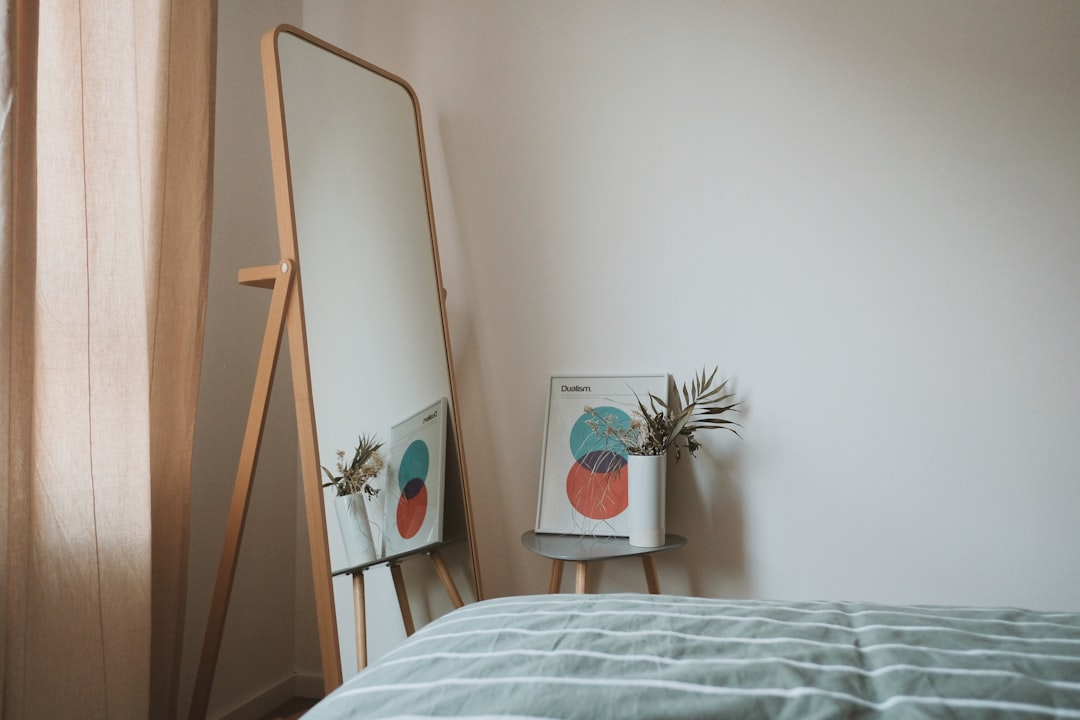
The Complete Guide to Bedding: How to Layer Your Bed Like a Pro - guide bedding

Rotate sheet sets, wash regularly, and store seasonal bedding clean and dry. Buy fitted sheets with the correct pocket depth and allow 1–2 inches for shrinkage.

Example: If your 14-inch mattress has a 2-inch topper, shop for 16–18-inch pockets to prevent pop-offs.

Top covers compared: blanket, quilt, comforter, or duvet cover

Different covers change warmth, care, and styling ease. Choose based on how often you wash bedding and the weight you enjoy.

Top Cover Warmth Care Best For
Blanket Light to medium Easy wash Layering versatility
Quilt Light, textured warmth Some require dry cleaning Decorative layering
Comforter Medium to heavy Bulky to wash One-step warmth
Duvet + Cover Customizable Wash cover separately Easy care + style swaps

For a deeper breakdown, see Duvet vs. Comforter. If you’re comparing materials, check recognized labels in this quick certifications guide before you buy.

Example: Hate wrestling a bulky comforter on wash day? Choose a duvet + cover so weekly cleaning is as simple as washing the cover.

Specialty bedding materials

For pressure relief, consider a weighted blanket. For beauty benefits, silk pillowcases can reduce friction on hair and skin.

Example: If you like a “hugged” sensation, a lighter weighted blanket layered over your flat sheet can be calming without trapping heat.

FAQ

What’s the best bedding material for hot sleepers?

Percale cotton and linen breathe well. Lyocell also feels cool and smooth.

How often should I replace my bedding?

Sheets every 1–2 years, pillows every 1–2 years, duvets every 5–10 years with proper care.

Do I need both a duvet and a comforter?

No. Pick one. Duvets are flexible with washable covers; comforters are simpler one-piece solutions.

How do I keep fitted sheets from popping off?

Buy the correct pocket depth with 1–2 inches of allowance for shrinkage and movement.

Conclusion

When bedding fits and layers well, your nights feel calmer and your mornings more refreshed. Use this guide to bedding to choose wisely: protect your mattress, match sheets to your climate, select supportive pillows, and top with a cover that suits your lifestyle. For more restful ideas, visit Cozy Bed Quarters.

Related reading from Cozy Bed Quarters

Other reading we found popular

5 Stunning Bed Skirt Styles to Transform Your Bedroom Decor

5 Stunning Bed Skirt Styles to Transform Your Bedroom Decor - Featured Image

Bed Skirt Styles That Enhance Bedroom Decor

Bed Skirt Styles can dramatically elevate your bedroom decor. From modern minimalism to soft romantic vibes, the right style makes a big difference. For a complete setup checklist, see our Bedroom Furniture Essentials.


Key Takeaways

  • Tailored bed skirt styles offer clean elegance for modern spaces
  • Ruffled skirts add cozy, romantic charm
  • Pleated designs balance structure and style
  • Elasticized skirts provide practical, easy-care solutions
  • Fabric, color, and seasonal styling choices influence your overall room vibe

Tailored Bed Skirt Styles: Sleek and Sophisticated

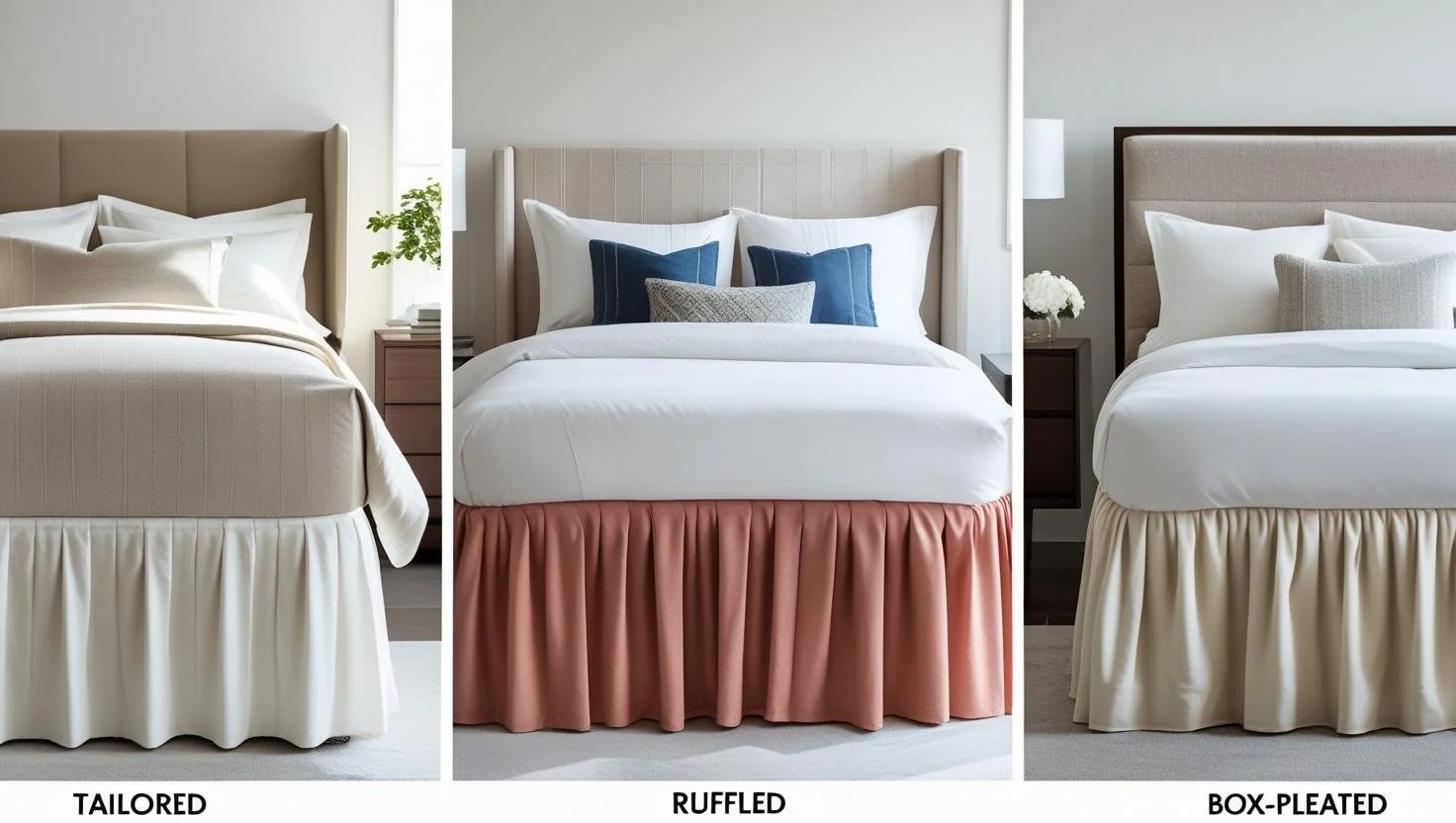
Tailored bed skirt styles are perfect for those who love clean lines and a streamlined look. These skirts typically fall straight without any frills or embellishments, making them ideal for modern, minimalist, or industrial-themed bedrooms. They’re often made of structured fabrics like cotton or linen, which hold their shape beautifully.

Tailored bed skirt styles in minimalist bedroom

When your goal is to keep things sleek and professional, tailored bed skirt styles are a winning choice. Pair with crisp bedding, luxury sheet sets, and monochromatic tones for a sophisticated finish.

Ruffled Bed Skirt Styles: Soft and Romantic

For a dreamy, romantic aesthetic, ruffled bed skirt styles are a top pick. These styles create a relaxed, cozy feel and work especially well in shabby chic or farmhouse-inspired spaces. Ruffles can be light and delicate or deep and dramatic, giving you room to express your personality.

Ruffled bed skirt styles for cozy bedroom decor

Ruffled bed skirt styles add texture and visual interest. They’re perfect for guest rooms, boho chic settings, or anyone who wants their bed to feel like a soft retreat.

Pleated Bed Skirt Styles: Structured Elegance

Pleated bed skirt styles combine structure with design appeal. Featuring evenly spaced vertical pleats, they add depth to your bed without appearing overly formal. These styles complement transitional and traditional bedrooms, particularly when matched with classic bedding patterns.

Pleated bed skirt styles in transitional bedroom

Pleated bed skirt styles strike a balance between tailored simplicity and decorative flair. Ideal for bedrooms that blend old and new elements.

Elasticized Bed Skirt Styles: Practical and Stylish

Elasticized bed skirt styles offer unmatched convenience. These skirts wrap around the base of your mattress like a fitted sheet, staying in place even with frequent movement. They’re available in both tailored and ruffled variants, giving you style flexibility with minimal effort.

Elasticized bed skirt styles for easy bedroom updates

If you’re looking for a bed skirt style that’s easy to install, remove, and wash, elasticized options are the clear winner. Great for busy households and small bedroom storage hacks.

Choosing the Right Fabric and Color

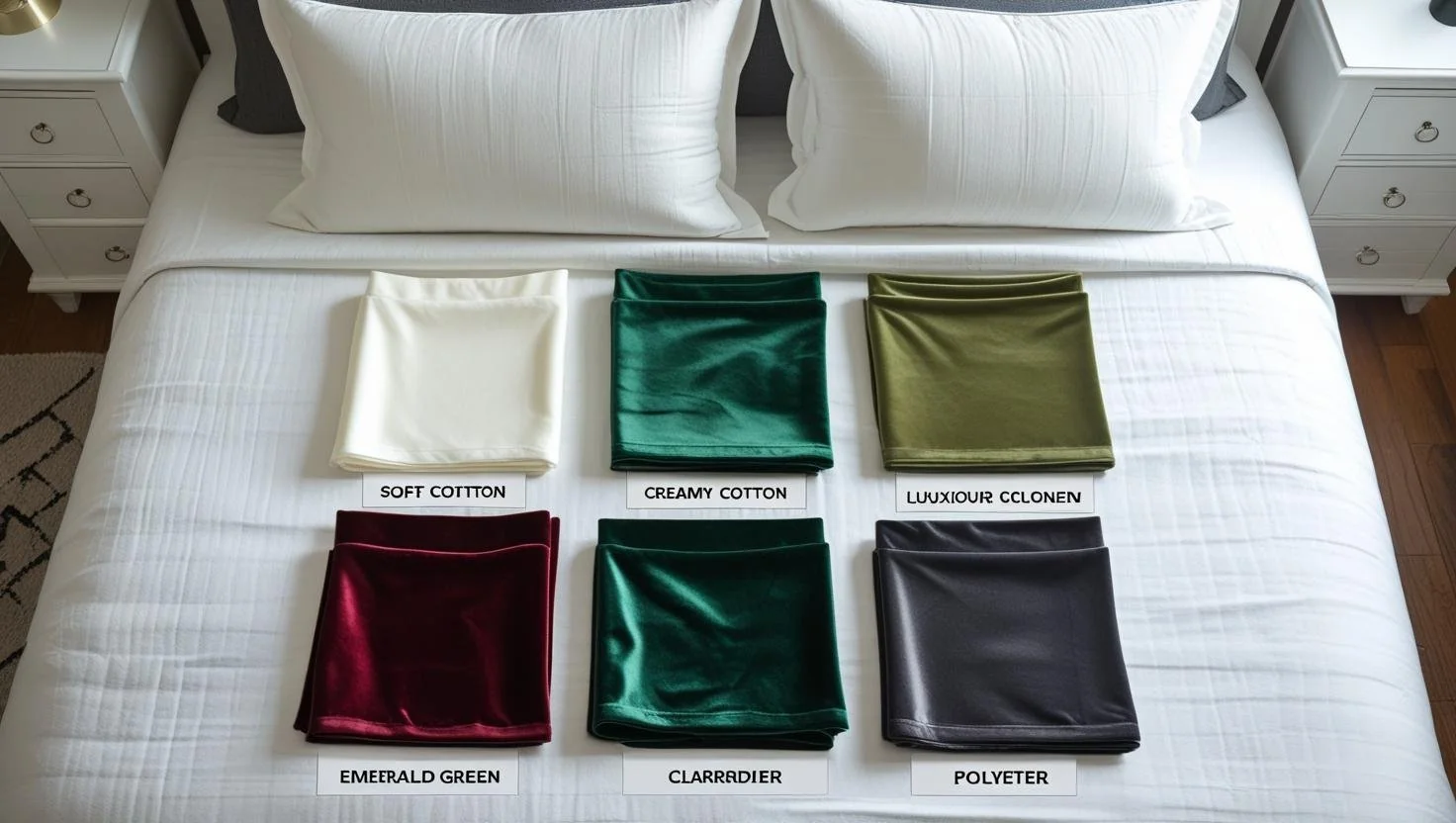
The material and hue of your bed skirt can subtly—but significantly—affect the vibe of your room. Opt for heavier fabrics like linen or twill for structure, or go light with cotton blends for easy movement and care. Color-wise, neutrals like white and beige create a seamless aesthetic, while bold prints or deep hues can serve as a dramatic accent.

  • Fabric: Choose linen for a high-end look, or polyester for budget-friendly ease.
  • Color: Match or contrast with your bedding set to define your room’s mood.

Whether blending into your decor or standing out as a centerpiece, fabric and color choices can make or break your bed skirt’s impact. Learn more from Sleep Foundation on bedroom air quality and the EPA’s guide to indoor air quality.

Seasonal Styling with Bed Skirt Styles

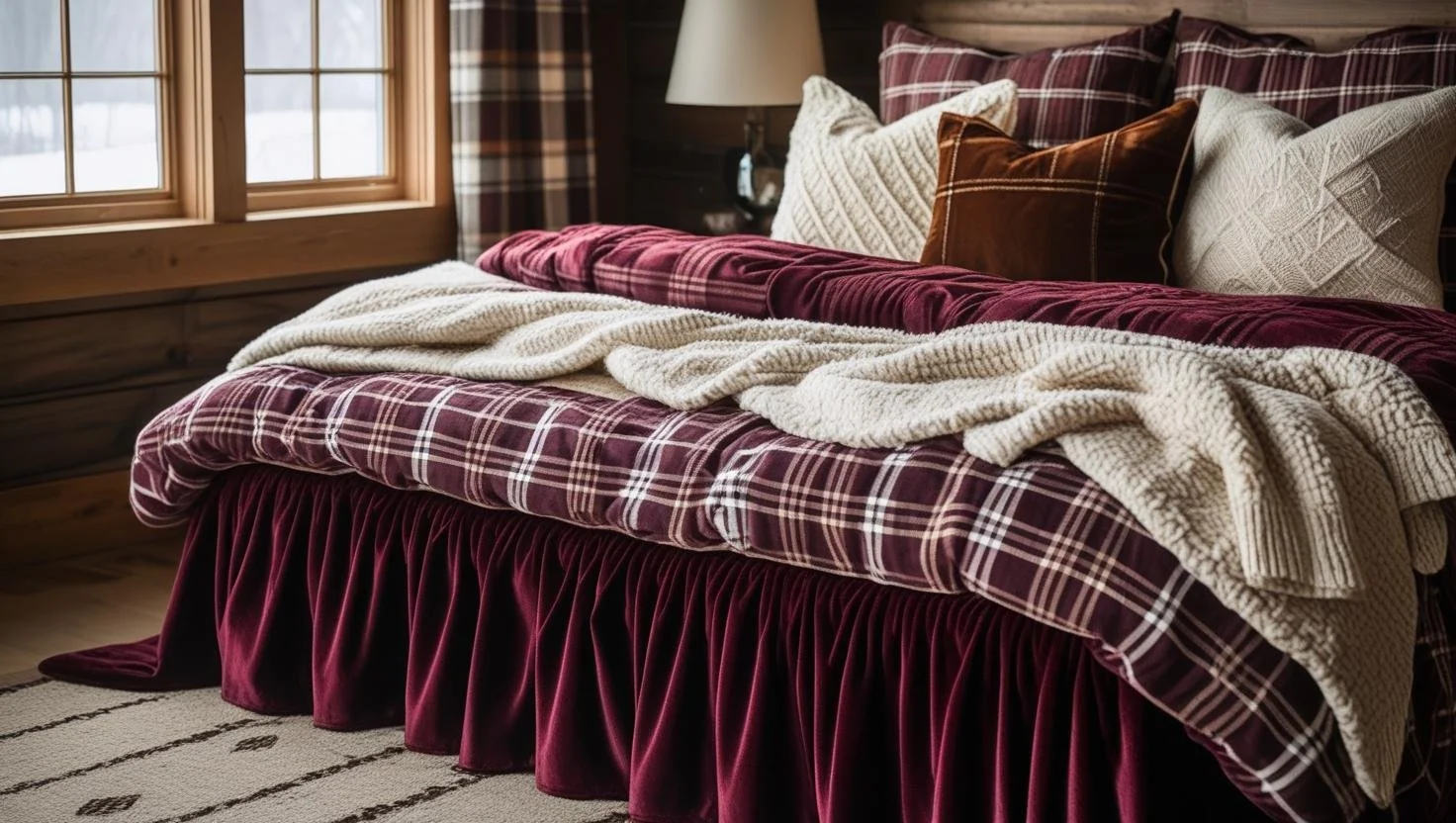
One of the most overlooked aspects of bed skirt styles is how they can be adapted for seasonal changes. In summer, lightweight cotton or linen skirts in bright colors or airy neutrals create a fresh, breathable vibe. For autumn and winter, heavier fabrics like velvet or twill in deep jewel tones add warmth and sophistication. Ruffled bed skirt styles in soft pastels work beautifully for spring, bringing in a touch of romance that mirrors blooming flowers.

If you enjoy changing up your bedding with the seasons, think of your bed skirt as part of the wardrobe. Just as you would rotate your comforter or layer blankets differently, your skirt can set the tone for the season. Pair with layered bedding techniques to create a cozy, dynamic look year-round.

Bed Skirt Alternatives to Consider

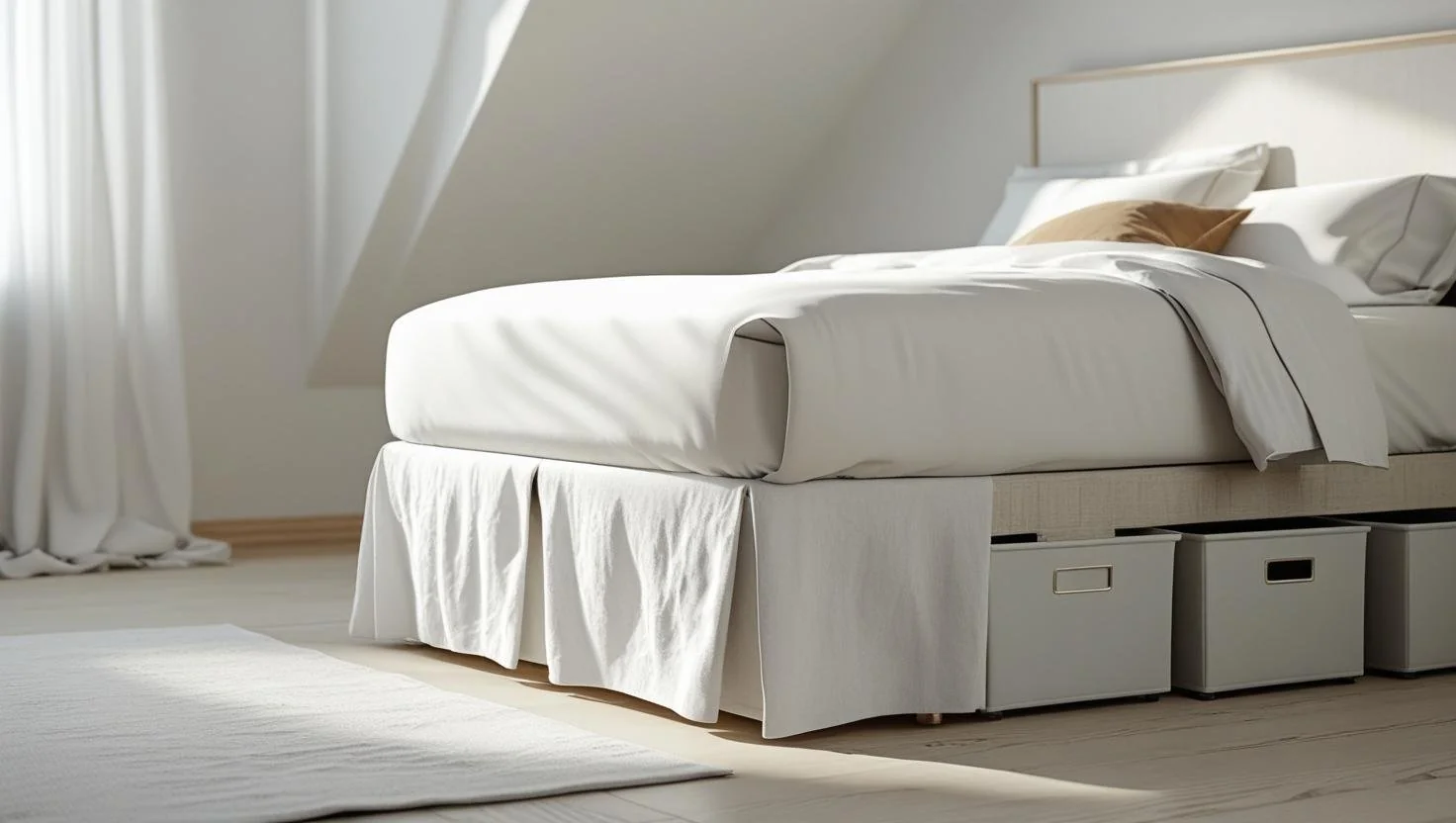
While bed skirt styles remain timeless, some people prefer alternatives. A fitted valance sheet offers a minimalist approach by covering the box spring directly. Platform-style covers fit tightly around the bed frame for a modern look. For ultra-sleek bedrooms, some homeowners skip the skirt entirely and opt for storage beds with concealed drawers. Each choice has its own pros and cons:

  • Valance Sheets: Low-maintenance but limited in design options.
  • Platform Covers: Clean and modern but require exact sizing.
  • No Skirt/Storage Bed: Sleek and functional but may feel less cozy.

These alternatives can be stylish, but bed skirt styles remain the most versatile option when balancing practicality, storage concealment, and decorative flair.

Pros and Cons of Bed Skirt Styles

Like any design choice, bed skirt styles come with benefits and potential drawbacks. Understanding these can help you choose the right fit for your lifestyle:

  • Pros: Hide under-bed storage, add decorative texture, easy seasonal updates, available in endless fabrics and colors.
  • Cons: Some styles (like ruffles) may feel dated if not styled well, skirts can shift during use unless elasticized, and they require occasional laundering.

For most households, the pros outweigh the cons, especially since elasticized or pleated versions offer a modern twist on traditional designs.

Buying Guide: Sizes and Fit

When shopping for bed skirt styles, sizing is critical. A poorly fitted skirt can bunch, drag, or look sloppy. The key measurement is the drop length—from the top of the box spring to the floor. Standard sizes include:

Twin
Standard drop: 14–16 inches • Typical mattress width: 39 inches
Full
Standard drop: 14–18 inches • Typical mattress width: 54 inches
Queen
Standard drop: 14–18 inches • Typical mattress width: 60 inches
King
Standard drop: 15–18 inches • Typical mattress width: 76 inches
California King
Standard drop: 15–18 inches • Typical mattress width: 72 inches

Always measure your bed before ordering—especially if you have a non-standard frame or adjustable base. Many brands now offer adjustable bed skirt styles, which allow you to fine-tune the drop for a perfect fit.

FAQ

What is the best fabric for bed skirt styles?
Linen and cotton are best for tailored looks, while polyester blends are ideal for ruffled and elasticized styles due to their flexibility and durability.
Are bed skirts still in style in 2025?
Absolutely. Bed skirt styles have evolved with modern trends, offering tailored, minimalist, and even eco-conscious options that remain stylish and functional.
How do I measure for a bed skirt?
Measure from the top of your box spring to the floor. Standard drop length is usually 14–16 inches, but adjustable styles are also available.

Conclusion

From tailored elegance to romantic ruffles, bed skirt styles allow you to personalize your bedroom decor while hiding storage or box springs. With the right fabric, color, and design, your bed skirt becomes more than a finishing touch—it transforms your room’s entire look.

Ready to upgrade your space? Explore more bedroom ideas below for inspiration!

Related Reading from Cozy Bed Quarters

Other Reading We Found Popular