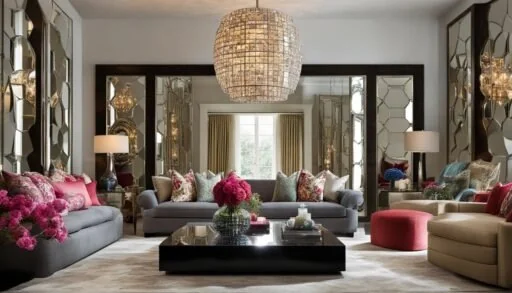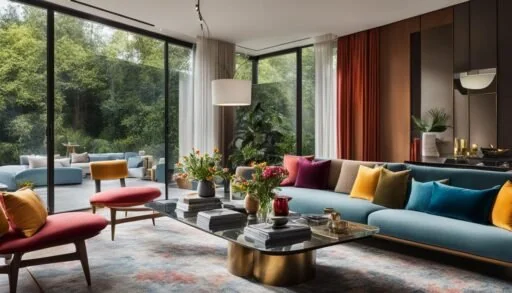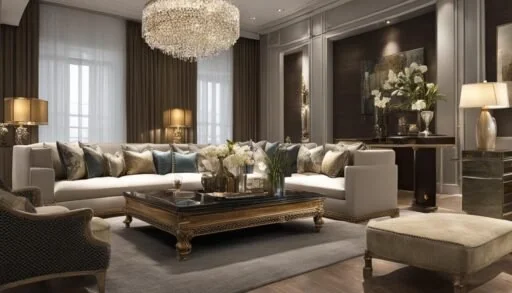
Vintage Mirrors for Bedroom Walls: How to Size, Hang, and Style Them

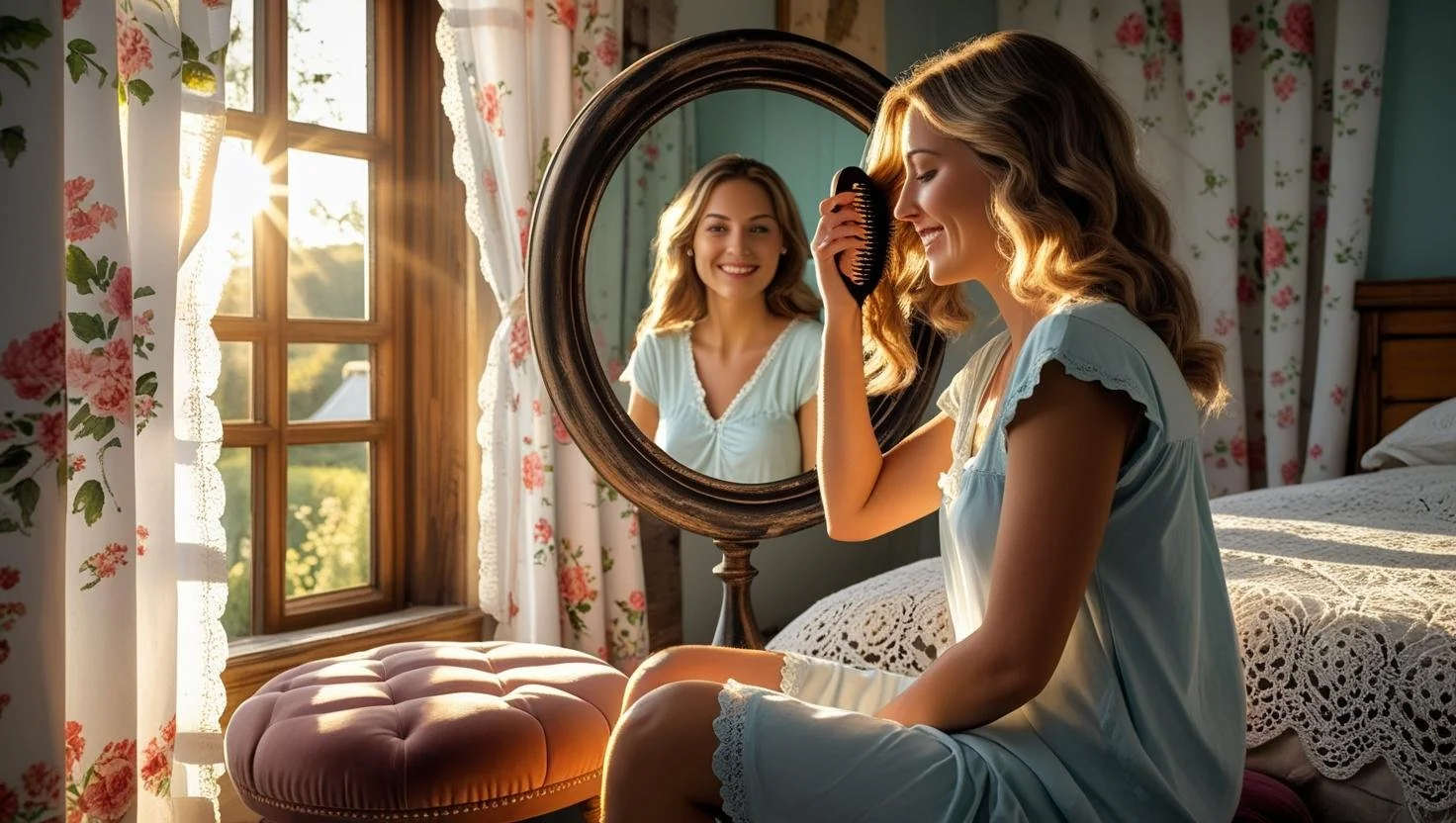
Oval vintage mirrors for bedroom with pastel accents.

Vintage mirrors for bedroom walls work best when the size matches the furniture below them and the glass reflects something worth looking at. A good rule: make the mirror about two-thirds the width of the dresser or vanity it hangs over, leave 4 to 8 inches of wall between the two, and hang it where it catches daylight from a window rather than a blank wall. Everything after that — gilt, oval, sunburst, rustic — is taste.

Sizing: the measurements that actually matter

Most mirror mistakes are scale mistakes. The frame is gorgeous, the proportions are off, and the wall looks unbalanced forever. Measure before you buy.

Over a dresser or vanity

Aim for a mirror roughly 60–75% of the furniture’s width. A 60-inch dresser takes a mirror around 36–45 inches wide. Anything narrower reads like a postage stamp; anything wider than the dresser looks like it wandered in from another room.

Leave 4 to 8 inches between the top of the dresser and the bottom of the frame. Six inches is the sweet spot — close enough to read as one unit, high enough that a lamp or a stack of books doesn’t knock the glass.

For a seated vanity, hang the center of the glass around 42–48 inches off the floor so you’re looking at your face, not your hairline.

Standalone on a wall

Center the mirror about 57–60 inches from the floor. That’s standard gallery eye level, and it’s the height that stops a mirror from floating awkwardly near the ceiling.

Full-length and leaners

You need at least 48 inches of glass height to see yourself head to toe, and 12–16 inches of width to see your outfit without shuffling backward. Most antique cheval and pier mirrors run 60–70 inches tall, which is plenty. If you lean one, set the base 3–5 inches out from the baseboard and strap the frame to a stud with a furniture anchor — a tall mirror is a tip-over risk around kids and dogs.

Above the bed

Keep the mirror no wider than two-thirds of the bed. A queen headboard (60 inches) takes a mirror up to about 40 inches wide, with 8–10 inches of breathing room above the headboard. Honestly, though: heavy antique glass above a sleeping head makes a lot of people nervous, and it should. If the frame weighs more than about 20 pounds, put it on a different wall and use lighter wall decor above the bed instead.
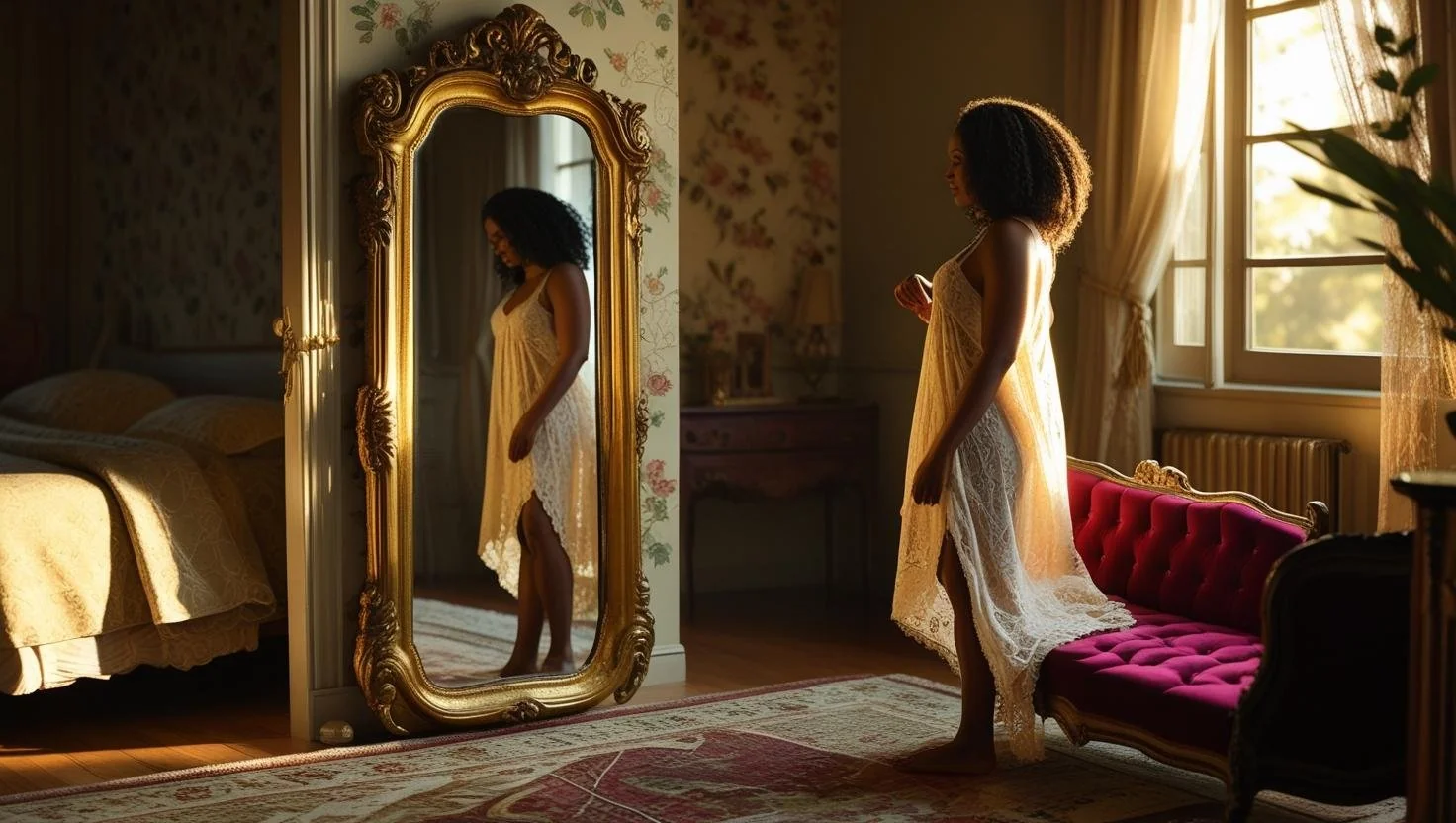
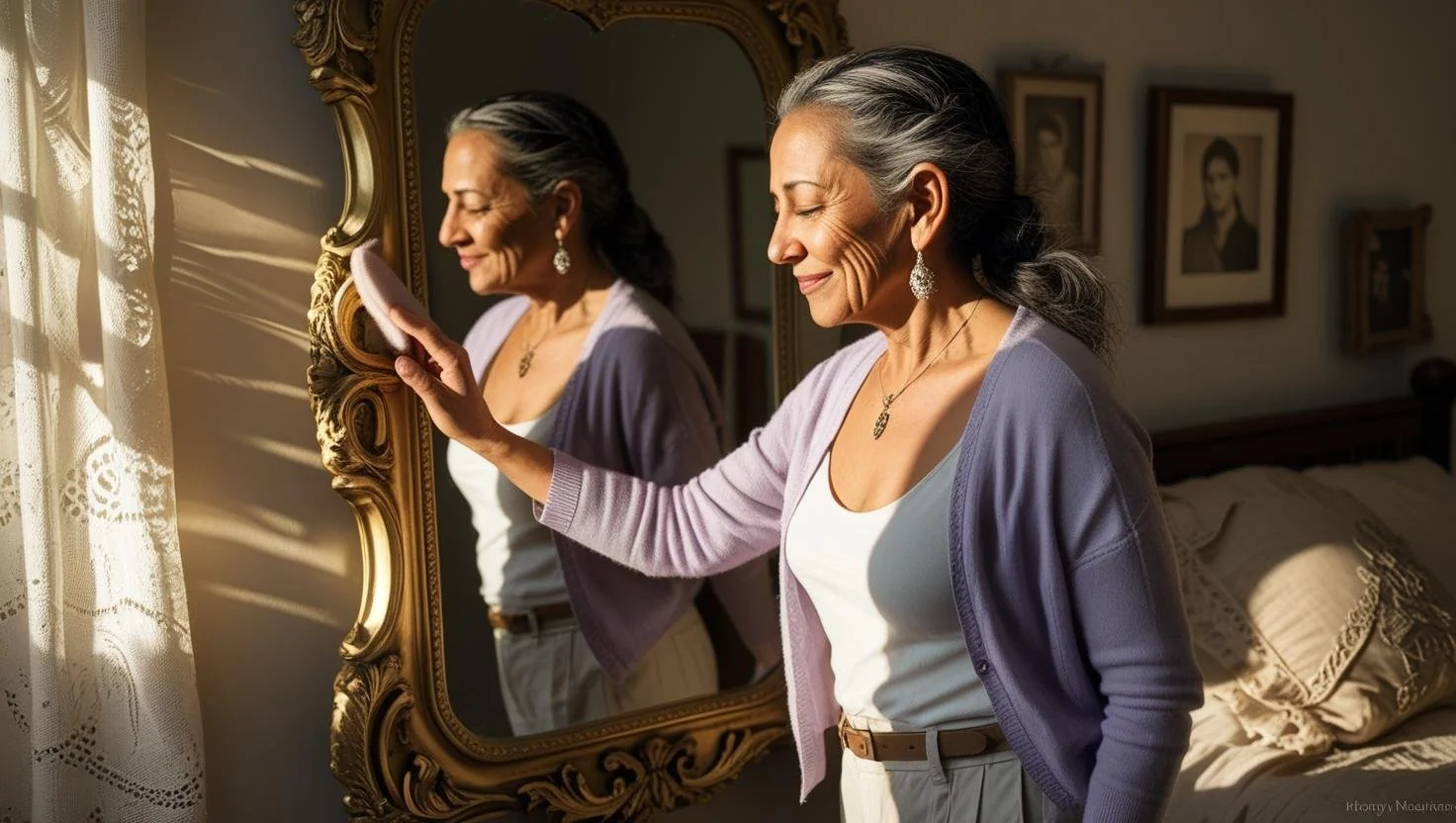
Vintage mirrors for bedroom walls: ornate gilt frame reflecting daylight from a window

Where to hang vintage mirrors for bedroom light

A mirror doesn’t create light, it moves it. So point it at something bright.

  • Opposite a window — bounces daylight into the darkest corner. Best single move in a north-facing room.
  • Perpendicular to a window — softer effect, less glare, and it reflects the view instead of the sky.
  • Behind a lamp or candles — doubles warm light at night. Pairs well with layered bedroom lighting.
  • Facing a closet door or a pile of laundry — don’t. You’ll see it twice.

Stand where you’ll actually be — in bed, at the door, at the vanity chair — and have someone hold the mirror up before you drill. What it reflects at your eye height is the whole point. Some people also sleep badly with a mirror facing the bed; if that’s you, angle it or move it. No study needed, just pay attention to how the room feels.

Which vintage style suits your room

Style Reads as Best spot Watch for
Gilt gesso (carved, gold leaf) Formal, French, a bit grand Over a dresser or fireplace wall Chipped gesso, flaking leaf, heavy weight
Venetian etched Glamorous, light, feminine Above a vanity Cracked glass borders are near-impossible to replace
Sunburst / starburst Mid-century, playful Above a low dresser or between windows Bent or missing rays on gilt-wood versions
Oval walnut or mahogany Victorian, soft, romantic Narrow wall, entry to the room Loose frame joints, veneer lifting
Painted farmhouse / salvaged window Rustic, casual Gallery grouping, above a bench Old paint (see the lead section below)
Arched or Deco stepped Clean, graphic, modern-friendly Small bedrooms and rentals Frameless edges chip easily

Mixing eras is fine and usually looks better than matching. One ornate gold frame against plain white walls does more work than five coordinated mirrors. If your room already runs loud — pattern on pattern, saturated walls — a simple oval keeps things from tipping over into chaos. That balance matters even more with maximalist bedding and bold decor.

Gold-framed antique mirror hung six inches above a wooden bedroom dresser

Gallery walls of small mirrors

Lay the whole arrangement on the floor first, then trace each frame onto kraft paper and tape the shapes to the wall. Keep 2–3 inches between frames — tighter than you’d space art, because mirrors read as one reflective surface. Odd numbers, one clearly biggest piece, mixed finishes but a repeated shape or metal to tie it together.

How to tell if a vintage mirror is genuinely old

Reproductions are everywhere, and some are honest, good-looking furniture. But if you’re paying antique money, check these:

  • The glass itself. Pre-1900 plate glass is often thinner and slightly wavy. Look at a straight line — a door frame, a window mullion — reflected in it. Ripples and distortion suggest age; a perfectly flat reflection suggests modern float glass.
  • The bevel. Old bevels were ground by hand: shallow, sometimes uneven in width, with a soft transition. Modern bevels are crisp, uniform, and usually exactly 1 inch.
  • The back. Original backs show thin wood boards, hand-cut or square nails, oxidized hardware, and genuine grime. Staples, MDF, and clean kraft paper mean the mirror has been reworked — or made last year.
  • The foxing. Real silver deterioration starts at the edges and around fixing points where moisture crept in, and it’s irregular. Faux-antiqued glass has evenly scattered spots across the whole surface, including the middle.
  • The frame material. Tap it. Carved wood with gesso sounds and feels dense; resin castings are light, warm to the touch, and often show a mold seam on the back edge.

Two quick dating anchors help. Mirrors backed with tin-mercury amalgam were the norm for centuries — Winterthur Museum notes these amalgams were used from the end of the 15th century to the mid-19th century, and that the coating is unstable, corroding into dark spots and a duller surface over time. Silvered glass largely replaced it after the 1830s. So a grey, slightly crystalline, sparkly-looking reflective layer points to a genuinely early piece — and to a mirror that needs careful handling.

Safety checks before you hang anything old

Mercury-backed glass

If you think you have an early amalgam mirror, don’t scrape the back, don’t store it flat, and don’t try to “fix” the spots. Winterthur’s conservators handle these with nitrile gloves and keep them in display orientation, because laying them down can let liquid mercury migrate. Hang it, enjoy it, leave the back alone.

Old painted frames

Thinking of repainting a chippy frame? Check the age first. The U.S. EPA notes that lead-based paint for homes was banned in 1978 and that sanding or scraping pre-1978 paint creates hazardous dust. A frame isn’t a wall, but the dust behaves the same way in a bedroom. Use a lead test swab, work outdoors, skip dry sanding, and if it tests positive, clean it gently and paint over it rather than stripping it.

Weight and anchors

Plate glass alone runs about 3.3 pounds per square foot at 1/4 inch thick. A 30 x 40-inch mirror is roughly 27 pounds of glass before you add a carved frame — so 40 to 60 pounds total is normal for a decent antique.

  • Weigh it on a bathroom scale. Guessing is how drywall gets holes.
  • Studs are usually 16 inches on center (sometimes 24 in newer builds). Anything over 20 pounds should hit at least one stud.
  • Use two hanging points, not a single wire — it spreads the load and keeps the mirror level.
  • No stud where you need it? Toggle bolts rated at three to four times the mirror’s weight, never plastic cone anchors.
  • Over about 40 pounds, a French cleat is the calmest option. It carries the load along a strip screwed into two studs.
  • Replace old hanging hardware. Hundred-year-old wire and screw eyes have earned their retirement.
Gallery wall of mixed antique mirrors in oval, rectangular, and sunburst shapes

Cleaning old mirror glass without ruining it

The silvering lives on the back, and liquid creeping under the frame edge is what causes black creeping damage. So:

  1. Spray cleaner onto the cloth, never onto the mirror.
  2. Use distilled water with a drop of dish soap on a microfiber cloth. Skip ammonia and vinegar on antique glass.
  3. Dry the edges immediately with a second cloth.
  4. Dust gilded gesso with a soft brush only — water dissolves old gesso and lifts gold leaf.
  5. Keep antique mirrors out of steamy rooms and off exterior walls that sweat in winter.

Foxing and cloudy patches can’t be reversed at home. Resilvering means removing the old coating entirely, which erases the age you paid for. Most people learn to love the spots.

Small bedrooms: getting more from less wall

In a tight room, one large mirror beats four small ones — it reflects a bigger, uninterrupted chunk of the space instead of chopping it up. Lean a tall mirror in the corner opposite the door, or put mirrored panels on wardrobe doors so the storage does double duty. That trick pairs neatly with other space-saving bedroom ideas, and it keeps floor space clear.

One more thing worth checking: what the mirror does to your bed frame and headboard. A reflected headboard can look twice as bulky in a small room. Angle the mirror so it catches the window and the ceiling instead.
Bedroom wardrobe with antique-finish mirrored doors reflecting the room

Where to look

Estate sales and auction house previews let you inspect the back and the bevel in person, which online listings rarely show. Ask sellers for photos of the reverse, the hanging hardware, and the edges before you commit to shipping — shipping is where antique glass dies. Architectural salvage yards are good for big pier mirrors and old window sashes. Bring a tape measure and a photo of your wall with the dimensions written on it.

FAQ

Are vintage mirrors good for small bedrooms?

Yes, if placed where they reflect a window or a lamp. A mirror facing a blank wall just adds another blank wall.

How high should I hang a mirror over a dresser?

Bottom edge 4 to 8 inches above the dresser top, with the mirror roughly two-thirds the dresser’s width.

Can vintage mirrors work in a modern bedroom?

They usually work better there. One ornate frame against plain walls and simple bedding gives a room the character that flat-pack furniture can’t. Same principle behind mixing eras in a colorful bedroom scheme.

Is it safe to hang a heavy mirror over the bed?

Only into studs, with hardware rated well above the mirror’s weight, and ideally with a French cleat. If you’re not confident, hang it elsewhere.

Should I repaint a chipped antique frame?

You can, but the chips are usually the charm. If the frame predates 1978 and has old paint, test for lead before sanding and consider painting over it instead of stripping.

Updated September 2026.

Enhance Your Space with Mirrors and Wall Decor Today!

Mirrors and Wall Decor


Mirrors and Wall Decor: Creative Ideas to Enhance Your Space

Looking for quick wins with mirrors and wall decor? Place mirrors opposite windows to bounce light, use statement frames as focal points, and finish sections with art that repeats your room’s metals or woods. These moves instantly brighten rooms, create the illusion of space, and add personality—no renovation required.

Key Takeaways on Mirrors and Wall Decor

  • Use mirrors and wall decor to reflect natural and artificial light and make rooms feel larger.
  • Start with one focal piece (a large mirror or gallery) and layer complementary wall art around it.
  • Match frames to room finishes (wood, black, brass) for a cohesive look that reads “designed.”
  • Hang mirrors at eye level, opposite light sources, and at the end of narrow halls to “open” them up.
  • End each section of styling with an image and alt text that includes “mirrors and wall decor” for accessibility and SEO.


Mirrors and wall decor have the transformative power to enhance any living space. Adding these decorative elements can breathe life into a room and make it uniquely yours. Discover the endless possibilities and creative ideas to elevate your home decor with mirrors and wall decor. With a wide range of options available, you can find the perfect pieces to suit your style and preferences. Let’s explore the numerous ways in which mirrors and wall decor can enhance every room in your home.

Mirrors as Decorative Elements that Bring Function and Beauty

Summary: Mirrors do more than reflect; they amplify light, architecture, and views—instantly making spaces feel brighter, bigger, and more polished.

Mirrors are not just practical objects for checking your appearance; they also have the power to enhance the beauty and functionality of a room. Their decorative appeal goes beyond aesthetics, as they can lighten and brighten any space, creating a more inviting and open atmosphere. By strategically placing mirrors in a room, you can also create the illusion of a larger space, making it appear more spacious and airy.

One of the key functions of mirrors is their ability to mimic architecture. They can be used to reflect and amplify architectural details, making the room feel more grand and sophisticated. Additionally, mirrors can be strategically positioned to fake a view of the outdoors, bringing a sense of nature and tranquility inside. This is particularly useful in urban areas where natural scenery may be limited.

When it comes to incorporating mirrors into your home decor, the possibilities are endless. You can choose from a variety of shapes, sizes, and styles to suit your personal taste and the overall design of your space. Whether you opt for a statement mirror that becomes the focal point of the room or use multiple mirrors to create an interesting gallery wall, mirrors can truly transform the look and feel of any space in your home.

“Mirrors are not just practical objects for checking your appearance; they also have the power to enhance the beauty and functionality of a room.”

Using Mirrors to Lighten and Brighten

Summary: Place mirrors opposite or adjacent to light sources to multiply brightness and visually expand the room—even in spaces with limited daylight.

One of the primary functions of mirrors in home decor is their ability to lighten and brighten a space. Mirrors reflect natural and artificial light, spreading it across the room and creating a more luminous atmosphere. This is especially useful in rooms with limited natural light or in spaces that feel dark and closed off.

By strategically placing mirrors near windows or opposite light sources, you can maximize the amount of light in the room. This not only creates a more welcoming environment but also makes the space appear larger and more open. Mirrors can also be used to bounce light around corners or into alcoves, effectively brightening up every corner of the room.

In addition to their practical function, mirrors also have a decorative appeal when used to lighten and brighten a room. They add a touch of elegance and style, making the space feel more sophisticated and visually pleasing. Whether you choose a large statement mirror or a collection of smaller mirrors, incorporating mirrors into your home decor is a surefire way to enhance the overall look and feel of any room.

Benefits of Mirrors as Decorative Elements Examples
Lighten and brighten any space Placing a large mirror opposite a window in a small living room to reflect natural light and create the illusion of a larger space.
Increase the sense of space Using a floor-to-ceiling mirror in a narrow hallway to visually widen the space.
Mimic architectural details Positioning a mirror to reflect a beautiful chandelier and create a sense of grandeur in a dining room.
Create the illusion of a view of the outdoors Placing a mirror on a wall opposite a window with scenic views to bring a sense of nature and tranquility inside.


This image shows mirrors and wall decor reflecting light to make a living room feel larger.

Mirror Decor Ideas

Summary: Mix eras, finishes, and scales—one star mirror plus supporting pieces—so your wall reads intentional, not cluttered.

Mirror Decor Ideas Description
Vintage Mirrors Create a unique gallery wall using vintage mirrors of different shapes and sizes.
Statement Wallpaper Use a large mirror to reflect and enhance bold statement wallpaper in the room.
Art Deco-Inspired Mirror Add glamour and sophistication with an Art Deco-inspired mirror as a focal point.
Mirror Wall Installation Create a stunning visual effect by covering a wall with mirrors of various sizes and shapes.
Mirror and Design Element Combination Combine mirrors with other design elements to create unique and captivating displays.

Choosing the Ideal Mirror for Your Wall Decor

Summary: Pick shape and size to fit the wall, then match style (Deco, mid-century, contemporary) to your room’s furniture and finishes.

When it comes to selecting the ideal mirror for your wall decor, several factors should be taken into consideration. The mirror’s form, size, and design style play an important role in determining how well it will complement your overall decor scheme. Whether you have a small apartment or a spacious home, there are mirror options that can enhance your space effectively.

If you’re going for a timeless and elegant look, consider opting for Art Deco-style mirrors. These mirrors have a luxurious appeal that can elevate the aesthetic of any room. On the other hand, if you prefer a more retro and classic vibe, Mid-Century-style mirrors are a great choice. These mirrors often feature sleek lines and unique designs that can be paired with iconic furniture pieces.

When it comes to the shape of the mirror, round wall mirrors are commonly used in bathrooms, washbasins, and bedrooms. They add a soft and organic touch to the space. On the other hand, rectangular wall mirrors have a more traditional and minimalist appeal. They are versatile and can be used in various rooms throughout the home.

If you’re looking to add a bold statement to your wall decor, consider abstract wall mirrors. These mirrors come in a variety of shapes and designs, allowing you to express your personal style and add authenticity to your space. Whether you choose small, medium, or full-size mirrors, each one serves its purpose and can enhance the overall aesthetic of your wall decor.

Mirror Type Design Style
Round Wall Mirrors Soft and Organic
Rectangular Wall Mirrors Traditional and Minimalist
Abstract Wall Mirrors Bold and Unique

Practical Tips for Decorating with Wall Mirrors

Summary: Treat mirrors like art, size them to the room, and align heights with sightlines for balance and impact.

  1. Treat mirrors as pieces of art: Mirrors can be beautiful decorative elements in their own right. Choose mirrors with interesting shapes, frames, or designs that complement your style and the overall decor of the room.
  2. Consider the design era: Mirrors come in various design styles, from antique to modern. Consider the design era of your space and select mirrors that align with the overall style. For example, an Art Deco mirror can add a touch of glamour and elegance to a vintage-inspired room.
  3. Use mirrors as focal points: Position mirrors strategically to create focal points in the room. Place a large mirror above a fireplace or lean a statement mirror against a wall to draw attention and add visual interest.
  4. Opt for large mirrors: Large mirrors can not only reflect more light and create the illusion of more space, but they can also add depth and dimension to a room. Consider placing a large mirror on a feature wall or opposite a window to maximize its impact.
  5. Pay attention to height and positioning: The height and positioning of mirrors are crucial for achieving the desired effect. Hang mirrors at eye level or slightly higher to create balance and visual harmony. Avoid placing mirrors too high or too low, as they may seem out of place.
  6. Consider proportion in mirror sizes: When choosing multiple mirrors for a space, consider the proportion and size of each mirror in relation to the overall room size. In larger rooms, opt for larger mirrors, while smaller mirrors work well in smaller spaces or as part of a gallery wall.
  7. Complement mirror decor with furniture: To create a cohesive and visually appealing look, consider the placement of furniture in relation to your mirror decor. Position mirrors above console tables, dressers, or mantels to enhance the overall aesthetic and create a complete design composition.


This image demonstrates practical tips for arranging mirrors and wall decor for balanced, eye-level placement.

Table: Mirror Styles and Design Eras

Mirror Style Design Era Description
Antique 18th and 19th centuries Ornate frames, intricate carvings, and vintage charm
Art Deco 1920s and 1930s Geometric shapes, sleek lines, and luxurious materials
Mid-Century Modern 1940s to 1960s Clean lines, organic forms, and minimalist design
Contemporary Present day Sleek, minimalist frames or bold, unconventional designs

Using Mirrors for Various Rooms in Your Home

Summary: Tailor mirror placement to each room—entry impact, corridor widening, living depth, bathroom brightness, dining drama.

Mirrors for Entrance Halls:

In entrance halls, mirrors can create a lasting impression on guests and provide a sense of comfort when returning home. Placing a mirror above a console table or closer to the floor can create an incredible effect. A well-lit and prominent mirror in the entrance hall can enhance the overall ambiance of your home.

Mirrors for Corridors:

Corridors often benefit from mirrors by making small and narrow spaces appear larger. Horizontal models with decorative accents can work well in corridors, adding a touch of style and elegance.

Mirrors in Living Rooms:

In living rooms, mirrors can be placed strategically to enhance the overall design and layout. They can be used to create the illusion of a window, positioned above fireplaces, or placed alongside stylish cabinets. Mirrors in living rooms can add depth and dimension to the space, making it feel more expansive and inviting.

Mirrors in Bathrooms:

Bathrooms can benefit from mirrors by reflecting natural light and bringing coziness to small or dark spaces. Multiple mirrors can be used to create a glamorous and visually appealing look. Mirrors in bathrooms not only serve a functional purpose but also contribute to the overall aesthetic of the room.

Mirrors in Dining Rooms:

Dining rooms can be enhanced with the addition of mirrors, adding a pop of luxury and brightening up the space. Mirrors can be painted to create stunning frames that complete the overall decor of the room. Choosing the right mirror for your dining room can create a visually appealing and inviting atmosphere for you and your guests.

Watch a quick video for more inspiration


This image provides mirrors and wall decor inspiration with layered frames and art in a styled bedroom.

The Benefits of Mirrored Wall Decor

Summary: Mirrors boost light, space, style versatility, and mood—especially helpful in dim or compact rooms.

Mirrored wall decor offers a multitude of benefits for your home. One of the primary advantages is the reflection of light. Mirrors have the unique ability to bounce light around a space, brightening it up and creating a more open and inviting atmosphere. This can be particularly beneficial in rooms that lack natural light or feel small and cramped. By strategically placing mirrors, you can maximize the amount of light in the room and create a sense of spaciousness.

In addition to their light-reflecting properties, mirrored wall decor is also a versatile decorative element. With a wide range of styles and designs available, you can find mirrors that complement your existing decor and enhance the overall aesthetic of your space. Whether you prefer sleek and modern mirrors or ornate and vintage-inspired designs, there are endless style options to choose from. Mirrors can add a touch of elegance, glamour, or even playfulness to any room, allowing you to personalize your space and make a statement.

Another benefit of mirrored wall decor is its ability to boost natural light. If you have a room that receives limited sunlight or lacks windows, strategically placing mirrors can help capture and reflect any available natural light, making the space feel brighter and more vibrant. This is especially beneficial during darker seasons or in rooms that are naturally dimly lit. By harnessing the power of mirrors, you can create a warm and inviting atmosphere in any room of your home.

Benefits of Mirrored Wall Decor
Reflection of light
Creating the illusion of space
Versatile decorative element
Style options
Boosting natural light

How Mirrored Wall Decor Works

Summary: Mirrors reflect light and scenes; with smart placement they add depth, dimension, and perceived square footage.

Mirrored wall decor works by utilizing the reflective properties of mirrors to enhance the overall aesthetic and functionality of a space. Mirrors have the unique ability to reflect light, which helps brighten up rooms and create a more open and spacious atmosphere. By strategically placing mirrors on walls, you can effectively increase the amount of natural light in a room and make it appear larger than it actually is. The reflection of light also adds depth and dimension to a space, making it more visually interesting and engaging.

In addition to reflecting light, mirrors can also be used to create the illusion of space. By strategically positioning mirrors in areas where they can reflect the room or other decorative elements, you can give the impression of a larger and more expansive area. This is especially useful in smaller rooms or areas with limited natural light. Mirrors can also be used to add depth and dimension to a space by creating visual interest and drawing the eye to specific focal points. By using different types of mirrors, such as those with unique shapes or designs, you can further enhance the visual appeal of your wall decor.

Using Mirrors to Add Depth and Dimension

Summary: Angle mirrors to capture architectural details, art, and greenery for a layered, cinematic feel.

One of the key benefits of mirrored wall decor is its ability to add depth and dimension to a space. Mirrors have the unique ability to reflect and amplify the surrounding environment, creating a visually dynamic experience. By strategically placing mirrors in areas where they can reflect other objects or architectural features, you can create the illusion of a larger and more expansive space. This is particularly useful in smaller rooms or areas with limited natural light. By using mirrors to add depth and dimension, you can create a visually engaging and captivating environment that is sure to impress.

Choosing the Right Mirror Wall Decor for Your Home

Summary: Right-size the mirror, respect lighting, and coordinate finishes so the piece belongs to the room.

When it comes to choosing mirror wall decor for your home, there are several important factors to consider. The size and proportions of the mirror should be appropriate for the wall space available to ensure it fits seamlessly within the room. You don’t want a mirror that is too small and gets lost in the surroundings, nor do you want one that is too large and overwhelms the space. It’s all about finding the right balance.

Another crucial factor to keep in mind is the lighting conditions in the room. Consider the natural light sources and the placement of artificial lighting fixtures. Mirrors have the ability to reflect light and enhance the overall brightness of a space, so it’s important to select a mirror that will make the most of the available light.

In addition to size and lighting, it’s essential to choose mirrors that complement the overall decor of the room. Consider the colors, textures, and styles of your existing furniture and accessories, and select mirrors that will harmonize with these elements. Whether you’re going for a sleek and modern look or a more traditional aesthetic, there are mirrors available in various designs and finishes to suit your taste.

Lastly, consider the specific area where you plan to hang the mirror. Different rooms have different functions and design considerations. For example, a bathroom mirror may need to be fog-resistant and durable, while a hallway mirror could benefit from decorative accents that add visual interest. By choosing mirrors appropriate for the area, you can ensure that they not only enhance the overall decor but also serve their practical purpose.

Factors to Consider when Choosing Mirror Wall Decor
Size and Proportions
Lighting Conditions
Selecting Mirrors that Complement the Decor
Using Mirrors Appropriate for the Area

Conclusion

Summary: Mirrors and wall decor are high-impact, low-effort upgrades that brighten, enlarge, and personalize any room.

Enhancing your home decor with mirrors and wall decor is a creative and transformative way to add style and personality to every room. These versatile decorative elements offer endless possibilities to create the illusion of space and brighten up your living space. Mirrors can be strategically placed to reflect light and make your rooms appear larger and more open. They can also be used to mimic architectural elements and fake a view of the outdoors, bringing a touch of nature and tranquility inside.

By incorporating mirrors and wall decor, you can elevate the overall aesthetic of your home. Whether you choose vintage mirrors, unique-shaped mirrors, or minimalist designs, there are countless creative ideas to explore. From entrance halls to living rooms, bathrooms to dining rooms, mirrors can be used in various rooms to enhance their design and create a visually appealing atmosphere.

So why wait? Take advantage of the endless possibilities offered by mirrors and wall decor. Enhance your home decor today and let your creativity shine through. With their ability to create the illusion of space, add style and personality, mirrors and wall decor are the perfect addition to any home.

FAQ

What are the benefits of using mirrors and wall decor in home decor?
Mirrors and wall decor have the transformative power to enhance any living space. They can lighten and brighten a room, increase its decorative appeal, mimic architecture, create the illusion of a larger space, and even fake a view of the outdoors. Wall decor adds personality and style to your home.
How can mirrors be incorporated into home decor?
Use mirrors as focal points above furniture, lean large mirrors for drama, or combine several in a gallery. Add them in entrance halls, corridors, living rooms, bathrooms, and dining rooms to elevate design and create a visually appealing space.
What factors should be considered when choosing a mirror for wall decor?
Consider form, size, and design style. Make sure the mirror complements your scheme, fits the available wall space, and works with lighting conditions and existing colors/textures.
How should mirrors be fixed to the wall?
Use quality materials rated for the mirror’s weight and wall type. Hang at eye level, check proportions relative to furniture, and ensure anchors are appropriate for drywall, plaster, or masonry.
How can mirrored wall decor create the illusion of space?
By reflecting light and views, mirrors make rooms appear larger and brighter. Angled correctly, they add depth and dimension and extend sightlines.
What are the benefits of mirrored wall decor?
It brightens spaces, boosts natural light, creates the perception of a larger room, and offers wide-ranging style options to suit any aesthetic.
How do I choose the right mirror wall decor for my home?
Right-size for the wall, assess size and proportions, optimize for lighting conditions, and coordinate finishes to complement your decor. Select mirrors appropriate to each area’s demands.

Related reading from Cozy Bed Quarters

Other reading we found popular