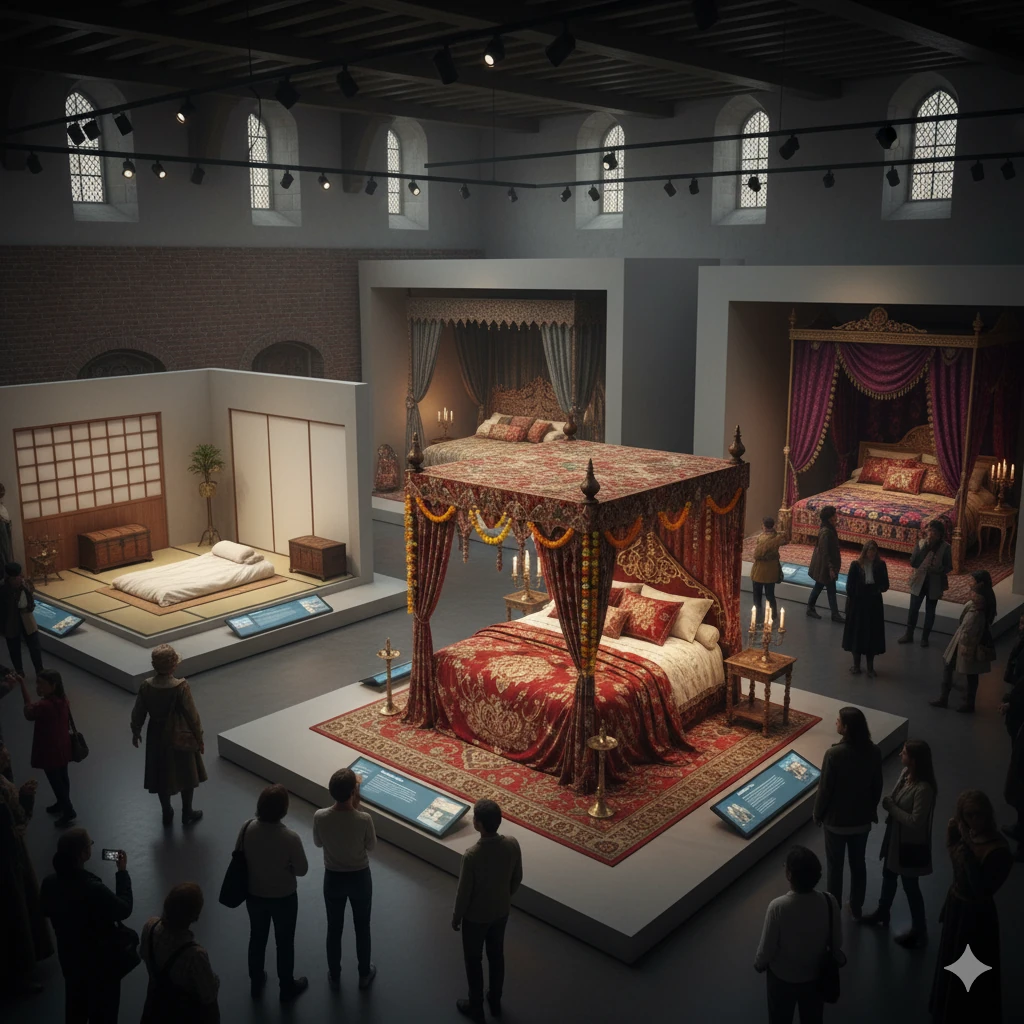
Bedding Ceremonies: Role, Origins, and Cultural Legacy Explained

Bedding Ceremonies in Ancient Marriage Traditions - bedroom

Bedding Ceremonies in Ancient Marriage Traditions

The role of bedding ceremonies offers a fascinating glimpse into how ancient societies celebrated marriage, blending symbolism, tradition, and community into powerful matrimonial rites.

Key Takeaways

  • The role of bedding ceremonies in historical contexts provides insight into societal norms.
  • Bedding ceremonies marked the consummation and validation of ancient marriages.
  • They reflect communal involvement and cultural expectations in matrimonial life.
  • Fertility rituals, religious blessings, and witnesses were essential elements.
  • These customs influenced many modern wedding traditions and symbols.
  • Understanding the role of bedding ceremonies can enhance modern wedding practices.
  • The evolution from public to private ceremonies mirrors changing cultural values.

1. Origins of Bedding Ceremonies: Symbolism and Purpose

Bedding ceremonies originated as formal events that marked the official consummation of marriage, symbolizing the start of a shared life and the union’s public recognition.

Bedding ceremonies historically marked the official consummation of marriage, symbolizing the transition into marital life. They were deeply tied to communal validation, with witnesses present to ensure the union was recognized and celebrated.

Exploring Cultural Heritage: Bedding ceremonies reflect a deep cultural heritage that saw marriage as both a personal and a communal bond. The presence of witnesses and formalized rituals underscored the idea that marriage wasn’t just a private affair but a matter of social importance. For a broader perspective, explore how bedding ceremonies became a timeless tradition.
Communal witnesses at a marriage bed showing the history of bedding ceremonies in ancient unions

2. The Role of Fertility and Progeny in Matrimonial Rites

Fertility played a central role in bedding ceremonies, where rituals and symbols focused on ensuring procreation and the continuation of family lineage.

Fertility was a cornerstone of marriage in ancient cultures, with bedding ceremonies often designed to ensure and celebrate procreation. These rituals emphasized the importance of lineage and the continuation of family and community.

Exploring Cultural Heritage: Fertility rites within bedding ceremonies highlight the importance ancient cultures placed on family lineage and societal continuity. Even modern customs like throwing rice or flower petals at weddings are remnants of these age-old traditions. You can learn more in this exploration of nuptial bedding ceremonies.

3. Bedding Ceremonies in Ancient European Culture

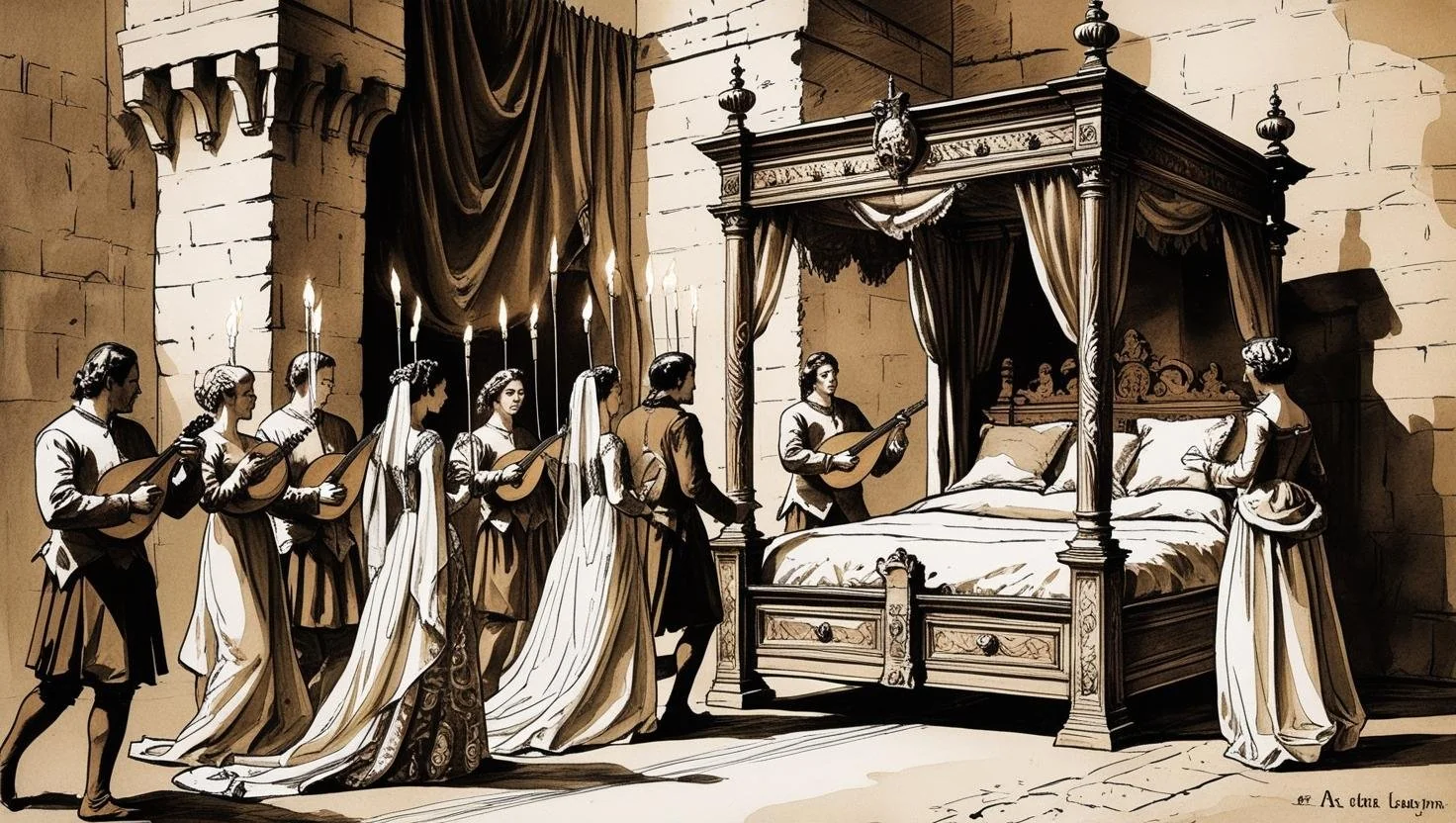
In medieval Europe, bedding ceremonies were community-driven celebrations, often involving music, rituals, and blessings to ensure a successful marriage.

In medieval and Renaissance Europe, bedding ceremonies often involved elaborate public participation. Friends, family, and clergy escorted the couple to bed, singing songs or performing rituals that symbolized communal blessing.

Exploring Cultural Heritage: These ceremonies show how marriage functioned within a community network. Today’s wedding receptions and symbolic send-offs echo these traditions. See how this tradition continues in ancient matrimonial heritage.
the role of bedding ceremonies in medieval Europe with clergy and guests

4. The Impact of Religion on Bedding Ceremonies

Religious blessings and spiritual leaders often sanctified bedding ceremonies, reinforcing the sacred and divine nature of marriage.

Religion played a significant role in bedding ceremonies, with blessings from priests or spiritual leaders often marking the sacredness of the union. These rituals highlighted the divine approval of marriage.

Exploring Cultural Heritage: Religious elements in bedding ceremonies underscore the sacredness of marriage. This spiritual legacy endures today in wedding prayers and ceremonial blessings.

5. Witnesses and the Public Aspect of Matrimony

Witnesses confirmed the legality and validity of marriage, ensuring its recognition in both cultural and legal contexts.

Witnesses served as both legal and cultural affirmations of marriage. Their role was especially vital in aristocratic families, where legitimacy and inheritance were tied to public recognition of the union.

Exploring Cultural Heritage: The legal requirement of marriage witnesses today stems from these traditions. Discover more about how public customs became private in this look at ritual transitions.

6. Ancient Rituals and Their Influence on Modern Weddings

Many modern wedding traditions, such as receptions and symbolic send-offs, have roots in ancient bedding ceremonies.

Many modern wedding practices trace their roots to ancient bedding rituals. Processions, music, and symbolic gestures like toasts and honeymoons have evolved but remain connected to these historic ceremonies.

Exploring Cultural Heritage: Ancient bedding rituals still inspire customs today. For example, custom bed frame designs draw from ceremonial bed symbolism. For a modern contrast, read how bedding ceremonies faded from contemporary weddings.
symbolic representation of the role of bedding ceremonies in modern weddings

7. The Transition from Public to Private Ceremonies

Bedding ceremonies shifted from public displays to private moments as cultural values around intimacy evolved during later historical periods.

Bedding ceremonies shifted from communal events to private traditions as cultural views on intimacy evolved. By the Victorian era, the emphasis moved to privacy and personal connection between the couple.

Exploring Cultural Heritage: The honeymoon and private wedding nights mirror this shift. Learn more in our guide to Victorian bedroom decor or browse different types of beds used in ceremonial settings.
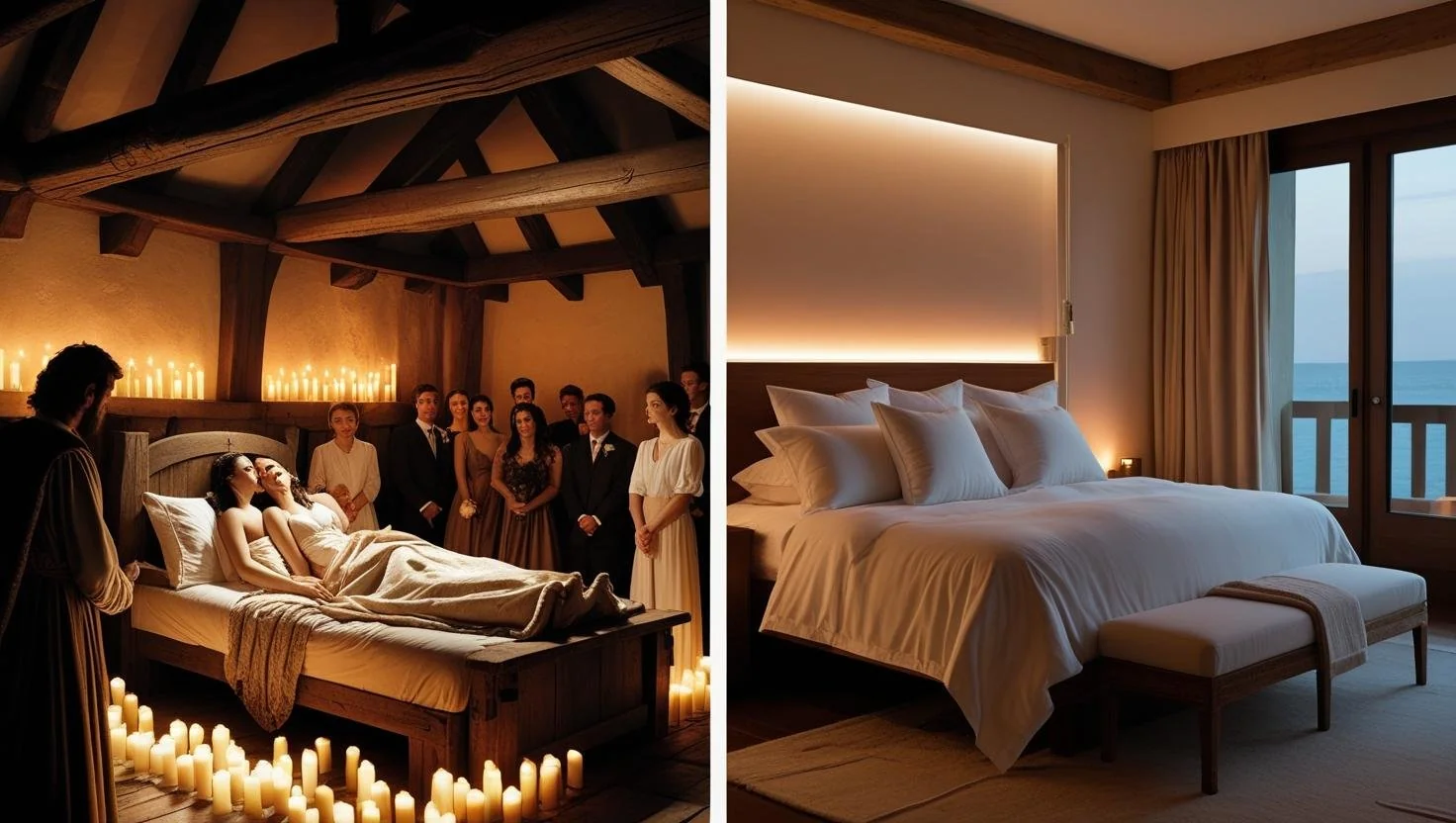
evolution of the role of bedding ceremonies from public to private rituals

Conclusion

The role of bedding ceremonies in ancient matrimonial rites reveals a rich cultural heritage that has shaped how we celebrate marriage today. These ceremonies symbolised union, social affirmation, and divine blessing—elements that endure in modern weddings. Understanding the role of bedding ceremonies can deepen our appreciation for these traditions.

Explore more from a historical lens via the Wikipedia entry on bedding ceremonies or compare with NIH research on marital and reproductive customs.

FAQ

What is the role of bedding ceremonies in history?
Bedding ceremonies validated marriage through symbolic and sometimes public acts, involving community support and religious blessings.
Why were witnesses important in bedding ceremonies?
They ensured the marriage’s legitimacy, especially in cultures where heirs affected legal and political rights.
How did religion influence these ceremonies?
Priests and blessings were common in many cultures, integrating sacred elements into matrimonial traditions.
Do modern weddings reflect these customs?
Yes, many practices like receptions, blessings, and honeymoons stem from ancient bedding traditions.
Where can I learn more about bedding ceremony customs?
Explore bed frame evolution and sleep customs worldwide.

Bedding Ceremony: What Happened and Why It Mattered

Bedding Ceremonies Role in Wedding History Explained - Featured Image

Understanding the Meaning of Traditional Bedding Ceremonies

The role of bedding ceremonies in historic weddings reveals how they served as a powerful bridge between private vows and public affirmation—transforming an intimate moment into a communal ritual that signified legitimacy, unity, and the binding of not just two individuals, but entire families and social orders.

Key Takeaways

  • Bedding ceremonies symbolized the union of families and legitimacy of marriage.
  • The Catholic Church gave spiritual weight to these intimate rituals.
  • Modern wedding customs still echo these traditions subtly today.

The Public Spectacle of Medieval Weddings

In medieval Europe, weddings were grand, public affairs. Far from the private celebrations we know today, they often unfolded in front of entire communities. A highlight of these events was the bedding ceremony, where nobles and royalty gathered to ceremoniously escort the couple to bed. This public gesture wasn’t merely for show—it served as a powerful social and political statement. Witnesses, often of high rank, confirmed the legitimacy of the union, which was especially vital for alliances, lineage, and inheritance rights.

In some regions, the ceremony included music, toasts, and ritualistic practices like removing the bride’s garter or presenting nightwear. These actions symbolized a transition not just into marriage but into adulthood and family responsibility. The communal nature of these traditions reflected a time when marriage was as much a public alliance as a private relationship.

Learn how bedding ceremony myths differ from reality to better understand the cultural symbolism behind the ritual.


The Church’s Role in Wedding Rituals

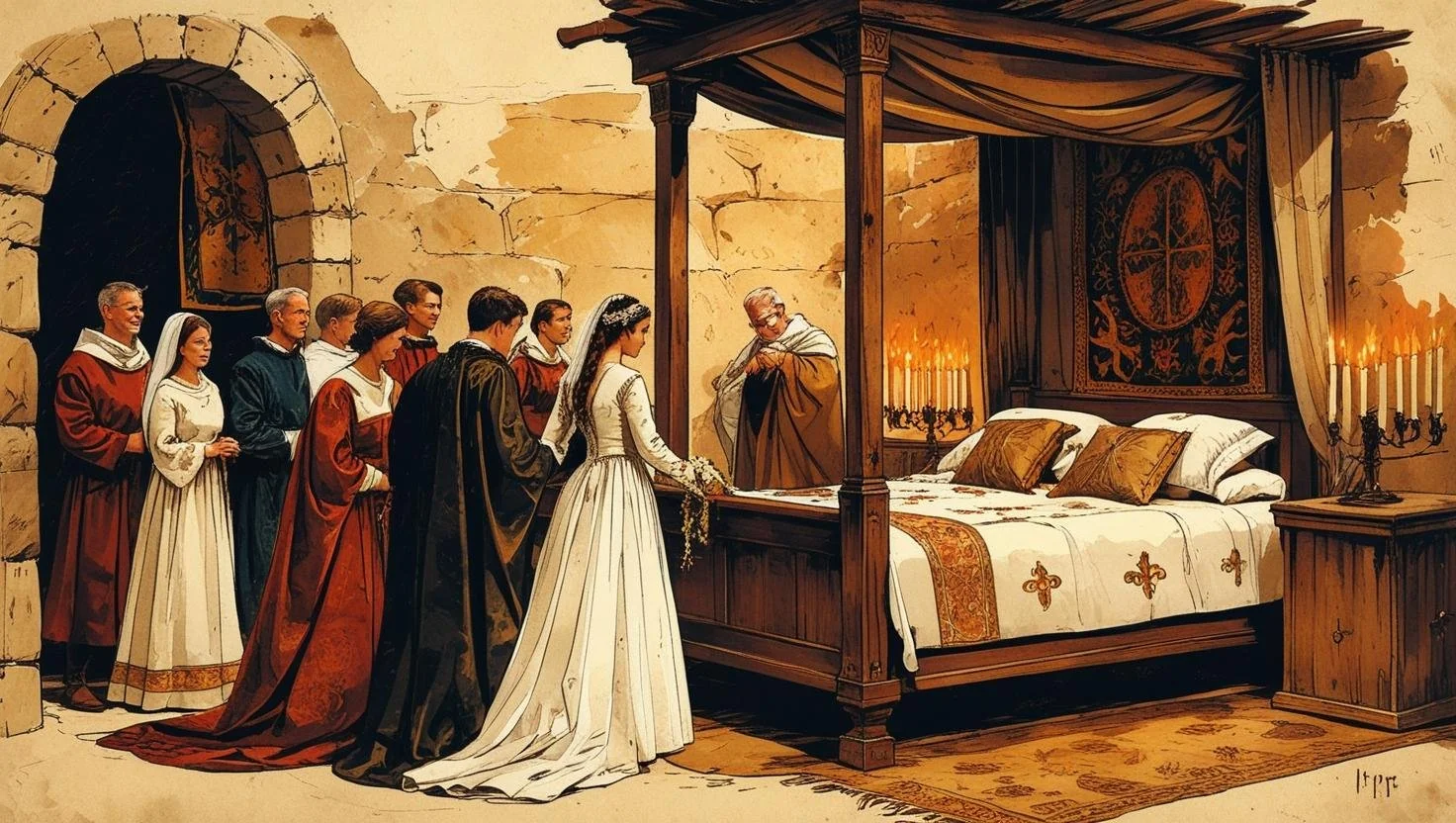
The Catholic Church played an instrumental role in shaping medieval marriage customs, including bedding ceremonies. Priests often blessed the couple’s bed with prayers, holy water, and relics, invoking divine protection and fertility. This intertwining of religious belief and everyday life gave sacred context to what might otherwise be a mere contractual agreement. Scattering herbs like rosemary or lavender wasn’t just for fragrance—they symbolized fidelity, purity, and spiritual cleansing.

Religious officiation also served to regulate societal norms. Couples could only consummate their union after receiving the church’s approval, typically granted during a formal blessing. Church teachings emphasized procreation as the marriage’s primary purpose, so rituals reinforcing fertility were commonplace.

This spiritual oversight echoed the Church’s broader influence over personal life, from baptisms to funerals. By including symbolic rituals in a couple’s first night together, society reinforced both divine order and family expectations. For a wider understanding of religious roles in intimacy and marriage, see the Sleep Foundation on bedroom environment impacts.

Spiritual and Social Dimensions

These practices did more than sanctify the bedroom. They embedded marriage into the very fabric of faith and family. Parents and elders often joined in or observed the ceremony, lending social weight and spiritual blessing to the intimate union. In many ways, this bridged heaven and home, reinforcing that the marriage was not just between individuals but entire communities.

Clergy and family gathered around the marriage bed during a traditional bedding ceremony

Even today, we echo this sacred alignment with practices like lighting unity candles or sharing spiritual vows during weddings. They’re quiet remnants of a deeply intertwined past.

Aristocratic Traditions and Marriage Validation

For aristocratic families, bedding ceremonies were more than custom—they were legal documentation. High-stakes marriages involving land, titles, or alliances required indisputable proof of consummation. Witnesses, sometimes female attendants or male envoys, were tasked with verifying the union. While this may seem invasive by modern standards, it was essential in eras where heirs, inheritance, and legitimacy were constantly scrutinized.

Special linens or garments were often presented after the night, showing proof of virginity or consummation. These items sometimes became part of estate records, further emphasizing their legal significance. In cases of disputes, such evidence determined whether children born from the marriage would inherit property or titles.

Learn how squeaky bed frames reflect both utility and tradition in the evolution of intimate spaces.

Also see Good Housekeeping’s history of marriage for more on shifting norms.

aristocratic validation through traditional bedding ceremonies

The Fade of Formal Wedding Rituals

The 19th century ushered in new ideals—modesty, romance, and personal privacy. As Victorian values spread, public rituals like bedding ceremonies were replaced by quieter, emotionally driven wedding practices. The honeymoon emerged as a new ritual, allowing couples private time to begin their life together away from prying eyes.

These changes didn’t erase tradition entirely. Instead, they reimagined it. Carrying the bride over the threshold, tossing the bouquet, or sleeping in a beautifully made bed with embroidered linens still reflect the sentiment of ceremonial beginnings. The shift from public display to private ritual marked a cultural pivot in how intimacy was honored.

Discover how platform beds have become symbols of individualized comfort, echoing the evolution of shared but private space in modern relationships.

Modern Wedding Traditions with Historic Roots

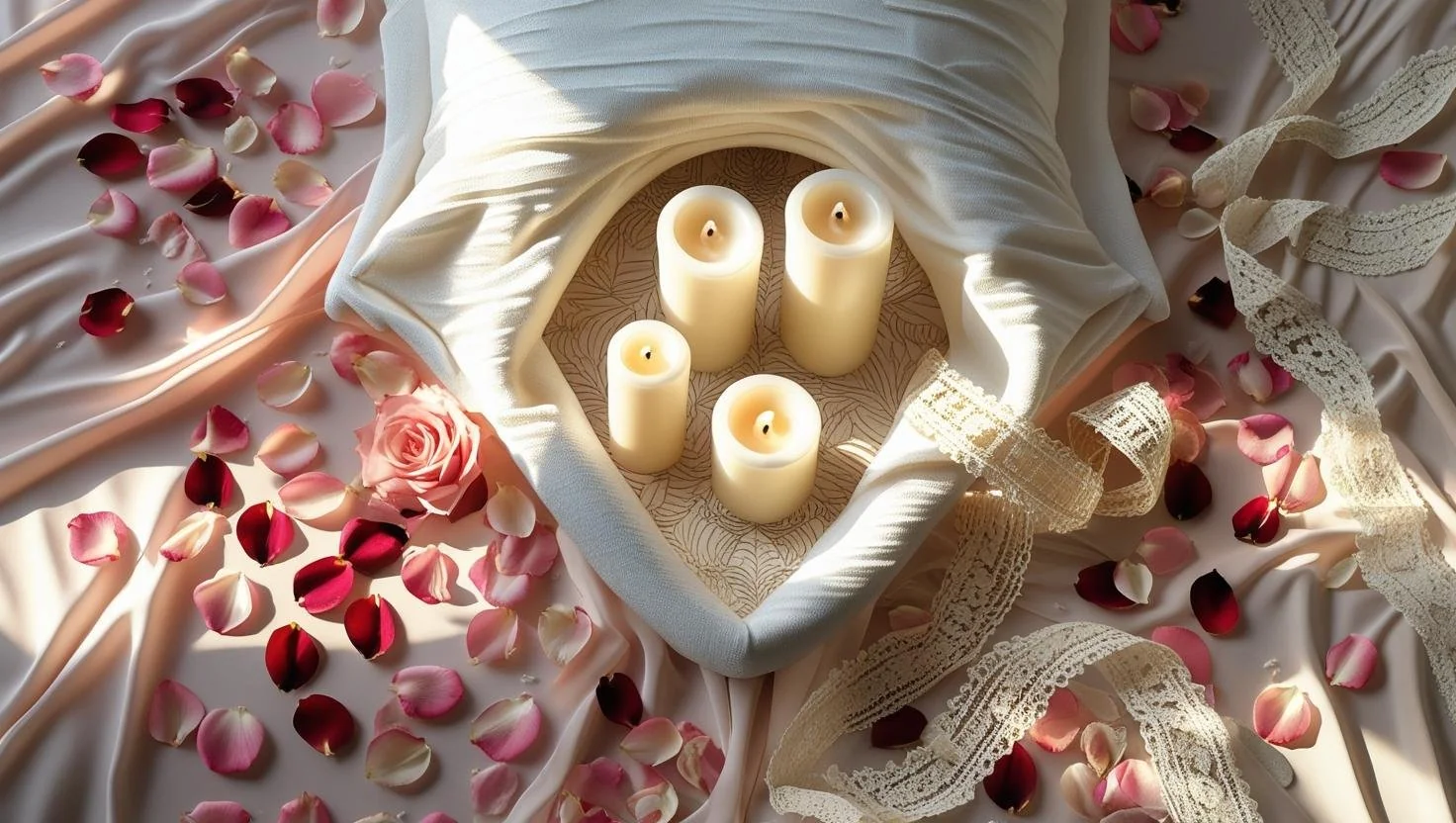
While bedding ceremonies no longer unfold in public halls or castles, their influence lives on in today’s wedding traditions. The attention to creating a romantic, sacred space for the newlyweds echoes the ceremonial intentions of old. From rose petals on the bed to curated playlists and personalized vows, couples still mark this milestone with thoughtfulness and symbolism.

Modern bridal suites mirror the purpose of historical bedding chambers. They offer a moment of retreat, privacy, and celebration after the public festivity. Many couples also infuse cultural or religious rituals into this space—be it prayer, shared meals, or meaningful gifts. It’s no longer about spectatorship but significance.

Explore sleep hacks that support modern rituals as part of your post-wedding sanctuary with touches that blend modern comfort with time-honored tradition.

Bedding Ceremonies Role in Wedding History Explained

Conclusion

From grand public displays to private honeymoon suites, bedding ceremonies show how wedding rituals reflect evolving cultural values. These ceremonies wove intimacy and social structure into one, and their legacy continues to shape how we honor love and commitment today. Whether rooted in sacred blessings or symbolic gestures, they remind us that marking the start of a marriage has always mattered deeply.

FAQ

What was the purpose of bedding ceremonies?
They publicly validated marriages and united families, often reinforcing political or social alliances.
Did the Church support bedding ceremonies?
Yes, it often blessed the union, combining religious sanctity with cultural traditions.
Are there modern equivalents to bedding ceremonies?
Yes, elements like bridal suites, rose petals, and symbolic rituals echo these traditions today.
When did bedding ceremonies stop being common?
They gradually disappeared during the Victorian era as private and romantic ideals took precedence.
Were bedding ceremonies practiced outside of Europe?
While this article focuses on Europe, similar customs existed in other cultures with their own unique expressions.

Related reading from Cozy Bed Quarters

Other reading we found popular