
Benefits of Morning Sunlight on Sleep Cycles
Brightened Intro
If you’re waking groggy or wired at bedtime, morning sunlight is likely the missing piece. Just 10–20 minutes of morning sunlight within an hour of waking helps reset your circadian rhythm, lowers sleep latency, and lifts mood so you fall asleep faster and wake feeling refreshed.
Key Takeaways on Morning Sunlight
- Get light early: Step outside within 30–60 minutes of waking for 10–20 minutes.
- Anchor your clock: Consistent morning sunlight keeps your sleep-wake cycle predictable.
- Boost mood & energy: Early light supports serotonin and a healthy a.m. cortisol rise.
- Backups help: On dark mornings, use a 10,000‑lux therapy lamp near eye level.
- Stack habits: Pair sunlight with movement, journaling, or breakfast for easy consistency.
Feeling Groggy in the Morning? Morning Sunlight Might Be the Missing Piece
Ever wake up feeling groggy—even after a solid eight hours under the covers? Or maybe you lie in bed wide-eyed at night, wondering why you’re not tired even though you’re completely drained? Here’s something that might surprise you: the real culprit could be a lack of morning sunlight.
☀️ Yep, that soft, golden light streaming through the window isn’t just pretty—it’s powerful. It resets your circadian rhythm, improves sleep, and even lifts your mood. Let’s explore how catching early rays can transform your days (and nights), plus easy ways to make it part of your cozy morning routine.
Why Morning Sunlight Matters for Sleep and Mood
In one line: early light is your body’s daily “start” signal. Your internal clock (the circadian rhythm) uses morning light to time alertness, sleep pressure, and hormones that influence energy, mood, and metabolism—making morning sunlight a simple, no-cost way to feel and sleep better.
Your body has its own internal clock, called the circadian rhythm, and it loves natural cues. Light tells your body when to be alert, when to rest, and how to balance hormones that influence everything from your sleep to your stress levels.
Without enough sunlight in the morning? Your clock gets out of whack. That’s when you might start feeling foggy, anxious, or wired at bedtime. But the fix is easier (and cheaper) than melatonin gummies: morning sunlight.
What Is the Circadian Rhythm?
Quick answer: it’s a ~24‑hour timer that uses light and dark to cue alertness by day and melatonin at night—so your morning sunlight routine sets up better sleep later.
Your circadian rhythm works like a built-in timer that follows a 24-hour cycle. It responds to light and darkness to help regulate melatonin production—a
hormone that controls your sleep.
- Morning light = wake-up call → Bright light signals your brain to cut melatonin production, so you feel awake and alert.
- Evening darkness = bedtime prep → As the sun sets, your body naturally ramps up melatonin, making you sleepy.
But when you’re indoors all day or scrolling through screens late at night, that rhythm gets scrambled. Result? Tossing and turning at night. Struggling to stay awake during morning meetings.
The Power of Morning Sunlight to Reset Your Rhythm
Bottom line: ten calm minutes outdoors after waking can realign your sleep-wake cycle, helping
you fall asleep faster and wake up more refreshed.
Here’s what those golden rays can do:
- ☀️ Suppress Melatonin – Helps you feel alert by telling your body it’s daytime.
- ☀️ Boost Serotonin – Light lifts your mood and helps
create melatonin for better sleep later. - ☀️ Balance Cortisol – A healthy cortisol spike in the morning energizes you without caffeine.
- ☀️ Strengthen Your Internal Clock – Consistent light exposure each morning keeps your sleep schedule predictable.
For a deeper dive into how sunlight
affects your natural rhythm, check out this guide from 1000 Hours Outside.
Easy Ways to Get More Morning Sunlight (Even If You Work Indoors)
Quick win: design a low-effort cue (coffee on the porch, short walk, watering plants) so morning sunlight happens on autopilot—no extra willpower needed.
🌤️ Real-Life Tips:
- Step outside within 30–60 minutes of waking up. A 10–20 minute stroll or just sitting with your coffee in the light is enough.
- Open those curtains wide. Let the natural light pour in—even if you’re still in your robe.
- Sit near a sunny window. Especially while eating breakfast or working on your laptop.
- Use a light therapy lamp. On cloudy days or in winter, a 10,000-lux lamp is a great backup.
Pair that with your morning playlist or journaling time, and you’ve got yourself a cozy wellness ritual.
How Morning Light Impacts Sleep Quality
Snapshot: without daily light, your brain stays in “sleepy mode” too long, then refuses to power down at night—consistent morning sunlight flips that script.
- Lying awake at night, wired and restless
- Feeling groggy or foggy throughout the day
- Experiencing mood dips or seasonal blues
- Slower metabolism and low energy
On the flip side, people who get early sunlight often fall asleep faster, sleep deeper, and feel more energized during the day. If you’re working on
building better sleep hygiene, this is a game-changer.
Boost the Effects: Pair Morning Sunlight with These Sleep Habits
TL;DR: stack light with simple routines—consistent schedule, earlier movement, and a calm wind‑down—to multiply the benefits of morning sunlight.
💤 Sleep-Boosting Combos:
- Stick to a set bedtime and wake-up time. Even on weekends. (Yes, we know, it’s hard.)
- Cut screen time at least an hour before bed. Try switching to reading or journaling instead.
- Exercise earlier in the day. Morning movement can support better sleep later.
- Create a calm wind-down routine. Think soft lamps, cozy blankets, and a good book.
Need help creating a cozy, sleep-friendly bedroom? Check out our complete
guide to bed sizes and comfort.
Bonus Perks: Morning Light = Better Mood and Focus
Quick hit: beyond sleep, early light supports dopamine and stable energy so you feel focused, upbeat, and resilient all day.
- 🌞 Feel more focused. Light triggers dopamine, helping with alertness and concentration.
- 🌞 Avoid that 3 p.m. crash. Morning sunlight helps keep your energy stable throughout the day.
- 🌞 Support mental health. A balanced circadian rhythm can lower anxiety and improve your overall mood.

FAQ
- How many minutes of morning sunlight do I need?
- Start with 10–20 minutes outside within 30–60 minutes of waking. On overcast days, aim for a bit longer or use a 10,000‑lux light box.
- Does sunlight through a window count?
- Some light helps, but outdoor light is significantly stronger and more effective for circadian timing. If you can’t get outside, sit by the brightest window as a backup.
- What if I wake before sunrise?
- Use indoor lights to start your day, then get morning sunlight as soon as it’s up. A light therapy lamp can bridge the gap in winter.
- Will morning light keep me up at night?
- No—early light actually helps you feel sleepy at bedtime by strengthening the body’s internal clock and building healthy sleep pressure.
- Can I wear sunglasses?
- For circadian benefits, skip dark sunglasses during your brief morning exposure (protect your eyes if needed; never stare at the sun). Regular eyeglasses are fine.
Cozy Wrap-Up: Let the Sunlight In, Sleep Better Tonight
The next time you’re wondering why you feel groggy or restless, take a peek at your morning routine. Just a few minutes of morning sunlight might be the missing puzzle piece.
🌞 So tomorrow morning, open the curtains wide, step outside, or sip your tea by a sunny window. Let the light work its magic—you might just
sleep like a baby tonight.
Related reading from Cozy Bed Quarters
- How Morning Sunlight Exposure Resets Your Circadian Rhythm & Improves Sleep
- Creating the Ideal Sleep Environment
Other reading we found popular
- Sleep Foundation — How Light Affects Our Sleep
- Harvard Health — Why Getting More Sunlight Is Good for Your Sleep
- NIH — Circadian Rhythms
More Expert Insights
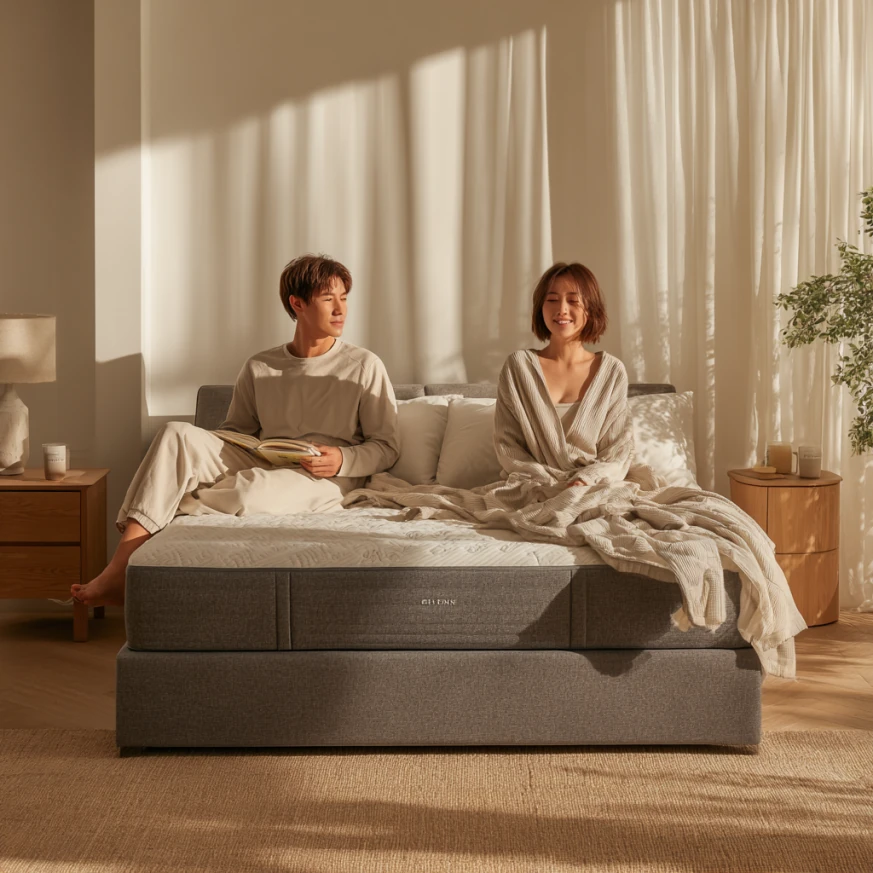
Motion transfer reduction ideal for couples means you won’t feel your partner’s every move. It’s the easiest way to prevent wake‑ups from tossing and turning—so you both get deeper, uninterrupted rest.
Shared beds should feel calm, not chaotic. Motion transfer reduction ideal for couples keeps movement localized, so when one person shifts, the other barely notices. The result is better sleep quality and fewer morning grumbles—which is great for health and harmony.
In short: memory foam absorbs and isolates movement. That means fewer ripples across the bed and more consistent sleep for both of you.
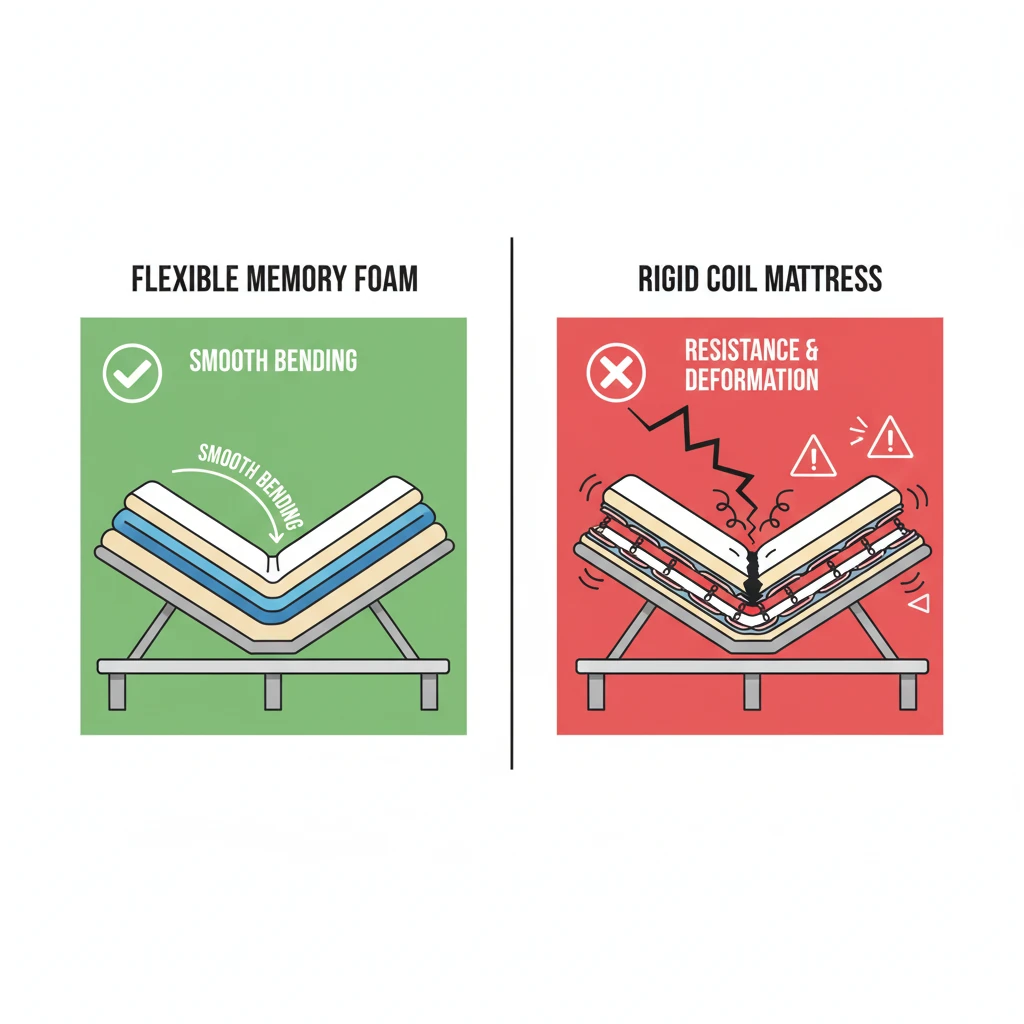
It’s the mattress’s ability to prevent movement on one side from traveling to the other. Traditional springs can behave like a trampoline, while memory foam cradles each sleeper individually—ideal for undisturbed rest.
Thanks to viscoelastic properties, memory foam compresses slowly and absorbs energy, stopping motion from spreading. Think of it like built‑in movement‑canceling tech that keeps midnight repositioning from waking your partner.
Better motion isolation doesn’t just feel nicer—it pays off in measurable ways: deeper sleep, smoother mornings, and more flexibility around different routines.
Uninterrupted sleep is linked to improved memory, immunity, and mood. The Sleep Foundation explains how quality sleep benefits nearly every system in the body.
One of you tosses while the other reads late? Memory foam absorbs both movement and micro‑vibrations so you can keep your own routines. See our guide on
sleeping positions for couples for staying comfy together.
Poor sleep can fuel cranky mornings. With motion transfer reduction ideal for couples, nights stay calmer—supporting better communication and fewer sleep‑related squabbles.
Start with memory foam (or foam‑forward hybrids) and focus on density, thickness, and cooling. These specs matter more than brand hype and will have the biggest impact on your real‑life sleep.
Our guide to choosing the best memory foam mattress can help narrow your options quickly.
Explore more about how to choose a mattress and memory foam vs. hybrid options if you’re comparing features. If overheating is a concern, read our cooling bedding solutions guide.
Not true. Memory foam stands out for motion isolation—you’ll notice the difference when your partner gets up at 3 a.m. and you don’t.
Modern foams incorporate cooling gels, ventilated layers, and breathable covers to offset heat retention.
If you sleep solo, maybe. But for couples, motion transfer reduction ideal for couples can be the difference between restless nights and consistently restorative sleep.
When it comes to shared sleep, motion transfer reduction ideal for couples isn’t a luxury—it’s a necessity. Memory foam can bring the extra calm you both deserve, night after night.
White noise machines are powerful tools for enhancing sleep by masking distractions and creating a calm environment. Whether you’re a light sleeper, parent, or frequent traveller, these devices offer restful solutions. The significance of a good night’s sleep cannot be overstated, as it contributes not just to our physical health but also to our mental well-being. By fostering an environment that is conducive to sleep, white noise machines can play a pivotal role in ensuring that individuals achieve their best rest.
In today’s fast-paced world, the constant bombardment of sounds from traffic, electronic devices, and other external disturbances can make it increasingly difficult to relax and drift off to sleep. White noise machines serve as a buffer against these unwelcome noises, providing a consistent auditory backdrop that can help soothe the mind. By generating sounds that are smooth and steady, they eliminate the jarring interruptions that often disrupt our sleep cycles.
White noise machines generate steady sounds that mask environmental noises, making it easier to fall and stay asleep. These machines often come with a variety of sound options, including fan sounds, static, or natural noises like rain or ocean waves, allowing users to choose what works best for them. The advancements in technology mean that many of these machines can now be controlled via apps on smartphones, giving users the flexibility to adjust settings without getting out of bed. These are some of the best machines available for deep, undisturbed rest.
In addition to enhancing sleep quality, white noise machines can also improve concentration and productivity during wakeful hours. By masking distracting sounds in work environments, these machines create a more serene space for focus. Studies have shown that employees who utilise sound machines report higher levels of productivity and creativity. Therefore, investing in a quality white noise machine can be beneficial not only for sleep but also for daily tasks that require concentration.
Moreover, incorporating soundtracks designed specifically for relaxation can further enhance the calming effects of white noise. These soundtracks often include elements such as soft piano music or gentle nature sounds, which can complement the white noise and create a more immersive experience. This can be particularly beneficial for those who may struggle with anxiety or stress, as the combined sounds can promote a greater sense of tranquility.
Sleep soundtracks offer calming alternatives with ambient nature sounds and soothing melodies. They’re especially useful through apps that offer portability and customization.
Parents benefit from baby-specific white noise machines that mimic womb-like sounds. These devices soothe infants for better sleep patterns and nighttime routines.
Learn how to elevate your baby’s bedtime with Using Essential Oils for Relaxation.
Travel often disrupts sleep; however, portable white noise machines recreate your home sleep environment wherever you are, ensuring restful sleep on the road. These devices are lightweight, convenient, and provide a familiar soundscape that can help alleviate the stress and discomfort often associated with sleeping in new environments. Many travellers have found that using these machines not only helps them to sleep better but also to adapt more quickly to different time zones.
For more travel-friendly sleep options, visit Sleep Sound Solutions for Better Nights.
Some white noise soundtracks enhance focus and relaxation, making them ideal for meditation or work. These ambient soundscapes help balance brain activity and encourage mindfulness.
Pair these with essential oils for a serene experience—explore Using Essential Oils for Relaxation.
White noise machines can significantly improve your sleep by reducing disruptions and enhancing relaxation. From smart apps to portable devices, there’s a solution tailored to every lifestyle.
In conclusion, white noise machines are versatile tools that can enhance both sleep and productivity. By masking disruptive sounds and providing a calming audio environment, they cater to a wide range of needs. Whether used for better sleep, focused work sessions, or as part of a baby’s bedtime routine, these devices can significantly improve one’s quality of life. It’s important to choose a machine that fits your specific needs and preferences. Experimenting with different settings and sounds can also help you discover the best combination for your unique situation.
Yes, white noise machines help many people sleep better by masking disruptive sounds and creating a calming audio environment.
When used correctly at a safe volume, white noise machines are safe and effective in soothing infants and promoting sleep.
Absolutely. Many white noise machines are designed to be portable and are ideal for creating familiar sleep conditions on the go.
Learn more in Sleep Sound Solutions for Better Nights, Using Essential Oils for Relaxation, and staying cool with temperature-regulating bedding. Remember, finding the right white noise machine can be a game changer for restful nights and productive days. With options available for every lifestyle, it’s worth investing time to select the perfect one that meets your needs.