Bedroom Mirror Placement Tips for a Brighter, Cozier Space<

"Bedroom mirror placement featuring a round mirror above a white dresser in a minimalist bedroom."

Best Practices for Bedroom Mirror Placement

Looking to upgrade your space without a full makeover? The right bedroom mirror placement can instantly brighten, enlarge, and elevate your room. This guide shares practical tips to maximize light, style, and function—no major renovations needed. Learn more about balancing your space in our guide to Feng Shui principles.

Key Takeaways

  • Strategic bedroom mirror placement can increase natural light and make small rooms feel larger.
  • Best placements include opposite windows, above dressers, and near closets for both function and style.
  • Feng Shui principles advise avoiding mirrors facing the bed to preserve restful energy.
  • Choose mirrors that match your décor style—round for softness, geometric for boldness, oversized for impact.
  • Avoid common mistakes like mirror clutter, poor scale, or reflecting messes.

Why Bedroom Mirror Placement Matters

Most people don’t realize it, but mirrors do more than reflect your image—they shape how you experience your space. Thoughtful bedroom mirror placement can dramatically change your room’s lighting, layout, and overall feel.

They can highlight architectural features, serve as artistic focal points, or even improve your mood by bouncing more natural light around the room. According to the Sleep Foundation, a well-lit and organized bedroom can significantly enhance your sleep quality and emotional well-being.

  • Enhance natural light: When placed near or opposite windows, mirrors reflect daylight deeper into the room, reducing the need for artificial lighting.
  • Visually enlarge the room: Especially in small or oddly shaped bedrooms, mirrors create the illusion of openness by reflecting back empty space or stylish features.
  • Boost your bedroom’s aesthetic: Whether it’s a boho round mirror or a sleek minimalist rectangle, the right mirror can add a distinct style layer to your bedroom. See more tips in our guide to small bedroom decorating.
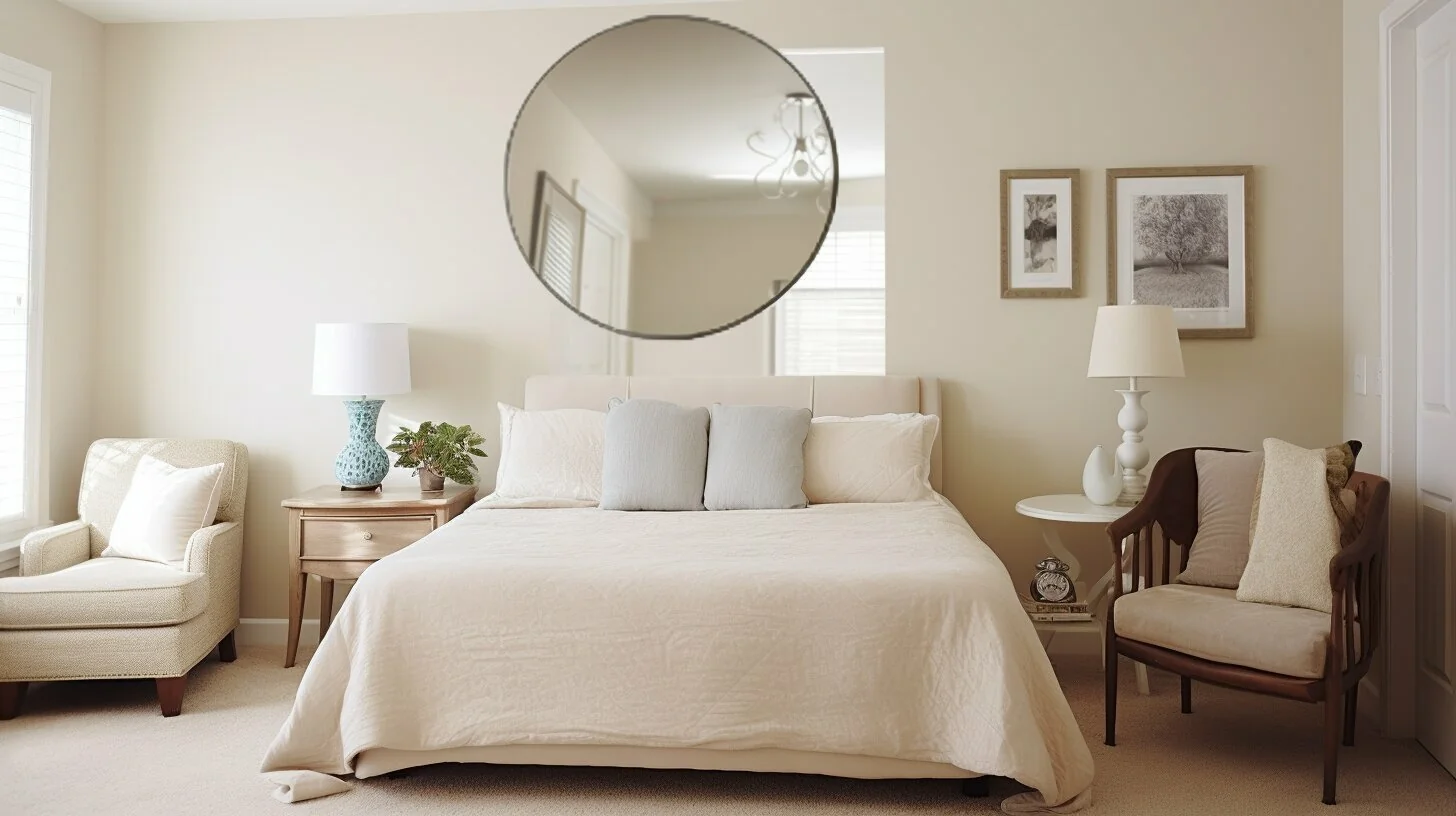
Bedroom mirror placement near a window reflecting daylight and greenery in a cozy room

Best Places to Put a Bedroom Mirror

1. Opposite a Window

This classic trick works like magic for rooms with limited natural light. A mirror placed opposite a window reflects the view and sunlight, which not only brightens your space but gives it a breezy, open vibe. This simple bedroom mirror placement makes even a dim room feel inviting.

2. Above a Dresser

Combining a dresser and mirror isn’t just functional—it’s visually grounding. This pairing creates a grooming station and adds height and balance to the room. Opt for a mirror that echoes the style or material of your dresser. For more inspiration, check out our guide on decorating with mirrors and wall art.

3. Behind the Bed

Placing a mirror above your headboard or using a mirrored headboard can double as a dramatic statement piece. It reflects light and acts like an art piece. Just be cautious with heavy frames—secure them properly.

4. Next to or Near the Closet

A leaning full-length mirror beside your closet is trendy and practical. It’s great for dressing and adds elegance without dominating the space. Consider mirrors with built-in storage for functionality.

5. Opposite a Feature Wall

If you have a gallery wall, wallpaper, or other decorative feature, placing a mirror across from it doubles the visual interest. This kind of bedroom mirror placement enhances both design and energy. Discover more ideas in our article on decorating with textures.
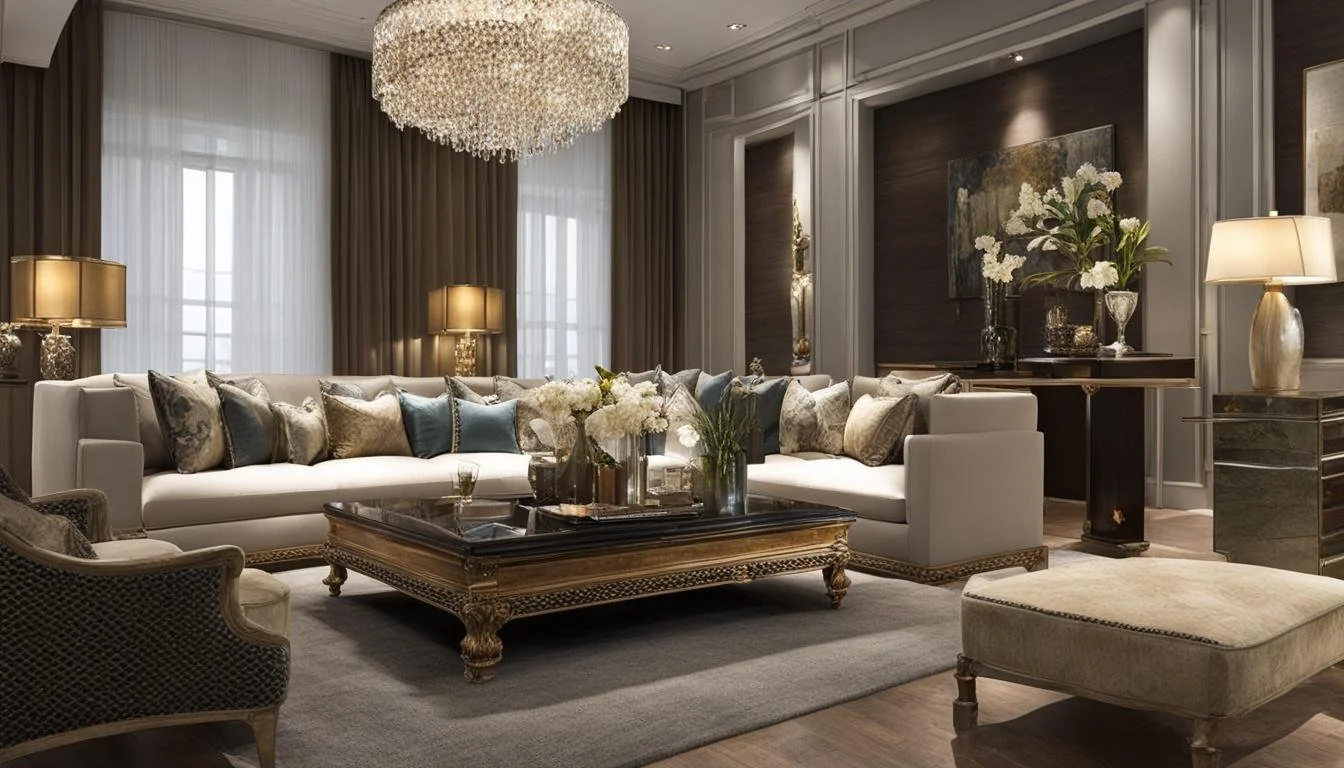
Elegant bedroom mirror over dresser for functional design

Feng Shui Bedroom Mirror Guidelines

For those interested in harmony and energy, Feng Shui offers mirror placement tips. Even if you’re not a purist, these rules can make your space feel more intentional.

As Architectural Digest notes, Feng Shui often starts with mindful placement of furniture and mirrors.

  • Avoid facing the bed: Feng Shui suggests this can disrupt sleep by reflecting energy back at you.
  • Reflect beauty: Mirrors should reflect something pleasant like plants or artwork to uplift the room’s energy.
  • Minimize clutter: Limit mirrors to avoid scattering energy, which can create a sense of restlessness.

More Styling & Feng Shui Insights

Beyond just brightening a room or creating the illusion of more space, thoughtful bedroom mirror placement can significantly influence the emotional feel and energy balance of your space.

For example, combining mirrors with layered lighting (ambient + task + accent) helps you control the mood. Soft wall sconces reflected in a mirror make evenings feel cozy, while overhead light bouncing off a mirror can energize the room during morning routines.

From a Feng Shui perspective, one subtle but powerful opportunity is using mirrors to capture “good view energy.” If your mirror reflects green from outside (trees, garden), water (a pond, fountain), or art that invokes calm, that reflection creates a continual visual reminder of what inspires you.

Conversely, avoid mirror surfaces that reflect chaotic scenes—this includes piles of clutter, overly busy patterns, or sharp angles of furniture. Even the angle of your mirror counts: tilting it slightly upward helps avoid glare and makes ceilings seem higher, while preventing direct reflection of the bed. These small details make mirror placement not just about décor but about cultivating comfort and well-being.

Choosing the Right Mirror

Round Mirrors

Round mirrors soften a space visually. They’re ideal above a nightstand or vanity. For example, a round gold-framed mirror adds warmth and elegance to a neutral room.

Rectangular Mirrors

These classic shapes work well above dressers and narrow walls. Choose beveled edges or metal frames for a modern feel. Check out space-saving bedroom ideas to see them in action.

Oversized Mirrors

Leaning or hanging oversized mirrors can add depth and luxury. Perfect for smaller rooms, they reflect light and expand the space. Angle them slightly to avoid showing clutter.

Geometric Mirrors

Looking to make a statement? Geometric mirrors (hexagons, triangles, etc.) act as art pieces. They work well in minimalist bedrooms where they can shine.
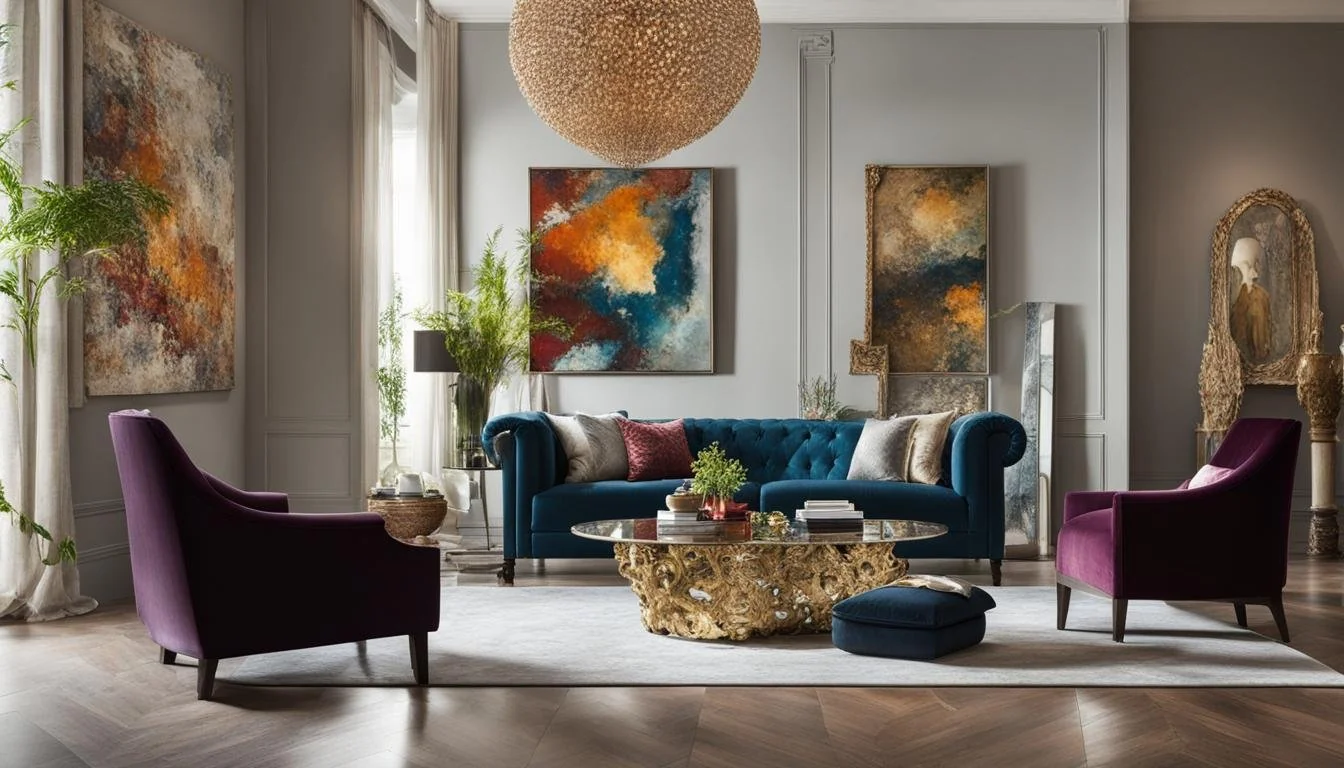
Modern geometric mirror designs for stylish bedrooms

Common Bedroom Mirror Mistakes

  • Too many mirrors: Can create visual chaos and disrupt the bedroom’s calming feel. Stick to one or two intentional placements.
  • Reflecting clutter: Avoid mirrors that reflect open closets or messes. Let them highlight clean or decorated areas.
  • Wrong scale: Mirrors too big or too small for their wall throw off balance. Match mirror size to furniture and wall dimensions.

Creative and Cozy Mirror Ideas

Pair with Lighting

Add string lights or sconces around a mirror for a cozy, ambient glow.

Use Unique Frames

Try vintage brass, rattan, or reclaimed wood to make your mirror a true statement piece.

Try a Mirrored Wall

Use mirrored panels or a mix of small mirrors to brighten a room and give it a modern edge. For more inspiration, explore our furniture layout tips for small bedrooms.
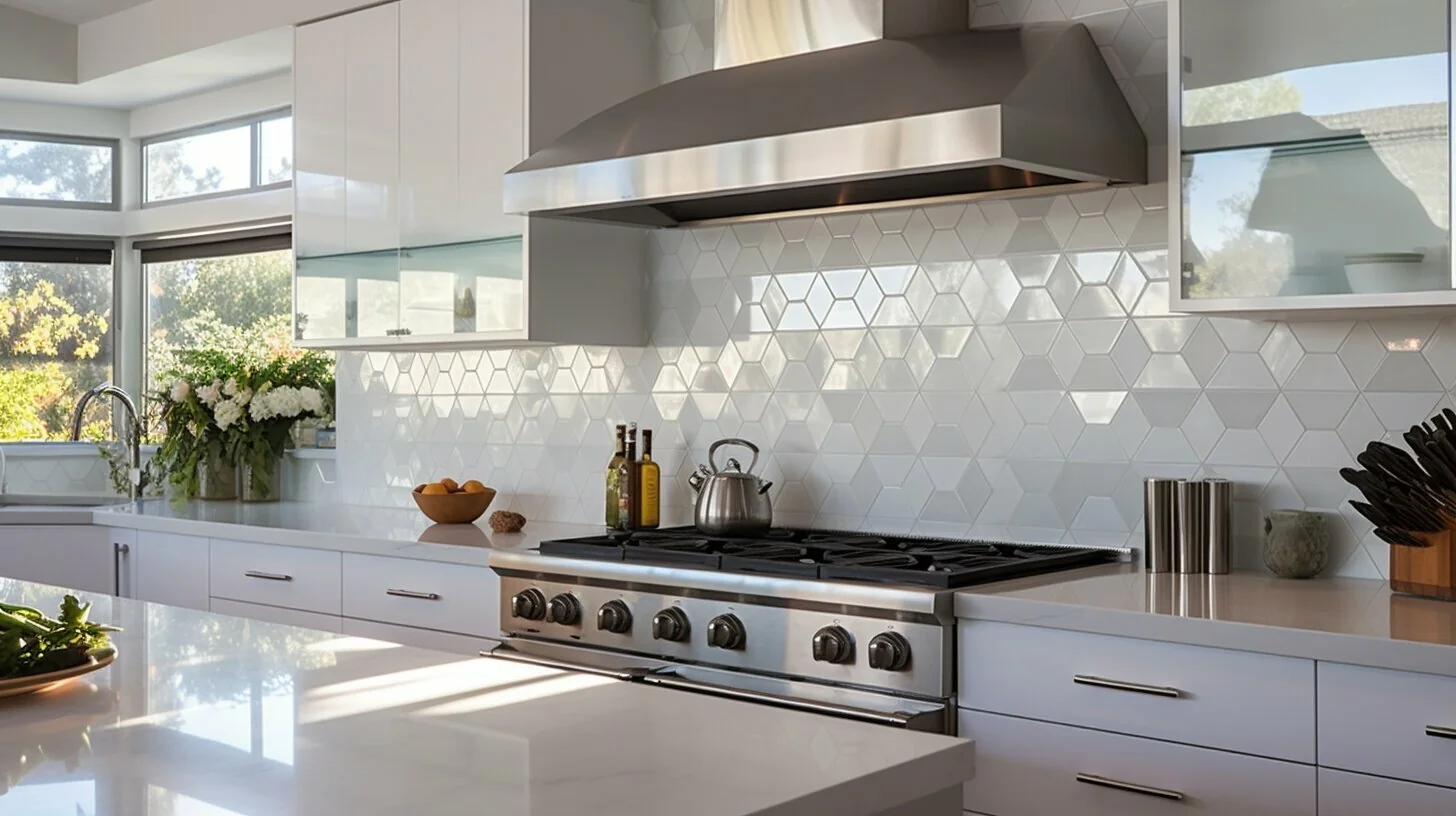
Whimsical bedroom mirror wall with cozy lighting

FAQ

Where should I not place a mirror in my bedroom?
Avoid mirrors that reflect clutter or face the bed directly—they can feel intrusive or disruptive.
What is the best height for hanging a bedroom mirror?
The center of the mirror should be about 60 inches from the floor for optimal eye-level viewing.
Do mirrors really make bedrooms look bigger?
Yes! Mirrors reflect light and open space, creating the illusion of a larger room. As WebMD notes, a brighter sleep space can also improve your rest.

Final Thoughts

The right bedroom mirror placement transforms your space—adding brightness, depth, and personality without major effort. Whether you’re enhancing natural light, styling a cozy nook, or following Feng Shui, mirrors can be both functional and artistic.

At Cozy Bed Quarters, we believe small design choices create big comfort. For more inspiration, explore our guide to brightening your bedroom naturally.

Related Reading

Bedroom Furniture Accessories: What to Buy, What Size, and Where It Goes

Bedroom Furniture Accessories

Bedroom furniture accessories are the layer between bare furniture and a room that actually works: lamps, nightstands, rugs, benches, baskets, mirrors and the bedding you touch every night. The pieces worth buying first are the ones you use daily — a bedside light you can reach without getting up, a surface at mattress height, and storage that hides the clutter. Get the sizes right and the “styling” part mostly takes care of itself.

Bedroom furniture accessories including nightstand, lamp, rug and layered bedding in a modern room

Start with measurements, not a shopping list

Most accessory regret comes from scale. A lamp that’s too short leaves you reading in glare, a small rug makes a queen bed look stranded, and a bench three inches too tall blocks the drawer below it. Run a tape measure around the room first.

  • Mattress top height: usually 24–27 inches off the floor once you add the mattress to the frame. Every other height keys off this.
  • Nightstand top: aim within 2 inches above or below the mattress top so you can grab a glass of water without looking.
  • Walking clearance: 30 inches along the sides of the bed is comfortable, 24 inches is the tight minimum, and you need about 36 inches in front of any dresser to open drawers fully.
  • Under-bed clearance: measure floor to the underside of the rail, then subtract an inch. That’s your maximum bin height, and it’s the difference between storage that slides and storage that sticks.
  • Wall space beside the bed: if you have less than 16 inches, skip the table and use a floating shelf or a swing-arm sconce.

Sketch the room on graph paper if you’re rearranging too — our bedroom furniture and layout guide covers clearances for common room sizes.

The bedroom furniture accessories worth buying first

Nightstands (or something that acts like one)

Width usually lands between 18 and 28 inches. Narrow rooms do better with a 16-inch round table or a wall-mounted shelf, which reads lighter because you can see floor underneath. Look for one drawer plus one open shelf: the drawer hides chargers, the shelf takes a book.

Two things people forget: a gap behind the unit for cords, and a top deep enough for a lamp base plus a mug. Anything shallower than 12 inches gets crowded fast.

Lighting you can control from bed

The bottom of a table lamp shade should sit roughly at eye level when you’re sitting up against the headboard. On a 25-inch nightstand, that’s usually a lamp 24–28 inches tall. Too tall and the bulb glares straight at you; too short and the light pools on the table instead of your book.

Wall sconces free up the whole tabletop. Mount them about 30–36 inches above the mattress top, or roughly 60 inches from the floor, and choose a swing arm so you can aim the light at the page instead of your partner’s face.

For bulbs, 400–800 lumens is plenty for reading in bed, and warm color temperatures suit evening rooms. The Department of Energy describes warm-white LEDs as sitting around 2700K, with cool-white products running 5000K and up — save those for the closet, not the bedside. A plug-in dimmer or a smart bulb costs little and does more for the mood of a room than another throw pillow. More options in our guides to choosing bedside table lamps and layering cozy bedroom lighting.

A rug big enough to walk on

Your feet should land on wool, not floorboards, when you get out of bed. Slide the rug under the bottom two-thirds of the bed, starting just in front of the nightstands, and leave 18–24 inches showing on each side.

Bed size Rug that usually works Tight-room alternative
Twin 5 x 8 ft 2.5 x 7 ft runner on the open side
Full / Double 6 x 9 ft Two 2.5 x 8 ft runners
Queen 8 x 10 ft Runners plus a small rug at the foot
King 9 x 12 ft Two 3 x 8 ft runners

Add a felt-and-rubber rug pad about a quarter-inch thick. It stops sliding, cushions underfoot, and keeps the pile from grinding flat.

Storage that hides the mess

Lidded baskets, an ottoman with a hollow seat, under-bed bins on casters, a valet tray for keys. Bench seats and storage ottomans feel right at 17–19 inches high, the same range as a dining chair, and a bench at the foot of the bed looks balanced at roughly two-thirds the bed’s width — 40–48 inches for a queen. Leave 14–18 inches between bench and mattress so you can walk through.

If the room is genuinely small, go vertical and dual-purpose before you add anything decorative. We break down the options in space-saving bedroom ideas for tiny rooms.

Mirrors, art and the wall above the bed

A full-length mirror (typically 65 x 22 inches) bounces daylight and makes a narrow room read wider — hang it opposite or perpendicular to a window, not facing a blank wall. Leaning mirrors need a wall strap; they’re heavy and they slide on hard floors.

For art above the bed, keep the arrangement to about two-thirds the bed’s width and leave 6–10 inches above the headboard. Dozens of layouts here: bedroom wall decor ideas.

Bedding layers and pillow math

Layers make a bed look made rather than covered. A workable stack: fitted sheet, flat sheet, duvet or quilt, folded blanket across the bottom third, then pillows front to back — sleep pillows (standard 20 x 26, king 20 x 36), Euro shams at 26 x 26 behind them if you like a tall look, and one or two 20-inch throw pillows in front. A 50 x 60-inch throw draped from one corner softens the whole thing.

Mix textures rather than adding color: linen against chunky knit, percale against velvet. Calm palettes are easiest to live with — see light blue bedroom accessories for one version.

Anchor anything tall before you decorate it

Dressers, bookcases and tall nightstands tip. Since 2023, clothing storage units sold in the U.S. have to meet a mandatory federal stability standard: the CPSC adopted ASTM F2057-23 as a mandatory rule under the STURDY law. That covers new furniture, not the hand-me-down dresser in the corner — so use the anchor kit, screw into a stud, and put heavy items in the bottom drawers. Takes ten minutes.

Accessories by style, without buying the whole catalog

Style mostly comes down to materials and light. The same bedroom furniture accessories read farmhouse or industrial depending on finish.

Modern farmhouse

Distressed or lightly stained wood nightstands, a chunky knit throw, ceramic or black metal lamp bases, a jute or faded vintage-look rug, and a slatted bench at the foot of the bed. Keep the palette to warm white, oatmeal and one wood tone. Two or three natural-fiber baskets do the storage work.

Scandinavian

Pale wood, white walls, soft gray textiles. Floating shelves instead of bulky tables, a washed linen duvet cover, a sheepskin over a chair back, one simple opal-glass lamp. The trick is restraint: fewer objects, better texture, plenty of visible floor.

Boho

Rattan and cane, a macramé hanging, layered flatweave rugs, patterned cushions in three or four related colors, plants at different heights. Use one big pattern and keep the rest plain, or the room turns busy. Battery string lights on a timer are cheap and effective.

Industrial

Metal-framed bed, blackened steel shelving, a leather or canvas chair, exposed-bulb lamps on dimmers. Deep tones — charcoal, espresso, rust — plus one soft element, like a thick rug or heavy curtains, so the room doesn’t echo.

Modern farmhouse bedroom with distressed wood nightstand, knit throw and woven baskets

Small bedrooms: what to add, what to skip

  • Skip the second nightstand if it blocks a doorway; use a wall shelf on that side instead.
  • Swap table lamps for plug-in sconces and reclaim about a square foot of surface per side.
  • Hang curtains high and wide — rod 4–6 inches above the frame (or halfway to the ceiling) and panels extending 6–10 inches past each side — so the window looks bigger and the glass isn’t covered during the day.
  • Choose legs over solid bases. Seeing floor under a bench or nightstand makes a room feel less packed.
  • Use the back of the door: over-door hooks handle robes and bags without another piece of furniture.
  • Pick one large mirror over several small ones. Less visual noise, more reflected light.

Scandinavian small bedroom accessories with floating shelf, linen bedding and pale wood

Common mistakes

  • Undersized rug. A 5 x 7 under a queen looks like a bath mat. Size up or use runners.
  • Matching everything. A boxed set of matching pieces reads like a showroom floor. Vary at least one finish.
  • Bright bedside bulbs. Cool, high-lumen light next to your pillow works against winding down. Dim it or warm it.
  • Too many small objects. Three items on a nightstand max — lamp, book, tray. Everything else lives in the drawer.
  • Cords everywhere. One power strip clipped behind the nightstand, cords bundled, done.
  • Buying all at once. Live with the layout for a week and you’ll notice what’s actually missing.

Close-up of cozy bedroom accessories including layered throw, tray and bedside lamp

A sensible order to buy in

  1. Bedside surface and light (daily use, biggest comfort gain)
  2. Rug and rug pad (sets the footprint of the room)
  3. Window treatment, ideally room-darkening
  4. Storage: baskets, under-bed bins, a bench or ottoman
  5. Bedding layers — throw, extra pillows, coverlet
  6. Mirror, art and the decorative odds and ends

Spread it over a few months and you’ll buy better versions of fewer things. Bedroom furniture accessories are also the easiest part of a room to change later, so there’s no rush to finish.

FAQ

What are the most essential bedroom furniture accessories?

A bedside table at mattress height, a reachable lamp, a rug you can step onto, some closed storage, and a mirror. Those five cover nearly every daily annoyance in a bedroom.

How tall should a nightstand be?

Within about 2 inches of the top of your mattress. Taller beds with thick mattresses often need a 28–30 inch table, which is why a standard 24-inch one can look sunken.

What size rug goes under a queen bed?

An 8 x 10 placed under the bottom two-thirds of the bed, leaving 18–24 inches exposed on each side. In a tight room, two 2.5 x 8 runners do the same job for less money and floor space.

How do I accessorize a small bedroom without crowding it?

Go vertical and dual-purpose: wall shelves, sconces, an ottoman that opens, hooks on the door. Keep surfaces at three objects or fewer and pick one large mirror rather than a gallery of small frames.

Do accessories really change how a room feels?

They change light, texture and how easily you move through the space, which is most of what you notice. Dimmable warm lighting and a properly sized rug shift a room’s feel more than repainting does.

Updated September 2026.