Luxury Bed Frames: Hidden Downsides You Should Know

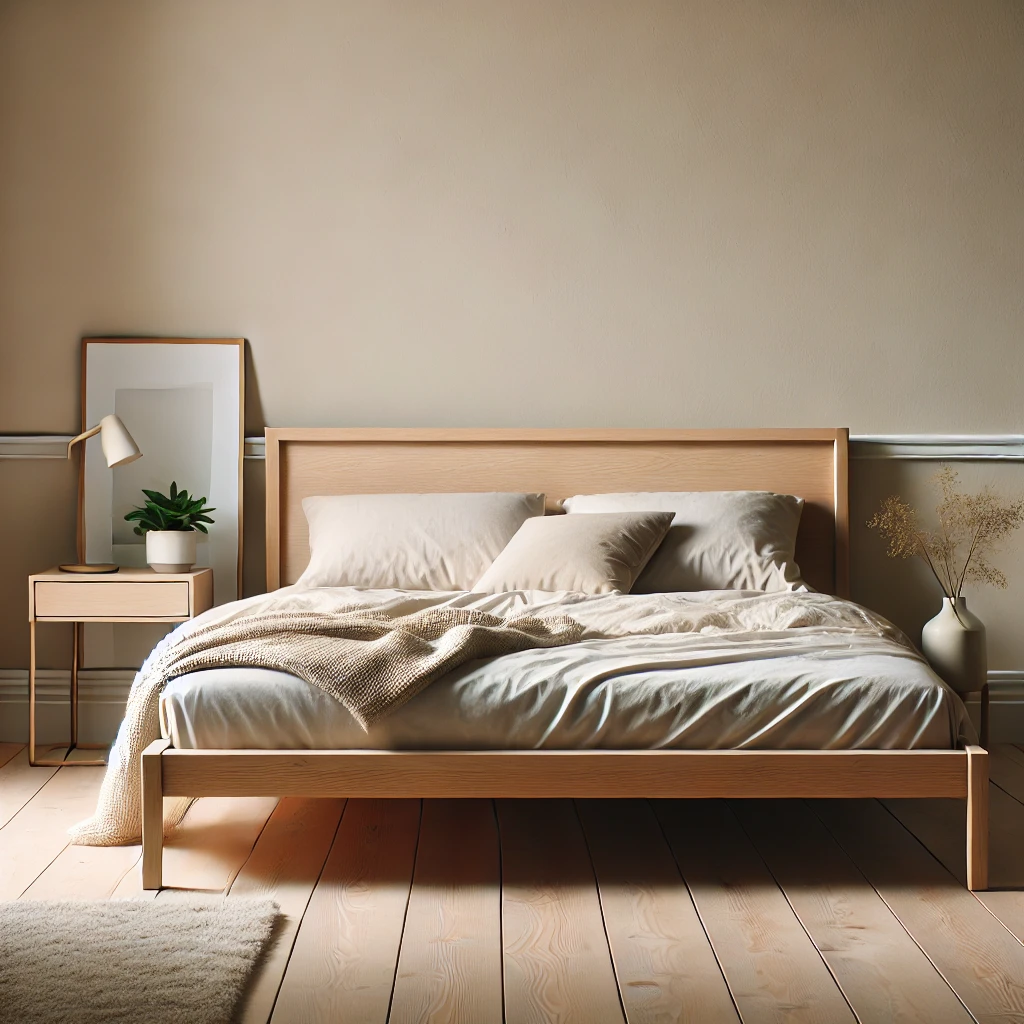
"Simple minimalist bed frame as an alternative to luxury bed frames cons like bulk and noise."

Luxury Bed Frames Pros and Cons Explained

Luxury bed frames look elegant, but they can hide practical drawbacks—weight, noise, maintenance, and cost—that affect comfort, budget, and everyday living.

Key Takeaways

  • Luxury bed frames are heavy and hard to move.
  • They may squeak, consume space, and demand extra care.
  • High price doesn’t always equal better sleep quality.
  • Match the frame to your lifestyle, space, and maintenance needs.

Why Talk About Luxury Bed Frames Cons?

Your bed frame should make life easier, not harder. While luxury frames shine in design, they can become a burden if they creak, dominate a small room, or require specialty cleaning. Understanding the cons helps you shop smarter and avoid costly regrets. For a balanced approach, explore the best bed frame options that blend style and practicality.

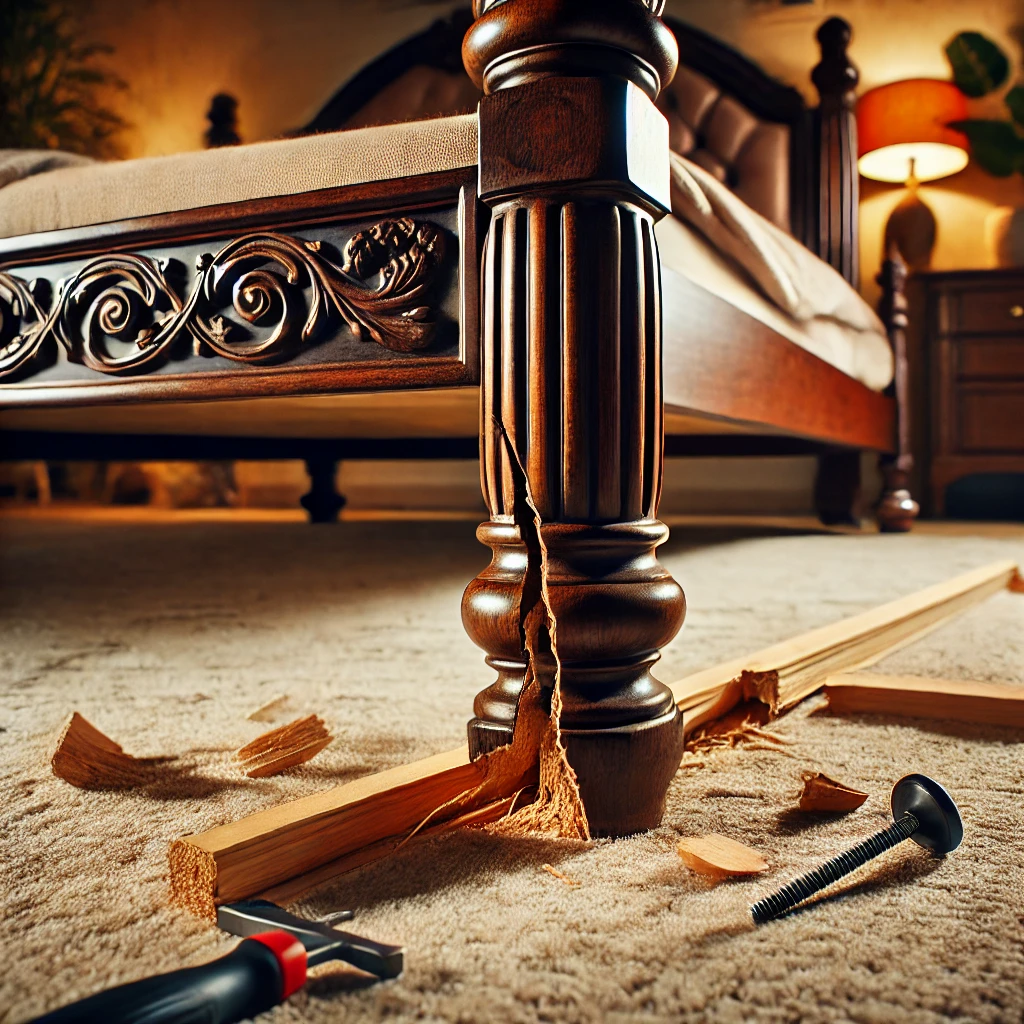
Luxury bed frames cons include hidden downsides like weight, noise, and maintenance

Luxury bed frames can anchor a room—but they often bring challenges you might not expect.

The Biggest Luxury Bed Frames Cons (That Few People Mention)

1. They’re Heavy—Really Heavy

Solid wood or metal frames look impressive but are often extremely heavy. Rearranging, cleaning under them, or moving homes can be exhausting. If you like to refresh your layout, lighter frames save time and energy. See our list of space-saving bed frame solutions for easier mobility.

2. They Can Be Squeaky or Creaky

High-end doesn’t always mean quiet. Even luxury bed frames can develop squeaks as joints loosen. Tightening bolts or adding lubrication helps, but it’s ongoing maintenance. The National Sleep Foundation notes that frame construction and hardware quality play a key role in nighttime noise.

Other Hidden Issues With Fancy Frames

3. Some Styles Eat Up Space

Oversized headboards, canopies, or ornate legs can overwhelm smaller rooms and steal storage. Minimalist or platform designs often keep tight spaces open. For flow and balance, see our guide to Feng Shui bedroom layouts.

4. Hard to Match or Replace Parts

Luxury frames often use custom hardware or rare finishes. Replacing slats, brackets, or fabric panels can be frustrating and pricey. Upholstered styles in velvet or suede may also require special cleaning. For delicate fabrics, review Architectural Digest’s velvet cleaning guide.

Maintaining luxury bed frames can be difficult due to delicate fabrics and unique parts

High-maintenance materials look premium but can add ongoing care and cost.

The Price Factor

Luxury often means a premium price, but cost doesn’t guarantee comfort. If you move frequently, live with kids or pets, or want low-maintenance furniture, a simpler design may fit better. For safer materials, check certifications such as CertiPUR-US or GREENGUARD, and compare durability details before you splurge.

Luxury bed frames carry a high price but don’t always guarantee better comfort or durability

High cost doesn’t always equal high value—make sure the frame fits your routine and space.

Luxury vs Budget Bed Frames: A Quick Comparison

  • Price
    • Luxury bed frames: Higher upfront cost, often $1,000–$5,000+.
    • Budget bed frames: Typically $100–$800 and easier to replace.
  • Weight
    • Luxury bed frames: Very heavy; difficult to move or rearrange.
    • Budget bed frames: Lighter and more mobile.
  • Maintenance
    • Luxury bed frames: May need specialty cleaning and periodic hardware checks.
    • Budget bed frames: Lower-maintenance with simpler repairs.
  • Durability
    • Luxury bed frames: Built to last when maintained well.
    • Budget bed frames: Can last years but may wear faster.
  • Style
    • Luxury bed frames: Statement-making designs and premium finishes.
    • Budget bed frames: Simple, functional, often minimalist.
  • Sleep Quality
    • Luxury bed frames: The frame adds little; comfort depends on mattress and habits.
    • Budget bed frames: Same—focus on mattress and sleep hygiene.

Pro Tips for Choosing the Right Bed Frame

  • Think long-term: If you’ll stay put, a luxury frame can pay off in durability and design.
  • Prioritize mobility: If you move often or love rearranging, a lighter option saves time and effort.
  • Invest in sleep, not just looks: A supportive mattress and good habits matter more than ornate frames.

This quick comparison shows that luxury bed frames excel in aesthetics and longevity, while budget choices win on flexibility, price, and ease of care.

Myth: Expensive Means Better Sleep

It’s a common misconception. Sleep quality depends more on your mattress, bedroom environment, and routines than the frame itself. For add-ons that actually help, explore our picks for mattress accessories. For science-backed guidance on healthy sleep, see the CDC Sleep resources.

The Cozy Takeaway

Luxury bed frames are stunning but can bring hidden challenges. Before you buy, consider space, mobility, noise sensitivity, and upkeep. The best frame supports your life—not just your style. For more cozy ideas, visit Cozy Bed Quarters.

FAQ

Are luxury bed frames worth the price?

They can be if you value design and long-term durability. Budget frames, however, are often more practical if you move frequently or prefer flexibility. Sleep quality won’t change much between luxury and budget—your mattress matters most.

Do luxury bed frames improve sleep?

No. Your mattress, sleep hygiene, and environment influence sleep far more than the frame.

What should I consider before buying a luxury bed frame?

Think about bedroom size, ease of moving, ongoing maintenance, and whether the frame fits your lifestyle and budget. If practicality leads, a simpler frame may be the better choice.

Related reading from Cozy Bed Quarters

Other reading we found popular


Velvet vs Upholstered Bed Frames: Which One Suits Your Style?

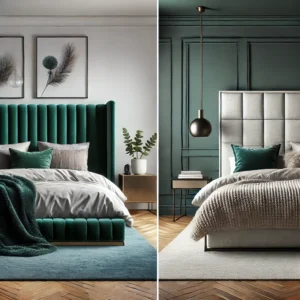
Velvet vs Upholstered Bed Frames comparison with jewel-toned and neutral styles

Velvet vs Upholstered Bed Frames Compared

Velvet vs upholstered bed frames is a choice between plush drama and easygoing versatility. This quick guide gives you the answer first: pick velvet for statement-making softness and depth; pick other upholstery (linen, polyester, faux leather) for low-maintenance, flexible styling. For broader comparisons, check our Velvet Bed Frame Buyer’s Guide.

Key Takeaways

  • Texture: Velvet feels plush and luxe; other upholstery leans airy, casual, or sleek.
  • Care: Velvet shows lint and handprints; microfiber and performance weaves are easier to maintain.
  • Style: Velvet suits boutique or glam spaces; linen and polyester fit minimalist, Scandi, or cottage looks.
  • Budget: Velvet often costs more, though value options exist; polyester and faux-linen maximize style per dollar.
  • Decision shortcut: If you want standout elegance, choose velvet; for flexibility, choose other upholstery—this sums up velvet vs upholstered bed frames.

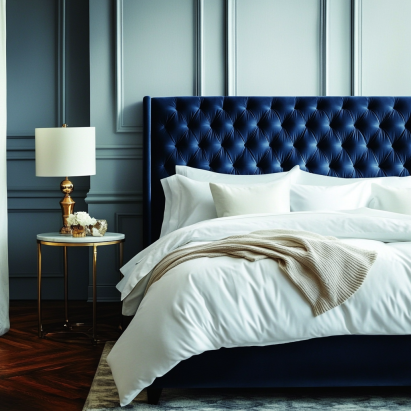
Velvet bed frame with tufted headboard and navy blue upholstery

What’s the Real Difference?

Summary: Velvet is one upholstery option with a short dense pile that creates depth and sheen. “Upholstered” here means any non-velvet fabric—linen, microfiber, polyester blends, or faux leather—each with unique strengths.

Mini-scenario: You want a standout headboard that looks rich in evening light: velvet’s pile catches and reflects light beautifully. Prefer a clean, matte surface? A linen-look polyester blend stays crisp and understated.

Deep-dive reads: compare design directions in our guides to velvet bed frame buying and the durability of upholstered frames.

At-a-Glance Comparison (Your Cheat Sheet)

Summary: Use this checklist to match your lifestyle:

  • Look & feel: Velvet = plush, dramatic; Other upholstery = breezy, casual, or streamlined.
  • Care: Velvet needs gentle brushing and lint rolling; performance polyester/microfiber spot-cleans easily.
  • Pets & kids: Velvet shows paw prints; tight-weave polyester often resists stains and snagging better.
  • Budget: Velvet trends pricier; non-velvet upholstery offers many budget-friendly choices.
  • Longevity: Both last with care; choose quality frames and slats for support (see our platform bed benefits).

Texture & Touch: The Sensory Factor

Summary: Velvet’s pile feels indulgent and cozy, while linen-look and microfiber fabrics offer a smoother or airier hand.

Mini-scenario: If you’re a tactile person who reads in bed, velvet makes leaning into the headboard feel like a treat. If you run warm, a linen-look weave can feel fresher and pair well with breathable sheets. Explore materials in our sustainability overview of organic cotton, bamboo, and recycled fibers.

Style & Personality: Matching Your Vibe

Summary: Velvet shines in boutique-hotel, art-deco, or moody color schemes; other upholstery plays nicely with minimalist, coastal, rustic, or Scandi decor.

Mini-scenario: Go emerald or navy velvet with brass lamps for instant drama. Or pick a light gray linen-look frame to blend with oak nightstands and airy white bedding. Want a curated list? See our roundups of top velvet bed frames.

Durability & Maintenance: Real-Life Use

Summary: Velvet needs gentle, regular care; microfiber and performance polyester usually clean up faster.

Care notes: Vacuum with a soft brush, lift the pile with a velvet brush, and blot spills—don’t rub. For broader bedroom cleanliness tips that support sleep quality, review the National Sleep Foundation’s guidance on bedroom environment. For material vetting, scan common bedding and foam certifications.

Small Rooms & Color Choices

Summary: Velvet can anchor a compact room with one statement piece; light non-velvet fabrics make small spaces feel open.

Mini-scenario: In a studio, a slim, tufted velvet headboard adds personality without extra decor. If your room is tiny and sunlit, a cream faux-linen frame helps the bed visually recede. Pair with light bedding and consider the support of a platform base to keep the profile clean.

Budget & Value: Where to Spend

Summary: Velvet often costs more due to fabric and construction; non-velvet upholstery maximizes value and durability for everyday households.

Mini-scenario: On a budget? Choose a tufted polyester headboard with crisp tailoring; invest saved dollars in breathable sheets or a mattress topper (ideas in our best mattress accessories guide).

Velvet vs upholstered bed frames styled with gold accents

Common Myth: “Velvet Is Too Fancy for Real Life”

Summary: Velvet can be casual and cozy—choose a simple silhouette, muted color, and performance upholstery for everyday comfort.

Mini-scenario: If you love movie nights with the dog, pick a tight-pile performance velvet and keep a lint brush in the nightstand. Prefer zero-fuss? A microfiber frame with removable cushion panels keeps cleanup simple.

Modern bedrooms showing velvet and non-velvet upholstered bed frames side by side

Which Should You Choose?

Summary: Pick the frame that matches your lifestyle first, then layer color and texture. If you want a bold focal point and love tactile depth, go velvet. If you want versatility, easy care, and budget stretch, choose a non-velvet upholstered frame. That’s the heart of velvet vs upholstered bed frames.

Still exploring? Compare specific picks in our Velvet Bed Frame Buyer’s Guide and see everyday performance tips in Upholstered Frame Durability & Aesthetics.

FAQ

Are velvet bed frames hard to clean?

Not if you stay consistent. Vacuum with a soft brush weekly, blot spills immediately, and lift the pile gently with a velvet brush.

Which upholstery is best for allergies?

Tight-weave microfiber or faux leather typically traps less dust than pile fabrics. Keep bedding clean to reduce allergens overall.

Do upholstered beds need a box spring?

Many frames include slats; check the product specs. A supportive platform base can eliminate the need for a box spring.

Can velvet work in minimalist decor?

Yes—choose a slim headboard and muted tones (mushroom, slate, moss) to keep lines quiet and clean.

Is velvet more expensive than other upholstery?

Often, yes. But prices vary widely, and performance velvets can offer solid value when balanced against longevity.

Conclusion

The bottom line on velvet vs upholstered bed frames: velvet delivers indulgent texture and a bold focal point, while other upholstery wins for flexibility and fuss-free care. Choose based on lifestyle and cleaning tolerance first, then color and silhouette. For more comfort-forward ideas, explore Cozy Bed Quarters.

Related reading from Cozy Bed Quarters

Other reading we found popular


Modern Velvet Upholstered Beds: Styles, Care & Buying Tips

Modern Velvet Upholstered Beds for Stylish Homes - bedroom

Modern Velvet Upholstered Beds: The Short Answer

A modern velvet upholstered bed is a wood or metal bed frame wrapped in a short, dense pile fabric, usually polyester or a polyester blend, with a padded headboard that doubles as a backrest. Choose one for the soft texture, light-catching colour and comfort it adds to a bedroom; skip it if your room gets hours of direct sun or you want a frame you can wipe down in seconds. The two things that decide whether you love it in five years are the frame underneath (solid, kiln-dried hardwood or reinforced metal rather than thin particleboard) and the density of the velvet pile.

Modern velvet upholstered beds in a contemporary bedroom with soft lighting and a cozy design.

What Velvet Actually Is

Velvet is not a fibre — it is a construction. Britannica describes velvet as a fabric with a short, dense pile made in the pile weave from silk, cotton or synthetic fibres. That pile is why velvet behaves the way it does: it catches light differently depending on the angle you view it from, so a single colour can read light in one spot and deep in another. It is also why velvet shows brush marks and finger tracks, and why the pile can flatten in high-contact areas such as the centre of a headboard.

Most bed frames sold today use polyester velvet rather than cotton or silk. Polyester pile is more abrasion-resistant, holds colour well and tolerates water-based spot cleaning better than rayon or viscose velvet, which can water-spot. If a listing says “performance velvet,” that usually refers to a polyester pile with a stain-resistant finish — a useful signal, but not a regulated term, so read the fabric content and cleaning code rather than the marketing name.

Why People Choose a Velvet Bed

  • Comfort where you use it. A padded headboard is more forgiving to lean against — and to knock into — than wood or metal, which matters if you read or watch TV in bed.
  • Visual warmth. Pile absorbs and reflects light unevenly, which makes a velvet headboard read as a soft focal point rather than a flat panel.
  • Colour depth. Dyed pile gives richer, more saturated colour than most flat woven upholstery, which is why jewel tones look convincing in velvet and muddy in cheap flat fabric.
  • Quiet frame. Upholstered side rails and slat systems tend to squeak less than bolted metal frames, though this depends far more on assembly quality than on fabric.

If you are still weighing velvet against plain upholstery, our comparison of velvet vs upholstered bed frames lays out the trade-offs side by side.

The Main Velvet Bed Styles

Platform

Low, streamlined and slat-supported, so no box spring is needed. Platform frames are the easiest velvet style to live with in a small or low-ceilinged room, and they suit minimalist and Scandinavian rooms. See our overview of platform bed benefits if you are new to the format.

Wingback

The headboard wraps forward at the sides, creating an enclosed, hotel-suite feel and useful back support for reading. Wingbacks eat visual space and often add several inches of width, so measure carefully in rooms under about 11 by 11 feet.

Tufted and channel

Button (diamond) tufting adds depth and traditional character; channel stitching runs in straight vertical or horizontal lines for a cleaner, more contemporary look. Channel designs are easier to vacuum — buttoned tufts collect dust in the dimples.

Canopy and four-poster

Upholstered posts plus velvet give the most dramatic result, best in tall rooms where the frame does not crowd the ceiling. Our guide to upholstered canopy beds covers the practical side of living with one.

Storage

Side drawers or a gas-lift base turn the bed’s footprint into usable storage — the single most useful feature in a small bedroom. Check drawer clearance against your walls and rug before buying; more options are in our roundup of storage beds.

Sleigh, curved and scalloped

Curved silhouettes soften a room and photograph well, but they are harder to push flush against a wall and often cost more because of the shaped frame underneath.

emerald green velvet bed frame ideas, guide to velvet bed frames

Choosing a Colour

  • Emerald and forest green: works with brass, walnut and warm whites.
  • Navy and deep blue: the most forgiving dark tone; hides marks better than black or grey.
  • Charcoal and slate: a neutral with weight, easy to restyle season to season.
  • Blush and dusty rose: soft and light-reflective, but shows pile marks most clearly.
  • Cream, sand and taupe: calm and roomy-looking; hardest to keep clean with pets.

Two practical notes. First, velvet’s pile means the colour you see in a product photo may not match what you see at home under warm bulbs — order a swatch if the retailer offers one. Second, dark velvet does not automatically shrink a room; because pile reflects light unevenly, a deep colour reads as depth rather than a flat block. That is a design observation, not a measured effect.

Matching the bed to the room

  • Small bedrooms: platform or storage frames, lighter tones, low headboards.
  • Medium bedrooms: tufted or channel headboards in a saturated colour.
  • Large bedrooms: wingback, canopy or tall-headboard designs that can hold the wall.

Modern velvet upholstered bed with a tufted headboard for comfort and stylish design.

What to Check Before You Buy

Feature What to look for
Frame material Kiln-dried hardwood or reinforced steel; treat all-particleboard construction as short-term
Fabric content Stated fibre (polyester, poly blend, cotton, viscose) — not just the word “velvet”
Cleaning code W or W/S means water-based cleaners are acceptable; S means solvent only; X means vacuum only
Stitching and seams Straight, tight seams, reinforced corners, no loose threads or puckering around tufts
Support system Closely spaced slats plus centre legs on queen and king sizes; check the mattress warranty’s slat-spacing requirement
Assembly and shipping Upholstered headboards are bulky; confirm carton dimensions fit your stairwell and doorways
Warranty Read what the fabric warranty excludes — pile crushing and fading are commonly excluded

On price: velvet beds span a very wide range, and published figures move constantly with sales and sizes, so we are not going to quote tiers we cannot verify. What reliably drives cost is the frame material, the density and fibre of the pile, whether the headboard is foam-padded over a solid panel, and whether slats and centre supports are included. Compare those specs rather than the sticker. If you are torn between materials entirely, our breakdown of wood vs metal vs upholstered frames is a useful next step.

Labels and certifications worth knowing

On sustainability claims, be sceptical of vague wording. Life-cycle comparisons generally credit mechanically recycled polyester with a lower greenhouse-gas footprint than virgin polyester, but the size of that gap varies a lot between studies and system boundaries, so treat “eco velvet” as a prompt to ask what the fibre actually is.
Modern velvet upholstered beds with hidden storage drawers for functional bedroom organization.

How to Care for a Velvet Bed Frame

Velvet is not fragile, but it is fussier than flat fabric because dirt and crushing both show up in the pile. A short routine prevents almost every problem.

  1. Vacuum weekly with a soft upholstery attachment, working in the direction of the pile. Do the headboard dimples and the rail tops where dust settles.
  2. Brush the nap monthly with a soft garment or upholstery brush to lift flattened areas and even out shading.
  3. Blot spills immediately — press with a dry white cloth, never rub. Rubbing pushes liquid into the backing and permanently distorts the pile.
  4. Spot clean to the code. On W or W/S fabrics, use a barely damp cloth with a drop of mild soap, then dry the area quickly. On S-coded fabric, use an upholstery solvent only. Test any product on a hidden section first.
  5. Keep it out of direct sun. The Canadian Conservation Institute notes that light fades textile colours and weakens fibres, and the damage is cumulative. Sheer or light-filtering curtains are the simplest fix.
  6. Steam gently, from a distance. A handheld steamer held a few inches away relaxes crushed pile; do not press the plate into the fabric.
  7. Avoid harsh cleaners. Solvent-heavy or high-alkaline products can strip finishes and stiffen the pile.
  8. Call a professional for set-in stains or an all-over refresh, and tell them the cleaning code.

Pets and kids are workable with polyester velvet: fur lifts off with a rubber brush or lint roller, and a tight, dense pile sheds crumbs better than a loose one. Claws are the real risk — a loose loop or snagged pile cannot be brushed out.

Velvet Compared With Other Upholstery Fabrics

Fabric Feel and look Everyday practicality
Velvet Plush pile, deep colour, light-catching Shows pile marks and dust; vacuum and blot, no rubbing
Linen Casual, matte, airy Breathable but creases and marks easily
Cotton weave Soft, flat, understated Easy to clean; colours look flatter than velvet
Microfibre / faux suede Smooth, matte, budget-friendly Very forgiving; less visual depth
Leather / faux leather Sleek and firm Wipes clean but scratches and can feel cool in winter

Styling a Velvet Bed

  • Contrast the texture. Velvet reads best next to matte surfaces — linen bedding, a wool throw, rattan or raw-wood nightstands.
  • Pick one metal. Brass and warm gold flatter green, rust and blush; matte black and chrome suit charcoal and navy.
  • Light it deliberately. Because pile reacts to light angle, wall sconces or a dimmable lamp either side of the headboard do more for a velvet bed than a single ceiling fixture. Our bedroom mirror and lighting ideas cover the placement basics.
  • Keep the rest quiet. One statement texture per room is enough; too many shiny surfaces compete with the velvet’s sheen.
  • Repeat the fabric once, lightly. A velvet cushion or bench ties the scheme together — the same logic behind pairing it with a velvet sofa elsewhere in the home.

Common mistakes

  1. Oversizing. A tall wingback in a small room swallows the floor plan; scale the headboard height to the ceiling.
  2. Buying on photos alone. Pile depth and colour rarely translate accurately on screen.
  3. Parking it in a sunbeam. The fastest way to end up with a two-tone headboard.
  4. Ignoring the cleaning code. Water on an S-coded velvet can leave permanent rings.
  5. Skipping the centre support. Missing centre legs on a queen or king can void a mattress warranty and sag the slats.
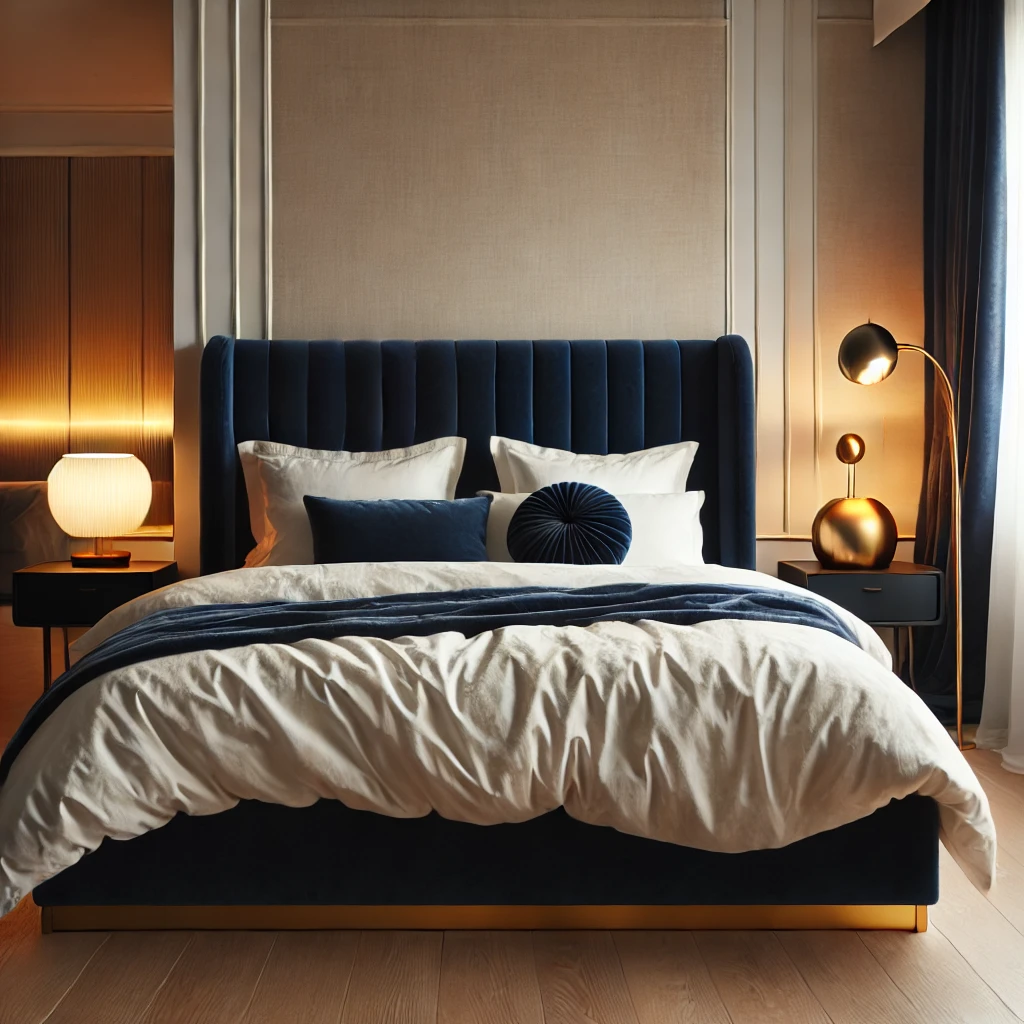
Cozy modern velvet upholstered bed styled with navy fabric, gold lamps, and white bedding.

FAQ

Are velvet beds hard to clean?

Not difficult, but specific. Weekly vacuuming, blotting rather than rubbing spills, and following the fabric’s cleaning code handle nearly everything. Deep stains usually need a professional upholstery cleaner.

Does velvet wear out quickly?

A dense polyester pile over a solid frame holds up well to normal bedroom use. The visible signs of age are usually crushed pile at contact points and sun fading, not fabric failure.

Will a velvet bed make a small room feel smaller?

The fabric itself does not; the silhouette does. A low platform or storage frame in a light tone keeps a small room open, while a deep-buttoned wingback will dominate it.

Can velvet work in a hot climate?

Yes — you only touch the frame, not sleep on it. Pair it with breathable cotton or linen bedding and the pile has no effect on how warm you sleep.

Is velvet a bad choice with pets?

It attracts fur, which lifts off easily with a rubber brush, but claws can snag the pile. A tightly woven performance velvet is the safer option.

Do velvet beds fit all mattress sizes?

They are made in standard sizes, but always check interior rail dimensions and slat spacing against your specific mattress, especially for thick hybrid or all-foam models.

Related Reading

Updated September 2026.