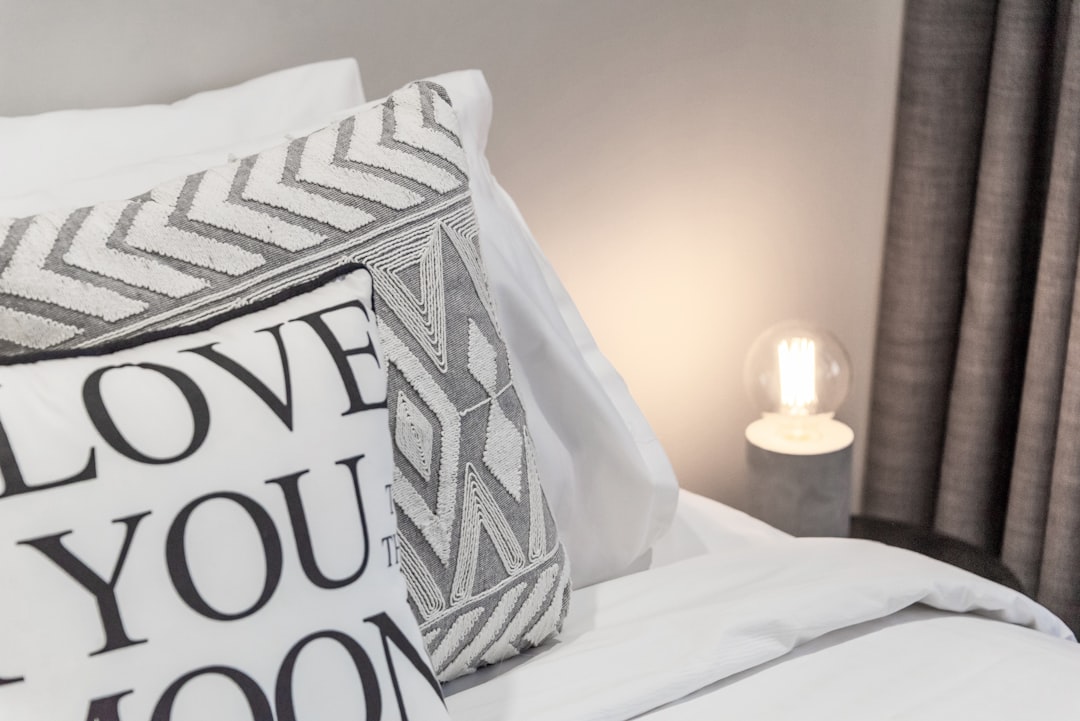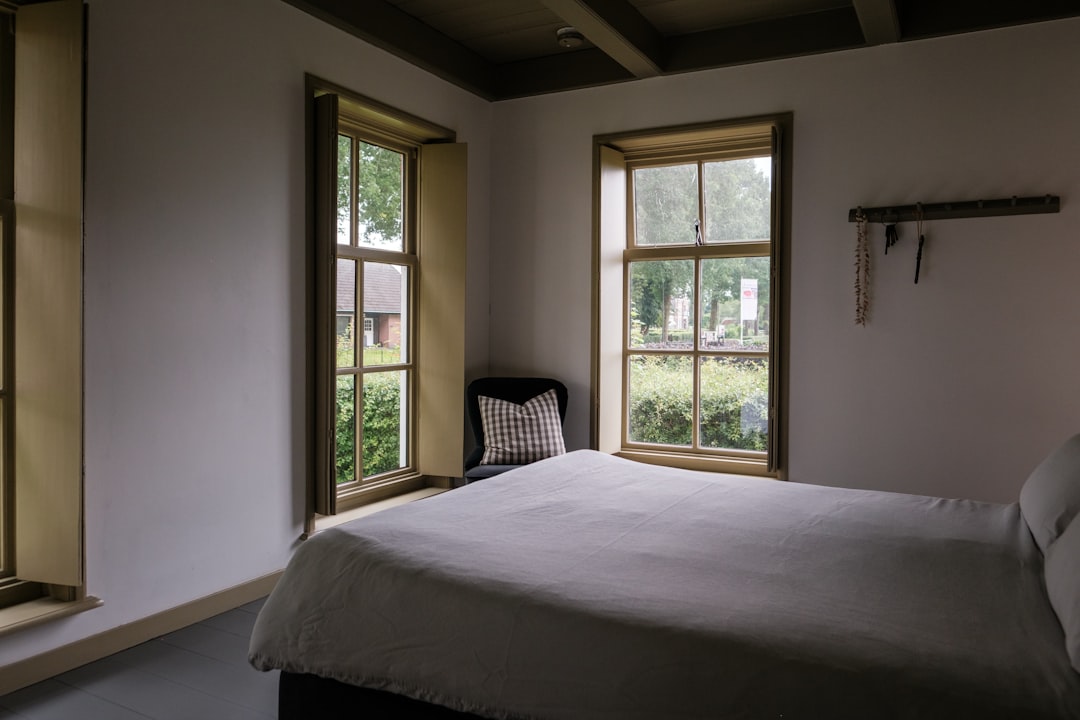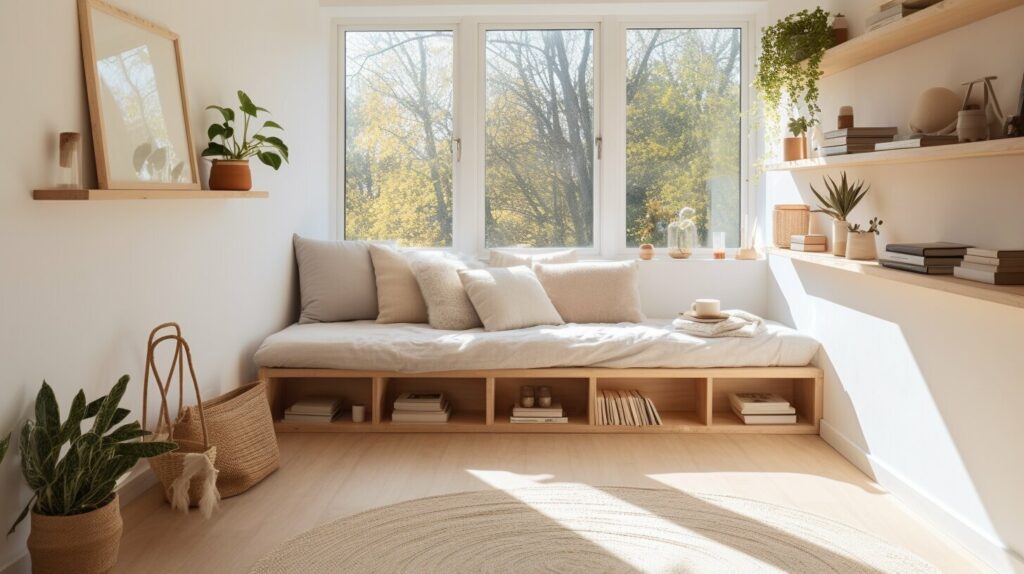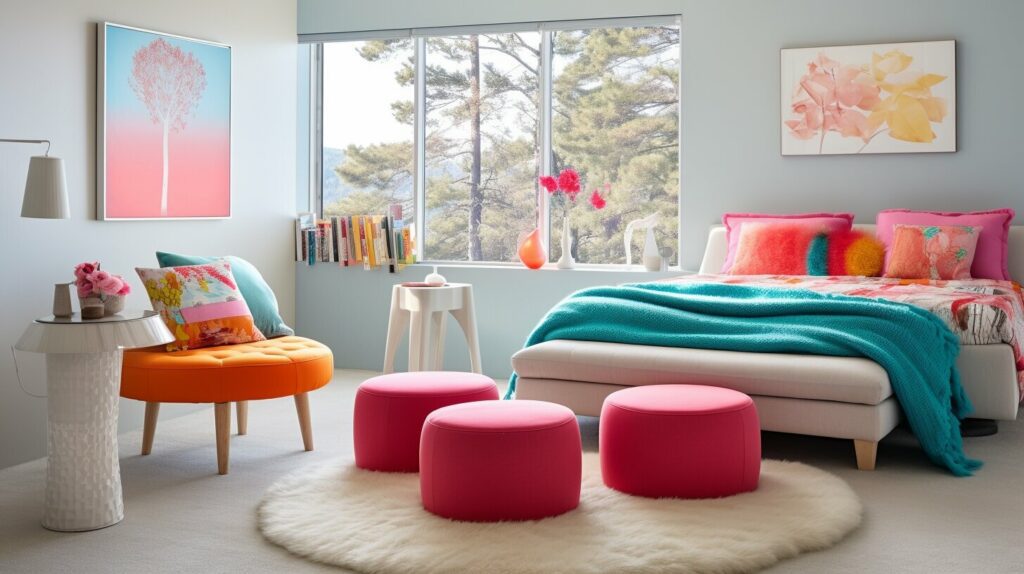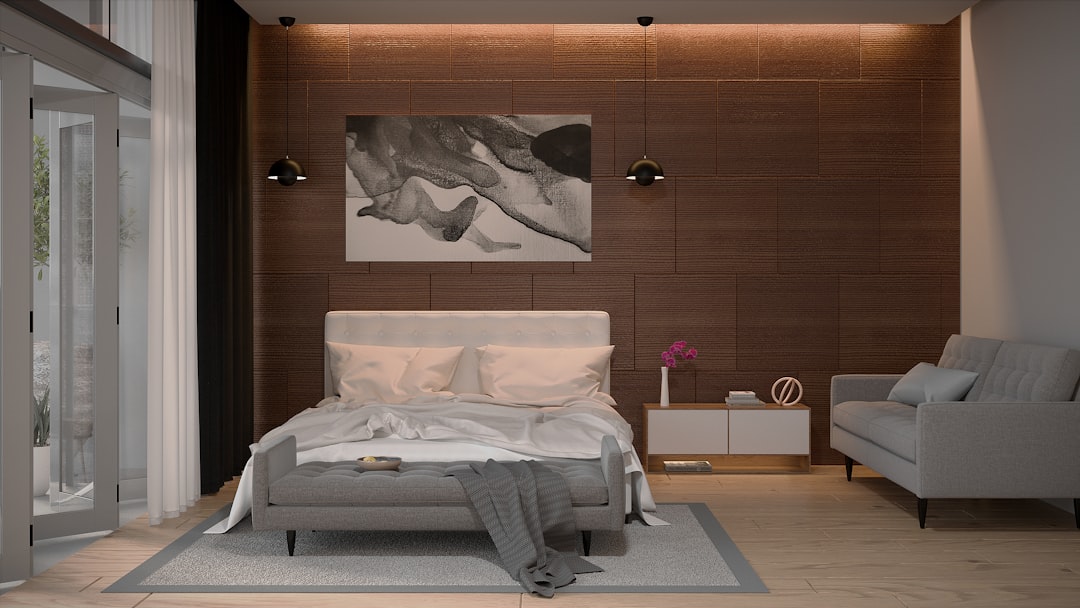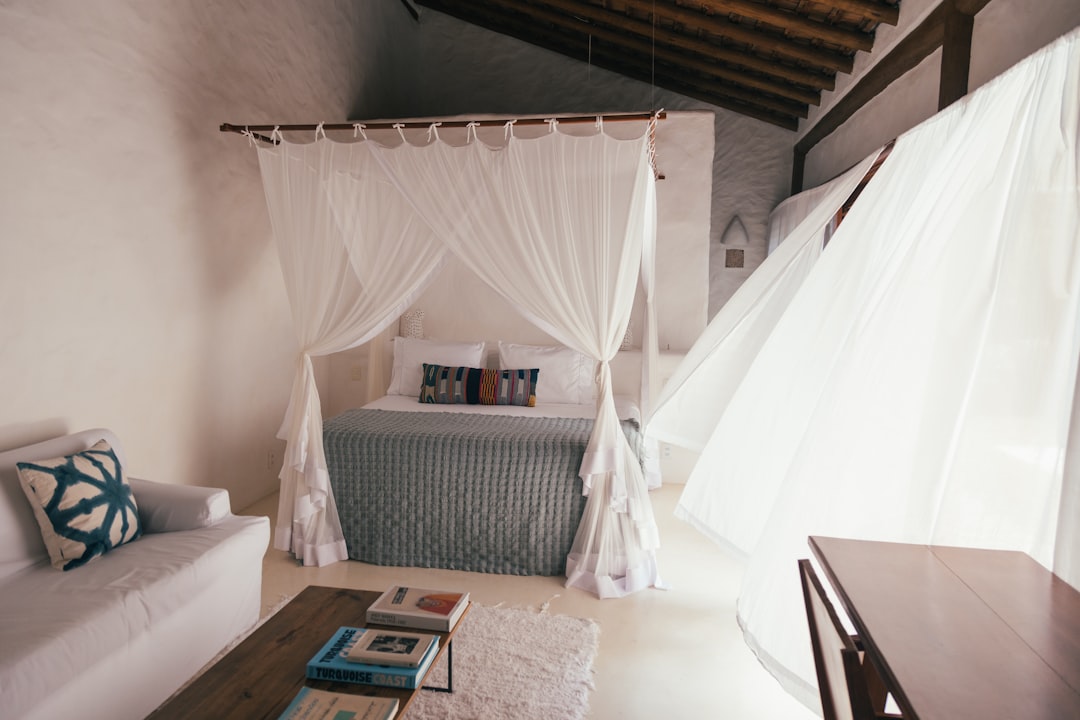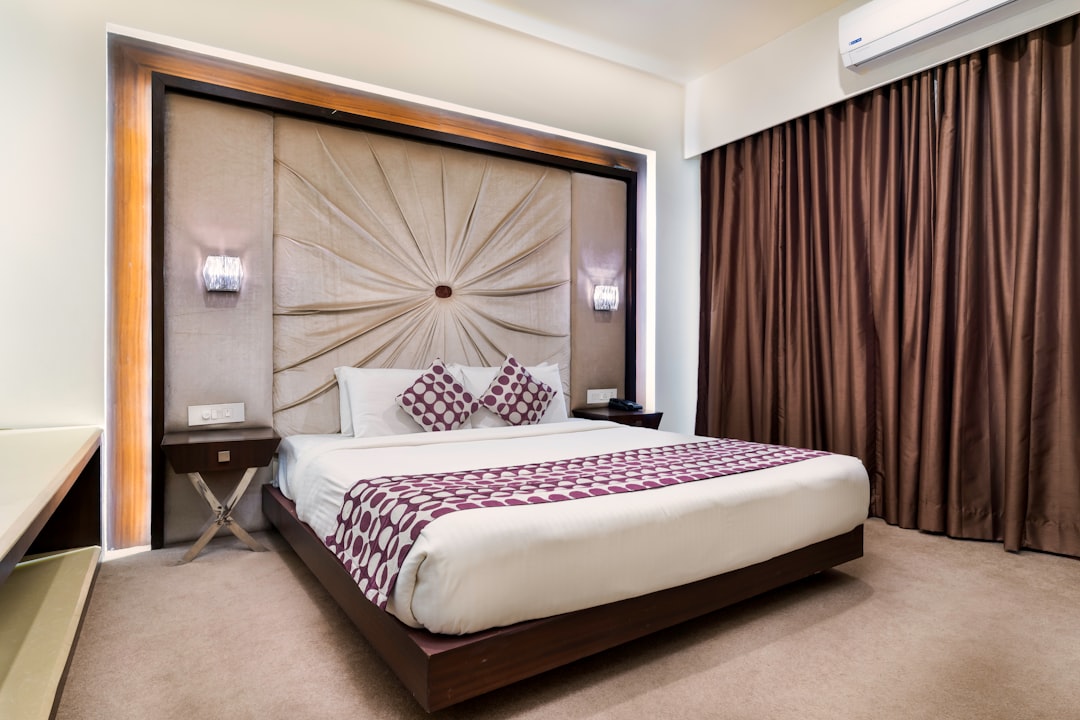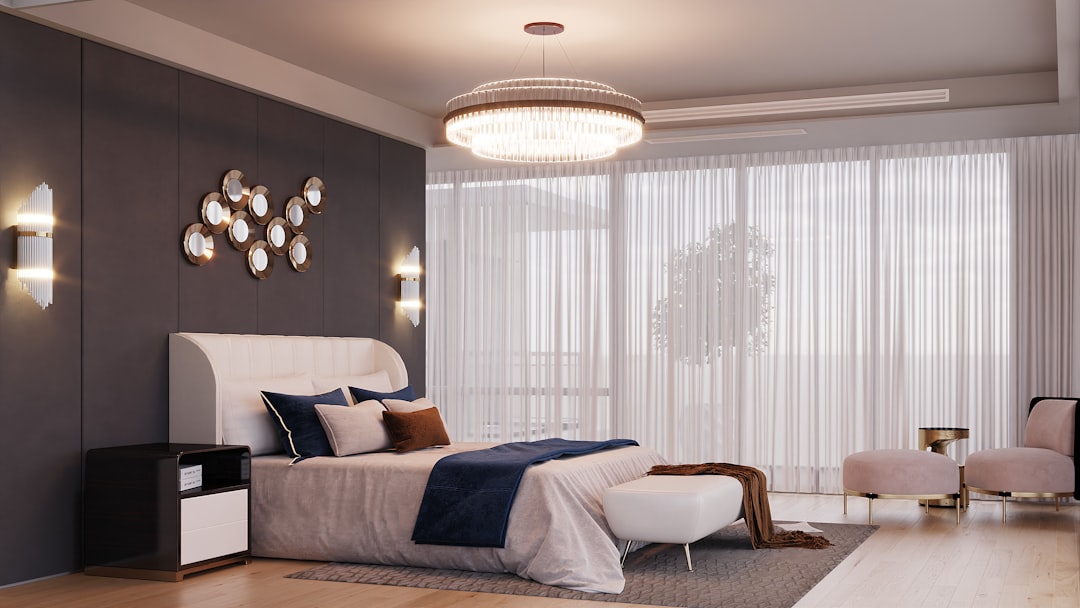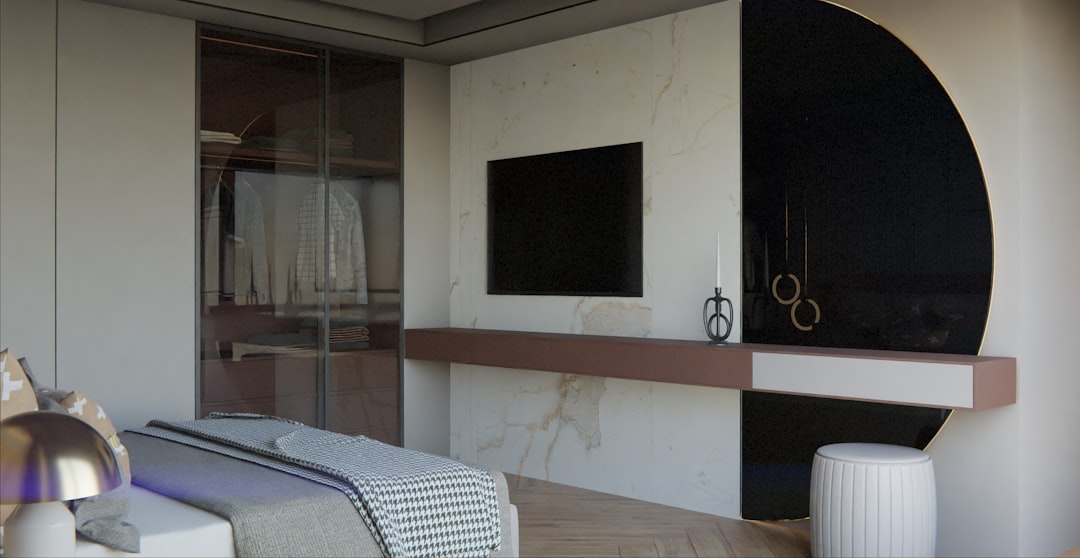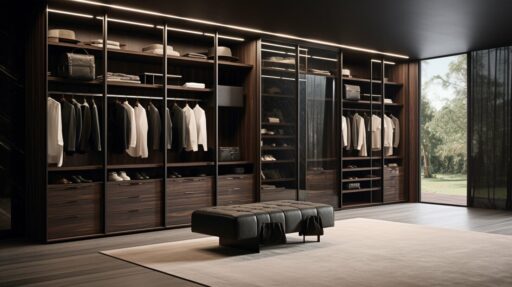
Modern Nightstands That Balance Style and Function

Purpose of Nightstands

Modern Nightstands That Balance Style and Function

Key Takeaways

  • Nightstands integrate bold aesthetics and practical features to enhance bedroom comfort and style.
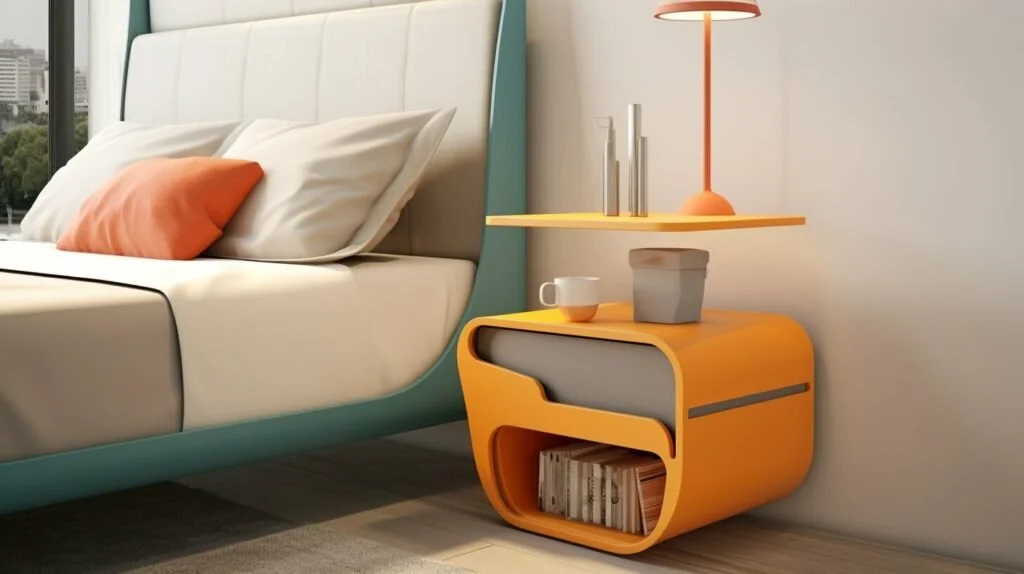
  • Modern designs include sculptural curves, tactile textures, and built-in USB ports to organize bedside essentials.
  • Nightstands are pivotal in reflecting personal style and contributing to a serene, cocooning sleep environment.
  • Current trends emphasize integrated tech and soft, enveloping silhouettes for emotional comfort.
  • Optimal choice involves considering height, size, and storage to ensure functionality and balance.

The Multi‑Functional Power of Nightstands

Nightstands are much more than platforms for alarm clocks—they serve as storage hubs, design accents, and tech stations all in one. Whether you stash your phone, nighttime book, glasses, or a small lamp on them, nightstands elevate daily routines and contribute to a calming sleep environment.

Storage & Organization

One of the key benefits of nightstands is their ability to organize bedside essentials. Models featuring drawers and shelves let you tuck away items like cables, remotes, journals, or reading glasses. Full-extension metal side drawer guides and felt- or cedar-lined drawers not only enhance the drawer lifespan but also protect delicate items—just like offerings from Liberty Furniture.
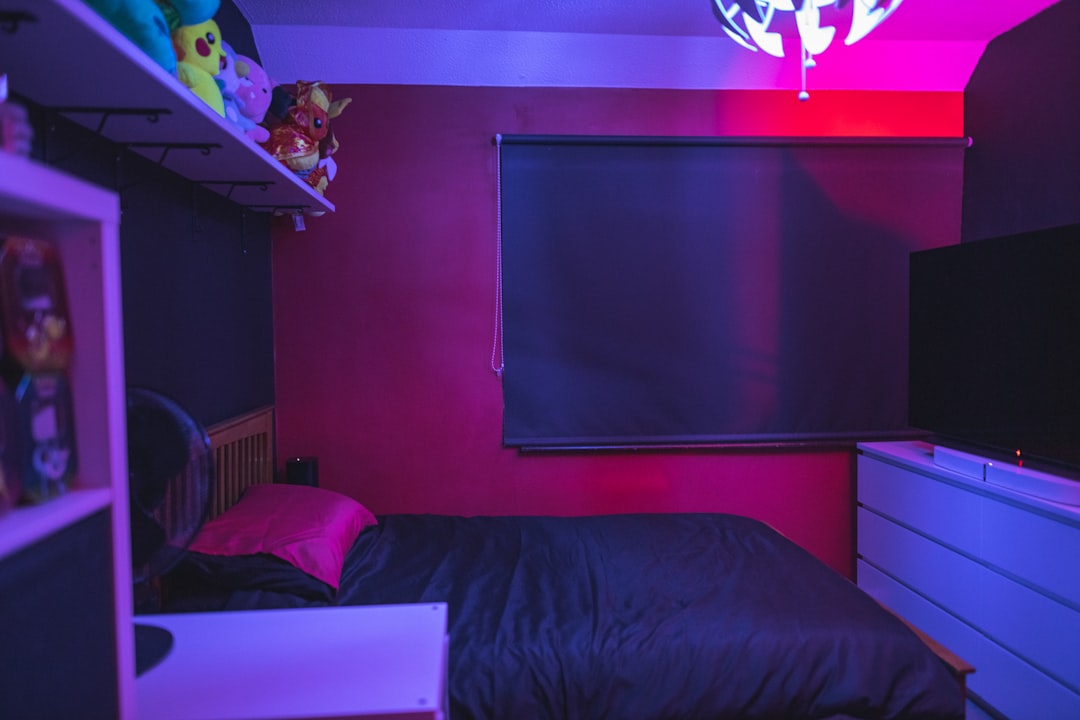
Purpose of Nightstands

Looking for clever storage ideas? See our guide on how to style and organize your bedside table.

Charging & Convenience

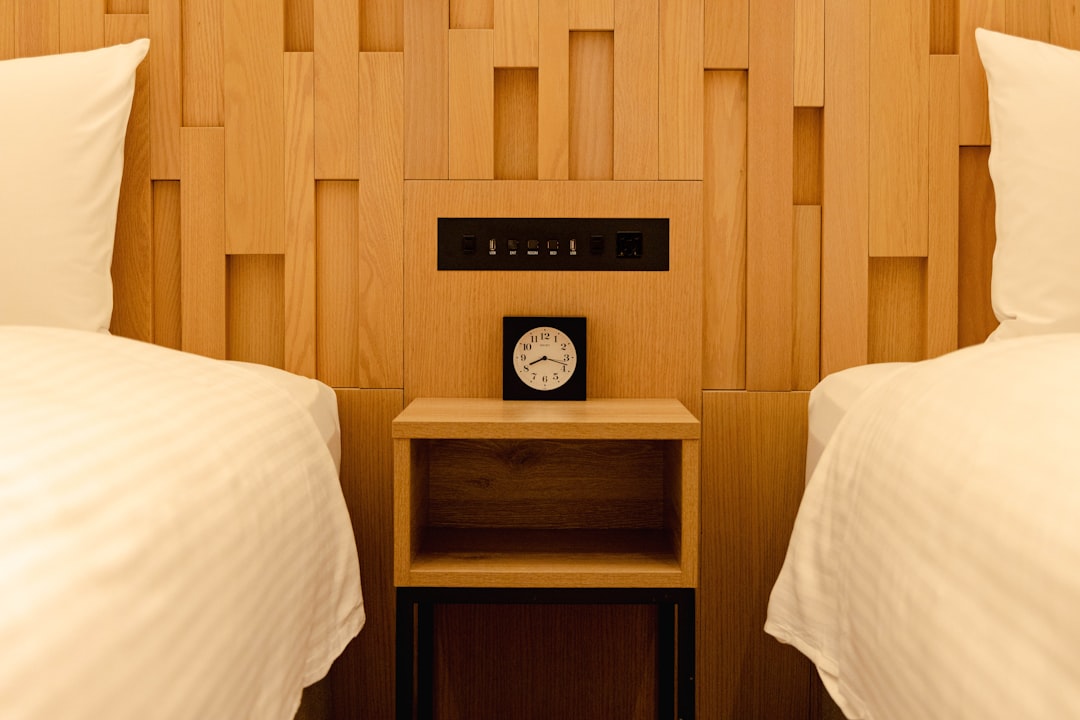
Tech-savvy nightstands now come equipped with built-in USB ports and LED under-lighting, eliminating cord clutter and ensuring your devices stay charged overnight. This innovation reflects modern living—no more hunting for outlets or extension cords.

organizing bedside essentials

Health experts at the Sleep Foundation warn against evening screen time, but with a nightstand charging station you can unplug your phone while keeping it within reach—supporting better sleep hygiene.

Decor & Aesthetic Appeal

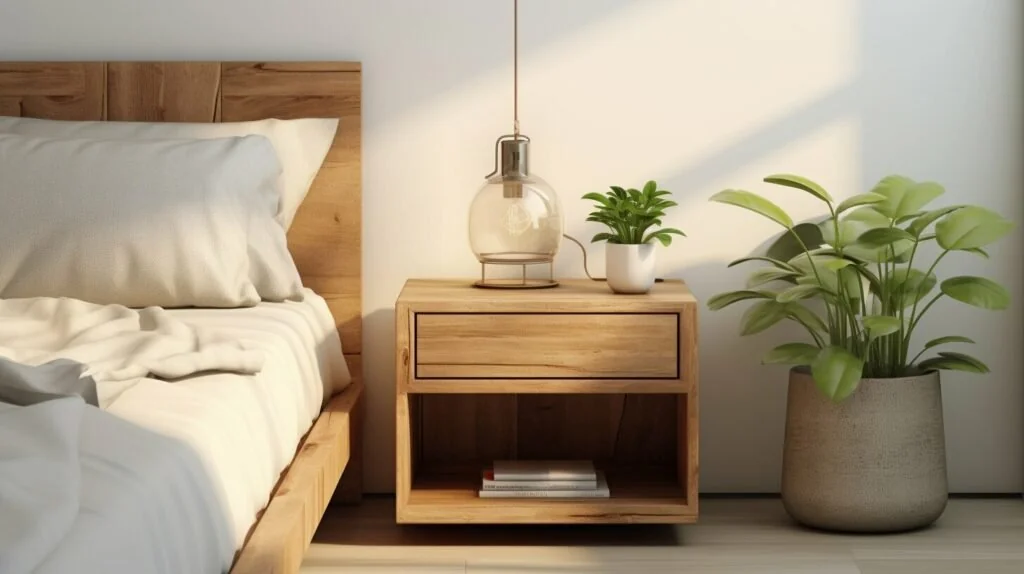
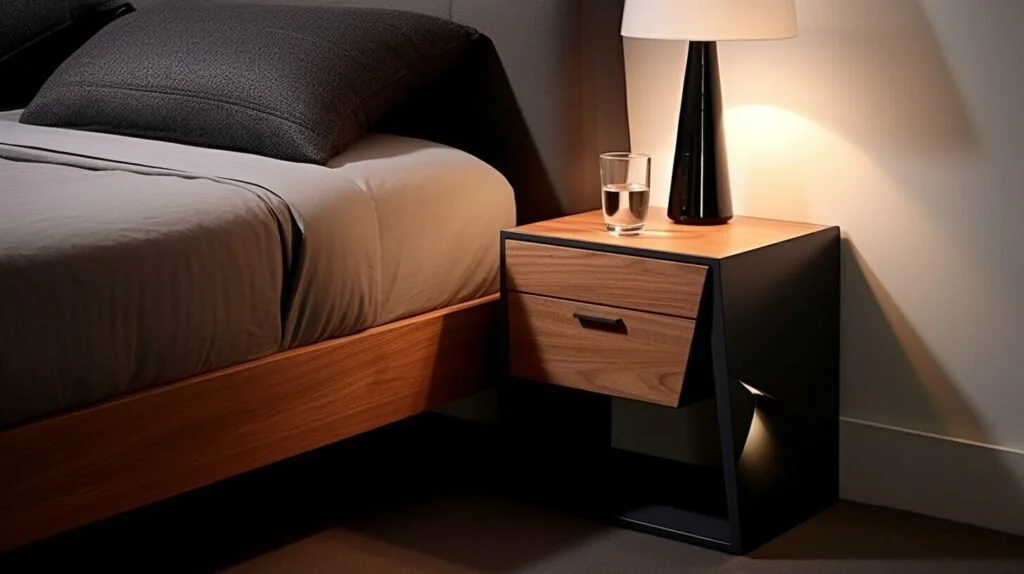
Nightstands play a pivotal role in bedroom aesthetics. They can echo your overall design theme—be it minimalist, mid-century modern, or farmhouse-chic. From sleek lacquer finishes to warm wood tones or metal frames, the styling potential is vast.
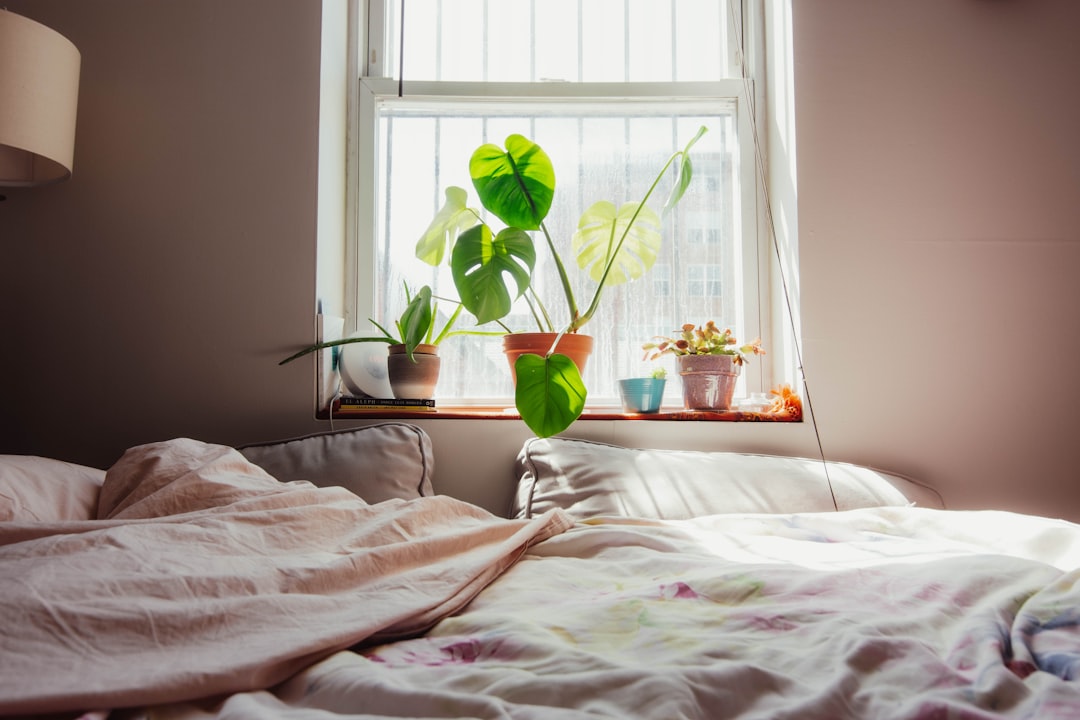
nightstand ideas

Add personality with decorative accessories: a vase, framed photo, or ambient lamp. These small touches can make a nightstand feel like a curated piece of art.

Styling Ideas

  • Minimalist look: Opt for a slim, handle-less nightstand with concealed drawers and a matte finish.
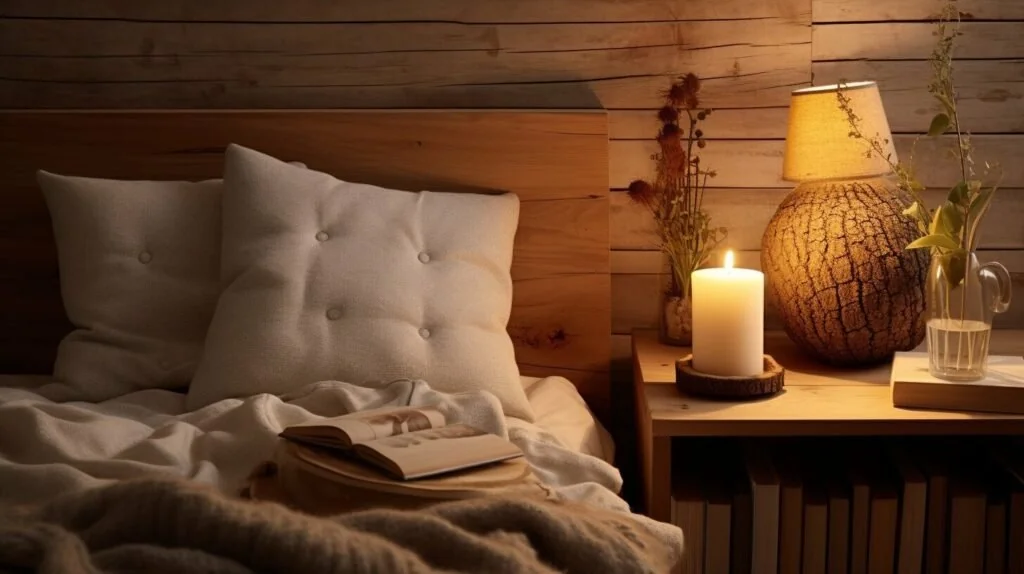
  • Rustic charm: Choose a reclaimed wood nightstand with raw edges and visible grain.
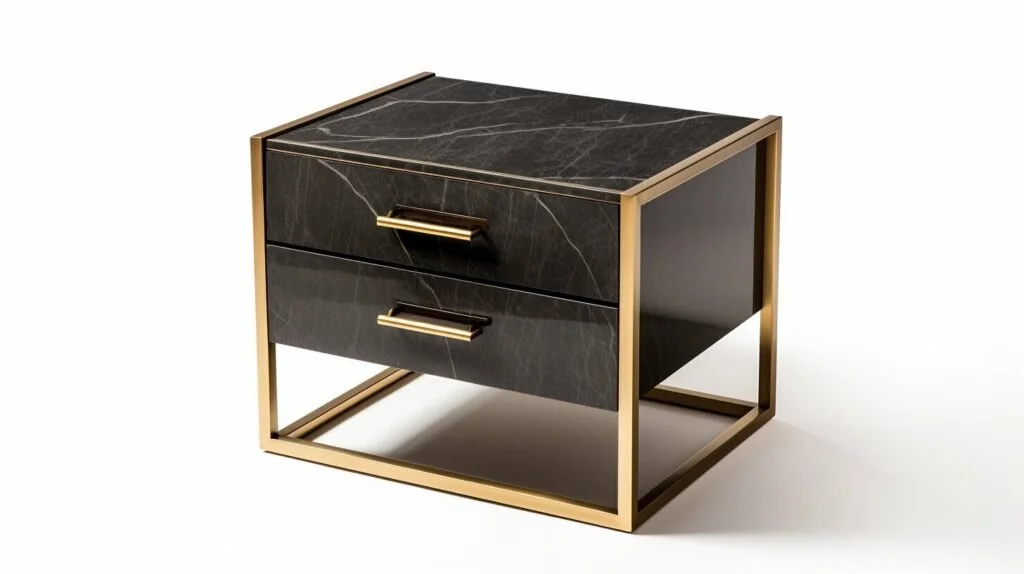
  • Modern luxe: Glossy surfaces, metal legs, or mirrored finishes contribute to a glamorous vibe.
  • Eclectic mix: Combine mismatched nightstands to add character and visual interest.

Explore more in our stylish nightstands and bedside tables guide or check out Architectural Digest’s best nightstands list.

Choosing the Right Nightstand

Selecting an ideal nightstand requires balancing size, height, and storage options. Here’s what to consider:

  • Height: Should be level with or just below your mattress for easy reach.
  • Width: 20–30 in wide works well for queen beds; adjust according to your nightstand’s depth and bedroom space.
  • Storage Needs: Choose multiple drawers if you have many items, or open shelving for easy access to books or decor.
  • Room Flow: Ensure enough clearance around the bed—nightstands shouldn’t block doors or pathways.

Practical Features to Look For

FeatureBenefit
Built‑in USB/Power outletsCharge phones, lamps, or tablets without extra adapters
Full-extension metal drawer glidesSmooth operation and full-access storage
Felt-lined top drawersProtect jewelry, watches, glasses
Cedar-lined bottom drawersRepels pests, keeps linens fresh
Mixed storage (drawers + shelves)Balance concealed and display space

For more on durable materials, visit our guide on best materials and designs for nightstands.

Health & Sleep Environment Benefits

Beyond practicality and appeal, a well-chosen nightstand supports your sleep environment. A decluttered area promotes relaxation and reduces visual stress. And positioning a soft-glow lamp within arm’s reach enables a calming bedtime routine.

According to the Mayo Clinic, maintaining an organized and comfortable bedroom fosters better sleep quality, and a supportive nightstand plays its part in that ecosystem.

Nightstands for Every Bedroom Type

Small or Compact Spaces

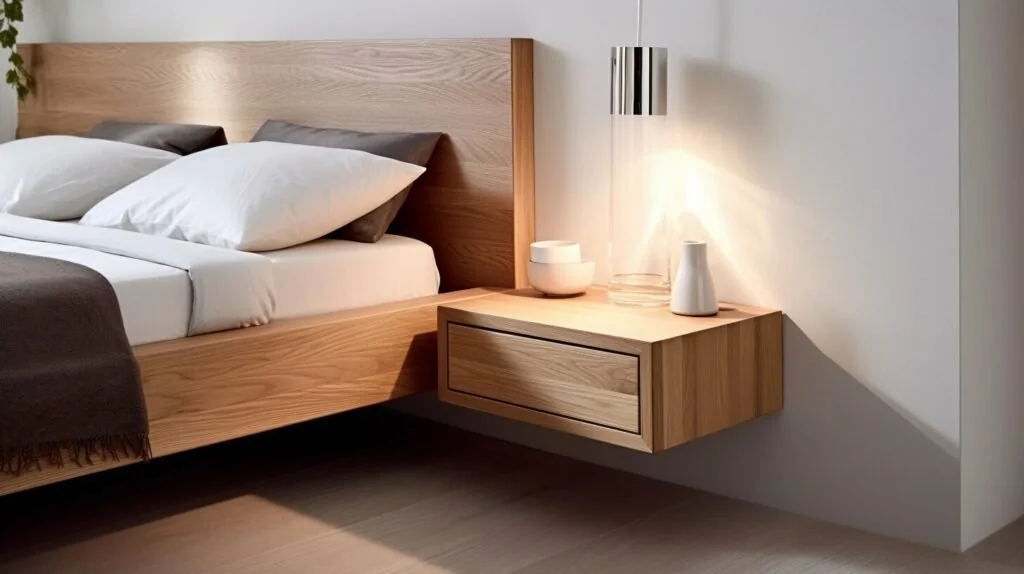
Slim or wall-mounted nightstands maximize floor space. A floating nightstand with a drawer and cable access hole is perfect beside twin beds or in studio apartments. Learn more about smart solutions in multi-functional nightstands for small bedrooms.

Large Master Suites

Go bold with matching double nightstands—opt for larger models that balance the scale of a king bed or include features like ambient lighting or touch-dimming lamps.

Shared or Kid’s Rooms

Durability is key. Choose nightstands made from solid hardwood or painted MDF with rounded edges. Multiple kids sharing a room benefit from stackable or modular storage options.

Maintenance Tips for Longevity

  • Use coasters to prevent water stains from glasses.
  • Dust weekly with a soft cloth; for wood, apply furniture oil monthly.
  • Check drawer glides quarterly to ensure smooth movement.
  • Protect surfaces with felt pads under lamps and gadgets.

Popular Nightstand Trends in 2026

As of early 2026, trending nightstand styles include:

  • Eco-friendly materials: Bamboo, recycled wood, and non-toxic finishes.
  • Minimalist modular designs: Mix and match functional cubes and floating units.
  • Hidden tech: Wireless charging pads and discreet USB ports behind panels.
  • Mixed textures: Wood paired with matte metal or stone surfaces.

Explore more innovations in our modern bedside table trends feature or browse styles at Plank & Beam and Target’s nightstand collection.

Conclusion

Nightstands are essential pieces that enrich both function and form in your bedroom. By carefully choosing dimensions, storage types, and tech integration, you create a nightstand that complements your lifestyle—supporting rest, relaxation, and style. Embrace the impact of the perfect nightstand on your sleep sanctuary. For more insights, revisit our original feature on why nightstands matter.

FAQ

What should I look for in a nightstand?
Choose height that aligns with your mattress, storage capacity based on items, and quality materials. Built‑in charging adds a modern touch.
Is a nightstand necessary?
Yes—helpful for organizing bedtime items, keeping essentials nearby, and improving room aesthetics.
How do I clean and maintain a nightstand?
Dust weekly, use appropriate cleaners for wood or metal, and prevent stains by using coasters.
What are current design trends?
Eco materials, streamlined modular units, wireless charging, and mixing finishes are trending in 2026.
Can I use two different nightstands?
Absolutely—eclectic pairings can add visual interest, as long as both are similar in height and scale.

Related reading from Cozy Bed Quarters

Other reading we found popular

About the Author

Joseph Rett is the founder of Cozy Bed Quarters, a Phoenix-based sleep and bedding resource. With years of experience researching sleep science and bedding products, Joseph helps people create comfortable, sustainable sleep spaces. Living in Arizona’s desert climate has given him unique insights into temperature-regulating bedding and cooling sleep solutions.

How to Style and Organize Your Bedside Table

How to Style and Organize Your Bedside Table - Featured Image

Style and Organize Your Bedside Table

Key Takeaways

  • Declutter first: Sort items into categories and remove non-essentials.
  • Use expandable drawer dividers and felt trays for organization.
  • Maintain a calming environment with minimal décor and tidy surfaces.

Key Takeaways on Styling and Organizing Your Bedside Table

  • Start with a clean slate and only keep essential items like lamps, books, and a coaster.
  • Use expandable drawer dividers and storage solutions to maintain organization.
  • Incorporate stylish lighting and personal touches sparingly.
  • Keep cords tidy with cable organizers or charging stations.
  • Regularly declutter to maintain a neat appearance.

Why Style and Organize Your Bedside Table?

A well-styled and organized bedside table is more than decorative—it keeps essentials close while enhancing your bedroom’s look. Whether you’re aiming to declutter or add charm, a well-arranged nightstand improves both aesthetics and functionality. It sets the tone for your bedroom ambiance and can even impact your sleep hygiene by reducing visual noise and stress.

Style and organize your bedside table for a clutter-free and stylish space

Top Tips to Style and Organize Your Bedside Table

  1. Start with a Clean Slate: Clear everything off your nightstand. Wipe it down and keep only what’s both useful and beautiful.
  2. Add a Decorative Tray: Use a small tray to group jewelry, glasses, or keys—organizing and elevating the look.
  3. Minimize Lighting Clutter: Choose a compact table lamp or mount a wall sconce to save surface space.
  4. Choose Multi-Use Items: Use your smartphone as an alarm and flashlight to free up space.
  5. Incorporate Hidden Storage: Use lidded baskets or decorative boxes for books or electronics.
  6. Personalize Your Space: Include framed photos or trinkets to add a personal touch.
  7. Encourage Relaxation: Add a white noise machine or soothing scents to your bedside setup.
  8. Manage Cables: Use cable clips and a charging station to keep cords neat and accessible.

Bedside table decor inspiration with practical storage and style

Styling Ideas for Your Bedside Table

Balance function with aesthetics by selecting a cohesive color scheme and limiting items to avoid clutter. Choose a few decor pieces—like a vase, candle, or book stack—that offer both style and utility. Think about how each item adds to the ambiance of your space.

Seasonal décor changes can also refresh the look of your nightstand. Try incorporating fresh flowers in spring, a cozy knit accent in winter, or a new photo frame to mark special occasions. You can even swap out your tray or small objects to change up your style without buying new furniture. Also, consider adding a journal or a small bowl of lavender to boost your nighttime routine.

  • Height Variation: Combine tall items like lamps with shorter trays or boxes.
  • Texture Layers: Mix materials such as ceramic, wood, and metal for depth.
  • Essentialism: Keep just 3–5 decorative items for a tidy look.

Bedside table with books and magazines arranged neatly

Decluttering Your Bedside Table

Maintaining an organized bedside table requires regular decluttering. The goal is to prevent accumulation and keep the surface serene. Here’s how:

  • Edit items weekly—remove what you don’t use.
  • Store infrequently used things in drawers or boxes.
  • Limit reading material to current books only.
  • Use drawer dividers or clear bins to keep storage organized and accessible.
  • Make tidying part of your evening wind-down ritual—it takes less than five minutes.

Resources for Styling and Organizing

FAQ

What should I keep on my bedside table?
Only essentials—such as a lamp, clock, book, or small decor—should stay on top.
How often should I declutter my nightstand?
Ideally once a week to prevent unnecessary buildup.
What’s the best way to manage charging cords?
Use a cable organizer or bedside charging station to keep them tidy.

Final Thoughts

When you style and organize your bedside table, you enhance both form and function in your bedroom. With thoughtful tips, smart storage, and consistent habits, your nightstand can become a clutter-free, stylish focal point that supports restful nights and peaceful mornings. Let your bedside table reflect your personality while serving as a functional part of your daily routine. A well-tended bedside space not only looks good—it promotes calmness and clarity as you start and end each day.

Related reading from Cozy Bed Quarters

Other reading we found popular

 

About the Author

Joseph Rett is the founder of Cozy Bed Quarters, a Phoenix-based sleep and bedding resource. With years of experience researching sleep science and bedding products, Joseph helps people create comfortable, sustainable sleep spaces. Living in Arizona’s desert climate has given him unique insights into temperature-regulating bedding and cooling sleep solutions.

Evolution of Dressers: From Medieval Chests to Modern Masterpieces

Evolution of Dressers: From Medieval Chests to Modern Masterpieces - Featured Image

Evolution of Dressers: Chic Storage Ideas Through History

Key Takeaways:

  • Dressers have evolved from medieval chests into luxurious statement pieces with curved designs and exotic materials.
  • 2026 dressers embrace tactile pleasure and craftsmanship, featuring ribbed detailing and oversized brass handles.
  • Free-standing furniture is favored for flexibility, moving away from built-in wardrobes.

The evolution of dressers shows how storage has transformed from simple wooden chests into modern, multi-functional masterpieces. This journey reveals why dressers remain timeless and essential for clutter-free bedrooms. For more design inspiration, see our clever bedroom storage ideas.

From Simplicity to Statement: Why Dressers Still Matter

The evolution of dressers is more than a furniture story—it reflects lifestyle shifts. Initially, the goal was simple: keep clothes off the floor. As homes became expressions of personal style, furniture evolved too.

Today’s dresser anchors a room, mirrors your design style, and minimizes clutter-induced stress. Whether for a compact studio or a spacious primary suite, a dresser brings harmony and order.

For small bedrooms, pair a dresser with under-bed bins or a luxury bed frame with storage. In larger rooms, a double-wide dresser provides presence and practicality.

A modern bedroom showcasing the evolution of dressers as chic storage furniture

A modern bedroom showing how dressers evolved into stylish storage furniture.

Exploring the Evolution of Dressers in Modern Design

The Historical Roots of the Dresser

In medieval Europe, storage meant chests. These lidded boxes stored clothes, blankets, and heirlooms. By the 17th century, drawers revolutionized storage, marking the dresser’s true beginning.

Antique wooden furniture showing the early evolution of dressers

Antique wooden dressers reveal how storage furniture first took shape.

By the 18th century, dressers featured carved legs, veneered surfaces, and brass fixtures—symbols of taste and wealth. Shakers favored simplicity, while Victorians embraced ornate mirrors and decoration.

This transformation mirrored cultural shifts, turning dressers into heirlooms and design statements. Explore their connection with other furnishings in our bed frame materials and styles guide.

Multi-Functional Uses Beyond the Bedroom

Today, the dresser is versatile. It transitions easily from one role to another:

  • Entryways: A slim dresser holds keys, umbrellas, and daily essentials.
  • Living rooms: Store games, blankets, or media gear in style.
  • Nurseries: A wide dresser doubles as a changing station.
  • Guest rooms: Compact dressers create a hotel-like experience.

Dressers evolve with their owners. A child’s dresser may later serve in a guest room, or move to the dining room to hold linens and serveware.

Dressers That Do More: Hidden Features and Smart Storage

Modern dressers integrate convenience and wellness features:

  • Soft-close drawers: Quiet and ideal for light sleepers.
  • LED lighting: Illuminates drawers for easy nighttime access.
  • Charging stations: Hidden USB ports reduce surface clutter.
  • Velvet compartments: Elegant storage for jewelry or accessories.
  • Hidden safes: Secure valuables with built-in locks.

Modern dresser innovations highlighting the evolution of dressers

Smart dressers combine convenience, wellness, and modern design.

Myth Busted: Dressers Are Outdated

Think built-in closets replaced dressers? Not quite. Many homes lack walk-ins, and even with closets, dressers offer unmatched accessibility. Grab socks or a t-shirt without sifting through hangers.

Dressers enhance design by anchoring a room horizontally. Unlike wardrobes, they balance a space while providing surfaces for lamps, decor, or artwork. According to the Sleep Foundation, organized bedrooms reduce stress and improve sleep.

Contemporary furniture arrangement showing the evolution of dressers

Dressers still enhance modern bedrooms with beauty and function.

Final Thoughts

The evolution of dressers blends form, function, and style. From vintage heirlooms to smart-tech designs, the dresser remains a cornerstone of cozy, organized living. Don’t overlook it in your next refresh—it may be your most versatile piece. For more inspiration, explore our bed frame materials and styles guide or our clever bedroom storage ideas.

FAQ

What is the origin of the dresser?

Dressers originated from medieval wooden chests used for clothing and linens. Drawers were later added, creating the dresser as we know it.

How have modern dressers changed in functionality?

Modern dressers feature soft-close drawers, hidden compartments, charging ports, and modular storage that blend style with smart living.

Are dressers still relevant in modern homes?

Yes! Dressers offer accessible storage, design balance, and practical organization even in homes with closets.

Can a dresser be used in rooms other than the bedroom?

Absolutely. Dressers work in living rooms, nurseries, entryways, and guest rooms thanks to their versatile design.

Related reading from Cozy Bed Quarters

Other reading we found popular

About the Author

Joseph Rett is the founder of Cozy Bed Quarters, a Phoenix-based sleep and bedding resource. With years of experience researching sleep science and bedding products, Joseph helps people create comfortable, sustainable sleep spaces. Living in Arizona’s desert climate has given him unique insights into temperature-regulating bedding and cooling sleep solutions.

Durable Nightstands That Actually Last (And Still Look Great)

Durable Nightstands That Actually Last (And Still Look Great) - Featured Image

Durable Nightstands That Actually Last (And Still Look Great)

Durable Nightstands: 7 Stylish, Sturdy Picks That Last

Durable nightstands are the unsung heroes of a serene bedroom—supporting your lamp, organizing chargers, and keeping essentials close without wobble or wear. Updated 2026.

Key Takeaways

  • Durable nightstands made from solid wood or metal offer timeless looks and long-term strength.
  • Rough pine, oak veneers, and hardwood solids are popular for durability in 2026.
  • Smart features like USB ports, power outlets, and soft-close drawers enhance usability.
  • Choose low-emission finishes and materials for a healthier sleep space.
  • Explore our 7 picks below for stylish and reliable choices that blend form and function.

Why Your Nightstand Matters (More Than You Think)

The right bedside table makes nights smoother and mornings calmer. A sturdy build ensures drawers glide, legs stay stable, and surfaces remain level. Over time, choosing wisely saves money, reduces waste, and enhances your bedroom design. For style ideas, browse nightstand ideas or explore smart layouts in master bedroom nightstand designs.

Top Materials That Go the Distance

Solid Wood: Classic Strength

Oak, maple, and walnut age beautifully and can be repaired or refinished. Oak is resistant to warping; maple’s smooth grain suits modern rooms; walnut adds rich character. If it feels dense and sturdy, you’re likely holding the real thing.

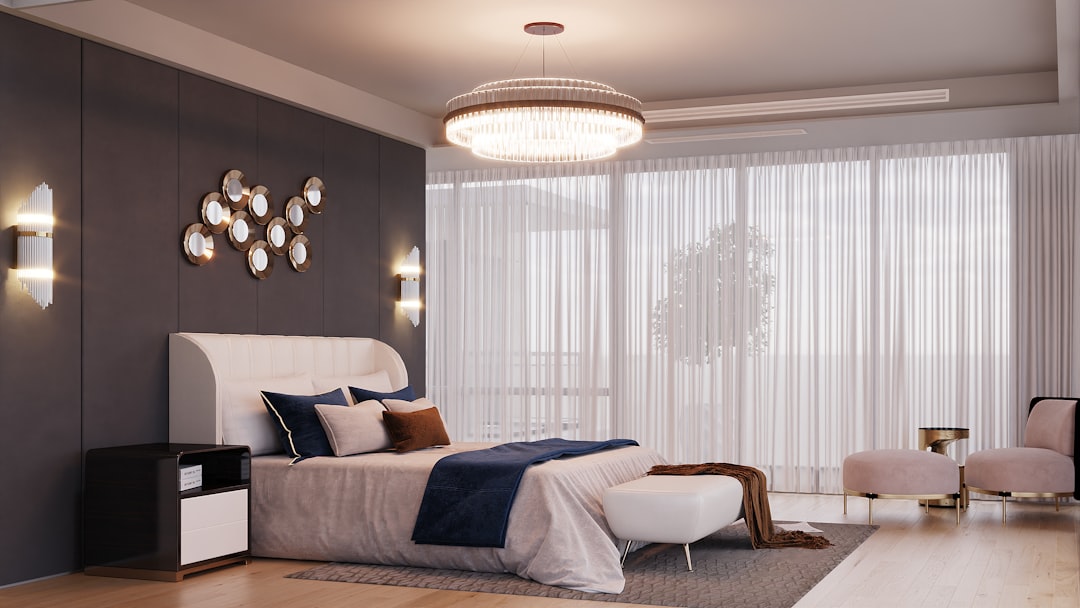
Solid wood durable nightstands with oak and walnut in a bedroom setting

Metal: Sleek and Tough

Powder-coated steel or iron provides slim lines with surprising strength. Look for smooth, even coatings and tight welds to prevent rust and creaks. Metal frames can visually “disappear,” making small rooms feel more open.

Metal frame durable nightstands in a modern minimalist bedroom

Other Strong, Smart Options

Engineered Wood: Reliable on a Budget

Quality MDF or plywood with hardwood veneer resists seasonal movement and takes finishes well. Opt for furniture-grade panels, reinforced corners, and factory assembly for tighter tolerances.

Reinforced Rattan: Light but Lasting

When woven over solid frames, rattan adds texture without feeling fragile. Choose pieces with protective top coatings and sturdy joinery to ensure the weave stays taut.

Reinforced rattan nightstand with open shelf and wood frame

7 Stylish & Sturdy Picks

  1. Estate Black Wood 3-Drawer Nightstand: Rough pine wood construction, English dovetail drawers, and ball-bearing glides. Price: $350.
  2. Pierce 3-Drawer Nightstand: Hardwood solids, oak veneers, USB ports, and power outlets. Price: $425.
  3. Nora Nightstand: Minimalist design with USB integration. Price: $300.
  4. Jaxon Grey Wood Tall 2-Drawer Nightstand: Pull-out tray, multiple colors available. Price: $375.
  5. Draper Nightstand: Drawer details and hardware-focused design. Price: $400.
  6. Reinforced Rattan + Solid Wood Frame: Textured front with solid body—ideal for coastal or boho rooms. Price: $320.
  7. Floating Nightstand with Cable Cutout: Wall-mounted to free floor space; look for a 50+ lb load rating. Price: $280.

Smart Features That Extend Lifespan

Thoughtful details reduce wear and simplify daily use:

  • Soft-close hardware prevents slamming and loose joints.
  • Cord management keeps chargers neat and reduces cable wear on finishes.
  • Durable finishes (water-based polyurethane or catalyzed lacquer) resist rings and scratches.
  • Adjustable feet level the piece and protect floors.

Durable nightstand with cord slot and soft-close drawers for longevity

Quick Comparison: Which Material Lasts Longest?

MaterialTypical Longevity*CareBest For
Solid wood20+ yearsDust, occasional polish; refinishableHeirloom feel, warm style
Metal15–20 yearsWipe dry; protect from scratchesMinimalist or industrial rooms
Engineered wood8–12 yearsWipe clean; avoid standing waterBudget-friendly, modern looks
Reinforced rattan10–15 yearsGentle vacuum; avoid heavy moistureBoho/coastal texture

*Longevity varies by build quality, finish, and usage.

Healthy, Sleep-Friendly Materials (What Experts Say)

A sturdy, clutter-free nightstand supports a calmer sleep setting. The National Sleep Foundation emphasizes that a tidy, well-organized bedroom contributes to better rest. For safer indoor air, choose low-emission finishes and look for certifications like GREENGUARD Gold and foam components bearing CertiPUR-US® labels when applicable. For overall sleep-habit guidance, see the American Academy of Sleep Medicine.

Buying Tips You’ll Use Tonight

Do a quick shake test—no rattle should mean solid joinery. Open and close drawers; they should track smoothly and stop gently. Check underside bracing, corner blocks, and finish consistency. If you’re short on space, consider a floating design or narrow profile to keep walkways clear.

FAQ

What is the best material for a durable nightstand?

Solid wood (oak, maple, walnut) offers top durability and can be refinished. Metal is also excellent for long-term stability.

Are engineered wood nightstands durable?

Yes—if they use furniture-grade MDF or plywood, strong joinery, and quality veneer. Expect a decade or more with normal care.

How do I tell if a nightstand is well-built?

Look for tight joinery, even finishes, soft-close slides, and level legs. A quick wobble test should feel rock solid.

Can durable nightstands still be stylish?

Absolutely. Slim metal frames, rich walnut boxes, or textured rattan fronts all blend form and function.

Do they need special care?

Not much—regular dusting, coasters for drinks, and quick wipe-ups. Add protective wax on metal if humidity is high.

Conclusion: Durable Nightstands, Calmer Nights

Choosing durable nightstands means fewer wobbles, smoother drawers, and a bedroom that looks put together day after day. Invest once, enjoy for years—and if you want more cozy upgrades, explore the Cozy Bed Quarters blog. Sleep well and style on.

Related reading from Cozy Bed Quarters

Other reading we found popular
 

About the Author

Joseph Rett is the founder of Cozy Bed Quarters, a Phoenix-based sleep and bedding resource. With years of experience researching sleep science and bedding products, Joseph helps people create comfortable, sustainable sleep spaces. Living in Arizona’s desert climate has given him unique insights into temperature-regulating bedding and cooling sleep solutions.

Best Materials for Bedroom Seating: A Complete Comfort Guid

Best Materials for Bedroom Seating: A Complete Comfort Guid - Featured Image

Materials for Bedroom Seating: Top Picks for Style & Comfort in 2026

Key Takeaways

  • Tactile comfort and sustainable materials are at the forefront of 2026 bedroom seating trends, emphasizing cozy, sculptural designs.
  • Select materials that complement the bed frame and room decor for a harmonious look.
  • Leading material choices include wool, velvet, linen, and boucle, offering a balance of luxury and eco-friendliness.

Factors to Consider When Selecting Bedroom Seating

When choosing seating for your bedroom, consider your bed frame, room size, and overall decor style. Seating should not just match your personal style but also enhance functionality. Decide if you need it for putting on shoes, as extra seating, or as an accent piece.

  • Bed Frame: Match sleek or sculptural seating to your bed’s design.
  • Size: Choose compact or expansive seating based on available space.
  • Overall Aesthetic: Velvet or boucle for luxurious comfort, wood or linen for a natural look.

Materials for Bedroom Seating

“The type of seating you choose for your bedroom can greatly impact the overall comfort and style of the space.”

Upholstered Benches: Inviting and Comfortable

In 2026, upholstered benches in wool, velvet, and boucle are top choices, blending comfort with style. These materials are perfect for the foot of the bed or a cozy corner. Opt for benches with built-in storage for added utility.

Comfortable Upholstered Bench

Wooden Benches: Sleek and Natural Look

Incorporating wooden benches adds warmth and durability to any bedroom. From light oak to deep mahogany, these options allow customization to fit your theme. Pair them with woven accents or a faux fur throw for texture.

wooden bench

Metal Seating: Modern and Minimalistic

Metal seating offers a contemporary, minimalist vibe. Choose powder-coated finishes for color customization and durability. Adding a leather cushion can soften the industrial look, making these designs ideal for smaller spaces by creating an illusion of openness.

luxury seating for bedrooms

Storage Benches: Function Meets Style

Storage benches provide both style and practicality, offering space to store blankets, pillows, or books. Look for models with slow-close lids or hidden compartments for added safety and elegance. Pair with matching furniture for a cohesive design.

storage bench

Finding the Right Size

Ensure your bench complements your bed size: about 45 inches for Queen beds and 60–65 inches for King beds. This keeps the room visually balanced. Use painter’s tape to mock-up dimensions before buying to ensure a perfect fit.

bedroom bench

Recommended Benches

  • Temple Furniture Curved Chaise: Handcrafted in the USA, priced around $3,500.
  • Elran Sage Sectional: Features performance fabrics, priced at approximately $3,000.
  • Jaipur Living Wool Rug: Perfect for layering under benches, priced from $500.

luxury bedroom bench

More Cozy Seating Inspiration

Other Helpful Home & Sleep Resources

FAQ

What should I consider when choosing bedroom seating?
Focus on bed size, room dimensions, comfort, and overall decor style.
Are upholstered benches comfortable?
Yes, they’re soft and plush — ideal for reading or relaxing.
Is wood a good material for benches?
Yes. It’s stylish, durable, and matches both rustic and modern rooms.
Can benches offer storage too?
Storage benches combine function and form, perfect for decluttering.
What’s the right bench size for my bed?
Queen bed: 45 in. King bed: 60–65 in. for visual balance.

About the Author

Joseph Rett is the founder of Cozy Bed Quarters, a Phoenix-based sleep and bedding resource. With years of experience researching sleep science and bedding products, Joseph helps people create comfortable, sustainable sleep spaces. Living in Arizona’s desert climate has given him unique insights into temperature-regulating bedding and cooling sleep solutions.

About the Author

Joseph Rett is the founder of Cozy Bed Quarters, a Phoenix-based sleep and bedding resource. With years of experience researching sleep science and bedding products, Joseph helps people create comfortable, sustainable sleep spaces. Living in Arizona’s desert climate has given him unique insights into temperature-regulating bedding and cooling sleep solutions.

Modern Bedside Tables: Innovations and Trends

Modern Bedside Table Trends

Key Takeaways on Modern Bedside Tables

  • Smart Functionality: Wireless charging and integrated LEDs improve convenience.
  • Sustainable Style: Organic materials like solid wood and marble are trending for eco-friendly designs.
  • Versatile Designs: C-shaped and tiered tables maximize space in small areas.
  • Luxurious Finishes: Marble, epoxy resin, and ribbed glass add sophistication.
  • Modular Features: Adjustable shelves and drawers allow for customized storage.

In 2026, modern bedside tables are at the forefront of innovation, blending smart functionality with sustainable materials and sleek designs. From wireless charging to organic textures, these tables are redefining bedroom aesthetics.

Key Takeaways on Modern Bedside Tables

  • Function + form: Wireless charging and LED integration improve practicality.
  • Sustainable builds: Solid wood, marble, and epoxy resin are top eco-friendly choices.
  • Minimalist geometry: Clean lines and geometric shapes improve calm.
  • Luxe finishes: Marble, epoxy, and fluted glass elevate aesthetics.
  • Modular & adjustable: Customizable components adapt to changing needs.
  • Space savers: Floating and narrow designs optimize floor space.

Explore More from Cozy Bed Quarters:
Bedside Table Lamps
Floating Nightstands Guide
Minimalist Bedroom Design Tips
How to Style a Nightstand
Sustainable Bedroom Design

Modern bedside tables have evolved significantly, integrating advanced technology and sustainable materials for a balance of style and functionality. From wireless charging to solid wood builds, these pieces are transforming bedroom decor.

Explore Latest trends in bedside tables, transforming bedroom aesthetics through innovative designs and materials.

Multifunctional and Space-Saving Designs

Modern bedside tables now feature smart, space-efficient designs with multifunctional elements like drawers equipped with wireless charging and LED lighting. These innovations maximize storage while maintaining style.

Popular features include integrated charging stations and ambient lighting, keeping essentials organized. These tables provide ideal storage for books, electronics, and personal items.

Modular and adjustable designs cater to evolving needs, offering flexibility for both storage and tech integration, making personalization easy.

Benefits of Multifunctional and Space-Saving Designs:
Maximizes storage and tech integration
Keeps rooms organized and clutter-free
Offers modular and adjustable customization
improves functionality and personalization

“Modern bedside tables with smart features blend style and practicality, optimizing bedroom space without sacrificing aesthetics.”

modern bedside tables — compact and efficient bedside table

Eco-Conscious Materials

Sustainability is key, with bedside tables using eco-friendly materials like solid wood, bamboo, and marble. These choices improve the room’s aesthetic while being environmentally responsible.

Reclaimed wood adds warmth and character, while bamboo is strong and renewable. Cork offers lightweight, water-resistant properties with unique texture, ideal for modern looks.

Pair these materials with low-VOC finishes to improve their eco-friendly nature, contributing to a healthier indoor environment. Look for certifications like GREENGUARD for quality assurance.

Popular Eco-Conscious MaterialsBenefits
Reclaimed Wood– Adds warmth and character
– Reduces new timber demand
– Reuses discarded materials
Bamboo– Renewable and strong
– Offers organic charm
– Grows quickly
Cork– Sustainable and lightweight
– Water-resistant
– Unique texture

modern bedside tables with sustainable materials

Minimalist and Geometric Shapes

Minimalist and geometric designs continue to define modern bedside tables, with clean lines and simple forms that integrate Smoothly into any decor. These shapes deliver functionality with contemporary elegance.

Whether opting for straight-edged or circular designs, these tables offer an uncluttered look that supports a streamlined atmosphere. Their versatility complements various interior styles, from Scandinavian to industrial.

Geometric shapes like squares, circles, and C-shaped designs add visual interest and flexibility, allowing them to slide under furniture for space-saving solutions.

modern bedside tables with minimalist geometric designs

Luxurious Finishes

Luxurious finishes are more popular than ever, with marble, epoxy resin, and ribbed glass adding sophistication. These elements contribute to a refined bedroom atmosphere, combining elegance with functionality.

Rich colors like emerald green and sapphire blue improve visual appeal, providing drama and contrast. These bold hues, paired with sleek designs, elevate aesthetics.

“Modern bedside tables embrace luxurious finishes like marble and metal, offering sophistication and style in any bedroom.”

Combining marble with metal frames creates a chic, timeless look. These materials improve visual appeal while adding durability and modernity to the design.

Incorporating luxurious finishes in your bedroom elevates the aesthetic, creating a sense of indulgence and relaxation that transforms the space into a haven.

modern bedside tables with marble and metal finishes

Modular and Adjustable Features

Modular and adjustable bedside tables offer customizable storage and flexibility, adapting to changing needs. These features improve functionality, making them ideal for practical living spaces.

Removable drawers and adjustable heights allow personalization, ensuring storage solutions evolve with lifestyle changes. This adaptability is Really important for maintaining an organized and efficient bedroom.

Adjustable tables provide ergonomic benefits, allowing users to set the best height for comfort and convenience, improving the overall bedroom experience.

By incorporating modular features, modern bedside tables offer practical and versatile solutions for organizing essentials, accommodating both style and functionality.

innovative modern bedside tables — modular and adjustable features

Sleek and Uncluttered Look

Floating bedside tables and wall-mounted designs improve modern bedrooms by providing a sleek, uncluttered look. These options maximize floor space while offering practical storage solutions.

With minimalist aesthetics, these tables create a sense of openness, making small bedrooms feel more spacious. Their streamlined design integrates Smoothly into any decor, adding sophistication.

Maximizing Functionality and Style

Aside from aesthetics, floating and wall-mounted tables offer functional storage with built-in shelves or drawers. This helps keep bedrooms organized, contributing to a serene and relaxing environment.

These designs also simplify cleaning, with no legs or bases to obstruct floor maintenance, making them ideal for easy upkeep.

modern bedside tables — floating wall-mounted option

The Perfect Balance of Style and Function

Whether you choose a floating table with sleek lines or a wall-mounted option with added storage, these modern designs balance style and function, perfect for small or minimalist bedrooms.

Consider floating or wall-mounted tables to improve bedroom style and functionality, optimizing space without compromising aesthetics.

Cozy and Relaxed Textures

Natural textures like rattan and wicker add warmth and relaxation to modern bedside tables, creating a cozy and inviting bedroom atmosphere.

Rattan and wicker offer rustic charm and intricate patterns, improving the aesthetic with their organic appeal. Whether featuring a rattan drawer or a fully wicker table, these materials bring nature indoors.

Complement natural textures with woven baskets or greenery to create a tranquil retreat, blending nature with contemporary design.

Benefits of Natural Textures in Bedside TablesExamples of Natural Textures
  • Creates a cozy and relaxed ambiance
  • Adds visual interest and texture
  • Brings a touch of nature indoors
  • improves overall bedroom aesthetics
  • Rattan
  • Wicker
  • Bamboo
  • Jute

modern bedside tables with cozy natural textures

Conclusion

Modern bedroom furniture continues to innovate, with bedside tables leading in functionality and design. These versatile pieces meet today’s needs for style and practicality.

Multifunctional and space-saving designs dominate trends, offering storage without overwhelming space. Built-in features like wireless charging improve their utility.

Eco-conscious materials like solid wood and bamboo are central to modern designs, aligning with sustainable living goals and adding natural beauty to bedrooms.

Minimalist shapes and luxurious finishes create elegant, sophisticated spaces. Marble, epoxy, and ribbed glass add high-end touches that improve bedroom aesthetics.

Modular and adjustable features provide adaptable storage, catering to changing needs. Floating and wall-mounted designs maximize space efficiency and style.

Natural textures like rattan and wicker bring warmth and character, completing the cozy and inviting look. These trends ensure modern bedside tables fit Smoothly into any decor.

With their evolving styles and innovative features, modern bedside tables play a Key role in contemporary bedroom design. Explore the latest trends to create a personalized, stylish sanctuary.

FAQ

What are the top materials for modern bedside tables in 2026?
Top materials include solid wood, marble, epoxy resin, and ribbed glass, all known for their sustainability and aesthetic appeal.
How do multifunctional bedside tables improve bedroom storage?
They include features like wireless charging and LED lighting, and offer modular storage options to keep spaces clutter-free.
What defines the modern minimalist style in bedside tables?
Minimalist styles are characterized by clean lines, geometric shapes, and Smooth integration into various interior designs.

About the Author

Joseph Rett is the founder of Cozy Bed Quarters, a Phoenix-based sleep and bedding resource. With years of experience researching sleep science and bedding products, Joseph helps people create comfortable, sustainable sleep spaces. Living in Arizona’s desert climate has given him unique insights into temperature-regulating bedding and cooling sleep solutions.

About the Author

Joseph Rett is the founder of Cozy Bed Quarters, a Phoenix-based sleep and bedding resource. With years of experience researching sleep science and bedding products, Joseph helps people create comfortable, sustainable sleep spaces. Living in Arizona’s desert climate has given him unique insights into temperature-regulating bedding and cooling sleep solutions.

How to Integrate Bedroom Seating: Smart Tips for Cozy Bedrooms

How to Integrate Bedroom Seating: Smart Tips for Cozy Bedrooms - Featured Image

Integrating Bedroom Seating: Design Ideas for Comfort & Style

Key Takeaways

  • Integrating bedroom seating boosts both comfort and style.
  • Opt for curvy, organic shapes like bubble chairs or low rounded loveseats.
  • Use boucle, quilted velvet, or leather for a tactile experience.
  • Layer lighting and textures for a cozy, functional nook.
  • Personalize with bold patterns and curated accents.

✨ Pro Tips for Integrating Bedroom Seating

  • Comfort is paramount—style follows.
  • Ensure clear pathways (30–36 inches) around seating.
  • Use hidden storage in benches or ottomans for a clutter-free design.
  • Mind proportions—avoid oversized furniture in smaller spaces.

Enhancing Comfort and Appeal

When incorporating bedroom seating, prioritize comfort. Choose pieces that support your favorite leisure activities—whether reading, writing, or enjoying a morning coffee. Plush, curved lounge chairs or compact sofas are ideal for creating inviting spaces without crowding the room.

Imagine sinking into a cozy boucle chair by the window with a book on a rainy afternoon or lounging on a rounded loveseat with a steaming cup of coffee. Your seating should enhance daily rituals, not just aesthetics. Adding a small side table for essentials like tea or glasses makes the area functional and inviting.

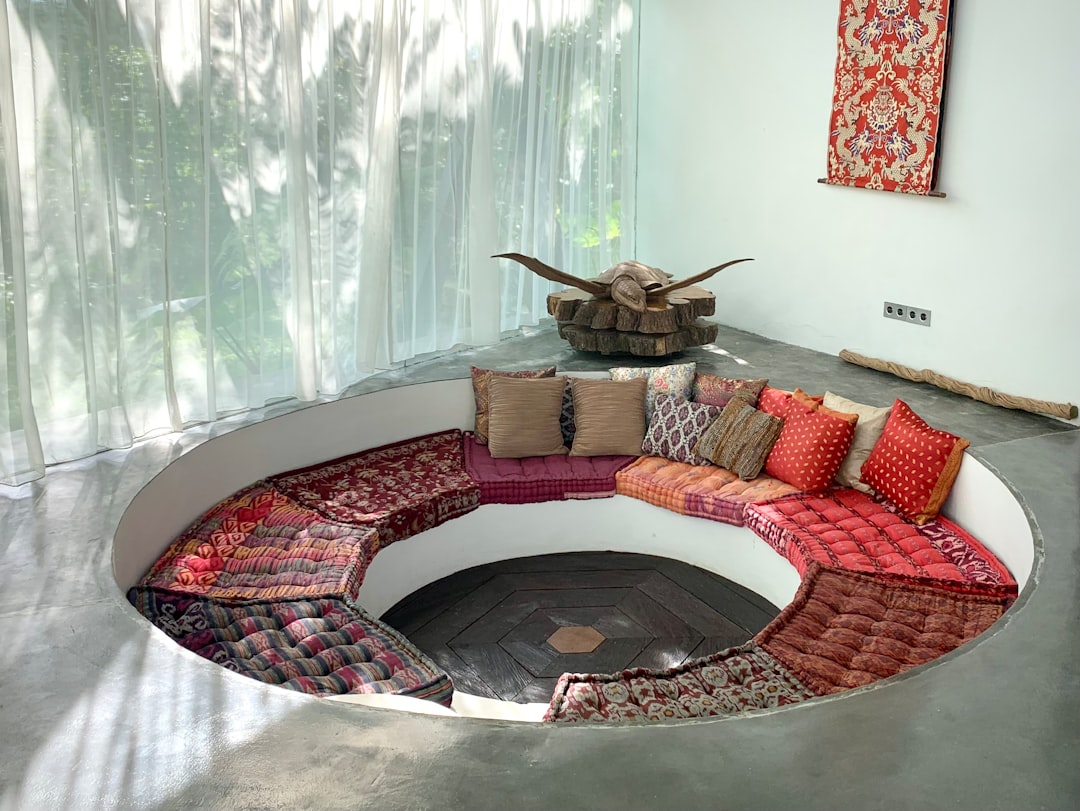
Stylish bedroom seating with integrated bedroom seating area

Explore tactile fabrics such as boucle, quilted velvet, or leather, which add warmth, while layered lighting enhances ambiance. For expert examples, visit Architectural Digest’s seating inspiration.

Design Inspiration

“The right furniture can transform your bedroom seating area into a cozy retreat where you can relax and unwind.”

Bedroom Seating Options at a Glance

Furniture OptionsDescription
Curved Lounge ChairsSoft, organic shapes—ideal for reading or relaxing
OttomansFootrest + extra seat; often with hidden storage
SofasPerfect for large bedrooms; adds lounge-style comfort
LoveseatsCompact for medium rooms; cozy for two

Creating an Ambiance

Ambiance matters. Layer lighting, texture, and nature to create a retreat. A mix of ambient lamps, task lights, and accent lighting defines the mood while plants or fresh flowers bring life into the space. Discover more holistic sleep tips in our guide on [INTERNAL_LINK: bedroom environments for sleep enhancement].

Think of your seating nook as a “room within a room.” Position a floor lamp behind an armchair for evening reading, add candles for a soft glow, or place a small vase of eucalyptus on a side table to bring calming fragrance. Layered ambiance encourages relaxation and separates the seating area from your sleep zone, which is especially helpful in studio apartments.

Integrating bedroom seating ambiance with layered lighting

Space-Saving Options

Small bedroom? Integrating bedroom seating doesn’t mean clutter. Choose multifunctional pieces like benches, daybeds, and nesting ottomans that serve double duty.

In compact apartments, many people use a slim bench at the foot of the bed for storage and seating. Couples may prefer a loveseat that doubles as a guest sleeper, while students often turn to foldable or stackable ottomans. These choices ensure that no square foot is wasted while still creating comfort zones inside tight layouts.

Functional bedroom seating with storage bench and nesting ottomans

Space-Saving OptionBenefits
BenchesSeat + hidden storage; fits at bed’s foot
DaybedsSofa by day, guest bed by night
Nesting OttomansFlexible seating; stackable; storage-friendly

Placement and Flow

Strategic placement is key when integrating bedroom seating. Position furniture outside main walkways and align with focal points like headboards or windows. For balance and positive energy, explore [INTERNAL_LINK: feng shui elements for positive energy].

For instance, a chaise lounge angled toward a window creates a natural spot for daydreaming, while a bench at the bed’s end can function as both décor and practical seating. Always allow for clear walkways; a good rule of thumb is at least 30 inches of space for comfortable flow. A cluttered arrangement not only looks cramped but can also disrupt relaxation.

Bedroom seating arrangement with clear traffic flow

Choosing the Right Furniture

Match furniture scale and texture to your room. Sleek armchairs fit modern rooms, while tufted designs suit classic spaces. Multifunctional pieces, like storage ottomans, ensure both beauty and practicality.

Before buying, visualize how the piece will look with your existing décor. A mid-century modern armchair pairs well with light woods, while a velvet loveseat might enhance a romantic or vintage-inspired bedroom. If your bedroom doubles as a work-from-home spot, consider an upholstered chair that transitions seamlessly between desk and reading corner.

Bedroom seating furniture mix with armchair ottoman and side table

Adding Personal Touches

Finish your seating area with personal style—throws, accent pillows, and curated decor. Balance height and texture for a collected look, avoiding clutter.

Try layering a chunky knit throw over an armchair, adding patterned cushions for contrast, or placing a gallery wall above the seating area to showcase personal photos or artwork. Greenery—whether real or faux—introduces softness, while decorative trays keep items like remotes and candles organized. These finishing details make the space feel intentionally styled, not just functional.

Bedroom seating ideas with personal accents and layered textures

Maximizing Functionality

Integrating bedroom seating works best when furniture earns its keep. Lift-top benches, storage ottomans, and sleeper loveseats keep rooms functional. For more inspiration, see our [INTERNAL_LINK: bedroom accessories guide].

Practicality doesn’t have to mean sacrificing style. Many storage ottomans now come upholstered in designer fabrics, so they double as statement pieces. Sleeper loveseats are especially helpful in guest bedrooms, giving you both daily seating and occasional extra sleeping space. These dual-purpose pieces prevent overcrowding while adding elegance.

Functional integrated bedroom seating with storage ottoman

Conclusion

By integrating bedroom seating, you transform your space into a cozy retreat. From armchairs to multifunctional ottomans, the right furniture enhances comfort, flow, and style. With space-saving solutions and curated accents, your bedroom becomes both personal and practical.

🎥 Watch: Bedroom Seating Layout Ideas

See practical examples of integrating bedroom seating with this short design guide:

FAQ

Can any type of seating furniture be used in a bedroom?
Yes. From armchairs to daybeds, the key is scaling pieces to fit the room.
What’s the best placement for bedroom seating?
Place outside traffic flow and near focal points like a headboard or window.
How can I maximize space in a small bedroom?
Use benches with storage, nesting ottomans, or compact loveseats.
How do I add ambiance?
Layer ambient, task, and accent lighting plus natural greenery.
What’s the difference between a loveseat and a small sofa?
Loveseats are typically built for two people, while small sofas can seat three and often provide deeper lounging comfort.
Is it worth adding a chaise lounge in a bedroom?
If space allows, a chaise offers luxurious comfort and creates a statement focal point. It’s ideal for reading, napping, or simply relaxing.

Final Thoughts

At Cozy Bed Quarters, we believe integrating bedroom seating is the ultimate way to blend style and comfort. Start with one well-chosen piece and let it transform your bedroom retreat. Whether you live in a small apartment or a spacious home, the right seating turns your bedroom into a truly personal sanctuary.

Related reading from Cozy Bed Quarters

Other reading we found popular
About the Author

Joseph Rett is the founder of Cozy Bed Quarters, a Phoenix-based sleep and bedding resource. With years of experience researching sleep science and bedding products, Joseph helps people create comfortable, sustainable sleep spaces. Living in Arizona’s desert climate has given him unique insights into temperature-regulating bedding and cooling sleep solutions.

Styling Tips for Bedroom Seating Areas: Cozy, Chic & Functional Ideas

Styling Tips for Bedroom Seating Areas: Cozy, Chic & Functional Ideas - Featured Image

Styling Tips for Bedroom Seating Areas

Key Takeaways

  • Transform unused corners or window spots into cozy seating areas.
  • Choose sculptural, curvy seating like bubble chairs or chaises for comfort and style.
  • Enhance ambiance with layered textures and versatile lighting.

Styling bedroom seating areas can turn your space into a serene retreat. Whether you have a master suite or a cozy nook, these ideas beautifully blend form and function.

Why Bedroom Seating Areas Matter

Adding a seating area to your bedroom is more than just a visual upgrade; it enhances functionality and relaxation. According to recent studies by the Sleep Foundation, creating a dedicated space for activities like reading or meditation can improve sleep quality by keeping the bed reserved solely for rest. In today’s multi-use bedrooms, having a cozy corner restores a sense of calm and personal space, acting as a mini sanctuary within your home.

Learn more in our guide on creating a sleep zone with bedroom layouts.

Utilize Open Spaces: Smart Styling Tips

Even in smaller bedrooms, there’s potential to incorporate seating. Explore underused corners, awkward nooks, or the foot of the bed. A slender accent chair or small loveseat paired with a compact side table and a soft throw can redefine these areas. Transform a window nook with a simple bench, layered cushions, and a good book.

  • Use window-side seating for natural light and morning rituals.
  • Corner chairs with poufs can maximize function in awkward layouts.
  • Layer with throws, cushions, and accent lighting for coziness.

Define the space with a small area rug or a different wall color. These subtle shifts make your bedroom feel multifunctional yet cohesive.

styling tips for bedroom seating areas with small space seating options

Curved Seating and Cozy Lighting: A Perfect Pair

Curved furniture like plush armchairs or rounded loveseats softens the room’s look, inviting you to relax. A curved backrest feels like a gentle hug, adding elegance without overcrowding. Pair these pieces with soft tones—cream, blush, sage—for a calming palette.

Lighting is essential. Use a mix of ambient lighting (overhead), task lighting (reading lamps), and accent lighting (sconces or LED strips). Dimmable options help set the mood. According to Architectural Digest, a well-lit space balances clarity and comfort.

styling tips for bedroom seating areas with curved seating solutions

Add a Boho Twist with a Swing Chair

If you love an eclectic, earthy vibe, a swing chair makes a standout addition. Crafted from materials like rattan or macrame, these chairs evoke bohemian charm and can serve as a playful reading nook or serene meditation spot.

Style it with woven baskets, linen cushions, and a jute rug. Safety is key—anchor the swing to a ceiling joist or use a solid floor stand. For guidance, The Spruce recommends professional installation when unsure.

styling tips for bedroom seating areas with boho swing chair

Benches, Daybeds & Chaises: Multipurpose Magic

When it comes to small spaces, multifunctional furniture reigns supreme. Benches with storage keep clutter at bay. Daybeds can double as guest beds. A chaise lounge? Luxurious and perfect for stretching out with a book.

  • Daybeds: Ideal for compact rooms, doubles as a sleep zone.
  • Storage Benches: Stylish and practical storage solution.
  • Chaise Lounges: Elegant, great for larger bedrooms.

Use textured fabrics like velvet, linen, or wool for warmth and depth. To tie it all together, add pillows and throws in complementary colors and materials.

styling tips for bedroom seating areas with bench seating

Designing a bedroom seating area is about personalizing your space to suit your lifestyle. Whether it’s a cozy nook or a statement piece, these styling tips for bedroom seating areas will help you craft a comfortable and stylish retreat. For more inspiration, visit Cozy Bed Quarters.

FAQ

What are some space-saving seating options for small bedrooms?
Consider using narrow benches, ottomans, or placing seating near windows to maximize space without overcrowding the room. Floating shelves with stool seating can also double as workspaces.
How can lighting enhance a bedroom seating area?
Layered lighting creates ambiance, highlights focal points, and adds functionality. Dimmable lights and warm-toned bulbs make the space feel inviting and restful.
Is it safe to install a swing chair in a bedroom?
Yes, as long as it’s properly secured to a ceiling joist or a sturdy stand, and the installation follows safety guidelines. Professional installation is recommended for ceiling-mounted options.
Can seating areas improve sleep quality?
Yes, having a separate space for relaxing activities like reading or meditating can help mentally separate bedtime routines, promoting better sleep hygiene and quality rest.

Discover more in our tips on small bedroom reading nook ideas, or explore multifunctional bedroom furniture solutions for dual-purpose design inspiration.

Related Reading

About the Author

Joseph Rett is the founder of Cozy Bed Quarters, a Phoenix-based sleep and bedding resource. With years of experience researching sleep science and bedding products, Joseph helps people create comfortable, sustainable sleep spaces. Living in Arizona’s desert climate has given him unique insights into temperature-regulating bedding and cooling sleep solutions.

Modern vs Traditional Wardrobes: Which Style Fits Your Space Best?

Modern vs Traditional Wardrobes: Which Style Fits Your Space Best? - Featured Image

Modern vs Traditional Wardrobes

Deciding between modern vs traditional wardrobes? You’re in the right place—this guide will help you explore their unique charm, storage solutions, style impact, and which one suits your space and lifestyle best.

Key Takeaways

  • Traditional wardrobes: Structured elegance with panel detailing, built to stand the test of time.
  • Modern wardrobes: Sleek, space-efficient, with cutting-edge features like smart lighting.
  • Storage, room size, budget, and maintenance are critical considerations alongside aesthetics.
  • Combining styles offers a curated, personalized bedroom feel.
  • DIY tips can help achieve a timeless bedroom look.

Why Your Wardrobe Style Actually Matters

Your wardrobe isn’t just storage—it makes a big statement in your bedroom. A stunning wardrobe can anchor the entire space, influence decor choices, and even shape your morning routine. Choosing between modern vs traditional wardrobes means considering how you live, dress, and like to feel in your space.

For fresh inspiration, explore our curated dresser and wardrobe picks—and don’t miss our guide on choosing the right dresser for a cohesive setup.

Why wardrobe style matters in modern vs traditional wardrobes

Traditional Wardrobes: All the Cozy Feels

Traditional wardrobes bring nostalgic charm with craftsmanship and rich materials. These timeless pieces create a cozy atmosphere while offering reliable storage.

What Makes Them Special

  • Timeless Materials: Crafted from solid wood—cherry, mahogany, oak—that ages beautifully.
  • Artful Design: Carved doors, turned feet, decorative panels.
  • Rich Finishes: Soft sage, walnut, espresso, golden oak bring warmth and depth.
  • Heirloom Quality: Built to last decades—the kind you pass down.
  • Natural Aging: Patina and wear add character over time.

Learn more about how traditional wardrobes are built to last through generations with hand-crafted joinery and slow-grown hardwoods, as detailed by FCI London.

Traditional dressers have a deep design history. Take a deeper dive in our article on the evolution of dressers and their functionality.

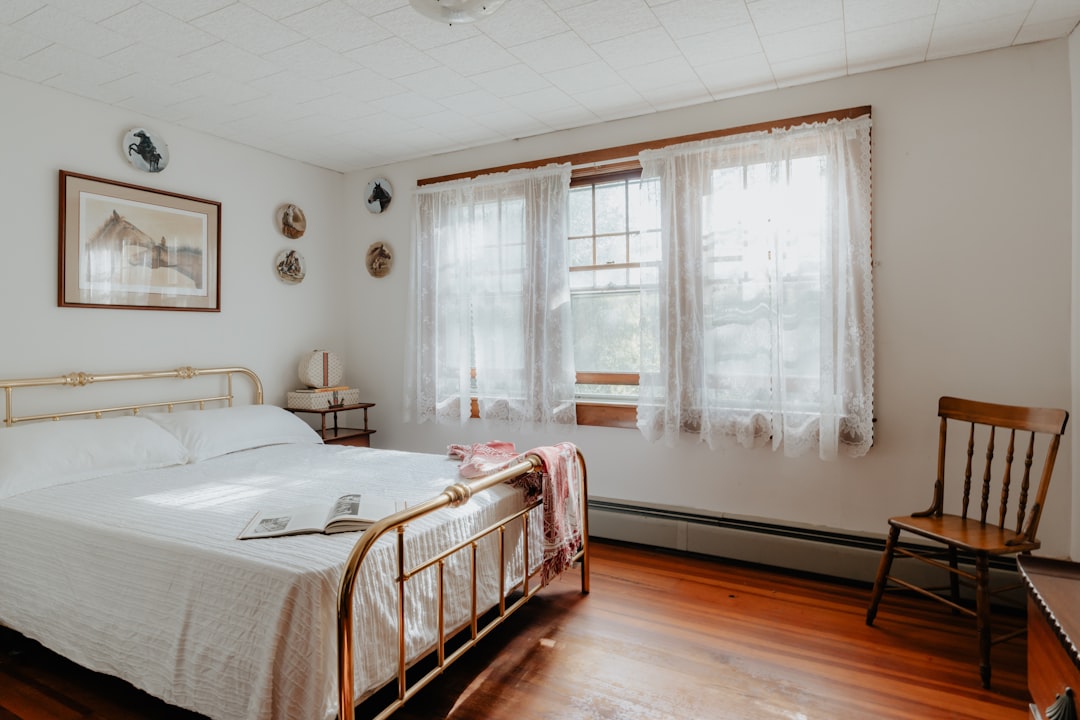
Traditional furniture in modern vs traditional wardrobes

Modern Wardrobes: Sleek, Smart, and Minimal

Modern wardrobes are ideal for small spaces and lovers of minimal design. Clean lines, smart interiors, and tech-friendly features make them a popular choice today.

Why They’re a Favorite

  • Sleek Profiles: Clean silhouettes, handleless panels, frameless doors.
  • Sliding or Lift-Up Doors: Saves space—ideal for compact bedrooms.
  • Neutral Finishes: Matte white, charcoal, textured wood grain.
  • Smart Interiors: LED lighting, soft-close drawers, modular compartments.
  • Customizable: Modular systems adapt as your storage needs shift.
If you’re debating between sliding versus hinged doors, this expert guide breaks down the pros and cons.

Still torn between the cozy charm of traditional or the clean minimalism of modern design? This style breakdown from DIY Home Comfort offers a helpful perspective on how each decor type complements different lifestyles and tastes.

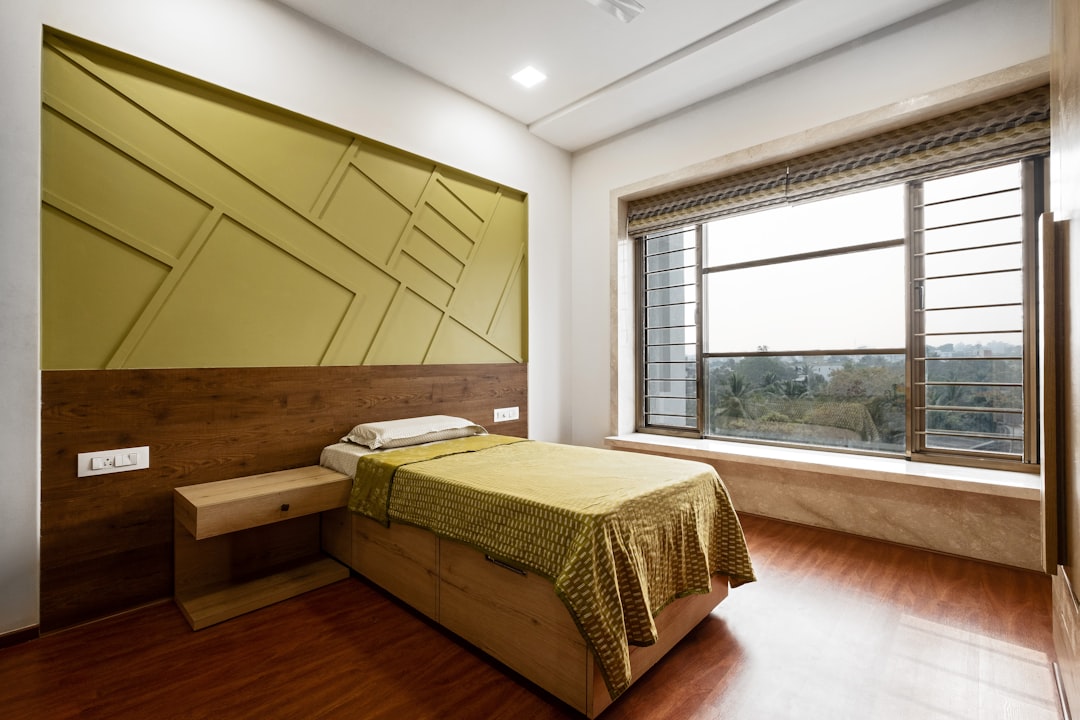
Clean design elements in modern vs traditional wardrobes

Comparing the Two Styles

Choosing between the two styles means balancing your aesthetic preferences with practical needs. Here’s how they stack up in key areas:

Storage & Organization

Modern wardrobes often win on flexibility, with adjustable shelving and hidden trays. But traditional pieces surprise with deep drawers and robust hanging space.

Room & Space Considerations

Sliding doors save floor space—perfect next to a bed or window. Hinged traditional doors need clearance but offer full access to contents.

Longevity & Value

Solid-wood traditional wardrobes are long-term investments. Modern wardrobes may use engineered materials but still offer durability at lower costs.

Budget Breakdowns

  • Traditional: Starts from $1,800 for quality wood, up to $5,500+ for heirlooms.
  • Modern: Begins around $600; high-end modular designs range higher.
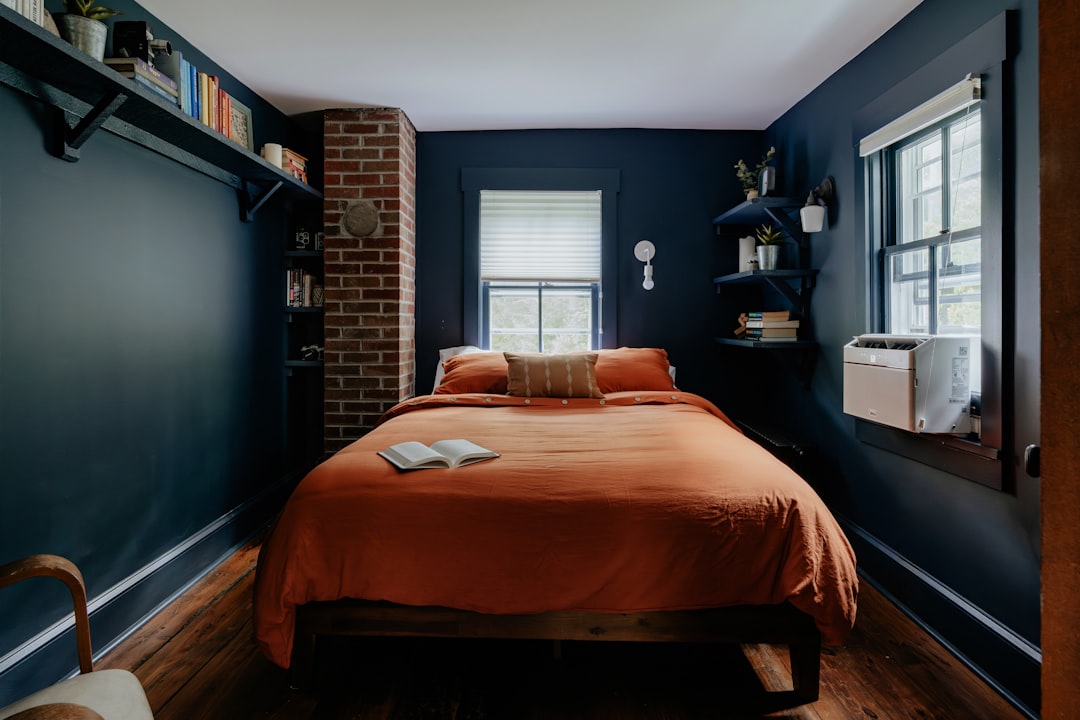
wardrobe design

Mixing Modern & Traditional

You don’t have to choose just one. A stylish blend of both modern and traditional elements can yield a personalized, layered bedroom aesthetic.

  • Use a consistent finish or color palette to tie everything together.
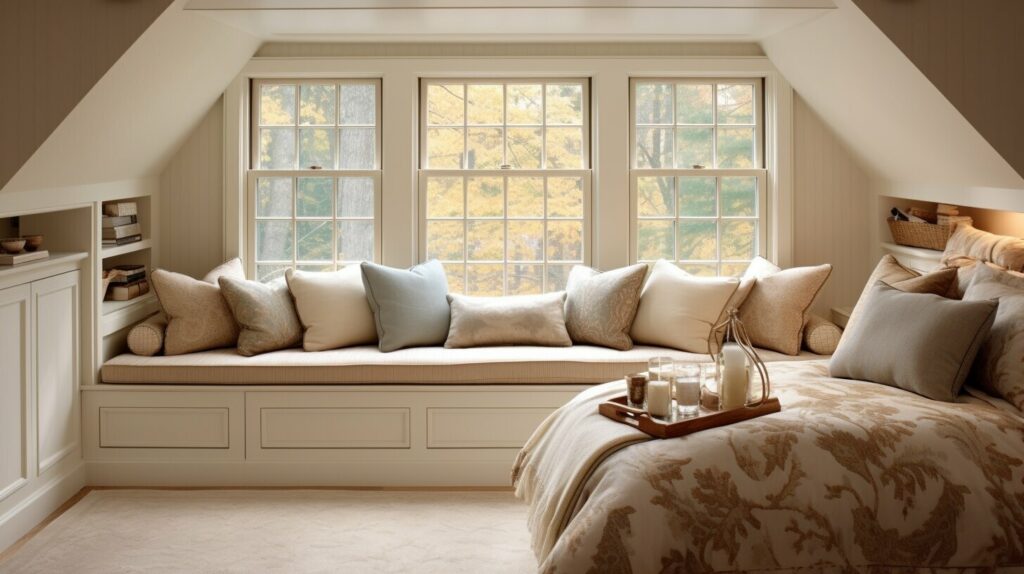
  • Swap hardware on traditional pieces to create modern contrast.
  • Balance ornate wardrobes with clean-lined furniture for harmony.

Design & Style Tips

Styling a Traditional Wardrobe in a Modern Bedroom

  • Paint in matte neutrals like charcoal or dove white.
  • Update hardware with sleek metallics.
  • Incorporate large mirrors or minimal bedding to balance the look.

Softening a Modern Wardrobe

  • Use textiles like wool throws or vintage rugs nearby.
  • Add natural materials—wood shelves, wicker baskets.
  • Hang classic framed art above for warmth.

Maintenance & Care

Traditional: Polish wood seasonally, avoid direct sunlight, watch for moisture damage.

Modern: Wipe surfaces gently, repair laminate scratches with a touch-up kit, check mechanical features yearly.

Real-Life Inspirations & Anecdotes

One reader transformed her childhood oak wardrobe with gray paint and matte black pulls for a modern-vintage look. Another shared how a velvet-lined drawer in her modern wardrobe added boutique-level luxury.

Love styling your furniture? Get tips from our guide on organizing and styling your dresser like a pro.

If your bedroom also includes a vanity setup, don’t skip our post on creating the perfect dressing vanity table to complement your wardrobe choice.

FAQ

What’s the biggest difference in feel?
Modern wardrobes feel sleek, minimal, and functional. Traditional wardrobes feel warm, story-rich, and character-filled.
Which one saves more space?
Modern wardrobes—especially with sliding doors or modular designs—are engineered for tight spaces or closets with awkward layouts.
Can I get the best of both worlds?
Absolutely—you can mix and match finishes, pair a modern wardrobe with a vintage dresser, or update an antique with modern hardware. It all comes down to cohesion and balance.
How do I choose based on wardrobe size?
Measure your wall space and consider door clearance. For narrow walls, choose sliding modern or slim traditional styles. For big walls, statement traditional wardrobes add real drama.
Are modern wardrobes less durable?
Not necessarily—high-quality modern wardrobes made from engineered materials can last decades. But solid wood traditional wardrobes often outlive trend cycles.

Whether you lean modern or traditional, the key is intention. Choose the style that aligns with your daily habits, organizational needs, and aesthetic preferences. With the right wardrobe, your bedroom becomes a beautiful, functional retreat built just for you.

About the Author

Joseph Rett is the founder of Cozy Bed Quarters, a Phoenix-based sleep and bedding resource. With years of experience researching sleep science and bedding products, Joseph helps people create comfortable, sustainable sleep spaces. Living in Arizona’s desert climate has given him unique insights into temperature-regulating bedding and cooling sleep solutions.