Quieter Sleep Environment: Block and Mask Noise at Night

Sleep Environment

To make a bedroom quieter, work in two directions at once: block sound with mass and airtight seals (heavy curtains, sealed gaps, a solid door), then mask whatever still gets through with a steady background sound such as white noise, a fan, or a soundscape app. Blocking is the only thing that actually lowers the decibel level in the room; masking simply makes leftover noise less noticeable by smoothing out the sudden jumps in volume that wake you. Start with the cheap fixes — sealing gaps, rugs, curtains, silencing noisemakers inside the room — and add sound masking last.

Why night noise is worth fixing

Noise does not have to wake you fully to cost you sleep. Sudden changes in sound level can pull you into lighter stages or trigger brief arousals you never remember. The World Health Organization’s guidance for Europe recommends less than 30 A-weighted decibels inside bedrooms at night for good-quality sleep, and less than 40 dB(A) as an annual night-time average outside bedrooms to avoid adverse health effects. Most city bedrooms sit well above that, which is why a two-layer approach — block, then mask — works better than either step alone.

Step 1: Block what you can

Sound behaves a lot like water: it travels through the easiest opening. Three things reduce how much of it reaches your bed — mass (heavy, dense materials), airtightness (no gaps for sound to leak through), and decoupling (separating surfaces so vibration cannot pass straight through). Everything below is a version of one of those three.

Seal the gaps first

  • Fit weatherstripping around the bedroom door and a sweep or draft stopper along the bottom — the gap under a typical door is the single biggest leak in most rooms.
  • Caulk gaps around window frames, trim and where pipes or cables enter the wall.
  • Check the quiet leaks: mail slots, air vents, and back-to-back electrical outlets on a shared wall.

Sealing is cheap, reversible and helps with drafts too. What it will not give you is a precise decibel drop: figures quoted online for weatherstripping vary wildly and depend on the door, wall and noise source, so treat any specific number with suspicion.

Add mass at windows and walls

  • Heavy curtains: floor-to-ceiling, dense, and wider than the opening so they overlap the frame. They mostly soften high-frequency street noise and reflections; they will not stop a bass-heavy truck. They also help with light and heat, which is why they are usually the best value upgrade.
  • Secondary glazing: double-pane replacement windows or removable acrylic inserts and magnetic panels for renters. Adding a second pane with an air gap is far more effective against traffic than any fabric.
  • Solid-core doors: hollow interior doors are essentially drumskins. Replacing one, or hanging a dense acoustic blanket over it, makes a noticeable difference for hallway noise.
  • Mass-loaded vinyl or a second layer of drywall: effective but expensive and usually a job for a contractor. Worth considering only in a remodel or a genuinely loud building.
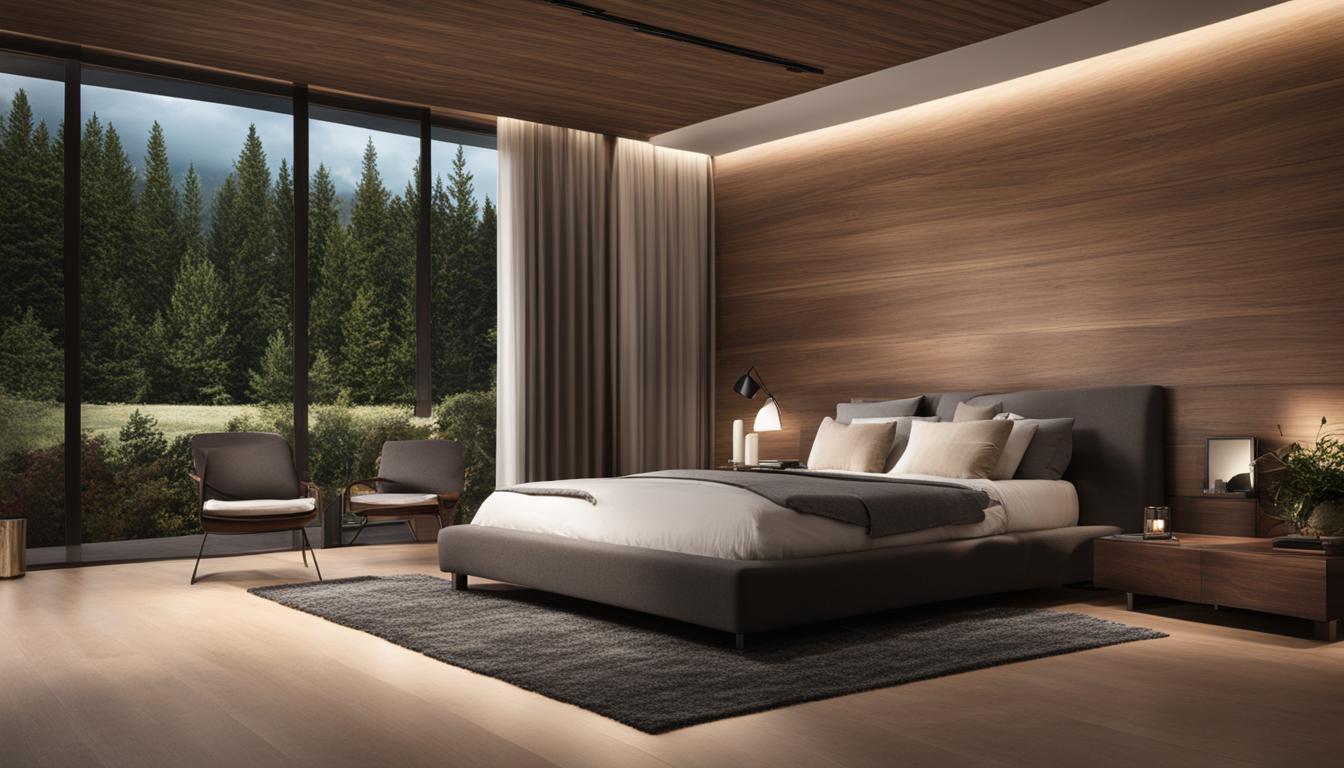
Acoustic wall panels behind a bed creating a quieter sleep environment against street noise

Soften the floor and the room

Thick rugs with a dense pad cut footfall noise and reduce echo, which makes whatever sound does arrive feel less harsh. Bookcases, a padded headboard or a wardrobe against a shared wall add mass and break up reflections. This is comfort-level improvement, not isolation — useful, but it will not solve a neighbor’s subwoofer.

Absorption is not the same as blocking

Foam and fabric acoustic panels absorb sound inside a room, reducing echo and reverberation. They do very little to stop sound passing through a wall, because they add almost no mass. Panels are a reasonable finishing touch, and they can help if your room sounds hard and echoey, but if the goal is keeping the street out, spend the money on sealing and glazing first.

Step 2: Silence the noise you are making

Before blaming the street, audit your own room with the lights off:

  • Ticking clocks, humming chargers, buzzing LED drivers and appliances on standby.
  • A squeaky or rattling bed — often a loose joint or a slat shifting rather than the mattress. See our guide to reinforcing a metal bed frame for quieter sleep if yours creaks with every turn.
  • Rattling vents, loose window sashes, and radiator pipes that tick as they cool.
  • Phones set to vibrate on a hard nightstand — a felt pad or “do not disturb” schedule fixes this in seconds.
  • Household timing: dishwashers, laundry and robot vacuums are easy to reschedule outside your sleep window.

Step 3: Mask what is left

Masking raises the room’s baseline sound so intermittent noises — a door, a car, a snore — stand out less. The common options:

Sound What it is Who tends to like it
White noise Equal energy across all frequencies; sounds like static or a hiss People masking sharp, high-pitched noise such as voices or beeping
Pink noise More energy in the lower frequencies; resembles steady rain or wind in trees Those who find white noise too harsh
Brown noise Deeper still, bass-heavy; like distant surf or a waterfall People bothered by treble hiss, or masking low rumbles
Fan or air purifier Broadband mechanical noise with no loop or repeat Anyone who wants masking plus airflow, and hates recorded loops
Nature tracks, music, sleep stories Varied, non-steady audio People who need help winding down rather than constant masking

What the evidence actually shows

Masking is cheap and low-risk, but the research base is thinner than the marketing implies. A 2021 systematic review of noise as a sleep aid examined 38 studies and judged the evidence for white noise to be very weak — a conclusion restated in a recent randomized trial in older adults, which notes that some studies even reported white noise disrupting sleep. Trials since then continue to report benefits in some groups, especially in noisy settings such as hospital wards, but study sizes are small and designs vary.

One nuance worth knowing: the striking findings about pink noise and deep sleep come from research in which short pink-noise pulses were timed to a sleeper’s own slow brain waves, which increased slow-wave activity and memory scores in older adults. That is a lab technique, not the same thing as playing a pink noise track all night from a phone. Claims that any color of noise reliably improves memory, or that one color ruins REM sleep, go beyond what the published evidence supports.

The practical takeaway: if steady sound helps you, use it — it is drug-free and easy to stop. If it does not, or if it makes you more alert, there is no evidence-based reason to persist.
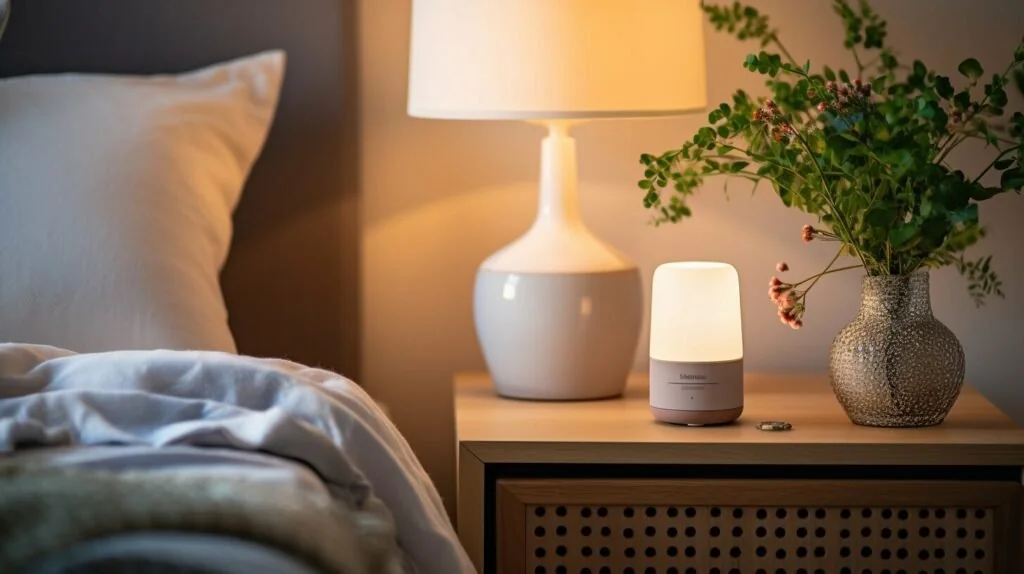
Sleep Sound Solutions white noise machine on nightstand

How to set it up

  1. Volume: just loud enough to blur the noise you are trying to cover, no louder. If you have to raise your voice over it, it is too loud.
  2. Placement: a few feet away, ideally between you and the noise source (the window or door), never pointed directly at your head.
  3. Consistency: use the same sound every night so it becomes a cue for sleep rather than a novelty. Pair it with a predictable wind-down; our nighttime routine guide covers the sequence.
  4. All night or timer? If your problem is falling asleep, a 30–60 minute timer is enough. If you wake at 3 a.m. to a garbage truck, run it continuously — masking only helps while it is playing. Frequent early-hours waking has other causes too, covered in our guide to waking up at 3 a.m.
  5. Device or app? A machine or fan avoids notifications and battery drain; an app is free, portable and lets you test sound types before buying — our roundup of sleep apps with soundscapes is a good place to start.

Looping is the main thing to check in any recorded sound: cheap tracks and machines repeat a short sample, and an audible seam every 30 seconds defeats the purpose.

Earplugs: the other option

Soft foam or silicone earplugs are the cheapest way to cut noise at the ear, and next to a busy road they often beat any room treatment. The trade-offs are comfort, ear hygiene with nightly use, and not hearing alarms, a crying child or a smoke detector. Many people alternate: earplugs on bad nights, masking on ordinary ones. No strong evidence favours one approach over the other, despite confident claims in both directions.

White noise and babies: keep it quiet and far away

Sound machines are widely used in nurseries, and the main concern is not whether they work but how loudly they are played. In a study published in Pediatrics, researchers tested 14 infant sleep machines and found that at maximum volume every machine produced more than 50 A-weighted decibels measured 30 cm away, above the level recommended for hospital nurseries. The authors recommended placing machines as far from the infant as possible, keeping the volume low, and limiting how long they run.

Two more safety points: never put a sound machine, monitor or any corded device in or on the crib. The US Consumer Product Safety Commission and the American Academy of Pediatrics advise keeping cords at least three feet away from any part of a crib, bassinet or play yard because of strangulation deaths involving monitor cords. For anything about ages, sleep training or how long to use a device with your own child, ask your pediatrician rather than the internet.

Common mistakes

  • Buying foam panels to stop street noise. They absorb, they do not block.
  • Ignoring the door gap while spending on curtains. Air paths beat materials every time.
  • Turning masking up to drown out noise completely. That just replaces one loud sound with another.
  • Expecting a decibel miracle from soft furnishings. Cushions and light drapes change the room’s character, not its isolation.
  • Treating sound as the whole problem. If you are still waking at the same time nightly, the issue may be timing or routine rather than noise — our step-by-step plan for fixing a sleep schedule tackles that side.

Round out the room

Noise control works best alongside the other basics: darkness and a cool room. Block streetlight with room-darkening blinds, cover bright LEDs, and keep the bedroom cool — the commonly cited comfortable range is roughly 60–68°F (15.5–20°C), though the “ideal” number is individual and often quoted with more precision than the evidence deserves.

Quiet sleep environment with noise reduction strategies

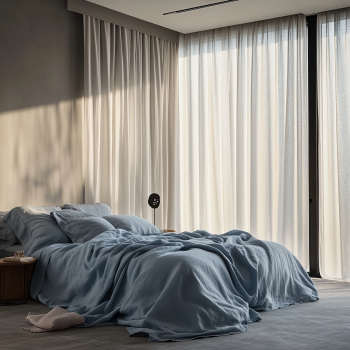
Soothing sleep environment with dark, quiet bedroom

Quick comparison

Fix What it does Cost and effort
Weatherstripping and caulk Closes the air paths sound leaks through Low; an afternoon, renter-friendly
Heavy floor-to-ceiling curtains Adds mass at the window; also blocks light Low to moderate; no installation damage with tension rods
Rugs and dense rug pads Cuts footfall and echo Low to moderate
Secondary glazing or window inserts Real reduction in traffic noise Moderate to high; inserts are renter-friendly
Solid-core door or acoustic blanket on the door Stops the weakest link in most bedrooms Moderate; blanket is the cheap version
Extra drywall or mass-loaded vinyl Genuine isolation on a shared wall High; usually professional work
White noise machine, fan or app Masks what remains; no reduction in actual noise Low; instant
Earplugs Cuts noise at the ear, wherever you sleep Very low; comfort varies

FAQ

Does white noise actually work?

For some people, clearly. Across the research as a whole the evidence is weak and inconsistent, so treat it as a cheap experiment rather than a guaranteed fix, and give it one to two weeks.

White, pink or brown noise — which is best?

There is no reliable evidence that one color beats the others for sleep. Choose by ear: brown and pink are softer and lower-pitched, white is hissier and better at covering high-pitched sounds.

Can I soundproof a rented bedroom?

You can improve it a lot without construction: removable weatherstripping and a door sweep, heavy curtains, acrylic window inserts, thick rugs, acoustic blankets on a door, and furniture against the shared wall. True isolation needs structural work, so set expectations accordingly.

Is it safe to run a sound machine all night?

For adults, the main issue is volume — keep it at a level where normal conversation is still easy. For infants, the tested machines all exceeded nursery-recommended levels at full volume, so keep it low, place it far from the crib, and keep cords well away from the sleep space.

Do sound machines block noise?

No. They add sound rather than removing it. Only mass, sealing and decoupling lower the noise level in the room; masking changes how noticeable the remainder is.

What is the cheapest thing that actually helps?

Sealing the door gap, then a rug and heavy curtains. Earplugs if you can sleep in them. Together those cost less than most sound machines.

Updated September 2026.

Hidden Storage Beds: How to Pick One That Actually Fits Your Room

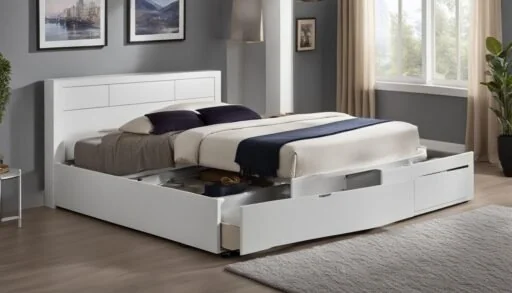
hidden storage beds with drawers

Hidden storage beds tuck drawers, a lift-up platform, or headboard cubbies into the bed frame itself, so you get dresser-level storage without giving up another square foot of floor. A lift-up queen hides roughly 25 to 30 cubic feet underneath; four side drawers usually land closer to 8 to 10. The right pick depends on how much clearance you have around the bed, not on which one looks best in the photo.

The three main styles, and who each one suits

Style Rough capacity (queen) Needs clearance Best for
Drawer bed 8–10 cu ft in four drawers Floor space equal to drawer depth plus room to stand Daily items: pajamas, kids’ clothes, spare sheets
Lift-up (ottoman) bed 25–30 cu ft in one cavity Vertical swing room; nothing heavy on top Bulky, rarely used stuff: duvets, suitcases, decor
Headboard storage 2–5 cu ft in shelves and cubbies A few extra inches of wall depth Books, chargers, glasses when there’s no nightstand

Drawer beds

Drawers pull out from the sides, the foot, or both. They’re the easiest to live with day to day because you can open one with a knee and a coffee in hand.

The catch is floor space. A drawer that’s 18 inches deep needs 18 inches of clear floor to open, plus about a foot for you to stand in. Put a 20-inch drawer on the side facing a wall three feet away and you’ll be fine; put it facing a dresser two feet away and you’ll open it halfway forever.

  • Side drawers suit long, narrow rooms. Footboard drawers suit rooms where the bed sits against a side wall.
  • Full-extension metal glides let you reach the back of the drawer. Cheap roller glides usually stop at about two-thirds and sag once loaded.
  • Some budget frames use fabric-lined drawers that roll on casters directly across your floor. They glide fine on hardwood and stick on thick carpet.
  • Look at the drawer bottom. Thin hardboard bows under a stack of jeans; plywood doesn’t.

Lift-up platform beds

Gas struts raise the whole mattress deck, and the entire footprint underneath becomes one big box. That’s why capacity jumps so much compared to drawers, and why it’s the better answer for duffel bags, winter coats, and the holiday bins.

Two things to check before you commit. First, which way it opens: end-lift models swing the mattress toward the headboard and need ceiling and wall room, while side-lift models need clearance beside the bed. Second, the strut rating. Struts are matched to the weight of the platform plus a mattress, so a 100-pound hybrid on a frame speced for a light foam mattress will feel heavy on the way up and may drop faster than you’d like. The manufacturer’s max mattress weight is usually buried in the assembly manual, so ask before you buy.

Never open or close one while someone is sitting or lying on the bed, and keep kids clear of the gap when the platform is up.

Headboard storage beds

Cubbies, sliding panels, or a shallow cabinet built into the headboard replace the nightstand you don’t have room for. Handy in guest rooms and dorms, and they pair well with drawers below.

Measure the wall side too. A storage headboard can add 6 to 10 inches to the bed’s total length, which matters when the room is already tight at the foot. If the headboard has built-in outlets or USB ports, check whether the cord reaches your actual wall socket, since many run only about 6 feet.

Hidden storage beds with under-bed drawers in a small bedroom layout

How much can hidden storage beds actually hold?

Do the math instead of trusting the listing photo. Multiply the cavity’s length × width × depth in inches, then divide by 1,728 to get cubic feet.

A queen mattress is 60 by 80 inches, so a lift-up queen with an 11-inch-deep cavity gives you roughly 27 cubic feet once you subtract the frame walls. That’s about six large storage bins. A king (76 by 80 inches) gets you closer to 35.

Drawers lose volume to the glides, the drawer walls, and the center support rail. A typical under-bed drawer runs about 30 inches wide, 18 deep, and 7 tall, which is a little over 2 cubic feet each. Four of them is genuinely useful, but it’s a dresser’s worth, not a closet’s worth.

One more limit people forget: drawer height caps what you can store. Seven inches swallows folded t-shirts and flat sheets. It won’t take a rolled duvet or winter boots, which is where the lift-up platform wins.

Measure your room before you shop

  1. Walking space. Leave about 24 to 30 inches on the sides you use, and 36 inches on the main path to the door if you can.
  2. Drawer swing. Stand where the drawer will open and measure to the nearest obstacle. You need drawer depth plus roughly 12 inches.
  3. Door and closet swing. Mark where your bedroom and closet doors land. A footboard drawer that fights the closet door is a daily annoyance.
  4. Getting it in. Storage frames ship in several heavy boxes. Check the longest box length against your stairwell turn and doorway width, especially in older buildings.
  5. Mattress height. Storage platforms sit taller than standard frames. Add your mattress height and see whether your feet still reach the floor comfortably when sitting.

If your room is under about 10 by 10 feet, a lift-up bed often beats drawers purely because it needs no side clearance. Our roundup of space-saving bedroom ideas for tiny rooms goes deeper on laying out a small floor plan.

What to check on the frame itself

  • Slat spacing. Most foam and hybrid mattress warranties want slats no more than about 3 inches apart, with a center support leg on queen and larger. Wider gaps can void coverage.
  • Center rail and legs. Storage frames carry your weight plus whatever’s stored. A queen or king should have at least one center leg touching the floor.
  • Deck material. Solid MDF decks are heavier and trap more moisture than slatted decks. Particleboard swells permanently if it ever gets wet.
  • Hardware. Metal-to-metal bolted joints hold up better than cam locks in particleboard, which loosen after a couple of moves.
  • Reassembly. Ask whether the frame can be taken apart and rebuilt. Some glued storage bases are basically one-move furniture.

For size-specific picks and frame construction details, see our guides to under-bed storage frames, king-size bed frames with storage, and the twin bed with storage underneath for kids’ rooms.

Keeping the mattress dry under a closed base

You lose about a pint of moisture a night through breathing and sweating, and a sealed storage cavity gives it fewer places to go than an open frame. It’s not a reason to skip a storage bed, but it is a reason to pay attention if you live somewhere humid or sleep hot.

The EPA advises keeping indoor humidity below 60 percent, ideally between 30 and 50 percent, which is the single most useful number here. A cheap hygrometer on the nightstand tells you whether you need a dehumidifier or just a cracked window.

Practical habits that help:

  • Pick a slatted deck over a solid one when you have the choice.
  • Pull the sheets back for 20 minutes while you shower instead of making the bed immediately.
  • Strip the bed and stand the mattress up once or twice a year, and vacuum the cavity while it’s open.
  • If you spot condensation on the underside of the mattress, air the room more and consider a breathable mattress protector rather than a vinyl one.

What to store down there, and what not to

Good candidates: off-season clothing, spare bedding, suitcases, gift wrap, camping gear, photo boxes, shoes in bins.

Skip anything sensitive to heat, humidity, or that you need in a hurry. Important documents and electronics do better in a closet. So does anything you reach for weekly, since climbing over a lifted platform gets old fast.

Wool and cashmere need a little care. The National Pesticide Information Center recommends cleaning items before storage and keeping them in airtight bags or containers, because clothes moth larvae feed on soiled natural fibers. Vacuum-seal bags handle both the moths and the bulk. Clear bins with labels beat black trash bags, which turn into mystery lumps by February.

Hidden storage beds vs. the cheaper workarounds

A storage frame costs more than a plain platform, weighs a lot more, and is a pain to move. If you’re renting year to year, that matters.

The budget route is a standard frame plus risers and rolling bins. You get similar capacity for a fraction of the price, but the storage is visible unless you add a bed skirt, and the bed sits noticeably higher. Our guide to bed risers for storage covers weight limits and stability, and storage ideas for bedrooms with no closets covers everything that doesn’t live under the bed.

The middle ground: a drawer bed on the side you actually walk past, plus vertical storage on the wall. That usually clears more clutter than a lift-up bed you’re too lazy to open.

Common questions

Can you use a box spring with a storage bed?

Almost never. Storage frames are designed as platforms, and adding a box spring raises the mattress another 5 to 9 inches. Use the mattress directly on the slats or deck.

Do lift-up beds work with heavy mattresses?

Up to the frame’s stated limit. Thick innerspring and hybrid mattresses are the usual problem, and an overloaded strut makes the platform hard to raise and quick to fall. Weigh your mattress or check its spec sheet first.

Will the drawers work on carpet?

Caster-style drawers that roll on the floor struggle on plush carpet and thick pads. Drawers mounted on rails inside the frame don’t care what’s underneath.

Are they safe in a kid’s room?

Drawer beds, yes, and low ones are great for toy cleanup. Lift-up platforms are an adult-operated mechanism. If you go that route, teach the rule that nobody opens it alone.

How long does assembly take?

Plan on two to four hours for a drawer bed and expect a second pair of hands for the lift-up deck. Build it in the room where it’s staying, because a finished storage frame rarely fits back through a doorway.

Storage headboard with open shelves and cubbies above a platform bed

A quick buying checklist

  • Measured clearance on every side that opens
  • Cavity or drawer dimensions listed in inches, not just “spacious”
  • Slat spacing of about 3 inches or less, with center support
  • Max mattress weight for lift-up models
  • Full-extension glides on drawers
  • Plywood or solid wood at the stress points rather than bare particleboard
  • Replacement parts available for struts, glides, and slats

Get those seven right and the bed disappears into the room, which is the whole point. For more furniture that pulls double duty, browse our space-saving bedroom furniture picks.

Updated September 2026.

How to Brighten a Dark Room: Lamps, Light and Decor Tips

Lamps and Lighting

Practical Lamps and Lighting Options for Rooms

Studies show that natural light is beneficial for both mental and physical health, improving sleep and reducing stress. To brighten up a space without many windows, interior designers recommend using a variety of lighting sources, including overhead, task, table, and standing lamps. Soft bulbs can create a warm and inviting atmosphere, while mirrors can make a room feel larger and reflect light. Light-colored walls and floors, as well as light-colored rugs, can enhance brightness. Wallpaper and colors inspired by nature can also help brighten windowless rooms.

Key Takeaways

  • Natural light is beneficial for mental and physical health.
  • Use a variety of lighting sources, including overhead, task, table, and standing lamps.
  • Mirrors can make a room feel larger and reflect light.
  • Light-colored walls and floors enhance brightness.
  • Colors inspired by nature can help brighten windowless rooms.

Make the Most of Natural Light

One of the best ways to brighten up your space is by maximizing the use of natural light. Not only does natural light have numerous health benefits, but it also creates a warm and inviting atmosphere. Here are some tips to help you make the most of the natural light in your home:

  1. Remove heavy drapes and opt for light and breezy curtains that allow sunlight to filter in. This will help create a brighter and more open feel in your space.
  2. Make sure to open your windows and balcony doors regularly to draw in sunlight and fresh air. This can significantly enhance the brightness of your space.
  3. Regularly clean your glass panes to ensure maximum light penetration. Dust and grime can block sunlight from entering your room, so keeping your windows clean is essential.

By following these simple steps, you can harness the power of natural light to transform your space into a bright and uplifting environment. Natural light not only improves the overall aesthetic of your home but also positively impacts your well-being.

Expert Tip: Embrace the Sun

“Natural light is a valuable resource that can instantly improve the look and feel of any room. By maximizing the use of windows and incorporating light, airy decor, you can create a space that feels open, inviting, and filled with positive energy.” – Lighting Designer, Jane Anderson

So, open those curtains, clean those windows, and let the sun work its magic in your home. By making the most of natural light, you’ll create a bright and cheerful living space that you’ll love spending time in.

Benefits of Natural Light Tips for Maximizing Natural Light
1. Improves mood and boosts energy levels 1. Use light and breezy curtains
2. Enhances productivity and focus 2. Open windows and balcony doors regularly
3. Supports better sleep and reduces stress 3. Clean glass panes for maximum light penetration
4. Creates a warm and inviting atmosphere

Remember, natural light is a free and abundant source of illumination that can greatly enhance the overall ambience of your home. By implementing these tips, you’ll not only brighten up your space but also enjoy the numerous benefits that natural light has to offer.

Embrace Creative Lighting Solutions

When it comes to brightening up your space, there are numerous creative lighting solutions that can add charm and functionality to any room. Consider incorporating the following lighting options:

String Lights

String lights have become a popular choice for adding a touch of whimsy and ambiance to any space. Whether you wrap them around a headboard, drape them across a wall, or hang them from the ceiling, string lights can instantly transform a room into a cozy and enchanting retreat.

Plug-in Wall Sconces

If you’re looking for ornate lighting without the hassle of electrical work, plug-in wall sconces are the perfect solution. These fixtures can be easily installed and lend a touch of elegance to any room. With a variety of styles to choose from, you can find a wall sconce that complements your decor and provides the right amount of illumination.

Arc Floor Lamps

Make a statement with an arc floor lamp that not only brightens up a space but also serves as a stylish focal point. These lamps feature an arched design that allows you to position the light exactly where you need it. Place it next to a reading nook or over a dining table to create a warm and inviting atmosphere.

Mirrors

Strategically placing mirrors in a room can amplify the existing light and make the space feel more open and airy. Consider hanging a large mirror opposite a window to reflect the natural light or position smaller mirrors strategically to bounce light around the room.

Table Lamps

Table lamps are not only functional but also a great way to add a touch of style and personality to your space. Place them on bedside tables, desks, or side tables to provide task lighting and create a cozy ambiance. With various designs and sizes available, you can find the perfect table lamp to suit your needs and enhance your decor.

Plug-in Pendant Lights

If you want to add overhead lighting without the need for rewiring, plug-in pendant lights offer a convenient solution. These hanging lights can be plugged into an existing outlet and instantly brighten up your space. Choose from a range of styles, shapes, and colors to find the perfect pendant light that complements your aesthetic.

Flameless Candles

For a cozy and romantic atmosphere, consider using flameless candles. These battery-operated candles provide the warm glow of a traditional candle without the worry of an open flame. Place them on tables, shelves, or in lanterns to create a serene and relaxing environment.

Smart Bulbs

Upgrade your lighting with smart bulbs that allow you to control brightness, color temperature, and even change the ambiance of a room with just a tap on your smartphone. These innovative bulbs offer convenience and flexibility, allowing you to create the perfect lighting atmosphere for every occasion.

Ceiling Fixtures

When it comes to brightening up a room, don’t forget about ceiling fixtures. Whether it’s a stylish chandelier, a sleek flush mount, or a modern pendant light, ceiling fixtures can provide an overhead lighting solution that adds both functionality and style to your space.

Layered lamps and ceiling fixtures used to brighten a dark room in the evening

With these creative lighting solutions, you can transform your space into a well-lit and enchanting haven. From string lights and plug-in wall sconces to arc floor lamps and smart bulbs, there are endless possibilities to brighten up your home and create the perfect ambiance.

Incorporate Light-Enhancing Decor

When it comes to brightening up your space, incorporating light-enhancing decor can make a significant impact. From mirrors to light-colored paint, there are various elements you can introduce to maximize brightness and create an inviting atmosphere. Let’s explore some key decor solutions that can help optimize the lighting in your home.

Reflective Mirrors

Mirrors are a versatile decor piece that can not only add visual interest but also reflect light, creating the illusion of a larger and brighter space. Strategically placing mirrors across from windows or light fixtures can amplify the natural and artificial light in a room. Consider incorporating wall-mounted mirrors or free-standing floor mirrors to enhance the brightness of your space.

Light-Colored Paint

Choosing light-colored paint for your walls and ceilings can greatly improve brightness by reflecting more light. Opt for shades such as white, cream, or light pastels to create an airy and open feel in your rooms. Light-colored paint can also complement different lighting fixtures, allowing them to stand out and serve as focal points in your space.

Strategic Light Fixtures

Light fixtures play a crucial role in enhancing the overall lighting ambiance of your home. Consider installing wall sconces or pendant lights to provide both functional and decorative lighting in specific areas. These fixtures can add depth and dimension to your rooms while increasing brightness. Task lighting, such as desk lamps or under-cabinet lights, can also be incorporated to improve visibility in specific areas.

Decor Element Advantages
Mirrors Reflect light, create the illusion of a larger space
Light-Colored Paint Enhance brightness, reflect more light
Strategic Light Fixtures Provide functional and decorative lighting, increase brightness
LED Lighting Add indirect illumination, energy-efficient

By incorporating these light-enhancing decor elements, you can transform your space into a well-lit and inviting sanctuary. Experiment with different combinations and placements to find the perfect balance between functionality and aesthetics. Creating an atmosphere that embraces brightness will not only uplift your mood but also make your home feel more spacious and welcoming.

Optimize Brightness with Design Elements

When it comes to brightening up your space, design elements play a crucial role in optimizing brightness and creating a welcoming atmosphere. Here are some key design elements to consider:

Mirrored Furniture

Mirrored furniture not only adds a touch of elegance to your space, but it also helps amplify light and create a sense of spaciousness. Strategically placing mirrored pieces, such as a mirrored coffee table or dresser, can reflect light from windows or light fixtures, making your room appear brighter and more open.

Reflective Paint Colors

Choosing the right paint colors can significantly impact the brightness of your space. Opt for light and reflective paint colors, such as white, cream, or light grays. These colors bounce light around the room, creating a vibrant and airy ambiance. Combine contrasting hues on walls to add depth and create the illusion of more light.

Light-Colored Flooring and Decor

Light-colored flooring, such as neutral carpets or light wood, can enhance brightness and make your space feel more expansive. Additionally, incorporating light-colored decor, such as throw pillows, curtains, or artwork, can contribute to the overall brightness of your room.

Light Shelves

Light shelves are not only functional but also offer a stylish way to brighten up your space. These shelves can be used to display decorative items or even as additional light sources by incorporating LED strip lighting underneath. Light shelves add visual interest and can help distribute light more evenly throughout the room.

Design Element Description
Mirrored Furniture Reflects light, creating a sense of spaciousness
Reflective Paint Colors Bounces light around the room, enhancing brightness
Light-Colored Flooring and Decor Contributes to the overall brightness of the space
Light Shelves Adds functionality and distributes light more evenly

By incorporating these design elements into your space, you can optimize brightness and create a visually pleasing and inviting environment.

Bring Style and Functionality with Lighting Accessories

Lighting accessories can be the perfect finishing touch to your interior design, adding both style and functionality to your space. Whether you’re looking to create a cozy and ambient atmosphere or enhance the overall brightness of your room, there are a variety of lighting accessories that can help you achieve your desired effect.

LED Strip Lights

LED strip lights are a versatile and popular choice for adding a touch of style and ambiance to any room. These flexible lights can be easily installed under cabinets, along shelves, or even behind furniture to provide indirect illumination. With LED technology, you can choose from a wide range of colors and brightness levels to suit your mood and decor. They are also energy-efficient, ensuring long-lasting and cost-effective lighting solutions for your home.

String Lights

If you’re looking to create a warm and enchanting atmosphere, string lights are a perfect choice. Whether it’s for a holiday display or everyday use, string lights can add a cozy and inviting feel to any space. Consider using warm-toned all-white LED string lights for a soft and romantic glow. You can easily hang them along walls, wrap them around furniture, or drape them across ceilings to create a magical ambiance.

Electric Candles

If you love the warm flicker of candlelight but prefer a safer and more convenient option, electric candles are a great alternative. These flameless candles can add a touch of elegance and coziness to your space without the worry of an open flame. You can place them on tabletops, shelves, or even in lanterns to create a soothing and inviting atmosphere.

Accessories Description
Smart Bulbs Smart bulbs offer customizable brightness levels and color options, allowing you to create the perfect lighting for any occasion.
Dimmers Dimmers provide flexibility in adjusting the brightness levels of your lights, allowing you to create a variety of moods and ambiances.

With the right lighting accessories, you can transform your space into a haven that perfectly balances style and functionality. Whether you choose LED strip lights, string lights, electric candles, smart bulbs, or dimmers, these accessories are sure to enhance the overall atmosphere of your home. Experiment with different combinations and settings to create the perfect lighting scheme for every occasion.

Upgrade Your Lighting Tech

When it comes to creating the perfect ambiance in your space, upgrading your lighting technology can make a world of difference. With smart bulbs, smart LED strips, and dimmer switches, you have the power to transform your lighting setup and create various atmospheres to suit your mood and needs.

Smart bulbs are a game-changer in lighting technology. With the ability to be controlled remotely through a smartphone or voice commands, they offer convenience and versatility. You can adjust the brightness, color temperature, and even set schedules to mimic natural lighting conditions throughout the day. Whether you want energizing daylight brightness or a relaxing, softer glow in the evenings, smart bulbs allow you to customize your lighting experience.

Smart LED strips are another fantastic option for upgrading your lighting. These strips can be easily installed under cabinets or along shelves to provide indirect illumination. With the ability to change colors and brightness levels, they offer endless possibilities for creating unique lighting effects and highlighting different areas of your space.

Dimmer switches are an essential addition to your lighting tech arsenal. They give you full control over the brightness levels in your space, allowing you to create the perfect ambiance for any occasion. Whether you want bright, focused lighting for work or a soft, cozy glow for relaxation, dimmer switches offer the flexibility to adjust the lighting intensity to your preference.

Enhance Your Space with Smart Lighting

With smart bulbs, smart LED strips, and dimmer switches, you can upgrade your lighting technology and take your space to the next level. Whether you’re looking to create a vibrant, energizing atmosphere or a relaxing, cozy ambiance, these smart lighting solutions provide endless possibilities for customization and convenience.

By incorporating smart technology into your lighting setup, you can easily adjust the brightness, color, and intensity of your lights to suit your mood and needs. Whether you’re hosting a dinner party, enjoying a quiet evening at home, or working on a project, smart lighting allows you to create the perfect lighting environment with just a few taps on your smartphone or a simple voice command.

Smart bulbs, smart LED strips, and dimmer switches give you the freedom to experiment with different lighting effects, colors, and intensities, allowing you to transform your space and enhance its overall appeal. With the power of technology at your fingertips, you can create a truly immersive and enchanting lighting experience in your home or office.

Tips for a Well-Lit and Enchanting Interior

Creating a well-lit and enchanting interior is easier than you think. With the guidance of lighting experts, you can transform your space into a bright and inviting haven. Start by prioritizing natural light – open up curtains or blinds during the day to let in the sunshine and embrace the beauty of the outdoors. Mirrors are another secret weapon for enhancing brightness – strategically place them to reflect light and create the illusion of a larger space.

When it comes to choosing light fixtures, opt for designs that combine both functionality and aesthetics. Consider pendant lights, chandeliers, or wall sconces that not only illuminate your space but also add a touch of style and personality. Additionally, explore creative decor solutions that can balance natural and artificial light. From light-colored paint and rugs to decorative items that reflect light, these details can all contribute to a brighter and more inviting atmosphere.

Remember, the key to achieving the perfect lighting balance lies in experimentation. Play around with different lighting styles to create the desired ambience for each area of your home. Don’t be afraid to mix and match various types of lighting sources, such as floor lamps, table lamps, and overhead fixtures, to create layers of light. By embracing the expertise of lighting professionals and incorporating these tips, you’ll be well on your way to a well-lit and enchanting interior.

Source Links

Explore Stylish Nightstands and Bedside Tables for Your Room

Stylish Nightstands and Bedside Tables

Stylish Nightstands and Bedside Tables: A Complete Guide

Stylish Nightstands and Bedside Tables

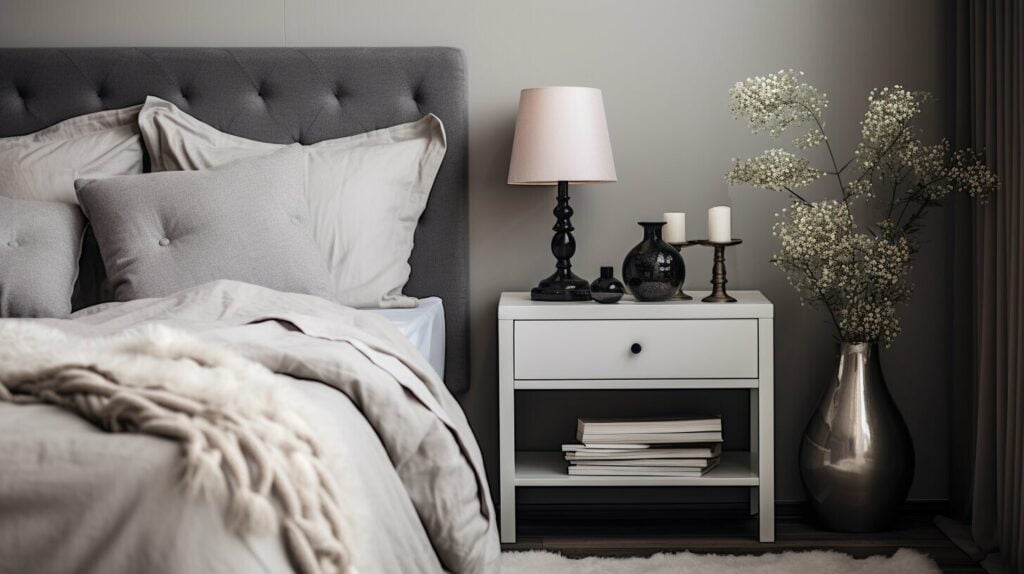
Nightstands are essential bedroom furniture pieces that offer both functionality and style. They provide a convenient surface for lamps, reading materials, and personal items. Nightstands with drawers allow for discreet storage, while those with shelves offer open storage options. There are various styles available, including rustic, mid-century, modern, and traditional designs. Also, nightstands come in a variety of colors such as black, white, brown, walnut, gray, and blue, allowing you to find one that matches your decor. Consider the size of your bedroom and bed when selecting a nightstand, as taller options are suitable for taller beds, while small nightstands work well in cozy spaces. You can purchase nightstands individually or as a set of two for added value. Keep an eye out for sales to maximize your budget, and take advantage of free shipping options when shopping online.

Key Takeaways:

  • Nightstands provide both functionality and style to your bedroom.
  • Options include nightstands with drawers for discreet storage and those with shelves for open storage.
  • Consider the various styles, colors, and sizes available to match your decor and bedroom space.
  • Take advantage of sales and free shipping when shopping for nightstands online.
  • Consider purchasing nightstands individually or as a set of two for added value.

The Versatility of Stylish Nightstands with Drawers

When it comes to choosing the perfect nightstand for your bedroom, the options are endless. However, if you’re looking for a versatile piece that offers both style and functionality, consider investing in a nightstand with drawers. These cleverly designed furniture pieces provide a practical solution for organizing and storing personal items, helping you keep your bedroom clutter-free. With dedicated storage space, nightstands with drawers offer a clean and organized sleeping environment.

One of the key advantages of nightstands with drawers is their ability to keep your belongings out of sight. The discreet storage compartments allow you to neatly store essentials such as books, electronics, and accessories, ensuring that your bedroom remains tidy and visually appealing. Whether you’ve a small collection of bedtime reading materials or a multitude of gadgets, the number of drawers and their size can cater to your specific needs.

Another great feature of some nightstands with drawers is the inclusion of built-in charging stations. These convenient additions allow you to effortlessly charge your devices overnight while keeping your bedside area clutter-free. You no longer have to worry about tangled cords or searching for an available outlet, as nightstands with charging stations provide a Smooth and organized charging experience.

A Comparison of Nightstands with Drawers:

Feature Nightstand A Nightstand B Nightstand C
Number of Drawers 3 2 1
Drawer Size Medium Small Large
Built-in Charging Station No Yes No

As seen in the comparison table above, different nightstands with drawers offer varying levels of storage and additional features. Consider your individual storage needs and preferences when choosing the perfect nightstand for your bedroom. Whether you opt for a nightstand with multiple drawers or one with a built-in charging station, the versatility of nightstands with drawers ensures that you can find a design that suits your personal style and organization requirements.

With their practical storage solutions and ability to keep your bedroom organized, nightstands with drawers are an excellent addition to any bedroom. Invest in one today and enjoy the convenience and versatile functionality it brings to your sleeping space.

Embrace Modern Design with Contemporary Bedside Tables

When it comes to adding a touch of sophistication to your bedroom, contemporary bedside tables are the way to go. With their sleek designs and clean lines, these modern nightstands offer a minimalist aesthetic that effortlessly elevates any space. Crafted from materials like wood and metal, contemporary bedside tables aren’t only stylish but also highly functional.

One of the key features of modern nightstands is their versatility in storage options. Many contemporary designs incorporate both drawers and shelves, allowing you to keep your essentials organized and easily accessible. Whether you need a place to store books, electronics, or personal items, these bedside tables have you covered.

From sleek white nightstands to bold black options, there’s a wide range of colors to choose from, ensuring you can find the perfect match for your bedroom decor. The sleek and simple design of contemporary bedside tables complements various interior styles, making them a versatile choice for any room.

improve Your Bedroom with Modern Elegance

By embracing modern design with contemporary bedside tables, you can transform your bedroom into a stylish and elegant sanctuary. The clean lines and minimalist aesthetic of these nightstands create a sense of calm and serenity, perfect for promoting relaxation and a restful sleep environment. Not only do they provide functional storage solutions, but they also serve as eye-catching statement pieces that bring a touch of modern elegance to your bedroom.

Whether you prefer a nightstand with drawers or one with open shelves, contemporary bedside tables offer the perfect combination of style and practicality. Embrace modern design and discover the endless possibilities for transforming your bedroom into a chic and inviting space.

contemporary bedside tables

Table: Sleek and Stylish Contemporary Bedside Tables

Nightstand Model Dimensions Materials Color Options
Modern Elegance 22″H x 18″W x 16″D Wood and Metal White, Black, Walnut
Sleek Simplicity 24″H x 20″W x 18″D Wood and Metal White, Gray, Blue
Minimalist Beauty 20″H x 22″W x 16″D Metal Black, Silver, Gold
Contemporary Charm 26″H x 24″W x 18″D Wood Walnut, Oak, Espresso

Timeless Charm of Classic Stylish Nightstands

Classic nightstands are a must-have for any bedroom, offering a combination of traditional design and modern practicality. These elegant bedside tables add a touch of sophistication to your space while providing functional storage options. Crafted with attention to detail, classic nightstands are made from durable materials and feature exquisite finishes that elevate the overall aesthetic of your room.

When choosing a classic nightstand, consider the design that best complements your existing decor. Whether you prefer ornate carvings, graceful curves, or clean lines, there’s a style to suit every taste. Traditional bedside tables often come with drawers or shelves, allowing you to keep your essentials within reach while maintaining a clutter-free environment.

“Classic nightstands are timeless pieces that combine form and function. With their elegant designs and high-quality craftsmanship, they bring a touch of sophistication to any bedroom.” – Interior Design Expert

Whether you opt for a rich, dark wood finish or a lighter, more neutral tone, classic nightstands are versatile enough to blend Smoothly with various color schemes and decor styles. These timeless pieces not only provide practical storage solutions but also serve as statement pieces that improve the overall ambiance of your room.

Nightstand Design Key Features
Ornate Carvings Adds a touch of elegance and intricate detailing
Clean Lines Offers a more modern twist on a classic design
Graceful Curves Brings a sense of softness and femininity to the room
Rich Wood Finishes Provides a warm and luxurious look

Whether you’re aiming for a traditional, vintage-inspired aesthetic or looking to add a touch of timeless charm to a more contemporary space, classic nightstands are a perfect choice. With their elegant designs and versatile storage options, they offer both style and functionality that will stand the test of time.

When it comes to selecting the right nightstand, classic designs can improve the overall appeal of your bedroom. The timeless charm of these pieces adds a touch of elegance and sophistication, transforming your room into a haven of comfort and style.

Rustic Charm of Farmhouse-Inspired Nightstands

If you’re drawn to the charm of farmhouse decor, rustic nightstands are a perfect addition to your bedroom. These bedside tables often feature wooden construction with distressed finishes, showcasing a shabby chic aesthetic. With their country-inspired design, farmhouse bedside tables add warmth and character to any space. Whether you opt for a reclaimed wood nightstand or one with rustic details like cane accents, these pieces bring a touch of rustic charm to your bedroom.

“The farmhouse-inspired nightstands provide a unique blend of rustic charm and practical functionality. The distressed finishes and natural elements instantly create a cozy and inviting atmosphere in your bedroom.”

One of the key features of farmhouse-inspired nightstands is their ability to Smoothly blend with various decor styles. Whether you’ve a traditional, modern, or eclectic bedroom, these rustic nightstands can effortlessly complement your existing furniture. Their timeless appeal makes them a versatile choice that can be incorporated into different design aesthetics.

Table: Comparing Different Farmhouse-Inspired Nightstands

Nightstand Material Finish Special Features
Reclaimed Wood Nightstand Reclaimed wood Distressed Unique grain variations
Rustic White Nightstand Wood White-washed Ornate carvings
Shabby Chic Nightstand Wood and cane Weathered Elegant cane accents

Each farmhouse-inspired nightstand offers its own distinct features and charm. The reclaimed wood nightstand showcases unique grain variations, adding character and authenticity to your bedroom. The rustic white nightstand, with its white-washed finish and ornate carvings, exudes a vintage elegance that complements a shabby chic aesthetic. For those looking for a touch of elegance, the shabby chic nightstand features weathered wood with elegant cane accents, combining rustic charm with delicate detailing.

When styling your farmhouse-inspired nightstand, consider pairing it with vintage-inspired accessories like mason jars, distressed picture frames, and woven baskets. These accessories further improve the rustic charm and create a cohesive farmhouse-inspired look. Whether you’re designing a cozy cottage bedroom or a farmhouse-inspired retreat, rustic nightstands offer the perfect combination of charm and functionality.

Considerations for Choosing the Right Nightstand

When selecting the perfect nightstand for your bedroom, there are several important factors to consider. The size of your nightstand is Really important as it needs to be proportionate to the size of your bedroom and your bed. For taller beds, opt for a taller nightstand to ensure it doesn’t look disproportionate. On the other hand, if you’ve a cozy space or a lower bed, a smaller nightstand will fit better and won’t overpower the room.

If you’re looking to maximize floor space or create a minimalist look, floating nightstands are an excellent option. These nightstands attach to the wall, providing a sleek and space-saving solution. they’re especially beneficial in smaller bedrooms or rooms with limited floor space.

Tabletop space is an essential consideration when choosing a nightstand. The amount of space you need depends on your personal preferences and needs. If you’ve a lot of items you like to keep within reach, such as a lamp, books, and a glass of water, opt for a nightstand with sufficient surface area. Round nightstands generally offer less tabletop space compared to square or rectangular designs.

In terms of storage, consider whether you require drawers or shelves. Nightstands with drawers are ideal for keeping personal items hidden and organized, while nightstands with shelves offer more open storage solutions. Think about your specific storage needs and choose a nightstand that provides the right balance of functionality and style for your bedroom.

Table: Nightstand Size Guide

Bed Size Ideal Nightstand Height Ideal Nightstand Width
Twin 24-27 inches 16-18 inches
Full 24-27 inches 18-24 inches
Queen 24-27 inches 20-26 inches
King 24-27 inches 24-36 inches
California King 24-27 inches 24-36 inches

In the end, choosing the right nightstand involves finding a balance between style, functionality, and size. Consider the overall aesthetic of your bedroom, your personal preferences, and the specific needs of your space. By carefully considering these factors, you can select a nightstand that complements your bedroom decor while providing the functionality you require.

Conclusion: Elevate Your Bedroom with the Perfect Nightstand

When it comes to improving your bedroom, selecting the perfect nightstand is key. Your choice of nightstand can greatly impact the overall decor and style of your room. Whether you lean towards a modern, classic, or rustic look, there are options to suit every personal style.

Consider the size and storage needs of your space when making your decision. A nightstand that Smoothly fits into your bedroom will provide both functionality and aesthetic appeal. Take into account the available space next to your bed, and whether you require additional storage options. Nightstands with drawers can help keep your essentials organized and out of sight, while more sculptural designs can add artistic flair to your space.

Remember that your nightstand should complement the existing elements in your bedroom, such as your bed frame, lamps, and other furniture. By carefully selecting a nightstand that harmonizes with your overall decor, you can create a cohesive and inviting sleeping space.

So, whether you’re looking for a sleek and modern design, a timeless classic, or a charming farmhouse-inspired piece, the right nightstand can elevate your bedroom to new heights. Take the time to explore the various styles, sizes, and storage options available, and choose a nightstand that reflects your personal style and improves the overall ambiance of your bedroom.

Nightstands and Bedside Tables

The Importance of Optimal Sleep Temperature for Quality Rest

"Cozy bedroom with breathable bamboo sheets, warm lighting, and a bedside fan for temperature control."

<!doctype html>


best Sleep Temperature: Achieve Quality Rest Every Night

Quick answer: The best sleep temperature is typically a bedroom set to 60–70°F (15.5–21°C) with an average sweet spot near 65°F (18.3°C), and a cozy under-the-covers microclimate of 80.6–89.6°F (27–31°C). Keep bedding breathable, manage humidity, and ventilate the room for deeper, more consistent sleep.

Key Takeaways on best Sleep Temperature

  • Set your bedroom to 60–70°F (15.5–21°C); many sleepers thrive around 65°F (18.3°C).
  • Under the covers, aim for a warm microclimate of 27–31°C (80.6–89.6°F) for comfort without overheating.
  • Heat increases wakefulness and reduces REM/slow-wave sleep; cold affects cardiovascular responses—both can disturb rest.
  • Use breathable, moisture‑wicking bedding and light sleepwear to maintain an best sleep temperature.
  • Control humidity and airflow (fans/AC or ventilation) to stabilize temperature across the night.
  • If you struggle with insomnia, a cooler, consistent room temp can support your natural nighttime temperature drop.

Are you struggling to get a good night’s sleep? The culprit might be the temperature. It turns out that the thermal environment plays a Really important role in determining the quality of our sleep. Whether it’s too hot or too cold, the temperature can significantly impact our sleep stages and overall sleep quality.

Bottom line up front: When we’re exposed to heat during sleep, it increases wakefulness and decreases the important stages of sleep like rapid eye movement (REM) sleep and slow wave sleep. Cold exposure doesn’t necessarily disrupt stages but can change how the heart responds during sleep. That’s why it’s essential to maintain an best sleep temperature for better rest and overall sleep quality.

Key Concepts

  • Temperature plays a Really important role in determining the quality of our sleep.
  • Heat exposure leads to increased wakefulness and decreased REM sleep and slow wave sleep.
  • Cold exposure influences the cardiac autonomic response during sleep.
  • Maintaining an best sleep temperature is important for better rest and sleep quality.
  • Creating the ideal sleep environment involves finding the right temperature, bedding, and humidity levels.

How Temperature Affects Sleep and Thermoregulation

In one sentence: Your body naturally cools at night, and aligning your room and bedding to support that drop helps you fall asleep faster and reach deeper stages.

Temperature plays a significant role in the quality of your sleep and the regulation of your body’s internal temperature. Your sleep is closely linked to thermoregulation, which is controlled by your circadian rhythm and sleep regulation. Throughout the night, your core body temperature (Tcore) naturally decreases during sleep and increases when you wake up, following a 24-hour circadian rhythm.

One key factor in thermoregulation is the adjustment of blood flow to your skin, which is controlled by your distal skin temperature (Tsk). When your Tsk increases, it promotes the rapid onset of sleep. Interestingly, different sleep stages are sensitive to temperature changes to varying degrees. REM sleep, for example, is less affected by hot or cold stimulation compared to non-REM sleep and wakefulness.

In addition to your body’s natural thermoregulation, your behavior and sleep environment also play a role in maintaining an best sleep temperature. Factors like bed cover behaviors and sleep positions can impact your sleep quality. By understanding how temperature affects sleep and thermoregulation, you can make adjustments to create a comfortable and supportive sleep environment.

Creating the best Sleep Environment

Do this first: Keep your bedroom between 60–70°F (15.5–21°C)—many sleepers prefer about 65°F (18.3°C)—and target an under-the-covers temperature of 27–31°C (80.6–89.6°F).

When it comes to maintaining a proper sleep temperature, the ideal bedroom temperature is typically between 15.5-21°C (60-70°F), with an average of 18.3°C. To ensure good sleep, the temperature under your covers should be around 27-31°C (80.6-89.6°F). However, it’s essential to find the temperature that works best for you based on your individual preferences.

Along with temperature, considerations like bedding and humidity should also be taken into account when creating the best sleep environment. By making adjustments to create the best sleep conditions for yourself, you can improve your rest and overall well-being.

optimal sleep temperature illustration for bedroom comfort
Dial in room and bedding temps to support natural nighttime cooling.
Effects of Temperature on Sleep Regulating Sleep Temperature
– Temperature impacts sleep stages – Adjust bedding and clothing for thermoregulation
– Heat exposure increases wakefulness – Keep bedroom temperature between 15.5-21°C (60-70°F)
– Cold exposure influences cardiac autonomic response – Under covers temperature should be 27-31°C (80.6-89.6°F)
– Distal skin temperature promotes rapid sleep onset – Consider bedding and humidity in sleep environment

Understanding the relationship between temperature and sleep is Really important for maintaining proper sleep quality. By regulating your sleep temperature and creating a comfortable sleep environment, you can optimize your rest and improve your overall well-being.

The Effects of Heat Exposure on Sleep Quality

Takeaway: Sleeping too warm makes you wake more and cuts down deep and REM sleep—cool the room, cool the bedding.

When it comes to getting a good night’s sleep, the temperature of your sleep environment plays a Really important role. Heat exposure during sleep can have significant effects on your sleep quality, leading to increased wakefulness and decreased slow wave sleep and REM sleep. High humidity during heat exposure can further disrupt your sleep stages and thermoregulation.

Here’s the thing: heat has a greater impact on sleep stages compared to cold exposure in real-life situations. The increase in wakefulness caused by heat exposure can have adverse effects on your health, such as obesity and decreased quality of life. Therefore, maintaining a comfortable thermal sleep environment is Really important for sleep maintenance and overall well-being.

One way to ensure a better sleep temperature is by using bedding and clothing that support thermoregulation. By choosing materials that promote breathability and moisture-wicking properties, you can create a more comfortable sleep environment. Also, keeping your bedroom well-ventilated and using fans or air conditioning can help regulate the temperature and promote better sleep.

Sleep Environment Tips
Use bedding and clothing that promote breathability and moisture-wicking properties.
Keep your bedroom well-ventilated and use fans or air conditioning to regulate the temperature.
Avoid heavy meals and exercise close to bedtime, as they can increase your body temperature.
Consider using a cooling mattress pad or pillow to help regulate your body temperature.

The Effects of Cold Exposure on Sleep Quality

Heads up: Cold rooms don’t usually break sleep stages, but they can stress your cardiovascular system—use warm covers to keep your skin comfortably warm.

Cold exposure may not significantly disrupt sleep stages but it can impact the cardiac autonomic response during sleep. To support thermoregulation and sleep in cold exposure, the use of bedding and clothing is Really important. Even a slight increase in proximal skin temperature (Tsk) can help alleviate sleep problems, particularly in older individuals. Also, the temperature and humidity of the microclimate between humans and bed covers (bed climate) play a vital role in creating a warm bed climate to support increased Tsk and promote better sleep.

Studies have shown that the effects of cold exposure on sleep quality warrant further investigation. While it may not directly affect sleep stages, it can influence the autonomic response of the cardiovascular system during sleep. By better understanding the impact of cold exposure on sleep and other physiological parameters, we can gain valuable insights into how to optimize sleep in colder environments.

Watch related video

The Link Between Body Temperature and Insomnia

Action step: If you’ve insomnia, make your bedroom cooler and consistent; this supports the natural nighttime drop in core temperature.

Insomnia is a common sleep disorder that affects millions of people worldwide. it’s characterized by difficulty falling asleep, staying asleep, or experiencing restful sleep. While there are various factors that contribute to insomnia, one important aspect that often goes overlooked is the link between body temperature and sleep quality.

Research has shown that individuals with insomnia tend to have disrupted core body temperature patterns, which can have a significant impact on their ability to fall asleep and stay asleep throughout the night. During normal sleep-wake cycles, our body temperature naturally drops as we prepare for sleep and increases again as we wake up. However, for individuals with insomnia, this temperature regulation process is disrupted, making it difficult to initiate and maintain sleep.

By understanding the importance of maintaining a proper sleep temperature, individuals with insomnia can take steps to improve their sleep quality. One effective strategy is to create a cool and comfortable sleep environment. Keeping the bedroom temperature between 60-70°F (15.5-21°C) can help support the natural drop in body temperature and promote restful sleep. Also, using breathable bedding materials and wearing light, moisture-wicking sleepwear can further aid in temperature regulation during sleep.

It’s important to note that maintaining a proper sleep temperature isn’t only beneficial for individuals with insomnia but for everyone seeking to improve their sleep quality. By optimizing the sleep environment and ensuring a comfortable temperature, you can improve your chances of experiencing deep, restorative sleep and wake up feeling refreshed and rejuvenated.

minimalist bedroom setup demonstrating optimal sleep temperature with blackout curtains and thermometer
Breathable linens, blackout curtains, and a steady room temp support deeper sleep.

Creating the best Sleep Environment

Checklist: Cool room (around 65°F), breathable bedding, and balanced humidity deliver the most reliable comfort.

The ideal bedroom temperature for sleep is around 15.5-21°C (60-70°F), with an average of 18.3°C. But remember, everyone is different, so it’s important to find the temperature that feels most comfortable for you. Experiment with different temperatures and pay attention to how your body responds.

In addition to the room temperature, also consider the temperature under your covers. Studies have shown that a temperature between 27 and 31°C (80.6-89.6°F) can help promote better sleep. This cozy warmth can contribute to a more restful and relaxing sleep experience.

It’s not just about the temperature though. Other factors like bedding and humidity also play a role in creating the best sleep environment. Choose bedding materials that are breathable and can help regulate your body temperature. Pay attention to the humidity level in your bedroom and consider using a humidifier or dehumidifier to achieve the ideal moisture balance.

FAQ

What is the best sleep temperature for most adults?
Most sleepers do best with a bedroom at 60–70°F (15.5–21°C), often around 65°F (18.3°C), and an under-blanket microclimate near 27–31°C (80.6–89.6°F).
Should I change my bedding for summer and winter?
Yes. Use breathable, moisture‑wicking sheets and lighter covers in warm months; in colder seasons, add insulating layers while keeping the room itself relatively cool.
Is being too cold as harmful as being too hot?
Heat more directly fragments sleep and reduces deep/REM stages; cold tends to influence cardiovascular responses. Aim for a cool room with adequate covers to stay warm under the duvet.
How does humidity affect best sleep temperature?
High humidity limits sweat evaporation and can make a room feel hotter; keep indoor humidity roughly 40–60% and use ventilation or dehumidification as needed.
Can adjusting room temperature help insomnia?
Often yes. A cooler, consistent bedroom helps support your natural nighttime temperature drop, making it easier to fall asleep and stay asleep.


Related reading from Cozy Bed Quarters

Other reading we found popular