Using Essential Oils Safely for Everyday Aromatherapy
Plant extracts are natural with powerful healing properties that enhance well-being, sleep, mood, and skin health.
Key Takeaways
Essential oils offer therapeutic benefits for physical and mental wellness
Diffusion, topical application, and bath use are effective methods
Safety practices are critical for proper use
Understanding Plant Extracts and Their Benefits
Concentrated extracts obtained from flowers, leaves, bark, or roots of plants have therapeutic properties embraced across cultures for centuries. Whether you’re targeting anxiety, fatigue, skin irritation, or enhancing your home environment, these natural solutions offer holistic benefits. Popular options like lavender, eucalyptus, and peppermint have anti-inflammatory, antiseptic, and calming effects.
Incorporating these plant extracts into your routine can help you feel more balanced, focused, and relaxed.
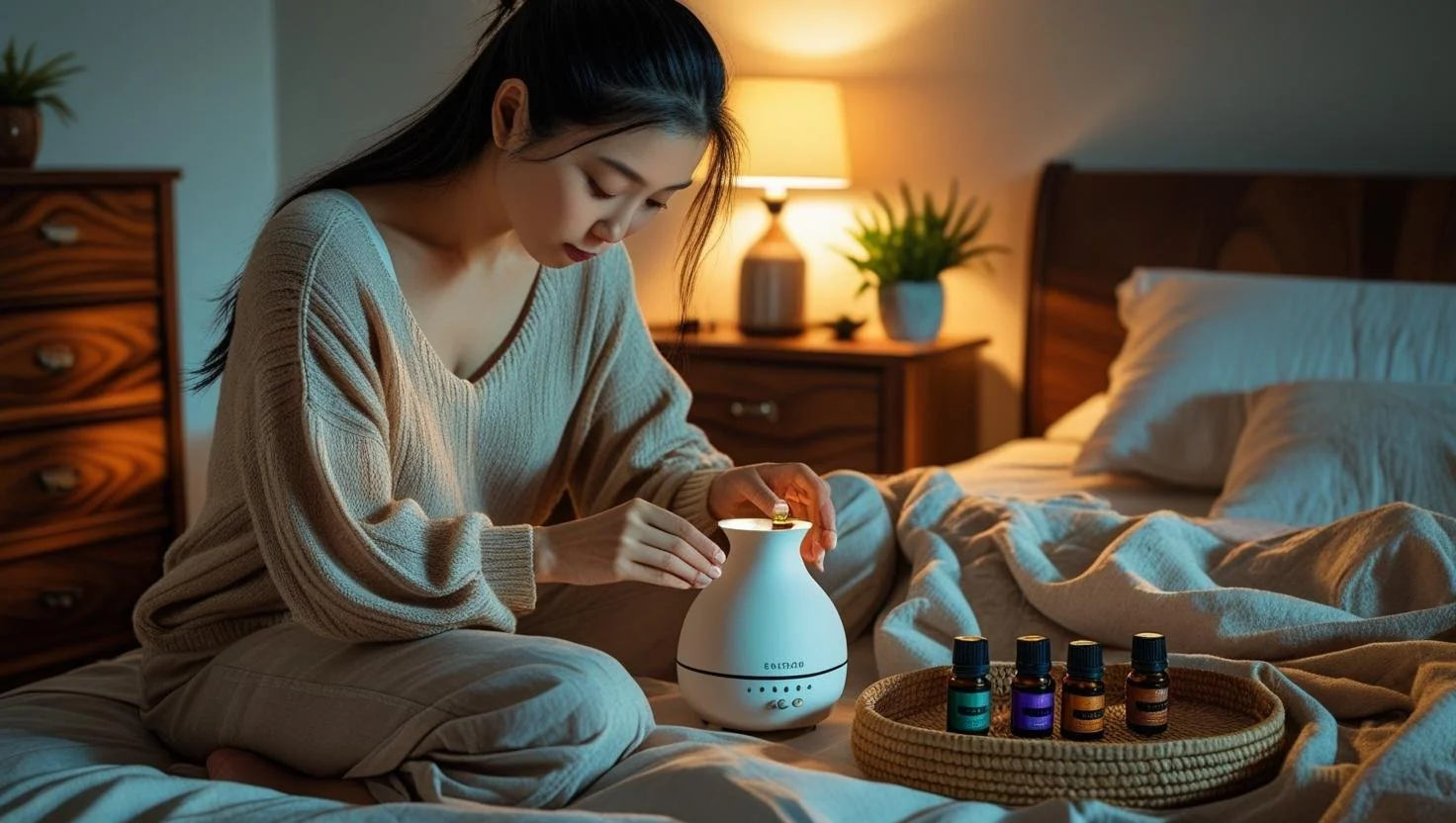
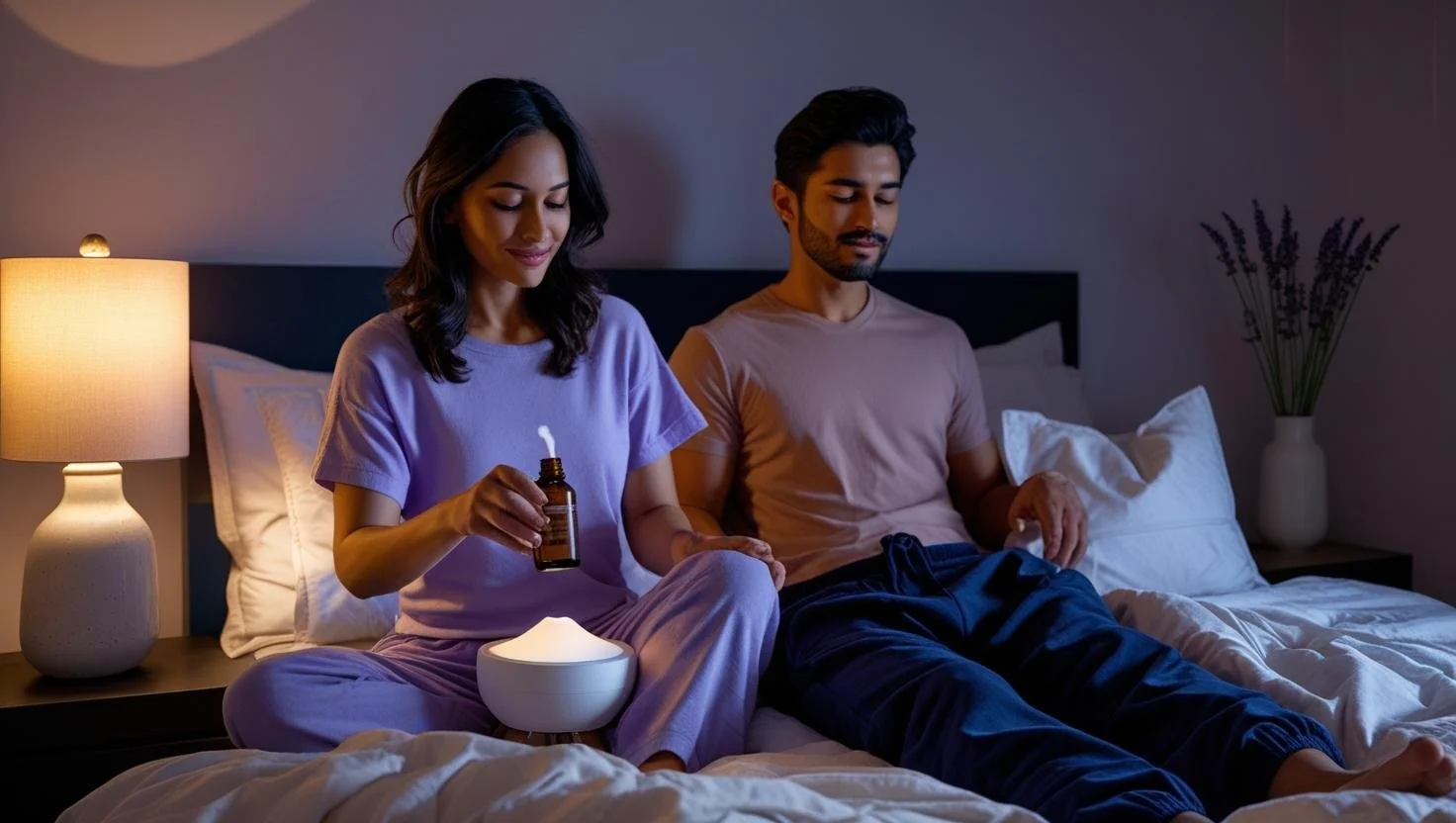
Diffusing plant extracts is an accessible method to enjoy their aromatic benefits. Using a diffuser disperses the extracts into the air, allowing you to inhale their healing molecules. Whether you’re preparing for sleep, improving focus, or purifying the air, this method can create a serene atmosphere in your home.
Types of Diffusers
Ceramic Diffusers: Heat and evaporate oils using a tea light candle.
Electric Diffusers: Offer adjustable mist settings and timers.
Ultrasonic Diffusers: Combine water and oils into a cool mist, adding moisture to dry indoor air.
Usage Tips
Always follow dilution and duration instructions.
Use in a well-ventilated area.
Clean your diffuser weekly to avoid buildup.
Benefits
Mood Support: Lavender and citrus oils reduce stress and uplift emotions.
Air Quality: Eucalyptus and tea tree help cleanse and freshen the air.
Respiratory Ease: Peppermint aids clear breathing and sinus relief.
Applying plant extracts to the skin is highly effective for targeted relief. Whether it’s sore muscles, acne, or dry skin, topical application allows direct absorption through the skin. To avoid irritation, always dilute extracts with a carrier oil like coconut, jojoba, almond, or olive oil.
Carrier Oils and Pairings
Coconut Oil: Great for sensitive skin and blends well with lavender.
Jojoba Oil: Mimics skin’s natural oils, perfect for peppermint blends.
Almond Oil: Light texture, good for tea tree applications.
Olive Oil: Rich and nourishing, ideal for chamomile-infused blends.
Best Practices
Do a patch test before using any new blend.
Keep oils away from eyes, ears, and mucous membranes.
Be cautious with citrus oils; avoid sunlight for 24 hours post-application.
Lavender, chamomile, and sandalwood promote restful sleep and relaxation.
Are essential oils safe for children?
Some options can be safe when properly diluted, but always consult a pediatrician first.
How long can I run a diffuser?
Typically, 30-60 minutes is sufficient. Follow your device’s instructions.
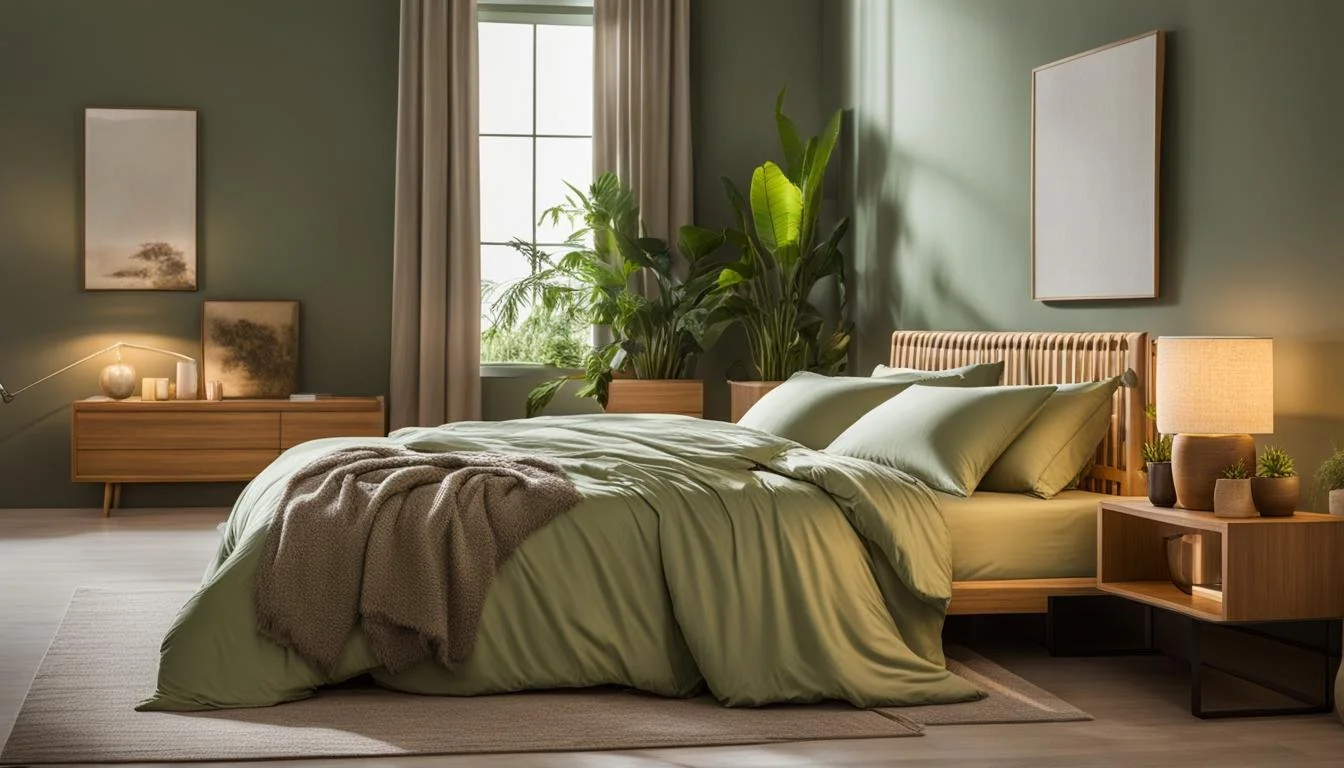
Explore tips on plants that purify bedroom air, or read about calming color schemes for your bedroom. Want more? Discover mattress choices for back pain relief.
Are you struggling to achieve a restful night’s sleep? Discover the calming benefits of essential oils for sleep discover restful power and unlock their power to promote relaxation and improve sleep quality. These concentrated plant extracts have been used for centuries to create a sense of calm, relieve anxiety, and support deep, restorative rest. With oils like lavender, chamomile, and bergamot, you can create a tranquil bedtime routine that sets the stage for a peaceful slumber.
Key Takeaways: essential oils for sleep discover restful power
Incorporating essential oils for sleep discover restful power into your nightly routine can naturally enhance relaxation and improve sleep quality.
Oils like lavender, chamomile, and valerian help calm the nervous system and ease into rest.
Use methods like diffusion, topical application, baths, and linen sprays to integrate oils into your bedtime ritual.
Tips for Using Essential Oils for Sleep
To get the most out of your essential oil practice, consistency and intent matter. These oils become signals to your body that it’s time to wind down. Below are effective methods—whether you’re new to aromatherapy or deepening your ritual:
Use a Diffuser: Add 3–5 drops of a calming oil to your diffuser 30–60 minutes before bedtime. Diffusing lavender, chamomile, or bergamot can help promote relaxation. (Sleep Foundation: Best Essential Oils for Sleep)
Apply Topically: Dilute essential oils in a carrier oil (e.g. jojoba, sweet almond, coconut) at about 1–2% dilution. Massage into pulse points like wrists, temples, neck, or the soles of the feet.
Incorporate Into Your Bath: Add your oil (pre-diluted in carrier) to warm bath water. Lavender, ylang-ylang, or clary sage are ideal for a sleep-supportive soak.
Blend Oils: Combining oils like lavender, chamomile, and bergamot can amplify effects. Adjust ratios to suit your needs.
Use on Linens and Pillows: Make or buy a linen spray (essential oil + distilled water + solubilizer) and mist pillows or sheets 10–15 minutes before bed.
Include in Nighttime Meditation: Diffuse oils during deep breathing, gentle stretching, or meditation. Frankincense or sandalwood help quiet the mind.
Since everyone’s body chemistry and scent preferences vary, keep a journal tracking which combinations feel most calming and restorative. For further guidance, see our Aromatherapy Sleep Guide.
FAQs About Essential Oils for Sleep
What are the best essential oils for sleep?
Lavender, chamomile, and valerian are often recommended for their calming and sedative properties. These oils support using essential oils for sleep discover restful power in your nightly ritual. (Sleep Foundation study)
How should I apply essential oils for sleep?
You can diffuse them, apply them topically (properly diluted), or add them to a warm bath. Each method supports a different relaxation channel.
Is it safe to use essential oils every night?
Yes, if diluted and used carefully. Always follow safe dilution guidelines and consult your healthcare provider if you have conditions like asthma, skin sensitivities, or pregnancy. (Cleveland Clinic: Aromatherapy)
Can essential oils help with insomnia?
Some evidence suggests oils like lavender reduce symptoms of insomnia by easing anxiety and facilitating relaxation, though they’re not a cure-all. (Sleep Foundation: Smell & Sleep)
What’s the best way to blend essential oils for sleep?
A gentle starting blend: lavender + chamomile + ylang-ylang. You can later experiment with adding bergamot or cedarwood for added depth.
Conclusion
Harnessing **essential oils for sleep discover restful power** in your bedtime ritual can transform restless nights into deeply restorative rest. Whether diffused, massaged, or misted on your linens, these oils—especially lavender, chamomile, and valerian—offer a gentle, holistic path to better sleep. Try different blends, track your responses, and let your senses guide you to the ideal combination. When paired with healthy sleep habits, these oils become a powerful ally in your nightly routine.
For more sleep-support strategies, check out **Sleep Sound Solutions for Better Nights** on Cozy Bed Quarters.
Essential oil safety is the foundation for using oils responsibly and effectively. Whether you’re new or experienced, understanding how to handle, dilute, and store oils correctly keeps you, your family, and your pets safe while you enjoy aromatherapy benefits.
Key Takeaways: Essential Oil Safety
Essential oils are potent—proper dilution, usage, and storage are critical.
Children, pregnant individuals, and pets need extra caution and gentler choices.
Never ingest essential oils unless directed by a qualified medical professional.
Always patch test and avoid phototoxic or irritating oils.
Correct storage and a plan for emergencies reduce risk of adverse reactions.
Use essential oils thoughtfully—potency requires careful handling.
What Are Essential Oils?
Answer first: Essential oils are highly concentrated plant extracts; because they’re potent, they must be used with care. They’re obtained by steam distillation or cold pressing and carry the aromatic compounds of the plant. For a gentle way to incorporate scent in the bedroom, review our serene bedroom sanctuary tips for setting a calming environment that pairs well with safe aromatherapy.
How Essential Oils Are Made
Answer first: Extraction affects purity and strength, which in turn affects safety. Steam distillation is common for lavender, eucalyptus, and rosemary; citrus oils like orange or lemon are typically cold-pressed. Because these methods concentrate bioactive compounds, following essential oil safety—especially for topical or aromatic use—is critical.
Answer first: Aromatherapy can support relaxation and sleep when used safely. Diffusers or properly diluted topical blends are typical approaches. For background on scent and sleep, see the Sleep Foundation’s overview of how smell affects rest: Smell & Sleep. For practical diffuser ideas, read Better Homes & Gardens on creating cozy atmospheres with scent: Guest Bed Oasis. If you’re building a restful setting beyond fragrance, explore Feng Shui bedroom layout tips.
The Importance of Dilution
Answer first: Never apply essential oils directly to skin. For healthy adults, a 2% dilution is standard—about 12 drops per 1 oz (30 mL) carrier. For children, older adults, or sensitive skin, use 0.5–1% (≈3–6 drops per 1 oz). Choose gentle carriers like jojoba, fractionated coconut, or sweet almond oil.
Always dilute—concentration matters for comfort and safety.
Risks of Improper Use
Answer first: Misuse can cause burns, rashes, and long-term sensitization. Citrus oils like bergamot are phototoxic and may cause burns with sun exposure. Hot oils (e.g., cinnamon, clove, oregano) can irritate even when diluted too strongly. Respect each oil’s strength and your skin’s tolerance.
Safety for Children & Pets
Answer first: Children and pets are more sensitive to concentrated oils. Avoid diffusing near infants, and keep all oils locked away from pets. Choose only gentle oils (e.g., lavender, Roman chamomile) and low dilutions in well-ventilated rooms. For broader sleep-friendly room ideas that don’t rely on fragrance, see our temperature-regulating bedding guide.
Pregnancy Precautions
Answer first: Some oils are not appropriate during pregnancy. Avoid clary sage, pennyroyal, birch, and wintergreen. Others—like lavender or frankincense—may be suitable with professional guidance. Always dilute and limit exposure.
Safe Diffusing Practices
Answer first: Use 5–10 drops per session, diffuse 30–60 minutes, then take a break and ventilate. Never inhale directly from the bottle or run diffusers continuously. For soothing, non-scent sleep upgrades, explore organic bedding benefits that complement aromatherapy in an eco-friendly way.
How to Store Essential Oils
Answer first: Heat, light, and air degrade oils. Store in dark glass (amber/cobalt), tightly capped, in a cool, dry place and out of reach of children and pets.
Signs of Degradation
Answer first: Discard oils that smell sour, darken, or thicken—oxidized oils are more irritating and less effective. With proper storage, most last 1–3 years.
Ingestion: A Serious Warning
Answer first: Unless supervised by a qualified clinician, do not ingest essential oils. For a vetted overview of oils and sleep, see the Sleep Foundation’s guide: Best Essential Oils for Sleep. For lifestyle usage ideas (linen sprays and home fragrance), Parachute Home offers practical how-tos: Home Fragrance Guide.
Responding to Reactions
Answer first: Treat reactions quickly. For skin irritation, wash with mild soap and water, then add a bland carrier oil. For eye exposure, flush with water for 15 minutes. If swallowed or severe symptoms occur, seek emergency care or call poison control immediately.
Choosing High-Quality Oils
Answer first: Look for brands that publish GC/MS test results, list full botanical names, batch numbers, and country of origin. Avoid “fragrance oils” or products with additives. Transparent sourcing supports safer, consistent results.
Continuing Education
Answer first: Keep learning to stay safe. Professional organizations such as NAHA and AIA provide courses, standards, and practice guidelines you can reference as your use evolves.
Final Thoughts
Used wisely, essential oil safety lets you enjoy aromatherapy while protecting your loved ones. Follow dilution rules, store oils correctly, and choose quality. If you’re building a calmer, healthier bedroom, browse more guides at Cozy Bed Quarters.
FAQ
Can I apply essential oils directly to my skin?
No. Always dilute in a carrier oil to prevent irritation or sensitization.
Are essential oils safe for babies and children?
Only very mild oils in very low dilutions may be appropriate. Avoid use for children under 2 without pediatric guidance.
What are the best oils for beginners?
Start with gentle options like lavender, Roman chamomile, or sweet orange—and always follow dilution guidelines.
Can I mix essential oils together?
Yes, but research compatibility and maintain safe dilution levels for the entire blend.
How long do essential oils last?
Typically 1–3 years when stored in dark glass, tightly capped, away from heat and light.
Is it safe to diffuse around pets?
Use minimal amounts, ensure ventilation, and keep diffusers out of reach. When in doubt, consult your veterinarian.
Let’s explore how regulating your sleep environment can lead to better rest, brighter mornings, and a calmer mind. A well-balanced sleep temperature can make all the difference between a restless night and a deeply rejuvenating one.
🧠 Why Temperature Matters for Sleep Quality
Our bodies have a natural rhythm, known as the circadian rhythm, which signals when it’s time to sleep and wake. As bedtime approaches, our core temperature drops slightly, preparing us for rest. If your bedroom is too warm or too cold, it can disrupt this process, making it harder to fall and stay asleep. Maintaining an optimal sleep temperature not only helps you doze off faster but also ensures your body stays in the deeper, restorative stages of sleep for longer. According to the Sleep Foundation’s latest guidance, thermoregulation is a crucial factor in sleep quality.
Benefits of Optimal Sleep Temperature:
Supports natural sleep-wake cycles
Enhances deep sleep stages and memory consolidation
Reduces nighttime awakenings and restlessness
Promotes quicker sleep onset and smoother transitions between sleep stages
Improves overall restfulness, mood, and daily energy levels
Just like the perfect cup of tea, finding the right room temperature makes all the difference. It’s that comforting balance between cozy and cool that encourages your body to relax and your mind to unwind. For more on how temperature aligns with circadian rhythms, see the Sleep Foundation’s updated guide (2025).
🌡️ The Ideal Bedroom Temperature
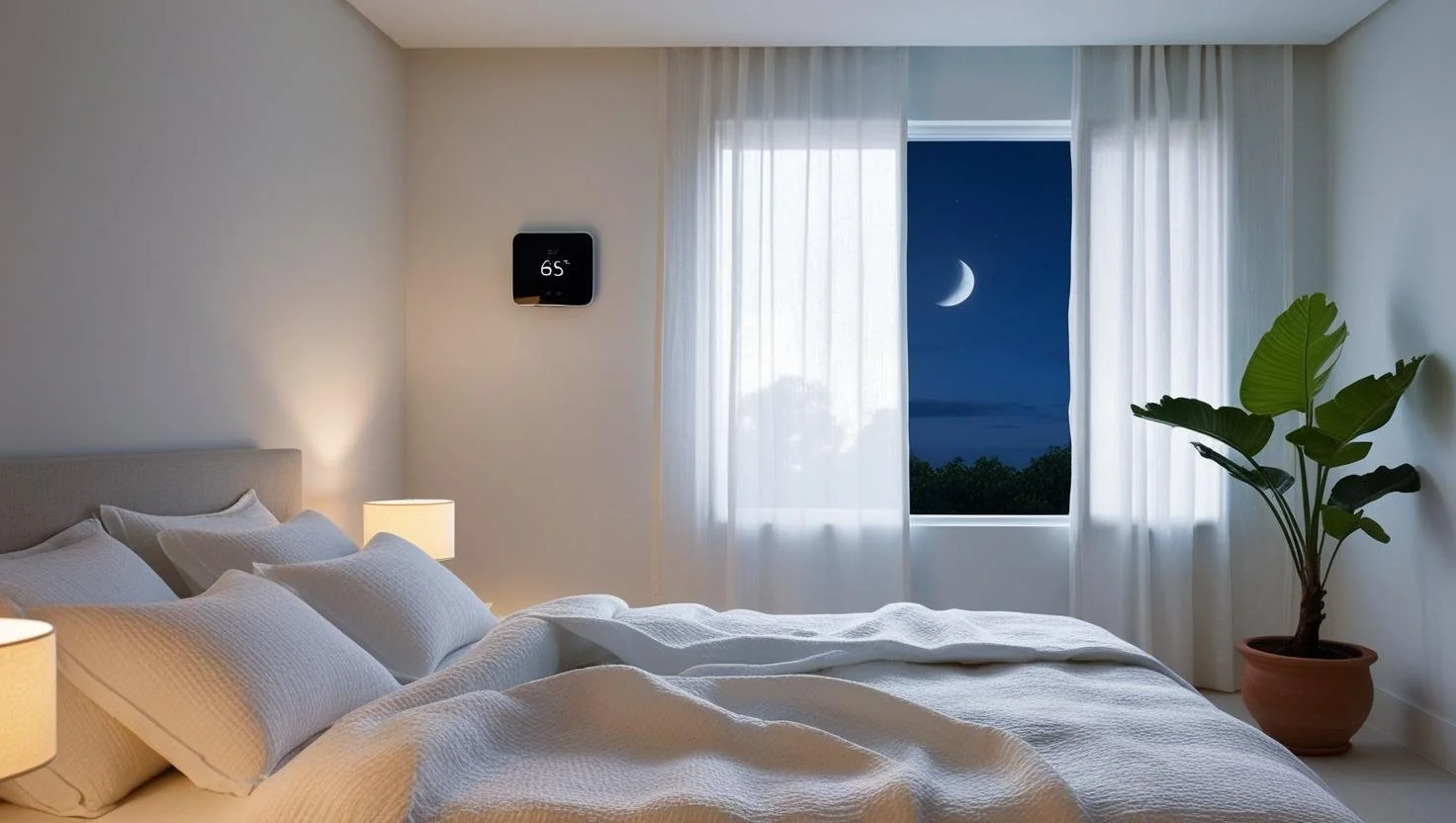
Experts recommend keeping your bedroom between 60–68°F (15.5–20°C) for optimal sleep, with many sources pinpointing 65–68°F as ideal for most adults. This range aligns with your body’s natural temperature drop at night, signaling that it’s time to rest. A room that’s too hot or too cold forces your body to work harder to maintain its core temperature, disrupting sleep continuity and overall quality.
Experimenting within this range can help you find your personal comfort zone. Some people find that a slightly cooler room helps them sleep deeper, especially when combined with breathable bedding and light pajamas. On the flip side, if you’re someone who tends to get cold easily, a cozy comforter and some warm socks can be game-changers. Note: Older adults may prefer 68–77°F for best efficiency, per recent studies.
Did You Know? Cooler sleeping conditions can enhance memory consolidation and strengthen immune responses during deep sleep. It’s like giving your brain and body a night spa session.
🛏️ Choosing the Right Bedding
Your bedding plays a significant role in regulating sleep temperature. Materials like moisture-wicking fabrics, breathable cotton, and phase change materials (PCM) can help maintain a comfortable temperature throughout the night. These materials help dissipate heat and wick away moisture, which is especially helpful for hot sleepers or those in warmer climates.
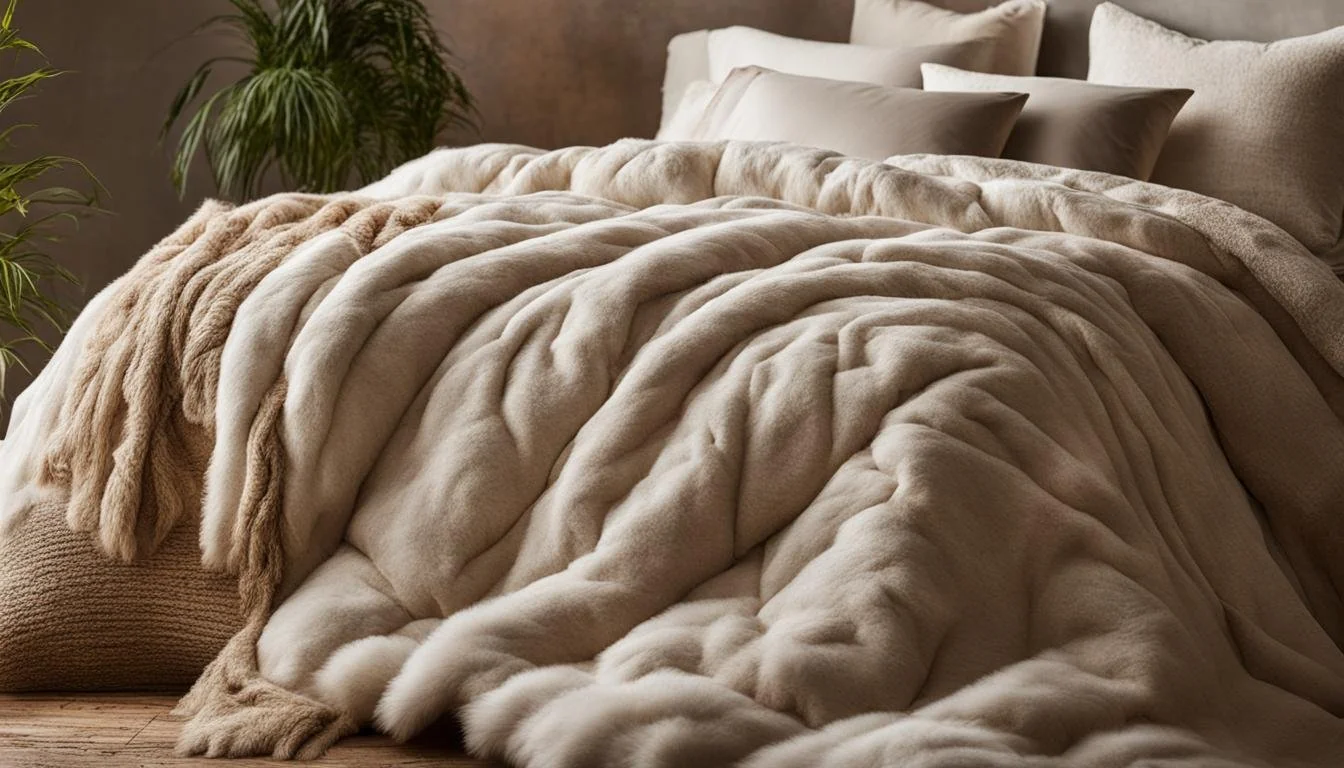
In cooler weather, layering your bedding with light but insulating options allows you to adjust easily as temperatures fluctuate overnight. Think of your bedding as your sleep wardrobe—it should adapt to your body’s needs just like your clothing does during the day.
Additionally, consider eco-friendly bed frames that support sustainable sleep solutions and enhance your temperature control strategy. Natural materials like bamboo or wood can promote airflow, helping your mattress and bedding breathe better. For inspiration, explore Architectural Digest’s best bed frames (2025–2026) or The Spruce’s tested picks.
Neglecting your sleep environment’s temperature can lead to more than just tossing and turning. Discomfort at night often translates to:
Sleep onset insomnia: Difficulty falling asleep due to high body temperatures or overheating.
Sleep maintenance insomnia: Waking up frequently in a cold room or because of night sweats.
Worsened sleep apnea symptoms: A cooler room may help reduce episodes by supporting easier breathing.
These issues don’t just ruin your night—they can affect how alert, focused, and emotionally balanced you feel the next day. Chronic sleep deprivation linked to poor temperature control can even impact long-term health, including immune function, heart health, metabolic issues, and increased inflammation. Overheating disrupts deep/REM sleep, while extremes can heighten cardiovascular strain—see insights from NIH studies on thermal effects.
🧵 Personalizing Your Sleep Experience
Combining temperature-regulating bedding, smart technology, and thoughtful bedroom design can transform your sleep. Whether you’re a hot or cold sleeper, achieving thermal neutrality leads to uninterrupted, restful nights. Don’t underestimate the power of tweaking your sleep setup—it’s often the little changes that make a huge difference.
Want to take it a step further? Add a humidity monitor or smart home device to adjust settings automatically. These tools can help maintain consistent comfort without requiring you to wake up and fiddle with the thermostat.
Regulating your sleep temperature is a simple yet powerful way to enhance your rest. By aligning your environment with your body’s natural rhythms, you can achieve more efficient sleep and wake up feeling truly refreshed. Cooler nights and cozy layers don’t just feel good—they support better health and a brighter outlook.
So tonight, take a few moments to check your room temperature, feel your bedding, and make small tweaks. Your future well-rested self will thank you.
best Sleep Temperature: Achieve Quality Rest Every Night
Quick answer: The best sleep temperature is typically a bedroom set to 60–70°F (15.5–21°C) with an average sweet spot near 65°F (18.3°C), and a cozy under-the-covers microclimate of 80.6–89.6°F (27–31°C). Keep bedding breathable, manage humidity, and ventilate the room for deeper, more consistent sleep.
Key Takeaways on best Sleep Temperature
Set your bedroom to 60–70°F (15.5–21°C); many sleepers thrive around 65°F (18.3°C).
Under the covers, aim for a warm microclimate of 27–31°C (80.6–89.6°F) for comfort without overheating.
Heat increases wakefulness and reduces REM/slow-wave sleep; cold affects cardiovascular responses—both can disturb rest.
Use breathable, moisture‑wicking bedding and light sleepwear to maintain an best sleep temperature.
Control humidity and airflow (fans/AC or ventilation) to stabilize temperature across the night.
If you struggle with insomnia, a cooler, consistent room temp can support your natural nighttime temperature drop.
Are you struggling to get a good night’s sleep? The culprit might be the temperature. It turns out that the thermal environment plays a Really important role in determining the quality of our sleep. Whether it’s too hot or too cold, the temperature can significantly impact our sleep stages and overall sleep quality.
Bottom line up front: When we’re exposed to heat during sleep, it increases wakefulness and decreases the important stages of sleep like rapid eye movement (REM) sleep and slow wave sleep. Cold exposure doesn’t necessarily disrupt stages but can change how the heart responds during sleep. That’s why it’s essential to maintain an best sleep temperature for better rest and overall sleep quality.
Key Concepts
Temperature plays a Really important role in determining the quality of our sleep.
Heat exposure leads to increased wakefulness and decreased REM sleep and slow wave sleep.
Cold exposure influences the cardiac autonomic response during sleep.
Creating the ideal sleep environment involves finding the right temperature, bedding, and humidity levels.
How Temperature Affects Sleep and Thermoregulation
In one sentence: Your body naturally cools at night, and aligning your room and bedding to support that drop helps you fall asleep faster and reach deeper stages.
Temperature plays a significant role in the quality of your sleep and the regulation of your body’s internal temperature. Your sleep is closely linked to thermoregulation, which is controlled by your circadian rhythm and sleep regulation. Throughout the night, your core body temperature (Tcore) naturally decreases during sleep and increases when you wake up, following a 24-hour circadian rhythm.
One key factor in thermoregulation is the adjustment of blood flow to your skin, which is controlled by your distal skin temperature (Tsk). When your Tsk increases, it promotes the rapid onset of sleep. Interestingly, different sleep stages are sensitive to temperature changes to varying degrees. REM sleep, for example, is less affected by hot or cold stimulation compared to non-REM sleep and wakefulness.
In addition to your body’s natural thermoregulation, your behavior and sleep environment also play a role in maintaining an best sleep temperature. Factors like bed cover behaviors and sleep positions can impact your sleep quality. By understanding how temperature affects sleep and thermoregulation, you can make adjustments to create a comfortable and supportive sleep environment.
Creating the best Sleep Environment
Do this first: Keep your bedroom between 60–70°F (15.5–21°C)—many sleepers prefer about 65°F (18.3°C)—and target an under-the-covers temperature of 27–31°C (80.6–89.6°F).
When it comes to maintaining a proper sleep temperature, the ideal bedroom temperature is typically between 15.5-21°C (60-70°F), with an average of 18.3°C. To ensure good sleep, the temperature under your covers should be around 27-31°C (80.6-89.6°F). However, it’s essential to find the temperature that works best for you based on your individual preferences.
Along with temperature, considerations like bedding and humidity should also be taken into account when creating the best sleep environment. By making adjustments to create the best sleep conditions for yourself, you can improve your rest and overall well-being.
Dial in room and bedding temps to support natural nighttime cooling.
– Under covers temperature should be 27-31°C (80.6-89.6°F)
– Distal skin temperature promotes rapid sleep onset
– Consider bedding and humidity in sleep environment
Understanding the relationship between temperature and sleep is Really important for maintaining proper sleep quality. By regulating your sleep temperature and creating a comfortable sleep environment, you can optimize your rest and improve your overall well-being.
The Effects of Heat Exposure on Sleep Quality
Takeaway: Sleeping too warm makes you wake more and cuts down deep and REM sleep—cool the room, cool the bedding.
When it comes to getting a good night’s sleep, the temperature of your sleep environment plays a Really important role. Heat exposure during sleep can have significant effects on your sleep quality, leading to increased wakefulness and decreased slow wave sleep and REM sleep. High humidity during heat exposure can further disrupt your sleep stages and thermoregulation.
Here’s the thing: heat has a greater impact on sleep stages compared to cold exposure in real-life situations. The increase in wakefulness caused by heat exposure can have adverse effects on your health, such as obesity and decreased quality of life. Therefore, maintaining a comfortable thermal sleep environment is Really important for sleep maintenance and overall well-being.
One way to ensure a better sleep temperature is by using bedding and clothing that support thermoregulation. By choosing materials that promote breathability and moisture-wicking properties, you can create a more comfortable sleep environment. Also, keeping your bedroom well-ventilated and using fans or air conditioning can help regulate the temperature and promote better sleep.
Sleep Environment Tips
Use bedding and clothing that promote breathability and moisture-wicking properties.
Keep your bedroom well-ventilated and use fans or air conditioning to regulate the temperature.
Avoid heavy meals and exercise close to bedtime, as they can increase your body temperature.
Consider using a cooling mattress pad or pillow to help regulate your body temperature.
The Effects of Cold Exposure on Sleep Quality
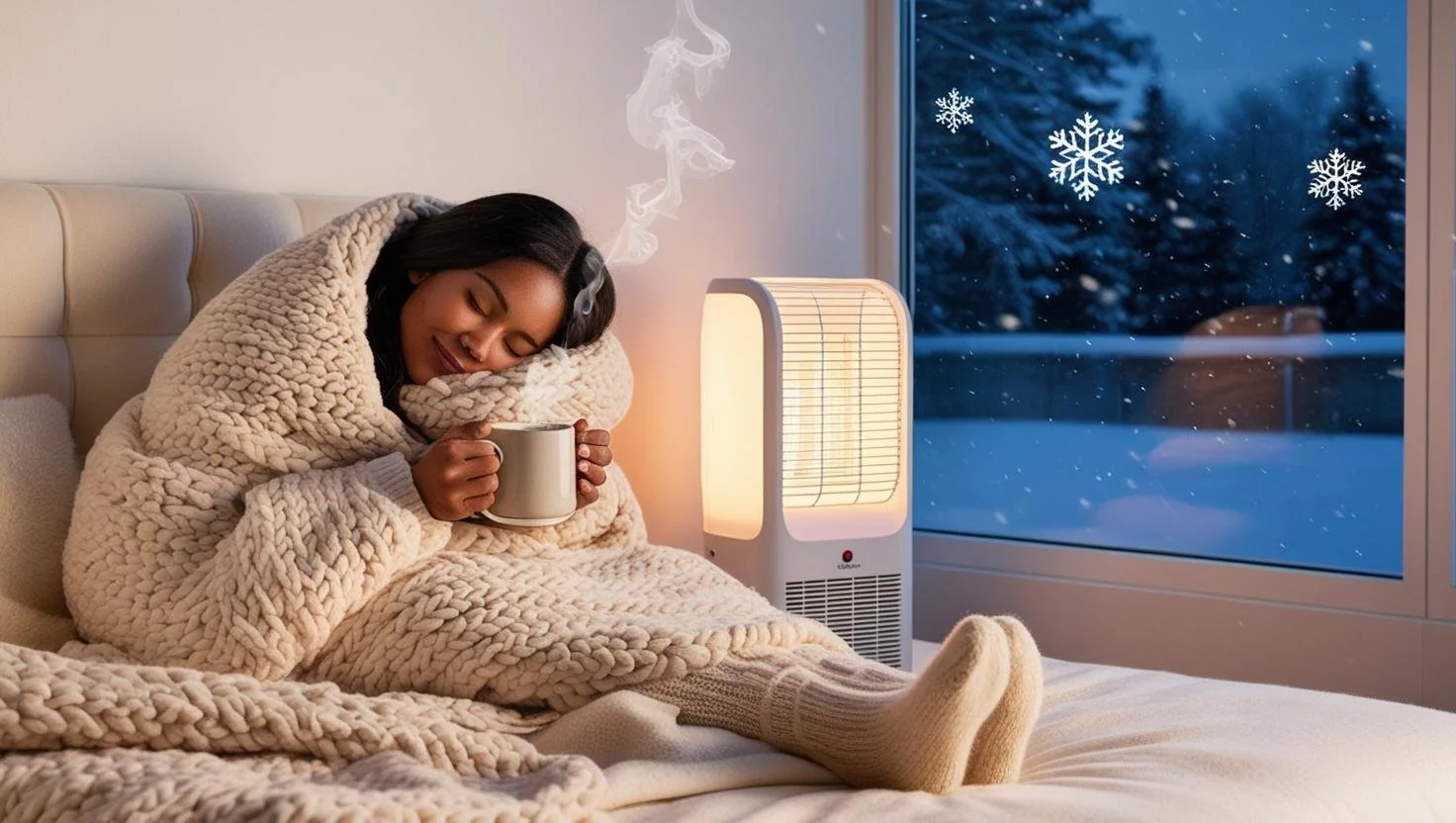
Heads up: Cold rooms don’t usually break sleep stages, but they can stress your cardiovascular system—use warm covers to keep your skin comfortably warm.
Cold exposure may not significantly disrupt sleep stages but it can impact the cardiac autonomic response during sleep. To support thermoregulation and sleep in cold exposure, the use of bedding and clothing is Really important. Even a slight increase in proximal skin temperature (Tsk) can help alleviate sleep problems, particularly in older individuals. Also, the temperature and humidity of the microclimate between humans and bed covers (bed climate) play a vital role in creating a warm bed climate to support increased Tsk and promote better sleep.
Studies have shown that the effects of cold exposure on sleep quality warrant further investigation. While it may not directly affect sleep stages, it can influence the autonomic response of the cardiovascular system during sleep. By better understanding the impact of cold exposure on sleep and other physiological parameters, we can gain valuable insights into how to optimize sleep in colder environments.
Action step: If you’ve insomnia, make your bedroom cooler and consistent; this supports the natural nighttime drop in core temperature.
Insomnia is a common sleep disorder that affects millions of people worldwide. it’s characterized by difficulty falling asleep, staying asleep, or experiencing restful sleep. While there are various factors that contribute to insomnia, one important aspect that often goes overlooked is the link between body temperature and sleep quality.
Research has shown that individuals with insomnia tend to have disrupted core body temperature patterns, which can have a significant impact on their ability to fall asleep and stay asleep throughout the night. During normal sleep-wake cycles, our body temperature naturally drops as we prepare for sleep and increases again as we wake up. However, for individuals with insomnia, this temperature regulation process is disrupted, making it difficult to initiate and maintain sleep.
By understanding the importance of maintaining a proper sleep temperature, individuals with insomnia can take steps to improve their sleep quality. One effective strategy is to create a cool and comfortable sleep environment. Keeping the bedroom temperature between 60-70°F (15.5-21°C) can help support the natural drop in body temperature and promote restful sleep. Also, using breathable bedding materials and wearing light, moisture-wicking sleepwear can further aid in temperature regulation during sleep.
It’s important to note that maintaining a proper sleep temperature isn’t only beneficial for individuals with insomnia but for everyone seeking to improve their sleep quality. By optimizing the sleep environment and ensuring a comfortable temperature, you can improve your chances of experiencing deep, restorative sleep and wake up feeling refreshed and rejuvenated.
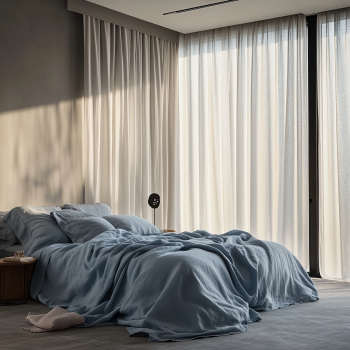
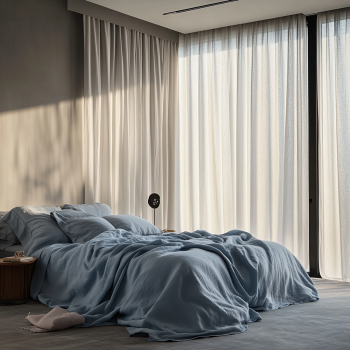
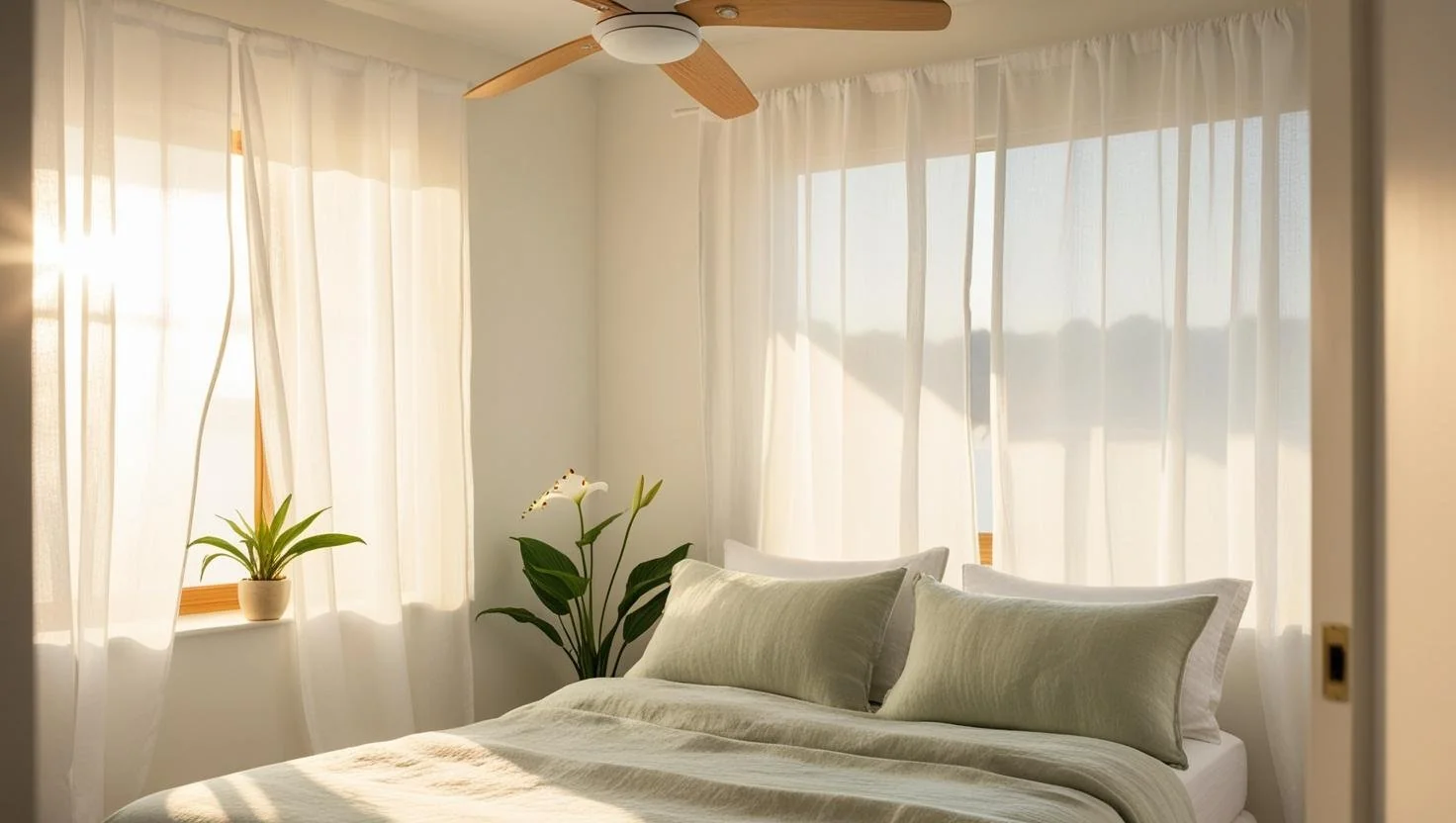
Breathable linens, blackout curtains, and a steady room temp support deeper sleep.
Creating the best Sleep Environment
Checklist: Cool room (around 65°F), breathable bedding, and balanced humidity deliver the most reliable comfort.
The ideal bedroom temperature for sleep is around 15.5-21°C (60-70°F), with an average of 18.3°C. But remember, everyone is different, so it’s important to find the temperature that feels most comfortable for you. Experiment with different temperatures and pay attention to how your body responds.
In addition to the room temperature, also consider the temperature under your covers. Studies have shown that a temperature between 27 and 31°C (80.6-89.6°F) can help promote better sleep. This cozy warmth can contribute to a more restful and relaxing sleep experience.
It’s not just about the temperature though. Other factors like bedding and humidity also play a role in creating the best sleep environment. Choose bedding materials that are breathable and can help regulate your body temperature. Pay attention to the humidity level in your bedroom and consider using a humidifier or dehumidifier to achieve the ideal moisture balance.
FAQ
What is the best sleep temperature for most adults?
Most sleepers do best with a bedroom at 60–70°F (15.5–21°C), often around 65°F (18.3°C), and an under-blanket microclimate near 27–31°C (80.6–89.6°F).
Should I change my bedding for summer and winter?
Yes. Use breathable, moisture‑wicking sheets and lighter covers in warm months; in colder seasons, add insulating layers while keeping the room itself relatively cool.
Is being too cold as harmful as being too hot?
Heat more directly fragments sleep and reduces deep/REM stages; cold tends to influence cardiovascular responses. Aim for a cool room with adequate covers to stay warm under the duvet.
How does humidity affect best sleep temperature?
High humidity limits sweat evaporation and can make a room feel hotter; keep indoor humidity roughly 40–60% and use ventilation or dehumidification as needed.
Can adjusting room temperature help insomnia?
Often yes. A cooler, consistent bedroom helps support your natural nighttime temperature drop, making it easier to fall asleep and stay asleep.
Struggling with restless nights? The best temperature for sleep could be the key to better rest. Discover how setting your room to the ideal sleep temperature range can improve sleep quality, reduce night awakenings, and help you wake up feeling truly refreshed.
Key Takeaways: Best Temperature for Sleep
The best temperature for sleep is between 60°F and 67°F (15.6°C to 19.4°C).
Temperature affects melatonin production, sleep cycles, and REM quality.
Customizing temperature by age, season, and preference enhances sleep comfort.
Smart thermostats, fans, and breathable bedding improve thermal regulation.
Why the Best Temperature for Sleep Matters
When you sleep, your body naturally cools down. This drop in core temperature signals melatonin release and deeper sleep cycles. The best temperature for sleep supports this internal process, making it easier to fall asleep and stay asleep. Discomfort from overheating or being too cold can interrupt these cycles and lead to poor sleep quality. For overall balance, bedroom harmony and layout also play a role in restful nights.
Ideal Temperature by Age Group
Thermal comfort varies with age. Here’s a science-backed guide to help you adjust the best temperature for sleep in your household:
Age Group
Recommended Temperature (°F)
Infants
68–70°F
Adults
60–67°F
Older Adults
65–72°F
How Room Temperature Affects Sleep Stages
Bedroom climate plays a role in every stage of sleep. Cooler environments support deep NREM stages, while heat disrupts REM sleep. According to the Sleep Foundation, even small temperature changes can significantly affect REM quality.
Sleep Stage
Effect of Temperature
Stage 1 (Light Sleep)
Cool air helps transition from wakefulness.
Stage 3 (Deep Sleep)
Cold rooms enhance slow-wave activity and restoration.
REM Sleep
Overheating suppresses REM duration and dream clarity.
Tools to Maintain the Best Temperature for Sleep
The right tools make it easier to regulate your bedroom climate year-round. Pairing these strategies with eco-friendly sleep furniture can also improve comfort sustainably:
Fans & Air Circulation: Promote airflow and reduce hot spots.
Cooling Bedding: Fabrics like bamboo, linen, or percale cotton prevent heat buildup.
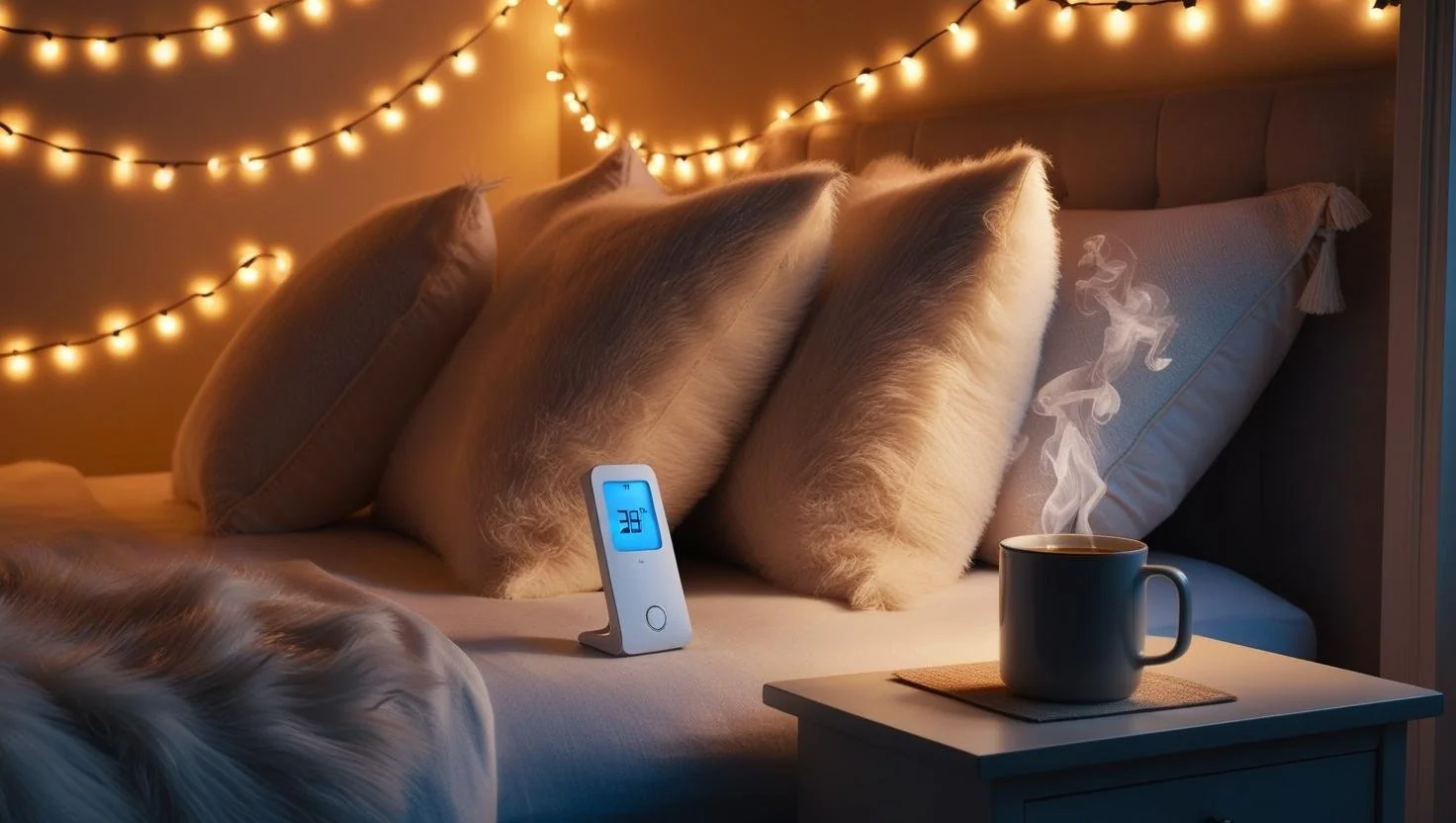
Heated Blankets: Use a timer for safe warmth in winter.
Best Temperature Adjustments by Season
Seasonal changes affect how you manage sleep comfort. In summer, pre-cool your room with A/C or blackout curtains. In winter, layer bedding and insulate windows to retain warmth. For extra relief, cooling mattresses for hot summers help regulate body temperature all night.
Pre-Bedtime Habits That Support Sleep Temperature
Bedtime routines matter. Pairing temperature management with the right bedding choices ensures better sleep. Consider adding hypoallergenic bedding to reduce irritation and nighttime restlessness.
Warm Bath 90 Minutes Before Bed: Triggers natural cooldown response.
Avoid Late Exercise: High activity raises core temp and delays sleep.
Use a Humidifier in Dry Seasons: Prevents discomfort and supports easy breathing.
Eco-Friendly Bedding and Sleep Temperature
Sustainable materials can enhance sleep climate while reducing environmental impact. Organic cotton, bamboo, and TENCEL® are naturally breathable, keeping sleepers cool in summer and warm in winter. Certifications like OEKO-TEX® and GOTS ensure these fabrics are free from harmful chemicals that may trap heat or irritate skin.
Signs Your Sleep Temperature Isn’t Right
If you wake up sweaty, cold, or restless, your room may not match the best temperature for sleep. Other signs include clammy sheets, dry mouth, or cold extremities.
When to Consider Medical Advice
If adjusting your room temperature doesn’t improve rest, consider professional guidance. Conditions like insomnia, night sweats, or sleep apnea may require medical support.
Final Thoughts
Finding the best temperature for sleep is one of the simplest ways to improve rest. Whether through smart thermostats, breathable fabrics, or sustainable furniture, tailoring your environment leads to deeper, more restorative nights. Cozy Bed Quarters is here to guide you on better sleep strategies.
FAQ
What is the best temperature for sleep?
Experts recommend keeping bedrooms between 60–67°F (15.6–19.4°C).
Does sleep temperature vary by age?
Yes. Infants and older adults prefer slightly warmer rooms, while adults sleep best in cooler climates.
Can I use fans or AC all night?
Yes, but avoid direct airflow and dryness. Fans also provide white noise benefits.
How can I improve sleep during hot weather?
Use breathable bedding, blackout curtains, pre-cool the room, and wear lightweight sleepwear.
Bedding and Sleepwear Tips for Temperature Balance
Discover how the right fabrics, layering strategy, and room setup improve bedding sleepwear temperature regulation for deeper, more restorative slumber. Learn to balance comfort with natural body rhythms for your best night’s sleep.
Key Takeaways
Natural fibers like wool, cotton, and silk balance moisture and temperature for better sleep.
Keep bedroom between 60–68 °F (15–20 °C) for optimal thermoregulation and melatonin production.
Avoid synthetic fabrics—they trap heat and prevent skin from breathing.
Personalize your sleep setup based on your age, health needs, and local climate conditions.
Understanding Temperature Regulation and Sleep Quality
Your body naturally lowers its core temperature during sleep—a process essential to entering deep, restful stages like REM. This temperature drop cues the body to relax, encourages melatonin release, and initiates natural sleep cycles. Bedrooms that are too hot or too cold can disrupt this rhythm, leading to frequent awakenings and fragmented sleep.
According to the Sleep Foundation, a sleep environment set to 65–68 °F (18–20 °C) aligns with the body’s internal thermostat. Incorporating breathable fabrics and moisture-wicking bedding enhances this balance, especially for those who experience night sweats or hot flashes.
To reinforce this, make your sleep routine part of your temperature strategy—consider a warm bath 90 minutes before bed, which helps trigger a natural cooling process when you exit the tub. In short, maintaining a stable temperature is foundational for uninterrupted, high-quality sleep.
Best Fabrics for Bedding Sleepwear Temperature Regulation
Wool
Wool is a standout for its thermoregulating properties. It acts like nature’s thermostat—keeping you warm in winter and cool in summer. Its fibers absorb moisture without feeling wet, creating a dry and balanced sleep climate. Wool bedding, such as comforters and mattress toppers, can also help minimize tossing and turning by reducing overheating.
Cotton is the go-to for lightweight, breathable bedding. Its natural softness and breathability make it ideal for warm nights or those who sleep hot. Linen, on the other hand, offers superior airflow and durability. It also becomes softer over time and is naturally hypoallergenic, making it ideal for sensitive skin types.
Both materials promote airflow and are versatile for year-round use. We dive deeper into linen vs. cotton bedding if you’re unsure which to choose.
Silk (including eucalyptus silk)
Silk sheets and pillowcases not only add a touch of luxury but also function as natural thermoregulators. Silk’s smooth surface reduces friction and retains moisture, making it an excellent choice for maintaining healthy hair and skin overnight. Eucalyptus silk (also called lyocell or Tencel) enhances this effect with added cooling and sustainability benefits—ideal for eco-conscious hot sleepers.
Check out our cooling bedding picks for options that align with your values and comfort needs.
What to Skip: Synthetics
Synthetic fabrics like polyester and microfiber often trap heat and block moisture evaporation. This can result in night sweats, itchiness, or a clammy feeling that interrupts sleep. While inexpensive and easy to wash, they fall short when it comes to breathability and temperature control.
We recommend avoiding these in your core bedding layers—especially pillowcases and sheets. For better alternatives, see our guide to temperature-regulating sheets.
Layering Your Sleep Environment
Layering bedding gives you flexibility. Instead of relying on one heavy comforter, opt for layers like a cotton sheet, lightweight blanket, and a wool duvet. This allows you to adapt to nightly or seasonal temperature changes without disrupting your rest. Each layer adds or releases heat based on your body’s needs throughout the night.
Base layer: Breathable cotton or linen sheet.
Middle layer: Light knit or thermal blanket.
Top layer: Insulating wool or down duvet (seasonal).
As mentioned by the Sleep Foundation and brands like IKEA, layering natural fibers provides a dynamic way to control comfort year-round. This method also suits couples with different temperature preferences.
Pro tip: Store seasonal layers in an under-bed organizer to swap out easily with the weather.
Layering keeps you in control of your sleep comfort without fiddling with your thermostat all night.
Setting Ideal Bedroom Temperature
Thermal comfort isn’t just about what’s on your bed—it’s also about the room around you. According to sleep scientists, the ideal bedroom temperature is 60–68 °F (15–20 °C). Temperatures above 70 °F (21 °C) can delay REM sleep and increase restlessness. Cooler temps help your body naturally signal it’s time to rest, thanks to reduced core temperature and better melatonin production.
Here are easy, effective ways to set your room up for thermal success:
Smart thermostats: Automate your temperature changes based on bedtime and season.
Blackout curtains: Block out early sun and daytime heat buildup.
Fans or ceiling ventilation: Improve airflow without dropping the temp too drastically.
Warm baths or showers: Help jumpstart the body’s cooling cycle before bed.
FAQs About Bedding Sleepwear Temperature Regulation
What is the best bedroom temperature for sleep?
Experts recommend keeping your room between 60–68 °F (15–20 °C) to support natural thermoregulation and better melatonin production.
Which fabrics are best for regulating sleep temperature?
Wool, cotton, linen, and silk are the best natural fabrics for breathability and moisture balance, supporting restful sleep.
Should I avoid synthetic fabrics for sleepwear?
Yes, synthetic fabrics like polyester trap heat and moisture, leading to discomfort and disrupted sleep cycles.
How can layering bedding help with sleep comfort?
Layering allows you to adjust warmth throughout the night, adapting to seasonal changes and personal comfort levels.
Conclusion
Improving your bedding sleepwear temperature regulation comes down to choosing breathable fabrics, layering wisely, and setting your room at an ideal temperature. With these steps, you’ll create a balanced sleep environment that supports deeper rest and better health. Ready to sleep cooler and cozier? Start by swapping your core bedding layers today.
Creating a Bedroom Environment That Supports Sleep
If you’ve ever struggled to fall asleep or wake up feeling unrested, your space may be the missing piece. Building a bedroom environment for sleep enhancement can transform your routine—helping you fall asleep faster and wake up clearer. From light and temperature to sound and scent, a few small tweaks go a long way. Start with our foundational sleep hygiene practices.
Key Takeaways
Your bedroom environment directly affects sleep quality, duration, and satisfaction.
Core elements include lighting, temperature, air quality, sound, bedding, layout, and scent.
Optimizing the room supports melatonin balance, lowers stress, and aligns your circadian rhythm.
Simple upgrades—blackout curtains, a cooler thermostat, or a purifier—can make a measurable difference in nights and mornings.
Use evidence-based steps to refine your bedroom environment for sleep enhancement without a full makeover.
Why Your Bedroom Matters for Sleep Quality
A relaxing, well-designed room makes it easier to drift off and stay asleep. Authoritative guides note that dialing in temperature, noise, light, and comfort improves overall sleep quality and next-day functioning. For a quick primer on the fundamentals, see the Sleep Foundation’s overview of the bedroom environment elements that matter and the CDC’s sleep basics checklist.
Light Exposure and Your Circadian Rhythm
Light is the strongest signal to your body clock. Blue-rich light in the evening can delay melatonin, while warm, dim lighting cues relaxation. Aim for darkness at night and bright light in the morning.
Block streetlight and dawn glow with blackout curtains or an eye mask—see practical tips to make your room darker at night.
Use amber/red bulbs (<3000K) and dim lights an hour before bed.
Your body naturally cools at night, so a slightly chilly room helps you fall and stay asleep. Many experts suggest a target in the mid-60s °F; authoritative resources outline an optimal range between about 60–68°F for most adults.
Set your thermostat cooler before bedtime—see research-informed guidance on the best temperature for sleep.
Choose breathable bedding (cotton, bamboo, linen) and consider cooling toppers.
Circulate air with a ceiling or pedestal fan; avoid heavy synthetics that trap heat.
Noise Management and Soundscaping
Noise fragments sleep and reduces deep and REM stages. Soundproof where you can; mask the rest.
Add rugs, heavy curtains, and weather-stripping to absorb and block sound.
Use a white-noise machine or fan for consistent masking—explore our guide to sleep sounds.
Keep electronics out or muted at night; a tech-light bedroom supports better sleep.
Air Quality and Humidity
Clean, fresh air reduces congestion and irritation that can wake you up. Many public-health resources emphasize a cool, dark, quiet space—and minimizing nighttime light and irritants.
Maintain airflow and consider a HEPA purifier during allergy seasons.
Keep humidity moderate; ventilate in the daytime when outdoor air is good.
For shift workers and anyone light-sensitive, NIOSH notes using very dim red light and eliminating blue/white light at night—see NIOSH environment tips.
Layout, Decluttering & Scent Cues
A clear layout lowers visual stress; calming scents can nudge your nervous system toward rest.
Place your bed against a solid wall, keep pathways clear, and scale furniture to the room—see our bedroom layout principles.
Try lavender or chamomile 30 minutes before bed; avoid synthetic fragrances if you’re sensitive. For a broad checklist, scan WebMD’s sleep environment tips.
Ideal vs. Poor Sleep Environments: Quick Comparison
Element
Ideal for Sleep Enhancement
Poor for Sleep
Lighting
Warm, dim lights and blackout curtains
Bright LEDs, blue light, no light control
Temperature
Cool room (about mid-60s °F) with breathable bedding
Overheated room, heavy synthetic comforters
Noise
Quiet room, steady white noise
Traffic, loud roommates, barking dogs
Air Quality
Purified air, adequate ventilation
Dusty air, poor circulation, allergens
Clutter & Layout
Minimal design, clear pathways
Crowded surfaces, chaotic layout
You don’t need a full renovation to see results. Tackle one lever at a time—darken the room, cool it down, reduce noise, and clear visual stress. With steady habit-building and a supportive setup, your bedroom environment for sleep enhancement becomes a nightly cue for deep rest.
FAQ
What’s the best room temperature for sleep?
Many experts suggest a mid-60s °F target; authoritative guides recommend roughly 60–68°F for most adults. See the Sleep Foundation’s overview of the best temperature for sleep.
How can I block noise in my bedroom?
Layer soft materials (rugs, heavy curtains), weather-strip doors/windows, and add steady white noise. If you’re sensitive to light and sound, NIOSH suggests reducing nighttime light to very dim red and keeping paths safe and dark—see NIOSH environment tips.
Do scents like lavender really help?
For many people, calming scents become reliable sleep cues. Keep it simple (lavender, chamomile), use 20–30 minutes before bed, and avoid irritants if you’re sensitive.
What’s the fastest way to improve my room for sleep tonight?
Dim screens and lights an hour before bed, cool the room a few degrees, and add white noise. WebMD’s sleep checklist is a handy reminder list.
White noise machines for sleep offer a calming solution for anyone struggling with nighttime disruptions, creating a peaceful atmosphere that fosters rest and relaxation.
Key Takeaways
White noise machines help block disruptive sounds and improve overall sleep quality.
They are beneficial for people with insomnia, tinnitus, or light sleeping patterns.
Different noise types (white, pink, brown) offer tailored sleep experiences.
Portable and feature-rich models enhance sleep at home or while traveling.
Integrating sound machines into a nightly routine promotes consistency and calm.
How White Noise Machines for Sleep Work
White noise machines for sleep generate a steady sound across all frequencies to mask sudden auditory changes that may interrupt sleep. This consistent auditory environment supports both falling asleep and staying asleep. Many devices also include calming sounds like ocean waves or rainfall, giving users options for their preferred relaxation method.
By producing a constant background hum, white noise machines for sleep reduce the brain’s reaction to external sounds, making them especially effective for people with insomnia, tinnitus, or noise sensitivity.
Benefits of Sound Machines for Sleep
Adding a white noise machine for sleep to your nightly routine can have transformative effects on your rest. These machines offer benefits beyond simple noise masking:
Masks Disruptive Noises: Drowns out sounds such as traffic, neighbors, or snoring, maintaining a calm auditory environment.
Reduces Sleep Latency: Helps the brain disengage and relax faster, making it easier to fall asleep quickly.
Improves Sleep Quality: Encourages deeper, uninterrupted sleep by maintaining a consistent sound throughout the night.
Relieves Insomnia and Tinnitus: Offers auditory distraction that can counteract ringing ears or racing thoughts.
Exploring Different Types of Noise
Understanding various sound profiles can help you choose the most effective white noise machine for sleep. Most devices offer three common noise types:
White Noise
White noise includes all frequencies at equal intensity and sounds like radio static. It’s excellent for masking disruptive background noise.
Pink Noise
This sound is softer and more natural than white noise. Examples include rainfall or rustling leaves. Pink noise may improve memory and overall sleep quality.
Brown Noise
Brown noise features deeper tones that many find soothing. It’s ideal for those who dislike high-pitched sounds or prefer a cocoon-like auditory atmosphere.
Select a white noise machine that fits your lifestyle and sleep preferences. Consider the following features:
Noise Options: Look for machines offering white, pink, and brown noise for flexibility.
Volume Control: Adjust volume levels for comfort and effectiveness.
Auto Shut-Off Timer: Save energy with programmable timers.
Portability: Opt for lightweight models if you travel frequently.
Extra Features: Some machines come with nature sounds, meditation modes, or app compatibility.
Using a Sound Machine Safely and Effectively
Placement: Keep the machine near your bed, but avoid placing it too close to your ears—especially for infants, maintain a seven-foot distance.
Volume: Ensure the volume is set to a comfortable, non-damaging level.
Trial Period: Give yourself one to two weeks to adjust to the new sound pattern.
Impact of Noise on Sleep Quality
Noisy environments can wake you from deep sleep or trigger stress responses. White noise machines for sleep combat this by creating a stable auditory backdrop that smooths out jarring environmental noise.
Benefits of White and Brown Noise for Sleep
White Noise: Minimizes disturbances from sudden noises and supports deeper sleep.
Brown Noise: Offers a gentle, low-frequency hum for a cocoon-like environment that encourages restful slumber.
Clinical research confirms that white noise machines for sleep reduce sleep latency and limit nighttime awakenings. Hospitals use them to help patients rest better in noisy environments. While pink and brown noise still need more study, early data and user feedback suggest they also contribute to better sleep outcomes.
Apps like Calm, Headspace, and others offer soundscapes including white, pink, and brown noise. These are excellent ways to test preferences before investing in a physical white noise machine for sleep.
For more guidance, check out this helpful video on choosing and using white noise machines for sleep. It covers different sound types and placement tips to get the most benefit.
Final Thoughts on Sound Machines for Sleep
White noise machines for sleep are a simple yet powerful way to create a tranquil sleep environment. They mask disruptive sounds, promote relaxation, and help signal bedtime to your body and mind. Whether you prefer white, pink, or brown noise, finding your perfect sound can unlock deeper, more refreshing sleep.
FAQ
Do white noise machines really help with sleep?
Yes, white noise machines for sleep are clinically proven to reduce the time it takes to fall asleep and improve sleep continuity by masking external noises.
Is white noise safe for babies?
White noise can help infants sleep better, but it should be placed at least seven feet away from their crib and played at a low volume to protect sensitive ears.
Which noise is best: white, pink, or brown?
It depends on your preference. White noise is sharp and static-like, pink is softer and natural, and brown noise is deep and soothing. Try each to find what suits you best.
White Noise and Sleep can profoundly enhance your ability to fall asleep faster and stay asleep longer—offering a gentle blend of soothing sounds that mask distractions and calm your mind.
Key Takeaways
White Noise and Sleep help reduce sleep onset latency—fall asleep faster.
Use of white noise can improve sleep efficiency and reduce nighttime awakenings.
Adding white noise creates a consistent auditory environment that masks sudden sounds.
It supports relaxation, stress reduction, and deeper restorative sleep.
White noise is safe, non‑pharmaceutical, and easy to implement in bedtime routines.
Why White Noise and Sleep Go Hand‑in‑Hand
White Noise and Sleep share a deep, scientific connection rooted in how the brain processes sound. Sleep is easily disrupted by sudden noises—car horns, slamming doors, or even the hum of a refrigerator. By providing a steady, unvarying sound, white noise masks these disruptions, effectively creating an “acoustic blanket” around your sleep space.
Scientific Evidence: How White Noise and Sleep Improve Rest
Multiple studies have underscored the benefits of White Noise and Sleep. One 2010 randomized trial found that white noise reduced sleep onset latency by 38% and improved sleep efficiency by 15%. Another study documented more deep sleep stages and fewer wake-ups after sleep onset.
Different Types of Noise Used for Sleep
Choosing the right noise involves understanding each type’s characteristics:
White Noise: covers all frequencies evenly—sounds like static, fans, or air conditioners.
Pink Noise: emphasizes lower frequencies—like rain or rustling leaves.
Brown Noise: adds deeper tones—thunder or waterfalls.
Finding your personal match involves experimentation. Some may prefer pure white noise; others lean toward gentle pink or brown tones. Consider volume, sound texture, and device quality.
Setting Up White Noise and Sleep in Your Routine
To make white noise part of your nightly routine:
Start playback 15 minutes before bed.
Place the device 3–6 feet away for even diffusion.
Use low, consistent volume to avoid disturbances.
Pair it with calming rituals—reading, stretching, tea.
Benefits of Incorporating White Noise and Sleep
Fall asleep faster and stay asleep longer.
Mask disruptive background noise.
Improve sleep stability and efficiency.
Relieve stress and reduce anxiety at night.
Aid concentration during daytime work or study.
Who Benefits Most from White Noise and Sleep
Shift workers with irregular sleep hours.
Parents looking to soothe infants or toddlers.
City dwellers combating traffic or neighbor noise.
Remote workers and students needing focus sounds.
White Noise and Sleep: Real-Life Tips from Users
“Rolling thunderstorms at 50 dB helped me fall asleep 10 minutes faster.” “I can’t sleep without my white noise app now.” These testimonials reveal just how transformative white noise can be.
Potential Drawbacks and Considerations
Over-reliance: some may become dependent on sound to fall asleep.
Annoyance: not everyone finds hums soothing.
Looped audio: poor devices may have jarring gaps in sound.
How to Pick a White Noise Device
Choose loop-free machines with various sound options.
Ensure adjustable volume and timer settings.
Look for compact models for travel use.
White Noise and Sleep: Integrating Tech & Apps
Calm: Offers curated soundscapes and meditation guides.
When you make White Noise and Sleep part of your nightly ritual, you invite calm, quiet, and consistency into your rest—paving the way for better sleep health.
FAQ
Is white noise safe for babies?
Yes, but keep it under 50 dB and not too close to the crib.
Can white noise damage hearing?
No, if played at safe volumes (below 60 dB).
What’s the difference between white, pink, and brown noise?
White noise is uniform across frequencies, pink is gentler, and brown is deeper and bass-heavy.