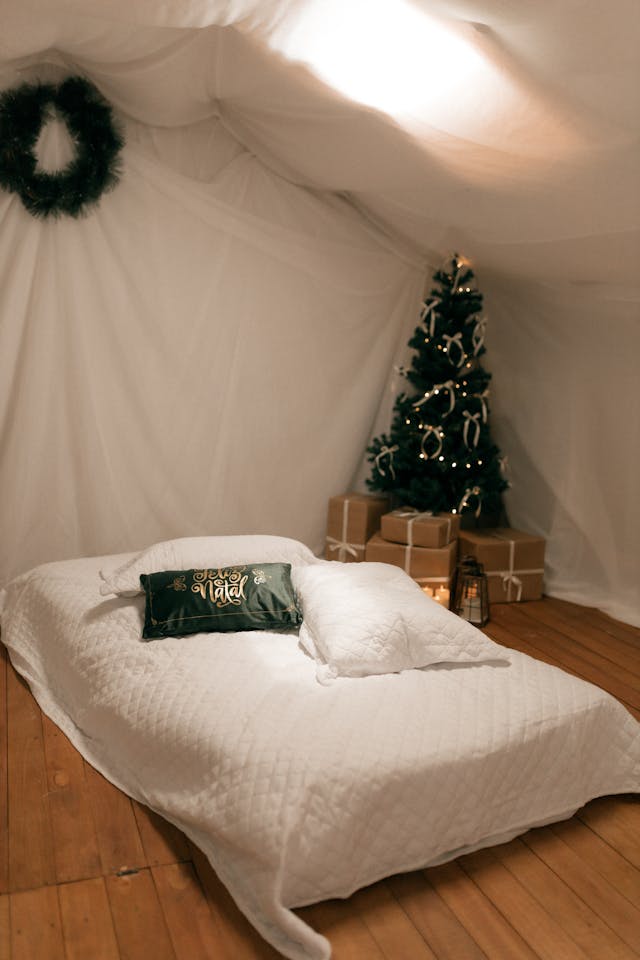
Choosing a Four-Poster Canopy Bed: Timeless Design for Your Home
Choosing a four-poster canopy bed is about blending elegance, comfort, and personal style. The right frame transforms your bedroom into a luxurious retreat while staying practical for daily life. In this guide, we’ll walk you through the history, styles, materials, and expert tips for choosing a four-poster canopy bed that matches your space, budget, and taste.
Key Takeaways: Choosing a Four-Poster Canopy Bed
- Choosing a four-poster canopy bed creates a dramatic focal point with lasting appeal.
- Materials and finishes (wood, metal, or upholstered) shape both style and maintenance needs.
- Measure ceiling height, room size, and fixture placement before you buy.
- Light drapes, layered bedding, and simple lighting elevate comfort and privacy.
- Eco-friendly choices and certifications can align your purchase with sustainable values.
What Is a Four-Poster Canopy Bed?
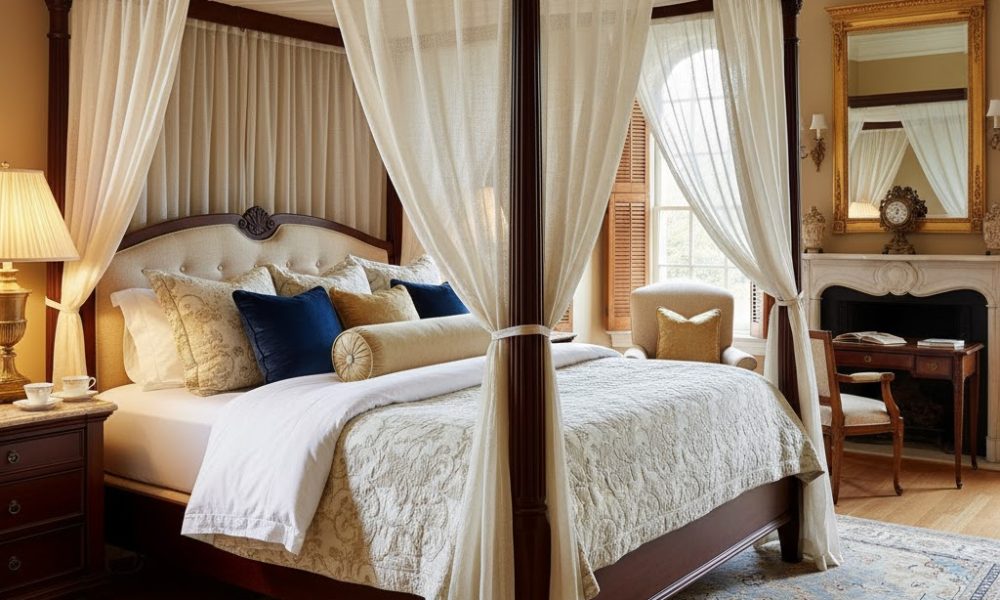
Answer first: A four-poster canopy bed features four vertical corner posts connected by rails or a top frame, optionally dressed with drapery for privacy and warmth. It’s functional, striking, and endlessly adaptable.
Historically, canopies helped block drafts in large homes. Today, the same structure doubles as an architectural statement and a frame for fabric, string lights, or a minimalist open look. Whether you love farmhouse charm or modern minimalism, choosing a four-poster canopy bed can anchor your design with instant presence. For a deeper primer on style evolution, see our internal overview of four-poster bed history and modern takes.
The History: From Practical Canopies to Iconic Design
Answer first: Canopy beds originated as practical solutions for warmth and privacy, then evolved into ornate status symbols with carved wood, textiles, and gilded details.
In medieval Europe, heavy curtains trapped heat and offered seclusion. Over centuries, artisans introduced rich hardwoods, finials, and fine fabrics—turning functional furniture into heirloom art. Today’s designs reinterpret that lineage: slimmer posts, lighter frames, sustainable woods, and versatile metal silhouettes. Explore a broader historical arc in our feature on four-poster bed history.
Why Choose a Four-Poster Canopy Bed?
Answer first: Presence, privacy, and personalization—those three Ps sum up the appeal. The posts define the space, the canopy can soften light and sound, and the frame invites styling.
- Elegant presence: Tall posts draw the eye and create a natural focal point.
- Flexible styling: Go open and airy or add gauzy drapes for intimacy.
- Comfort & privacy: Fabric helps diffuse light and dampen echoes.
- Timelessness: From classic wood to sleek metal, it works across styles.
For layout and room-energy tips that pair beautifully with statement beds, see our guide to Feng Shui bedroom elements.
Popular Types: Metal, Wood, and Upholstered
Answer first: Metal frames feel modern and light; wood brings warmth and character; upholstered options add plush comfort. Each material changes look, cost, and care.
Metal Canopy Beds: Minimal lines suit contemporary rooms and smaller spaces. A matte black finish leans industrial, while brass tones feel luxe. For ideas, explore our roundup of metal canopy beds.
Wood Canopy Beds: Oak, walnut, or mahogany deliver classic gravitas. Slender posts can modernize the silhouette without losing warmth.
Upholstered Canopy Beds: Padded headboards and sometimes upholstered rails offer a soft, cozy vibe—great for reading and lounging.
Not sure how frames compare beyond canopies? Our overview of best bed types for supportive comfort breaks down frame benefits for real-life sleep needs.
Measure First: Room Size, Ceiling Height, and Fixtures
Answer first: Before choosing a four-poster canopy bed, measure ceiling height, check overhead fixtures, and map walkways. Fit and flow come first.
- Ceiling height: Leave comfortable clearance above the canopy, especially beneath fans or pendant lights.
- Footprint: Ensure 24–36 inches of walkway at sides and foot of the bed.
- Visual scale: Slim posts suit small rooms; chunkier profiles suit large, airy spaces.
Want a quick space-planning refresh? See our bedroom harmony tips for circulation and layout ideas that keep a canopy bed feeling effortless.
Styling Tips: Drapes, Lighting, and Bedding Layers
Answer first: Keep it simple and textural. Light drapes, layered bedding, and one intentional light source make the frame shine.
- Drapes: Sheer linen or cotton keeps things airy; heavier textiles add drama and privacy.
- Lighting: Use a single pendant or two small pendants to echo the frame; avoid clutter.
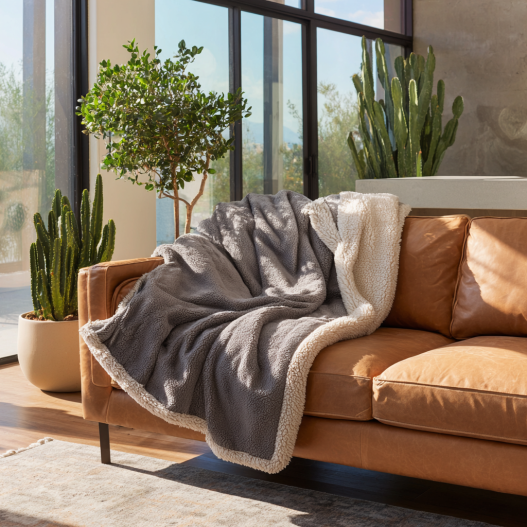
- Bedding: Layer breathable sheets, a duvet, and a throw to add dimension and seasonal flexibility.
For real-world styling inspiration that mentions canopy frames, see Parachute’s tips on bed frames and canopy concepts:
how to choose a bed frame (with canopy ideas) and bedroom decorating ideas.
Trend-wise, Better Homes & Gardens notes that canopies are having a moment with cozy, personalized spaces:
canopy beds are back.
Metal vs. Wood vs. Upholstered: Cost & Care
Answer first: Metal is typically most affordable and low-maintenance; wood varies by species and finish; upholstery offers comfort but needs more care.
- Metal: Wipe with a microfiber cloth; check joints annually.
- Wood: Dust weekly and treat scratches as needed; avoid direct sunlight to prevent fading.
- Upholstery: Vacuum with a brush attachment; spot clean promptly; rotate pillows for even wear.
Considering finishes? Our primer on metal canopy finishes covers matte, brass, and mixed-metal looks.
Eco-Friendly Choices: Materials, Certifications, and Bedding
Answer first: If sustainability matters, favor solid woods from responsibly managed forests, metal frames with recycled content, and bedding that supports eco goals.
Look for FSC-certified wood, water-based finishes, and durable joinery that extends product life. For bedding, organic cotton and linen reduce chemical exposure, and recycled fibers lessen waste. As you plan, consider the full ecosystem: organic bedding, sustainable bedding inserts, and even eco-conscious sheets that complement your new frame. (We discuss eco swaps throughout our site from materials to maintenance.)
For definitions of common frame types (including four-posters and canopies), the Sleep Foundation offers a helpful overview:
types of bed frames.
Buyer’s Guide: Budget, Features, and Setup
Answer first: Set a budget range, list must-have features, and plan assembly. A little prep makes choosing a four-poster canopy bed much easier.
- Budget tiers: Metal often starts lower; solid wood and custom pieces cost more.
- Features: Consider slat spacing, center supports, and if you want an open canopy or drapery-ready rails.
- Delivery & assembly: Measure doorways and hallways; confirm whether white-glove setup is available.
If you’re deciding among bed sizes and formats, the Sleep Foundation’s explainers are useful: bed frame sizes and best bed frames (overview).
Design Inspiration: Styles That Pair Well
Answer first: Canopy frames work with modern, traditional, boho, or minimalist rooms—simply tune materials and textiles to your aesthetic.
- Modern: Metal frames, neutral palettes, and one statement light.
- Classic: Warm wood, tailored drapes, and a bench at the foot.
- Boho: Soft sheers, layered textures, and collected art.
- Minimalist: Open canopy, crisp bedding, uncluttered surfaces.
For more visual queues, browse our style deep dives: decor themes for canopy beds, canopy bed styles, and best canopy bed frames.
FAQ: Choosing a Four-Poster Canopy Bed
- What is the purpose of the canopy?
- The canopy can add privacy, soften lighting, and frame the bed with visual warmth—all excellent reasons for choosing a four-poster canopy bed.
Will a canopy bed overwhelm a small room?
- Not if you scale thoughtfully. Choose slim posts, lighter finishes, and sheer fabrics. That way, choosing a four-poster canopy bed still feels open and balanced.
- Which material should I choose?
- Metal for modern and easy care, wood for timeless warmth, and upholstered for plush comfort. Consider how often you clean and restyle before choosing a four-poster canopy bed.
- How do I maintain the look?
- Dust weekly, vacuum upholstery, and rotate textiles seasonally. This keeps the frame fresh and reinforces why choosing a four-poster canopy bed is a long-term win.
Final Thoughts on Choosing a Four-Poster Canopy Bed
Choosing a four-poster canopy bed is an investment in comfort, architecture, and personal expression. With careful measurements, material choices, and a light styling touch, your canopy bed will feel luxurious every day—not just in photos. For more bedroom ideas and guides, explore Cozy Bed Quarters.
Related Reading
From Cozy Bed Quarters
Trusted External Sources
More Expert Insights
A four poster canopy bed is a bed frame that features four vertical columns, one at each corner, that support an overhead canopy structure. Originally designed for warmth and privacy in drafty castles, these beds have evolved into symbols of luxury and romance. According to The Spruce, they are now often used as focal points in bedrooms, adding grandeur and visual interest.
Today’s versions span a wide range of designs, from ornately carved wood to sleek, modern metal frames. They appeal to people looking to blend old-world charm with contemporary aesthetics. You’ll find them in luxury hotels, romantic Airbnb stays, and design-forward homes—testament to their enduring allure. Some even come with built-in lighting or minimalist canopies that highlight the structure without overwhelming a small room.
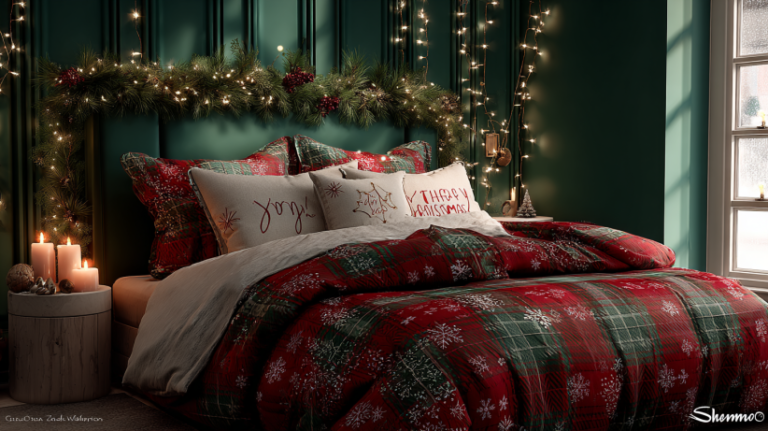
This type of bed also allows you to experiment with personal style. Add fairy lights, flowy curtains, or seasonal garlands to match your mood or decor. A canopy bed is like a blank canvas waiting for your creativity.
Adding curtains or fabric around the canopy creates a cocooning effect, ideal for better sleep and noise reduction. Especially in shared rooms or urban environments, this added privacy can make a big difference in rest quality. If you’re light-sensitive or prefer a darker environment for sleep, canopy curtains help block out unwanted light, mimicking the benefits of blackout curtains without compromising style.
Some families even use them in children’s rooms as a fun and imaginative sleeping environment. The enclosed feeling often helps kids sleep more soundly, feeling safe in their “fort.”
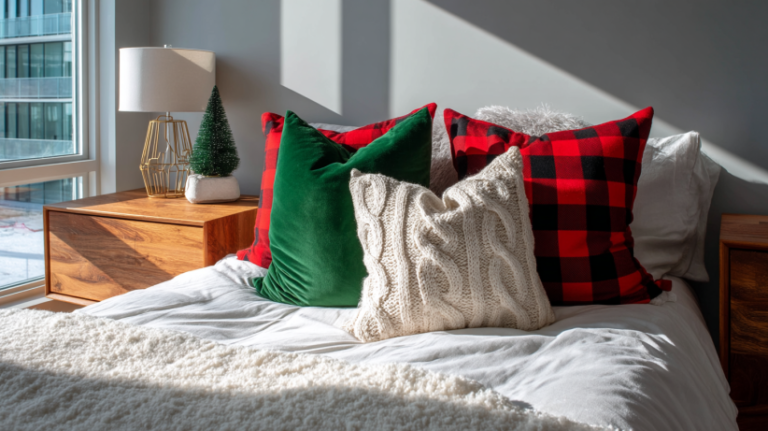
Canopy fabric can be swapped to match the seasons—light and breezy in summer, cozy and insulating in winter. This not only helps with temperature control but also lets you update your room’s vibe throughout the year. Layering textures, like pairing velvet in colder months and linen during the warmer seasons, gives your space a dynamic and refreshed look all year long.
Seasonal styling also keeps your bedroom engaging and fun to redecorate. You’re not stuck with one aesthetic—just switch out the textiles, and you’ve transformed the entire feel of the room.
Four poster canopy beds combine timeless elegance and practical comfort. They’re ideal for those wanting a cozy, stylish centerpiece that also improves sleep quality and room ambiance.
Thinking of adding a touch of elegance and comfort to your bedroom? A Four Poster Canopy Bed blends timeless charm with modern style, creating a cozy focal point that transforms any room. Here’s everything you need to know to choose, design, and love your dream bed.
Draping sheer panels, blackout curtains, or even twinkle lights around your canopy adds softness and privacy—and can help block drafts or excess light. It also creates a snug cocoon effect for a calm, luxurious sleep ambiance.
You’ll find canopy beds in natural wood, painted finishes, metal, or upholstered frames. Fabrics can shift the vibe—from airy linen or muslin for a boho look, to heavy velvet or jacquard for formal elegance. Switching canopy fabric lets you refresh the look seasonally or as your taste evolves.