Key Takeaways
- Organic mattresses use certified natural materials (latex, cotton, wool) that are healthier for you and the planet—no VOCs, flame retardants, or synthetic adhesives.
- Top brands include Avocado, Naturepedic, PlushBeds, Saatva, and My Green Mattress—all with GOTS/GOLS certifications and strong sustainability practices.
- They last 12-20 years compared to 7-10 for conventional mattresses, making the higher upfront cost worth it.
- Natural materials sleep cooler thanks to breathable cotton, moisture-wicking wool, and open-cell latex structure.
- Look for GOTS, GOLS, and OEKO-TEX certifications to verify true organic quality—don’t fall for greenwashing.
Eco-Friendly Organic Mattress Brands You’ll Love
Sleep isn’t just about closing your eyes—it’s the foundation of your energy, mood, and overall health. But what if your mattress is quietly working against you? Many traditional mattresses are packed with synthetic foams, chemical glues, and flame retardants that off-gas VOCs (volatile organic compounds) and harm both your body and the planet. That’s why more people are switching to eco-friendly organic mattresses. They’re safer, more sustainable, and honestly feel incredible.
At Cozy Bed Quarters, we help you find trusted, high-quality organic mattresses that support great sleep without compromising your values. In this guide, we’ll cover why these mattresses are worth it, spotlight the top brands, share picking tips, and show you how to keep yours feeling fresh for years.
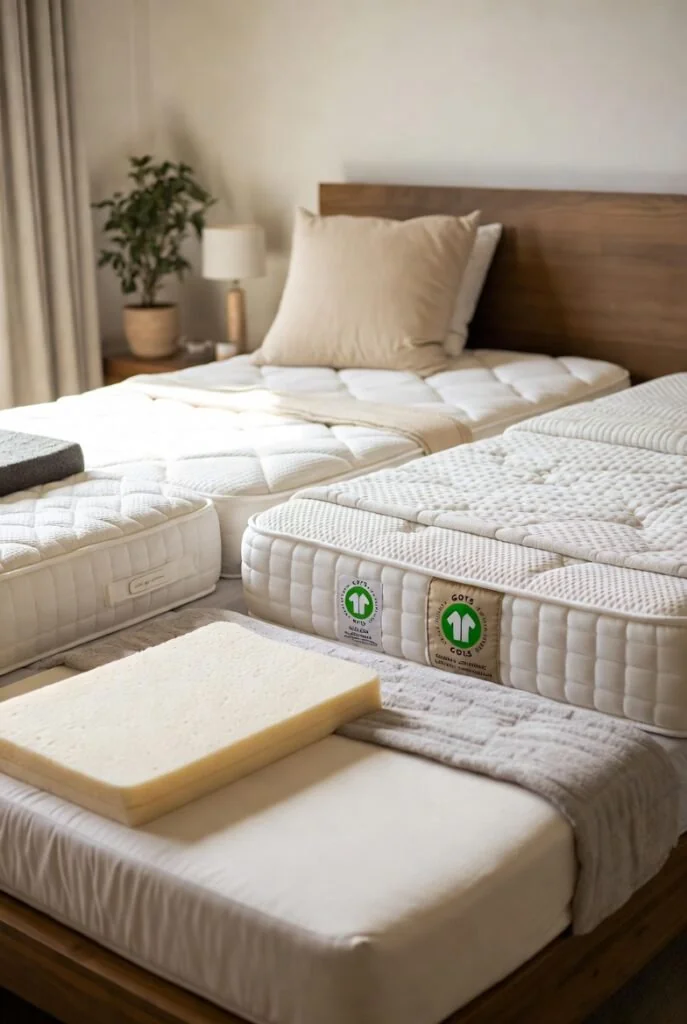
Why Go for an Eco-Friendly Organic Mattress?
It’s more than just a comfy upgrade—it’s a real step toward healthier living and smarter environmental choices.
On the health side, natural materials like organic latex, cotton, and wool naturally fight off dust mites, allergens, and bacteria. No harsh chemicals means less exposure to flame retardants or adhesives that can irritate your skin or lungs. Many people notice deeper, more refreshing sleep right away. Research shows that reducing bedroom VOCs can improve sleep quality by up to 15% and reduce respiratory issues.
Environmentally, these mattresses use renewable, biodegradable materials that break down naturally instead of piling up in landfills for decades. Choosing them supports ethical farming practices and lower-impact manufacturing. Conventional mattresses can take 80-120 years to decompose; organic options break down in 10-20 years.
For more on the health benefits, check out this expert overview of organic mattress benefits from Sleep Foundation.
The Key Materials in Quality Organic Mattresses
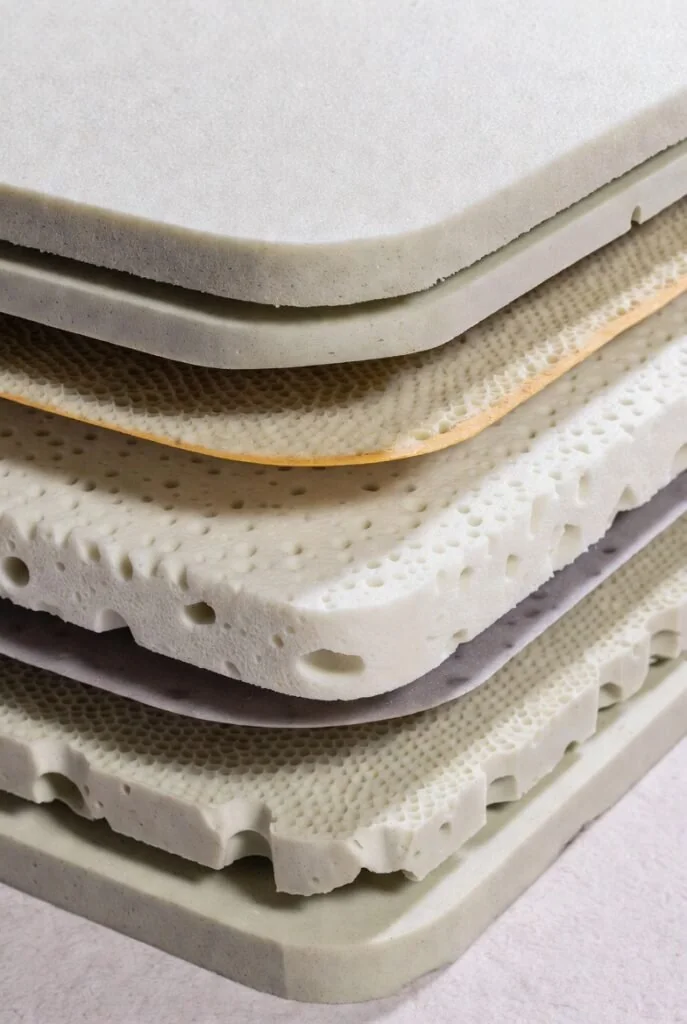
Great organic mattresses build from the ground up with natural layers that work together beautifully.
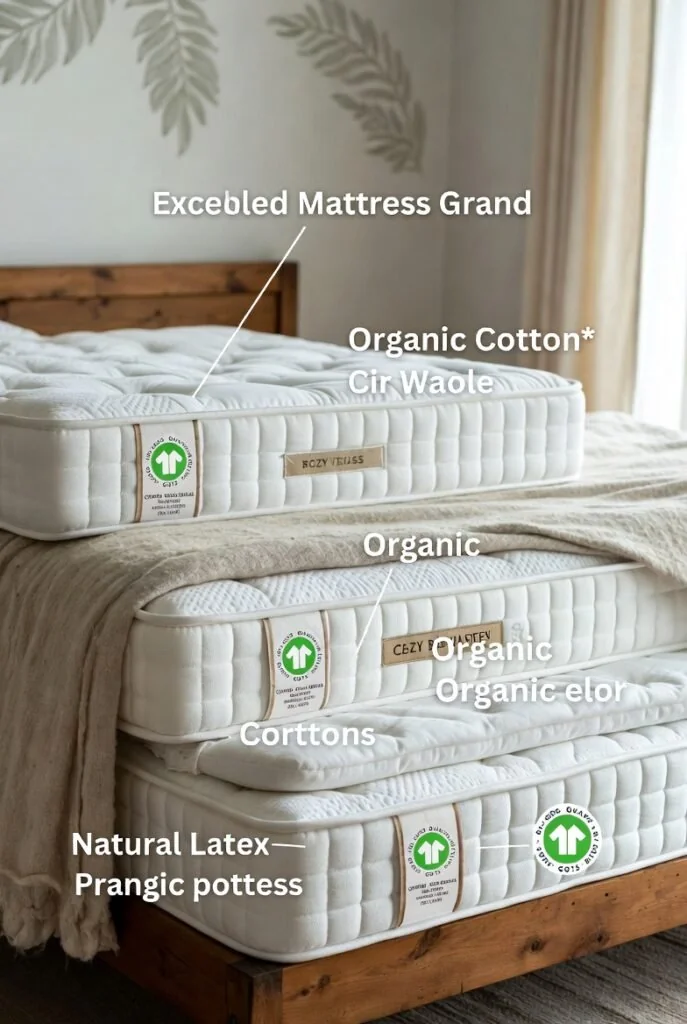
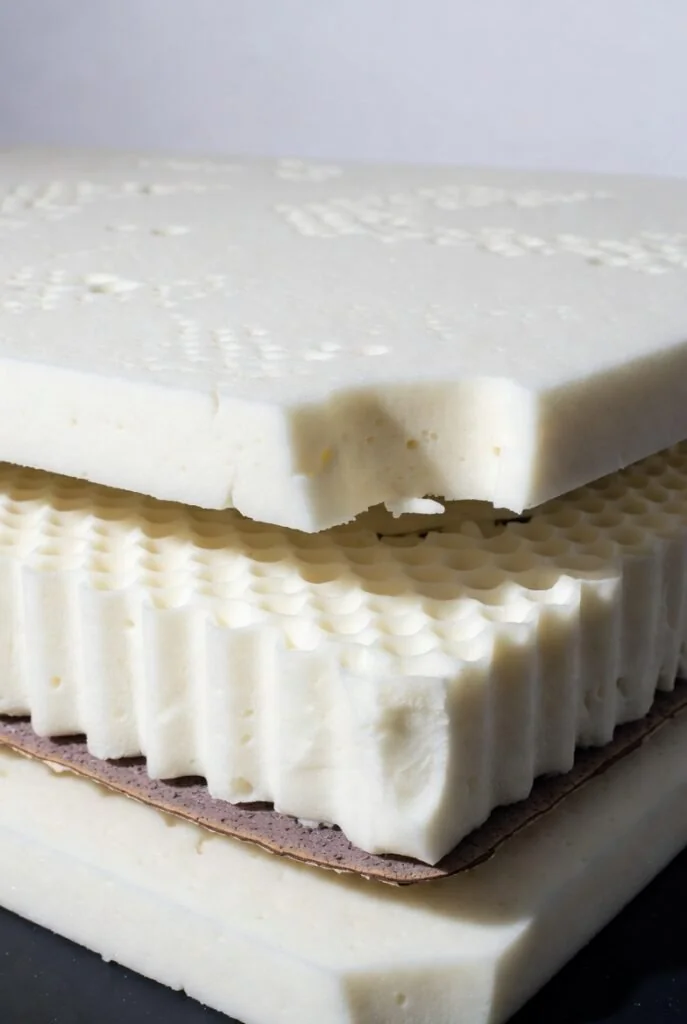
Natural latex bounces back, molds to your body for perfect pressure relief, and stays cool and antimicrobial—ideal if allergies are an issue. It’s harvested from rubber trees (Hevea brasiliensis) without harming the tree, making it renewable. Quality latex lasts 15-20 years without sagging.
Organic cotton feels soft and breathable, wicking moisture away without synthetics. It’s grown without pesticides or chemical fertilizers, which is better for soil health and farmworkers. Look for GOTS certification to ensure it’s genuinely organic from seed to fabric.
Organic wool naturally regulates temperature (keeps you cool in summer, warm in winter), wicks moisture, and provides natural fire resistance without chemical flame retardants. Wool from ethically-raised sheep is lanolin-rich and naturally antimicrobial.
Always look for certifications like GOTS (Global Organic Textile Standard) for textiles and GOLS (Global Organic Latex Standard) for latex. These guarantee truly organic, chemical-free materials from farm to finished product.
Top Eco-Friendly Organic Mattress Brands to Consider
Here are standout brands delivering real quality, comfort, and sustainability:
Avocado Green Mattress
A fan-favorite hybrid with GOTS- and GOLS-certified organic latex, wool, and cotton. The medium-firm feel (about a 6.5/10) suits most sleepers, and it’s packed with eco-credentials including carbon-negative manufacturing. Prices range from $1,399 (Twin) to $2,799 (Cal King). The pillow-top version adds extra plushness for side sleepers.
Best for: Back and stomach sleepers who want durable, eco-certified materials
See the official details on Avocado’s site.
Naturepedic
Super focused on non-toxic everything—great for families or sensitive individuals. Uses organic cotton and latex with zero PVC, phthalates, or chemical flame retardants. They’re certified by GOTS, GOLS, GREENGUARD Gold, and MADE SAFE. Prices start around $1,299.
Best for: Families with kids, people with chemical sensitivities, or anyone prioritizing zero-VOC sleep
Explore their lineup at Naturepedic.
PlushBeds Botanical Bliss
All-latex mattress with customizable firmness—you can choose soft, medium, medium-firm, or firm for each side. Excellent pressure relief and durability (often lasts 20+ years). GOLS-certified organic latex throughout. Prices from $1,649 to $3,299 depending on height (9″, 10″, or 12″).
Best for: Couples with different firmness preferences, latex lovers, anyone wanting maximum customization
Check it out on PlushBeds.
Saatva Latex Hybrid
Blends organic latex with individually wrapped coils for breathable support. Great for hot sleepers who want that bouncy, cooling feel. The latex is GOLS-certified and the cotton is GOTS-certified. Starts at $1,695 for a Queen.
Best for: Hot sleepers, combination sleepers who change positions, people who like responsive (not sink-in) feel
Learn more directly from Saatva.
My Green Mattress
Handmade in the USA with natural latex, wool, and cotton—durable and allergy-friendly. Family-owned business with transparent sourcing. Prices are competitive at $999-$1,799, making it one of the most affordable certified organic options.
Best for: Budget-conscious buyers who still want genuine organic materials and American-made quality
Visit My Green Mattress.
Finding the Perfect Organic Mattress for Your Sleep Style
Your best match depends on how you sleep and what you need.
Side sleepers usually love softer to medium options (4-6 on firmness scale) with plush latex or wool for shoulder and hip relief. Look for zoned support that’s softer at the shoulders, firmer at the hips. Avocado’s pillow-top or PlushBeds’ soft configuration work well.
Back sleepers do great with medium-firm (6-7) for spinal alignment. You want enough support to keep your lower back from sagging, but enough cushion for natural lumbar curve. The standard Avocado or My Green Mattress Emily model are solid picks.
Stomach sleepers need firm (7-8) to prevent lower back strain. All-latex options like PlushBeds in firm configuration provide the support you need without excessive sinkage.
If you’re a hot sleeper, breathable natural cotton and wool keep things cool and airy. Avoid thick pillow-tops and look for latex hybrids with coil systems for maximum airflow—Saatva Latex Hybrid is purpose-built for this.
For families with kids, go chemical-free and built-to-last. Naturepedic’s non-toxic certifications and waterproof organic covers make cleanup easier. Many top brands deliver washable, organic protectors too.
How to Care for Your Organic Mattress and Make It Last
With proper care, organic mattresses can outlive conventional ones by 5-10 years.
Rotate every 3-6 months to even out wear. Most organic mattresses are single-sided (no flipping needed), but rotating head-to-foot prevents body impressions. Set a reminder on your phone for every season change.
Add an organic protector to block dust, spills, and allergens. Look for GOTS-certified cotton or Tencel covers that are breathable (not plastic-backed). Brands like SafeRest and Coyuchi make excellent options.
Air it out regularly—strip the bedding and open windows for a few hours monthly. Natural materials love fresh air and it helps prevent moisture buildup.
Spot-clean with gentle solutions. Mix equal parts water and white vinegar, or use enzyme cleaners for organic stains. Never soak the mattress—dab gently and let air dry completely. Avoid harsh chemicals that defeat the purpose of buying organic.
Use a proper foundation. Organic mattresses need solid support—slatted bases should have slats no more than 3″ apart. Platform beds or box springs work great. Weak support voids most warranties.
The Real Value of Choosing Eco-Friendly Mattresses
Natural latex and wool hold up better than synthetics, so you replace less often. A quality organic mattress at $2,000 that lasts 15 years costs $133/year. A $800 conventional mattress that lasts 8 years costs $100/year—but that’s before you factor in health costs from chemical exposure or landfill impact.
They improve your indoor air quality by skipping VOCs. Studies show conventional mattresses off-gas for 3-6 months; organic ones have zero off-gassing period. If you’ve ever noticed that “new mattress smell,” that’s chemicals you’re breathing all night.
Your purchase supports greener practices overall. Organic cotton farming uses 91% less water than conventional. Natural latex production is carbon-neutral (trees absorb CO2 as they grow). And at end-of-life, materials biodegrade instead of sitting in landfills for 120 years.
Smart Tips for Picking Your Eco-Friendly Mattress
- Figure out your must-haves: Comfort level (soft/medium/firm), allergy protection, max sustainability, or budget constraints. Write down your top 3 non-negotiables.
- Try in person if you can, or lean on generous trial periods from online brands. Most offer 100-365 night trials with free returns. Sleep on it for at least 30 nights before deciding—your body needs adjustment time.
- Double-check those certifications for peace of mind. Don’t take marketing claims at face value—look for actual GOTS, GOLS, or OEKO-TEX labels with certification numbers you can verify.
- Think long-game: Warranty (10-25 years is standard for organic), durability ratings, and environmental impact all add up. A mattress with a lifetime warranty signals quality construction.
- Read the fine print on returns. Some brands charge return shipping ($99-$200), others donate returned mattresses, and a few offer white-glove removal. Know before you buy.
- Chat with experts like us at Cozy Bed Quarters for personalized comparisons. We’ve tested dozens of organic mattresses and can match you to the right one based on your sleep style, budget, and values.
Why Organic Mattresses Are the Future of Better Sleep
The bedding world is shifting toward sustainable, non-toxic innovation—and consumers are leading the way. Sales of organic mattresses grew 35% in 2025 alone. Major retailers are expanding organic sections, and even budget brands are launching certified-organic lines.
With better materials, improved manufacturing (like Avocado’s carbon-negative facilities), and responsible production becoming standard, choosing eco-friendly organic mattresses means waking up refreshed and feeling good about your impact. You’re voting with your wallet for a healthier industry.
FAQ: Everything You Asked About Organic Mattresses
Are organic mattresses really more expensive?
Yes, upfront costs are higher—usually $1,500-$3,000 compared to $500-$1,200 for conventional mattresses. But the durability (often 12-20 years vs 7-10 years), health benefits from chemical-free materials, and environmental sustainability make it a smart long-term investment that pays off. Plus, many brands offer financing options to spread the cost.
Do organic mattresses offer good support?
Absolutely. Brands like Avocado, PlushBeds, and Naturepedic offer zoned support systems and multiple firmness options (soft, medium, firm) for every sleep position. Natural latex is especially supportive—it contours to your body while maintaining spinal alignment better than many synthetic foams. The Dunlop latex used in most organic mattresses is denser and more supportive than conventional memory foam.
How do I know a mattress is truly organic?
Look for third-party certifications: GOTS (Global Organic Textile Standard) for fabrics, GOLS (Global Organic Latex Standard) for latex, and OEKO-TEX for non-toxic materials. These are independently verified and guarantee the mattress is made with genuinely organic, chemical-free materials from farm to finished product. Beware of vague terms like “natural” or “eco-friendly” without certification backup—that’s often greenwashing.
What’s the lifespan of an organic mattress?
Quality organic mattresses typically last 12-20 years with proper care—significantly longer than conventional mattresses (7-10 years). Natural latex is incredibly durable and doesn’t break down like polyurethane foam. Rotate every 3-6 months, use an organic protector, and follow care instructions to maximize longevity. Many brands offer 20-25 year warranties reflecting this durability.
Do organic mattresses sleep hot?
No—actually the opposite. Natural materials like organic cotton and wool are highly breathable and moisture-wicking. Natural latex has an open-cell structure with pin-core ventilation that promotes airflow far better than memory foam. Wool naturally regulates temperature year-round. Most hot sleepers find organic mattresses sleep 3-5 degrees cooler than synthetic alternatives, especially latex hybrids with coil systems.
Can I use my existing bed frame?
Yes, in most cases. Organic mattresses work with platform beds, slatted bases (slats 3″ apart or less), box springs, and adjustable bases. Check your mattress brand’s foundation requirements—some warranties require specific support. Avoid old, saggy box springs that could void your warranty.
Are organic mattresses good for allergies?
Excellent for allergies. Natural latex is inherently antimicrobial and resistant to dust mites, mold, and mildew. Organic wool naturally repels dust mites without chemical treatments. Organic cotton is hypoallergenic and free from pesticide residues that can trigger reactions. If you have severe latex allergies, choose all-cotton/wool options like certain Naturepedic models.
Final Thoughts
Making the switch to an eco-friendly organic mattress is one of the best things you can do for your health, comfort, and the environment. Whether you’re a side sleeper chasing pressure relief, a hot sleeper needing airflow, or a family prioritizing safety, there’s an amazing option out there.
At Cozy Bed Quarters, we help you explore curated picks that nail comfort, support, and sustainability. Take your time, use those trial periods, and invest in sleep that truly aligns with your life and values.
Your body spends a third of its life on a mattress. Make it count.
Related Articles
Choosing Your Mattress
Organic & Eco-Friendly Bedding
Mattress Care & Maintenance