The Best Mattresses for Side, Back, and Stomach Sleepers

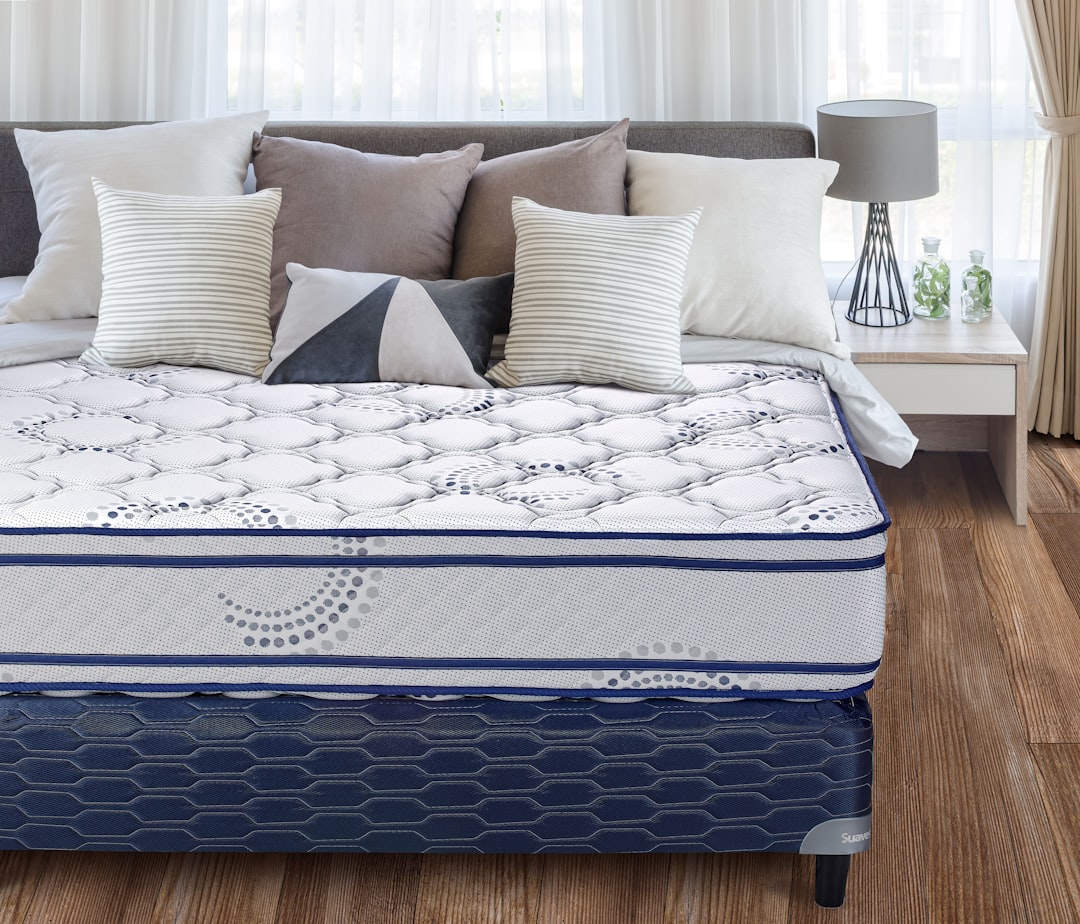
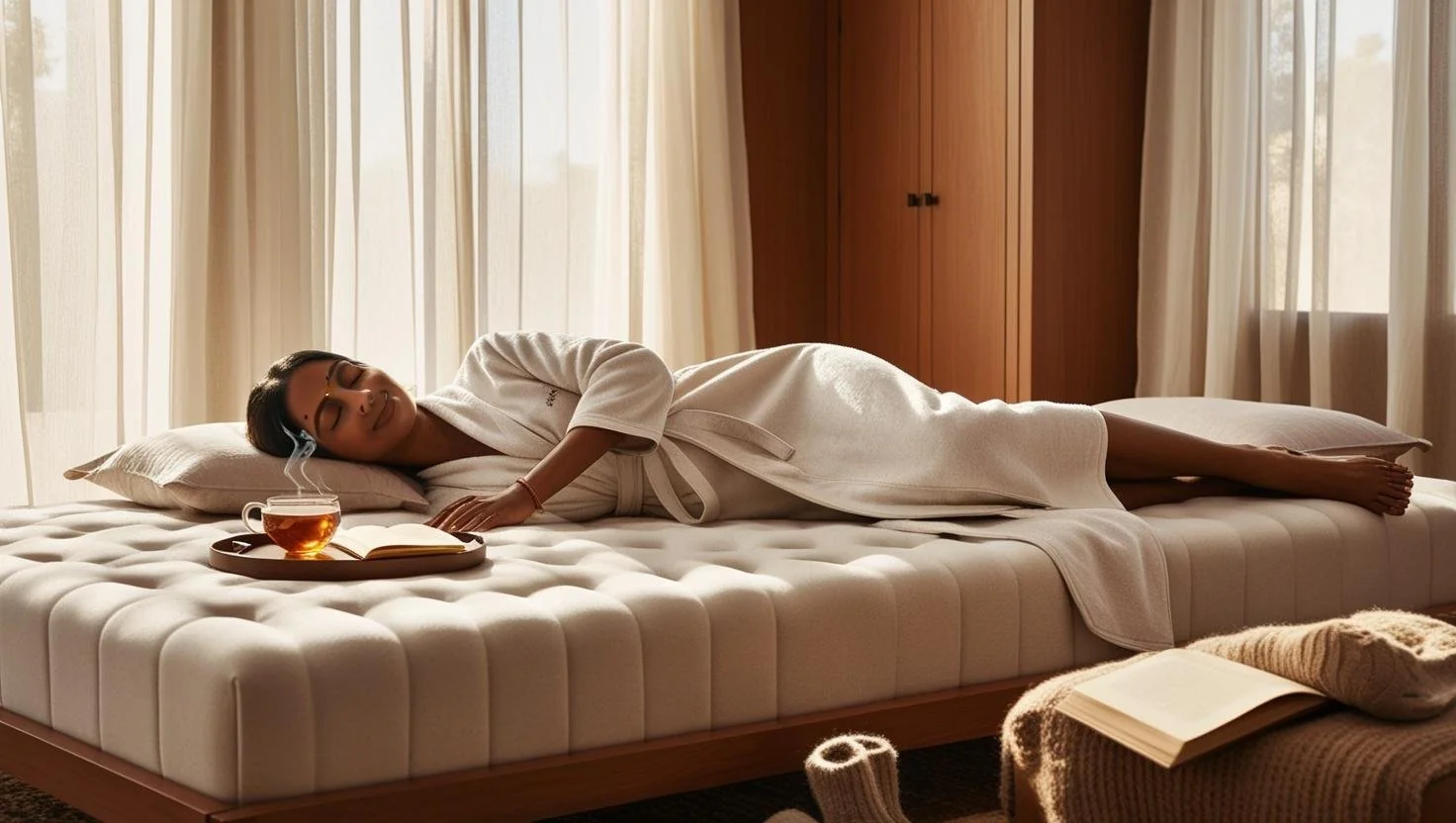
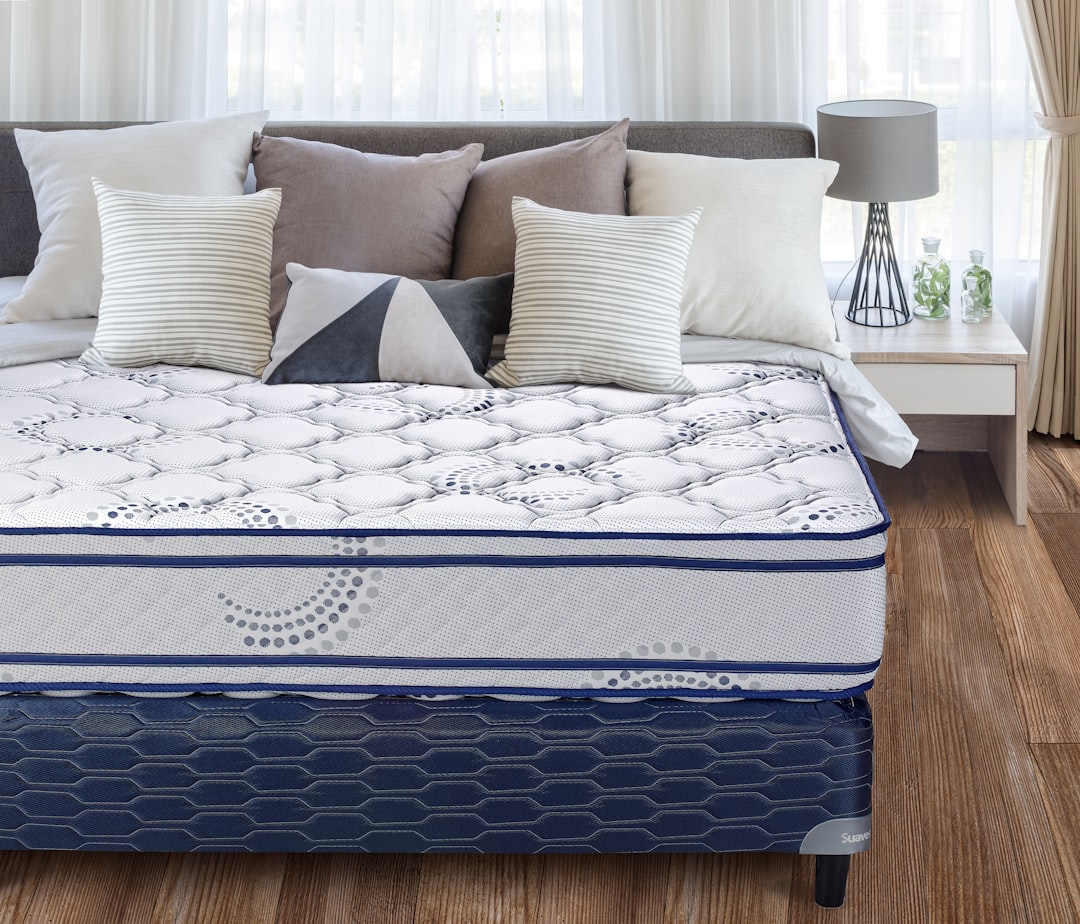
Mattresses Side, Back, Stomach in a cozy bedroom setting - mattresses side stomach


Best Mattress for Side Back and Stomach Sleepers

The best mattress for side back stomach sleepers combines pressure relief at shoulders and hips, steady midsection support, and firmness levels that keep your spine aligned no matter how you sleep.

Updated August 2025.

Key Takeaways

  • Firmness guide: Medium-soft for side, medium-firm for back, and firm for stomach sleepers.
  • Materials matter: Memory foam contours deeply, coils add bounce and airflow, hybrids balance both.
  • Hot sleepers: Latex or hybrid builds improve breathability and cooling.
  • Couples: Motion-isolating foams and pocketed coils reduce sleep disruptions.
  • The phrase best mattress for side back stomach sleepers anchors your checklist when comparing options.

If you’re not sure where to start, use our mattress buying guide. To compare materials, see memory foam vs spring mattress, or explore best cooling mattress if you overheat at night.

Why multi-position sleepers need tailored support

Switching between side, back, and stomach sleep puts pressure on different body zones. Too soft, and your hips sink (tough on back/stomach sleepers). Too firm, and your shoulders feel jammed (hard on side sleepers). The best mattress balances cushioning and lift—especially for combination sleepers who move all night.
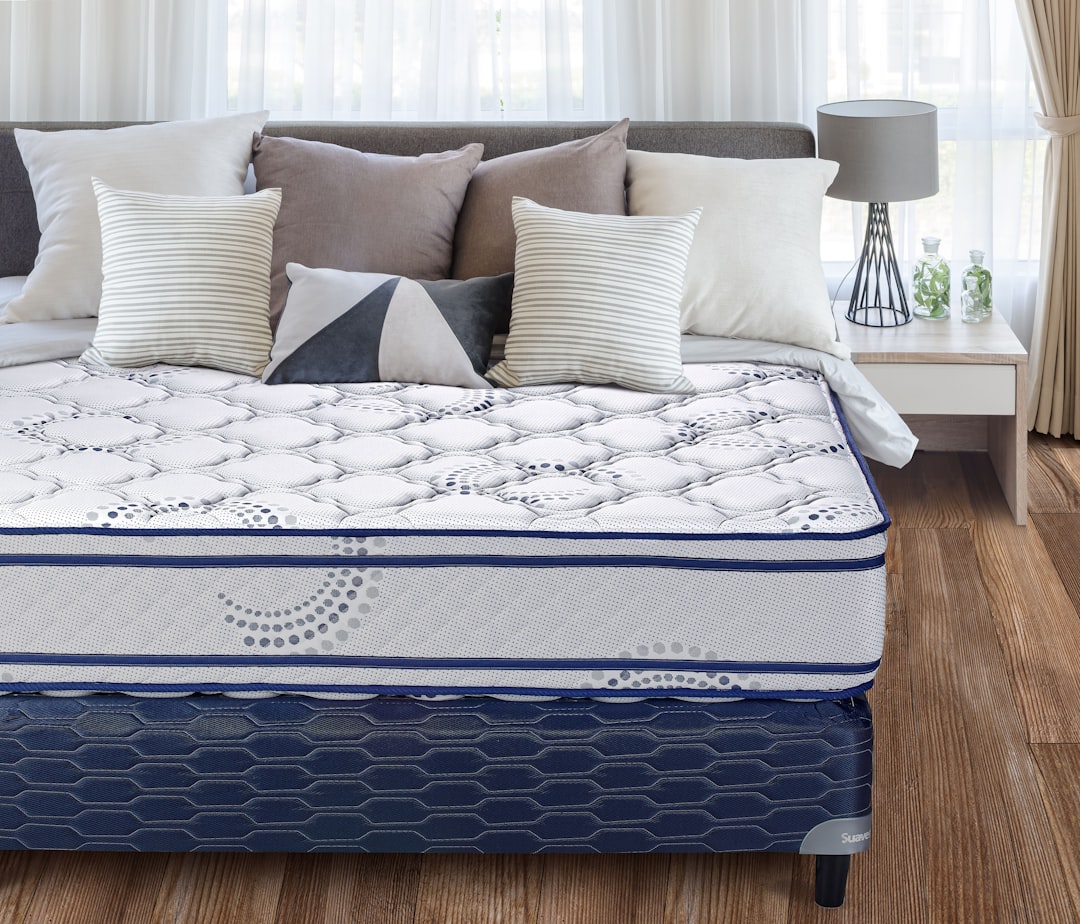
Mattress cutaway showing support layers, the best mattress for side and stomach sleepers

A quick firmness map for each sleeping position.

Best mattress for side sleepers

Side sleepers press weight into the shoulders and hips, so pressure relief is essential. The best mattress for side back stomach sleepers cushions these areas while preventing midsection sagging. For more tailored picks, see our guide to the best mattress for side sleepers.

Firmness: Medium-soft to medium. Heavier side sleepers may prefer medium-firm with thicker comfort layers.

Materials: Memory foam for contouring, hybrids for pressure relief + airflow, or latex for buoyant comfort that avoids a “stuck” feel.

Best mattress for back sleepers

Back sleepers need consistent lumbar support to maintain a healthy spinal curve. A bed that’s too soft lets the hips sink; too firm can push the shoulders upward.

Firmness: Medium to medium-firm.

Materials: Zoned coils with supportive foams, or medium-firm memory foam. Hybrids are excellent for couples with different needs.

Best mattress for stomach sleepers

Stomach sleepers put the most stress on the lower back. A sagging mattress lets hips drop too low, which strains the spine. Firmer support is the key.

Firmness: Firm to medium-firm.

Materials: Hybrids and latex for cooling lift, or dense foams with reinforced cores for support.
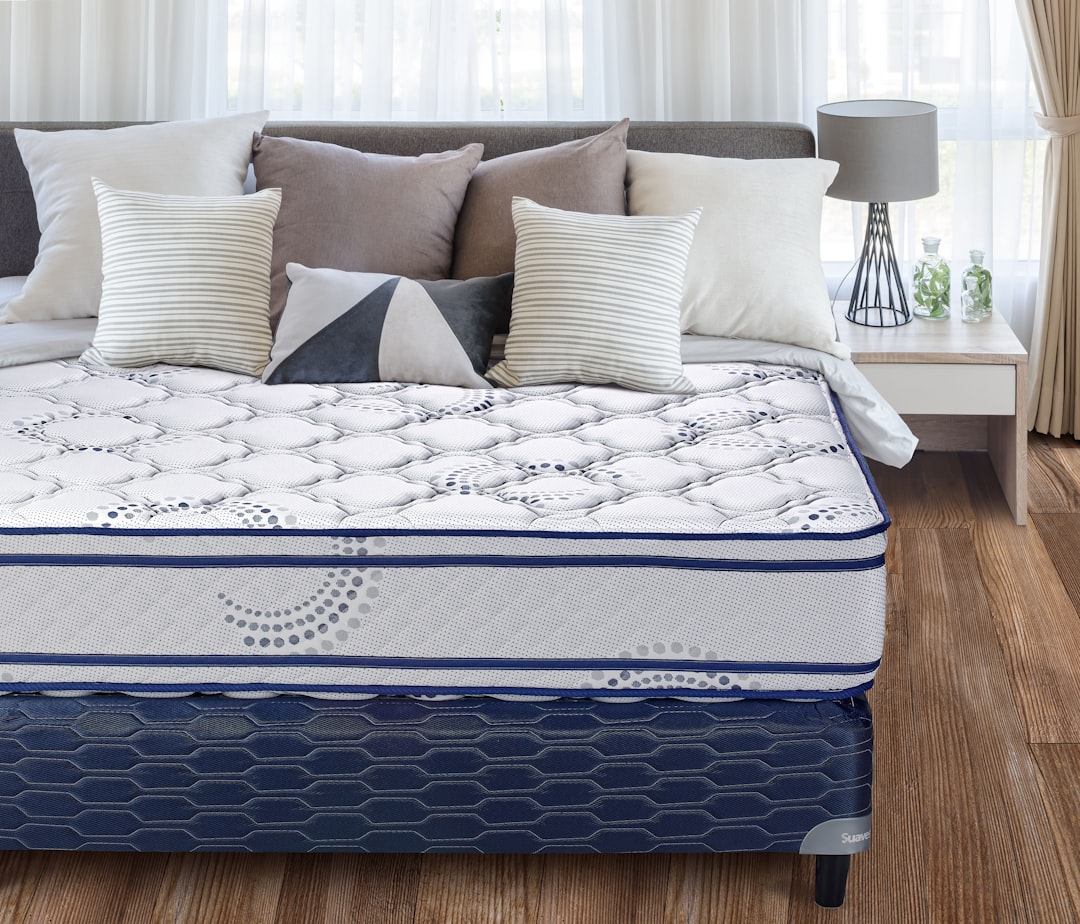
The Best Mattresses for Side, Back, and Stomach Sleepers - mattresses featuring mattresses side stomach

Proper spinal alignment prevents morning aches and keeps your core supported.

Body type and mattress choice

  • Lighter sleepers (under 150 lbs): Softer mattresses prevent pressure buildup.
  • Average-weight sleepers (150–230 lbs): Medium firmness works across all positions.
  • Heavier sleepers (230+ lbs): Firmer beds with thick coils or high-density foam provide lasting support.

Comparison: best mattress for side back stomach sleepers by body type

Position Ideal Firmness Best Materials Body Type Tips
Side Sleepers Medium-soft to medium Memory foam, hybrid, latex Lighter bodies prefer plush foam; heavier bodies benefit from thicker hybrids.
Back Sleepers Medium to medium-firm Hybrid, zoned coils, firm foam Average-weight thrive on hybrids; heavier need reinforced lumbar zones.
Stomach Sleepers Firm to medium-firm Latex, hybrid, dense foam Lighter sleepers can tolerate medium-firm; heavier need firm latex or hybrid.
Combination Sleepers Medium (balanced) Responsive hybrid, latex Latex suits restless sleepers; hybrids fit couples. See Casper vs Purple.

Best mattress types for side, back, and stomach sleepers

  • Memory foam: Deep contouring, excellent for side sleepers, but may trap heat.
  • Latex: Naturally breathable and bouncy, great for combo sleepers.
  • Hybrids: Best all-around for side, back, and stomach sleepers.
  • Innerspring: Cool and supportive, but often needs a pillow top for pressure relief.
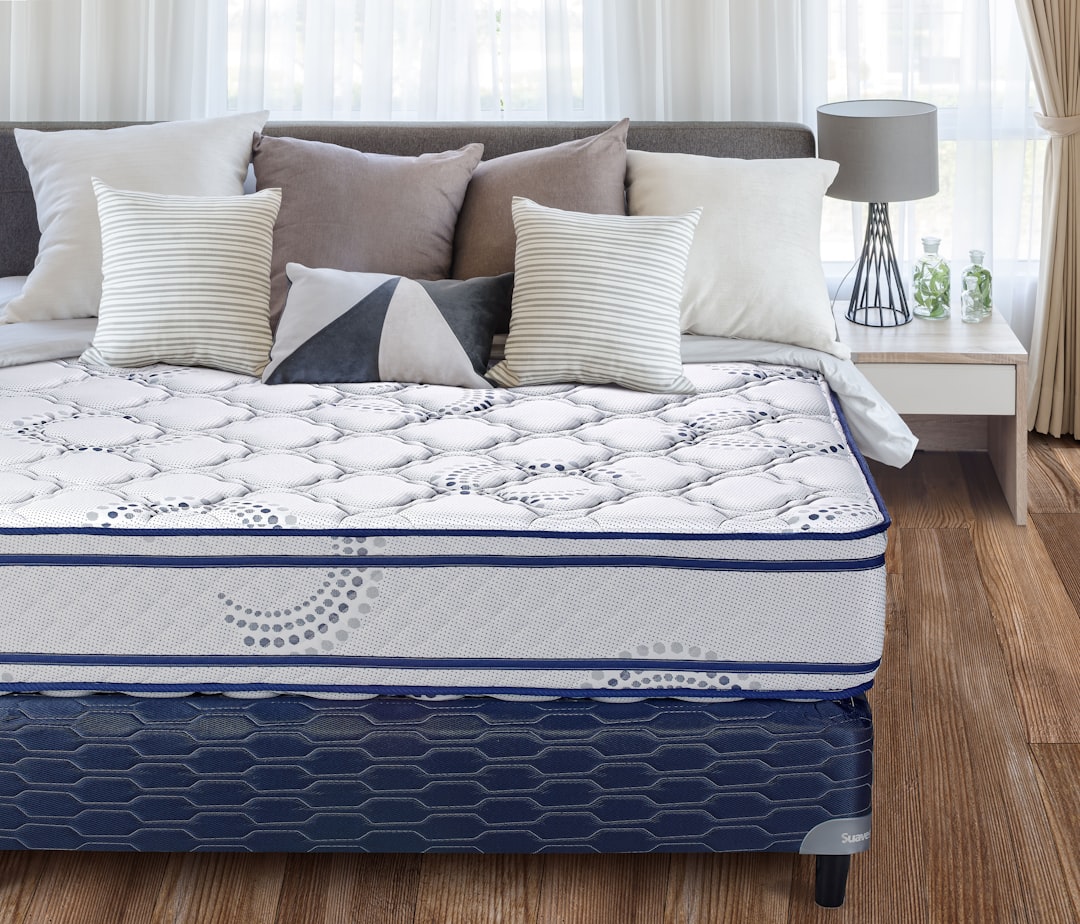
The Best Mattresses for Side, Back, and Stomach Sleepers - mattresses featuring mattresses side stomach

How materials feel: foam (hug), latex (lift), hybrid (a bit of both).

Testing at home, cost, and buying tips

A showroom test lasts minutes—real comfort shows up after weeks. Use the trial period to judge pressure relief, lumbar support, and cooling. Rotate your mattress if the brand recommends it, and add a breathable protector for longevity.

  • Budget-friendly: Foam under $600—great for lighter sleepers or guest rooms.
  • Mid-range: $800–$1,200 hybrids hit the sweet spot for most households.
  • Premium: $1,500–$2,500 with zoned coils, latex, and cooling fabrics.

According to the CDC, adults need at least seven hours of quality rest per night. If you’re choosing an eco-conscious mattress, look for recognized bedding certifications to ensure safe materials.

FAQ

What firmness is best for side back stomach sleepers?

Medium-soft for side, medium-firm for back, and firm for stomach. Combination sleepers often choose medium hybrids for balance.

What mattress works for couples with different sleep positions?

Hybrids with zoned coils or foam beds with dual firmness. These combine motion isolation with responsiveness.

How do I avoid back pain as a stomach sleeper?

Choose a firmer mattress that keeps hips supported. Use a thin pillow—or none at all—to prevent neck strain.

Do multi-position sleepers need special mattresses?

Not always. Hybrids and latex beds are naturally flexible, making them ideal for changing positions at night.

How long does a mattress last?

On average, 7–10 years. Latex and hybrids last longest, while foam beds depend on density and core quality.

Conclusion

The best mattress for side back stomach sleepers balances cushioning, support, and airflow across sleep positions. Match firmness to your primary position, choose materials that fit your comfort style, and use trial periods to test at home. For cozy comparisons and expert guides, explore Cozy Bed Quarters.

Related Reading


Best Memory Foam Mattresses: How to Pick the Right One for Your Sleep Style

Side sleeper resting on a top-rated best memory foam mattress 2024

The best memory foam mattresses share three things: a comfort layer of foam that weighs at least 3 lb per cubic foot, a firmness that matches how you sleep, and a support core that doesn’t dip under your hips. Everything else — copper, gel beads, “phase change” covers — is a smaller effect than getting those three right. So instead of chasing a model name that may be discontinued by next spring, shop the spec sheet.

What actually makes a memory foam mattress good

Brand marketing changes every year; the physics doesn’t. Model names churn too, so a “best of 2024” pick may not even be on sale now. Here’s what to check on the spec sheet before anything else.

Foam density (the number that predicts sagging)

Density is measured in pounds per cubic foot (lb/ft³) and it’s the closest thing to a durability rating foam has.

  • Under 3 lb/ft³: cheap, light, quick to soften. Common in bed-in-a-box beds under about $500.
  • 3 to 5 lb/ft³: the sweet spot. Slow contouring, holds up for years.
  • Over 5 lb/ft³: very dense and very hugging. Slow to respond, warmer, heavy to move.
  • Support core: the thick base slab should be high-density polyfoam at 1.8 lb/ft³ or better, or pocketed coils.

If a brand won’t publish density, ask their chat line. A company confident in its foam will tell you; if they dodge, that’s your answer.

Thickness and the layer stack

Most quality all-foam beds land between 10 and 14 inches tall. What matters more is the split: roughly 2 to 4 inches of memory foam on top, a transition layer, and 5 to 8 inches of support core.

A 12-inch mattress with 8 inches of soft memory foam isn’t better — it’s a hole you sink into. And if you weigh over about 230 lb, skip anything under 11 inches; you’ll press straight through to the base.

Firmness, translated

Brands rate firmness 1 to 10, and most beds labeled “medium” land around a 6. Useful starting points:

  • Side sleepers under 130 lb: 4 to 5
  • Side sleepers 130 to 230 lb: 5 to 6.5
  • Back sleepers: 6 to 7
  • Stomach sleepers: 7 to 8, no exceptions — your hips need to stay level with your shoulders
  • Over 230 lb: add about a point to any of the above
Person stretching awake after a night on one of the best memory foam mattresses

Best memory foam mattresses by sleeper type

Match the spec to the body and the problem. This is the shortcut version:

You are… Look for Avoid
A side sleeper with shoulder or hip pain 3–4 in of 3.5–5 lb memory foam, medium-soft feel Firm beds with a thin 1.5 in comfort layer
A back sleeper with low-back ache Medium-firm, zoned or transition layer under the lumbar Plush pillow-top foam that lets the hips drop
A stomach sleeper Firm, thin comfort layer, high-density core Deep-hug classic memory foam
A hot sleeper Open-cell or gel foam plus a coil base (hybrid) Thick dense foam with a quilted, padded cover
Sharing a bed with a restless partner All-foam build — best motion isolation you can buy Firm innersprings with connected coils
Over 230 lb 12 in or taller, 2 lb+ base foam, reinforced edges Sub-$400 foam beds with vague specs
Undecided between two firmnesses A flippable dual-firmness bed, or a long trial Guessing from a 3-minute showroom lie-down

If more than one row describes you, weight the one connected to pain. Comfort preferences shift; a shoulder that goes numb at 3 a.m. doesn’t.

Does memory foam sleep hot?

Partly, yes. Memory foam softens in response to body heat and wraps around you, so less skin touches open air. That’s why the hug feels good and why the heat lingers.

What genuinely helps, in rough order of impact:

  1. A coil support core. Air moves through springs. A foam slab doesn’t breathe much, whatever the cutaway diagram suggests. See our memory foam vs. hybrid comparison if you’re torn.
  2. A thinner comfort layer. Less foam around you, less trapped heat.
  3. Open-cell or perforated foam. Real effect, modest.
  4. Gel, copper and graphite infusions. They shift heat for the first part of the night, then saturate. Not nothing, not a fix.
  5. Your sheets. A percale cotton or linen sheet set beats any cooling cover on a foam bed, and swapping a heavy mattress protector for a thin one often does more than a new mattress would.

Trials, warranties and the fine print people skip

Foam takes weeks to feel normal, so the trial is part of the product. Before you buy, check these five things:

  • Minimum break-in period. Most brands require 21 to 30 nights before you can return. That’s fair — new foam is stiffer than settled foam — but it means a “100-night trial” is really about 70 nights of decision time.
  • Return fee and pickup. Some companies collect and donate free; others charge a return or restocking fee, especially outside the lower 48 states.
  • One return per customer. Plenty of trials let you exchange firmness only once.
  • Sag threshold in the warranty. Warranties usually cover a permanent body impression once it passes a set depth — often ¾ inch to 1½ inches. Anything shallower isn’t a defect in their eyes, even if you feel it.
  • What voids it. Using the wrong base, removing the law tag, or a single stain will void most warranties. Buy a protector on day one.

Also note whether the coverage is full-replacement or prorated. A “lifetime warranty” that’s prorated after year 10 mostly means a discount on your next mattress.

Setup: base, slats and the new-mattress smell

Memory foam needs a flat, rigid surface. No box spring — those were built to flex under innersprings.

  • Slat spacing: 3 inches or less, measured gap to gap. Wider and the foam bulges between slats and wears in lines.
  • Center support: queen and king frames need a center rail with a leg to the floor. A dip down the middle of a big bed is often the frame’s fault, not the foam’s, and brands will deny a warranty claim over it.
  • Platform or bunkie board: both fine. Solid plywood works too if you drill a few vent holes.
  • Expansion: a boxed mattress needs 24 to 72 hours to reach full height. It’s sleepable the first night; it just won’t feel final.

That fresh-foam smell is off-gassing from volatile organic compounds released as the foam decompresses. It usually fades in a few days with a window cracked. Researchers who measured VOC emissions from memory foam mattresses and modeled bedroom exposure reported concentrations below available health-based benchmarks, which is reassuring, though sensitive sleepers may still want to air a new bed out in another room for a day.

Worth knowing: every mattress set sold in the US has to pass a federal open-flame flammability standard, which is why foam beds contain a fire barrier layer. Look for CertiPUR-US on the foam if low-emission materials matter to you — it’s an industry certification, not a government one, but it does set limits on certain chemicals.

Memory foam mattress on a slatted platform bed frame in a bright bedroom

Where memory foam loses

Even the best memory foam mattresses are wrong for some people, and pretending otherwise wastes your money.

  • Combination sleepers. Turning over in deep foam takes effort. Latex or a hybrid moves with you better.
  • Edge sitting. All-foam perimeters compress when you put your socks on. Hybrids with reinforced edges hold up.
  • Adjustable-bed users on a budget. Foam bends beautifully, but cheap foam creases at the hinge points over time.
  • Anyone who hates the hug. No cooling gel fixes a feel you dislike. If sinking in bothers you, the whole category is wrong. Our memory foam vs. spring breakdown lays out the trade-offs for larger beds.

How much should you spend?

The best memory foam mattresses for most households are queen all-foam beds in the mid hundreds to low four figures. Going from a $400 bed to an $1,100 one buys real foam density and a better warranty; going from $1,100 to $3,000 mostly buys zoning, fancier covers and showroom service.

Prices swing hard around holiday sales, so if you’re not desperate, wait for one. If your ceiling is tight, start with our budget mattress picks under $500; if you want to compare every construction type first, the full guide to mattress types covers latex, innerspring and hybrid too.

Frequently asked questions

How long does a memory foam mattress last?

Plan on 7 to 10 years. Higher-density foam lands at the top of that range; sub-3 lb foam can develop a visible body impression in three or four years. The tell isn’t age — it’s whether you wake up stiff and feel better after a night somewhere else.

Do I need a box spring?

No. A platform frame, slats spaced 3 inches or less, or a solid foundation is what you want. A traditional box spring flexes and will leave the foam unsupported.

Can you flip a memory foam mattress?

Only if it’s built as a flippable, dual-sided model — most aren’t, because the soft comfort layers are on one side only. Rotate yours head-to-foot every three to six months instead. It evens out wear where your hips sit.

Is memory foam good for side sleepers?

It’s arguably the best category for them. The foam lets shoulders and hips settle in while keeping the waist supported, which is what keeps the spine straight. Pair it with a pillow tall enough to fill the gap between your ear and the mattress — our down vs. memory foam pillow comparison covers loft for side sleeping.

Why does my memory foam feel harder in winter?

The foam is temperature-sensitive by design, so in a cold room it firms up and takes longer to contour. Warmer bedding or a slightly warmer bedroom sorts it out.

Does a mattress topper fix a sagging bed?

No. A topper can change the surface feel of a mattress that’s still structurally sound, but it can’t bridge a dip in the support core. You’ll just get a soft layer that follows the same sag.

Side sleeper with shoulder sinking into a memory foam comfort layer

A quick pre-checkout checklist

  1. Memory foam density listed at 3 lb/ft³ or higher
  2. Base foam at 1.8 lb/ft³+, or pocketed coils
  3. Height 11 inches or more if either sleeper is over 230 lb
  4. Firmness matched to sleep position, not to a review headline
  5. Trial length minus the break-in period — how many nights do you really get?
  6. Return fee, and who hauls it away
  7. Warranty sag threshold in inches, and whether it’s prorated
  8. A frame that meets the brand’s slat-spacing rule, bought before the bed arrives

Get those eight right and most well-reviewed foam beds will work for you. Get them wrong and the fanciest cooling cover on the market won’t save the purchase.

Neatly made bed with layered bedding on a memory foam mattress

Updated September 2026.