
Disappearance of Bedding Ceremonies: 7 Reasons They Vanished
The disappearance of bedding ceremonies tells a bigger story about how we love, celebrate, and protect our privacy today. Once a public marker of legitimacy, the bedding ceremony faded as couples chose intimacy over spectacle, faith over formality, and romance over ritual. This guide explores seven reasons behind the disappearance of bedding ceremonies, connects the dots to today’s wedding trends, and offers warm, practical ideas for honoring heritage in modern, meaningful ways.
Key Takeaways: Disappearance of Bedding Ceremonies
- The disappearance of bedding ceremonies reflects a shift from public oversight to private intimacy.
- Modern weddings prioritize autonomy, romance, and personal meaning over communal ritual.
- Elements of the tradition live on in symbolic acts like threshold crossings and honeymoons.
- Evolving religious, legal, and cultural norms reduced the need for public confirmation of marriage.
- The exact phrase “disappearance of bedding ceremonies” captures a broader cultural transformation.
1) What Was the Bedding Ceremony?
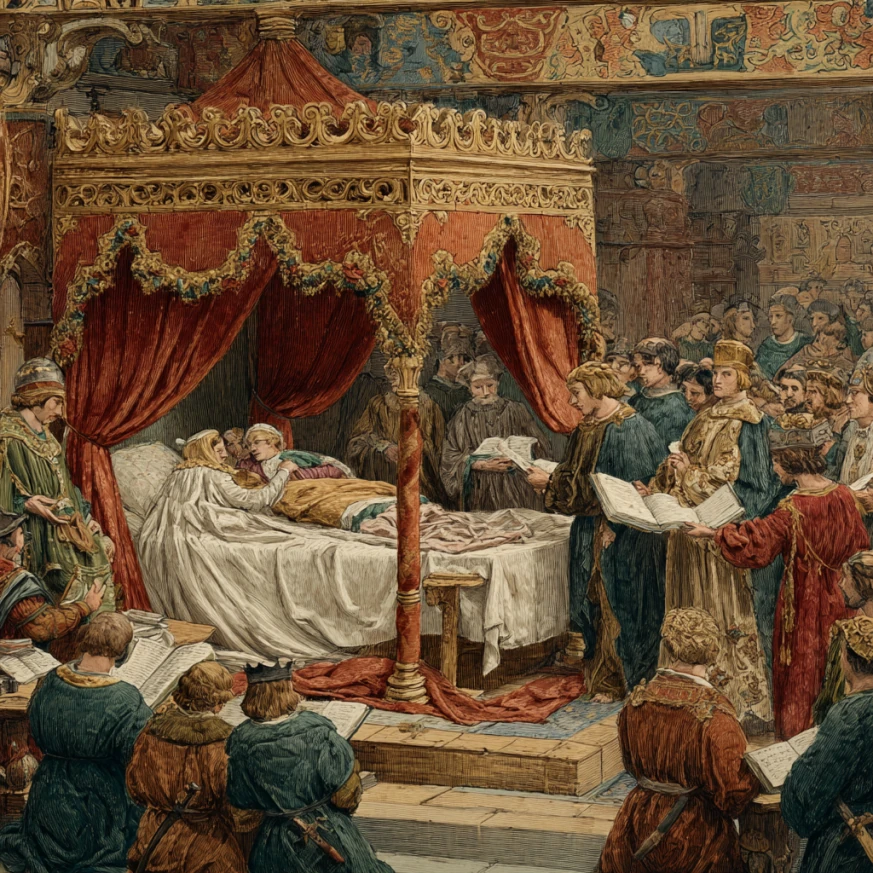
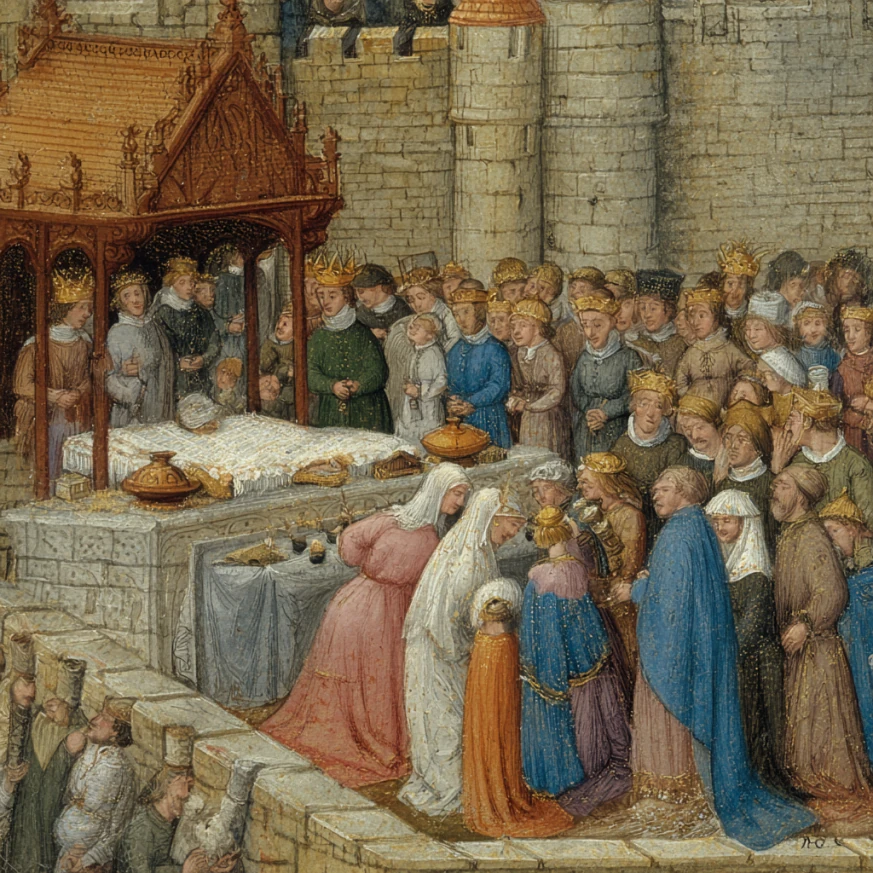
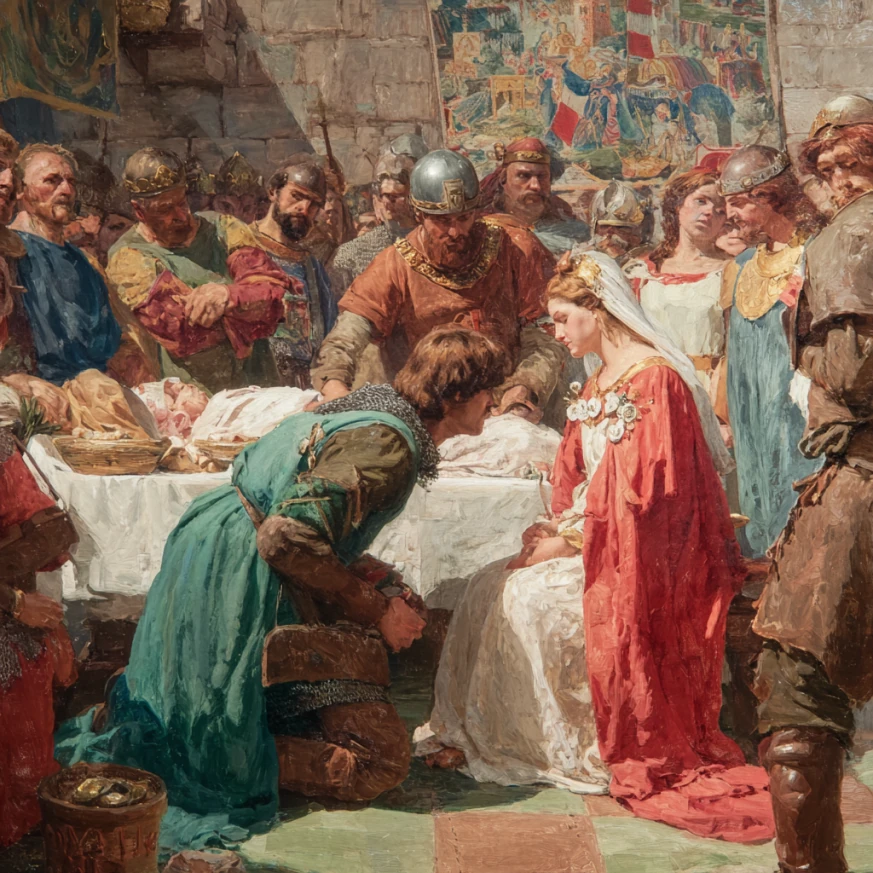
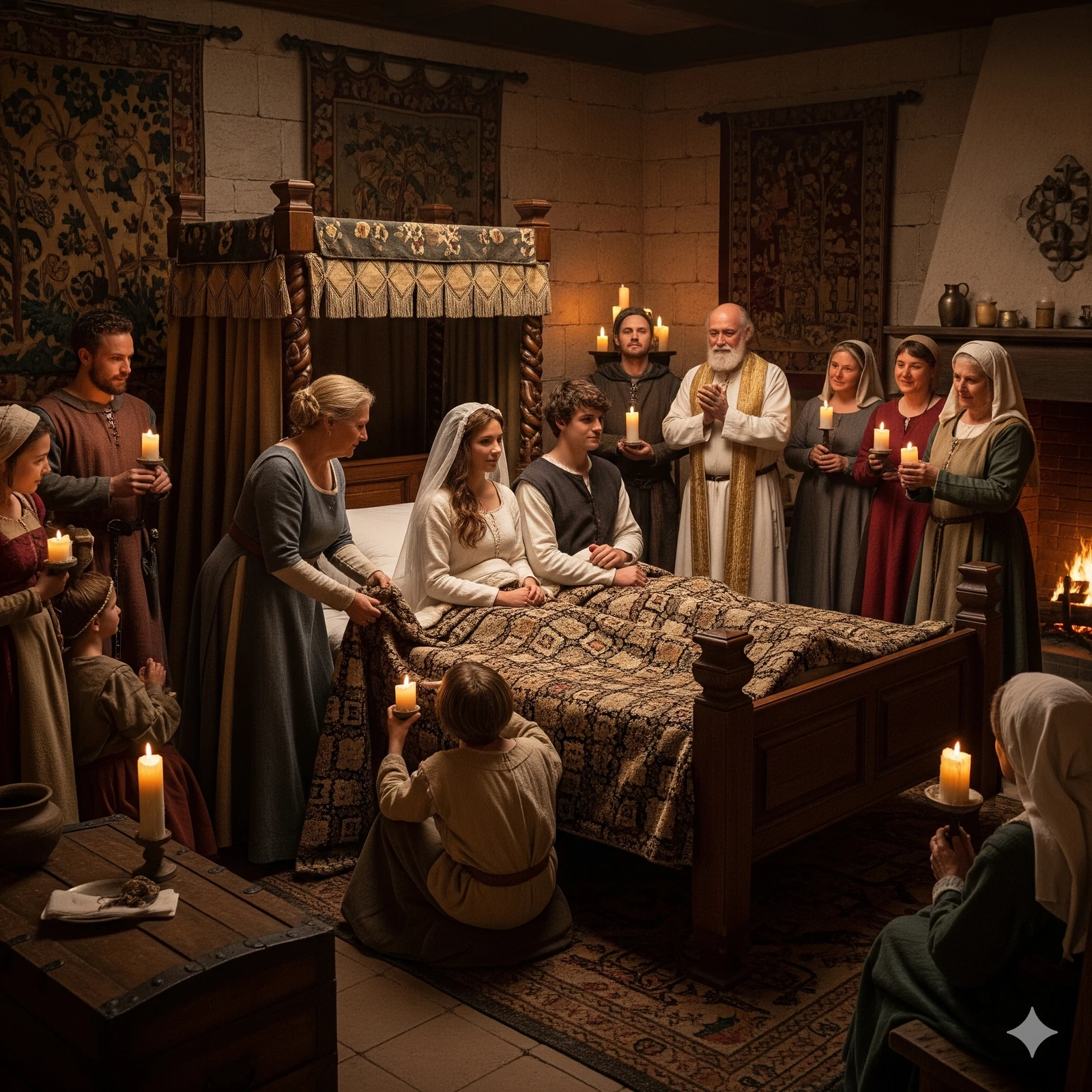
In brief: a bedding ceremony publicly marked the start of married life. Friends, family, and sometimes clergy escorted the couple to a prepared bed, added blessings, and observed symbolic gestures to confirm the union. It served legal, social, and spiritual purposes at a time when lineage and property were intertwined with marriage.
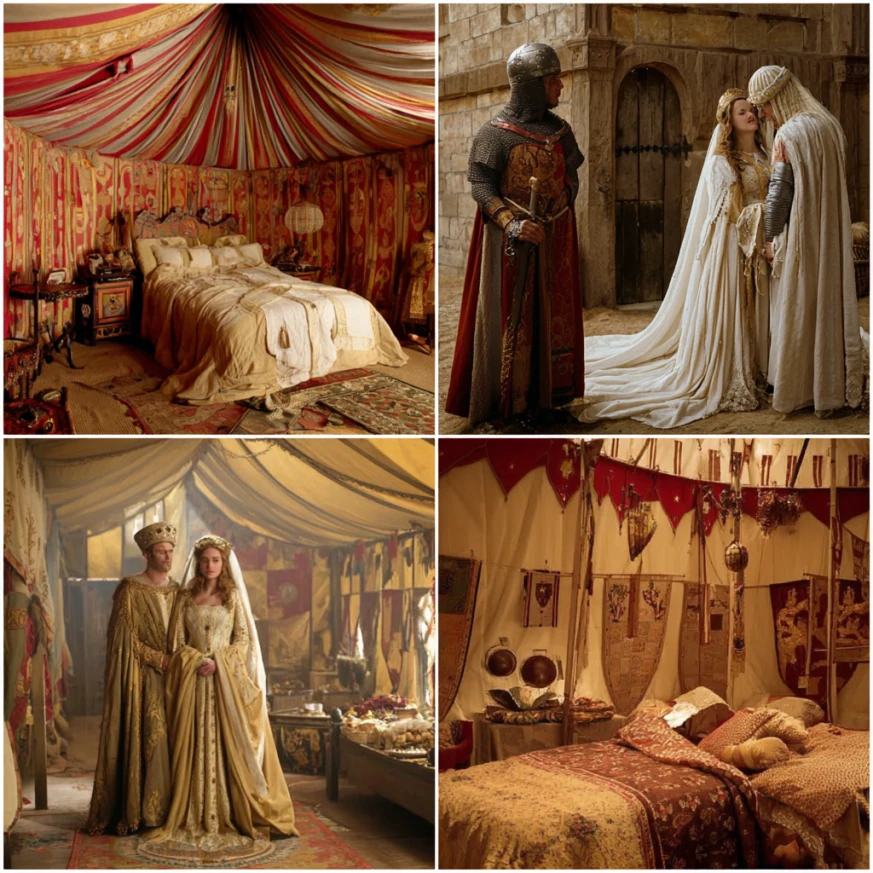
Different regions added their own flavor—humorous songs in parts of Scandinavia, solemn witnesses among English nobility, and festive toasts across Europe. While those moments can feel invasive by modern standards, they helped communities acknowledge and support a new household. Today, couples seeking a calmer, more restorative environment often focus instead on the bedroom’s atmosphere—layout, lighting, and textiles—to nurture connection in private.
If you’re designing a restful couple’s space, our guides on flow and harmony can help:
Feng Shui Principles for Bedroom Layout and
Create a Serene Bedroom Sanctuary.

2) Why the Ceremony Mattered: Law, Lineage, and Social Proof
Short answer: it proved the marriage “counted” to the community. In eras when property, inheritance, and alliances hinged on marriage, the bedding ceremony’s public nature offered social proof. Blessings and symbolic acts spoke to fertility, prosperity, and continuity of family lines.
As recordkeeping improved and legal systems modernized, couples no longer needed a public rite to validate their union. Privacy gained value and the public spectacle lost its purpose. What grew in its place were softer traditions—romantic dinners, keepsake letters, and cozy first-night rituals. For setting the scene, see
Feng Shui Bedroom Elements for calming, balanced design that supports rest and closeness.

3) Privacy Becomes the Priority
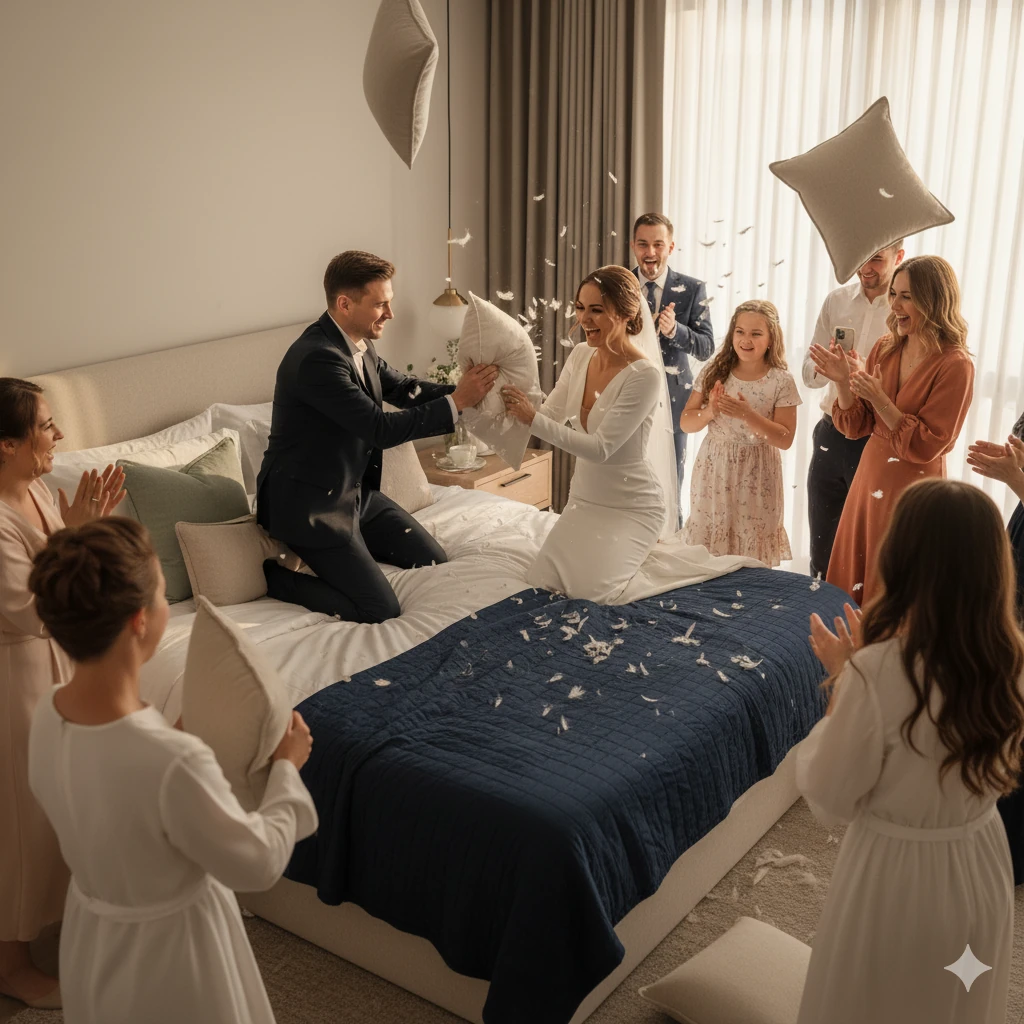
Bottom line: intimacy moved behind closed doors. Today’s couples define romance on their own terms—private getaways, curated bedroom ambiance, and gentle routines that feel personal rather than performative. Social media may broadcast the celebration, but the most tender moments remain off-camera.
Small design choices can make a big difference: breathable organic bedding, low lighting, uncluttered surfaces, and textures that invite relaxation. If you’re upgrading essentials, this quick primer helps you invest wisely:
7 Reasons to Invest in Quality Bedding.
4) Changing Religious and Cultural Emphasis
In essence: faith moved from overseeing beds to blessing bonds. Modern ceremonies emphasize vows, partnership, and shared values. Even traditional communities now center personal spirituality and mutual respect over public rituals like the bedding ceremony.
Many couples express meaning through atmosphere—selecting textures, colors, and symbols that reflect their story. For practical styling ideas rooted in harmony and comfort, explore
Feng Shui Bedroom Tips for Harmony.

5) Romance Replaces Ritual
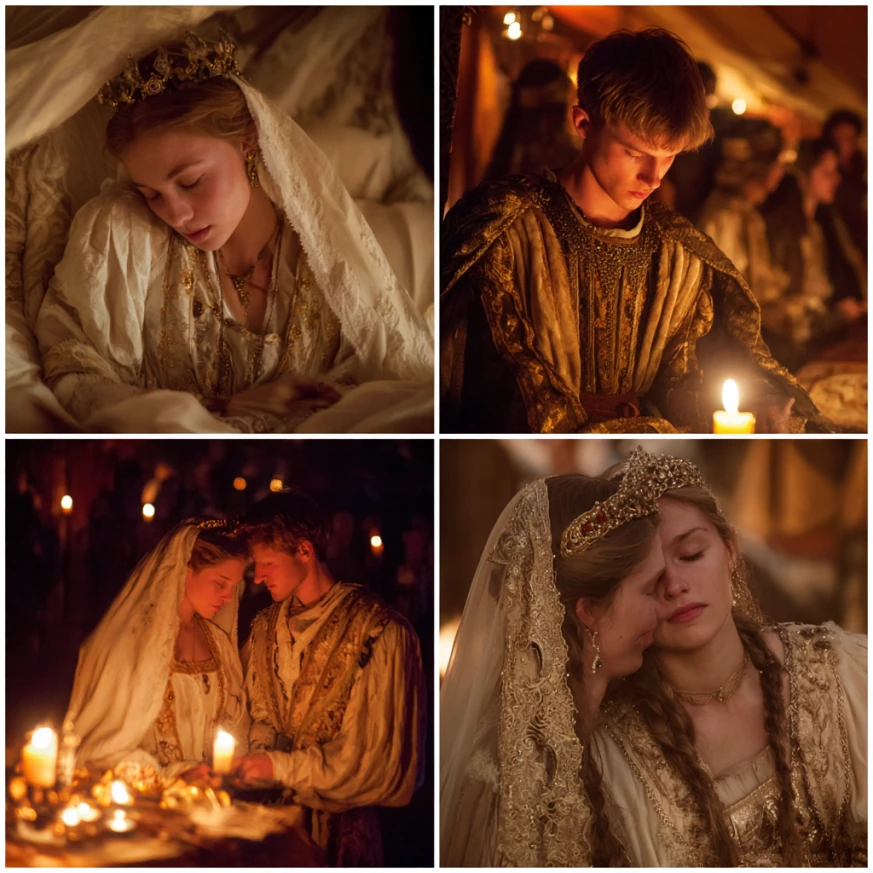
Quick take: love leads, ritual follows. Where bedding ceremonies once formalized unions, couples now personalize with unity candles, letters for future anniversaries, or curated keepsake boxes. The emotional core remains, just expressed with warmth and consent.
Thoughtful bedding choices enhance comfort and connection—think organic bedding, sustainable bedding fibers, and eco-conscious sheets that feel good and do good. Elevated basics make everyday life together more restful and restorative.

6) Modern Traditions with Old Roots
The gist: pieces of the past still sparkle. Carrying a partner over the threshold, honeymoons, or weaving heirloom fabrics into décor all echo the old ritual—now practiced privately, not publicly. Couples may include blessings or songs in intimate, consent-forward ways.
If you’re blending heritage with modern comfort, consider sleep-positive layouts and textiles that support rest, connection, and personal meaning. These resources can help you plan a soothing, symbolism-rich space:
Serene Bedroom Sanctuary and
Bedroom Layout Principles.
7) How Literature and Media Keep the Image Alive
In short: fiction preserves a dramatic version of the past. From historical novels to TV epics, bedding ceremonies linger as storytelling devices—heightening stakes and revealing social norms. Real weddings, however, have moved toward personalization, privacy, and care-centered comfort.
When couples take inspiration from history, they tend to translate it into cozy, consent-centered details: soft lighting, heirloom textiles, and restful design that tells a quieter story. For calming fundamentals, review
Investing in Quality Bedding.
Buyer’s Guide: Materials, Certifications, and Comfort
One reason the disappearance of bedding ceremonies feels natural today is that couples craft comfort privately—choosing fabrics, weaves, and certifications that match values and skin feel. Here’s a quick, friendly primer:
- Cotton (Percale vs. Sateen): Percale is crisp and breathable; sateen is smoother and drapier. Both shine when long-staple fibers are used.
- Linen: Airy, textured, and temperature friendly. It softens over time and suits warm or mixed climates.
- Bamboo Viscose / Modal: Often very soft with a cool hand; look for credible testing and clear care instructions.
- Organic & Sustainable Cues: Prioritize organic bedding and eco-conscious sheets with reputable certifications and transparent sourcing.
- Thread Count, Honestly: Higher isn’t always better—fiber quality and weave matter more than a big number on the label.
For deeper, trusted reading:
Sleep Foundation: Best Bedding Guides,
Sleep Foundation: Best Sheets, and
Sleep Foundation: What Is Thread Count?.
FAQ
- What caused the disappearance of bedding ceremonies?
- A cultural shift toward privacy, legal modernization, and romance-first values made the public ritual unnecessary.
- Are there modern equivalents?
- Yes—private threshold crossings, intimate blessings, honeymoon rituals, and heritage textiles nod to the past without the audience.
- How can we honor tradition without reviving the ceremony?
- Weave in symbolic items (ribbons, songs, heirloom linens) and create a restful bedroom with sustainable bedding that supports your shared life.
Final Thoughts
The disappearance of bedding ceremonies isn’t a loss of meaning—it’s a re-centering of love, consent, and comfort. As you build a life together, let your bedroom quietly reflect your story: peaceful, private, and restorative. If you’re ready to upgrade what touches your skin each night, start here:
Investing in Quality Bedding.
Related Reading
- Sleep Foundation: Best Bedding Guides
- Sleep Foundation: Best Sheets
- Sleep Foundation: What Is Thread Count?
Part of our Bedding Ceremony History series. Start with the complete guide: Bedding Ceremony: History, Traditions & Modern Meaning.
Related reading: Bedding Ceremony Today: How This Tradition Lives On in Modern Weddings · Symbolic Meaning Behind Medieval Bedding Ceremonies · Bedding Ceremonies From Public Rituals to Romance