Bedding Ceremonies From Public Rituals to Romance

Couple preparing a cozy layered bed with blush accents, evoking timeless bedding ceremonies.

Why Bedding Ceremonies Remain a Timeless Tradition

Bedding Ceremonies A Timeless Tradition traces how once-public marriage rituals became today’s private, symbolic customs. Updated 2025.


Key Takeaways

  • Bedding Ceremonies A Timeless Tradition once served as essential public rituals legitimizing marriage.
  • They evolved from community-endorsed traditions to deeply private practices.
  • Their legacy endures in symbolic wedding gestures still used today.
  • Religious blessings, legal concerns, and social status shaped how these ceremonies looked.

Origins of Bedding Ceremonies A Timeless Tradition

In brief: Early European bedding ceremonies publicly confirmed a marriage and its consummation, reinforcing alliances and protecting inheritance rights.

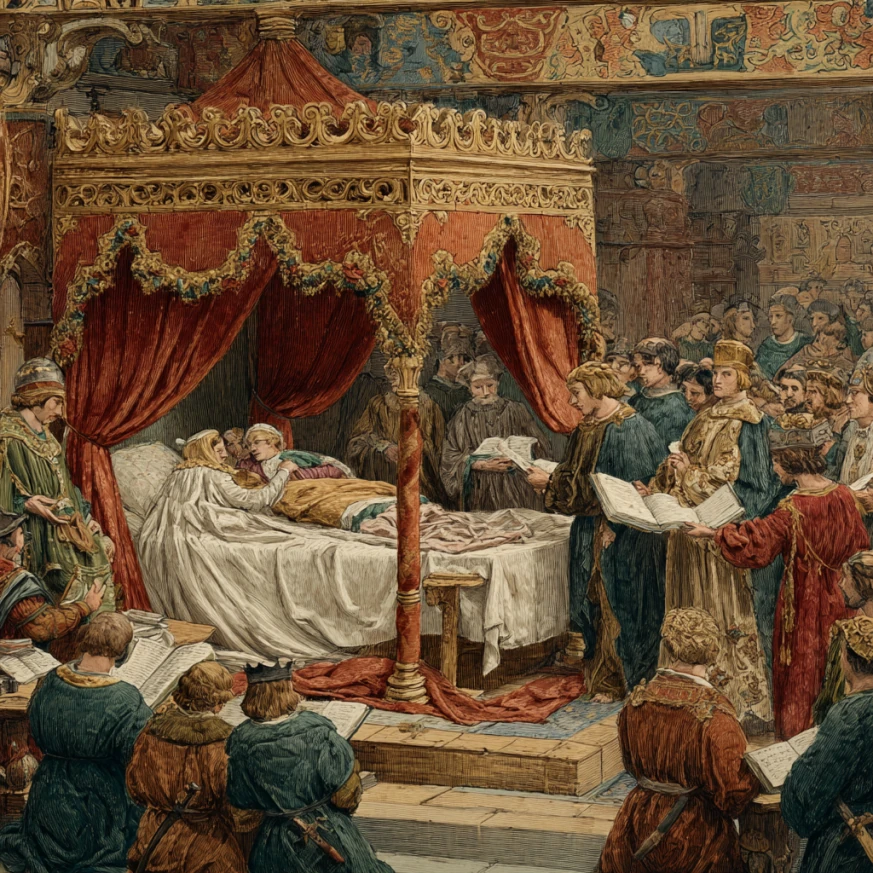
In medieval Europe—especially among the nobility—marriage was as much a political and economic contract as a personal union. Bedding ceremonies acted as formal proof that the marriage had begun, with family or officials escorting the couple to bed. The public’s presence validated the union and ensured that heirs born from it would be officially recognized.

For a deeper historical backdrop, see the History.com feature on medieval marriage and the Sleep Health Journal on marriage and sleep rituals. Curious how bed styles evolved alongside these customs? Explore our guide to modern bed types for fascinating historical through-lines.

Religious Blessings and the Church’s Role in Bedding Ceremonies

In brief: Clergy often blessed the marriage bed to invoke fertility, prosperity, and moral order.

In Catholic regions, priests would bless the marriage bed, asking for divine favor on the couple’s union. For aristocratic families, this blessing was more than symbolic—it reinforced the expectation of producing heirs and maintaining lineage. These ceremonies blended spiritual meaning with social necessity, showing how faith, family, and governance were deeply intertwined.

Bedrooms have long held symbolic meaning. For a modern perspective on how environment influences rest and intimacy, visit the Sleep Foundation’s guide to bedroom environments. You can also explore our tips for Feng Shui bedroom layouts to create harmony in your own space.

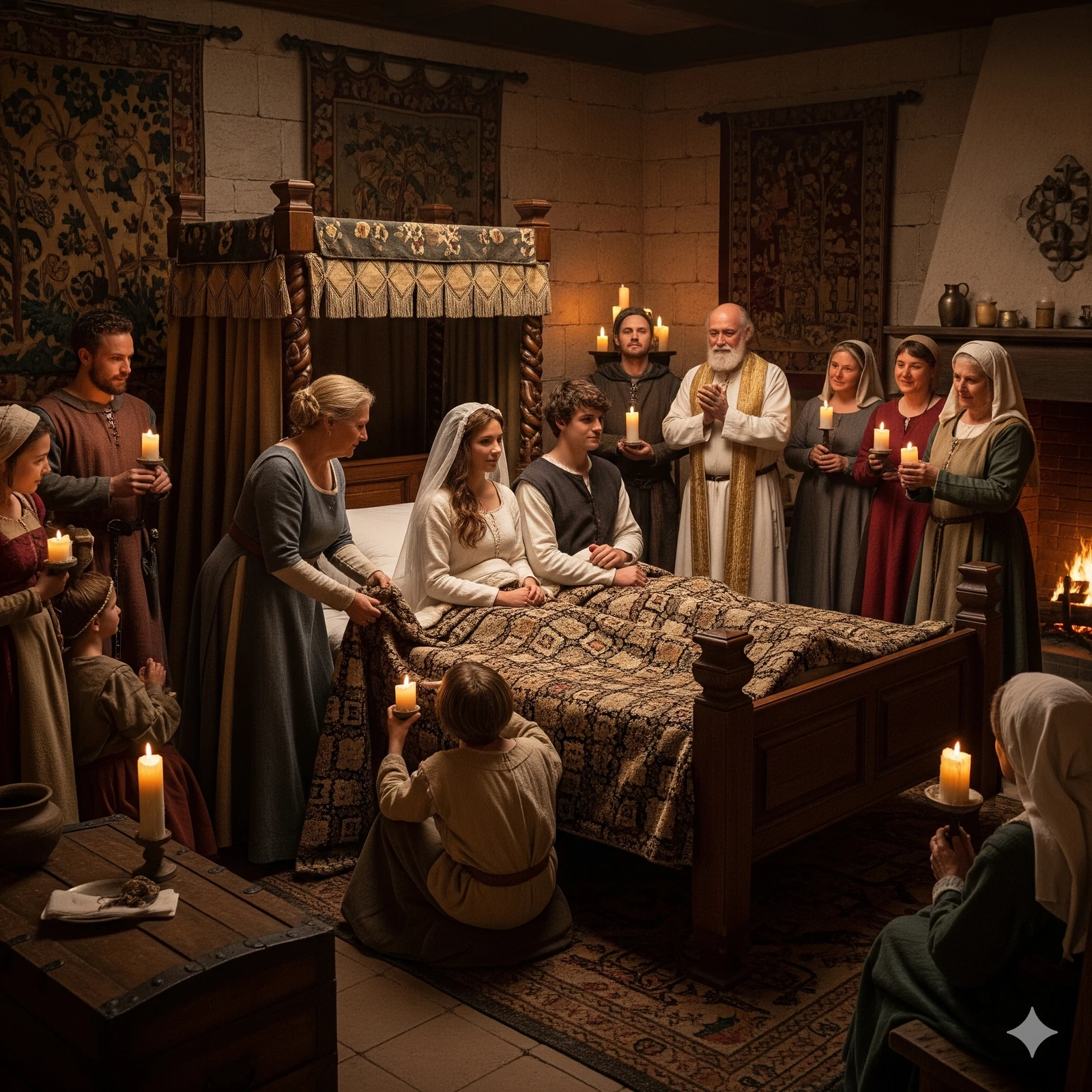
Clergy blessing a marriage bed during Bedding Ceremonies A Timeless Tradition

A priest offers a blessing—linking lineage, faith, and duty.

Public Witnesses and Social Validation in Bedding Ceremonies

In brief: Witnesses guaranteed legal standing, inheritance rights, and social acceptance.

Bedding ceremonies ensured that marriages were publicly acknowledged and—implicitly—consummated. In many cases, attendants remained until the couple was symbolically in bed before leaving them in privacy. Though intrusive by modern standards, this practice aimed to protect property rights and safeguard bloodlines.

For more historical insight, read our feature on the evolution of nuptial bedding ceremonies in European history.

Community witnessing a couple in Bedding Ceremonies A Timeless Tradition

Public witnessing once protected property, heirs, and social order.

Renaissance Shifts: From Public Bedding Ceremonies to Private Love

In brief: Renaissance ideals emphasized romance and personal choice, making ceremonies shorter and more symbolic.

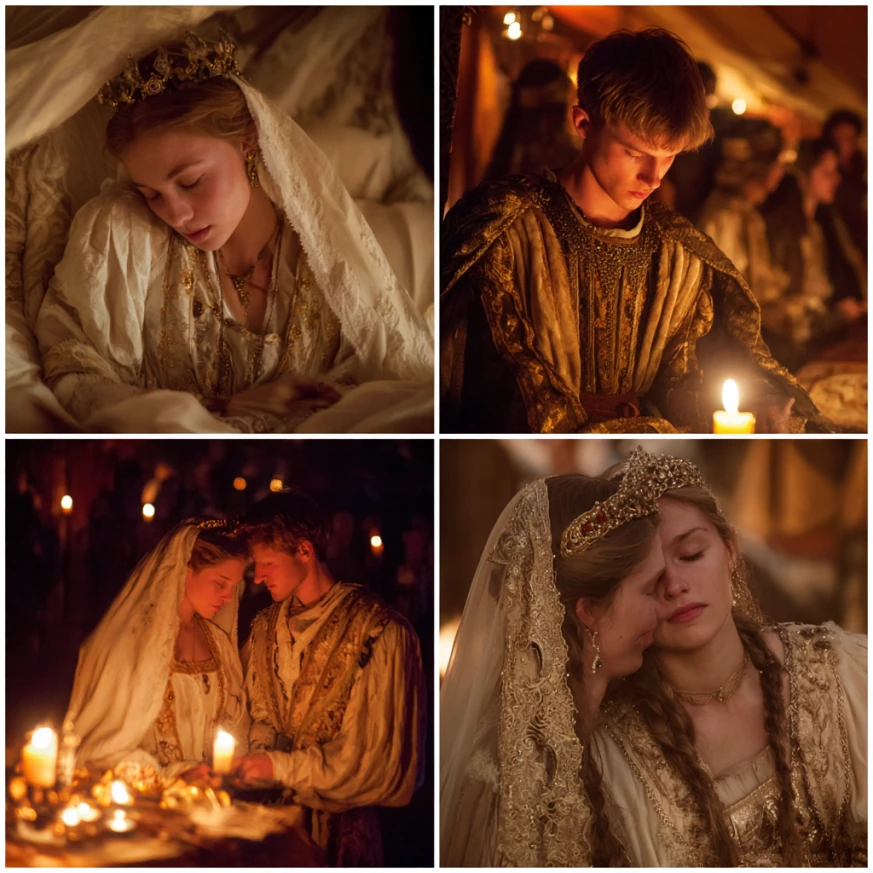
The Renaissance brought a cultural shift toward individual agency and affection. While bedding ceremonies continued, guests often withdrew after brief formalities, granting couples greater privacy. This change reflected a growing belief that marriage was not solely a legal alliance, but also a personal partnership.

Looking to capture some Renaissance romance in your own home? See our stylish bed frame ideas for designs that blend beauty and intimacy.

Renaissance couple showing emotional shift in Bedding Ceremonies A Timeless Tradition

As romance rose, the public spectacle softened into private symbolism.

Victorian Modesty and the Decline of Public Bedding Ceremonies

In brief: Victorian values privatized the bedroom and recast marriage as a moral commitment.

By the nineteenth century, public witnessing fell out of favor. The bedroom became a strictly private space, and the couple’s first night was reserved for them alone. While wedding celebrations remained elaborate, this era cemented the idea that marital intimacy should be shielded from public view.

Thoughtful materials still matter today. See this overview of bedding and foam certifications for safer home choices.

For a luxurious yet modest bedroom statement, explore our feature on the gold canopy bed.

Modern Wedding Traditions Inspired by Bedding Ceremonies

In brief: Today’s symbolic gestures echo the transition from public spectacle to personal celebration.

Although bedding ceremonies are no longer practiced, their essence survives in customs like carrying a bride over the threshold, honeymoons, and unity rituals. These traditions honor the idea of starting a shared life while centering the couple’s personal connection.

For more inspiration, visit our comprehensive bed types guide to see how bedroom design continues to reflect evolving traditions.

The Lasting Legacy of Bedding Ceremonies A Timeless Tradition

In brief: The tradition’s evolution reflects a broader shift toward love-based, individualized unions.

The history of Bedding Ceremonies A Timeless Tradition charts a journey from communal oversight to private celebration. While the rituals have changed, the core purpose remains: to honor the union of two people in a way that blends heritage, meaning, and personal choice.

FAQ

What are bedding ceremonies?

Historical rituals marking the public confirmation of a marriage, often involving community witnessing of the couple’s first night together.

Why were bedding ceremonies important?

They legitimized the marriage and its consummation, securing inheritance rights and societal acceptance.

Are there modern equivalents?

Yes. Threshold carries, honeymoons, and unity rituals echo the shift from public to private celebration.

Final Thoughts

Bedding Ceremonies A Timeless Tradition reminds us that rituals endure because they adapt. What began as public validation has transformed into a deeply personal celebration of love and partnership, reflecting our evolving values while keeping a connection to the past.

For more inspiration on creating meaningful bedroom spaces, visit Cozy Bed Quarters.

Related reading from Cozy Bed Quarters

Other reading we found popular


Hidden History of European Nuptial Bedding Ceremonies

Medieval nuptial bedding ceremony showing European marriage traditions

Nuptial Bedding Ceremonies and Their Cultural Meaning

Updated 2025: nuptial bedding ceremonies once stood at the heart of European marriage traditions. These rituals reveal how weddings shifted from public obligations to private vows of love and unity. Explore the history of bedding rituals.

Key Takeaways

  • Nuptial bedding ceremonies once validated marriages socially and legally across Europe.
  • The Church added blessings and fertility symbolism to sanctify the union.
  • Over centuries, modesty and privacy replaced public witnessing of the wedding night.
  • Modern customs—like crossing the threshold—echo historic bedding traditions.

Europe holds a vast array of marital traditions that faded over time. One of the most intriguing is the nuptial bedding ceremony, which carried cultural, social, and political weight for centuries. While modern weddings feel personal, bedding ceremonies were public acts of validation—especially among European nobility.

This article traces the origins, religious influence, cultural variations, and lasting symbolism of nuptial bedding ceremonies, showing how these customs shaped European marriage history.

1. The Origins of the Nuptial Bedding Ceremony

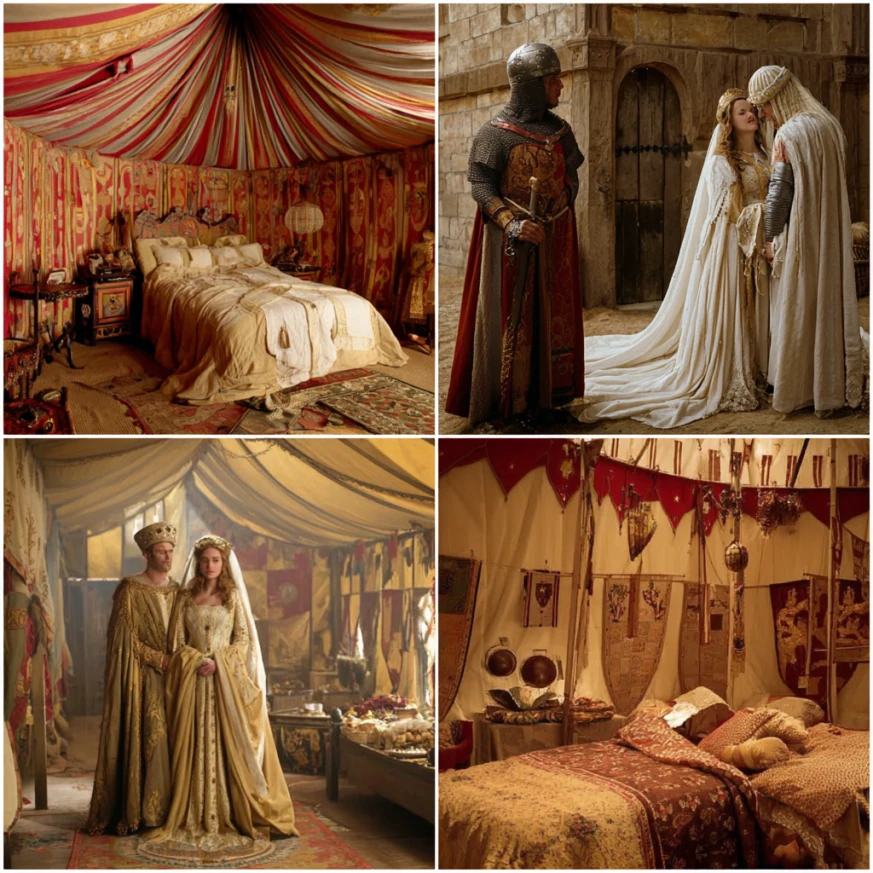
Nuptial bedding ceremonies emerged in medieval Europe when marriages rarely centered on love. Unions secured alliances and stabilized inheritance. As noted in our overview of wedding customs, the ritual’s primary purpose was to prove consummation and publicly confirm the marriage. Picture a count’s daughter escorted by courtiers, musicians, and family—laughter in the hall, a final toast, and the couple guided to their bed as witnesses looked on.

Medieval noble couple escorted to bed, illustrating the nuptial bed meaning in European weddings

Medieval households used ceremony to make private unions publicly binding.

2. Religion and Fertility Symbolism

In Catholic Europe, clergy often blessed the marriage bed, weaving faith and fertility into the rite. Beds might be sprinkled with holy water or dressed with herbs linked to fecundity. For noble houses, producing legitimate heirs was essential. Modern sleep guidance still underscores the bedroom as a meaningful space: the CDC recommends keeping the bedroom quiet, relaxing, and cool for healthy sleep, while the National Sleep Foundation’s 2025 report notes many adults struggle with overall sleep health—context that echoes the historical focus on a prepared, protected bedchamber. CDC: Healthy Sleep—Bedroom tipsNSF Sleep in America 2025 (key findings)

Priests blessing nuptial bedding ceremonies with fertility rituals

Priestly blessings lent sacred legitimacy to an intensely personal moment.

3. Witnesses and Social Approval

Witnesses were fundamental. Without them, a marriage could be challenged. In Tudor England, royal beddings doubled as political theater, signaling that a dynastic alliance was fully forged. Imagine counselors and ladies-in-waiting standing by the canopied bed for a symbolic moment before withdrawing—enough visibility to quell future disputes.

Nuptial bedding ceremony with witnesses and noble guests validating marriage

Public witness created a community record: this union is real, recognized, and binding.

4. Privacy in the Renaissance

By the Renaissance, the escort remained but witnesses withdrew sooner. Love, companionship, and personal choice began to matter more—especially in cities. A merchant couple might enjoy music and blessings at the door, then be left alone to begin married life privately.

Procession escorting bride and groom during nuptial bedding ceremony

Symbolic processions softened as private intimacy took precedence.

5. Modesty in the Victorian Era

By the nineteenth century, nuptial bedding ceremonies had largely vanished. The Victorian ideal prized modesty and domestic privacy. Weddings stayed public; the wedding night moved behind closed doors.

6. Cultural Variations Across Europe

  • France: Royal bedding rituals were recorded in detail; courtiers sometimes witnessed to secure dynastic legitimacy.
  • Scandinavia: Ritual drinking and fertility blessings echoed Norse tradition.
  • Germany: Bedding songs and playful teasing highlighted communal joy.
  • England: Nobility used bedding ceremonies as political displays, especially in royal marriages.
  • Eastern Europe: Folk songs and gifts—bread, salt, wine—accompanied the couple to the chamber.

7. Modern Echoes of Bedding Traditions

Formal bedding rites are gone, but their legacy lingers. Carrying a partner over the threshold, decorating the bedroom, and even the honeymoon all echo earlier symbolism. Today’s couples often focus on safe, eco-friendly bedding; certifications such as CertiPUR-US® help ensure healthier materials, while non-toxic guides offer deeper research. Gimme the Good Stuff: Non-Toxic Mattress Guide. For nightly routines that build connection, see our tips on bedtime rituals. The AASM also highlights how stress and worries can disrupt sleep—reminders to protect the sanctity of your “marriage bed” even today. AASM: Mental health & disrupted sleep

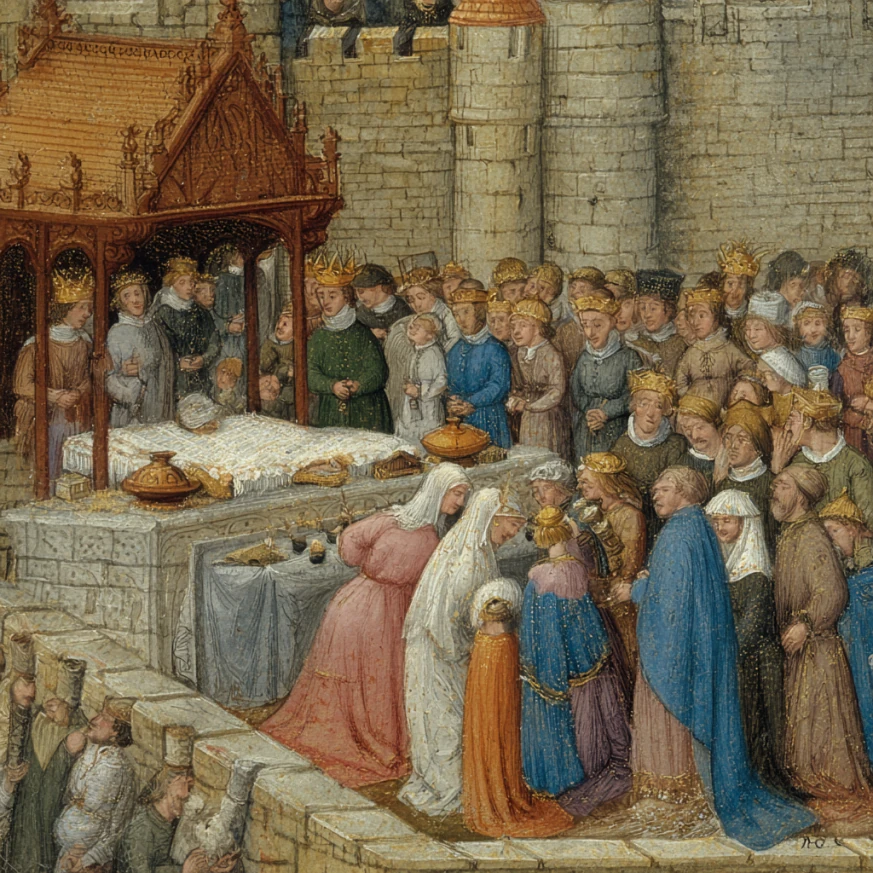
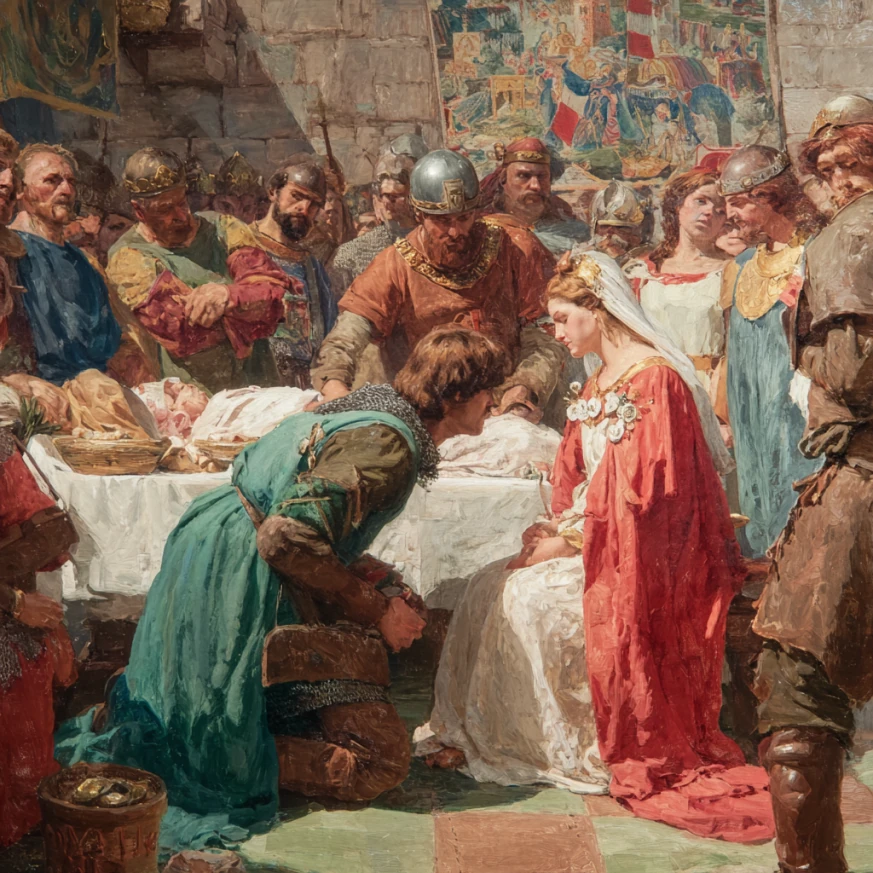
Historical painting illustrating nuptial bedding ceremony traditions in Europe

Modern traditions—threshold carries, decorated rooms, honeymoon retreats—carry faint echoes of the bedding rite.

Historical vs. Modern: What Changed?

  • Purpose: Then—public validation and dynastic security. Now—private intimacy and personal meaning.
  • Witnesses: Then—community presence was essential. Now—privacy is expected.
  • Ritual Objects: Then—holy water, herbs, blessing prayers. Now—sleep-friendly rooms (quiet, cool, dark) and health-vetted bedding.
  • Social Stakes: Then—inheritance and alliances. Now—relationship health and well-being.

FAQ

What was the purpose of nuptial bedding ceremonies?

Nuptial bedding ceremonies validated marriages socially and legally, reassuring families and courts that the union was consummated and recognized.

Did all European cultures practice bedding ceremonies?

Most regions had versions of the rite. France and England ritualized it at court; Scandinavia and Eastern Europe emphasized blessings, songs, and community gifts.

Do modern weddings still reflect these traditions?

Yes—carrying a partner over the threshold and preparing the bedroom are symbolic echoes of historic nuptial bedding ceremonies.

Conclusion: From Public Ritual to Private Union

Nuptial bedding ceremonies show how marriage moved from public spectacle to private celebration. What once validated alliances now survives as gentle tradition—proof that history still shapes how we honor love. For more stories and sleep-smart guidance, visit Cozy Bed Quarters.

Related Reading from Cozy Bed Quarters

Other reading we found popular

Changing Face of Nuptial Bedding Ceremonies in Europe

Nuptial Bedding Ceremonies


Changing Face of Nuptial Bedding Ceremonies in Europe

Nuptial bedding ceremonies were once public, witness-attended rituals that validated a marriage; over the centuries they transformed into private, intimate moments. This article traces how nuptial bedding ceremonies shifted from medieval social proofs to modern privacy, and what that reveals about changing views on love, community, religion, and legitimacy.

Key Takeaways on Nuptial Bedding Ceremonies

  • Public to private: nuptial bedding ceremonies moved from communal validation in the Middle Ages to private marital intimacy by the Victorian era.
  • Religious framing: Priestly blessings tied beds, heirs, and duty together—marriage was sacred and social.
  • Witnesses as proof: Presence of select observers safeguarded lineage, inheritance, and political alliances.
  • Renaissance pivot: Individuality and romantic love increased the value placed on privacy.
  • Modern echoes: Traditions like “carrying over the threshold” and honeymoons retain symbolic traces of the old rites.

Ever wondered what really happened on a wedding night centuries ago? Nuptial bedding ceremonies in medieval and early modern Europe were far more than a simple private moment—they were rich with symbolism, public spectacle, and deep cultural meaning. These traditions, which often saw the newlyweds paraded to their marriage bed in front of family, friends, and sometimes even clergy, served to publicly validate the union. But as the centuries rolled on, things started to change. The once highly public
ritual slowly transformed
into a more private affair, echoing shifts in how intimacy and marriage were viewed across Europe.

In this article, we’ll explore how nuptial bedding ceremonies evolved—from grand public displays to the private, intimate moments we recognize today—and what these changes tell us about love, community, and societal expectations.

1. Medieval Europe: The Public Spectacle of the Bedding Ceremony

Answer first: In medieval Europe, bedding the couple in public view acted as social proof that the union was real and binding.

Back in medieval times, especially among the nobility, marriage wasn’t just about love—it was a public event, often cementing alliances and political ties. The bedding ceremony was a highlight, marking the consummation of the marriage. Newlyweds were escorted to their bedchamber amid song, blessings, and even a bit of playful teasing. Family, close friends, and sometimes clergy were in attendance to witness this important rite.

Behind Closed Doors: The presence of witnesses might feel intrusive by today’s standards, but it was vital back then. For noble families, it wasn’t enough just to say you were married—you had to prove it. The bedding ceremony confirmed the union’s legitimacy, which was especially critical when inheritance and family lineage were on the line.


2. The Role of Religion in Nuptial Bedding Ceremonies

Answer first: Church blessings framed the bed as a sacred space where duty, fertility, and faith converged.

The Church played a central role in many medieval customs, and bedding ceremonies were no exception. A priest would often bless the marriage bed, asking for divine protection and fertility—because producing heirs wasn’t just a personal wish; it was a duty.

Behind Closed Doors: These blessings highlighted how marriage was viewed as both a sacred and social contract. While the public ritual was front and center, the private consummation—hidden away from view—was equally important. The mix of public and private elements shows a deep intertwining of faith, duty, and personal intimacy.

Priestly blessing and candles depicted in nuptial bedding ceremonies as sacred tradition.

3. Social Validation and the Role of Witnesses

Answer first: Select witnesses authenticated the marriage without violating the couple’s final privacy.

For noble and royal families, having witnesses during the bedding ceremony wasn’t optional—it was necessary. Close relatives or trusted friends would stay nearby as the couple settled into bed, ensuring everything was above board. This was especially key when political alliances or claims to estates were involved.

Behind Closed Doors: While it might seem shocking to us now, these witnesses weren’t there to intrude but to validate. Their role was mostly symbolic, reinforcing the marriage’s legitimacy without breaching the couple’s true privacy.

Gathered witnesses in nuptial bedding ceremonies ensuring legitimacy and lineage.

4. The Renaissance Shift: Privacy and the Emphasis on Romantic Love

Answer first: Renaissance ideas elevated personal choice and intimacy, nudging ceremonies behind closed doors.

Enter the Renaissance—a time when new ideas about individuality and romantic love began to flourish. Marriage started to be seen as a personal choice, and nuptial bedding ceremonies slowly moved away from being public spectacles. Families still played a role, but the focus started to shift to the couple’s relationship and private moments.

Behind Closed Doors: Privacy took on new importance during this period. The closed doors of the bedchamber became a symbol of the couple’s personal bond, reflecting a growing respect for intimacy and emotional connection in marriage.

5. The Victorian Era and the Disappearance of Public Bedding Ceremonies

Answer first: Victorian modesty and propriety made public bedding ceremonies socially untenable.

By the time the Victorian era rolled around, public bedding ceremonies had nearly disappeared. Victorian ideals of modesty and propriety didn’t mesh well with the old public rituals. Weddings remained grand, but the wedding night became a deeply private affair, reserved solely for the couple.

Behind Closed Doors: This shift mirrored a broader cultural change—marriage was now viewed more as a personal commitment than a public contract. The wedding night became a private milestone, reflecting Victorian values around modesty and intimacy.

6. Modern Reflections: Echoes of Nuptial Bedding Ceremonies Today

Answer first: Modern traditions preserve symbolic traces of the old public-to-private transition.

Although formal bedding ceremonies are a thing of the past, echoes of them linger in today’s wedding traditions. Think about carrying the bride over the threshold, or the symbolism of the honeymoon—these customs subtly nod to the transition from public celebration to private union.

Behind Closed Doors: Modern weddings continue to honor the shift from public to private, celebrating the couple’s journey together. It’s a beautiful reminder that while customs evolve, the essence of marking a new beginning remains timeless.

Modern echoes of nuptial bedding ceremonies shown in threshold and honeymoon symbolism.

7. The Cultural Legacy of Nuptial Bedding Ceremonies in European History

Answer first: The long arc—from spectacle to privacy—shows how societies renegotiated love, duty, and legitimacy.

The transformation of nuptial bedding ceremonies tells a bigger story about how marriage has changed over time. From public spectacles designed to validate alliances to deeply private rituals celebrating personal commitment, these shifts highlight how cultural values have evolved. Today’s private celebrations still carry the echoes of centuries-old traditions, reminding us that love and commitment are both timeless and ever-changing.

Behind Closed Doors: Exploring the history of these ceremonies gives us a window into the complex balance between community, tradition, and personal intimacy—a balance that continues to shape the way we celebrate love today.


FAQ

What were nuptial bedding ceremonies?
Publicly witnessed rituals that escorted newlyweds to bed, providing communal validation of the marriage—an early form of social and legal proof.
Why were witnesses important in nuptial bedding ceremonies?
Witnesses served as symbolic guarantors that the union was legitimate, protecting inheritance claims and political alliances.
Did the Church actually bless the bed?
Yes. Priestly blessings invoked protection and fertility, revealing how marriage functioned as both a sacred covenant and a social contract.
Do any elements of nuptial bedding ceremonies survive today?
Modern customs—like carrying a partner over the threshold or the honeymoon—echo the historical transition from public celebration to private union.

Conclusion

The journey of nuptial bedding ceremonies from public spectacles to private rituals mirrors Europe’s evolving views on marriage and intimacy. What was once a highly public affirmation of duty and alliance has become a private celebration of love and commitment. Though we may not hold formal bedding ceremonies today, their legacy lingers in the private moments we cherish after the wedding bells have rung.

Today, those intimate first moments belong to the couple alone—but the cultural history of nuptial bedding ceremonies reminds us that marriage has always been both a personal journey and a reflection of broader societal values.

Related reading from Cozy Bed Quarters

Other reading we found popular

More Expert Insights

The elaborate designs seen in historical sleeping arrangements often reflected the ceremonial importance of these rituals. Learn how squeaky bed frames reflect evolving craftsmanship rooted in practical and symbolic needs.

Religion played a central role in bedding ceremonies. In Catholic regions, clergy might bless the marriage bed with holy water and herbs to ensure fertility and sanctity. These rituals intertwined faith with practical concerns about lineage and inheritance. According to BBC History Extra, such blessings were integral to medieval wedding customs.

Furthermore, scholarly research, including a detailed analysis from the National Institutes of Health, shows how these customs influenced both societal health norms and legal structures.

These values are still reflected in how we decorate modern bedrooms and prioritize serenity. Consider practices like deep sleep optimization that echo this inward shift toward emotional comfort.

Contemporary sleep and intimacy customs continue to reflect these historic changes, as noted by the Sleep Foundation’s global sleep analysis.

Today’s personalized sleep environments also build on these long-standing traditions. Learn how to fall asleep faster using gentle, effective rituals rooted in centuries of sleep wisdom.

Nuptial bedding ceremonies in European history trace a fascinating journey from public spectacles to private rituals. These traditions mirror societal shifts in privacy, romance, and the influence of religion. Updated 2025, this guide explores their origins, transformations, and legacy. For a broader look at how intimate traditions shaped bedrooms, see our pillar guide on medieval rituals.

Local customs varied. In some regions, neighbors sang bawdy songs or played practical jokes, blending celebration with accountability. These traditions reinforced marriage as both personal and communal.

The rise of Christianity gave these rituals new meaning. Priests blessed marital beds, making consummation a sacred act. Over time, however, the Church encouraged modesty and privacy, reshaping once-public ceremonies into intimate practices.

Among the nobility, bedding ceremonies were political as much as personal. Royal couples in England, France, and Spain were escorted to their chamber amid music and laughter. Witnesses, including officials and family, stayed until the couple was in bed. These rituals reinforced alliances and secured dynastic futures.

Enlightenment values of freedom and modesty deepened these changes. By the Victorian era, privacy and morality were paramount. Public bedding rituals disappeared, replaced with discreet acknowledgment of consummation.

Certifications and standards like those outlined in Sleepopolis mattress certifications today reflect similar cultural concerns with purity, safety, and propriety in everyday life.

Though the practice declined, bedding ceremonies lived on in stories, plays, and literature. Dramas often exaggerated them for comedy or scandal. Today, films and novels revisit the tension between public display and private intimacy in historical marriages, while modern couples keep the spirit alive through small symbolic gestures.

The Church sanctified the rituals, then gradually pushed for privacy, reshaping them into private moments.

Explore our resources on sustainable bed frames and eco-friendly bed frame materials.