Twin Bed Frames: Top Picks for Small and Shared Rooms

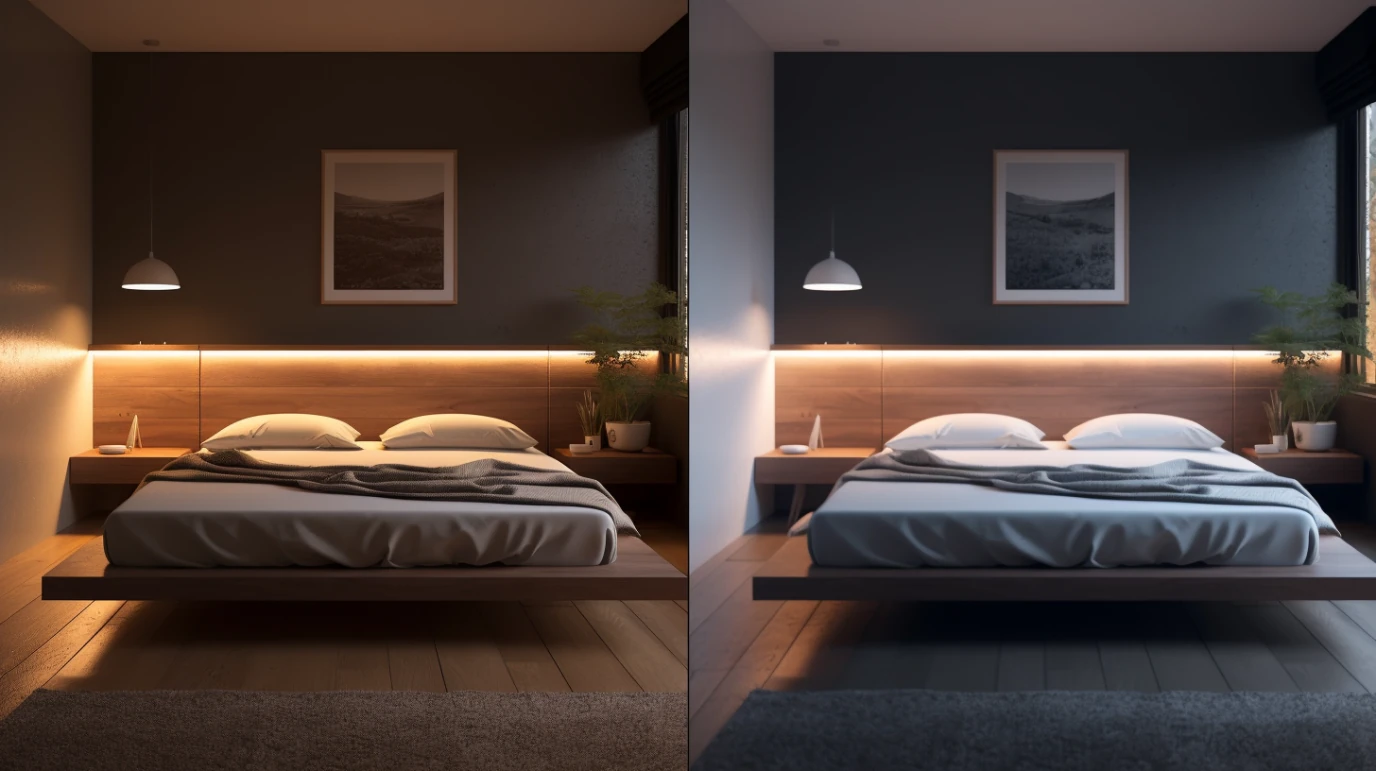
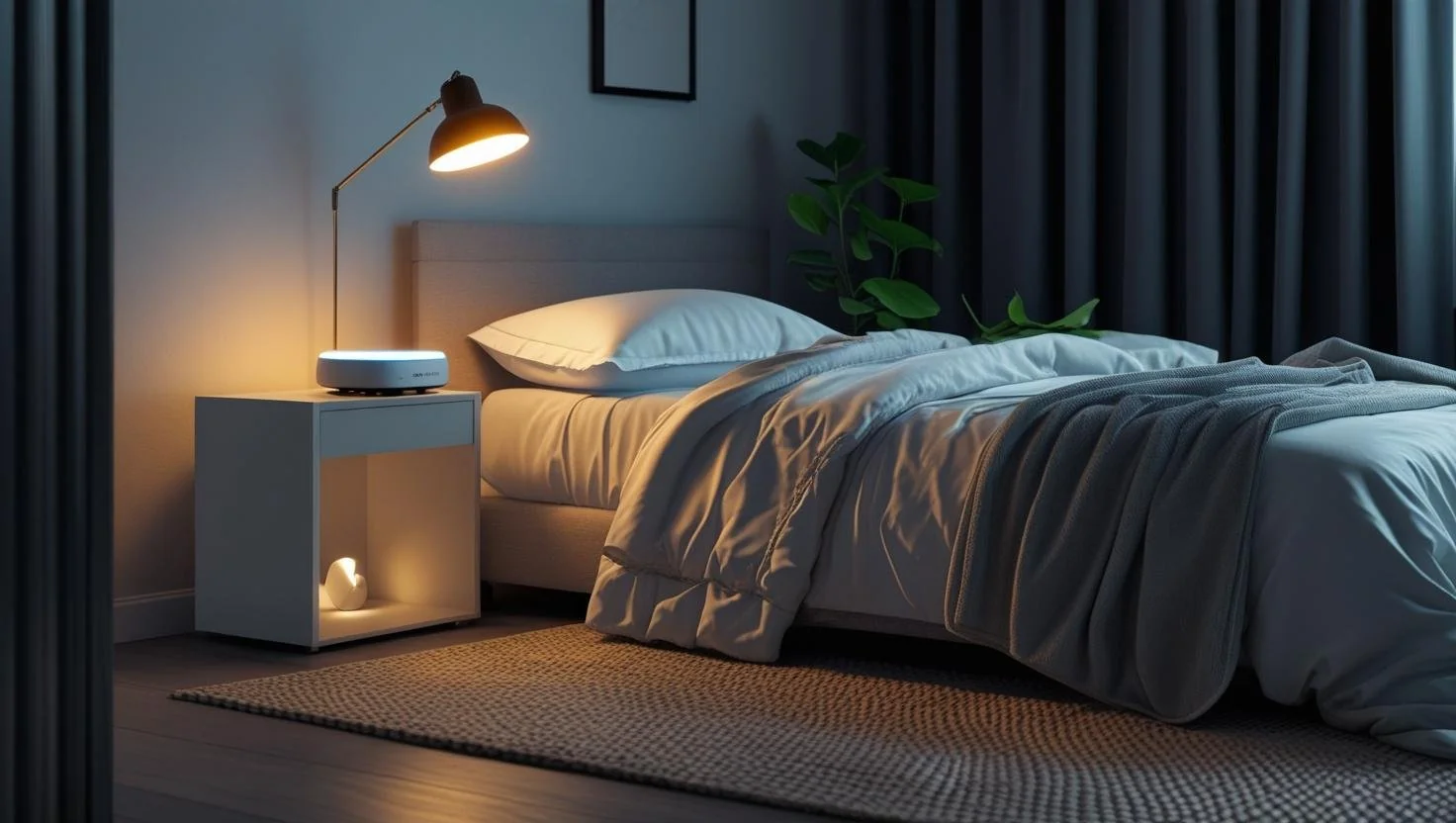
Twin bed frame with neat bedding in a small, simply decorated bedroom

Struggling to make the most of your small bedroom or shared space? You’re not alone. With tighter living arrangements becoming the norm, space-saving furniture has never been more important. A smartly chosen twin bed frame can help you create comfort without overcrowding your room.

In this post, we explore the most practical types of twin bed frames—especially for tight quarters—so you can make an informed choice that fits both your space and your style.

Why a Twin Bed Frame Works Well in Smaller Spaces
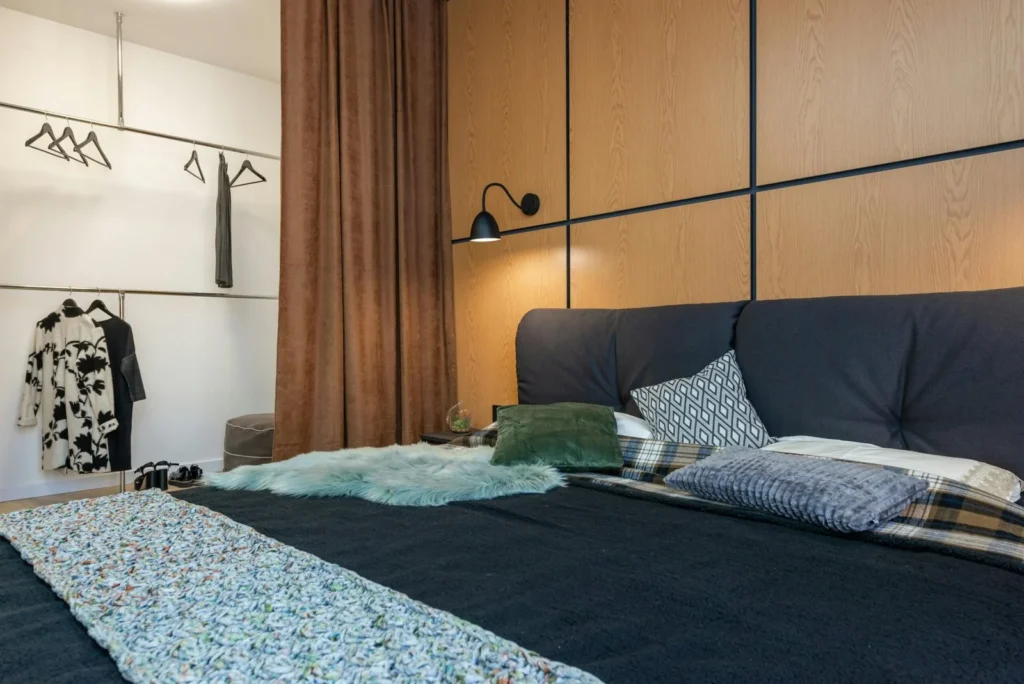
Twin bed frame with storage drawers in a compact bedroom with wood panel wall

A twin bed frame is often the best choice when:

  • You’re furnishing a small bedroom, studio apartment, or dorm
  • A room is shared between kids, siblings, or roommates
  • You want to save space but still have a full-functioning sleeping area

With a typical size of 38″ x 75″, twin beds are compact but functional, offering enough sleeping area for one person while keeping the floor plan open.

Bonus Tip: Use wall-mounted lighting instead of floor lamps to save even more space in a small bedroom.

Platform Twin Bed Frames: A Practical Favorite

Platform beds offer a solid base that doesn’t require a box spring, which makes them:

Many platform bed frames also come in twin sizes, giving you all the minimalist appeal without wasting square footage. Platform beds are especially handy in multi-use rooms where every inch counts.

When a Full-Size Bed Frame Might Be Better

If you’re not dealing with extremely tight quarters and have a little room to spare, a full-size bed frame could be a better fit for:

  • Older teens who need more stretch room
  • Single adults who want sleeping comfort without moving to a queen
  • Guest rooms that occasionally serve couples or parents with kids

However, if space is a premium, the twin still reigns as the most efficient option.

Popular Twin Bed Frame Options

Here are some practical and stylish frame ideas to consider:

1. IKEA Twin Bed Frames

Reliable and affordable, IKEA offers:

  • Simple metal and wood designs
  • Twin beds with storage drawers
  • Styles that match minimalist and Scandinavian decor

2. Wayfair Twin Beds for Small Rooms

Wayfair is known for variety. Their twin options include:

  • Daybeds and trundles with storage
  • Upholstered frames for a cozy look
  • Options that fit neatly in corners or against walls

3. Amazon’s Space-Saving Bunk Beds

If the room is shared, bunk beds are a top choice.

  • Twin-over-twin frames save floor space
  • Many come with ladders and guardrails
  • Some designs include drawers or desk areas

🔗 Check Twin Bunk Beds on Amazon

Must-Consider Features Before You Buy

Choosing the right twin bed frame is easier when you factor in:

  • Available floor space – Always leave walking room
  • Bed height – Lower beds are safer for kids
  • Material – Metal is durable; wood gives a warmer look
  • Storage options – Some beds add drawers or open space
  • Ease of assembly – Important if you’re setting it up yourself

Pro Tip: If the room will be rearranged often, look for a bed with wheels or lighter materials.

Shared Rooms? Twin Frames Are a Perfect Fit

Two matching twin beds arranged side by side in a warm shared bedroom

In shared bedrooms, whether for kids or guests, twin bed frames allow each person to have:

  • Their own defined space
  • A personal sleep area that doesn’t dominate the room
  • More room for other furniture like desks or shelves

Even in small rooms, placing two twin beds in an L-shape can leave space for storage bins, play areas, or walkways.

Don’t Overlook the Mattress

Close-up of a mattress with white bedding and pillows against an upholstered headboard

Even a good bed frame needs the right mattress. Common types that pair well with twin frames include:

  • Memory Foam – Great for comfort and support
  • Innerspring – Classic, with a bouncier feel
  • Hybrid – A mix of memory foam and coils for balanced firmness

Make sure your mattress matches the twin frame size exactly to avoid gaps or slipping.

Key Takeaways

  • Twin bed frames maximize space in small or shared bedrooms.
  • Platform and storage beds provide extra functionality without clutter.
  • Bunk beds are ideal for multiple sleepers in compact spaces.
  • Consider bed height, material, and storage options before buying.
  • The right mattress ensures comfort and supports proper sleep posture.

Final Thoughts: Smart Sleeping Starts with Smart Frames

The right twin bed frame can truly transform how a small or shared bedroom feels. Whether you go with a sleek platform option or a cozy bunk setup, prioritizing smart use of space will lead to a better sleep environment—and a more functional room overall.

Want more ideas on making your bedroom work smarter, not harder? Keep browsing the blog at Cozy Bed Quarters for real-world insights and practical advice.

FAQs

1. Are twin bed frames suitable for adults?

Yes. Twin beds are compact but functional for single adults, especially in small apartments or studios.

2. Which twin bed frame type saves the most space?

Bunk beds and platform beds with storage are the most efficient options for tight rooms.

3. Can a twin bed frame work in a shared room?

Absolutely. Two twin beds allow defined personal spaces while keeping the room open for furniture and movement.


Platform Bed Benefits: 7 Powerful Reasons to Upgrade Today

platform bed

Platform Bed: Benefits, Comparisons & Buying Guide

A platform bed delivers sleek style, strong, even mattress support, and no need for a box spring—making it a smart, space-saving upgrade for most sleepers, especially in modern or smaller bedrooms.

Key Takeaways on Platform Beds

  • Platform bed frames support your mattress directly—no box spring required.
  • They look clean and minimal, helping small rooms feel more open.
  • Slatted designs can improve airflow for cooler sleep and help prevent sagging.
  • Choose solid wood for warmth and longevity; metal for a modern, industrial vibe.
  • Great for most mattresses; confirm slat spacing and weight capacity before buying.
  • Expect 10–15+ years of use with basic maintenance and periodic hardware checks.

Why Platform Beds Are Taking Over Modern Bedrooms

Short answer: A platform bed cuts bulk and noise while boosting support and style—no box spring, less wobble, and a cleaner look from day one.

Tired of waking up with backaches or feeling like your mattress is sinking into quicksand? You’re not alone. Many people feel stuck with bulky bed frames that creak, wobble, or take up half the room. Maybe your bedroom feels more like a storage unit than a restful space.

That’s where the platform bed comes in—a simple yet smart fix for poor sleep and cluttered spaces.

This isn’t just another trendy bedroom piece. It’s a solution that blends comfort, clean design, and reliable support—without the need for a box spring or complicated setup. If you’re thinking about changing your bed frame, or deciding between a platform bed and an adjustable bed frame, this guide will walk you through the key differences and practical benefits.

platform bed in a modern minimalist bedroom
Low-profile platform bed creating an open, airy feel.

What’s Better for You?

Fast verdict: Pick a platform bed for simplicity, style, and value; choose an adjustable bed frame if you need elevation for snoring, reflux, reading, or medical comfort.

Feature Platform Bed Adjustable Bed Frame
Setup Simple and quick More involved, may need tech support
Mattress Type Works with most mattresses Must be flexible and compatible
Movement Static Raises/lowers head and/or feet
Aesthetic Minimal and modern Functional but often bulkier
Cost Generally lower Often more expensive
platform bed vs adjustable bed frame comparison
Choose simplicity or flexibility based on your nightly needs.

Is the Thuma Bed Frame the Same as a Platform Bed?

In short: Thuma is a premium platform bed with elevated materials and joinery, priced accordingly.

What sets the Thuma bed frame apart:

  • Crafted from solid wood
  • Tool-free assembly
  • Japanese joinery-inspired construction
  • Sleek, noise-free design
  • Ships in easy-to-handle boxes

It’s a type of platform bed, but marketed as a luxury upgrade. You’re paying for the materials and the branding more than for any radical change in design.

Thuma platform bed with solid wood frame
Thuma’s solid-wood platform bed emphasizes quiet, tool-free assembly.

Benefits of Sleeping on a Platform Bed

Bottom line: A well-built platform bed improves support, airflow, and room feel—often fixing creaks and mid-mattress sagging instantly.

  • Even support – No sagging in the middle of the mattress
  • Cooler sleep – Slatted bases allow better air circulation
  • More space – Low-profile design visually opens up the room
  • Storage options – Some platform beds offer built-in drawers
  • Cleaner look – No need for dust-collecting box springs

➡️ Bonus for allergy sufferers: Less fabric and clutter means fewer allergens build up under the bed.

Platform Bed Benefits: 7 Powerful Reasons to Upgrade Today
Slatted platform bases help your mattress breathe for cooler sleep.

Who Should Choose?

Quick guidance: Choose a platform bed if you value simplicity, firm support, and easy setup; skip it if ultra-low height makes getting in/out difficult.

  • Live in a smaller apartment or loft
  • Like minimal furniture with purpose
  • Don’t want to deal with bulky, high-maintenance bed frames
  • Prefer a mattress that feels firm and supported
  • Want something easy to assemble and move

Not the best option if:

  • You struggle to get in and out of lower beds
  • You need the tech features of an adjustable bed frame
  • Your mattress type doesn’t sit well on slats (like some spring mattresses)
platform bed saving space in a small bedroom
Low profile and clean lines help small rooms feel larger.

Platform Beds and Sleep Health: Is There a Difference?

Short answer: Yes—your frame influences spinal alignment, motion control, and noise; a sturdy platform bed can reduce pain and extend mattress life.

  • Uneven spinal alignment
  • Mid-back pain
  • Mattress wear and tear
  • Noisy nights from unstable wood or metal
Even support helps your spine stay neutral through the night.

Materials and Styles: Choosing the Right Platform Bed

Platform beds come in all kinds of finishes, but the most popular materials are:

  • Solid wood – Durable and natural looking
  • Metal – Sleek and industrial
  • Upholstered – Softer look, often with padded headboards

➡️ Wood frames tend to last longer and give a warm feel to any room. Metal frames are great if you’re going for a modern or minimal style.

  • Center support legs
  • Weight capacity
  • Slat spacing (to avoid mattress sag)
  • Assembly process
  • Compatibility with mattress type
Wood, metal, or upholstered—match materials to your style and care needs.

How Long Does a Platform Bed Last?

With proper care, a solid platform bed can last 10–15 years or more.

  • Avoid jumping or dropping weight suddenly
  • Check screws or joints every few months
  • Clean under the frame regularly
Periodic checks keep a platform bed solid and silent for years.

A Quick Comparison

Bed Type Pros Cons
Platform Bed Simple, low-profile, supports mattress directly May feel too low for some
Adjustable Bed Frame Great for snorers and joint relief Expensive, heavy
Traditional Bed Frame + Box Spring Familiar style More parts, extra cost, bouncy
Storage Bed Built-in drawers Heavier and harder to move
Comparison at a glance: platform, adjustable, box spring, and storage beds.

FAQ

Do I need a box spring with a platform bed?
No—platform beds are designed to support the mattress directly, so a box spring isn’t required.
What slat spacing is best for a platform bed?
Generally, slats spaced 2–3 inches apart help prevent mattress sagging; check your mattress warranty for specifics.
Will a platform bed feel firmer?
Often yes. Direct, even support can make a mattress feel slightly firmer compared to a box spring.
Can any mattress work on a platform bed?
Most foam and hybrid mattresses do well; ensure compatibility for innerspring models and verify weight limits.
How high is a typical platform bed?
Most range from about 10–14 inches high (without the mattress), offering a low-profile look.

Related reading from Cozy Bed Quarters

Other reading we found popular


How Your Mattress Affects Sleep Quality & How to Choose the Best One

How Mattress Quality Directly Impacts Sleep and Energy

How Mattress Quality Directly Impacts Sleep and Energy

Struggling with poor sleep? It might not be stress or screen time—it could be your mattress. Learn how your mattress affects sleep quality and what to do about it.

Ever wake up more tired than when you went to bed? Tossing and turning all night, wondering why you just can’t seem to get good sleep? The culprit might not be your stress levels or late-night snacks—it could be your mattress. In fact, understanding how your mattress affects sleep quality is essential to better rest and overall health. To dive deeper into temperature’s role, see our guide on sleep temperature regulation.

A mattress isn’t just a big rectangle you crash on at night. It’s the foundation of your sleep—and let’s face it, your sleep affects everything. If your bed isn’t doing its job, your whole day can feel like it’s stuck in first gear.

In this guide, we’ll break down how your mattress affects sleep quality, signs it’s time for an upgrade, and how to choose a better one.

How your mattress affects sleep quality with proper bedding


Key Takeaways on How Your Mattress Affects Sleep Quality

  • A mattress directly impacts spinal alignment, pressure relief, and temperature regulation.
  • Common red flags include aches, dips, overheating, and better sleep elsewhere.
  • Choosing a mattress should match your sleep position and personal preferences.
  • Material matters—memory foam, hybrid, latex, and air-adjustable options all perform differently.
  • Caring for your mattress properly extends its comfort and longevity.
  • Understanding how your mattress affects sleep quality helps you make smarter sleep investments.

Why Your Mattress Matters for Sleep Quality

If you’re getting the recommended 7–9 hours a night, that’s about a third of your life. Shouldn’t that time be comfortable, supportive, and, well… dreamy? Let’s explore how your mattress affects sleep quality and why it’s more than just a place to crash.

What Makes a Mattress Sleep-Friendly?

  • Spinal Alignment – A good mattress keeps your back and neck in a neutral position.
  • Motion Isolation – If your partner tosses like a pizza, you shouldn’t feel every flip.
  • Pressure Relief – Your shoulders and hips will thank you when they’re gently cradled.
  • Temperature Control – If you’re waking up in a sweat, it might be the mattress.

Impact of bed and mattress on sleep quality

🛏️ Explore more bed materials and their durability to find the right support and feel for your sleep style.


Signs Your Mattress is Hurting Your Sleep

If you’re not waking up refreshed, it might be time to reassess how your mattress affects sleep quality. Your body sends signals when something’s off.

Red Flags to Watch For

  • You wake up stiff or achy.
  • You notice dips or lumps.
  • You wake up hot and sweaty.
  • You’re constantly tossing and turning.
  • You sleep better anywhere else—even at the in-laws’!

According to WebMD, waking up with soreness or allergies could point to a mattress issue.


How to Choose the Right Mattress for Your Body

Picking the right mattress isn’t just about firmness. It’s about you. Your sleep style, body type, and temperature preferences all play a role.

Best Fit by Sleeping Position

  • Back Sleepers → A medium-firm bed keeps things supported but comfy.
  • Side Sleepers → You want some give to cushion your shoulders and hips.
  • Stomach Sleepers → Go firm to keep your spine in line.
  • Combo Sleepers → A hybrid mattress adapts to movement and changing positions.

Firmness Scale Breakdown

  • Soft (3–4/10) – Plush and cushiony; ideal for smaller bodies or side sleepers.
  • Medium (5–6/10) – The “Goldilocks” zone for most sleepers.
  • Firm (7–9/10) – Great for support and alignment, especially for stomach sleepers.

💤 Discover the Best Bedding Types and Purchasing Guide for You

How mattress selection affects improved sleep quality


What Mattress Materials Make the Biggest Difference?

Ever laid on a mattress that felt like a warm cloud—or a sweaty rock? That’s the material talking.

Popular Mattress Types

  • Memory Foam – Excellent pressure relief, great for motion isolation, but can sleep warm.
  • Innerspring – Classic bounce and airflow, but not always the softest.
  • Hybrid – The best of both worlds: foam comfort + spring support.
  • Latex – Breathable, natural, and eco-friendly with a bit more bounce.
  • Air Adjustable – Ideal if you and your partner need different firmness levels.

Sleep Foundation reports that upgrading to a better mattress improves sleep satisfaction and reduces back pain.

🌡️ Check out the best bedding materials for hot sleepers to complement your mattress choice.


Smart Shopping Tips: What to Look for in a Mattress

  • Try Before You Buy – Look for 100-night trials and in-store testing if possible.
  • Check the Warranty – A good mattress should come with at least a 10-year promise.
  • Look for Cooling Features – Gel-infused foam, open coils, and breathable covers help hot sleepers.
  • Think About Motion Transfer – Minimize sleep disruption from partner movement.

  • Budget Wisely – Great mattresses can be found between $500–$2,500.

Consumer Reports mattress buying guide


How to Make Your Mattress Last (and Stay Cozy for Years)

Mattress TLC Tips

  • Use a Mattress Protector – Keeps sweat, dust, and stains at bay. Learn how to clean your mattress properly.
  • Rotate Regularly – Every 3–6 months to avoid dips.
  • Let It Air Out – Don’t make the bed right away; let it breathe.
  • Vacuum Occasionally – Keep it clean and allergen-free.

How your mattress affects sleep quality with mindful habits


FAQ

How do I know if my mattress is the cause of poor sleep?

If you experience aches, overheating, or sleep better in other beds, your mattress may be the issue.

How often should I replace my mattress?

On average, every 7–10 years depending on material and condition.

What’s the best mattress for back pain?

A medium-firm hybrid or memory foam mattress often provides the best support and relief.


Final Thoughts: Sleep Better, Live Better

When you sleep better, everything feels better—your mood, your energy, your ability to take on the day. And it all starts with what you’re sleeping on.

If your mattress is sagging, hot, or just not cutting it anymore, don’t wait. You deserve sleep that leaves you refreshed, not frustrated. Knowing how your mattress affects sleep quality can be a game changer.

🌙 Upgrade your mattress—and wake up to better mornings.


Related reading from Cozy Bed Quarters

Other reading we found popular


Science of Power Naps for Energy and Productivity

Pastel infographic on nap durations and effects explaining the science of power naps

Science of Power Naps for Energy and Productivity

The science of power naps is clear: a short, intentional 10–20 minute nap boosts alertness, memory, mood, and productivity—without a caffeine crash. Below you’ll find the optimal nap lengths, best time of day, and pro tips so you wake up refreshed (not groggy).

Key Takeaways on the Science of Power Naps

  • 10–20 minutes is golden: Quick restoration without deep-sleep grogginess.
  • Time your nap: Aim for 1–3 PM to align with your circadian dip.
  • Set the scene: Dark, quiet, and cool space; set an alarm.
  • Coffee-nap hack: Drink coffee, nap immediately; caffeine kicks in as you wake.
  • Skip naps if they hurt night sleep: Insomnia or late-day naps can backfire.

Why Power Naps Matter

Power naps act like a mini reboot—reducing stress, sharpening focus, and lifting energy so you can do more in less time.

Power naps are like a tiny reboot for your brain. They help reduce stress, improve memory, and give your energy levels a serious boost. Think of it like restarting your phone when it gets sluggish—except it’s your mind getting that refresh.

Benefits of Power Naps

Expect sharper focus, better memory, a calmer mood, and a noticeable productivity lift.

  • Sharper focus: A quick nap improves alertness and concentration for hours afterward.
  • Better memory: Napping helps your brain store and recall information.
  • Mood boost: A nap can help regulate emotions and lower stress.
  • Increased productivity: You might get more done after 20 minutes of rest than an hour of struggling through brain fog.

And science backs it up! According to the Harvard Health blog, even a short nap can improve performance by 34% and alertness by 54%.

Check out how poor sleep affects your mental health →


The Best Nap Lengths for Maximum Energy

Choose your length by goal: 10–20 minutes for energy, 60 minutes for memory (with some grogginess), or 90 minutes for a full-cycle reset.

Nap Duration Breakdown

Most people feel best after 10–20 minutes; longer naps can trigger sleep inertia unless you complete a full cycle.

  • 10–20 minutes: The ideal power nap. You get the benefits of rest without falling into deep sleep.
  • 30 minutes: Can lead to sleep inertia—that fuzzy, heavy feeling when you wake up.
  • 60 minutes: Good for memory and deep thinking, but some grogginess is likely.
  • 90 minutes: A full sleep cycle. Great for creativity and emotional reset.

It might seem odd that a longer nap could make you feel worse, but it’s all about where you are in the sleep cycle when you wake up. Wake up during deep sleep? Hello, grogginess. That’s why 10–20 minutes is the sweet spot.

✨ Pro tip: If you only have a few minutes, stick with the 10–20 minute nap. It’s surprisingly effective! Learn more about timing naps in this helpful guide from Healium.

Struggling with your body clock? Here’s how to reset your circadian rhythm →


Best Time of Day for a Power Nap

Nap during your natural energy dip—most people feel best napping between 1 PM and 3 PM; avoid napping after 4 PM.

Ideal Nap Timing

Align with your circadian rhythm for the smoothest wake-up and best nighttime sleep.

  • Best window: Between 1 PM and 3 PM.
  • Avoid: Napping after 4 PM can mess with your nighttime sleep.
  • Night owls or shift workers: Early morning naps can help after a long night.

This midday dip isn’t just in your head—it’s part of your body’s circadian rhythm. If you can sneak away for a nap during this window, your body will thank you.

Learn why you’re waking up at 3 AM →

Bedroom with person napping at 1:30 PM showing the science of power naps
Nap during your early-afternoon circadian dip for best results.

How to Power Nap Like a Pro

Control your environment and timebox your nap—dark, quiet, 20 minutes, same window daily; try a coffee nap for an extra lift.

Nap-Boosting Tips

Simple tweaks make naps faster to start and easier to wake from.

  • Find a dark, quiet space: Use blackout curtains, eye masks, or white noise.
  • Set an alarm: Keep your nap to 20 minutes to avoid grogginess.
  • Try a coffee nap: Drink a cup of coffee, then nap immediately. The caffeine kicks in just as you wake up.
  • Be consistent: Try napping around the same time every day to train your body.

Bonus tip: Some people love using calming scents like lavender or playing soft nature sounds to help ease into nap mode. Find what helps you relax the quickest.

Need better sleep at night? Try a bedtime routine that works →

Person sipping coffee with eyes closed illustrating the science of power naps
The coffee-nap: sip, snooze 20 minutes, wake energized.

Napping Mistakes to Avoid

Don’t nap too long or too late, and avoid bright, noisy spaces that make it hard to switch off.

What Not to Do

Keep naps short, early, and in a restful environment.

  • Don’t nap too long: Unless it’s a full 90-minute cycle, aim for 20 minutes.
  • Don’t nap too late: Save your snoozing for early afternoons.
  • Don’t skip naps when overtired: A short nap can help you reset.
  • Don’t nap in bright or noisy places: It’s harder to relax when your senses are overstimulated.

Common sense, right? But we’ve all been there—thinking, “I’ll just rest my eyes for a second…” and waking up two hours later wondering what year it is.

Hit snooze a lot? Here’s why you might want to stop →


When to Avoid Napping

If you have insomnia, a sleep disorder, or you’re resetting your schedule, skip naps to protect nighttime sleep.

Skip Naps If…

Prioritize consistent nighttime sleep in these situations.

  • You have insomnia and struggle to fall asleep at night.
  • You have a sleep disorder like sleep apnea.
  • You’re trying to reset your sleep schedule after jet lag or an all-nighter.

In these cases, napping might do more harm than good. Instead, focus on improving your nighttime routine and sleep hygiene. Try these 10 sleep hacks for falling asleep faster →

Learn how food affects your sleep quality →


FAQ

Quick answers to common power-nap questions.

How long should a power nap be?
Most people feel best after 10–20 minutes to avoid sleep inertia and wake refreshed.
What’s the best time to take a power nap?
Typically between 1 PM and 3 PM—your natural circadian dip—for easy falling asleep and smoother wake-ups.
Do coffee naps really work?
Yes—drink coffee, nap immediately for ~20 minutes; caffeine takes effect as you wake, enhancing alertness.
Will napping ruin my nighttime sleep?
Not if you keep it short and early. Napping after 4 PM or too long can make falling asleep at night harder.
Is a 90-minute nap okay?
It can be—90 minutes completes a full sleep cycle and may boost creativity and mood, but it’s not always practical mid-day.

Final Thoughts: Recharge the Right Way

Treat naps as a tool: short, early, and intentional for a reliable afternoon boost.

Napping isn’t just a luxury—it’s a tool. The science of power naps shows us that short, intentional rest can seriously level up your energy, focus, and mood. Just remember:

  • Keep it short and sweet (10–20 minutes is golden).
  • Nap early in the afternoon.
  • Make your nap space cozy and quiet.

Want to upgrade all your sleep habits, not just naps? Don’t miss our Ultimate Sleep Guide →

Start with a nap today. Seriously. Find a comfy chair, pop on an eye mask, set your alarm for 20 minutes, and see how you feel. You might just power through your afternoon like a champ!

Related reading from Cozy Bed Quarters

Other reading we found popular

Best Sleep Hacks for Deep Sleep: 9 Fixes That Work Tonight

best sleep hacks for deep sleep bedroom setup

The best sleep hacks for deep sleep are mostly timing fixes, not gadgets: one wake-up time you never move, a cool dark room, caffeine finished by early afternoon, and no alcohol in the last three hours before bed. Deep sleep (the slow-wave stage) mostly happens in the first half of the night, so anything that delays sleep onset quietly steals it. Fix the front end of your night and the deep stuff usually takes care of itself.

What “deep sleep” actually is

Sleep runs in cycles of roughly 90 minutes. Deep sleep is stage N3 — the slow-wave stage where you’re hardest to wake, growth hormone is released, and tissue repair and memory consolidation do their heavy lifting.

Two things are worth knowing. Most of your N3 is front-loaded — the early cycles carry big chunks of it, and later cycles shift toward REM. And the amount you get, typically around 15–20% of total sleep time for adults, drops steadily with age. That decline is normal; a 55-year-old will not match their 20-year-old numbers.

That’s also why chasing a wearable’s number is a bad idea. Trackers estimate stages from movement and heart rate, not brain waves — watch the trend over weeks, not last night’s score.

cool, dark, clutter-free bedroom set up with the best sleep hacks for deep sleep

Best sleep hacks for deep sleep, ranked by payoff

Start at the top. The first three sleep hacks for deep sleep do more than the other six combined, and they cost nothing.

1. Pick one wake time and defend it

Your body clock anchors to when you get up, not when you go to bed. Set one alarm time for all seven days and let bedtime land wherever sleepiness puts it. Weekend lie-ins longer than an hour shove your clock later, and Sunday night insomnia is the bill.

If your current schedule is a mess, don’t yank it back three hours at once. Move in 15–20 minute steps every two or three days — the slow version in our step-by-step plan for fixing your sleep schedule sticks far better than a single heroic early night.

2. Get light in your eyes early, and kill it late

Ten to twenty minutes of outdoor light within an hour of waking sets the timer for melatonin release that evening. Cloudy day? Still worth it — an overcast morning outdoors is far brighter than your kitchen ceiling.

Then flip it at night. Ninety minutes before bed, switch to lamps instead of overheads, drop screen brightness, and skip the bathroom’s full light array at tooth-brushing time. Total brightness matters more than the blue-light-glasses debate.

3. Run the room cold

Your core temperature has to fall roughly 1–2°F for sleep to start and hold. A warm room blocks that. Sleep clinicians generally point to around 60–67°F (15.5–19.5°C) for the bedroom, and most people who sleep badly in summer are simply too warm.

What to check, cheapest first:

  • Thermostat — drop it 2–3 degrees and give it three nights before judging.
  • Duvet weight — a 13.5 tog winter duvet in June is a sweat trap. Keep a 4.5 tog or a cotton blanket for warm months.
  • Fabric — cotton percale, linen, or bamboo viscose breathe. Microfiber and satin polyester hold heat.
  • Mattress — dense all-foam beds sleep hot; a fan aimed across the bed fixes most of that.
  • Feet — warm feet (socks, or just out from under the covers) help you dump heat through the skin faster.

Our full guide to building the right sleep environment covers noise and darkness in more depth.

4. Set a caffeine curfew you can actually hit

Caffeine’s half-life sits around five hours for most adults, so half of a 3 p.m. coffee is still circulating at 8 p.m. In a controlled crossover trial, 400 mg of caffeine — roughly four cups of brewed coffee — taken six hours before bedtime measurably reduced total sleep time, even though participants didn’t always notice it.

Simple rule: last caffeinated drink 8–10 hours before lights out. For an 11 p.m. bedtime, that’s 1–3 p.m. Watch hidden sources — green tea, dark chocolate, pre-workout, some painkillers.

herbal tea and a book on a nightstand during a wind-down routine

5. Skip the nightcap

Alcohol is the classic trap. It knocks you out faster and can bump slow-wave sleep early on, then rebounds: fragmented second half, suppressed REM, more 3 a.m. wake-ups, elevated heart rate all night. Wide awake in the small hours? Start here — why you keep waking at 3 a.m.

If you drink, finish at least three hours before bed and match each glass with water.

6. Build a 30-minute wind-down that’s the same every night

Your brain needs a runway. Thirty minutes, same order, boring on purpose: lights down, phone on a charger across the room, shower, teeth, five pages of a paper book. Repetition is the active ingredient — the sequence starts to trigger sleepiness on its own. Longer version: our nighttime routine guide.

A warm shower or bath 60–120 minutes before bed fits nicely here: skin warms, blood vessels dilate, and core temperature then falls faster than it otherwise would.

7. Move your body earlier in the day

Regular exercise deepens sleep; timing matters at the margins. Hard intervals or heavy lifting within about an hour of bed leave core temperature and adrenaline high. Moderate evening exercise finished 90 minutes out is fine for most people, and a 20-minute walk after dinner helps sleep and blood sugar both.

Morning or early-afternoon workouts stack two of the best sleep hacks for deep sleep at once: the exercise and the daylight.

8. Eat for the night, not against it

Finish big meals three hours before bed. Lying down on a full stomach invites reflux, which fragments deep sleep even when you don’t fully wake.

Still hungry at 10 p.m.? A small carb-plus-protein snack is fine — oatmeal, yogurt and berries, banana with nut butter, a handful of almonds. Kiwi and tart cherry juice get a lot of attention on thin, early research, so treat them as experiments rather than sure things. More in our list of foods worth eating before bed.

Front-load fluids, too. Most of your water before 7 p.m. means fewer bathroom trips carving up those early, deep-sleep-heavy cycles.

magnesium-rich bedtime snacks including almonds, banana and yogurt

9. Give your brain somewhere to put the noise

If you lie down and your to-do list starts talking, write it out. Five minutes with paper before you brush your teeth — tomorrow’s tasks, anything unresolved — parks the loop on the page instead of in your head.

Then pick one physical off-ramp and stick with it:

  • Slow breathing — in for four, out for six or eight; the long exhale does the work.
  • Body scan — attention from toes to scalp, releasing each area, about ten minutes.
  • Cognitive shuffle — picture unrelated objects in random order (apple, ladder, dog) to block storytelling.

Still awake after about 20 minutes? Get up. Another room, low light, something dull to read, back to bed when you’re heavy-eyed. Lying there frustrated teaches your brain that bed is where you stay awake.

soft lamp light in a bedroom an hour before bedtime

Common deep sleep killers and what to change

Symptom Likely cause What to try first
Wake at 2–4 a.m. most nights Evening alcohol, late meal, or a too-warm room Cut alcohol for a week; drop the thermostat 3 degrees
Take 45+ minutes to fall asleep Bedtime too early for your clock, or bright evenings Later bedtime, same wake time; lamps only after 9 p.m.
Eight hours in bed, still wrecked Fragmented sleep — noise, pets, snoring, reflux Earplugs or white noise; pets off the bed for two weeks
Sunday nights are always bad Weekend schedule drift Keep weekend wake time within one hour of weekdays
Hip or shoulder pain at 5 a.m. Mattress too firm or sagging Check for sag with a straightedge; try a topper first

dark bedroom with blackout curtains and a fan for cooler sleep

Can you catch up on deep sleep at the weekend?

Partly, and not cleanly. After a short night your body does prioritise slow-wave sleep the next night — that rebound is real. What doesn’t come back neatly is the rest of it: lost REM, the attention and mood costs, and the clock disruption from sleeping until noon.

Better repair is small and boring: an extra 30–60 minutes a night for a week or two, plus a short early-afternoon nap if you need one. Chip away at the debt instead of trying to clear it in one go.

How long until any of this shows up?

Give any of these sleep hacks for deep sleep 10–14 nights before you rule on it. One night proves nothing — slow-wave sleep bounces around with exercise, stress, illness, and how early you got up.

Change one thing at a time. Move your caffeine curfew, cool the room, and buy a new pillow in the same week and you’ll never know which one helped.

When it isn’t a habits problem

Some deep sleep loss won’t respond to routine tweaks. See a doctor if you snore loudly, gasp or stop breathing in your sleep, wake unrefreshed for months despite full nights, fall asleep during the day, or get restless, crawling sensations in your legs at night. Untreated sleep apnea wrecks slow-wave sleep no matter how tidy your bedtime routine is — and it’s very treatable once diagnosed.

FAQ

How much deep sleep do I need?

There’s no single target. For most adults it lands around 15–20% of total sleep, and it sorts itself out once you get enough total hours. Sleeping seven to nine hours and waking clear-headed? Your deep sleep is doing its job.

Does magnesium help?

Magnesium supports muscle relaxation and normal nerve function, and some small studies suggest a modest benefit for older adults with insomnia. Evidence for boosting deep sleep in healthy people is thin, though, so it belongs well below the basic sleep hacks for deep sleep above. If you try it, glycinate is gentler on the stomach than oxide — and check with your doctor or pharmacist first if you take other medications.

Do naps reduce deep sleep at night?

Long or late naps do. A 20-minute nap before about 3 p.m. is usually harmless; 90 minutes at 6 p.m. burns off the sleep pressure you need for a solid night.

Does a weighted blanket increase deep sleep?

Evidence is limited, and it’s mostly about feeling calmer and falling asleep more easily rather than measurable extra slow-wave sleep. If it helps you settle, fine — just go lighter than the old “10% of body weight” rule if you sleep warm, since the extra layer traps heat.

What about melatonin?

Melatonin is a timing signal, not a sedative. It helps most with jet lag or a shifted body clock, in a small dose a few hours before target bedtime — not for deepening sleep you already get. Over-the-counter doses are often far higher than needed.

Updated September 2026.

How to Stop Waking Up at 3 AM Every Night & Get Uninterrupted Sleep

Person awake at 3 AM in bed with soft lighting and calming tea.

Why You Wake Up at 3 AM and What It Means

Waking up at 3 AM isn’t just frustrating—it’s your body sending signals. Here’s how to decode them and reclaim your rest.

Key Takeaways

  • Waking up at 3 AM often stems from stress, blood sugar dips, or disrupted sleep rhythms.
  • Simple changes in routine can significantly reduce nighttime wake-ups.
  • Consistency and a cozy sleep environment are your best allies.
  • Most people see results within a few weeks by following a targeted plan.

Why Waking Up at 3 AM Happens So Often

Waking up at 3 AM is more common than you think, and it’s not random. Your body may be responding to cortisol spikes, blood sugar imbalances, or even environmental triggers. By identifying the root causes, it becomes much easier to prevent future disruptions. Learn more in these detailed resources from Healthline, the Cleveland Clinic, and Psychology Today.

Morning routine to prevent waking up at 3 AM

Common Causes of Waking Up at 3 AM

  • Stress or Anxiety: High cortisol levels can jar you awake. Relaxing evening rituals help regulate this.
  • Blood Sugar Fluctuations: Eating sugary or high-carb foods too close to bedtime may cause 3 AM wake-ups.
  • Circadian Rhythm Confusion: Irregular sleep schedules confuse your internal clock.
  • Hydration Imbalances: Both drinking too much and too little water can interfere with sleep.
  • Overactive Mind: Mental overload and racing thoughts can keep you up once you’re awake.

Disrupted sleep patterns and waking up at 3 AM

Your 4-Step Plan to Stop Waking Up at 3 AM

1. Calm Cortisol with Nighttime Rituals

Unwinding properly at night is crucial if you’re consistently waking up at 3 AM. Try breathing exercises, journaling, and guided meditations with apps like Calm or Insight Timer.

2. Stabilize Blood Sugar Before Bed

Balance your evening snacks to avoid the blood sugar crashes that often lead to 3 AM interruptions. Avoid alcohol and sugar, and choose protein-rich snacks like cottage cheese or nuts. Teas like valerian root can support deeper rest.

3. Reset Your Body Clock

Your circadian rhythm needs consistent reinforcement. Get sunlight early in the day, keep regular sleep hours, and reduce screen time before bed to avoid melatonin suppression.

Sunlight exposure to reset body clock and stop waking up at 3 AM

4. Create the Perfect Sleep Environment

Your bedroom should be a sleep sanctuary. Use blackout curtains, keep the temperature between 60–67°F, try white noise or calming sounds, and consider essential oils like lavender to promote a restful atmosphere.

For more, check out 10 genius ways to improve your sleep setup.

If You’re Still Waking Up at 3 AM

Despite your efforts, the occasional 3 AM wake-up might still happen. Here’s what to do in the moment:

Middle of the night solutions for waking up at 3 AM

  • Skip the phone: The light and stimulation will make it harder to fall back asleep.
  • Use muscle relaxation techniques: Tense and relax muscles from your toes upward.
  • Try the military sleep method: Relax your body one part at a time for fast results.
  • Leave the bed if needed: If 20 minutes pass, get up and do a calming activity like reading.
  • Herbal support: Sip on lemon balm or chamomile tea to ease into sleep again.

How Long to Break the 3 AM Wake-Up Habit

Many people notice changes within just a few nights. But if you’ve been waking at 3 AM regularly, full improvement may take 2–3 weeks of consistent bedtime habits.

Track Your Progress

  • Keep a sleep journal: Document your wake-up times, evening habits, and morning energy levels.
  • Use sleep apps: Tools like Sleep Cycle can reveal patterns over time.
  • Stick to your routine: Especially your morning sunlight and bedtime wind-downs.

Final Thoughts: Say Goodbye to Waking Up at 3 AM

Waking up at 3 AM is your body’s subtle way of asking for balance. Small shifts in your nighttime routine, combined with thoughtful nutrition and mindful habits, can transform your sleep. Tonight, dim the lights, breathe deeply, and take that first step toward truly restorative rest.

FAQ

Why do I always wake up at 3 AM?
Common reasons include stress, blood sugar crashes, circadian rhythm disruption, or hydration issues. Identifying the cause can help resolve it.
How can I stop waking up at 3 AM every night?
Create a calming bedtime routine, balance your blood sugar, reinforce your circadian rhythm with sunlight, and improve your sleep environment.
Is waking up at 3 AM unhealthy?
Occasional wake-ups are normal, but frequent disruptions may indicate underlying stress, anxiety, or health issues worth addressing.
What does it mean spiritually to wake up at 3 AM?
Some traditions see 3 AM as a “spiritual hour,” but medically, it’s linked to cortisol cycles or other physiological patterns.
How long does it take to stop waking up at 3 AM?
With consistent routines and habit changes, most people see results within 2–3 weeks.

Learn more in this calming nighttime routine guide, a list of foods that support sleep, and ways to naturally reset your circadian rhythm.

What is Sleep Debt and How to Recover From It

Morning sunlight and movement to recover from sleep debt.

Understanding Sleep Debt and How to Recover

Sleep debt is real, and it’s more than just feeling groggy—it impacts your mood, memory, and health. But the good news? You can fix it.

Key Takeaways

  • Sleep debt accumulates when you consistently miss out on quality rest.
  • You can recover by gradually increasing sleep time and improving habits.
  • Quick fixes don’t work for chronic sleep debt—consistency is key.
  • Better sleep hygiene can prevent future debt and boost daily energy.

What is Sleep Debt? (And Why It’s a Big Deal)

Think of sleep like a bank account: if you “withdraw” too much by staying up late or waking early, you accumulate sleep debt. This is the gap between the sleep your body needs and what you actually get. Resources like the National Sleep Foundation confirm its health impact.

Missing just 2 hours per night during the week leaves you with a 10-hour debt by Friday. Left unpaid, it affects your entire body.

Illustration showing how sleep debt builds up over time

Why Sleep Debt Wrecks Your Energy

  • Constant tiredness: Even after sleeping in, you still feel off.
  • Stress and mood issues: Poor sleep increases cortisol, leading to irritability.
  • Weakened immunity: Chronic sleep loss leaves you vulnerable to illness.
  • Food cravings: Hormonal imbalances from sleep loss make you crave sugar and carbs.
  • Mental fog: Focus and memory get blurry when you’re running low on rest.

Understanding your sleep debt helps you recognize the need for recovery before it snowballs into health issues.

Can You Catch Up on Sleep Debt?

Yes—but how depends on the severity. According to experts at Sleep Education, short-term sleep debt is easy to reverse, while long-term debt needs a dedicated approach.

Relaxed person waking up naturally after recovering from sleep debt

How Long Does It Take?

  • 1–2 nights lost? A couple of full nights of rest should reset your energy.
  • A full week missed? Plan for several nights with an extra hour or two.
  • Chronic deprivation? Think gradual change—consistency is your best friend here.

Catching up on sleep debt isn’t about sleeping all weekend—it’s about creating long-term, restful habits.

How to Pay Off Sleep Debt & Restore Energy

Ready to catch up without throwing your routine into chaos? Here’s how to recover smartly and sustainably.

Step 1: Be Consistent (No More Weekend Sleep Binges)

  • Stick to regular bedtimes and wake-up times—even on weekends.
  • Sudden changes confuse your circadian rhythm and prolong fatigue.
  • Use a journal or tracker to build accountability.

Step 2: Use Smart Naps (The 20-Minute Trick)

  • Short naps of 20–30 minutes are ideal for alertness.
  • Avoid late-afternoon naps to prevent disrupting your bedtime.
  • Skip marathon naps—they often cause grogginess and disrupt your rhythm.

Step 3: Add Sleep Time Gradually

  • Increase your nightly rest by 15–30 minutes until you feel restored.
  • Don’t aim to “make it all up” in one go—slow progress sticks.

Peaceful evening routine helping reduce sleep debt

Your body responds best to small, repeatable changes. Start with tonight—and keep going.

Lifestyle Tweaks That Help You Catch Up on Sleep

Reversing sleep debt isn’t just about hours—it’s about quality. Let’s make your bedroom and routine more sleep-friendly.

Improve Your Sleep Environment

  • Create a wind-down routine: Think reading, soft music, or light stretching.
  • Cool the room: 60–67°F is ideal for deeper sleep.
  • Cut screen time: Block blue light an hour before bed.
  • Use calming sounds: White noise or nature audio can ease the mind.

Boost Energy Without More Coffee

  • Morning sunlight: Natural light jumpstarts your internal clock.
  • Gentle movement: Stretching or a walk boosts energy naturally.
  • Hydrate: Fatigue is often dehydration in disguise.
  • Eat smart: Focus on whole foods with steady energy, not sugar spikes.

Healthy habits to prevent sleep debt in daily life

Create a sleep sanctuary and energizing habits that naturally reduce your need to “catch up.”

How to Prevent Sleep Debt in the Future

The easiest way to beat sleep debt? Don’t build it up. These simple strategies help you stay rested and energized long-term.

Simple Habits That Keep You Rested

  • Sleep 7–9 hours every night—no exceptions.
  • Stick to a routine—even on weekends or holidays.
  • Avoid screens and bright lights close to bedtime.
  • Say no to heavy meals and late caffeine.
  • Listen to your body—rest when it tells you to.

Explore the science of sleep and how to wake up refreshed every day.

Final Thoughts: Wake Up Rested & Ready

Sleep debt doesn’t have to drag you down. With gentle routines, smarter habits, and consistency, you can reverse its effects and reclaim your mornings. Tonight, try turning in just a bit earlier—you’ll feel the difference.

FAQ

Can you ever fully repay sleep debt?
Yes, most short-term sleep debt can be repaid with consistent, quality sleep over several days. Chronic debt takes longer but is still reversible.
Is it bad to oversleep on weekends?
Yes—oversleeping can disrupt your circadian rhythm and make it harder to sleep on Sunday night. It’s better to keep a steady sleep schedule.
How much extra sleep do I need to recover?
Aim for 15–60 minutes extra per night, gradually. Your body needs time to restore its balance, not a single “makeup” session.

Aim for 15–60 minutes extra per night, gradually. Your body needs time to restore its balance, not a single “makeup” session.

Learn more in how sleep affects memory and focus, or explore science-backed ways to fall asleep faster. Need a better sleep setup? Discover the best cooling mattresses to keep you comfy.