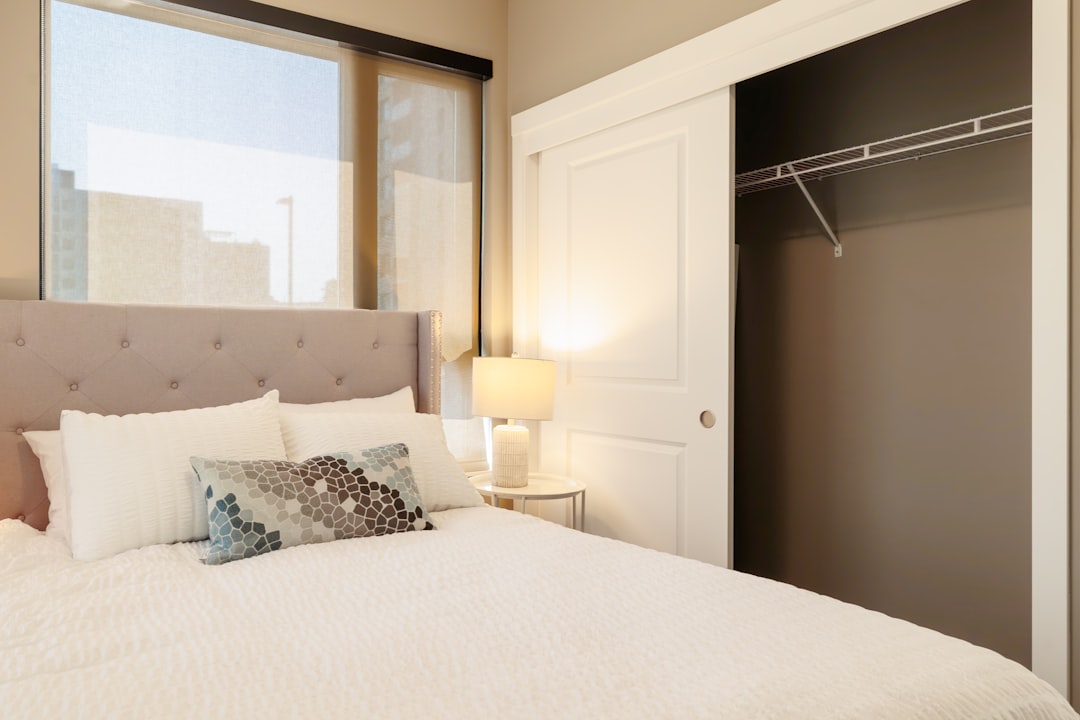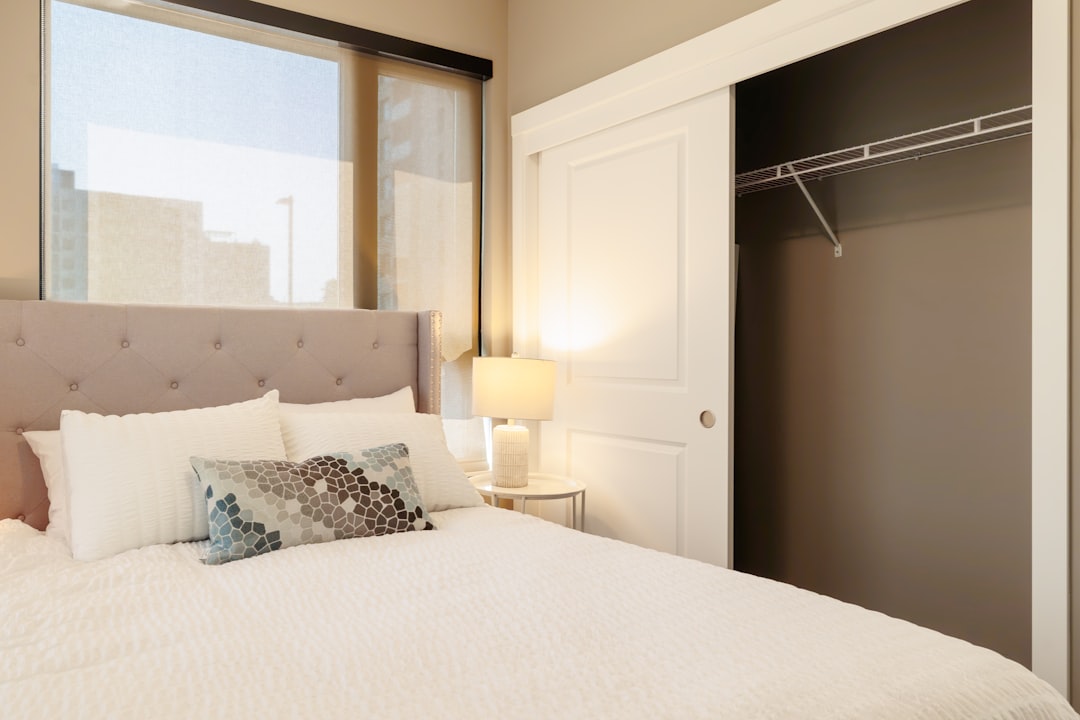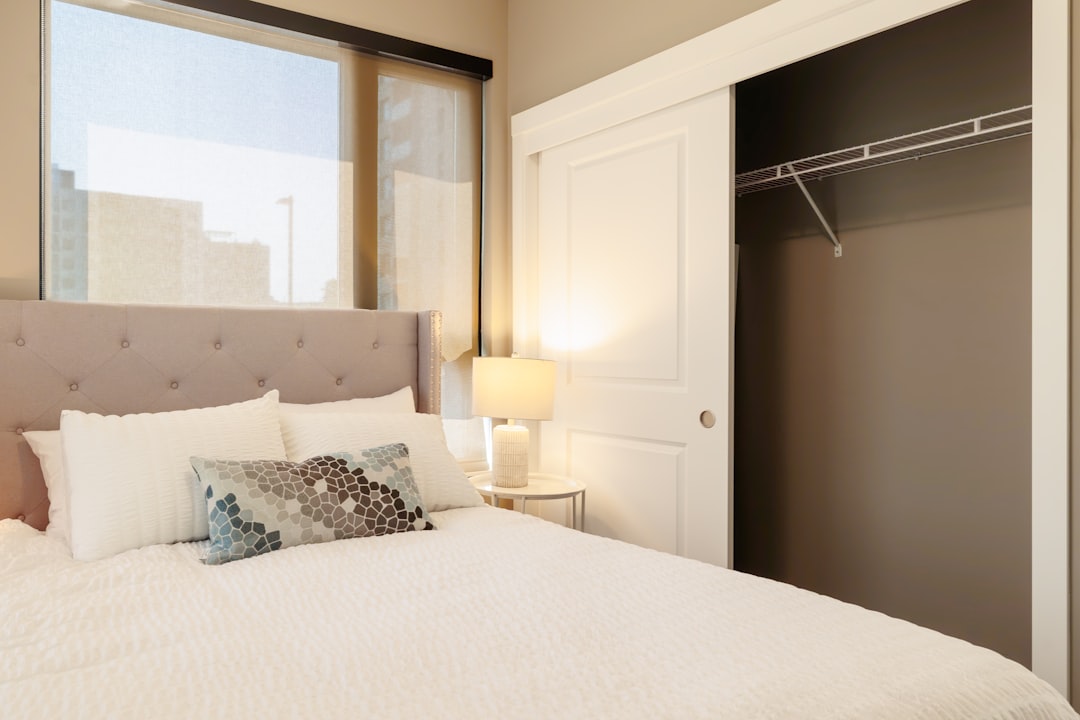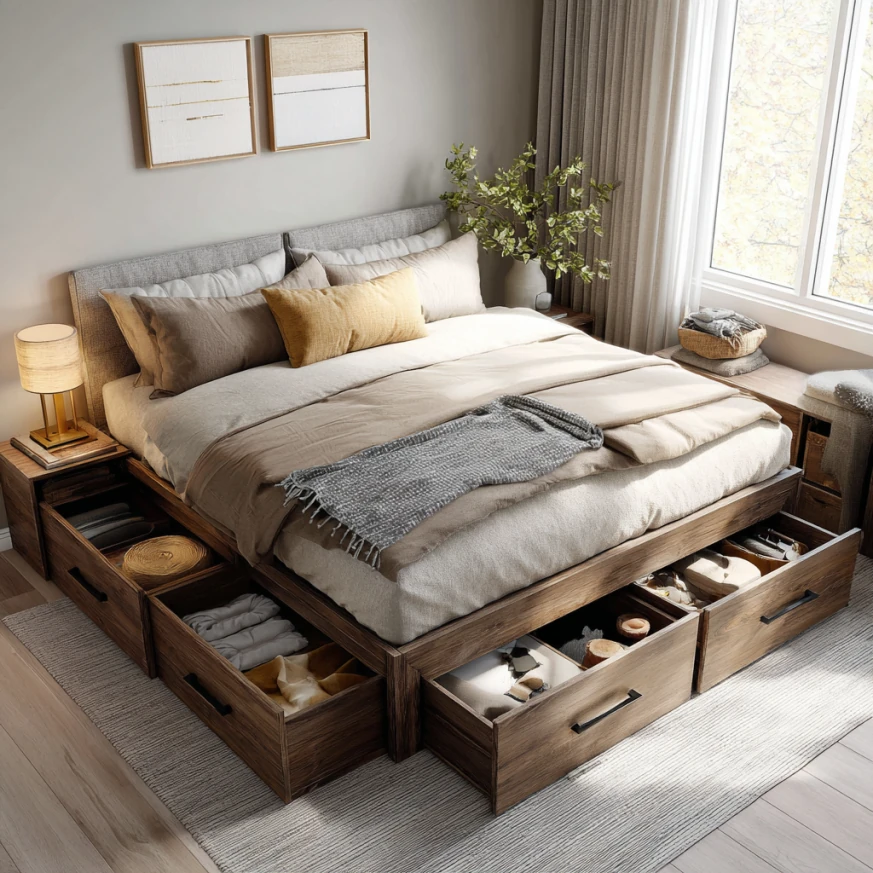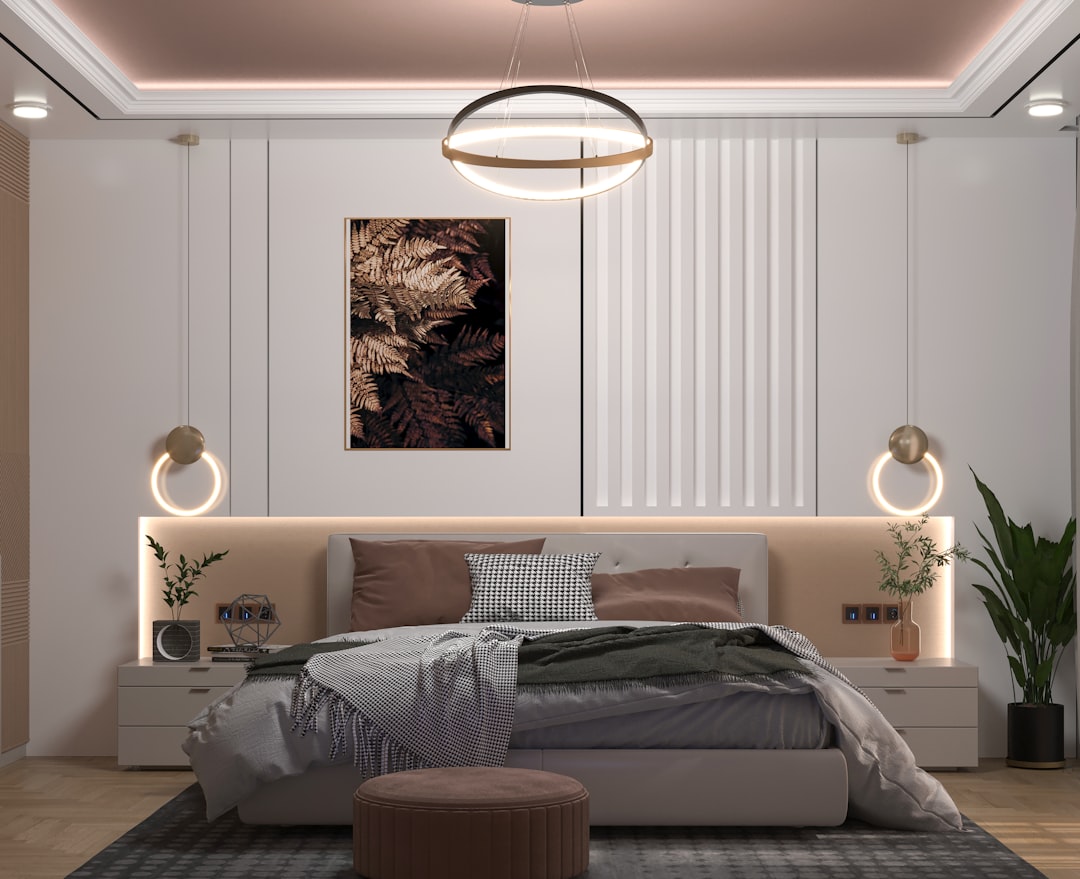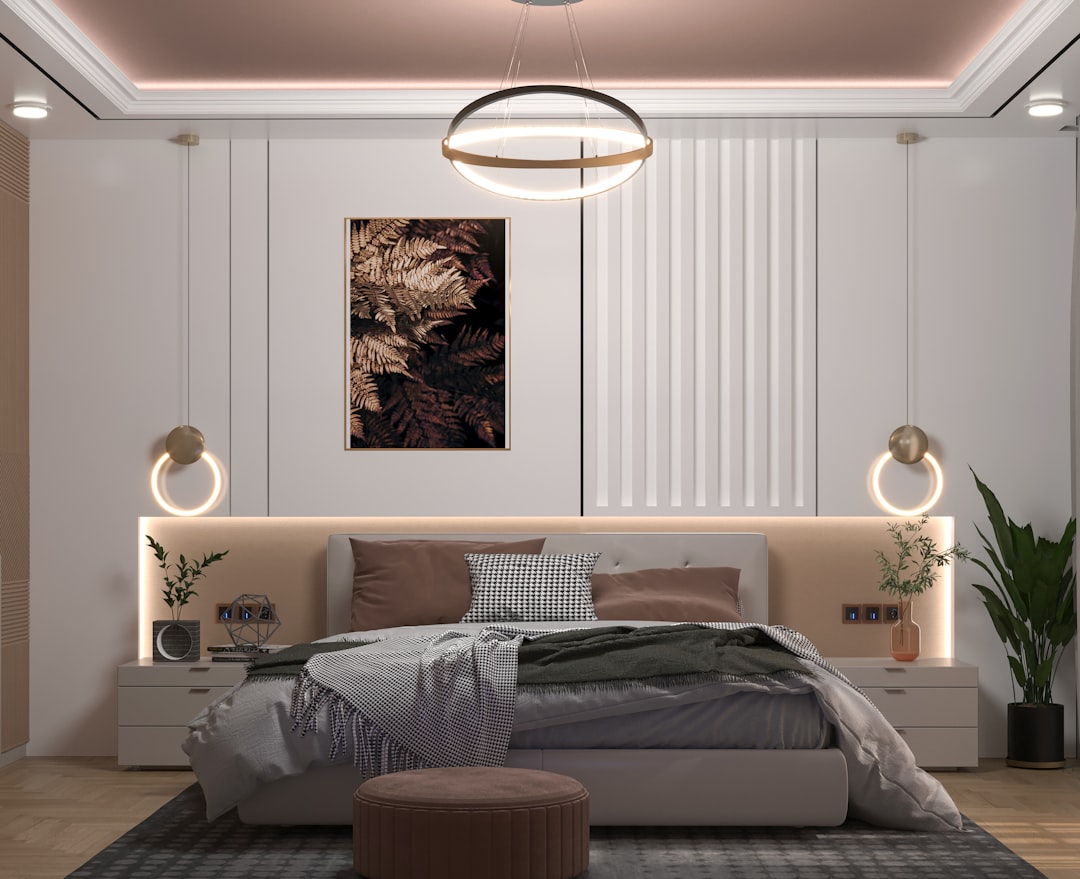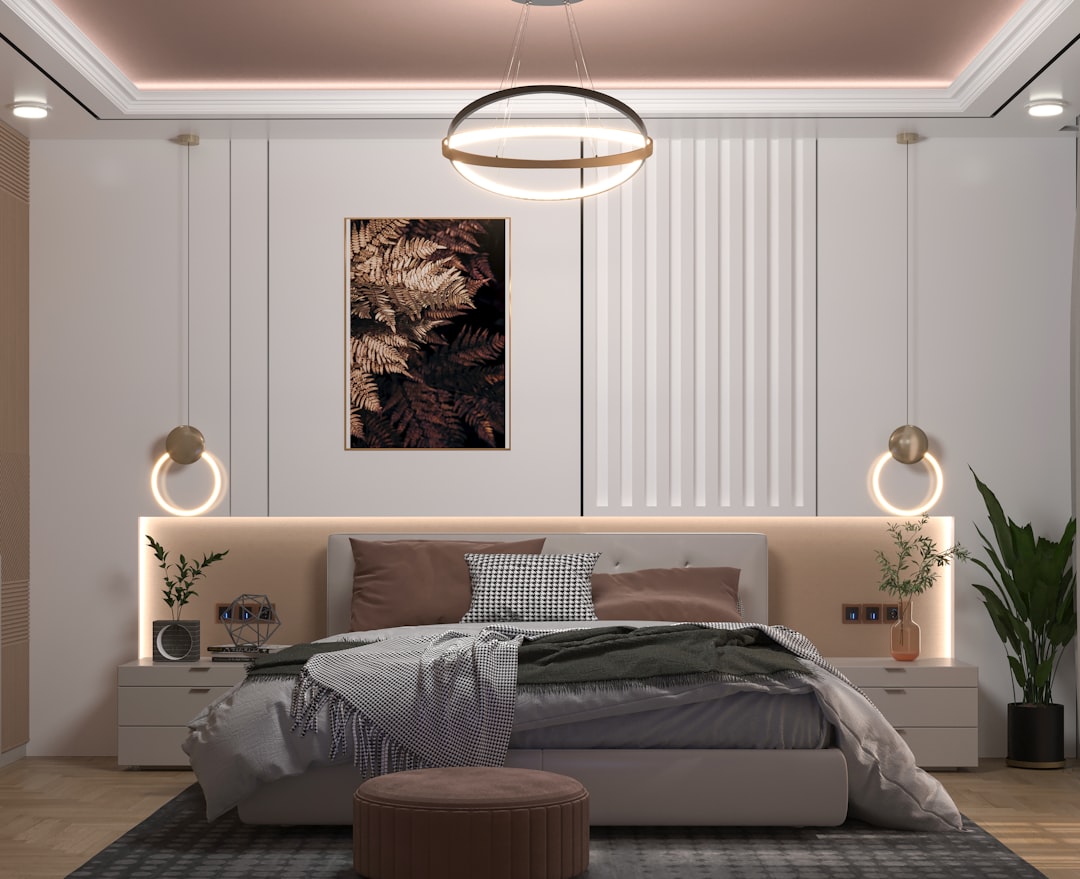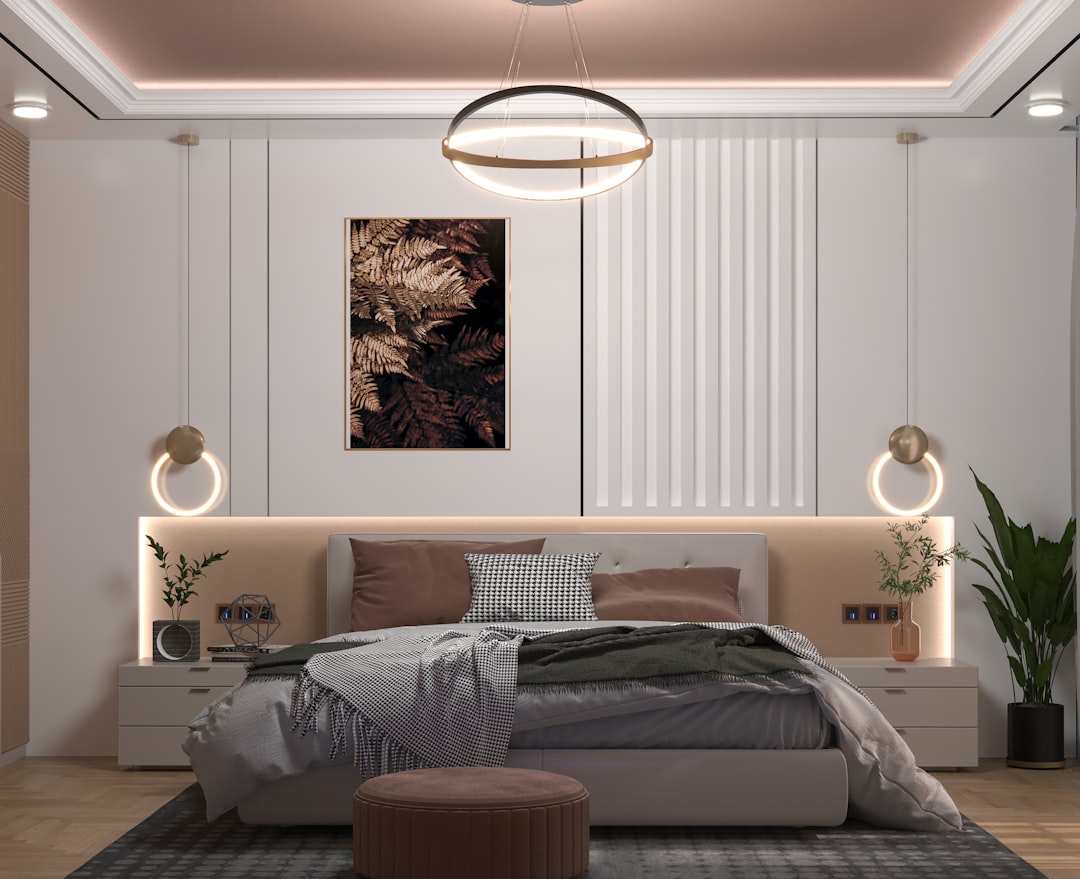
How to Choose the Best Bed Frame for Your Mattress & Style

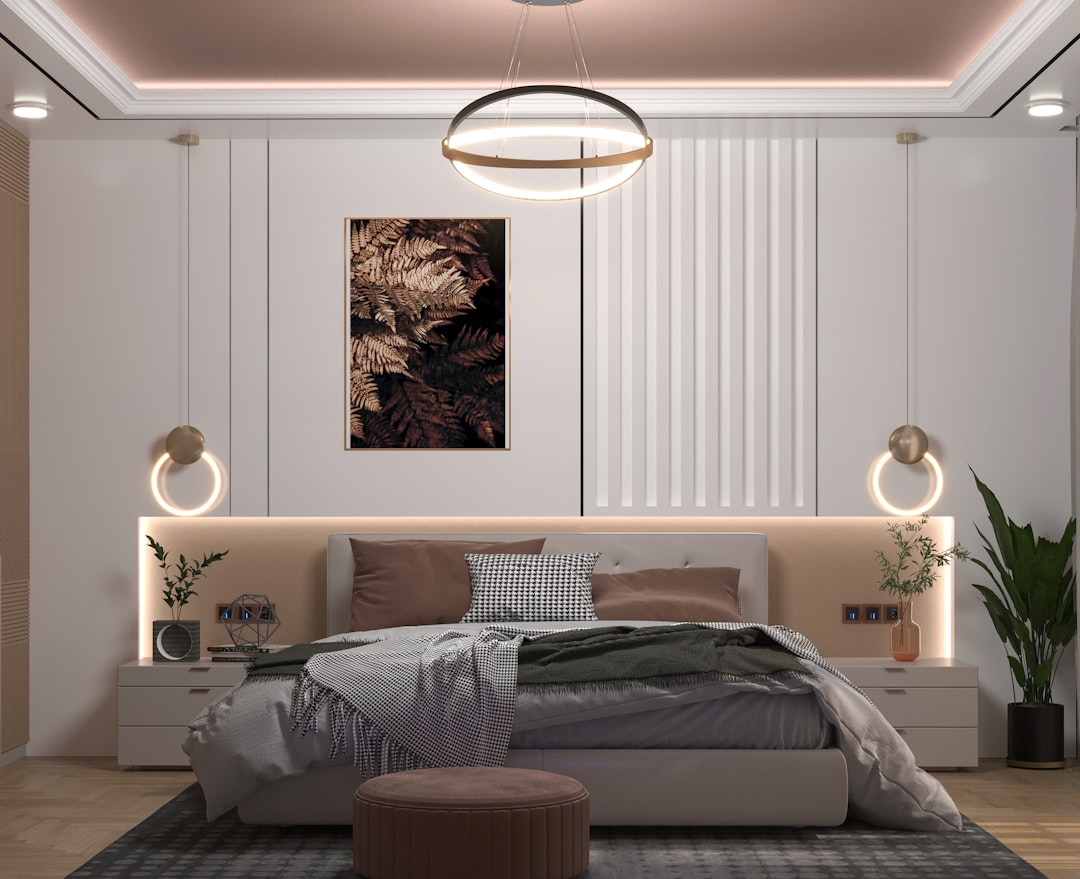
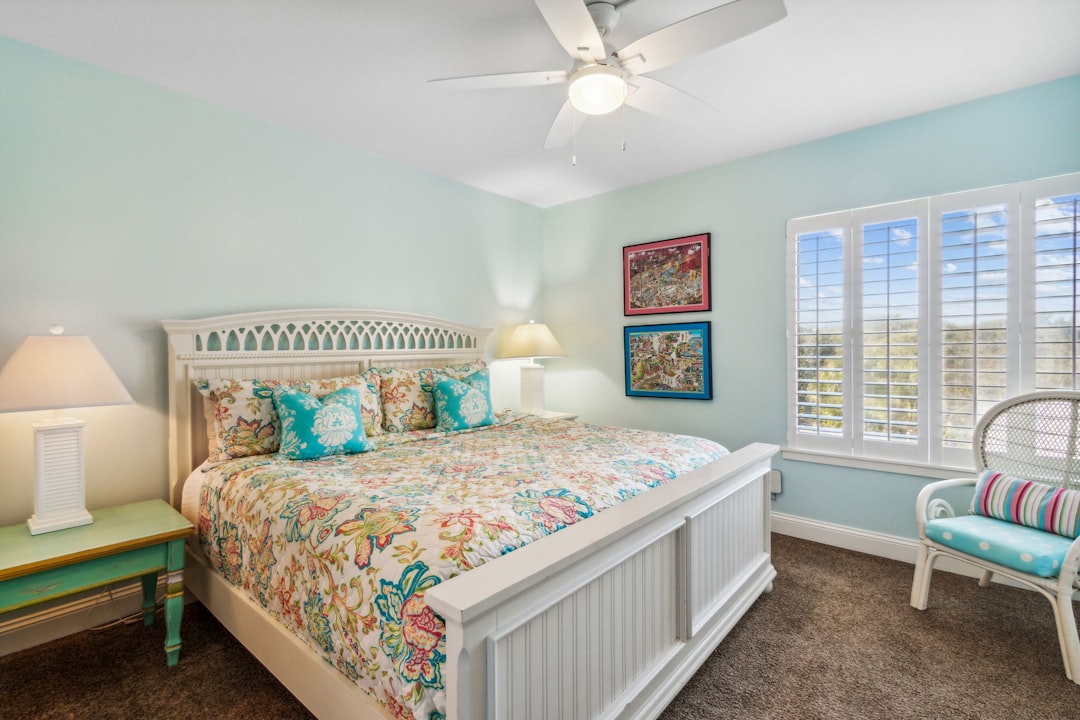
Bed Frame Mattress Style in a cozy bedroom setting

Top Bed Frames for Comfort and Durability

The best bed frames don’t just hold your mattress—they set the tone for your bedroom, boost mattress performance, and keep your sleep setup solid for years. Below, we break down the top options, when to choose each, and quick tips to measure, assemble, and maintain your frame like a pro. Want to see how your bed fits into your sleep setup? Start with our guide to bedding, or browse best bedding for a guest room for a cohesive look.

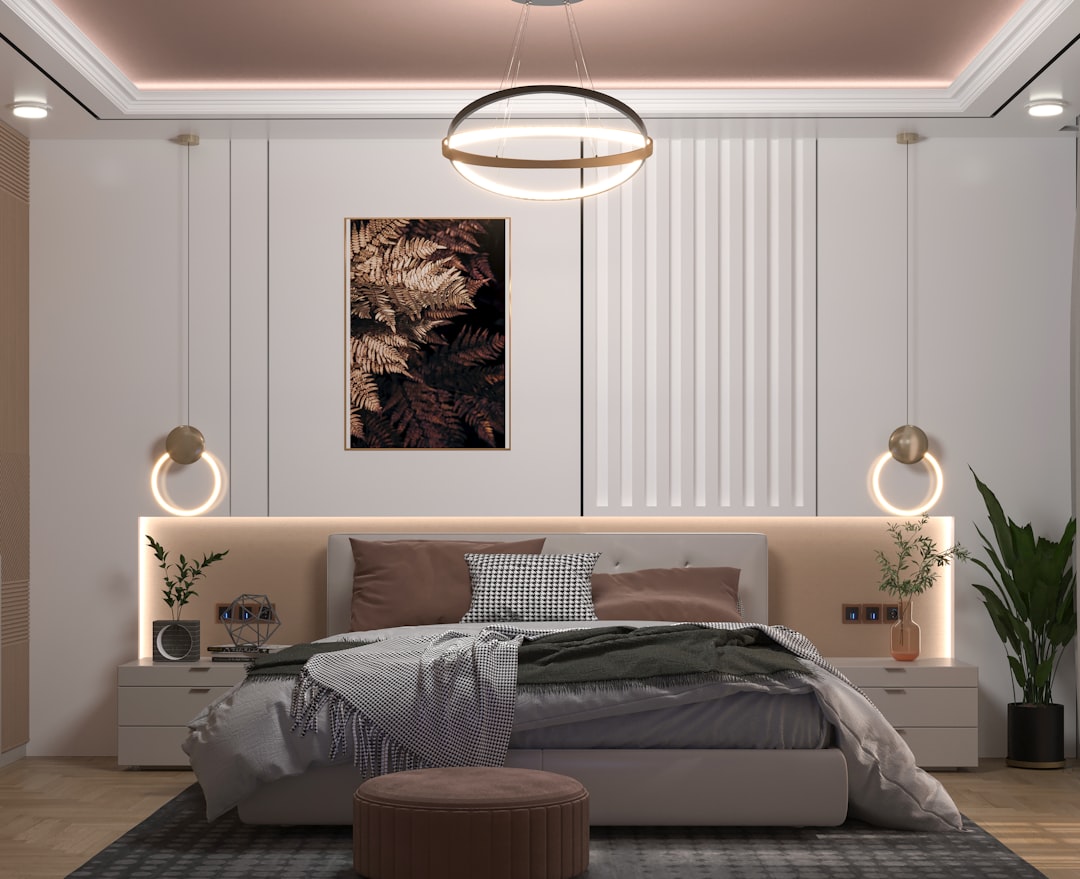
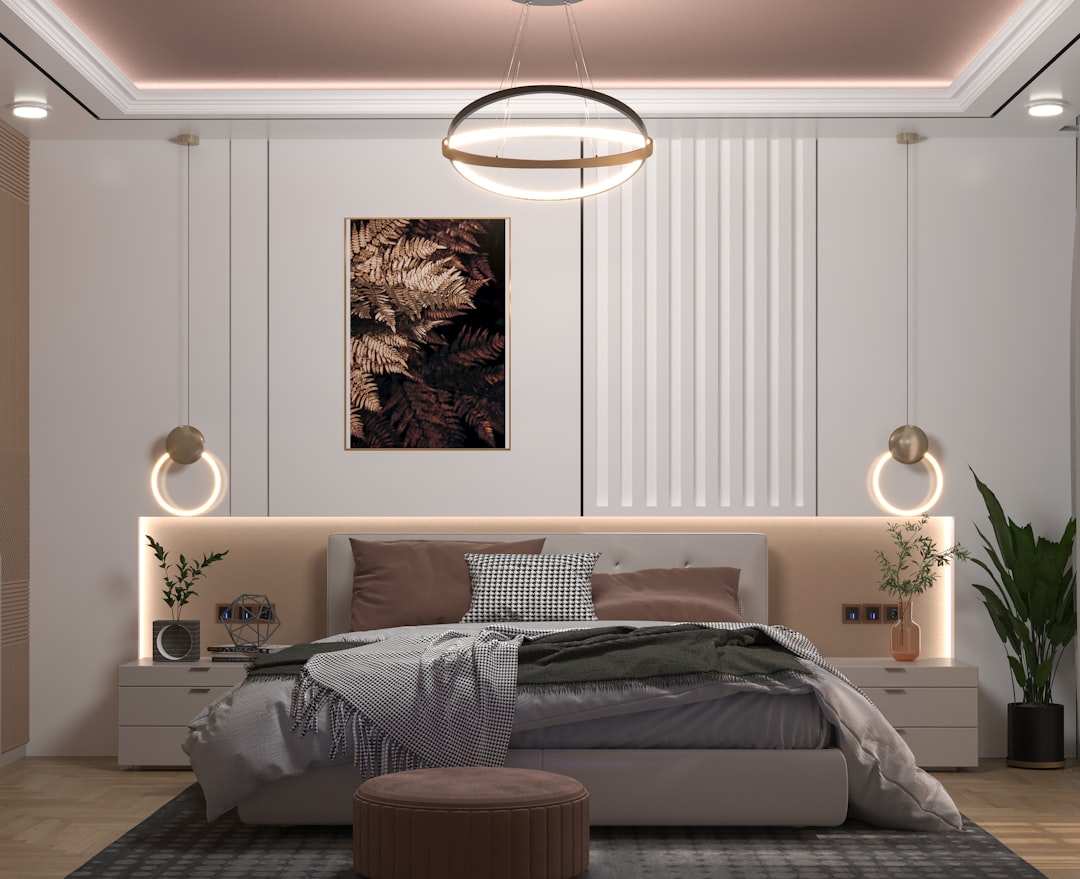
A featured look at the best bed frames styles for 2025—modern, cozy, and built to last.

Key Takeaways

  • The best bed frames blend style, durability, and great mattress support.
  • Popular designs include upholstered, wood, metal, storage, and adjustable frames.
  • Platform bed vs. box spring comes down to mattress type and height preference.
  • Storage frames maximize small bedrooms by replacing extra dressers or bins.

7 Best Bed Frames for Comfort & Style

From modern minimalism to timeless durability, these are the best bed frames to consider for different rooms, mattresses, and budgets.

1. Platform Beds

Platform beds offer sturdy, even support without a box spring. Slats help airflow and a low profile creates a clean, modern look—great for foam and hybrid mattresses. Best for: sleepers who want a sleek design, steady support, and fewer components to buy.
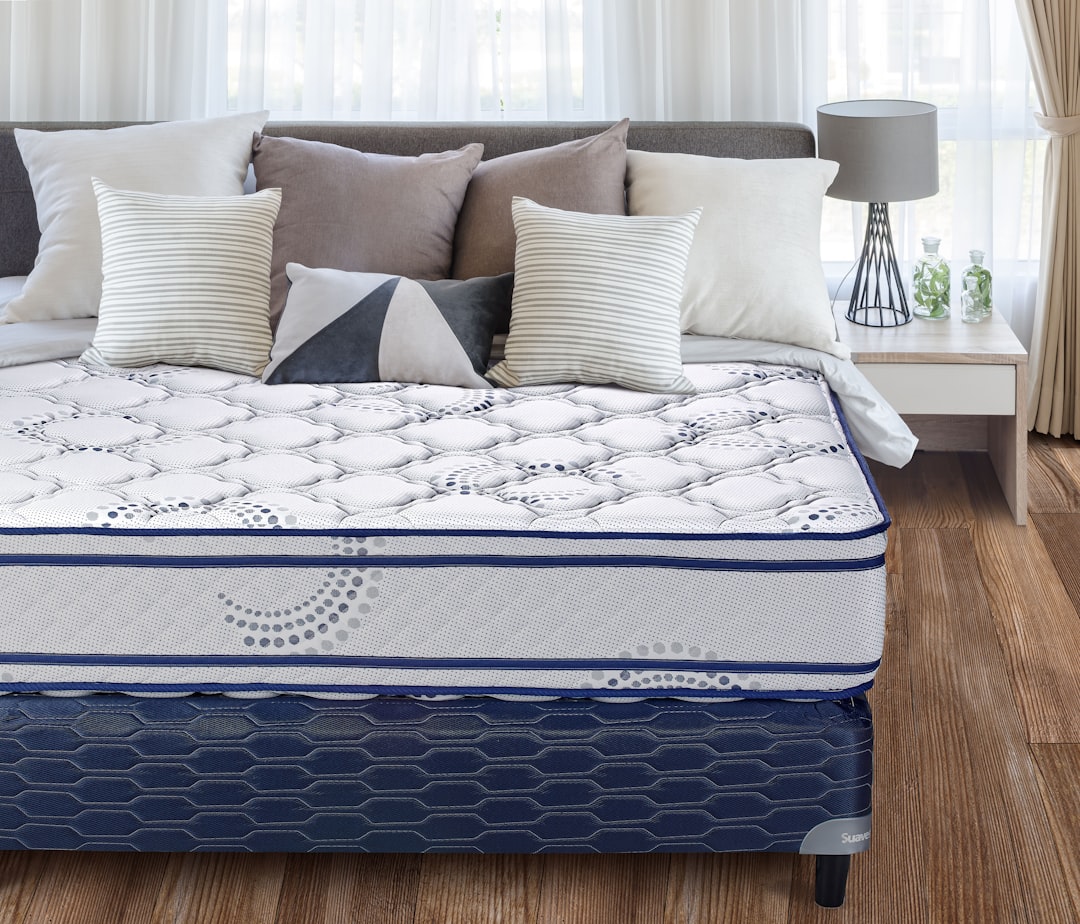
Wooden platform bed in a styled bedroom, one of the best bed frames for foam mattresses

Quick look: platform support versus a traditional box spring setup.

Example: If you love a minimalist room and sleep on memory foam, a platform frame keeps your profile low and support high.

2. Box Spring & Traditional Frames

Traditional metal or wood frames paired with a box spring add height and absorb bounce—especially helpful for classic innerspring mattresses. They’re less common now, but still a smart pick if you like a tall bed.

  • Platform: lower profile, better for foam/hybrid, fewer parts.
  • Box spring: taller feel, pairs well with innersprings, extra shock absorption.

Example: Prefer a traditional, hotel-like bed height? A box spring setup makes getting in and out easier.

3. Upholstered Bed Frames

Upholstered bed frames bring a soft, cozy vibe with padded headboards and fabric finishes. They’re comfortable for reading or streaming, and they instantly warm up the room. Plan on light upkeep—vacuuming and fabric protector help them last.
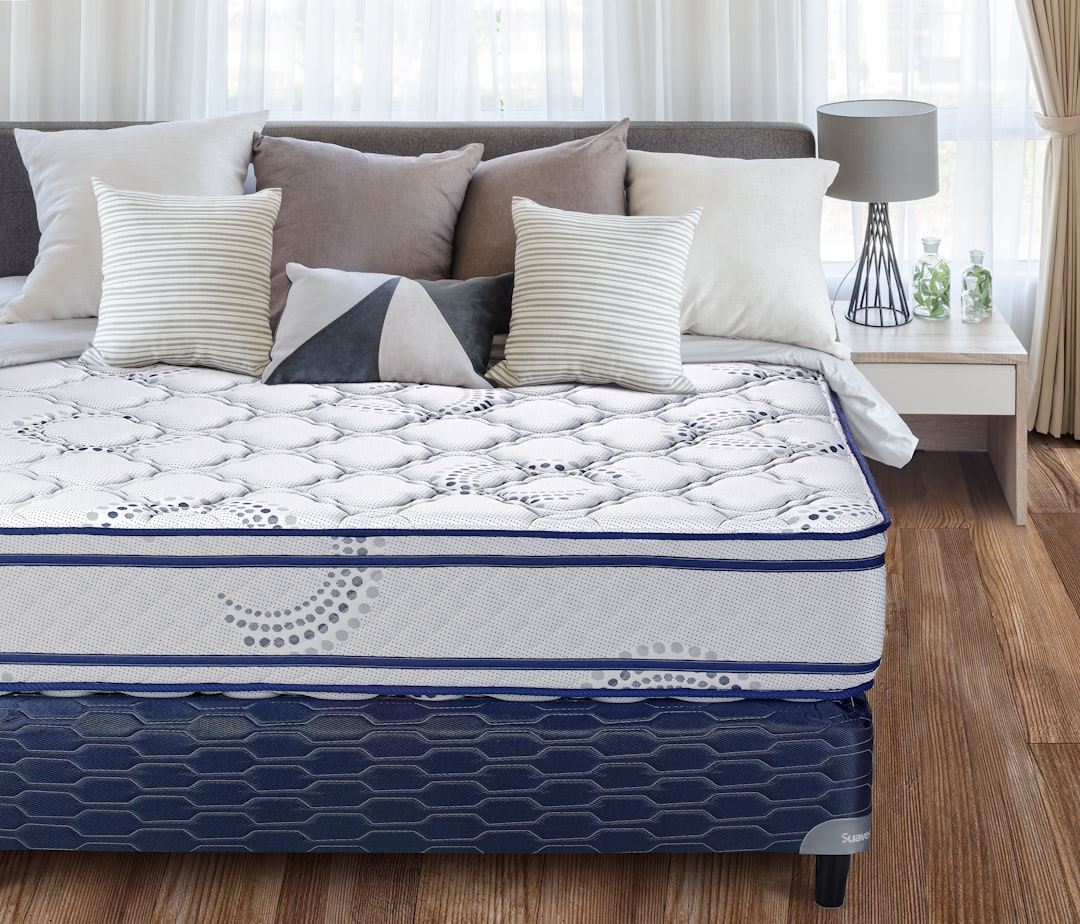
How to Choose the Best Bed Frame for Your Mattress & Style - bed frame mattress style

Soft curves and fabric textures add comfort without sacrificing support.

Example: If you read in bed every night, an upholstered headboard keeps things comfy against your back and shoulders.

4. Wooden Bed Frames

Wooden bed frames are sturdy, timeless, and easy to style—from rustic farmhouse to clean Scandinavian lines. Solid wood lasts, and many designs include center rails and slats for better support.

Example: Outfitting a guest room? A classic wood frame looks welcoming and stands up to years of visitors.

5. Metal Bed Frames

Minimalist and durable, metal frames are fast to assemble and typically the most budget-friendly. They suit industrial and modern spaces, though a quick tighten every few months helps prevent squeaks.
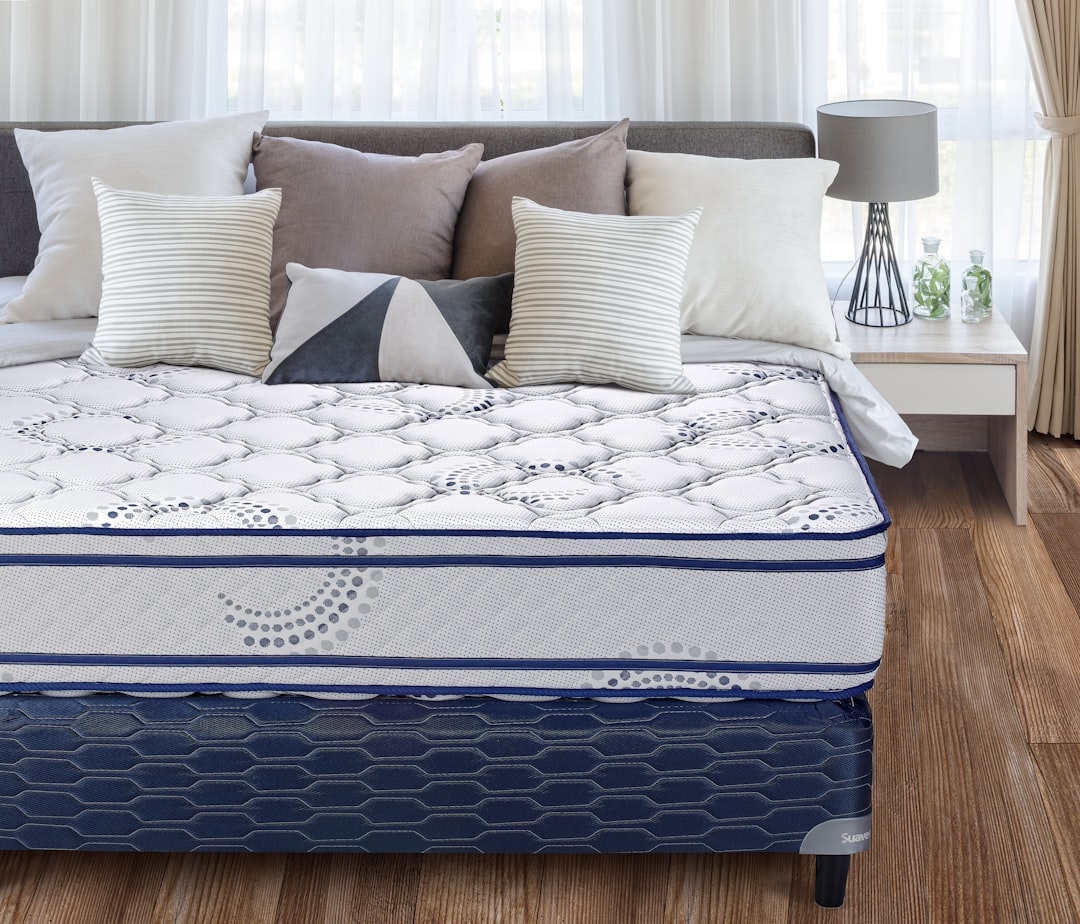
How to Choose the Best Bed Frame for Your Mattress & Style - bed frame mattress style

Metal frames shine in small spaces: strong, slim, and easy to move.

Example: Setting up a first apartment? A metal frame delivers value now and relocates easily later.

6. Storage Bed Frames

Storage frames hide drawers under the mattress or lift the platform to reveal a roomy compartment. They free up floor space and make decluttering simple—perfect for studio apartments and shared rooms.

Example: No closet space? Tuck off-season clothes and spare linens into under-bed drawers.

7. Adjustable Bed Frames

Adjustable bases let you raise your head or feet with a remote. They can ease snoring, help with back comfort, and make lounging or reading more comfortable. Many pair well with foam and hybrid mattresses.

Example: If you wake with a stuffy nose, elevating your head may help you breathe—and sleep—better.

How to Choose the Best Bed Frame for You

Match your frame to your mattress, room, and lifestyle. The best bed frames feel invisible when you sleep—and look great when you don’t.

  • Mattress type: Foam and hybrids thrive on platforms; innersprings often feel best with box springs (learn more in our memory foam vs spring mattress guide).
  • Room size: Storage or slim-profile frames make small rooms feel bigger.
  • Style goals: Upholstered for cozy luxe; wood for timeless warmth; metal for modern simplicity.
  • Support details: Look for sturdy center rails, closely spaced slats, and solid hardware.
  • Budget: Expect under $200 for basics and $1,000+ for premium, heirloom builds.

According to the CDC, most adults need at least seven hours of sleep nightly—your frame should help your mattress perform as designed so you actually get it. If you’re shopping for safer materials, consider options with recognized bedding certifications for added peace of mind.

Bed Frame Assembly & Maintenance

A little care goes a long way. Keep hardware tight, protect surfaces, and inspect supports yearly so the best bed frames stay quiet and sturdy.

  • Check and tighten screws and joints every few months.
  • Vacuum upholstered frames to remove dust; use fabric protector as needed.
  • Polish or condition wood to preserve finish and prevent dryness.
  • Inspect slats and center rails annually to prevent sagging.
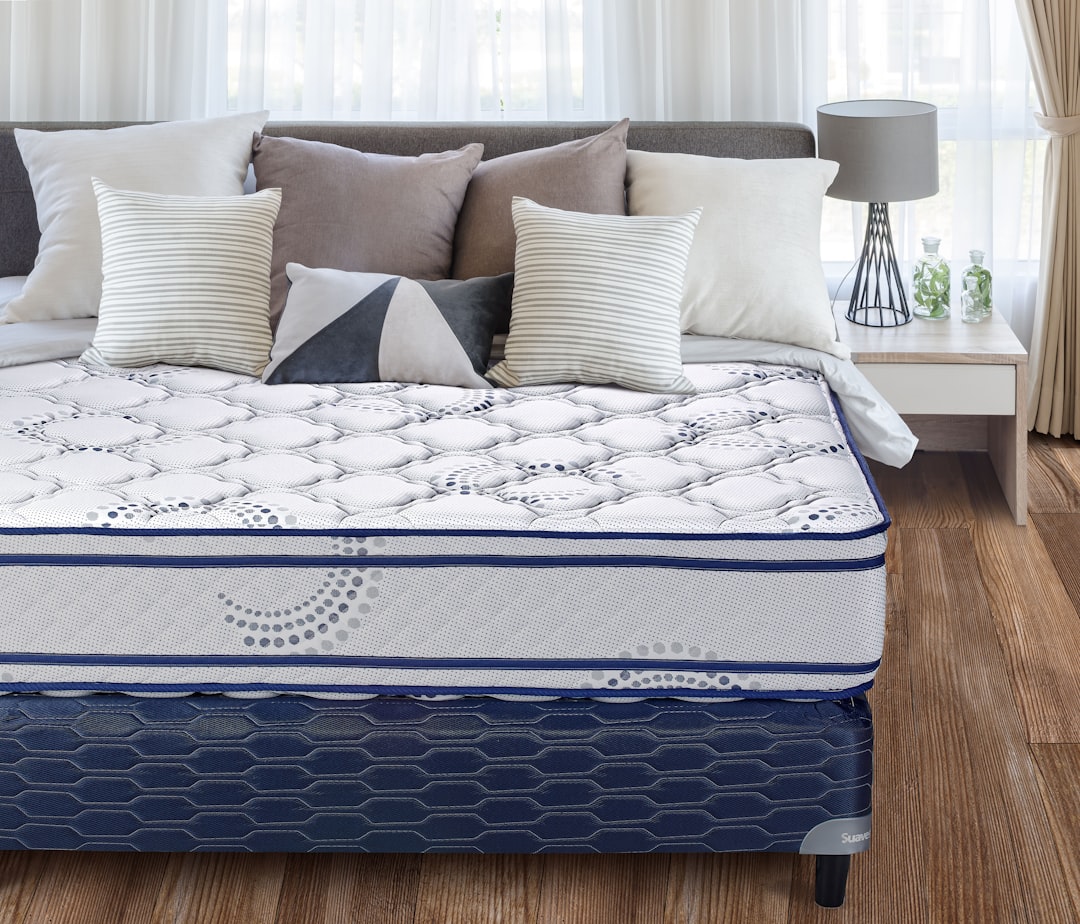
How to Choose the Best Bed Frame for Your Mattress & Style - bed frame mattress style

Tip: Assemble on a rug or blanket to protect finishes and catch small hardware.

FAQ

What’s the best bed frame for memory foam mattresses?

Platform frames with strong slats or a solid base give foam the even support and airflow it needs.

Do I still need a box spring?

Not for most foam or hybrid mattresses. Box springs are mainly for traditional innerspring beds or if you prefer extra height.

Are upholstered bed frames durable?

Yes—especially with basic care. Regular vacuuming and fabric protector help prevent wear and stains.

Which is better: platform bed vs. box spring?

Platforms are modern and versatile; box springs add height and bounce for innersprings. Choose based on mattress type and the feel you prefer.

What’s the most affordable type of bed frame?

Metal frames are usually the most budget-friendly, while solid wood and upholstered designs cost more.

Conclusion

The best bed frames balance comfort, style, and durability—protecting your mattress and elevating your room. Whether you go modern platform, cozy upholstered, timeless wood, or clever storage, pick a frame that fits your sleep and space. For more inspiration, visit Cozy Bed Quarters.

Related reading from Cozy Bed Quarters

Other reading we found popular


More Expert Insights

Back pain is a common issue that affects many people. One of the most important factors in alleviating back pain is having the right bed. A bed that supports your spine and relieves pressure points can make a significant difference in your comfort and overall health. In this article, we’ll explore the best bed types for back pain relief, taking into account various types of beds and how they can help you sleep better.

Before diving into the best bed types, it’s important to understand how back pain and sleep are connected. When you sleep, your body needs to be properly aligned to avoid putting stress on your spine. A bed that is too soft or too firm can cause your spine to curve unnaturally, leading to discomfort and pain.

Sleep is a critical time for your body to heal and rejuvenate. Poor sleep due to back pain can lead to a cycle of discomfort, where the lack of quality rest exacerbates the pain, making it harder to find relief.

For additional expert insights, you can refer to Naturepedic’s guide to the best mattresses for back pain, which outlines how mattress materials and firmness impact spinal alignment. Another helpful resource is Mattress Direct’s article on mattress types for back pain, offering comparisons and sleep position advice.

When reviewing the best bed types for back pain, be sure to factor in not only comfort and support but also how your lifestyle, sleeping position, and health conditions affect your nightly rest.

When choosing the best bed type for back pain relief, it’s essential to consider your specific needs and preferences. Here are some tips to help you make the right choice:

No single solution fits everyone, but evaluating the best bed types for back pain based on your body type, sleep style, and health can make the difference between restless nights and restorative sleep.

Once you’ve found the right bed, it’s important to maintain it properly to ensure it continues to provide the support you need…

Finding the best bed types for back pain relief is essential for improving your sleep quality and overall well-being. By understanding the different types of beds available and considering your specific needs, you can choose a bed that provides the support and comfort necessary to alleviate back pain. At Cozy Bed Quarters, we believe that a good night’s sleep starts with the right bed. Explore our selection of beds and find the perfect fit for your needs today.

Looking for the best bed frames to boost sleep quality and upgrade your bedroom’s style? From cozy upholstered picks to space-saving storage beds, this guide has you covered.

Think of your bed frame like the foundation of a house. Without a solid base, even the fanciest mattress won’t deliver comfort. The best bed frames offer proper support, reduce motion transfer, and help your mattress last longer. Plus, they contribute to your room’s vibe—adding style while helping you sleep more soundly. According to the Sleep Foundation, a supportive base can enhance spinal alignment and minimize discomfort.

Platform beds are sleek, simple, and low to the ground—great for anyone who wants a clutter-free, modern look. They’re one of the best bed frames for memory foam or latex mattresses due to their firm, slatted support system.

Upholstered frames wrap your bed in fabric, making it feel plush and inviting. With padded headboards and a wide variety of textiles, they’re among the best bed frames for creating a warm, relaxing atmosphere.

Myth: All bed frames are pretty much the same.
Reality: The best bed frames vary in height, construction, support, and features. Choosing wisely can improve your sleep significantly.

Myth: If it isn’t broken, it’s fine.
Reality: A frame can appear okay but still disrupt sleep. Signs like wobbling, creaking, or poor support mean it’s time for a better frame.

Once you answer these, finding the best bed frame becomes simpler. Need inspiration? Browse this expert-reviewed list of the best bed frames in 2024 by Architectural Digest.

Choosing the best bed frame means creating the right foundation for peaceful sleep and stylish comfort. Whether you value function, design, or both, there’s a perfect frame out there for you.

Finding the best bed material can transform how you sleep, recover, and feel each morning. This guide compares today’s most popular mattress builds and shows how to match materials to your body, budget, and values.

Your mattress core dictates support, airflow, durability, and motion isolation. Memory foam excels at pressure relief, latex offers springy natural support, coils add breathability and edge strength, and hybrids combine them.

Choosing well can reduce nighttime wake-ups and improve alignment. If you lean eco-conscious, prioritize organic bedding and latex sourced from certified plantations. For background on how materials influence rest, see our guide on How Your Mattress Affects Sleep Quality.

Choose memory foam if you want deep contouring with minimal motion transfer. It molds to curves, easing pressure at shoulders and hips—ideal for side sleepers and couples.

Shopping tip Certifications: Look for CertiPUR-US foams and cooling features such as open-cell or gel infusions. See our Best Memory Foam Mattresses for Side Sleepers for curated picks.

Latex is ideal if you want responsive support and natural materials. It’s durable, springy, and resistant to dust mites and mold—helpful for allergy-prone sleepers.

Dunlop latex feels slightly denser and more supportive, while Talalay tends to feel airier and cushier. Many eco-buyers pair latex cores with eco-conscious sheets to reduce microplastics in their sleep environment.

Pick innerspring if you sleep hot or prefer a traditional, buoyant feel. Coil units promote airflow and strong edges, while pocketed coils add motion control and targeted zones.

Consider coil count, gauge, and zoning. Many models add a plush Euro top for surface relief while preserving the coil lift. For a deeper primer, see our Bedding Materials Guide.

Hybrids blend foam or latex comfort layers with a coil base, aiming for “just-right” balance. They suit combination sleepers and couples who need pressure relief without losing bounce.

Look for zoned coils, reinforced edges, and transition layers that prevent “bottoming out.” For more context, explore our Cozy Bedding Materials Guide.

Eco options: GOLS latex, GOTS cotton, responsibly sourced wool, and recycled steel coils.
Conventional options: polyurethane foams and polyester blends—affordable and widely available.

Learn how sustainable choices add comfort and cut allergens in Benefits of Eco-Friendly Bedding.

Beyond comfort, each best bed material affects the environment. Memory foam uses petrochemicals and may off-gas VOCs. Innerspring coils are energy-intensive to manufacture but recyclable. Latex has a larger water footprint but biodegrades naturally. Hybrids balance these effects, especially when made with recycled steel and organic fabrics.

Eco-friendly upgrades reduce landfill waste and cut microplastics. Choosing natural textiles, responsibly harvested latex, and recycled metals helps align sleep comfort with sustainability goals.

Seeing the best bed material in action helps narrow choices. Here are three trusted names often praised for balancing quality and sustainability:

The best bed material comes down to your comfort needs and eco values. Memory foam offers plush contouring, latex provides buoyant natural support, innerspring boosts airflow, and hybrids balance it all. If sustainability matters, prioritize organic bedding and eco-certified cores. At Cozy Bed Quarters, we believe your sleep environment should feel good for you and the planet.

Finding the best material for your bed frame is crucial to crafting a stylish and durable sleep environment. Let’s explore the 2026 options to discover the ideal bed frame material for your home.

Choosing the right material for your bed frame impacts both the look and function of your bedroom. Whether you’re aiming for a lasting investment or a budget-friendly find, understanding your options is crucial. At Cozy Bed Quarters, we recommend focusing on wood, metal, and upholstered bed frames. Each type helps you find the right material based on your personal style and needs.

Each material offers unique benefits in terms of aesthetics, structural integrity, and maintenance. Prioritize eco-friendliness, noise reduction, or design flexibility based on your lifestyle. Wooden frames, like The Bed by Thuma, offer classic craftsmanship with a natural finish. Metal frames, such as the Brooklyn Bedding High Rise, suit minimalists with their industrial vibe and easy portability. Upholstered frames, like the Puffy Sterling Bed Frame, prioritize comfort and customization.

Consider your lifestyle. Moving often? Opt for metal. Seeking a cozy nook? Upholstered may suit you. Prefer heirloom-quality furniture? Choose wood. Also, assess factors like cleaning ease, mattress compatibility, and space constraints before deciding. No matter your needs, a perfect bed frame material is waiting for you.

Wood bed frames are celebrated for their durability and timeless style. Options like The Bed by Thuma, crafted from repurposed solid wood, offer decades of use. Hardwoods such as oak and maple are long-lasting, while softwoods like pine are lighter yet reliable. The natural grains and tones of wood frames create a warm, inviting atmosphere, adding charm to any bedroom.

These frames are ideal for couples or heavier mattresses, with slatted designs promoting airflow for better temperature control. Typically quieter than metal, they minimize noise, which is great for light sleepers.

If you’re eco-conscious, look for FSC-certified or reclaimed wood options that blend style with sustainability. Many furniture makers now provide beds made from upcycled materials, reducing environmental impact.

Metal frames, such as the Brooklyn Bedding High Rise Platform Bed, are lightweight, budget-friendly, and perfect for modern or temporary spaces. They’re easy to assemble and relocate, ideal for apartments or dorm rooms. These frames often feature sleek black, white, or metallic finishes, complementing minimalist or industrial styles.

While metal frames lack the warmth of wood or fabric, they suit minimalist or industrial aesthetics. Powder-coated steel resists rust, though cheaper models may squeak over time, so it helps to know how to silence a squeaky bed. Higher-end versions often include reinforced joints or anti-slip features for added comfort and stability.

For allergy sufferers, metal frames are a good choice due to their non-porous surface, which doesn’t harbor dust mites or pet dander. They’re also compatible with under-bed storage solutions, maximizing small space utility. Many find metal an excellent choice for simplicity and affordability.

Upholstered bed frames offer softness and elegance. Options like the Puffy Sterling Bed Frame, featuring fabrics like velvet or linen, provide a cozy feel and custom styling from colors to tufting. This makes them popular for master and guest bedrooms, adding a touch of luxury to any sleep space.

They require regular vacuuming to prevent dust build-up. Some models include removable covers for easier cleaning, with newer options featuring stain-resistant fabrics ideal for families or pet owners.

Another perk is the padded headboard, perfect for readers or those who enjoy TV in bed. However, consider potential wear over time, especially in homes with pets or direct sunlight exposure that can fade fabrics.

Choosing the right material for your bed frame doesn’t have to be complex. Whether it’s timeless wood, practical metal, or plush upholstery—your choice should align with your sleep, style, and lifestyle goals. Consider aesthetics, maintenance, durability, and how your needs might evolve over time. A well-chosen bed frame isn’t just functional—it’s foundational to your sleep experience. Make sure you select the right material for your bed frame to ensure the best rest and design synergy.

Joseph Rett is the founder of Cozy Bed Quarters, a Phoenix-based sleep and bedding resource. With years of experience researching sleep science and bedding products, Joseph helps people create comfortable, sustainable sleep spaces. Living in Arizona’s desert climate has given him unique insights into temperature-regulating bedding and cooling sleep solutions.

How to Choose a Dresser: Size, Storage, Style Guide

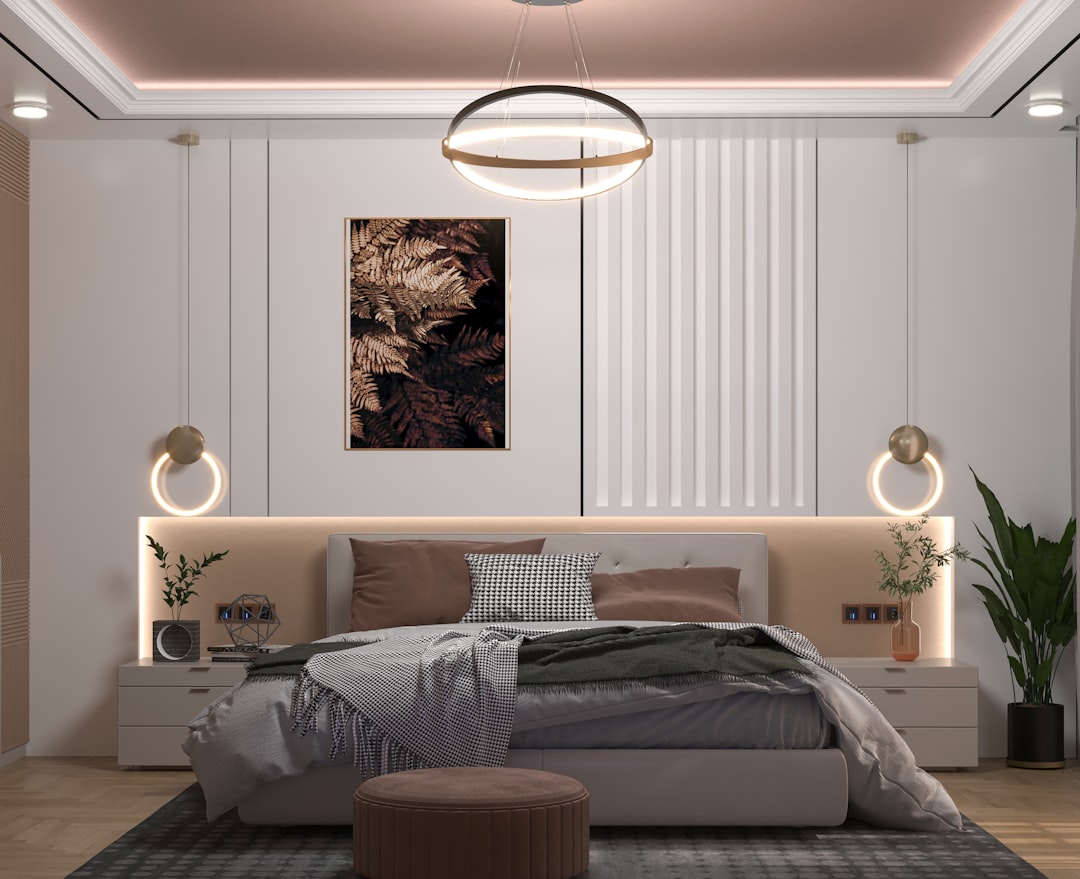
Dresser Bedroom Size Style in a cozy bedroom setting - right dresser bedroom

The quick answer to how to choose a dresser: measure the wall and the walkway in front of it first, then pick the shape that fits — tall and narrow for tight rooms, long and low for wide walls. After that, match drawer depth to what you actually own, choose a frame you can trust (solid wood or a well-built engineered panel with smooth glides), and anchor it to the wall.

Everything else — finish, hardware, whether it matches your bed — is style, and style is the easy part. Here’s the full process, in the order that saves you from returns.

How to choose a dresser: the five-minute checklist

  • Measure the wall, then subtract a few inches so the piece doesn’t look wedged in.
  • Leave room to open drawers — a fully extended drawer plus standing space.
  • Count your stuff: bulky sweaters need deep drawers, socks and tees don’t.
  • Check the build: drawer glides, joinery, a solid back panel.
  • Plan for anchoring before it’s loaded with clothes.

Start with measurements, not with the photo you saved

Write down three numbers: the usable width of the wall, the depth you can give up, and the height that works with your window sills, outlets and any art above.

Most bedroom dressers land somewhere between 30 and 40 inches deep-ish in height for a wide, low “double dresser,” while tall chests of drawers climb to 45 inches or more on a footprint around 30–36 inches wide. Depth is usually 16–20 inches. Those are ranges, not rules — always check the listed dimensions rather than assuming.

Two clearances matter more than people expect. You need enough space in front for a drawer to pull out fully and for you to stand there — roughly 30 to 36 inches is a comfortable target. And if the dresser sits near a door swing or the foot of the bed, open a drawer in your head and walk the path before you buy.

In a small room, vertical wins. A tall chest stores the same volume on half the floor, which frees up the wall for a chair or a full-length mirror. If floor space is the real problem, our guide to space-saving bedroom furniture and these tricks for making a small bedroom feel bigger are worth a look before you commit to a big piece.

Wide low wooden dresser with lamp and decor, showing how to choose a dresser for a bedroom

Match drawers to what you actually own

Pull open a drawer you use now and look at it honestly. Chunky knits, denim and spare bedding need deep drawers — usually the bottom two on a well-designed piece. T-shirts, underwear and socks live better in shallow top drawers where nothing gets buried.

A few common situations:

  • Sharing with a partner: a wide dresser with side-by-side drawers splits cleanly, no negotiating required.
  • Guest room: a slim three-drawer chest is plenty. Guests rarely unpack much.
  • Kids’ rooms: shallower drawers and easy-glide hardware mean small hands can actually use it — and there’s less temptation to climb.
  • No closet: you’ll want hanging space elsewhere. Our storage ideas for bedrooms with no closets cover the workarounds.

Felt-lined top drawers, removable dividers and a cutout for a charging cable are genuinely useful features. Skip anything that sounds clever but adds cost without solving a problem you have.

Materials: what lasts and what’s fine to compromise on

Solid wood is the durable choice. It can be sanded and refinished, holds screws well, and takes decades of opening and closing. Pine is soft and casual and dents easily; oak is hard-wearing with visible grain; walnut is darker, pricier and richer looking. Solid wood also moves with the seasons, so expect small gaps and slightly stickier drawers in very dry or very humid months.

Veneer over a stable core is not a downgrade by default — plenty of good furniture uses a thin real-wood face over plywood or MDF, which resists warping better than a wide solid panel. The weak point is edges and corners, where veneer chips and can’t easily be repaired.

MDF and particleboard keep prices low and make flat-pack shipping possible. They’re heavier than they look, hate standing water, and don’t love being moved repeatedly. If you’re sensitive to indoor air quality, note that composite wood products sold in the US must meet formaldehyde emission limits and be labeled as compliant under EPA’s TSCA Title VI rule — the label is on the product or packaging, so it’s worth a look.

Metal and mirrored dressers bounce light around, which helps a dim room, but mirrored fronts show every fingerprint. Rattan and cane fronts are light and breathable, though they’re harder to wipe clean.

How to spot a well-built dresser in 30 seconds

  • Pull a drawer all the way out. It should glide, not wobble or drop.
  • Look at the drawer box corners — dovetail or strong interlocking joints beat staples.
  • Check for dust panels between drawers and a back panel that’s screwed on, not tacked.
  • Press down on a corner of the top. Any rocking means a frame that won’t age well.
  • Feel the hardware. Cheap pulls are easy to swap; a flimsy frame isn’t.

Anchor it — this part isn’t optional

Dressers tip. Loaded drawers pull the center of gravity forward, carpet tilts the whole unit, and a child climbing the open drawers can bring it down. CPSC staff have counted 234 deaths from clothing storage unit tip-overs between January 2000 and April 2022, 199 of them children.

The rules tightened recently. Under the STURDY Act, the CPSC adopted ASTM F2057-23 as a mandatory federal safety standard, effective September 1, 2023. It covers freestanding dressers, chests and armoires 27 inches or taller, and the tests simulate carpet tilt and loaded drawers. Newer pieces are harder to tip than older ones — but the standard doesn’t replace an anchor.

CPSC’s Anchor It! campaign is blunt about it: anchor anything with drawers, doors or shelves to the wall. Use the restraint kit that comes in the box, fix it into a stud where you can, and re-check it after you move the furniture. Keep remotes, toys and snacks off the top so nobody has a reason to climb. Free how-to guides are at anchorit.gov.

If the dresser will hold a TV, check the manufacturer’s weight rating and push the TV as far back as it will go.

Pick a style that fits the room you already have

A dresser is usually the largest flat surface in a bedroom, so its finish sets the tone. Three directions that work well:

Cottagecore

Painted or lightly distressed wood, soft colors, vintage-look pulls. It suits rooms with lace or linen curtains, florals and warm lamplight. Swapping the hardware on a plain painted chest gets you most of the way there for very little money.

Cottagecore style painted dresser with vintage drawer pulls and fresh flowers on top

Dark academia

Deep wood tones, brass or antique-finish hardware, classic proportions. Style the top with stacked books, a small lamp with a warm bulb and a framed print. It reads best in a room with layered, low lighting rather than one bright ceiling fixture — see our cozy bedroom lighting guide if the room currently has one overhead light doing all the work.

Dark academia bedroom dresser in rich walnut with brass handles, books and a candle

Modern minimalist

Straight lines, matte or flat finishes, push-to-open or integrated handles. Fewer visual interruptions make a small room feel calmer. The trade-off is that fingerprints and clutter show immediately.

Do dresser and bed need to match? No. A full matching set looks tidy but can feel like a showroom. Mixing works if you repeat something — a wood tone, a metal finish, a shape — somewhere else in the room. Coordinating the dresser with your bedside piece is usually enough; our nightstand guide walks through how to pair them.

Minimalist dresser drawer opened to show felt-lined interior with organized accessories

Styling the top without creating clutter

Three-object rule, roughly: something tall (lamp or vase), something low and wide (tray or stack of books), something living or textured (plant, bowl, candle). A tray corrals the daily pile of keys and jewelry so the surface still reads as intentional.

A mirror above a dresser is the most useful move of all — it doubles as a dressing mirror and pushes light deeper into the room. Height and placement matter more than size; our bedroom mirror placement tips cover where to hang it.

Keeping it in good shape

Dust with a soft dry or barely damp cloth, then dry it. Skip soaking anything with water, especially on engineered panels and veneer edges. Use coasters or felt pads under lamps, candles and anything ceramic.

Keep the piece out of constant direct sunlight — UV fades finishes unevenly, and the difference shows up first under whatever’s been sitting on top. Avoid parking it right against a radiator or a vent, since repeated drying and re-humidifying is what makes solid wood panels crack and drawers stick. If drawers start to bind in a damp season, it’s usually the wood, not a defect.

Buying a dresser online

Online is fine if you’re disciplined about three things. Read the dimensions, then tape the outline on your floor. Check whether the piece arrives assembled or flat-packed, and whether delivery includes carrying it upstairs. And read the return policy before you click — returning a heavy dresser is a different experience from returning a pillow.

In reviews, ignore the photos and search the text for words like “wobble,” “glide,” “stripped,” and “missing.” That’s where real build quality shows up. If you’re piecing together a whole room, our bedroom furniture and layout guide helps you sequence purchases so nothing ends up blocking a door.

FAQ

What size dresser works best in a small bedroom?

A tall, narrow chest — roughly 30–36 inches wide — gives you the same drawer volume on a much smaller footprint. Just make sure you can still stand in front of it with a drawer fully open.

Should the dresser match the bed frame?

It doesn’t have to. Matching sets look cohesive; mixing gives a room character as long as you repeat one shared element, like a wood tone or a metal finish.

What’s the most durable dresser material?

Solid hardwood, because it can be repaired and refinished. Good veneer over plywood is a close second and resists warping well. Particleboard is the least durable, especially if you move often.

Can a dresser be used as a TV stand?

Yes, if it’s wide, low and rated for the weight. Anchor both the dresser and the TV, and push the TV back from the front edge.

Do I really need to anchor a new dresser?

If children live in or visit your home, yes — CPSC recommends anchoring all furniture with drawers, doors or shelves, even under the newer stability standard.

Does a tidy bedroom actually help you sleep?

Clutter itself hasn’t been shown to cause poor sleep, so treat “tidy room, better sleep” as a comfort argument rather than a proven one. What is well established is how much sleep to aim for: the CDC recommends 7 or more hours a night for adults. Storage that keeps the floor clear simply makes a consistent bedtime routine easier to stick to.

Updated September 2026.

Bookcase Storage Bed: How to Choose, Measure and Use One

Storage Beds Maximizing Space in a cozy bedroom setting

A bookcase storage bed is a bed frame with shelving built into the headboard, usually combined with storage in the base — drawers, cubbies, or a lift-up platform. It works best when you need a nightstand, a bookshelf, and extra drawer space but only have room for one piece of furniture. The trade-offs are a longer overall footprint (the shelf headboard adds depth), heavier assembly, and the need to measure clearances carefully before you buy.

Key takeaways

  • The headboard holds books, lamps, glasses, and chargers, so you can usually skip nightstands entirely.
  • Base storage comes in three main forms: side drawers, a captain’s-style bank of drawers, or a gas-lift platform that opens to one large compartment.
  • Measure twice: shelf headboards add roughly 8–14 inches to total bed length, and drawers need floor clearance to open fully.
  • Tall shelf units and loft versions carry real safety requirements — anchoring and guardrails — especially in kids’ rooms.
  • Most models are platform beds, so you use the mattress alone without a box spring. Always confirm the frame’s weight rating.

What a bookcase storage bed actually is

Think of it as two ideas bolted together. The first is the bookcase headboard: open shelves, sometimes cubbies or small cabinet doors, built into the vertical panel behind your pillows. The second is storage underneath the mattress, which is where the designs diverge most.

Because both halves are structural, the bed usually replaces two or three other pieces of furniture — a nightstand or two, a small bookcase, and sometimes a dresser. That consolidation is the entire point, and it matters most in rooms under about 120 square feet, studios, dorms, and shared kids’ rooms. If your storage problem is mainly closet space rather than surface clutter, a simple frame plus our guide to bed risers for under-bed storage may solve it for far less money.

Modern hidden compartment bookcase storage beds with built-in shelves and secret compartments for valuables

The main types, compared

Match the base storage to how you actually use things: drawers for items you touch weekly, lift-up compartments for bulk you touch twice a year, open shelves for what you want visible.

Type Storage style Best for Watch out for
Classic bookcase headboard + slat base Headboard shelves only Readers, small rooms, rentals No hidden storage; shelves show clutter
Bookcase bed with side drawers Two to four pull-out drawers Clothes, linens, everyday items Needs open floor beside the bed
Captain’s bed Deep drawer bank across the base Rooms with no dresser space Heavy, hard to move, higher sleep surface
Gas-lift (ottoman) platform One large compartment under the mattress Duvets, luggage, seasonal bedding Needs headroom and foot clearance to open
Loft bed with bookcase Shelves plus a desk or bins below Dorms, teens, home-office corners Guardrail and ceiling-height rules apply
Wall bed with flanking bookcases Shelving towers each side, bed folds away Studios and multipurpose rooms Usually wall-anchored; often pro installation

Prices swing widely by material, size, and retailer, so we don’t publish figures here that would be out of date within a season. As a rule of thumb, mechanisms cost money: gas-lift and fold-away wall beds sit at the top of the range, plain slat-base models at the bottom. For the fold-away route specifically, see our guide to a bed that folds into the wall, and for a broader look at base options, our overview of platform and storage beds.

Measure before you fall in love with a photo

This is where bookcase beds go wrong most often. A shelf headboard is not a flat panel — it has depth, and that depth is added to the mattress length.

  • Total length. Take the mattress length and add the headboard depth (commonly 8–14 inches) plus any footboard. Check the result against your wall, not the mattress size alone.
  • Drawer pull-out. Allow roughly 24–30 inches of clear floor on the drawer side so the drawer opens fully and you can stand in front of it. Thick rugs, radiators, and door swings are the usual culprits.
  • Gas-lift clearance. The mattress pivots upward, so you need headroom above the bed and space at the foot or side, depending on which way the platform hinges.
  • Delivery route. These frames arrive in large, heavy cartons. Measure stairwells, landings, and doorways.
  • Room layout. Keep a walkway of at least a couple of feet on the side you get in and out. Our full size bed dimensions guide has worked examples of how mattress sizes sit in small rooms.

Safety: the part most buying guides skip

A bookcase headboard is a tall, loaded storage unit sitting in a room where children often play. The U.S. Consumer Product Safety Commission’s Anchor It! campaign urges households to anchor furniture such as bookcases and dressers securely to the wall. If your bed’s headboard is a freestanding tall shelf unit, or if you pair the bed with matching bookcase towers, use the supplied anti-tip hardware and fix them to wall studs.

Loft versions fall under a federal standard. Under 16 CFR Part 1213, a bed counts as a bunk bed when the underside of the foundation sits more than 30 inches from the floor, and such beds must have at least two guardrails, one on each side. That rule exists because children can become trapped between the bunk and the wall or in gaps below guardrails. If you’re buying a loft-style bookcase bed for a child, treat guardrails and gap sizes as non-negotiable rather than optional extras.

For gas-lift frames, follow the manufacturer’s instructions for the first lift, keep hands clear of the hinge path, and never let children operate the mechanism. Gas struts weaken over time; if the platform stops holding itself open, stop using it until the struts are replaced.

The 10 Best Storage Beds for Maximizing Your Space - storage beds maximizing space
Sturdy wood plus practical storage — ideal for high-traffic family bedrooms.

Materials and build quality

Most beds in this category are built from engineered panels with a veneer or laminate, not solid timber, and that’s not automatically a problem — panel products are dimensionally stable and keep the price down. What matters is where the manufacturer spends the money.

  • Drawer hardware. Full-extension metal slides beat plastic runners or bare wood channels by a wide margin. If the listing doesn’t mention slides at all, assume they’re basic.
  • Drawer construction. Solid sides and a captured bottom panel outlast stapled boxes with a thin hardboard base, especially when the drawer holds heavy folded clothes.
  • Base support. Wide, closely spaced slats or a solid deck protect the mattress and the warranty. Many mattress warranties specify a maximum slat gap.
  • Shelf depth and adjustability. Shelves under about 7 inches deep won’t hold most hardbacks upright. Adjustable shelves are worth paying for.
  • Emissions. Composite wood products sold in the U.S. — including finished goods containing hardwood plywood, MDF, or particleboard — must be labeled as compliant with the EPA’s formaldehyde standard. The agency explains the requirement on its TSCA Title VI page. Look for that label, and ventilate the room well for the first few days after assembly.

We don’t run product tests, so we don’t publish “best model” rankings. Check current retailer listings for weight ratings, slat spacing, and warranty length — those three specs tell you more than any star rating.

Mattress compatibility

Nearly all bookcase storage beds are platform designs: the mattress sits directly on slats or a deck, with no box spring. That’s fine for foam, hybrid, and most innerspring mattresses, but three details deserve a check \u2014 loose slats are also a common cause of a squeaky bed frame.

First, weight rating — a heavy hybrid plus two adults can approach the limit on lightweight frames. Second, mattress height on loft and captain’s models: a thick mattress reduces the effective guardrail height, which matters for children. Third, airflow — foam mattresses on a fully enclosed drawer deck get less ventilation than on open slats, so air the bed out periodically and avoid storing damp items underneath. If you’re sizing up, our guide to the best king-size bed frames with storage covers the support issues that come with larger frames.

Storing things well once it’s in

The bed only helps if the storage stays usable. A few habits do most of the work.

  • Put daily items in the top or nearest drawer, seasonal bulk in the lift-up compartment or the deepest drawer.
  • Use shallow bins or fabric boxes inside deep compartments so things don’t migrate to the back and disappear.
  • Limit each headboard cubby to a few objects. Open shelves read as clutter fast, and a bookcase headboard is at eye level from the doorway.
  • Avoid storing anything damp, and don’t use under-bed compartments for items that need airflow.
  • Vacuum drawer tracks and tighten bolts once or twice a year; loose hardware is the main reason storage beds start to creak.

For ideas that pair well with a storage bed — vertical wall storage, door-back systems, closet substitutes — see our storage ideas for small bedrooms with no closets and our roundup of hidden storage bed ideas.

The 10 Best Storage Beds for Maximizing Your Space - storage beds maximizing space

Who each version suits

  • Readers and students: a classic shelf headboard with a slat base. Cheapest, lightest, easiest to move.
  • Families with limited closets: a captain’s bed, which can genuinely replace a dresser.
  • Couples storing bulky bedding: a gas-lift platform, provided you have the headroom and don’t mind lifting the mattress to reach anything.
  • Studio dwellers: a wall bed with bookcase towers, or a loft with a desk below.
  • Kids’ rooms: low-profile frames with rounded edges, anchored shelving, and — if elevated — proper guardrails.

Modern bookcase storage bed for kids with vibrant shelves and cozy reading nook

The 10 Best Storage Beds for Maximizing Your Space - storage beds maximizing space
Make a mini office under the loft and keep the floor clear.

Drawbacks worth knowing

Bookcase storage beds are heavier and slower to assemble than plain frames, which makes them awkward for renters who move often. The headboard pushes the bed further into the room. Drawer models can’t sit flush against a wall on the drawer side. Gas-lift models make everything underneath an all-or-nothing retrieval job. And on cheaper builds, the mechanism or the drawer slides — not the frame — are usually what fails first.

FAQ

Do I still need nightstands?

Usually not. The headboard shelves hold books, a glass of water, glasses, and a charger. Some people add a small floating shelf on the wall if the headboard cubbies are shallow.

Does a bookcase storage bed need a box spring?

Almost never. These are platform beds designed for a mattress placed directly on slats or a deck. Check the manual, since adding a box spring can raise the sleep surface uncomfortably high and may void the frame warranty.

Drawers or a gas lift — which holds more?

A gas-lift platform holds more total volume because it’s one uninterrupted compartment. Drawers hold less but are far easier to access daily. If you want both, look at frames that combine side drawers with a lift-up centre section.

Is engineered wood strong enough?

Well-made engineered wood frames hold up fine for normal use. Judge by the slat spacing, the stated weight rating, and the drawer hardware rather than by the material name alone.

Are these beds safe for young children?

They can be, with precautions: anchor tall shelving to the wall, keep heavy objects off high shelves, and if the sleep surface is elevated more than 30 inches, make sure the bed meets the federal bunk bed guardrail requirements.

Can I fit one in a very small room?

Often yes, but choose headboard-only storage or a lift-up base rather than side drawers, since drawers need clear floor space to open. Measuring the walkway is the deciding factor, not the mattress size.

Storage Beds Maximizing Space - 2025 storage bed comparison infographic showing drawers vs gas lift vs
At-a-glance: drawers for daily items, gas lift for bulk storage, bookcase headboards for display.

The short version

Buy a bookcase storage bed when you want one piece of furniture to do the job of three, and when you’ve confirmed the room can take the extra length and the drawer clearance. Prioritise slat quality, drawer slides, weight rating, and anti-tip hardware over finishes and built-in lighting. Everything else is styling.

Updated September 2026.

Bedroom Furniture & Layout Guide: From Frames to Floor Plans

Bedroom Furniture Layout in a cozy bedroom setting

Smart Bedroom Furniture Layout Tips

Updated 2025 — The best bedroom furniture layout starts with the bed, keeps clear walkways (about 24–30 inches), and layers storage and lighting so the room feels balanced, cozy, and easy to live in.

Imagine walking into a bedroom where the furniture layout instantly feels natural: the bed is inviting, nightstands sit perfectly within reach, and storage blends with style. This guide walks you through frames, placement, and simple floor-plan tips so your bedroom furniture layout feels both spacious and restful. For deeper room planning, you might also enjoy our small bedroom design guide for flow tips in tighter spaces.

According to the CDC, adults need at least seven hours of sleep most nights. A calm, uncluttered layout won’t replace healthy sleep habits, but it can make evening routines easier and your space more restorative.

Key Takeaways

Quick wins to plan your room with comfort, flow, and style in mind.

  • Start with bed placement—the anchor of your bedroom furniture layout.
  • Choose frames that fit your lifestyle: platform or storage options.
  • Balance comfort and style with our upholstered vs wooden bed frames comparison.
  • Right-size nightstands and dressers to keep flow, not crowd it.
  • Think in floor plans—space planning matters as much as the furniture.

Why bedroom furniture layout matters as much as furniture

Layout controls comfort, function, and daily ease. It ensures the pieces you love actually work for how you move, sleep, and store things.

A beautiful bed won’t work if it blocks windows or crowds doors. Layout is about balance—making sure every piece feels intentional and usable. Start with your room’s focal points: windows, closets, and the entry door. If you want style-led inspiration, browse bedroom layout ideas from Architectural Digest and adapt them to your room’s measurements.

Bedroom Furniture & Layout Guide: From Frames to Floor Plans - bedroom furniture layout

Caption: A balanced arrangement leaves comfortable walkways and aligns key pieces for a calming view.

Tip: The AASM notes that a dark, quiet, and cool environment supports better rest—smart placement helps you position shades, lighting, and textiles to get there.

Picture this: at night you reach for a water glass, book, and lamp—each within easy reach on a properly placed nightstand. Without a thoughtful furniture layout in the bedroom, even expensive pieces feel awkward.

Choosing the right bed frame

Your bed sets the tone for the whole room. Think of it as both anchor and canvas—the right frame makes your bedroom furniture layout easier and your style more cohesive.

Platform beds

Platform beds sit lower to the ground for a sleek, modern look. They’re especially helpful in small bedrooms since they eliminate a bulky box spring.

Bedroom Furniture & Layout Guide: From Frames to Floor Plans - bedroom furniture layout

Caption: A low-profile platform keeps sightlines open so tight rooms feel bigger.

Example: In a studio apartment, a platform bed keeps the bedroom furniture layout feeling open and airy, leaving space for a small desk or reading chair.

Storage beds

Storage beds are lifesavers in compact spaces. Drawers underneath can replace bulky dressers or provide extra room for linens and clothes.

Storage bed layout with drawers under the frame for space-saving bedro featuring bedroom furniture layout

Caption: Deep under-bed drawers trade visual bulk for hidden storage—great in small rooms.

Example: In a guest room, a storage bed can eliminate an oversized dresser, freeing space for a cozy chair or art.

Upholstered vs wooden frames

Upholstered beds bring softness and comfort; wooden frames are timeless and versatile. Choose based on texture, maintenance, and the mood you want to set.

  • Upholstered: Soft, quiet, cozy; needs occasional vacuuming; great for modern or hotel-like rooms.
  • Wooden: Durable, easy to wipe; adds warmth and structure; ideal for rustic, Scandinavian, or classic styles.
  • Best for: Upholstered = softness and sound dampening; Wooden = clean lines and durability.

Shop smarter: If you care about safer materials, look for certifications like CertiPUR-US® or GREENGUARD. See this bedding certifications guide and this practical non-toxic mattress overview to decode labels before you buy.

For more side-by-side frame advice, read our upholstered vs wooden bed frames guide.

Smart placement of dressers & nightstands

Plan for movement first: aim for 24–30 inches of clear walkway in the paths you use most so the room feels effortless to navigate.

Dressers and nightstands shape both storage and flow. Aim for 24–30 inches of walkway space so your layout feels open and easy to move through.

Bedroom Furniture & Layout Guide: From Frames to Floor Plans - bedroom furniture layout

Caption: Keep drawer faces clear of door swings and leave space to fully open them.

Nightstands: Keep the top surface even with or slightly below the mattress for comfortable reach. Position lamps to balance the room and reduce glare.

Dressers: They work best opposite the bed or adjacent to closets. Avoid tight corners where drawers can’t open fully. For furniture picks and sizing, see our dresser and nightstand guide.

Scenario: In a 10′ × 12′ room, a 60″ dresser opposite a queen bed leaves a smooth path to the closet and keeps traffic out of the sleep zone.

Balancing comfort with style

Proportion is your secret weapon: match piece sizes to the room and layer textiles and light to dial up coziness without clutter.

A thoughtful bedroom furniture layout is about proportion. Wide beds need larger nightstands; tall ceilings welcome taller headboards; small bedrooms benefit from slimmer frames. After anchors are placed, layer a rug under the bed, add bedside lighting, and consider a bench at the foot.

Pro tip: Step back and look at your room—does one side feel crowded? Shuffle pieces and re-check walk paths. If you love a moody vibe, pair textured linens with a darker rug and warm lamp light for instant coziness.

Scenario: A king bed with 28–30″ nightstands and a 60″ bench looks balanced; swapping in tiny tables makes the bed feel oversized.

Sample bedroom furniture layout ideas

Use these flexible floor plans to jump-start your arrangement, then adjust for door swings, windows, and outlets.

  • Small bedrooms: Place the bed against the longest wall, choose a storage bed, and opt for slim nightstands. Add wall-mounted lamps if there isn’t room for table lamps.

Bedroom Furniture & Layout Guide: From Frames to Floor Plans - bedroom furniture layout

Caption: Wall sconces free up precious surface area on narrow nightstands.

  • Medium bedrooms: Center the bed between windows with balanced nightstands, and tuck a dresser opposite. This layout feels open yet cozy—add a narrow bench at the foot.
  • Large bedrooms: Float the bed slightly away from the wall, add a bench at the foot, and layer a reading nook. A loveseat or accent chair by the window creates a true retreat.

Scenario: For a 12′ × 14′ space, a queen bed centered between two windows with 24–26″ nightstands and a 48″ bench leaves generous paths on both sides.

Common bedroom furniture layout mistakes

Skip these avoidable pitfalls to keep your space bright, balanced, and easy to live in.

  • Blocking natural light: Don’t park a tall dresser in front of a window; the room will feel smaller and dimmer.
  • Ignoring symmetry: Mismatched nightstands can be charming, but big height differences make the layout feel uneven.
  • Overcrowding: Too much furniture shrinks even large bedrooms. Edit until the layout feels airy.
  • Forgetting scale: A king bed with tiny nightstands looks awkward; size pieces so they complement each other.

Scenario: If a door clips a drawer when opened, swap the dresser and chair to keep the path clear and the view calmer.

FAQ

What’s the best place for the bed in a bedroom?

Most designers center the bed on the main wall—often opposite the door or between windows—to create a clear focal point and a calm, balanced bedroom furniture layout.

How much space should I leave around furniture?

Leave about 24–30 inches of walkway where you move most. Narrower is possible beside low-traffic zones, but aim for comfort first.

Can I mix wood and upholstered furniture?

Yes—mixing textures adds depth. Try a wooden bed with upholstered nightstands, or the reverse, to keep the layout dynamic but cohesive.

Final Thoughts from Cozy Bed Quarters

Creating a bedroom furniture layout is more than filling space—it’s designing flow, comfort, and cozy style. At Cozy Bed Quarters, we believe every room should feel like a retreat. Start with your bed choice, arrange storage wisely, light it well, and always leave breathing room. For deeper planning tips, explore our complete bedroom furniture guide.

Related reading from Cozy Bed Quarters

Other reading we found popular