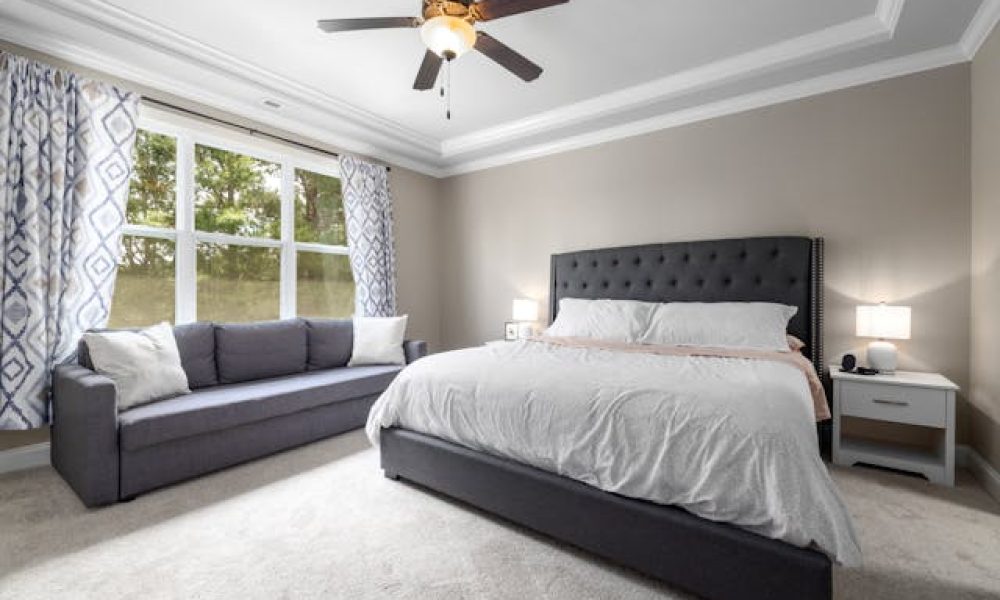
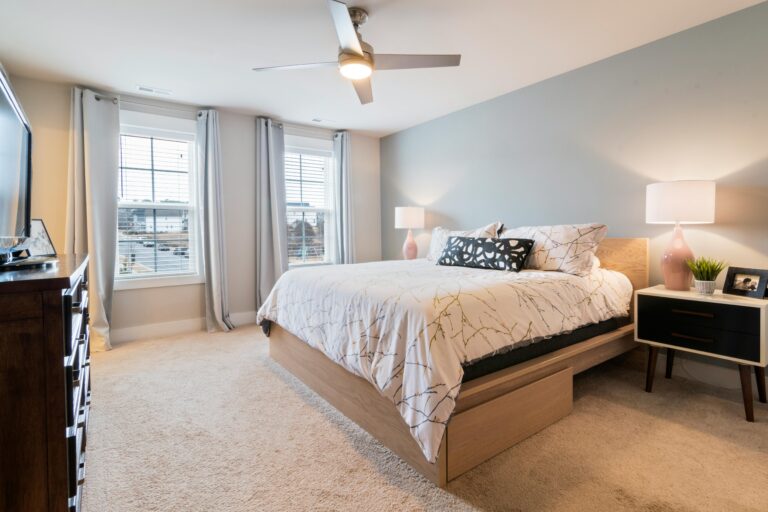
A standard full size bed — also called a double — measures 54 inches wide by 75 inches long (about 137 × 191 cm). It comfortably sleeps one adult in a room of roughly 10′ × 10′, giving a single sleeper plenty of room to stretch out. Two people sharing a full get only about 27 inches of width each, so couples who share nightly — or anyone over six feet tall — are usually better served by a queen (60″ × 80″).
Full size bed dimensions at a glance: 54″ × 75″. Full Size Bed Dimensions at a Glance
Mattress: 54″ × 75″ (137 × 191 cm), or 4′6″ × 6′3″ in feet and inches.Space per person if shared: about 27 inches each.Minimum room: roughly 9′ × 9.5′; comfortable room: 10′ × 10′ or larger.Frame footprint: usually 1–5 inches wider and longer than the mattress.Best for: solo adults, teens, college housing, guest rooms, tight budgets.Size up to a queen if you are tall, share the bed nightly, or co-sleep with children or pets.
How a Full Compares to Other Bed Sizes
US mattress sizes are standardized enough that the same names mean the same measurements across most brands. Here is how the full fits into the lineup:
Size
Width × Length (inches)
Centimetres
Width per sleeper (shared)
Twin
38 × 75
97 × 191
—
Twin XL
38 × 80
97 × 203
—
Full / Double 54 × 75 137 × 191 27″
Full XL
54 × 80
137 × 203
27″
Queen
60 × 80
152 × 203
30″
King
76 × 80
193 × 203
38″
California King
72 × 84
183 × 213
36″
Two naming notes save a lot of confusion. First, “double” and “full” are the same US size — the word double is a holdover from when this was the standard bed for two, not a promise of roomy shared sleeping. Second, a UK double is a slightly different mattress: 135 × 190 cm (4′6″ × 6′3″), narrower and shorter than the US full, which matters if you are buying imported bedding. For the full lineup in one place, see our standard bed size chart .
Full vs. Queen: Is Six Inches Really Worth It?
A queen is 6 inches wider and 5 inches longer than a full. On paper that sounds minor; in a shared bed it is the difference between 27 and 30 inches of personal width per person. For scale, federal safety rules require a full-size crib mattress to measure at least 27 1/4 inches wide (16 CFR § 1241.2 ) — so each adult on a shared full has roughly crib-mattress width to work with.
Full vs. queen: +6″ width and +5″ length can be a game changer. The extra 5 inches of length matters just as much. A full is the same length as a twin, so anyone close to or above six feet tall will have heels at or past the edge once a pillow is in play. Full XL (54″ × 80″) solves the length problem while keeping the narrow footprint, but it is far less common and bedding for it is harder to find.
Consumer Reports notes that the queen is the most commonly sold mattress size and suggests a bedroom of at least 10 × 10 feet for one (Consumer Reports mattress buying guide ). If your room clears that bar and the budget allows, a queen is the safer long-term buy for two people. If it does not, a full is the more livable choice. Our queen size bed dimensions guide covers that size in detail.
When a Full Bed Feels Too Small
A full stops working well in a few predictable situations:
You’re over about 6’0″. The 75-inch length leaves little margin once you allow for a pillow.You share the bed every night. Twenty-seven inches each is tight for anyone who does not sleep pressed together.You co-sleep with a child or a large pet. Add a third body and the usable surface disappears fast.You’re a restless sleeper. Less surface area means more chance that your movement wakes the other person.
Consider upsizing if you regularly share or are over 6’0″. It is worth being honest about the evidence here: there is far more published research on mattress firmness and support than on bed width and sleep quality, so treat “a bigger bed means better sleep” as practical experience rather than a proven finding. What is straightforward is the arithmetic — a queen gives each sleeper three more inches of width and five more inches of length than a full.
Measuring Your Room for a Full Bed
Start with the mattress footprint (54″ × 75″), then add walking space. A practical target is 24 to 36 inches of clearance on every side you need to use, plus room for doors and drawers to swing. That puts the realistic minimum room size at about 9′ × 9.5′ , with 10′ × 10′ giving you space for nightstands and a dresser without the room feeling packed.
For reference, the International Residential Code sets a floor of 70 square feet for a habitable room with no horizontal dimension under 7 feet (Fine Homebuilding on IRC minimum dimensions ) — meaning a legal bedroom can be as small as 7′ × 10′. A full bed physically fits that room, but only with one long side against a wall.
Plan for walk space and door/drawer swings. Before buying, do the tape test: mark a 54″ × 75″ rectangle on the floor with painter’s tape (use the frame’s outer dimensions if you have them) and live with it for a day. Then measure your delivery path too — doorways, stair turns and elevator depth are where mattresses and one-piece headboards get stuck.
Layouts That Work With a Full Bed
In a typical 10′ × 10′ bedroom, a full leaves room for a slim nightstand on each side and a dresser on the opposite wall with usable walkways. In a smaller or oddly shaped room, pushing one long side against a wall frees up a genuine pathway — a good solution for kids’ rooms and guest rooms, but awkward for couples, since one person has to climb over the other.
Studios and multipurpose rooms are where the full earns its keep: it reads as a real bed while leaving floor area for a desk or seating. Underbed drawers or a lift-up storage base reclaim space you are already paying for, and a rug that extends 18–24 inches past the sides of the bed makes the arrangement look intentional. For more on arranging a tight room, see our bedroom furniture and layout guide and these bed options for small rooms .
Full-size layouts keep small rooms usable and balanced. Frame Dimensions: Why the Bed Is Bigger Than the Mattress
A full frame is built around a 54″ × 75″ mattress, but the finished piece is larger. Rails, a headboard, a footboard and any upholstery typically add 1 to 5 inches in each direction, so plan for roughly 56–60 inches wide and 77–80 inches long. Always shop from the manufacturer’s listed overall dimensions, not the mattress size.
Common full-size frame styles and what each does for the footprint:
Platform: built-in slats, no box spring needed, low profile that keeps a small room feeling open.Metal: light, durable and usually the least expensive; easy to move up stairs.Upholstered: padded headboard for sitting up in bed, but the thickest overall footprint.Wood: heavier and longer-lasting; look for FSC or PEFC claims if sourcing matters to you.Storage: drawers or a lift-up base; measure drawer pull-out clearance against your rug and nightstands.Adjustable base: raises head and feet; confirm your mattress is rated to flex.Canopy: a strong focal point, but check ceiling and fan clearance first.
Two specs matter more than style. Most foam and hybrid mattress warranties require slats spaced no more than about 3 inches apart — check the wording on yours, since a wider gap can void coverage and cause sagging. And any frame full-size or larger should have a centre support rail with at least one leg to the floor. If storage is the priority, our roundup of storage beds is a useful starting point.
Mattresses and Bedding for a Full
Every mainstream construction is made in full size, so the choice comes down to feel rather than availability:
Innerspring: bouncy, breathable, often the lowest price.Memory foam: contours closely and limits motion transfer — helpful on a narrow shared bed.Hybrid: coils plus comfort foam, a middle ground on support and bounce.Latex: responsive, breathable and typically long-lasting.
Thickness affects both comfort and how your sheets fit. Roughly speaking, 8–10 inches suits back and stomach sleepers who want firmer support, 10–12 inches works for most side and back sleepers, and 12–14 inches gives a plusher surface that side sleepers often prefer. Match your fitted sheet’s pocket depth to that height, plus any topper. Your habitual sleeping position should drive the firmness decision more than the price tag does.
For bedding, buy anything labelled Full or Full/Double — fitted sheets are cut for a 54″ × 75″ mattress. Comforter and duvet sizes vary noticeably between brands, and some retailers sell a single “full/queen” comforter, so check the printed measurements rather than the label alone if you want a specific amount of drape. If you already own queen bedding, our guide on using queen bedding on a full bed explains what works and what just slides off.
Who Should Buy a Full Size Bed?
A full is a strong fit for solo adults in compact apartments, teens who have outgrown a twin, college and shared housing, and guest rooms where you want a real bed without losing the floor. It is also the budget-friendly option: the same mattress model is normally cheaper in full than in queen, and full sheets and comforters cost less and wash more easily.
It is the wrong choice if you are tall, if two adults sleep on it every night, or if children and pets regularly join you. In those cases the savings get spent on sleep quality.
Real homes: why people pick full size. Keeping a Full Mattress in Good Shape
Use a washable protector from day one, rotate the mattress head-to-foot every few months (only flip it if the manufacturer says it is double-sided), vacuum the surface when you change the sheets, and keep the centre support tight. None of this changes the dimensions — but it does decide whether the bed still feels like 54 inches of usable surface in year seven.
FAQ
What are the exact full size bed dimensions?
54 inches wide by 75 inches long, or about 137 × 191 cm — roughly 4′6″ by 6′3″.
Is a full bed the same as a double?
In the US, yes — the names are interchangeable. A UK double is a different size at 135 × 190 cm.
Can two adults sleep on a full?
They can, with about 27 inches each. It works for occasional sharing and for couples who sleep close; for nightly sharing, a queen is the practical minimum.
What size room do I need?
About 9′ × 9.5′ at minimum with limited furniture; 10′ × 10′ or larger for clearance on both sides plus nightstands.
Is a full long enough for a tall person?
At 75 inches it is the same length as a twin, so anyone near or above 6′0″ will feel it. A full XL (54″ × 80″) or a queen adds the 5 inches that helps.
Do I need a box spring?
Not with a platform frame or adjustable base. Traditional metal rails may need a box spring or bunkie board for support and height — check what your mattress warranty requires.
Will queen sheets fit a full mattress?
Not properly. A queen fitted sheet is 6 inches wider and 5 inches longer, so it will bunch and pull loose overnight.
The Bottom Line
Full size bed dimensions — 54″ × 75″ — hit a genuine sweet spot: more room than a twin, far less floor space than a queen, and lower costs on both the mattress and the bedding. Measure the room, tape out the frame footprint rather than the mattress, and be realistic about who sleeps in the bed. If that is one person, a full is often the smarter buy. If it is two people every night, the extra six inches of a queen is money well spent.
Updated September 2026.