Sustainable Sleep Products for an Eco-Friendly Bedroom

Eco-Conscious Sleep


Sustainable Sleep Products for an Eco-Conscious Bedroom

Ever wonder if your sleep habits could be a little kinder to the planet? Choosing sustainable sleep products isn’t just great for your rest—it’s a small but powerful way to protect the Earth we call home. From swapping in organic bedding options to making smarter energy choices, a truly eco-conscious sleep routine is easier (and cozier!) than you might think.

Key Takeaways on Sustainable Sleep Products

  • Invest in sustainable sleep products made from organic and renewable materials.
  • Create a green sleep space with energy-efficient lighting and eco-friendly cleaning products.
  • Teach children about sustainability to raise environmentally conscious individuals.
  • Tap into tools like Google’s initiatives to make greener choices every day.
  • Explore how AI helps optimize energy use and reduce environmental impact.

Eco-Friendly Bedding: Sustainable Sleep Products

Let’s start with the heart of your sleep sanctuary—your bed. Investing in eco-friendly bedding is a wonderful step toward a more sustainable lifestyle. When you choose sustainable sleep products like organic cotton sheets, bamboo duvets, or hemp pillowcases, you’re not only wrapping yourself in softness but also reducing your environmental footprint.

Mattresses are another big player. Look for options made with natural latex, organic wool, or other renewable resources. These not only offer dreamy support but skip the synthetic stuff that’s tough on the planet. And don’t forget your pillows and blankets—stick with products free of harmful chemicals to keep your space as healthy as it is eco-friendly.

Another way to improve your bedroom’s sustainability is to shop from certified brands that follow strict environmental and ethical manufacturing guidelines. Certifications like GOTS (Global Organic Textile Standard) or OEKO-TEX® ensure your bedding is free from harmful chemicals and produced with minimal impact. Shopping local can also reduce carbon emissions from shipping and supports small eco-conscious businesses. Don’t underestimate the long-term benefits—high-quality sustainable products often last longer, which saves you money while reducing waste over time.

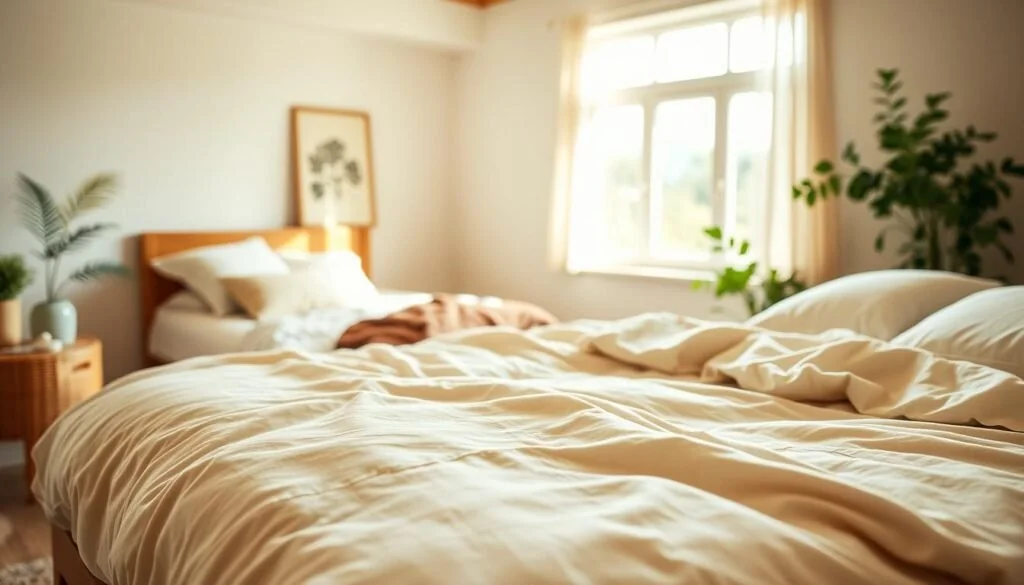
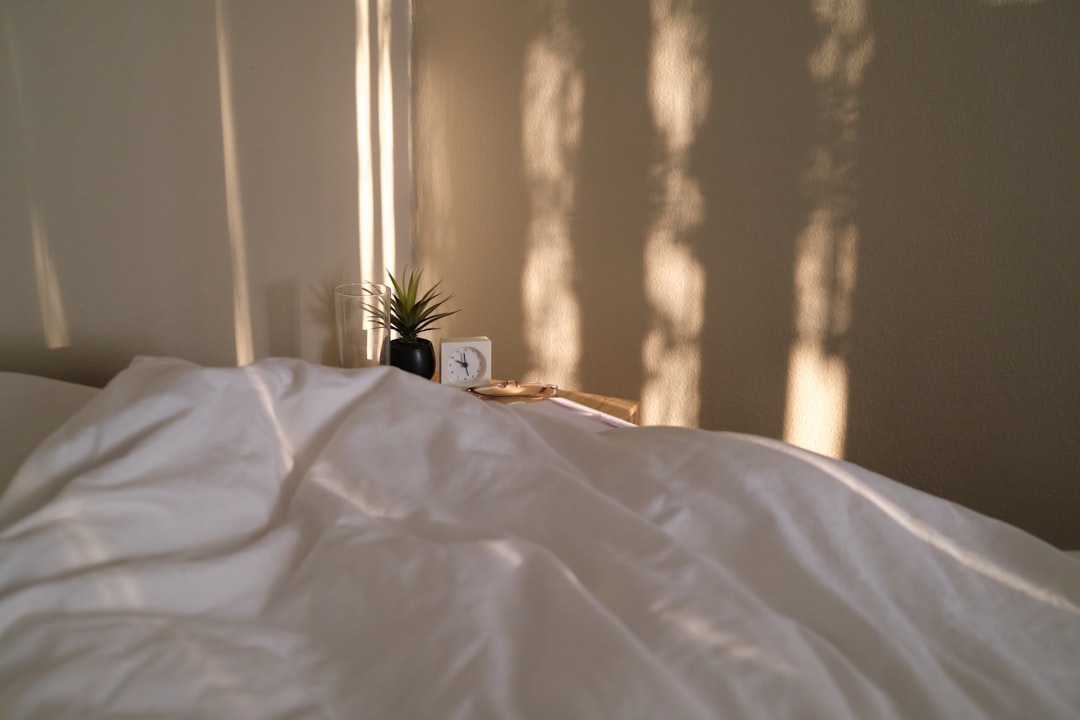
sustainable sleep products in eco-friendly bedroom with green decor

The Benefits of Eco-Friendly Bedding:

  • Lower environmental impact compared to traditional bedding.
  • Supports ethical and sustainable textile practices.
  • Free from pesticides, synthetic dyes, and toxins.
  • Comfortable, breathable, and long-lasting materials.

“Choosing sustainable sleep products turns your bedroom into a haven that’s good for both you and the planet.”

Green Bedroom Essentials: Creating an Eco-Conscious Sleep Space

Want to take your green efforts beyond the bed? Your whole bedroom can be a cozy eco-retreat. Adding eco-conscious sleep elements—like sustainably made curtains, reclaimed wood furniture, and plants for fresh air—turns your space into a peaceful, planet-friendly hideaway.

Using low-VOC (volatile organic compounds) paints and finishes on your walls and furniture is another great way to keep your sleep environment clean and non-toxic. Switch to LED lighting, and consider using timers or smart plugs to reduce unnecessary electricity use. Even your decor can reflect sustainability—opt for second-hand treasures, upcycled art, or handmade pieces from local artisans. These thoughtful touches reduce waste and add unique character to your room.

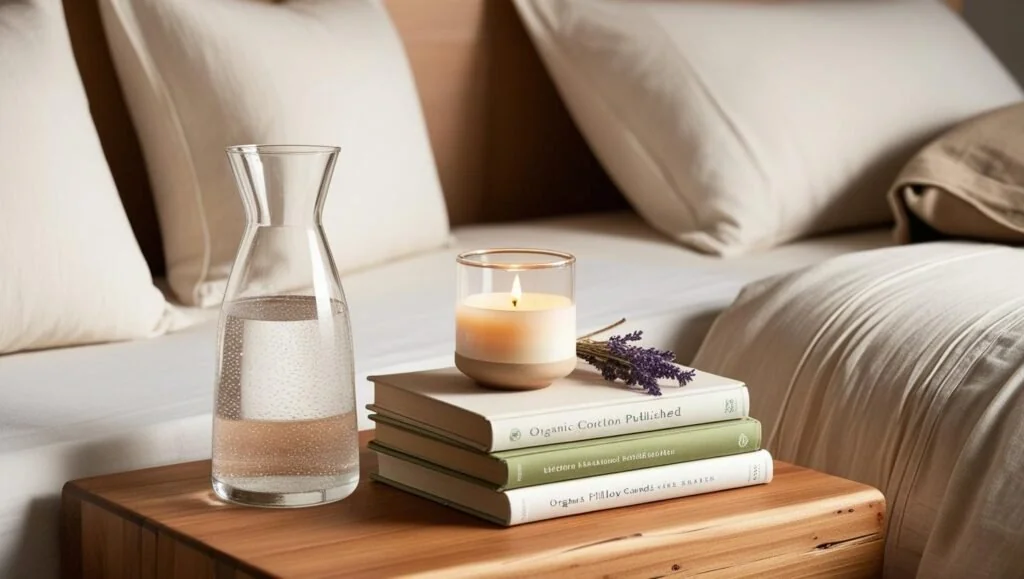
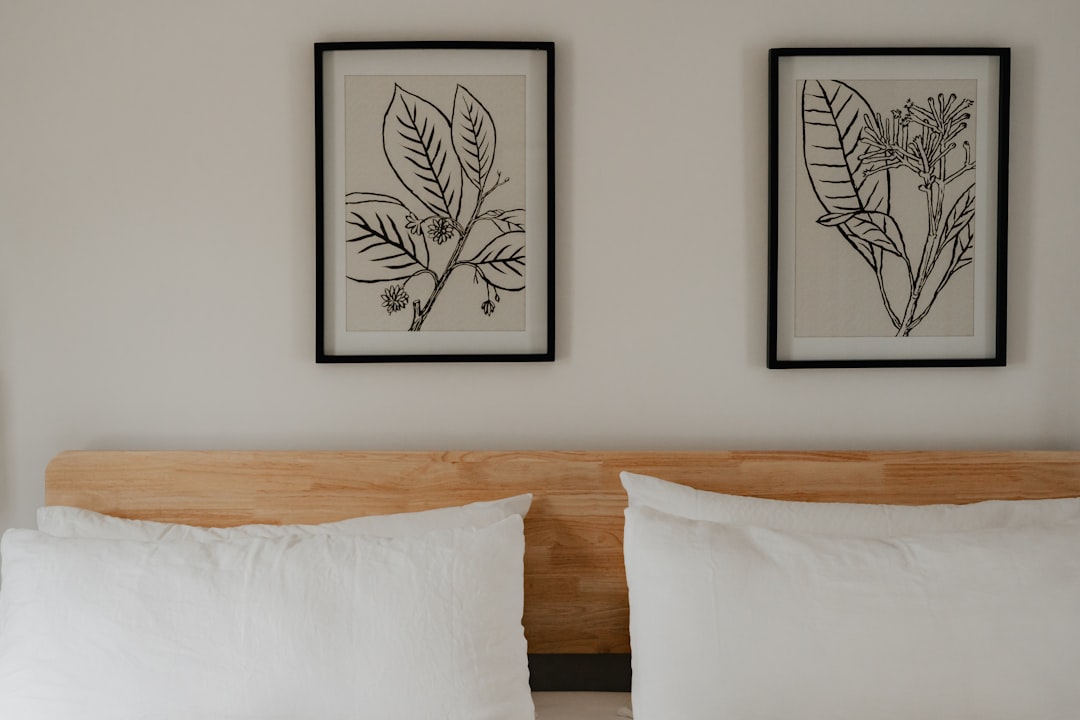
eco-conscious bedding including bamboo sheets and hemp pillowcases

Teaching Kids Eco-Friendly Habits: Raising Environmentally Conscious Children

Creating a greener world starts young. Teaching kids about sustainability—through hands-on gardening, recycling projects, and reading eco-friendly books—helps nurture mindful habits early on. Looking for creative ideas? Try making a compost bin together or picking out reusable lunch gear.

You can also involve your children in everyday decisions that model sustainable thinking. Let them help pick out eco-friendly items for their rooms or participate in weekend nature clean-ups. Small actions build habits—and those habits become lifelong values. When children see sustainability as a fun and important part of life, they’re more likely to grow into environmentally responsible adults who value the planet.

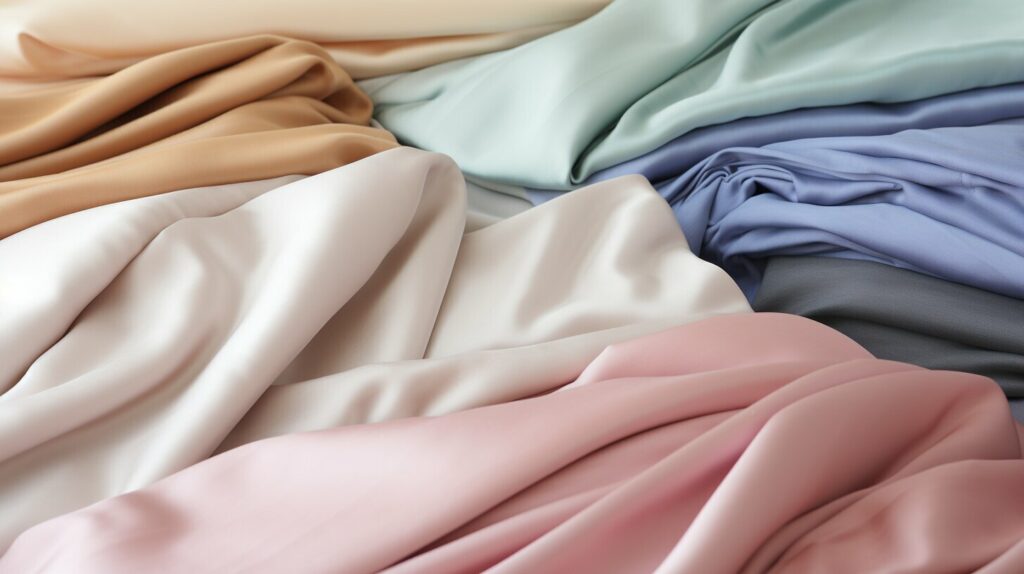
green bedroom essentials with sustainable furniture and plants

Curious about more ways to inspire your little ones? Check out these fun eco-practices for families that turn green living into a daily adventure.

FAQ

What are sustainable sleep products?
They are bedding and bedroom items made from organic, renewable, or recycled materials.
Is eco-friendly bedding more expensive?
It can be initially, but the durability and health benefits often outweigh the cost over time.
How can I make my bedroom more eco-conscious?
Use organic bedding, energy-efficient lighting, reclaimed furniture, and natural decor like plants.

Related reading from Cozy Bed Quarters

Other reading we found popular

Eco-Friendly Sleep Solutions for a Healthier Planet and Better Rest

Eco-Friendly Sleep

Eco-Friendly Sleep Solutions for Healthier Living

Eco-friendly sleep solutions help reduce your carbon footprint while improving your rest. From organic bedding to natural light, here’s how to green your bedroom.

Key Takeaways

  • Opt for organic and toxin-free bedding to improve your sleep and protect the environment.
  • Switch to natural latex mattresses for sustainable comfort and durability.
  • Support local artisans and use reclaimed materials to cut down on emissions.
  • Boost bedroom energy efficiency with LED bulbs and insulation.
  • Improve indoor air quality naturally with purifying plants.

Eco-Friendly Sleep Solutions for a Healthier Planet and Better Rest

Ever wondered if your cozy bed could actually help save the planet? With a few smart swaps, your bedroom can become a little sanctuary of sustainability. Eco-friendly sleep solutions aren’t just a trend—they’re a meaningful way to care for both your sleep and the Earth. From your mattress to your lighting, every choice can make a difference. Ready to turn your bed into a green dream?

Eco-friendly sleep solutions featuring organic cotton bedding and bamboo sheets in a sunlit bedroom

Why Eco-Friendly Sleep Solutions Matter

We spend about a third of our lives in bed. Shouldn’t that time be as healthy for the planet as it is for us? Choosing eco-friendly sleep solutions—like organic bedding and toxin-free mattresses—not only reduces your carbon footprint but also boosts your well-being. Imagine drifting off each night wrapped in breathable, pesticide-free sheets, knowing you’re supporting both the environment and your health.

Create a Green Bedroom Sanctuary

Natural latex mattress with reclaimed wood bed frame and cozy organic blankets

Invest in Eco-Friendly Bedding

Opting for eco-friendly bedding—like sheets made from organic cotton or bamboo—is one of the easiest ways to make your bedroom greener. These materials are naturally hypoallergenic and free from harsh chemicals. Certifications like OEKO-TEX or GOTS ensure you’re getting truly sustainable products. Need help deciding? Check out our guide to the best cozy sheets for eco-friendly options.

Upgrade to a Natural Latex Mattress

Natural latex mattresses are crafted from the sap of rubber trees—a renewable resource that offers dreamy comfort and long-lasting support. They’re naturally resistant to dust mites and mold. Learn more in our eco-friendly bed frame guide.

Support Local & Shop Mindfully

Shop locally when possible to reduce emissions and support your community. From handmade quilts to reclaimed wood furniture, local finds add charm and lower your carbon footprint. Explore more ideas in our article on customizable beds.

Boost Energy Efficiency in the Bedroom

LED bedroom lighting and insulation for energy-efficient sleep setup

Switch to LED Bulbs

Replace old bulbs with LED bulbs, which use up to 75% less energy and last longer. Warm-toned LEDs offer a cozy ambiance while saving electricity.

Maximize Natural Light & Insulation

Open your curtains to let in sunlight and reduce your need for artificial light. Insulated windows and thermal curtains help maintain temperature, reducing energy use.

Freshen the Air Naturally

Good sleep starts with clean air. Add indoor plants like aloe vera or snake plants to purify the air naturally. Also, check for mold and change air filters regularly. Tending to plants can also be a relaxing bedtime ritual.

Myth Buster: Are Sustainable Choices Really Worth It?

Some believe eco-friendly sleep solutions are too expensive. But these investments pay off in longevity, health benefits, and environmental impact. Natural products often outlast conventional ones. Discover more in this sustainability trends roundup.

FAQ

What are eco-friendly sleep solutions?
Sustainable bedding, mattresses, lighting, and decor choices that reduce your environmental impact and improve sleep quality.
Are natural latex mattresses good for allergies?
Yes. They are naturally hypoallergenic and resist dust mites and mold.
Where can I buy eco-friendly bedding?
Look for certified brands or shop local. Check our adjustable bed guide for adaptable sleep solutions.

Your Cozy Green Wrap-Up

Whether you’re starting with a set of organic sheets or upgrading to a natural latex mattress, embracing eco-friendly sleep solutions is a beautiful way to care for yourself and the Earth. Pick one green tip today and give it a try—you’ll rest easier knowing your choices matter.

Indoor air-purifying plants and toxin-free decor in eco-friendly bedroom


Sustainable Bedding Materials for Eco Friendly Sleep

Sustainable bedding with tea, chunky blanket, and sunlight filtering through sheer curtains.

Sustainable Bedding Materials From Cotton to Bamboo

Discover the best types of sustainable bedding materials that combine eco-conscious living with cloud-like comfort. From organic cotton to recycled fibers, these materials elevate your sleep space while caring for the planet.

Key Takeaways

  • Organic cotton, bamboo, hemp, linen, and recycled fibers are leading sustainable bedding materials.
  • Certifications like GOTS and OEKO-TEX ensure eco-friendly and safe bedding choices.
  • Sustainable bedding promotes better sleep quality and reduces environmental impact.

Why Sustainable Bedding Materials Matter

Traditional bedding production often involves harsh chemicals, water-intensive farming, and synthetic fibers that harm the environment. Choosing types of sustainable bedding materials helps reduce waste, supports biodiversity, and promotes toxin-free, breathable sleep fabrics.

When you switch to eco-friendly bedding, you’re investing in healthier sleep and a more sustainable planet. For more ideas, check out our eco-friendly sleep choices guide or explore curated lists like The Good Trade’s sustainable bedding roundup.

The Top Types of Sustainable Bedding Materials

Organic Cotton: Soft, Safe, and Sustainable

Grown without harmful pesticides, organic cotton is gentle on your skin and the environment. It’s breathable, hypoallergenic, and supports soil health. For a complete eco-friendly upgrade, explore our article on organic mattress options or see Azure Road’s natural and organic bedding brands guide.

types of sustainable bedding materials with organic cotton and bamboo sheets

Bamboo: Naturally Luxurious

Bamboo is a fast-growing, renewable resource that requires minimal water and no pesticides. Bamboo bedding—especially lyocell or Tencel—feels silky-soft, wicks away moisture, and is naturally antimicrobial, making it ideal for hot sleepers.

bamboo bedding as one of the top types of sustainable bedding materials

Recycled Fibers: Turning Waste into Comfort

Bedding made from post-consumer recycled cotton or PET plastic bottles offers durability and reduces landfill waste. These types of sustainable bedding materials give discarded resources a second life. Learn more in our sustainable bedding options guide or read Polygiene’s resource on sustainable bedding.

recycled fiber sheets and comforters as types of sustainable bedding materials

Hemp: Naturally Durable

Hemp is one of the oldest natural fibers, valued for its strength and minimal water needs. Hemp bedding is biodegradable, breathable, and softens beautifully over time, making it a smart long-term choice.

Linen: Timeless and Earth-Friendly

Made from flax, linen is durable, eco-friendly, and naturally cooling—perfect for warm climates. Its antibacterial properties and classic look make it a luxurious yet sustainable bedding option. For additional insights, explore Everlasting Fabric’s guide on top sustainable bedding materials.

linen sheets and pillowcases as types of sustainable bedding materials

Understanding Rayon, Viscose, and Tencel

While bamboo rayon and viscose originate from natural materials, their chemical-heavy processing makes them less eco-friendly. In contrast, Tencel (lyocell) is produced in a closed-loop system that reuses water and solvents, making it a truly sustainable choice.

For more insights on textile sustainability, see this fiber sustainability breakdown by Sustain Your Style.

Tips for Choosing Sustainable Bedding

Look for Certifications

Eco-labels ensure product integrity and environmental safety. Key certifications include:

  • GOTS – Global Organic Textile Standard
  • OEKO-TEX – Tested for harmful substances
  • FSC – Responsible forestry practices for bamboo products

Think Beyond the Fabric

Sustainability goes beyond materials—it includes fair labor, eco-friendly packaging, and ethical sourcing. Brands featured on Green Hive showcase holistic eco practices.


The Cozy Wrap-Up

Choosing the right types of sustainable bedding materials benefits both your health and the planet. Whether it’s organic cotton, bamboo, or recycled fibers, eco-friendly bedding is a step toward a greener future. Want to combine sustainability with style? See our maximalist bedding styles for bold, eco-loving designs.

FAQ

What are the best types of sustainable bedding materials?
Organic cotton, bamboo lyocell (Tencel), hemp, linen, and recycled fibers are among the top eco-friendly bedding choices.
Is bamboo bedding really sustainable?
Yes, especially when labeled Tencel or lyocell, which are made with closed-loop, low-impact processes.
How do I verify that my bedding is sustainable?
Look for certifications like GOTS, OEKO-TEX, or FSC to ensure authenticity and eco-friendly standards.
Is linen better than cotton for sustainability?
Linen typically requires fewer resources and lasts longer, though both materials are sustainable when grown organically.

Learn more about eco-conscious sleep solutions in our comprehensive bedding guide.

Bedding Donations: Where to Donate and How to Prepare

Bedding Donations: Where to Donate and How to Prepare - Featured Image

Where to Donate Bedding: The Short Answer

Clean, undamaged sheets, blankets, quilts, duvet covers and mattress protectors are accepted by most homeless and family shelters, domestic violence refuges, refugee resettlement agencies, charity thrift stores such as The Salvation Army and Goodwill, and many animal rescues. Pillows, duvet inserts and mattress toppers are the items most often refused for hygiene reasons, so always check the organisation’s accepted-items list or call before you drive over. Anything torn, stained, damp or pest-exposed should go to textile recycling or be repurposed at home rather than donated.

Key Points

  • Wash and fully dry everything, then bag it by set with the size labelled.
  • Policies vary by location — the same national charity may accept linens in one town and decline them in another.
  • Twin-size bedding is frequently the most requested size for shelters with bunks and for children’s programmes.
  • Donation keeps usable textiles in circulation; EPA figures for 2018 put textiles sent to US landfills at 11.3 million tons, with a recycling rate of just 15.8 percent for items like sheets and pillowcases.
  • Noncash donations are only deductible if you itemise and the items are in good used condition or better.

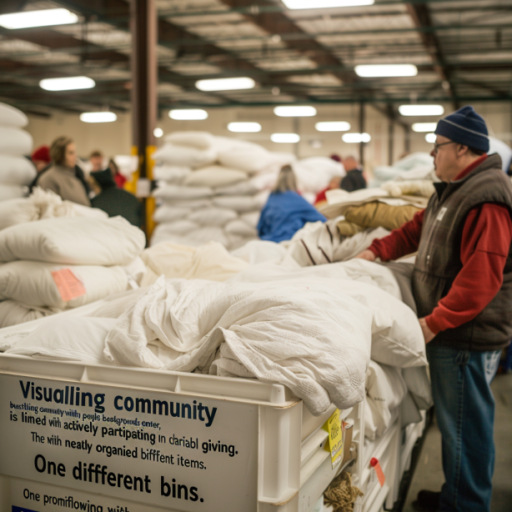
bedding donations provide comfort to families in need

Who Accepts Bedding Donations

1. Homeless, family and domestic violence shelters

Shelters and transitional housing programmes are the most direct route: your linens go straight onto a bed rather than through a resale step. Most want twin and full sheet sets, blankets and mattress protectors; many ask for neutral colours and complete, labelled sets so intake volunteers can hand them out quickly. Storage and laundry capacity are the usual limits, which is why a phone call first saves everyone a wasted trip. If one shelter is full, ask for a referral — most know which partner agency is short.

2. Charity thrift stores

Thrift operations resell donated goods to fund services. The Salvation Army lists over 2,500 drop-off locations across the United States for clothing and household goods, with proceeds supporting its programmes, and Goodwill stores fund job training and employment services the same way. Habitat for Humanity ReStores are worth a call too, although they focus on furniture, appliances, housewares and building materials, so soft linens are accepted at some stores and not others.

3. Children’s bed programmes

Sleep in Heavenly Peace builds and delivers beds to children who don’t have one, working through local volunteer chapters. Programmes like this generally need new twin sheets, pillows and mattress protectors to go out with each bed, rather than used linens — check your nearest chapter’s current wish list before buying or bagging anything.

4. Refugee resettlement and mutual aid groups

Resettlement agencies and neighbourhood mutual aid networks assemble move-in kits for households arriving with nothing. They tend to want complete sets — fitted sheet, flat sheet, pillowcases and a blanket — in common sizes, which makes them a good home for spare guest-room bedding.

5. Animal shelters and rescues

Rescues use flat sheets, towels and blankets to line kennels and crates. Many ask for items without loose stuffing, since torn fill can be swallowed, and some decline anything that has been treated with strong fragrance. This is the best destination for bedding that is clean and soft but too dated or faded for a human recipient. Wash anything that has been near pets on the hottest setting the label allows first — the same approach used when washing bedding to deal with fleas.

6. Faith groups, community drives and reuse platforms

Churches, mosques, synagogues, schools and community centres run seasonal blanket and coat drives, and many issue receipts on the spot. For fast, hyperlocal rehoming, free-reuse networks such as Freecycle and Buy Nothing groups let a neighbour claim your linens within hours. Post clear photos, state the size and fibre, and arrange pickup in a public spot.

bedding donations provide comfort to animal shelters

What Gets Accepted — and What Doesn’t

Item Typical status Notes
Sheet sets, pillowcases, flat sheets Usually accepted Twin and full are in highest demand at shelters
Blankets, quilts, duvet covers Usually accepted Bundle covers with matching shams where possible
Mattress protectors and crib sheets Often accepted Crib items may need to meet current safety rules — ask
Comforters and duvet inserts Varies Bulk and laundering cost are the sticking points
Pillows and foam toppers Frequently declined Hygiene policies; try animal rescues or textile recycling
Electric blankets, waterbed sheets Often declined Safety and compatibility concerns
Torn, stained, damp or pest-exposed items Not accepted Recycle or repurpose instead

Charities pay to dispose of what they can’t use, so leaving out the borderline items is genuinely helpful. A simple test: if you wouldn’t hand it to a friend staying the night, don’t donate it.

How to Prepare Bedding for Donation

  1. Wash and dry completely. Follow the care label, use the hottest temperature the fabric allows, and make sure items are bone dry so nothing develops mildew in a bag. If you’re unsure how hot is safe for a given fibre, see our guide to washing temperatures and shrinkage.
  2. Skip heavy fragrance. Fresh and neutral beats perfumed — recipients may have allergies or sensitivities.
  3. Inspect in daylight. Check seams, elastic and corners for holes, thinning fabric or set-in stains.
  4. Bundle by set. Fold the sheets and tuck the set inside one of its own pillowcases so nothing separates during sorting.
  5. Label the size and count. A note such as “Queen sheet set x2, throw blanket x1” on a clear bag cuts intake time to seconds.
  6. Ask for a receipt at drop-off if you plan to claim a deduction.

Neatly folded donated bedding at nonprofit center — buy bedding donate near

Finding a Drop-Off or Pickup Near You

Map searches are a starting point, not an answer — results mix in retailers and closed locations. Narrow them down like this:

  • Open the organisation’s own website and look for an “accepted items” or “current needs” page before you go.
  • Call. Needs change weekly, and a two-minute call tells you sizes, hours and whether they’re at capacity.
  • Check neighbourhood apps and community noticeboards in libraries and coffee shops for drives that never show up in search results.
  • For larger loads, ask about home pickup. Several charity thrift operations schedule collections, and some will take linens alongside furniture.

Buy bedding donate near community center — local drive

Timing: Donate What the Season Needs

Matching donations to the weather gets them placed faster. Heavy blankets, quilts and warm comforters move quickly from autumn through winter, while breathable cotton and linen sheets are more useful in summer, particularly in hot climates and buildings without air conditioning. Shelters with limited storage may simply decline out-of-season bulk, so ask what they’re short of right now. If you’re deciding what to keep and what to pass on, our comparison of a duvet versus a comforter helps clarify which layers you actually use year-round.

Tax Deductions: What Actually Applies

Donated bedding may be deductible, but only under specific conditions. Contributions are deductible only if you itemise deductions on Schedule A, the recipient must be a qualified organisation, and clothing and household items generally must be in good used condition or better to be claimed at all. You deduct fair market value — what the item would sell for second-hand, not what you paid.

Keep a dated list describing what you gave, and get a written acknowledgement from the charity for donations of $250 or more. If your total noncash contributions for the year exceed $500, the IRS requires Form 8283 with your return. Photographs of the items are a sensible backup. Tax rules change and individual situations differ, so confirm details with the IRS or a tax professional rather than relying on a bedding guide.

If Your Bedding Can’t Be Donated

Worn linens still have value as raw material or around the house:

  • Textile recycling: Some municipalities and take-back bins accept clean but worn textiles for processing into wiping cloths, insulation and industrial fibre. Search your city’s waste department site, or use a locator such as Earth911. Remove hardware like zippers and snaps if the programme asks you to, and note that acceptance of pillows and pads varies widely.
  • Repurpose at home: Flat sheets become drop cloths, cleaning rags, garment bags, produce bags or furniture wraps for moving day. Worn duvets make crate liners, pet beds or picnic quilts.
  • Pass it sideways: Community theatre groups, art programmes, gardeners (frost cover) and workshops often want fabric that charities can’t use.

Buying Your Replacement Set With Reuse in Mind

The longer a set lasts, the more likely it can be donated later. Durable weaves such as percale and linen, and well-made cotton, wool and Tencel-type fibres, tend to survive repeated hot washes better than thin novelty sets. Third-party certifications give you something concrete to check: GOTS covers organic fibre content and processing, and OEKO-TEX STANDARD 100 tests finished textiles for harmful substances. Neither certification guarantees durability, so read fibre content and weave alongside the labels. For fibre-by-fibre detail, see our bedding materials guide, our picks for hot sleepers, and our overview of sustainable bedding brands.

FAQ

Can I donate bedding with minor stains or pilling?

Light pilling is usually fine. Visible stains, tears or persistent odours are the most common reasons donations get rejected, so send those items to textile recycling instead.

Who takes pillows?

Many people-facing shelters decline used pillows on hygiene grounds. Animal rescues and some textile recycling programmes will often take them if they’re clean and bagged — call first.

Can I donate a used duvet or comforter?

Sometimes. Duvet covers are widely accepted; inserts and comforters are harder to launder in bulk, so policies vary by organisation.

Does anyone pick up bedding donations?

Some charity thrift operations and resettlement groups schedule home pickups, usually with a minimum quantity or alongside furniture. Ask how bags should be labelled and left.

What size is most needed?

Twin is the most requested size at shelters with bunk beds and at children’s bed programmes. If you’re unsure whether a spare set fits a recipient’s bed, our guide on queen bedding on a full bed explains where sizes do and don’t overlap.

Can I donate bedding year-round?

Yes. Seasonal drives concentrate attention, but shelters and thrift stores take clean linens throughout the year — subject to their storage capacity that week.

preparing bedding donations provide reuse opportunities

Updated September 2026.

Best Bedding Material to Enhance Your Sleep

Best Bedding Material to Enhance Your Sleep - Featured Image

Best Bedding Materials to Enhance Your Sleep in 2026

Key Takeaways:

  • Natural fibers like cotton, bamboo, linen, wool, and down are top for breathability and moisture-wicking.
  • Tencel and new materials like memoform and cooling gels offer advanced comfort and hypoallergenic properties.
  • Smart bedding and sustainable options are major trends, with prices ranging from $25 for microfiber sets to $350 for luxury silk bedding.

Looking for the best bedding materials to enhance your sleep in 2026? You’ve come to the right place! This guide details an assortment of bedding material choices to match your comfort, style, and wellness needs.

Selecting the right fabric significantly affects how cozy your bed feels and how refreshed you feel upon waking. From breathable cotton to luxury silk, each material offers unique advantages; we’ll help you find your perfect fit.

The Elegance and Breathability of Cotton

Cotton continues to be a favored choice for high-quality, cozy bedding. Its natural fibers offer luxurious softness and durability, remaining comfortable even after many washes. Cotton balances comfort and practicality beautifully.

Under either crisp percale or silky-smooth sateen sheets, cotton adjusts to your sleep habits effortlessly. Its breathability assists in regulating body temperature, keeping you cool in summer and warm in winter. Long-staple varieties like Egyptian or Pima provide added softness and longevity. Cotton is easy to maintain and pairs seamlessly with layers such as quilts and duvets.

best bedding materials cotton

For more insights on cotton’s benefits, explore our post on bedding materials and benefits.

The Luxurious Beauty of Silk

Silk epitomizes indulgence and sophistication, offering numerous sleep-enhancing benefits. Its smooth surface lessens friction on hair and skin, reducing tangles and irritation.

Silk naturally repels dust mites and allergens, making it ideal for sensitive sleepers. It regulates temperature, offering warmth or coolness as needed. Silk requires gentle care: use mild detergent, wash delicately, and air dry. Though an investment, many find the comfort and health advantages worth the cost. Compare silk and cotton at Mulberry Park Silks.

best bedding materials silk

Eco-Friendly Bamboo-Derived Rayon

Bamboo-derived rayon remains a top pick for eco-conscious shoppers. It starts with fast-growing bamboo, which requires no pesticides, making it sustainable. Transformed into rayon, it becomes an ultra-soft, breathable fabric, cool to the touch.

Bamboo sheets excel in moisture-wicking, keeping sweaty sleepers dry. They’re antimicrobial, reducing odors and bacteria. For those prioritizing the planet and comfort, bamboo-derived rayon strikes a balance between sustainability and luxury.

Follow care instructions to extend its lifespan. Whether combined with organic cotton or layered under a lightweight duvet, bamboo adds softness and peace of mind.

best bedding materials bamboo rayon

Rustic Charm with Linen

Linen bedding provides unparalleled rustic charm. Made from flax fibers, linen’s textured feel softens over time. Its loose weave promotes airflow, making it breathable—ideal for warm sleepers or summer nights.

Though linen wrinkles easily, many appreciate its cozy, lived-in appearance. It’s a durable fabric; with proper care, it can last decades. Its hypoallergenic and moisture-wicking properties also suit sensitive skin. Elevate your bedroom by mixing linen with cotton or layering linen throws for a textured look. Its earthy palette can beautifully transform your space into a serene retreat.

best bedding materials linen

Warm and Snug with Flannel

When it’s chilly, flannel sheets are the ultimate cozy choice. Made from cotton or wool, flannel’s brushed finish traps air and retains body heat, creating a comforting cocoon on cold nights.

Flannel is especially popular in colder regions, but it’s great for anyone who loves a warm, fuzzy feel year-round. High-quality flannel resists pilling and remains soft after numerous washes.

When shopping, consider the weight—heavier flannel offers more warmth. Choose from plaid or solid patterns for nostalgic charm. To keep flannel fresh, wash gently and avoid high heat. Pair flannel sheets with a down comforter for a toasty bed.

best bedding materials flannel

Affordable Options: Polyester and Microfiber

Seeking comfort on a budget? Polyester and microfiber sheets offer soft, easy-care bedding at affordable prices. Polyester resists shrinking, stretching, and wrinkles, perfect for busy homes or guest rooms.

Microfiber, crafted from ultra-fine polyester strands, has a plush, suede-like feel and is often hypoallergenic. These synthetics dry quickly, require minimal ironing, and withstand many washes.

While they may not breathe as well as natural fibers, they excel in durability and price. Available in endless colors and patterns, they let you refresh your bedroom affordably. Ideal for kids’ rooms, vacation homes, or easy-maintenance bedding.

best bedding materials polyester microfiber

Sustainable Luxury with Tencel

Tencel, or lyocell, is a contemporary material prized for silky softness and sustainability. Made from sustainably harvested wood pulp, Tencel production uses a closed-loop process that recycles water and solvents, minimizing environmental impact.

The result? A smooth, breathable fabric that feels gentle on skin and regulates temperature. Tencel sheets are hypoallergenic, perfect for sensitive sleepers. They resist wrinkles and shrinkage better than some natural fibers.

As Tencel gains popularity, it’s available in a variety of styles, from minimalist solids to elegant patterns. For eco-minded shoppers seeking comfort and conscience, Tencel delivers. Pair it with organic cotton or bamboo for a sustainable sleep setup.

best bedding materials tencel

FAQ

What is the most breathable bedding material?

Cotton and linen are among the most breathable fabrics, ideal for hot sleepers or warm climates. Their natural fibers allow air circulation, preventing heat buildup for cooler, more comfortable sleep.

Are silk sheets worth the investment?

Absolutely! While silk sheets can be pricey, they offer a luxurious feel, minimize hair and skin friction, and are naturally hypoallergenic. Many find the long-term comfort and beauty worth the cost.

What’s the best bedding material for allergies?

Silk, bamboo-derived rayon, and Tencel are excellent hypoallergenic choices that resist dust mites, mold, and mildew. They help create a cleaner sleep space for sensitive skin or allergy sufferers.

How do I care for delicate bedding like silk?

Delicate fabrics like silk require special care: use a gentle detergent, wash delicately or by hand, and air dry. Always follow the care label to maintain the beauty and longevity of your silk bedding.

Which bedding material lasts the longest?

High-quality cotton (like Egyptian or Pima) and linen are renowned for durability when properly cared for. With regular maintenance, these natural fibers can last for years, offering comfort and value.

[INTERNAL_LINK: Learn more about the benefits of hypoallergenic bedding materials]

About the Author

Joseph Rett is the founder of Cozy Bed Quarters, a Phoenix-based sleep and bedding resource. With years of experience researching sleep science and bedding products, Joseph helps people create comfortable, sustainable sleep spaces. Living in Arizona’s desert climate has given him unique insights into temperature-regulating bedding and cooling sleep solutions.

About the Author

Joseph Rett is the founder of Cozy Bed Quarters, a Phoenix-based sleep and bedding resource. With years of experience researching sleep science and bedding products, Joseph helps people create comfortable, sustainable sleep spaces. Living in Arizona’s desert climate has given him unique insights into temperature-regulating bedding and cooling sleep solutions.