Sustainable Bedding Brands: How to Spot the Real Ones

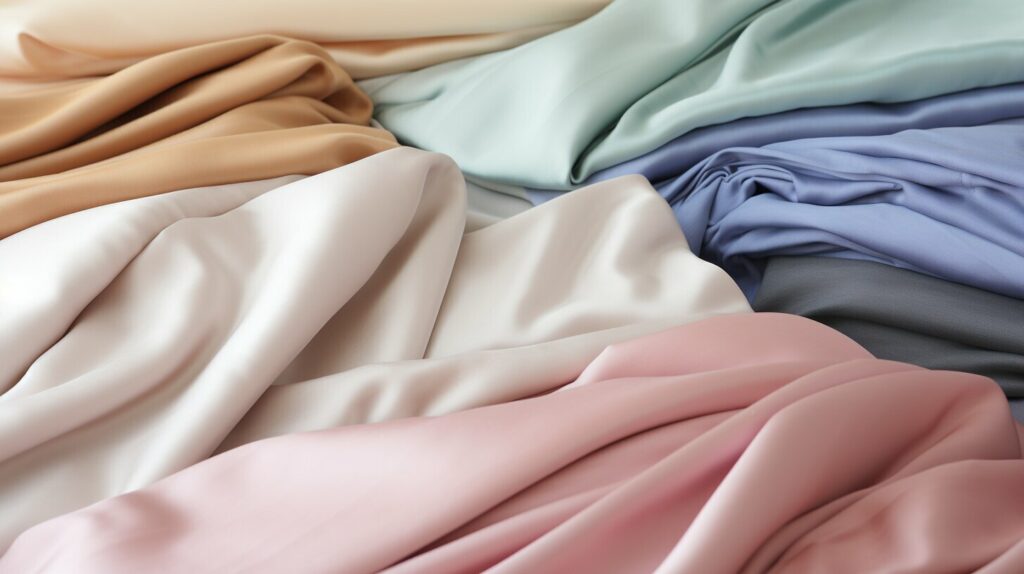
Organic cotton sustainable bedding set in a minimalist, eco-conscious bedroom.

The honest short answer: sustainable bedding brands are the ones that show their work — third-party certifications on the exact product you’re buying, named materials, and a supply chain they’ll actually describe. The two labels worth memorising are GOTS (organic fibre content and processing rules) and OEKO-TEX STANDARD 100 (tested for harmful substances). Everything else — the earthy photography, the leaf icons, the word “eco” — is decoration until you see one of those.

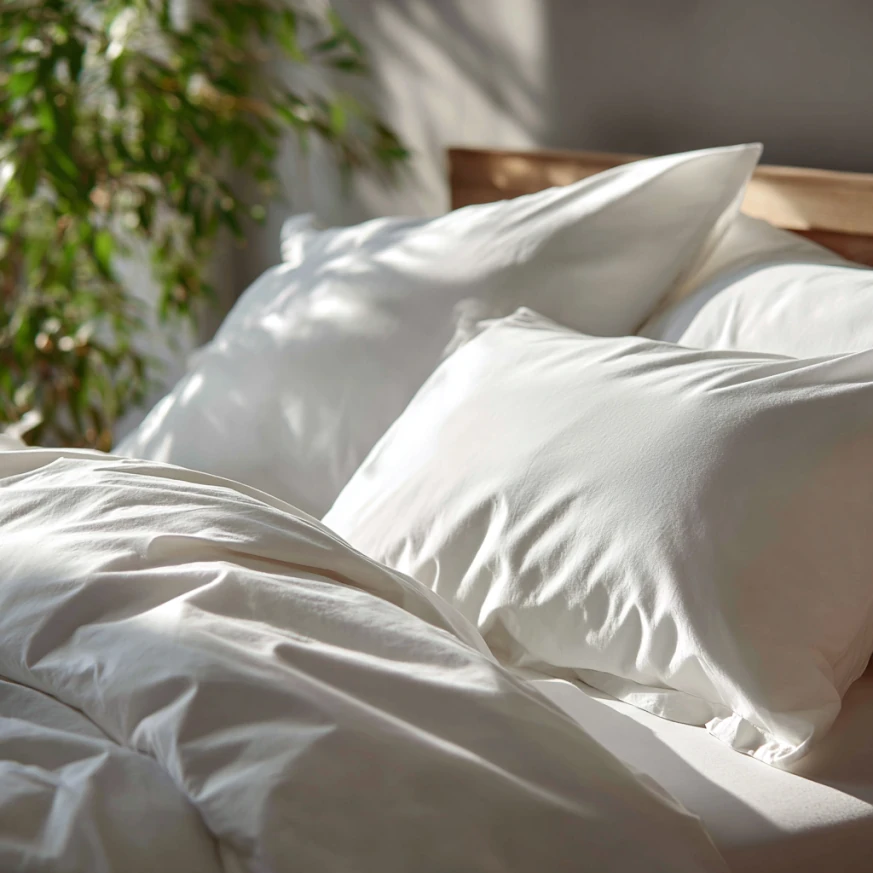
Organic cotton sheets and folded linen throw from sustainable bedding brands in natural daylight

How to judge sustainable bedding brands in about 30 seconds

You don’t need to research a company’s entire history. Open the product page — not the homepage — and look for four things.

1. A certification tied to that product. Certification is awarded per product and per facility, not handed to a company forever. A brand can sell one GOTS-certified sheet set and ten that aren’t. The GOTS label has two grades: “organic” means at least 95% of the fibres are certified organic, while “made with organic materials” means at least 70%. OEKO-TEX STANDARD 100 is a different promise entirely — it doesn’t mean organic, it means the article has been tested against limits for harmful substances, right down to the thread and the label.

2. The actual fibre name. “Eucalyptus-derived fibre” should say lyocell. “Bamboo” should say rayon or lyocell (more on that below). Vagueness here is a tell.

3. Where it was made. Real transparency looks boring: mill locations, factory partners, audit names. If a sustainability page is all adjectives and no nouns, that’s your answer.

4. Whether it’s built to last. A sheet set you replace every eighteen months isn’t sustainable at any certification level. Look for replaceable-part thinking — repair programmes, takeback schemes, sold-separately pillowcases.

Sustainable bedding brands people actually recognise

A quick caution before the list: we haven’t lab-tested any of these, and we don’t take payment to name them. Product lines and certifications change constantly, so treat this as a starting shortlist and verify the label on the specific set in your cart.

Brand Known for What to check on the product page
Coyuchi Organic cotton sheets, blankets and towels; one of the older names in the category GOTS grade; whether the item is part of their takeback/renewal programme
Boll & Branch Organic cotton sheet sets sold direct GOTS and Fair Trade certification on that specific collection
Parachute European flax linen and cotton bedding OEKO-TEX status; linen origin
Quince Lower-priced linen and cotton basics Which certification applies — it varies a lot by item
Naturepedic Organic mattresses and bedding aimed at chemically sensitive sleepers GOTS/GOLS certification documents, which they publish
Avocado Organic wool, cotton and latex sleep products Certification list per item; wool sourcing
Pact Organic cotton bedding in percale, sateen and jersey Fair Trade factory claim and GOTS grade

Smaller regional makers often beat the big names on transparency, simply because they have one mill and one story to tell. If you’re in Europe, local flax linen is usually the shortest supply chain available to you. The test is the same everywhere: certification, fibre name, factory, durability.

The materials, compared honestly

Organic cotton

Grown without synthetic pesticides or fertilisers, and the fibre most likely to carry a GOTS label. Percale feels crisp and cool; sateen feels smooth and slightly warmer. It’s the safe default — familiar, washable, widely certified. Be sceptical of dramatic water-savings figures attached to it; the research is genuinely contested and depends heavily on where the cotton is grown.

Linen (flax)

Durable, breathable, and it gets better with age instead of worse. Flax grows well in cool, damp climates like northern France and Belgium, often with little irrigation. The trade-off is texture: linen is cool and slightly rough at first, and it wrinkles on purpose. If you iron your sheets, you’ll hate it. If you don’t, it’s probably the longest-lasting option here.

Hemp

Strong, coarse at first, softens over years of washing. Hemp needs little in the way of pesticides and produces a lot of fibre per acre. It’s still a niche in bedding, so selection is thin and sizing can be odd. Skip the “naturally antibacterial” marketing — that claim gets thrown at nearly every plant fibre and rarely comes with evidence for a finished, washed textile.

TENCEL lyocell

Made from wood pulp using a solvent process that the manufacturer says recovers and reuses the great majority of its solvent and water. It’s cool to the touch, very good at moving moisture, and drapes silkily — a strong pick if you sleep hot. Worth knowing: the sustainability case rests on the specific producer’s process, so the brand name on the fibre matters as much as the fibre type.

Wool

Underrated for duvets and toppers. Wool buffers temperature and humidity swings, which is why it works year-round rather than seasonally. Look for certified non-mulesed wool and check care instructions before you buy — most wool bedding is not machine washable.

Recycled fibres

Post-consumer cotton and recycled PET keep material out of landfill and work well in blankets, throws and mattress covers. Two caveats: recycled polyester still sheds microplastics in the wash, and recycling doesn’t automatically mean the dyeing and finishing were clean. OEKO-TEX certification is especially useful here.
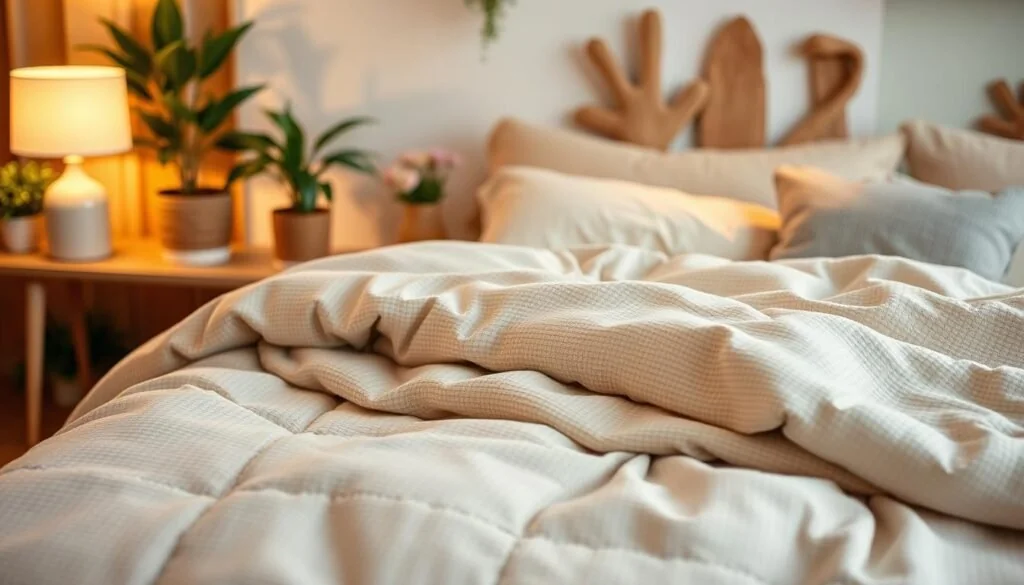
Eco-friendly bedding in a cozy bedroom: a plush organic cotton comforter in natural hues, soft lamp light, potted plants and natural wood accents.

The bamboo question, settled

This is the biggest source of confusion in the category, so here it is plainly. Bamboo the plant grows fast with few inputs. Bamboo the bedsheet is almost always rayon — the plant is dissolved in chemicals and regenerated as fibre, and the US Federal Trade Commission’s guidance states that most “bamboo” textiles really are rayon, typically made using toxic chemicals, with no trace of the original plant left in the finished product. The FTC has warned and fined sellers over this labelling, including companies that advertised rayon products as “bamboo”, and it has treated “antimicrobial because bamboo” claims as unsupported.

What that means for you: bamboo viscose or rayon can still be a lovely, cool, cheap sheet — just don’t buy it for environmental reasons alone. Bamboo lyocell, processed in a recovered-solvent system, is the better version. Either way, the label should name the fibre, and any “kills bacteria” or “repels dust mites” claim on a sheet deserves a raised eyebrow.

What eco bedding does — and doesn’t do — for your health

The realistic benefits are comfort-related. Breathable natural fibres manage heat and moisture better than tightly woven synthetics, which matters if you wake up damp at 3am. Certified-tested fabric also means fewer residual chemicals against your skin, which is meaningful if you react to dyes or to the formaldehyde-based resins historically used in wrinkle-free finishes.

What it doesn’t do is make your bed hypoallergenic. No fibre repels dust mites; mites feed on skin flakes and live in whatever you sleep on. The measures with actual clinical backing are unglamorous — Mayo Clinic advises washing bedding weekly in hot water of at least 130 F (54.4 C) and using tightly woven allergen-proof covers on mattresses and pillows. You’ll also see claims that synthetic bedding off-gasses VOCs into your bedroom air; that’s plausible in principle, but we couldn’t find solid measurements specific to sheets and duvet covers, so treat it as a maybe, not a reason to buy.

If you’re chasing cooler sleep specifically, fibre and weave matter more than the eco label — our guide to the best bedding material for hot sleepers breaks down which fabrics actually move heat.
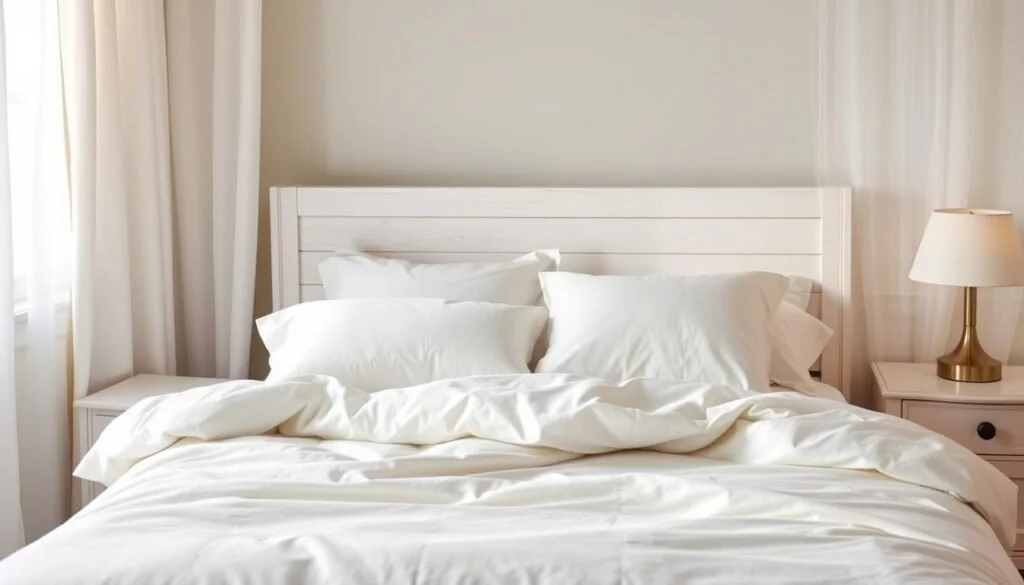
A serene, well-lit bedroom with a king-size bed dressed in hypoallergenic organic cotton sheets, sheer linen curtains and simple wooden nightstands.

Is it worth the money?

Certified organic and linen bedding usually costs more than supermarket sheets, and we’re not going to quote prices that will be wrong by next season. The cost argument that holds up is durability: a set that survives 300 washes beats three sets that pill after a year, both financially and environmentally. The argument that doesn’t hold up is “it pays for itself” — sometimes it just costs more, and that’s a values decision, not a maths one.

Two ways to spend less without buying junk:

  • Start with pillowcases. They touch your face, they’re cheap, and they tell you within a week whether you like the fabric.
  • Own two sets, not five. Fewer, better sets is the whole sustainability argument in one sentence.

Making it last: washing and care

  • Wash cool (30 C / 85 F) for everyday loads to save energy and protect fibres. The exception is allergies — if dust mites are the problem, follow the hot-wash advice above and accept the energy cost.
  • Skip fabric softener. It coats fibres, kills absorbency in cotton and linen, and does nothing good for lyocell.
  • Skip chlorine bleach. It weakens natural fibres and yellows them over time.
  • Don’t overload the machine — sheets need room to move or they don’t actually get clean.
  • Line dry where you can, or pull items out of the dryer slightly damp. Heat is what wears bedding out fastest.
  • Rotate between two sets so each one rests. It measurably extends the life of both.

Kids’ rooms

Same rules, stricter shortlist. Children’s skin contact is constant and washing is frequent, so prioritise OEKO-TEX STANDARD 100 (harmful-substance testing) over aesthetics, and pick fibres that tolerate hot washes — organic cotton is the workhorse here. Avoid flame-retardant-treated textiles unless a regulation requires them, and check that any printed design uses low-impact dyes. For cots and toddler beds, the frame and mattress matter more than the sheets; start with eco-friendly organic mattress brands.

Where sheets fit in a greener bedroom

Bedding is the easiest swap, but it’s the smallest piece by weight and by carbon. A solid-wood or metal frame you keep for twenty years, a mattress you can actually take apart, curtains that insulate — those move the needle harder. If you’re doing a whole room, look at sustainable bed frame options, then work through the rest with our roundup of sustainable sleep products for an eco-friendly bedroom. And if you’re still deciding between percale, sateen, flannel and jersey, the cozy bedding materials guide covers how each one feels in practice.
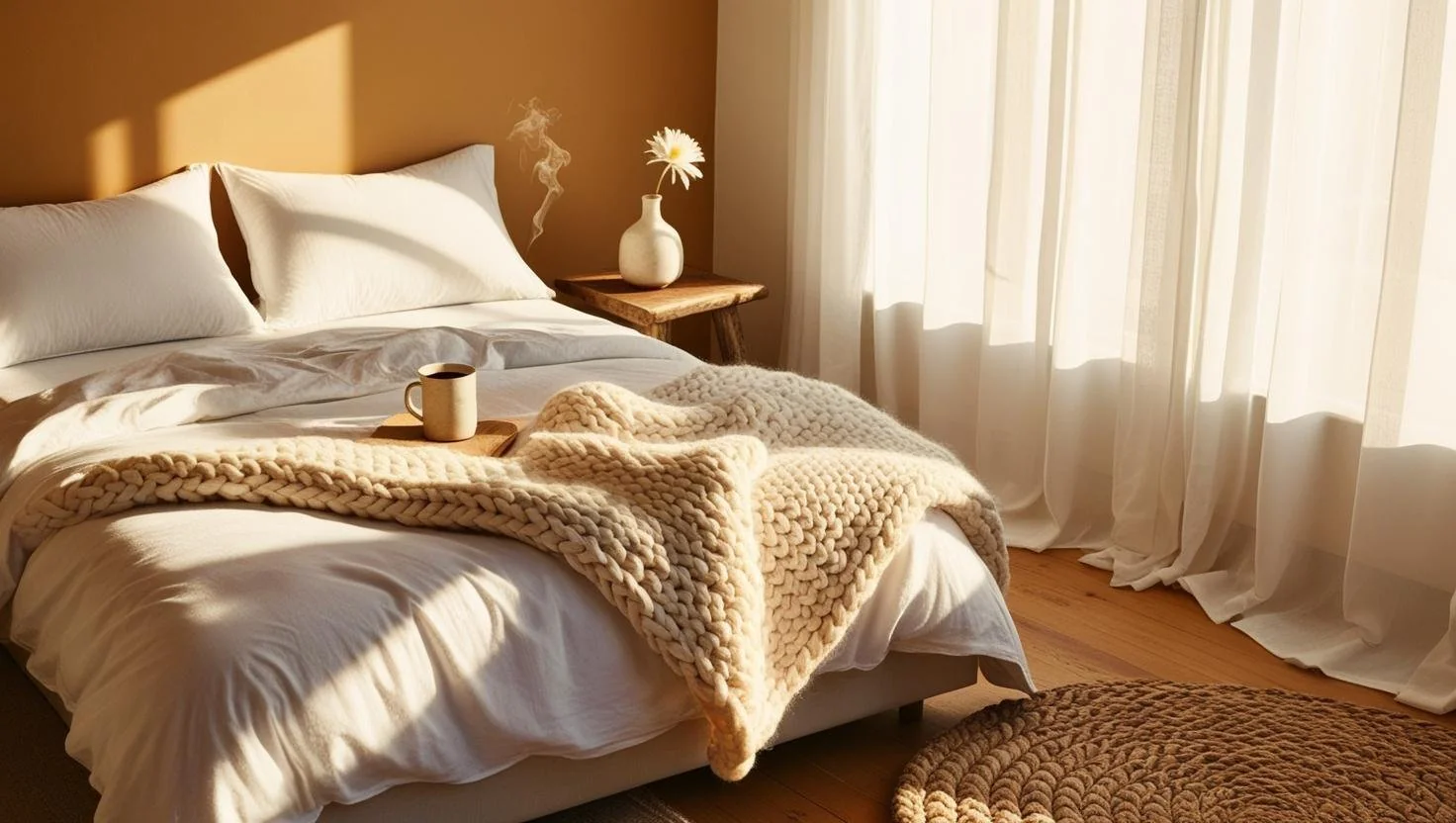
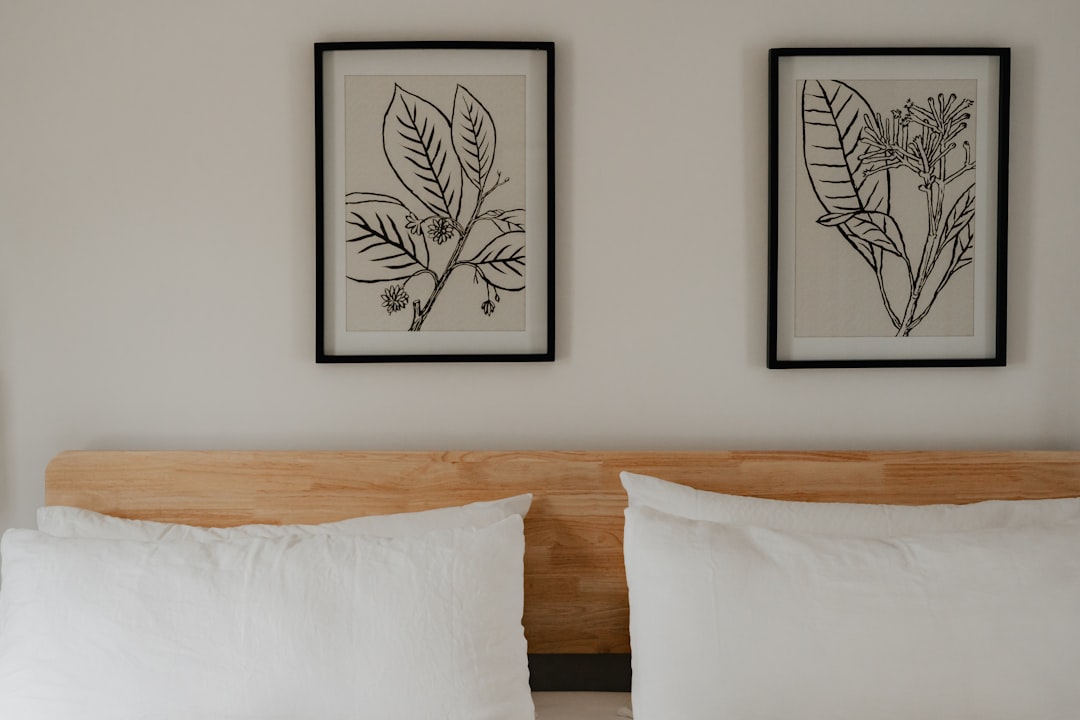
Neutral-toned organic cotton duvet cover and pillowcases layered on a simple wooden bed

Frequently asked questions

What’s the best material for sustainable bedding?

There isn’t one winner. Linen lasts longest and needs the least from the land; organic cotton is the easiest to find certified; lyocell is the best for hot sleepers; wool is the best for temperature swings. Pick for how you sleep, then check the certification.

Does GOTS mean the same thing as OEKO-TEX?

No. GOTS covers organic fibre content plus environmental and social criteria through processing. OEKO-TEX STANDARD 100 is a harmful-substance test on the finished article. A product can carry one, both, or neither.

Is bamboo bedding sustainable?

Only sometimes. Most bamboo bedding is rayon or viscose made with heavy chemical processing. Bamboo lyocell made in a solvent-recovery system is the better option, and the label should say so in those words.

Will eco bedding help my allergies?

Indirectly at best. Cleaner, tested fabric reduces chemical irritants, but dust mites are the usual allergy culprit and no fibre repels them. Hot washes and allergen-barrier encasements do the real work.

How can I tell if a brand is greenwashing?

Count the specifics. Certification numbers, fibre names, mill locations and audit partners are specifics. “Earth-conscious,” “clean,” and “natural” are not regulated terms and mean nothing on their own.

How often should I replace my sheets?

When they thin, pill or tear — not on a schedule. Good cotton and linen sets commonly run five to ten years with gentle washing, and the most sustainable sheet is the one already on your bed.

Neatly folded certified organic cotton and linen sheet sets stacked on a bedroom bench

Updated September 2026.

Cozy Bedding Materials for Sheets Blankets and Comfort

Cozy Bedding Materials for Sheets Blankets and Comfort - Featured Image

Cozy Bedding Materials: Best Fabrics for Every Season & Sleep Style

Looking for the best cozy bedding materials to transform your sleep? From breathable cotton to luxurious silk, the right fabrics make all the difference. This guide highlights sustainable, organic options so you can build an eco-conscious sanctuary with soft, breathable, and durable layers.

Key Takeaways: cozy bedding materials

  • Cotton and bamboo are breathable, soft, and dependable year-round.
  • Flannel and fleece deliver exceptional warmth during colder months.
  • Silk regulates temperature and is gentle on skin and hair.
  • Organic, hypoallergenic picks like bamboo and organic cotton support sensitive sleepers.
  • Layering different fabrics creates adaptable comfort for every season.

Importance of Choosing Cozy Bedding Materials

The foundation of restorative sleep lies in the cozy bedding materials you choose. Each fabric has distinct strengths—from cooling breathability to plush warmth—so matching materials to your sleep style prevents night sweats, chills, and discomfort.

Hot sleepers usually favor crisp cotton or silky bamboo for airflow. Cold sleepers often prefer flannel or fleece for gentle insulation without bulk. Knowing how each fabric behaves helps you customize comfort and wake up refreshed.

importance of cozy bedding materials for comfort and sleep quality

Cotton

Answer first: Cotton is the balanced default—soft, breathable, and durable—making it a top pick among cozy bedding materials.

Classic percale offers a cool, crisp hand feel, while sateen drapes smoothly with a subtle sheen. Long-staple varieties (Egyptian, Pima) resist pilling and maintain strength through frequent washing. For eco-conscious sheets, look for organically grown cotton and third-party certifications to limit chemicals and retain that clean, airy feel.

cozy bedding materials organic cotton sheets breathable and durable

Flannel

Answer first: Flannel traps heat while staying breathable, delivering that “toasty without overheating” sensation in winter.

Made by brushing cotton to raise soft fibers, flannel’s fuzzy surface holds warmth close to the body. Choose midweight options to avoid bulk and seek tightly woven fabrics that resist linting. If sustainability matters, prioritize organic flannel and mindful care—wash on gentle and avoid high heat to preserve loft.

cozy bedding materials flannel sheets warm for winter

Fleece

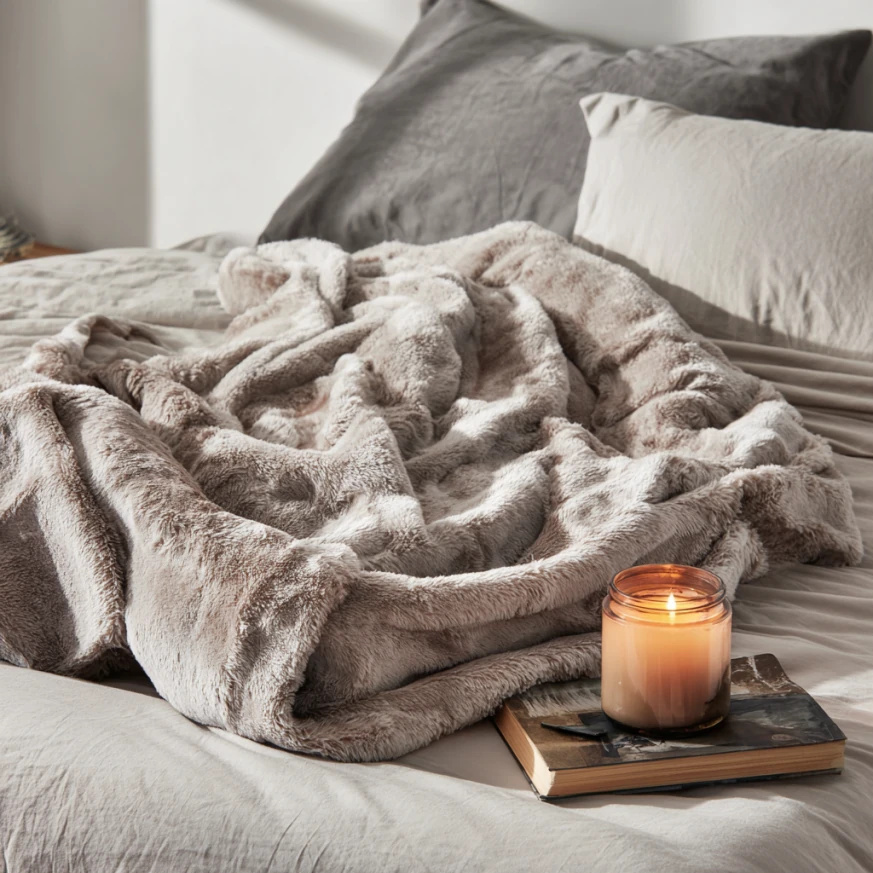
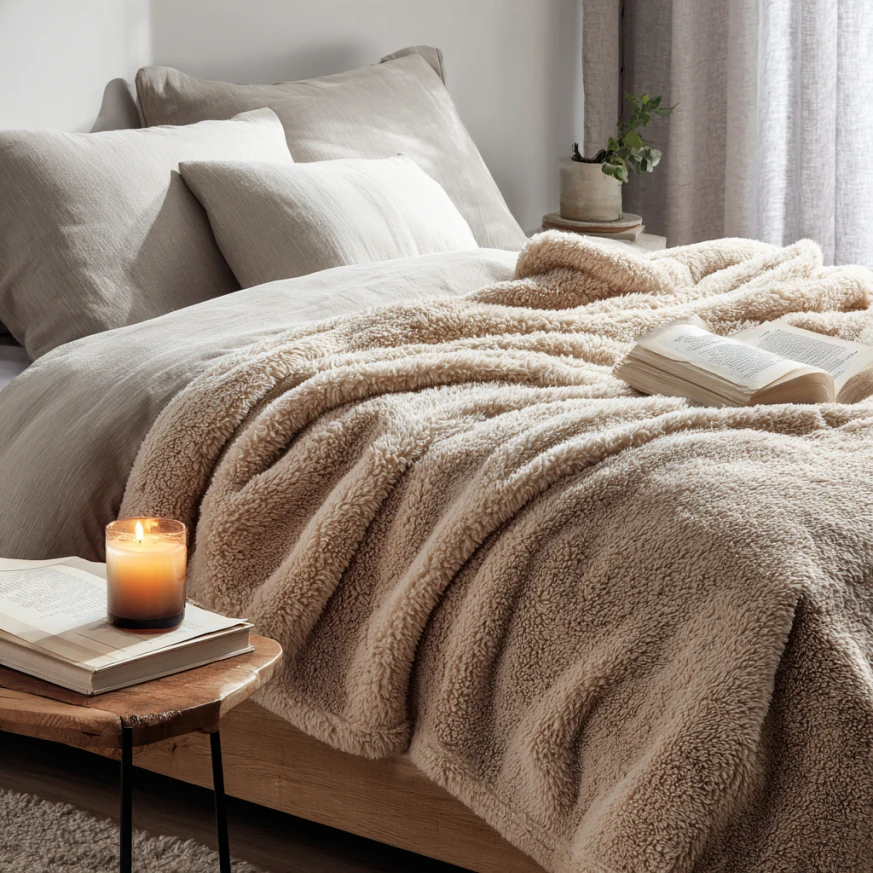
Answer first: Fleece provides maximum softness and quick warmth, making it great for throws and top-layer blankets.

Modern fleece blankets feel plush, insulate well, and dry quickly—perfect for layering over lighter sheets when temperatures drop. For styling and extra snugness, add a fleece throw as a top layer at the foot of the bed.

fleece blanket cozy bedding materials for extra warmth

Exploring Luxurious Options: Bamboo and Silk

Bamboo

Answer first: Bamboo excels for hot sleepers—silky-soft, breathable, and moisture-wicking with a cool-to-the-touch feel.

Many bamboo fabrics drape beautifully and manage humidity to keep you comfortable through the night. They are naturally hypoallergenic and popular among fans of sustainable bedding. For a deeper overview of material pros and cons, explore the Sleep Foundation’s bedding materials guide.

Silk

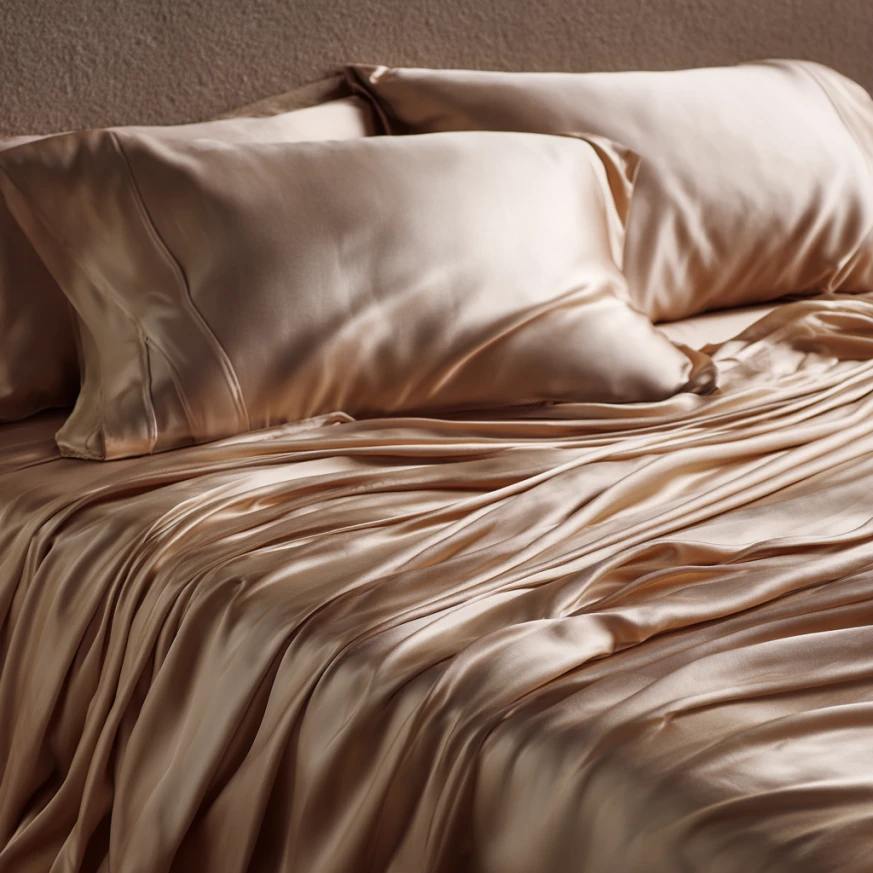
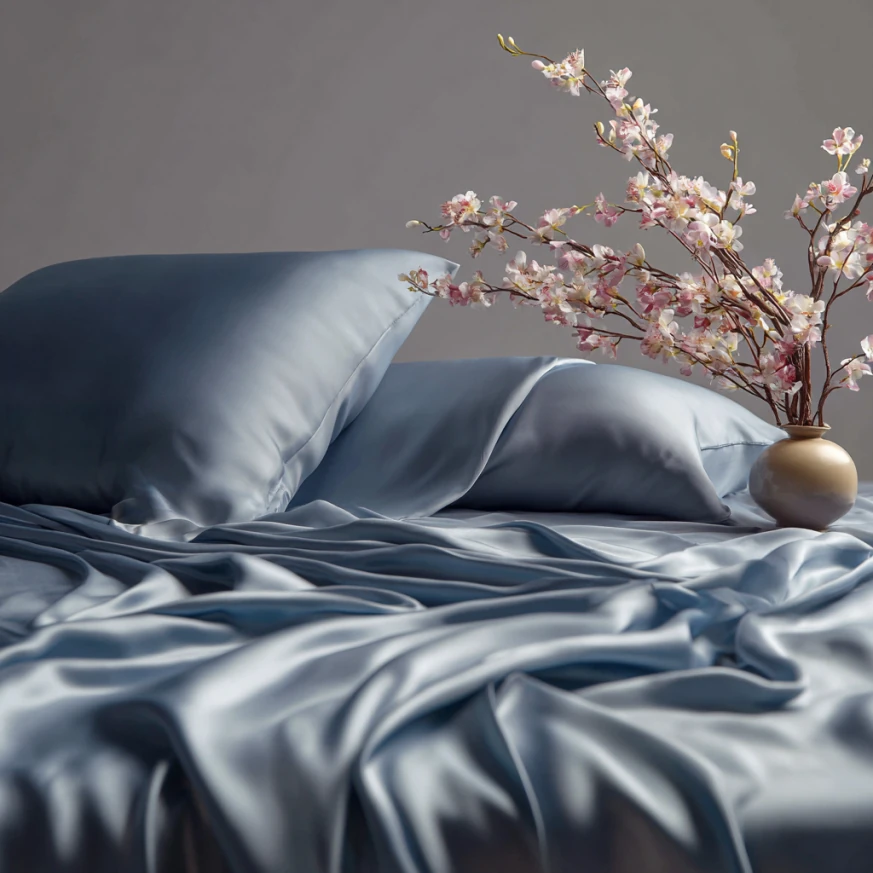
Answer first: Silk is temperature-regulating and friction-reducing, helping protect hair and skin while keeping you comfy year-round.

The smooth weave minimizes tugging on hair and reduces facial creasing. It feels light in summer yet cozy in winter. If you want a luxury upgrade with practical perks, a silk pillowcase or duvet cover is a smart way to sample this premium material.

bamboo and silk cozy bedding materials for luxury and breathability

Seasonal Adaptability with Cozy Bedding Materials

The best cozy bedding materials adapt to changing weather. In spring and summer, lightweight cotton or bamboo sheets keep airflow steady. In fall and winter, layer flannel or fleece for extra warmth without trapping excess heat.

Try this simple formula: crisp cotton or bamboo sheets + a midweight duvet + a fleece or flannel throw. This flexible stack lets you dial warmth up or down by adding or removing the top layer.

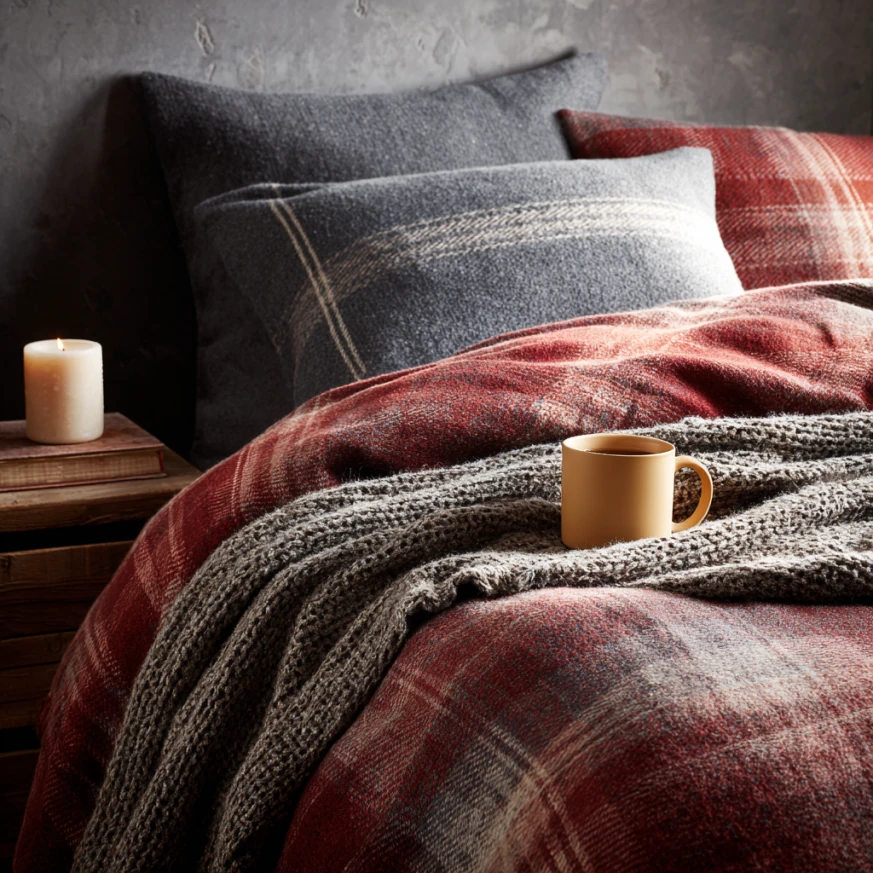
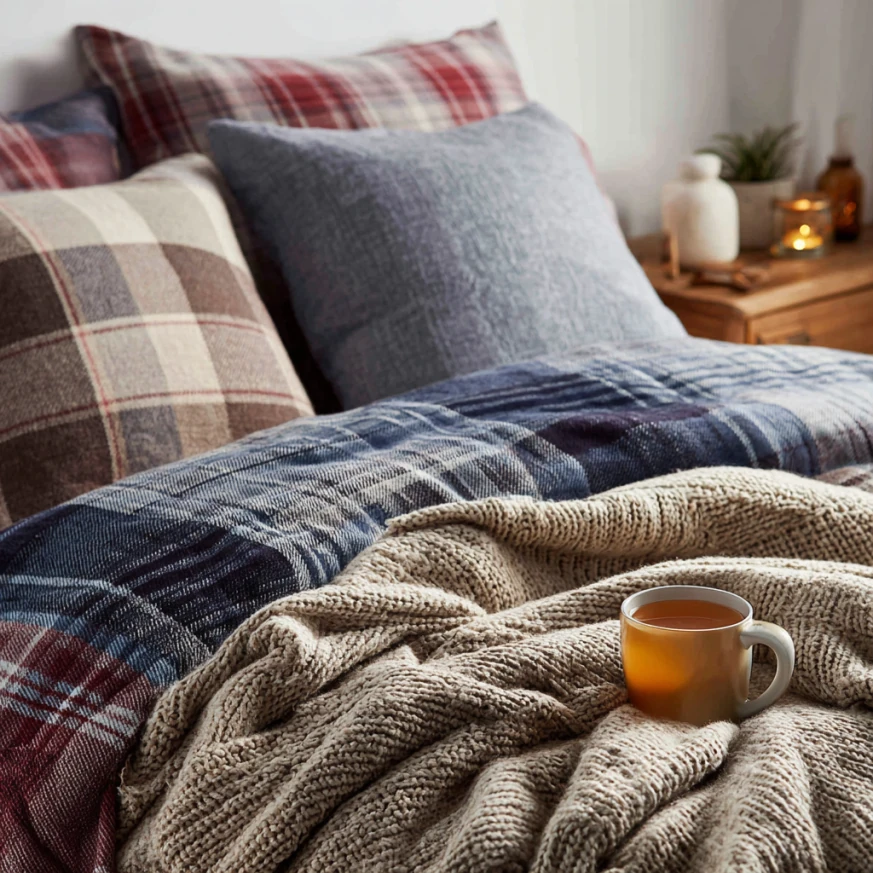
seasonal layering with cozy bedding materials for adaptable comfort

Benefits of Hypoallergenic Cozy Bedding Materials

Sensitive sleepers thrive with hypoallergenic cozy bedding materials like organic cotton and bamboo. These choices reduce exposure to harsh finishes and are less likely to irritate skin.

To verify materials, look for third-party labels such as GOTS (organic fiber certification) and OEKO-TEX (testing for harmful substances). Certifications support eco-conscious sheets that are safer for you and the planet.

hypoallergenic cozy bedding materials organic cotton and bamboo

Practical Tips for Choosing the Best Cozy Bedding Materials

  • Match materials to your sleep habits: hot sleepers prefer bamboo or percale cotton; cold sleepers love flannel.
  • Feel the fabric when possible. Touch reveals breathability, drape, and softness better than spec sheets.
  • Check trusted labels: learn how GOTS and OEKO-TEX help ensure safer, sustainable bedding.
  • Layer strategically for seasonal flexibility and design balance.
  • Care matters: gentle washing preserves loft, reduces pilling, and extends lifespan.
  • Know your top layer: choose a duvet or comforter that works with your fabric choices and local climate.
  • Match bedding with mattress firmness for balanced comfort.

FAQ

What are the best cozy bedding materials for winter?
Flannel and fleece are ideal for winter. They retain heat, feel soft on skin, and layer easily with cotton or bamboo sheets.
Are bamboo sheets good for hot sleepers?
Yes. Bamboo is breathable and moisture-wicking, helping manage temperature and humidity for cooler nights.
Which cozy bedding materials are hypoallergenic?
Organic cotton and bamboo are naturally hypoallergenic, especially when certified by GOTS or OEKO-TEX.

Final Thoughts: Choosing the Right Cozy Bedding Materials

Selecting the right cozy bedding materials transforms both comfort and sleep quality. Start with breathable cotton or bamboo, add warmth with flannel or fleece as needed, and consider a touch of silk for luxury and skin benefits. For more guidance, explore Cozy Bed Quarters for expert tips, buying advice, and room-by-room comfort ideas.

Related Reading

Best Bedding Material to Enhance Your Sleep

Best Bedding Material to Enhance Your Sleep - Featured Image

Best Bedding Materials to Enhance Your Sleep in 2026

Key Takeaways:

  • Natural fibers like cotton, bamboo, linen, wool, and down are top for breathability and moisture-wicking.
  • Tencel and new materials like memoform and cooling gels offer advanced comfort and hypoallergenic properties.
  • Smart bedding and sustainable options are major trends, with prices ranging from $25 for microfiber sets to $350 for luxury silk bedding.

Looking for the best bedding materials to enhance your sleep in 2026? You’ve come to the right place! This guide details an assortment of bedding material choices to match your comfort, style, and wellness needs.

Selecting the right fabric significantly affects how cozy your bed feels and how refreshed you feel upon waking. From breathable cotton to luxury silk, each material offers unique advantages; we’ll help you find your perfect fit.

The Elegance and Breathability of Cotton

Cotton continues to be a favored choice for high-quality, cozy bedding. Its natural fibers offer luxurious softness and durability, remaining comfortable even after many washes. Cotton balances comfort and practicality beautifully.

Under either crisp percale or silky-smooth sateen sheets, cotton adjusts to your sleep habits effortlessly. Its breathability assists in regulating body temperature, keeping you cool in summer and warm in winter. Long-staple varieties like Egyptian or Pima provide added softness and longevity. Cotton is easy to maintain and pairs seamlessly with layers such as quilts and duvets.

best bedding materials cotton

For more insights on cotton’s benefits, explore our post on bedding materials and benefits.

The Luxurious Beauty of Silk

Silk epitomizes indulgence and sophistication, offering numerous sleep-enhancing benefits. Its smooth surface lessens friction on hair and skin, reducing tangles and irritation.

Silk naturally repels dust mites and allergens, making it ideal for sensitive sleepers. It regulates temperature, offering warmth or coolness as needed. Silk requires gentle care: use mild detergent, wash delicately, and air dry. Though an investment, many find the comfort and health advantages worth the cost. Compare silk and cotton at Mulberry Park Silks.

best bedding materials silk

Eco-Friendly Bamboo-Derived Rayon

Bamboo-derived rayon remains a top pick for eco-conscious shoppers. It starts with fast-growing bamboo, which requires no pesticides, making it sustainable. Transformed into rayon, it becomes an ultra-soft, breathable fabric, cool to the touch.

Bamboo sheets excel in moisture-wicking, keeping sweaty sleepers dry. They’re antimicrobial, reducing odors and bacteria. For those prioritizing the planet and comfort, bamboo-derived rayon strikes a balance between sustainability and luxury.

Follow care instructions to extend its lifespan. Whether combined with organic cotton or layered under a lightweight duvet, bamboo adds softness and peace of mind.

best bedding materials bamboo rayon

Rustic Charm with Linen

Linen bedding provides unparalleled rustic charm. Made from flax fibers, linen’s textured feel softens over time. Its loose weave promotes airflow, making it breathable—ideal for warm sleepers or summer nights.

Though linen wrinkles easily, many appreciate its cozy, lived-in appearance. It’s a durable fabric; with proper care, it can last decades. Its hypoallergenic and moisture-wicking properties also suit sensitive skin. Elevate your bedroom by mixing linen with cotton or layering linen throws for a textured look. Its earthy palette can beautifully transform your space into a serene retreat.

best bedding materials linen

Warm and Snug with Flannel

When it’s chilly, flannel sheets are the ultimate cozy choice. Made from cotton or wool, flannel’s brushed finish traps air and retains body heat, creating a comforting cocoon on cold nights.

Flannel is especially popular in colder regions, but it’s great for anyone who loves a warm, fuzzy feel year-round. High-quality flannel resists pilling and remains soft after numerous washes.

When shopping, consider the weight—heavier flannel offers more warmth. Choose from plaid or solid patterns for nostalgic charm. To keep flannel fresh, wash gently and avoid high heat. Pair flannel sheets with a down comforter for a toasty bed.

best bedding materials flannel

Affordable Options: Polyester and Microfiber

Seeking comfort on a budget? Polyester and microfiber sheets offer soft, easy-care bedding at affordable prices. Polyester resists shrinking, stretching, and wrinkles, perfect for busy homes or guest rooms.

Microfiber, crafted from ultra-fine polyester strands, has a plush, suede-like feel and is often hypoallergenic. These synthetics dry quickly, require minimal ironing, and withstand many washes.

While they may not breathe as well as natural fibers, they excel in durability and price. Available in endless colors and patterns, they let you refresh your bedroom affordably. Ideal for kids’ rooms, vacation homes, or easy-maintenance bedding.

best bedding materials polyester microfiber

Sustainable Luxury with Tencel

Tencel, or lyocell, is a contemporary material prized for silky softness and sustainability. Made from sustainably harvested wood pulp, Tencel production uses a closed-loop process that recycles water and solvents, minimizing environmental impact.

The result? A smooth, breathable fabric that feels gentle on skin and regulates temperature. Tencel sheets are hypoallergenic, perfect for sensitive sleepers. They resist wrinkles and shrinkage better than some natural fibers.

As Tencel gains popularity, it’s available in a variety of styles, from minimalist solids to elegant patterns. For eco-minded shoppers seeking comfort and conscience, Tencel delivers. Pair it with organic cotton or bamboo for a sustainable sleep setup.

best bedding materials tencel

FAQ

What is the most breathable bedding material?

Cotton and linen are among the most breathable fabrics, ideal for hot sleepers or warm climates. Their natural fibers allow air circulation, preventing heat buildup for cooler, more comfortable sleep.

Are silk sheets worth the investment?

Absolutely! While silk sheets can be pricey, they offer a luxurious feel, minimize hair and skin friction, and are naturally hypoallergenic. Many find the long-term comfort and beauty worth the cost.

What’s the best bedding material for allergies?

Silk, bamboo-derived rayon, and Tencel are excellent hypoallergenic choices that resist dust mites, mold, and mildew. They help create a cleaner sleep space for sensitive skin or allergy sufferers.

How do I care for delicate bedding like silk?

Delicate fabrics like silk require special care: use a gentle detergent, wash delicately or by hand, and air dry. Always follow the care label to maintain the beauty and longevity of your silk bedding.

Which bedding material lasts the longest?

High-quality cotton (like Egyptian or Pima) and linen are renowned for durability when properly cared for. With regular maintenance, these natural fibers can last for years, offering comfort and value.

[INTERNAL_LINK: Learn more about the benefits of hypoallergenic bedding materials]

About the Author

Joseph Rett is the founder of Cozy Bed Quarters, a Phoenix-based sleep and bedding resource. With years of experience researching sleep science and bedding products, Joseph helps people create comfortable, sustainable sleep spaces. Living in Arizona’s desert climate has given him unique insights into temperature-regulating bedding and cooling sleep solutions.

About the Author

Joseph Rett is the founder of Cozy Bed Quarters, a Phoenix-based sleep and bedding resource. With years of experience researching sleep science and bedding products, Joseph helps people create comfortable, sustainable sleep spaces. Living in Arizona’s desert climate has given him unique insights into temperature-regulating bedding and cooling sleep solutions.