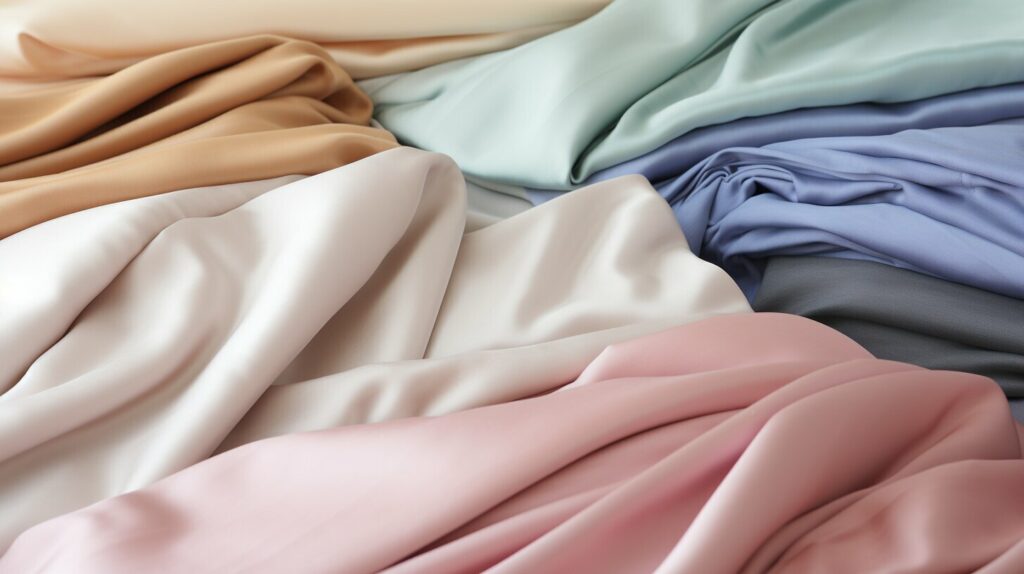
Sustainable Sleep Products: Eco-Friendly Bedroom Guide

Eco-Conscious Sleep

Sustainable sleep products are the bedding, mattresses, frames and bedroom basics made from certified organic, renewable or recycled materials — and built well enough that you are not replacing them in two years. The fastest wins are certified sheets, a natural latex or wool mattress, a solid or reclaimed wood frame, and LED bulbs. You don’t have to redo the whole room at once; swapping one thing at a time as stuff wears out is the greener move anyway.

What makes a sleep product genuinely eco-friendly

Four things, really. What it’s made of, how it was processed, how long it lasts, and what happens to it when you’re done with it. Marketing tends to shout about the first one and stay quiet about the rest.

  • Material. Renewable or recycled beats virgin synthetic. Organic cotton, linen, hemp, wool, natural latex and FSC-certified wood all qualify.
  • Processing. A “natural” fiber can still be bleached, dyed and finished with nasty chemistry. Certification is how you check.
  • Durability. A sheet set that survives years of hot washes beats three cheap sets that pill and tear.
  • End of life. Can it be washed and reused as rags, composted, repaired, or recycled through a real program? Glued-together foam and mixed fibers usually can’t.

One honest note before you spend anything: the greenest mattress is often the one you already own. If yours still supports you, keep it.

Certifications worth knowing

Labels do the work your nose and hands can’t. These are the ones that mean something.

Label What it actually tells you
GOTS The Global Organic Textile Standard covers organic fiber content plus processing, chemical inputs, wastewater and labor conditions. A certified textile must contain at least 70% certified organic fibers.
OEKO-TEX STANDARD 100 Every component — thread, button, zip — has been lab-tested for harmful substances, with stricter limits the more skin contact a product has. It says nothing about organic farming.
GOLS The Global Organic Latex Standard, the latex equivalent of GOTS. Look for it on latex cores, not just on the cover fabric.
FSC Forest Stewardship Council certification traces wood back to responsibly managed forests through the supply chain. Useful for frames, slats and nightstands.
TSCA Title VI Not a green label, a US legal limit. Composite wood products such as plywood, MDF and particleboard — and finished furniture containing them — must be labeled as TSCA Title VI compliant for formaldehyde emissions.
CertiPUR-US An industry-run program for flexible polyurethane foam, testing for certain substances and emissions. It doesn’t make foam organic or renewable.

A certification on the finished product beats a certification on one ingredient. “Made with organic cotton” and “GOTS certified” are not the same sentence.

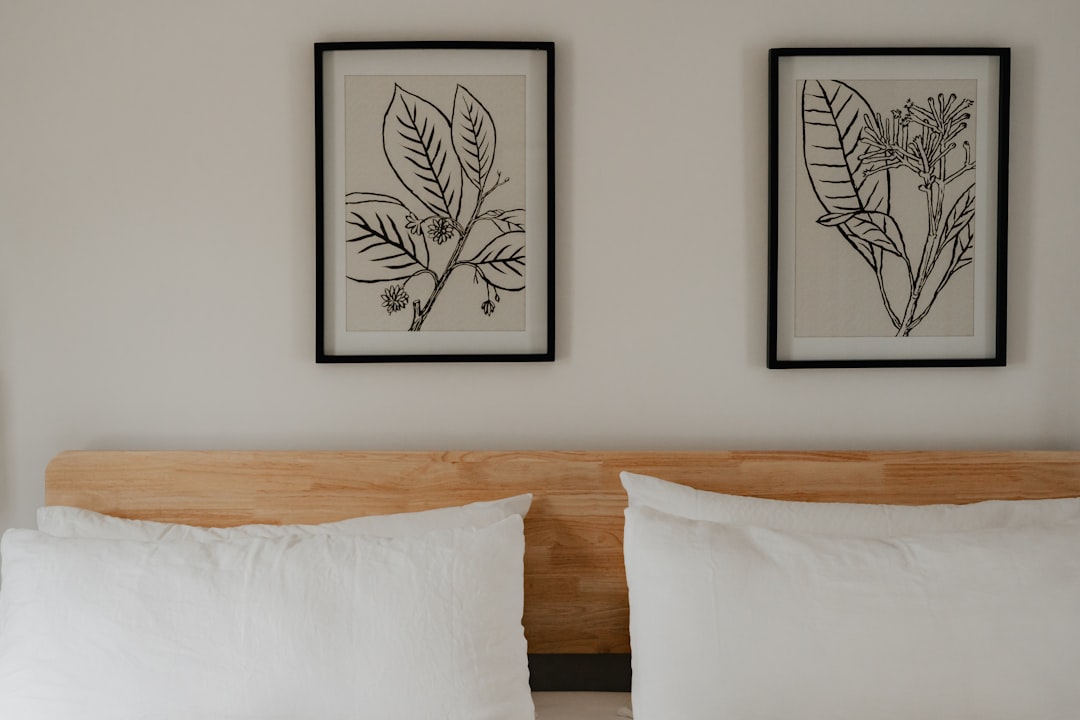
Organic cotton bedding, wooden furniture and plants showing sustainable sleep products in a bedroom

Sustainable sleep products for the bed itself

Bedding is where most people start, and it’s the right call: it’s cheap relative to a mattress, it touches your skin all night, and it wears out on a predictable schedule.

Sheets and duvet covers

Organic cotton is the easy default — soft, washable, widely certified. Linen comes from flax, needs less irrigation than cotton in most growing regions, and lasts for years once it softens up. Hemp behaves like a tougher linen and gets better with washing.

Bamboo deserves an asterisk. The plant grows fast with little input, but almost every “bamboo sheet” is viscose or rayon, meaning the pulp has been chemically dissolved and re-spun. A closed-loop process (lyocell) recovers most of the solvent; conventional viscose often doesn’t. If a bamboo sheet set carries no certification and no process detail, treat the green claims as decoration.

Whatever fiber you choose, buy fewer, better sets and rotate them. If you want a starting point, our roundup of sustainable bedding brands goes deeper on what to look for on a label.
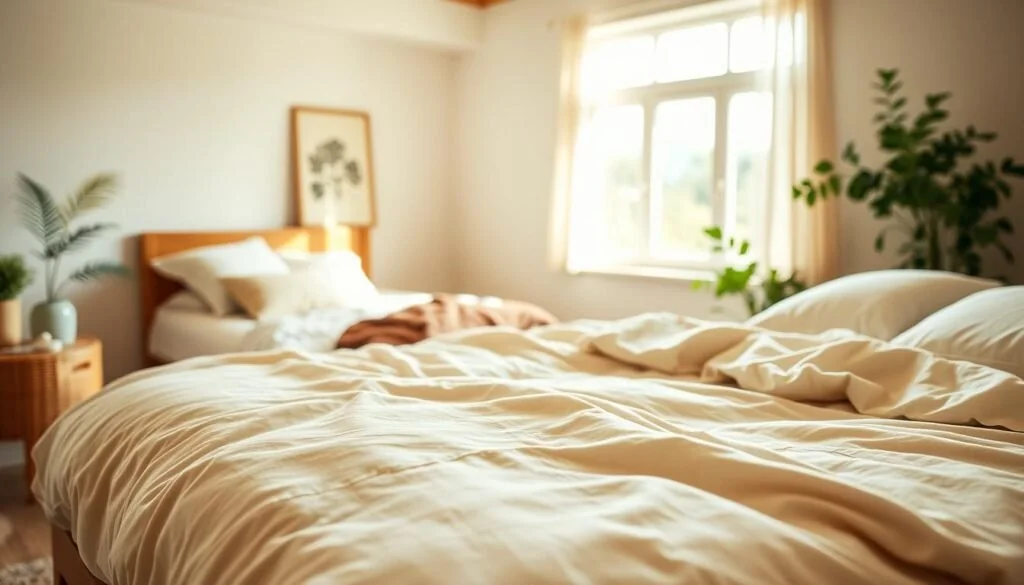

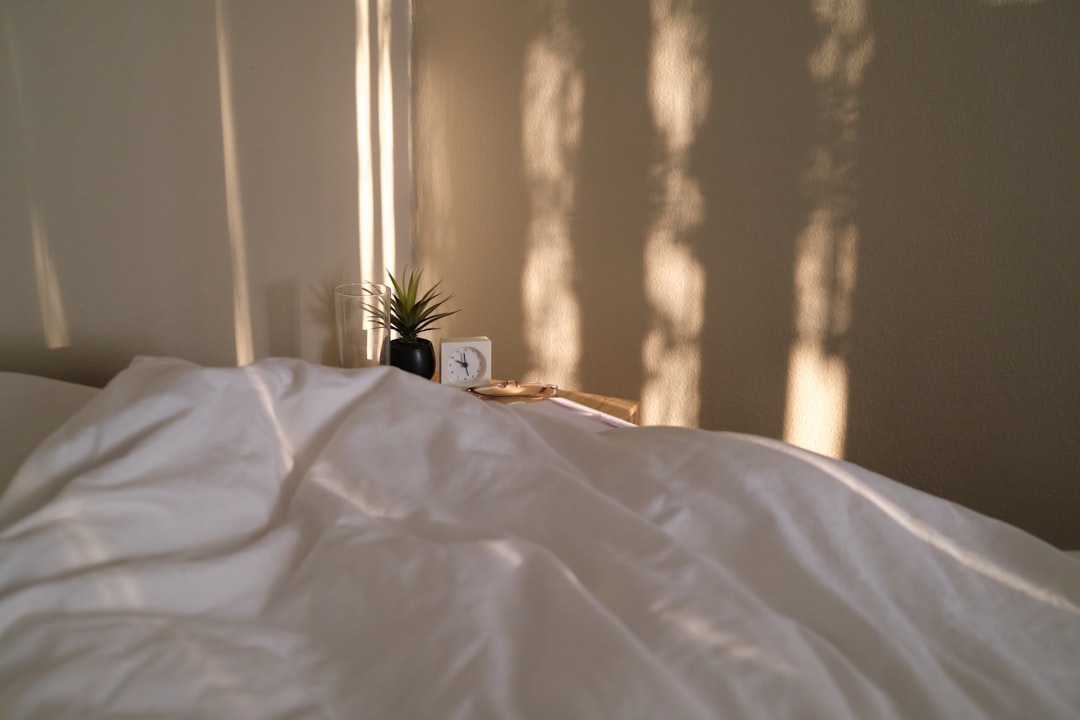
Organic cotton duvet, natural fiber rug and wooden bed frame in a sunlit bedroom

Folded organic cotton, linen and hemp bedding stacked on a neatly made bed

Pillows

Pillow fill is where natural materials shine, because you replace pillows more often than anything else in the bed.

  • Natural latex — springy, supportive, holds its shape for years. Skip it if you have a latex allergy.
  • Buckwheat hulls — firm and adjustable; you add or remove hulls until the loft fits your neck. Noisy at first, and the hulls are compostable at the end.
  • Kapok or wool — softer, more traditional feel, both renewable.
  • Recycled polyester — not natural, but it keeps bottles out of landfill and washes easily. A reasonable budget pick.

Duvets and blankets

Wool regulates temperature well and is naturally flame resistant, which means the manufacturer needs fewer added flame retardants. Responsibly sourced down lasts decades if you air it and keep it in a washable cover. Cotton or linen throws sit fine in the middle.

Mattresses: the biggest single decision

A mattress is the heaviest, bulkiest thing in the room and the hardest to get rid of. It’s worth slowing down here.

Natural latex, organic wool and organic cotton are the core of most greener mattresses. Latex comes from rubber-tree sap, a renewable crop, and Dunlop latex in particular tends to be dense and durable. Wool adds loft and temperature regulation without synthetic fiber fill. Hybrid builds with a steel coil unit are also worth a look — steel is one of the most widely recycled materials there is, and coil units are easier to separate at end of life than a solid block of glued foam.

You’ll see claims that latex is “hypoallergenic” and “resists dust mites and mold”. Latex foam has a dense, closed structure that’s less hospitable than open fiber fill, but the practical evidence that it prevents allergy symptoms is thin. Washing bedding hot and using a zipped, washable protector does more for dust mites than the mattress material does.

Two questions worth asking before you buy: is the latex GOLS certified, or just “natural”? And can the layers be unzipped and replaced individually? A mattress you can re-layer instead of replace is the sustainable one. Our guide to eco-friendly organic mattress brands covers what different certifications cover on a mattress spec sheet.

Bed frames and bases

Search interest around eco-friendly bed frames is huge, and the answer is simpler than the marketing suggests: buy something solid, jointed and repairable.

Reclaimed and solid wood

Reclaimed wood is the lowest-impact option because the tree was already felled — you’re just extending its life. Solid hardwood with FSC certification is next. Both can be sanded, re-oiled and passed on. Check the finish, too: water-based or plant-oil finishes keep the chemistry mild.

Engineered wood and MDF

Not automatically bad — engineered panels use offcuts and fast-growing species efficiently — but glue is the issue. Look for the TSCA Title VI compliance label, and give any new flat-pack piece a few days of ventilation before you sleep next to it. The EPA notes that concentrations of many VOCs run consistently higher indoors than outdoors, so airing things out and opening a window matter more than any single “low-VOC” label.

Metal

Steel frames are durable and highly recyclable, though production is energy intensive. A frame with recycled steel content that survives three house moves is a perfectly defensible choice. If you want the material trade-offs side by side, see our comparison of eco-friendly bed frame materials.

Cardboard, bamboo and DIY

Engineered cardboard frames are real, genuinely light and fully recyclable, with obvious limits on weight and humidity — we’ve broken down the trade-offs in our look at the cardboard bed frame. Bamboo frames use a fast-growing grass, but check how the pieces are laminated. And a platform built from reclaimed lumber or pallets is still one of the cheapest low-impact beds going, as long as you use heat-treated pallets (stamped HT, not MB) and seal them properly.
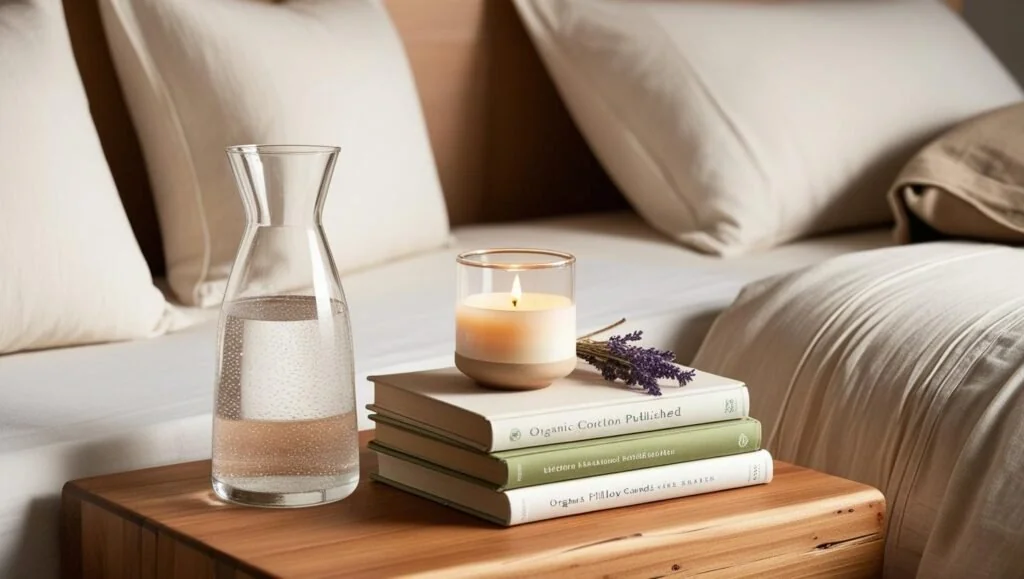
Bedroom with reclaimed wood bed frame, natural fiber textiles and potted plants

Energy, light and air in the bedroom

Products are only half of it. The running costs of the room matter too, and these changes are cheap.

Lighting

If anything in your bedroom still runs on incandescent bulbs, that’s the first swap. ENERGY STAR reports that LED lighting uses at least 75% less energy and lasts 25 times longer than incandescent lighting. Warm bulbs around 2700K feel cozier at night, and a dimmer lets you drop the light level in the last hour before bed. There’s more on layering it properly in our guide to cozy bedroom lighting.

Heating and cooling

Heating and cooling are the biggest energy draw in most homes, so nudging the thermostat down overnight does real work — and a cooler room suits sleep anyway. Thermal or lined curtains hold heat in winter and block afternoon sun in summer, which takes load off both the boiler and the fan. Smart plugs or a switched power strip kill the standby draw from chargers, speakers and TVs.

Air quality, minus the myth

Plants are lovely. They are not an air purifier. A 2019 review of decades of research found that the ventilation in a normal room dilutes VOCs far faster than potted plants absorb them; the American Lung Association points out you’d need an implausible number of plants per square meter to match the lab results people quote. Keep the plants for how they make the room feel, and clean the air the boring way: open windows, change filters, fix damp, and skip synthetic air fresheners.

Cutting the waste your bed creates

This is the part most eco-bedroom articles skip, and it’s where the biggest impact hides.

  • Repair before replacing. A split seam, a loose slat or a wobbly bolt is a ten-minute fix.
  • Retire sheets into second lives. Worn cotton becomes cleaning rags, dust covers or quilt backing. Animal shelters often take old towels and blankets — call first.
  • Donate what’s still usable. Clean bedding in good condition is wanted by shelters and refuges; most won’t take used pillows or mattresses for hygiene reasons.
  • Recycle the mattress. Steel, foam, fiber and wood can all be reclaimed. The Mattress Recycling Council runs state programs in California, Connecticut, Oregon and Rhode Island, and its Bye Bye Mattress directory lists drop-off sites. Outside those states, check your city or county waste department, since many run bulky-waste collections that separate mattresses.
  • Ask about take-back. Some retailers remove the old mattress when they deliver the new one. Ask whether it’s recycled or landfilled; the answer varies a lot.

Where to spend first on a budget

If you can only do one thing this month, do it in this order:

  1. Sheets and a pillow protector. Cheapest change, closest to your skin, certified options are easy to find.
  2. LED bulbs and a dimmer. Pays for itself and improves the room at night.
  3. Pillows. Natural fill, replaced when they stop holding shape rather than on a schedule.
  4. Frame. Buy secondhand solid wood if you can. Used furniture is the lowest-impact purchase available, and old frames are often better made.
  5. Mattress. Last, because it’s the most expensive and the one most worth waiting on until you’ve done the research.

Secondhand is the quiet winner in all of this. A solid oak frame from a resale shop beats a new “eco” frame on every measure that matters.

FAQ

What counts as a sustainable sleep product?

Bedding, mattresses, frames and accessories made from organic, renewable or recycled materials, processed with verified chemical limits, and durable enough to last. Certification and repairability are what separate the real ones from the green-painted ones.

Is eco-friendly bedding more expensive?

Often yes up front, particularly for certified organic cotton and natural latex. Whether it works out cheaper over time depends on how long it lasts and how you care for it — that varies too much by product for anyone to promise you a number.

Does organic bedding help with allergies?

Indirectly at best. Organic certification limits pesticide residues and processing chemicals, which helps if you react to those. For dust mites, the proven moves are hot washing, a zipped mattress and pillow protector, and controlling humidity.

Are bamboo sheets eco-friendly?

It depends entirely on processing. The plant is fast-growing and low-input, but most bamboo fabric is chemically processed viscose. Look for lyocell or closed-loop processing and an OEKO-TEX certificate rather than trusting the word “bamboo” on the pack.

How do I get rid of an old mattress responsibly?

Check for a state or local recycling program first, then ask your retailer about take-back at delivery. Landfill should be the last option, not the default.

What’s the single easiest green swap in a bedroom?

LED bulbs. Low cost, immediate energy saving, and a warm dimmable bulb makes the room better to wind down in.

Updated September 2026.

Bedding Donations: Where to Donate and How to Prepare

Bedding Donations: Where to Donate and How to Prepare - Featured Image

Where to Donate Bedding: The Short Answer

Clean, undamaged sheets, blankets, quilts, duvet covers and mattress protectors are accepted by most homeless and family shelters, domestic violence refuges, refugee resettlement agencies, charity thrift stores such as The Salvation Army and Goodwill, and many animal rescues. Pillows, duvet inserts and mattress toppers are the items most often refused for hygiene reasons, so always check the organisation’s accepted-items list or call before you drive over. Anything torn, stained, damp or pest-exposed should go to textile recycling or be repurposed at home rather than donated.

Key Points

  • Wash and fully dry everything, then bag it by set with the size labelled.
  • Policies vary by location — the same national charity may accept linens in one town and decline them in another.
  • Twin-size bedding is frequently the most requested size for shelters with bunks and for children’s programmes.
  • Donation keeps usable textiles in circulation; EPA figures for 2018 put textiles sent to US landfills at 11.3 million tons, with a recycling rate of just 15.8 percent for items like sheets and pillowcases.
  • Noncash donations are only deductible if you itemise and the items are in good used condition or better.

Folded sheets and blankets bundled for donation, showing where to donate bedding locally

Who Accepts Bedding Donations

1. Homeless, family and domestic violence shelters

Shelters and transitional housing programmes are the most direct route: your linens go straight onto a bed rather than through a resale step. Most want twin and full sheet sets, blankets and mattress protectors; many ask for neutral colours and complete, labelled sets so intake volunteers can hand them out quickly. Storage and laundry capacity are the usual limits, which is why a phone call first saves everyone a wasted trip. If one shelter is full, ask for a referral — most know which partner agency is short.

2. Charity thrift stores

Thrift operations resell donated goods to fund services. The Salvation Army lists over 2,500 drop-off locations across the United States for clothing and household goods, with proceeds supporting its programmes, and Goodwill stores fund job training and employment services the same way. Habitat for Humanity ReStores are worth a call too, although they focus on furniture, appliances, housewares and building materials, so soft linens are accepted at some stores and not others.

3. Children’s bed programmes

Sleep in Heavenly Peace builds and delivers beds to children who don’t have one, working through local volunteer chapters. Programmes like this generally need new twin sheets, pillows and mattress protectors to go out with each bed, rather than used linens — check your nearest chapter’s current wish list before buying or bagging anything.

4. Refugee resettlement and mutual aid groups

Resettlement agencies and neighbourhood mutual aid networks assemble move-in kits for households arriving with nothing. They tend to want complete sets — fitted sheet, flat sheet, pillowcases and a blanket — in common sizes, which makes them a good home for spare guest-room bedding.

5. Animal shelters and rescues

Rescues use flat sheets, towels and blankets to line kennels and crates. Many ask for items without loose stuffing, since torn fill can be swallowed, and some decline anything that has been treated with strong fragrance. This is the best destination for bedding that is clean and soft but too dated or faded for a human recipient. Wash anything that has been near pets on the hottest setting the label allows first — the same approach used when washing bedding to deal with fleas.

6. Faith groups, community drives and reuse platforms

Churches, mosques, synagogues, schools and community centres run seasonal blanket and coat drives, and many issue receipts on the spot. For fast, hyperlocal rehoming, free-reuse networks such as Freecycle and Buy Nothing groups let a neighbour claim your linens within hours. Post clear photos, state the size and fibre, and arrange pickup in a public spot.

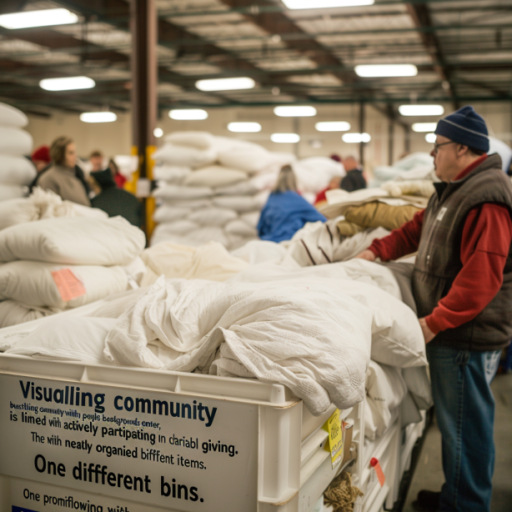
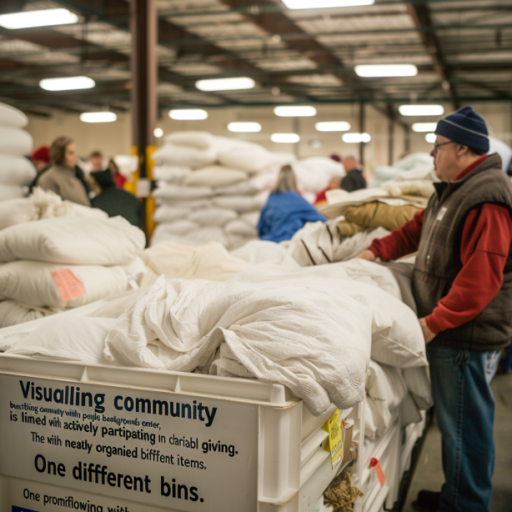
bedding donations provide comfort to animal shelters

What Gets Accepted — and What Doesn’t

Item Typical status Notes
Sheet sets, pillowcases, flat sheets Usually accepted Twin and full are in highest demand at shelters
Blankets, quilts, duvet covers Usually accepted Bundle covers with matching shams where possible
Mattress protectors and crib sheets Often accepted Crib items may need to meet current safety rules — ask
Comforters and duvet inserts Varies Bulk and laundering cost are the sticking points
Pillows and foam toppers Frequently declined Hygiene policies; try animal rescues or textile recycling
Electric blankets, waterbed sheets Often declined Safety and compatibility concerns
Torn, stained, damp or pest-exposed items Not accepted Recycle or repurpose instead

Charities pay to dispose of what they can’t use, so leaving out the borderline items is genuinely helpful. A simple test: if you wouldn’t hand it to a friend staying the night, don’t donate it.

How to Prepare Bedding for Donation

  1. Wash and dry completely. Follow the care label, use the hottest temperature the fabric allows, and make sure items are bone dry so nothing develops mildew in a bag. If you’re unsure how hot is safe for a given fibre, see our guide to washing temperatures and shrinkage.
  2. Skip heavy fragrance. Fresh and neutral beats perfumed — recipients may have allergies or sensitivities.
  3. Inspect in daylight. Check seams, elastic and corners for holes, thinning fabric or set-in stains.
  4. Bundle by set. Fold the sheets and tuck the set inside one of its own pillowcases so nothing separates during sorting.
  5. Label the size and count. A note such as “Queen sheet set x2, throw blanket x1” on a clear bag cuts intake time to seconds.
  6. Ask for a receipt at drop-off if you plan to claim a deduction.

Neatly folded donated bedding at nonprofit center — buy bedding donate near

Finding a Drop-Off or Pickup Near You

Map searches are a starting point, not an answer — results mix in retailers and closed locations. Narrow them down like this:

  • Open the organisation’s own website and look for an “accepted items” or “current needs” page before you go.
  • Call. Needs change weekly, and a two-minute call tells you sizes, hours and whether they’re at capacity.
  • Check neighbourhood apps and community noticeboards in libraries and coffee shops for drives that never show up in search results.
  • For larger loads, ask about home pickup. Several charity thrift operations schedule collections, and some will take linens alongside furniture.

Buy bedding donate near community center — local drive

Timing: Donate What the Season Needs

Matching donations to the weather gets them placed faster. Heavy blankets, quilts and warm comforters move quickly from autumn through winter, while breathable cotton and linen sheets are more useful in summer, particularly in hot climates and buildings without air conditioning. Shelters with limited storage may simply decline out-of-season bulk, so ask what they’re short of right now. If you’re deciding what to keep and what to pass on, our comparison of a duvet versus a comforter helps clarify which layers you actually use year-round.

Tax Deductions: What Actually Applies

Donated bedding may be deductible, but only under specific conditions. Contributions are deductible only if you itemise deductions on Schedule A, the recipient must be a qualified organisation, and clothing and household items generally must be in good used condition or better to be claimed at all. You deduct fair market value — what the item would sell for second-hand, not what you paid.

Keep a dated list describing what you gave, and get a written acknowledgement from the charity for donations of $250 or more. If your total noncash contributions for the year exceed $500, the IRS requires Form 8283 with your return. Photographs of the items are a sensible backup. Tax rules change and individual situations differ, so confirm details with the IRS or a tax professional rather than relying on a bedding guide.

If Your Bedding Can’t Be Donated

Worn linens still have value as raw material or around the house:

  • Textile recycling: Some municipalities and take-back bins accept clean but worn textiles for processing into wiping cloths, insulation and industrial fibre. Search your city’s waste department site, or use a locator such as Earth911. Remove hardware like zippers and snaps if the programme asks you to, and note that acceptance of pillows and pads varies widely.
  • Repurpose at home: Flat sheets become drop cloths, cleaning rags, garment bags, produce bags or furniture wraps for moving day. Worn duvets make crate liners, pet beds or picnic quilts.
  • Pass it sideways: Community theatre groups, art programmes, gardeners (frost cover) and workshops often want fabric that charities can’t use.

Buying Your Replacement Set With Reuse in Mind

The longer a set lasts, the more likely it can be donated later. Durable weaves such as percale and linen, and well-made cotton, wool and Tencel-type fibres, tend to survive repeated hot washes better than thin novelty sets. Third-party certifications give you something concrete to check: GOTS covers organic fibre content and processing, and OEKO-TEX STANDARD 100 tests finished textiles for harmful substances. Neither certification guarantees durability, so read fibre content and weave alongside the labels. For fibre-by-fibre detail, see our bedding materials guide, our picks for hot sleepers, and our overview of sustainable bedding brands.

FAQ

Can I donate bedding with minor stains or pilling?

Light pilling is usually fine. Visible stains, tears or persistent odours are the most common reasons donations get rejected, so send those items to textile recycling instead.

Who takes pillows?

Many people-facing shelters decline used pillows on hygiene grounds. Animal rescues and some textile recycling programmes will often take them if they’re clean and bagged — call first.

Can I donate a used duvet or comforter?

Sometimes. Duvet covers are widely accepted; inserts and comforters are harder to launder in bulk, so policies vary by organisation.

Does anyone pick up bedding donations?

Some charity thrift operations and resettlement groups schedule home pickups, usually with a minimum quantity or alongside furniture. Ask how bags should be labelled and left.

What size is most needed?

Twin is the most requested size at shelters with bunk beds and at children’s bed programmes. If you’re unsure whether a spare set fits a recipient’s bed, our guide on queen bedding on a full bed explains where sizes do and don’t overlap.

Can I donate bedding year-round?

Yes. Seasonal drives concentrate attention, but shelters and thrift stores take clean linens throughout the year — subject to their storage capacity that week.

preparing bedding donations provide reuse opportunities

Updated September 2026.

Best Bedding Material to Enhance Your Sleep

Best Bedding Material to Enhance Your Sleep - Featured Image

Best Bedding Materials to Enhance Your Sleep in 2026

Key Takeaways:

  • Natural fibers like cotton, bamboo, linen, wool, and down are top for breathability and moisture-wicking.
  • Tencel and new materials like memoform and cooling gels offer advanced comfort and hypoallergenic properties.
  • Smart bedding and sustainable options are major trends, with prices ranging from $25 for microfiber sets to $350 for luxury silk bedding.

Looking for the best bedding materials to enhance your sleep in 2026? You’ve come to the right place! This guide details an assortment of bedding material choices to match your comfort, style, and wellness needs.

Selecting the right fabric significantly affects how cozy your bed feels and how refreshed you feel upon waking. From breathable cotton to luxury silk, each material offers unique advantages; we’ll help you find your perfect fit.

The Elegance and Breathability of Cotton

Cotton continues to be a favored choice for high-quality, cozy bedding. Its natural fibers offer luxurious softness and durability, remaining comfortable even after many washes. Cotton balances comfort and practicality beautifully.

Under either crisp percale or silky-smooth sateen sheets, cotton adjusts to your sleep habits effortlessly. Its breathability assists in regulating body temperature, keeping you cool in summer and warm in winter. Long-staple varieties like Egyptian or Pima provide added softness and longevity. Cotton is easy to maintain and pairs seamlessly with layers such as quilts and duvets.

best bedding materials cotton

For more insights on cotton’s benefits, explore our post on bedding materials and benefits.

The Luxurious Beauty of Silk

Silk epitomizes indulgence and sophistication, offering numerous sleep-enhancing benefits. Its smooth surface lessens friction on hair and skin, reducing tangles and irritation.

Silk naturally repels dust mites and allergens, making it ideal for sensitive sleepers. It regulates temperature, offering warmth or coolness as needed. Silk requires gentle care: use mild detergent, wash delicately, and air dry. Though an investment, many find the comfort and health advantages worth the cost. Compare silk and cotton at Mulberry Park Silks.

best bedding materials silk

Eco-Friendly Bamboo-Derived Rayon

Bamboo-derived rayon remains a top pick for eco-conscious shoppers. It starts with fast-growing bamboo, which requires no pesticides, making it sustainable. Transformed into rayon, it becomes an ultra-soft, breathable fabric, cool to the touch.

Bamboo sheets excel in moisture-wicking, keeping sweaty sleepers dry. They’re antimicrobial, reducing odors and bacteria. For those prioritizing the planet and comfort, bamboo-derived rayon strikes a balance between sustainability and luxury.

Follow care instructions to extend its lifespan. Whether combined with organic cotton or layered under a lightweight duvet, bamboo adds softness and peace of mind.

best bedding materials bamboo rayon

Rustic Charm with Linen

Linen bedding provides unparalleled rustic charm. Made from flax fibers, linen’s textured feel softens over time. Its loose weave promotes airflow, making it breathable—ideal for warm sleepers or summer nights.

Though linen wrinkles easily, many appreciate its cozy, lived-in appearance. It’s a durable fabric; with proper care, it can last decades. Its hypoallergenic and moisture-wicking properties also suit sensitive skin. Elevate your bedroom by mixing linen with cotton or layering linen throws for a textured look. Its earthy palette can beautifully transform your space into a serene retreat.

best bedding materials linen

Warm and Snug with Flannel

When it’s chilly, flannel sheets are the ultimate cozy choice. Made from cotton or wool, flannel’s brushed finish traps air and retains body heat, creating a comforting cocoon on cold nights.

Flannel is especially popular in colder regions, but it’s great for anyone who loves a warm, fuzzy feel year-round. High-quality flannel resists pilling and remains soft after numerous washes.

When shopping, consider the weight—heavier flannel offers more warmth. Choose from plaid or solid patterns for nostalgic charm. To keep flannel fresh, wash gently and avoid high heat. Pair flannel sheets with a down comforter for a toasty bed.

best bedding materials flannel

Affordable Options: Polyester and Microfiber

Seeking comfort on a budget? Polyester and microfiber sheets offer soft, easy-care bedding at affordable prices. Polyester resists shrinking, stretching, and wrinkles, perfect for busy homes or guest rooms.

Microfiber, crafted from ultra-fine polyester strands, has a plush, suede-like feel and is often hypoallergenic. These synthetics dry quickly, require minimal ironing, and withstand many washes.

While they may not breathe as well as natural fibers, they excel in durability and price. Available in endless colors and patterns, they let you refresh your bedroom affordably. Ideal for kids’ rooms, vacation homes, or easy-maintenance bedding.

best bedding materials polyester microfiber

Sustainable Luxury with Tencel

Tencel, or lyocell, is a contemporary material prized for silky softness and sustainability. Made from sustainably harvested wood pulp, Tencel production uses a closed-loop process that recycles water and solvents, minimizing environmental impact.

The result? A smooth, breathable fabric that feels gentle on skin and regulates temperature. Tencel sheets are hypoallergenic, perfect for sensitive sleepers. They resist wrinkles and shrinkage better than some natural fibers.

As Tencel gains popularity, it’s available in a variety of styles, from minimalist solids to elegant patterns. For eco-minded shoppers seeking comfort and conscience, Tencel delivers. Pair it with organic cotton or bamboo for a sustainable sleep setup.

best bedding materials tencel

FAQ

What is the most breathable bedding material?

Cotton and linen are among the most breathable fabrics, ideal for hot sleepers or warm climates. Their natural fibers allow air circulation, preventing heat buildup for cooler, more comfortable sleep.

Are silk sheets worth the investment?

Absolutely! While silk sheets can be pricey, they offer a luxurious feel, minimize hair and skin friction, and are naturally hypoallergenic. Many find the long-term comfort and beauty worth the cost.

What’s the best bedding material for allergies?

Silk, bamboo-derived rayon, and Tencel are excellent hypoallergenic choices that resist dust mites, mold, and mildew. They help create a cleaner sleep space for sensitive skin or allergy sufferers.

How do I care for delicate bedding like silk?

Delicate fabrics like silk require special care: use a gentle detergent, wash delicately or by hand, and air dry. Always follow the care label to maintain the beauty and longevity of your silk bedding.

Which bedding material lasts the longest?

High-quality cotton (like Egyptian or Pima) and linen are renowned for durability when properly cared for. With regular maintenance, these natural fibers can last for years, offering comfort and value.

[INTERNAL_LINK: Learn more about the benefits of hypoallergenic bedding materials]

About the Author

Joseph Rett is the founder of Cozy Bed Quarters, a Phoenix-based sleep and bedding resource. With years of experience researching sleep science and bedding products, Joseph helps people create comfortable, sustainable sleep spaces. Living in Arizona’s desert climate has given him unique insights into temperature-regulating bedding and cooling sleep solutions.

About the Author

Joseph Rett is the founder of Cozy Bed Quarters, a Phoenix-based sleep and bedding resource. With years of experience researching sleep science and bedding products, Joseph helps people create comfortable, sustainable sleep spaces. Living in Arizona’s desert climate has given him unique insights into temperature-regulating bedding and cooling sleep solutions.