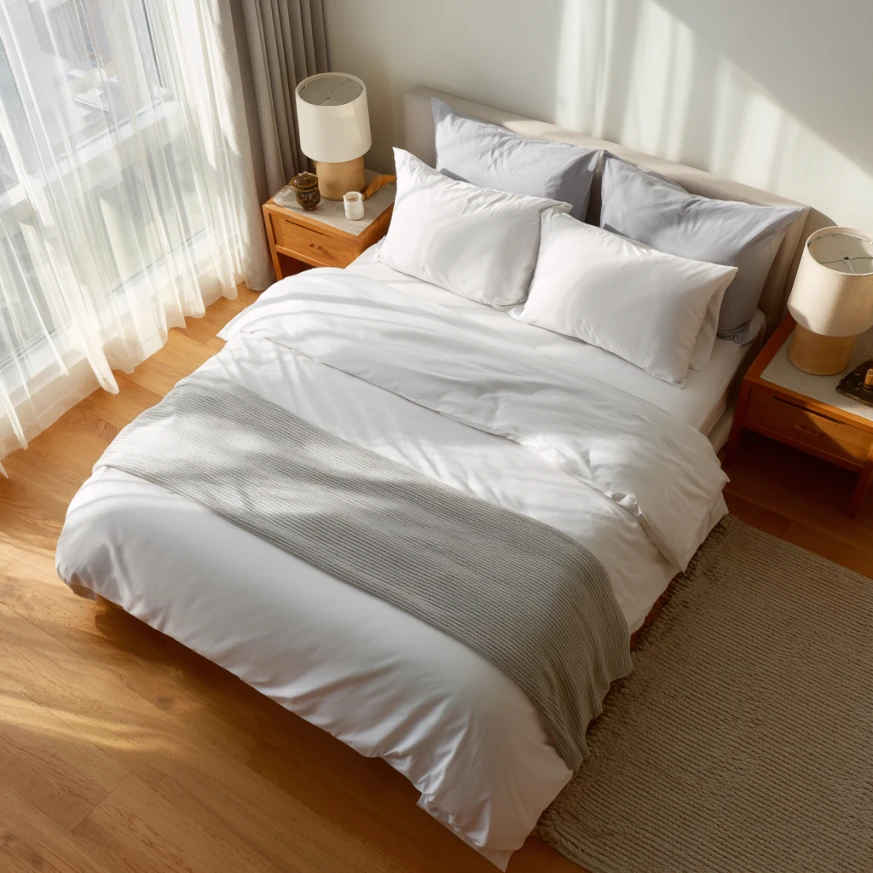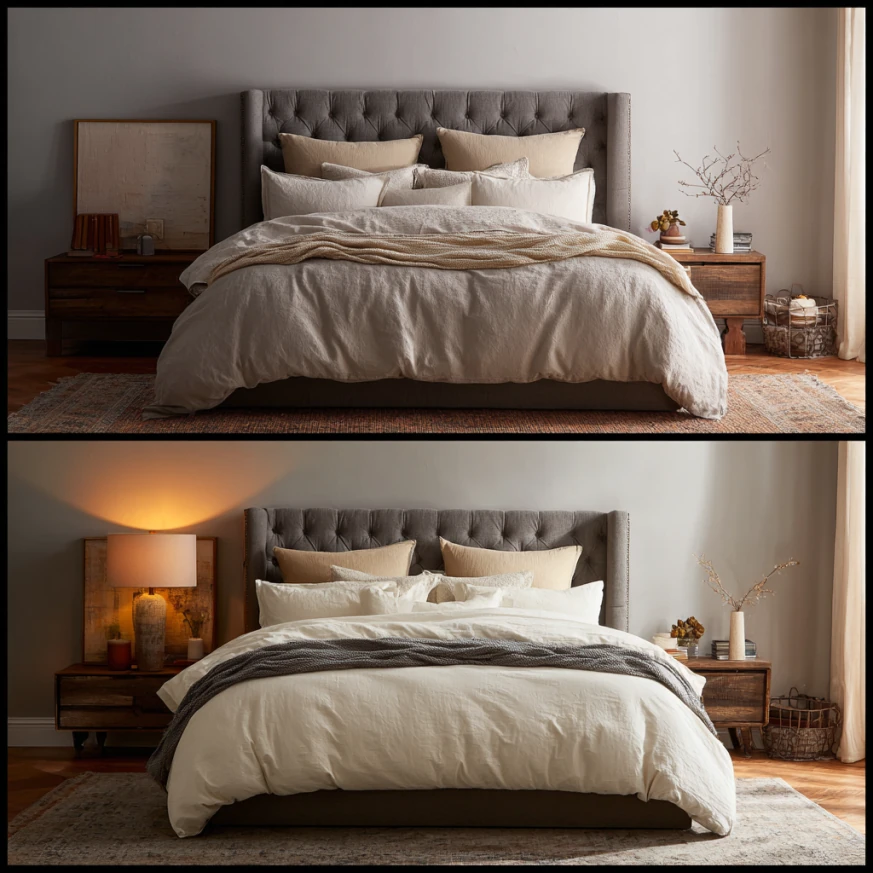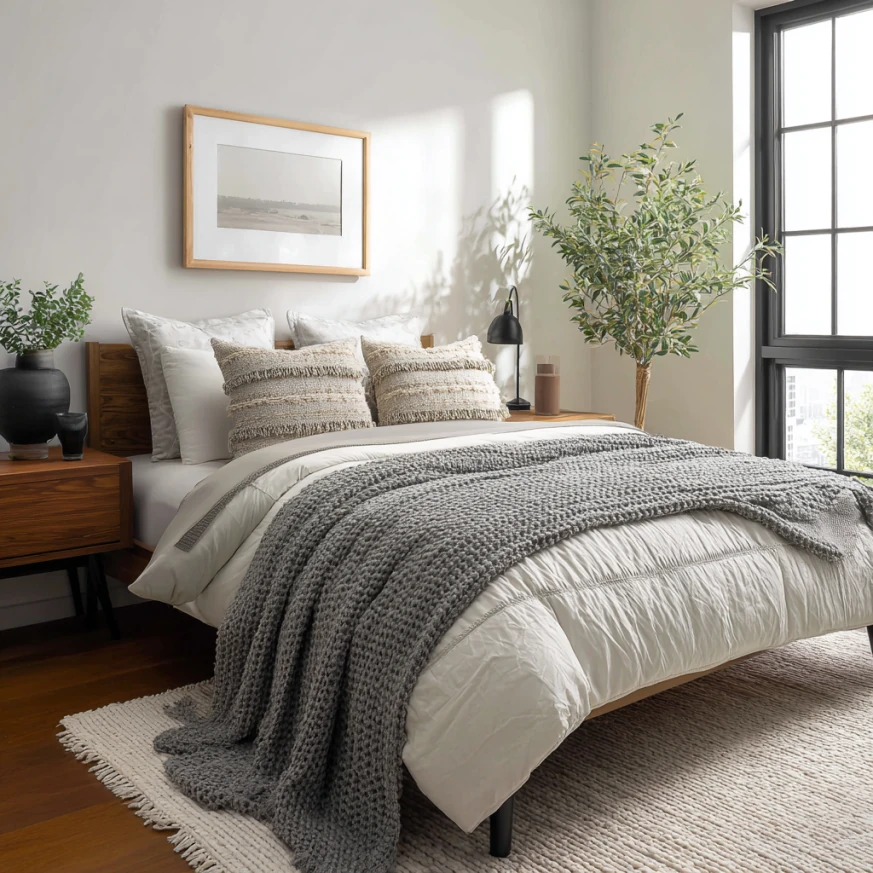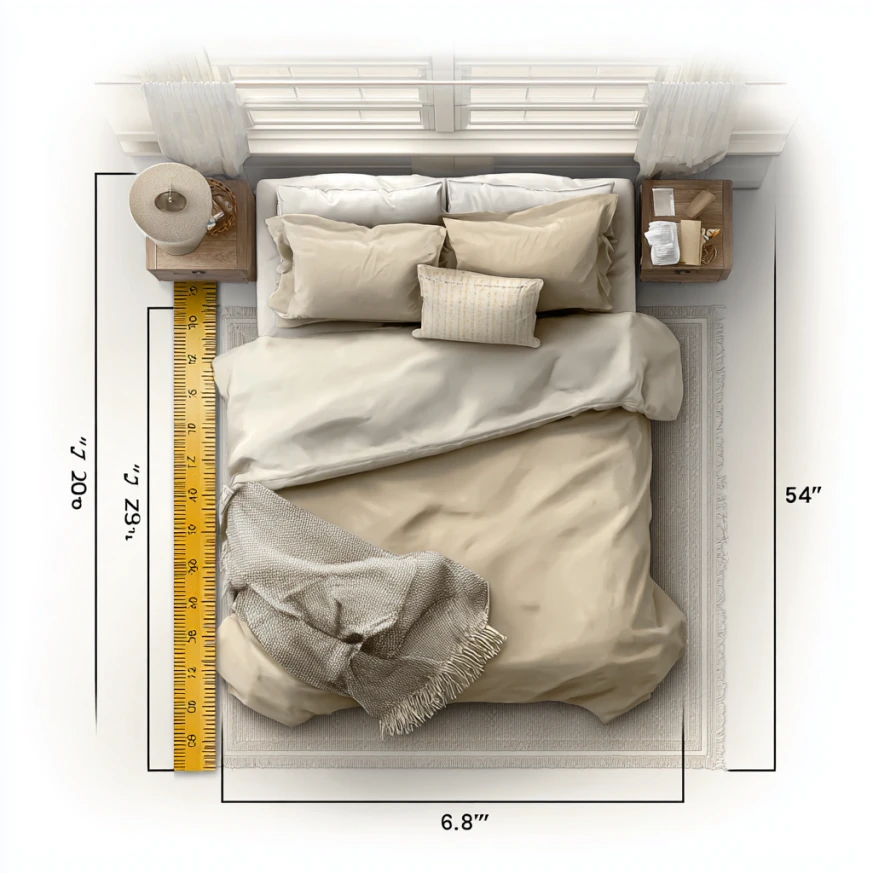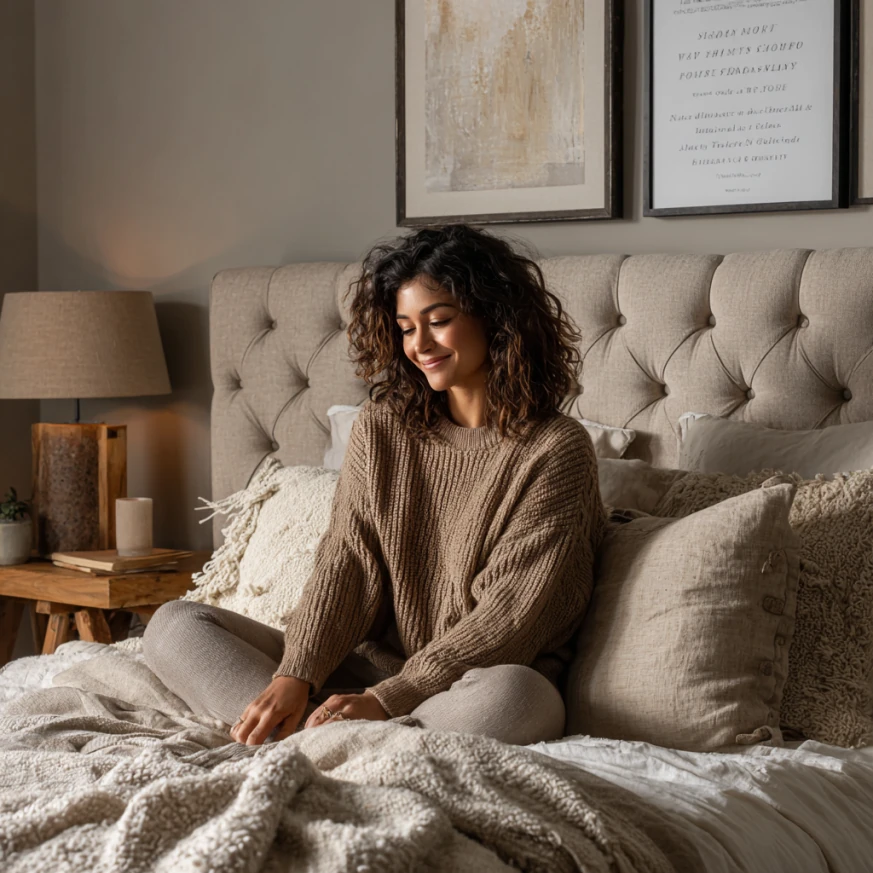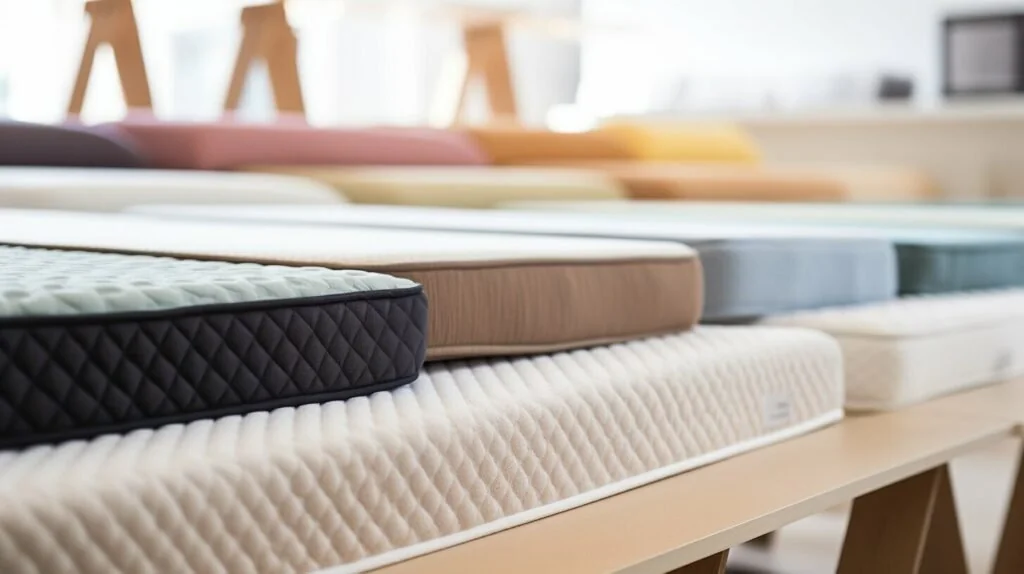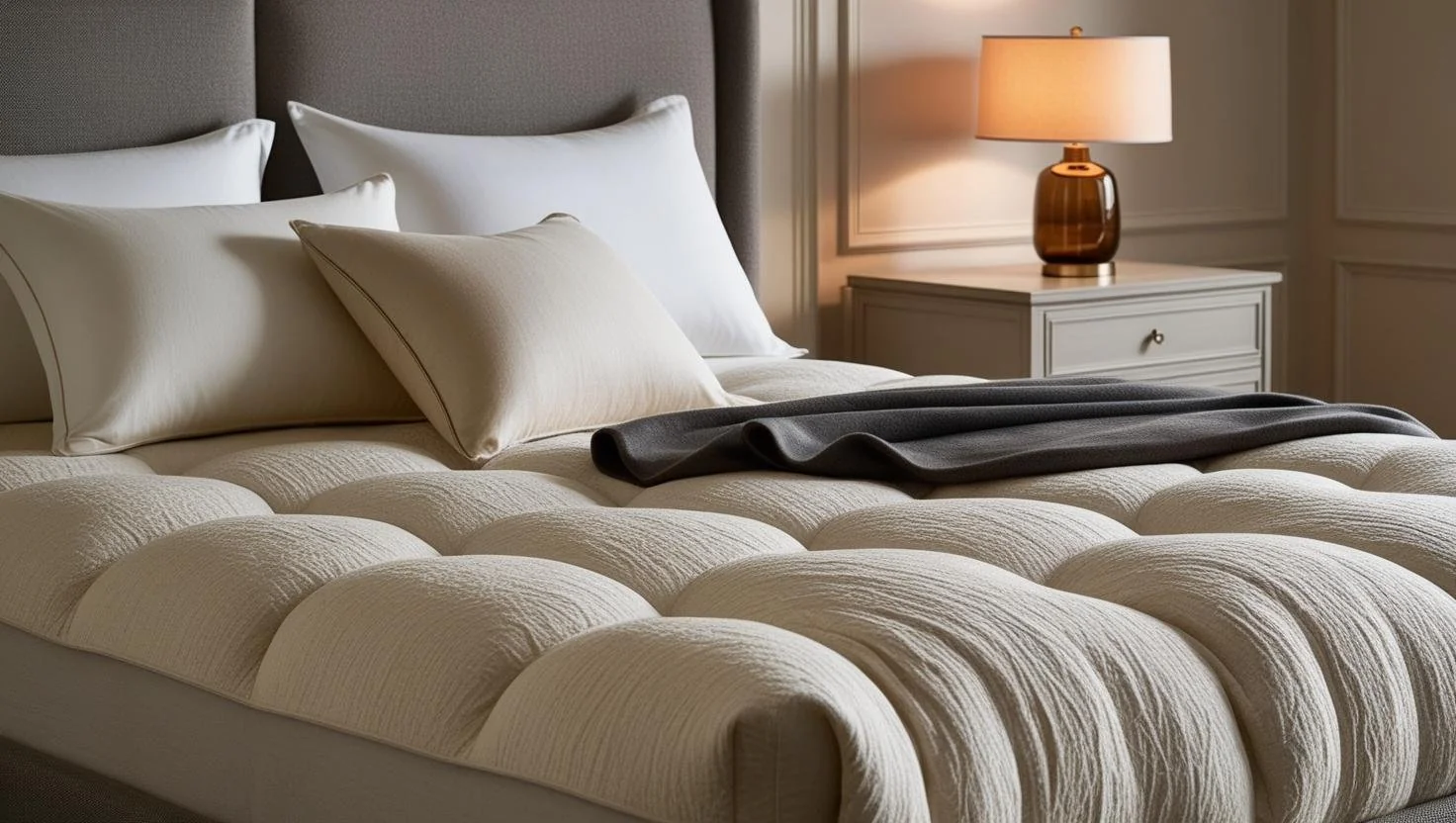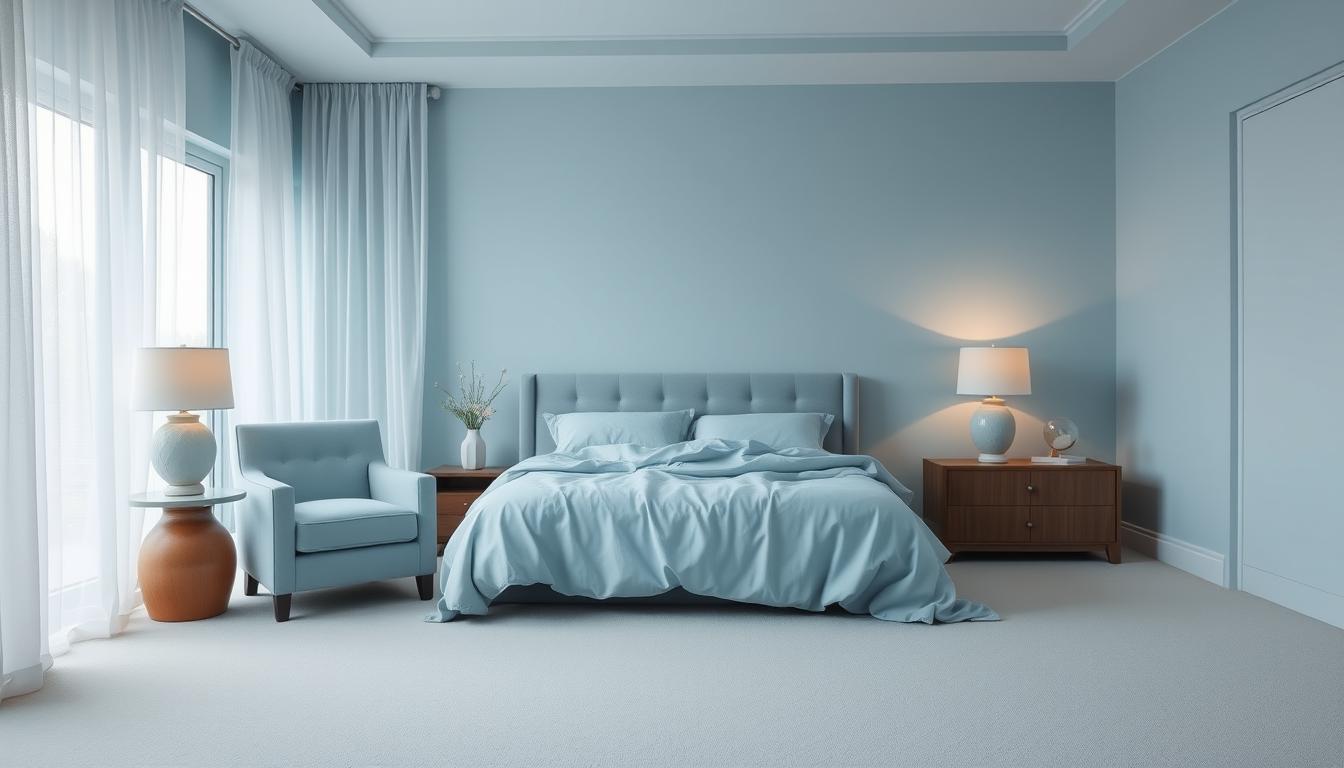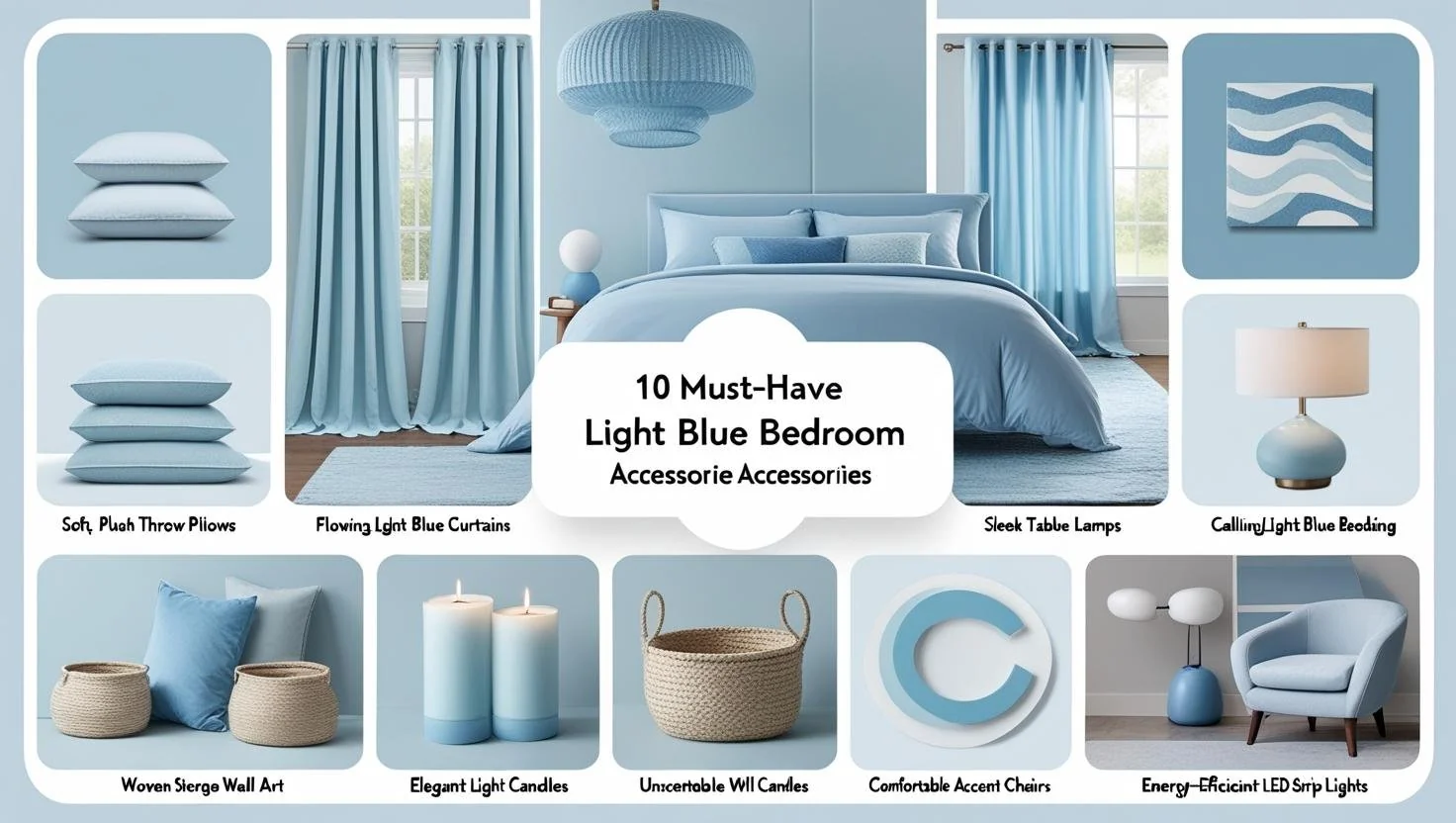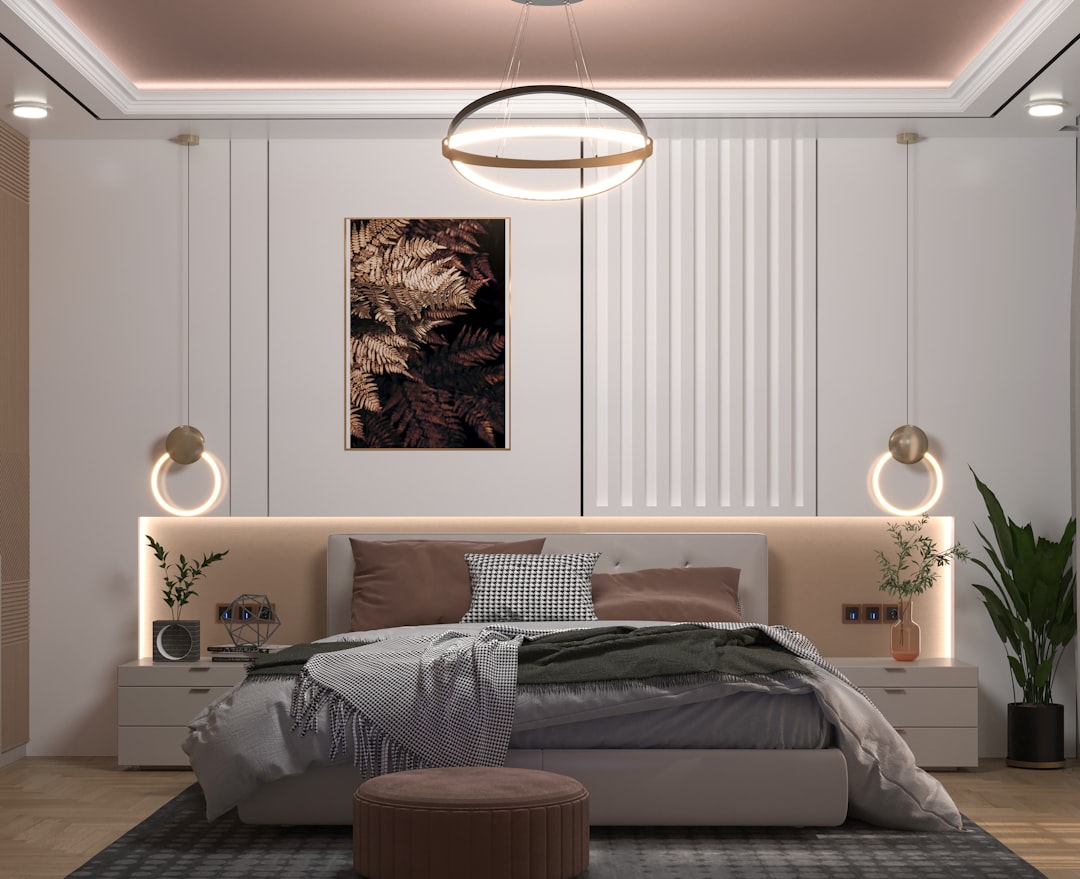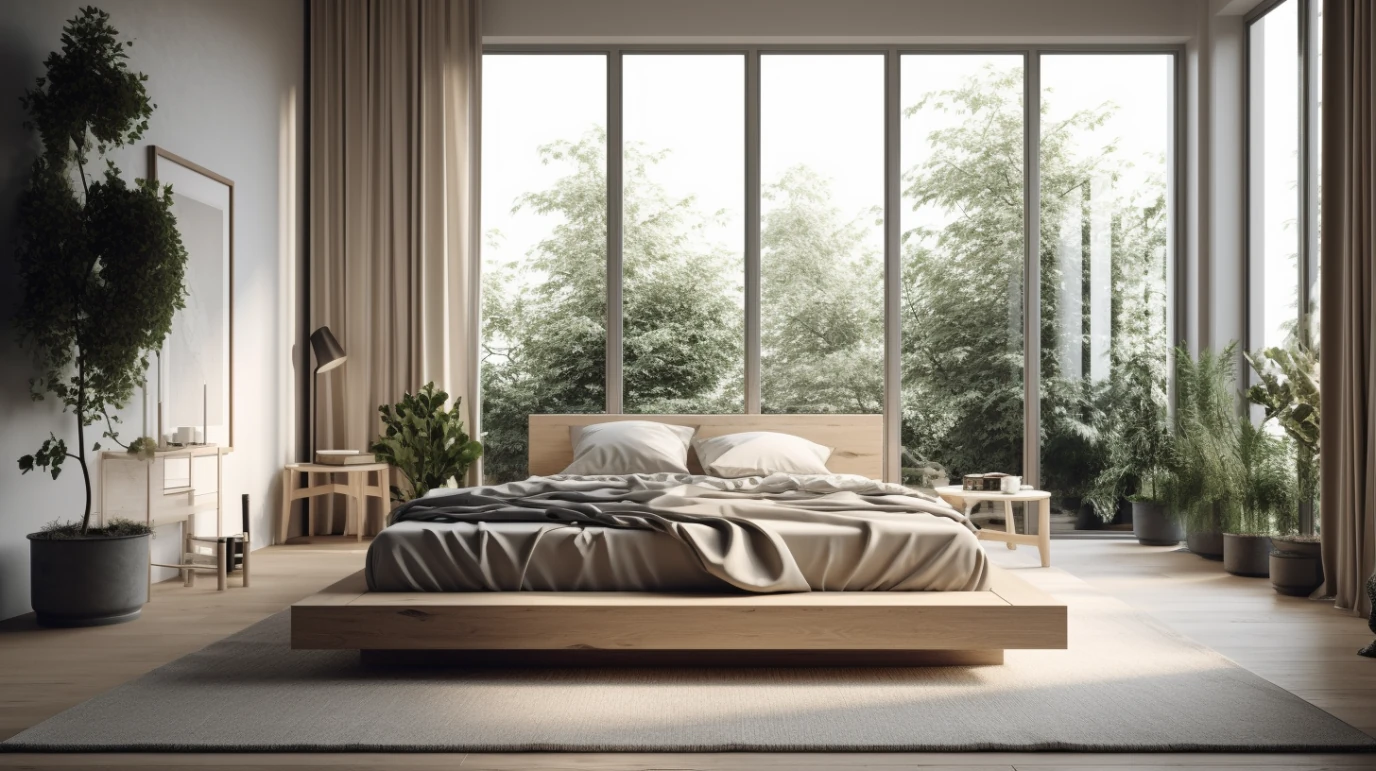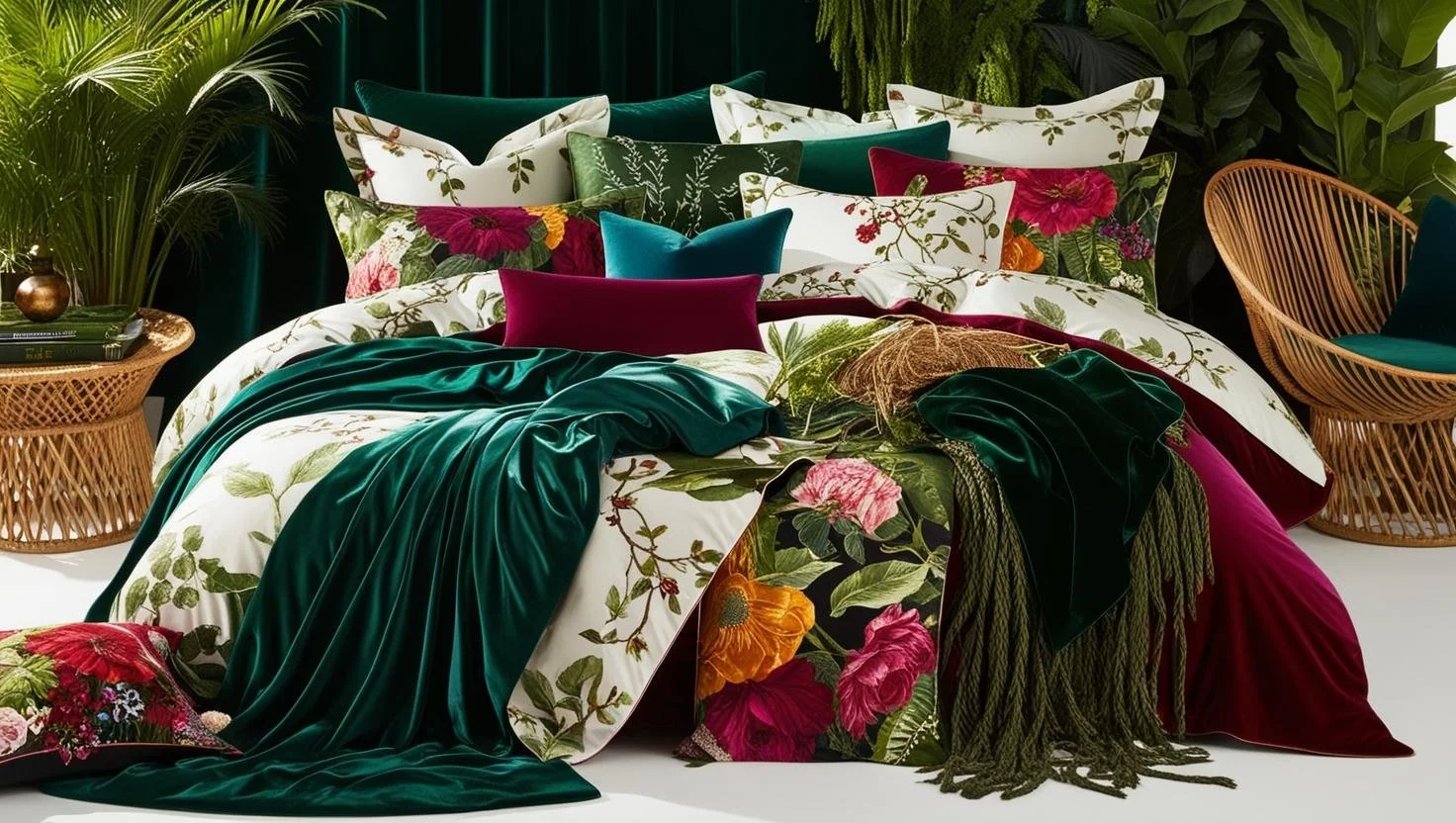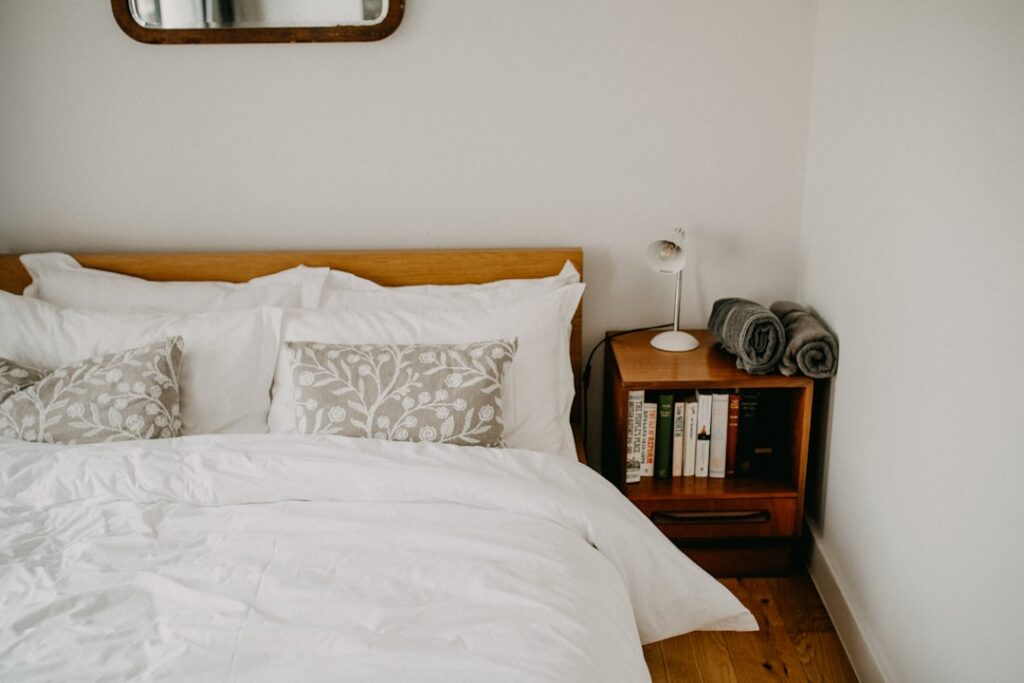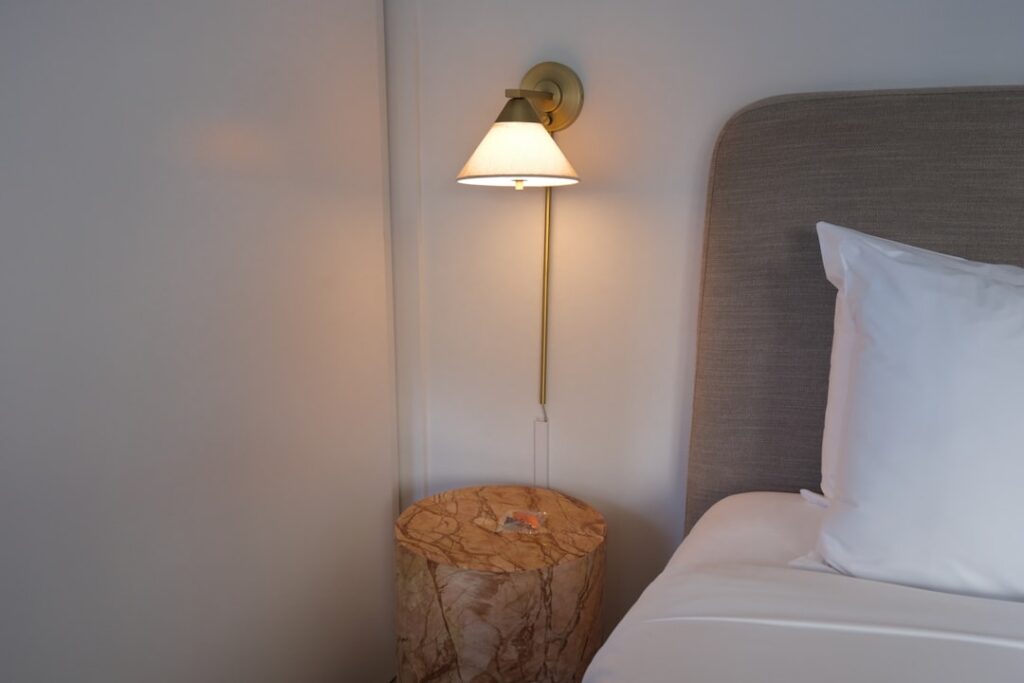
Finding the best mattresses for couples can transform shared sleep from restless nights into deep, restorative rest. In Phoenix, Arizona—where summer heat lingers well into fall and dry air can make overheating a nightly battle—the ideal mattress must excel at motion isolation, temperature regulation, pressure relief, edge support, and durability to keep both partners comfortable all night long.
Why Couples in Phoenix Need Specialized Mattresses
Sharing a bed brings closeness, but it also introduces challenges: one partner’s tossing can wake the other, differing weight or sleep positions create uneven wear, and Phoenix’s consistently high temperatures (often staying above 85°F even at night during peak summer) demand exceptional cooling. Poor sleep doesn’t just leave you tired—it can increase stress, reduce patience, and strain relationships over time.
According to the Sleep Foundation, couples benefit most from mattresses scoring high in motion transfer tests (under 8–10 mm displacement) and airflow. In 2026, hybrids with advanced cooling gels, graphite infusions, and open-cell foams dominate recommendations for hot, dry climates like ours.
Memory Foam vs Hybrid Mattress: The Core Comparison for Couples
Two categories consistently rise to the top for couples: all-foam (especially memory foam) and hybrids. Each has strengths that address different needs.
Memory Foam Mattresses – Superior Motion Isolation & Pressure Relief
Memory foam contours deeply to your body, cradling pressure points like hips and shoulders. This makes it excellent for side sleepers and anyone prone to joint pain. Its slow-response nature absorbs motion exceptionally well—one partner can roll over or get up without disturbing the other. Modern versions include gel-infused or open-cell layers to combat heat retention, a must in Arizona.
Downsides: some couples find the “hug” feeling too enveloping, making it harder to change positions, and edge support is often weaker.
Hybrid Mattresses – Cooling, Bounce & Balanced Support
Hybrids combine foam comfort layers with individually wrapped coils. The coils promote airflow (crucial in Phoenix), provide responsive bounce for easy movement, and deliver strong edge support so you can use the full surface without rolling off. Pocketed coils also limit motion transfer far better than traditional innersprings.
2026 models frequently feature phase-change covers, copper or graphite infusions, and micro-coils for enhanced cooling and durability—making hybrids the go-to for hot sleepers and combination sleepers per recent NapLab testing.
Cooling Technologies – A Must for Arizona Couples
Phoenix nights rarely dip low enough for natural cooling, so mattress breathability matters. Hybrids win here with coil channels that allow air circulation. Foam options improve with gel beads (absorb and dissipate heat), open-cell structures, and phase-change materials that feel cool to the touch initially. Look for covers with moisture-wicking Tencel or bamboo blends.
Best Mattresses for Couples – Detailed Feature Comparison (2026)
Feature
Memory Foam
Hybrid
Winner for Phoenix Couples
Motion Isolation
Excellent (minimal transfer)
Very Good to Excellent
Memory Foam slight edge
Cooling & Breathability
Moderate–Good (gel helps)
Excellent (coil airflow)
Hybrid
Edge Support
Fair–Good
Excellent
Hybrid
Pressure Relief
Outstanding (deep contour)
Very Good
Memory Foam
Ease of Movement
Slower response
Bouncy & responsive
Hybrid
Durability (avg lifespan)
7–10 years
8–12 years
Hybrid
Best Sleep Positions
Side, combo (pressure focus)
Back, stomach, combo, hot sleepers
Depends on needs
Sleep Position Guide: Matching Mattress to Your Style
Couples rarely sleep the same way. Here’s how positions influence the best choice:
Side Sleepers — Need cushioning at shoulders/hips → Medium to medium-soft (memory foam or plush hybrid top)
Back Sleepers — Require lumbar support → Medium-firm hybrid (keeps spine neutral)
Stomach Sleepers — Need firmer surface → Firm hybrid (prevents hip sinkage)
Combination Sleepers — Want responsiveness → Hybrid with responsive foams/coils
Heavy Couples — Prioritize reinforced coils and high-density foams for longevity
Additional Features Couples Should Prioritize
Edge Support
Strong reinforced edges let you sit or sleep near the perimeter without sagging—vital if one partner is heavier or you share the bed with pets/kids.
Motion Isolation Testing
In-store, have your partner move while you lie still. Online, check third-party lab scores from NapLab, Mattress Clarity, or Consumer Reports.
Size Recommendations for Phoenix Homes
Queen is minimum; King or Split King offers space to minimize disturbances in our larger master bedrooms.
Building the Ultimate Cozy Bedroom Setup
Pair your mattress with breathable bamboo or Tencel sheets, a supportive pillow for each sleep style, and blackout curtains to combat Phoenix’s bright mornings. Layer lightweight throws and neutral tones for a calming desert-inspired retreat.
Find Your Perfect Mattress Today
At Cozy Bed Quarters in Phoenix, we carry 2026’s top memory foam and hybrid models designed for Arizona couples—excellent motion control, advanced cooling, and lasting comfort. Our team helps you test side-by-side so both partners leave happy.
Ready for deeper, cooler sleep together? Visit Cozy Bed Quarters or browse online now →
If you’re taller than 6 feet, finding a comfortable bed can feel like an ongoing battle. Standard mattresses and frames often fall short—literally—leaving your feet hanging off the edge, forcing bent knees, or diagonal sleeping that strains your back and disrupts rest. This leads to fatigue, poor posture, and less restorative sleep. Fortunately, 2026 brings excellent options in extra-long bed frames designed specifically for tall sleepers. This in-depth guide covers the best bed frames for tall people, from California Kings to sturdy platforms, helping you choose one that provides the legroom, support, and durability you need for truly comfortable nights.
Why Tall People Need Specialized Bed Frames
Conventional bed frames typically support mattresses around 75-80 inches long, fine for average heights but problematic for anyone taller. Tall individuals often end up compromising their sleeping position, which affects spinal alignment and overall sleep quality. Over time, this can contribute to back pain, neck strain, and restlessness.
The best bed frames for tall people address these issues head-on with extended lengths (80-84 inches or more), robust construction to handle greater weight distribution, and designs that prioritize open space for stretching. Experts at Bed Architecture note that proper length prevents foot overhang, allowing natural body extension and better circulation. Additionally, reinforced frames reduce motion transfer and sagging, ensuring long-term comfort. According to the Sleep Foundation, tall sleepers who switch to extended sizes report significant improvements in sleep depth and morning energy levels.
Beyond physical benefits, the right frame enhances bedroom aesthetics and functionality, often including storage options or adjustable heights suited to longer legs.
Key Factors When Choosing a Bed Frame for Tall Sleepers
Selecting the ideal frame involves more than just size. Here are the critical considerations:
Length: Aim for at least 80 inches; California King (84 inches) is best for over 6’2″. Always add 6-10 inches to your height for pillows and movement.
Support System: Look for closely spaced slats, center support beams, and high weight capacities (1,000-2,500 lbs) to prevent mattress dip.
Frame Height: 12-18 inches from the floor makes getting in/out easier for tall users and allows valuable under-bed storage.
Materials and Build: Solid hardwood or heavy-gauge steel for longevity; avoid particle board.
Design Features: Platform beds (no box spring needed), low-profile or upholstered headboards, and no footboards for unrestricted leg space.
Assembly and Noise: Tool-free or quick-setup designs with noise-free joints for peaceful sleep.
California King: The Gold Standard for Heights Over 6’2″
At 72 x 84 inches, the California King provides the longest standard mattress length, making it a top choice among the best bed frames for tall people. It’s narrower than a standard King but excels in legroom, ideal for solo tall sleepers or couples where one partner needs extra length. Many 2026 models feature sleek platforms that enhance modern bedrooms.
Standard King or Twin XL: Great for Up to 6’4″
King (76 x 80 inches) offers width for couples; Twin XL (38 x 80 inches) is perfect for singles wanting length without dominating the room. Both are widely available and versatile.
Best Bed Frames for Tall People: Top Picks for 2026
Based on rigorous testing from Sleep Foundation, Wirecutter, Mattress Clarity, Forbes Vetted, and user feedback in 2026, these frames shine in extended sizes, durability, and tall-friendly features.
1. Thuma The Bed (Premium Wooden Platform)
Thuma’s signature bed remains a standout for tall sleepers in California King. Crafted with eco-friendly solid wood and Japanese joinery, it assembles tool-free in minutes, stays completely noise-free, and offers exceptional stability. Reviewers on Wirecutter and Mattress Clarity praise its lifetime durability, elegant minimalist design, and perfect support for thicker mattresses. Ideal for those seeking luxury and longevity.
2. Zinus Heavy-Duty Metal Platforms (SmartBase, Compack, or Mia Models)
For budget-friendly strength, Zinus metal frames deliver impressive performance in extra-long sizes. With reinforced steel slats, high weight limits, and 14-18 inches of under-bed clearance, they’re perfect for tall users needing storage or easy access. Quick assembly and foldable options add convenience. Highly rated on Amazon and by experts for reliability without squeaks.
3. Other Excellent Options
Brands like Article (timeless wood designs), Saatva (upholstered luxury), and Floyd (modular versatility) also offer strong California King frames. For more, explore Forbes Vetted or Sleep Foundation’s complete guide.
Wood vs. Metal Bed Frames: Which Is Better for Tall People?
Wood frames (like Thuma) provide warmth, natural aesthetics, and superior noise dampening—great for traditional or cozy bedrooms. They’re often heavier and more stable long-term.
Metal frames (like Zinus) excel in affordability, lightweight portability, and raw strength, with easy assembly and higher clearance. Both materials work excellently in extended sizes; choose based on style and budget.
Tips for Measuring and Ensuring the Perfect Fit
Measure your height lying down, add 6-10 inches, and confirm room space. Test frame height for comfortable sitting (knees at 90 degrees). Avoid footboards if you fully extend your legs. Consider mattress compatibility—hybrids or foam pair well with platforms.
Investing in one of the best bed frames for tall people in 2026 can dramatically improve your sleep health and daily energy. With options ranging from premium wood to reliable metal, there’s a perfect fit waiting. Shop trusted retailers today for the latest models and promotions.
Word count: approximately 1,250
More Expert Insights
In Phoenix apartments and compact homes where every square foot counts, the right bed frames transform a cramped bedroom into a functional, relaxing retreat. At Cozy Bed Quarters, we frequently guide local customers toward bed frames that save space, incorporate smart storage, and support restful sleep—even in Arizona’s hot, dry climate.
Traditional bed frames can dominate a small room, leaving little space for movement or storage. Smart designs, however, turn your bed into a multi-purpose asset that improves organization, airflow, and overall comfort. In Phoenix’s warm environment, elevated or ventilated bed frames help prevent heat buildup and dust accumulation around your mattress.
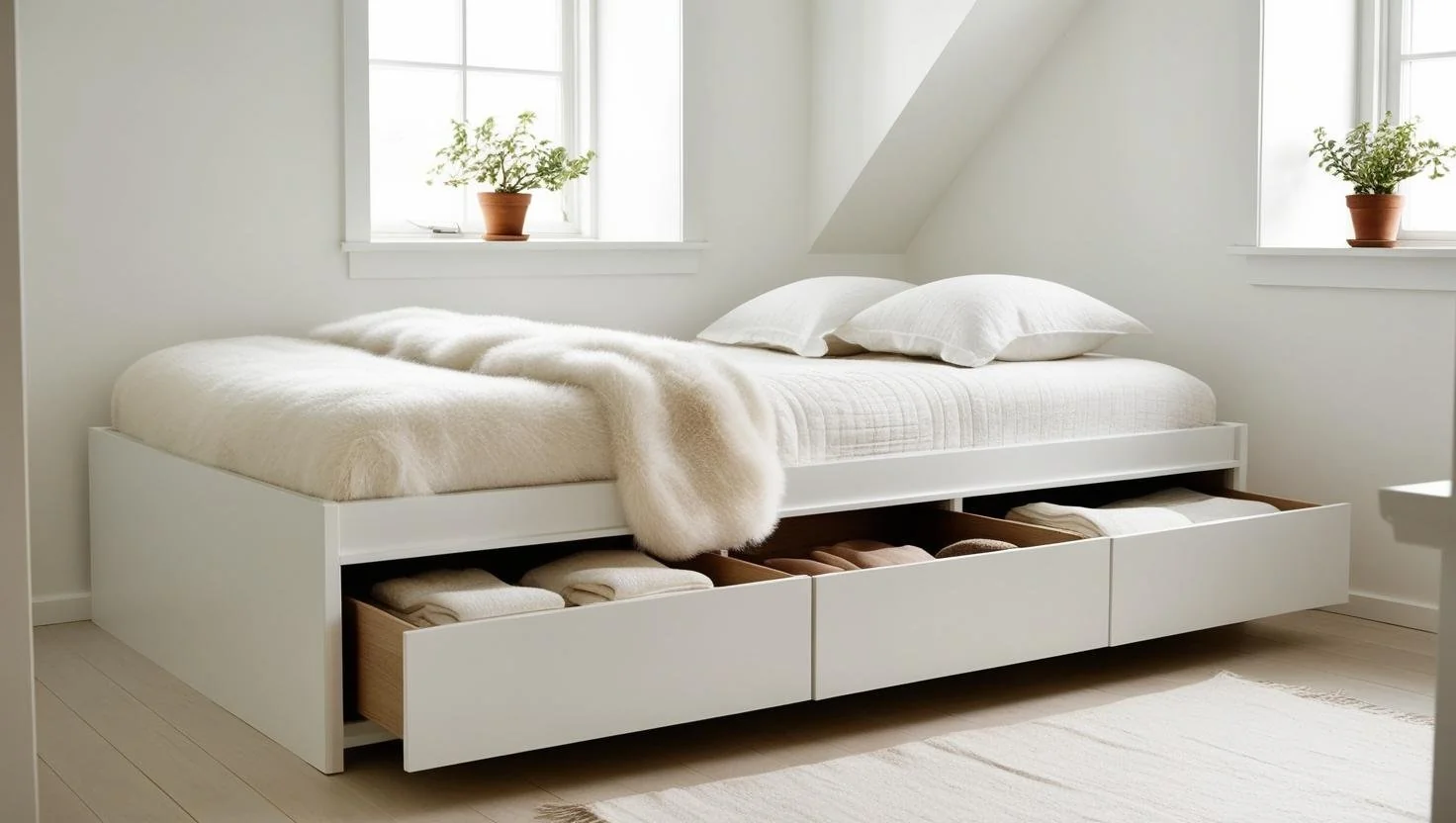
Storage bed frames hide clutter beneath the mattress, freeing up floor space for better movement and a cleaner look. They’re especially practical in Phoenix, where seasonal items can quickly pile up.
Platform bed frames skip the box spring for a clean, low silhouette that visually enlarges small rooms—perfect for modern Phoenix interiors.
For multi-use rooms, Murphy or folding bed frames fold up against the wall, instantly reclaiming floor space—ideal for Phoenix studio apartments.
Loft bed frames raise the sleep surface, creating room below for desks or storage—great for teens or work-from-home setups in small Phoenix condos.
Daybeds double as seating, making them versatile for small guest areas or lounges.
Many include trundles or drawers for extra utility and cooling-friendly open designs.
Max storage? → Storage bed frames Clean modern look? → Platform bed frames Multi-purpose room? → Murphy or daybed frames Teen/work-from-home? → Loft bed frames
The best bed frames for small rooms balance space-saving design, solid support, and everyday comfort—especially important in Phoenix where heat and limited space are common challenges. From storage-packed options to sleek platform bed frames, the right choice turns your bedroom into a calm, organized oasis.
At Cozy Bed Quarters in Phoenix, AZ, we’re passionate about helping you find bed frames that fit your life and your room perfectly. Ready to upgrade? Browse our collection of bed frames today and start creating the cozy, functional bedroom you deserve.
The Best Bed Frames to Buy are sturdy, quiet, and sized right for your room, using materials (steel, wood, or upholstery) that match your budget and style—so you sleep better tonight and save money long term.
Choosing the right bed frame is more than just picking a piece of furniture. It’s about creating a foundation for quality sleep, long-term durability, and a look that suits your personal style. For budget-conscious buyers, the challenge lies in finding something that balances affordability with function. This guide explores the
Best Bed Frames to Buy available today—frames built to last, designed to impress, and crafted to support peaceful, undisturbed sleep.
You’ll learn about different types of bed frames, how materials affect performance, what sizes fit best for your space, and how to get the most value for your money. Whether you’re furnishing a small apartment or upgrading your main bedroom, this article offers clear, simple insights to help you choose with confidence.
A good bed frame does more than hold a mattress. It plays a direct role in your comfort, sleep quality, and the overall feel of your bedroom. When comparing options, focus on the following qualities:
Steel lasts and saves money; wood adds warmth; upholstery brings comfort and visual softness.
Steel, wood, and upholstered frames each offer unique strengths. Steel frames are long-lasting and cost-effective. Wood adds warmth and traditional charm. Upholstered frames provide softness and design variety.
Value means long service life and quiet comfort—not just the lowest sticker price.
Good value doesn’t mean the cheapest option. It means a frame that lasts for years, supports your sleep needs, and still fits your budget.
Wall Decor Ideas: Fall 2025 Trends for Living Room Spaces
Looking to refresh your living room walls? These large wall decor ideas for living room spaces blend cozy fall charm with 2025’s interior design trends. Learn how to make your home feel stylish, warm, and personal this season. For more insight into how your environment influences rest and well-being, explore the Sleep Foundation.
Key Takeaways: Wall Decor Ideas for Living Room
Use oversized art or mirrors to create a strong focal point and open up space.
Warm tones and natural materials complement fall and 2025 décor trends.
Structured gallery layouts and botanical prints bring calm and seasonal character.
Swappable options like decals and framed prints allow quick, budget-friendly updates.
Keep art at eye level and echo wall hues in fabrics and soft furnishings.
New homeowners often find themselves staring at freshly painted walls that feel unfinished. The furniture may be set, the flooring perfect, yet the vertical space still needs something to tie the entire room together—decor that speaks. That’s where these large wall decor ideas for living room walls shine.
Wall decor adds depth, warmth, and personality. In this guide, you’ll find 10 creative, on-trend wall decor ideas inspired by fall’s cozy palette and upcoming 2025 design directions. For even more inspiration, visit our guide on modern wall decor trends and how to integrate them.
Whether you love warm neutrals, organic materials, or sleek minimal layouts, these living room wall decor ideas help you style your home with confidence.
Fall 2025: A New Season, A New Style
As autumn arrives, sunlight softens and shadows stretch longer across your walls. This natural shift sets the mood for warm-toned, tactile décor. Fall wall decor ideas for living rooms in 2025 lean into natural materials, organic shapes, and earthy palettes—trends also reflected by design editors at The Spruce. The focus is less on glossy finishes and more on grounded, comforting texture.
1. Warm-Toned Oversized Canvas
Welcome guests with bold, painterly strokes in shades like burnt orange, olive green, and soft beige. Large art pieces instantly add warmth and depth—perfect for open living areas.
2. Gallery Wall with Structured Layout
Gallery walls can be organized and calm. Follow a grid or row structure to achieve the polished balance often seen in Architectural Digest features. For small rooms, check out our post on creating the illusion of space.
3. Textured Metal Wall Sculpture
Metal catches the light beautifully. Try bronze, gold, or matte black wall sculptures for a touch of luxury and movement.
4. Large Woven Wall Hanging
Soften straight lines with a woven or macramé hanging. Natural fibers like jute or cotton create a cozy, relaxed texture perfect for fall.
5. Reclaimed Wood Art Panel
Reclaimed timber panels bring rustic charm and sustainability. Use symmetrical shapes or geometric carvings to balance modern furniture.
Pressed leaves and florals framed in black or gold create timeless elegance. They pair beautifully with fall hues and textured fabrics.
8. Grand Statement Clock
Go for large wall clocks with minimal faces or rustic finishes. They add function and anchor the wall visually.
9. Wall Decals with Seasonal Style
Peel-and-stick decals are renter-friendly and easy to swap seasonally—try leafy or abstract motifs for fall 2025.
10. Oversized Wreath with Autumn Details
Think beyond the door. A wreath of dried florals or branches over a console table makes a welcoming, organic focal point.
Real Home Inspiration
Sarah – Seattle: Sarah’s rust-colored abstract canvas warmed up her minimalist living room, creating a cozy seasonal feel.
Michael – Atlanta: Michael added three brushed-metal panels above his sofa, blending modern art with southern charm. For more ideas, see styling bedroom walls with mirrors.
Common Mistakes to Avoid
Hanging art too high—center at about 60 inches from the floor.
Choosing pieces too small for large walls—scale is key.
Ignoring lighting—poor light dulls even the best art.
Overcrowding—leave negative space for balance.
Skipping color coordination—echo tones in fabrics and accessories.
Budget-Friendly Wall Decor Options
DIY Canvas Art: Repurpose leftover paint to create simple abstracts.
Thrifted Mirrors: Vintage frames add charm and character.
Printable Botanical Prints: Use free downloads and affordable frames.
Seasonal Decals: Change motifs each season for an instant refresh.
How to Update Wall Decor by Season
Spring: Add floral prints and pastel tones. Summer: Introduce light woods and coastal art. Fall: Warm neutrals, wreaths, and layered textiles. Winter: Bring in metallics, darker frames, and cozy textures.
Expert Insight
“When planning wall decor, think about rhythm,” says interior stylist Elena Ford. “Your room should have highs, lows, and pauses—like a melody. Oversized art works best when balanced by smaller, quieter moments.”
Wall Decor Pros & Cons Table
Idea
Strengths
Considerations
Canvas Art
Bold and easy to match
Needs sufficient wall space
Metal Sculpture
Textured and modern
May be heavy or costly
Tapestries
Soft and warm
Less suited for formal interiors
Botanical Prints
Seasonal and affordable
Requires good lighting
Wreaths
Natural and festive
Best for cooler seasons
FAQ
What’s the ideal height to hang large wall decor?
Center pieces around 60 inches from the floor for balanced sightlines.
How do I mix large pieces without clutter?
Limit to one focal point per wall and vary textures for depth.
What’s trending for 2025 living room wall decor?
Earth tones, recycled materials, and geometric simplicity.
Final Thoughts
Blank walls aren’t empty—they’re opportunities. These wall decor ideas help you layer texture, tone, and warmth for the new season. Design choices that promote calm can even improve sleep quality, as noted by Eachnight. Whether you go bold or start small, let your walls tell your story.
Ready to continue designing? Explore more cozy inspiration at Cozy Bed Quarters.
Light Green Bedroom with Gold Ideas for Calm Elegance
A light green bedroom with gold offers a perfect blend of serenity and sophistication—ideal for creating a restful yet stylish space. These light green bedroom with gold ideas will help you design a soothing yet luxurious room.
Key Takeaways on Light Green Bedroom with Gold Ideas
Light green and gold create a calming yet luxurious bedroom palette.
Use green as the base with gold accents in lighting, decor, and textiles.
Choose soft textures like velvet and silk to enhance comfort.
Warm lighting enhances both colors for a cozy feel.
A bedroom should feel calm, but it can also reflect a refined sense of style. For many design lovers, that balance lies in a light green and gold color palette…
Choosing the Right Shade of Green
Light green comes in many shades…
Adding Gold: Where and How
Gold works best in measured amounts…
Lighting That Supports the Mood
Lighting plays a vital role in how a room feels…
Real-Life Style Inspiration
One example of this theme features soft sage green walls…
Pros and Cons of the Light Green and Gold Palette
Pros
Brings both calm and luxury into one space
Works across different styles and room sizes
Easy to update by swapping accessories
Looks cohesive with natural materials like wood, cotton, and stone
Cons
Too much gold can feel overpowering if not balanced
Some green tones may look dull under cool lighting
Polished gold finishes may require regular cleaning to prevent tarnishing
FAQ
Can I add more colors to this palette?
Yes. Neutrals like white, cream, and beige work well. Deep tones like forest green or navy can add contrast in cushions or artwork. These complementary shades enhance your light green bedroom with gold ideas.
Is this look expensive to achieve?
Not necessarily. Gold-effect accessories and LED lights are widely available at a range of prices. Focus on a few well-chosen pieces to bring your light green bedroom with gold ideas to life affordably.
Will this work in small bedrooms?
Absolutely. Light green walls can actually make small rooms feel larger, and gold accents help bounce light around the space. This makes light green bedroom with gold ideas perfect for maximizing compact spaces.
What lightbulb color works best?
Warm white (around 2700K) works best with green and gold. It adds a natural glow that supports a calm atmosphere.
Final Thoughts
A light green bedroom with gold combines calm with a sense of refined comfort. It allows you to create a restful space without losing visual interest. Light green works as a soothing backdrop, while gold brings depth, shine, and focus. With the right lighting, textures, and simple accents, this color pairing creates a bedroom that feels personal and luxurious. These light green bedroom with gold ideas will help you turn inspiration into action.
Even small updates can make a big difference. Whether it’s adding a gold-framed mirror, changing out light bulbs, or introducing a soft green throw, each step helps shape your ideal space.
Transform your bedroom today. Begin with one idea—a new cushion, a strip of warm LED light, or a soft coat of sage paint. Your perfect calm-and-glam bedroom is only a few choices away.
Quick answer: Use bedroom furniture space saving ideas like storage or loft beds, slimline wardrobes with organizers, and wall-mounted pieces. Combine them with a clear layout and a few high-impact accessories (hooks, mirrors, baskets) to make even tiny rooms feel open and calm.
Plan the layout to protect natural walkways; keep taller pieces along walls.
Use small helpers—mirrors, hooks, baskets, and drawer dividers—to keep daily clutter in check.
Introduction
Declutter first, then swap single-use pieces for multifunctional designs to transform how large your bedroom feels.
Small bedrooms can feel cramped, cluttered, and uncomfortable. But with a few smart ideas and the right furniture, they can feel open, organised, and relaxing. This guide shares practical bedroom furniture space saving ideas that help you make the most of a small room. If you’re a student, renter, or budget-conscious buyer with limited square footage, these tips are simple to apply. From choosing multi-purpose furniture to using your walls more efficiently, you’ll learn how to create a more comfortable space without spending a lot.
Why Smart Furniture Makes a Big Difference
Dual-purpose furniture unlocks storage and keeps walkways open—instantly making small rooms feel larger.
In a small room, every inch counts. Bulky furniture and poor layout can make your space feel smaller than it is. The key is furniture that serves more than one role so your room looks cleaner and supports your daily routine. Space-saving choices help you:
Maximise available storage
Keep the room open and breathable
Make cleaning easier
Create a peaceful place to sleep, work, or relax
Simple swaps—like a storage bed and floating nightstands—clear floor space fast.
Essential Space Saving Principles
Choose Multi-Functional Furniture
Pick pieces that do double duty—especially beds with storage and fold-away work surfaces.
Beds with built-in drawers or lift-up platforms offer room to store clothes, bedding, or shoes. A folding desk that attaches to the wall can act as a workspace and disappear when not in use. Even a stool can be a seat and a storage box.
Storage beds hide off-season items without adding another dresser.
Use Vertical Space
Tall wardrobes, floating shelves, and wall organizers add capacity without stealing floor area.
Instead of filling your room with floor-standing units, think vertically. Wall-mounted shelves and hanging organisers help you store more while keeping the floor free. Floating nightstands or desks also create more visible floor space.
Floating shelves keep things tidy and maintain a light visual footprint.
Scale Your Furniture
Right-size every piece—slimmer frames and sliding doors protect pathways and sightlines.
Avoid oversized headboards, deep dressers, or large side tables. Choose slim, light pieces with simple designs so the room feels less crowded.
Practical Bedroom Furniture Space Saving Ideas
Storage Beds
A storage bed can replace a full dresser by using space under the mattress.
Beds with built-in drawers or lift-up platforms add a huge amount of storage. You can store seasonal clothing, shoes, or extra bedding without taking up more space. A single piece of furniture can replace an entire chest.
Lift-up platforms are perfect for bulky bedding and luggage.
Loft Beds
Raise the bed to free a workstation, lounge, or storage zone underneath.
A loft bed creates usable space below the mattress for a desk, sofa, or drawer unit—ideal for kids’ rooms, dorms, or small studios.
Folding Desks and Wall-Mounted Tables
Fold-flat work surfaces deliver function when needed and disappear the rest of the time.
A wall-mounted desk is great if you need to work in your bedroom. Fold it up when not in use to keep the room open.
Slimline Wardrobes
Go tall and shallow with sliding doors and interior organisers to maximise capacity.
Choose sliding doors to avoid swing clearance. Inside, use shelf dividers, baskets, and hanging organisers to use vertical space.
Floating Shelves
Open shelves double as display and storage without visually crowding the room.
They work well above desks, dressers, or beds and keep the floor clear for circulation.
Under-Bed Storage
Use low bins or boxes if your frame lacks built-ins to reclaim unused space.
Pick nightstands with drawers, shelves, or trays so they work harder in less space.
They corral cables, books, and small items without requiring extra furniture.
Over-the-Door Storage
Turn the back of your door into bonus storage for shoes, bags, or accessories.
Hanging organisers add capacity without using any floor area.
Pegboards
Modular pegboards adapt as your needs change—perfect for small items and chargers.
Customise with hooks, trays, and mini-shelves; rearrange anytime.
Corner Shelves
Put idle corners to work with tall units or simple triangular shelves.
Corners are often wasted yet ideal for display or light storage.
Picking the Right Bedroom Furniture Sets
Buy only what fits: prioritise a bed and wardrobe, choose built-in storage, and avoid oversized pieces.
Bedroom furniture sets can help you keep your space consistent in style, but they must also be practical in small rooms. Always check dimensions before buying. Here’s how to choose wisely:
Use tall mirrors to bounce light and visually double the room’s depth.
A wall-mounted mirror or a door-back mirror adds brightness and depth.
Hooks and Wall Racks
Put everyday items on hooks to free drawers and surfaces.
Install them for coats, bags, and hats; add a rack for scarves, belts, or towels.
Storage Boxes and Baskets
Group small items in labelled boxes to keep shelves neat.
Place them on shelves or in the wardrobe to maintain order and speed up cleaning.
Drawer Organisers
Divide drawers so every item has a home—clutter stays gone.
Use dividers or small trays to sort socks, accessories, and cords.
Foldable Hampers
Choose collapsible hampers so laundry storage expands only when needed.
They save space and keep clothes off the floor in tight rooms.
Bedroom Layout Tips for Small Rooms
Protect clear walkways, avoid blocking windows, and cluster functions (sleep, work, storage) for effortless flow.
The layout of your bedroom affects how big it feels. A good plan leaves open paths, uses corners well, and avoids placing large furniture near doorways. Use these tips:
Keep walking paths clear
Don’t block windows or doors
Put taller furniture along the walls
Group items by purpose (sleeping, working, storing)
Leave space between items to let the room breathe
Sketch your layout or use an online tool before moving or buying furniture.
Real-Life Examples
A Student in a Shared Apartment
A loft bed plus sliding-door wardrobe and floating shelves turned a 10′×9′ room into a tidy study-sleep zone.
She chose a loft bed with a desk underneath. A tall wardrobe with sliding doors held her clothes. Floating shelves above the desk added storage for books and décor. The room felt bigger and stayed neat even with regular use.
A Family Bedroom in a Small Flat
A storage bed, compact cot, and wall hooks created calm order for parents and baby in one room.
They used drawers under the bed for adult clothes and baby supplies. Corner shelves and over-door organisers kept essentials handy. A shared wardrobe with organisers kept everything reachable.
Pros and Cons of Common Space Saving Items
Every solution trades space, budget, and convenience—use this quick table to pick what fits your needs.
Furniture or Item
Pros
Cons
Storage Beds
Extra space for clothes and bedding
Heavy and harder to move
Loft Beds
Creates room for desk or storage below
Not suitable for all ceiling heights
Floating Shelves
Keeps floor free, modern look
Needs secure wall installation
Foldable Desks
Saves space when not in use
Smaller work area
Over-the-Door Organisers
Adds storage without using floor space
May feel cluttered on the door
Slimline Wardrobes
Good for tight spaces, holds a lot
Tall shelves may be harder to reach
Frequently Asked Questions
Can I make a small room feel bigger without buying new furniture?
Yes. Decluttering, rearranging furniture, using light colours, and adding mirrors can all help a room feel larger.
Platform beds with drawers or lift-up bases are best. They use under-bed space that’s often wasted.
Do I need a full furniture set in a small room?
No. It’s better to buy only what fits and serves a clear purpose. A bed, nightstand, and wardrobe are usually enough.
Are floating shelves safe?
Yes, if installed correctly. Always fix them to wall studs or use proper wall anchors for safety.
Conclusion
Combine multifunctional furniture, vertical storage, and a clean layout to create a calm, spacious bedroom on any budget.
A small bedroom does not mean you must give up comfort, style, or function. With the right bedroom furniture space saving ideas, you can create a room that feels large, tidy, and calm. Focus on furniture that serves more than one purpose, use vertical space, choose slim designs, and keep only what you need.
See What’s New and explore fresh ways to make your bedroom feel bigger and better.
Updated 2025 — Masculine Bedroom Accessories Ideas can quickly transform a plain room into a modern retreat. Start with grounded colors, layer lighting, mix tactile materials, and use purposeful storage so your space feels intentional, comfortable, and unmistakably yours.
Key Takeaways on Masculine Bedroom Accessories Ideas
Begin with a grounded palette (charcoal, navy, olive) and add 20–30% accent tones.
Layer overhead, task, and ambient lighting to shape mood and structure.
Choose durable, tactile materials—leather, wool, wood, stone, and brushed metal.
Prioritize function and form: every accessory should earn its place.
Personalize minimally with art, books, and memorabilia to avoid clutter.
A Purpose-Driven Space: Why Accessories Matter
Accessories define the tone of the room and deliver daily utility. Think of them as small levers that change how the space looks and works without a remodel.
Mini-scenario: set a leather valet tray on your nightstand for wallet and keys, add a black metal vase, and keep one framed photo—clean, useful, and personal. For broader direction, explore our pillar overview of bedroom accessories and styling.
Featured look: edited, purposeful accessories anchor the room without clutter.
Palette & Materials that Ground the Room
Use a 70/30 mix—about 70% base (charcoal, navy, olive, espresso, matte black) and 30% accent (rust, oxblood, steel blue). Texture multiplies impact and keeps neutrals interesting.
Lighting is the fastest way to sharpen your room’s look. Combine a statement ceiling fixture with symmetrical wall lights and soft ambient sources for balance.
Statement fixtures plus soft backlighting = structured ambiance and easier wind-downs.
Furniture, Storage & Textiles with a Strong Identity
Choose clean-lined, durable pieces so form and function align. Every object should earn its footprint, especially in smaller rooms.
Mini-scenario: a walnut dresser with black hardware, a leather bench at the foot of the bed, and floating shelves for books and art. Compare frames by material in bed frame material types, then layer soft goods. When shopping textiles, look for independent certifications—this bedding certifications explainer clarifies labels like GOTS and GREENGUARD; brands such as Happsy publish their GOTS/GOLS and GREENGUARD credentials to help you verify claims.
Grain-forward walnut with black metal accents delivers refined utility.
Bedding Layers that Look Crisp, Not Cold
Stick to solids or subtle patterns, then layer textures for warmth: linen, cotton, flannel, and knits read masculine yet comfortable.
Mini-scenario: charcoal percale sheets, a taupe wool throw, two textured pillows, and one leather accent cushion. If you love quick visual upgrades, our bedding sham styling guide shows simple arrangements that work across bed sizes.
One principle, many looks: edit, layer, and keep materials consistent.
Art, Personal Touches & Simple Styling Templates
Show personality without visual noise. Larger, restrained pieces keep the room calm and grown-up.
Mini-scenario A (Warm Modern): walnut bed, charcoal bedding, two bracket lights, three black-and-white photos evenly spaced, and a shelf holding three hardcover books, a candle, and a watch tray—Masculine Bedroom Accessories Ideas at their most livable. Mini-scenario B (Urban Minimal): slim black frame, gray linen sheets, a single graphic print, and a valet stand catching a jacket and briefcase.
FAQ
What makes accessories feel masculine?
Strong lines, natural textures, and darker neutrals. Leather, wood, wool, stone, and metal are common—kept simple and useful.
How do I avoid a cold, sterile look?
Layer warm woods and textiles, use dimmable lighting, and display a few meaningful items. Even a textured rug softens a minimal scheme.
Should I avoid bright colors?
No. Use bold hues as accents against a grounded base. A rust throw or oxblood pillow adds energy without chaos.
How many accessories is too many?
If surfaces feel crowded or hard to maintain, edit. Keep only what serves a clear function or adds real visual value.
Masculine Bedroom Accessories Ideas are about more than looks—they help you live better in your space. Start with the grounded essentials above, then layer accents over time. Explore more ideas at Cozy Bed Quarters, refine what works, remove what doesn’t, and let your bedroom speak clearly for who you are.
The standard full size bed dimensions are 54″ × 75″ (137 × 191 cm). It fits best for solo sleepers in rooms around 10′ × 10′; couples usually sleep better on a queen (60″ × 80″). If you’re taller than 6’0″ or sharing nightly, upsize for comfort.
Key Takeaways on Full Size Bed Dimensions
Full = 54″ × 75″; about 27″ of width per person if shared.
Best for: solo adults, teens, guest rooms, and tight budgets.
Consider a queen (60″ × 80″) if you’re tall, share nightly, or toss and turn.
Layout tip: leave 24–36″ walk space on accessible sides.
Save money on mattress/linens vs. queen, but space is the tradeoff.
Introduction
Short answer: a full (double) bed balances comfort and footprint for one person, but space can feel tight for two. Choosing the right size shapes how your bedroom functions — from walking space to furniture placement and sleep quality.
Choosing the right bed is a major decision when setting up a new home. A bed isn’t just a place to sleep — it influences how your entire bedroom functions. For new homeowners working with limited space or budget, full size beds often become a top choice. But are they really spacious enough? Will they fit the room comfortably? And how do they compare to queen beds?
This guide explains full size bed dimensions in detail. It also highlights how they fit in real bedrooms, how they compare to queen size beds, and when a full might be too small. Use this guide to apply full size bed dimensions to real rooms so your choice fits both people and space.
Full size bed dimensions at a glance: 54″ × 75″.
What Is a Full Size Bed?
Quick answer: A full (double) mattress measures 54 inches wide by 75 inches long (about 137 × 191 cm) — wider than a twin, smaller than a queen.
A full size bed, also known as a double bed, measures 54 inches wide and 75 inches long (about 137 cm × 191 cm). It offers more space than a twin bed but less than a queen. When people ask “what are full size bed dimensions,” the standard is 54″ × 75″ for mattresses labeled full or double.
For many solo sleepers, it feels generous. It allows space to stretch out without taking over the whole room. That’s why it’s popular among teenagers, college students, and young adults furnishing their first apartments.
But when two people try to share it nightly, the space begins to feel limited. Each sleeper gets only 27 inches of width — that’s less than the width of a crib mattress. So while full beds are called “double,” they’re more ideal for single use or occasional couple sleeping.
“Double” is a misnomer — fulls are best for one person.
How Full Size Beds Compare to Queen Beds
Bottom line: A queen is 6 inches wider and 5 inches longer (60″ × 80″), which feels much bigger for couples and taller sleepers.
A queen bed is 60 inches wide and 80 inches long. That makes it 6 inches wider and 5 inches longer than a full bed. Compared to full size bed dimensions, a queen’s extra width and length noticeably improve comfort for couples and tall sleepers.
On paper, it may not seem like a dramatic difference. But in practice, those few extra inches can have a big impact — especially if you’re over six feet tall or sharing the bed. With 30 inches of space per person, a queen bed gives couples enough room to sleep without bumping into each other. Taller individuals also benefit from the extra legroom, reducing the chance of feet hanging off the edge.
If you have enough bedroom space and the budget allows, queen beds offer better comfort for two people. But for solo sleepers or rooms under 10 by 10 feet, a full bed may still be the smarter choice.
Full vs. queen: +6″ width and +5″ length can be a game changer.
When a Full Bed Feels Too Small
Rule of thumb: If you’re over 6’0″, share nightly, co-sleep, or toss and turn, a full will feel cramped.
There are certain situations where a full bed might not meet your needs. If you’re over 6 feet tall, the 75-inch length can be too short. Your feet may hang off the end unless you sleep curled up. In these scenarios, full size bed dimensions are simply too tight to sleep comfortably night after night.
If you share your bed with a partner every night, the 54-inch width might leave you with little space to move. It also makes it difficult to add anything — from pillows to pets — without feeling cramped.
Parents co-sleeping with young children may also find a full bed restrictive. There’s simply not enough surface area to accommodate everyone comfortably. Likewise, if you’re a restless sleeper who turns often during the night, the tighter width may disturb both your sleep and your partner’s.
Consider upsizing if you regularly share or are over 6’0″.
Measuring Your Room for a Full Bed
Fast answer: Leave 24–36 inches of clearance on accessible sides. Minimum room for a full is about 9′ × 9.5′; 10′ × 10′ offers better flow and furniture options.
To know whether a full bed will work in your space, it’s important to measure the room carefully. Tip: tape a 54″ × 75″ rectangle on the floor — the exact full size bed dimensions — to visualize walkways and door swing. Start by noting the bed’s dimensions: 54 inches wide, 75 inches long. You’ll also want to leave at least 24 to 36 inches of clearance on each side of the bed for walking, furniture, or opening doors and drawers.
That means the minimum room size for a full bed should be around 9 feet by 9.5 feet. Ideally, a 10 by 10 foot room or larger gives you more flexibility in layout and additional space for nightstands or dressers. If your bedroom is smaller, consider placing one side of the bed against the wall. This layout works well in children’s rooms or guest spaces. For couples, though, both sides should be accessible.
Plan for walk space and door/drawer swings.
Common Bedroom Layouts with Full Beds
At a glance: Fulls shine in ~10′ × 10′ rooms, studios, and guest spaces where you want a real bed without losing floor area.
In smaller apartments or older homes where bedrooms average 10 by 10 feet, a full size bed fits well. It allows enough room for a nightstand on each side and a small dresser without making the space feel overfilled. In a typical 10′ × 10′ room, full size bed dimensions leave balanced pathways and space for small nightstands.
In studio apartments or shared spaces, a full bed leaves more floor area for storage or workstations. You can also pair it with underbed storage drawers or a storage headboard to make the most of the footprint.
In guest bedrooms, a full bed offers a welcoming touch without dominating the space. It gives occasional visitors more room than a twin, while still leaving enough space for luggage or side tables.
Full-size layouts keep small rooms usable and balanced.
Who Should Choose a Full Bed?
Best fit: solo adults and teens, budget-minded buyers, and guest rooms with limited space.
A full size bed is a practical choice for many people: for singles and teens, full size bed dimensions balance comfort with floor space and budget.
Solo adults living in small apartments
Teenagers who’ve outgrown twin beds
College students in dorms or shared housing
Guest rooms where space is limited
Budget-conscious buyers looking for savings on mattresses and linens
However, for long-term couples, taller individuals, or those who value more personal sleep space, a queen bed may be more appropriate.
Great everyday value for singles; a squeeze for two.
Benefits of Full Size Beds
Why pick full: saves money, saves space, easier to move, and comes in tons of styles.
Because full size bed dimensions are smaller than queen, mattresses and linens usually cost less and are easier to handle.
Cost-effective: Mattresses, bed frames, and linens for full beds are generally less expensive than queen-sized options.
Space-saving: They fit well in compact bedrooms or multipurpose spaces.
Easier to move: Lighter and smaller than queens, they are simpler to transport and set up.
Versatile design: Available in a wide range of styles, from sleek platform beds to classic frames with headboards.
Great for singles: Offers enough space to sleep comfortably without overwhelming the room.
Fulls deliver comfort without crowding the room.
Limitations of Full Size Beds
Heads-up: nightly sharing is tight; length may be short for tall sleepers; buyers often prefer larger beds in primary suites.
Most limitations trace back to full size bed dimensions — namely width for two and overall length for tall sleepers.
Tight for two people: Regularly sharing a full bed can lead to disrupted sleep due to limited space.
Not ideal for tall sleepers: The 75-inch length may feel short for people over 6 feet tall.
Space tradeoffs become obvious for couples and tall sleepers.
Bed Size and Sleep Quality
Essential point: Even a great mattress can’t fix a surface that’s too small — space affects motion transfer, posture, and night wakings.
Sleep quality depends on more than just the mattress type — space also plays a key role. Cramped sleeping quarters can lead to disturbed sleep, aches, and frequent wake-ups. Even if you’re using a high-quality mattress, insufficient surface area can prevent restful sleep. If you share your bed, the surface area defined by full size bed dimensions can directly affect motion transfer and wake-ups.
If you sleep with a partner, child, or pet, consider upsizing. The difference in dimensions between full and queen beds can significantly improve restfulness.
More surface = fewer disturbances and better alignment.
Mattress Types for Full Size Beds
Pick by feel: innerspring for bounce, memory foam for contouring, hybrid for balance, latex for breathable durability.
Innerspring: Traditional and often budget-friendly, with a spring-based structure.
Memory foam: Moulds to the body and offers pressure relief.
Hybrid: Combines foam and coils for a balanced feel.
Latex: Breathable and durable, ideal for allergy-prone sleepers.
Choose a mattress that matches your sleep style — side, back, stomach — and preferred firmness level.
Most popular mattress types come in full size.
Bedding for Full Beds
Sizing guide: Look for sets labeled “Full/Double.” Fitted sheets are 54″ × 75″; comforters often ~80″ × 86″.
Fitted sheet: Fits 54″ × 75″ mattresses snugly
Flat sheet: Slightly larger to tuck in on all sides
Comforter or duvet: Often 80″ × 86″ for full coverage
Choose sets labeled for full size bed dimensions to ensure fitted sheets and comforters actually fit. Compared to queen bedding, full-size options are more affordable and easier to wash and store.
Full bedding is widely available and budget-friendly.
Real-Life Scenarios: Who Chose Full Beds and Why
Snapshot: Fulls help renters stretch space, teens level up from twins, and hosts furnish comfy guest rooms.
These examples show how full size bed dimensions perform in real homes without overpowering small rooms.
A first-time apartment renter opted for a full bed to save space and money. The 10 by 10 bedroom left room for a reading chair and shelf.
A teen moving from a twin upgraded to a full bed for more comfort. They appreciated the space for extra pillows, late-night reading, and weekend lounging.
A guest bedroom setup used a full bed to balance comfort and walkable space. Visitors enjoyed the feel of a real bed over an air mattress, and it didn’t overwhelm the room.
Real homes: why people pick full size.
FAQ
Is a full bed enough for two people?
For short stays or occasional sharing, yes. For long-term couples, a queen or larger is more suitable for comfort and sleep quality.
Can my room fit full size bed dimensions?
Yes—rooms at least 9′ × 9.5′ can accommodate full size bed dimensions with minimal furniture. In tight rooms, place one side against a wall (best for kids/guests, not couples).
Is a full bed good for kids or teens?
Absolutely. It gives growing children extra room to sleep and move comfortably and can last through high school.
Can I upgrade from full to queen later?
Yes. You’ll need a new frame and mattress; bedding will also change sizes.
What are the exact full size bed dimensions?
Full (double) mattresses measure 54 inches wide by 75 inches long (137 × 191 cm).
Final Thoughts
Full size beds offer a balanced option for comfort, cost, and space-saving. They are well-suited for solo sleepers, teenagers, or small guest rooms. In compact spaces or with limited budgets, they check many boxes.
However, when sleeping with a partner or if you’re particularly tall, the limited dimensions can be restrictive. If your room size allows, consider upgrading to a queen for extra comfort.
As a new homeowner, your bed choice affects your daily comfort and your bedroom’s layout. Measure your space, consider how you sleep, and weigh the advantages carefully.
The queen bed size in feet is typically 5 feet wide by 6.6 feet long (60″ x 80″), which balances comfort and floor space for most bedrooms; use at least a 10′ x 10′ room and smart layout tricks below for the best fit.
Key Takeaways on Queen Bed Size in Feet
A standard queen measures 5′ x 6.6′ (60″ x 80″).
Works best in rooms 10′ x 10′ or larger; 10′ x 12′ gives better flow and storage.
Leave ~2 feet of clearance on each side for easy movement.
Use multipurpose storage, wall lighting, and vertical shelving to free floor space.
Variations (Olympic, California, Split Queen) offer extra width/length or adjustable-base compatibility.
Creating a comfortable bedroom starts with knowing the exact size of your bed. If you’re considering a queen bed, you’re likely seeking a balance between space, comfort, and design. This guide explains the queen bed size in feet, gives smart layout suggestions, and helps you make confident design choices.
What Is the Queen Bed Size in Feet?
A standard queen bed is 5 feet wide by 6.6 feet long (60″ x 80″), a sweet spot for couples and spacious solo sleepers.
Exact Queen Bed Dimensions
Width: 5 feet (60 inches)
Length: 6.6 feet (80 inches)
If you ask, “How big is a queen size bed?”—this is your answer.
Standard queen dimensions in feet.
Variations in Queen Size Beds
Olympic and California queens tweak width or length, while split queens aid adjustable bases.
Type
Dimensions (Feet)
Description
Olympic Queen
5.5 x 6.6
Slightly wider than a standard queen
California Queen
5 x 7
Extra length for taller people
Split Queen
Two pieces of 2.5 x 6.6
Used with adjustable bed frames
These variations can affect layout, so measure your room carefully before choosing.
Popular queen variants and how they differ.
Ideal Room Size for a Queen Bed
Aim for at least 10′ x 10′; 10′ x 12′ or larger supports nightstands, dressers, and better walking paths.
Minimum Room Dimensions
Recommended Minimum: 10 x 10 feet
Ideal for Full Functionality: 10 x 12 feet or larger
Smaller rooms can still fit a queen bed, but you may need to get creative with layout.
Example 10′ x 12′ layout with clear walking zones.
Smart Layout Tips for a Queen Bed
Center on the longest wall, maintain 2′ side clearance, and leverage vertical storage to keep the room open.
1. Center the Bed on the Longest Wall
This gives the room symmetry and makes it easier to access both sides.
2. Allow for Walking Space
Maintain at least 2 feet of space on each side of the bed for easy movement.
3. Use Multipurpose Furniture
Choose furniture that does more than one thing:
Storage beds for keeping linens
Wall-mounted shelves instead of nightstands
Foldable desks or compact chairs
4. Go Vertical
If floor space is limited, think upward. Use tall dressers and shelving units to free up space.
5. Position Near Natural Light
Place your queen bed near a window if possible, but avoid blocking it. This gives the room a lighter feel.
Layout principles that keep your room functional.
Queen Bed vs Other Bed Sizes
Compared with full and king sizes, a queen balances shared comfort with efficient footprint.
Bed Type
Dimensions (Feet)
Suitable For
Twin
3.2 x 6.2
Single sleepers
Full
4.5 x 6.2
Solo sleepers with space
Queen
5 x 6.6
Couples or solo with space
King
6.6 x 6.6
Couples who need more room
California King
6 x 7
Taller individuals
This gives you an idea of where the queen fits on the size spectrum.
How queen stacks up against other standard sizes.
Is a Queen Bed Right for You?
Choose a queen if you want couple-friendly comfort without the larger footprint of a king.
Pros:
Fits two people comfortably
Works in most room sizes
Wide range of bedding available
Cons:
May feel tight in very small rooms
Less space than a king bed
It offers a good balance of comfort and practicality for many people.
Weigh pros and cons based on your space and sleep style.
Real-Life Layout Example
A 10′ x 12′ minimalist layout centered on the long wall delivers balance and clear pathways.
Case Study: Minimalist Millennial Bedroom (10×12 ft)
Bed: Standard Queen
Furniture: Two slim side tables, wall-mounted lights, a small writing desk
This setup keeps things airy, functional, and clean.
FAQs
How big is a queen size bed compared to a double?
A queen is about 6 inches wider and 5 inches longer than a full (or double) bed.
Can a queen bed fit in a 9×10 room?
Yes, but it will be tight. Use space-saving furniture and limit large items.
What bedding size should I get for a queen bed?
Look for bedding labeled Queen—standard sheets are 60 x 80 inches.
Is a queen bed good for guests?
Yes. It offers enough space for one or two people to sleep comfortably.
Conclusion
A queen bed offers comfort, space, and flexibility. Knowing the queen bed size in feet
helps you plan your layout and furniture better. Whether you’re moving into a new apartment or updating your current room, these tips make it easier to decide.
Create Your Dream Room Now—start by measuring your space and mapping out your furniture. With a little planning, your room can be both stylish and comfortable.
Discover everything about double bed size uncovered dimensions—from measurements to styling—so you can make a comfortable, informed choice for your space.
Key Takeaways: Double Bed Size Uncovered Dimensions
The standard double bed size uncovered dimensions are 54″ wide by 75″ long.
Also known as a full-size bed, it balances comfort and space efficiency.
Knowing uncovered dimensions ensures you pick the right mattress and bedding fit.
Understanding Double Bed Sizes
What Does “Double Bed Size Uncovered Dimensions” Mean?
“Double bed size uncovered dimensions” refers to the mattress footprint (without sheets or coverings). The standard is 54 inches wide and 75 inches long—also called a full-size bed. Many choose this size for guest rooms, smaller master bedrooms, or teen rooms because it balances usable sleeping area and efficient use of space.
What Is a Double Bed?
Full Bed Basics
A double bed—also known as a full bed—was originally intended for two people, though it’s tight for some couples. Many solo sleepers prefer a full because it offers more room than a twin without overpowering small bedrooms.
Ideal for Couples and Single Sleepers
When You Might Choose a Double
While it may be snug for two, many couples are comfortable in a full. Single sleepers especially enjoy the width over a twin mattress. This size is a happy middle ground between compactness and usability.
Common Dimensions of Double Beds
Size Comparison with Other Bed Types
To put things into perspective, here’s how the full-size compares with other common mattress dimensions:
Bed Size
Width (inches)
Length (inches)
Double / Full
54
75
Queen
60
80
King
76
80
According to Sleep Foundation, a full (double) mattress measures **54″ × 75″**. :contentReference[oaicite:0]{index=0}
For a broader mattress chart, see the Sleep Foundation mattress size guide. :contentReference[oaicite:1]{index=1}
Benefits of Choosing a Double Bed
Sweet Spot Between Size & Comfort
A double bed is large enough for comfort yet compact enough for smaller rooms. It’s a great pick when you want functional sleeping space without dominating the floorplan.
Space Efficiency for Smaller Rooms
Optimizing Your Layout
With 54″ × 75″ as unpacked dimensions, a double bed leaves room for nightstands, circulation paths, and small storage in more compact bedrooms.
Double Bed Size Variations
Beyond Standard Full
Not all “double” beds are identical. For instance, **Full XL** (54″ × 80″) offers extra legroom, ideal for taller sleepers. Knowing these differences helps avoid mismatches in mattress, bedding, or room fit.
Full Size vs. Queen Size
Choosing Between the Two
A queen mattress is 60″ × 80″—6 inches wider and 5 inches longer than a full. The extra space can make a noticeable difference, especially for couples. For a visual guide, check out Better Homes & Gardens’ mattress size overview. :contentReference[oaicite:2]{index=2}
How to Choose the Right Mattress for Your Double Bed
Match Frame, Style & Comfort
Pick a mattress that suits your sleep style while matching your frame. Memory foam, hybrid, and innerspring are all valid options depending on comfort, bounce, or breathability.
Mattress Thickness and Comfort Levels
The Role of Depth
Mattress height influences comfort. Side sleepers often prefer 12″+ plush models. Back sleepers may find 10″ or even slightly thinner models sufficiently supportive.
Styling Your Double Bed
Design That Highlights Size
Use layered duvets, folded throws, and accent pillows to frame the bed visually. A well-styled bed emphasizes its width and presence in the room. For inspiration, see Parachute Home’s styling ideas. :contentReference[oaicite:3]{index=3}
Common Mistakes in Double Bed Selection
Avoid These Oversights
Often people skip measuring doors, hallways, or the room itself. Others mismatch bedding depths. Always confirm full uncovered dimensions and consider how bedding fits before purchase.
Maintenance Tips for Your Double Bed
Preserve Longevity & Comfort
Rotate or flip your mattress every 3–6 months, vacuum surfaces, and use a waterproof protector. These habits prolong life and hygiene.
Where to Buy a Double Bed
Smart Buying Advice
Online stores like Wayfair, or in-store retailers like IKEA and Mattress Firm, often list clear dimensions. Compare warranty, trial, and return policies before purchasing.
FAQ
What are the exact uncovered dimensions of a double bed?
A double (full) bed measures 54 inches wide by 75 inches long.
Is a double bed good for couples?
Yes, though it’s snug. It’s best for couples comfortable with close sleeping or for smaller guest spaces.
What is the difference between a double and a queen bed?
A queen is 6 inches wider and 5 inches longer, giving more breathing space for two people.
How do I style a double bed in a small room?
Use light bedding, mirrors, and multifunction furniture to visually expand space.
Where can I buy a good double bed?
Try retailers like IKEA, Wayfair, and Mattress Firm—just verify dimensions and policies.
Final Thoughts
Understanding double bed size uncovered dimensions gives you confidence in choosing a mattress, bedding, and layout that suit your space. With the right choices, a full-size bed can be both practical and beautifully styled for your home.
Dreamy bedroom design isn’t just about beauty—it’s about creating a restful space where your mind and body can recharge every night.
Key Takeaways
Transform any room into a dreamy bedroom with calming colors, soft lighting, and cozy textures
Reduce stress and sleep better by simplifying layout, cutting clutter, and adding natural elements
Layer textures, use mood-setting scents, and personalize without overcrowding the space
Why Your Bedroom Design Matters
Your bedroom isn’t just a place to sleep—it’s your sanctuary. A dreamy bedroom helps lower stress levels, regulate your sleep cycle, and support emotional well-being. When done right, design enhances rest and rejuvenation, giving you more energy each day. According to the Sleep Foundation, bedroom environment is a major factor in sleep quality.
Start With a Calm Color Palette
Color sets the emotional tone. Soft blues and greens promote rest, while warm neutrals like beige and ivory create coziness. Earthy tones such as sage and taupe ground the space. Limit deeper colors to accents and avoid high-contrast combos that distract the eye. Choosing a calm palette is one of the simplest dreamy bedroom ideas for better sleep.
Lighting Ideas for a Dreamy Bedroom
Lighting directly influences sleep. Use warm-toned bulbs in the evening, add dimmers, and avoid bright overhead lights. Try bedside lamps or sconces for a soft glow, and skip daylight bulbs after sunset. The National Institutes of Health notes that artificial light at night can interfere with circadian rhythms. Thoughtful lighting is essential for better rest.
The Bed Is the Star
Your bed is the centerpiece of your dreamy bedroom. Invest in a quality mattress, use breathable natural-fiber sheets, layer pillows and blankets, and position it for comfort and openness in the room. Check out our mattress guide for tailored tips. The right bed setup sets the foundation for dreamy bedroom ideas for better sleep.
Reduce Clutter for Mental Clarity
Clear spaces clear the mind. Use under-bed bins, tidy nightstands, group loose items in baskets, and avoid open shelves crowded with objects. Minimalism supports relaxation and ensures your space promotes better sleep.
Natural Materials and Indoor Plants
Nature calms. Add wooden furniture, cotton curtains, or woven textures. Place peace lilies or snake plants in corners. Even a small ceramic pot or wood tray adds warmth. A clean indoor environment contributes to better air quality and wellness, making your bedroom more restful.
Personal Touches Without the Clutter
Balance is key. Add 2–3 calming artworks, a few favorite books, and a few grouped photos. Avoid visual overload to keep the dreamy vibe intact. A curated approach keeps your room relaxing instead of overwhelming.
Textures That Invite Relaxation
Mix soft throws, plush rugs, and linen drapes for comfort. Texture layers add depth and a tactile sense of peace without visual clutter. Layering different fabrics creates a cozy, grounded atmosphere that signals rest.
Set the Mood With Sound and Scent
Use white noise machines, lavender diffusers, linen sprays, and silent clocks. These subtle cues signal your brain to transition into sleep mode naturally. Sound and scent are simple yet powerful dreamy bedroom ideas for better sleep.
Create a Simple Reading Nook
Dedicate a cozy corner with a chair, lamp, and table for pre-bedtime reading. This habit helps your body wind down each night. See how to build one in our reading nook guide. A reading nook creates a screen-free zone for relaxation before sleep.
Keep Screens Out of the Bedroom
Blue light disrupts melatonin. Charge phones outside the room, ditch the TV, and opt for analog alarm clocks. Use night mode if screens are necessary, but minimizing tech is one of the best ways to create a dreamy bedroom that supports healthy sleep.
Room Layout for Calm
Let the room flow. Keep paths clear, furniture against walls, and avoid blocking views. This creates openness and calm energy. A thoughtful layout not only improves function but also fosters a serene mood.
Refresh With the Seasons
Swap bedding, fabrics, and accessories seasonally. Lighten up in summer, cozy up in winter. Small changes keep the room fresh and dreamy. Rearranging furniture and rotating accent colors can also give your space a whole new look and feel, encouraging a refreshed sleep experience each quarter of the year.
Maintenance Habits
Daily: Make the bed, open windows, and tidy surfaces. Weekly: Wash bedding, dust, and clean under the bed. Routine keeps the dreamy feeling intact. Monthly: Deep clean, declutter, and rotate accessories. Maintenance preserves your dreamy bedroom ideas for better sleep over the long term.
Conclusion
Turning your bedroom into a dreamy retreat doesn’t require a full remodel—just thoughtful changes that prioritize peace, comfort, and personality. By applying these dreamy bedroom ideas for better sleep, you’ll enjoy a restful sanctuary every night. For more inspiration, explore our guides at Cozy Bed Quarters.
FAQ
What are the best colors for a dreamy bedroom?
Soft blues, greens, warm neutrals, and earthy tones like sage or taupe are ideal. They promote relaxation and balance.
How can I make my bedroom dreamy without spending a lot?
Focus on affordable updates like rearranging furniture for better flow, decluttering surfaces, adding a few plants, or swapping out harsh lights for soft, warm ones.
What lighting works best in a dreamy bedroom?
Warm-toned bulbs, dimmable lighting, bedside lamps, and string lights or wall sconces create a soothing ambiance that supports better sleep.