The Importance of Optimal Sleep Temperature for Quality Rest

"Cozy bedroom with breathable bamboo sheets, warm lighting, and a bedside fan for temperature control."

<!doctype html>


Optimal Sleep Temperature: Achieve Quality Rest Every Night

Quick answer: The optimal sleep temperature is typically a bedroom set to 60–70°F (15.5–21°C) with an average sweet spot near 65°F (18.3°C), and a cozy under-the-covers microclimate of 80.6–89.6°F (27–31°C). Keep bedding breathable, manage humidity, and ventilate the room for deeper, more consistent sleep.

Key Takeaways on Optimal Sleep Temperature

  • Set your bedroom to 60–70°F (15.5–21°C); many sleepers thrive around 65°F (18.3°C).
  • Under the covers, aim for a warm microclimate of 27–31°C (80.6–89.6°F) for comfort without overheating.
  • Heat increases wakefulness and reduces REM/slow-wave sleep; cold affects cardiovascular responses—both can disturb rest.
  • Use breathable, moisture‑wicking bedding and light sleepwear to maintain an optimal sleep temperature.
  • Control humidity and airflow (fans/AC or ventilation) to stabilize temperature across the night.
  • If you struggle with insomnia, a cooler, consistent room temp can support your natural nighttime temperature drop.

Are you struggling to get a good night’s sleep? The culprit might be the temperature. It turns out that the thermal environment plays a crucial role in determining the quality of our sleep. Whether it’s too hot or too cold, the temperature can significantly impact our sleep stages and overall sleep quality.

Bottom line up front: When we’re exposed to heat during sleep, it increases wakefulness and decreases the important stages of sleep like rapid eye movement (REM) sleep and slow wave sleep. Cold exposure doesn’t necessarily disrupt stages but can change how the heart responds during sleep. That’s why it’s essential to maintain an optimal sleep temperature for better rest and overall sleep quality.

Key Concepts

  • Temperature plays a crucial role in determining the quality of our sleep.
  • Heat exposure leads to increased wakefulness and decreased REM sleep and slow wave sleep.
  • Cold exposure influences the cardiac autonomic response during sleep.
  • Maintaining an optimal sleep temperature is important for better rest and sleep quality.
  • Creating the ideal sleep environment involves finding the right temperature, bedding, and humidity levels.

How Temperature Affects Sleep and Thermoregulation

In one sentence: Your body naturally cools at night, and aligning your room and bedding to support that drop helps you fall asleep faster and reach deeper stages.

Temperature plays a significant role in the quality of your sleep and the regulation of your body’s internal temperature. Your sleep is closely linked to thermoregulation, which is controlled by your circadian rhythm and sleep regulation. Throughout the night, your core body temperature (Tcore) naturally decreases during sleep and increases when you wake up, following a 24-hour circadian rhythm.

One key factor in thermoregulation is the adjustment of blood flow to your skin, which is controlled by your distal skin temperature (Tsk). When your Tsk increases, it promotes the rapid onset of sleep. Interestingly, different sleep stages are sensitive to temperature changes to varying degrees. REM sleep, for example, is less affected by hot or cold stimulation compared to non-REM sleep and wakefulness.

In addition to your body’s natural thermoregulation, your behavior and sleep environment also play a role in maintaining an optimal sleep temperature. Factors like bed cover behaviors and sleep positions can impact your sleep quality. By understanding how temperature affects sleep and thermoregulation, you can make adjustments to create a comfortable and supportive sleep environment.

Creating the Optimal Sleep Environment

Do this first: Keep your bedroom between 60–70°F (15.5–21°C)—many sleepers prefer about 65°F (18.3°C)—and target an under-the-covers temperature of 27–31°C (80.6–89.6°F).

When it comes to maintaining a proper sleep temperature, the ideal bedroom temperature is typically between 15.5-21°C (60-70°F), with an average of 18.3°C. To ensure good sleep, the temperature under your covers should be around 27-31°C (80.6-89.6°F). However, it’s essential to find the temperature that works best for you based on your individual preferences.

Along with temperature, considerations like bedding and humidity should also be taken into account when creating the optimal sleep environment. By making adjustments to create the best sleep conditions for yourself, you can enhance your rest and overall well-being.

optimal sleep temperature illustration for bedroom comfort
Dial in room and bedding temps to support natural nighttime cooling.
Effects of Temperature on SleepRegulating Sleep Temperature
– Temperature impacts sleep stages– Adjust bedding and clothing for thermoregulation
– Heat exposure increases wakefulness– Keep bedroom temperature between 15.5-21°C (60-70°F)
– Cold exposure influences cardiac autonomic response– Under covers temperature should be 27-31°C (80.6-89.6°F)
– Distal skin temperature promotes rapid sleep onset– Consider bedding and humidity in sleep environment

Understanding the relationship between temperature and sleep is crucial for maintaining proper sleep quality. By regulating your sleep temperature and creating a comfortable sleep environment, you can optimize your rest and improve your overall well-being.

The Effects of Heat Exposure on Sleep Quality

Takeaway: Sleeping too warm makes you wake more and cuts down deep and REM sleep—cool the room, cool the bedding.
When it comes to getting a good night’s sleep, the temperature of your sleep environment plays a crucial role. Heat exposure during sleep can have significant effects on your sleep quality, leading to increased wakefulness and decreased slow wave sleep and REM sleep. High humidity during heat exposure can further disrupt your sleep stages and thermoregulation.

It is important to note that heat has a greater impact on sleep stages compared to cold exposure in real-life situations. The increase in wakefulness caused by heat exposure can have adverse effects on your health, such as obesity and decreased quality of life. Therefore, maintaining a comfortable thermal sleep environment is crucial for sleep maintenance and overall well-being.

One way to ensure a better sleep temperature is by using bedding and clothing that support thermoregulation. By choosing materials that promote breathability and moisture-wicking properties, you can create a more comfortable sleep environment. Additionally, keeping your bedroom well-ventilated and using fans or air conditioning can help regulate the temperature and promote better sleep.

Sleep Environment Tips
Use bedding and clothing that promote breathability and moisture-wicking properties.
Keep your bedroom well-ventilated and use fans or air conditioning to regulate the temperature.
Avoid heavy meals and exercise close to bedtime, as they can increase your body temperature.
Consider using a cooling mattress pad or pillow to help regulate your body temperature.

The Effects of Cold Exposure on Sleep Quality

Heads up: Cold rooms don’t usually break sleep stages, but they can stress your cardiovascular system—use warm covers to keep your skin comfortably warm.

Cold exposure may not significantly disrupt sleep stages but it can impact the cardiac autonomic response during sleep. To support thermoregulation and sleep in cold exposure, the use of bedding and clothing is crucial. Even a slight increase in proximal skin temperature (Tsk) can help alleviate sleep problems, particularly in older individuals. Additionally, the temperature and humidity of the microclimate between humans and bed covers (bed climate) play a vital role in creating a warm bed climate to support increased Tsk and promote better sleep.

Studies have shown that the effects of cold exposure on sleep quality warrant further investigation. While it may not directly affect sleep stages, it can influence the autonomic response of the cardiovascular system during sleep. By better understanding the impact of cold exposure on sleep and other physiological parameters, we can gain valuable insights into how to optimize sleep in colder environments.

Watch related video

The Link Between Body Temperature and Insomnia

Action step: If you have insomnia, make your bedroom cooler and consistent; this supports the natural nighttime drop in core temperature.

Insomnia is a common sleep disorder that affects millions of people worldwide. It is characterized by difficulty falling asleep, staying asleep, or experiencing restful sleep. While there are various factors that contribute to insomnia, one important aspect that often goes overlooked is the link between body temperature and sleep quality.

Research has shown that individuals with insomnia tend to have disrupted core body temperature patterns, which can have a significant impact on their ability to fall asleep and stay asleep throughout the night. During normal sleep-wake cycles, our body temperature naturally drops as we prepare for sleep and increases again as we wake up. However, for individuals with insomnia, this temperature regulation process is disrupted, making it difficult to initiate and maintain sleep.

By understanding the importance of maintaining a proper sleep temperature, individuals with insomnia can take steps to improve their sleep quality. One effective strategy is to create a cool and comfortable sleep environment. Keeping the bedroom temperature between 60-70°F (15.5-21°C) can help support the natural drop in body temperature and promote restful sleep. Additionally, using breathable bedding materials and wearing light, moisture-wicking sleepwear can further aid in temperature regulation during sleep.

It’s important to note that maintaining a proper sleep temperature is not only beneficial for individuals with insomnia but for everyone seeking to enhance their sleep quality. By optimizing the sleep environment and ensuring a comfortable temperature, you can improve your chances of experiencing deep, restorative sleep and wake up feeling refreshed and rejuvenated.

minimalist bedroom setup demonstrating optimal sleep temperature with blackout curtains and thermometer
Breathable linens, blackout curtains, and a steady room temp support deeper sleep.

Creating the Optimal Sleep Environment

Checklist: Cool room (around 65°F), breathable bedding, and balanced humidity deliver the most reliable comfort.

The ideal bedroom temperature for sleep is around 15.5-21°C (60-70°F), with an average of 18.3°C. But remember, everyone is different, so it’s important to find the temperature that feels most comfortable for you. Experiment with different temperatures and pay attention to how your body responds.

In addition to the room temperature, also consider the temperature under your covers. Studies have shown that a temperature between 27 and 31°C (80.6-89.6°F) can help promote better sleep. This cozy warmth can contribute to a more restful and relaxing sleep experience.

It’s not just about the temperature though. Other factors like bedding and humidity also play a role in creating the optimal sleep environment. Choose bedding materials that are breathable and can help regulate your body temperature. Pay attention to the humidity level in your bedroom and consider using a humidifier or dehumidifier to achieve the ideal moisture balance.

FAQ

What is the optimal sleep temperature for most adults?
Most sleepers do best with a bedroom at 60–70°F (15.5–21°C), often around 65°F (18.3°C), and an under-blanket microclimate near 27–31°C (80.6–89.6°F).
Should I change my bedding for summer and winter?
Yes. Use breathable, moisture‑wicking sheets and lighter covers in warm months; in colder seasons, add insulating layers while keeping the room itself relatively cool.
Is being too cold as harmful as being too hot?
Heat more directly fragments sleep and reduces deep/REM stages; cold tends to influence cardiovascular responses. Aim for a cool room with adequate covers to stay warm under the duvet.
How does humidity affect optimal sleep temperature?
High humidity limits sweat evaporation and can make a room feel hotter; keep indoor humidity roughly 40–60% and use ventilation or dehumidification as needed.
Can adjusting room temperature help insomnia?
Often yes. A cooler, consistent bedroom helps support your natural nighttime temperature drop, making it easier to fall asleep and stay asleep.


Related reading from Cozy Bed Quarters

Other reading we found popular

Best Temperature for Sleep: Tips to Maintain Optimal Rest

Best Temperature for Sleep

Best Temperature for Sleep

Struggling with restless nights? The best temperature for sleep could be the key to better rest. Discover how setting your room to the ideal sleep temperature range can improve sleep quality, reduce night awakenings, and help you wake up feeling truly refreshed.

Key Takeaways: Best Temperature for Sleep

  • The best temperature for sleep is between 60°F and 67°F (15.6°C to 19.4°C).
  • Temperature affects melatonin production, sleep cycles, and REM quality.
  • Customizing temperature by age, season, and preference enhances sleep comfort.
  • Smart thermostats, fans, and breathable bedding improve thermal regulation.

Why the Best Temperature for Sleep Matters

When you sleep, your body naturally cools down. This drop in core temperature signals melatonin release and deeper sleep cycles. The best temperature for sleep supports this internal process, making it easier to fall asleep and stay asleep. Discomfort from overheating or being too cold can interrupt these cycles and lead to poor sleep quality. For overall balance, bedroom harmony and layout also play a role in restful nights.

Sleep app tracking the best temperature for sleep

Ideal Temperature by Age Group

Thermal comfort varies with age. Here’s a science-backed guide to help you adjust the best temperature for sleep in your household:

Age GroupRecommended Temperature (°F)
Infants68–70°F
Adults60–67°F
Older Adults65–72°F

How Room Temperature Affects Sleep Stages

Bedroom climate plays a role in every stage of sleep. Cooler environments support deep NREM stages, while heat disrupts REM sleep. According to the Sleep Foundation, even small temperature changes can significantly affect REM quality.

Sleep StageEffect of Temperature
Stage 1 (Light Sleep)Cool air helps transition from wakefulness.
Stage 3 (Deep Sleep)Cold rooms enhance slow-wave activity and restoration.
REM SleepOverheating suppresses REM duration and dream clarity.

Warm sleep environment showing the best temperature for sleep

Tools to Maintain the Best Temperature for Sleep

The right tools make it easier to regulate your bedroom climate year-round. Pairing these strategies with eco-friendly sleep furniture can also improve comfort sustainably:

  1. Programmable Thermostats: Automate nightly cooling schedules.
  2. Fans & Air Circulation: Promote airflow and reduce hot spots.
  3. Cooling Bedding: Fabrics like bamboo, linen, or percale cotton prevent heat buildup.
  4. Heated Blankets: Use a timer for safe warmth in winter.

Best Temperature Adjustments by Season

Seasonal changes affect how you manage sleep comfort. In summer, pre-cool your room with A/C or blackout curtains. In winter, layer bedding and insulate windows to retain warmth. For extra relief, cooling mattresses for hot summers help regulate body temperature all night.

Cozy bedding maintaining the best temperature for sleep

Pre-Bedtime Habits That Support Sleep Temperature

Bedtime routines matter. Pairing temperature management with the right bedding choices ensures better sleep. Consider adding hypoallergenic bedding to reduce irritation and nighttime restlessness.

  • Warm Bath 90 Minutes Before Bed: Triggers natural cooldown response.
  • Avoid Late Exercise: High activity raises core temp and delays sleep.
  • Use a Humidifier in Dry Seasons: Prevents discomfort and supports easy breathing.

Eco-Friendly Bedding and Sleep Temperature

Sustainable materials can enhance sleep climate while reducing environmental impact. Organic cotton, bamboo, and TENCEL® are naturally breathable, keeping sleepers cool in summer and warm in winter. Certifications like OEKO-TEX® and GOTS ensure these fabrics are free from harmful chemicals that may trap heat or irritate skin.

Eco-friendly bedding supporting the best temperature for sleep

Signs Your Sleep Temperature Isn’t Right

If you wake up sweaty, cold, or restless, your room may not match the best temperature for sleep. Other signs include clammy sheets, dry mouth, or cold extremities.

When to Consider Medical Advice

If adjusting your room temperature doesn’t improve rest, consider professional guidance. Conditions like insomnia, night sweats, or sleep apnea may require medical support.

Final Thoughts

Finding the best temperature for sleep is one of the simplest ways to improve rest. Whether through smart thermostats, breathable fabrics, or sustainable furniture, tailoring your environment leads to deeper, more restorative nights. Cozy Bed Quarters is here to guide you on better sleep strategies.

FAQ

What is the best temperature for sleep?
Experts recommend keeping bedrooms between 60–67°F (15.6–19.4°C).
Does sleep temperature vary by age?
Yes. Infants and older adults prefer slightly warmer rooms, while adults sleep best in cooler climates.
Can I use fans or AC all night?
Yes, but avoid direct airflow and dryness. Fans also provide white noise benefits.
How can I improve sleep during hot weather?
Use breathable bedding, blackout curtains, pre-cool the room, and wear lightweight sleepwear.

Related Reading


Bedding Sleepwear Temperature Regulation: Your Guide to Better Sleep

Bedding Sleepwear Temperature Regulation

Bedding Sleepwear Temperature Regulation for Restful Sleep

Discover how the right fabrics, layering strategy, and room setup improve bedding sleepwear temperature regulation for deeper, more restorative slumber. Learn to balance comfort with natural body rhythms for your best night’s sleep.

bedding sleepwear temperature regulation with breathable layers

Key Takeaways

  • Natural fibers like wool, cotton, and silk balance moisture and temperature for better sleep.
  • Keep bedroom between 60–68 °F (15–20 °C) for optimal thermoregulation and melatonin production.
  • Layer bedding to adapt to temperature shifts and avoid sleep disruptions.
  • Avoid synthetic fabrics—they trap heat and prevent skin from breathing.
  • Personalize your sleep setup based on your age, health needs, and local climate conditions.

Understanding Temperature Regulation and Sleep Quality

Your body naturally lowers its core temperature during sleep—a process essential to entering deep, restful stages like REM. This temperature drop cues the body to relax, encourages melatonin release, and initiates natural sleep cycles. Bedrooms that are too hot or too cold can disrupt this rhythm, leading to frequent awakenings and fragmented sleep.

According to the Sleep Foundation, a sleep environment set to 65–68 °F (18–20 °C) aligns with the body’s internal thermostat. Incorporating breathable fabrics and moisture-wicking bedding enhances this balance, especially for those who experience night sweats or hot flashes.

To reinforce this, make your sleep routine part of your temperature strategy—consider a warm bath 90 minutes before bed, which helps trigger a natural cooling process when you exit the tub. In short, maintaining a stable temperature is foundational for uninterrupted, high-quality sleep.

Best Fabrics for Bedding Sleepwear Temperature Regulation

cotton, wool, and linen bedding for temperature regulation

Wool

Wool is a standout for its thermoregulating properties. It acts like nature’s thermostat—keeping you warm in winter and cool in summer. Its fibers absorb moisture without feeling wet, creating a dry and balanced sleep climate. Wool bedding, such as comforters and mattress toppers, can also help minimize tossing and turning by reducing overheating.

Explore more in our wool bedding benefits guide for seasonal comfort tips.

Cotton & Linen

Cotton is the go-to for lightweight, breathable bedding. Its natural softness and breathability make it ideal for warm nights or those who sleep hot. Linen, on the other hand, offers superior airflow and durability. It also becomes softer over time and is naturally hypoallergenic, making it ideal for sensitive skin types.

Both materials promote airflow and are versatile for year-round use. We dive deeper into linen vs. cotton bedding if you’re unsure which to choose.

Silk (including eucalyptus silk)

Silk sheets and pillowcases not only add a touch of luxury but also function as natural thermoregulators. Silk’s smooth surface reduces friction and retains moisture, making it an excellent choice for maintaining healthy hair and skin overnight. Eucalyptus silk (also called lyocell or Tencel) enhances this effect with added cooling and sustainability benefits—ideal for eco-conscious hot sleepers.

Check out our cooling bedding picks for options that align with your values and comfort needs.

What to Skip: Synthetics

Synthetic fabrics like polyester and microfiber often trap heat and block moisture evaporation. This can result in night sweats, itchiness, or a clammy feeling that interrupts sleep. While inexpensive and easy to wash, they fall short when it comes to breathability and temperature control.

We recommend avoiding these in your core bedding layers—especially pillowcases and sheets. For better alternatives, see our guide to temperature-regulating sheets.

Layering Your Sleep Environment

layered bedding setup for personalized temperature control

Layering bedding gives you flexibility. Instead of relying on one heavy comforter, opt for layers like a cotton sheet, lightweight blanket, and a wool duvet. This allows you to adapt to nightly or seasonal temperature changes without disrupting your rest. Each layer adds or releases heat based on your body’s needs throughout the night.

  • Base layer: Breathable cotton or linen sheet.
  • Middle layer: Light knit or thermal blanket.
  • Top layer: Insulating wool or down duvet (seasonal).

As mentioned by the Sleep Foundation and brands like IKEA, layering natural fibers provides a dynamic way to control comfort year-round. This method also suits couples with different temperature preferences.

Pro tip: Store seasonal layers in an under-bed organizer to swap out easily with the weather.

Layering keeps you in control of your sleep comfort without fiddling with your thermostat all night.

Setting Ideal Bedroom Temperature

bedroom setup showing ideal sleep temperature range

Thermal comfort isn’t just about what’s on your bed—it’s also about the room around you. According to sleep scientists, the ideal bedroom temperature is 60–68 °F (15–20 °C). Temperatures above 70 °F (21 °C) can delay REM sleep and increase restlessness. Cooler temps help your body naturally signal it’s time to rest, thanks to reduced core temperature and better melatonin production.

Here are easy, effective ways to set your room up for thermal success:

  • Smart thermostats: Automate your temperature changes based on bedtime and season.
  • Blackout curtains: Block out early sun and daytime heat buildup.
  • Fans or ceiling ventilation: Improve airflow without dropping the temp too drastically.
  • Warm baths or showers: Help jumpstart the body’s cooling cycle before bed.

Looking for more detailed control tips? Visit our bedroom temperature optimization guide.

FAQs About Bedding Sleepwear Temperature Regulation

What is the best bedroom temperature for sleep?
Experts recommend keeping your room between 60–68 °F (15–20 °C) to support natural thermoregulation and better melatonin production.
Which fabrics are best for regulating sleep temperature?
Wool, cotton, linen, and silk are the best natural fabrics for breathability and moisture balance, supporting restful sleep.
Should I avoid synthetic fabrics for sleepwear?
Yes, synthetic fabrics like polyester trap heat and moisture, leading to discomfort and disrupted sleep cycles.
How can layering bedding help with sleep comfort?
Layering allows you to adjust warmth throughout the night, adapting to seasonal changes and personal comfort levels.

Conclusion

Improving your bedding sleepwear temperature regulation comes down to choosing breathable fabrics, layering wisely, and setting your room at an ideal temperature. With these steps, you’ll create a balanced sleep environment that supports deeper rest and better health. Ready to sleep cooler and cozier? Start by swapping your core bedding layers today.

Related reading from Cozy Bed Quarters:

Other reading we found popular:


Creating the Ideal Bedroom Environment for Sleep Enhancement

Cozy bedroom environment for sleep enhancement with soft lighting and blankets

Bedroom Environment for Sleep Enhancement

If you’ve ever struggled to fall asleep or wake up feeling unrested, your space may be the missing piece. Building a bedroom environment for sleep enhancement can transform your routine—helping you fall asleep faster and wake up clearer. From light and temperature to sound and scent, a few small tweaks go a long way. Start with our foundational sleep hygiene practices.


How to create a bedroom environment for sleep enhancement with calming lighting and clutter-free design

Key Takeaways

  • Your bedroom environment directly affects sleep quality, duration, and satisfaction.
  • Core elements include lighting, temperature, air quality, sound, bedding, layout, and scent.
  • Optimizing the room supports melatonin balance, lowers stress, and aligns your circadian rhythm.
  • Simple upgrades—blackout curtains, a cooler thermostat, or a purifier—can make a measurable difference in nights and mornings.
  • Use evidence-based steps to refine your bedroom environment for sleep enhancement without a full makeover.

Why Your Bedroom Matters for Sleep Quality

A relaxing, well-designed room makes it easier to drift off and stay asleep. Authoritative guides note that dialing in temperature, noise, light, and comfort improves overall sleep quality and next-day functioning. For a quick primer on the fundamentals, see the Sleep Foundation’s overview of the bedroom environment elements that matter and the CDC’s sleep basics checklist.

Calm bedroom layout that supports better sleep with soft textures and minimal visual clutter

Light Exposure and Your Circadian Rhythm

Light is the strongest signal to your body clock. Blue-rich light in the evening can delay melatonin, while warm, dim lighting cues relaxation. Aim for darkness at night and bright light in the morning.

  • Block streetlight and dawn glow with blackout curtains or an eye mask—see practical tips to make your room darker at night.
  • Use amber/red bulbs (<3000K) and dim lights an hour before bed.
  • Keep tech out of the bedroom or use night modes—learn how blue light affects sleep.

Dark, quiet bedroom with blackout curtains and warm lighting for circadian-friendly sleep

Temperature Control for Better Sleep

Your body naturally cools at night, so a slightly chilly room helps you fall and stay asleep. Many experts suggest a target in the mid-60s °F; authoritative resources outline an optimal range between about 60–68°F for most adults.

  • Set your thermostat cooler before bedtime—see research-informed guidance on the best temperature for sleep.
  • Choose breathable bedding (cotton, bamboo, linen) and consider cooling toppers.
  • Circulate air with a ceiling or pedestal fan; avoid heavy synthetics that trap heat.

Noise Management and Soundscaping

Noise fragments sleep and reduces deep and REM stages. Soundproof where you can; mask the rest.

  • Add rugs, heavy curtains, and weather-stripping to absorb and block sound.
  • Use a white-noise machine or fan for consistent masking—explore our guide to sleep sounds.
  • Keep electronics out or muted at night; a tech-light bedroom supports better sleep.

Air Quality and Humidity

Clean, fresh air reduces congestion and irritation that can wake you up. Many public-health resources emphasize a cool, dark, quiet space—and minimizing nighttime light and irritants.

  • Maintain airflow and consider a HEPA purifier during allergy seasons.
  • Keep humidity moderate; ventilate in the daytime when outdoor air is good.
  • For shift workers and anyone light-sensitive, NIOSH notes using very dim red light and eliminating blue/white light at night—see NIOSH environment tips.

Air purifier and plants supporting healthy bedroom air quality for better sleep

Layout, Decluttering & Scent Cues

A clear layout lowers visual stress; calming scents can nudge your nervous system toward rest.

  • Place your bed against a solid wall, keep pathways clear, and scale furniture to the room—see our bedroom layout principles.
  • Declutter surfaces and use closed storage—more tips in our bedroom accessories guide.
  • Try lavender or chamomile 30 minutes before bed; avoid synthetic fragrances if you’re sensitive. For a broad checklist, scan WebMD’s sleep environment tips.

Minimal, well-laid-out bedroom with calming aromatherapy to enhance sleep

Ideal vs. Poor Sleep Environments: Quick Comparison

ElementIdeal for Sleep EnhancementPoor for Sleep
LightingWarm, dim lights and blackout curtainsBright LEDs, blue light, no light control
TemperatureCool room (about mid-60s °F) with breathable beddingOverheated room, heavy synthetic comforters
NoiseQuiet room, steady white noiseTraffic, loud roommates, barking dogs
Air QualityPurified air, adequate ventilationDusty air, poor circulation, allergens
Clutter & LayoutMinimal design, clear pathwaysCrowded surfaces, chaotic layout

You don’t need a full renovation to see results. Tackle one lever at a time—darken the room, cool it down, reduce noise, and clear visual stress. With steady habit-building and a supportive setup, your bedroom environment for sleep enhancement becomes a nightly cue for deep rest.

FAQ

What’s the best room temperature for sleep?
Many experts suggest a mid-60s °F target; authoritative guides recommend roughly 60–68°F for most adults. See the Sleep Foundation’s overview of the best temperature for sleep.
How can I block noise in my bedroom?
Layer soft materials (rugs, heavy curtains), weather-strip doors/windows, and add steady white noise. If you’re sensitive to light and sound, NIOSH suggests reducing nighttime light to very dim red and keeping paths safe and dark—see NIOSH environment tips.
Do scents like lavender really help?
For many people, calming scents become reliable sleep cues. Keep it simple (lavender, chamomile), use 20–30 minutes before bed, and avoid irritants if you’re sensitive.
What’s the fastest way to improve my room for sleep tonight?
Dim screens and lights an hour before bed, cool the room a few degrees, and add white noise. WebMD’s sleep checklist is a handy reminder list.

Want to go deeper? Explore how to keep a stable sleep temperature all night, compare white-noise options, and reduce evening blue light with our screen-light guide.

Related Reading from Cozy Bed Quarters

Other Reading We Found Popular

White Noise Machines for Sleep: Enhance Your Restful Night

White Noise Machines for Sleep

White Noise Machines for Sleep

White noise machines for sleep offer a calming solution for anyone struggling with nighttime disruptions, creating a peaceful atmosphere that fosters rest and relaxation.

Key Takeaways

  • White noise machines help block disruptive sounds and improve overall sleep quality.
  • They are beneficial for people with insomnia, tinnitus, or light sleeping patterns.
  • Different noise types (white, pink, brown) offer tailored sleep experiences.
  • Portable and feature-rich models enhance sleep at home or while traveling.
  • Integrating sound machines into a nightly routine promotes consistency and calm.

How White Noise Machines for Sleep Work

White noise machines for sleep generate a steady sound across all frequencies to mask sudden auditory changes that may interrupt sleep. This consistent auditory environment supports both falling asleep and staying asleep. Many devices also include calming sounds like ocean waves or rainfall, giving users options for their preferred relaxation method.

How white noise machines for sleep function to aid rest

By producing a constant background hum, white noise machines for sleep reduce the brain’s reaction to external sounds, making them especially effective for people with insomnia, tinnitus, or noise sensitivity.

Benefits of Sound Machines for Sleep

Adding a white noise machine for sleep to your nightly routine can have transformative effects on your rest. These machines offer benefits beyond simple noise masking:

  1. Masks Disruptive Noises: Drowns out sounds such as traffic, neighbors, or snoring, maintaining a calm auditory environment.
  2. Reduces Sleep Latency: Helps the brain disengage and relax faster, making it easier to fall asleep quickly.
  3. Improves Sleep Quality: Encourages deeper, uninterrupted sleep by maintaining a consistent sound throughout the night.
  4. Relieves Insomnia and Tinnitus: Offers auditory distraction that can counteract ringing ears or racing thoughts.

Benefits of white noise machines for sleep

Exploring Different Types of Noise

Understanding various sound profiles can help you choose the most effective white noise machine for sleep. Most devices offer three common noise types:

White Noise

White noise includes all frequencies at equal intensity and sounds like radio static. It’s excellent for masking disruptive background noise.

Pink Noise

This sound is softer and more natural than white noise. Examples include rainfall or rustling leaves. Pink noise may improve memory and overall sleep quality.

Brown Noise

Brown noise features deeper tones that many find soothing. It’s ideal for those who dislike high-pitched sounds or prefer a cocoon-like auditory atmosphere.

Different noise types in white noise machines for sleep

Noise TypeDescriptionBenefits
White NoiseConsistent static-like soundMasks noise; helps with sleep latency
Pink NoiseSofter, natural mix of frequenciesPromotes relaxation; enhances sleep quality
Brown NoiseDeep, bass-heavy tonesCreates a calming sleep environment

Choosing the Right Sound Machine for Sleep

Select a white noise machine that fits your lifestyle and sleep preferences. Consider the following features:

  1. Noise Options: Look for machines offering white, pink, and brown noise for flexibility.
  2. Volume Control: Adjust volume levels for comfort and effectiveness.
  3. Auto Shut-Off Timer: Save energy with programmable timers.
  4. Portability: Opt for lightweight models if you travel frequently.
  5. Extra Features: Some machines come with nature sounds, meditation modes, or app compatibility.

Features of top-rated white noise machines for sleep

Using a Sound Machine Safely and Effectively

  • Placement: Keep the machine near your bed, but avoid placing it too close to your ears—especially for infants, maintain a seven-foot distance.
  • Volume: Ensure the volume is set to a comfortable, non-damaging level.
  • Trial Period: Give yourself one to two weeks to adjust to the new sound pattern.

Impact of Noise on Sleep Quality

Noisy environments can wake you from deep sleep or trigger stress responses. White noise machines for sleep combat this by creating a stable auditory backdrop that smooths out jarring environmental noise.

Benefits of White and Brown Noise for Sleep

  • White Noise: Minimizes disturbances from sudden noises and supports deeper sleep.
  • Brown Noise: Offers a gentle, low-frequency hum for a cocoon-like environment that encourages restful slumber.

Calming effect of white and brown noise for sleep

Integrating Sound Machines with Sleep Routines

  1. Set the Scene: Dim lights and cool your room. Explore tips for a cool, comfortable sleep setup here.
  2. Choose Your Sound: Try various sound options to determine your ideal match.
  3. Establish a Routine: Use your white noise machine nightly to cue your body for sleep.
  4. Combine with Other Aids: Pair with reading, meditation, or essential oils. Explore Feng Shui for your bedroom layout here.

The Science Behind Sound Machines for Sleep

Clinical research confirms that white noise machines for sleep reduce sleep latency and limit nighttime awakenings. Hospitals use them to help patients rest better in noisy environments. While pink and brown noise still need more study, early data and user feedback suggest they also contribute to better sleep outcomes.

Learn more from Everyday Health and explore insights from CNET.

Leveraging Technology for Better Sleep

Apps like Calm, Headspace, and others offer soundscapes including white, pink, and brown noise. These are excellent ways to test preferences before investing in a physical white noise machine for sleep.

Learn how essential oils can enhance your relaxation routine.

Video Resources for Sound Machines

For more guidance, check out this helpful video on choosing and using white noise machines for sleep. It covers different sound types and placement tips to get the most benefit.

Final Thoughts on Sound Machines for Sleep

White noise machines for sleep are a simple yet powerful way to create a tranquil sleep environment. They mask disruptive sounds, promote relaxation, and help signal bedtime to your body and mind. Whether you prefer white, pink, or brown noise, finding your perfect sound can unlock deeper, more refreshing sleep.

FAQ

Do white noise machines really help with sleep?

Yes, white noise machines for sleep are clinically proven to reduce the time it takes to fall asleep and improve sleep continuity by masking external noises.

Is white noise safe for babies?

White noise can help infants sleep better, but it should be placed at least seven feet away from their crib and played at a low volume to protect sensitive ears.

Which noise is best: white, pink, or brown?

It depends on your preference. White noise is sharp and static-like, pink is softer and natural, and brown noise is deep and soothing. Try each to find what suits you best.

Learn more in our guide to top sleep aids for light sleepers and how sleep masks complement noise machines.

The Benefits of White Noise and Sleep Soundtracks for a Better Sleep

"A serene bedroom scene with a white noise machine, an alarm clock, and a potted plant on a wooden bedside table."

White Noise and Sleep

White Noise and Sleep can profoundly enhance your ability to fall asleep faster and stay asleep longer—offering a gentle blend of soothing sounds that mask distractions and calm your mind.

Key Takeaways

  • White Noise and Sleep help reduce sleep onset latency—fall asleep faster.
  • Use of white noise can improve sleep efficiency and reduce nighttime awakenings.
  • Adding white noise creates a consistent auditory environment that masks sudden sounds.
  • It supports relaxation, stress reduction, and deeper restorative sleep.
  • White noise is safe, non‑pharmaceutical, and easy to implement in bedtime routines.

Why White Noise and Sleep Go Hand‑in‑Hand

White Noise and Sleep share a deep, scientific connection rooted in how the brain processes sound. Sleep is easily disrupted by sudden noises—car horns, slamming doors, or even the hum of a refrigerator. By providing a steady, unvarying sound, white noise masks these disruptions, effectively creating an “acoustic blanket” around your sleep space.

Close-up of White Noise and Sleep device enhancing rest

Scientific Evidence: How White Noise and Sleep Improve Rest

Multiple studies have underscored the benefits of White Noise and Sleep. One 2010 randomized trial found that white noise reduced sleep onset latency by 38% and improved sleep efficiency by 15%. Another study documented more deep sleep stages and fewer wake-ups after sleep onset.

Different Types of Noise Used for Sleep

Choosing the right noise involves understanding each type’s characteristics:

  • White Noise: covers all frequencies evenly—sounds like static, fans, or air conditioners.
  • Pink Noise: emphasizes lower frequencies—like rain or rustling leaves.
  • Brown Noise: adds deeper tones—thunder or waterfalls.
  • Nature Sounds: blend organic tones with consistent rhythms—ocean waves, forest ambiance.


How to Choose the Best Sound for Your Sleep

Finding your personal match involves experimentation. Some may prefer pure white noise; others lean toward gentle pink or brown tones. Consider volume, sound texture, and device quality.

Setting Up White Noise and Sleep in Your Routine

To make white noise part of your nightly routine:

  1. Start playback 15 minutes before bed.
  2. Place the device 3–6 feet away for even diffusion.
  3. Use low, consistent volume to avoid disturbances.
  4. Pair it with calming rituals—reading, stretching, tea.

White Noise and Sleep machine with timer controls

Benefits of Incorporating White Noise and Sleep

  • Fall asleep faster and stay asleep longer.
  • Mask disruptive background noise.
  • Improve sleep stability and efficiency.
  • Relieve stress and reduce anxiety at night.
  • Aid concentration during daytime work or study.


Who Benefits Most from White Noise and Sleep

  • Shift workers with irregular sleep hours.
  • Parents looking to soothe infants or toddlers.
  • City dwellers combating traffic or neighbor noise.
  • Remote workers and students needing focus sounds.

White Noise and Sleep: Real-Life Tips from Users

“Rolling thunderstorms at 50 dB helped me fall asleep 10 minutes faster.” “I can’t sleep without my white noise app now.” These testimonials reveal just how transformative white noise can be.

Potential Drawbacks and Considerations

  • Over-reliance: some may become dependent on sound to fall asleep.
  • Annoyance: not everyone finds hums soothing.
  • Looped audio: poor devices may have jarring gaps in sound.

How to Pick a White Noise Device

  • Choose loop-free machines with various sound options.
  • Ensure adjustable volume and timer settings.
  • Look for compact models for travel use.

Compact White Noise and Sleep machine on bedside table

White Noise and Sleep: Integrating Tech & Apps

  • Calm: Offers curated soundscapes and meditation guides.
  • Headspace: Known for relaxing “sleepcasts.”
  • Noisli: Customizable mix-and-match ambient sounds.

Long-Term Tips: Using White Noise and Sleep Sustainably

  • Rotate noise types to avoid habituation.
  • Maintain backup solutions—apps or travel devices.
  • Adjust settings to new environments and seasons.

White Noise vs. Other Sleep Aids

Unlike sleep medications or supplements, white noise is natural, drug-free, and non-habit-forming—making it a sustainable long-term sleep aid.

Ensuring Optimal Use with Sleep Environments

  • Create a cool, dark, and comfortable bedroom.
  • Stick to a regular sleep-wake schedule.
  • Use high-quality bedding for temperature regulation.

See our guide on temperature-regulating bedding for more insights.

When you make White Noise and Sleep part of your nightly ritual, you invite calm, quiet, and consistency into your rest—paving the way for better sleep health.

FAQ

Is white noise safe for babies?

Yes, but keep it under 50 dB and not too close to the crib.

Can white noise damage hearing?

No, if played at safe volumes (below 60 dB).

What’s the difference between white, pink, and brown noise?

White noise is uniform across frequencies, pink is gentler, and brown is deeper and bass-heavy.

Learn more in our complete bedroom preparation guide and how to optimize sleep hygiene.

5 Best White Noise Machines and Soundtracks for Better Sleep

Types of White Noise Machines and Soundtracks

White Noise Machines

White noise machines are powerful tools for enhancing sleep by masking distractions and creating a calm environment. Whether you’re a light sleeper, parent, or frequent traveller, these devices offer restful solutions. The significance of a good night’s sleep cannot be overstated, as it contributes not just to our physical health but also to our mental well-being. By fostering an environment that is conducive to sleep, white noise machines can play a pivotal role in ensuring that individuals achieve their best rest.

Key Takeaways

In today’s fast-paced world, the constant bombardment of sounds from traffic, electronic devices, and other external disturbances can make it increasingly difficult to relax and drift off to sleep. White noise machines serve as a buffer against these unwelcome noises, providing a consistent auditory backdrop that can help soothe the mind. By generating sounds that are smooth and steady, they eliminate the jarring interruptions that often disrupt our sleep cycles.

  • Block disruptive noises and create a consistent sound environment
  • Support better sleep, especially in noisy or unfamiliar settings
  • Include options for babies, meditation, travel, and productivity
  • Apps and soundtracks provide customizable alternatives

Top White Noise Machines for Sleep

White noise machines generate steady sounds that mask environmental noises, making it easier to fall and stay asleep. These machines often come with a variety of sound options, including fan sounds, static, or natural noises like rain or ocean waves, allowing users to choose what works best for them. The advancements in technology mean that many of these machines can now be controlled via apps on smartphones, giving users the flexibility to adjust settings without getting out of bed. These are some of the best machines available for deep, undisturbed rest.

Best white noise machines for sleep

Sleep Easy Sound Conditioner

  • Features: Adjustable volume and tone, compact design
  • Benefits: Simple, customizable, and portable for consistent sleep anywhere

LectroFan Evo

  • Features: 20 sound options, Bluetooth, timer
  • Benefits: Versatile for fan lovers and audio customization

Marpac Dohm Classic

  • Features: Dual-speed motor, natural white noise
  • Benefits: Durable and effective at home or while traveling

Learn more in Sleep Sound Solutions for Better Nights.

In addition to enhancing sleep quality, white noise machines can also improve concentration and productivity during wakeful hours. By masking distracting sounds in work environments, these machines create a more serene space for focus. Studies have shown that employees who utilise sound machines report higher levels of productivity and creativity. Therefore, investing in a quality white noise machine can be beneficial not only for sleep but also for daily tasks that require concentration.

Soundtracks for Relaxation

Moreover, incorporating soundtracks designed specifically for relaxation can further enhance the calming effects of white noise. These soundtracks often include elements such as soft piano music or gentle nature sounds, which can complement the white noise and create a more immersive experience. This can be particularly beneficial for those who may struggle with anxiety or stress, as the combined sounds can promote a greater sense of tranquility.

Sleep soundtracks offer calming alternatives with ambient nature sounds and soothing melodies. They’re especially useful through apps that offer portability and customization.

Relaxation soundtracks for sleep

Recommended Apps:

  • SimplyNoise: Offers white, pink, and brown noise options
  • Noisli: Combines natural sounds with user-friendly controls
  • Endel: Creates personalized soundscapes for sleep and focus

Explore this GQ guide to a white noise app you’ll love.

Parents benefit from baby-specific white noise machines that mimic womb-like sounds. These devices soothe infants for better sleep patterns and nighttime routines.

White noise machines for babies

Top Picks for Babies:

  • Baby Shusher: Rhythmic shushing sounds with adjustable volume
  • Hatch Rest: Combines white noise, lullabies, and a nightlight
  • Marpac Hushh: Portable with three calming sound options

Learn how to elevate your baby’s bedtime with Using Essential Oils for Relaxation.

Travel-Friendly White Noise Machines

Travel often disrupts sleep; however, portable white noise machines recreate your home sleep environment wherever you are, ensuring restful sleep on the road. These devices are lightweight, convenient, and provide a familiar soundscape that can help alleviate the stress and discomfort often associated with sleeping in new environments. Many travellers have found that using these machines not only helps them to sleep better but also to adapt more quickly to different time zones.

Portable white noise machines for travel

Recommended Options:

  • LectroFan Micro2: Rechargeable and compact with sound variety
  • Marpac Rohm: Lightweight with travel-friendly features
  • Sound+Sleep MINI: Dynamic sound and volume adjustments

For more travel-friendly sleep options, visit Sleep Sound Solutions for Better Nights.

Sleep Soundtracks for Productivity and Meditation

Some white noise soundtracks enhance focus and relaxation, making them ideal for meditation or work. These ambient soundscapes help balance brain activity and encourage mindfulness.

Soundtracks for sleep and focus

Top Relaxation and Focus Soundtracks:

  • “Deep Sleep Meditation” by Jason Stephenson: Ambient nature and calming music
  • “Sleep Waves” by Calm Collective: Gentle wave sounds and melodies
  • “Relaxing Sleep Music” by Yellow Brick Cinema: Instrumentals with subtle nature effects

Pair these with essential oils for a serene experience—explore Using Essential Oils for Relaxation.

White noise machines can significantly improve your sleep by reducing disruptions and enhancing relaxation. From smart apps to portable devices, there’s a solution tailored to every lifestyle.

FAQ

In conclusion, white noise machines are versatile tools that can enhance both sleep and productivity. By masking disruptive sounds and providing a calming audio environment, they cater to a wide range of needs. Whether used for better sleep, focused work sessions, or as part of a baby’s bedtime routine, these devices can significantly improve one’s quality of life. It’s important to choose a machine that fits your specific needs and preferences. Experimenting with different settings and sounds can also help you discover the best combination for your unique situation.

Do white noise machines really help you sleep?

Yes, white noise machines help many people sleep better by masking disruptive sounds and creating a calming audio environment.

Are white noise machines safe for babies?

When used correctly at a safe volume, white noise machines are safe and effective in soothing infants and promoting sleep.

Can I travel with a white noise machine?

Absolutely. Many white noise machines are designed to be portable and are ideal for creating familiar sleep conditions on the go.

Learn more in Sleep Sound Solutions for Better Nights, Using Essential Oils for Relaxation, and staying cool with temperature-regulating bedding. Remember, finding the right white noise machine can be a game changer for restful nights and productive days. With options available for every lifestyle, it’s worth investing time to select the perfect one that meets your needs.

7 Baby Sleep Routine Tips: How White Noise Can Help Your Little One—and You—Sleep Better

baby sleep

Baby Sleep Routine Tips

Baby sleep routine tips using white noise can transform bedtime. Learn how to create a soothing, consistent routine that helps your baby fall—and stay—asleep naturally.

Key Takeaways

  • White noise helps your baby fall asleep and stay asleep
  • Safe sound levels (under 60 dB) protect hearing
  • Routine and environment matter just as much as the sound
  • Personalizing your baby’s sound preferences leads to better sleep
  • Use white noise alongside other calming techniques

1. Keep the Volume Gentle and Comforting

One of the most effective baby sleep routine tips is using white noise at the right volume. A steady hum around 50-60 decibels (about the volume of a quiet conversation) can mask household noise and provide a womb-like atmosphere that helps babies relax.

Start low and adjust slowly, always prioritizing comfort and safety. Keep the machine at least 7 feet away from the crib to avoid direct exposure. Use a decibel meter app to confirm the sound stays in the safe zone. For more, read Happiest Baby’s guide.

gentle volume for baby sleep routine tips

2. Experiment with Different White Noise Sounds

Just like adults, babies have sound preferences. One of the most personalized baby sleep routine tips is to try out different white noise options: ocean waves, soft rain, fan hum, pink noise, and more. What works for one baby may not work for another.

Observe your baby’s cues—relaxed arms, slower breathing, or less fussing are good signs. Experiment during naps to avoid nighttime disruptions. Many parents discover that a lower-frequency pink noise is more soothing than standard white noise.

testing white noise for baby sleep routine tips

3. Make It a Regular Part of the Routine

Consistency is one of the top baby sleep routine tips. Use white noise at the same time every day—naps and bedtime—to help signal to your baby that it’s time for rest. Predictability is comforting and can significantly reduce resistance to sleep.

Create a multi-sensory routine that pairs white noise with a warm bath, lullaby, or gentle massage. Over time, these cues will work together to build sleep associations that support deeper, more restful nights.

baby sleep

4. Don’t Let It Become a Crutch

Among the most balanced baby sleep routine tips is learning to use white noise without becoming dependent on it. Flexibility is key, especially if you’re traveling or sleeping in unfamiliar environments.

Occasionally introduce naps without white noise or combine it with other calming cues like rocking or gentle singing. This builds your baby’s ability to adapt to different sleep situations while still getting the benefits of white noise when needed.
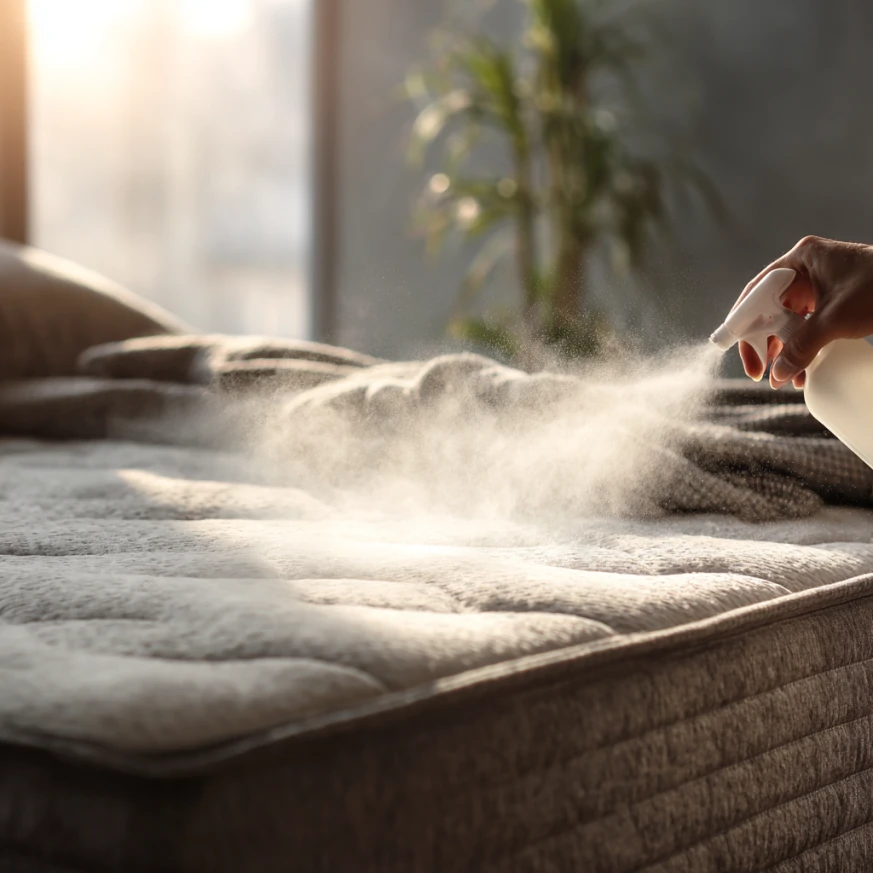
5. Stay Safe with Sound

Protecting your baby’s hearing is non-negotiable. Smart baby sleep routine tips always include safety checks. Keep the white noise machine at a distance of at least 7 feet, and never exceed 60 decibels.

  • Device Design: Use machines made for infant use with volume caps.
  • Monitor Levels: Use a phone app to check real-time dB levels.
  • Regular Quiet Time: Give your baby quiet moments throughout the day.

Need help selecting a safe machine? Browse our guide to sleep sound solutions.

6. Make the Sleep Space Extra Cozy

White noise is even more effective in a well-prepared sleep space. Baby sleep routine tips should also focus on the physical environment—temperature, light, bedding, and scent all play a role.

  • Use blackout curtains to block out daylight for naps
  • Choose breathable bedding on a firm, safe crib mattress
  • Maintain a room temp of 68–72°F for optimal sleep comfort
  • Add a calming aroma like lavender in a baby-safe diffuser

Learn more about using essential oils for relaxation.

7. Pay Attention to Your Baby’s Cues

The best baby sleep routine tips are always customized. Watch how your baby reacts to different sounds, routines, and environmental changes. If white noise causes more fussing than calm, it might be time to tweak your approach.

Track sleep behaviors in a notebook or app. Signs of success include less nighttime waking, faster sleep onset, and longer naps. Adjust volume, sound type, or bedtime rituals as your baby grows and changes.

Bonus Tip: Try White Noise for Yourself

Many parents forget this part of the equation—your own sleep matters too! A bonus baby sleep routine tip is to integrate white noise into your own bedtime habits. It helps drown out distractions and promotes deeper rest.

For a truly serene sleep space, consider reworking your bedroom layout. Explore feng shui principles for better sleep.

FAQ

Are baby sleep routine tips with white noise safe for newborns?
Yes, as long as the machine is placed 7 feet away and the volume is below 60 decibels.
When should I stop using white noise in our baby sleep routine?
Some parents stop by toddlerhood, while others continue if it improves sleep quality for everyone.

Curious about sustainable bedroom options? Explore our tips on bed frame materials and styles and learn how to choose the perfect material for your bed frame.

Interested in eco-conscious choices? Read about our eco-friendly bed frames or discover the revolutionary cardboard bed frame.

For even more green inspiration, check out this sustainable furniture guide from Architectural Digest, find out how to make your bedroom more eco-friendly, or explore eco-friendly bedroom ideas from The Spruce.

Managing Sound Sensitivity: 5 Essential Steps for Peace of Mind

Managing sound sensitivity with noise-cancelling headphones in a peaceful home environment

Managing Sound Sensitivity: How to Regain Calm in a Noisy World

If everyday noises leave you tense or drained, learning about Managing Sound Sensitivity can transform your quality of life. This guide covers proven strategies, calming home setups, and sensory-friendly tools to help you reclaim comfort and focus—no matter how loud the world gets.

Managing Sound Sensitivity at home with soundproof panels and soft lighting

Key Takeaways: Managing Sound Sensitivity

  • Managing Sound Sensitivity helps turn triggering sounds into manageable background noise.
  • Practical strategies include CBT, soundproofing, high-fidelity earplugs, and sound therapy.
  • Creating a personal quiet zone and using noise-canceling headphones provide quick relief.
  • Long-term gains come from therapy, occupational support, and lifestyle balance.
  • Seek professional help if sound overwhelm affects work, relationships, or daily wellbeing.
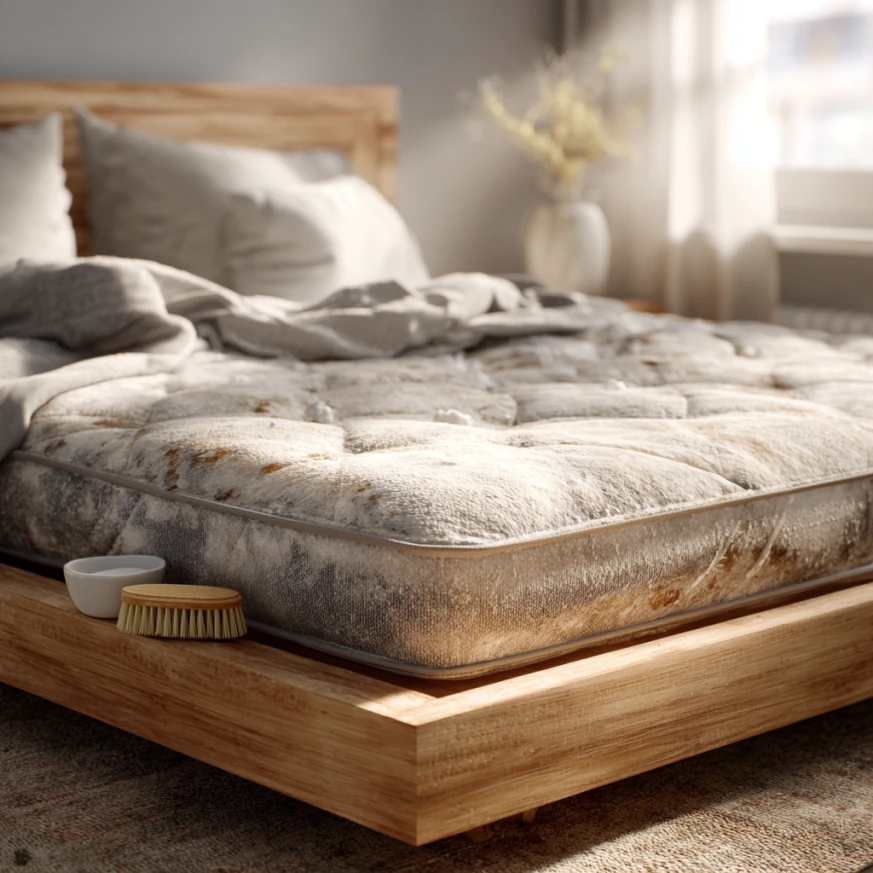
What Is Managing Sound Sensitivity?

Managing Sound Sensitivity means recognizing when everyday sounds feel amplified—and taking steps to reduce their impact. This includes conditions like misophonia, hyperacusis, and sensory differences often seen with ASD or ADHD. When unmanaged, noises like typing, traffic, or chatter can heighten anxiety and disrupt focus.

Optimizing your sleep space can buffer noise and lower arousal at night. Explore bedroom layouts that naturally reduce sound and promote serenity: Feng Shui Principles for Bedroom Layout.

Parent practicing Managing Sound Sensitivity in a peaceful room

How Common Is Sound Sensitivity?

Answer first: You’re not alone—sound sensitivity is common. Population studies report notable rates of hyperacusis and related sensitivities, and recognition is growing across age groups. Authoritative resources like the NIH/NIDCD track prevalence and research so people can find evidence-based care.

Why Sounds Feel Overwhelming: Triggers & Causes

  • Volume hypersensitivity (hyperacusis): normal sounds can feel painfully loud.
  • Trigger-specific reactions (misophonia): strong emotions toward chewing, tapping, or sniffing.
  • Neurological factors: ASD or ADHD can amplify sensory input.
  • Stress or trauma: elevated cortisol reduces tolerance to noise.

At night, use a layered approach: soft lighting, breathable textiles, and layout tweaks that dampen echo. See: Feng Shui Bedroom Tips for Harmony and Better Sleep.

Professional using noise-canceling headphones to manage sound sensitivity at work

Building Your Sound Sanctuary at Home

1) Soundproofing Made Simple

Answer first: Soften hard surfaces and seal gaps—small changes can dramatically cut noise. Add rugs, heavy curtains, acoustic panels, and bookcases to absorb echo; use door sweeps and weather-stripping to block leaks. For more ideas, review practical home sound-control tips from Better Homes & Gardens.

2) Gentle Background Sound

Answer first: Neutral sound masks spikes so they bother you less. White noise or soft nature tracks create an auditory “cushion” that reduces startle responses. Learn the basics of white noise and sleep from Sleep Foundation.

3) Create a Dedicated Quiet Zone

Answer first: A small retreat helps your nervous system reset. Outfit a corner with pillows, dim lamps, plants, and a headphone station for quick relief. For a calmer aesthetic that also reduces visual load, see Feng Shui Principles for Bedroom Layout.

Person practicing deep breathing and mindfulness as part of Managing Sound Sensitivity

Gear That Helps: Headphones & Earplugs

Noise-Canceling Headphones

Answer first: ANC headphones reduce steady-state noise and help you focus. Pair with calm playlists (or pink noise) in high-noise spaces like offices, airports, and transit.

High-Fidelity Earplugs Explained

Answer first: Hi-fi earplugs lower overall volume but preserve clarity. They use acoustic filters to reduce sound evenly across frequencies, making conversation and alerts easier to hear. Many offer 20–30 dB reduction and come with multiple tips for a secure, comfortable fit.

  • Loop: up to ~27 dB with interchangeable filters.
  • Vibes: ~22 dB, low-profile design for daily wear.
  • Knops: adjustable attenuation up to ~30 dB.

Coping Techniques: Mental & Emotional Tools

1) Cognitive Behavioral Therapy (CBT)

Answer first: CBT retrains your response to triggers. Through graded exposure, reframing, and coping skills, CBT can reduce anxiety and avoidance tied to sound.

2) Sound Therapy & Desensitization

Answer first: Consistent, low-level exposure builds tolerance. Audiologist-guided programs use neutral tones or pink noise to recalibrate how your brain processes sound. Read more about noise and sleep science at the Sleep Foundation.

3) Relaxation & Stress Reduction

Answer first: Mindfulness, diaphragmatic breathing, yoga, and progressive muscle relaxation interrupt the sound → stress loop. Consider tactile comforts that dampen room echo—plush throws, drapery—and bedding that supports recovery. If you favor natural textiles, options like organic bedding, sustainable bedding, and even eco-conscious sheets can contribute to a softer, quieter feel.

4) Occupational Therapy (OT)

Answer first: OT turns strategies into daily routines. An OT can help you plan schedules, modify workspaces, and structure breaks to reduce cumulative sensory load.

Professional Treatment Options

CBT

Answer first: Typically delivered over 12–16 sessions, CBT targets conditioned reactions and builds practical coping tools for noise-related stress.

Sound Therapy

Answer first: Under clinician guidance, controlled sound exposure helps recalibrate loudness perception and reduce hyper-reactivity.

Medication (Supplemental)

Answer first: In severe cases, clinicians may prescribe SSRIs or anxiolytics to address co-occurring anxiety—best used alongside behavioral strategies.

The Role of Occupational Noise Prevention

Employers should offer hearing protection and safe decibel guidelines in noisy settings (machinery, open-plan offices). Supplement workplace gear with personal hi-fi plugs and decompression routines after shifts.

Support Networks & Community Resources

You don’t have to navigate this alone. Evidence-based hubs and communities offer guidance and solidarity:

Frequently Asked Questions (FAQ)

What’s the difference between hyperacusis and misophonia?
Hyperacusis involves physical discomfort from loudness; misophonia triggers strong emotional reactions to specific sounds like chewing or tapping.
Can sound sensitivity improve over time?
Yes. Many people see gains with therapy, gradual exposure, and consistent coping tools, then maintain progress with supportive habits.
Are high-fidelity earplugs safe for daily use?
Yes. They reduce volume while preserving clarity and are designed for repeated wear in classrooms, offices, and public spaces.
When should I see a professional?
If sound overwhelm affects your work, relationships, or sleep, consult an audiologist, therapist, or OT experienced in sensory issues.
Does medication cure sound sensitivity?
No. Medication may ease anxiety or insomnia but works best combined with CBT and sound therapy.

Final Thoughts: Managing Sound Sensitivity — It isn’t about avoiding sound; it’s about regaining control. With a mix of therapies, home design tweaks, and trusted resources, your sensory world can feel calmer and more predictable. For more serene bedroom ideas, explore Cozy Bed Quarters’ Feng Shui principles.

Evening routine with soft lighting and a neutral sound backdrop for Managing Sound Sensitivity


Related Reading: Managing Sound Sensitivity

From Cozy Bed Quarters

From Trusted Sources


Explore Eco-Friendly Sleep Choices and Bedding Options Today!

s and Bedding Options


Eco-Friendly Sleep Choices: Sustainable Bedding Options

Looking to reduce your carbon footprint while enhancing sleep quality? This guide explores top Eco-Friendly Sleep Choices—from sustainable materials to trusted brands—so you can create a healthier, eco-conscious bedroom. Whether you’re starting your green journey or refining an already sustainable lifestyle, your bedding choices directly impact both your sleep and the planet.

Key Takeaways: Eco-Friendly Sleep Choices

  • Eco-Friendly Sleep Choices improve sleep quality and support environmental health.
  • Opt for organic cotton, linen, bamboo, and TENCEL™ Lyocell for sustainable comfort.
  • Choose duvets and comforters with RDS certification or recycled fills.
  • Understand eco-friendly vs. organic vs. natural vs. sustainable bedding differences.
  • Support brands that prioritize transparency, non-toxic materials, and ethical production.

Why Choose Eco-Friendly Sleep Choices?

Eco-friendly bedding enhances your rest while reducing your environmental footprint. By choosing renewable and responsibly produced fabrics, you minimize waste, avoid harmful chemicals, and support fair labor practices. Unlike conventional synthetics, sustainable bedding lasts longer and delivers healthier sleep.
Investing in quality bedding also means fewer replacements, saving money over time.

Eco-Friendly vs. Natural vs. Organic vs. Sustainable Bedding

The terms overlap but carry distinct meanings. Eco-friendly is the broadest, describing products that minimize harm. Natural bedding uses plant or animal fibers but may still contain chemicals. Organic bedding is certified chemical-free, while sustainable options consider the entire lifecycle, from sourcing to disposal.
For example, a duvet made from recycled plastic bottles is eco-friendly, but not natural or organic. Meanwhile, GOTS-certified cotton is both organic and sustainable.

TermDefinition
Eco-FriendlyMinimizes environmental harm through materials or practices
NaturalDerived from plants or animals with minimal processing
OrganicCertified chemical-free, grown without pesticides
SustainableConsiders full lifecycle impact, including waste and renewability

Eco-Friendly vs. Conventional Bedding

Conventional bedding often relies on synthetic fibers like polyester, which are petroleum-based, non-biodegradable, and contribute to microplastic pollution. In contrast, eco-friendly bedding materials like linen, organic cotton, and bamboo lyocell decompose naturally and use significantly less water and energy during production.
Choosing the right material ensures both comfort and sustainability.

Environmental Impact of Bedding Choices

Your bedding choices affect carbon emissions, water use, and long-term waste:

  • Carbon footprint: Organic cotton emits up to 46% less CO₂ than conventional cotton farming.
  • Water use: Conventional cotton needs ~2,700 liters of water per sheet set, while organic cotton uses 91% less.
  • Biodegradability: Linen, wool, and organic cotton naturally decompose, unlike polyester which lingers for centuries.

Sustainable Materials for an Eco-Conscious Bed

Building an eco-friendly bed starts with materials that balance comfort and sustainability:

  • Organic Cotton: Breathable, hypoallergenic, and grown without pesticides.
  • Linen: Antibacterial, durable, and water-efficient.
  • Bamboo Lyocell: Silky, breathable, and closed-loop processed.
  • TENCEL™ Lyocell: Sustainably harvested, moisture-wicking, and toxin-free.
  • Wool: Natural insulator, biodegradable, and temperature-regulating.

Buyer’s Guide: Certifications to Look For

To avoid greenwashing, rely on certifications:

  • GOTS: Global Organic Textile Standard ensures organic farming and ethical production.
  • OEKO-TEX: Tests for harmful substances in textiles.
  • RDS: Responsible Down Standard guarantees humane treatment of animals.
  • FSC: Forest Stewardship Council certifies responsibly sourced wood for TENCEL™.

Creating an Eco-Friendly Bed: Principles and Tips

Transition to eco-friendly bedding gradually. Replace items as they wear out, invest in durable materials, and choose natural fiber layers for year-round comfort.
Temperature-regulating bedding also reduces reliance on heating or cooling systems, cutting energy waste.

Best Sustainable Bedding Brands

Some leading brands include:

  • Coyuchi: Organic, GOTS-certified, cradle-to-cradle sustainable.
  • Looma: Fair-trade cotton sheets with eco-friendly farming.
  • Avocado: Organic bedding paired with eco-certified mattresses.
  • The Citizenry: Artisan-crafted, ethically sourced.
  • Textilwerk & Grüne Erde (EU): Traditional craftsmanship with organic materials.

FAQ: Eco-Friendly Sleep Choices

What makes bedding eco-friendly?
Eco-friendly bedding uses sustainable, recyclable, or biodegradable materials and minimizes environmental impact through responsible production.
Is organic cotton better than regular cotton?
Yes. Organic cotton avoids pesticides, is gentler on skin, and requires less water, making it safer for both the environment and personal health.
How can I make my bedding routine more eco-conscious?
Wash in cold water, use biodegradable detergents, line dry when possible, and avoid synthetic fabric softeners.
Which certifications matter most?
Look for GOTS, OEKO-TEX, RDS, and FSC certifications to ensure both safety and sustainability.

Final Thoughts on Eco-Friendly Sleep Choices

Embracing Eco-Friendly Sleep Choices allows you to sleep better while protecting the planet. By selecting organic and sustainable bedding, you reduce waste, support ethical companies, and create a bedroom sanctuary that aligns with your values. Cozy Bed Quarters is here to guide you every step of the way toward a healthier, eco-conscious home.

Related Reading