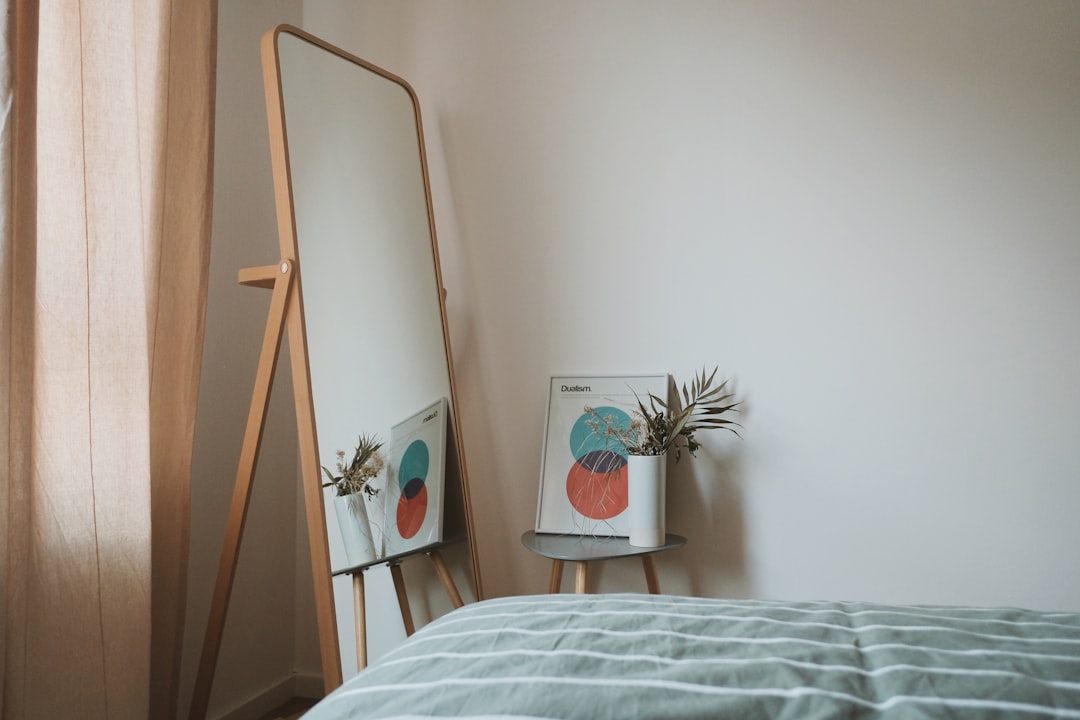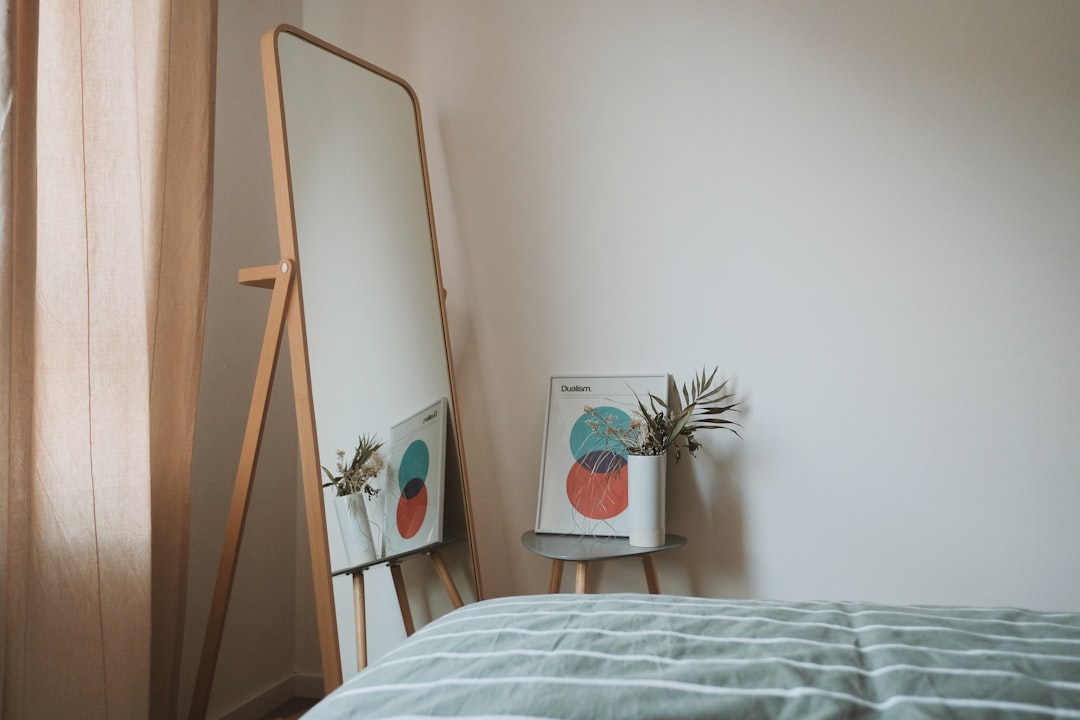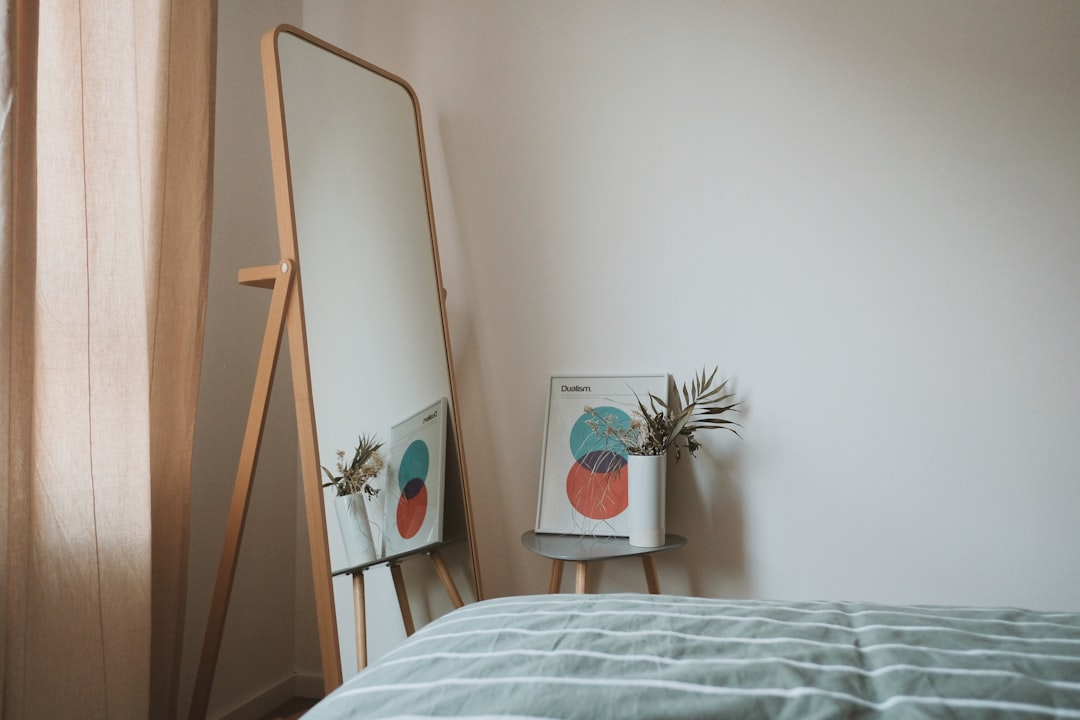
25 Dreamy Bedroom Ideas for a Cozy & Serene Escape

“Dreamy bedroom with layered bedding, sage accent pillow, and warm morning light, featuring a woman sipping tea on the bed.”

Dreamy Bedroom Ideas: 25 Cozy & Serene Escape Tips (Updated 2025)

If you’re searching for dreamy bedroom ideas, these 25 genius tips will help you design a cozy, serene escape that feels like your personal retreat.

For a bigger-picture plan, skim our pillar guide to bedroom decor ideas. According to the CDC, most adults need at least seven hours of sleep, and evening light matters—see the American Academy of Sleep Medicine (AASM) for healthy sleep guidance.

Updated: August 24, 2025


Key Takeaways

  • Transform your space with dreamy bedroom ideas that balance comfort and style.
  • Soft, layered lighting and breathable, layered bedding create instant coziness.
  • Storage-friendly furniture keeps your bedroom calm and uncluttered.
  • Natural textures and soothing colors enhance relaxation.
  • A dreamy bedroom blends comfort, function, and personality.

Color & Mood Foundations

Create calm with balanced hues and gentle contrast. Start with a soft base, then add a few warm accents for depth and warmth.

Example: Paint the walls a warm cream, then introduce terracotta pillows and a caramel throw for quiet richness.

1. Dreamy Bedroom Ideas: Start with a Soft Color Palette

A dreamy bedroom often begins with gentle hues like pale blues, warm creams, or muted greens. These colors create a soothing backdrop that helps you unwind at the end of the day. Try an accent wall in a calming shade or introduce color through bedding and accessories.

Soft color palette in pastels and warm neutrals for dreamy bedroom ideas

Helpful context: The CDC notes that nearly one in three adults doesn’t get enough sleep. Gentle, low-stimulation color schemes can support a calmer bedtime routine.

2. Blend Soft Neutrals with Warm Accents

Keep neutrals lively with warm touches. Pair white bedding with a blush throw or sandy walls with copper details for balanced coziness.

3. Mix Patterns Carefully

Patterns add personality but can overwhelm. Stick to soft tones and repeat colors. Try floral pillows with a striped throw for playful harmony.

4. Try Accent Walls

Wallpaper, color blocking, or wood paneling gives your room personality. Accent walls work especially well behind the bed.

Bedding & Texture Layers

Layer breathable fabrics and tactile textures to build a plush, spa-like bed you look forward to every night.

Example: Top crisp sheets with a linen duvet, then add a lightweight quilt and a knitted throw for cozy depth.

5. Layer Your Bedding

Layering instantly elevates the look and feel of your bed. Mix quilts, throws, and pillows in different textures to create depth and comfort. A linen duvet with a chunky knit throw feels spa-like yet casual. Looking for multifunctional ideas? See our guide on best sofa beds for small spaces.

“Cozy bedroom reading nook with a man relaxing in a plush chair, blush throw blanket, soft lamplight, and leafy plant.”

6. Embrace Natural Textures

Wood, cotton, rattan, and linen add tactile richness that enhances comfort and visual interest. A wooden nightstand, woven basket, or cotton bedding introduces organic warmth.

7. Incorporate a Canopy Bed

A canopy bed brings a whimsical, luxurious feel. Add sheer curtains for a breezy, romantic vibe, or choose a streamlined frame for a modern retreat.

Canopy bed with airy sheer curtains for a dreamy bedroom

8. Style with Cozy Rugs

Few things feel better than stepping onto a soft rug in the morning. Choose natural fibers like wool for durability or shag for extra coziness. Rugs also help define zones in larger rooms. Get tips on layering rugs in the bedroom.

9. Use Luxe Bedding Fabrics

Upgrade to bamboo, linen, or organic cotton sheets. They feel great and help regulate temperature so you sleep better. If you want safer materials, look for trusted labels—see this overview of bedding certifications and this non-toxic mattress guide from Gimme the Good Stuff – Non-Toxic Mattress Guide 2025.

10. Add a Statement Headboard

A statement headboard anchors the bed and defines your style. Tufted fabric feels luxe; rustic wood adds warmth and character.

11. Add Texture with Throws

Throws are an easy way to layer texture. Mix faux fur, chunky knits, and lightweight cotton for a lived-in, inviting look.

Dreamy Bedroom Lighting Ideas

Layer warm light for a wind-down mood. Combine task, ambient, and accent lighting to support relaxation in the evening.

Example: Use dimmable ceiling lights for chores, a bedside lamp for reading, and a tiny accent light to glow after lights-out.

12. Add Ambient Lighting

Soft, layered lighting sets the mood and makes a room instantly dreamy. Swap harsh overheads for bedside lamps, sconces, or string lights that provide a gentle glow. For more inspiration, explore our bedroom lighting ideas.

  • Warm vs. Cool Bulbs: Warm (2700–3000K) builds a cozy vibe; cool light can feel energizing and harsh at night.
  • Layering: Combine task lamps, dimmable ceiling lights, and accent lighting for depth.

Ambient bedroom lighting with fairy lights and bedside lamps creating a warm glow

13. Go for a Statement Light Fixture

A chandelier, woven pendant, or geometric fixture creates a focal point. It’s functional art that sets the tone for the room.

14. Embrace Warm Lighting

Switch to warm bulbs for a soft glow that promotes relaxation. It’s a small change with a big impact on your dreamy escape.

Decor & Personal Touches

Layer meaning, not just things. Blend calming art, greenery, and a few vintage pieces so your room feels uniquely yours.

Example: A simple landscape above the bed, a vintage mirror on the dresser, and a potted lavender by the window.

15. Display Calming Artwork

Soothing landscapes, abstracts in soft tones, or calming photography reinforce a peaceful environment. A serene piece above the bed creates a visual pause.

16. Mix in Vintage Touches

Vintage accents add soul and personality. An antique mirror, rustic trunk, or heirloom lamp gives warmth and a collected-over-time feel.

17. Include Personal Touches

Family photos, heirloom quilts, and favorite books make your bedroom uniquely yours. Personal touches turn “decorated” into “deeply you.”

18. Add Greenery

Plants boost mood and bring freshness. Try lavender for calm, snake plants for easy care, or eucalyptus for a spa-like scent. Place greenery on nightstands, sills, or hanging planters.

19. Layer Scent with Candles

Scents shape how we experience spaces. Lavender, vanilla, and sandalwood create calm. Pair candles with a diffuser for a sensory retreat.

20. Try Sheer Curtains

Sheers soften daylight and keep the room airy. Choose white or neutrals for a clean look or subtle patterns for added interest.

Dreamy bedroom with warm bedside lighting and tidy surfaces

Furniture & Smart Layout

Choose pieces that earn their keep. Mix hidden storage with inviting seating to keep surfaces clear and bedtime simple.

Example: A drawer nightstand, a lidded ottoman for extra blankets, and a slim bench at the foot of the bed.

21. Keep It Minimal

Clutter disrupts relaxation. Choose storage-friendly furniture like ottomans or nightstands with drawers to keep surfaces clear. For more tips, see small bedroom storage ideas.

22. Create a Reading Nook

Carve out a cozy corner with a soft chair, warm lamp, and small bookshelf. Even a window seat with pillows works beautifully.

23. Add a Bench or Ottoman

Benches and ottomans offer storage, seating, and style. Place one at the foot of the bed to finish the look.

24. Balance Function with Beauty

Choose stylish nightstands, cozy seating, and smart storage to keep clutter away while elevating design. The best dreamy bedrooms look good and work hard.

Calm Habits & Tech-Light Sleep

Protect your wind-down routine and keep screens out of sight so your body and brain can shift to sleep mode.

Example: Charge your phone outside the bedroom and keep a paper book on the nightstand for a gentler bedtime cue.

25. Keep Technology Minimal

Screens can disrupt sleep. Store devices outside the bedroom or in a drawer to preserve your calm, distraction-free sanctuary.

FAQ

What colors make a bedroom feel dreamy?

Soft pastels, warm neutrals, and muted earth tones create a calm, dreamy vibe without overwhelming the space.

How do I make my small bedroom feel dreamy?

Use mirrors to reflect light, keep decor minimal, and add cozy elements like throws and layered lighting.

What’s the most important element in a dreamy bedroom?

Bedding is key—luxurious fabrics and layered textures set the stage for comfort and relaxation.

Conclusion

With these dreamy bedroom ideas, you can transform your space into a cozy, serene escape that feels uniquely yours. For even more inspiration, explore our guides at Cozy Bed Quarters.

Related reading from Cozy Bed Quarters

Other reading we found popular

Bedroom Furniture & Layout Guide: From Frames to Floor Plans

Bedroom Furniture Layout: 7 Cozy Floor Plan Ideas (2025)

Updated 2025 — The best bedroom furniture layout starts with the bed, keeps clear walkways (about 24–30 inches), and layers storage and lighting so the room feels balanced, cozy, and easy to live in.

Imagine walking into a bedroom where the furniture layout instantly feels natural: the bed is inviting, nightstands sit perfectly within reach, and storage blends with style. This guide walks you through frames, placement, and simple floor-plan tips so your bedroom furniture layout feels both spacious and restful. For deeper room planning, you might also enjoy our small bedroom design guide for flow tips in tighter spaces.

According to the CDC, adults need at least seven hours of sleep most nights. A calm, uncluttered layout won’t replace healthy sleep habits, but it can make evening routines easier and your space more restorative.

Key Takeaways

Quick wins to plan your room with comfort, flow, and style in mind.

  • Start with bed placement—the anchor of your bedroom furniture layout.
  • Choose frames that fit your lifestyle: platform or storage options.
  • Balance comfort and style with our upholstered vs wooden bed frames comparison.
  • Right-size nightstands and dressers to keep flow, not crowd it.
  • Think in floor plans—space planning matters as much as the furniture.

Why bedroom furniture layout matters as much as furniture

Layout controls comfort, function, and daily ease. It ensures the pieces you love actually work for how you move, sleep, and store things.

A beautiful bed won’t work if it blocks windows or crowds doors. Layout is about balance—making sure every piece feels intentional and usable. Start with your room’s focal points: windows, closets, and the entry door. If you want style-led inspiration, browse bedroom layout ideas from Architectural Digest and adapt them to your room’s measurements.

Balanced bedroom furniture layout with proportioned bed, nightstands, and dresser

Caption: A balanced arrangement leaves comfortable walkways and aligns key pieces for a calming view.

Tip: The AASM notes that a dark, quiet, and cool environment supports better rest—smart placement helps you position shades, lighting, and textiles to get there.

Picture this: at night you reach for a water glass, book, and lamp—each within easy reach on a properly placed nightstand. Without a thoughtful furniture layout in the bedroom, even expensive pieces feel awkward.

Choosing the right bed frame

Your bed sets the tone for the whole room. Think of it as both anchor and canvas—the right frame makes your bedroom furniture layout easier and your style more cohesive.

Platform beds

Platform beds sit lower to the ground for a sleek, modern look. They’re especially helpful in small bedrooms since they eliminate a bulky box spring.

Platform bed layout in a modern bedroom with low-profile frame

Caption: A low-profile platform keeps sightlines open so tight rooms feel bigger.

Example: In a studio apartment, a platform bed keeps the bedroom furniture layout feeling open and airy, leaving space for a small desk or reading chair.

Storage beds

Storage beds are lifesavers in compact spaces. Drawers underneath can replace bulky dressers or provide extra room for linens and clothes.

Storage bed layout with drawers under the frame for space-saving bedroom furniture

Caption: Deep under-bed drawers trade visual bulk for hidden storage—great in small rooms.

Example: In a guest room, a storage bed can eliminate an oversized dresser, freeing space for a cozy chair or art.

Upholstered vs wooden frames

Upholstered beds bring softness and comfort; wooden frames are timeless and versatile. Choose based on texture, maintenance, and the mood you want to set.

  • Upholstered: Soft, quiet, cozy; needs occasional vacuuming; great for modern or hotel-like rooms.
  • Wooden: Durable, easy to wipe; adds warmth and structure; ideal for rustic, Scandinavian, or classic styles.
  • Best for: Upholstered = softness and sound dampening; Wooden = clean lines and durability.

Shop smarter: If you care about safer materials, look for certifications like CertiPUR-US® or GREENGUARD. See this bedding certifications guide and this practical non-toxic mattress overview to decode labels before you buy.

For more side-by-side frame advice, read our upholstered vs wooden bed frames guide.

Smart placement of dressers & nightstands

Plan for movement first: aim for 24–30 inches of clear walkway in the paths you use most so the room feels effortless to navigate.

Dressers and nightstands shape both storage and flow. Aim for 24–30 inches of walkway space so your layout feels open and easy to move through.

Dresser and nightstand placement example for balanced bedroom furniture layout

Caption: Keep drawer faces clear of door swings and leave space to fully open them.

Nightstands: Keep the top surface even with or slightly below the mattress for comfortable reach. Position lamps to balance the room and reduce glare.

Dressers: They work best opposite the bed or adjacent to closets. Avoid tight corners where drawers can’t open fully. For furniture picks and sizing, see our dresser and nightstand guide.

Scenario: In a 10′ × 12′ room, a 60″ dresser opposite a queen bed leaves a smooth path to the closet and keeps traffic out of the sleep zone.

Balancing comfort with style

Proportion is your secret weapon: match piece sizes to the room and layer textiles and light to dial up coziness without clutter.

A thoughtful bedroom furniture layout is about proportion. Wide beds need larger nightstands; tall ceilings welcome taller headboards; small bedrooms benefit from slimmer frames. After anchors are placed, layer a rug under the bed, add bedside lighting, and consider a bench at the foot.

Pro tip: Step back and look at your room—does one side feel crowded? Shuffle pieces and re-check walk paths. If you love a moody vibe, pair textured linens with a darker rug and warm lamp light for instant coziness.

Scenario: A king bed with 28–30″ nightstands and a 60″ bench looks balanced; swapping in tiny tables makes the bed feel oversized.

Sample bedroom furniture layout ideas

Use these flexible floor plans to jump-start your arrangement, then adjust for door swings, windows, and outlets.

  • Small bedrooms: Place the bed against the longest wall, choose a storage bed, and opt for slim nightstands. Add wall-mounted lamps if there isn’t room for table lamps.

Small bedroom floor plan showing storage bed and slim nightstands for space-saving layout

Caption: Wall sconces free up precious surface area on narrow nightstands.

  • Medium bedrooms: Center the bed between windows with balanced nightstands, and tuck a dresser opposite. This layout feels open yet cozy—add a narrow bench at the foot.
  • Large bedrooms: Float the bed slightly away from the wall, add a bench at the foot, and layer a reading nook. A loveseat or accent chair by the window creates a true retreat.

Scenario: For a 12′ × 14′ space, a queen bed centered between two windows with 24–26″ nightstands and a 48″ bench leaves generous paths on both sides.

Common bedroom furniture layout mistakes

Skip these avoidable pitfalls to keep your space bright, balanced, and easy to live in.

  • Blocking natural light: Don’t park a tall dresser in front of a window; the room will feel smaller and dimmer.
  • Ignoring symmetry: Mismatched nightstands can be charming, but big height differences make the layout feel uneven.
  • Overcrowding: Too much furniture shrinks even large bedrooms. Edit until the layout feels airy.
  • Forgetting scale: A king bed with tiny nightstands looks awkward; size pieces so they complement each other.

Scenario: If a door clips a drawer when opened, swap the dresser and chair to keep the path clear and the view calmer.

FAQ

What’s the best place for the bed in a bedroom?

Most designers center the bed on the main wall—often opposite the door or between windows—to create a clear focal point and a calm, balanced bedroom furniture layout.

How much space should I leave around furniture?

Leave about 24–30 inches of walkway where you move most. Narrower is possible beside low-traffic zones, but aim for comfort first.

Can I mix wood and upholstered furniture?

Yes—mixing textures adds depth. Try a wooden bed with upholstered nightstands, or the reverse, to keep the layout dynamic but cohesive.

Final Thoughts from Cozy Bed Quarters

Creating a bedroom furniture layout is more than filling space—it’s designing flow, comfort, and cozy style. At Cozy Bed Quarters, we believe every room should feel like a retreat. Start with your bed choice, arrange storage wisely, light it well, and always leave breathing room. For deeper planning tips, explore our complete bedroom furniture guide.

Related reading from Cozy Bed Quarters

Other reading we found popular

The Right Rug Size for a King Bed to Anchor Your Room

rug size for king bed

Rug Size for King Bed: 7 proven tips for a balanced bedroom

Updated 2025

Rug size for king bed is the simple swap that makes your bedroom feel pulled together instead of chopped up. This guide shows you how to choose a footprint that grounds the mattress, keeps traffic clear, and delivers a polished look. In most rooms, larger options like 8×10 or 9×12 tie furniture and walkways into one cohesive zone.

Key takeaways

  • Start bigger: 8×10 or 9×12 usually prevents a chopped look around a king bed.
  • Designer default: a 9×12 often places footboard legs on the rug with ~24 inches visible on three sides.
  • Breathing room: keep space off the walls; avoid wall-to-wall placement.
  • Comfort first: consider orientation, material, and pile height for daily use.
  • Measure before buying: map nightstands, benches, doors, and traffic paths.

Understand your goal: anchor, comfort, and visual balance

Decide what the rug should do—define the sleep zone, add softness, or elevate the look.

A well-chosen rug pulls the space together rather than chopping it up. Keep leg placement consistent so the setup reads as one composed area. Flatweave or low-pile options make moving chairs easier and keep noise down. Aim for plushness where you step each morning without blocking door swings.

  • Choose your primary aim: anchoring, comfort, or a design lift.
  • Tie bed, nightstands, and foot seating into one visual zone.
  • Preserve negative space so the room can breathe.

According to the CDC, adults need at least seven hours of sleep—prioritize soft landings where you start and end the day.

Measure your bedroom and bed before you buy

A quick tape-measure check prevents cramped layouts.

Trace real footprints for the mattress, frame, headboard, and any overhang. Mark door swings and traffic paths. Plan walkways at 30–36 inches when possible; 18–24 inches still works in tight rooms.

Rug size for king bed shown with a measured layout in a cozy bedroom

Map doors, vents, and outlets so the rug sits naturally—not wall-to-wall.

  • Decide if nightstands sit on or off the rug and allow coverage past the sides.
  • Measure any bench at the foot so the rug lands cleanly beneath it.
  • Keep space from walls and clear floor vents and outlets.
AreaIdealMinimum
Walkway30–36 in18–24 in
Foot clearance24–36 in18 in
Overall coverageRug wider than bedVisible floor near walls

Rug size for king bed: the gold-standard dimensions

Pick the footprint that frames your sleeping area and lifts the whole composition.

9×12 feet is the designer’s ideal in many rooms. It gives generous coverage, lets the footboard legs rest on the rug, and supports seating at the foot while keeping a neat border.

8×10 feet: the balanced minimum

An 8×10 works in many standard bedrooms. Expect roughly 12–24 inches visible on each side, which feels intentional without crowding the room.

10×14 feet: a luxurious option

Choose 10×14 in expansive rooms. It accommodates a bench or a pair of chairs and makes furniture groupings feel cohesive.

6×9 feet: a compact solution

In tighter layouts, a 6×9 slid under the lower two-thirds of the bed keeps softness at your feet while leaving doors and walls clear.

  • Check the first view from the doorway—does the scene feel calm?
  • Match your measurements to ensure clean placement.
  • When unsure, size up to avoid a chopped look.

How far should the rug extend beyond the sides and foot?

A measured reveal makes the sleep area look planned and proportional.

Target 18–24 inches on each side. This gives a comfortable landing and a consistent border. Nightstands look integrated instead of tacked on.

Allow 24–36 inches at the foot when you add a bench or chairs. If there’s a footboard, rest its legs on the rug so the bed and floor covering feel like one cohesive zone.

Measure bedroom inches to choose the right rug size for king bed

AreaRecommended inchesWhy it matters
Sides18–24 inComfortable landing and clean visual border
Foot24–36 inSeats sit fully and the look stays balanced
Under footboardLegs on rugUnifies bed and floor covering

Placement methods that work in real rooms

Where the rug sits defines landing zones and visual flow.

Be intentional about anchoring the sleep area. Either keep furniture legs consistently on the rug or consistently off. A larger rug that holds all pieces feels luxurious, but many rooms look great with partial placement.

Two-thirds under the bed

Slide the front two-thirds of the frame onto the rug. You’ll keep more pattern visible at the sides and foot while anchoring the mattress.

All legs on

When space allows, place the bed and nightstands fully on a 9×12 or larger. The result is a unified, island effect.

Consistent legs-on or legs-off

In smaller rooms, match how you treat nearby pieces. Consistency keeps the design calm and balanced.

MethodWhen to useVisual effect
Two-thirds underStandard bedrooms, tighter widthsProportional, visible border
All legs onLarge rooms, 9×12+Unified, luxurious island
Legs-off consistencySmall spaces or tight walkwaysBalanced, uncluttered flow

Runner rugs beside a king bed: a smart alternative

If a full rug feels too large, two slim runners warm both sides without crowding the room.

One runner on each side

Place runners so they extend beyond the nightstands. Keep edges parallel to the mattress for a clean geometry and a soft morning landing.

Layer complementary runners

Layer two low-pile runners for texture and color. Choose easy-care materials so edges stay tidy and cleaning stays simple.

  • Runners hit the exact landing zones you use daily.
  • They preserve open floor while framing the sleep area.
  • Match colors with bedding and curtains for cohesion.

Small bedrooms vs. spacious rooms: choose the right size

Different room scales call for different rug strategies.

Compact rooms: 6×9 or 8×10 with partial placement

A 6×9 under the lower two-thirds of the bed preserves circulation. Jumping to an 8×10 often makes the layout feel cohesive while keeping floor reveal at the walls.

Large rooms: 9×12 or 10×14 to avoid a chopped look

In bigger spaces, a 9×12 or 10×14 lets the sleep area read as one composition. Benches or chairs can sit fully on the rug for a polished finish.

Room typeCommon recommendationWhy it works
Compact bedrooms6×9 or 8×10Preserves circulation and adds bedside softness
Standard bedrooms8×10 or 9×12Balances coverage without crowding walls
Large bedrooms9×12 or 10×14Prevents a chopped look and unifies furniture

Orientation, materials, and pile height

Orient to the room—not just the mattress—so the floor reads as one calm field.

Align the rug with the room

Run the long edge with the longest wall for smooth sightlines from the doorway. Keep a steady reveal to the wall for balance.

Choose flatweave, low-pile, or jute

These materials allow easy chair movement and simpler cleaning. Natural fibers hide wear; synthetics boost durability. For certifications, see this overview of bedding and mattress labels.

Mind door swing and thickness

Measure door clearance in inches before placing a thick pile. Leave a slim perimeter so the rug frames the sleep zone cleanly. For a quick visual primer, watch this short guide: how to place bedroom rugs.

Layering strategy: make a smaller favorite rug work

If your favorite piece is undersized, layer it on a natural-fiber base to restore scale.

Use a sisal or jute foundation—often a 9×12—then float your patterned rug on top. Keep piles low for neat transitions, match tones so the composition feels calm, and use grippers so layers stay flat and easy to vacuum.

Common mistakes to avoid

Going too small and crowding nightstands or walls

Don’t pick a rug that barely peeks out. Decide early whether nightstands sit on or off the rug and keep that choice consistent with other furniture.

Ignoring symmetry and uneven borders

Watch for uneven reveals. A rug that hugs one wall and leaves a gap on the opposite side breaks balance. Measure twice and match the footprint to your floor plan, not a showroom setup.

FAQ

What is the best rug size for a king bed in most homes?

A 9×12 is the most forgiving rug size for king bed layouts. It supports nightstands and foot seating while preserving clean borders.

Will an 8×10 rug work under a king bed?

Yes—especially in standard rooms. You’ll see about 12–24 inches on each side. Keep door swings and traffic paths clear.

How far should the rug extend beyond the bed?

Aim for 18–24 inches per side and 24–36 inches at the foot if you plan a bench or chairs.

Can I use runners instead of a large area rug?

Absolutely. Place a runner on each side of the bed, extending beyond nightstands for a deliberate look.

Conclusion

Finish strong by balancing traffic, furniture, and sightlines.

Rug size for king bed decisions are simple with a few benchmarks: start with a 9×12, size up or down based on measurements, and keep reveals consistent. An 8×10 suits many standard rooms, a 6×9 works under the front two-thirds in tight layouts, and a 10×14 shines in large spaces. Target 18–24 inches on the sides, 24–36 inches at the foot when seating is planned, and choose flatweave or low-pile so doors and chairs glide. If a favorite rug is too small, layer it or use runners. With clear measurements and these small refinements, you’ll land on the right choice and enjoy a calm, cohesive bedroom.

Helpful references

Explore trusted resources on sleep and safer materials:

Related reading from Cozy Bed Quarters

Other reading we found popular

What is a Weighted Blanket? Benefits, Risks, and How to Choose

Woman relaxing in a cozy bedroom under a grey weighted blanket with sage green accents, warm morning light, books, and tea creating a serene atmosphere.


Best Weighted Blanket 2025: Top 7 Picks

Updated 2025

The Best Weighted Blanket can feel like a gentle hug that settles your breathing and mind—below, you’ll find fast picks, sizing tips, and care guidance so you choose the right one the first time.

If you’re brand-new to bedding basics, start with our Guide to bedding for a quick refresher on materials and layering. This page focuses specifically on how to pick the Best Weighted Blanket for your body, sleep temperature, and laundry routine.

Key Takeaways

  • Best Weighted Blanket picks balance even pressure, breathable fabrics, and practical care.
  • Match weight to body size and blanket surface area for comfortable, all-night use.
  • Smaller quilt pockets and double stitching reduce shifting and improve durability.
  • Cotton and bamboo feel cooler; minky and microfleece feel cozier (warmer).
  • Most brands offer ~30-day trials; check who pays return shipping.

Why Weighted Blankets Are Trending

More brands and better construction have made today’s weighted blankets easier to try at home. You’ll see smaller pocket sizes, quieter glass microbeads, and clearer return policies—so testing one on your own bed is simple and low-risk.

Quick tip: Before buying, skim trial and return rules. Amazon can be convenient for returns, while brand sites may offer broader size/color options.

How They Work: Deep Pressure Touch (The “Hug Effect”)

Gentle, even pressure signals your nervous system to relax, creating a grounded, “hug-like” feel. That sensation can help calm restlessness so drifting off feels easier.

Most adults benefit from 7 or more hours of sleep nightly; supportive routines and tools that reduce bedtime tossing can help. See the CDC sleep resources for healthy-sleep basics that pair well with a weighted blanket.

Bead-filled quilts vs. beadless knits

  • Bead-filled quilts: Use glass microbeads held in stitched pockets for even distribution. Conforms closely to the body; airflow varies by shell fabric. Often an insert with a removable cover for easy washing.
  • Beadless knits: Create weight with thick yarns and open weaves for stronger airflow. Uniform feel via yarn density and stitch pattern; usually one piece, though drying can take longer.

Best Weighted Blanket on a neatly made bed

Caption: A breathable cotton shell helps a weighted blanket stay comfortable across seasons.

Quick Picks: Best Weighted Blanket by Category

Shortlist first, then fine-tune weight and fabric. These favorites balance feel, care, and value for most adults.

  • Top pick overall (adults): Baloo — 100% cotton, small pockets with double stitching, machine-washable insert.
  • Cooling choice: Bearaby Cotton Napper — beadless, open-knit cotton for airflow; great if you sleep warm.
  • Cozy/minky: Gravity — plush microfleece cover with quick zip system; warm and snuggly.
  • Best budget: YNM or Quility — small pockets, many sizes and covers at wallet-friendly prices.
  • Simple one-piece: Layla — hex-pocket design you can wash and dry as a single unit.
  • Elegant & soft: Luxome — weight-per-area sizing, bamboo lyocell or minky covers.
  • Top pick (adults) · Baloo: Cotton shell, small pockets, machine-washable insert; typical price ~$149–$249.
  • Cooling · Bearaby Cotton Napper: Beadless open-knit airflow; typical price ~$199–$279.
  • Cozy/minky · Gravity: Plush microfleece cover; typical price ~$250–$300.
  • Budget · YNM / Quility: Small quilt pockets, broad sizes; typical price ~$30–$140.
  • One-piece care · Layla: Wash & dry as a single unit; typical price ~$189–$239.
  • Soft & sleek · Luxome: Bamboo lyocell or minky; typical price ~$155–$230.

Made in USA options

Magic Blanket and Capeable offer U.S.-made models with straightforward, machine-washable designs—great if domestic manufacturing and simple care are priorities.

American-made Best Weighted Blanket options on a couch

Caption: U.S.-made choices emphasize durable stitching and easy machine care.

Sizing & Fit: 10% Rule vs. Weight-per-Area

The common starting point is about 10% of your body weight (adjust up or down for comfort). If you share a bed or prefer more freedom, go lighter or choose a larger size so pressure spreads out.

When weight-per-area helps

  • 10% rule: A simple starting point for solo sleepers.
  • Weight-per-area: Keeps pressure consistent across sizes—useful for couples and larger beds.
  • Tip: Use the trial window to swap weight or size if needed.

Materials, Temperature & Care

Your fabric choice decides whether you stay cool or cozy—and how easy laundry will be.

  • Cooler feel: Cotton shells, bamboo lyocell, or beadless open-knit designs for more airflow. See Percale vs sateen sheets to match your sheet set.
  • Cozy feel: Minky and microfleece trap warmth; ideal for cooler rooms. Compare layering with our Duvet vs comforter guide.
  • Care: Removable covers simplify weekly washing; one-piece designs are fast but may dry more slowly.

Best Weighted Blanket with small pockets and sturdy stitching

Caption: Small, evenly spaced pockets help keep weight where it belongs.

Design details that matter

  • Small pockets (about 2″ × 2″): Reduce bead shift and bunching.
  • Reinforced seams/double stitching: Less leaking; better longevity in the wash.
  • Glass microbeads: Smooth drape and quieter than plastic pellets.

If you care about safer materials, look for trusted labels used in bedding and mattress products. Here’s a primer on what the most common certifications mean in plain language: bedding & mattress certifications guide.

Benefits & When to Be Cautious

Many adults report calmer breathing and fewer wake-ups with steady, gentle pressure. That grounded feel can make it easier to relax at bedtime.

Use with care

  • If you have respiratory, circulatory, or mobility concerns, ask your clinician before using any weighted blanket.
  • Do not use with infants or anyone unable to move the blanket independently. For infant-safe sleep guidance, see the CDC safe sleep resources.

Policies & Returns

Most brands offer around a 30-day trial. When buying direct, check whether return shipping is covered; merchants differ. Amazon’s return process can be simpler, but brand sites often provide more size/color options or bundles.

Money-saving idea: If a premium model stretches your budget, start with a value pick, then upgrade later. For bedroom cooling strategies overall, see our Best cooling mattress guide.

FAQ

What weight should I choose for a weighted blanket?

A common starting point is ~10% of your body weight. Adjust lighter if you share a bed or prefer more movement.

Are weighted blankets hot?

They can be. Choose cotton, bamboo, or open-knit designs if you sleep warm; pick minky or microfleece for a cozier feel.

Can I wash a weighted blanket?

Many inserts are machine-washable on gentle; removable covers make weekly care easier. Always follow the care tag.

Who should avoid weighted blankets?

Infants and anyone who cannot move the blanket off their body quickly. Consult your clinician if you have health concerns.

What is the Best Weighted Blanket for couples?

Look at weight-per-area sizing so pressure feels consistent on larger sizes, and consider lighter total weight for easier movement.

Conclusion

Choosing the Best Weighted Blanket comes down to fit, fabric, and care. Start with a weight that feels comfortable, pick breathable cotton or bamboo if you sleep warm (or minky for cozy nights), and favor small pockets with reinforced seams for long-term durability. If you’re building a whole-room refresh, our friendly Guide to bedding can help you tie everything together. Sleep calm—you’ve got this.

Related reading from Cozy Bed Quarters

Other reading we found popular

Percale vs. Sateen vs. Linen: Which Sheets are Right for You?

“Bright cozy bedroom with percale vs sateen sheets side by side, woman in loungewear sipping tea on bed with sage throw blanket and warm morning light.”


Percale vs Sateen Sheets: 7 Clear Differences You’ll Feel

Updated 2025

Percale vs Sateen Sheets, in a sentence: percale feels crisp and cooler; sateen feels silky and warmer. Choose by weave first, then fiber and finish, to match your sleep climate and style.

A quick primer before we dive in: this page is a great companion to our broader guide to bedding, which connects sheets, pillows, and blankets into one smart setup.

Key Takeaways

  • Percale vs Sateen Sheets: pick by weave—percale = crisp/cool, sateen = silky/warm.
  • Weave (not just fiber) sets texture, drape, and breathability.
  • Trust realistic thread counts; 300–500 is a balanced range for cotton.
  • Percale wrinkles more; sateen looks smoother out of the dryer.
  • Match your sleep climate: hot sleepers lean percale, cool sleepers lean sateen.

Weave vs. Fiber: What Actually Changes the Feel

Construction decides the base feel; fiber and finishing fine-tune it.

Weave is the pattern of yarns crossing. A plain one-over/one-under (percale) makes a crisp, matte surface. A one-under/three- or four-over (sateen) exposes more yarn, adding sheen and a fluid drape. The same cotton can be woven either way—so the big difference is structure, not fiber.

FeaturePercale (plain weave)Sateen (float weave)
Look & finishMatte, tailoredSubtle sheen, polished
Hand & drapeCrisp, shirt-like; lighter drapeSilky, buttery; heavier drape
TemperatureAiry and breathable (cooler)Cozier and slightly warmer
Common fibersCotton, lyocell, polyesterCotton, lyocell, rayon, polyester

Quick rule: read the construction first, then the fiber. That combo sets texture, breathability, and care needs.

Percale Sheets: Crisp, Cool, Everyday Friendly

A plain weave that breathes and feels like a freshly pressed shirt.

Percale typically starts around 200 thread count and stays breezy. Cotton percale is popular with hot sleepers for its airflow and moisture handling. The fabric softens with washing while keeping that signature “lift.” Expect more wrinkles than heavier weaves.

  • Sleep climate: excellent for warm rooms and hot sleepers.
  • Care: wash warm or cool with mild detergent; dry medium; remove promptly. A light iron boosts that crisp look.
  • Durability: tight interlacing handles daily use well; fiber quality influences softness and life span.

Sateen Sheets: Silky, Cozy, Hotel-Style Drape

A float weave that feels buttery with a gentle glow.

Sateen’s one-under/three- or four-over pattern raises more yarn to the surface for smoothness and sheen. It drapes closer to the body and feels warmer—great for cool sleepers or air-conditioned rooms. Start soft; handle gently to reduce pilling or snags over time.

  • Sleep climate: ideal if you run cool or want a cozier, wrapped feel.
  • Care: wash on gentle (inside out), tumble low or line-dry; avoid abrasive items.
  • Longevity tip: lower heat and smaller loads help preserve the finish.

Percale vs Sateen Sheets: Side-by-Side

Touch test: one reads crisp and matte, the other silky with sheen.

CategoryPercaleSateen
FeelCrisp, cool, breathableSilky, warm, fluid drape
LookMatte, tailoredSubtle sheen, luxe
CareMore wrinkles; easy to ironSmoother from dryer; gentle cycles
Best forHot sleepers, warm climatesCool sleepers, cooler rooms
  • Choose the room vibe you like: matte vs sheen changes the look instantly.
  • Match feel to your nights: crisp/cool vs silky/warm.
  • Follow care to protect longevity and finish.

Sleep Climate & Layering Strategy

  • If you sleep hot: choose percale for airflow; pair with a breathable blanket and consider a cooling pillow from our pillow guide.
  • If you run cool: choose sateen for a warmer, wrapped feel; add a cozy layer like those in our weighted blanket picks.
  • Need a refresher on bedding layers? See duvet vs. comforter to choose the right topper.

Thread Count & Buying Smart (What Really Matters)

Don’t chase the biggest number—aim for balanced construction and good fiber.

Very high counts can come from multi-ply yarns that add weight without real gains in hand or durability. In cotton, many comfortable sets land in the 300–500 range for a sweet spot of softness, breathability, and strength.

  • Percale stays airy even around ~200–300.
  • Sateen can feel smoother at similar counts thanks to surface floats.
  • Prioritize long-staple cotton, single-ply yarns, and careful finishing.

For credible sleep guidance, the CDC recommends building habits that support healthy, comfortable sleep (think: cool room, breathable layers). If you’re shopping for safer materials, look for trusted labels using this bedding certifications guide.

Want the deeper dive? See our explainer on bedding quality and thread count, plus an accessible third-party overview from The Spruce.

Care & Longevity: Keep Your Sheets at Their Best

Small laundry habits protect both percale’s crispness and sateen’s sheen.

  • Wrinkles: percale wrinkles more—remove while warm or iron lightly. Sateen often looks smooth right from the dryer.
  • Washing: use mild detergent; wash sheets together (not with heavy towels/jeans). Turn pillowcases and fitted sheets inside out.
  • Drying: low heat or line-dry reduces pilling on sateen and preserves hand in both weaves.
  • Rotation: keep two or three sets in use to extend life.
Care stepWhy it mattersQuick tip
Gentle washReduces abrasionSmall loads; mild detergent
Low heatPreserves finishRemove percale slightly damp for easier ironing
Inside outProtects surface floatsDo this for pillowcases and fitted sheets


Percale vs Sateen Sheets thread count chart and best ranges

FAQ

Is percale or sateen better for hot sleepers?

Percale. Its plain weave allows more airflow, which helps you stay cooler and drier overnight.

What thread count is best for Percale vs Sateen Sheets?

For cotton, aim around 300–500 for balanced softness and strength. Percale can feel great a bit lower; sateen may feel smoother in the same range.

Do percale sheets wrinkle more than sateen?

Yes. Percale’s crisp structure wrinkles more; remove from the dryer while warm or iron lightly. Sateen usually looks smoother out of the dryer.

Is sateen the same as satin?

No. Sateen is a cotton (or cellulose-based) weave; satin typically uses filament fibers like silk or nylon with a similar float pattern but different fiber feel.

Conclusion

Percale vs Sateen Sheets comes down to construction. Percale’s plain weave is crisp, matte, and breathable; sateen’s float weave is silky, gently shiny, and warmer. Pick the weave that suits your sleep climate, then choose good fiber and finishing in a realistic thread-count range. For more bedroom comfort ideas and friendly guides, explore Cozy Bed Quarters.

Related reading from Cozy Bed Quarters

Other reading we found popular

Duvet vs. Comforter: What’s the Difference and Which to Choose?

“Cozy bedroom with duvet on one side and comforter on the other, woman drinking tea on bed in soft morning light.”

Duvet vs Comforter: 7 Key Differences for Cozy Sleep

Updated 2025

Duvet vs Comforter comes down to parts and care — a duvet is an insert plus a removable cover for easy washing and quick style swaps; a comforter is a single quilted piece you use as-is for grab-and-go simplicity.

Ever stood in a store aisle or scrolled online feeling torn? Maybe you remember a chilly night when your bed didn’t feel right, or a move when swapping covers felt like a small fresh start. This guide gives you the clear, friendly difference so you can pick bedding that fits your sleep habits without extra fuss. For layering basics, see our Cozy Bed Quarters bedding guide.

Key Takeaways

  • Duvet vs comforter: two-piece (insert + cover) vs one-piece quilted blanket.
  • Duvet covers wash easily and let you change style fast; inserts are cleaned less often.
  • Comforters are ready-made and simple to use but bulkier to launder.
  • Construction (baffles, quilting) keeps fill even and affects warmth and loft.
  • Size, drape, and materials change how your bed looks and feels across seasons.

Duvet vs Comforter: Quick Overview

In one line: duvet = insert + cover; comforter = single piece you use as-is. Pick versatility and easier laundry with a duvet, or choose instant simplicity with a comforter.

  • Duvets tend to sit closer to the mattress footprint for a tidy look; comforters often drape for a layered vibe.
  • Many comforters arrive as matching sets; duvet covers let you restyle with a quick swap.

duvet vs comforter side-by-side on a queen bed

Caption: Side-by-side look — duvet (insert + cover) on the left, comforter on the right.

Definitions You Can Shop By

Here’s exactly what you’re buying. Clear definitions remove guesswork so your choice matches how you sleep and care for laundry.

What is a duvet?

A duvet is a two-piece system: an insert (filled with down, feathers, wool, cotton, or synthetic) that slips inside a removable duvet cover. Ties, loops, buttons, or zippers help keep the insert aligned so it doesn’t bunch up. You wash the cover often and the insert occasionally.

What is a comforter?

A comforter is a single quilted blanket with built-in outer fabric and fill. Quilted channels or box stitches keep the fill evenly spread. It’s ready to use out of the bag, but being one bulky piece makes washing trickier.

Where do quilts fit?

Quilts are thinner, layered blankets with batting stitched between two fabrics. They’re usually flatter and often reversible — great as a light top layer or for seasonal texture.

  • Insert and cover can be bought separately, so you can refresh style without replacing the insert.
  • Attachment points (ties, loops, buttons) matter for keeping a duvet insert in place.
  • Top sheets are optional; daily bed-making is faster with one piece, while two-piece systems make laundry simpler long-term.

Materials & Construction (Why It Feels the Way It Feels)

Fills and fabrics drive warmth, breathability, and durability. Your comfort across seasons starts here.

Natural fills

Down/feather offers plush loft with low weight. Wool insulates yet wicks moisture, great for cool or damp climates. Breathable cotton shells (often higher thread count) help contain fill and improve durability.

Synthetic fills

Polyester/down-alternative mimics down’s loft at a friendlier price and dries faster — common in comforters for easy care.

Stitching & baffles

Box stitching, sewn baffles, and quilted channels keep fill from clumping so warmth stays even, whether you choose a duvet insert or a comforter.

materials used for duvets and comforters

Caption: Fill types and shell fabrics shape loft, breathability, and lifespan.

For a healthier sleep setup and smart shopping, skim the Sleep Foundation’s hygiene tips and compare trusted eco-labels in this Eachnight guide to bedding certifications.

  • Hot sleeper? Pair a low-loft insert with a breathable cotton or linen cover. See Percale vs sateen sheets for cooler-feeling weaves.
  • Cold sleeper? Medium to high loft down or wool traps warmth without heavy weight.

Warmth & Seasonality

Set your bed for the weather. Swap loft and cover fabric to move from winter-cozy to summer-cool without rebuying everything.

  • Warm months: light synthetic or thin wool with lightweight cotton or linen cover.
  • Shoulder seasons: medium-loft insert; layer a quilt only when needed.
  • Cold months: high-loft down or wool with tighter-weave cotton or flannel cover.

Guide to bedding has layering ideas if you like to fine-tune warmth by month.

Size, Fit & Style on Your Mattress

Right dimensions = intentional drape. Comforters often offer generous overhang for a layered look; duvets typically track closer to mattress edges for a neater silhouette.

Typical ranges (queen example)

  • Duvets: ~88–94″ × 90″ (closer fit to mattress footprint).
  • Comforters: ~86–100″ × 96″ (more side drop for visual fullness).

Have a thick mattress or topper? Size up to cover the sides. Add-ons like Euro shams can boost the polished look without extra warmth. For more styling contrasts, see this friendly breakdown from Apartment Therapy.

duvet vs comforter mattress fit and drape

Caption: Comforters usually drape lower; duvets sit neater within the mattress footprint.

Care, Cleaning & Everyday Maintenance

Keep it fresh with a quick rhythm. Wash duvet covers every 2–4 weeks; wash inserts 1–2× per year or after spills. Comforters may need a laundromat or professional cleaning.

  • Use gentle cycles and low heat; air-dry inserts or tumble low with dryer balls to protect loft.
  • Attach corner ties/loops and fluff after washing to prevent clumps.
  • Top sheet users can stretch time between cover washes.

Need a crash course on assembly? Watch: how to put on a duvet cover.

Price & Value (Total Cost of Ownership)

Look past the sticker price. Comforter sets can be budget-friendly and instantly coordinated. Duvets often cost more up front (insert + cover) but become cheaper to restyle because you replace only the cover.

  • Typical queen prices (snapshots): comforter sets ~$30–$300; covers ~$25–$350; natural-fill inserts ~$80–$300.
  • Prioritize shell durability and fill retention — that’s what you’ll feel after year two.
  • Setting up a guest space? See Best bedding for guest room for value combos.


Which Should You Choose?

Match the choice to your habits. Pick what fits your laundry routine, style preferences, and how warm you sleep.

Choose a comforter if…

Pros: ready to use, coordinated sets, easy daily bed-making.
Cons: bulkier to launder; seasonal changes may mean replacing the whole piece.

Choose a duvet if…

Pros: wash the cover often, swap inserts by season, change looks fast with new covers.
Cons: two pieces to manage; you may fiddle with ties or closures.

Edge cases

Hot climate? Use lighter fills or a thin quilt layer. Love layered looks? Add a reversible quilt for texture without extra heat. Prefer a one-piece but want protection? You can put a removable cover over a comforter for easier washing.

FAQ

What’s the main difference between a duvet and a comforter?

A duvet is an insert inside a removable cover; a comforter is a single quilted blanket. That difference changes laundry, styling, and how the top layer drapes on the bed.

Do I need a top sheet with a duvet?

Not necessarily. Many follow a European style (no top sheet) because the duvet cover is washable. If you like extra crispness or less frequent cover washing, add a top sheet.

How often should I wash a duvet insert?

About once or twice a year, or after spills. Wash the duvet cover every 2–4 weeks; it takes the brunt of daily use.

Can I use a duvet cover on a comforter?

Yes. It protects the comforter and lets you change style quickly. Make sure the cover and comforter sizes match and secure with internal ties if available.

What size duvet fits a queen mattress?

Many queen duvets run ~88–94″ × 90″. Size up if you have a thick mattress or topper and want more side coverage.

Conclusion

Bottom line: in the duvet vs comforter choice, pick the two-piece duvet for easier cleaning and fast style changes, or go comforter for set-and-forget simplicity. Match fill and fabric to season and sleep style, and size to your mattress for the drape you want. For more layering and fabric tips, explore our Cozy Bed Quarters guide to bedding.

Related reading from Cozy Bed Quarters

Other reading we found popular

The Ultimate Pillow Guide: How to Choose for Your Sleep Position

“Wide bedroom scene with a woman fluffing pillows on a neatly layered bed, styled with blush accents, warm morning light, and cozy textures.”

How to Choose a Pillow for Your Sleep Position: 7 Cozy Tips

(Updated 2025)

How to choose a pillow the right way can completely change your sleep. This guide shows you how to choose a pillow for your sleep position, reduce snoring, ease neck pain, and dial in a comfy setup that actually lasts.

Key Takeaways

  • How to choose a pillow starts with matching loft and firmness to your sleep position.
  • A good fit supports neutral spine alignment and helps prevent neck and back pain.
  • Side sleeping is often the best position to reduce snoring for many people.
  • Anti-snoring devices can help when pillow or position changes aren’t enough.
  • Replace pillows every 1–2 years to keep support and hygiene on point.

How to choose a pillow for your sleep position and comfort

Featured: A supportive side-sleeping setup that fills the shoulder gap comfortably.

Why the Right Pillow Matters

The right pillow keeps your head, neck, and spine aligned so muscles can relax all night. Better alignment can also improve airflow and reduce snoring for some sleepers.

According to the CDC, adults should aim for at least seven hours of sleep nightly. If you’re tuning your sleep setup, choose materials with trusted labels—this bedding certification guide explains common standards. For health concerns about snoring, see resources from the American Academy of Sleep Medicine. If you prefer eco-friendly bedding, this non-toxic bedding guide can help.

If you sleep hot, pair a breathable pillow with an airflow-friendly bed—our Best Cooling Mattress roundup is a smart place to start.

How to Choose a Pillow by Sleep Position

Everyone gravitates toward back, side, or stomach sleeping. The best pillow fills the space between your head and mattress without craning your neck. Use this quick matching guide, then fine-tune from there.

How to Choose a Pillow: Quick Fit Test

Lie in your usual position and check: Is your nose in line with your sternum? Are your ears level (not tilting up or down)? If yes, your pillow loft is likely close to right.

  • Side sleepers: Choose a firm, supportive pillow (memory foam, contour, or gusseted). Aim for a higher loft to fill the shoulder gap so your neck stays neutral. If your shoulder still feels crunched, consider a supportive mattress—see Best Mattress for Side Sleepers.
  • Back sleepers: Pick a medium-loft pillow that cradles the neck without pushing the chin to chest or tilting the head back. Contour pillows or adjustable-fill designs make dialing comfort easier. A small pillow under the knees can reduce lower-back tension.
  • Stomach sleepers: This position can strain the neck. Use a soft, thin pillow—or none at all—to keep your neck flatter. A body pillow can help you gradually train toward side sleeping for better long-term comfort.

Side Sleepers

Go thicker and firmer to fill the shoulder space. If you wake stiff, your pillow may be too flat; if your ear feels jammed upward, it’s likely too tall.

Back Sleepers

A gentle contour or adjustable fill helps keep the airway open and the neck supported. If you wake with forehead tension, your pillow may be too tall—remove a handful of fill or switch to a medium loft.

Stomach Sleepers

Use the thinnest pillow you can tolerate. If your low back aches, slide a thin pillow under your pelvis to ease lumbar strain while you transition toward side sleeping with a body pillow.

Curious how your mattress affects pressure points? Compare memory foam vs spring mattresses or look at differences like Casper vs Purple.

Pillows that support neutral alignment for different sleep positions

Supportive pillows keep your nose and sternum aligned—an easy at-home posture check.

Best Sleep Position to Reduce Snoring

For many people, side sleeping helps reduce snoring by keeping the tongue and soft palate from slipping backward. A supportive, higher-loft side pillow and even a body pillow can make side sleeping feel natural all night.

If you roll onto your back, try a wedge or a smart pillow that gently nudges you to shift without fully waking.

Best sleep position to reduce snoring with supportive pillows

When to Try Anti-Snoring Devices

Even with the right pillow and position, snoring can persist. That’s when the following tools can help:

  • Nasal dilators: Hold nasal passages open to ease airflow—useful for congestion or allergies.
  • Mandibular advancement devices: Slightly move the jaw forward to reduce obstruction; often fitted or recommended by dentists.
  • Smart pillows: Sense snoring and adjust height or prompt you to shift positions.

Always speak with a healthcare provider if snoring is loud or paired with pauses in breathing, as this may signal sleep apnea.

FAQ

How often should I replace my pillow?

Most pillows last 1–2 years before losing support. If you wake sore, see stains, or constantly fluff it, you likely need a replacement. Try the fold test—if it doesn’t spring back, it’s done.

Can the wrong pillow cause headaches?

Yes. Poor alignment can cause neck strain and tension headaches. Back sleepers often get forehead or eye-area tension when their pillow is too thick.

What’s the healthiest sleep position overall?

Side sleeping typically supports breathing and spinal health best—especially with the right pillow. Back sleeping can also be healthy if you don’t snore and your pillow keeps your neck neutral. Stomach sleeping is least recommended; use a very thin pillow if you stick with it.

Conclusion

Now you know how to choose a pillow for your sleep position and which changes can reduce snoring. With a dialed-in pillow—and a few smart tools if needed—you’re set for deeper, cozier rest. For a complete setup, explore our How to Choose a Mattress and other helpful guides at Cozy Bed Quarters.

Related reading from Cozy Bed Quarters

Other reading we found popular

The Complete Guide to Bedding: How to Layer Your Bed Like a Pro

Cozy bedroom with layered bedding in white, beige, and sage green; woman in linen pajamas arranging pillows under warm morning light.

Guide to Bedding 2025: Layer Your Bed Like a Pro Today

Updated 2025

This guide to bedding shows you how to layer your bed step by step, from the mattress up, so your space feels calm, breathable, and easy to care for.

You deserve a nightly space that feels like a quiet welcome. Think of that first night in a tidy hotel or a new home—soft sheets, plump pillows, and a duvet tucked just right. With a few smart layers, you can recreate that feeling every night. For deeper essentials, explore our Bedroom Essentials Checklist.

guide to bedding with layered bed including duvet quilt and pillows

Key Takeaways

  • Layer from mattress protection up for comfort, hygiene, and durability.
  • Choose fabrics—cotton, linen, silk—based on feel, climate, and care needs.
  • Pick a duvet system for easy washing or a comforter for simplicity.
  • Measure mattress height and match sheet pocket depth for a secure fit.
  • This guide to bedding favors comfort that improves nightly sleep over flashy extras.

Why layering matters for a restful sleep experience

Layering lets you fine-tune warmth and airflow as temperatures shift. Mix lightweight blankets, quilts, or a duvet so you stay comfy without waking up too hot or cold. This guide to bedding approach keeps your temperature steady without constant blanket juggling.

According to the CDC, adults need at least seven hours of sleep per night—thoughtful bedding layers help you get there by keeping your body at an even, soothing temperature.

Example: If your room runs cool, add a breathable quilt under your duvet so you can peel back a layer at 3 a.m. without fully waking.

Guide to Bedding Basics: The Essential Parts of a Bed Set

Think of your bed as a system: protect the mattress, tune the feel, then select the right top cover. In any guide to bedding, getting these fundamentals right makes everything else easier.

mattress protector and topper basics in a guide to bedding

Mattress protectors and toppers

Start with a protector. It shields against sweat, dirt, and allergens. Add a topper if you want extra cushioning or to subtly change firmness.

Sheets and pillowcases

The fitted sheet hugs the mattress for a tidy fit; a flat sheet helps keep your duvet or comforter cleaner. Pillowcases protect both your skin and the pillow inside.

Top covers

Blankets, duvets, comforters, and quilts finish the look and control warmth. A duvet system includes a washable cover, while comforters are one-piece for simplicity.

Example: If laundry day is tight, a duvet + cover makes weekly washing easier—just zip off the cover and toss it in.

Sheets decoded: fabrics, weave, and thread count

The right sheets affect both breathability and skin comfort. Crisp percale breathes well for warm sleepers; sateen drapes with cozy weight in cooler rooms.

percale vs sateen and other bedding fabrics comparison

Fabrics and feel

Cotton is breathable and easy-care. Linen is airy, textured, and durable. Silk feels gentle and luxurious. Bamboo-derived and lyocell fabrics are smooth and eco-minded; microfiber and polyester are budget options. Need help choosing? See Percale vs. Sateen vs. Linen.

Weave options

Percale = crisp and cool. Sateen = silky and drapey. Flannel = warm and fuzzy. Jersey = stretchy, like a T-shirt.

Thread count myths

Aim for percale 250–300 and sateen 300–600. Above 600 is often marketing fluff. When shopping, look for trusted labels—see this overview of bedding and mattress certifications to understand common standards.

Example: Hot sleeper? Try a 270-thread-count percale set and skip the heavy fabric softener so airflow stays high.

Pillows and pillowcases: support for your sleep style

A supportive pillow keeps your neck and spine aligned so you wake refreshed.

pillow loft guide for side back and stomach sleepers

Match pillow loft to sleep position

  • Side sleepers: higher, firmer pillow to fill the shoulder gap.
  • Back sleepers: medium loft for balanced neck support.
  • Stomach sleepers: soft, thin pillow to reduce strain.

See our Ultimate Pillow Guide for details.

Example: If you wake with neck tension, swap to a slightly higher pillow and test for a week; tiny loft changes can make a big difference.

Seasonal layering: simple bed setups

Smart swaps each season keep your bed fresh and comfortable. Small changes in inserts and throws help you adapt without buying a whole new set.

Summer

Use protector, fitted + flat sheet, plus a breathable cotton blanket. Pick pillows that don’t trap heat. For routine habits that help, see the Sleep Foundation’s sleep hygiene tips.

Winter

Layer fitted sheet, flat sheet, a quilt, and a duvet. Swap inserts for seasonal temperature control so you stay cozy without overheating.

Example: Keep a light throw at the foot—perfect for chilly toes without cranking the thermostat.

Size, fit, and care

Measure carefully before buying. In any guide to bedding, accurate measurements come first. Sheets should match mattress depth (include any topper). Top covers should drape evenly without looking skimpy.

fitted sheet pocket depth bedding guide for correct sheet size

Rotate sheet sets, wash regularly, and store seasonal bedding clean and dry. Buy fitted sheets with the correct pocket depth and allow 1–2 inches for shrinkage.

Example: If your 14-inch mattress has a 2-inch topper, shop for 16–18-inch pockets to prevent pop-offs.

Top covers compared: blanket, quilt, comforter, or duvet cover

Different covers change warmth, care, and styling ease. Choose based on how often you wash bedding and the weight you enjoy.

Top CoverWarmthCareBest For
BlanketLight to mediumEasy washLayering versatility
QuiltLight, textured warmthSome require dry cleaningDecorative layering
ComforterMedium to heavyBulky to washOne-step warmth
Duvet + CoverCustomizableWash cover separatelyEasy care + style swaps

For a deeper breakdown, see Duvet vs. Comforter. If you’re comparing materials, check recognized labels in this quick certifications guide before you buy.

Example: Hate wrestling a bulky comforter on wash day? Choose a duvet + cover so weekly cleaning is as simple as washing the cover.

Specialty bedding materials

For pressure relief, consider a weighted blanket. For beauty benefits, silk pillowcases can reduce friction on hair and skin.

Example: If you like a “hugged” sensation, a lighter weighted blanket layered over your flat sheet can be calming without trapping heat.

FAQ

What’s the best bedding material for hot sleepers?

Percale cotton and linen breathe well. Lyocell also feels cool and smooth.

How often should I replace my bedding?

Sheets every 1–2 years, pillows every 1–2 years, duvets every 5–10 years with proper care.

Do I need both a duvet and a comforter?

No. Pick one. Duvets are flexible with washable covers; comforters are simpler one-piece solutions.

How do I keep fitted sheets from popping off?

Buy the correct pocket depth with 1–2 inches of allowance for shrinkage and movement.

Conclusion

When bedding fits and layers well, your nights feel calmer and your mornings more refreshed. Use this guide to bedding to choose wisely: protect your mattress, match sheets to your climate, select supportive pillows, and top with a cover that suits your lifestyle. For more restful ideas, visit Cozy Bed Quarters.

Related reading from Cozy Bed Quarters

Other reading we found popular

How to Use Euro Shams to Make Your Bed Look Luxurious

“Bright bedroom with layered bedding and three white Euro shams on a tufted headboard, styled with a sage green throw and warm morning light.”


Euro Shams: 15 Easy Styling & Sizing Tips for a Luxe Bed

Updated 2025

Euro shams are large square pillow covers that sit behind sleeping pillows to add height, symmetry, and an instant boutique vibe—no full redesign needed.

Key Takeaways

  • Euro shams create height and a layered, luxury look with minimal effort.
  • Expect value options near $80 and premium choices from $130 to $525.
  • Pick materials by feel and drape: crisp percale, silky sateen, airy linen, or luminous silk blends.
  • Choose inserts 1–2 inches larger than the cover for full, crisp corners.
  • Keep a calm palette (2–3 colors) and use symmetry for a designer finish.

euro shams styled on a layered neutral bed

Featured: two large euro shams at the back instantly elevate a simple bedding stack.

Your Quick Start with Euro Shams

Begin with one simple swap: stand a 26×26-inch square behind your sleeping pillows to frame the headboard and add height.

  • What it does: creates symmetry, hides gaps, and gives a polished, designer look.
  • Fast context: see our Guide to bedding for how shams fit into a full bed setup.
  • Trend cues: minimalist piping, modern contrast borders, romantic embroidery in whites, ivories, and soft greys with olive or blue accents.

Euro Shams: Inserts & Sizes for Flawless Structure

Structure sells the look. Size inserts 1–2 inches larger than your cover (use 27–28 inches for a 26-inch sham) to fill corners and keep edges square.

  • Loft & feel: down or high-fill down-alternative for plush height; firmer down-alternative if you read upright.
  • Quick fix: if corners sag, size up the insert or tuck a thin spare cushion inside.
  • Related: picking pillows for sleep? Try How to choose a pillow.

Counts by bed size

  • Twin/Full: 1–2 for balanced height; keep the front stack lean to avoid crowding.
  • Queen: 2 side-by-side as anchors; add a slim lumbar for finish.
  • King/Cal King: 3 evenly spaced; match insert firmness to prevent sagging.

crisp euro sham corners with properly sized insert

Size up the insert by 1–2 inches to keep corners full and edges crisp.

Materials & Construction: Percale, Sateen, Linen, Silk Blends

Material sets the mood—crisp hotel edges or relaxed drape. Choose by feel, sheen, and care routine.

  • Cotton percale (cool, crisp): matte finish that holds sharp lines—great for structured back rows.
  • Cotton sateen (silky, smooth): subtle sheen and softer fall—ideal near the face.
  • Linen (airy, natural): breathable texture that softens over time.
  • Silk blend (luminous, warm): refined drape for a luxe accent.
  • Build quality: reinforced seams, hidden zippers, and double-stitch piping improve durability.

For healthy sleep habits, adults generally need at least seven hours nightly—see the CDC sleep resources. Shopping eco-conscious? Learn how to read bedding labels in this bedding certifications guide.

euro shams color strategy with neutrals and a single accent shade

Color plan: keep the base neutral (White, Ivory, soft Grey) and add a single accent you can repeat in a throw or lumbar.

Style & Color Strategy: Minimalist, Modern, Romantic

Pick one visual story so the headboard area feels calm and intentional.

  • Minimalist: tight flanges, crisp piping, solid fields—quietly elevates textured quilts. Example: two percale shams behind a matelassé coverlet.
  • Modern: contrast borders and color-block layouts for clean geometry. Example: charcoal border echoing a black metal headboard.
  • Romantic: delicate embroidery and ajour stitching for timeless softness. Example: ivory threadwork against a linen duvet.

Quick picks

  • Minimalist look → Cotton percale for crisp edges.
  • Modern look → Cotton sateen for subtle sheen.
  • Romantic look → Linen or silk blend for soft drape.

Layering Like a Pro: Elevate Your Pillow Stack

Classic hotel stack: euro shams at the back, sleeping pillows in front, and a slim lumbar to finish.

  • Use matching back covers for cohesion; add one bicolor or bordered front pair for depth.
  • Blend fabrics—crisp percale at the back for structure; silky sateen up front for touchable comfort.
  • Keep a 2–3 color palette to stay serene and camera-ready.
  • Guest room quick win? See Best bedding for guest room.

euro shams hotel-style stack with lumbar pillow

Three on King/Cal King, two on Queen, one to two on Twin/Full—simple counts keep mornings easy.

Shopping & Care: Price Bands, Product Clues, and Washability

Scan product pages closely—“Euro” (typically 26×26) vs “Euro pillowcase” (envelope style) can change closures and silhouette.

  • Under $150: dependable basics; easy to launder and great for starter stacks.
  • $170–$325: crafted trims (hemstitch, bicolor borders) with visible detail.
  • $375–$525: designer textures and banding for a statement front piece.
  • Construction check: hidden zippers, reinforced seams, and flange width that suits your bed scale.
  • Cotton/percale care: cold wash, gentle cycle, mild detergent; tumble low.
  • Sateen care: wash inside out on delicate; remove promptly to minimize wrinkles.
  • Linen care: gentle wash; line-dry or tumble low—softens with age.
  • Silk-blend care: delicate cycle or professional cleaning; always check the label.

FAQ

What size are euro shams?

Most are 26×26 inches. Always check the product page for exact dimensions and insert guidance.

Do euro shams come with inserts?

Usually no—buy inserts separately and size up by 1–2 inches for crisp corners.

How many euro shams do I need for each bed size?

Twin/Full: 1–2; Queen: 2; King/Cal King: 3 for full-width coverage and symmetry.

What insert material works best?

Down or high-fill down-alternative for plush loft; firmer down-alternative if you prefer upright reading support.

Are euro shams machine washable?

Most cotton and linen covers are machine washable; sateen prefers a delicate cycle; silk blends need extra care—follow the label.

Conclusion

A few well-chosen euro shams can instantly change the scale and polish of your bed. Keep the palette tight, size inserts up for structure, and choose materials that match how you sleep. For a deeper primer on bedding layers, start with our Guide to bedding. Explore more cozy upgrades at Cozy Bed Quarters—you’ve got this.

Related reading from Cozy Bed Quarters

Other reading we found popular

15 Must-Have Items Every Guest Room Needs

Guest Room Essentials Checklist: 15 Must-Have Items

If you’ve wondered what truly matters in a guest space, this guest room essentials checklist gives you the exact 15 things that make visits comfy, calm, and delightfully low-stress. See the full guest room essentials checklist for a printable version you can run through before every arrival.

Updated 2025 with smarter storage picks, compact nightstand alternatives, and easy comfort upgrades.

Think “mini boutique stay”: simple comforts + small luxuries, beautifully within reach. For more setup inspiration, explore our guest bedroom ideas guide.

Key Takeaways

  • Guest room essentials checklist = comfort first, clutter last.
  • Two pillow types, breathable sheets, and a medium-weight top layer cover most sleep styles.
  • Floating shelves and rolling carts make great nightstand alternatives in small rooms.
  • Visible storage (hooks, hangers, luggage rack) keeps surfaces tidy and stress-free.
  • Little extras—chargers, Wi-Fi card, water carafe—feel five-star on any budget.

Start with comfort: the bed, bedding, and pillows

A restful night is the heart of hospitality. Aim for breathable sheets, a medium-weight duvet or comforter, and two pillow firmness options so guests can fine-tune comfort. According to the CDC, adults need at least seven hours of sleep; choosing breathable materials and keeping the room dark and quiet makes it easier to get there. If you’re shopping, consider options with certified bedding labels for added safety and peace of mind.

Mini-scenario: Your friend arrives late, pulls back cool, crisp sheets, and finds a softer pillow for side sleeping—instant relief after a long drive. Dive deeper in the best bedding for a guest room for fabric tips and care.

Nightstand alternatives that save space

If a full table won’t fit, no worries—your guests just need a small perch for light, water, and a phone.

Floating nightstands

A slim wall shelf or ledge keeps floors clear and still holds a lamp, tissues, and a charger.

Rolling utility cart

Park it by the bed when hosting; roll it back to your office corner later. See more small-space layouts in small guest room ideas.

floating nightstand shelf and rolling cart — guest room essentials checklist ideas

Storage made obvious (and pretty)

Guests relax faster when it’s clear where to put things. Offer a few hangers, a luggage spot, and a drawer or basket for small items.

Hooks + hangers

Two sturdy wall hooks and five open hangers beat a jam-packed closet every time.

Luggage rack or bench

A foldable rack (or thrifted bench) prevents suitcase sprawl—budget tips live in guest bedroom on a budget.

Hidden helpers

Under-bed bins or a storage bed hide spare linens; a small tray on the shelf corrals keys and jewelry. For multi-purpose rooms, consider a sofa bed or daybed to keep the layout flexible.

guest room hooks, hangers, and luggage rack ready for guests

Lighting and privacy that feel hotel-level

Layer a ceiling light with a warm bedside lamp, plus a tiny nightlight for late-night trips. Add blackout options to support deeper sleep. The National Sleep Foundation notes that darker, cooler rooms promote better rest and faster sleep onset.

Bedside lighting

Reachable switches and dimmable bulbs say “welcome, unwind.”

Blackout solutions

Full curtains are wonderful; a liner or sleep mask works in a pinch. See the big-picture hosting flow in our guest bedroom ideas pillar guide.

bedside lamp and nightlight for guest room comfort

Tech, toiletries, and thoughtful extras

It’s the little conveniences that earn “You thought of everything!” texts the next morning.

Chargers + Wi-Fi card

Set out a universal cable (USB-C/Lightning) and a neatly printed network/password card.

Water carafe + glasses

Prevents midnight kitchen trips and looks quietly luxurious on any budget.

Mini hotel kit

Toothpaste, makeup wipes, cotton swabs, lotion, and a spare toothbrush in a small basket—done. Inspiration from Good Housekeeping toiletry kit picks can help stock yours affordably.

guest room toiletry basket essentials ready for visitors

Before guests arrive: line the trash bin, spritz a light room spray, quick vacuum, and crack a window.

The 15 must-have items: your printable guest room essentials checklist

Save or screenshot this list and run through it before every arrival.

  1. Fresh sheet set (breathable cotton or linen).
  2. Medium-weight duvet/comforter with a washable cover.
  3. Two pillow types per sleeper (soft + medium/firm).
  4. Bedside lamp with reachable switch.
  5. Small nightlight for safe late-night walks.
  6. Floating nightstand, slim ledge, or rolling cart.
  7. Universal charger + printed Wi-Fi card.
  8. Water carafe and two glasses.
  9. Two bath towels + hand towel (neatly visible).
  10. Toiletry basket (toothpaste, wipes, cotton swabs, lotion).
  11. Five open hangers + two sturdy wall hooks.
  12. Folding luggage rack or bench.
  13. Small trash bin lined and ready.
  14. Room refresh: light spray, quick vacuum, window cracked for a minute.
  15. Tray or dish for keys, jewelry, and pocket items.

Essentials at a glance

Prefer a quick skim? Here’s a downloadable guest room checklist you can keep on your phone.

  • Sleep
    • Must-have: Breathable sheets, two pillow types
    • Why it matters: Comfort for hot/cool sleepers without fuss
  • Lighting
    • Must-have: Bedside lamp + nightlight
    • Why it matters: Wind-down routine and safe midnight navigation
  • Storage
    • Must-have: Hooks, hangers, luggage perch
    • Why it matters: Unpacks clutter; keeps pathways open
  • Convenience
    • Must-have: Charger, Wi-Fi card, water carafe
    • Why it matters: No guesswork; thoughtful “wow” factor
  • Care
    • Must-have: Towels, toiletry basket, trash bin
    • Why it matters: Fresh, hotel-like basics—without the bill

guest room trash bin and quick refresh essentials

FAQ

What’s the single most important item to prioritize?

Comfortable sleep: breathable sheets, a medium-weight top layer, and two pillow firmness options.

How can I adapt this guest room essentials checklist for a tiny room?

Swap a full nightstand for a floating shelf or cart, use wall hooks, and store spare linens in under-bed bins.

Do I really need blackout curtains?

They help, especially in bright neighborhoods. If installation isn’t possible, add a liner or place a sleep mask on the shelf.

What if I’m on a tight budget?

Use what you have + thrift the rest. Our guest bedroom on a budget guide shows high-impact, low-cost swaps.

What’s the quickest “company is coming” reset?

Fluff pillows, smooth the duvet, crack a window, set out towels, water, charger, and the Wi-Fi card—five minutes, huge impact.

Conclusion

With this guest room essentials checklist, you’ll welcome visitors with calm confidence—whether you have a spare room or a convertible office nook. Start with comfort, make storage obvious, and add small luxuries that feel personal. For layouts, furniture picks, and printable prep tools, explore our guest room essentials checklist and guest bedroom ideas—all from Cozy Bed Quarters.

Related reading from Cozy Bed Quarters

Other reading we found popular