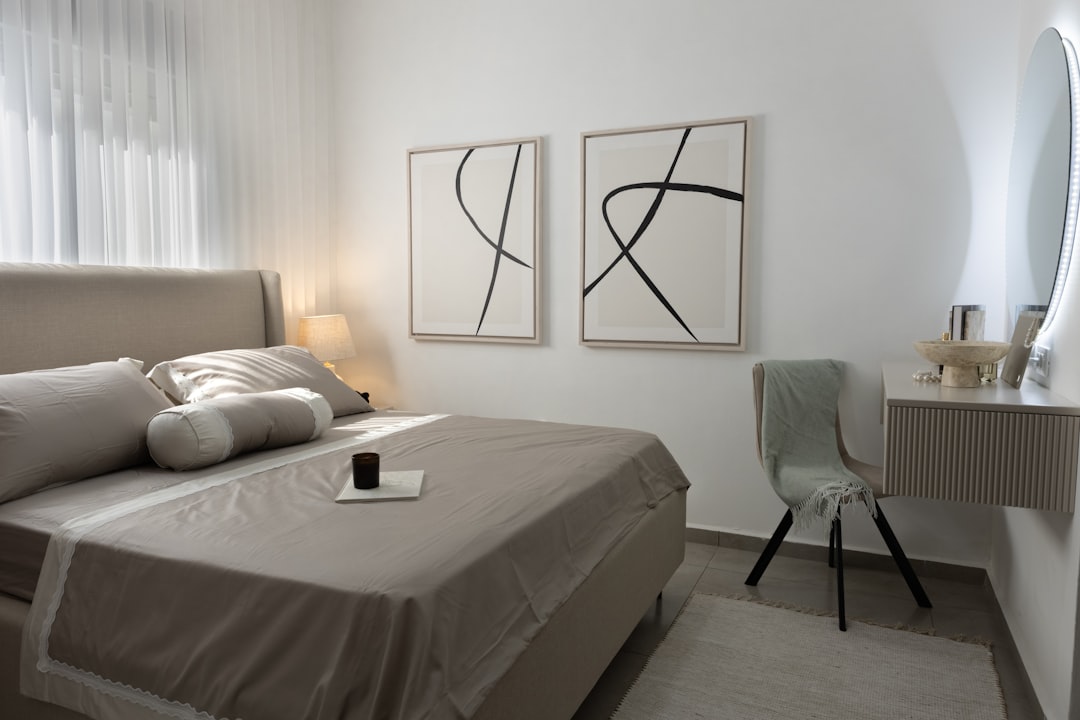
Euro Shams: Size, Inserts and How to Style Them

“Bright bedroom with layered bedding and three white Euro shams on a t featuring use euro shams make

A Euro sham is a large square decorative pillow cover — most commonly 26 x 26 inches — that stands behind your sleeping pillows to add height, structure and symmetry to the bed. It isn’t a pillowcase you sleep on nightly; it’s a styling layer that fills the gap between the mattress and the headboard and gives an ordinary bedding stack that boutique-hotel look. Buy the cover and the insert separately, size the insert slightly larger than the cover, and use one to three per bed depending on width.

euro shams styled on a layered neutral bed - use euro shams make

What a Euro Sham Is (and Isn’t)

“Sham” simply means a decorative cover with a finished opening — usually a hidden zipper, a button placket or an overlapping envelope back — rather than the open end of a pillowcase. A Euro sham is the square version, named after the large square pillows traditionally used on European beds. If you want the broader picture of how shams work across all sizes, start with our guide to what a sham is in bedding; this article stays focused on the square ones.

Two things separate a Euro sham from the pillowcase you sleep on:

  • Purpose. Sleeping pillowcases are laundered constantly and chosen for comfort against the skin. Euro shams are chosen for shape, texture and how they read from across the room. You can lean on one to read, but they’re not made for a night’s sleep.
  • Construction. Shams frequently add a flange (a flat fabric border), piping, hemstitching or embroidery. Those details are what make the back row look deliberate instead of accidental.

Euro Sham Size: Why 26 x 26 Is the Standard

The default Euro sham and Euro pillow size is 26 x 26 inches (roughly 65 x 65 cm), and because it’s so widely used, a cover labelled “Euro” will usually fit an insert labelled “Euro.” It’s the only common square in the bed-pillow line-up — everything else you sleep on is rectangular.

Some brands do sell 24 x 24, 28 x 28 or even rectangular “Euro” shapes, so read the dimensions on the listing rather than trusting the word alone. Watch for one more label trap: a “Euro sham” and a “Euro pillowcase” may have different closures and silhouettes (envelope back versus zipper, flange versus knife edge) even at the same size.

How Euro Shams Compare to Other Bed Pillow Covers

Type Shape Typical size Best for
Euro sham Square 26 x 26 in Back row; height and symmetry
Standard sham Rectangular 20 x 26 in Middle layer over sleeping pillows
King sham Rectangular 20 x 36 in King and Cal King beds
Accent square Square 18 x 18 or 20 x 20 in Front accent in front of sleeping pillows
Lumbar pillow Rectangular about 12 x 20 in Finishing the front of the stack

Inserts: How to Stuff a Euro Sham So the Corners Stay Crisp

Most Euro shams are sold as covers only. The insert does all the visual work, and a limp insert is the single most common reason a styled bed looks deflated by lunchtime.

Use Euro Shams Make - crisp euro sham corners with properly sized insert

  • Size up 1–2 inches. A 27 x 27 or 28 x 28 insert inside a 26 x 26 cover pushes the corners out and keeps the edges square. This is a widely used stylist and linen-shop convention rather than an official standard, so if a maker publishes its own insert recommendation, follow that.
  • Match the fill to the job. Down and high-loft down-alternative give the plushest, most collapsible look. A firmer down-alternative or a feather-and-down blend holds shape better if you actually lean back against the sham to read.
  • Check loft, not just size. With down, fill power describes how much volume a given weight of down produces — higher numbers loft more for the same weight. A cheap, low-loft insert in the right dimensions will still look flat.
  • Quick fixes. If corners sag, add a thin flat cushion behind the insert, or karate-chop the top edge to give the pillow a defined crease. If the sham bulges and the zipper strains, you’ve gone too big.

The same loft-versus-support logic applies to the pillows you sleep on — see what pillow loft means and how to choose the right height.

How Many Euro Shams Per Bed Size

  • Twin / Twin XL: one. A single 26-inch square reads as intentional on a narrow bed and leaves room for the sleeping pillow in front.
  • Full / Double: one or two. Two side by side nearly span the width, so keep the front stack lean.
  • Queen: two. This is the classic arrangement — two squares almost exactly cover a 60-inch width, with a lumbar or accent pair in front.
  • King / Cal King: three. Three 26-inch squares run across the back with no visible gaps. Use identical inserts so one doesn’t sag next to the others.

In a tight room, be honest about scale: a deep stack eats floor-to-headboard space visually and can make a small bedroom feel more crowded. Our notes on decorating tricks to make a small bedroom look bigger apply here — fewer, better-filled pillows usually beat a tall pile.

Fabrics and What They Do
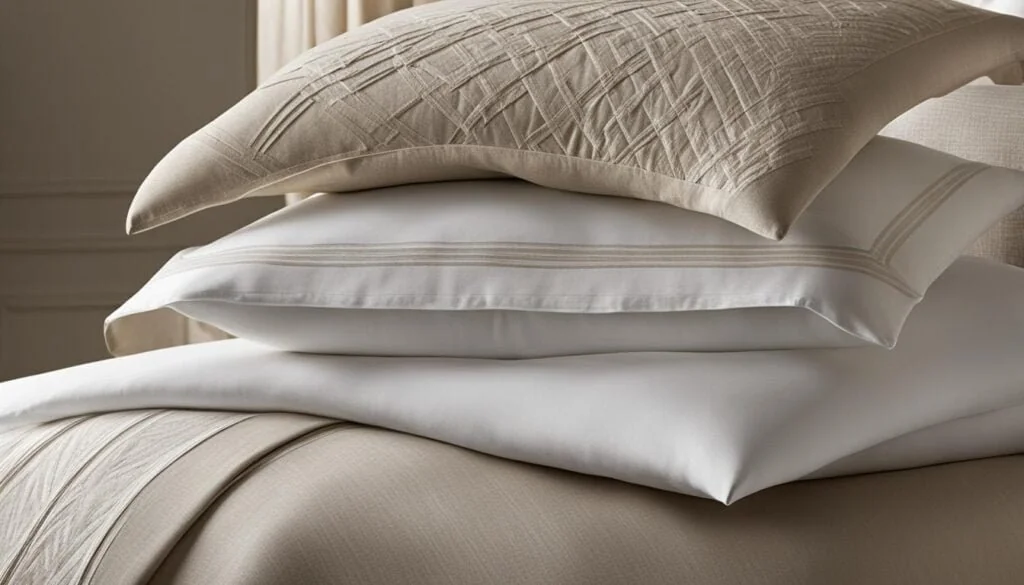
European sham fabric choices

  • Cotton percale. A plain weave with a matte finish and a crisp hand — it holds a sharp flange and a square corner better than almost anything else, which is why hotel-style back rows so often use it.
  • Cotton sateen. A weave with a soft sheen that falls more heavily and resists wrinkling more than percale. Sleep Foundation’s comparison puts it plainly: percale is light, crisp and durable while sateen is silky and heavier. Sateen photographs beautifully but rounds off corners slightly.
  • Linen. Textured, breathable and naturally rumpled. Linen shams never look perfectly sharp — that’s the point, and it suits relaxed, farmhouse and coastal rooms.
  • Velvet. Heavy, light-absorbing and strongly seasonal. One pair of velvet Euros can carry a whole winter bed.
  • Silk and silk blends. Luminous and formal, with the highest care requirements of the group.

If low-irritation materials matter to you, look for a testing mark rather than vague wording. OEKO-TEX STANDARD 100 is one of the best-known labels for textiles tested for harmful substances, and it applies to components as well as the finished item.

Styling: Three Reliable Directions

euro shams color strategy with neutrals and a single accent shade - use euro shams make

Pick one story and stay with it. A calm palette of two or three colours does more for the finished look than any single expensive pillow.

Minimalist

Solid fields, narrow flanges, tight piping, all in one family of whites, ivories or soft greys. This is the version that makes a textured quilt or matelassé coverlet look expensive, because nothing competes with it.

Modern

Contrast borders and colour-blocking. A charcoal-bordered white sham echoing a black metal frame gives clean geometry without pattern. Works well alongside a strong architectural bed — see our canopy bed ideas for how frame lines and pillow lines interact.

Romantic or layered-colour

Embroidery, ajour stitching, fringe or printed linen, in a soft accent you repeat elsewhere in the room — a throw, a lumbar pillow, a lampshade. If you’re building around a specific scheme, our light green and gold bedroom ideas show how one accent colour can be repeated without going overboard.

The Hotel Stack, Back to Front

euro shams hotel-style stack with lumbar pillow - use euro shams make

  1. Euro shams flat against the headboard, matching each other.
  2. Sleeping pillows in pillowcases or standard shams, propped against them.
  3. One accent layer — a lumbar pillow, a bolster or a single square — in front.

Two practical tips: mix texture rather than colour (crisp percale at the back, something softer in front) so the stack has depth in photographs, and keep the front layer to a single piece if you have to move it every night. A tailored base layer helps too — a dust ruffle finishes the bottom of the bed the way Euro shams finish the top.

What to Check Before You Buy

  • Exact dimensions, and whether they’re measured including or excluding the flange.
  • Closure type. Hidden zippers hold a fuller insert and look cleanest; envelope backs are easiest to launder; buttons are decorative but can gap under pressure.
  • Whether an insert is included. Usually it isn’t. Budget for inserts separately.
  • Seam and trim quality. Double-stitched seams and evenly attached piping are what separate a sham that survives twenty washes from one that puckers after three.
  • Flange width versus bed scale. A wide flange looks generous on a king and fussy on a twin.

Prices for Euro shams range from a few dollars for basic polyester to well over a hundred for embroidered linen or silk, and they move constantly with sales, so we don’t publish price bands here — compare current listings for the fabric and construction you’ve decided on instead.

Care and Cleaning

Because you don’t sleep on them, Euro shams need washing far less often than pillowcases. Cleveland Clinic advises washing sheets every week or two and pillows and comforters roughly every six months; decorative covers sit somewhere in between — every few weeks is reasonable, sooner if pets are on the bed.

  • Cotton and linen: cold or warm gentle cycle, mild detergent, tumble low or line dry. Iron or steam while slightly damp for a crisp flange.
  • Sateen: wash inside out on a delicate cycle and remove promptly to limit wrinkling.
  • Velvet and silk blends: delicate cycle at most, often dry-clean only. Press with a cloth barrier and low heat, never directly on the pile or the silk.
  • Embroidery and trims: wash inside out, skip the high-speed spin, and don’t bleach.
  • Inserts: shake and fluff them when you make the bed; that alone keeps corners full. Down and down-alternative inserts generally need washing only once or twice a year — check the label, and dry them completely.

If dust mites are a problem for you, note that Mayo Clinic recommends washing bedding weekly in hot water of at least 130 F (54.4 C), or tumbling items that can’t take hot water in the dryer. Most decorative sham fabrics won’t tolerate that temperature, so allergy-prone sleepers may prefer plain washable cotton Euro shams — or fewer decorative layers on the bed altogether.

Euro Sham FAQ

What size is a Euro sham?

Normally 26 x 26 inches (about 65 x 65 cm). A handful of brands sell 24 x 24 or 28 x 28 versions, so check the listed dimensions.

What size insert goes in a 26 x 26 Euro sham?

A 26 x 26 insert fits, but a 27 x 27 or 28 x 28 fills the corners better. Follow the maker’s guidance if it gives one.

Do Euro shams come with pillows?

Usually no — the cover is sold on its own. Assume you’ll buy inserts separately.

Can you sleep on a Euro sham?

You can lean on one, and many people use them for reading in bed. They’re not designed as sleeping pillows, and the decorative trims and closures can be uncomfortable against the face.

How many Euro shams do I need?

One for a twin, one or two for a full, two for a queen, three for a king or Cal King.

Are Euro shams worth it?

If you want the layered hotel look or back support for sitting up, yes — they’re the cheapest way to change the scale of a bed without buying new bedding. If you strip the bed to sleep every night, two covers plus two inserts may be more upkeep than you want.

Updated September 2026.

Bed Skirt Styling Ideas for a Polished Bedroom Look

Bed Skirt Styling Ideas for a Polished Bedroom Look - Featured Image

Bed Skirt Styles That Add a Polished Bedroom Look

Bed skirts are a small yet powerful way to elevate your bedroom’s look while hiding storage and keeping things clean. Here’s how to style them perfectly and choose the right type for your space. Pillar read: [CBQ_LINK:bed-styling-guide]

How to style bed skirts for a polished bedroom look while hiding storage

Key Takeaways

  • Bed skirts hide clutter, complete the bed look, and support sleep hygiene.
  • Choose from styles like tailored, ruffled, and elasticized to suit your décor.
  • Fabrics and colors influence the vibe—go from casual cotton to luxe velvet.
  • Bed skirts add warmth, symmetry, and depth to any bedroom design.
  • Pro styling tips ensure a balanced, cohesive, and seasonal bedroom refresh—bed skirts are the secret finisher.

1. What Are Bed Skirts?

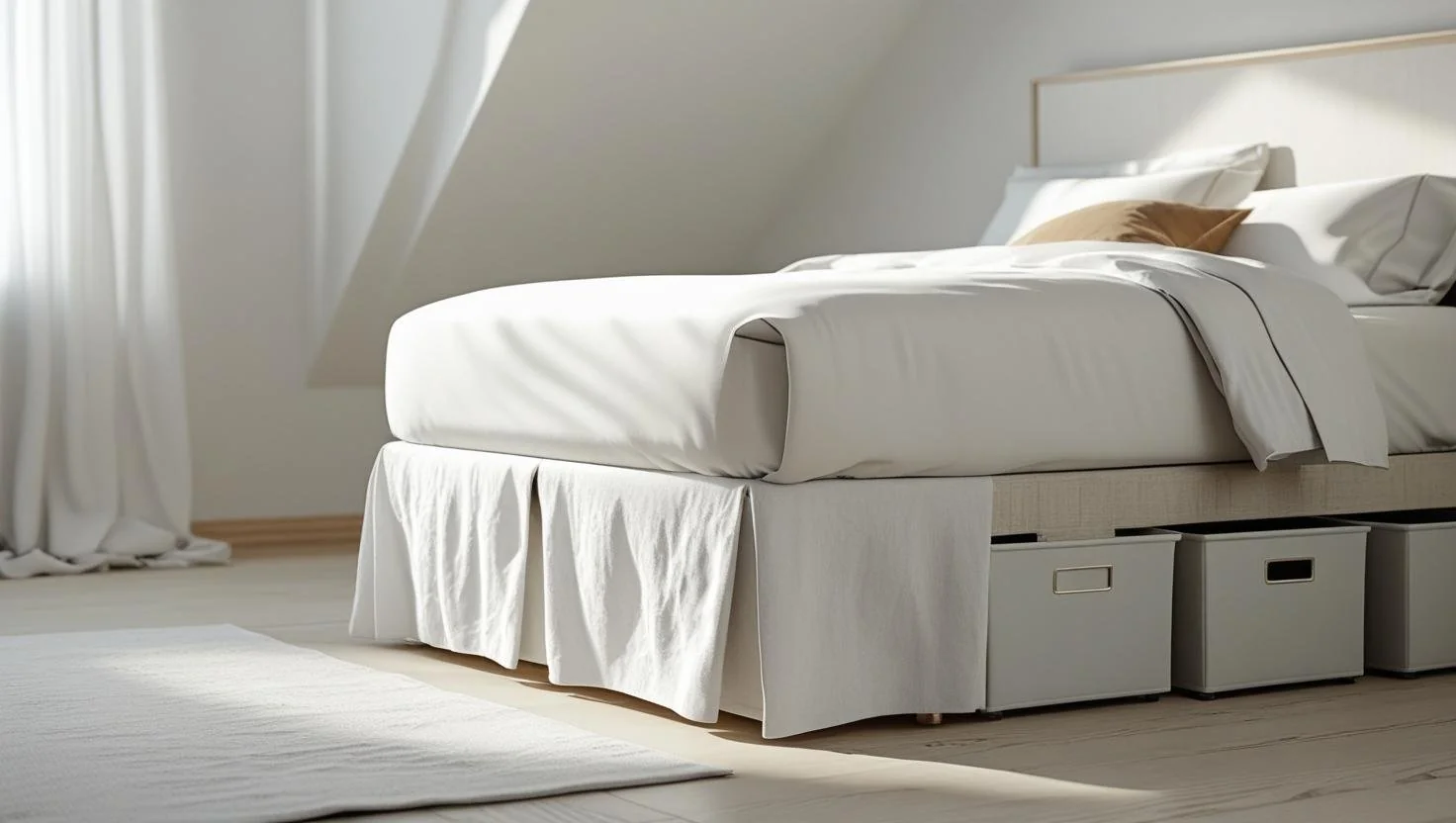
A bed skirt—sometimes called a dust ruffle—is a decorative piece of fabric that covers the box spring or bed foundation and hangs to the floor. It serves dual purposes: enhancing the visual appeal of your bedroom and concealing any items stored underneath your bed. This simple textile addition creates a polished, hotel-like look and provides a clean transition from the bed to the floor.

Think of it as the frame around a picture—it completes the whole image. For instance, in our bed styling guide, we suggest incorporating bed skirts for rooms aiming for cohesion and design flow: [CBQ_LINK:bed-styling-guide]

In my own bedroom, adding a crisp white tailored skirt instantly concealed storage bins while making the bed look “dressed up,” much like putting on a blazer over casual clothes. It felt neater and more intentional.

To sum up, bed skirts are practical and aesthetic game-changers, especially for those who value both form and function in bedroom design. According to the Sleep Foundation, a tidy and cohesive bedroom environment can promote better rest.

Bed skirts provide a stylish way to hide under-bed storage and enhance bedroom aesthetics

2. Types of Designs

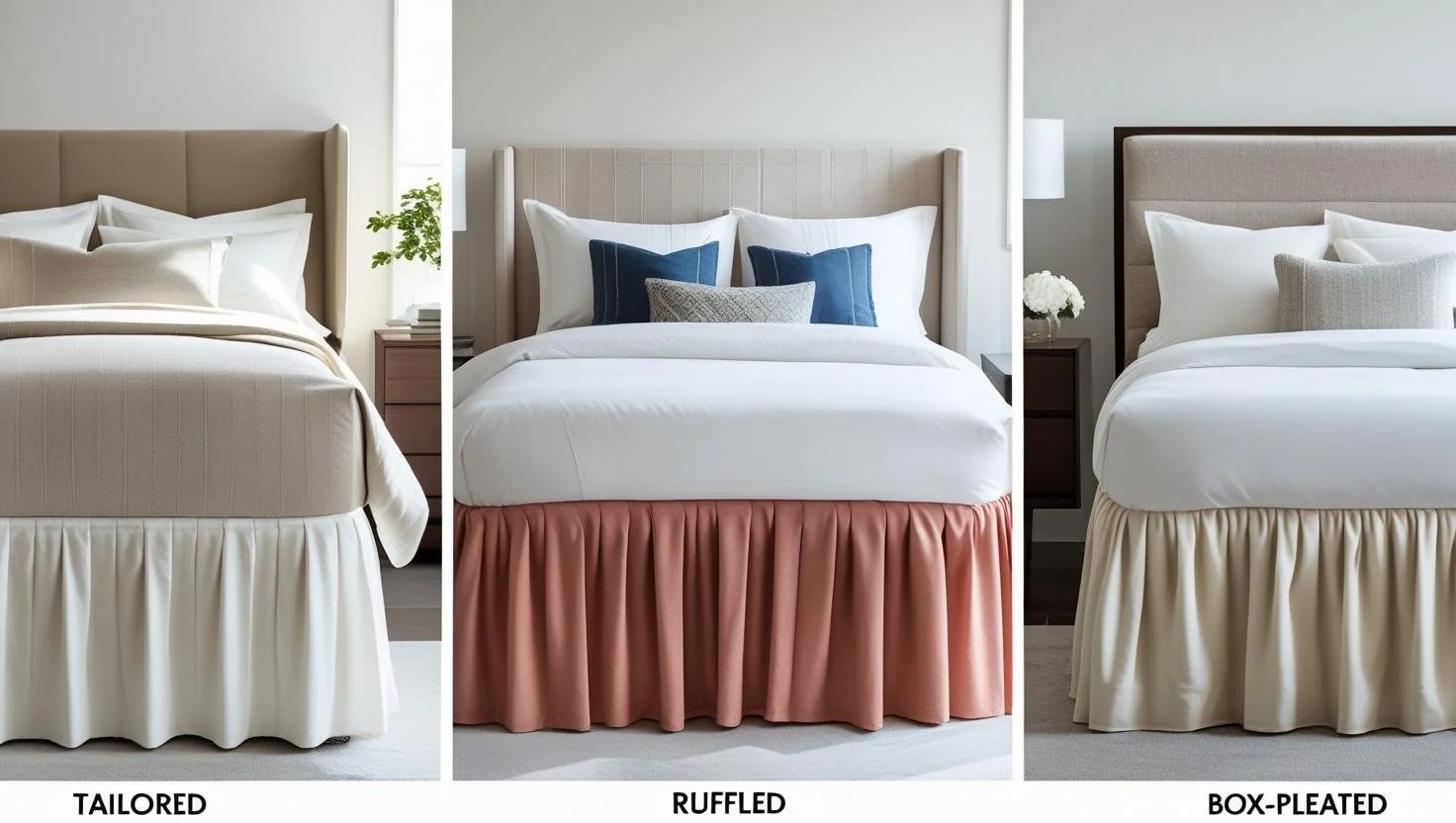
The style of your bed skirt can either complement your existing decor or create an eye-catching statement. Understanding the different design types ensures your choice fits both your taste and the practical setup of your bed.

  • Tailored Bed Skirts: Crisp lines, minimal design, structured elegance.
  • Ruffled Bed Skirts: Soft and charming, perfect for vintage vibes.
  • Box-Pleated Skirts: Balance of structure and detail for transitional decor.
  • Elasticized Bed Skirts: Convenient and easy to install, ideal for busy homes.
  • Split-Corner Designs: Great for beds with posts or footboards, drapes cleanly.

For a deeper breakdown by bed frame and mattress type, see: [CBQ_LINK:bed-accessories-upgrade-sleep]

Layering more décor? Explore options in: [CBQ_LINK:bedding-accessories-cozy-stylish-bedroom]

Bed skirts add softness or structure depending on the design you choose

3. Choosing Fabric and Color

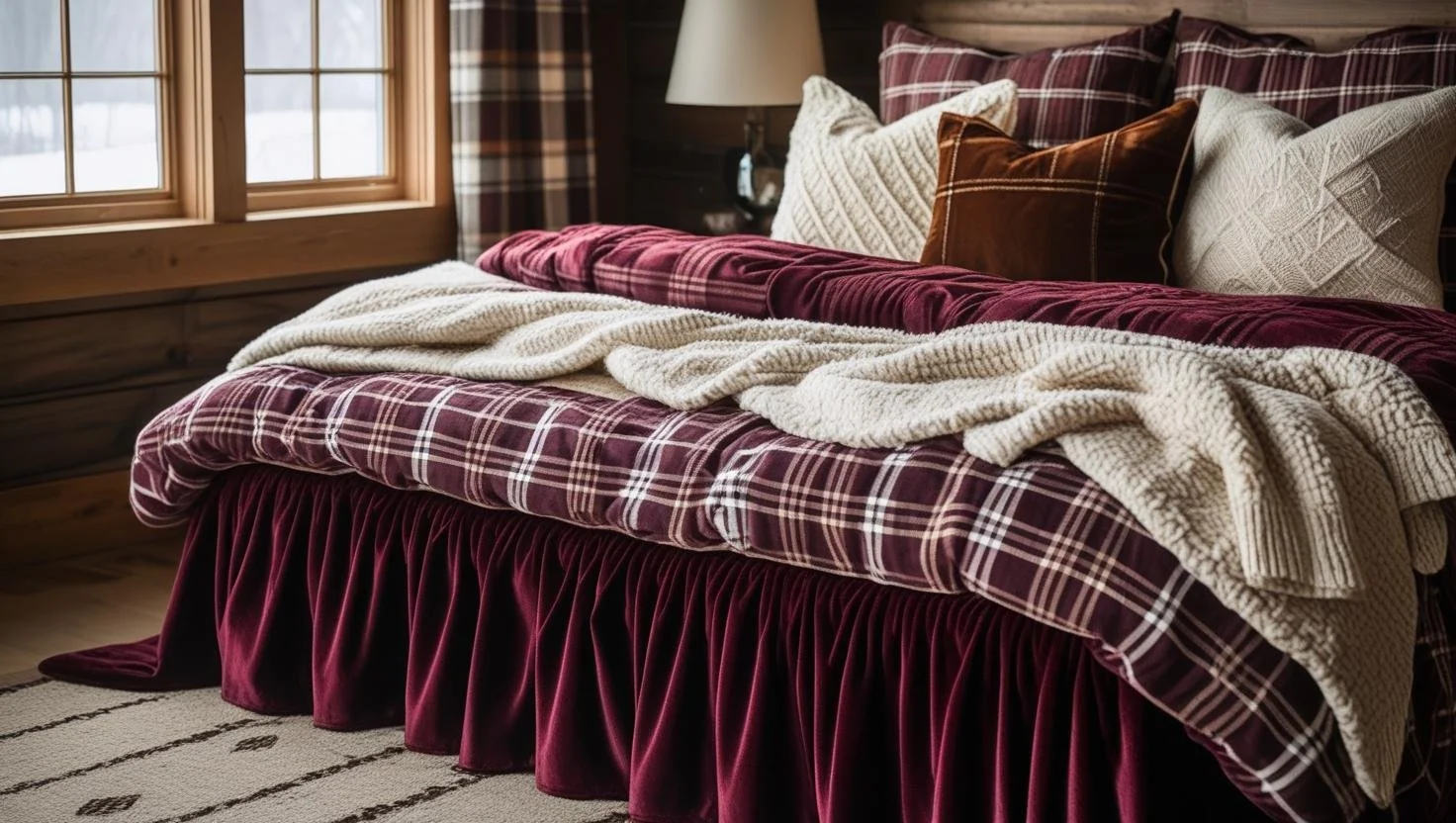
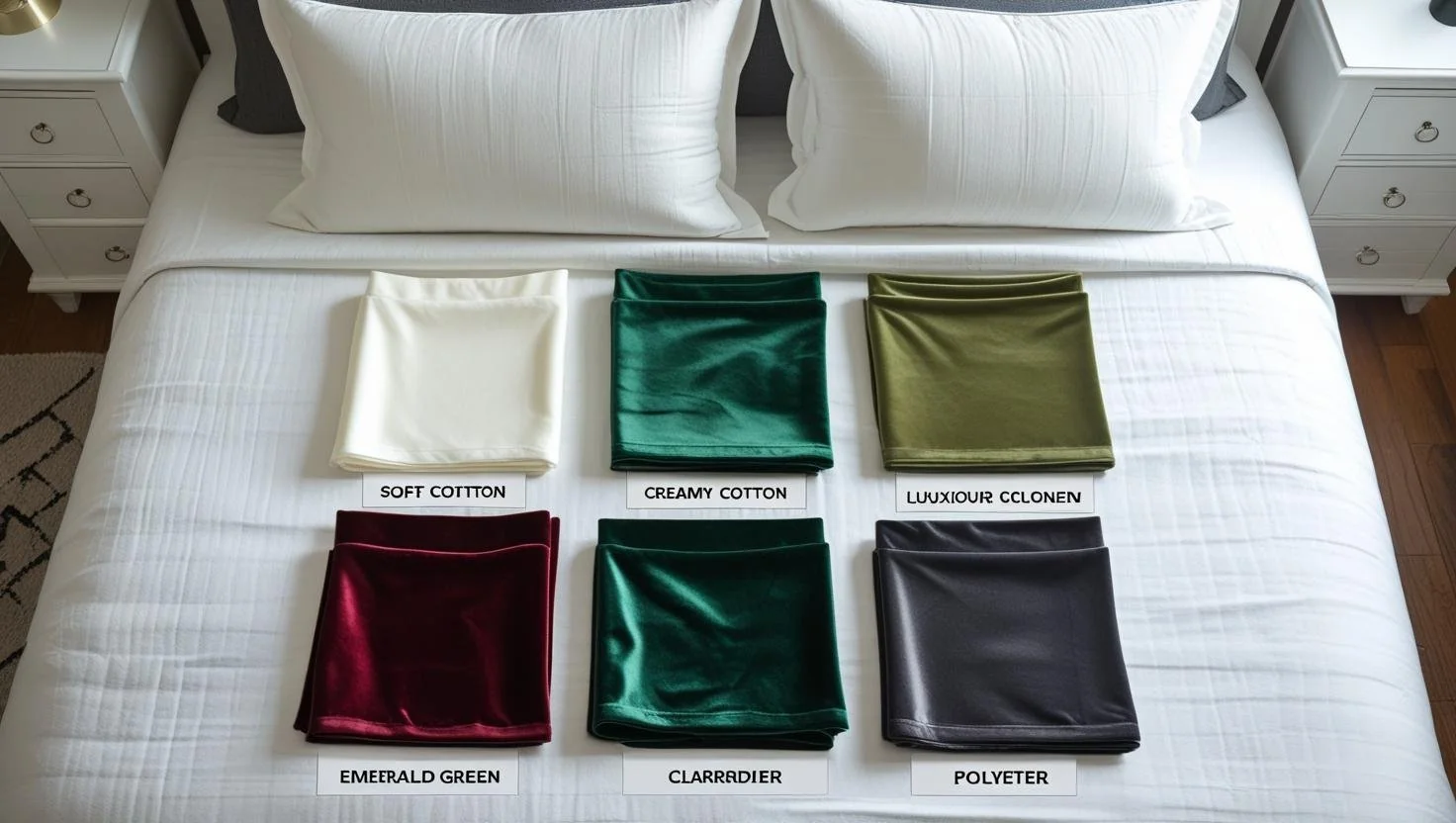
Fabric and color choices shape the look and performance of your bed skirt—think of them as your room’s “texture and tone.” Light, breathable cotton or linen reads casual and effortless; velvet or satin turns up the drama. Designers often start with texture to set the mood and then layer color and pattern. See guidance on layering from Architectural Digest and material pros/cons in Parachute’s fabric guide.

  • Cotton & Linen: Light, breathable, easy to maintain.
  • Polyester: Durable, cost-effective, great for kids’ rooms.
  • Velvet or Satin: Luxurious and dramatic for upscale decor.
  • Blends: Softer hand + strength; ideal for high-traffic rooms.
  • Neutrals: Timeless and flexible with any palette.
  • Bold Hues: Add contrast and personality.
  • Patterns/Reversible: Seasonal styling with quick flips.

Coordinating with your duvet and shams? Try: [CBQ_LINK:bedding-color-mix-and-match-guide]

Bed skirts are available in a variety of fabrics and colors to suit your bedroom design

4. Practical Benefits

Beyond aesthetics, bed skirts deliver handy perks: they hide bins and boxes, minimize dust bunnies, protect frames from scuffs, and can support better sleep hygiene when combined with good cleaning routines.

  • Conceal Storage: Especially useful in small spaces.
  • Block Dust: Easier upkeep and cleaner floors.
  • Prevent Damage: A barrier against scuffs and scratches.
  • Health Boost: Combine with air-quality habits; see the EPA’s guide to improving indoor air.

More on sensitivities: [CBQ_LINK:bedding-and-allergies-facts]

Keep everything fresh: [CBQ_LINK:how-often-wash-bedding]

Bed Skirt Styling Ideas for a Polished Bedroom Look

5. Styling Tips

These finishing moves take your setup from good to gorgeous. Start with the right drop, then unify color and texture across your bedding for a designer look—without going overboard. Bed skirts offer one of the easiest ways to switch up a bedroom’s mood, so don’t be afraid to experiment.

  • Match Your Bedding: Repeat tones across shams, duvet, and skirt for cohesion.
  • Get the Right Drop: Measure from top of box spring or platform to floor—your skirt should gently “kiss” the floor.
  • Play with Texture: Mix linen sheets, a quilted coverlet, and a smooth skirt for depth.
  • Change with Seasons: Swap in airy cotton for summer; richer velvet for winter.

Seasonal Looks

In warmer months, light bed skirts in cotton or linen add breezy freshness. Pair them with crisp percale sheets and pastel throws. For autumn, a deep-hued box-pleated skirt in flannel or tweed creates instant coziness. Winter calls for velvet or faux suede bed skirts—both add depth and warmth. Spring is the perfect time to try reversible designs or patterned dust ruffles that echo florals and greenery outside.

Common Mistakes to Avoid

A few missteps can make bed skirts look sloppy. The biggest mistake is choosing the wrong length: a skirt that pools on the floor looks messy, while one that hovers awkwardly above the floor feels unfinished. Another error is clashing fabrics—if your bedding is silky, a coarse skirt can break the flow. Finally, avoid neglecting seasonal care; dusty, wrinkled skirts detract from the whole room.

Budget vs Luxury Options

If you’re on a budget, elasticized bed skirts are affordable, easy to install, and often machine washable. They’re a great choice for kids’ rooms or rental apartments. On the other hand, luxury options—such as custom-made linen or velvet bed skirts—can be tailored to your exact bed height and finished with box pleats or piping for a designer feel. Mixing both approaches works too: invest in one timeless, high-quality skirt and rotate with budget-friendly styles for everyday use.

Bed skirts might seem like a small detail, but they pack a punch for style, storage, and cleanliness. By understanding types, fabrics, colors, and benefits, you can choose one that enhances your space in both form and function. Whether you’re aiming for a minimalist refresh or a cozy makeover, the right bed skirts help your bedroom feel complete and thoughtfully styled.

FAQ

What is the purpose of a bed skirt?
It conceals under-bed storage, protects the bed frame, and gives your setup a polished, cohesive finish. Many homeowners find bed skirts essential for balancing style with function.
Are bed skirts outdated?
No—modern, tailored dust ruffles and pleated skirts feel current and pair well with layered bedding. In fact, many designers use bed skirts as a secret tool to finish a high-end look.
How do I choose the right size bed skirt?
Measure the drop (top of foundation to floor) and choose a matching length for a neat drape. A properly sized bed skirt transforms a bed from casual to intentional.
Can I use a bed skirt on a platform bed?
Yes. Look for wrap-around or elastic styles; split corners also help with platform frames and footboards. These options ensure your bed skirts fit cleanly.
How do I wash a bed skirt?
Most are machine-washable on gentle—always check the label. For delicate fabrics like velvet, consider dry cleaning to maintain texture and drape.

Related Reading from Cozy Bed Quarters


Bedding Accessories Pillows and Toppers for Better Sleep

Bedding Accessories Pillows and Toppers for Better Sleep - Featured Image


Bedding Accessories Pillows Toppers (Updated 2026)

Key Takeaways

  • Bedding accessories pillows toppers improve comfort, align the spine, and refresh older beds without needing a new mattress.
  • Choose pillows based on sleep position: side sleepers need higher loft, back sleepers medium, and stomach sleepers low.
  • Cooling materials like latex, wool, and advanced foams help regulate temperature and manage night sweats.
  • Look for eco and safety certifications: CertiPUR-US®, GREENGUARD Gold, GOTS, and OEKO-TEX.
  • Protect, rotate, and air out pieces to extend their lifespan and maintain hygiene.

Why Invest in Bedding Accessories Pillows Toppers?

Bedding accessories pillows toppers are essential for optimizing sleep comfort and support. They can adjust firmness, reduce pressure on shoulders and hips, and enhance airflow for a deeper sleep. A well-chosen topper can soften a firm bed, while the right pillow ensures your neck remains neutral, allowing muscles to relax throughout the night.

For room-size and support balance, see how bed size affects sleep quality in our guide: How Bed Size and Sleep Quality Are Connected.

Natural and organic bedding accessories pillows toppers on a cozy bed

How to Choose the Right Mattress Topper (Answer-first)

Identify your sleep issue: whether it’s firm beds, buoyant support, or cooling needs—then select the thickness and material accordingly.

  • Too firm? Opt for memory foam (2–3″) for plush contouring and pressure relief.
  • Sleep hot? Consider ventilated latex, open-cell or gel-infused foam, or moisture-regulating wool.
  • Eco focus? Natural latex and wool offer durability, support, and are less prone to dust mites.

For deeper shopping help, see our internal guide to choosing toppers: Enhance Your Sleep with the Right Mattress Topper, and compare seasonal comfort options here: Comforter Guide for Every Season.

Independent testing roundups are helpful when comparing current models: Best Mattress Toppers (Sleep Foundation).

Hypoallergenic bedding accessories pillows toppers set for sensitive sleepers

Layering Pillows for Ultimate Comfort (Answer-first)

Begin with one primary pillow tailored to your sleep position, adding a slim helper or decorative pillow for extra support and style.

  • Side sleepers: A higher-loft foam or latex pillow fills the shoulder gap.
  • Back sleepers: Medium loft supports without pushing the head forward.
  • Stomach sleepers: Low loft maintains a neutral neck; soft down-alternatives are often beneficial.

A common fix: side sleepers with neck strain can switch to a medium-firm, high-loft memory foam pillow and add a thin knee pillow—many feel relief quickly. Learn how to build that “designer layered” look with our step-by-step: How to Layer Bedding.

For lifespan guidance, most experts suggest replacing pillows about every 1–2 years: How Often to Replace Pillows (Sleep Foundation).

Eco-friendly bedding accessories pillows toppers arranged in layers

Materials & Certifications That Matter (Answer-first)

Select materials based on feel and durability, confirming safety with recognized labels to ensure comfort and indoor air quality.

  • CertiPUR-US® foam: Verified for content and emissions—ideal for memory foam toppers.
  • GREENGUARD Gold: Low chemical emissions for better air quality.
  • Organic fibers: Look for GOTS or OEKO-TEX on covers and fills.

Want a quick fabric refresh? This overview is handy for cooling vs cozy sheeting: Percale vs Sateen vs Linen (Parachute). For general bedding fabrics, see Temperature-Regulating Bedding and Organic Bedding Benefits.

Organic cotton bedding accessories pillows toppers for breathable comfort

Top Picks Snapshot (Reader Favorites, Answer-first)

Match material to need: cooling gel foams for hot sleepers; buoyant latex for breathable lift; plush featherbeds for cloud-like sink.

  • Cooling gel memory foam topper: Pressure-relieving contour with cooler feel for hot sleepers.
  • Natural latex topper: Buoyant, breathable, and naturally resistant to dust mites and mold.
  • Downtop featherbed: Plush surface for a luxe, sink-in feel (best paired with supportive pillows).

For lab-tested comparisons, browse Sleep Foundation’s topper picks and their testing methodology. For cool-sleeping fabrics, Parachute’s guides clarify weave vs. fiber feel: Bed Sheets Guide.

Care & Maintenance Tips (Answer-first)

Protectors, regular washing, airing out, and rotation extend the life of bedding accessories pillows toppers.

Eco-Friendly vs. Conventional Bedding (Answer-first)

Eco-friendly choices aim to reduce emissions and chemicals while improving durability; conventional options can be budget-friendly but vary in sustainability.

  • Eco-friendly picks: Organic cotton, TENCEL™ lyocell, natural latex, responsibly sourced down; often certified by GOTS, OEKO-TEX, or GREENGUARD.
  • Conventional picks: Polyester microfiber and standard poly foams; lower upfront cost but may retain more heat and shed microfibers over time.
  • Comfort tradeoffs: Organic and sustainable bedding can breathe better and last longer; advanced foams may offer superior pressure relief.

To balance comfort and impact, combine a breathable topper with eco-conscious sheets and an organic bedding duvet cover.

Environmental Impact: Carbon, Water, Biodegradability (Answer-first)

Materials differ widely. Natural latex and organic cotton typically avoid certain petrochemical inputs; wool manages moisture without synthetics. Conventional polyester blends may be durable but aren’t biodegradable. When possible, choose products with transparent certifications (GOTS, OEKO-TEX, GREENGUARD) and long warranties to reduce replacement cycles.

Buyer’s Guide: Certifications & Shortlist (Answer-first)

Use labels to verify claims, then shortlist by feel and care needs.

  • Foam toppers: Look for CertiPUR-US® (content & emissions) and consider covers with OEKO-TEX.
  • Latex toppers: Seek GOLS/GOTS and GREENGUARD Gold for low emissions.
  • Textiles: OEKO-TEX STANDARD 100 or GOTS for organic fibers.

Want a quick materials primer from a design-forward source? See Parachute’s weave overview: Sateen vs. Percale basics.

FAQ

What are the benefits of using a mattress topper?
A quality topper boosts comfort, fine-tunes firmness, and can extend mattress life by reducing wear on the most-used surface.
How often should I replace my pillows?
Plan on every 1–2 years; swap sooner if the pillow feels flat, lumpy, or causes neck strain. See guidance from Sleep Foundation: Pillow Replacement.
Are natural toppers worth it?
Yes. Latex and wool are durable, breathable, and often hypoallergenic—great for eco-conscious sleepers who run warm or prefer low-maintenance materials.
Which certifications should I look for?
For foam, look for CertiPUR-US; for low emissions, GREENGUARD Gold; for natural fibers, GOTS or OEKO-TEX.

Final Thoughts

With the right bedding accessories pillows toppers, you can upgrade comfort, cooling, and support in a single afternoon. Start with your biggest pain point—temperature, pressure relief, or neck alignment—make one smart change, then build from there. For more cozy, research-backed guides, explore Cozy Bed Quarters.

Related Reading

About the Author

Joseph Rett is the founder of Cozy Bed Quarters, a Phoenix-based sleep and bedding resource. With years of experience researching sleep science and bedding products, Joseph helps people create comfortable, sustainable sleep spaces. Living in Arizona’s desert climate has given him unique insights into temperature-regulating bedding and cooling sleep solutions.

Choosing Pillows for Comfort: 7 Expert Tips for Better Sleep

Choosing Pillows for Comfort: 7 Expert Tips for Better Sleep - Featured Image

Choosing Pillows for Comfort: 7 Expert Tips for Better Sleep

Choosing Pillows for Comfort and Better Sleep

Key Takeaways

  • Match pillow loft and firmness to your sleep position for optimal spinal alignment.
  • Prioritize materials like memory foam or latex for targeted support.
  • Consider pillow adjustability and cooling features for personalized comfort.
  • Look for certifications like CertiPUR-US® and OEKO-TEX® for quality assurance.

When it comes to choosing pillows for comfort, the right pick keeps your head, neck, and spine aligned so you wake up refreshed instead of stiff. In this guide, you’ll learn how to match materials, loft, and features to your sleep style, plus how to spot quality so your pillow supports you night after night.

Key Takeaways: choosing pillows for comfort

  • Match loft and firmness to sleep position. Side sleepers typically need higher, firmer loft; back sleepers do best with medium; stomach sleepers need the thinnest support.
  • Material = feel + support + care. Memory foam contours, latex is buoyant and breathable, down is plush, and down alternative is hypoallergenic and easy-care.
  • Prioritize alignment first. The best results when choosing pillows for comfort come from keeping ears, shoulders, and hips in a straight line.
  • Look for adjustability and cooling if you toss or sleep hot. Shredded foam, removable inserts, and cooling covers help fine-tune comfort.
  • Quality shows in construction and certifications. Seek reputable labels (e.g., CertiPUR-US®, GOTS, GOLS, OEKO-TEX®) and durable stitching.

The Importance of Support in Pillow Selection

Answer first: Proper support keeps your spine neutral so muscles can relax and heal overnight.

At its core, choosing pillows for comfort means finding a height and firmness that cradles your head without letting it tilt. A neutral neck reduces morning aches and headaches and can even lessen snoring by helping your airway stay open.

Answer first: Replace pillows when they flatten, fold, or feel lumpy.

If you’re constantly scrunching for extra loft or notice flat spots, it’s time to retire that pillow. Most pillows last 1–2 years; premium latex or high-density foams can last longer with care.

Answer first: Simple care extends comfort and lifespan.

Use a breathable protector and wash pillowcases weekly. Fluff down/alternatives, and follow manufacturer care for foam or latex. For bedding add-ons that amplify comfort, see our bed accessories guide.

This image shows a supportive pillow keeping the neck aligned, which is essential when choosing pillows for comfort.

Answer first: Your fill dictates feel, temperature, and upkeep.

Materials matter when you’re choosing pillows for comfort. Each fill has a distinct balance of contour, bounce, breathability, and maintenance.

Memory Foam

Fast take: Contouring support that relieves pressure for side and back sleepers. Solid foam feels uniform; shredded foam is more moldable and adjustable. If you sleep warm, look for ventilated cores or cooling covers.

Latex

Fast take: Naturally buoyant and breathable with a subtle spring. Latex resists dust mites and tends to outlast many foams. If sustainability is a priority while choosing pillows for comfort, consider organic or GOLS-certified latex and pair it with eco-conscious bedding.

Down

Fast take: Cloud-soft, ultra-plush feel that’s lightweight and breathable. Down requires regular fluffing to maintain loft and may not provide enough lift for broader shoulders.

Down Alternative

Fast take: Hypoallergenic and easy-care with a soft, down-like feel. Great for guest rooms or anyone sensitive to natural down.

Want a quick external overview of pillow types and picks? Explore the Sleep Foundation’s best pillows, Parachute’s pillow guide, and the Better Homes & Gardens buying guide for independent testing and buying tips.

This image compares popular fills so readers feel confident when choosing pillows for comfort.

Choosing Pillows for Comfort by Sleep Position

Answer first: Align your head with your spine, then let position guide loft and firmness.

Different positions need different heights. Here’s how to dial it in while choosing pillows for comfort.

Side Sleepers

Fast take: Choose a higher, firmer loft that fills the shoulder-to-neck gap and keeps your head from dipping. Consider gusseted designs that maintain edge-to-edge height.

Back Sleepers

Fast take: Medium loft supports the natural neck curve without pushing your head forward. A slight contour can reduce snoring and morning stiffness.

Stomach Sleepers

Fast take: Go thin and soft—or skip a pillow—to avoid neck extension. A low-loft down or down-alt can keep things comfy and neutral.

Combination Sleepers

Fast take: Adjustable or shredded-foam pillows let you fine-tune height. If you often overheat, add a breathable cover and consider lighter fills. For fabric choices that feel cool and dry, see our guide to best bedding materials for hot sleepers.

This image shows ideal side, back, and stomach alignment for readers choosing pillows for comfort.

Additional Features to Consider

Answer first: Cooling tech, removable fills, and breathable covers personalize comfort.

If you run warm, look for gel-infused or ventilated cores and moisture-wicking covers. Bamboo-viscose, cotton percale, and TENCEL™ lyocell are common cool-sleep fabrics.

Adjustability

Fast take: Removable inserts or zippered shredded foam help you tune loft over time—especially helpful if your mattress feel changes or you’re refining your setup while choosing pillows for comfort.

Breathable, Washable Covers

Fast take: A removable cover makes maintenance easier and can drastically improve temperature regulation.

Sustainability

Fast take: Prefer organic cotton shells, responsibly sourced down, or natural latex. For bedroom upgrades that feel good and look beautiful, browse mirrors and wall decor to build a restful sanctuary.

This image highlights cooling covers and adjustable inserts to guide readers choosing pillows for comfort.

Proper Alignment for Better Sleep

Answer first: Think ears over shoulders—your pillow should hold you there comfortably.

Too-high pillows bend your neck forward; too-flat pillows drop your head back. The sweet spot keeps your nose pointed straight up, not tilted.

Supportive Add-Ons

Fast take: A knee pillow for side sleepers or a small lumbar pillow for back sleepers keeps the rest of your spine in line. Looking to top off your mattress for extra pressure relief while choosing pillows for comfort? See our picks for the right mattress toppers.

Hygiene & Longevity

Fast take: Use a zippered protector to shield from sweat and allergens, and wash it regularly. Replace pillows at signs of persistent flattening or odor.

This image demonstrates neutral neck posture, a key principle when choosing pillows for comfort.

Customizing Your Pillow

Answer first: Adjustable designs solve most fit issues with simple at-home tweaks.

Shredded foam and modular inserts let you remove or add fill until your head rests just right. For couples, adjustable pillows make it easy for each partner to personalize support while choosing pillows for comfort.

This image shows an adjustable pillow with removable fill to help readers choosing pillows for comfort.

Investing in Quality for Long-Term Comfort

Answer first: Durable materials and tight stitching keep pillows comfy for years.

Premium latex and high-density foam resist early sagging, and double-stitched seams reduce seam stress. Pair your pillow with breathable sheets and a supportive topper to elevate your whole setup while choosing pillows for comfort. For ideas, visit our bed accessories guide.

Buyer’s Guide: Certifications & What They Mean

Answer first: Labels verify safety and sourcing—use them to compare options quickly.

  • CertiPUR-US® (foam): Ensures polyurethane foam is made without certain harmful chemicals and meets emissions standards.
  • OEKO-TEX® STANDARD 100 (fabrics): Tests textiles for substances of concern at every stage of production.
  • GOTS (organic cotton) & GOLS (organic latex): Verify organic status and responsible processing from farm to finished product.
  • Responsible Down Standard (RDS): Confirms animal-welfare practices for down sourcing.

For more perspective as you’re choosing pillows for comfort, compare expert testing from the Sleep Foundation, materials breakdowns from Parachute, and hands-on picks from Better Homes & Gardens.

Eco-Friendly vs. Conventional Pillows

Answer first: Eco options can reduce chemicals and waste without sacrificing comfort.

Natural latex and organic cotton shells often offer low-odor performance and traceable sourcing. Conventional options can still be great—just lean on certifications and solid construction while choosing pillows for comfort.

Category Eco-Friendly Examples Conventional Examples
Core Materials Organic latex, organic cotton fill, responsibly sourced down Polyurethane memory foam, polyester down-alternative
Pros Lower VOCs; traceable supply chains; biodegradable components Lower cost; wide availability; consistent feel options
Considerations Higher upfront price; firmer feel (latex) Potential for higher heat retention or odors if uncertified

If you’re refreshing your whole space while choosing pillows for comfort, explore eco-conscious bedding to build a healthier sleep setup.

FAQ

What should I prioritize when choosing pillows for comfort?
Start with alignment: pick a loft that keeps your neck neutral, then choose the material that matches your feel preference and temperature needs.
Which material is best for neck pain?
Memory foam and ergonomic latex pillows provide targeted contouring that supports the cervical curve and reduces pressure points.
Do stomach sleepers need a pillow?
Many prefer a very thin, soft pillow—or none—to avoid neck extension. A thin knee pillow can also ease lower-back strain.
How often should pillows be replaced?
Plan on every 1–2 years for most fills; high-quality latex or dense foams can last longer. Replace sooner if your pillow feels flat, lumpy, or causes stiffness.
Are cooling pillows worth it?
If you sleep warm, yes. Look for breathable covers, ventilated cores, or phase-change fabrics to help regulate temperature while you’re choosing pillows for comfort.

Final Thoughts

Great sleep starts with alignment, and that’s why choosing pillows for comfort is a small decision with big rewards. Use this guide to match loft, materials, and features to your body—and lean on Cozy Bed Quarters resources whenever you want expert, friendly help.

Related Reading