Under Bed Storage Frames That Maximize Bedroom Space

Beds with Built-In Storage


Beds With Built-In Storage for Organized Living

If your bedroom feels cluttered or you’re looking to make the most of every square foot, Beds with Built-In Storage offer the perfect solution. These smart designs integrate drawers, shelves, or hidden compartments directly into the bed frame, combining comfort with practicality. For more ideas, explore Hidden Storage Beds: Smart Space Savers.

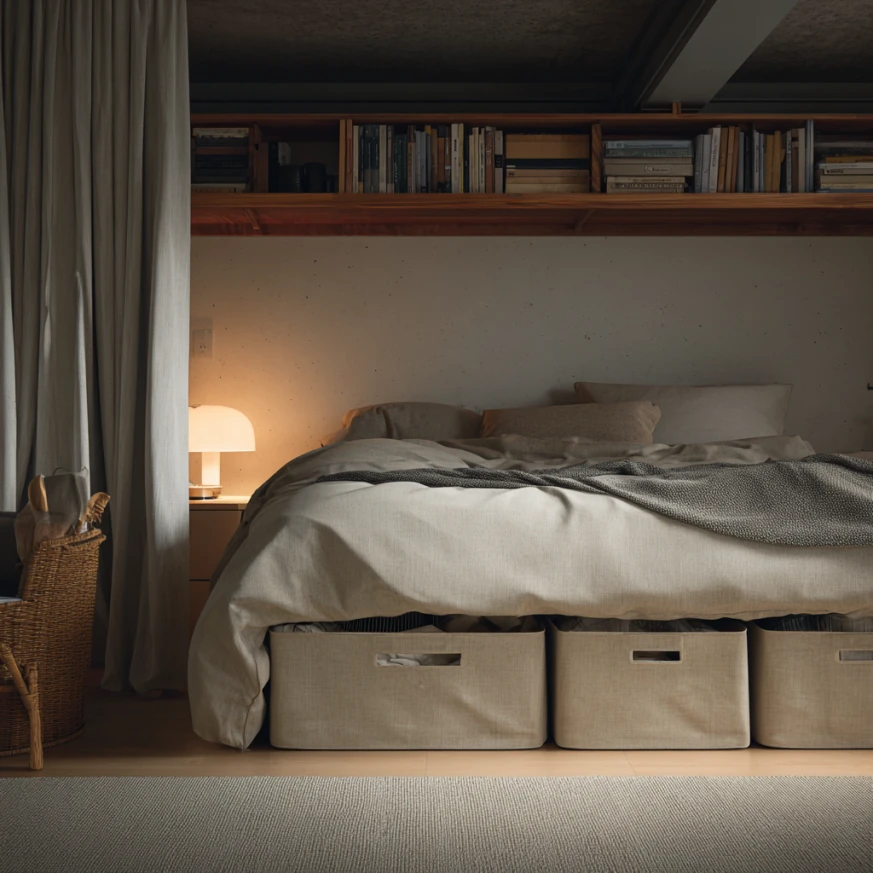
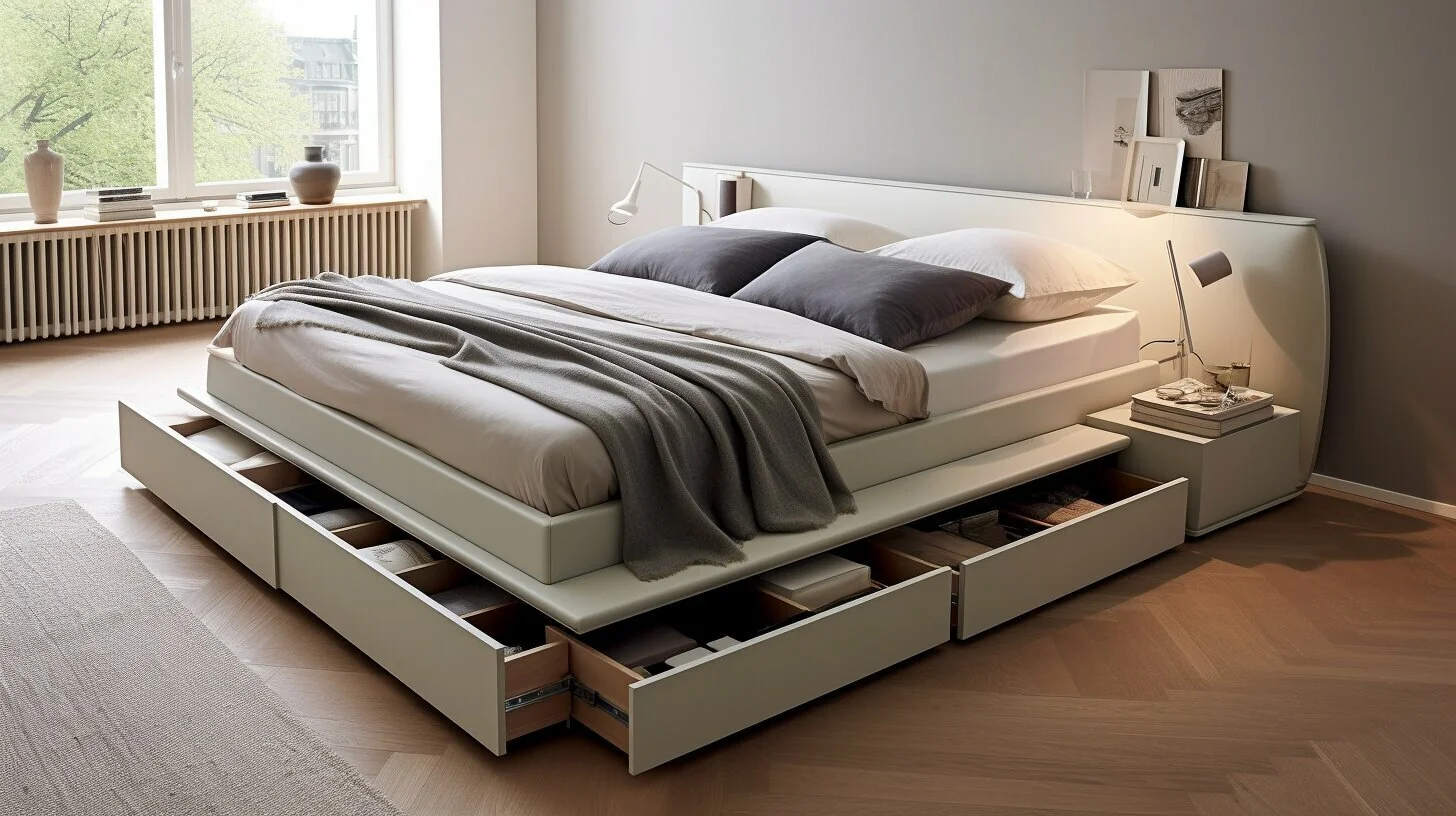
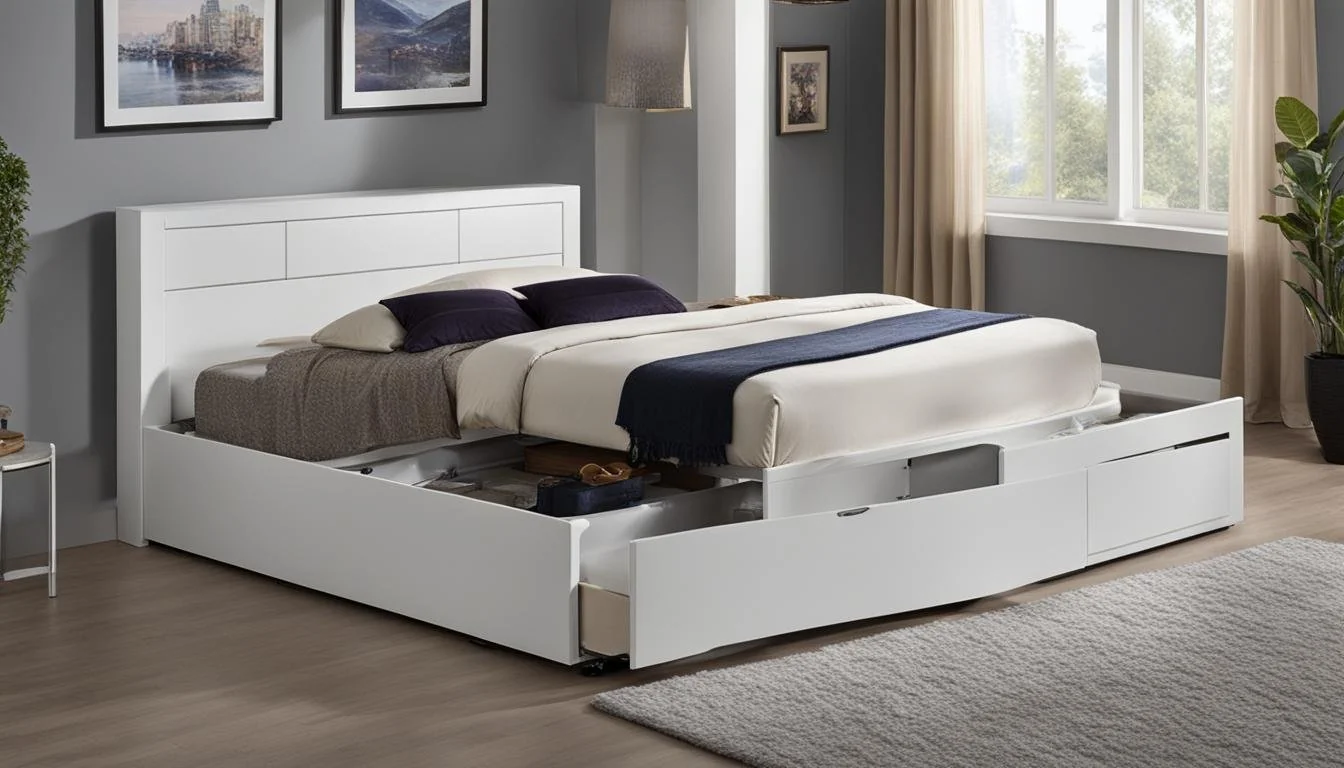
Serene modern bedroom featuring Beds with Built-In Storage to maximize floor space and organization

Key Takeaways

  • Beds with Built-In Storage help maximize bedroom space while maintaining a stylish design.
  • Popular choices include platform beds, ottoman beds, captain’s beds, and Murphy beds.
  • These designs are ideal for small apartments, guest rooms, or multipurpose spaces.
  • Choosing the right storage bed depends on accessibility, storage needs, and room layout.

Why Choose Beds with Built-In Storage?

Bedrooms often double as storage areas, leaving closets overstuffed and under-bed bins in disarray. That’s where Beds with Built-In Storage stand out. By integrating storage into the frame itself, they eliminate clutter and free up valuable floor space. Whether in a city apartment or a compact guest room, these beds make organization effortless. For further ideas, check out Better Homes & Gardens’ bedroom storage solutions.

Types of Beds with Built-In Storage

There are multiple types of Beds with Built-In Storage, each offering a different balance of convenience, accessibility, and storage capacity. From sleek drawers to hidden lift-up compartments, the right choice depends on your space and lifestyle. For guidance, see How to Choose the Right Platform Bed with Storage.

Type of Storage Bed Best For Storage Capacity Key Advantage
Platform Beds with Drawers Minimalist bedrooms, daily essentials Moderate Accessible drawers without visible clutter
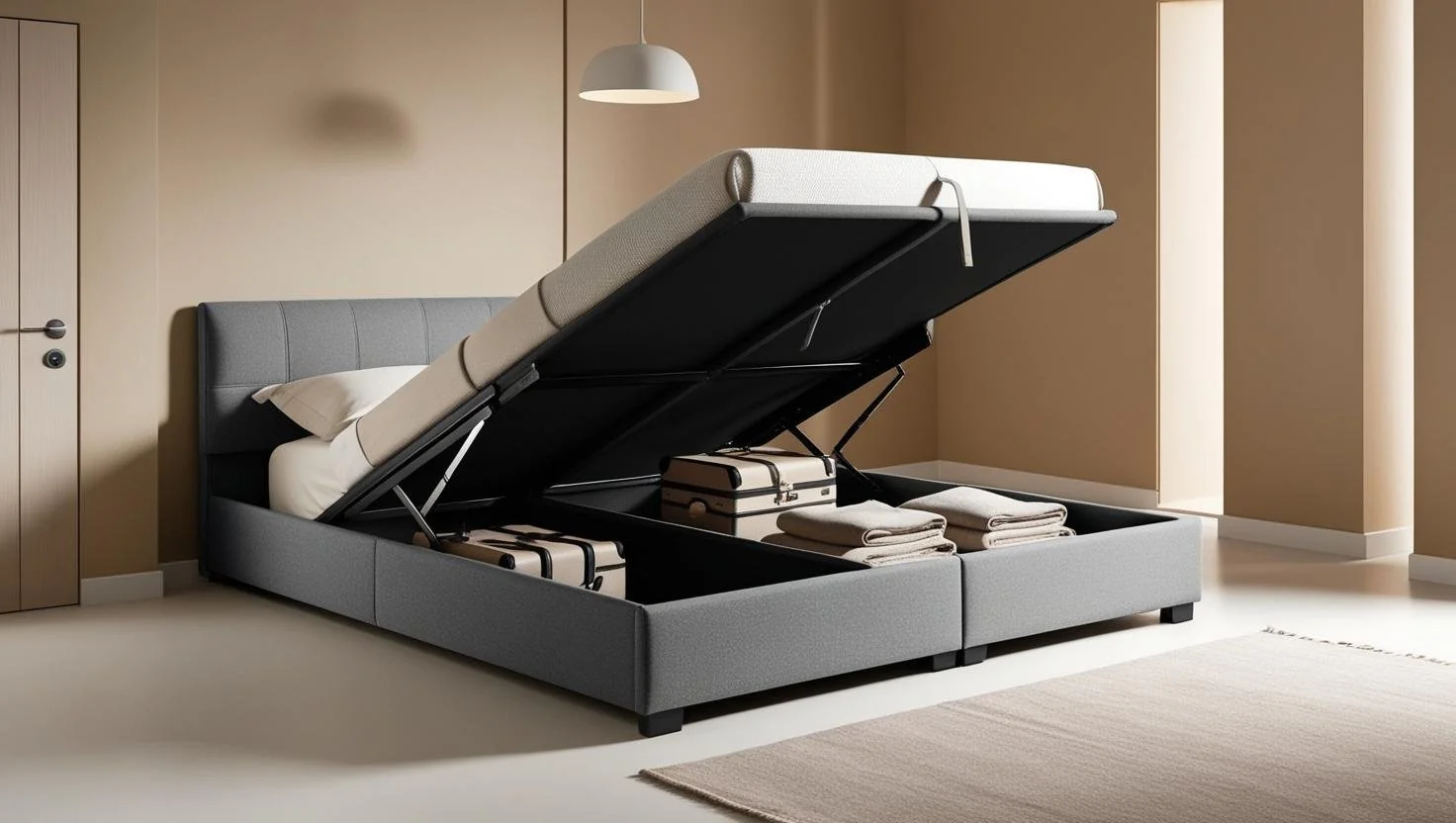
Ottoman Beds Small spaces, bulky seasonal storage High Gas-lift design reveals full under-bed space
Captain’s Beds Kids’ rooms, multipurpose layouts Moderate Mix of drawers and shelving
Murphy Beds with Storage Studios, guest rooms, tiny homes Moderate to High Saves floor space while adding hidden compartments

Each of these Beds with Built-In Storage caters to different needs. The best option depends on how much space you need and how you prefer to access it.

Platform Beds with Drawers

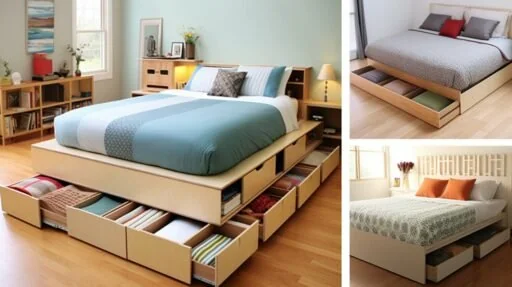
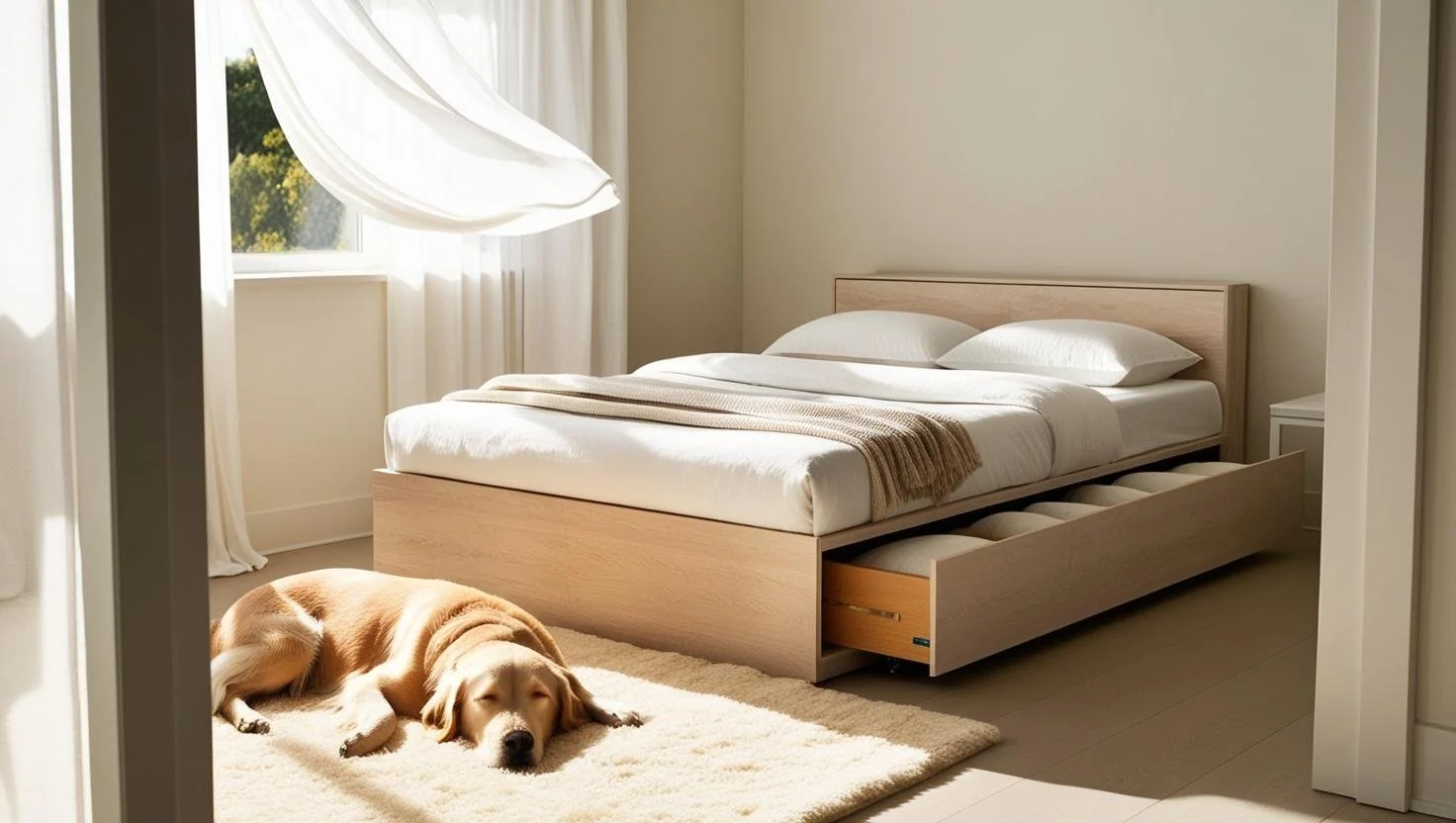
Answer first: choose platform beds if you want simple, everyday storage that blends into a minimalist design. Platform beds integrate two to four drawers into the frame, ideal for linens, shoes, or clothing. They’re especially useful in rooms with enough clearance for drawer access. Explore IKEA’s storage bed collection for affordable options.

Buyer’s tip: Opt for full-extension drawers to reach the back easily; felt-lined bottoms protect delicates. If your rug is thick, confirm the drawer height clears the pile.

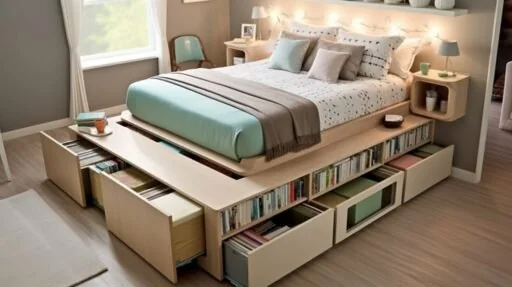
Wood platform storage bed with drawers keeping a small bedroom organized and clutter-free

Ottoman Beds

Answer first: pick an ottoman base when you need maximum capacity in the same footprint as a standard bed. The mattress lifts on gas struts to reveal a single large compartment—ideal for winter duvets and gear. For complementary ideas, read Under-Bed Drawers for Small Bedroom Storage.

Buyer’s tip: Side-lift models are easier to open in tight rooms. Always match the gas-lift rating to your mattress weight, and add bins or cubes so the big cavity doesn’t become a jumble.
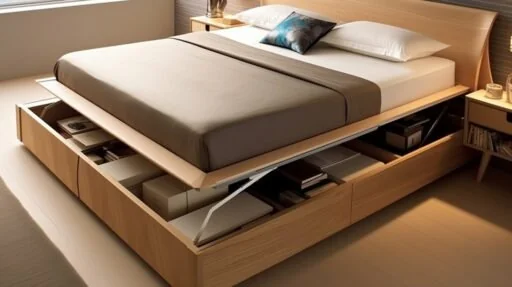
Space-saving ottoman bed raised to show under-bed compartment for seasonal storage

Captain’s Beds

Answer first: choose a captain’s bed for kid-friendly organization and multi-zone storage. These ship-inspired frames combine side drawers with headboard shelves, corralling toys, clothes, and books without extra furniture. See this Sleep Foundation guide to the best storage beds for inspiration.

Buyer’s tip: Prioritize soft-close drawers to protect little fingers, and look for adjustable shelving in the headboard to handle everything from picture books to baskets.
Captain’s storage bed with drawers and headboard shelves organizing a busy kids’ room

Murphy Beds with Storage

Answer first: select a Murphy bed when you need daytime floor space plus cabinetry for linens and gear. Wall-mounted designs fold away and often include side closets, cubbies, or hidden compartments. Explore more ideas in Space-Saving Bed Frame Solutions.

Buyer’s tip: Verify ceiling height, wall studs, and swing clearance before purchase. Many systems need professional installation; plan for lead times and anchoring hardware.

Murphy bed with side storage cabinets folded into a compact studio for flexible floor space

How to Choose the Right Storage Bed

Answer first: match access (drawers vs. lift) to how often you’ll use items, then confirm clearance and mattress compatibility. A quick checklist below narrows the field.

  • Measure movement: Map drawer swing, lift height, and door clearances; tape the footprint to test flow.
  • Match mattress weight: Dense foam/hybrids are heavy—verify gas-lift ratings or choose drawers instead. See Innovative Bed Frames with Storage Options.
  • Plan ventilation: Use breathable bags, cedar inserts, and avoid storing damp textiles.
  • Hardware quality: Full-extension slides, soft-close action, and reinforced corners extend lifespan.
  • Assembly needs: Murphy systems and heavy ottomans may need pros; check delivery path and stairwells.
  • Warranty & returns: Longer warranties signal durability; review weight limits and trial windows.
Style Access Best Use Capacity Room Fit
Platform Drawers Side pull-out drawers Daily linens, clothing Moderate Needs 24–36″ side clearance
Ottoman Lift Top lift on gas struts Bulky/seasonal items High Great for tight rooms; plan top clearance
Captain’s Bed Drawers + headboard shelves Kids’ rooms, multi-use Moderate Compact footprint replaces extra furniture
Murphy + Cabinets Folds into wall unit Studios/guest rooms Moderate–High Requires wall anchoring and ceiling clearance

FAQ

Are beds with built-in storage worth it?
Yes, they maximize space, reduce clutter, and add convenience, especially in smaller bedrooms.
Which storage bed offers the most capacity?
Ottoman beds typically provide the most storage, as they use the full under-bed space.
Can storage beds support heavy mattresses?
Many can, but always check manufacturer specifications. Reinforced frames and gas-lift systems work best with dense foam or hybrid mattresses.
Do storage beds require special care?
Keep drawer tracks clean, inspect gas-lift hardware annually, and avoid overloading compartments to preserve performance.

Final Thoughts

A thoughtfully chosen Bed with Built-In Storage transforms your bedroom into an organized, clutter-free retreat. From platform drawers to wall-mounted Murphy beds, these designs enhance both function and comfort. For even more inspiration, explore the full range of ideas at Cozy Bed Quarters.

Related Reading from Cozy Bed Quarters

Other Reading We Found Popular


More Expert Insights

Before discovering under-bed storage bags, my bedroom floor felt like a dumping ground. I unearthed forgotten treasures like a concert ticket from 2010, entire dust colonies, and, of course, the infamous odd sock graveyard. These discoveries were my wake-up call to start organizing smartly with proper storage solutions.

For expert recommendations, explore Real Simple’s under-bed storage solutions or browse Better Homes & Gardens’ best picks. You can also find budget-friendly yet stylish options at IKEA.

Organization starts with categorizing items—seasonal clothing, spare bedding, and those “just in case” items. For bulky items, vacuum-sealed bags work wonders, reducing volume significantly. Rolling clothes instead of folding makes packing more efficient and even satisfying, like completing a perfect game of Tetris.

To maximize space, I place rarely used items toward the back and stack bags in an even layer. I even created a quick “storage map” to remember where everything is—no more pulling out three bags just to find a scarf!

Every season, I rotate my under-bed storage bags to keep my wardrobe fresh and relevant. I follow a one-in-one-out rule to prevent unnecessary buildup and toss a dryer sheet inside each bag to maintain a pleasant scent. Regular checks ensure bags stay in good condition, protecting my belongings from damage.

Besides saving space, under-bed storage bags protect items from dust, moisture, and pests. No more finding sweaters with moth holes or bedding that smells musty. According to The Spruce, vacuum-sealed bags also help reduce allergens by keeping dust mites at bay.

For real-world user insights, see discussions on Reddit’s organization tips or trusted reviews on Consumer Reports.

From overstuffing bags (and sitting on them to zip them shut!) to crushing fragile ornaments, I’ve made all the rookie mistakes. Labeling fragile items and not overpacking has helped me refine my storage strategy.

Under-Bed Storage Bags are more than just convenient—they transform cluttered bedrooms into functional, tidy spaces. With a little effort, you can reclaim your under-bed area and make it work smarter for you.

Under-bed storage is more than just a place to stash random items. When used strategically, it frees up valuable closet and drawer space, reduces clutter, and creates a serene, minimalist atmosphere in your bedroom. By organizing this hidden zone, you can store seasonal clothes, linens, keepsakes, and occasional gear without sacrificing accessibility.

The golden rule of under-bed storage is simplicity. Start by sorting your belongings into key categories such as seasonal clothing, bedding, shoes, memorabilia, and occasional gear. Avoid placing daily-use items under the bed to prevent constant digging. For example, winter coats and comforters are perfect for storage during summer months, while flip-flops and summer hats can be stored in winter.
For more insights on bedding care, visit the Bedding Guide from Jabbour Linens.

The right storage tools can make all the difference. Use clear containers to instantly see what’s inside. Vacuum-seal bags are ideal for compressing bulky bedding. Rolling storage bins offer smooth accessibility, especially for heavier items. Lastly, dust-proof covers protect items from dirt and allergens.

Label each bin or container with both its contents and storage date. This prevents confusion and keeps your under-bed storage system organized. A quick glance at the labels means no more wasting time rummaging for that extra sheet or holiday decoration.

Even with limited clearance, you can optimize vertical space. Stackable containers and multi-compartment organizers work like a charm, creating layers of storage that function like a game of Tetris—every inch counts!

Place frequently used items near the front for quick access, while less-used items like holiday decorations or camping gear can be pushed to the back. This approach keeps your storage system functional and hassle-free.

Sketching a simple map of your under-bed layout might sound excessive, but it’s a huge time-saver. Tape this map inside your closet door, marking exactly where each category lives—no more searching in the dark abyss!

A clutter-free under-bed space requires periodic maintenance. Every 3–6 months, rotate seasonal items, remove things you no longer need, and ensure everything is stored properly. This keeps the space efficient and prevents buildup.

An organized under-bed storage system gives you more space in your bedroom, improves accessibility to your items, and maintains a tidy, clutter-free environment that promotes relaxation and better sleep. For deeper insights into bedding essentials, see the Sleep Foundation’s guide on bed shams or explore Crane & Canopy’s explanation of shams.

Organizing your under-bed storage is a simple yet powerful way to reclaim hidden space. By decluttering, using smart tools, and maintaining the system, you’ll enjoy a more functional and serene bedroom. Start small today, and soon you’ll wonder how you ever lived without this storage hack!


Bed Risers for Storage: How to Pick, Fit and Load Them Safely

Bed risers for storage lifting a bed frame to fit bins underneath

Bed risers for storage lift each leg of your bed 2 to 8 inches, turning the dead zone under the frame into space for bins, luggage, and off-season bedding. Most sets are stackable plastic or solid wood with a recessed cup that grips the leg or caster, and a good set fits your leg shape, holds the combined weight of frame plus mattress plus sleepers, and still leaves your mattress at a height you can sit on comfortably. The measurement that decides everything isn’t the riser height — it’s the clearance under the side rail, because that’s the opening your bins actually pass through.

What bed risers for storage actually add

A riser lifts the leg. Your storage opening, though, is measured from the floor to the lowest point of the frame — usually the bottom edge of the side rail, sometimes a center support leg or a low slat. On a lot of metal frames the rail hangs 2 to 3 inches below the top of the leg, so a 5-inch riser doesn’t give you 5 inches of usable slot. It gives you 5 inches added to whatever slot you already had.

Fabric storage bag sliding into the gap created by bed risers for storage

Here’s roughly what different lifts get you:

Riser height Typical result What fits underneath
2–3 in Mild lift, bed still looks normal Low-profile bins (about 6 in tall), shoes, flat vacuum bags
5 in Noticeably taller; bed skirts start to fall short Standard underbed bins, rolling carts, carry-on luggage
8 in (usually 3 + 5 stacked) High bed; you may slide off the edge rather than step down Tall totes, duffels, storage drawers, a folded stroller

Keep the mattress top in mind too. For most adults, a mattress top around 22 to 25 inches lets you sit on the edge with your feet flat and knees about level with your hips. If you’re already at 25 inches and you add 8, you’re climbing into bed — fine for a young renter, rough for anyone with knee, hip, or balance trouble.

Take these three measurements first

  1. Floor to the bottom of the side rail. Tape measure at the middle of the long side, not at the corner. This is your real storage opening.
  2. The leg or caster footprint. Measure the width of a square leg and the diameter of a round post or wheel. Most molded risers take legs up to about 3 inches round or 2 1/4 inches square, with a cup roughly 1 inch deep. Chunky farmhouse posts and wide plinth feet often won’t seat.
  3. The bin you plan to buy. Underbed boxes commonly run 6 inches tall, and rolling ones sit a bit taller with the casters. Add an inch of wiggle room, or you’ll be shoving lids off every time you pull one out.

Also check ceiling-adjacent stuff: a bolted-on headboard has fixed bolt slots, and lifting the frame 5 inches can leave the headboard sitting low against the mattress. Slotted headboard brackets usually have a couple of inches of play. If yours doesn’t, the headboard legs need risers too.

Matching riser type to your bed

Stackable plastic risers

The cheap, common ones. They’re light, they stack (3 + 5 to reach 8), and many have a foam or rubber pad in the cup that grips a caster. Downsides: the plastic can splay under a heavy platform bed with a big mattress, and they slide on hard floors if the base has no rubber. Good pick for dorm frames, twin beds, and light metal frames.

Solid wood blocks

Heavier, steadier, and easier to live with under a king. Look for a routed recess at least 3/4 inch deep. A flat wood block with no recess is a slipping hazard — legs walk off it over months of getting in and out. Add felt pads underneath on hardwood.

Steel or adjustable clamp risers

These bolt or clamp to the leg instead of just cupping it, which is the safest setup for frames with odd leg shapes or for anyone who moves around a lot in bed. They’re the priciest option and usually the ugliest, but they don’t skate.

Risers with outlets or USB ports

Handy, and fine when the unit carries a recognized safety certification mark (UL, ETL, or similar) printed on the housing. Don’t plug a space heater or an air conditioner into one, and don’t run a power strip into another power strip under the bed where you can’t see it.

Weight limits: read the number twice

Listings love big numbers. “Supports up to 5,000 lbs” is often the figure for a set of four under ideal, perfectly centered load — not what one riser holds at an angle when you flop down on the corner. Add up your real load: a queen mattress runs roughly 100 to 160 pounds, a foundation or box spring another 50 to 70, the frame 30 to 80, plus two adults, plus whatever you stash underneath. That’s easily 600 pounds on four contact points.

Three habits that prevent the wobble-then-crack sequence:

  • Use a riser under every load-bearing point, including the center support leg that most queen and king frames have. Lifting only the corners leaves the middle hanging and puts the whole load on four legs it wasn’t designed for.
  • Re-check the bolts. Frame hardware loosens when you lift and set down. Snug every bolt the day after, then again in a month.
  • Do a shove test. Push each corner sideways with your hip. Any rock or slide means the leg isn’t seated, the floor isn’t level, or the riser is too small for the leg.

Installing them without hurting yourself or the frame

  1. Strip the bed and pull the mattress off. That single step removes most of the weight and most of the risk. Lean it against a wall, not on your foot.
  2. Clear the floor all the way around, and set the risers where each leg will land before you lift anything.
  3. Work one corner at a time with a helper. Lift just enough to slide the riser under — an inch or two. Tilting the whole bed up on two legs is how frames bend.
  4. Seat each leg fully in the cup, then lower slowly and feel for the leg dropping in.
  5. Do the center leg last; many are threaded and adjust up or down, so you may be able to spin it out instead of adding a riser.
  6. Put the mattress back, sit hard on each corner, and re-check.

Renting or in student housing? Check the rules before you buy. Policies vary a lot — the University of Colorado Boulder’s housing guide, for instance, permits bed risers up to 6 inches and notes that many residence hall beds already adjust to different heights, while other schools ban risers outright.

What to store under there — and what to skip

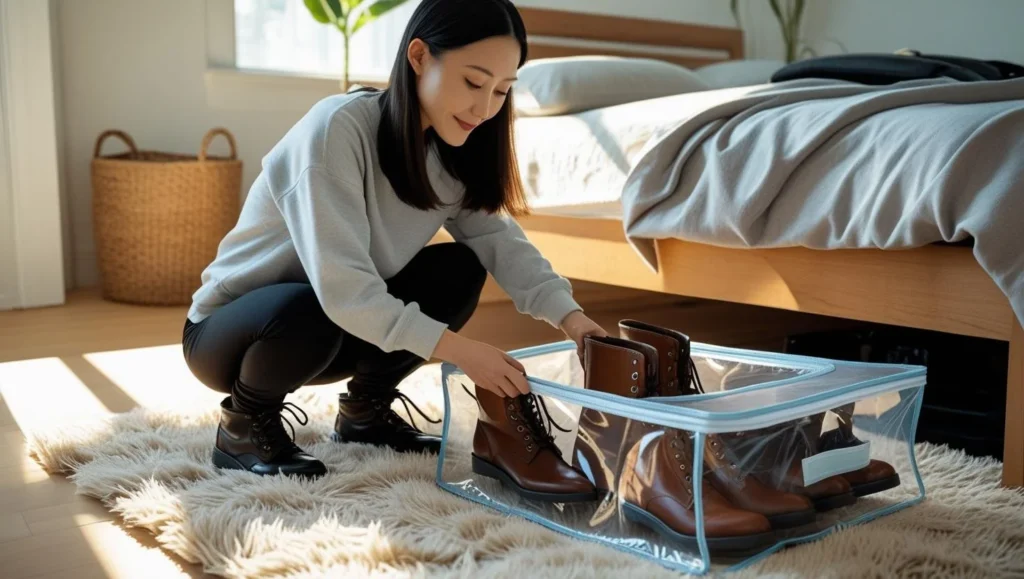
Good candidates: off-season clothing, spare sheets and blankets, empty suitcases (nest the small one inside the big one), wrapping paper, shoes in clear boxes, sports gear. Rolling bins on the sides you can reach; long, awkward stuff pushed toward the wall side.

Clear zippered storage box holding boots being tucked beneath a low bed frame

Leave out anything that hates heat or humidity, and anything you’d hate to lose: important documents, photos, candles, anything in cardboard if you’re in a basement bedroom. Skip bulk food, too, unless it’s sealed in hard plastic — crumbs under a bed are an open invitation to pantry moths and mice.

A few space tricks that genuinely pay off:

  • Vacuum bags for lofty items only. Duvets, puffer coats, and pillows compress well. Don’t crush memory foam pillows or down you plan to use soon; they need time to recover loft.
  • Uniform bin sizes. Three of one size beats six random tubs — they slide evenly and you can see the row at a glance.
  • Label the short end, the side facing out. Labels on the lid are useless once the bin is under a bed.
  • Leave a lane. Keep 6 inches of empty floor at the front so you can pull a bin without moving two others.

Dust, allergens, and airflow

A raised bed is easier to vacuum under — as long as you can still get the nozzle in there. If you pack the whole footprint solid, you’ve built a dust trap you’ll never clean. Lidded bins beat open baskets for this reason, and a quick vacuum pass under the bed every few weeks keeps things reasonable.

It matters more if anyone in the house has allergies or asthma. The American Lung Association advises keeping indoor humidity below 50 percent and cutting down on the fabric surfaces where mites settle, so sealed containers make more sense than loose piles of blankets right under where you sleep.

Bed risers for storage vs. a frame built for it

Risers are the fast, cheap fix: a set costs less than dinner out, installs in 20 minutes, and comes back off when you move. What you give up is looks and convenience. You’ll see the risers, you’ll see the bins unless you add a longer bed skirt (standard skirts drop about 15 inches; after a 5-inch lift you need 18 to 21), and you’re still crawling on the floor to reach things.

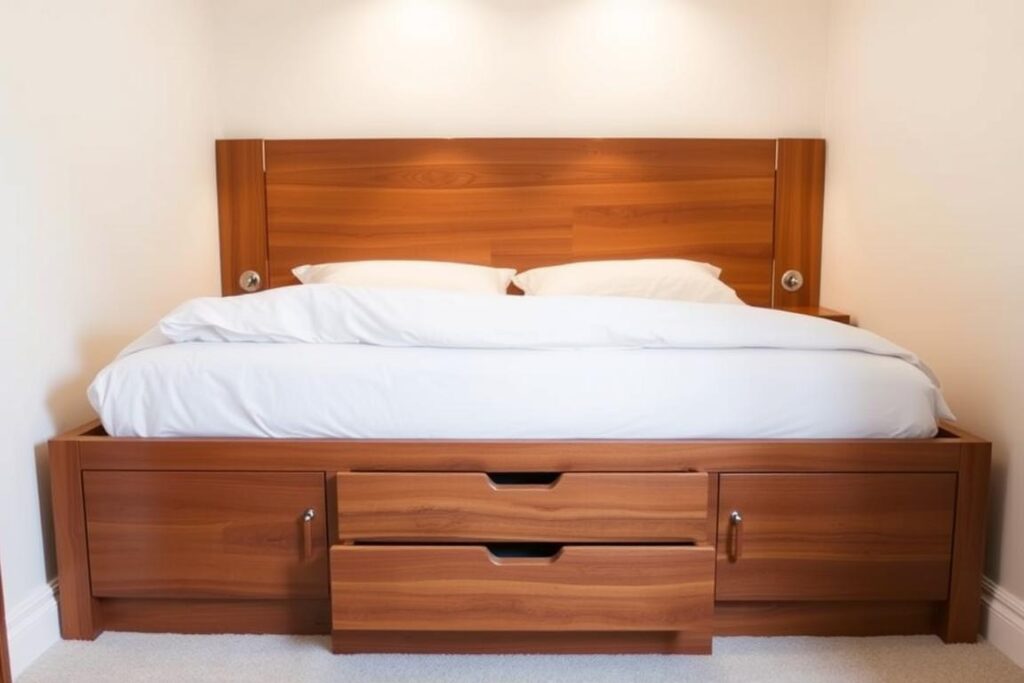
Wooden platform bed with built-in drawers set into the base instead of risers

If you’re buying a bed anyway, drawers built into the base are a better long-term answer. Compare the options in our guide to platform and storage beds, and see how built-in drawer frames handle the same problem in under-bed storage frames. For a kid’s or guest room, a twin bed with storage underneath usually beats risers because the drawers glide instead of dragging on carpet. Working with a larger room, a king frame with storage gives you far more capacity than any riser setup.

Common questions

Are bed risers safe?

They are when the legs seat fully in the cup, every support point is raised, and you stay under the rated load. The failure cases are predictable: a leg perched on an oversized cup, a plastic riser under a heavy king, or a riser sitting on plush carpet that lets it tip. Check the corners for rocking every few months.

Will risers work on a platform bed?

Sometimes. Platform beds with four distinct legs work fine. Solid panel, sled, or plinth bases have no leg to cup, and lifting those on blocks is asking for a slide. Beds with a floating base or a wide center rail need risers under the center supports too.

Can I use bed risers on carpet?

Yes, but pick a wide, flat base rather than a narrow foot, and expect the riser to sink a bit into thick pile. Re-level after a couple of weeks. On hardwood or vinyl, add felt pads to protect the finish.

What about a bed with caster wheels?

Most risers have a cup sized for casters, which is actually a nice bonus — the bed stops rolling. Alternatively, unscrew the casters and use the bare post in a deeper cup for a lower, steadier result.

Do risers make the bed noisier?

They can. Adding height to a wobbly frame amplifies existing creaks. Tighten the hardware, add a nylon washer at any metal-on-metal joint, and make sure all four risers touch the floor before blaming the risers themselves.

How high is too high?

Once you can’t sit on the edge with your feet flat on the floor, you’ve gone past useful for daily life. Reserve 8-inch stacks for guest rooms, dorms, and anyone young and nimble. Also want the room to feel bigger, not just hold more? Pair the extra clearance with the tricks in our post on hidden storage beds.

Updated September 2026.

Dust Ruffles for a Chic and Clean Bedroom Look

Dust Ruffles for a Chic and Clean Bedroom Look - Featured Image

Using Dust Ruffles to Elevate Bedroom Style

Dust ruffles, also known as bed skirts, are decorative and practical additions that help conceal under-bed storage while enhancing your bedroom’s aesthetic. This article explores styles, materials, and benefits of dust ruffles to help you choose the perfect one for your home.

Key Takeaway

Dust ruffles elevate bedroom decor by hiding storage and adding texture. Available in tailored, ruffled, or fitted styles, they suit various aesthetics and offer practical benefits like dust prevention and easy cleaning. Whether you’re styling a modern minimalist space or a cozy cottage room, there’s a dust ruffle to complete your look.

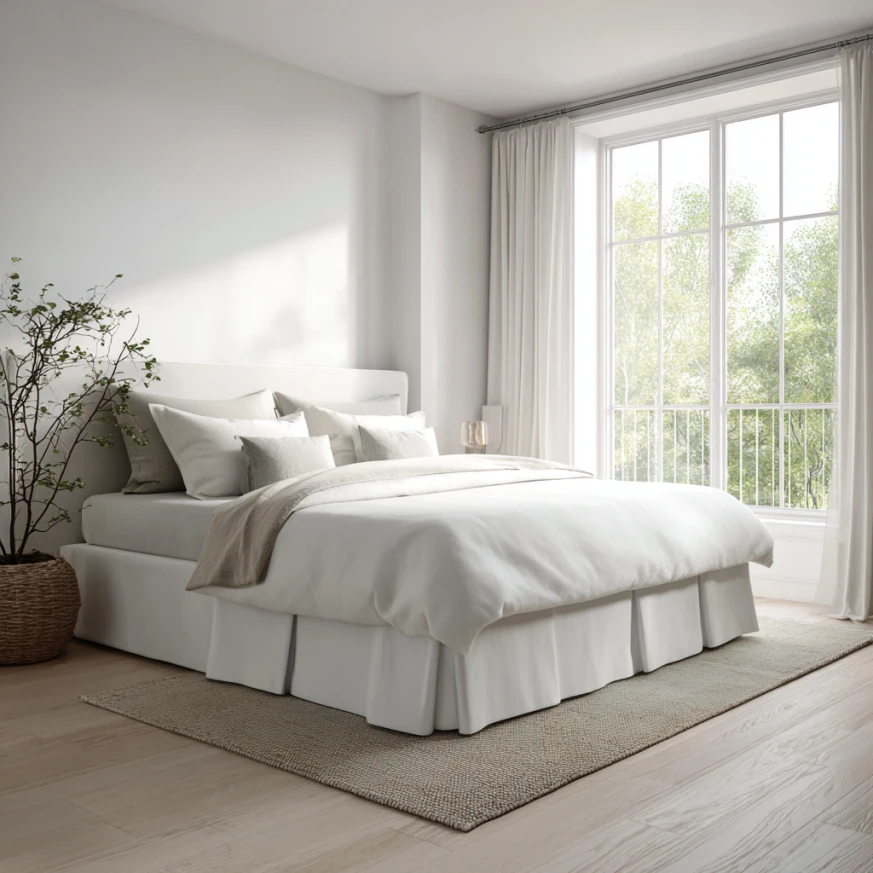
tailored dust ruffle in minimalist bedroom

What is a Dust Ruffle?

A dust ruffle is a decorative piece of fabric that hangs between your mattress and the floor, often covering a box spring, bed frame, or under-bed storage. Also called a bed skirt, it serves both functional and aesthetic purposes—concealing unsightly clutter while softening the visual lines of your bed setup.

Dust ruffles come in a wide variety of sizes, materials, and drop lengths to fit different bed types, including twin, full, queen, and king. They typically have a platform that lies underneath the mattress or an elasticized band for easy fitting.

For instance, if your bedroom doubles as a storage zone, a dust ruffle can effortlessly hide bins or boxes beneath your bed while blending in with your color scheme. It’s a small change with a surprisingly big impact.

In short, a dust ruffle is the unsung hero of bedroom decor—functional, fashionable, and wonderfully versatile.

Popular Styles of Dust Ruffles

There’s no one-size-fits-all when it comes to dust ruffles. Choosing a style that complements your bedroom decor is key to creating a polished and cohesive space. Here are the most popular options:

  1. Tailored: Featuring straight, crisp lines and sharp corners, tailored dust ruffles offer a clean and structured appearance. Ideal for modern, minimalist, or masculine spaces, they often come in thicker fabrics that maintain shape. Think hotel-style luxury with a tidy edge.
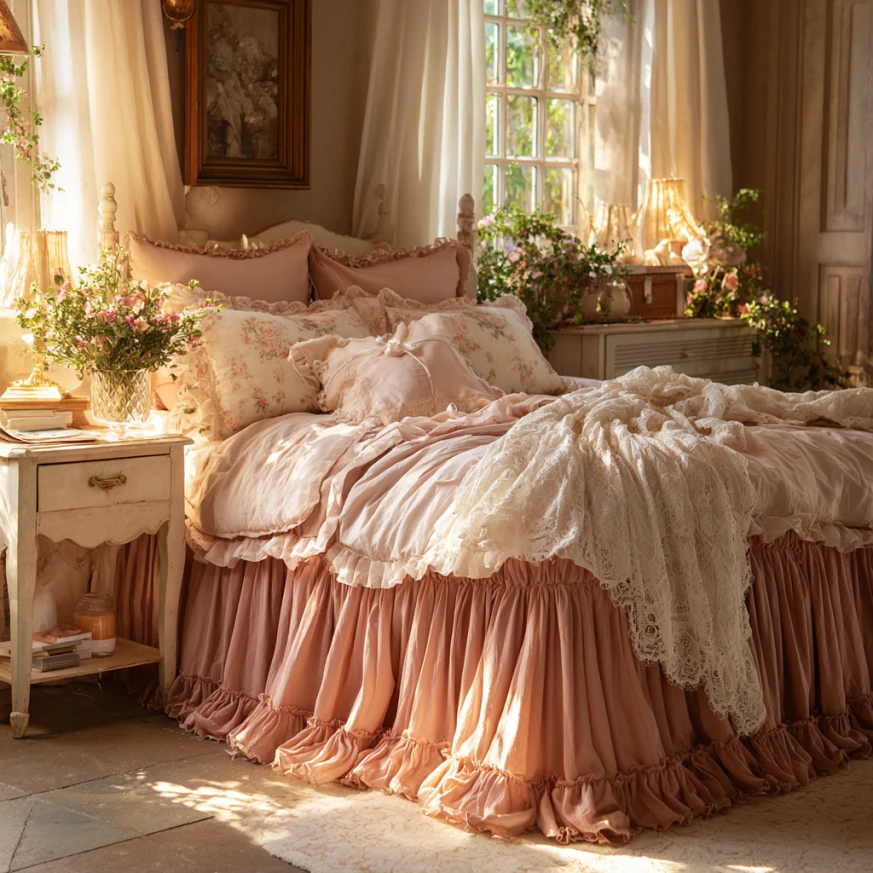
  2. Ruffled: These bring a soft, romantic charm to any bedroom. Perfect for cottagecore, shabby chic, or feminine decor, ruffled dust ruffles drape loosely and add gentle texture. They’re great in light cottons or linens and often come in pastel tones or floral patterns.
  3. Fitted: Easy to install and remove, fitted dust ruffles have an elastic band that hugs the mattress base, eliminating the need to lift heavy mattresses. This style is particularly useful for people who want convenience without sacrificing style. Many renters and busy families prefer fitted skirts for this reason.

different styles of dust ruffles on beds

By matching the dust ruffle style to your bedroom’s personality, you can subtly elevate your space without overhauling your entire design.

Choosing the Right Fabric and Color

Fabric and color play a huge role in how your dust ruffle complements the rest of your bedroom. While it may seem like a small detail, choosing the right material and shade can dramatically impact your room’s overall vibe.

  • Cotton and Linen: These breathable, natural fabrics create a soft, relaxed ambiance. Cotton dust ruffles are easy to clean and ideal for warmer climates or casual interiors. Linen adds an earthy texture that works well in coastal or rustic spaces.
  • Polyester and Blends: If you’re looking for durability and low maintenance, polyester or poly-cotton blends are great options. They resist wrinkles and hold color longer, making them practical for kids’ rooms, guest rooms, or busy households.
  • Velvet or Silk: For a luxurious finish, velvet or silk dust ruffles offer richness and depth. These are best suited for formal or glam spaces where the goal is to make a statement.

As for color, neutrals like white, ivory, gray, or taupe create a timeless, adaptable base. But don’t shy away from bold choices! A navy blue dust ruffle against white bedding, for example, adds stunning contrast and visual interest.

fabric swatches and colors for dust ruffles

Ultimately, think of your dust ruffle as part of your room’s color story—blending in or standing out depending on your desired aesthetic.

Practical Benefits of Dust Ruffles

Beyond style, dust ruffles offer tangible benefits that can enhance everyday living:

  1. Hide Storage: Many people use the area under their bed for storage, especially in smaller homes or apartments. Dust ruffles keep that space hidden from view, allowing you to stash off-season clothes, extra linens, or even holiday decor without disrupting your bedroom’s look.
  2. Promote Cleanliness: By creating a barrier between the floor and the underside of your bed, dust ruffles help prevent dust, hair, and debris from collecting. This is especially useful for allergy sufferers or pet owners. Simply toss your dust ruffle into the wash every month or so for easy maintenance.
  3. Enhance Ambiance: A well-chosen dust ruffle can soften hard edges and make your bedroom feel more inviting. It’s the finishing touch that pulls your decor together and creates a calm, cohesive retreat. Think of it as the throw pillow for your bed frame—subtle, but game-changing.

dust ruffle hiding under-bed storage and adding elegance

In essence, dust ruffles serve a dual purpose: making your bedroom look better and function more smoothly.

Tips for Styling Dust Ruffles

  • Match Bedding: Coordinate your dust ruffle with your duvet cover, sheets, or pillowcases for a cohesive color palette. Even mismatched textures can work when united by a similar hue.
  • Mind the Length: Ideally, the dust ruffle should just skim the floor—about 14 to 16 inches in drop length is common. Avoid puddling unless you’re going for a romantic, oversized look, as too much fabric can appear messy or trip-worthy.
  • Layer Thoughtfully: Use dust ruffles in combination with throws, shams, and headboards to create a layered, designer look. Don’t be afraid to mix materials—linen with velvet, cotton with wool—for added dimension.
  • Seasonal Swap: Consider switching out dust ruffles seasonally. Light linens for summer, heavier fabrics like flannel or velvet in winter—it’s an easy way to refresh your space.

Think of styling your dust ruffle the way you’d style your outfit—it’s all about balance, harmony, and a touch of personality.

FAQ

What’s the difference between a bed skirt and a dust ruffle?
They’re essentially the same thing. “Dust ruffle” is a more decorative term, while “bed skirt” is more functional-sounding. Both serve the same purpose: to cover the base of the bed and add style.
How often should I wash a dust ruffle?
Ideally, wash it every 1–2 months. If you have pets, allergies, or high foot traffic in your bedroom, monthly laundering is recommended. Always follow fabric care labels for best results.
Can I use a dust ruffle with a platform bed?
Yes, but it depends on the style. Traditional dust ruffles that rely on a box spring may not work. Look for wrap-around or fitted styles designed specifically for platform or adjustable beds.

Final Thoughts


Dust ruffles are stylish, functional additions that refine your bedroom. Explore options to find the one that best fits your decor and storage needs—you’ll love the transformation!

Whether you crave a tidy, hotel-inspired bedroom or a cozy sanctuary bursting with charm, a dust ruffle is a budget-friendly upgrade that delivers both polish and practicality. Don’t overlook this humble yet powerful design detail!


Twin Bed with Storage Underneath: Maximize Space and Style

Twin Bed with Storage Underneath: Maximize Space and Style - Featured Image

Twin Beds With Storage Underneath for Small Rooms

A Twin Bed with Storage Underneath is your secret weapon for transforming cluttered spaces into calm, organized havens—all without sacrificing style.

Key Takeaways

  • Maximize floor space with hidden storage compartments
  • Perfect solution for kids’ rooms, guest rooms, or small bedrooms
  • Multiple storage styles suit different organizing needs
  • Combines functionality with a variety of stylish designs

Why It’s a Space-Saver

A Twin Bed with Storage Underneath turns often-wasted under-bed space into a neat storage solution. Whether it’s drawers or bins, you can neatly organize toys, clothes, or bedding and instantly declutter your room. It’s a must-have for small spaces where every square foot counts. Explore more bedroom storage solutions. This approach not only frees up your floors but also encourages better use of vertical and hidden spaces throughout the room. For further inspiration, check out Apartment Therapy. Think of it as reclaiming territory you already have, making your home more livable without adding square footage.

Twin Bed with Storage Underneath maximizing space

Feels Like a Breath of Fresh Air

There’s a calming effect when you walk into a tidy bedroom. With a Twin Bed with Storage Underneath, everything has its place. This sense of order can make bedtime more peaceful—especially for kids. Clean space, calm mind. Try these under-bed organization hacks for even better results. A clutter-free space reduces visual stress, improves sleep quality, and helps create a restful sanctuary that promotes relaxation. Explore more design tips from The Spruce. It also makes daily cleaning easier, and your bedroom begins to feel like a true retreat from the world.

Twin Bed with Storage Underneath with hidden drawers

Different Storage Styles for Different Needs

No two rooms are the same, and that’s why Twin Beds with Storage Underneath come in versatile formats:

  • Built-In Drawers: Integrated into the bed frame, they offer easy access to everyday essentials like linens and pajamas. Learn more about custom under-bed drawers. Built-in drawers typically slide smoothly and blend seamlessly with the frame, keeping your space streamlined and stylish. They’re ideal for those who value convenience and a permanent storage fixture.
  • Storage Bins: Flexible and movable, ideal for storing seasonal decor or rarely-used items. These bins are perfect for those who want to change their layout frequently or use them in other parts of the home when needed. Choose stackable or lidded options for added protection from dust and dirt.
Twin Bed with Storage Underneath with built-in drawers

Perfect for Kids’ Rooms

Kids’ rooms tend to overflow with toys and school supplies. A Twin Bed with Storage Underneath creates dedicated homes for their treasures. Plus, it helps instill tidy habits early—making cleanup a fun and easy routine. When children know where their items go, they’re more likely to take responsibility and engage in maintaining their environment, which builds long-term organizational skills and independence. It also frees up floor space for play and learning activities, creating a more functional, inviting room they’ll enjoy.

Twin Bed with Storage Underneath for kids room

Fits Your Style Too

Functional can be fashionable. These beds come in a range of styles to match your decor:

  • Modern: Minimalist with clean lines, perfect for contemporary interiors. Smooth surfaces and neutral tones keep the look cohesive and polished.
  • Classic Wooden: Rich wood tones offer a timeless charm. See how this complements a rustic bedroom aesthetic. Wooden styles can also add warmth and a natural feel to your space. These are especially suited to cottage or farmhouse themes.
  • Custom Options: Choose finishes and materials to suit your personal style. From bold colors to unique handles, you can make the bed truly yours, ensuring it fits seamlessly into your home’s existing design. For inspiration, check Real Homes. Many retailers now offer 3D previews so you can design before you buy.
Modern Twin Bed with Storage Underneath design

Easy to Keep Clean

Low-maintenance and long-lasting, these beds simplify your cleaning routine:

  1. Dust regularly to keep the frame and drawers tidy
  2. Declutter monthly to avoid buildup
  3. Inspect hardware occasionally to ensure safety and stability

In addition, using drawer liners and organizing inserts can keep items neatly arranged and make cleanup faster. You’ll also extend the lifespan of both your bed and belongings by preventing wear and tear through thoughtful upkeep.

A Twin Bed with Storage Underneath offers more than just sleep—it brings organization, style, and serenity to small rooms. This simple upgrade can revolutionize how you use your space and simplify daily life. Make sure you’re also choosing the right twin mattress to complete your setup.

FAQ

What can I store under a Twin Bed with Storage Underneath?

You can store clothes, toys, books, seasonal items, shoes, or extra linens—whatever helps keep your room clutter-free.

Is a Twin Bed with Storage Underneath suitable for adults?

Yes, many styles are designed for adults and come in elegant finishes that suit grown-up bedrooms.

Do storage beds require special assembly?

Most Twin Beds with Storage Underneath come with standard assembly instructions. Some may require tools, but many are designed for quick setup. Always follow the manufacturer’s guide.

Are these beds compatible with standard twin mattresses?

Yes, they are built to accommodate standard twin mattresses. Just double-check dimensions if you’re using a thick or specialty mattress.

How do I keep items dust-free under the bed?

Using storage bins with lids or zippered organizers is the best way to keep stored items dust-free. Regular cleaning also helps maintain freshness.

Learn more in our guide on hidden storage beds and explore how to use vertical space with loft beds. For kids’ room ideas, don’t miss these space-saving kid bed options. More ideas are also available in our bedroom storage guide.

External resources like Sleep Foundation, Home Storage Solutions, The Spruce, Apartment Therapy, and Real Homes offer even more space-saving inspiration.