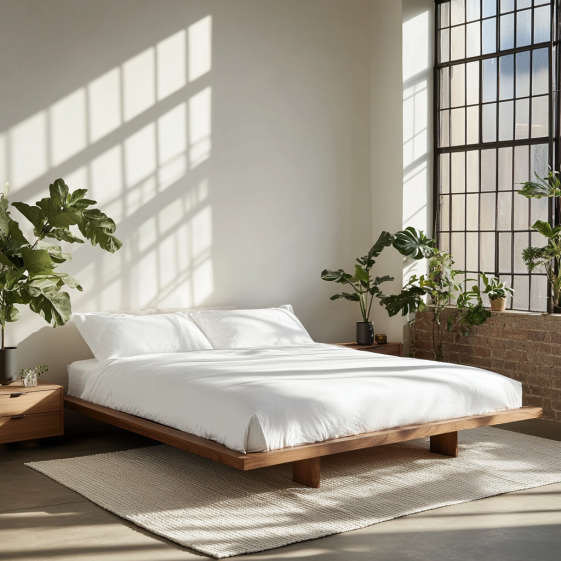
The Best Sleep Positions to Reduce Snoring & Improve Breathing

side sleeping best sleep positions to reduce snoring

Best Sleeping Positions for Better Breathing

Best Sleep Positions to Reduce Snoring are simple yet powerful ways to improve airflow, prevent noisy nights, and wake up feeling refreshed. With the right sleep posture, you can enhance breathing, reduce nighttime disruptions, and wake up feeling more energized every morning.

Key Takeaways

  • Side sleeping and slight head elevation are the most effective sleep positions to reduce snoring, helping keep airways open.
  • Back sleeping worsens snoring by allowing gravity to block airflow with the tongue and soft palate.
  • Combining positional therapy with lifestyle changes like weight management and nasal aids amplifies results.

Why Sleep Position Affects Snoring & Breathing

Snoring occurs when airflow is partially blocked during sleep, causing soft tissues in the throat and nasal passages to vibrate. Certain positions like lying flat on your back worsen this blockage by allowing gravity to pull the tongue and palate backward. The best sleep positions to reduce snoring aim to keep the airways unobstructed, promoting smoother breathing and deeper rest.

According to Johns Hopkins Medicine, side or stomach sleeping improves airflow and helps manage mild sleep apnea. Even small adjustments, like using a wedge pillow, can make a dramatic difference for chronic snorers.

side sleeping best sleep positions to reduce snoring

The Best Sleep Positions to Reduce Snoring & Breathe Better

Finding the right sleep position can be life-changing for snorers and their partners. Beyond reducing noise, the best sleep positions to reduce snoring also improve oxygen flow and reduce the risk of nighttime awakenings. According to WebMD, simple posture tweaks are often as effective as medical devices for mild cases.

Side Sleeping: The Best Sleep Position to Reduce Snoring

Side sleeping is widely recognized as the most effective posture for reducing snoring. It prevents your tongue and soft palate from collapsing into the back of your throat, keeping your airway open. Many people who snore find significant improvement just by training themselves to sleep on their side.

If you tend to roll onto your back during the night, use a body pillow or wedge to keep your posture stable. Side sleeping is also beneficial for individuals with nasal congestion or mild sleep apnea. Studies from Johns Hopkins suggest that this simple adjustment can reduce mild snoring by up to 50%.

side sleeping best sleep positions to reduce snoring

Elevated Back Sleeping: An Alternative Best Sleep Position to Reduce Snoring

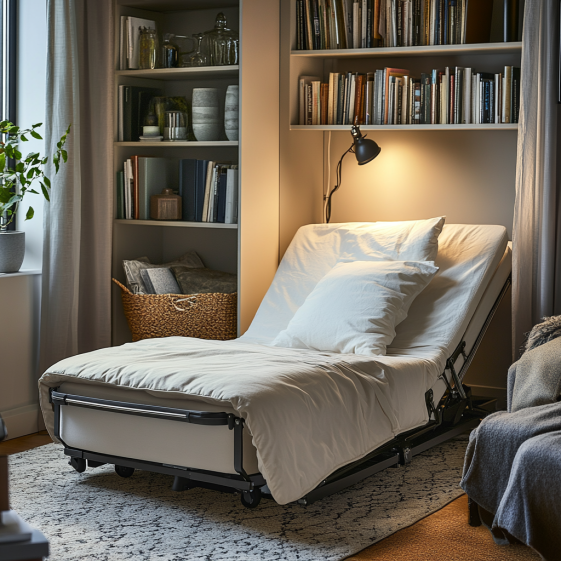
While back sleeping is usually discouraged, elevating your head at an angle can make this position snore-friendly. By keeping your upper body slightly raised, gravity is less likely to obstruct your airway. Adjustable beds or wedge pillows are excellent tools to achieve this posture comfortably.

A Gundersen Health study found that head elevation significantly reduced snoring in a majority of participants, particularly those with nasal blockages or mild reflux. It can also reduce the severity of acid reflux symptoms that often contribute to disrupted breathing.

elevated sleeping best sleep positions to reduce snoring

Stomach Sleeping: A Less Ideal Sleep Position to Reduce Snoring

Stomach sleeping, while effective in keeping the airway open, is not a recommended long-term solution. This position can strain the neck and spine, leading to discomfort or pain over time. However, it can be an option for individuals who find side or back sleeping difficult.

If you choose to sleep on your stomach, use a very thin pillow or no pillow at all to minimize neck strain. Some sleepers find that alternating between stomach and side sleeping provides the best balance between comfort and reduced snoring.

stomach sleeping best sleep positions to reduce snoring

Sleep Positions to Avoid If You Snore

Not all sleep positions are created equal. Back sleeping is the worst for snorers because it encourages airway collapse. Tight fetal positions, while cozy, compress the diaphragm and make deep breathing more difficult.


Back Sleeping: Worst Sleep Position for Snoring

When you lie on your back, gravity allows the base of your tongue to obstruct your airway. This leads to loud, persistent snoring. To avoid this, consider positional therapy like the “tennis ball trick,” where a tennis ball is sewn into the back of your shirt to prevent rolling over.

The NHS snoring guide strongly advises against flat back sleeping for those with moderate to severe snoring or sleep apnea.

Curling into a Tight Fetal Position

A tightly curled posture reduces lung expansion and can lead to shallow breathing. For better airflow, keep your knees slightly bent and aim for a relaxed, open position that supports full lung capacity.


Additional Tips to Reduce Snoring & Improve Breathing

While sleep position is crucial, small lifestyle tweaks amplify results. Adding moisture to the air with a humidifier can prevent throat irritation, while nasal strips open up breathing passages.

  • Use a humidifier: Dry air can irritate nasal passages and worsen snoring.
  • Try nasal strips: These non-invasive tools increase airflow through the nose.
  • Avoid alcohol & sedatives: They overly relax throat muscles, increasing snoring.
  • Maintain a healthy weight: Neck fat narrows the airway and intensifies snoring.

When to See a Doctor About Snoring

Even with the best sleep positions to reduce snoring, persistent or severe snoring may point to underlying conditions like sleep apnea. Symptoms such as choking during sleep, frequent awakenings, or chronic fatigue are red flags that warrant a professional evaluation.

Final Thoughts: Sleep Better by Changing Your Sleep Position

Adopting the best sleep positions to reduce snoring can transform your nights and improve your overall health. Side sleeping, elevating your head, and avoiding back sleeping are simple yet powerful changes that lead to deeper, quieter sleep.

FAQ

What is the single best sleep position to reduce snoring?
Side sleeping is widely considered the best, as it keeps your airway open and reduces throat vibrations.
Does sleeping with a raised head help reduce snoring?
Yes, elevating your head slightly with a wedge pillow or adjustable bed can reduce airway collapse and ease snoring.
Is back sleeping always bad for snoring?
Back sleeping tends to worsen snoring, but elevating your head or using positional therapy can help.

Learn more in how your mattress affects sleep quality and the best foods for deep sleep.

Reset Circadian Rhythm with Better Sleep Separation

Couple in separate beds smiling, using sleep divorce to help reset circadian rhythm.

Reset Circadian Rhythm: Sleep Divorce for Better Rest

If you’re trying to reset circadian rhythm, sleeping separately—aka “sleep divorce”—can remove nighttime disruptions, align your sleep-wake timing, and improve mood, communication, and overall well‑being. This guide explains why separate sleep helps, how to try it safely, and what to expect—while keeping your relationship strong.

Key Takeaways on Resetting Circadian Rhythm

  • Separate sleep reduces disturbances so you can reset circadian rhythm with consistent bed and wake times.
  • Better rest often leads to better communication, fewer conflicts, and more energy as a couple.
  • Control over light, noise, and routines makes it easier to build healthy sleep habits.
  • Start with a short trial, set expectations, and pair solo sleep with intentional connection time.
  • Use supportive tools from our 10 Sleep Hacks and Sleep Science & Technology guides.


reset circadian rhythm couple bedroom tip


1. Why More Couples Are Embracing Sleep Divorce

Summary: Many couples sleep better apart—not to create distance, but to protect rest so the relationship thrives.

Let’s be real—sharing a bed doesn’t always mean sharing quality sleep. Snoring, mismatched schedules, blanket hogging… all of it can leave you feeling drained. Instead of powering through, many couples are choosing to sleep apart, not out of distance, but as a way to recharge and reconnect.

Dr. Wendy Troxel, a behavioral scientist, puts it best: sometimes couples sleep better separately. And better sleep? It leads to better communication, fewer arguments, and more energy to actually enjoy each other (psychwire.com).

reset circadian rhythm benefits of sleeping apart

2. Reset Your Sleep Rhythm with a Little Space

Summary: Separate sleeping spaces remove interruptions so you can keep a steady schedule and truly reset circadian rhythm.

Your circadian rhythm—that natural internal clock that tells you when to sleep and wake—can get thrown off by inconsistent habits or interruptions. To help reset circadian rhythm, you need calm, consistency, and room to breathe. That’s where sleep divorce shines.

Let Your Body Set the Pace

Answer first: In your own space, you can choose bed and wake times that match your biology without a partner’s alarms or movements.

When you have your own space, you can go to bed and wake up at the times that feel right for you. No being jolted awake by a partner’s alarm or struggling to fall asleep through their tossing. You get the quiet, consistent sleep your body craves.

Keep Nights Peaceful and Predictable

Answer first: Control light, wind‑down routines, and noise to build the habits that reset circadian rhythm reliably.

Natural light during the day, a wind-down routine at night, and freedom from distractions—these are the building blocks to reset circadian rhythm. Sleep divorce gives you more control over your environment, making those healthy habits easier to keep (mudita.com).

reset circadian rhythm peaceful bedroom

3. Enjoy Surprising Wellness Perks

Summary: Higher‑quality, uninterrupted sleep supports mood, immunity, and relationship harmony.

  • Deeper sleep: Fewer disturbances mean more restorative rest.
  • Better moods: You wake up refreshed, not resentful.
  • Less conflict: No more arguing over bedtime habits.
  • Healthier immune system: Consistent, quality sleep strengthens your defenses.

For more tips, check out the Ultimate Sleep Hack or learn how to Sleep Like a Pro.

4. Break the Stigma and Strengthen Your Bond

Summary: Sleeping apart can be a loving, strategic decision—keep intimacy with intentional connection time.

Some people hear “sleep divorce” and panic—like it’s a sign of relationship problems. But that couldn’t be further from the truth. For many couples, it’s actually the opposite: a thoughtful choice that strengthens connection.

Stay close by building in cuddle time, shared meals, or late-night chats before you each retreat to your cozy corners. It’s not about creating distance—it’s about showing up rested and fully present for each other.

reset circadian rhythm emotional connection

5. Try It Out: Your First Steps

Summary: Start small, communicate clearly, and build a sleep sanctuary that supports your goals.

  1. Start the conversation: Be honest and open about your needs.
  2. Do a test run: Try sleeping apart for a few nights and see how you feel.
  3. Create a sleep sanctuary: Explore our 10 Sleep Hacks or dive into Sleep Science & Technology.
  4. Keep the love flowing: Balance solo sleep with plenty of shared connection.

You might also enjoy our Genius Sleep Fixes or learn how to Say Goodbye to Insomnia with easy lifestyle tweaks.

reset circadian rhythm restful space

FAQ

Does sleeping separately really help reset circadian rhythm?
Yes. Reducing awakenings and keeping a predictable schedule supports your internal clock, making it easier to fall asleep and wake naturally.
Is a “sleep divorce” bad for relationships?
No. Many couples report better communication and less conflict when they’re well‑rested—provided you maintain intentional time for connection.
How long should I try sleeping separately?
Start with a 1–2 week trial. Track how you feel, then adjust frequency or logistics based on your results and your partner’s feedback.
What if my partner still wants to share a bed?
Consider compromise options: split blankets, larger mattress sizes, or alternating separate nights. The goal is better sleep for both of you.

Final Thoughts

At the end of the day, sleep divorce isn’t about growing apart—it’s about giving yourself (and your relationship) the gift of rest. If syncing back with your natural rhythm sounds like a dream, separate sleep might be the refresh you didn’t know you needed. You’ll wake up feeling clearer, calmer, and more connected—and that’s a win for everyone.

Prioritizing your sleep isn’t selfish. It’s self-care, and it might just be the smartest decision you make all year.


Related reading from Cozy Bed Quarters

Other reading we found popular

Best Foods for Deep Sleep: What to Eat Before Bed for Better Rest

Best Foods for Deep Sleep: What to Eat Before Bed for Better Rest - Featured Image

Foods That Naturally Support Deeper Sleep

Looking to drift off faster and enjoy more restorative rest? Discover how the best foods for deep sleep can upgrade your evening routine and help you wake up feeling energized.

Key Takeaways

  • The best foods for deep sleep support melatonin, serotonin, magnesium, and calcium levels.
  • Incorporate light, nutrient-dense, sleep-promoting snacks before bed.
  • Avoid caffeine, alcohol, spicy and processed foods in the evening.
  • Consistency—eating routines and timing—helps enhance sleep quality over time.

How Sleep-Promoting Foods Improve Your Rest

Sleep-supportive foods naturally aid melatonin and serotonin production. They also stabilize blood sugar, relax muscles, and provide steady nighttime energy. Here’s how they work:

  • Increase melatonin and serotonin to signal sleepiness.
  • Stabilize blood sugar to prevent nighttime awakenings.
  • Provide muscle-relaxing magnesium and calcium.
  • Offer sustained energy from healthy fats, protein, and complex carbs.

If you’re curious about how stress, hormones, and diet impact sleep cycles, check out our deep dive into bedtime routine pros and cons. For daytime energy linked to rest, see our guide on inclined bed therapy benefits. For scientific validation, visit the Sleep Foundation’s guide to foods for sleep.

best foods for deep sleep healthy snack options

10 Best Foods for Deep Sleep to Add to Your Bedtime Routine

These natural sleep-friendly foods are backed by science to support melatonin, serotonin, and nutrient balance for better rest:

1. Bananas 🍌

Rich in magnesium, potassium, and tryptophan—converting into calming melatonin. Try a banana with almond butter as a pre-bed snack.

2. Almonds & Walnuts 🥜

These nuts supply magnesium and natural melatonin. Plus, walnuts offer a dose of healthy omega-3 fats.

3. Oatmeal 🌾

A warm bowl of oatmeal is comforting and packed with complex carbs which boost serotonin and melatonin production.

4. Tart Cherries 🍒

One of the richest natural sources of melatonin. Try tart cherry juice or fresh cherries to help extend your sleep cycle.

Learn how to stop waking at 3 AM in our post on wedge pillows vs body pillows.

foods that help you sleep deeply like cherries and oats

5. Turkey or Chicken 🍗

Loaded with tried-and-true tryptophan, these lean proteins support sleep-inducing hormone production.

6. Greek Yogurt 🥢

High in calcium and probiotics, Greek yogurt supports melatonin synthesis and aids digestion for better rest.

7. Kiwi 🥝

Studies show that eating kiwi before bed can help you fall asleep faster and improve sleep duration. Plus, it’s rich in antioxidants art of bedding rituals.

8. Fatty Fish (Salmon, Tuna) 🐟

Fatty fish offer omega-3s and vitamin D that help boost serotonin, supporting your body’s sleep-wake signals. Learn more from the Sleep Foundation’s insights on omega-3s.

9. Herbal Teas (Chamomile, Valerian Root) 🍵

A warm mug of herbal tea acts like a gentle sedative, calming your mind in the hour before bed. Research supports herbal teas for sleep quality.

10. Dark Chocolate (In Moderation) 🍫

A small square of high-cacao dark chocolate can elevate serotonin—just keep it light and early enough.

natural sleep foods like kiwi bananas tart cherries and tea

Foods to Avoid Before Bed

Just as some foods support deep sleep, others disrupt it. Here’s what to avoid:

  • Caffeine: Coffee, tea, soda, energy drinks, and lots of dark chocolate—it suppresses melatonin.
  • Alcohol: Initially sedative but disrupts REM and restorative deep sleep phases.
  • Spicy or Greasy Foods: Can lead to indigestion, heartburn, and nightly awakenings.
  • Sugary & Processed Foods: Cause blood sugar spikes that disturb sleep.

Learn more about bed canopy vs four-poster beds and how they may affect rest rituals.

foods that prevent deep sleep such as caffeine and processed snacks

Bedtime Snack Ideas Featuring Natural Sleep Foods

  • Banana with almond butter
  • Tart cherry juice with a few walnuts
  • Whole-grain crackers topped with Greek yogurt
  • Warm milk with cinnamon
  • Chamomile tea with honey drizzle

Need more natural solutions? Check out our eco-friendly bed frames.

Incorporating Sleep-Friendly Foods into Your Daily Routine

Adding these foods isn’t just about bedtime—it’s about daily habits that set you up for deeper rest:

  • Eat dinner 2–3 hours before bed to support digestion and sleep readiness.
  • Reduce processed and salty foods daily to aid deep sleep.
  • Include magnesium-rich foods like spinach, avocado, almonds throughout the day.
  • Stay hydrated—but taper off fluids closer to bedtime.
  • Add an evening walk to help digestion and signal wind-down time.

Want to explore sleep-friendly bedroom setups? Read about inclined bed therapy benefits.

Cozy Wrap-Up: Your Sleep Starts with the Best Foods for Deep Sleep

By focusing on the best foods for deep sleep—like bananas, tart cherries, nuts, and kiwi—you can enhance melatonin, serotonin, magnesium, and calcium intake naturally. Skip caffeine, avoid heavy meals late, and add a light, protein-rich snack if you feel hungry. Small plate tweaks tonight can lead to a noticeably better morning tomorrow with Cozy Bed Quarters.

FAQ

What’s the best time to eat sleep-promoting snacks?
About 30–60 minutes before bed gives your body time to digest and absorb key nutrients.
Can I combine these foods—like yogurt with cherries?
Yes! Combining yogurt (calcium/probiotics) with cherries (melatonin) is a smart blend for restful sleep.
How often should I eat these foods?
Daily intake is best—keep magnesium and melatonin-supporting foods in your evening routine most nights.
Will food alone fix insomnia?
These foods help support better sleep, but bedtime habits, stress, and environment also matter. Use them as part of a holistic routine.

Related Reading

Maximalist Bedding: Bold Bedroom Decor is Back

Maximalist bedding in boho colors with cozy pillows and morning light.

Bold Bedroom Decor

Bold bedroom decor is the key to transforming a bland space into a cozy, vibrant sanctuary that reflects your personality and boosts your sleep quality.

Key Takeaways: Bold Bedroom Decor

Bold bedroom decor enhances comfort, mood, and sleep quality through creative layering and thoughtful color choices.

  • Bold bedroom decor adds personality, comfort, and depth to your sleep space.
  • Mixing patterns, textures, and deep colors enhances both aesthetics and relaxation.
  • Proper layering and color balance are essential to avoid a cluttered look.
  • Bold bedrooms can improve sleep by offering soothing sensations and warmth.
  • Combining decor with smart sleep habits maximizes restfulness.

Why Bold Bedroom Decor Matters

Summary: Bold bedroom decor turns a utilitarian room into a personal retreat that supports mental wellness and better sleep.

Your bedroom isn’t just for sleep — it’s your private retreat. Bold design enhances your mood, supports wellness, and tells your unique story. Personal touches like a vintage quilt or textured throw pillows create a sense of belonging. Adding elements that reflect your passions — an art print from your favorite city or a thrifted lamp — adds individuality. Most importantly, a curated bold space creates better boundaries between work and rest.

bold bedroom decor inspiration with colorful textures and vintage quilt

The Rise of Bold in the Bedroom

Summary: Expressive, layered looks are replacing minimalism, with rich color, texture, and statement pieces creating a cozy, luxurious feel.

Minimalism has taken a backseat to expressive design. Jewel tones like emerald and sapphire, plus materials such as velvet and chenille, turn bedrooms into cozy cocoons. Statement walls, oversized headboards, and sculptural lighting add personality without sacrificing comfort. For more inspiration, explore Architectural Digest’s bedroom ideas or see our Ultimate Sleep Guide.

bold bedroom decor with layered colors and velvet pillows

How Bold Bedroom Decor Boosts Your Sleep

Summary: Color, texture, and layers create a calming sensory experience that helps you fall asleep faster and sleep more deeply.

Soft fabrics help regulate body temperature, while jewel-toned palettes evoke calm. Textures like faux fur, chunky knits, and crisp cotton cue your nervous system to relax. Comfort-driven design isn’t just aesthetic — it actively influences sleep latency and perceived restfulness. For extra support, explore 10 Sleep Hacks for Falling Asleep Faster.

cozy bold bedroom decor for sleep with plush bedding and deep hues

Eco-Friendly vs. Conventional Bold Bedding

Summary: Eco-conscious textiles elevate bold bedroom decor with breathable comfort and lower environmental impact.

Conventional bedding often relies on synthetics that trap heat and may use harsh dyes. Eco-friendly bedding — organic cotton, bamboo, and linen — is breathable, skin-friendly, and kinder to the planet. According to the Sleep Foundation’s organic sheets guide, sustainable fabrics can improve airflow and durability — ideal for bold colorways that you’ll enjoy for years.

Trusted Bold Bedding Brands & Certifications

Summary: Choosing bedding from trusted brands ensures your bold design is both stylish and sustainable.

Several brands have earned reputations for balancing bold design with eco-conscious practices:

  • Parachute Home offers Oeko-Tex certified bedding with bold, modern palettes designed to last (see their bedding guide).
  • Boll & Branch specializes in GOTS-certified organic cotton, available in deep hues that align perfectly with bold decor trends.
  • Brooklinen provides bold colorways and limited edition prints, many featuring OEKO-TEX certification for safer dyes and fabrics.

When shopping, look for labels like GOTS (Global Organic Textile Standard), OEKO-TEX, or Fair Trade. These certifications confirm that your bold style choices are better for both your sleep and the planet.

A Step-by-Step Guide to Your Bold Bedroom Decor Makeover

Summary: Start with layers, pick a confident color, and balance your walls to build a bold yet restful space.

1) Layer Boldly

Mix florals with stripes and combine velvet with linen. Begin with breathable cotton sheets, then add a quilt, duvet, throw, and an eclectic pillow mix. Layering creates depth and tactile comfort.

2) Pick a Strong Starter Color

Choose a vibrant base like royal blue or burnt orange, then add complementary shades for dimension. Accent furniture or artwork can tie the palette together without overwhelming the room.

3) Balance with the Right Walls

Pair bold bedding with neutral or dark walls for contrast. Try textured wallpaper or upholstered panels to enhance depth while keeping the look cohesive.

Tip: Need quick wins? Check out our Genius Sleep Fixes to find pieces that support your bold bedroom vision.

Busting a Big Bold Bedroom Myth

Summary: Bold doesn’t equal chaotic — editing and anchoring pieces keep the look curated and cozy.

Thoughtful choices prevent visual noise. A large rug, upholstered bench, or tailored drapes can ground saturated colors and lively patterns. Edit accessories so your standout pieces shine.

bold holiday-themed bedroom decor with plaid bedding and festive pillow

Pair Bold Bedroom Decor with Smart Sleep Hacks

Summary: Good sleep hygiene helps you fully enjoy the comfort your bold bedroom provides.

  • Stick to a consistent bedtime.
  • Limit screen time in the bedroom.
  • Create a nightly wind-down routine.
  • Install blackout curtains for deeper rest.

For practical bedding choices, see Parachute Home’s bedding guide, and explore more tips in our Deep Sleep Optimization Hacks.

Cozy Wrap-Up: Time to Get Bold!

Bold bedroom decor transforms your sleep environment into a space that soothes, reflects your identity, and encourages true rest. Say goodbye to bland — embrace layers, color, and comfort. Whether you go all-in or start small, bold design helps you create a bedroom that nourishes your spirit and supports better sleep.

Still craving more ideas? Browse our latest cozy bedroom transformation tips or explore Feng Shui bedroom principles for harmony and balance.

FAQ

What is bold bedroom decor?
It combines rich colors, layered textures, and expressive elements that personalize and enhance your sleep space.
Will bold colors affect my sleep?
Yes — positively. Deep, calming tones like navy or forest green promote relaxation and help prepare your mind for rest.
How can I start small with bold bedroom decor?
Add bold throw pillows, a textured blanket, or paint one feature wall in a rich color to ease into the style.

Related Reading

Internal Links

External Links


How to Fall Asleep in 5 Minutes Using the 4-7-8 Breathing Technique

How to Fall Asleep in 5 Minutes Using the 4-7-8 Breathing Technique - Featured Image

How the 4-7-8 Breathing Technique Improves Sleep

The 4-7-8 Breathing Technique is a science-backed, effortless way to fall asleep quickly, manage stress, and quiet a restless mind—no pills or special equipment required.

Key Takeaways

  • The 4-7-8 Breathing Technique can help you fall asleep in under five minutes by calming the nervous system.
  • This breathing method is natural, drug-free, and easy for anyone to learn.
  • Regular practice reduces anxiety, lowers cortisol, and improves sleep quality over time.
  • Pairs well with other sleep boosters like aromatherapy, calming sounds, or gentle stretching.
  • Works not just at bedtime but any time you need fast relaxation, day or night.

What is the 4-7-8 Breathing Technique?

The 4-7-8 Breathing Technique is a simple, guided breathing exercise rooted in pranayama, an ancient yogic practice for enhancing physical and mental well-being. The technique involves a pattern: inhale for 4 seconds, hold for 7 seconds, and exhale for 8 seconds. By controlling your breath, you signal your nervous system to switch from stress mode to deep relaxation.

Person practicing the 4-7-8 Breathing Technique for relaxation and sleep

First introduced by Dr. Andrew Weil, this technique has gained popularity in wellness circles and is supported by research showing it lowers heart rate and blood pressure while easing anxiety. According to Sleep Foundation, regular use of the 4-7-8 Breathing Technique helps people who struggle with insomnia or nighttime anxiety.

Why the 4-7-8 Breathing Technique Works for Sleep

Ever wish you could just flip a switch and turn off your racing mind at night? The 4-7-8 Breathing Technique acts like a built-in “off switch” by activating your body’s parasympathetic nervous system (the system that helps you relax and restore). As you slow your breath, your heart rate drops, cortisol (the stress hormone) decreases, and your mind naturally begins to let go of tension.

Calm person using the 4-7-8 Breathing Technique for sleep improvement

  • Slows your heart rate: Promotes a steady, peaceful rhythm that prepares the body for rest.
  • Reduces cortisol: Encourages less stress and a calmer mood—key for anyone struggling with anxiety or sleeplessness.
  • Relieves tension: Extended exhales signal to the brain that it’s safe to relax and let go.
  • Improves oxygen flow: Supports deeper sleep by increasing oxygen circulation in your body and brain.

Medical experts at Medical News Today confirm that this breathing method is especially helpful for those with insomnia or high stress, offering a gentle but effective alternative to sleep aids or medications.

For more on natural sleep solutions, read Say Goodbye to Insomnia: 10 Sleep Secrets for Instant Deep Sleep.

Step-by-Step Guide to 4-7-8 Breathing for Sleep

Ready to try the 4-7-8 Breathing Technique tonight? Here’s how to do it:

  • Find a quiet, cozy spot—bed, sofa, or even a yoga mat.
  • Sit or lie down with your spine straight and shoulders relaxed.
  • Close your eyes and take a few gentle breaths to settle in.

Now, follow these steps:

  • Place the tip of your tongue gently behind your upper front teeth.
  • Inhale softly through your nose for a count of 4 seconds.
  • Hold your breath for 7 seconds (without straining).
  • Exhale completely through your mouth for 8 seconds, making a gentle “whoosh” sound.
  • Repeat for 4 to 6 cycles or until you feel noticeably calmer and sleepier.

Step-by-step guide to the 4-7-8 Breathing Technique for falling asleep fast

Pro Tip: Try pairing this breathing practice with dim lights, a calming playlist, or a drop of lavender oil on your pillow for even deeper relaxation. If you’re looking for more bedtime rituals, check out Sleep Like a Pro: 10 Proven Hacks for the Deepest Sleep of Your Life.

Best Times to Use the 4-7-8 Breathing Technique

The beauty of the 4-7-8 Breathing Technique is its versatility. While it’s ideal for bedtime, you can use it any time you need instant calm. Try it:

  • Right before bed to prepare your mind for deep sleep
  • In the middle of the night if you wake up with a restless mind
  • After a stressful day when your body needs to decompress
  • Before naps to ease into rest quickly
  • During anxious moments at work or school for fast relaxation

Using the 4-7-8 Breathing Technique at night and during stress

For more on stopping unwanted night wakings, visit Ultimate Sleep Hack: How to Stop Waking Up at 3 AM Every Night.

Extra Tips to Enhance the 4-7-8 Technique

Maximize your results by combining the 4-7-8 Breathing Technique with other sleep-friendly habits. Some favorites:

  • Aromatherapy: Diffuse calming essential oils like lavender or chamomile.
  • Soundscapes: Listen to white noise, ocean waves, or gentle rain.
  • Dim lighting: Turn off screens and lower lights at least an hour before bed.
  • Progressive muscle relaxation: Tense and then relax each muscle group with every exhale.
  • Limit blue light: Use night mode on devices or switch them off entirely before bed.

Curious about how scent impacts sleep? Read How Aromatherapy Helps You Sleep Better.

Common Mistakes with 4-7-8 Breathing (And How to Fix Them)

If the 4-7-8 Breathing Technique doesn’t work instantly, don’t get discouraged. Many people make a few simple mistakes at first:

  • Holding the breath too tightly: Keep everything gentle and relaxed.
  • Rushing through the cycle: Let each breath be slow, like ocean waves.
  • Giving up too soon: Practice nightly for at least two weeks before judging the results.
  • Trying it during peak anxiety: If you’re panicky, take a few normal breaths before starting.

Explore more sleep strategies in Genius Sleep Fixes: How to Beat Stress and Sleep Better.

Final Thoughts: Try 4-7-8 Breathing Tonight

The 4-7-8 Breathing Technique stands out as one of the most effortless, science-supported ways to calm your mind, settle your body, and fall asleep faster—often in less than five minutes. It’s drug-free, easy, and requires zero equipment. Why not try it tonight and see how much better you sleep? Sweet dreams await!

FAQ

What is the 4-7-8 Breathing Technique?

The 4-7-8 Breathing Technique is a simple breathing pattern—inhale for 4 seconds, hold for 7, exhale for 8—that calms the nervous system and supports better sleep.

How often should I practice the 4-7-8 Breathing Technique?

For best results, practice the 4-7-8 Breathing Technique every night before bed. You can also use it during stressful moments or whenever you need quick relaxation.

Is the 4-7-8 Breathing Technique safe for everyone?

Yes, it’s generally safe for most people. If you have respiratory conditions or concerns, consult a healthcare provider before starting any new breathing exercises.

Can I use the 4-7-8 Breathing Technique during the day?

Absolutely! The 4-7-8 Breathing Technique is great for calming anxiety or stress any time, not just at bedtime.

Learn more in this complete guide to natural sleep solutions.
Explore the latest in sleep science and technology.
For sleep troubleshooting, see why can’t I sleep? 15 Surprising Reasons and Solutions.
For more on breathing and relaxation, visit deep breathing benefits for stress and sleep.

Sleep and Athletic Performance Benefits of Quality Rest

Sleep athletic performance nighttime recovery


Sleep and Athletic Performance Benefits of Quality Rest

Want faster recovery, fewer injuries, and sharper reactions? Prioritize sleep athletic performance.
Aim for 8–10 hours most nights (plus strategic naps), protect deep and REM sleep, and use simple routines and tech to
lock in consistent, high‑quality rest. Do this and your training and nutrition finally convert into results.

Key Takeaways on Sleep Athletic Performance

  • Sleep is training. Deep and REM stages drive muscle repair, learning, and reaction speed.
  • Targets: Recreational 7–9 hrs; competitive 8–10; elite 9–12, plus short power naps when needed.
  • Consistency wins: Same sleep/wake times beat “catch‑up” weekends for sleep athletic performance.
  • Environment matters: Cool, dark, quiet rooms accelerate recovery and improve HRV.
  • Fuel and timing: Light protein‑forward snacks pre‑bed can support overnight muscle repair.
  • Cut late stimulants: Caffeine/alcohol blunt deep sleep and slow gains.

Ever feel like you’re crushing your workouts but still not seeing the results you want? Here’s the thing: your training and healthy eating will not deliver results if your sleep quality is poor. Yep, it’s true — sleep athletic performance reaches its peak when you treat your rest time just as seriously as your gym time. Quality sleep isn’t just a nice-to-have; it’s absolutely essential for muscle recovery, injury prevention, and both physical and mental sharpness.

Let’s break it all down and figure out how you can boost your sleep athletic performance starting tonight.

Why Sleep Matters So Much for Sleep Athletic Performance

Answer first: Sleep powers recovery by repairing muscle, balancing hormones, and restoring your nervous system—core drivers of sleep athletic performance.

Your body is like a factory at night — repairing, rebuilding, and resetting. During deep rest, it repairs muscles, balances hormones, and recharges your nervous system. All these behind-the-scenes actions are vital for next-level sleep athletic performance.

Big Benefits of Great Sleep for Sleep Athletic Performance

Answer first: Better sleep = faster healing, lower stress, sharper focus, and stronger immunity.

  • Increased Growth Hormone Levels: Helps muscles heal faster
  • Reduced Cortisol Levels: Fights off that overtraining burnout
  • Better Focus & Faster Reflexes: Super important for making quick decisions during games
  • Stronger Immune System: Keeps you off the sidelines and in the game

Need a deeper dive? Check out Athletic Performance and Sleep – Sleep Foundation for expert insights.

How Poor Sleep Wrecks Your Sleep Athletic Performance

Answer first: Skimping on sleep slows reaction time, saps endurance and strength, and raises injury risk.

Think you can out-train bad sleep? Think again. Skimping on rest directly hurts your training results.

Here’s How Lack of Sleep Hurts Sleep Athletic Performance

Answer first: Less sleep means slower, weaker, and less focused—period.

  • Slower reaction times (not great if you need to dodge, sprint, or catch)
  • Lower endurance and reduced strength output
  • Decreased motivation and focus
  • Higher risk of nagging overuse injuries

Don’t just take my word for it. Good Sleep Improves Youth Athletic Performance – University Hospitals explains why even younger athletes need to prioritize sleep.

How Much Sleep You Actually Need for Peak Sleep Athletic Performance

Answer first: Most athletes thrive between 8–10 hours; more volume or stress may push needs higher.

  • Recreational Athletes: 7–9 hours a night
  • Competitive Athletes: 8–10 hours
  • Elite Athletes: 9–12 hours

Feeling super drained after an intense workout? Power naps (20–30 minutes) can give your sleep athletic performance a solid boost without messing with your nighttime sleep.

The Two Sleep Stages That Matter Most for Sleep Athletic Performance

Answer first: Deep sleep rebuilds the body; REM sleep rewires the brain for skill and strategy.

Deep Sleep

Answer first: This is your repair shop—where muscle recovery and growth hormone peak.

  • Where most muscle repair happens
  • Big release of growth hormones

REM Sleep

Answer first: This is your skills lab—where coordination, memory, and playbook learning lock in.

  • Fine-tunes neuromuscular coordination
  • Helps you remember new plays, techniques, or strategies

Want to unlock even more rest hacks? Check out The Ultimate Sleep Hack – CozyBedQuarters!

How Sleep Supercharges Your Brain for Sleep Athletic Performance

Answer first: Quality sleep sharpens decisions, speeds learning, and reinforces memory—clutch on game day.

Mental Benefits of Prioritizing Sleep Athletic Performance

Answer first: Expect quicker calls, cleaner technique acquisition, and better retention.

  • Quicker, sharper decision-making
  • Easier learning of new complex skills
  • Stronger memory retention (hello, playbook!)

Neglect your sleep, and you might end up making dumb mistakes during the game, even if your body feels ready. No one wants that.

Easy Ways to Improve Your Sleep for Athletic Excellence

Answer first: Lock in a routine, optimize your room, fuel smart, skip late stimulants, and use tech wisely.

Set a Steady Sleep Routine for Maximum Recovery

Answer first: Same bedtime/wake time trains your body to recover more efficiently.

Going to bed and waking up at the same time every day trains your body to recover more efficiently.

Create a Sleep-Friendly Space

Answer first: Cool, dark, and quiet rooms deepen sleep and speed recovery.

Make your bedroom cool, dark, and quiet to encourage deeper sleep. (Think of it like giving your body a 5-star spa retreat every night.)

Want more pro tips? Peek at Sleep Like a Pro!

Eat Smart to Sleep Smart

Answer first: Light protein + carbs pre‑bed can support overnight muscle repair without heaviness.

Having a light snack, like cottage cheese and fruit, before bed can help muscles repair overnight without feeling heavy.

Check out 10 Sleep Hacks Every Athlete Needs for more yummy ideas!

Cut Out Evening Stimulants

Answer first: Avoid late caffeine and alcohol to protect deep sleep quality.

Sorry to say, but late-night coffee and happy hours can wreck your deep sleep. Stick to water or herbal teas instead.

Use Tech Wisely

Answer first: Thoughtful use of sound and trackers can help you measure and improve sleep trends.

White noise machines or smart sleep trackers can make a huge difference in understanding and improving your sleep patterns. More on this at Sleep Science & Technology.

Times You Should REALLY Prioritize Extra Sleep

Answer first: After big sessions, during competition, with jet lag, or when sore/foggy—sleep more.

  • After tough or long training sessions
  • During competitive seasons
  • When you’re adjusting to a new time zone
  • If you’re feeling super sore or mentally foggy

Need quick solutions? Try some Genius Sleep Fixes.

And if you’re battling full-blown insomnia? Say Goodbye to Insomnia has got your back.

Stretching supports sleep athletic performance

FAQ

Answer first: Quick answers to common questions about sleep athletic performance.

What’s the fastest way to improve sleep athletic performance?
Set a consistent bedtime/wake time window (±30 minutes) and make your room cool, dark, and quiet. Most athletes feel improvements within a week.
Are naps good or bad for athletes?
Good—keep them 20–30 minutes, earlier in the day, to boost alertness without disrupting nighttime sleep.
How late is too late for caffeine?
For most people, avoid caffeine within 8 hours of bedtime to protect deep sleep quality.
Do wearables and white noise really help?
They can. Track trends (not single nights) and use white noise to reduce wake‑ups from environmental sounds.

Final Cozy Thoughts: Sleep Your Way to Athletic Greatness

Answer first: Treat sleep like training and your performance will rise across the board.

  • Shoot for 8–10 hours of good quality sleep every night
  • Stick to a consistent sleep schedule
  • Try a few sleep-friendly lifestyle tweaks

Prioritize your sleep athletic performance, and you’ll be amazed at how much better, stronger, and faster you become — both in the gym and in life.


Related reading from Cozy Bed Quarters

Other reading we found popular

Sleep Deprivation Effects: How to Protect Your Brain

Woman in bed showing sleep deprivation effects and insomnia.

Sleep Deprivation Effects on the Brain — and How to Fix It

Quick answer: Sleep deprivation effects hit your brain first—slowing reaction time, weakening memory consolidation, and destabilizing mood.
The fix is a consistent sleep window, light and caffeine timing, and wind-down habits that restore deep and REM sleep. Below you’ll find the exact, science-backed steps to reverse the damage and protect long-term cognitive health.

Key Takeaways on Sleep Deprivation Effects

  • Focus & speed drop fast: Even 1–2 short nights impair attention, decision-making, and reaction time.
  • Memory consolidation stalls: Skimping sleep blocks your brain’s “save” function for new learning.
  • Mood regulation suffers: Less sleep = more irritability, anxiety, and emotional reactivity.
  • Long-term risk rises: Ongoing deprivation is linked with cognitive decline over time.
  • Recovery is doable: Tight sleep schedule, evening wind-down, and better light/caffeine timing restore healthy brain function.

Sleep Deprivation Effects on Brain Function and Focus

Summary: When you cut sleep, the brain can’t complete nightly maintenance—so attention, processing speed, and decision quality drop the very next day.

Your brain isn’t idle during sleep. It’s clearing metabolic waste, repairing neural connections, and strengthening learning. Shortchange that process and you’ll notice the effects fast.

Common ways lack of sleep messes with your brain:

  • Sluggish thinking: Slower reaction times, poor focus, and that awful brain fog
  • Weakened memory: Struggling to learn new things or recall details
  • Poor emotional control: Feeling irritable, frustrated, or just overly sensitive
  • Risky decisions: Bad calls, impulsivity, and decreased creativity

Want to boost your brain power and focus again? Start building better sleep habits with these
10 sleep hacks for falling asleep faster.

For an overview of daily performance impacts, see the NASM guidance on sleep deprivation consequences.

Tired man at desk showing sleep deprivation effects at work.


Sleep Deprivation Effects on Mental Health Conditions

Summary: Chronic sleep loss destabilizes the brain’s emotion circuits and stress hormones, increasing risks for anxiety, depression, and mood swings.

Here’s where things get serious—sleep debt throws off cortisol rhythms and reduces access to “feel-good” neurotransmitters, which makes everyday stressors feel overwhelming.

How poor sleep can wreck mental health:

  • Anxiety and panic attacks: Heightened stress response and cortisol spikes
  • Depression: Reduced serotonin and dopamine balance
  • Mood swings: Lower tolerance for frustration; reactivity rises
  • Psychosis risk: Severe, prolonged sleep loss can trigger hallucinations or paranoia

Long-term findings (e.g., from ResMed and other sleep research summaries) associate persistent sleep deprivation with higher rates of anxiety and depression.

Looking to fix your sleep from the ground up? Don’t miss the
Ultimate Sleep Guide — a step-by-step blueprint for healthier, deeper rest.


Cognitive Consequences of Sleep Deprivation on Memory and Learning

Summary: Without adequate sleep, your brain can’t properly encode, store, or retrieve information—so learning slows and forgetfulness rises.

Ever reread the same paragraph and nothing sticks? That’s a memory-consolidation issue from lost sleep. Over time, chronic deprivation is linked with a higher risk of cognitive decline.

Why your memory suffers when you don’t sleep:

  • New memories can’t form: It’s like your brain’s “save” button doesn’t work
  • Slower learning speed: Everything feels harder to absorb
  • Long-term decline risk: Ongoing poor sleep is associated with cognitive disorders

Thanks to advances in sleep science and practical tools, you can protect your brain—starting with better nightly routines and sleep hygiene. Explore supportive habits here:
essential oils for sleep.

Sleep deprivation effects illustrated by woman lying awake in bed at night.


How Sleep Loss Disrupts Emotional Regulation

Summary: Sleep restores top-down control from the prefrontal cortex; when you’re short on sleep, that control weakens and emotions swing wider.

Snapping after a rough night isn’t “just a mood”—it’s the brain struggling to keep reactions in check. Rebuild stability with consistent sleep windows and a gentle evening wind-down.

How quality sleep strengthens emotional stability:

  • Balances cortisol, lowering stress levels
  • Boosts positive thinking patterns
  • Builds resilience and patience to handle daily challenges

If you’re ready to feel calmer and more in control, structured techniques and personalized rituals—like those in the Ultimate Sleep Guide—can make a big difference.


FAQ

How many hours of sleep do I need to avoid sleep deprivation effects?
Most adults function best with 7–9 hours nightly. Consistency matters as much as total time—aim for the same sleep and wake window daily.
Can I “catch up” on sleep over the weekend?
Short-term recovery helps, but a yo-yo schedule keeps you groggy. Prioritize a steady schedule and earlier wind-down throughout the week.
What are the fastest fixes for brain fog from poor sleep?
Anchor your wake time, get morning daylight, time caffeine before early afternoon, and create a 45–60 minute wind-down. See 10 sleep hacks for falling asleep faster.
Do naps help with sleep deprivation effects?
Short power naps (10–20 minutes) can briefly restore alertness without harming night sleep. If you’re very sleep-deprived, nap earlier in the day.

Related reading from Cozy Bed Quarters

Other reading we found popular

Reset Circadian Rhythm with an Adjustable Bed Frame for Better Sleep

unlight exposure to reset circadian rhythm

Ever wake up groggy no matter how many hours you slept? Or find yourself wide awake at midnight, but sluggish when the alarm goes off? You’re not alone. Our fast-paced lives—jam-packed with screens, late-night snacks, and inconsistent sleep routines—can seriously throw off our body clocks. Luckily, there’s a cozy and surprisingly tech-savvy way to help: reset circadian rhythm with an adjustable bed frame.

Why Resetting Your Circadian Rhythm Matters

Think of your circadian rhythm like your body’s internal clock. It tells you when to feel sleepy, when to wake up, and even influences your digestion, mood, and immune system. When it’s off-balance, everything feels a little harder—especially getting quality sleep.

Resetting your rhythm isn’t just about going to bed earlier. It’s about creating a sleep environment that cues your body to wind down naturally. That’s where an adjustable bed frame can make all the difference.

How Adjustable Bed Frames Help Reset Circadian Rhythm

Better Sleep Starts with Positioning

An adjustable bed frame lets you lift your head or feet at the touch of a button. That small tweak can ease pressure on your back, reduce snoring, and even help with acid reflux—which means less tossing and turning and more restful sleep.

Curious how these work? Sleepworld offers a great overview on the health benefits of adjustable frames.

Pain Relief Promotes Consistent Sleep

If you’re someone who wakes up stiff or sore, an adjustable bed can be a game-changer. Elevating your legs or sleeping in a zero-gravity position can take pressure off your spine and joints, easing chronic pain. And when your body’s not hurting, it’s a whole lot easier to fall asleep and stay asleep—helping you reset that all-important rhythm.

Cozy, Personalized Bedtime Routines

Reading in bed? Watching a show before lights out? Or maybe just sipping a cup of chamomile tea? With an adjustable bed, you can do it all in cushy comfort. No more stacking pillows or propping yourself up awkwardly. The more comfortable your wind-down routine, the easier it is to slip into sleep and sync your internal clock.

If you’re looking to create a full-on sleep sanctuary, this guide to minimalist bedroom decor can help complete the vibe.

Perfect for Aging in Place and Mobility Support

Adjustable beds aren’t just for luxury; they’re also incredibly practical for older adults or anyone with limited mobility. Being able to raise the head or foot of the bed makes getting in and out easier—which helps maintain a consistent bedtime and supports a healthier circadian rhythm.

Adjustable Bed Frame vs. Platform Bed: Which Helps More?

A traditional platform bed is flat, firm, and simple—great for budget setups, but it lacks flexibility. Adjustable frames, on the other hand, can transform your bed into a supportive haven tailored just for you. That means fewer sleep disruptions and more chances to reset circadian rhythm naturally.

Want a full breakdown? Cozy Bed Quarters compares both frame types here.

What Features Help Reset Circadian Rhythm?

Look for these helpful extras when choosing an adjustable base:

  • Zero-gravity preset for full-body relaxation
  • Head and foot articulation
  • Lumbar support for spine health
  • Massage or vibration modes
  • Under-bed lighting (less harsh than overheads)
  • USB ports for easy device access (just use them wisely before bed!)

These features aren’t just fun gadgets—they support a soothing sleep space, which your body recognizes as a signal to power down.

Need help picking the right setup? This roundup of top adjustable beds for 2024 includes great options with detailed reviews.

Make It a Full Sleep Sanctuary

To reset circadian rhythm, your bed is just the start. Add soft lighting, cozy neutral bedding, and remove clutter to create a tranquil vibe. Think soft earth tones, blackout curtains, and a calming nighttime ritual (maybe even a diffuser with lavender?).

Want inspiration? Here’s how to transform your space into a cozy retreat.

Clearing Up a Common Misconception

Worried that adjustable beds are only for hospitals or the elderly? Totally understandable. But modern designs are sleek, quiet, and fit right into any stylish bedroom. They’re not just functional—they’re a wellness tool that helps you sleep better and feel better every day.

Person sleeping alone to reset circadian rhythm

Wrap-Up: Ready to Reset Your Rhythm?

Your circadian rhythm plays a starring role in how you feel, think, and move through your day. An adjustable bed frame helps you reset that rhythm naturally by creating a more supportive, soothing sleep setup.

Whether you’re tackling chronic pain, shifting your sleep schedule, or just want to wake up refreshed, the right bed frame can make a world of difference. Treat yourself to the kind of rest your body craves.


Adjustable Bed Frames: The Key to Personalized Comfort

elderly couple using adjustable bed frame for improved comfort

How Adjustable Bed Frames Improve Nightly Comfort

An adjustable bed frame isn’t just a luxury—it’s the secret ingredient to truly restful sleep, daily comfort, and stylish bedroom support. Let’s explore why upgrading to an adjustable bed frame might be the best decision for your bedroom and your well-being.

Key Takeaways

  • Adjustable bed frames offer personalized comfort for better sleep, back pain relief, and modern bedroom design.
  • They support healthy sleep posture, reduce snoring, ease reflux, and help with aches and pains.
  • Ideal for lounging, aging in place, and anyone seeking more from their bedroom furniture.
  • Features like remote controls, massage options, and USB ports elevate the sleep experience.
  • Adjustable bed frames work well with most modern décor and are no longer just for hospitals or seniors.

Understanding the Benefits of Adjustable Bed Frames

If you’ve ever stacked pillows just to find a comfy spot for reading or woken up with a stiff neck, an adjustable bed frame could be your solution. These versatile frames have made the leap from hospitals and luxury hotels to cozy bedrooms everywhere. With an adjustable bed frame, you can elevate your head or feet at the touch of a button, customizing your comfort every night. This isn’t just about luxury—it’s about supporting your health, sleep, and everyday living. For more essential upgrades, explore our bedroom comfort guide.

Modern adjustable bed frame in cozy bedroom setting for better sleep

How Adjustable Bed Frames Improve Sleep Quality

The science is clear: Sleep quality improves when your bed supports your body’s natural alignment. With an adjustable bed frame, you can lift your head to reduce snoring and relieve acid reflux, or raise your legs to improve circulation and ease back pain. Small changes in elevation can make a dramatic difference in how refreshed you feel each morning. According to the Sleep Foundation, these adjustments can relieve pressure points and help you fall asleep faster.

Person enjoying improved sleep on adjustable bed frame

Real users notice the difference. Many report waking up with less back pain or finding relief from nighttime heartburn. And with models featuring silent motors, your adjustments won’t disturb your partner’s sleep either.

Relief for Back Pain and Aching Joints

Back pain and stiff joints are all too common, but your bed shouldn’t make things worse. An adjustable bed frame supports your spine by letting you elevate your knees and head, taking pressure off sensitive areas. This gentle support allows muscles to relax and helps joints decompress—a welcome upgrade for anyone managing arthritis or chronic pain. Research from WebMD shows that proper sleep positioning is key to pain relief and long-term healing.

Back pain relief with adjustable bed frame and ergonomic support

The Adjustable Bed Frame Advantage for Everyday Comfort

An adjustable bed frame isn’t just about sleep—it’s perfect for lounging, working from bed, reading, or even watching movies. Adjustable bases let you move seamlessly from sleep to relaxation, supporting your body whether you’re catching up on emails or binging your favorite show. No more stacking pillows or fighting with uncomfortable angles; just smooth, effortless comfort.

Lounging comfortably with an adjustable bed frame in modern home

Supporting Aging in Place and Independence

For older adults or anyone with mobility concerns, an adjustable bed frame can be a game-changer. Getting in and out of bed becomes easier, and many find renewed confidence and independence. Features like remote controls and preset positions reduce physical strain and encourage healthy, independent living at home. That’s why adjustable bases are increasingly recommended for safe, supportive aging in place. The National Institute on Aging highlights the role of supportive beds in senior wellness.

Adjustable Bed Frame vs. Platform Bed Frame: Which Wins?

Platform bed frames are sturdy, affordable, and simple, but they don’t adapt to your body’s needs. In contrast, an adjustable bed frame gives you customizable comfort—something a flat platform just can’t match. If you value health-supportive features, easy lounging, and relief for aches and pains, adjustable frames are the clear winner. For a side-by-side breakdown, see our bed frame comparison guide. You can also explore how an adjustable bed pairs with modern bedside tables or a wooden dressing table mirror to create a cohesive look.

Comparison of adjustable bed frame and platform bed frame in bedroom

What to Look for in the Best Adjustable Bed Frame

Shopping for an adjustable bed frame? Consider these features to get the most from your investment:

  • Multiple articulation points (head, feet, lumbar)
  • Quiet, smooth motors
  • Wireless remote or smartphone app control
  • Zero-gravity preset for ultimate pressure relief
  • Massage/vibration options
  • USB charging ports
  • Under-bed LED lighting

Modern adjustable bed frame features including massage and USB ports

Still unsure? Check out our guide to the best adjustable bed frames for king size mattresses, featuring real user reviews and 2024’s top picks.

Designing a Cozy Bedroom Around an Adjustable Bed Frame

Your adjustable bed frame should be the heart of a cozy, restful bedroom. Start with complementary bedside tables and ensure enough space for the bed’s movement. Flexible lighting and calm, clutter-free surfaces set the stage for relaxation. Don’t forget the power of soft sheets and natural textures! Adding pieces like a minimalist nightstand or a well-placed mirror can enhance both style and function.

Cozy bedroom decor around adjustable bed frame with calming colors

Myth Busting: Adjustable Bed Frames Are for Everyone

Think adjustable bed frames are just for seniors or medical needs? Think again! People of all ages benefit from customizable support—whether you’re a young professional tackling “tech neck,” a parent needing better rest, or anyone seeking deeper sleep. Adjustable frames are now designed for every style, budget, and life stage.

Final Thoughts on the Adjustable Bed Frame

If you’re craving better sleep, daily comfort, and a bedroom that supports your lifestyle, an adjustable bed frame is your best upgrade. It’s more than furniture—it’s an investment in well-being, independence, and style. Explore more cozy sleep solutions in our Cozy Bed Quarters blog or discover the best adjustable bases for your needs. A good night’s sleep is closer than you think with an adjustable bed frame.

FAQ

Are adjustable bed frames worth it?

Yes, adjustable bed frames can improve sleep quality, ease aches and pains, and enhance daily comfort. They’re a smart investment for anyone seeking better rest and bedroom flexibility.

Can any mattress be used on an adjustable bed frame?

Most modern memory foam, latex, and hybrid mattresses are compatible with adjustable bed frames. Innerspring mattresses may not flex as easily—always check manufacturer guidelines.

Do adjustable bed frames help with snoring?

Yes, raising the head of your adjustable bed frame can reduce snoring and improve breathing by opening airways during sleep.

Are adjustable beds difficult to assemble?

Most adjustable bed frames are designed for easy, tool-free assembly. Many come with step-by-step guides or video instructions for hassle-free setup.

Are adjustable bed frames noisy?

Modern adjustable bed frames use quiet motors for smooth adjustments. Look for brands that advertise whisper-quiet operation if noise is a concern.

Dive deeper into sleep solutions in our bedroom comfort guide, or read about the best minimalist nightstands for adjustable beds. For eco-conscious choices, see our sustainable bed frame picks. For more expert advice, explore resources from the Sleep Foundation, WebMD, and the National Institute on Aging.

Related reading from Cozy Bed Quarters

Other reading we found popular


Foldable Couch Beds: Why They’re the Perfect Multipurpose Furniture

Foldable couch bed fully extended into a bed with cozy bedding and pillows.


Why a Foldable Couch Bed Is the Smartest Upgrade for Small Spaces

Ever hosted a guest and realized halfway through the evening that your only extra sleeping option is an air mattress with a slow leak? Or maybe you’ve stared at your studio apartment and wished your sofa could magically turn into a bed without the back pain?

If that sounds familiar, then let’s talk about the quiet hero of multifunctional furniture: the foldable couch bed.

More Than Just a Couch — Why It Matters

These clever pieces aren’t just about saving space — though they do that brilliantly. A foldable couch bed helps you get more out of your space, without sacrificing comfort or style. It means saying yes to overnight guests, no to clutter, and hello to a room that works harder for you.

Think of it as your home’s cozy little secret: a stylish sofa by day, a comfy bed by night — always ready, never in the way.


The Top Benefits of a Foldable Couch Bed

1. The Ultimate Space-Saving Hero

In small apartments or multipurpose rooms, every square foot matters. A foldable couch bed replaces two bulky pieces of furniture — sofa and bed — with one sleek, convertible option.

Whether you’re in a studio apartment or trying to turn your home office into a part-time guest room, this is your go-to solution.

Imagine: a sunny living room by day, and a snug sleeping nook by night — no extra furniture required.

2. Always Ready for Guests

You never know when your best friend might need to crash after a late night — or when grandma decides to stay an extra day. With a foldable couch bed, you’re covered.

No more dragging out dusty futons or inflating air mattresses. In just a few seconds, you’ve got a cozy bed that actually feels good to sleep on.

Need inspiration? Check out these fold-out couch bed ideas that balance comfort, design, and practicality.

3. Style That Doesn’t Scream “Convertible”

Gone are the days of lumpy dorm-room sofa beds. Today’s foldable couch beds are available in clean, modern silhouettes and cozy upholstery options — think boucle, velvet, or timeless linen.

Some even come in popular sizes like a double bed fold out or queen bed frame, perfect for two.

According to NYT Wirecutter, modern sleeper sofas have come a long way in both looks and sleep quality — so you don’t have to choose between style and substance.

4. A Budget-Smart Choice

Let’s be honest: furniture is expensive. But when one piece serves multiple purposes, it saves you cash and floor space.

Instead of buying a separate sofa, bed, and mattress setup, invest in a foldable couch bed that does it all.

Smart, right? Especially when it turns your space into a cozy, clutter-free retreat.


Choosing the Right Foldable Couch Bed for Your Home

Before you fall in love with the first pretty option you see, let’s go over a few space-savvy pointers:

Size Matters (Even When It Folds)

Will the bed fully extend without bumping into your coffee table or closet door? Measure your space both for its folded sofa mode and full bed layout.

If you’ve got the room, a foldable queen bed frame offers cozy sleeping for two and folds up beautifully when not in use.

Don’t Compromise on Comfort

Look for plush cushions, memory foam mattresses, or hybrid designs that rival real beds. You’ll want your guests — or yourself — to wake up refreshed, not sore.

Curious about what makes a mattress comfy? This guide to sleep materials breaks it all down.

Ease of Use Is Everything

Avoid anything that takes an instruction manual to unfold. The best designs let you go from sofa to bed in seconds — no sweat, no pinched fingers.


Room-by-Room Ideas for Foldable Couch Beds

In the Living Room

Make your main hangout space double as a guest room without sacrificing aesthetics. Choose a model that blends with your décor and keeps things cozy.

Pair it with soft throws, warm lighting, and maybe a little nook for bedtime essentials to make guests feel at home.

In the Home Office

Need a guest bed that doesn’t interfere with your Zoom calls? A sleek foldable couch bed tucks neatly into a corner and unfolds only when needed.

Opt for lighter fabrics and low profiles to keep things airy and productive.

In the Kid or Teen Room

Teenagers love having friends over, and you’ll love having a spot that easily switches from hangout to sleepover. A fold out double bed or a trendy trundle-sofa combo can free up precious space for schoolwork or lounging.


The Foldable Queen Bed Frame — A Luxe-Smart Pick

If you’ve got the room, a foldable queen bed frame is worth serious consideration. It sleeps two comfortably, folds away smoothly, and comes in elevated designs that look just as good as a real bed.

Brands like Koala and Mercury Row are known for creating chic, sturdy options that deliver both luxury and practicality.


The Cozy Takeaway

A foldable couch bed isn’t just another piece of furniture — it’s a lifestyle upgrade. It says yes to flexibility, yes to comfort, and yes to style — without crowding your space.

Whether you’re furnishing a tiny apartment, prepping for guests, or just want more from your furniture, this might just be the smartest purchase you ever make.

So go ahead, find the perfect one for your space — and get ready to fall in love with your home all over again.