How to Stop a Metal Bed Frame From Squeaking: 7 Fixes

How to reinforce a metal bed frame by tightening bolts and hardware for stability.

Most squeaky metal bed frames are fixed by tightening every bolt and screw, then padding the spots where metal touches metal. If noise remains, lubricate the joints with a silicone or dry PTFE spray, secure loose slats, level the legs, and add a center support bar so the frame stops flexing under load. Nearly all of this takes one hour, basic hand tools and under $25 of felt pads, washers and lubricant. If you’re not sure what’s making the sound, start by tracking down the noise source.

First: Find the Noise, Then Fix It

Guessing wastes time and materials. Strip the bedding, lift the mattress (and box spring, if you use one) off the frame, and set them aside so you can see and reach every joint. Then work through this quick diagnosis:

  • Press down on the bare frame at the head, middle and foot. If it creaks with nothing on it, the frame or its hardware is the problem.
  • Put the mattress on the floor for a night. If the noise disappears, the frame or foundation is at fault. If it follows the mattress, the coils or the box spring are the source.
  • Rest a hand on different parts while someone else shifts their weight on the bed. You can usually feel the vibration at its source — a side rail bracket, a slat end, or a leg on a hard floor.
  • Look for shiny, rubbed patches on the metal. Polished spots mark exactly where two parts are grinding.

Reinforced metal bed rail bracket, a simple way to stop a metal bed frame from squeaking
Checking and tightening bolts is the first step to a stable metal bed frame.

1. Tighten Every Fastener

Loose hardware is the most common cause of bed frame noise, because nightly movement slowly backs bolts out. Work systematically from headboard to footboard with a screwdriver, hex key and wrench or socket set: headboard and footboard mounts, side-rail bolts, corner brackets, center-beam hardware and any slat screws. Hand-snug plus a small extra turn is enough — over-tightening strips threads and deforms thin brackets.

For bolts that loosen again and again, a dab of medium-strength (blue) threadlocker helps. Blue threadlockers are designed to stop fasteners loosening from vibration while still being removable with ordinary hand tools, which is exactly what you want on furniture you may disassemble later.

If a bolt hole has gone oval or a screw spins without biting, replace the fastener with the next gauge up or fit a new washer; a bolt that can’t be tightened will keep creaking no matter what else you do.

Metal Bed Frame Reinforcement for Quieter Sleep
Rubber pads help reduce both squeaks and unwanted movement.

2. Pad Every Contact Point

Once hardware is tight, the remaining noise is friction. A compressible barrier between two hard surfaces removes it almost instantly. Useful placements:

  • Rubber or nylon washers under bolt heads and between bracket faces
  • Self-adhesive felt pads between slats and the rails they sit on
  • Felt or rubber pads under the feet, where the frame meets hardwood or tile
  • Strips of old cotton fabric or cut yoga mat wedged into gaps you can’t reach with pads

Thick industrial felt lasts longer than thin craft felt, and rubber outperforms felt anywhere the joint carries real load. Padding the feet has a second benefit: it stops the frame skating across a smooth floor and protects the finish underneath.

3. Lubricate Metal Joints — With the Right Product

For metal-on-metal squeaks in hinges, brackets and rail hooks, a light silicone spray or a dry PTFE lubricant is the best choice: both reduce friction without leaving a sticky film that collects dust. Spray sparingly onto the contact surface, wipe the excess, and keep it off bedding and flooring. White lithium grease is an option for heavy, older frames where a spray keeps wearing off.

Two cautions worth stating plainly. First, penetrating oils such as WD-40 will quiet a metal joint, but they are thin, evaporate over time and can stain porous surfaces, so they need reapplying and shouldn’t be used near fabric or bare wood. Second, we couldn’t find independent lab testing that ranks lubricants specifically for bed frames — the guidance above reflects what each product type is formulated to do, not a controlled test. If you’re unsure, test on a hidden section first.

Metal Bed Frame Reinforcement for Quieter Sleep
Extra slats prevent sagging and improve mattress support.

4. Secure, Space and Replace the Slats

Slats that shift produce both clicks and thuds, and slats that are too far apart let the mattress sag into the gaps — which puts uneven load on the frame and creates new noise. Fixes, in order of effort:

  • Stop the movement: non-slip tape, hook-and-loop strips or small screws (where the frame allows) hold slats in position.
  • Replace what’s failing: swap cracked, warped or bowed slats for straight, sturdier boards.
  • Close the gaps: add extra slats, or lay a bunkie board or plywood panel across the existing ones for uniform support.

On spacing, follow your mattress manufacturer rather than a blanket rule. Foam and latex beds typically require closely spaced slats — often around three inches or less — and exceeding the stated gap can void the warranty, but the exact figure is set by the mattress maker, so check the warranty card or care label for your model. If you’re weighing up bed bases, our guide to the main mattress types explains which constructions need the firmest, flattest support.

5. Level the Frame and Quiet the Feet
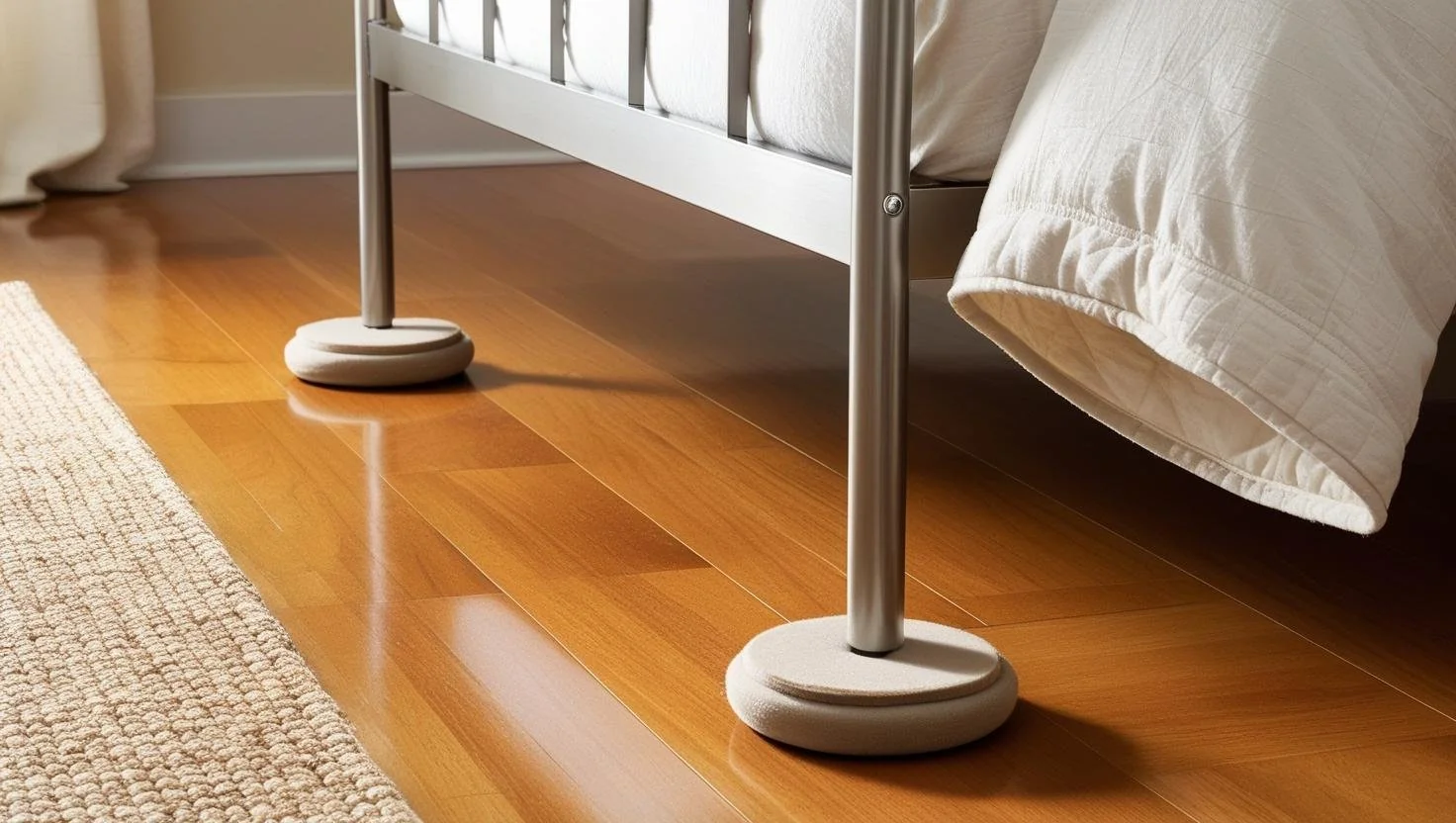
Place pads under frame legs to stop metal bed frame from squeaking

A frame that rocks makes micro-movements all night, and every one of those movements is a chance for a joint to chirp. Check the frame with a spirit level, then shim low legs with thin cork, hardwood wedges or adjustable furniture pads until there is zero rock in any direction. On very hard or very slippery floors, furniture cups or a thin rug under the legs isolate the frame from the surface. If your frame has a center beam with its own feet, make sure those feet actually reach the floor — a floating center foot is a classic hidden squeak.

Metal Bed Frame Reinforcement for Quieter Sleep
A center support bar strengthens large frames like queen and king sizes.

6. Add a Center Support Bar

Many budget metal frames have no center beam, so the middle of the bed flexes with every movement. A steel or wooden center support bar with its own leg spreads the load and removes that flex, which is often the single biggest improvement on queen and king frames. Universal adjustable support kits fit most rail widths and install with basic tools. If your frame already has a beam, confirm the bracket bolts are tight and the leg is padded at the floor.

7. Reinforce Corners With Brackets or Cross-Bracing

If the frame still shifts when you push sideways on a corner, the joints have too much play. Two options:

  • Corner brackets or L-braces bolted to the inside faces of each corner joint, which stop the rails pivoting against the head and footboard.
  • Cross-bracing — angled metal straps or flat bar running diagonally across the underside of the frame. Triangles resist racking far better than rectangles, which is why the technique is standard in construction and furniture making.

This is the most involved fix, so do it last and only if noise persists. Use hardware rated for the load, drill carefully into existing holes where possible, and re-check the bolts after a week of use.

Don’t Forget the Mattress and Box Spring

Sometimes the frame is innocent. Aging innerspring mattresses creak as coils and border rods wear, and a tired box spring flexes and clicks under load. Rotate the mattress (or flip it, if it’s two-sided) and retest. If the noise is inside the mattress or foundation, no amount of frame work will fix it — foam, latex and solid platform bases have no moving parts and stay quiet by design. A platform bed is generally the quietest setup available because it removes the box spring from the equation altogether.

Metal vs Wood: Why They Sound Different

The material changes the noise and the fix. Metal frames tend to squeak and rattle at fasteners and brackets, and can pop slightly as temperature changes. Wood frames creak more deeply, and swell and shrink with humidity, which loosens joinery seasonally.

Aspect Metal frame Wood frame
Typical noise High-pitched squeak, rattle, clank at joints Lower creak or groan as parts flex
Main cause Loose bolts, metal-on-metal friction Wood-on-wood friction, humidity movement
Best lubricant Silicone spray, dry PTFE, lithium grease Paste wax, beeswax or dry bar soap
Best reinforcement Brackets, cross-bracing, center support bar Corner brackets, wood glue on hairline splits, shims

Wooden bed frame slats causing squeaks from friction

Avoid oil-based sprays on wood — they can darken bare or finished timber and they soak in rather than sitting on the surface. Wax is the safer choice there. If you’re deciding between materials for a new bed, compare the trade-offs in our guides to wood vs metal bed frames and the pros and cons of a metal bed frame.

Does a Squeak Really Matter for Sleep?

A creak is not just an annoyance. Sleep disturbance is one of the most significant health effects of environmental noise, and the World Health Organization recommends keeping bedroom sound levels below 30 A-weighted decibels at night for good-quality sleep. Most of that research looks at traffic and aircraft noise rather than furniture, so treat it as context, not a measurement of your bed. What is fair to say: a noise you make yourself every time you roll over can keep you lying still to avoid it, and it affects anyone sharing the bed. For the wider picture, see our tips on creating a quieter sleep environment.

Which Fix Solves What

Method Best for Effort
Tighten all fasteners Most squeaks, rattles and wobble 15 minutes
Felt or rubber padding Friction noise, floor scuffing, sliding 15 minutes
Silicone or dry PTFE lubricant Metal-on-metal squeal at brackets 10 minutes
Secure or add slats Clicks, thuds, mattress sagging 30 minutes
Level and shim the legs Rocking frames, uneven floors 15 minutes
Center support bar Middle sag on queen and king frames 30–45 minutes
Brackets and cross-bracing Persistent flex and sideways movement 1 hour+

Keeping It Quiet: Maintenance Schedule

  • Every 3–6 months: re-tighten all hardware, check pads are still in place, confirm the frame doesn’t rock.
  • Twice a year: wipe dust from joints and slat ends — grit increases friction — and refresh lubricant on metal contact points.
  • Annually: inspect slats for cracks or excessive flex and check for rust; treat any rust promptly, since corroded surfaces grind.
  • After every move or reassembly: renew threadlocker and fit fresh pads at friction points before the bed is loaded again.

Keeping a screwdriver, hex keys, a few felt pads and a small can of lubricant in a drawer makes this a five-minute job rather than a project.

Mistakes to Avoid

  • Over-tightening. Stripped threads and bent brackets create permanent play.
  • Over-lubricating. Excess spray attracts dust and drips onto floors and bedding.
  • Fixing before diagnosing. Treat the joint that’s actually making the noise, not all of them at once.
  • Ignoring the center. Queen and larger frames need proper middle support; padding the corners won’t compensate.

Repair or Replace?

Repair when the noise comes from loose hardware, friction, slats or levelling — that covers the large majority of cases. Replace when the frame shows cracked welds, bent rails or legs, widespread rust, or when several rounds of fixes only buy a few weeks of quiet. Bolt holes that have worn oval are also a strong signal, since nothing will hold tight in them. For a thin, well-used budget frame, a sturdier replacement often costs less than repeated repairs; a solid frame is usually worth fixing. If you’re shopping, our guide to choosing the best bed frame for your mattress and style covers what to prioritise, and looking for “noise” or “squeak” in owner reviews is a genuinely useful filter.

FAQ

How do I stop my metal bed frame from squeaking fast?

Remove the mattress, tighten every bolt and screw, add felt pads or rubber washers wherever metal touches metal, then spray a little silicone lubricant on the brackets. That sequence resolves most squeaks in well under an hour.

What can I put under my metal bed frame for support?

Extra slats, a bunkie board or a plywood panel for mattress support, plus a center support bar with its own leg for queen and king sizes. Non-slip tape keeps slats from shifting.

Can I use a metal bed frame without a box spring?

Yes, as long as the mattress has continuous, closely spaced support — slats within your mattress maker’s specified gap, or a solid panel. Foam and latex mattresses in particular need a flat, firm base rather than a flexible foundation.

Is WD-40 safe on a bed frame?

It works on metal joints, but it’s a thin penetrating oil that needs reapplying and can stain porous materials. A silicone or dry PTFE spray is a better long-term choice for metal, and wax is the safer option on wood.

Does humidity make bed frames squeak?

It mainly affects wood, which swells in humid weather and shrinks in dry air, loosening joints seasonally. Metal frames are far less sensitive, though they can expand and contract slightly with temperature.

Is it normal for a brand-new frame to squeak?

It happens, and age is not the only factor. New frames often squeak because hardware wasn’t fully tightened during assembly or because parts have settled — retighten everything after the first week or two of use.

Is it safe to keep sleeping on a squeaky frame?

Usually yes, but a persistent noise can indicate loose joints or a weakening support. Deal with it early rather than waiting for a slat or bracket to fail.

The Short Version

Tighten, pad, lubricate, secure the slats, level the legs, support the middle, then brace the corners — in that order, testing after each step. Most metal frames go from creaky to silent for the price of a bag of felt pads, and a twice-yearly ten-minute check keeps them that way.

Updated September 2026.

Bed Size Chart: Every Standard Mattress Size in Inches, Feet and cm

Wide bedroom scene with a queen bed, sage throw, and woman sipping tea, illustrating standard bed size dimensions.

This bed size chart covers every standard US mattress size: Twin 38″ × 75″, Twin XL 38″ × 80″, Full 54″ × 75″, Queen 60″ × 80″, King 76″ × 80″ and California King 72″ × 84″. King is the widest standard bed at 76 inches (193 cm); California King is four inches narrower and four inches longer. The rest of this bed size chart covers what those numbers mean in a real room: clearance, frame footprint, doorway fit, matching sheets and overseas sizes.

Bed size chart: every standard mattress size in inches, feet and cm

These are the dimensions the US mattress industry works to. Brands drift by up to about an inch, and that inch matters for fitted sheets and tight frames, so read the spec before you order anything that has to fit around the mattress.

Size Inches Feet Centimetres Sleeps
Crib (full-size) 27¼ × 51⅝ minimum 2’3″ × 4’3″ 69.2 × 131.1 Infant to toddler
Twin (Single) 38 × 75 3’2″ × 6’3″ 96.5 × 190.5 One child or small adult
Twin XL 38 × 80 3’2″ × 6’8″ 96.5 × 203.2 One tall teen or adult
Full (Double) 54 × 75 4’6″ × 6’3″ 137.2 × 190.5 One adult; two at a squeeze
Queen 60 × 80 5’0″ × 6’8″ 152.4 × 203.2 Two adults
Olympic Queen 66 × 80 5’6″ × 6’8″ 167.6 × 203.2 Two adults, extra width
King (Eastern King) 76 × 80 6’4″ × 6’8″ 193 × 203.2 Two adults plus kids or dog
California King 72 × 84 6’0″ × 7’0″ 182.9 × 213.4 Two adults, one or both tall
Split King (2 × Twin XL) 38 × 80 each 3’2″ × 6’8″ each 96.5 × 203.2 each Two adults, separate bases
Wyoming King 84 × 84 7’0″ × 7’0″ 213.4 × 213.4 Family co-sleeping
Texas King 80 × 98 6’8″ × 8’2″ 203.2 × 248.9 Very tall sleepers
Alaskan King 108 × 108 9’0″ × 9’0″ 274.3 × 274.3 Whole household

The crib row is a legal minimum rather than a marketing size. Under the federal crib mattress rule, which incorporates ASTM F2933, a full-size crib mattress must measure at least 27¼ inches wide and 51⅝ inches long, and thickness is capped at six inches, so there is no gap a baby can slip into. If you can fit more than two fingers between mattress and crib side, the mattress is wrong for that crib.

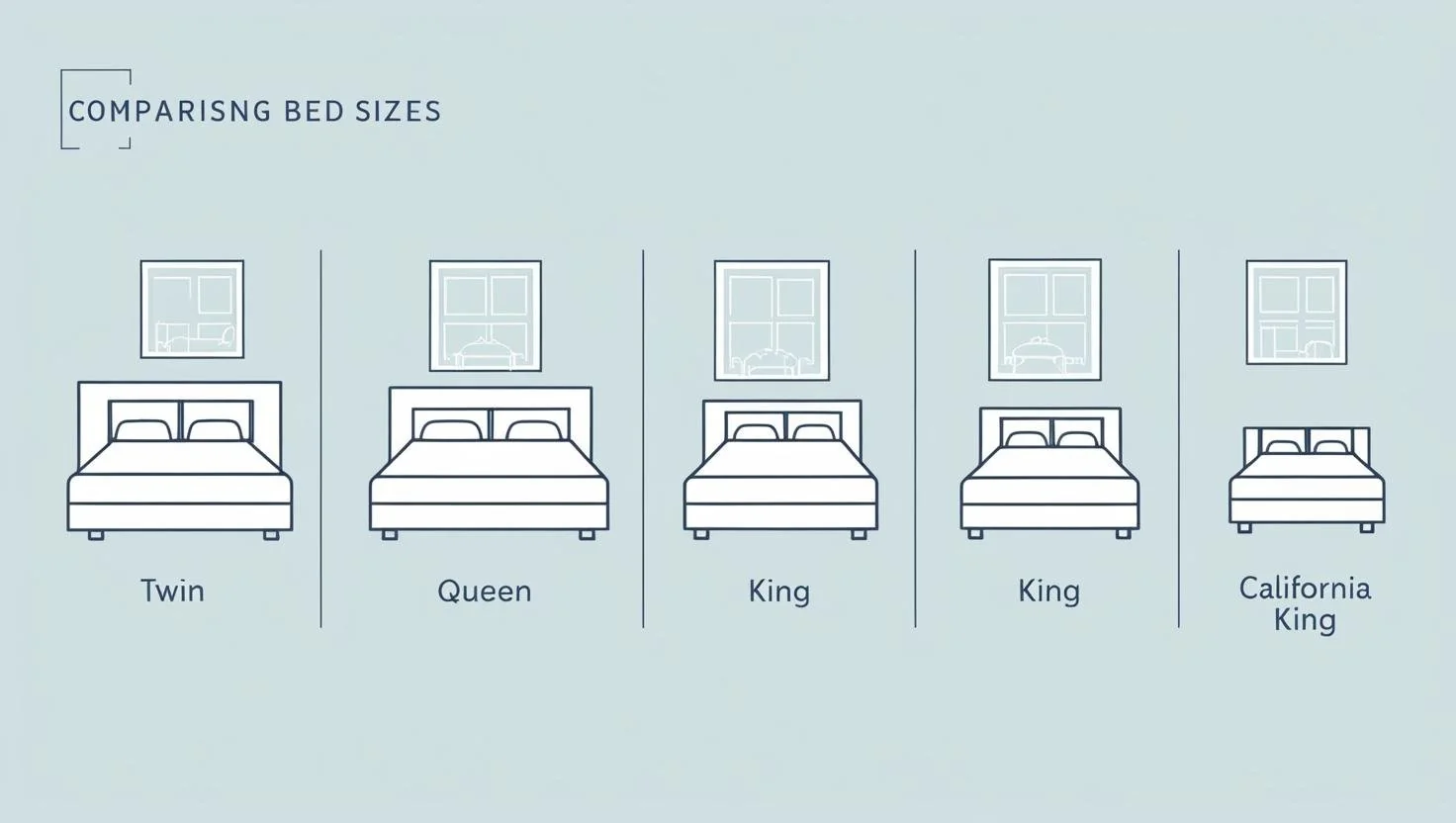
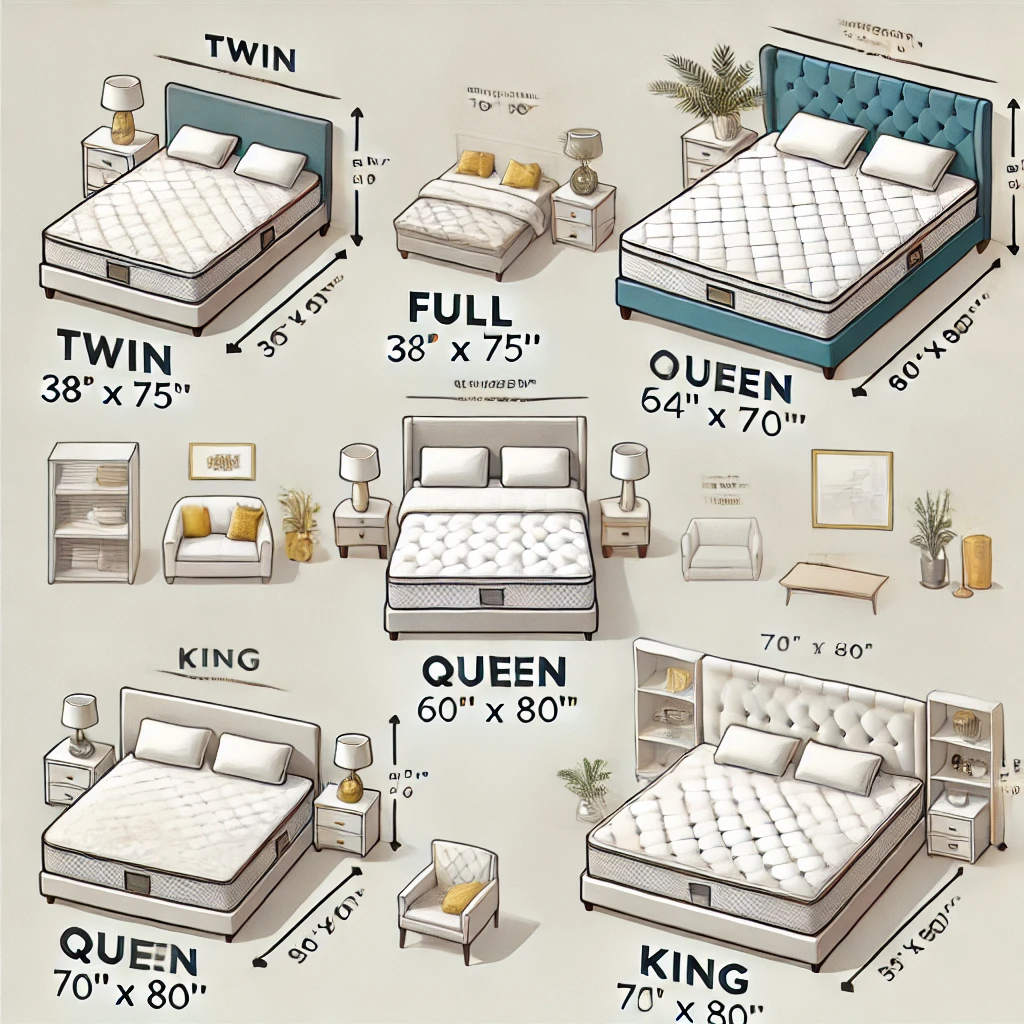
Bed size chart illustration comparing twin, full, queen and king mattresses in bedroom layouts

Twin, Twin XL and Full: who each one actually fits

Twin, 38″ × 75″ (96.5 × 190.5 cm). The default for kids’ rooms, bunks, daybeds and trundles. The catch is length: 75 inches is 6’3″, and once you subtract pillow space anyone over roughly 5’10” meets the end rail. Fine for a nine-year-old, frustrating for a fifteen-year-old.

Twin XL, 38″ × 80″ (96.5 × 203.2 cm). Same width, five more inches of length — the same 80 inches you get on a queen or king. It is the dorm standard, the size a growing teen won’t age out of, and one half of a split king. Downside: fewer frames, and shops stock the sheets less deeply than plain twin.

Full / Double, 54″ × 75″ (137.2 × 190.5 cm). Sixteen inches wider than a twin but no longer — the quirk people miss. A full is a generous solo bed and a space-saving guest bed, but for two adults it gives each person 27 inches, narrower than a crib mattress is wide. Layout specifics are in our full size bed dimensions guide.

Queen vs King vs California King

This is the decision most people are actually making, and it comes down to width per person, footprint and length.

Size Dimensions Width per sleeper Best for Skip it if
Queen 60″ × 80″ (152 × 203 cm) 30″ Most couples; rooms around 10′ × 10′; the widest bedding and frame selection of any size You co-sleep with kids or a large dog
King 76″ × 80″ (193 × 203 cm) 38″ Restless sleepers, co-sleeping, anyone who wants a full single’s width each Your room is under about 11 feet wide, or your stairs turn sharply
California King 72″ × 84″ (183 × 213 cm) 36″ Sleepers around 6’2″ and over; long, narrow rooms You want maximum width, or you buy bedding on sale — Cal King stock is thinner

A king gives each partner 38 inches, exactly the width of a twin XL. A queen gives 30 inches each, a full 27. Those eight-inch steps look small on a bed size chart and feel large at 3 a.m. when someone rolls over.

Length is a separate question from width. Queen, king and split king are all 80 inches (6’8″) long, so if your heels hang off a queen, a king will not fix it — only California King (84″) or a specialty long size will. Deep dives on each: queen size bed dimensions and our king size bed dimensions guide.

King size bed dimensions in a real bedroom

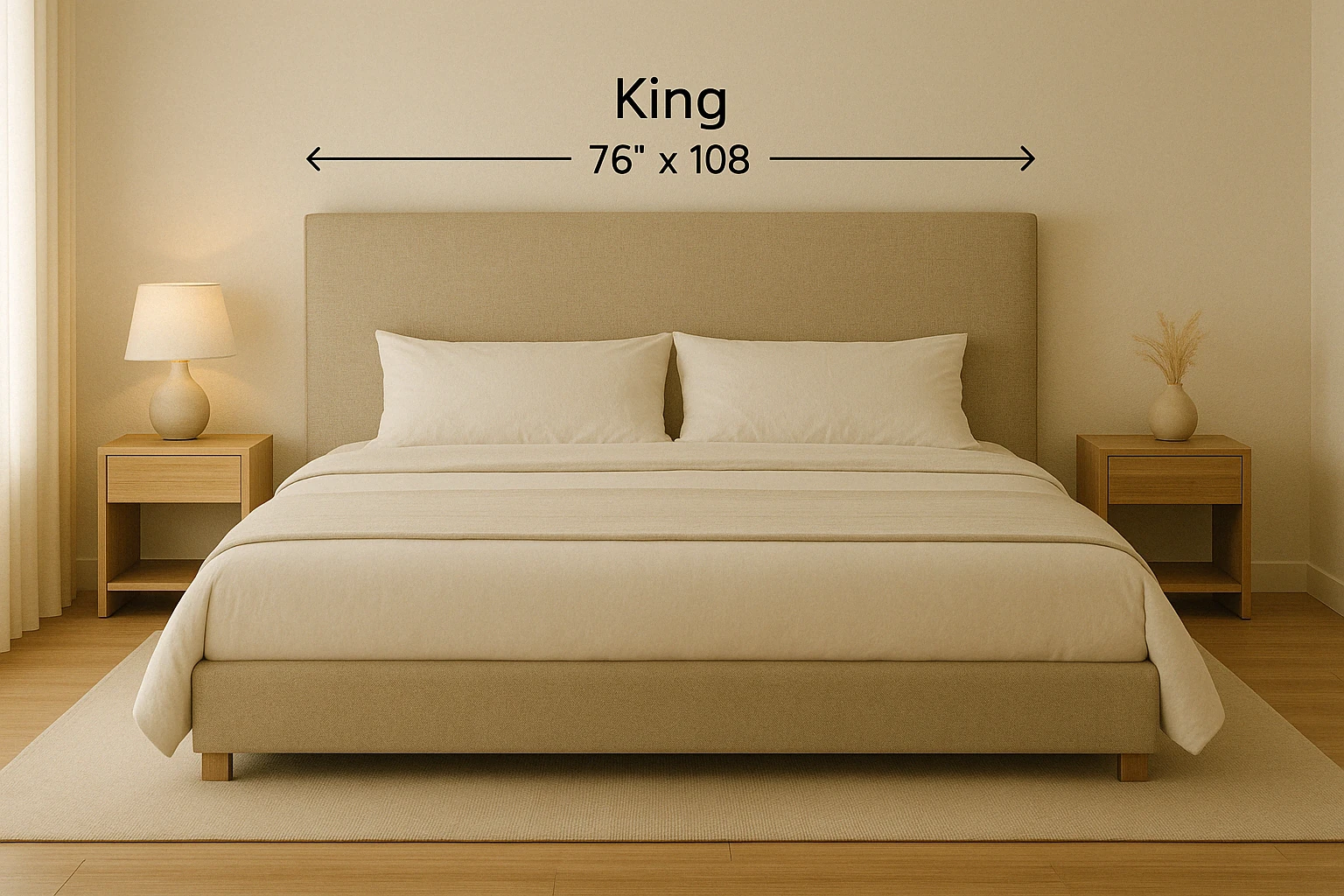
A standard king (Eastern King) is 76 inches wide by 80 inches long, 193 × 203 cm, 6’4″ × 6’8″. Two twin XL mattresses pushed together make the identical footprint, which is why split king exists and why adjustable-base shoppers usually end up there.

In practice a king needs about 11 to 12 feet of wall-to-wall width before the room stops feeling like a showroom. It is also the hardest standard size to move: a compressed bed-in-a-box solves the stairwell problem, a traditional innerspring king often does not. Choosing between the two? Our king vs California king comparison puts the frames and layouts side by side.

Mattress dimensions reference chart showing twin through California king in inches and centimeters

Minimum room size and walkway clearance by bed size

Mattress dimensions tell you what fits; clearance tells you what is liveable. The usual design rule of thumb is 24 to 30 inches (61–76 cm) of clear walkway on every side you use, plus about 36 inches in front of a dresser so drawers open. These are conventions, not building code — one side against a wall is normal in a small room, and no bed size chart can tell you how you move around your own room.

Mattress Tight but workable room Comfortable room What you lose in the tight version
Twin 7′ × 9′ 8′ × 10′ Desk or second dresser
Twin XL 7′ × 10′ 8′ × 10′ Foot-of-bed walking space
Full 9′ × 9’6″ 10′ × 11′ One of the two nightstands
Queen 10′ × 10′ 11′ × 12′ Bench, chair or a wide dresser wall
King 11′ × 11′ 12′ × 13′ Comfortable side clearance; bed dominates
California King 11′ × 12′ 12′ × 14′ Space at the foot for a door swing
Wyoming / Texas / Alaskan 13′ × 14′ 14′ × 16’+ Most other furniture

Do the maths yourself: room width minus mattress width, divided by two. A 76-inch king in an 11-foot (132-inch) room leaves 28 inches per side — fine until you add a nightstand, which eats 16 to 24 inches of it.

Mattress size vs bed frame footprint (the frame is always bigger)

A bed size chart lists the mattress. Nobody sleeps on a bare mattress, so add the frame:

  • Metal platform frames: add roughly 0 to 2 inches of width; the mattress sits nearly flush.
  • Wood platform and panel beds: usually add roughly 2 to 5 inches in width and length for side rails.
  • Upholstered beds: padded rails commonly add 4 to 8 inches of width — the most-missed measurement of all.
  • Headboards: add roughly 2 to 6 inches of length, more if it is wall-mounted with a gap.
  • Footboards and storage benches: add another 3 to 12 inches you have to walk around.

So a 76-inch king mattress can become an 82-inch upholstered bed — the difference between two nightstands fitting and not. Manufacturer listings give full exterior dimensions in the spec tab; use those, not the size name. Our guide to choosing the right bed frame covers the rest if you are buying both at once.

Will it get through the door and up the stairs?

Standard US interior doors are 80 inches tall and 28 to 32 inches wide, leaving roughly 30 to 31 inches of clear opening on a 32-inch door once you count the stop moulding. Pulling the door off its hinges buys about another 1.5 inches.

A mattress travels on its side, so its length becomes its height in the doorway. A queen or king at 80 inches is exactly the height of a standard door frame — it goes through because mattresses flex, but it is a squeeze. A California King at 84 inches has to be tilted, and rigid latex or dense foam flexes far less than a pocket-spring build. Measure the narrowest point of the whole route: front door, tightest hallway turn, stair landing, bedroom door. A bed-in-a-box sidesteps most of this; a split king handles the rest.

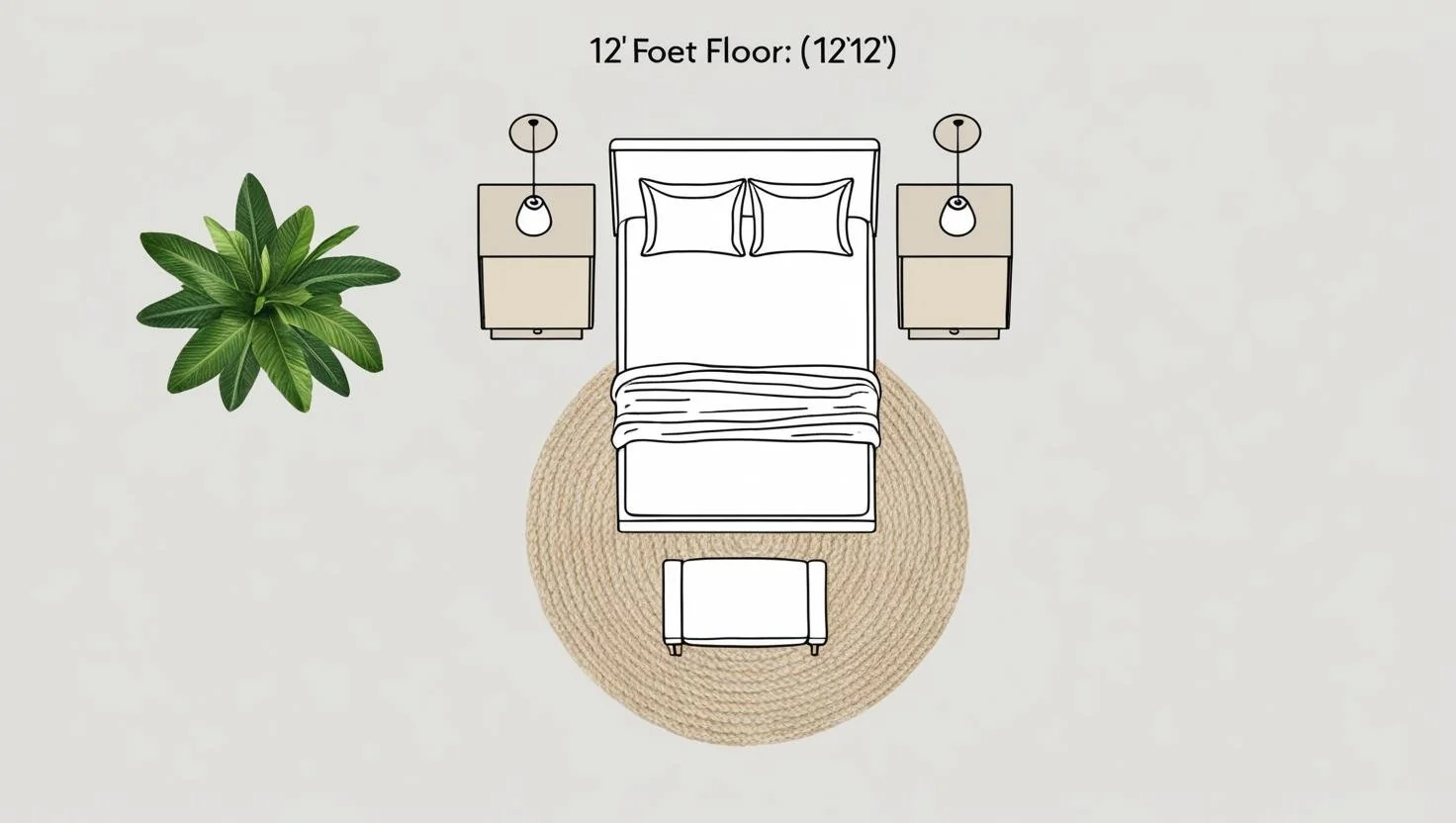
Bedroom layout diagram showing walkway clearance around a queen mattress

US vs UK, EU and Australian bed sizes

Names travel between countries; measurements do not. A UK king is narrower than a US queen, and an EU king is closer to a US queen than to a US king — which is why bedding bought abroad so often fits badly. This part of the bed size chart is worth a screenshot if you are moving.

Name US UK EU / IKEA Australia
Single Twin 38″ × 75″ (96.5 × 190.5 cm) 90 × 190 cm (3’0″ × 6’3″) 90 × 200 cm ~92 × 188 cm
Long single Twin XL 38″ × 80″ (96.5 × 203 cm) 90 × 200 cm (small long single) 90 × 200 cm King single ~107 × 203 cm
Double Full 54″ × 75″ (137 × 190.5 cm) 135 × 190 cm (4’6″ × 6’3″) 140 × 200 cm ~138 × 188 cm
Queen 60″ × 80″ (152 × 203 cm) No direct match No direct match ~153 × 203 cm
King 76″ × 80″ (193 × 203 cm) 150 × 200 cm (5’0″ × 6’6″) 160 × 200 cm ~183 × 203 cm
Super king Cal King 72″ × 84″ (183 × 213 cm) 180 × 200 cm (6’0″ × 6’6″) 180 × 200 cm ~203 × 203 cm

Read across the “King” row and the problem is obvious. A UK king at 150 × 200 cm is 59″ × 78.7″ — about an inch narrower and an inch shorter than a US queen, and 17 inches narrower than a US king. An Australian queen at roughly 153 × 203 cm is the closest thing to a US queen anywhere on this bed size chart, which is why Australian and American queen bedding sometimes works and British bedding almost never does.

EU 200 cm lengths are 1.2 inches shorter than the US 80-inch standard, so an EU king sheet on a US queen comes up short lengthwise while gaping at the sides. Duvets are more forgiving because they just hang, but a 200 × 200 cm EU duvet on a 193 cm-wide US king leaves almost no overhang. Australian dimensions also shift by a centimetre or two between makers, so read the spec sheet, not the size name.

Sheet, duvet and comforter sizes that match each mattress

Length and width decide which sheet size you buy. Mattress depth decides whether the fitted sheet stays on, and depth is the number nobody checks. Most mattresses run 10 to 14 inches thick, pillow-tops often 15 to 18, and a two-inch topper pushes any of them past a standard pocket.

Mattress Fitted sheet Flat sheet (typical) Duvet/comforter (typical)
Twin 38 × 75 Twin ~66″ × 96″ ~66–68″ × 86–90″
Twin XL 38 × 80 Twin XL (not twin) ~66″ × 102″ ~68″ × 90″
Full 54 × 75 Full ~81″ × 96″ ~80–90″ × 90″
Queen 60 × 80 Queen ~90″ × 102″ ~88–92″ × 92–98″
King 76 × 80 King ~108″ × 102″ ~104–110″ × 92–98″
Cal King 72 × 84 California King (different from king) ~108″ × 102″ ~104–110″ × 96–100″
Split King Two Twin XL, or split-top king King flat over both King

Bedding measurements vary between brands — treat the above as typical ranges and check the label. Three rules that save returns:

  • King and Cal King sheets are not interchangeable. Cal King is four inches longer and four narrower; a king fitted sheet will pull off its corners.
  • Measure your mattress depth with a tape, add the topper, then buy a pocket depth at least two inches greater.
  • Size the duvet up, not down, if you want real drape over a thick mattress or you share with a cover-stealer.

How to choose your bed size

Work through these in order — the first one that fails narrows the list fast.

  1. Height. Anyone over about 6’0″ wants an 80-inch mattress; over about 6’2″, look hard at California King’s 84 inches. Length is not negotiable the way width is.
  2. Who else is in the bed. Two adults: queen minimum. Two adults plus a kid who migrates at 4 a.m., or a big dog: king or split king. One adult who starfishes: a full is often enough.
  3. Room shape, not just floor area. A long narrow room takes a Cal King gracefully and a king badly; a square room does the opposite.
  4. The route in. Tight stairs mean bed-in-a-box or a split setup.
  5. Total cost, not mattress cost. Going up a size means new sheets, duvet, protector, frame and often a new base. Specialty sizes commit you to custom-order bedding for the life of the bed. Prices move constantly, so check two or three sellers the week you buy rather than trusting a figure you read online.
  6. Different firmness preferences. Split king solves this without a compromise mattress, though you will feel the centre gap unless you use a bridge or split-top sheet.

Does a bigger bed mean better sleep? Honestly, the direct evidence is thin — there is no large controlled study pitting queens against kings. Research on bed sharing does show couples move and wake more together than alone, and extra width is one reasonable answer to that. Good motion isolation and separate duvets are another, and they cost less. Consumer Reports’ mattress buying guide is a neutral place to read up on types and firmness before you commit to a footprint.

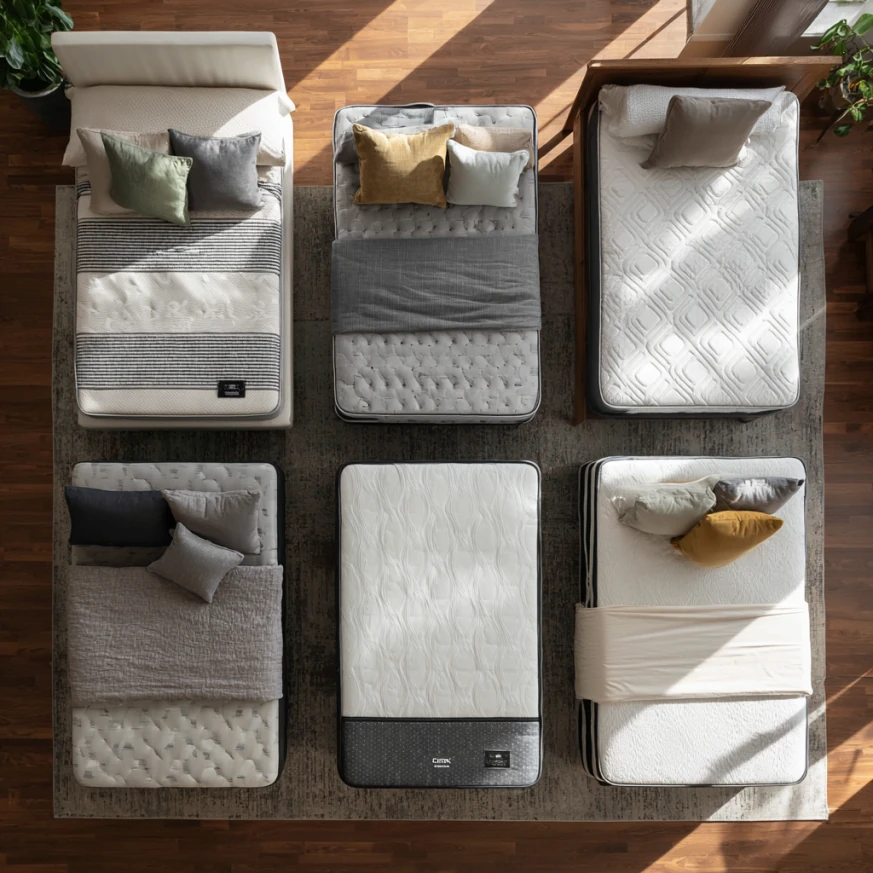
Mattress size comparison showing twin, twin XL, full, queen, king and California king side by side

What to measure before you buy

  1. Room, wall to wall — width, length, and ceiling height if a tall headboard is on the list.
  2. Obstacles — door swings, closet doors, radiators, window sills, vents and outlets you still want to reach.
  3. The footprint in tape — outline the mattress plus your frame allowance with painter’s tape and live with it for a day. Walk it in the dark.
  4. Walkways — 24 to 30 inches on the sides you use; under 18 inches becomes a shin bruise.
  5. Delivery path — narrowest hallway, stair turn, door width with the door removed, lift depth in an apartment.
  6. Mattress depth — for sheet pockets, and for total bed height (22 to 26 inches from floor to mattress top suits most people).

Split king adjustable bed with two twin XL mattresses set at different angles

FAQ

What are the exact dimensions of a king size bed?

76 inches wide by 80 inches long — 193 × 203 cm, or 6’4″ × 6’8″. That is 16 inches wider than a queen and exactly the same length. A California King is different: 72″ × 84″ (183 × 213 cm).

What is the most common bed size?

Queen, 60″ × 80″ — the best-selling US size for years, because it sleeps two, fits a 10′ × 10′ bedroom and has the deepest stock of frames and bedding.

Will a king bed fit in a 12′ × 12′ room?

Yes, comfortably. A 76-inch king in a 144-inch room leaves 34 inches per side before the frame — enough for nightstands and a walkway. It still fits an 11′ × 11′ room, but plan on one side against a wall.

Is a full bed big enough for two adults?

For occasional nights, yes. Every night, usually not — 27 inches each is narrower than a crib mattress. A queen adds three inches per person; a king adds eleven.

What’s the difference between twin and twin XL?

Width is identical at 38 inches. Twin XL is five inches longer (80″ vs 75″), matching queen and king length. Buy Twin XL sheets — a standard twin fitted sheet will not reach.

What is the biggest bed size you can buy?

Alaskan King, 108″ × 108″ (274 × 274 cm), is the largest size sold with any regularity — a nine-foot square. Custom mattresses go further for lofts, RVs and boats, but you will be ordering bedding and a base to match, every time.

Updated September 2026.

How Wide is a Full Size Bed? 7 Key Facts You Must Know

How Wide is a Full Size Bed? Complete Guide - bedroom

How Wide is a Full Size Bed? Complete Guide

How Wide Is a Full Size Bed? Complete Guide for Space, Comfort & Fit

Wondering how wide is a full size bed? At 54 inches wide, it strikes a balance between comfort and space-saving—ideal for solo sleepers, guest rooms, and small apartments. This guide answers all your questions about full size bed width, dimensions, room size, and who it’s best for. For a bigger breakdown, see our bed dimensions guide.

Key Takeaways on How Wide Is a Full Size Bed

  • A full size bed is 54 inches wide and 75 inches long.
  • It fits best in bedrooms at least 10 x 10 feet in size.
  • Ideal for single adults, teenagers, and guest rooms.
  • Can feel tight for couples—queen or king beds may be better for two.
  • Compatible with a wide range of mattresses and bed frames.

What Are the Standard Full Size Bed Dimensions?

If you’ve ever asked, “How wide is a full size bed?”—the answer is 54 inches wide by 75 inches long. This makes it a comfortable step up from a twin but still manageable in smaller rooms.

Minimal guest room showing how wide is a full size bed

Bed Size Width (inches) Length (inches) Best For
Twin 38 75 Kids, Small Rooms
Twin XL 38 80 Taller Teens
Full (Double) 54 75 Teenagers, Single Adults
Queen 60 80 Couples, Guest Rooms
King 76 80 Couples with Extra Space
California King 72 84 Tall Sleepers, Large Bedrooms

Read: Full Bed vs. Twin XL – Which is Right for You?

How Wide Is a Full Size Bed Compared to Other Beds?

In terms of width, the full size bed fits perfectly between the twin and queen. If you’re wondering how wide is a full size bed for couples or small rooms, this section explains where it fits best in the lineup.

Mattress size comparison chart including full size bed width

  • Twin Bed: 38 inches wide
  • Twin XL: 38 inches wide, 80 inches long
  • Full Bed: 54 inches wide
  • Queen Bed: 60 inches wide
  • King Bed: 76 inches wide

See our full comparison: Full vs. Queen vs. King Bed Width

What Room Size Is Best for a Full Size Bed?

How wide is a full size bed when planning for room layout? It’s 54 inches, so your bedroom should be at least 10 x 10 feet to allow for walking space and furniture placement.

Cozy teenage bedroom showing full size bed fit in 10x10 room

Bed Size Min Room Size (ft)
Twin 7 x 10
Twin XL 8 x 10
Full 10 x 10
Queen 10 x 12
King 12 x 12

Read: Choosing the Right Bed Width for Your Room

Who Should Choose a Full Size Bed?

Understanding how wide is a full size bed helps determine if it’s right for your lifestyle. Single adults and teens will love the extra width over a twin, while couples might prefer more room with a queen.

  • Single Adults: More room than a twin for comfort.
  • Teenagers: Great for growing bodies and longer limbs.
  • Guest Rooms: Offers sleeping comfort without crowding the space.
  • Budget-Conscious Couples: It’s cozy but might feel snug.

Best Mattress Types for Full Size Beds

When asking how wide is a full size bed mattress, remember it should match the standard 54″ width. Choose the right mattress type for comfort and sleep style:

  • Memory Foam: Molds to your shape—great for pressure relief.
  • Innerspring: Classic bouncy support.
  • Hybrid: A mix of foam and coils for comfort and support.
  • Latex: Durable, breathable, and eco-friendly.

See: How Bed Width Affects Mattress Selection

Top Bed Frames for Full Beds

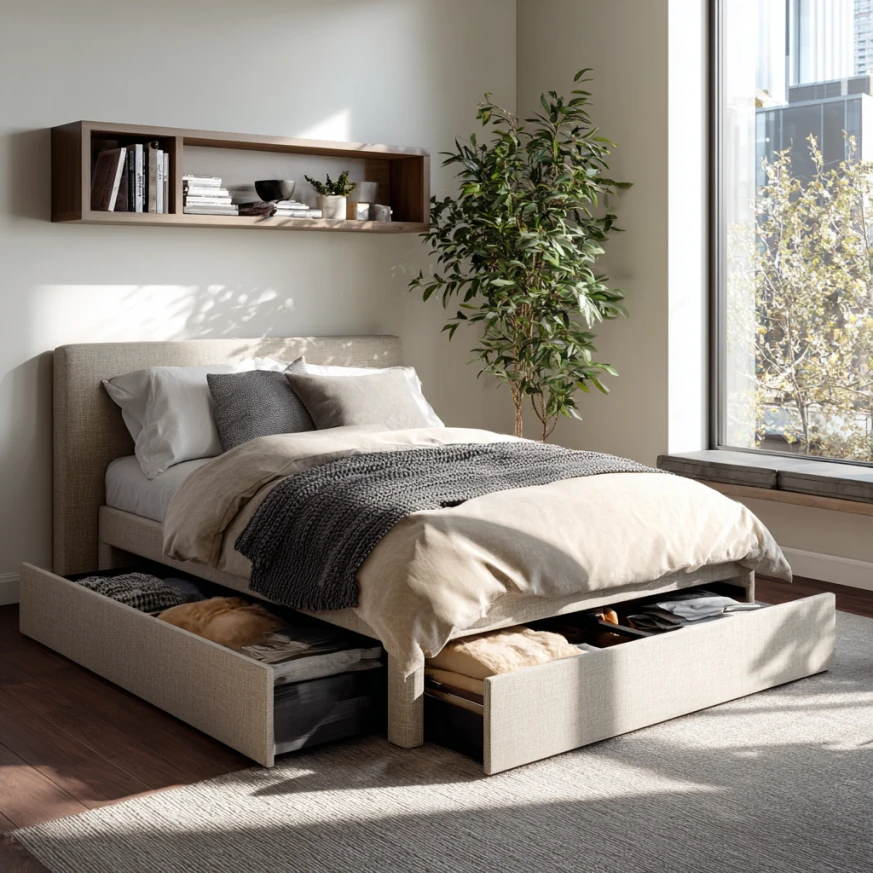
Full size bed frame with underbed storage drawer design

  • Platform Beds: Sleek and modern—no box spring required.
  • Storage Beds: Perfect for tight spaces—extra drawers built-in.
  • Metal Frames: Affordable and durable.
  • Wood Frames: A sturdy, timeless choice.

Read: Best Full Size Bed Frame Width Options

Common Mistakes to Avoid When Buying a Full Size Bed

  • Skipping Measurements: Always check your room size.
  • Forgetting Accessories: Sheets and comforters must fit properly.
  • Overcrowding Rooms: Keep room layout in mind.
  • Not Testing Mattresses: Try before you buy if possible.

FAQ

How wide is a full size bed?
Exactly 54 inches wide and 75 inches long—ideal for one adult.
Can two people sleep on a full size bed?
Yes, but it’s tight. Each person gets only 27 inches of space—less than a crib mattress.
Is a full bed the same as a double bed?
Yes, they are two names for the same bed size.
What size room fits a full bed?
A bedroom should be at least 10 x 10 feet for a full-size bed.

Expert Resources

Need More Bed Sizing Help?

Related reading from Cozy Bed Quarters

Other reading we found popular


Bed Frame Dimensions Guide: Find the Perfect Fit for Your Room

Modern bedroom with a queen-size bed frame and optimal bed frame dimensions.

Standard Bed Frame Dimensions and Size Guidelines

Choosing the right bed frame dimensions is crucial for comfort, functionality, and enhancing your bedroom’s aesthetics. Whether you’re outfitting a cozy guest room or a spacious master suite, understanding bed frame sizes ensures a harmonious and restful environment.

Key Takeaways

  • Optimal comfort: Prevents cramped sleeping spaces and ensures restful nights.
  • Efficient use of space: Essential for maximizing room functionality, especially in smaller areas.
  • Enhanced room aesthetics: A well-proportioned bed frame complements your bedroom design.
  • Better planning: Choosing the right bed frame dimensions avoids costly mistakes in room setup.

Why Bed Frame Dimensions Matter

A bed frame does more than support your mattress; it defines the room’s layout and flow. Selecting the appropriate size ensures:

  • Comfortable movement: Avoids stubbed toes and cramped pathways.
  • Balanced design: Harmonizes with other furniture pieces and room proportions.
  • Functional space: Allows for additional furnishings like nightstands and dressers.

Nothing disrupts relaxation like navigating around an oversized bed. A correctly sized frame makes your room feel open and inviting, enhancing your overall comfort.

Visual reference of bed frame dimensions in modern bedroom

Understanding Bed Frame Dimensions

While mattress sizes are standardized, bed frame dimensions can vary based on design and style. Here’s a comprehensive guide:

Mattress Size Mattress Dimensions (inches) Typical Bed Frame Dimensions (inches)
Twin 38″ x 75″ 40″–43″ x 77″–80″
Twin XL 38″ x 80″ 40″–43″ x 82″–85″
Full 54″ x 75″ 56″–59″ x 77″–80″
Queen 60″ x 80″ 62″–65″ x 82″–85″
King 76″ x 80″ 78″–81″ x 82″–85″
California King 72″ x 84″ 74″–77″ x 86″–89″

Note: Bed frames often add 2–5 inches to mattress dimensions due to design elements like headboards or footboards.

Bed frame size comparison with mattress dimensions

Choosing the Right Bed Frame for Your Room

Room Size Recommendations

Room Size (sq. ft.) Recommended Bed Size
Up to 100 Twin or Twin XL
100–200 Full or Queen
200+ King or California King

Considerations:

  • Walking space: Aim for at least 2 feet of clearance around the bed.
  • Ceiling height: Important for canopy or four-poster beds.
  • Additional furniture: Account for nightstands, dressers, and seating.

Planning a bedroom makeover? Combining smart frame sizing with layout strategies can transform your space. Explore how ancient wisdom meets modern design in our post on Feng Shui principles for bedroom layout.

Types of Bed Frames and Their Impact on Dimensions

Platform Beds

Sleek and modern, platform beds sit low to the ground and often match mattress dimensions closely, making them ideal for smaller rooms.

Sleigh Beds

With their curved headboards and footboards, sleigh beds add elegance but require more space due to their design.

Canopy Beds

Featuring posts at each corner, canopy beds make a statement but need rooms with higher ceilings and ample space.

Storage Beds

Equipped with drawers or compartments, storage beds are functional but add bulk, requiring more room for accessibility.

Common Misconceptions About Bed Frame Sizes

Myth: All bed frames are the same size as their corresponding mattresses.

Reality: While mattress sizes are standardized, bed frame dimensions can vary based on design, material, and additional features. Always check the specific measurements before purchasing.

It’s easy to assume that buying a “queen frame” means it’ll fit your queen mattress perfectly. But differences in construction—like thick upholstery, built-in storage, or decorative headboards—can change the footprint significantly.

Full bed frame dimensions with storage drawers

Final Thoughts

Selecting the right bed frame dimensions is a blend of understanding your space, needs, and style preferences. By considering room size, frame type, and additional features, you can ensure a comfortable and aesthetically pleasing bedroom setup.

For more insights on optimizing your bedroom space, check out our Ultimate Guide to Bedroom Layouts and Top 10 Space-Saving Furniture Ideas.

FAQ

What is the standard height of a bed frame?
Most bed frames are between 8 to 18 inches tall. Combined with the height of your mattress, your total bed height can be between 16 to 30 inches tall. Ideally, your bed should be just tall enough so when you’re sitting at the edge of it, your feet are flat on the floor. This is for ease of use, particularly for individuals with limited mobility and the elderly. Source
Do bed frames come in standard sizes?
Yes, bed frames are typically designed to match standard mattress sizes: Twin, Twin XL, Full, Queen, King, and California King. However, the actual dimensions of bed frames can vary slightly based on design and style. Source
Can I use a queen mattress on a full-size bed frame?
No, a queen mattress (60″ x 80″) is larger than a full-size bed frame (typically 56″–59″ x 77″–80″). Using a mismatched frame can lead to inadequate support and potential damage to the mattress.
How much space should I leave around my bed?
It’s recommended to have at least 2 feet of clearance on all sides of the bed to allow for easy movement and access to other furniture.
Are there bed frames larger than a California King?
Yes, there are oversized bed frames like the Alaskan King (108″ x 108″), Wyoming King (84″ x 84″), and Texas King (80″ x 98″). These are less common and require spacious rooms. Source

Related Reading from Cozy Bed Quarters

Other Reading We Found Popular


7 Small Bed Space Tips to Make Your Bed Feel Bigger

7 Small Bed Space Tips to Make Your Bed Feel Bigger - Featured Image


Small Bed Space Tips: 7 Ways to Make Your Bed Feel Bigger

Feeling cramped in a small bed? These small bed space tips will help you make the most of your mattress with simple, effective changes—so your sleep setup feels bigger, brighter, and more comfortable right away.

Key Takeaways on Small Bed Space Tips

  • Light, breathable bedding makes beds feel airier and more spacious
  • Decluttering and vertical storage free up visual and physical space
  • Smart furniture and mirrors enhance both function and perception of room size

1. Use Light, Airy Bedding

Answer first: Choose light fabrics and pale colors to visually expand the bed and improve breathability.

Light bedding can visually expand your sleeping area. It’s not just about looks — lighter fabrics tend to breathe better, improving comfort and enhancing the sense of openness in your room. Start with neutral or pastel tones, which naturally reflect more light and help the room appear brighter and more spacious. Heavy patterns and dark colors can visually shrink the bed, making the space feel more confined.

  • Choose soft shades like ivory, pale gray, or sky blue
  • Use layered textures — think waffle weave or gauze cotton — for dimension without weight
  • Keep the number of layers minimal: a fitted sheet, a light duvet, and a decorative throw are often enough

For more guidance, check out our
bed width planning guide
to ensure your bedding choices align with room size.

Light bedding makes the entire setup feel fresher and roomier — a small change with big impact.

light airy bedding — small bed space tips to make a bed feel bigger

2. Minimize Clutter

Answer first: Clear surfaces and hide essentials so the bed reads as larger and the room feels calmer.

Visual clutter can make even a
king-sized bed
feel tight. When every surface is crowded with accessories or stray items, your room naturally feels smaller and more chaotic. Streamlining your space makes your bed appear larger and your sleep sanctuary more serene. Start by limiting bedside accessories and using intentional decor.

  • Choose multifunctional decor like a stylish lamp with built-in USB ports
  • Use decorative storage boxes to keep remotes, books, or charging cords hidden
  • Invest in under-bed organizers — some even have wheels and dividers for easy access

Less clutter equals less distraction, helping you mentally wind down for sleep while making your small bed feel more open.

3. Choose the Right Bed Frame

Answer first: Pick a slim, low-profile frame (skip the footboard) to reduce visual bulk around the bed.

The frame you select sets the tone for your bed’s footprint. Bulky frames with large headboards or footboards tend to dominate a room. A sleek frame — especially one that’s low to the ground — gives the illusion of higher ceilings and more space around the bed. Consider materials and lines too:
metal frames
with slim rails or platform beds with built-in storage can visually lighten your setup.

  • Choose open-frame or leggy designs that allow light to flow beneath the bed
  • Skip the footboard if possible — it visually chops up the room
  • Wall-mounted or floating headboards save square footage and add style

Need inspiration? Browse our
bed frame dimension guide
to ensure your frame complements your room’s layout.

The right bed frame does more than support your mattress — it transforms the look and feel of your entire room.

minimalist bed frame — small bed space tips for a bigger-looking bed

4. Add Mirrors Strategically

Answer first: Place a mirror opposite or adjacent to a window to bounce light and double perceived space.

Mirrors can double the perceived space in a room. Their reflective properties bounce light around the room, making everything feel more open and inviting. They’re especially effective when placed near or opposite windows, allowing natural light to amplify the sense of airiness. You don’t need a wall of mirrors — one well-placed mirror can do wonders.

  • Mount a circular mirror above your headboard to create a focal point
  • Place a tall mirror near a corner to extend the visual depth
  • Try mirrored side tables for a glam touch that doesn’t overwhelm

mirrors and cohesive color palette — small bed space tips

5. Use Vertical Space

Answer first: Shift lighting and storage to the walls to free floors and make the bed area feel larger.

When floor space is tight, go up! Vertical storage and decor options draw the eye upward and help create a sense of spaciousness. Instead of crowding your bed with furniture at floor level, utilize the wall above and around it. This can also help keep your floor clear, which adds to the feeling of openness.

  • Install wall sconces instead of table lamps to free up nightstand space
  • Hang a tall piece of artwork or a gallery of frames aligned vertically
  • Use over-the-door organizers for shoes, accessories, or extra linens

Learn more about balancing furniture placement in our article on bed width mistakes to avoid.

Vertical elements add drama and structure — two essentials when styling a small bedroom to feel larger.

vertical interest — small bed space tips for a taller-looking room

6. Opt for Multi-Functional Furniture

Answer first: Use pieces with hidden storage or foldaway features so fewer items crowd the bed zone.

Every piece of furniture should earn its keep in a small bedroom. Look for beds with built-in drawers or benches that open up for hidden storage. These dual-purpose items let you keep necessities nearby without adding clutter. Furniture that folds away when not in use is a bonus for anyone looking to maintain a minimalist footprint.

  • Consider a Murphy bed with shelving for ultimate space efficiency
  • Use a lift-up storage bed for bulky seasonal items
  • Look for headboards with built-in shelves for books or decor

Smart furniture choices reduce the need for excess furniture, allowing your bed to shine as the room’s centerpiece.

7. Play with Scale and Proportion

Answer first: Anchor with one or two larger accents and balance with slimmer pieces to make a small bed read as intentional.

Just like in fashion, proportions matter in bedroom design. A
small bed
with appropriately scaled decor can look intentional and chic. Use large-scale items sparingly to anchor the space and smaller pieces to add contrast and flow. For instance, an oversized pillow setup can make the bed appear plusher and more inviting.

  • Layer euro shams with standard pillows and a lumbar pillow for depth
  • Drape a king-size throw blanket sideways for a hotel-style look
  • Place a large rug under the bed to define the zone — it should extend at least 24″ beyond the bed

Balancing scale avoids visual chaos and gives your small bed big impact.

oversized pillows used sparingly — small bed space tips

Additional Resources

Expert-Recommended Reading

With the right adjustments, even the smallest bed can feel grand. Use these small bed space tips to create a restful, spacious atmosphere that’s both functional and stylish.

FAQ

What bedding color makes a bed feel bigger?
Light colors like white, ivory, and pastels reflect more light and make beds appear larger and airier.
Can mirrors really make a small room feel bigger?
Yes, mirrors reflect both natural and artificial light, creating the illusion of depth and doubling perceived space.
What type of bed frame is best for a small room?
Low-profile, platform, or minimalist metal frames with open legs are ideal for making small beds feel more spacious.


Memory Foam vs Spring Mattress: How to Choose

Memory Foam vs Spring Mattress

Short answer: choose memory foam if you want deep contouring, pressure relief and the least motion transfer when you share a bed; choose a spring (innerspring) mattress if you prefer a firmer, bouncier surface that breathes more easily and usually costs less up front. If you can’t decide, a hybrid puts foam comfort layers on top of pocketed coils and covers most of both bases.

Memory Foam vs Spring Mattress: Key Takeaways

  • Pressure relief and couples: memory foam spreads weight and absorbs movement better than coils.
  • Cooling and bounce: coil beds allow more airflow and are easier to move around on.
  • Sleep position: side sleepers usually favour foam; stomach sleepers usually favour firmer coil support; back sleepers can go either way.
  • Support feel: firmness matters more than material. Medium-firm is the most widely recommended starting point.
  • Lifespan: expect roughly 6–10 years from quality foam and around 5.5–8 years from a traditional innerspring, depending on materials.
  • Price: springs have the lowest entry price; foam and hybrids stretch further at both ends.

memory foam vs spring mattress key takeaways for king-size buyers

Quick takeaways for mattress shoppers weighing foam against coils.

Quick Comparison Table

Feature Memory Foam Spring / Innerspring
Feel Slow, cradling, “in the bed” Buoyant, responsive, “on the bed”
Pressure relief Excellent Moderate (better with a pillow top)
Motion isolation Best in class Lower; pocketed coils improve it
Temperature Can trap heat; gel or open-cell foams help More airflow through the coil layer
Edge support Varies; softer edges are common Usually stronger with reinforced perimeters
Noise Silent Can squeak as coils age
Typical lifespan ~6–10 years ~5.5–8 years

quick comparison chart memory foam vs spring mattress for king beds

What Is a Memory Foam Mattress?

Memory foam is a viscoelastic polyurethane foam that softens with body heat and pressure, so it moulds around your shoulders and hips and returns to shape slowly. The material traces back to NASA-funded research in the 1960s on impact-absorbing seating; NASA later released the “temper foam” formula into the public domain, which is how it ended up in everything from mattresses to shoe insoles.

A modern all-foam mattress is a stack: a comfort layer of memory foam, a transition layer that stops you bottoming out, and a dense polyfoam core that does most of the support work. Core density is the single best clue to how long the bed will hold its shape.

Strengths

  • Pressure relief. Weight is spread over a wider contact area, which suits side sleepers and anyone with sore hips or shoulders.
  • Motion isolation. Foam damps movement instead of transmitting it, so a restless partner is less disruptive. Consumer Reports’ testing notes that innersprings tend to score lower than all-foam beds for stability.
  • Silence. No coils, no creaks.
  • Alignment help. Foam fills the gap at the lumbar curve rather than bridging it.

Trade-offs

  • Heat. Close contouring reduces airflow around your body. Gel or graphite infusions, open-cell structures and breathable covers all help, but no foam breathes like an open coil layer.
  • Slow response. Combination sleepers can feel “stuck” when changing position.
  • New-mattress smell. Fresh foam gives off a temporary odour. A peer-reviewed chamber study of new memory foam mattresses concluded that the emissions measured were unlikely to pose a health risk to consumers; airing the bed out in a ventilated room for a day or two is still sensible.
  • Weight. Dense foam beds are heavy and awkward to rotate alone.

memory foam vs spring mattress cross-section showing memory foam layers in a king bed

Foam density and layering drive support, cooling and durability.

What Is a Spring Mattress?

An innerspring mattress supports you on a steel coil unit topped with a comparatively thin comfort layer. The two constructions worth knowing:

  • Open or continuous coils: springs are wired together, so pressing one moves its neighbours. Cheap, firm, bouncy, and the worst for motion transfer.
  • Pocketed coils: each spring sits in its own fabric sleeve and compresses independently. Better contouring, noticeably less motion transfer, and the basis of almost every modern hybrid.

Strengths

  • Airflow. The open coil layer lets heat and humidity escape, which is why coil and hybrid beds are the usual recommendation for hot sleepers.
  • Responsiveness. Easy to roll over, sit up and get out of bed.
  • Edge support. Reinforced perimeter coils let you use the full width of the mattress and make the edge safer to sit on.
  • Price. Basic coil beds remain the cheapest way to get a new, supportive mattress.

Trade-offs

  • Less cushioning at the shoulder and hip unless there’s a substantial pillow top.
  • More motion transfer in open-coil designs.
  • Noise and sagging as coils lose tension, usually showing first where you sleep every night.

memory foam vs spring mattress diagram highlighting pocketed coils in a king-size spring mattress

Pocketed coils cut motion transfer and contour better than linked open coils.

Where Hybrids and Latex Fit In

A hybrid uses a pocketed-coil support core with foam or latex comfort layers on top. That combination gives you coil airflow and edge support with much of foam’s pressure relief, which is why it’s the default recommendation when a couple can’t agree. We compare the two builds in detail in our guide to memory foam vs hybrid mattresses.

Latex is the third option. It is springier than memory foam, sleeps cooler than most foams, and tends to outlast both foam and innerspring beds — but it is usually the most expensive of the three, and natural latex adds weight. If you like the idea of foam but hate the sinking feeling, latex or a latex-topped hybrid is the compromise to try.

Cutaways of memory foam vs latex vs innerspring mattress designs

Which Is Better for Your Sleep Position?

Sleeper Better bet Why
Side Memory foam or plush hybrid Cushions shoulders and hips while keeping the spine level
Back Either, at medium-firm Needs lumbar contact without hip sink; zoned coils or dense foam cores both work
Stomach Firm spring or firm hybrid Prevents the midsection dropping and over-arching the lower back
Combination Spring, hybrid or latex Responsive surfaces make turning over easier
Couples Memory foam or pocketed-coil hybrid Lowest motion transfer; hybrids add edge support for sleeping wide
Hot sleepers Spring or hybrid Coil layers vent heat better than solid foam

Body weight shifts these recommendations. Lighter sleepers sink less and often need a softer surface than the label suggests; heavier sleepers compress comfort layers further and generally do better with firmer, denser builds or sturdier coils. For more on matching feel to position, see our guides to mattresses for side, back and stomach sleepers and the mattress firmness scale.

memory foam vs spring mattress recommendations by sleep position for a king bed

Back Pain: Does Material Decide It?

Firmness matters more than foam versus coils. A systematic review of controlled trials in Sleep Health found that medium-firm surfaces were most consistently associated with better sleep quality and reduced back pain compared with very firm or very soft beds. Both a medium-firm foam bed and a medium-firm pocketed-coil hybrid can deliver that — what matters is that your hips don’t drop and your lumbar curve stays supported.

Mattresses are not medical devices, and no bed treats a specific condition. If pain is persistent, wakes you nightly or radiates, that’s a conversation for a clinician rather than a purchase decision. Our roundup of king mattresses for back pain relief covers the support features worth prioritising.

Durability: What You Can Reasonably Expect

Published lifespan figures are estimates based on owner reports and industry experience, not standardised lab testing, so treat any precise number with caution. Sleep Foundation’s research puts traditional innersprings at roughly five and a half to six and a half years, with latex lasting longest and high-density foams next; other buying guides quote up to eight to ten years for well-built foam beds. The honest summary: a well-made mattress of either type should give you the better part of a decade, and a cheap one of either type will sag sooner.

What actually predicts longevity:

  • Foam: core density and total foam thickness. Thin, low-density cores develop body impressions fastest.
  • Coils: gauge (thickness) of the wire, number of turns, tempering, and whether the perimeter is reinforced.
  • Use: a correct foundation, regular rotation, and a protector against sweat and spills.

Sagging deeper than the warranty’s stated threshold — often around 0.75 to 1.5 inches — is the usual test for a claim, and most warranties are void without the specified base or slat spacing. Our guide on how often to replace a mattress covers the warning signs.

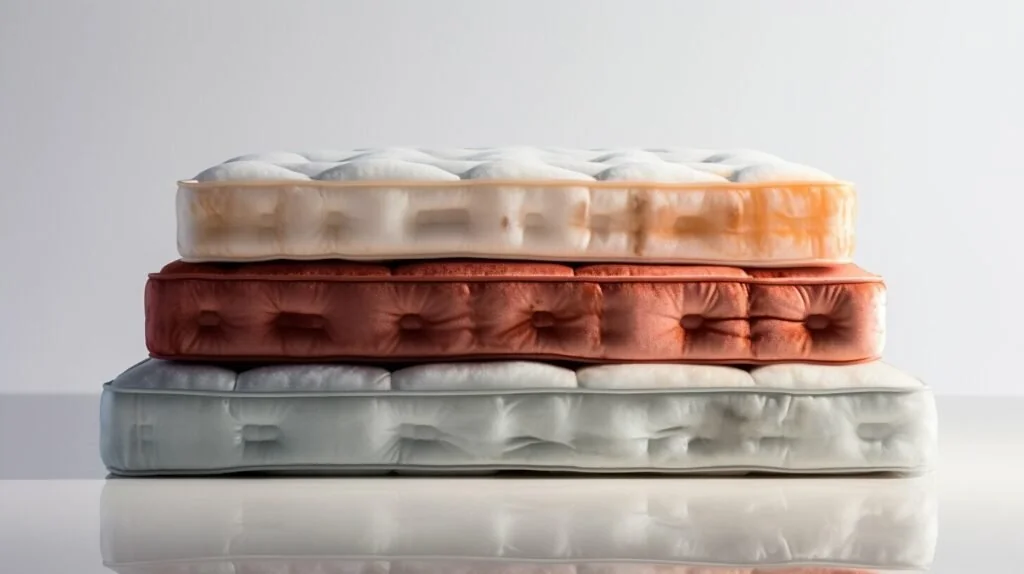
Stacked memory foam, latex and innerspring mattresses compared for durability and support

Price and Shopping Checklist

Prices move constantly and vary by size, retailer and sale season, so we don’t publish fixed averages. As a rule of thumb: basic innersprings occupy the cheapest tier, quality all-foam beds sit in the middle, and hybrids and latex run highest. A king costs meaningfully more than a queen in every category — check your room fits one first with our king mattress dimensions guide.

Before you buy, confirm:

  1. Trial length and return terms. A sleep trial is only useful if returns are free or cheap; look for who pays pickup.
  2. Warranty specifics. Sag depth threshold, prorated years, and foundation requirements.
  3. Certifications, if materials matter to you. CertiPUR-US tests foam for low VOC emissions and screens for certain flame retardants and heavy metals; GREENGUARD Gold and GOTS/GOLS cover emissions and organic content. The certification applies to the component tested, not automatically the whole mattress.
  4. Old mattress removal. Many retailers haul away the old bed on delivery, and some states run recycling programmes — California, for example, operates a statewide mattress stewardship programme.

Hot sleepers should compare cover materials and coil layers rather than relying on marketing terms; our cooling mattress guide goes into what genuinely helps.

So Which Should You Buy?

Buy memory foam if you sleep on your side, share a bed with someone restless, want a silent bed, or wake with pressure-point soreness. Buy a spring mattress if you sleep hot, like a firmer on-top feel, sleep on your stomach, need strong edges, or are working to a tight budget. Buy a hybrid if you want coil airflow and support with foam cushioning, and are willing to pay more for it.

Whichever you pick, give it time. New mattresses feel unfamiliar for the first few weeks while the comfort layers settle and your body adapts — see how to break in a new mattress before deciding it’s wrong.

Frequently Asked Questions

Is memory foam better than springs for back pain?

Not automatically. Research points to medium-firm surfaces rather than one material, so a supportive hybrid and a medium-firm foam bed can perform equally well. Choose the one that keeps your spine level in your usual sleeping position.

Which lasts longer?

Quality memory foam generally outlasts a traditional innerspring, but published estimates vary widely and construction quality matters more than material. Dense foam cores and thick, tempered coils are the real predictors.

Does memory foam always sleep hot?

Not always, but solid foam restricts airflow more than a coil layer does. Gel or open-cell foams, perforated layers and breathable covers reduce the problem; if you run very hot, a hybrid or innerspring is the safer choice.

Is the smell of a new foam mattress harmful?

Testing of new memory foam mattresses found emissions unlikely to pose a consumer health risk, and the odour usually fades within a few days. Unbox in a ventilated room and let it air out before sleeping on it.

Which is better for couples?

Memory foam isolates motion best; pocketed-coil hybrids are a close second and add better edge support, which matters on a shared king or queen.

Can I put either type on any bed base?

Most modern mattresses need a solid platform, closely spaced slats (commonly 3 inches or less) or a compatible adjustable base. Check the manufacturer’s requirement, because using the wrong base can void the warranty.

Updated September 2026.

Best King Size Mattress: Size, Firmness and How to Buy

A luxurious king size mattress in a modern minimalist bedroom with soft natural light, featured in the ultimate guide to choosing the best king size mattress.

A standard king mattress measures 76 inches wide by 80 inches long (roughly 193 x 203 cm), which gives two people 38 inches each — the same personal width as a twin XL. For most couples, the best king size mattress is a medium-firm hybrid or a dense foam bed with strong motion isolation, reinforced edges and a trial of at least 100 nights. Before you buy, measure your room: a king works best with about 12 x 12 feet of floor space so you can still walk around the bed and open drawers.

Cutaway view of a king mattress showing comfort foam layers over pocketed support coils

King size mattress dimensions in inches, feet and cm

Every king mattress sold as a “standard” or “eastern” king in the US uses the same footprint. Depth is the part that varies — most beds run 10 to 14 inches thick, which matters for your sheets and for how high the bed sits once it’s on a frame.

Size Inches Feet Centimetres
Full (double) 54 x 75 4’6″ x 6’3″ 137 x 191
Queen 60 x 80 5′ x 6’8″ 152 x 203
King 76 x 80 6’4″ x 6’8″ 193 x 203
California king 72 x 84 6′ x 7′ 183 x 213
Split king (two twin XL) 2 x (38 x 80) 2 x (3’2″ x 6’8″) 2 x (97 x 203)

A few things people get wrong here. A king is 16 inches wider than a queen but exactly the same length, so it does nothing extra for tall sleepers. A California king trades four inches of width for four inches of length, which is the better pick if anyone in the bed is over about 6’2″. And a split king isn’t a separate size — it’s two twin XL mattresses side by side, which is how most adjustable bases in king size are actually built. Our full breakdown of measurements lives in the king size bed dimensions guide, and the king vs California king comparison covers which one suits which room shape.

Will a king fit your bedroom?

A king takes up about 42 square feet before you add a frame, and frames usually add two to five inches on each side. Aim for at least 24 to 30 inches of walking space on the sides and foot of the bed — less than that and you’ll be shuffling sideways past the corners every night. In a 10 x 10 foot room, a king technically fits but leaves almost nowhere for nightstands; 12 x 12 feet is the comfortable minimum, and anything larger gives you room for a bench or dresser.

Check the delivery path too, not just the bedroom. Boxed foam and most boxed hybrids arrive compressed and roll through tight stairwells easily. A traditional innerspring or a two-sided luxury bed arrives flat and won’t bend, so measure doorway widths, stair turns and any low ceiling on the landing. Split foundations (two halves instead of one 76-inch slab) solve almost every awkward staircase.

Person sitting on the reinforced edge of a king mattress without the side collapsing

How to pick the best king size mattress for your sleep style

Mattress marketing is noisy, but the decision comes down to four things: the build, the firmness, how well it handles two bodies, and how hot it runs. Start with the build.

Type How it feels Strong points Watch-outs
Memory foam Slow, sinking hug Best motion isolation; pressure relief for side sleepers Can trap heat; harder to move around on
Latex Buoyant, springy, floats you on top Durable, breathable, natural options Heavy and usually the priciest build
Innerspring Bouncy and traditional Airflow, edge strength, lower cost Thin comfort layers; motion travels across the bed
Hybrid Coils underneath, foam or latex on top Balanced support and contouring; the safest default Quality varies wildly at the cheap end

If you can’t decide, a medium-firm pocket-coil hybrid is the least risky choice for a shared king — it supports heavier hips, allows enough give for shoulders, and the individually wrapped coils cut down on partner disturbance. Our memory foam vs spring comparison goes deeper if you’re torn between a hug and a bounce.

Firmness by sleeping position and body weight

  • Side sleepers: medium to medium-soft, with enough comfort layer for the shoulder and hip to sink in while the waist stays supported.
  • Back sleepers: medium-firm, ideally with a reinforced or zoned lumbar area so your lower back doesn’t hollow out.
  • Stomach sleepers: firmer, because any deep sinkage at the hips arches the lower back.
  • Combination sleepers: medium-firm with some bounce — deep foam makes rolling over feel like work.
  • Body weight: heavier sleepers generally need a firmer, thicker build to avoid bottoming out; lighter sleepers often find the same bed feels like a board.

Firmness labels aren’t standardised between brands, so one company’s “medium” can feel like another’s “firm.” Treat the number on the box as a rough guide and lean on the trial period. There’s more detail in our guide to the best mattress firmness for a king bed.

Best king size mattress for back pain: what the research actually says

This is the most searched follow-up question, and the honest answer is that the evidence is thinner than most buying guides admit. A randomised, double-blind trial published in The Lancet found that people with chronic non-specific low back pain did better on a medium-firm mattress than on a firm one, for both pain and disability. A later evidence review hosted by the National Library of Medicine reached a similar conclusion — medium-firm mattresses may mean less pain and better sleep quality than firmer ones — while flagging real limitations in the underlying studies.

Harvard Health points to a survey of 268 people with low back pain in which those on very hard mattresses reported the poorest sleep quality, with no clear difference between medium-firm and firm.

So: skip the rock-hard “orthopedic” beds, start at medium-firm, and pay attention to support rather than plushness. Practical features that tend to help:

  • Zoned support — firmer coils or foam under the hips and lumbar area, softer at the shoulders.
  • Enough comfort layer that your shoulder can sink if you sleep on your side.
  • A supportive base. A sagging foundation or a king frame without a centre support rail will undo a good mattress fast.
  • The right pillow. Neck angle affects the whole spine, and no mattress fixes a pillow that’s too tall.

Nobody can promise a mattress will cure back pain, and persistent pain deserves a proper medical opinion rather than a shopping decision.

Couple lying comfortably on a king mattress in a bright bedroom

Sharing a king: motion, edges and split setups

The reason people move up to a king is space, but space alone won’t stop you waking up when your partner rolls over. Two features do most of that work.

Motion isolation is best in all-foam beds and in hybrids with individually pocketed coils. Interconnected innerspring units transmit movement across the whole 76 inches. Edge support matters more on a king than any other size, because when two people drift apart, you’re both sleeping near the perimeter. Reinforced perimeter coils or high-density foam rails keep the usable surface close to the full width and make sitting on the side to put shoes on far less precarious.

If you and your partner want different firmness levels, a split king lets each side be its own mattress — handy with an adjustable base, though you’ll want a mattress pad or bridging strip so the gap in the middle doesn’t become a feature. Our guide to the best mattress for couples who toss and turn covers the trade-offs.

Two sleepers on a king mattress, one turning over without disturbing the other

If you sleep hot

Heat complaints are mostly a foam problem. Dense memory foam holds body heat against you; coils, latex and open-cell or gel-infused foams let more air move. Features worth looking for, in rough order of how much difference they tend to make:

  • A coil support core (airflow beats any surface gimmick).
  • Thinner or perforated memory foam layers rather than a thick slab.
  • Breathable covers — cotton, Tencel or phase-change fabrics that feel cool to the touch.
  • A breathable foundation. A solid platform with no slat gaps traps heat under the bed.

Cooling covers feel impressive in a showroom for a few minutes and matter less over a full night, so don’t pay a big premium for the fabric alone. Bedding and room temperature do a lot of the work too, and our cooling mattress guide has the full rundown.

Close-up of gel-infused cooling foam layer in a king mattress for hot sleepers

Materials, certifications and “eco-friendly” claims

“Natural,” “green” and “non-toxic” aren’t regulated terms on a mattress label. Certifications are the only way to check that a claim means something:

  • CertiPUR-US — applies to the polyurethane foams inside a bed, covering restricted substances and low VOC emissions. The program’s own site lists what’s tested and what isn’t.
  • GOTS — organic content and processing standards for textiles such as cotton and wool.
  • GOLS — organic content standard for natural latex.
  • OEKO-TEX Standard 100 — tests finished textiles for harmful substances.
  • GREENGUARD Gold — chemical emissions testing for indoor air quality.

A certified mattress isn’t automatically comfortable, and an uncertified one isn’t automatically harmful — all mattresses sold in the US also have to meet federal flammability rules. Where natural materials genuinely earn their price is durability: quality latex and wool tend to hold up longer than cheap polyfoam, and they’re easier to break down at the end of life. If that side of the decision matters to you, start with our roundup of eco-friendly organic mattress brands.

Price, trials, warranties and delivery

King is the most expensive standard size, usually a few hundred dollars above the same model in queen. Prices move constantly with sales cycles, so we don’t publish figures that will be stale next month. What’s worth knowing before you spend:

  • Sleep trials: 90 to 365 nights is the normal range online. Check whether returns are free, whether there’s a minimum break-in period (often 21 to 30 nights), and who hauls the mattress away.
  • Warranties: ten years is standard. Read the sagging threshold — most only cover permanent impressions past a set depth, and many are voided by an unsupported frame.
  • Frame requirements: a king needs centre support with legs to the floor, and slats spaced close together for foam beds. Ignoring this is the fastest way to lose a warranty claim.
  • Delivery: boxed beds are cheap or free but you handle the unboxing, which is a two-person job in king. White-glove delivery with old mattress removal costs more and is worth it for heavy innersprings.
  • Timing: mattress prices swing with holiday sale events, so a little patience pays — see our notes on the best time of year to buy a mattress.

A note on specific models: we don’t run a test lab, and brand lineups change faster than most “best of” lists are updated — models named in older roundups are regularly discontinued or quietly reformulated. Before you buy anything you read about anywhere, confirm the exact model is still sold on the manufacturer’s own site, and cross-check hands-on impressions with independent testers rather than retailer copy.

King bed made up with layered bedding in a calm, warmly lit bedroom

Quick buying checklist

  1. Measure the room, the doorway and the stairs. Confirm 76 x 80 inches plus frame will leave you walking space.
  2. Decide king vs California king based on height, not habit.
  3. Pick a build: hybrid for balance, foam for motion isolation, latex for bounce and longevity, innerspring for budget and airflow.
  4. Start at medium-firm unless you’re a dedicated side or stomach sleeper.
  5. Check edge support and motion isolation if you share the bed.
  6. Confirm your frame has centre support before delivery day.
  7. Buy from somewhere with a real trial and a readable warranty.

FAQ

What size is a king size mattress?

76 inches wide by 80 inches long — about 6’4″ x 6’8″, or 193 x 203 cm. That’s 16 inches wider than a queen with identical length.

How wide is a king size bed with the frame?

Usually 78 to 86 inches, depending on the frame. Metal platforms add the least; upholstered and wooden frames with thick side rails add the most.

Is a king or California king bigger?

A standard king has slightly more surface area and more width. A California king is narrower but four inches longer, which suits taller sleepers and narrow rooms.

How long does a king mattress last?

Around seven to ten years for most builds, with well-made latex and high-density foam often lasting longer. Rotating it a couple of times a year and using proper centre support helps — more on that in our guide to how long a king size mattress lasts.

Can I use my old king frame with a new mattress?

Yes, if it’s a king frame in good shape with centre support and slats spaced to the new mattress’s requirements. Check the warranty wording — foam beds usually want gaps of no more than about three inches.

Do I need a box spring for a king mattress?

Only if the frame needs one. Platform beds and slatted frames support a modern foam or hybrid mattress on their own; a traditional bed frame with just side rails still needs a foundation.

Is a king mattress too big for a 10 x 12 room?

It fits, but tightly. You’ll get a walkway on one side and the foot of the bed, with little room for nightstands. A queen usually makes that room feel better to live in.

King mattress with a supportive medium-firm surface shown from the side

Updated September 2026.

Best Adjustable Bed Frames for King Mattresses: 7 Features You’ll Love

Best adjustable bed frame for a king mattress with customizable head and foot positions, massage function, and USB charging ports for enhanced sleep quality.

Best King Adjustable Bed Frames to Consider

The best adjustable bed frames for king mattresses can transform your sleep by offering superior comfort, customizable positions, and relief from common sleep issues.
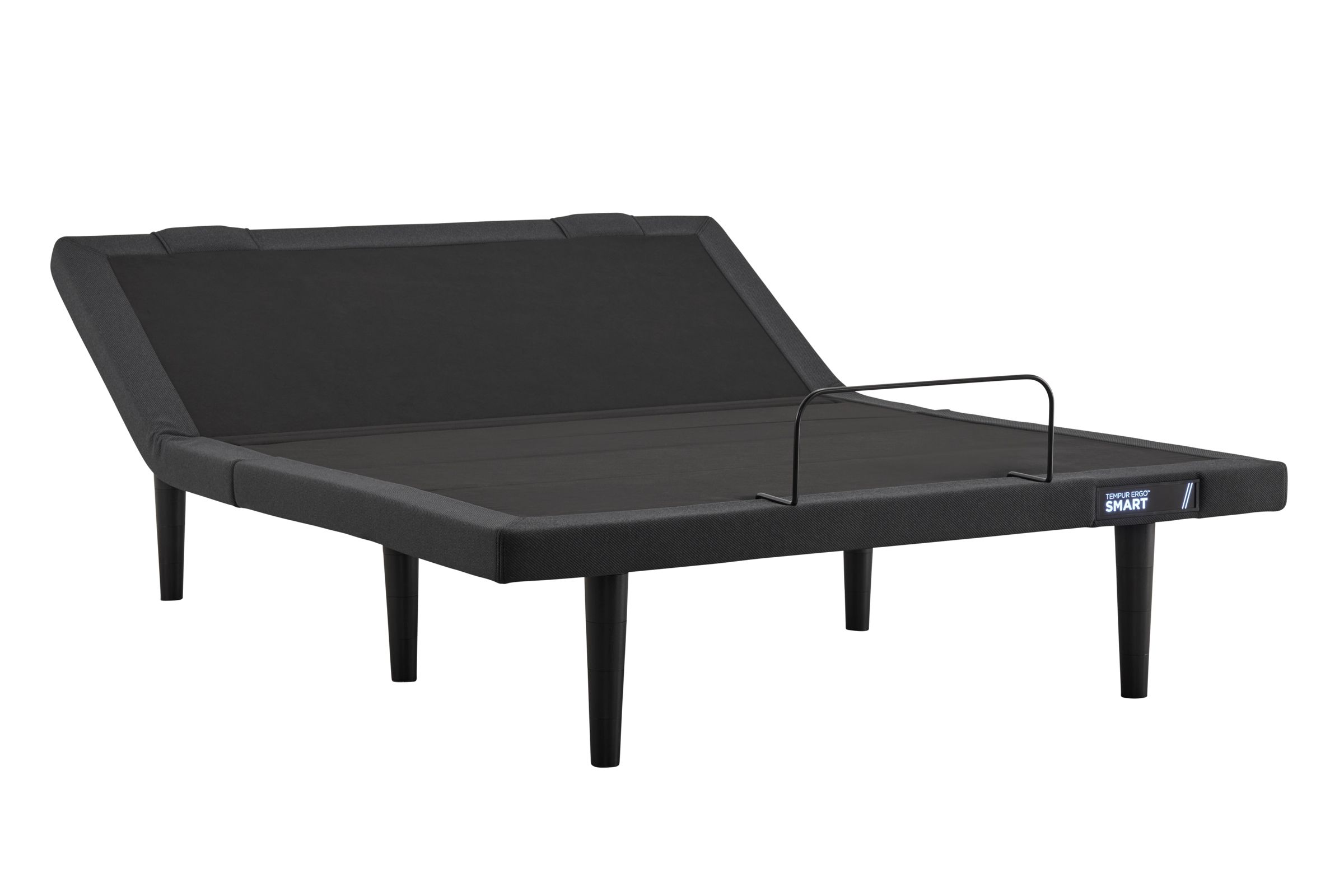
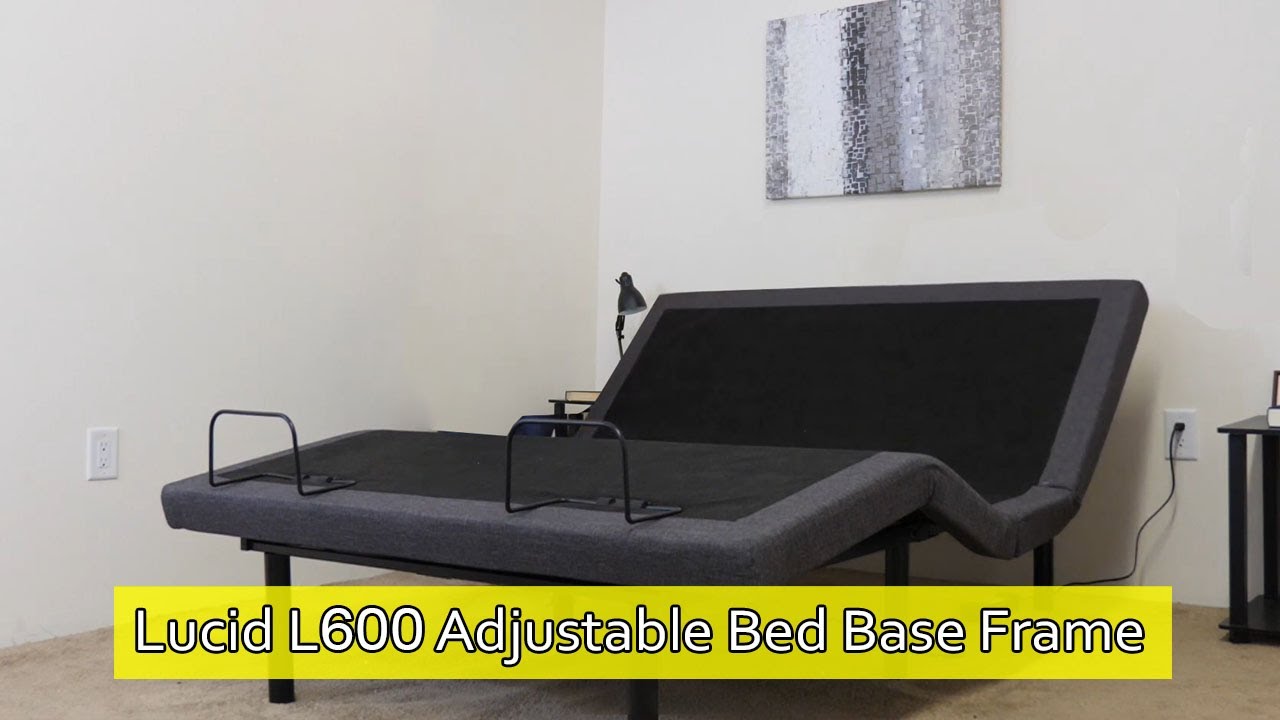
Top picks include the Saatva Adjustable Base Plus for luxury, Tempur-Ergo Smart Base for pain relief, Purple Ascent for quiet operation, and Lucid L600 for budget value.

Key Takeaways

The best adjustable bed frames for king mattresses improve sleep posture, reduce pain, and offer luxury features like zero-gravity presets and massage functions. Here’s a quick summary of what to know:

Why Adjustable Bed Frames Improve Sleep

Adjustable bed frames enhance comfort by allowing custom head and foot positioning, which can relieve pressure points, reduce snoring, and improve overall sleep quality. These benefits are backed by studies from the Sleep Foundation on posture and health improvements.

Adjustable bed frame in zero-gravity position for better sleep and relaxation
Zero-gravity positioning on an adjustable base relieves pressure and improves circulation

Why Choose an Adjustable Bed Frame?

Choosing the best adjustable bed frame means investing in better sleep and pain relief. These frames allow users to create personalized sleep positions that support spinal alignment, reduce snoring, and enhance circulation for improved health.

  • Improves Sleep Posture – Helps reduce back pain and support spinal alignment.
  • Reduces Snoring & Acid Reflux – Head elevation can minimize symptoms.
  • Enhances Circulation – Adjustable positions relieve swelling and promote blood flow.
  • Perfect for Relaxation – Great for reading, working, or streaming in bed.
  • Couple-Friendly – Split king options let each partner control their own side.
Person relaxing with laptop on adjustable bed frame for reading or work
Adjustable frames make bedtime ideal for reading, working, or unwinding comfortably

Key Features to Look for in the Best Adjustable Bed Frames

The top adjustable bed frames come with features like multiple presets, massage modes, and USB ports for convenience. These functions ensure a comfortable, tech-friendly, and relaxing sleep experience.

Couple enjoying zero-gravity position on adjustable bed frame
Zero-gravity preset elevates legs and head for reduced pressure and better rest
Feature Why It Matters
Multiple Position Presets Provides pre-programmed zero gravity and anti-snore settings
Wireless Remote Control Enables easy adjustments from bed
Dual Motor System Allows independent head and foot movement
Massage Function Relieves muscle tension with vibration settings
Under-Bed Lighting Provides soft illumination at night
USB Charging Ports Keeps your devices charged within arm’s reach
Weight Capacity Ensures durability and mattress compatibility
Split King Option Ideal for couples needing individual adjustments

Top Adjustable Bed Frame Picks for King Mattresses

We’ve selected the best adjustable bed frames for king mattresses based on durability, features, and price range. Each option offers unique benefits for pain relief, luxury, or budget-friendly performance.

Modern adjustable bed frame setup for king mattress in contemporary bedroom
Contemporary adjustable base with sleek design for king-size comfort
Feature Saatva Adjustable Base Plus Tempur-Ergo Smart Base Purple Ascent Adjustable Base Lucid L600 (Budget)
Price Range $$$ ($1,500 – $2,500) $$$$ ($2,500 – $3,500) $$$ ($1,500 – $2,000) $$ ($700 – $1,200)
Best For Luxury seekers Pain relief Quiet motor Budget-conscious buyers
Massage Function
USB Ports
Split King Option

1. Saatva Adjustable Base Plus (Best Luxury Option)

The Saatva Adjustable Base Plus delivers premium comfort with massage features, under-bed lighting, and smooth motor operation. It’s ideal for sleepers seeking a luxury upgrade.


Saatva Adjustable Base Plus luxury king adjustable bed frame
Saatva Adjustable Base Plus with premium features in elegant setup

2. Tempur-Ergo Smart Base (Best for Pain Relief)

This smart adjustable bed base is designed for pain relief, with automatic snore response and advanced sleep tracking to improve posture and relaxation.


Tempur-Ergo Smart Base adjustable frame for pain relief
Tempur-Ergo Smart Base with smart features for targeted pain relief

3. Purple Ascent Adjustable Base (Best for Quiet Motor)

The Purple Ascent Base stands out for its whisper-quiet motor, perfect for light sleepers who want smooth adjustments without noise.


Best Adjustable Bed Frames for King Mattresses: 7 Features You’ll Love
Purple Ascent Base featuring ultra-quiet operation and modern design

4. Lucid L600 Adjustable Bed Base (Best Budget Option)

The Lucid L600 is the best choice for budget-conscious buyers, offering memory settings, wireless controls, and essential features at a lower price point.

Lucid L600 budget adjustable bed base in home setup
Lucid L600 offering great value with essential adjustable features

How to Choose the Best Adjustable Bed Frame

When selecting an adjustable bed frame, consider your comfort needs, mattress compatibility, and extra features like massage modes or app integration. The right frame can dramatically improve your sleep quality.

Split king adjustable bed frame for couples with independent sides
Split king setup allows personalized adjustments for each partner
  • Consider Your Needs – Do you need pain relief, anti-snore features, or luxury comfort?
  • Check Mattress Compatibility – Ensure your mattress can flex with the adjustable frame.
  • Evaluate Remote & App Controls – Opt for intuitive remote or smartphone integration.
  • Compare Warranties – Longer warranties often indicate higher product quality.
  • Learn more in our guide to foldable bed frames for versatile space-saving options.

Ready to upgrade your king sleep setup?

The best adjustable bed frames for king mattresses offer more than just flexibility—they provide a path to better sleep, improved health, and ultimate relaxation. Pairing a quality king mattress with the right adjustable base can transform your bedroom experience with Cozy Bed Quarters as your trusted guide.

FAQ

What is the best adjustable bed frame for a king mattress?
The Saatva Adjustable Base Plus stands out for luxury, while the Lucid L600 is the best budget pick.
How do adjustable bed frames help with back pain?
They improve spinal alignment and reduce pressure points by elevating specific sections of the bed.
Do adjustable beds require special mattresses?
Most work with memory foam, latex, and hybrid models, but traditional innerspring mattresses may not be flexible enough.

Related Reading

Best Mattress Firmness for a King Bed: Soft, Medium, or Firm?

Firmness scale chart for best mattress firmness for a king bed

For most people, the best mattress firmness for a king bed sits between 5 and 7 on the 10-point scale — medium to medium-firm. That range keeps your spine roughly level whether you sleep on your back or your side, and it’s the safest compromise when two people with different preferences share the bed. Go softer (3–5) if you’re a side sleeper under about 130 pounds, and firmer (7–8) if you sleep on your stomach or weigh more than roughly 230 pounds.

The firmness scale, in plain numbers

Firmness is how a mattress feels in the first few seconds — plush and sinking, or solid and pushing back. Brands rate it 1 to 10, but there’s no industry rulebook behind those numbers, so one company’s “medium” can feel like another’s “firm.” Treat the number as a starting point, not a spec.

Here’s roughly how the scale breaks down:

  • 1–3 (soft): deep contouring, noticeable sink at hips and shoulders
  • 4–6 (medium): some cradle, but you still feel like you’re on the bed, not in it
  • 6.5–7.5 (medium-firm): the most common “universal comfort” zone brands ship
  • 8–10 (firm): very little give, you sleep mostly on top of the surface

Most mattresses sold online cluster around 6 to 7 because that range annoys the fewest people. If you want the full breakdown of what each level feels like, our mattress firmness scale guide walks through it level by level.

Best mattress firmness for a king bed by sleeping position

Your default position does more to determine firmness than anything else, because it decides where your body needs room to sink and where it needs to be held up.

Sleeping position Target firmness Why
Side 4–6 Shoulders and hips need to sink in an inch or two, or you get numb arms and sore hips
Back 5–7 Enough give for the lumbar curve, enough push-back to stop the hips dropping
Stomach 6.5–8 A soft surface lets the pelvis sag, which arches the lower back all night
Combination 5.5–6.5 You need to roll over easily; deep-sinking foam makes turning feel like work

If you have ongoing back pain, the research leans medium-firm rather than rock hard. A U.S. National Institutes of Health evidence review notes that medium-firm mattresses may lead to less back pain and better sleep quality than firmer ones, and a randomized, double-blind trial in The Lancet comparing medium-firm with firm mattresses in adults with chronic low back pain found better pain and disability outcomes on the medium-firm beds. That doesn’t mean medium-firm fixes a bad back — it means “firmer is better for your back” is a myth worth dropping. For more on that, see our roundup of king mattresses for back pain relief.

How your body weight shifts the number

Two people can lie on the same mattress and honestly describe it differently, because firmness is felt through pressure. The more weight pressing down, the further you compress the comfort layers, and the softer the bed feels.

  • Under 130 lbs: aim one step softer than the position chart says. A 7 will often feel like an 8.5 to you.
  • 130–230 lbs: the chart numbers usually land as advertised.
  • Over 230 lbs: aim one step firmer, and pay more attention to what’s under the comfort layers than the firmness label. Look for a thicker coil gauge or high-density foam support core, and a total height of 12 inches or more so you don’t bottom out.

Chart matching body weight ranges to the best mattress firmness for a king bed

Firmness and support are two different things

Firmness is surface feel. Support is whether the mattress keeps your spine in a straight line. A soft mattress with a strong support core can be perfectly supportive; a firm one with a sagging core is not. When you’re comparing beds, ask about the support layer — coil count and gauge on a hybrid, foam density in pounds per cubic foot on an all-foam bed — instead of just the firmness rating.

Couples: one firmness or a split king?

A standard king is 76 by 80 inches, which gives each person 38 inches of width — the same as a twin XL. That’s the quiet advantage of this size: you can genuinely have different preferences and not elbow each other. Room-fit measurements are in our king size bed dimensions guide.

Your options, ranked by how well they usually work:

  1. Meet in the middle at 6–6.5. If your ideal numbers are within two points of each other (say a 5 and a 7), one medium-firm mattress usually satisfies both of you. Cheapest and simplest.
  2. Buy to the softer partner’s number, then firm up one side with nothing. Sounds backwards, but it’s easier to add firmness perception with a thin dense topper than to soften a too-firm bed without ruining support.
  3. Split king: two twin XL mattresses, each 38 by 80 inches. Each person picks their own firmness, and it’s the only setup that works with split adjustable bases. Downside: a seam down the middle, two sets of fitted sheets (or one split-king sheet set), and two mattresses to move.
  4. Dual-firmness single king. Some brands build one mattress with different comfort layers per side. Fewer options, and you can’t re-split it later if one of you changes your mind.

One more couples factor: motion transfer. If one of you gets up at 5 a.m., foam and pocketed-coil hybrids isolate movement far better than a connected innerspring. Our memory foam vs. spring comparison covers how each one behaves on a king.

Soft, medium, and firm: honest trade-offs

Firmness scale chart showing soft, medium, and firm mattress levels for king beds

Soft (1–5)

Good for: side sleepers, lighter bodies, people with shoulder or hip pressure pain.
Watch out for: heat, since deep foam contouring wraps around you and cuts airflow; harder repositioning; hips dropping if you also sleep on your stomach some of the night.

Medium to medium-firm (5.5–7)

Good for: back sleepers, combination sleepers, couples with mismatched preferences, anyone who genuinely isn’t sure.
Watch out for: it can feel like a compromise rather than a perfect fit — strict side sleepers sometimes still need a topper.

Firm (7.5–10)

Good for: stomach sleepers, heavier sleepers who bottom out on softer beds, people who like sleeping “on top of” the bed and run hot.
Watch out for: pressure points at the shoulder and hip if you ever roll onto your side, and a hard edge feel when you sit to put shoes on.

Mattress types and how the same number feels

Type Common firmness range Feel at the same rating
Memory foam 4–8 Slow sink; feels softer the longer you lie there, and warmer in a room above about 70°F
Hybrid (foam over pocketed coils) 5–8 Springier, easier to move on, better edge support — usually the best bet on a king
Latex 5–8 Buoyant push-back rather than hug; sleeps cooler and holds its feel for years
Innerspring 6–9 Firmest surface per rating, most bounce, most motion transfer across a wide bed

Comparison chart of memory foam, hybrid, latex, and innerspring mattress firmness ranges

Firmness also drifts over time. Comfort foams soften during the first month or two, then slowly keep softening. That’s normal — it’s why a bed that felt slightly too firm in the showroom often settles into the right zone. It’s also why an eight-year-old mattress can feel wrong even though nothing visibly changed; see how long a king mattress lasts for the signs it’s past saving.

King-specific details that change how firm your bed feels

A king is wide enough that the frame underneath matters as much as the mattress.

  • Center support. A 76-inch-wide mattress needs a center rail with legs to the floor. Without it, the middle dips, the bed feels softer in the center than at the edges, and most manufacturers will void the warranty.
  • Slat spacing. For foam and hybrid beds, slats more than about 3 inches apart let foam bulge between them. Add a bunkie board or plywood if your frame is gappier than that.
  • Edge support. On a wide bed, couples often sleep closer to the edges. Reinforced perimeter coils keep you from feeling like you’re rolling off, and they make the bed easier to sit on.
  • Warranty sag threshold. Coverage usually kicks in only after an indentation of about an inch or more with no weight on the bed. Read the exact figure before you buy, and photograph the bed when it’s new.

How to tell within a month if the firmness is right

  1. Do the hand test. Lie on your back and slide a hand under the small of your back. If there’s a big gap, the bed is too firm. If you can’t slide your hand in at all, it’s too soft.
  2. Have someone photograph you from behind while you side-sleep. Your spine should run roughly parallel to the mattress. A dip at the hip means too soft; a hump means too firm.
  3. Track your first 15 minutes awake. Lower back stiffness that fades in ten minutes usually points to a bed that’s too soft. Sore shoulders, hips, or a numb arm points to too firm.
  4. Give it 21 to 30 nights. Your body adapts and the foams break in. Many sleep trials require that minimum wait before you can exchange or return anyway — check the policy before you buy.

If it’s close but not quite right

Too firm is the easier problem. A 2- to 3-inch topper in foam or latex softens the surface by roughly one to two points on the scale, for a fraction of the cost of a new king. Too soft is harder: a firm topper sits on top of the sag and rarely fixes it. In that case check your foundation first, since a failing slat or missing center leg can masquerade as a worn-out mattress. Our look at luxury vs. budget king mattresses covers where extra money actually buys better support layers.

Certifications worth a look

  • CertiPUR-US: a voluntary program for flexible polyurethane foam that tests for certain restricted substances and low VOC emissions.
  • OEKO-TEX Standard 100: tests textiles for harmful substances, with stricter limits for items in close skin contact.
  • GOLS: latex certified to this standard must contain at least 95% certified organic raw material by weight.
  • GREENGUARD Gold: chemical-emissions testing aimed at indoor air quality.

None of these tell you a thing about firmness or durability — they’re about materials and emissions. Don’t let a badge talk you into the wrong feel.

FAQ

What firmness is best for a king size mattress?

Medium to medium-firm, around 5 to 7 out of 10, suits the widest range of sleepers and is the usual choice for couples who disagree. Adjust from there based on position and body weight.

Is soft or firm better for couples?

Medium-firm tends to work best because it supports back and stomach sleeping without punishing a side sleeper. If your preferences are more than two points apart, a split king with two twin XL mattresses is the cleaner fix.

How do I know my mattress is too firm?

Numb or tingling arms, sore shoulders and hips, tossing to find a comfortable spot, and pain that’s worse right when you wake up. Also check for a visible gap under your waist when you lie on your back.

Can a mattress be broken in to feel softer?

Some. Comfort foams soften over the first few weeks of regular use, usually by less than a full point on the scale. If you’re two or more points off, break-in won’t rescue it.

Does a king need a firmer mattress than a queen?

No. Firmness is about the person, not the size. What a king does need is proper center support underneath, or the middle will sag no matter how firm the mattress started.

Updated September 2026.
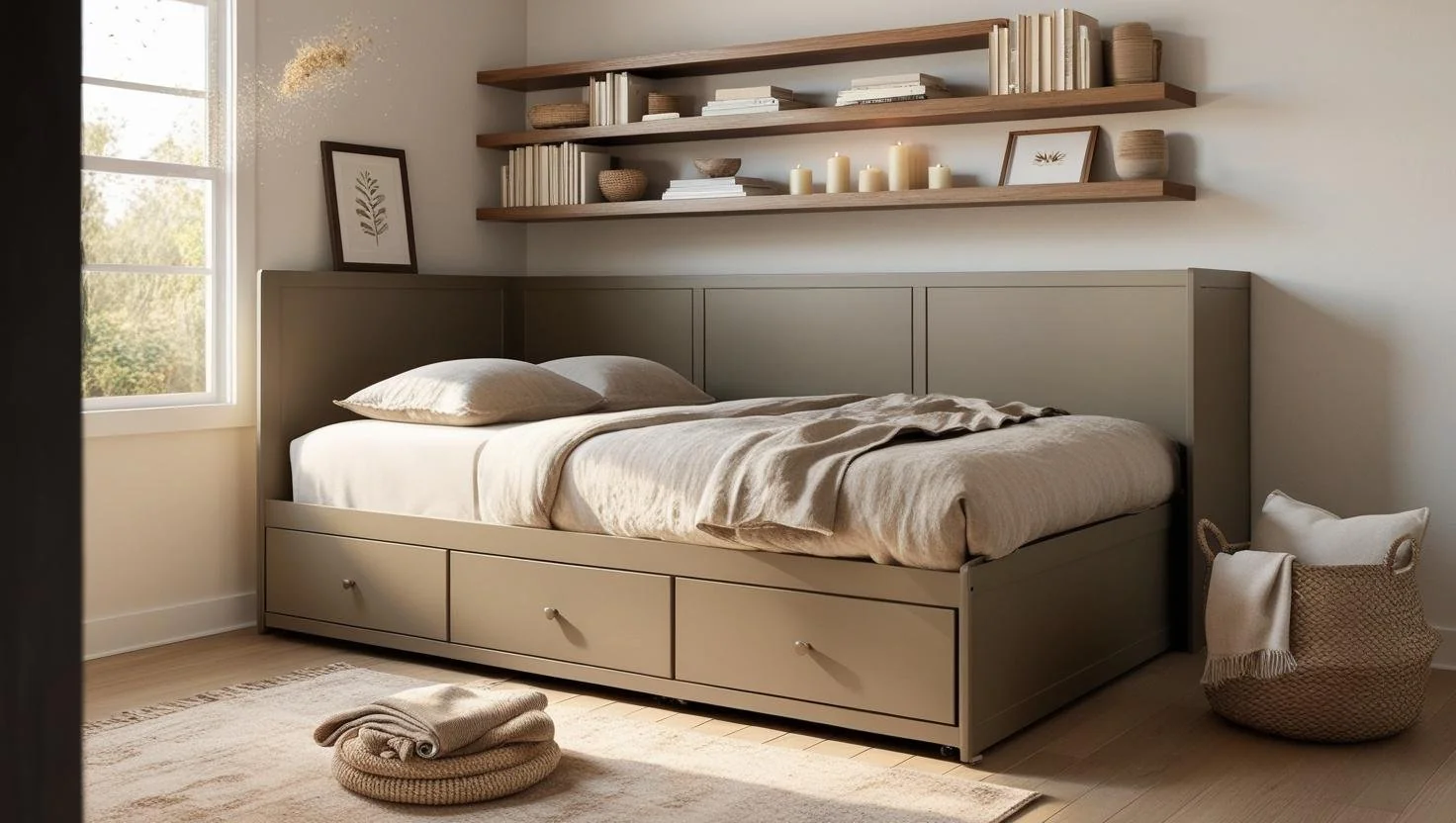
How to Incline Your Bed: Safe Heights and Setups

"How to incline your bed using bed risers for a stable and uniform elevation, improving sleep posture and circulation."

The simplest answer to how to incline your bed is to raise the head end of the frame 6 to 8 inches with sturdy risers or solid wood blocks under the two top legs, so your whole body tilts as one piece. If you can’t lift the frame, a firm under-mattress wedge is the next best thing, and a wedge pillow works when you’re renting, travelling, or sharing a bed with someone who hates the tilt. Skip the stack of regular pillows — it bends your neck instead of lifting your torso, and it slides apart by 2 a.m.

Why people raise the head of the bed

Gravity does the work. When your chest and throat sit above your stomach, it’s harder for stomach contents to travel back up your esophagus while you’re lying flat for seven or eight hours.

That’s why head-of-bed elevation shows up in standard reflux advice. The National Institute of Diabetes and Digestive and Kidney Diseases lists elevating your head during sleep — using a foam wedge or extra support under your head and upper back to raise your head 6 to 8 inches — among the lifestyle changes for GER and GERD.

Other reasons people try it:

  • Night congestion and post-nasal drip. Sinus pressure tends to feel worse flat on your back, and plenty of people find a mild tilt easier to breathe through. The evidence here is thin — it’s comfort, not treatment.
  • Snoring. Some people snore less with the head raised. Results vary enormously from person to person.
  • Waking up coughing or with a sour taste. Classic silent-reflux pattern, and the one that responds best to a tilt.
  • Swollen legs or breathlessness lying flat. Get this checked rather than furnishing around it. Shortness of breath when you lie down is a symptom, not a bedding problem.

Be realistic about what a tilt can’t do. It won’t cure sleep apnea and it won’t replace medication your doctor prescribed. It’s a cheap adjustment that helps some people a lot and does nothing for others, which is why a two-week trial beats a big purchase.

What the evidence actually shows

The research is small-scale but consistent enough to be worth acting on. In the evidence review behind the American Society for Gastrointestinal Endoscopy’s GERD guideline, a cohort study of 63 patients found fewer reflux episodes with the head of the bed raised, and a small crossover trial found that sleeping on a 10-inch wedge cut the time the esophagus spent exposed to acid — though it didn’t reduce the number of reflux episodes.

For breathing, one study of 52 people with obstructive sleep apnea tested a mild 7.5-degree head-of-bed elevation and found that roughly six in ten were responders, with the rest showing no benefit. That’s a real effect for some sleepers, and a clear reminder that a tilt is not an apnea treatment.

Pairing the tilt with left-side sleeping is the highest-value combination for reflux. A systematic review and meta-analysis notes that the 2022 American College of Gastroenterology guidelines recommend the left lateral sleeping position as a lifestyle change for GERD.

Bed with the head end gently elevated about six inches for a five to seven degree sleeping incline

How to incline your bed: four methods compared

Method Typical lift Best for Trade-off
Bed risers or wood blocks under the head legs 4–8 inches Whole-body tilt, nightly use, couples Needs a stable frame; you feel the slope when you sit on the edge
Under-mattress wedge (between mattress and base) 6–12 inches at the head, tapering Renters, platform beds, frames you can’t lift Bends the mattress slightly; can void some warranties
Wedge pillow 7–12 inches under your torso Travel, occasional reflux, one person in a shared bed You can roll off it; hips stay flat, so you may slide down
Adjustable base Adjustable through a wide range at the head Nightly reflux, reading in bed, limited mobility Costs the most, heavy, needs a mattress rated to flex

1. Risers or blocks under the frame

This is the method most reflux advice is built around, because your spine stays straight and you don’t fold at the waist.

  1. Measure your leg or post. Square legs, round legs and casters all need different riser shapes. Casters usually have to come off first.
  2. Check the weight rating. Add mattress, base and sleepers, then remember the two head-end risers carry most of that load. Look for a stated rating per riser and leave yourself margin.
  3. Check the frame before the risers. A sagging slat deck or a loose centre rail gets worse on a slope. Tighten everything first — our guide to reinforcing a metal bed frame covers the usual weak points.
  4. Start at 4 inches, not 8. Most people adapt better going up in steps over a week or two.
  5. Test for wobble. Push the headboard side to side. Any rocking means the riser cup is too big for the leg — shim it with a hardwood offcut, not cardboard.
  6. Push the bed against a wall if you can, and re-check that the slats sit tight in their brackets after a few nights.
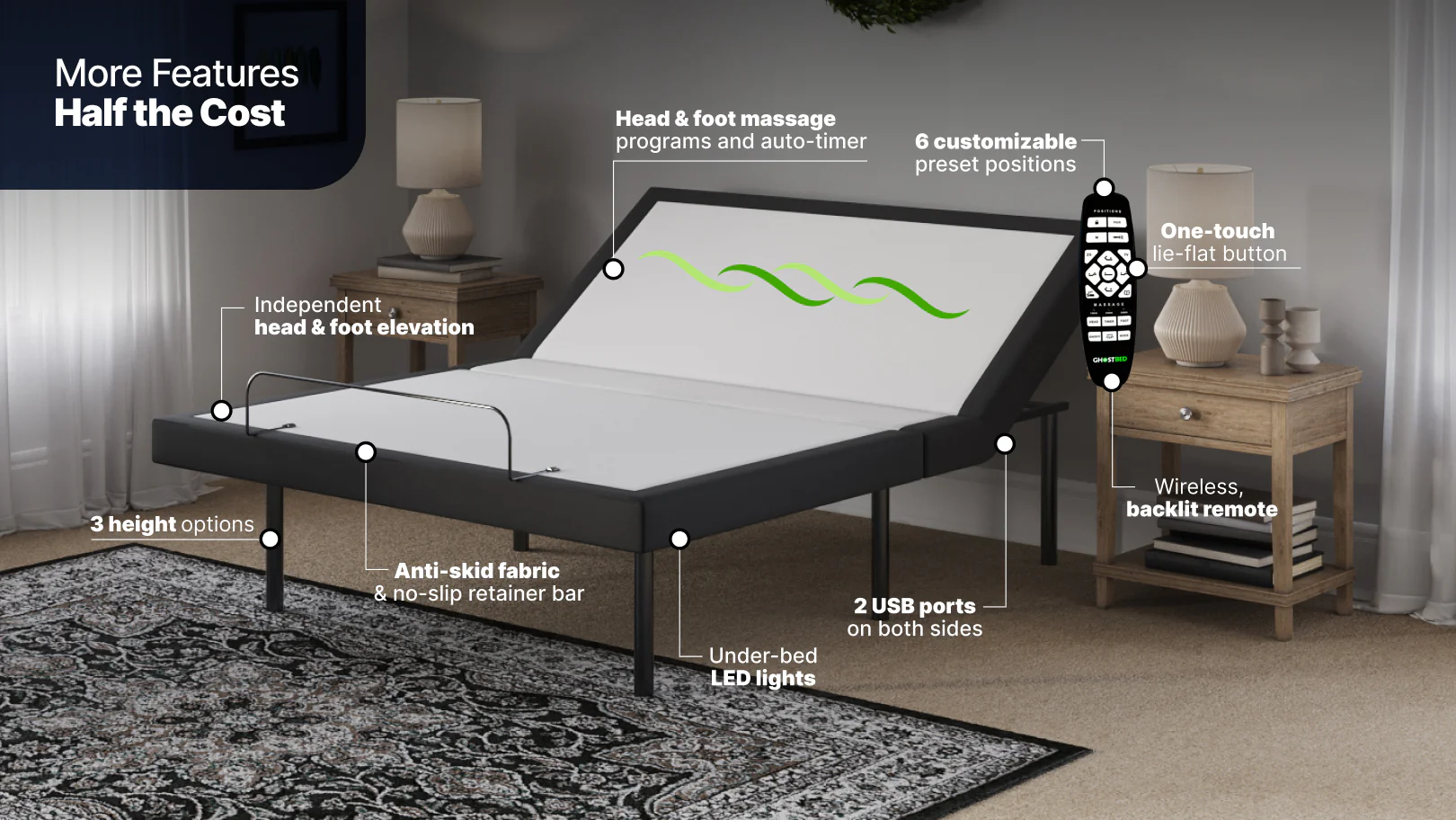
Solid hardwood blocks with a routed recess work as well as plastic risers and often handle more weight. Don’t stack two risers on top of each other, skip bricks (they crack and scuff floors), and never use books.

2. Under-mattress wedge

A long foam wedge that sits under the mattress gives you a gentler, full-torso ramp without touching the frame. Look for at least 30 inches of length so the slope ends near your waist instead of your shoulder blades. Firm foam matters — a soft wedge flattens under a heavy mattress within weeks.

Check your mattress warranty before you do this. Some memory foam and hybrid warranties require a flat, fully supported base.

3. Wedge pillow

Fastest to try, easiest to return. Height is what you’re shopping for: 7 inches is mild, and 10 to 12 inches is where most people with reflux land. A gradual slope roughly 24 to 32 inches long beats a short, steep triangle that stops at your shoulders.

Side sleepers usually need a thin pillow on top to fill the neck gap — a fat pillow on a wedge kinks your neck forward. Our explainer on pillow loft covers matching height to sleeping position.

4. Adjustable base

The button-press option, and the one worth the money if reflux is nightly, you read in bed, or getting out of a flat bed is hard. Check four things before buying: whether the base fits inside your existing frame or replaces it, how loud the motor is, whether there’s a battery backup to lower the bed in a power cut, and whether your mattress is rated to flex. Split models let one person tilt while the other stays flat — our look at adjustable beds for couples goes through that trade-off.

How many inches — and how many degrees?

These two numbers get mixed up constantly, so here’s the plain math. Raising the head of a standard 80-inch bed by 6 inches gives you a tilt of roughly 4 degrees; 8 inches is about 6 degrees. That sounds like nothing, but it’s the range general reflux guidance points to, and it’s enough to put your throat measurably above your stomach.

A wedge pillow is a different animal. A 10-inch wedge over a 26-inch run puts your torso somewhere near 20 degrees, and an adjustable base can take you past 40. Steeper isn’t automatically better — past about 30 degrees, most people start sliding and waking with a sore lower back.

If you want to know your real angle, a spirit level or the level app on your phone laid along the mattress edge will tell you in seconds.

Practical starting points:

  • Mild reflux or congestion: 4–6 inches of frame lift.
  • Nightly heartburn: 6–8 inches, or a 10–12 inch wedge.
  • Back pain flare-ups: gentler tilt plus a pillow under the knees.

Stop sliding down the bed

Sliding is the number one reason people quit after three nights. Fixes, in the order worth trying:

  • Pillow under your knees. A bolster or folded blanket breaks the slide and takes pressure off your lower back. This alone solves it for most people.
  • Grippier sheets. Slick satin-finish microfiber is the worst offender. Cotton percale, linen and jersey all hold better.
  • Tighten the fitted sheet. Sheet straps or suspenders stop the whole sheet migrating down with you.
  • Back off the angle. Drop an inch. Comfortable and slightly too shallow beats perfect and abandoned.
  • A footboard or rolled towel at the foot. A light stop point helps some people, though it can feel confining.

There’s a second kind of sliding: the mattress itself creeping down the frame. A non-slip rug pad or rubber matting between mattress and base fixes it, and many frames accept a retainer bar at the foot end.

Mattress feel matters too. Soft mattresses make body sliding worse because you sink into a pocket and then creep out of it, and a sagging one cancels out the tilt entirely. A medium-firm surface holds an incline best — our mattress firmness scale explains where that sits.

Non-slip mattress pad under a mattress to stop it creeping down an inclined bed frame

Mistakes that ruin an inclined bed

  • Propping only your head. Loose pillows bend your neck and upper back rather than lifting your torso. Aim for one smooth slope from hips to shoulders.
  • Going too steep too fast. A big jump in angle usually shows up as hip or lower-back tension by morning.
  • Ignoring the frame. Wobbly risers, loose bolts and tired slats are a safety issue once the bed is on a slope.
  • Mismatched risers. Two different heights at the head end twists the frame.
  • Changing five things at once. New pillow, new angle, new bedtime — and you learn nothing about what helped.

When not to incline a bed

Never for babies. Infant sleep surfaces must be firm and flat. The Consumer Product Safety Commission banned infant sleepers with inclines greater than 10 degrees, and its safe sleep guidance is that babies sleep on their back on a firm, flat surface with nothing else in the crib. Propping a crib mattress or slipping a wedge under a baby with reflux isn’t a home fix — ask your pediatrician.

Check with your doctor first if you’re pregnant, recovering from spine or hip surgery, managing heart or lung conditions, using CPAP or oxygen, or at risk of falls. A tilted bed changes how you get in and out of it, which matters more than the angle itself for some people.

Claims that don’t hold up

A lot of “inclined bed therapy” material online promises improved circulation, lymphatic drainage, lower night-time blood pressure, brain detox and relief from varicose veins. Those claims aren’t supported by solid clinical evidence, and some of the statistics and studies circulating on the topic can’t be traced to a real journal. We’ve removed several from our own older posts for that reason.

Reflux and, for some people, snoring and stuffiness are the realistic reasons to try a tilt. And note the direction: if your issue is swollen ankles, raising the head of the bed is the wrong end — leg elevation is a separate thing to discuss with your doctor.

A two-week trial that tells you something

  1. Nights 1–3: 4 inches of lift or a 7-inch wedge. Note how you wake up and whether you slid.
  2. Nights 4–7: go to 6 inches if the first step felt fine. Add the knee pillow now, not later.
  3. Nights 8–14: hold at your best height and keep everything else identical — same bedtime, same last meal timing.
  4. Track two things only: night-time heartburn or coughing, and how many times you woke. Anything more detailed gets abandoned by day four.

Pair it with the boring stuff that moves the needle: finish eating about three hours before bed, sleep on your left side if reflux is the issue, and keep the room dark and cool. Our sleep hacks for deep sleep covers the rest of the routine.

Bed frame raised at the head with risers showing how to incline your bed by 6 to 8 inches

FAQ

Can I just stack pillows instead?

You can, but it bends your neck and upper back rather than lifting your whole torso, and the stack collapses once you move. A single firm wedge or a lifted frame holds its shape all night.

Do I raise the mattress or the whole frame?

The frame, if you have the option. Lifting the frame keeps the mattress flat and your spine straight. A wedge under the mattress works too, but check your mattress warranty first.

How high should the head of the bed be for acid reflux?

General guidance points to 6 to 8 inches at the head. Build up to it over a week or two rather than jumping straight to 8.

Will an inclined bed stop snoring?

Sometimes. Raising the head helps some people and does nothing for others. Loud snoring with gasping, pauses in breathing or daytime sleepiness needs a medical evaluation for sleep apnea, not a bedding tweak.

Can two people share an inclined bed?

Yes — frame risers tilt both sides equally. If only one of you wants the incline, a wedge pillow or a split adjustable base keeps the peace.

Is an incline bad for your back?

A gentle whole-body tilt usually isn’t. Trouble comes from steep wedges that fold you at the waist. A knee pillow and a shallower angle fix most of the ache; a supportive pillow that keeps your neck neutral handles the top end.

How long before I notice anything?

Reflux and coughing often change within a few nights. If two solid weeks at 6 to 8 inches does nothing, the tilt probably isn’t your answer.

Do bed risers damage floors or frames?

Rated risers on solid legs are fine. Risk comes from overloading cheap plastic, mismatched sizes, or a frame with weak centre support. Check slats and bolts after the first week.

Related reading

Foam wedge pillow on a bed raising the sleeper's torso for night-time reflux relief

Updated September 2026.