The Ultimate Guide to Choosing a Mattress in 2025

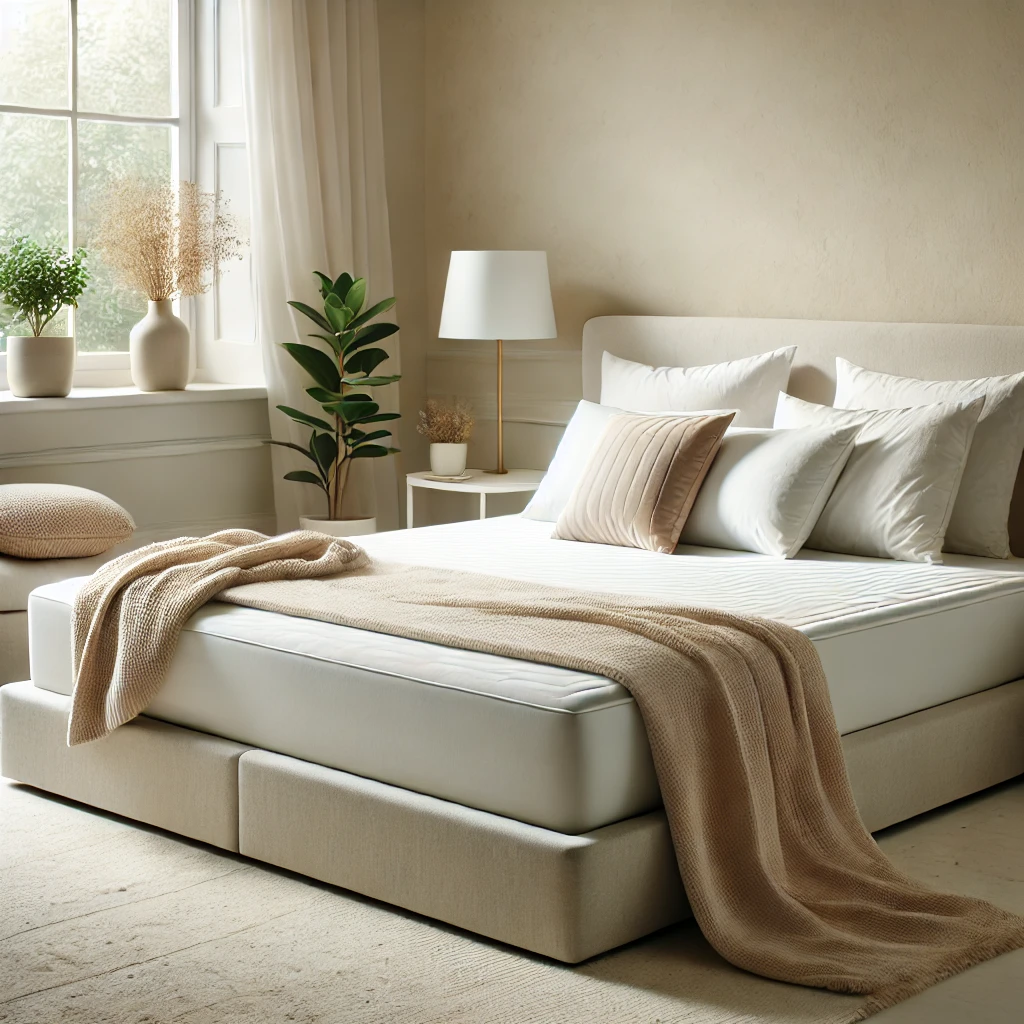
Choose Mattress in a cozy bedroom setting

How to Choose the Right Mattress for You

Updated: August 25, 2025

If you’ve been wondering how to choose a mattress, the secret is simple: match your sleep position and body type to the right firmness, then pick a material—foam, hybrid, latex, or springs—that brings you the comfort, support, and budget fit you need for peaceful sleep.

Want to skip ahead to popular picks? Start with our memory foam vs spring mattress guide, compare brands in our Casper vs Purple comparison, or see our best mattresses for side, back, and stomach sleepers. If you run hot, our cooling mattress guide highlights breathable picks.

Think of your mattress as the foundation of nightly comfort—it should align your spine while easing pressure points. Your sleep position, body weight, and temperature needs shape the feel you’ll love. Side sleepers usually need more cushioning, while back and stomach sleepers benefit from firmer support. Hot sleepers tend to do better with breathable covers and coils.

Key Takeaways

  • Begin with sleep position and body type before choosing firmness.
  • Foam hugs, springs bounce, latex feels buoyant—materials shape the experience.
  • Cooling, motion isolation, pressure relief, and edge support all matter for comfort.
  • Choose a budget tier, then double-check trial and warranty terms.
  • Keep this phrase in mind—how to choose a mattress—as your checklist.

How to choose a mattress: 7 friendly steps

  1. Start with your sleep position. Side, back, stomach, or combination—this guides firmness and support needs.
  2. Match firmness to your body type. Lighter sleepers often prefer softer beds; heavier sleepers usually need firmer support.
  3. Pick your material. Foam for contouring, springs for bounce, hybrids for balance, latex for breathable lift. For deeper details, see our memory foam vs spring mattress guide.
  4. Focus on feel. Wake up sore? Prioritize pressure relief. Hate feeling “stuck”? Choose a responsive surface. For quick picks, our position-based mattress guide simplifies choices.
  5. Think about cooling and motion control. Hot sleepers or couples often need breathable covers, coils, or motion-isolating foam. Explore our cooling mattress guide for tested options.
  6. Set your budget sweet spot. Mid-range models usually offer the best value, while premium adds durability and luxury touches.
  7. Check trial and warranty. Look for at least 90–120 nights of trial and a 10-year warranty with clear coverage terms. Not sure which brands stand out? Our Casper vs Purple comparison breaks it down.
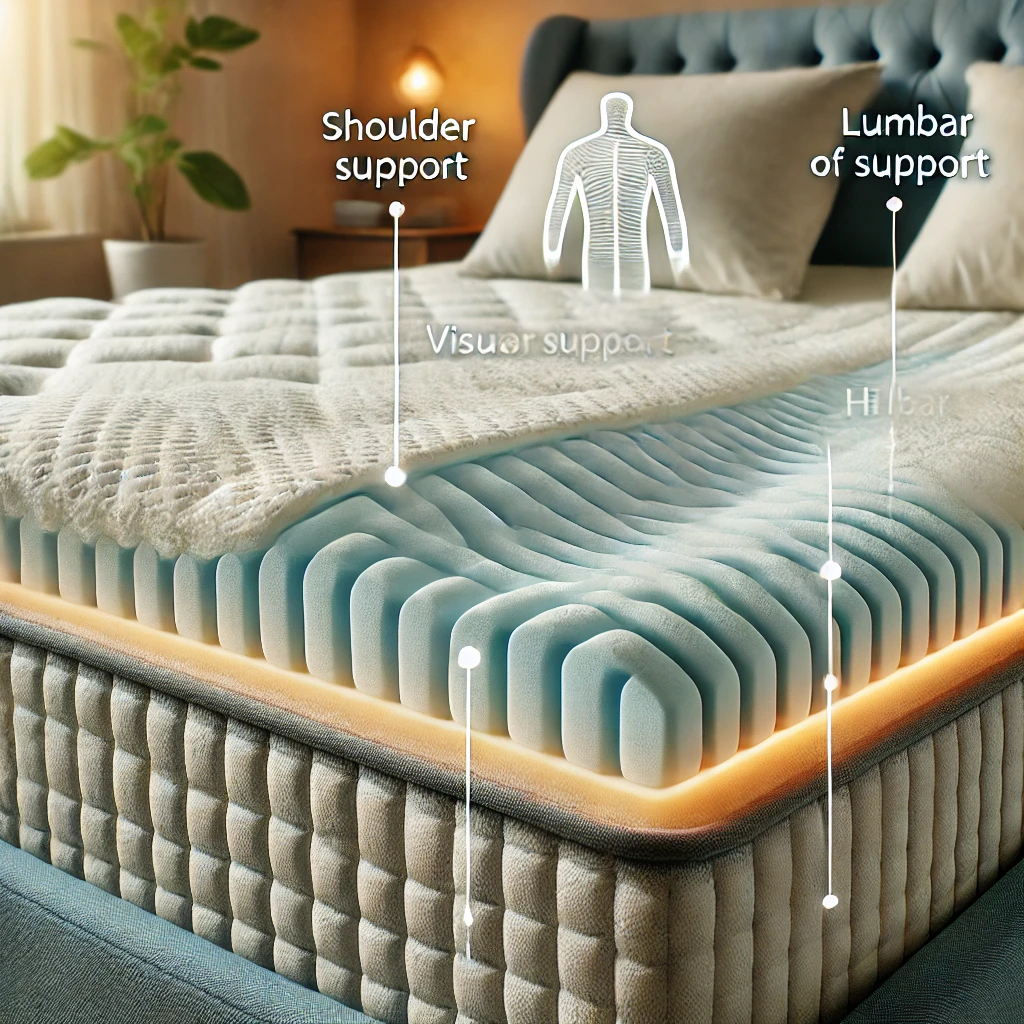
Mattress layers displayed in a showroom to explain how to choose a mattress for your sleep style

A quick firmness scale helps match your body type and sleep position to the most comfortable feel.

Side sleepers

Medium-soft to medium firmness with cushioned hip and shoulder support. Memory foam and plush hybrids are often the coziest choice.

Back sleepers

Medium to medium-firm mattresses keep the spine aligned. Zoned coils or dense foams help prevent sagging and morning stiffness.

Stomach sleepers

Firmer surfaces with reinforced cores are best here—keeping hips lifted and lower backs supported.

Combination sleepers

Responsive latex or medium hybrids make it easy to change positions without feeling trapped in the bed.

Need more tailored picks? Our sleep position guide covers detailed recommendations.

Materials, cooling, and movement

Materials dictate temperature, pressure relief, and bounce. If you’re learning how to choose a mattress for your needs, start by matching these traits to how you sleep.

Foam: Snug contouring, great motion isolation—just be sure density is high enough for durability.

Springs: Classic bounce and airflow; newer pocketed coils minimize partner disturbance.

Hybrid: The best of both worlds—coil support with foam or latex comfort layers.

Latex: Naturally bouncy, breathable, and durable—ideal for hot sleepers and restless movers.

  • Foam vs Springs: Foam = pressure relief & motion control; Springs = bounce & airflow.
  • Hybrid vs Foam: Hybrid adds stronger edges and cooling; Foam keeps a deeper, “huggy” feel.
  • Latex vs Hybrid: Latex feels buoyant and cool; Hybrids feel balanced with extra edge support.

Cooling tip: Hot sleeper? Look for breathable covers, gel-infused foams, or coil layers that let air flow. See our cooling mattress guide for more options.

For couples: Motion-isolating foam or pocket coils help when one partner moves. Reinforced edges mean more usable space without rolling off.

For trustworthy sleep-health basics, the Sleep Foundation outlines healthy sleep tips, and AASM shares best practices. If you’re shopping for safer materials, scan recognized labels with this mattress certification guide and see this roundup of non-toxic mattress options.
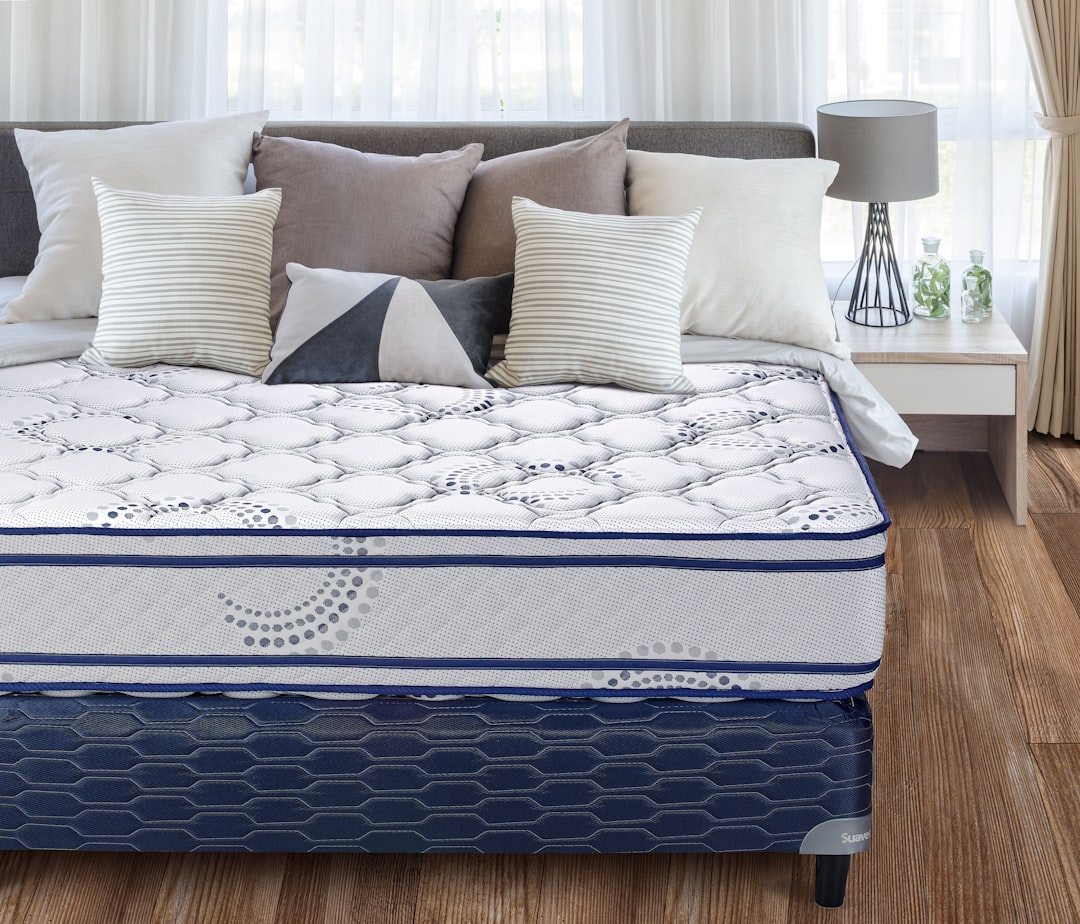
The Ultimate Guide to Choosing a Mattress in 2025 - choose mattress

This cutaway shows how coils and breathable foams improve airflow and edge stability.

Budget, trials, and warranties

Choosing a mattress isn’t just about price—it’s about lasting comfort and peace of mind. Here’s how to think about it in practical terms.

Budget tiers: Value options work well for lighter sleepers or guest rooms. Mid-range often offers the best balance of quality and cost. Premium brings advanced cooling, zoning, and longer durability.

Trial & returns: Aim for 90–120 nights. Make sure returns are easy and pickup is included.

Warranty: Look for 10+ years with clear sagging coverage. A transparent policy means less worry down the road.

FAQ

What mattress firmness is best for side sleepers?

Most side sleepers like medium-soft to medium beds that cushion shoulders and hips while keeping the spine aligned.

How often should I replace my mattress?

Plan on about 7–10 years. If you wake with aches, see deep body impressions, or sleep hotter than before, it may be time.

Is a hybrid mattress better than memory foam?

It depends on your priorities. Hybrids sleep cooler and feel bouncier; memory foam excels at pressure relief and motion isolation.

How to choose a mattress if I’m a combination sleeper?

Pick medium firmness with responsive materials (latex or hybrid). You’ll get easy movement without losing pressure relief.

Conclusion

If you’re figuring out how to choose a mattress, begin with your sleep position and body type, pair it with the right material for your needs, and confirm fair trial and warranty terms. The real test comes from sleeping on it at home—not just five minutes in a store. For more cozy guidance, explore Cozy Bed Quarters.
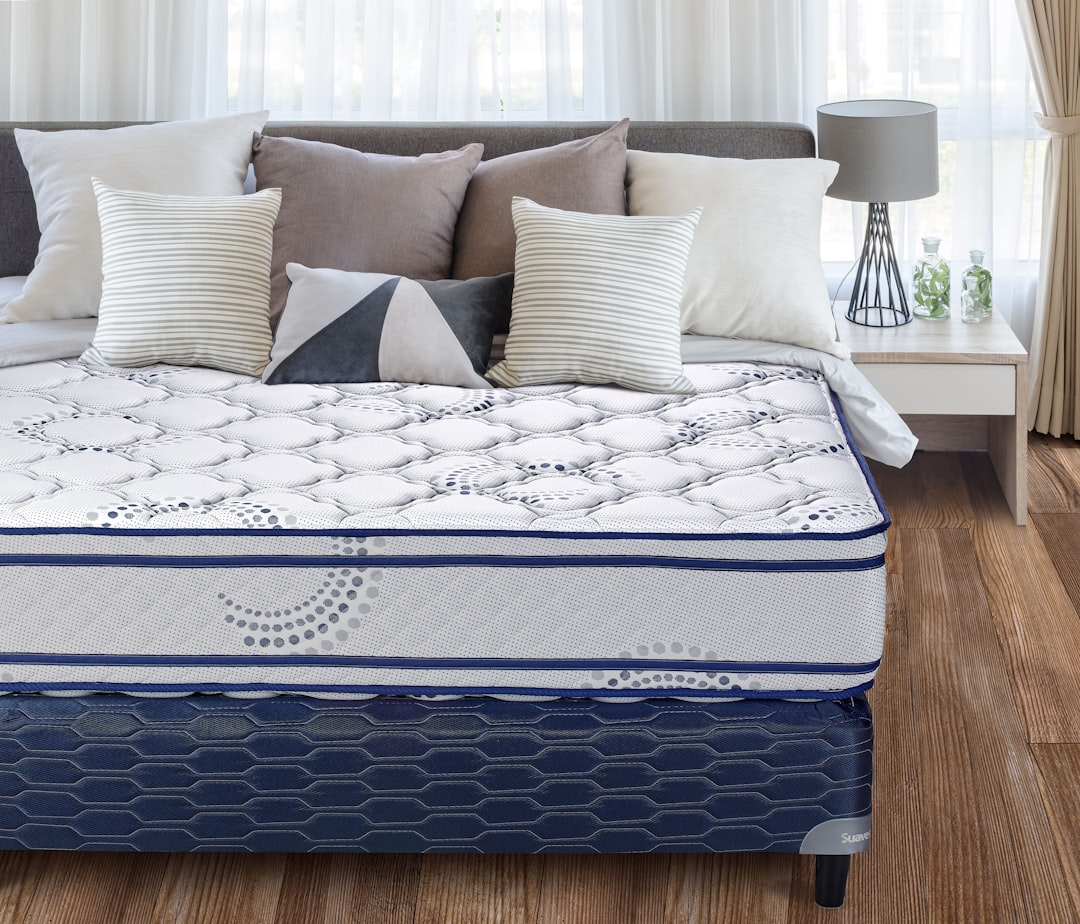
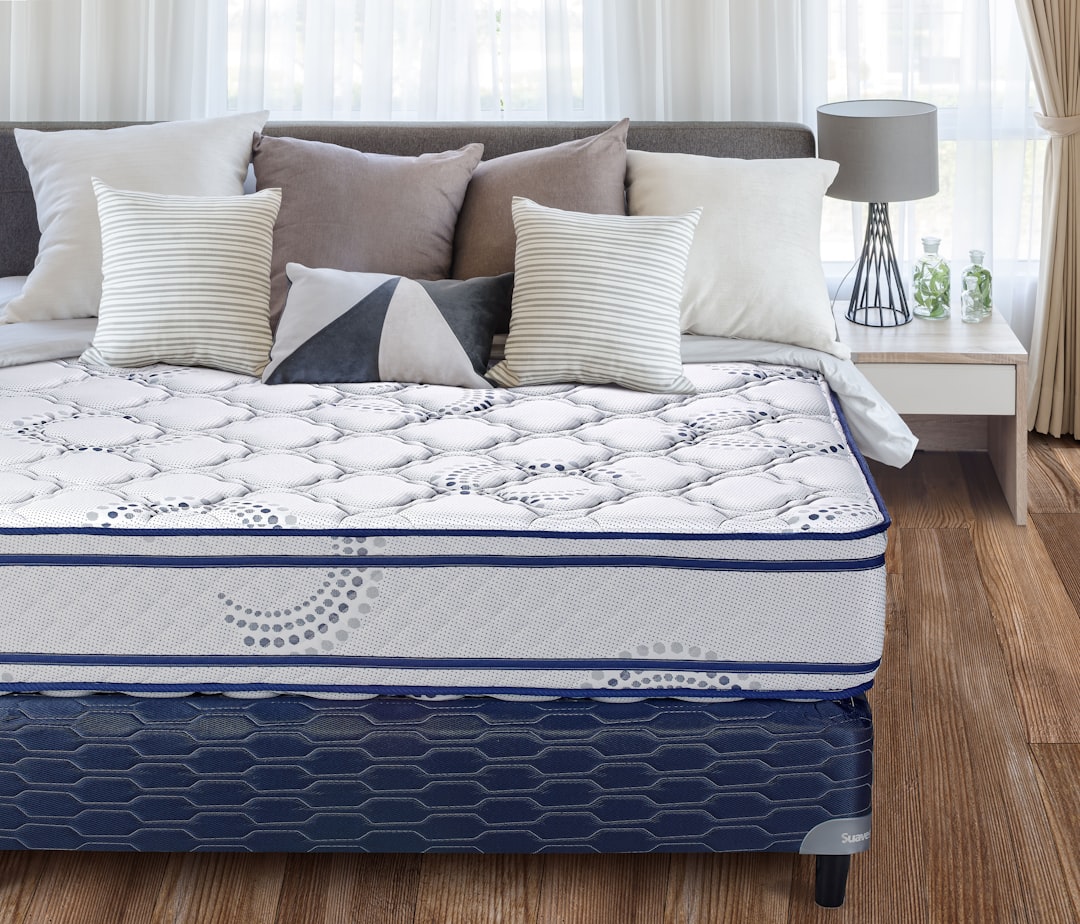
The Ultimate Guide to Choosing a Mattress in 2025 - choose mattress

Try a few firmness levels in person, then let the at-home trial confirm your best match.

Related reading from Cozy Bed Quarters

Other reading we found popular

Best King Size Mattress: Size, Firmness and How to Buy

A luxurious king size mattress in a modern minimalist bedroom with soft natural light, featured in the ultimate guide to choosing the best king size mattress.

A standard king mattress measures 76 inches wide by 80 inches long (roughly 193 x 203 cm), which gives two people 38 inches each — the same personal width as a twin XL. For most couples, the best king size mattress is a medium-firm hybrid or a dense foam bed with strong motion isolation, reinforced edges and a trial of at least 100 nights. Before you buy, measure your room: a king works best with about 12 x 12 feet of floor space so you can still walk around the bed and open drawers.

Cutaway view of a king mattress showing comfort foam layers over pocketed support coils

King size mattress dimensions in inches, feet and cm

Every king mattress sold as a “standard” or “eastern” king in the US uses the same footprint. Depth is the part that varies — most beds run 10 to 14 inches thick, which matters for your sheets and for how high the bed sits once it’s on a frame.

Size Inches Feet Centimetres
Full (double) 54 x 75 4’6″ x 6’3″ 137 x 191
Queen 60 x 80 5′ x 6’8″ 152 x 203
King 76 x 80 6’4″ x 6’8″ 193 x 203
California king 72 x 84 6′ x 7′ 183 x 213
Split king (two twin XL) 2 x (38 x 80) 2 x (3’2″ x 6’8″) 2 x (97 x 203)

A few things people get wrong here. A king is 16 inches wider than a queen but exactly the same length, so it does nothing extra for tall sleepers. A California king trades four inches of width for four inches of length, which is the better pick if anyone in the bed is over about 6’2″. And a split king isn’t a separate size — it’s two twin XL mattresses side by side, which is how most adjustable bases in king size are actually built. Our full breakdown of measurements lives in the king size bed dimensions guide, and the king vs California king comparison covers which one suits which room shape.

Will a king fit your bedroom?

A king takes up about 42 square feet before you add a frame, and frames usually add two to five inches on each side. Aim for at least 24 to 30 inches of walking space on the sides and foot of the bed — less than that and you’ll be shuffling sideways past the corners every night. In a 10 x 10 foot room, a king technically fits but leaves almost nowhere for nightstands; 12 x 12 feet is the comfortable minimum, and anything larger gives you room for a bench or dresser.

Check the delivery path too, not just the bedroom. Boxed foam and most boxed hybrids arrive compressed and roll through tight stairwells easily. A traditional innerspring or a two-sided luxury bed arrives flat and won’t bend, so measure doorway widths, stair turns and any low ceiling on the landing. Split foundations (two halves instead of one 76-inch slab) solve almost every awkward staircase.

Person sitting on the reinforced edge of a king mattress without the side collapsing

How to pick the best king size mattress for your sleep style

Mattress marketing is noisy, but the decision comes down to four things: the build, the firmness, how well it handles two bodies, and how hot it runs. Start with the build.

Type How it feels Strong points Watch-outs
Memory foam Slow, sinking hug Best motion isolation; pressure relief for side sleepers Can trap heat; harder to move around on
Latex Buoyant, springy, floats you on top Durable, breathable, natural options Heavy and usually the priciest build
Innerspring Bouncy and traditional Airflow, edge strength, lower cost Thin comfort layers; motion travels across the bed
Hybrid Coils underneath, foam or latex on top Balanced support and contouring; the safest default Quality varies wildly at the cheap end

If you can’t decide, a medium-firm pocket-coil hybrid is the least risky choice for a shared king — it supports heavier hips, allows enough give for shoulders, and the individually wrapped coils cut down on partner disturbance. Our memory foam vs spring comparison goes deeper if you’re torn between a hug and a bounce.

Firmness by sleeping position and body weight

  • Side sleepers: medium to medium-soft, with enough comfort layer for the shoulder and hip to sink in while the waist stays supported.
  • Back sleepers: medium-firm, ideally with a reinforced or zoned lumbar area so your lower back doesn’t hollow out.
  • Stomach sleepers: firmer, because any deep sinkage at the hips arches the lower back.
  • Combination sleepers: medium-firm with some bounce — deep foam makes rolling over feel like work.
  • Body weight: heavier sleepers generally need a firmer, thicker build to avoid bottoming out; lighter sleepers often find the same bed feels like a board.

Firmness labels aren’t standardised between brands, so one company’s “medium” can feel like another’s “firm.” Treat the number on the box as a rough guide and lean on the trial period. There’s more detail in our guide to the best mattress firmness for a king bed.

Best king size mattress for back pain: what the research actually says

This is the most searched follow-up question, and the honest answer is that the evidence is thinner than most buying guides admit. A randomised, double-blind trial published in The Lancet found that people with chronic non-specific low back pain did better on a medium-firm mattress than on a firm one, for both pain and disability. A later evidence review hosted by the National Library of Medicine reached a similar conclusion — medium-firm mattresses may mean less pain and better sleep quality than firmer ones — while flagging real limitations in the underlying studies.

Harvard Health points to a survey of 268 people with low back pain in which those on very hard mattresses reported the poorest sleep quality, with no clear difference between medium-firm and firm.

So: skip the rock-hard “orthopedic” beds, start at medium-firm, and pay attention to support rather than plushness. Practical features that tend to help:

  • Zoned support — firmer coils or foam under the hips and lumbar area, softer at the shoulders.
  • Enough comfort layer that your shoulder can sink if you sleep on your side.
  • A supportive base. A sagging foundation or a king frame without a centre support rail will undo a good mattress fast.
  • The right pillow. Neck angle affects the whole spine, and no mattress fixes a pillow that’s too tall.

Nobody can promise a mattress will cure back pain, and persistent pain deserves a proper medical opinion rather than a shopping decision.

Couple lying comfortably on a king mattress in a bright bedroom

Sharing a king: motion, edges and split setups

The reason people move up to a king is space, but space alone won’t stop you waking up when your partner rolls over. Two features do most of that work.

Motion isolation is best in all-foam beds and in hybrids with individually pocketed coils. Interconnected innerspring units transmit movement across the whole 76 inches. Edge support matters more on a king than any other size, because when two people drift apart, you’re both sleeping near the perimeter. Reinforced perimeter coils or high-density foam rails keep the usable surface close to the full width and make sitting on the side to put shoes on far less precarious.

If you and your partner want different firmness levels, a split king lets each side be its own mattress — handy with an adjustable base, though you’ll want a mattress pad or bridging strip so the gap in the middle doesn’t become a feature. Our guide to the best mattress for couples who toss and turn covers the trade-offs.

Two sleepers on a king mattress, one turning over without disturbing the other

If you sleep hot

Heat complaints are mostly a foam problem. Dense memory foam holds body heat against you; coils, latex and open-cell or gel-infused foams let more air move. Features worth looking for, in rough order of how much difference they tend to make:

  • A coil support core (airflow beats any surface gimmick).
  • Thinner or perforated memory foam layers rather than a thick slab.
  • Breathable covers — cotton, Tencel or phase-change fabrics that feel cool to the touch.
  • A breathable foundation. A solid platform with no slat gaps traps heat under the bed.

Cooling covers feel impressive in a showroom for a few minutes and matter less over a full night, so don’t pay a big premium for the fabric alone. Bedding and room temperature do a lot of the work too, and our cooling mattress guide has the full rundown.

Close-up of gel-infused cooling foam layer in a king mattress for hot sleepers

Materials, certifications and “eco-friendly” claims

“Natural,” “green” and “non-toxic” aren’t regulated terms on a mattress label. Certifications are the only way to check that a claim means something:

  • CertiPUR-US — applies to the polyurethane foams inside a bed, covering restricted substances and low VOC emissions. The program’s own site lists what’s tested and what isn’t.
  • GOTS — organic content and processing standards for textiles such as cotton and wool.
  • GOLS — organic content standard for natural latex.
  • OEKO-TEX Standard 100 — tests finished textiles for harmful substances.
  • GREENGUARD Gold — chemical emissions testing for indoor air quality.

A certified mattress isn’t automatically comfortable, and an uncertified one isn’t automatically harmful — all mattresses sold in the US also have to meet federal flammability rules. Where natural materials genuinely earn their price is durability: quality latex and wool tend to hold up longer than cheap polyfoam, and they’re easier to break down at the end of life. If that side of the decision matters to you, start with our roundup of eco-friendly organic mattress brands.

Price, trials, warranties and delivery

King is the most expensive standard size, usually a few hundred dollars above the same model in queen. Prices move constantly with sales cycles, so we don’t publish figures that will be stale next month. What’s worth knowing before you spend:

  • Sleep trials: 90 to 365 nights is the normal range online. Check whether returns are free, whether there’s a minimum break-in period (often 21 to 30 nights), and who hauls the mattress away.
  • Warranties: ten years is standard. Read the sagging threshold — most only cover permanent impressions past a set depth, and many are voided by an unsupported frame.
  • Frame requirements: a king needs centre support with legs to the floor, and slats spaced close together for foam beds. Ignoring this is the fastest way to lose a warranty claim.
  • Delivery: boxed beds are cheap or free but you handle the unboxing, which is a two-person job in king. White-glove delivery with old mattress removal costs more and is worth it for heavy innersprings.
  • Timing: mattress prices swing with holiday sale events, so a little patience pays — see our notes on the best time of year to buy a mattress.

A note on specific models: we don’t run a test lab, and brand lineups change faster than most “best of” lists are updated — models named in older roundups are regularly discontinued or quietly reformulated. Before you buy anything you read about anywhere, confirm the exact model is still sold on the manufacturer’s own site, and cross-check hands-on impressions with independent testers rather than retailer copy.

King bed made up with layered bedding in a calm, warmly lit bedroom

Quick buying checklist

  1. Measure the room, the doorway and the stairs. Confirm 76 x 80 inches plus frame will leave you walking space.
  2. Decide king vs California king based on height, not habit.
  3. Pick a build: hybrid for balance, foam for motion isolation, latex for bounce and longevity, innerspring for budget and airflow.
  4. Start at medium-firm unless you’re a dedicated side or stomach sleeper.
  5. Check edge support and motion isolation if you share the bed.
  6. Confirm your frame has centre support before delivery day.
  7. Buy from somewhere with a real trial and a readable warranty.

FAQ

What size is a king size mattress?

76 inches wide by 80 inches long — about 6’4″ x 6’8″, or 193 x 203 cm. That’s 16 inches wider than a queen with identical length.

How wide is a king size bed with the frame?

Usually 78 to 86 inches, depending on the frame. Metal platforms add the least; upholstered and wooden frames with thick side rails add the most.

Is a king or California king bigger?

A standard king has slightly more surface area and more width. A California king is narrower but four inches longer, which suits taller sleepers and narrow rooms.

How long does a king mattress last?

Around seven to ten years for most builds, with well-made latex and high-density foam often lasting longer. Rotating it a couple of times a year and using proper centre support helps — more on that in our guide to how long a king size mattress lasts.

Can I use my old king frame with a new mattress?

Yes, if it’s a king frame in good shape with centre support and slats spaced to the new mattress’s requirements. Check the warranty wording — foam beds usually want gaps of no more than about three inches.

Do I need a box spring for a king mattress?

Only if the frame needs one. Platform beds and slatted frames support a modern foam or hybrid mattress on their own; a traditional bed frame with just side rails still needs a foundation.

Is a king mattress too big for a 10 x 12 room?

It fits, but tightly. You’ll get a walkway on one side and the foot of the bed, with little room for nightstands. A queen usually makes that room feel better to live in.

King mattress with a supportive medium-firm surface shown from the side

Updated September 2026.