How to Clean Pee from a Mattress (No Vacuum Needed!)

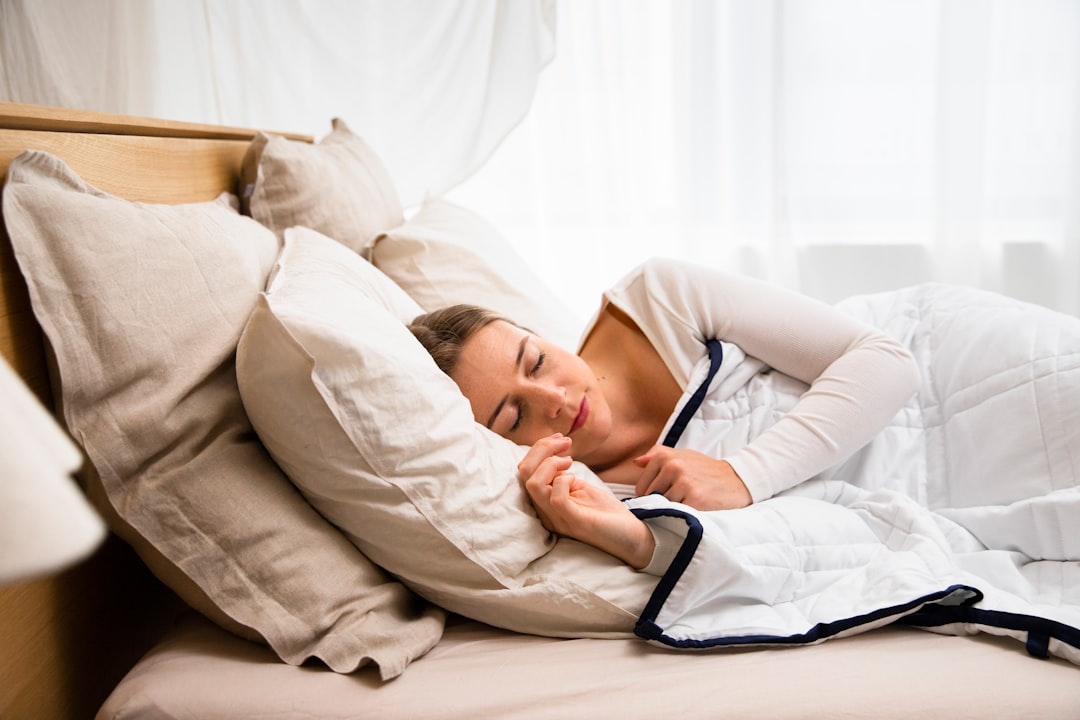
Parent trying to clean pee from a mattress no vacuum style using towels in a cozy child’s bedroom

 

Updated October 2025. Accidents happen—but you can clean pee from a mattress quickly and safely without special tools. With just a few household supplies, this easy method removes stains, neutralizes odors, and gets your bed feeling fresh again in under a day.

Clean Pee from a Mattress: 5 Easy Steps (No Vacuum Needed)

Key Takeaways: clean pee from a mattress

  • Act fast: blot before anything else to stop odors and stains from spreading.
  • Use vinegar and baking soda for gentle yet effective cleaning.
  • Keep liquids light—especially on memory foam or latex mattresses.
  • Airflow and sunlight naturally freshen your bed.
  • Protect your mattress from future spills with a waterproof cover.

Why Gentle Cleaning Works Best

Even a small spill can soak deep into a mattress if you’re not careful. The trick is using light moisture and quick blotting. According to Sleep Foundation experts, over-wetting foam layers can trap odor and bacteria—so this low-moisture method is safer and faster for home cleanups.

We’ll walk you through each step below, with natural ingredients and simple tools you already have in your home.

This photo demonstrates how to clean pee from a mattress by gently blotting to lift moisture and stop the stain from spreading.

Step-by-Step: How to Clean Pee from a Mattress (No Vacuum Needed)

Step 1: Blot—don’t rub

Answer first: Start by blotting up as much liquid as you can. Rubbing spreads the stain deeper and makes drying harder.

Press down with a clean towel or paper towels. Replace them as they get damp until you’ve lifted as much moisture as possible.

Step 2: Lightly mist vinegar solution

Answer first: A diluted vinegar spray neutralizes odor and breaks down residue safely.

In a spray bottle, mix 1 cup white vinegar and 1 cup cool water. Optional: add a few drops of gentle dish soap. Lightly mist—don’t soak—the area and let it sit for 10 minutes.

Step 3: Blot again

Use a clean, dry cloth to lift away the solution and dissolved residues. Keep pressing with fresh cloth sections until it feels mostly dry. If odor lingers, repeat once more.

Step 4: Cover with baking soda

Answer first: Baking soda naturally absorbs moisture and smells. Sprinkle it evenly over the damp area and let it rest for 8–12 hours.

For best results, leave the mattress uncovered overnight with a fan nearby to speed up the process.

This image shows how to clean pee from a mattress using baking soda to absorb odor and moisture overnight for a fresh finish.

Step 5: Sweep or brush away

When the baking soda is dry, gently sweep or brush it off. You can also take the mattress outside and shake it lightly. Avoid vacuuming until it’s completely dry.

For Different Mattress Types

Answer first: Whether you own memory foam, latex, or a hybrid mattress, use a light touch. Less liquid is always better.

  • Memory foam: Use a fine mist and longer dry times. See our Memory Foam Cleaning Guide for details.
  • Latex: Naturally resists odor—just blot and air dry in sunlight.
  • Hybrid: Spot treat and make sure airflow reaches the comfort layer to avoid trapped moisture.

This photo shows how to clean pee from a mattress across different types like memory foam, latex, and hybrid designs using gentle blotting.

Drying Without a Vacuum

Air circulation and light are your best friends for odor removal. Open a window, turn on a fan, or—if possible—set the mattress near indirect sunlight. According to Better Homes & Gardens, sunlight helps disinfect and reduce lingering smells naturally.

This image shows natural drying tips for how to clean pee from a mattress using airflow and sunlight for faster results.

Quick Tip: Vinegar vs. Peroxide

Answer first: Vinegar is the gentler choice for fresh stains. Hydrogen peroxide works for older spots but can lighten fabric, so always test first.

For odor-fighting reassurance, check Parachute Home’s bedding care guide for more natural cleaning insights.

Prevent Future Accidents

Answer first: A good waterproof protector is worth every penny—it saves time and stress later.

  • Explore our Mattress Protector Buying Guide for top-rated covers.
  • Keep supplies ready: vinegar, baking soda, and clean towels.
  • Wash bedding quickly and dry completely to prevent lingering smells.

When It’s Time to Replace

If stains or smells keep returning even after cleaning, your mattress might be past its prime. Visit our Ultimate Mattress Care Guide for signs it’s time for a replacement and eco-friendly disposal tips.

Common Mistakes to Avoid

  • Soaking instead of misting—too much liquid pushes urine deeper.
  • Scrubbing instead of blotting—this spreads the stain.
  • Using bleach or strong cleaners that damage fabric fibers.
  • Skipping dry time—moisture leads to recurring odor.

FAQs

Can I use hydrogen peroxide?
Yes—just patch-test first. Use 3% peroxide, apply lightly, and blot dry. Avoid mixing with vinegar or bleach.
How long until I can sleep on it again?
Wait until it’s completely dry—usually overnight with a fan or airflow.
Does this work on old stains?
Yes, repeat the vinegar-baking soda cycle twice and allow longer set times.
Do I ever need a vacuum?
No. This guide shows you how to clean pee from a mattress completely using basic household items only.

Final Thoughts

With the right method, you can clean pee from a mattress easily and keep it smelling fresh—no vacuum required. For more practical bedroom care guides, explore Cozy Bed Quarters.


Related Reading

Trusted External Resources

Guide: How to Clean Urine from a Mattress with Apple Cider Vinegar

Clean Urine Mattress Apple Cider Vinegar

Clean Urine Mattress Apple Cider Vinegar (7 Easy Steps)

Want to Clean Urine Mattress Apple Cider Vinegar method safely and effectively? This friendly guide walks you through how to lift stains, neutralize odors, and refresh your bed using natural ingredients. Whether you’re tackling a new accident or an old smell, you’ll learn how to restore your mattress without harsh chemicals—and keep it fresher for longer.

Key Takeaways: Clean Urine Mattress Apple Cider Vinegar

  • Blot first—never rub—and apply a light vinegar solution followed by baking soda.
  • The Clean Urine Mattress Apple Cider Vinegar method neutralizes odors naturally.
  • For dried stains, use an enzyme cleaner for deeper odor removal.
  • Airflow and sunlight help complete the cleaning process.
  • Protect your mattress with a waterproof cover for long-term hygiene.

Step 1: Gather Your Supplies

Before beginning the Clean Urine Mattress Apple Cider Vinegar process, gather everything you’ll need: apple cider vinegar, baking soda, a mild detergent, spray bottle, white cloths, and a vacuum. Optional items like essential oils and enzyme cleaners can help with extra freshness and tougher spots. Having everything on hand ensures you can act quickly before the stain sets.

Step 2: Treat Fresh Urine Stains

When the spill is new, time matters. Start by blotting away excess moisture. Spray a mix of apple cider vinegar, water, and a few drops of mild detergent. Let it sit for about 10 minutes, then blot again. Finally, sprinkle baking soda across the area, allowing it to sit overnight. The combination of vinegar and baking soda in the Clean Urine Mattress Apple Cider Vinegar technique neutralizes pH levels, eliminates odor, and gently lifts stains from the fabric.

According to the Sleep Foundation, vinegar-based cleaning is a safe, chemical-free option for most mattresses when applied lightly and followed by thorough drying.

Step 3: Remove Dried or Set-In Stains

If the stain has dried, don’t worry. Spray the same vinegar solution directly on the spot and allow it to sit for 10–15 minutes. Blot repeatedly with a clean cloth until the area starts to lighten. For deeply embedded odors, add a small amount of enzyme cleaner before applying baking soda overnight. This helps dissolve any remaining organic material and refreshes the surface naturally.

For extra tips on maintaining long-lasting freshness, check out our quality bedding guide, which explores how materials and layering affect overall comfort and hygiene.

Step 4: Why Apple Cider Vinegar Works

The Clean Urine Mattress Apple Cider Vinegar method works because vinegar breaks down the uric acid and ammonia compounds that cause persistent smells. Meanwhile, baking soda acts as an absorbent that pulls odor and moisture from deep within the fabric layers. This chemical reaction effectively refreshes your bed while leaving no synthetic residue behind.

According to Better Homes & Gardens, using natural cleaners like apple cider vinegar can extend your mattress’s life by preventing material breakdown from bleach or heavy detergents.

Step 5: Add Freshness with Essential Oils

After cleaning, add a light scent using natural essential oils. Combine a few drops of lavender or eucalyptus oil with water in a spray bottle and mist your mattress once fully dry. This step enhances the calming, clean feeling of your sleeping space. You can also pair this with temperature-regulating bedding for a more comfortable night’s rest.

Step 6: Prevent Future Stains

Prevention is key to keeping your bed fresh. A waterproof mattress protector acts as the first line of defense against spills and sweat. Make it a habit to vacuum your mattress surface every few weeks to remove dust and skin particles. For the best material options, explore our article on bedding materials and how they affect comfort and breathability.

For routine maintenance, Parachute Home recommends giving your mattress regular sun exposure and flipping it seasonally to prevent uneven wear.

Step 7: Final Odor Removal & Drying

Once the cleaning is done, repeat the baking soda phase for any lingering smells. Allow your mattress to air out near a sunny window or use a fan to improve airflow. This final stage completes the Clean Urine Mattress Apple Cider Vinegar process by ensuring every layer dries thoroughly, preventing mold or mildew from forming underneath.

Common Mistakes to Avoid

While this method is safe and effective, a few mistakes can reduce its effectiveness:

• Don’t soak the mattress—excess liquid can damage foam layers.
• Avoid mixing vinegar directly with hydrogen peroxide, which can bleach fabric.
• Always vacuum baking soda residue to avoid powder buildup.
• Never cover the mattress until it’s 100% dry.
• Use clean white cloths to prevent color transfer.

Eco Impact and Health Benefits

Using natural cleaners like vinegar and baking soda isn’t just practical—it’s planet-friendly. Unlike chemical stain removers, these household staples are biodegradable and safe for your indoor air. The Clean Urine Mattress Apple Cider Vinegar approach also minimizes your exposure to synthetic fragrances and ammonia, helping you sleep cleaner and breathe easier. For a full list of sustainable options, check out our guide to organic bedding and eco-conscious materials.

Final Thoughts

The Clean Urine Mattress Apple Cider Vinegar method is an easy, affordable, and eco-friendly way to keep your mattress fresh and odor-free. It combines science, simplicity, and sustainability to give you long-lasting results. With consistent care, your bed can remain hygienic and comfortable for years—especially when paired with Cozy Bed Quarters’ trusted bedding solutions.

Related Reading

How to Clean Cat Pee Mattress: A Complete 2025 Guide

Clean Cat Pee Mattress: Best Methods to Remove Stains & Odors

Clean cat pee mattress fast and safely with simple steps that lift stains, neutralize odors, and protect your bed from future accidents—no harsh chemicals or guesswork required.

Key Takeaways: clean cat pee mattress

  • Act immediately: Blot, treat, then dry thoroughly to clean cat pee mattress before odors set.
  • Use the right tools: Vinegar solution, baking soda, and an enzymatic cleaner remove stains and smells effectively.
  • Don’t oversoak: Light applications prevent moisture from sinking deeper into foam layers.
  • Finish with protection: A waterproof mattress protector prevents repeat damage and speeds up cleanup next time.

Why Immediate Action Matters

Answer first: Quick action makes the cleanup easier and stops odors from becoming permanent. When urine sits, it spreads through layers and traps smells.

Blotting right away prevents deep absorption, which makes it much easier to clean cat pee mattress without repeated treatments. It also reduces the chance of lingering odors and discoloration while protecting the mattress core.

For routine care tips beyond accidents, see our guide to mattress hygiene.


How to Identify Urine Damage

Answer first: Look for ammonia-like odor, yellow-brown marks, and damp or uneven areas. A UV light can reveal older spots.

  1. Smell test: A sharp, ammonia-like scent signals urine absorption.
  2. Visual check: Yellowing or brown halos point to dried urine; darker rings often mean multiple exposures.
  3. Touch and texture: Areas may feel denser, damp, or slightly crusted when dry.

For deeper cleaning strategies, review our stain removal guide.


What You’ll Need

Answer first: Gather supplies first so you can move quickly and avoid oversoaking the mattress.

  • Paper towels or clean white cloths
  • Spray bottle (vinegar solution: 1:1 white vinegar to water)
  • Baking soda (enough to lightly cover the spot)
  • Enzymatic cleaner for pet urine (follow label directions)
  • Vacuum with upholstery or crevice tool
  • Fan or open window for faster drying
  • Waterproof mattress protector for prevention

Step-by-Step: Clean Cat Pee Mattress Without Damaging It

Answer first: Blot first, treat with vinegar solution, cover with baking soda, then finish with an enzymatic cleaner and complete drying.

1) Blot—Don’t Rub

Press firmly with paper towels or a clean cloth to remove as much liquid as possible. Work from the outside in to keep the spot small. This first step helps you clean cat pee mattress efficiently by preventing spread and wicking.

2) Apply a Vinegar Solution

Mix a 1:1 solution of white vinegar and water in a spray bottle. Lightly mist the area—do not soak. Let it sit 10–15 minutes, then blot again. Vinegar helps neutralize odor before the deeper treatment step.

3) Sprinkle Baking Soda Generously

Shake an even layer over the damp area and leave it for several hours or overnight. Baking soda absorbs moisture and helps reduce lingering smells. Vacuum thoroughly with an upholstery tool.

4) Use an Enzymatic Cleaner

Apply a pet-specific enzymatic cleaner per label directions; it breaks down odor-causing compounds that vinegar and baking soda can’t fully dissolve. Avoid oversaturation—multiple light passes are better than one heavy one.

Learn more about enzymes for stains in Better Homes & Gardens’ explainer: what enzyme cleaners do.

5) Dry Completely

Airflow is your friend. Use a fan, open a window, or move the mattress to a dry, ventilated spot. Do not put sheets on until the area is fully dry to the touch. This prevents trapped moisture and helps you clean cat pee mattress without recurring odors.

For a broader look at mattress cleaning, see Sleep Foundation’s guides on how to clean a mattress and how to get urine smell and stains out.


Pro Tips for Stubborn Stains & Smells
Answer first: Use multiple light treatments instead of one heavy soak, and always finish by drying completely.

  • Layer, don’t flood: If odor remains, repeat vinegar, baking soda, and enzyme steps lightly rather than saturating the mattress.
  • Tackle old spots twice: Older, set-in stains may need a second enzyme pass on day two.
  • Vacuum well: Thorough vacuuming helps remove dried residues that hold odor.
  • Protect going forward: Add a waterproof protector once dry.

Prevention Measures That Actually Work

Answer first: A protector, quick response, and washable layers prevent most issues before they start.

  • Use a protector: Choose a breathable, waterproof cover to simplify cleanup. See Sleep Foundation’s how to wash a mattress protector.
  • Build washable layers: Add a machine-washable pad and keep spare sheets within reach.
  • Help your cat succeed: Place an extra litter box nearby during transitions or illnesses.

For broader bedding care, Parachute Home’s guide to cleaning a mattress and protector essentials is a useful reference.


Material Notes & Safety

Answer first: Always spot-test and avoid harsh chemicals. Less liquid is better with foam beds.

  • Spot-test first: Try cleaners on a hidden area to ensure colorfastness.
  • Avoid bleach or solvents: These can damage covers and foams.
  • Use minimal moisture on foam: Foam holds water; lighter passes help you clean cat pee mattress without prolonging dry time.

Explore gentle, eco-conscious options in our guides to natural mattress cleaning and baking soda deodorizing.

This safety-focused image reminds readers to clean cat pee mattress using gentle, low-moisture methods and to avoid harsh bleach.
Gentle methods protect materials and warranties.

FAQ: Clean Cat Pee Mattress

What’s the fastest way to clean cat pee from a mattress?
Blot immediately, mist a light vinegar solution, sprinkle baking soda, then apply an enzymatic cleaner and dry with airflow. These steps help you clean cat pee mattress efficiently without oversoaking.
Does baking soda really remove cat pee smell?
Yes, baking soda helps absorb moisture and neutralize lingering odors. Use a generous layer, let it sit for hours, then vacuum thoroughly to clean cat pee mattress without residue.
Should I use bleach?
No. Bleach can damage fabrics and foams and leave strong odors. Stick with vinegar solution, baking soda, and an enzymatic cleaner to clean cat pee mattress safely.
What if the stain is old?
Repeat light treatments over two days: vinegar solution, baking soda, and an enzymatic cleaner. Avoid heavy soaking. If odors persist, consider professional cleaning.

Final Thoughts

Accidents happen. With the simple sequence above, you can clean cat pee mattress thoroughly, protect it against future mishaps, and get back to fresh, healthy sleep. For ongoing care, explore more tips and product guidance from Cozy Bed Quarters below.


How to Clean Urine Memory Foam Mattress: Easy, Stress-Free Steps

A fitted waterproof cover going on the bed shows how to clean urine memory foam mattress concerns before they start.

Accidents happen—what matters is how you respond. This step-by-step guide shows you how to clean urine memory foam mattress stains quickly and safely with tools you already own. You’ll learn exactly what to use, how long to let it sit, how to dry memory foam properly, and how to prevent future messes with smart habits and the right protector.

How to Clean Urine Memory Foam Mattress (Complete Home Guide)

Key Takeaways: clean urine memory foam mattress

  • Act fast: blot immediately to reduce staining and lingering odors.
  • DIY works: white vinegar + baking soda can lift fresh stains and smells.
  • For set-in messes, use an enzymatic cleaner designed for urine.
  • Dry completely with airflow to prevent mold in memory foam.
  • Protect your bed with a waterproof cover to stop repeats—simple and effective.
  • At least one tip uses the exact phrase: clean urine memory foam mattress.

Why quick action saves your mattress

Answer first: Memory foam is absorbent, so speed prevents deeper penetration and tough odors. Blotting within minutes keeps cleanup simple.

Urine can wick through foam’s open cells fast. The earlier you remove moisture, the less you’ll need heavy treatments later. Keep clean towels handy for surprise spills.

What you’ll need (household items + a pro backup)

Answer first: Use paper towels, white vinegar, water, baking soda, and a vacuum. Keep an enzymatic cleaner on hand for set-in or pet accidents.

  • Paper towels or clean cotton cloths (for blotting)
  • Spray bottle with a 1:1 white vinegar and water solution
  • Baking soda (fresh box for best absorbency)
  • Upholstery vacuum attachment
  • Optional: enzyme cleaner for urine (pet or old stains)
  • Fan or open windows to speed up drying

For deeper hygiene tips, see our in-depth guide: Master Mattress Hygiene and Cleaning.

Step 1 — Strip the bed

Answer first: Remove sheets, protector, and bedding right away. Wash on warm to hot if fabric allows.

Check care labels first. Treat any sheet stains before the wash cycle to avoid setting them.

Related reading: Natural Mattress Cleaning (when you want greener methods that still work with organic bedding and eco-conscious sheets).

Step 2 — Blot, don’t rub

Answer first: Press down with towels to lift liquid; rubbing pushes urine deeper.

Work from the outside of the spot toward the center. Replace towels as they become damp.

Step 3 — Lightly mist with vinegar solution

Answer first: A 1:1 vinegar-water spritz helps neutralize odor compounds in fresh urine.

Spray enough to dampen but not soak the foam. Let it sit for 10–15 minutes, then proceed.

Authoritative how-to references: Sleep Foundation: Remove Urine Smell & Stains.

Step 4 — Blot again to remove loosened residue

Answer first: Press with fresh towels to lift the vinegar solution and dissolved odor molecules.

Swap towels frequently to avoid re-wetting the area.

Step 5 — Cover with baking soda and let it work

Answer first: Baking soda absorbs moisture and helps deodorize. Leave it for several hours or overnight.

For a lighter refresh, see: Clean Mattress with Baking Soda.

A generous layer of baking soda demonstrates how to clean urine memory foam mattress while pulling out trapped moisture.
Let powder sit longer for deeper odor absorption.

Step 6 — Vacuum thoroughly

Answer first: Vacuum the dried baking soda with the upholstery tool. Make multiple slow passes.

Check the canister or filter afterward; fine powder can build up.

Step 7 — Air-dry completely

Answer first: Drying prevents mildew. Aim a fan at the area and open windows if weather allows.

Memory foam dries best with airflow, not heat. Avoid hairdryers on high settings which can stress foam.

For stubborn or old stains (two proven options)

Answer first: Try a gentle hydrogen peroxide mix or switch to an enzyme formula made for urine.

  1. Peroxide mix (spot test first): 1 cup 3% hydrogen peroxide + 3 tbsp baking soda + a small drop of dish soap. Lightly mist, let dry fully, then vacuum.
  2. Enzymatic cleaner: Follow label directions; enzyme solutions break down urine proteins and odors deep in foam.

Learn broader stain removal strategies from the experts at
Sleep Foundation: Get Stains Out of a Mattress and
Better Homes & Gardens: How to Clean a Mattress.

If you’re addressing older stains specifically from pets, also see our focused guide: How to Clean Cat Pee Mattress.

An enzymatic cleaner bottle beside towels shows how to clean urine memory foam mattress when stains are already set.
Use enzyme sprays for deep odor neutralization.

Cleaning up after pets (extra odor control)

Answer first: Use the same steps but prioritize enzymatic cleaners labeled pet-safe.

Cats and dogs can leave stronger odors. Repeat treatments and allow full drying between passes. For prevention, schedule outdoor breaks and reward consistent routines.

Pet parents often benefit from a protector—see our pick below.

Prevent future accidents with a waterproof protector

Answer first: A waterproof cover blocks liquids so cleanups never reach the foam.

Compare styles and care tips in Parachute’s Mattress & Bedding Protector Guide, and see Cozy’s buyer overview: Mattress Protectors: Benefits and Buying Guide.

Wash protectors regularly to keep them breathable and fresh. For laundering specifics, reference
Sleep Foundation: How to Wash a Mattress Protector.

A fitted waterproof cover going on the bed shows how to clean urine memory foam mattress concerns before they start.
Protection is the easiest long-term solution.

Drying time, safety notes, and what to avoid

Answer first: Expect 6–12 hours to dry, depending on room airflow and how wet the foam was.

  • Avoid bleach: It can degrade foam and leave harsh odors.
  • No soaking: Excess liquid slows drying and risks mildew.
  • Gentle heat only: If needed, use room-temperature airflow rather than high heat.

Eco-friendly vs. conventional cleaning approaches

Answer first: Vinegar and baking soda are effective, low-impact choices; enzymes handle tough jobs without harsh bleaching agents.

Green methods pair well with sustainable bedding choices. If you prefer organic bedding or eco-conscious sheets, these cleaners keep your sleep setup healthier with minimal chemicals. For fabric choices that breathe and wash well, see our overview: Bedding Materials Guide.

Buyer’s guide: enzymes, protectors, and tools that make life easier

Answer first: Choose an enzymatic cleaner labeled for urine and fabrics, a fully waterproof protector, and a vacuum with an upholstery tool.

  • Enzymatic cleaners: Look for instructions mentioning dwell time and “urine odor.”
  • Protectors: Waterproof, breathable, and machine-washable are must-haves. See Parachute’s guide for styles and care.
  • Routine care: Rotate your mattress and spot clean as needed (see Parachute Mattress Care Instructions).

Quick reference: the fast cleanup plan

Answer first: Blot → Vinegar mist → Blot → Baking soda → Vacuum → Air-dry.

  1. Blot immediately, don’t rub.
  2. Lightly mist a 1:1 vinegar-water mix, wait 10–15 minutes.
  3. Blot again with fresh towels.
  4. Cover with baking soda for several hours; vacuum when dry.
  5. Air-dry completely with good airflow.

For deeper stain walkthroughs, review Sleep Foundation: How to Clean a Mattress.

FAQ

How long does it take to dry a cleaned memory foam mattress?
Plan for 6–12 hours, depending on airflow and saturation. Use a fan and open windows to speed drying.


Can I add essential oils for odor control?
Use sparingly. A drop or two in the vinegar mix is fine after spot testing. Avoid heavy scents that can irritate skin or noses.
Will these steps work on old stains?
Yes, but older stains may need an enzymatic cleaner and multiple rounds. Allow full drying between treatments.
Is this safe for all memory foam?
Generally yes, but always spot test, especially with hydrogen peroxide mixes. Avoid bleach or soaking the foam.
What’s the simplest way to prevent repeats?
Use a waterproof protector and maintain consistent bedtime routines. See: Protector Buying Guide.


Final Thoughts

With the right approach, you can clean urine memory foam mattress stains quickly and safely—no stress required. Keep this guide handy, add a quality protector, and you’ll spend more time sleeping and less time scrubbing. For a deeper dive into routine upkeep, visit our full resource on mattress hygiene and cleaning from Cozy Bed Quarters.

Related Reading

Pee Mattress Cleaning Guide: 7 Easy Steps for Odor-Free Sleep

Mattress Cleaning for Pee Stains

Pee Mattress Cleaning Guide

Ever wake up to find your toddler had an accident or your pet missed their mark? Cleaning pee from your mattress doesn’t have to be a nightmare. This pee mattress cleaning guide walks you through easy, effective steps to remove stains and odors for good, so you can get back to restful sleep without the stress.

Key Takeaways

  • Use household supplies like vinegar, detergent, and baking soda for effective cleaning.
  • Fresh stains should be blotted and treated immediately to prevent setting.
  • Dried and pet urine require enzyme cleaners and longer treatment time.

How to Clean Fresh Pee from a Mattress

Let’s face it—no one wants to deal with a wet mattress at 2 a.m., but the reality is, it happens. Acting quickly is your best bet when dealing with fresh urine stains. Catching it early helps you avoid permanent damage, unsightly discoloration, and those stubborn lingering smells. Think of it like this: your mattress is like a sponge—deal with the spill right away and cleanup is a breeze. Wait too long, and it’s a whole different story.

  1. Strip the bedding: Immediately remove all sheets, blankets, mattress protectors, and pillowcases. This not only exposes the stained area but also prevents the urine from spreading to other bedding layers.
  2. Blot the stain: Use a clean cloth or paper towel to dab (not rub) the urine. Rubbing can push the liquid deeper into the foam. Press down gently but firmly to absorb as much as possible.
  3. Prepare a cleaning solution: In a spray bottle, mix equal parts cold water, white vinegar, and a mild laundry detergent. This mixture works well to disinfect and neutralize odors.
  4. Spray the solution: Liberally spray the affected area, ensuring you fully cover the stain. Don’t soak it completely—just enough to penetrate the upper layers.
  5. Let it sit: Allow the solution to sit for 10–15 minutes. During this time, the vinegar will break down the uric acid, which causes odors.
  6. Cover with baking soda: Sprinkle a thick layer of baking soda over the damp area. This helps draw out moisture and absorb any lingering smells.
  7. Vacuum thoroughly: After the baking soda has sat for at least 8 hours (overnight is best), vacuum it up using an upholstery attachment to ensure a deep clean.

Need more hygiene tips? Visit our mattress hygiene and cleaning guide.

The pee mattress cleaning guide explains how to handle fresh urine stains for fast relief.

This method is highly effective when used right away. Acting promptly can save your mattress from odors and discoloration.

Removing Dried Urine from a Mattress

Dried urine stains are more stubborn because they’ve had time to set into the fibers. However, with persistence and the right approach, you can still eliminate both the stain and odor.

Begin by mixing equal parts of cold water, white vinegar, and laundry detergent. Apply this solution to the affected area, making sure the fabric is fully saturated.

Let it soak in for 24 to 48 hours. You may want to cover the area with plastic wrap during this time to prevent evaporation and allow deep penetration.

  • Reapply the solution if the area dries out too quickly.
  • After soaking, blot the area with a clean towel to remove excess moisture.
  • Apply baking soda liberally and leave for several hours before vacuuming.

Repeat this process as needed. Dried stains may require multiple treatments.

Explore more insights from the Sleep Foundation.

Dried urine stains are addressed in this pee mattress cleaning guide using vinegar and patience.

With some effort and patience, even old urine stains can be lifted, leaving your mattress fresh and odor-free again.

Neutralizing Pee Smells with Baking Soda

If the smell of urine persists even after cleaning, baking soda is a natural and effective odor neutralizer. It absorbs moisture and neutralizes acidic odors.

  1. Remove bedding: As with other methods, start with a bare mattress.
  2. Apply baking soda: Spread a generous, even layer across the stained and surrounding area. You can lightly massage it into the fabric with your fingers or a soft brush.
  3. Let it rest: The longer you leave it, the better. Aim for at least 8 hours, or even a full day.
  4. Vacuum thoroughly: Use a high-powered vacuum with a clean upholstery attachment to remove all powder. Be meticulous—any residue left behind can attract moisture.

Optional: Repeat the process the next day if the smell remains.

More on keeping your bed fresh at bedding and hygiene tips.

Neutralizing odor is a crucial part of this pee mattress cleaning guide using baking soda.

Baking soda is safe, effective, and perfect for sensitive sleepers. It’s a must-have in any mattress care toolkit.

Handling Pet Urine on a Mattress

Pet urine can be more concentrated and odorous than human urine, especially due to ammonia and proteins. To combat this, you’ll need enzyme-based cleaners that break down these compounds.

  1. Blot immediately: Press with a towel to remove as much liquid as possible. Don’t press too hard or spread the stain.
  2. Apply enzyme cleaner: Follow the product instructions and let the solution soak in. These cleaners digest organic waste, breaking down the molecules that cause odor.
  3. Blot again: Remove excess liquid after the soak. Repeat if necessary.
  4. Deodorize: Finish with baking soda and vacuum after a few hours.

These steps may need to be repeated depending on the severity of the stain. Pet owners should consider using a mattress protector for future prevention.

For a healthier sleep setup, visit the Sleep Foundation.

With enzyme cleaners and a little elbow grease, pet accidents don’t have to mean replacing your mattress.

Additional Cleaning Tips

Mattress stains can be stressful, but a few extra strategies can help you maintain a cleaner, fresher bed over the long term:

  • Repeat treatments: Some stains need more than one round. Be patient and persistent.
  • Spot cleaning: Treat only the stained areas to prevent overwetting the mattress.
  • Mattress protectors: Use a waterproof protector to prevent future accidents. They’re especially helpful in households with pets or children.
  • Sunlight and airflow: Letting your mattress air out in the sun can help kill bacteria and neutralize smells naturally.
  • Professional help: If home methods fail, consider a professional cleaning service that specializes in mattresses.

For more preventative tips, read our guide on bedding materials and benefits.

These tips can make all the difference between a clean sleep sanctuary and a lingering issue that won’t go away. Remember, you’re just a few mindful habits away from a consistently fresh and cozy bed.

With the right steps and a bit of patience, this pee mattress cleaning guide can help you reclaim a fresh, clean sleeping surface. Whether it’s a toddler accident or a pet mishap, you’ve got this!

FAQ

Can I use hydrogen peroxide instead of vinegar?
Yes, but use it with caution as it may bleach fabric. Always test on a small area first.
How long does it take for a mattress to dry completely?
It can take up to 24 hours depending on humidity. Use fans or sunlight to speed up the process.
What enzyme cleaner should I use for pet urine?
Look for pet-specific enzyme cleaners like Nature’s Miracle or Rocco & Roxie.

How to Clean Peed Mattress Stains Without Losing Your Mind

clean peed mattress step one blotting urine with towel


How to Clean Peed Mattress Stains Fast (Without Damaging Your Bed)

Accidents happen. Whether it’s potty training, a pet mishap, or a midnight spill, knowing how to
clean peed mattress stains quickly protects your sleep, your health, and your mattress.
This friendly, no-stress guide shows you the safest way to lift urine, remove odors, and prevent future messes.

Key Takeaways: clean peed mattress

  • Act fast: blot, treat, and dry to stop odors from setting in.
  • Use a simple solution of white vinegar and water, then baking soda to deodorize.
  • Choose enzyme cleaners for pet accidents and stubborn smells.
  • Dry thoroughly with airflow or sunlight to prevent mold and musty odor.
  • Protect your bed with a waterproof cover to avoid the next clean peed mattress emergency.

How to Clean a Peed Mattress: Step-by-Step

1) Strip the bedding right away

Answer first: Remove all linens and start a wash cycle immediately. Hot water (if care labels allow) and a cup of white vinegar help sanitize and reduce odor.

Take off sheets, blankets, and protectors. If your pillows or mattress pad are washable, launder them too. For stain guidance on sheets and covers, see our bedding materials guide for fabric-specific tips.

A parent quickly strips the bed to clean peed mattress stains before odors set in.

(Image: place centered at the end of this section.)

2) Blot, don’t rub

Answer first: Press with absorbent towels to pull moisture up; rubbing pushes urine deeper.

Use paper towels or a clean cloth and work from the outside of the spot toward the center. Replace towels as they become damp. This reduces spread and keeps the top layers from soaking through to the core foam. Sleep Foundation also recommends blotting to avoid driving liquid deeper into the bed
(source).

3) Mist a vinegar solution to neutralize

Answer first: Combine equal parts white vinegar and cold water in a spray bottle; lightly mist, wait 10–15 minutes, and blot again.

Vinegar helps break down odor compounds. Keep the area damp, not soaked—especially with memory foam—to protect adhesives and foam structure (care basics).

4) Cover with baking soda to deodorize

Answer first: Sprinkle a generous layer of baking soda over the damp spot and let it sit 8–10 hours.

Baking soda absorbs remaining moisture and odor. Vacuum thoroughly with an upholstery attachment. If any smell remains, repeat the spray-and-baking-soda sequence once more. For stain-specific help, see our stain removal guide.

5) Dry completely with airflow or sunlight

Answer first: Get the mattress totally dry to prevent mildew and lingering smells.

Open windows, use a fan, or place the mattress near indirect sun. Sunlight helps deodorize naturally. Never put sheets back on until the bed is fully dry to the touch. For full hygiene practices, visit Mattress Hygiene & Cleaning.

The mattress sits near a sunny window to clean peed mattress odors with natural drying and airflow.

(Image: place centered at the end of this section.)

How to Clean Dried Urine from a Mattress

Answer first: Rehydrate, treat, and re-deodorize—stubborn dried crystals need a second pass.

  1. Lightly mist the area with warm water to soften dried crystals.
  2. Spray with the vinegar solution; wait 15 minutes; blot.
  3. Apply baking soda for 8–10 hours; vacuum thoroughly.
  4. Repeat once if any odor remains.

If the smell persists, consider an enzymatic cleaner—especially for foam that has absorbed odor. Sleep Foundation outlines practical steps for urine and other stain types
(stain guide).

Spraying solution onto the spot helps rehydrate and clean peed mattress stains that have dried.

(Image: place centered at the end of this section.)

Using Enzyme Cleaners on a Peed Mattress (Especially for Pets)

Why enzymes work on urine

Answer first: Enzyme cleaners digest the proteins and uric acids that cause lingering smells.

That’s why they’re so effective on pet accidents. Always spot test, follow label directions, and avoid mixing with bleach or ammonia. For safer product options, browse the EPA’s Safer Choice database
(EPA Safer Choice products).

How to apply enzymes correctly

Answer first: Lightly saturate the area, give it time to work, then blot and air dry.

Let enzymes dwell as directed so they can break down odor sources. For ongoing issues, consider behavioral training for pets and keep a waterproof protector on the bed. Parachute’s guide explains how to choose and care for protectors (protector guide).

Prevention: Keep Your Mattress Fresh After a Cleanup

Use a waterproof protector

Answer first: A waterproof cover blocks spills from ever reaching your mattress.

Look for a quiet, breathable option and wash it on a schedule. Explore our mattress protector buying guide to pick the right fit.

Build supportive bedtime habits

Answer first: Encourage a bathroom trip before bed and limit late-night fluids.

These small habits reduce the chance of another clean peed mattress situation. If you’re updating sheets for better comfort and easy washing, see our bedding materials guide and atural mattress cleaning tips.

Maintain a regular cleaning rhythm

Answer first: Vacuum the surface, rotate as advised, and freshen occasionally with a light baking-soda sprinkle.

Routine care keeps odors at bay and extends mattress life
(how to clean a mattress). For eco-friendly fabric choices and wash cycles, explore
organic bedding materials and other eco-conscious sheets topics across Cozy Bed Quarters.

Eco-Friendly vs. Conventional Cleaners: What’s Better for Beds?

Performance and safety tradeoffs

Answer first: Many green cleaners work well and reduce exposure to harsh chemicals.

When choosing store-bought options, look for credible certifications. The EPA Safer Choice program verifies products that meet stringent health and environmental criteria
(about Safer Choice). Homemade solutions—vinegar, mild detergent, and baking soda—are also reliable for a clean peed mattress routine.

When to pick enzymes over DIY

Answer first: If the odor lingers after a DIY cycle, use enzymes.

Enzymatic formulas are particularly helpful for pet urine and old stains. They address the actual odor sources rather than masking them. Keep usage light to avoid overwetting foam, and always allow complete drying.

Buyer’s Guide: What to Keep in Your Clean-Up Kit

Essentials for quick response

Answer first: A small caddy keeps everything within arm’s reach when accidents happen.

  • White vinegar, empty spray bottle, baking soda, and clean cloths
  • Enzyme cleaner (pet-safe, fabric-safe)
  • Vacuum with upholstery attachment
  • Waterproof mattress protector and extra fitted sheet

Optional helpers that boost results

Answer first: Fans and sunlight speed drying and reduce musty odors.

A gentle garment steamer can help freshen surface fabrics. Charcoal sachets or an open box of baking soda can also absorb lingering odors after you clean peed mattress stains.

FAQ

What removes urine smell from a mattress best?
For fresh accidents, vinegar and baking soda work well. For lingering or pet-related odors, use an enzyme cleaner that breaks down odor-causing compounds at the source.


Is it safe to sleep on a mattress after cleaning pee?
Yes—after it is fully dry. Trapped moisture can encourage bacteria and mildew. Use airflow or sunlight so the bed dries completely before remaking it.
How do I clean a peed mattress without vinegar?
Mix 8 oz hydrogen peroxide, 3 tbsp baking soda, and a few drops of mild dish soap. Lightly mist, blot, and let dry. Test on an inconspicuous area first.
Should I replace a mattress after it’s been peed on?
Replacement is usually unnecessary if you treat quickly, deodorize, and dry thoroughly. If odors persist after multiple enzyme treatments or if you notice mold, consider replacement.


Final Thoughts

A clean peed mattress is absolutely achievable with a calm plan: blot, treat, deodorize, and dry.
Keep an enzyme cleaner and protector on hand, and you’ll bounce back from accidents with minimal stress.
For deeper guidance, explore more tips across Cozy Bed Quarters, including
mattress hygiene and natural cleaning.


Related Reading

From Cozy Bed Quarters

Trusted External Sources

Mastering How to Clean Dog Pee off Mattress: An Efficient Guide

how to clean dog pee off a mattress

Clean Dog Pee Off Your Mattress: Step-by-Step Guide

Accidents happen, but with the right approach, you can effectively clean dog pee from your mattress, removing stains and odors to restore freshness.

Key Takeaways

  • Act quickly to blot and treat the affected area to prevent stains and odors.
  • Use a combination of vinegar, baking soda, and enzyme cleaners for effective cleaning.
  • Regular maintenance and protective measures can prevent future incidents.

Immediate Steps to Clean Dog Pee Off a Mattress

Prompt action is crucial when dealing with dog urine on a mattress. The longer it sits, the deeper it penetrates into the mattress layers, making it harder to remove stains and neutralize odors. Here’s how to address it effectively:

  1. Blot the Area: As soon as you notice the accident, grab some paper towels or a clean cloth and blot up as much urine as possible. Press down firmly to absorb moisture but avoid rubbing, as that can spread the stain deeper into the mattress fibers.
  2. Apply Vinegar Solution: Create a solution with equal parts white vinegar and water. Vinegar helps break down uric acid in the urine and neutralizes odors naturally without harsh chemicals. Pour it into a spray bottle and generously spritz the stained area.
  3. Let It Sit: Allow the vinegar mixture to sit for at least 10–15 minutes. This gives it time to penetrate the mattress and break down the components of the urine.
  4. Blot Again: Use dry towels or cloths to blot up the excess vinegar solution and moisture. Continue until the area is as dry as possible.
  5. Apply Baking Soda: Liberally sprinkle baking soda over the damp area. Baking soda is a natural deodorizer and moisture absorber, making it perfect for lifting remaining urine particles and odor.
  6. Vacuum: After allowing the baking soda to sit overnight, vacuum thoroughly using an upholstery attachment. This step removes the residue and leaves the mattress fresher.

Following these steps as soon as an accident occurs will greatly increase the chances of fully removing both the stain and the smell. Acting quickly is your best defense!

Preventing accidents helps clean dog pee from mattresses by avoiding frequent stains

Using Enzyme Cleaners for Stubborn Stains

For more stubborn stains or older urine spots that weren’t cleaned immediately, enzyme cleaners are a powerful solution. These cleaners contain bio-enzymes that digest and break down the proteins and urea in urine—something traditional cleaners can’t always do. Learn about their benefits in this PetMD article on enzymatic cleaners.

  • Choose a Pet-Safe Enzyme Cleaner: Look for well-reviewed brands like Nature’s Miracle or Rocco & Roxie that specifically mention urine odor removal on mattresses. Check labels to ensure they are non-toxic and safe for fabrics.
  • Apply Generously: Spray or pour the cleaner directly onto the stained area. Ensure it fully saturates the stain, reaching even the deeper layers of the mattress.
  • Cover and Let Sit: Cover the area with plastic wrap or a towel to prevent evaporation. Leave it to work its magic for several hours or overnight.
  • Blot and Air Dry: After treatment, remove the cover and blot the area with clean towels. Allow the mattress to dry completely by placing it in a well-ventilated room or using a fan.

Compared to DIY methods, enzyme cleaners are often more reliable for complete odor removal—especially for recurring accidents. Always do a patch test before treating large areas.

Using enzyme cleaners is a proven way to clean dog pee from mattress fibers deeply and safely

Preventing Future Accidents

After dealing with a urine incident, you’ll want to take steps to avoid a repeat scenario. Prevention not only saves time but also helps extend the life of your mattress and bedding. Here’s what you can do:

  • Use a Waterproof Mattress Protector: This is your first line of defense. Look for one that’s machine washable and breathable. It acts as a shield, keeping spills and accidents from soaking into the mattress.
  • Stick to a Bathroom Routine: Dogs thrive on routine. Ensure your pet goes outside frequently, especially before bedtime. This reduces the chances of accidents overnight.
  • Training and Reinforcement: Whether it’s a puppy or a senior dog, positive reinforcement training can reduce accidents. Consider crate training, or consult a trainer for persistent issues.
  • Monitor Health Issues: Urinary tract infections or bladder issues can cause frequent urination in dogs. If accidents persist, consult a vet.
  • Clean Regularly: Use enzymatic sprays weekly on pet beds and floors. This keeps the environment fresh and reduces scent-marking behaviors.

By combining protective products with a consistent care routine, you can significantly reduce future accidents and maintain a hygienic sleeping space.


Dealing with dog urine on a mattress doesn’t have to be a nightmare. With a prompt response and the right combination of cleaning agents, you can restore freshness and comfort to your bed. For more expert advice on managing pet accidents, check out AKC’s guide on cleaning pet messes. Prevention is just as important as cleaning—stay proactive, and you’ll sleep easier.

To clean dog pee from a mattress, follow these immediate steps to avoid stains and odor buildup

FAQ

Can I use hydrogen peroxide to clean dog pee?
Yes, a solution of hydrogen peroxide, baking soda, and dish soap can be very effective. However, hydrogen peroxide has mild bleaching properties. Always spot test first—especially if you have a memory foam or pillow-top mattress.
How long should I let baking soda sit on the mattress?
To maximize odor absorption, let the baking soda sit for at least 8 hours, preferably overnight. This gives it ample time to neutralize any lingering smells.
Are enzyme cleaners safe for all mattress types?
Most enzyme cleaners are fabric-safe, but you should always check the label and do a patch test on a small area before full application, especially for memory foam and latex mattresses.
Can I prevent my dog from peeing on the bed again?
Absolutely. Using a waterproof mattress protector, sticking to regular bathroom routines, and maintaining good hygiene are key strategies. Behavioral training and veterinary checkups also help reduce the risk of recurrence.

For more tips on maintaining a clean sleeping environment, check out our guide on bedding materials and their benefits, and don’t miss our article on choosing the best mattress protector to safeguard your bed.

Must-Have Bedroom Furniture Accessories for a Stylish Space

Bedroom Furniture Accessories

Bedroom Furniture Accessories

Bedroom Furniture Accessories bring warmth, style, and personality to your space—turning a basic bedroom into a cozy, customized haven.

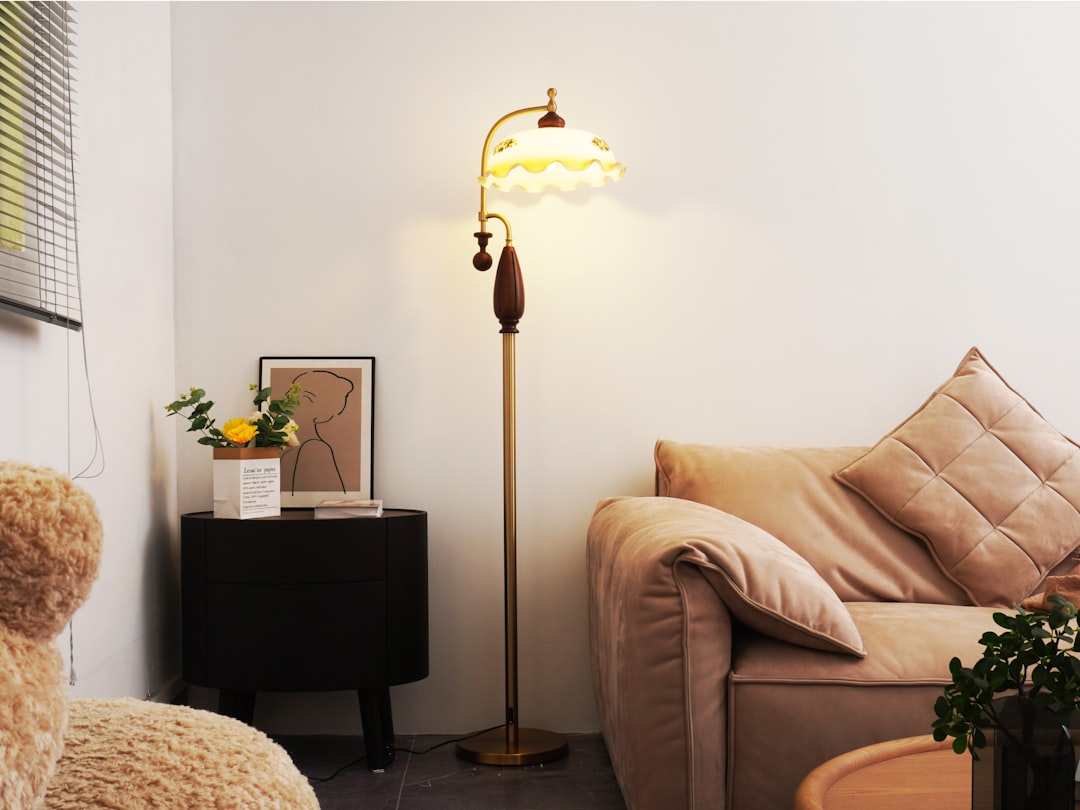
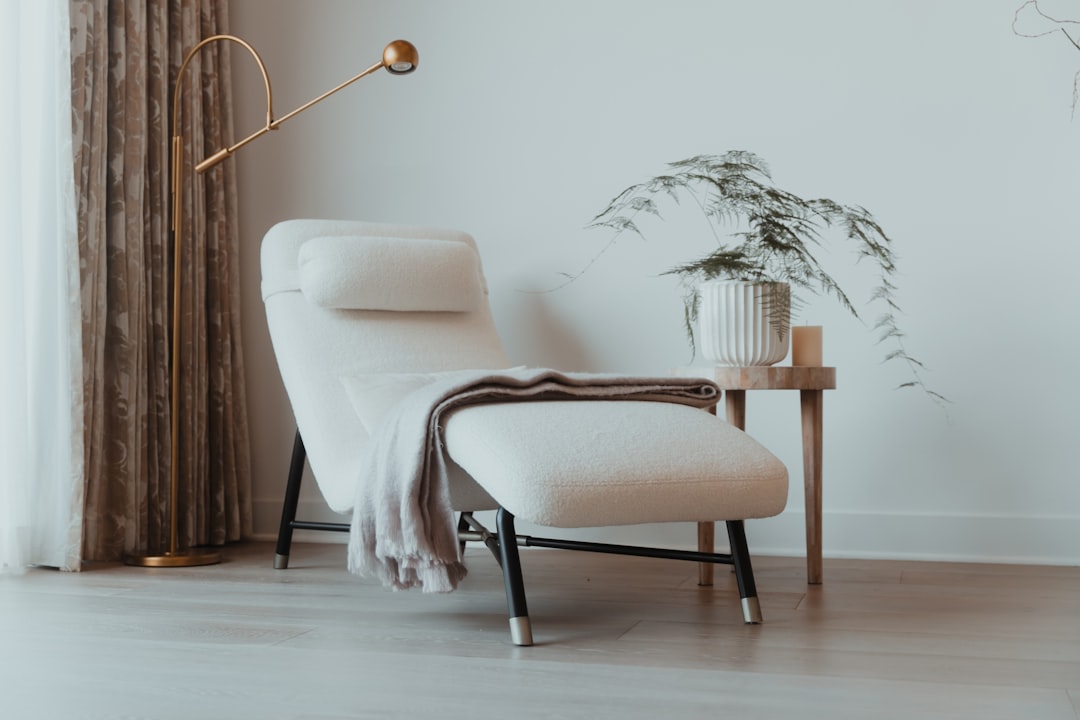
Bedroom Furniture Accessories showcase modern styles

Key Takeaways

  • Accessories add comfort, functionality, and flair to your bedroom
  • Each style—from boho to industrial—benefits from unique accessory choices
  • Even small changes like lamps or throws can refresh your entire room
  • Smart storage accessories keep your space tidy and beautiful

Why Bedroom Furniture Accessories Matter

It’s easy to focus on the big items—your bed, dresser, or wardrobe—but it’s the smaller details that make a space feel complete. Bedroom Furniture Accessories bring together form and function: think soft lighting, tactile fabrics, personal décor, and smart storage solutions. They help reflect your personality while enhancing the comfort and usability of your bedroom.

Design Ideas for Every Bedroom Style

Modern Farmhouse Charm

Blend cozy and classic with Bedroom Furniture Accessories like distressed wood nightstands, chunky knit blankets, and industrial light fixtures. Add warmth through soft beige throws, candleholders, and a reclaimed wood bench at the foot of the bed. A vintage-style rug and a few potted plants help finish this welcoming look.

Modern farmhouse bedroom furniture accessories

Scandinavian Simplicity

If you prefer a minimalist, clean vibe, go Scandinavian. Use light woods, whites, and grays as your palette. Accessorize with floating shelves, linen duvet covers, and a sheepskin rug. A simple ceramic lamp and a neutral-toned bench can add function without clutter. These Bedroom Furniture Accessories maintain simplicity while adding texture and softness.

Scandinavian bedroom furniture accessories inspiration

Boho Vibes

For a free-spirited and relaxed feel, go eclectic with rattan chairs, macramé hangings, and patterned pillows. Mix colors, materials, and cultures. A woven headboard, colorful throw pillows, and layered rugs bring comfort and visual interest. String lights and handmade accessories complete this artsy, relaxed vibe.

Industrial Edge

Urban meets cozy with this bold look. Pair metal-framed beds with leather chairs and exposed bulb lamps. Bedroom Furniture Accessories like metal shelves, factory-style lighting, and concrete planters make a statement. Use deep tones—charcoal, espresso, and rust—for a moody but cozy ambiance.

Quick Tips to Accessorize Like a Pro

  • Mix textures: Use velvet cushions on leather chairs or pair a wool rug with a wood floor for contrast.
  • Stay organized: Choose accessories like lidded baskets or ottomans with storage to combine style and utility.
  • Add lighting: Incorporate multiple light sources—table lamps, wall sconces, and fairy lights—to set a cozy mood.
  • Personalize: Use framed prints, photo ledges, and trinkets from your travels to make the space your own.

Small Details, Big Impact

Don’t underestimate the effect of a well-chosen accessory. A new mirror can open up space. A bold lamp adds both style and light. Layered bedding in different textures instantly makes your bed more inviting. Bedroom Furniture Accessories offer an easy, affordable way to refresh your room without major renovations.

Bedroom Furniture Accessories cozy decor ideas

Final Thoughts

No matter your style, Bedroom Furniture Accessories help express your taste and make your bedroom truly feel like home. From a vintage lamp to a textured throw, each piece can enhance comfort, style, and personal meaning. Start small and let your accessories evolve with your lifestyle and needs.

FAQ

What are the most essential bedroom furniture accessories?
Essential accessories include bedside tables, lamps, decorative pillows, storage benches, and mirrors. These items enhance both function and style.
How do I choose accessories for a small bedroom?
Focus on dual-purpose accessories like ottomans with storage or wall-mounted shelves. Choose light colors and reflective surfaces to create a sense of space.
Can accessories really change the feel of a room?
Yes! Accessories can introduce new textures, colors, and lighting, dramatically changing a room’s ambiance without changing the furniture layout.

Learn more in our guide to stylish bedroom storage, lighting ideas for cozy vibes, and how to choose the perfect bedroom rug.

Related Reading from Cozy Bed Quarters

Other Reading We Found Popular

Mattress Stain Removal Made Easy: Cozy Tips for a Spotless Bed

how to clean a stain on a mattress


Mattress Stain Removal: Natural and Effective Cleaning Tips

Mattress stain removal doesn’t need harsh chemicals. This guide walks you through safe, natural, and effective ways to eliminate common mattress stains while keeping your sleep space fresh and healthy.

Key Takeaways on Mattress Stain Removal

  • Use baking soda and vinegar for most organic stains.
  • Hydrogen peroxide works best on blood and urine.
  • Airing out your mattress helps remove odors naturally.
  • Protect your bed with a mattress cover to prevent future stains.
  • Regular cleaning supports healthier sleep and extends mattress life.

We’ve all been there—spilled coffee during a lazy Sunday morning, a surprise pet accident, or just the gradual buildup of everyday life. When it comes to mattress stain removal, your mattress—the sanctuary of your sleep—deserves some TLC. Let’s dive into friendly and effective ways to tackle those pesky stains and keep your bed feeling fresh and inviting.

Remove Stain In Mattress - Mattress Stain Removal

Why Regular Mattress Cleaning Matters

Think of your mattress as a sponge—it absorbs sweat, dead skin cells, and occasional spills. Over time, this can lead to odors, allergens, and even mold. Regular cleaning not only prolongs the life of your mattress but also ensures a healthier sleep environment. For more tips on general mattress upkeep, visit our Mattress Hygiene and Cleaning guide.

Even the best mattress can become a breeding ground for bacteria if not maintained. According to Sleep Foundation, consistent cleaning routines help improve sleep quality by reducing allergens. Staying on top of these habits not only supports your health but also enhances the overall comfort and feel of your bed.

Natural Ingredients for Mattress Stain Removal

Skip the harsh chemicals. Your kitchen holds powerful, natural cleaners that are gentle on your mattress and safe for you.

  • Baking Soda: Neutralizes odors and absorbs moisture.
  • White Vinegar: Breaks down stains and disinfects.
  • Hydrogen Peroxide: Effective against tough stains like blood.
  • Essential Oils: Adds a pleasant scent; lavender is especially calming.
  • Liquid Dish Soap: Cuts through grease and grime.

Remove Sweat Stains - Mattress Stain Removal

Step-by-Step Guide to Mattress Stain Removal

1. Strip the Bed

Remove all bedding and wash according to care labels. This gives you a clean slate to work with.

2. Vacuum Thoroughly

Use the upholstery attachment to vacuum the entire surface, focusing on seams and crevices where dust and debris accumulate.

3. Spot Clean Stains

For fresh stains, blot (don’t rub) with a clean cloth. Then, apply a mixture of equal parts water and white vinegar. Let it sit for 10 minutes before blotting again.

4. Deodorize with Baking Soda

Sprinkle a generous amount of baking soda over the mattress. For added freshness, mix in a few drops of your favorite essential oil. Let it sit for several hours, then vacuum thoroughly.

5. Air It Out

If possible, place your mattress in a well-ventilated area or near a window to air out. Sunlight can help eliminate lingering odors and bacteria.

Natural Cleaning Mattress - Mattress Stain Removal

Tackling Specific Stains

Urine Stains

Mix 1 cup of hydrogen peroxide, 3 tablespoons of baking soda, and a few drops of dish soap. Spray the solution onto the stain, let it sit for 10-15 minutes, then blot and sprinkle with baking soda. Vacuum once dry. You can read more about this technique at Martha Stewart or explore our guides on cleaning pee without a vacuum and cat urine removal.

Blood Stains

Use cold water and hydrogen peroxide. Apply to the stain, let it bubble for a few minutes, then blot with a clean cloth. Repeat as necessary.

Yellowing from Sweat

Apply a paste of baking soda and water to the stained area. Let it sit for 30 minutes, then wipe away with a damp cloth and air dry.

Urine Stain Removal - Mattress Stain Removal

Preventive Measures

    • Use a Mattress Protector: Shields against spills and allergens.
    • Rotate Regularly: Helps prevent uneven wear.
    • Keep Pets Off the Bed: Reduces the risk of accidents and fur accumulation.
    • Avoid Eating in Bed: Minimizes the chance of spills and crumbs.
    • Wash bedding regularly to maintain overall hygiene.

FAQ

Can I use vinegar on all mattress types?
Vinegar is safe for most mattresses, but avoid it on memory foam unless diluted and used sparingly.
How often should I deep clean my mattress?
Deep cleaning every 6 months is ideal to maintain hygiene and prolong your mattress’s life.

These simple habits can drastically reduce the chances of long-term damage to your mattress. For additional guidance, check out Good Housekeeping’s mattress cleaning tips or our Mattress Hygiene page.

When to Seek Professional Help

If stains persist despite your best efforts, or if your mattress has a persistent odor, it might be time to consult a professional cleaning service. They have specialized equipment and solutions to deep clean and sanitize your mattress. Don’t worry—sometimes we all need a little help! Your sleep quality is worth it.

Conclusion

Maintaining a clean mattress doesn’t have to be a daunting task. With these cozy and natural tips, you can ensure a fresh and inviting bed that’s ready to welcome you each night. Sweet dreams!


Master Cleanliness Tips for a Naturally Cozy Home

Without Specific Cleaning Agents


Master Cleanliness Tips for a Chemical-Free Home

Master Cleanliness Tips help you keep your home fresh, cozy, and free of harsh chemicals. With natural tools, mindful routines, and clever tricks, you can create a peaceful, low-tox space that supports your well-being.

Key Takeaway: Embrace natural cleaning habits, room by room, with everyday tools and a simple routine. You’ll enjoy a healthier space—and more time to relax.

Natural Cleaning Must-Haves

Forget harsh store-bought cleaners. Some of the most powerful solutions are already in your pantry. Here are your eco-friendly MVPs:

  • White vinegar: Perfect for degreasing, deodorizing, and disinfecting.
  • Baking soda: A gentle scrubber that fights odors and stains.
  • Lemon juice: Great for cutting through grime and adding a fresh scent.
  • Castile soap: A plant-based multipurpose cleaner that’s safe for most surfaces.
  • Essential oils: Add lavender, tea tree, or eucalyptus for natural antibacterial power and lovely aroma.

These ingredients offer powerful results without sacrificing your air quality or peace of mind. For more ideas, visit this natural cleaning guide.

Master Cleanliness Tips for the Kitchen

The kitchen is where life—and mess—happens. But with a few thoughtful habits and natural solutions, you can keep it sparkling and stress-free:

  • Use a splatter screen: Keep stovetops cleaner by blocking grease splatters.
  • Line fridge shelves: Use mats or wrap for easy cleanup after spills.
  • Freshen the sink: Sprinkle baking soda, scrub, then rinse with warm vinegar water.
  • Degrease naturally: Mix equal parts vinegar and water with a splash of lemon juice for countertops.

Looking for a quick reset? Try this 8-minute kitchen refresh routine. You can also explore whether bedding can go in the dryer to better understand fabric-safe care methods for kitchen linens.

Master Cleanliness Tips in the Kitchen

Bathroom Bliss Without the Chemicals

No one loves scrubbing the bathroom, but it’s easier with the right tools and a natural touch. Here’s how to master bathroom cleanliness naturally:

  • Shower and tub: Spray equal parts white vinegar and water. Let sit, then scrub with baking soda paste.
  • Toilets: Use vinegar and baking soda for a fizzy clean, and drop in a few essential oil drops for freshness.
  • Hair clogs: A simple drain strainer can prevent most plumbing headaches.
  • Floor care: Sweep often and mop with a diluted vinegar solution. Avoid soaking grout to prevent damage.

Need more ideas? Try this natural bathroom deep-cleaning guide.

Master Cleanliness Tips for a Calm Bedroom

Your bedroom should be a sanctuary. With a few simple habits, you can keep it tidy, relaxing, and free of allergens:

  • Make the bed daily: It instantly elevates the whole room and gives you a sense of control.
  • Put clothes away immediately: Stop the clutter before it starts by folding or hanging clean laundry right away.
  • Wash sheets weekly: Keeps your bed fresh and supports healthy sleep. Learn more from our guide on washing bedding and towels.
  • Vacuum regularly: Especially under the bed and around furniture to reduce dust and allergens. Check out our tips on mattress hygiene for an even deeper clean.

Want to make your bedroom even more serene? Check what not to store in your bedroom and review what to do if bedding feels damp or musty.

Tools That Make Cleaning a Breeze

Modern cleaning tools can save time and make chores more manageable. Try these game-changers:

  • Electric spin scrubber: Cuts through grime in tubs and tile.
  • Drill brush attachments: Turn your drill into a deep-cleaning machine for stubborn stains.
  • Microfiber cloths: Trap dust without sprays and are reusable.
  • Reusable spray bottles: Perfect for DIY cleaners.

Explore more innovative tools for cleaning smarter.

Master Cleanliness Tips Schedule

Set a Cleaning Schedule You’ll Actually Follow

Routine is your secret weapon. Here’s how to structure your tasks to keep things manageable:

Daily Tasks

  • Make the bed
  • Do the dishes
  • Wipe kitchen surfaces
  • Tidy bathroom counters

Weekly Tasks

  • Vacuum and mop
  • Clean bathrooms
  • Launder sheets and towels
  • Dust all surfaces

Monthly Tasks

  • Wipe baseboards and doors
  • Clean behind appliances
  • Declutter closets
  • Deep clean appliances

Master Cleanliness Tips - Bathroom and Bedroom

Final Thoughts

Master Cleanliness Tips aren’t about perfection—they’re about creating habits that help your home feel like your favorite cozy sweater: soft, safe, and welcoming. Use natural ingredients, lean on tools that simplify the job, and follow a rhythm that fits your life. The result? A healthier home, more peace of mind, and less time scrubbing on Saturdays.

Master Cleanliness Tips - Cleaning Checklist Overview

view” />