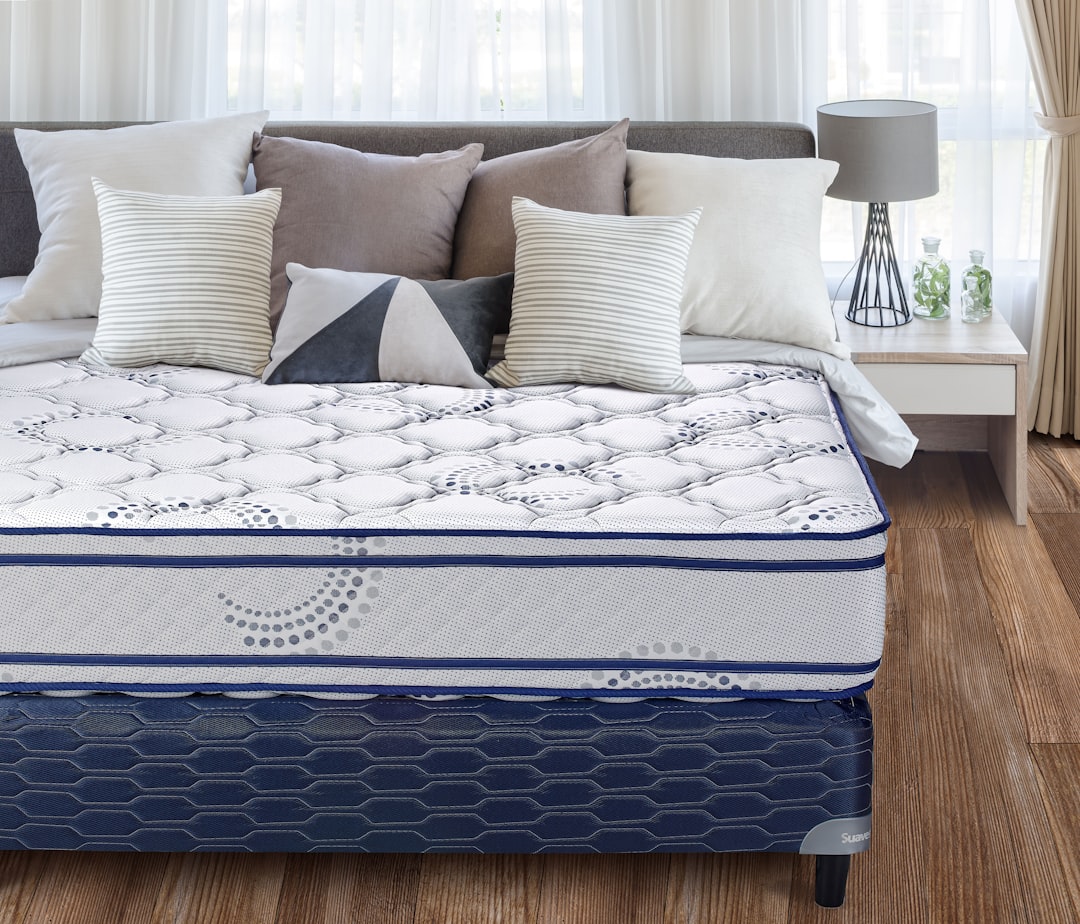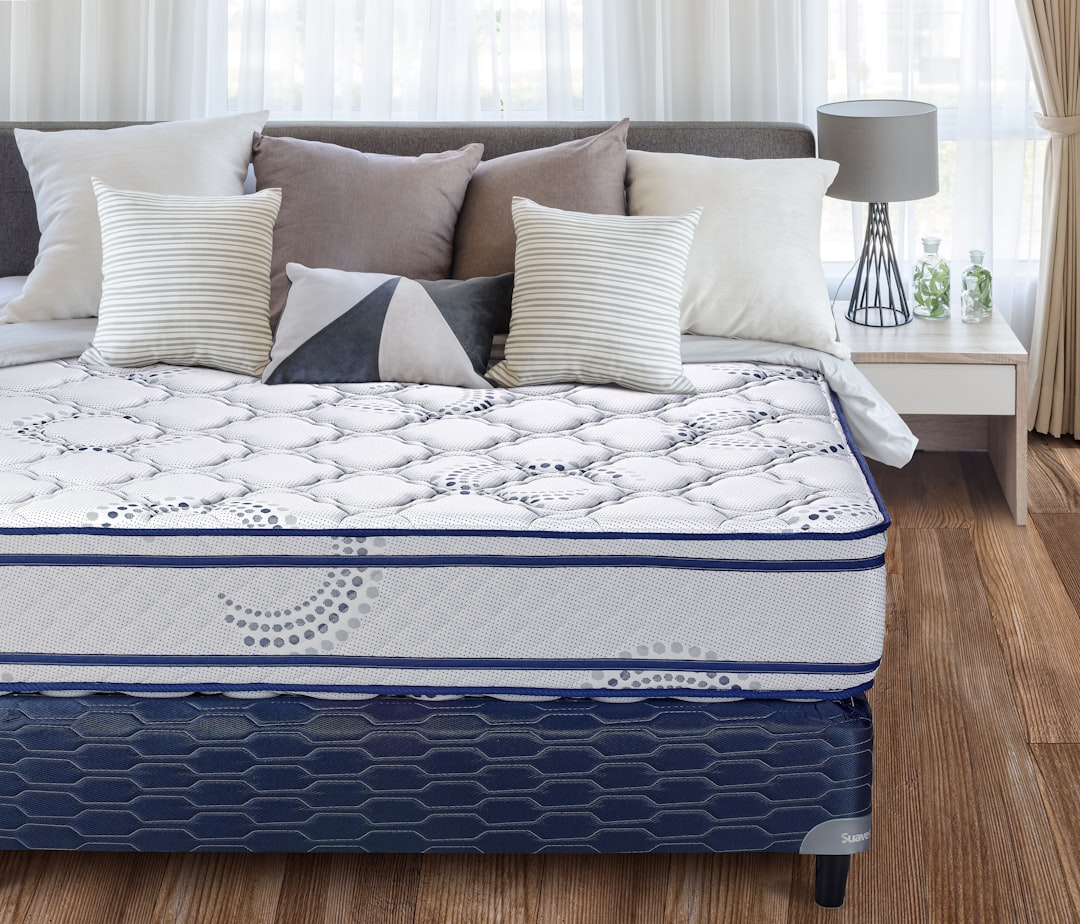
Memory Foam vs. Hybrid Mattresses: Which Is Right for You?

memory foam vs hybrid comparison cutaway showing foam and hybrid coil layers - memory foam vs. hybrid

Memory foam gives you deeper contouring and the best motion isolation, while a hybrid adds a pocketed-coil core for more bounce, stronger edges and better airflow. If your priority is pressure relief on shoulders and hips, or a quiet bed you share with a restless partner, foam is the safer bet. If you sleep hot, change positions often, weigh more, or sit on the edge of the bed, a hybrid usually suits you better.

Key takeaways

  • Feel: Memory foam hugs and responds slowly; hybrids feel lifted and springy, so moving around is easier.
  • Cooling: Coil cores let air move under your body, so hybrids generally sleep cooler; foam needs ventilation, open-cell structure or cooling covers to keep up.
  • Motion and noise: All-foam beds absorb movement best and stay silent; good hybrids come close but rarely beat foam.
  • Edges and support: Hybrids usually have firmer perimeters and hold up better under heavier bodies.
  • Durability and price: Build quality matters far more than category. Foam typically starts cheaper; hybrids cost more because of the coil unit.

What each mattress type actually is

Memory foam

Memory foam is viscoelastic polyurethane foam: it softens with body heat and pressure, then slowly returns to shape. A typical all-foam mattress stacks a plush comfort layer over a firmer transition foam and a dense base foam, with no springs anywhere in the build. That layered foam stack is what produces the signature slow-sinking “hug” and the near-total absence of bounce.
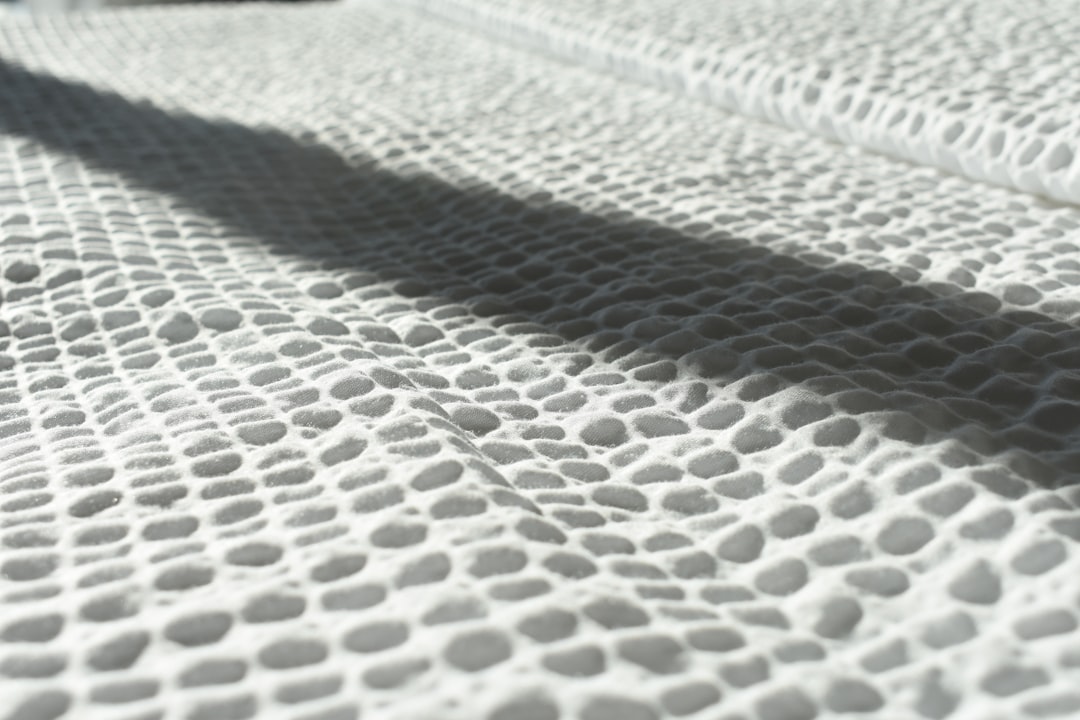
Memory foam mattress cross-section showing deep contouring and body-hu featuring hybrid memory foam

Hybrid

A hybrid pairs a pocketed-coil support core with meaningful foam or latex comfort layers on top — usually a couple of inches or more, not just a thin quilted pad. Individually wrapped coils flex independently, which helps contouring and reduces motion spread compared with older connected-coil innerspring units. The gaps between coils also create open space for air to circulate, which is the main reason hybrids tend to run cooler.
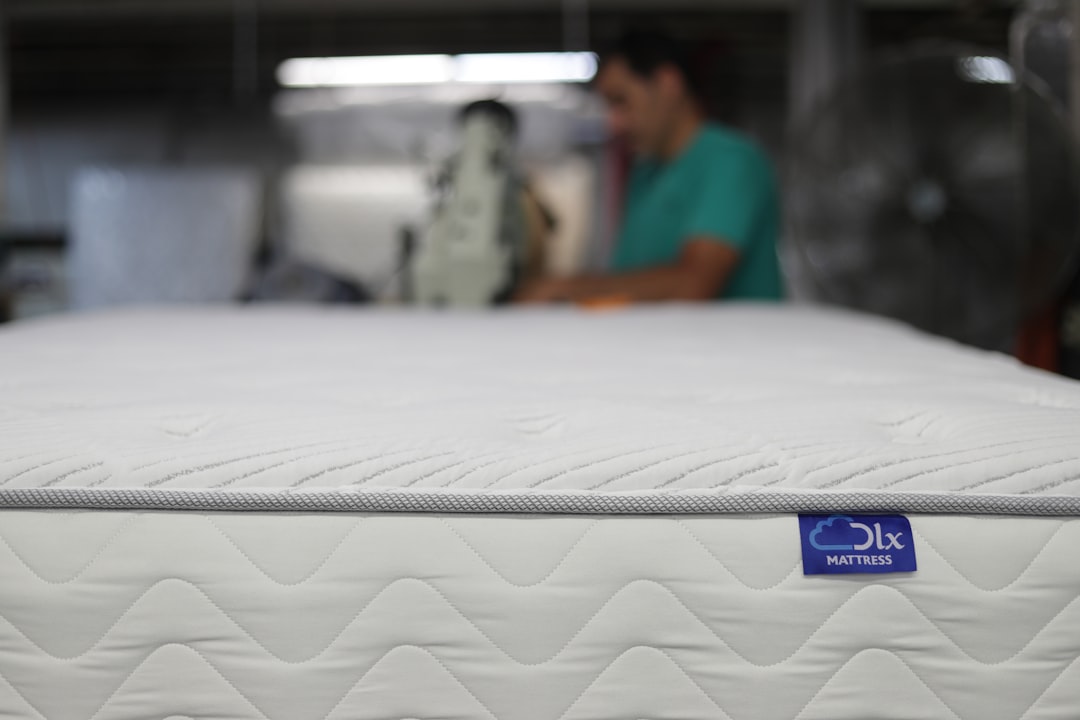
Hybrid mattress cutaway showing pocket coils and foam comfort layers f featuring hybrid memory foam

If you want the wider landscape first — latex, innerspring, airbeds and more — start with our overview of mattress types explained, then come back to this head-to-head.

Memory foam vs hybrid at a glance

Category Memory foam Hybrid
Feel Deep, slow-sinking contour; “in the bed” Balanced cradle with coil lift; “on the bed”
Pressure relief Excellent at shoulders and hips Very good; depends on comfort-layer thickness
Motion isolation Best in class; silent Good to very good; slight bounce
Temperature Can trap heat unless engineered for airflow Usually cooler thanks to airflow through coils
Edge support Often softer, less stable to sit on Usually firmer via edge coils or foam encasement
Ease of moving Slower; combination sleepers may feel stuck Responsive; easy position changes
Weight and handling Heavy but simpler to move and compress Heaviest; awkward for one person
Typical price Lower entry point Higher for comparable quality
Best suited to Side sleepers, light sleepers, couples wanting stillness Hot sleepers, combination sleepers, heavier bodies, edge sitters

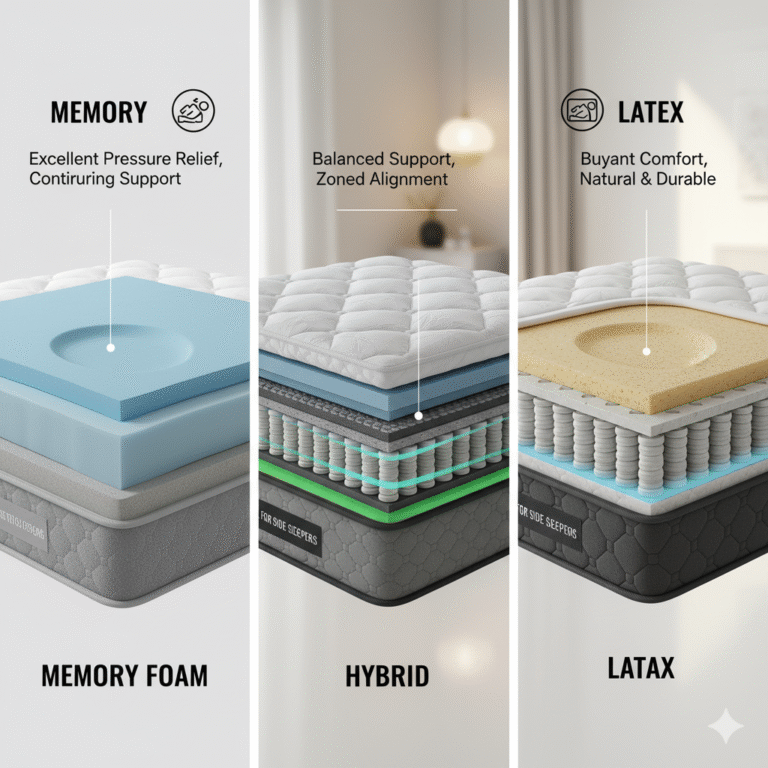
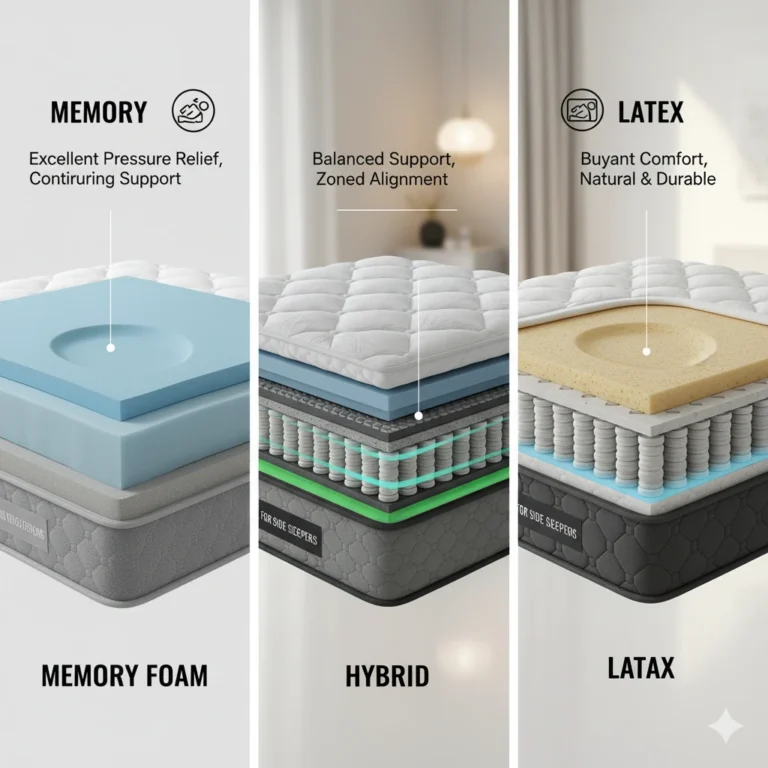
Cutaway comparison of memory foam, hybrid and latex mattress construction layers

Feel and pressure relief

Memory foam contours more deeply, so it fills the gap at your waist and takes load off the points that press hardest into the mattress. That is why side sleepers with sore shoulders or hips so often prefer it. The trade-off is response speed: foam releases slowly, and if you shift position a lot you may feel like you have to climb out of the impression you just made.

Hybrids cushion through their foam layers but push back from below, so you sit slightly more on top of the surface. Zoned coil units — firmer under the hips and lumbar area, softer under the shoulders — narrow the pressure-relief gap considerably. If your position varies night to night, our guide to the best mattresses for side, back and stomach sleepers covers how much cushioning each position realistically needs.

Cooling and airflow

This is the clearest practical difference. Solid foam is a closed environment: heat and moisture sit between your body and a material that responds to warmth by getting softer. A coil core, by contrast, is mostly air. Hybrids therefore tend to feel more temperature-neutral over a full night.

Modern foam has closed much of the gap with perforations, open-cell structures, gel or graphite infusions and phase-change covers. Sleep Foundation’s rundown on making a memory foam mattress sleep cooler is a useful reference if you already own one and want to fix the heat rather than replace the bed. Be sceptical of unquantified “cooling” marketing on either type — there is no standard consumer test behind those claims, so treat them as design intent, not proof. If heat is your main complaint, read our dedicated roundup of the best cooling mattresses for hot sleepers, which covers covers, toppers and bedding as well as the mattress itself.

Motion isolation and sharing a bed

All-foam mattresses absorb movement better than almost anything else and make no noise, which matters if one of you gets up early or works shifts. Hybrids transmit a little more movement because coils flex, though a thick foam comfort layer and well-isolated pockets reduce it to a level most couples never notice.

The other half of the equation is edge support. Hybrids generally hold the perimeter better, so two people can sleep closer to the sides without feeling like they are rolling off — genuinely useful on a queen. For more on balancing stillness against ease of movement, see our picks for couples who toss and turn.

Support, alignment and back pain

Neither category is automatically better for your back. What matters is whether the mattress keeps your spine in a neutral line while relieving pressure — and that depends on firmness, comfort-layer thickness and your body weight far more than on whether the core is foam or steel.

Independent evidence here is thinner than most buying guides admit. A randomised, double-blind trial published in The Lancet tested mattress firmness in adults with chronic non-specific low back pain, and orthopaedic researchers have since revisited the question in literature reviews, but the research looks at firmness and support rather than foam versus coil. Practical implication: do not buy a category hoping it cures pain. Match firmness to your weight and position, use the sleep trial, and speak to a clinician about persistent pain. If back comfort is the main driver, our guide to mattresses for back pain relief goes into support layers in more detail.

As a rough rule: lighter bodies and dedicated side sleepers usually do better on medium to medium-soft; average and heavier bodies, plus back and stomach sleepers, usually want medium-firm with a genuinely supportive core. Heavier sleepers on all-foam beds are the most likely to feel the comfort layers compress fully — “bottoming out” — which is a common reason people move to hybrids.

Durability, warranty and value

Category tells you less about lifespan than construction does. Coils resist permanent body impressions well, and a hybrid’s failure point is usually the foam above them; an all-foam bed’s failure point is usually a soft, low-density comfort layer. Either way, the comfort layer is what wears out first.

  • Foam density: spec sheets list comfort-foam density in lb/ft³, and higher density is widely treated as a durability signal. Independent long-term testing is scarce, so use density as one clue rather than a guarantee.
  • Coil quality: look for tempered steel, individually pocketed coils and zoning — and remember that a high coil count on its own means little.
  • Comfort-layer depth: a hybrid needs enough foam above the springs that you never feel them.
  • Warranty and trial: ten-year warranties are the industry norm rather than a tested service life, and they usually only cover defects such as sagging beyond a stated depth. Read what depth counts, and whether a valid foundation is required.

On price, memory foam generally starts lower because there is no coil unit to build, ship and reinforce. Comparable hybrids cost more, and very cheap hybrids often economise on the foam above the coils — which is exactly where you feel it. If budget is the constraint, compare options in our mattresses in a box under $1,000 guide before stretching for a category you do not need.

Who should choose which

Choose memory foam if…

  • You sleep mainly on your side and want pressure taken off shoulders and hips.
  • You or your partner wake easily to movement, and you want a silent bed.
  • You like the enveloping, slow-sinking feel and do not overheat easily.
  • You want the lowest entry price for a given level of comfort.

Choose a hybrid if…

  • You sleep hot or live somewhere warm without much cooling.
  • You change position frequently or find foam hard to move on.
  • You are a heavier sleeper, or you sit on the edge of the bed regularly.
  • You want a more traditional, buoyant feel with modern pressure relief.

Still torn between foam and springs generally? Our memory foam vs spring mattress comparison covers the classic innerspring option, which is a different animal from a hybrid.

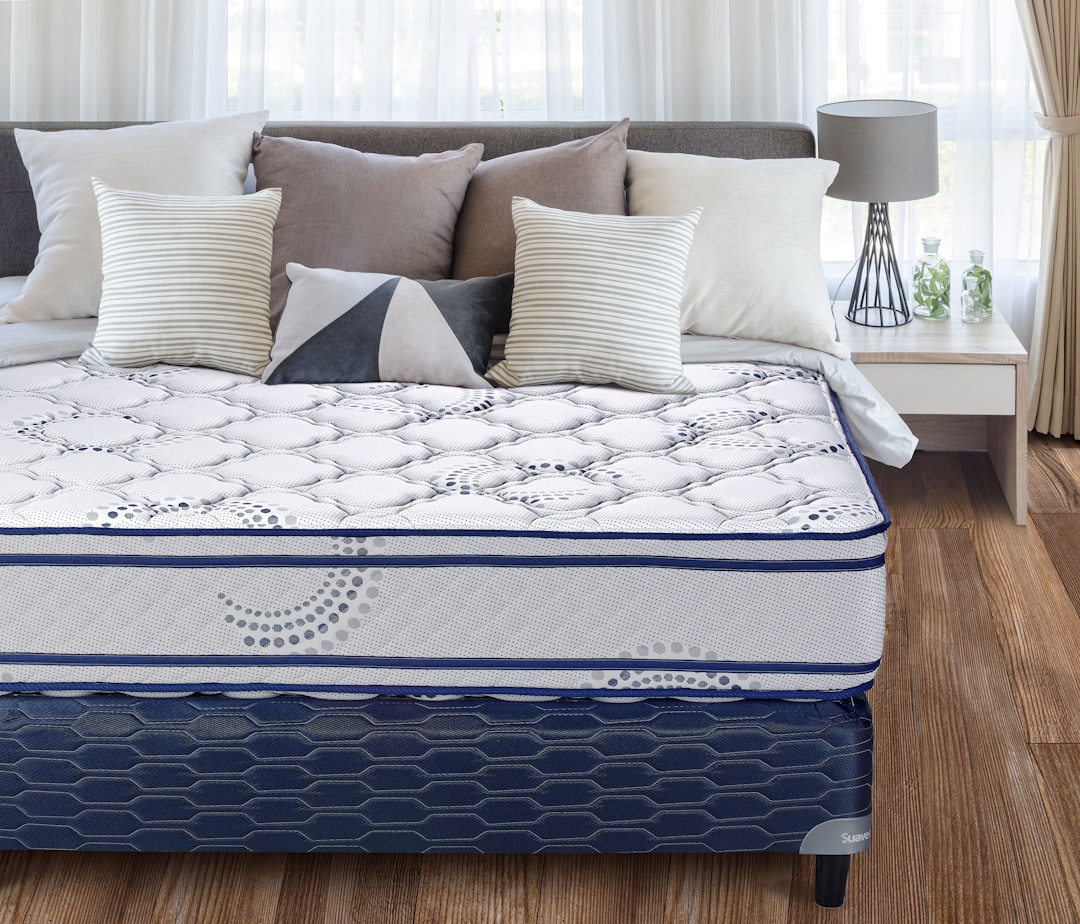
Two mattresses side by side comparing memory foam and spring surfaces

Firmness, foundation and the things people forget

Firmness is your first impression; support is what you feel at 4 a.m. A soft mattress can still be supportive if the core holds your hips level, and a firm one can still cause pain if it leaves gaps under your lumbar curve.

Your base matters too. All-foam mattresses need a solid platform or slats spaced closely — widely spaced slats let foam sag between them and can void a warranty. Hybrids are more forgiving but still specify a maximum slat gap. Check the manufacturer’s requirement before ordering a frame, especially with storage or adjustable bases.

Pillow choice changes perceived firmness as well. A mattress that contours deeply drops your head further, so you may need a lower-loft pillow than you used on a firmer bed; the reverse applies when you switch to a hybrid.

Eco-friendly considerations

Neither type is inherently green, but you can shop more carefully.

  • Material transparency: prefer brands that publish foam densities, coil specs and cover fibres, and that list recognised third-party certifications for foam emissions and textiles.
  • Natural textiles: cotton and wool covers or quilting are alternatives to fully synthetic surfaces, and wool helps buffer moisture and temperature.
  • End of life: steel coils are readily recyclable, and hybrids can often be separated into components more easily than glued multi-foam stacks. Check whether your council or retailer offers mattress collection or recycling before disposal.
  • Longevity beats everything: the lowest-impact mattress is the one you keep. Use a breathable protector, rotate as the maker advises, and buy the feel you will still like in year five.
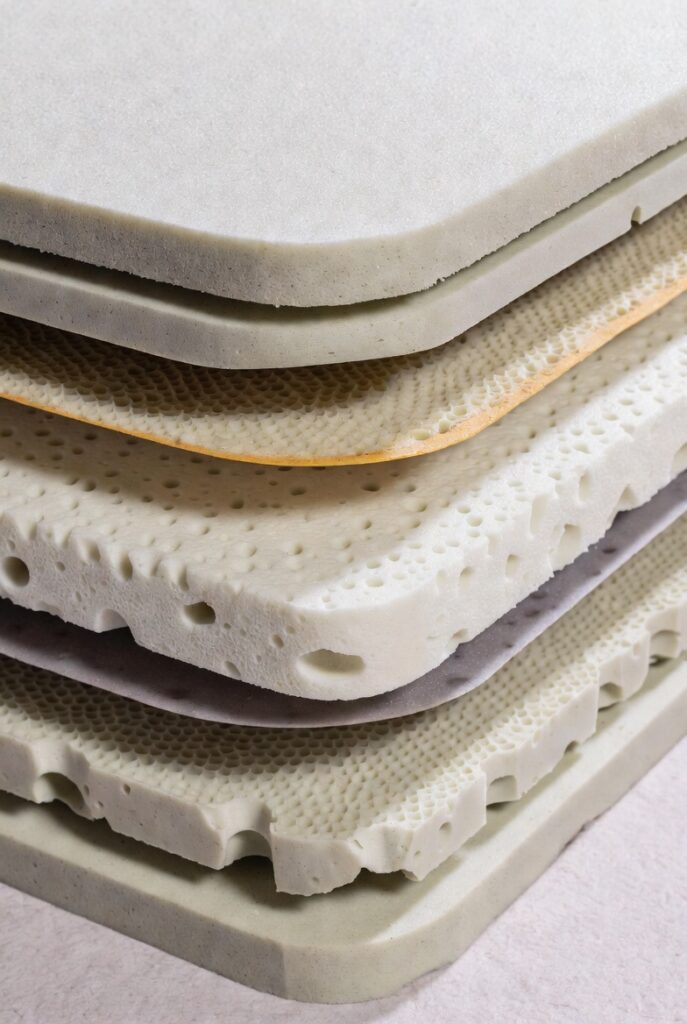
Stacked eco-friendly latex and foam mattress layers showing natural materials

Buying checklist

  1. Name your priority: deepest pressure relief and stillness (foam) or cooler, springier support with strong edges (hybrid)?
  2. Match firmness to body and position, not to reviews written by people built differently from you.
  3. Check the specs that predict wear: comfort-foam density, coil type and zoning, comfort-layer depth.
  4. Read the trial and warranty terms: length, return fees, sag depth covered, foundation requirements.
  5. Confirm your base and bedding: slat spacing, and a pillow loft that suits how far you now sink.
  6. Use the whole trial period. Most bodies need two to four weeks to adjust to a new surface before a fair verdict.
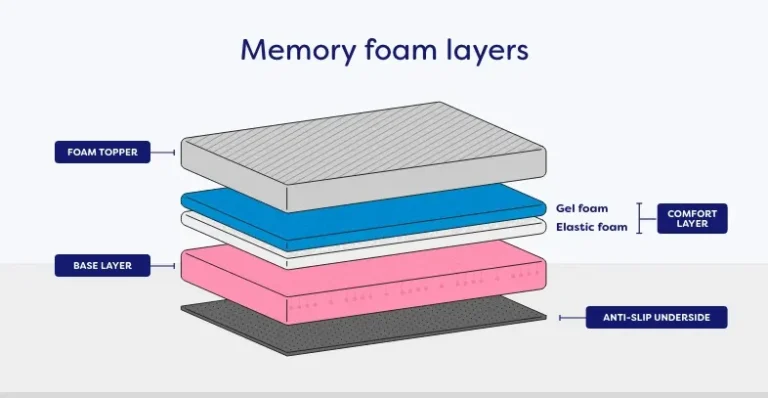
Diagram labeling memory foam mattress layers from foam topper to base

Frequently asked questions

Is memory foam or hybrid better for couples?

Memory foam wins on motion isolation and silence; hybrids win on edge support and temperature. If one partner sleeps hot and the other is a light sleeper, a hybrid with a thick foam comfort layer is the usual compromise.

Which lasts longer?

A well-built example of either type can serve for many years, and coils do resist impressions well — but the soft comfort layer fails first in both designs. Density, foam quality and warranty terms tell you more than the category label does.

Do hybrids really sleep cooler?

Generally, yes, because air moves through the coil layer. A well-ventilated foam mattress with a breathable cover can still sleep comfortably; a sealed, dense foam build is the most likely to feel warm.

Is a hybrid the same as an innerspring?

No. An innerspring has a thin comfort layer over coils, often interconnected. A hybrid uses pocketed coils plus substantial foam or latex on top, so it feels much closer to a foam bed.

Can I fix a foam mattress that sleeps hot instead of replacing it?

Often, partly. A breathable protector, cotton or linen sheets, a cooler room and a ventilated topper all help. They will not turn a heat-trapping build into a cool one, but they can make it liveable.

Which is better for heavier sleepers?

Usually a hybrid, or a foam bed with a high-density core and thicker comfort layers. Coils provide more pushback and reduce the chance of compressing straight through to the base.

The bottom line

Memory foam and hybrid mattresses are both good beds aimed at different problems. Buy foam for contouring, quiet and value; buy a hybrid for airflow, bounce, edges and support under more weight. Then let firmness, comfort-layer quality and a real sleep trial make the final call — those three decide whether you like the mattress far more than the category on the label does.

Updated September 2026.

Best Cooling Mattress: How to Pick One for Hot Sleepers

Cooling Mattresses Hot Sleepers - Best Cooling Mattress

The best cooling mattress for most hot sleepers is a latex or coil-based hybrid with a breathable cover, because open coils and open-cell latex let body heat escape instead of trapping it. All-foam beds can also sleep cool if they use gel, graphite or copper-infused open-cell foam and a moisture-wicking cover, but dense, thick memory foam is the build most likely to make you sweat. No mattress feels refrigerated — a good one simply stops heat from building up under you.

Key takeaways

  • Coils and latex move air. Hybrids and latex beds are usually the coolest-sleeping categories.
  • The cover matters more than people expect. Cotton, Tencel-type lyocell, wool and phase-change knits wick heat and moisture at the surface you actually touch.
  • Support comes first. Pick firmness for your sleep position and body weight, then optimise for airflow.
  • Sinking = heat. The deeper you sink into foam, the more of your body is wrapped in insulation.
  • Cooling claims are mostly unregulated marketing. Judge construction and trial policies, not adjectives like “arctic” or “ice”.

Why sleeping hot ruins your night

Falling asleep depends partly on your body shedding heat, so a surface that traps warmth works against you. Research generally points to a bedroom temperature of roughly 60–67°F (15–19°C) as ideal for sleep, though some studies suggest a broader range, and a mattress that holds heat effectively cancels out a cool room. Waking up sweaty also fragments your night, which makes it harder to hit the amount of sleep you need: adults aged 18–60 are recommended to sleep at least 7 hours each night, and regularly sleeping less than that is associated with higher risk of obesity, diabetes, high blood pressure, heart disease, stroke and frequent mental distress (CDC).

Worth saying plainly: there is very little independent, peer-reviewed evidence that any specific mattress model lowers body temperature or cures night sweats. What is well established is that airflow and moisture-wicking fabrics stop heat and humidity accumulating — and for most hot sleepers, that is the whole problem.

The Best Cooling Mattresses for Hot Sleepers - cooling mattresses hot sleepers

What actually makes a mattress cooling

Three things: how much air can move through the bed, how much of your body sinks into insulating foam, and how well the top layers pull moisture away from your skin.

Materials that help

  • Latex: naturally open-celled and springy. It contours without swallowing you, which keeps more of your body in open air. Its bounce also suits people who change position often.
  • Pocketed coils: a coil unit is mostly empty space, so air circulates freely beneath the comfort layers. This is why hybrids tend to run cooler than all-foam beds of the same firmness.
  • Gel, graphite or copper-infused foam: these conduct heat away from the surface better than plain memory foam. The effect is real but modest, and it works best in thin top layers rather than thick ones.
  • Open-cell and perforated foams: ventilation channels and larger cell structures let heat escape instead of pooling.
  • Breathable covers: cotton, lyocell, wool and phase-change knits feel cool to the touch and move sweat away. Phase-change materials absorb and release heat to buffer surface temperature swings.

Active cooling systems

At the top of the market, some beds use fans or circulating water through a pad or mattress layer to actively lower surface temperature. These genuinely cool rather than just avoid trapping heat, but they add cost, need power, and introduce pumps and electronics that can fail. For most people, a breathable passive build plus the right bedding solves the problem for far less money.

What “cooling” will not do

A cooling mattress will not fix a hot bedroom, heavy synthetic bedding, a plastic-backed mattress protector or medical causes of night sweats. It also will not feel cold all night — once you have been lying in one spot, any surface warms up. Anything marketed as permanently icy is overpromising.

Cutaway comparison of memory foam, hybrid and latex mattress layers and materials

Which mattress type sleeps coolest

Type Temperature Feel Best for
Latex Coolest overall Buoyant, responsive, light contouring Hot sleepers who dislike sinking; combination sleepers
Hybrid (coils + foam or latex) Cool to neutral Supportive with cushioning on top Most people, especially couples and heavier sleepers
Innerspring Cool Bouncy, firm, minimal contouring Budget buyers who want maximum airflow
All-foam with cooling features Neutral Hugging, motion-absorbing Foam fans who need pressure relief and quiet motion isolation
Thick traditional memory foam Warmest Deep sink, slow response Cold sleepers

If you are torn between categories, our comparison of memory foam vs hybrid mattresses goes deeper on feel, support and motion transfer, and memory foam vs spring covers the older but still relevant coil-versus-foam question. For a broader overview of every construction, see our guide to types of mattresses explained.

Traditional vs Cooling Mattress Comparison

Match firmness to your sleep position

Support is not negotiable — a cool mattress that wrecks your back is a bad mattress. Choose firmness first, then pick the coolest-running option in that firmness band.

Side sleepers

You need give at the shoulder and hip, which usually means medium to medium-soft. The risk is that softer foam wraps around you and traps heat, so look for a hybrid or latex bed that cushions in a thin top layer over a responsive core rather than one thick slab of memory foam.

Back sleepers

Medium to medium-firm keeps the lumbar curve supported. Zoned coil units help here: firmer support under the hips means less sinkage, which also means less heat buildup around your lower back.

Stomach sleepers

Firmer is better, since sinking hips hyperextend the lower back. Firm latex or a firm hybrid keeps you high on the surface — the coolest place to be.

Not sure where you land on soft-to-firm? Our mattress firmness scale explained translates the 1–10 numbers brands use, and our guide to the best mattresses for side, back and stomach sleepers covers support needs in detail.

Body weight also changes the answer

Heavier sleepers compress comfort layers further, so they lose airflow faster and generally do better on sturdier hybrids or firmer latex with a robust coil unit. Lighter sleepers sit more on top of a mattress and may sleep cool even on foam, since they never sink deeply enough to be surrounded by it.

The Best Cooling Mattresses for Hot Sleepers - cooling mattresses hot sleepers

Shopping checklist

  • Coils or latex in the support core if you sleep hot year-round.
  • Thin, breathable comfort layers rather than four inches of dense memory foam.
  • A natural or moisture-wicking cover — cotton, wool, lyocell or a phase-change knit.
  • Zoned support if you share the bed: it reduces sinkage and helps with motion transfer at the same time.
  • A sleep trial long enough to judge summer nights. Trials are commonly advertised around 100 nights; read the return terms, including who pays shipping.
  • A written warranty (ten years is a common length) and clear instructions on rotating and protector use, since improper care can void coverage.

Couples have an extra variable — one person’s cool is another’s cold. Our guide to the best mattresses for couples who toss and turn covers split preferences and motion isolation.

Certifications worth checking

Cooling claims are not certified by anyone, but material safety often is. CertiPUR-US certified foams are tested for low VOC emissions for indoor air quality — less than 0.5 parts per million — and screened for chemicals including flame retardants classified as carcinogens, mutagens or reproductive toxins (CertiPUR-US). Alongside that, OEKO-TEX STANDARD 100 tests textiles and components for harmful substances, and GOTS applies to textiles made with certified organic fibres. These labels tell you about chemistry and fibre sourcing, not temperature.

If off-gassing smell is a concern when your new bed arrives, our notes on reducing mattress off-gassing and breaking in a new mattress cover the airing-out period.

Price and value

Cooling features appear at every price point, and the difference as you move up is usually durability rather than a dramatic temperature drop:

  • Entry level: gel-infused foam beds and simple hybrids. Cooling is adequate; expect thinner coil gauges and shorter useful life.
  • Mid-range: better coil units, zoned support, more capable covers. This is where most hot sleepers get the best value.
  • Premium: natural latex, multiple cooling layers, phase-change covers, and occasionally active fan or water cooling.

Prices shift constantly with promotions, so compare the same model over a few weeks rather than trusting a single sale banner. For lower-budget options, see our mattresses in a box under $1,000 roundup, and if you can be patient, our notes on the best time of year to buy a mattress explain when discounts typically cluster.

Cheaper fixes before you replace the mattress

If your bed is otherwise comfortable and reasonably new, try the cheap variables first — they are often the actual culprit:

  • Swap the bedding. Percale cotton, linen and lyocell breathe far better than microfibre or flannel; see our picks for bedding material for hot sleepers.
  • Check your protector. Fully waterproof laminated protectors block airflow. Look for a breathable membrane instead.
  • Cool the room and move air. A fan lowers perceived temperature and helps sweat evaporate.
  • Raise the bed off the floor. A slatted base allows ventilation underneath, unlike a solid platform or a mattress on the floor — our bed frame guide covers slat spacing and support.

If the mattress is sagging, body-impressioned or over a decade old, though, cooling layers won’t rescue it. Our guide to how often you should replace a mattress lists the signs it’s time.

Keeping a cooling mattress cool

  • Rotate head to foot every three to six months (unless the maker says otherwise) so the comfort layers wear evenly and don’t develop permanent dips.
  • Use a breathable protector and wash it regularly — sweat and body oils degrade foam and reduce breathability over time.
  • Spot clean only, and let the surface dry fully before making the bed. Trapped moisture is what makes a mattress feel clammy.
  • Strip the bed and let it air for an hour now and then, especially in summer.

The Best Cooling Mattresses for Hot Sleepers - cooling mattresses hot sleepers

FAQ

Do cooling mattresses really work?

They work in the sense that breathable builds and wicking covers stop heat and humidity accumulating. They don’t work like air conditioning — independent evidence that a mattress lowers your body temperature is thin, so treat dramatic marketing claims with scepticism.

What is the coolest mattress material?

Latex over a coil unit is the strongest combination: both layers are mostly open space. Innerspring beds are also cool but offer little pressure relief.

Is memory foam always hot?

No, but it’s the warmest category by default because it’s dense and wraps around you. Thinner foam layers, open-cell structures, gel or graphite infusions and coil support all reduce the problem.

What’s the difference between a cooling mattress and a cooling topper or pad?

A topper changes the surface feel and can add a little breathability, but it sits on top of whatever is trapping heat underneath. A cooling mattress addresses airflow through the whole build. A topper is a sensible, cheap experiment; it is not a substitute for replacing a heat-trapping bed.

Do I need special sheets?

Not special, just breathable. Percale-weave cotton, linen or lyocell allow airflow; sateen, microfibre and fleece work against you.

How long does a cooling mattress last?

Roughly the same as any comparable mattress — most need replacing somewhere in the seven-to-ten-year range, with quality latex and strong coil units typically at the longer end.

Which cooling mattress is best for couples?

A hybrid with pocketed coils, which isolates motion reasonably well while still ventilating. Latex is cooler and more responsive but transfers a little more movement.

Bottom line

Choose support for your sleep position and body weight first, then favour the build with the most airflow in that firmness range — normally latex or a pocketed-coil hybrid with a breathable cover. Skip gimmicky temperature claims, buy with a real sleep trial so you can test the bed through a warm week, and fix your sheets, protector and room temperature at the same time. That combination does more for a hot sleeper than any single cooling layer.

Updated September 2026.