Caffeine and Sleep: How Late is Too Late for Coffee?

Coffee on nightstand with alarm clock, symbolizing caffeine and sleep conflict


☕ Caffeine and Sleep: How to Enjoy Your Coffee Without Losing Rest

You love your morning coffee—it’s warm, comforting, and frankly, necessary. But what happens when that cozy cup of joe turns into tossing and turning at night? If you’ve ever stared at the ceiling wondering why you’re wide awake at midnight, your afternoon latte might be the culprit.

The relationship between caffeine and sleep is sneakier than you’d think. It gives you that perfect energy boost, but it can also quietly sabotage your rest if you’re not careful about timing.

So how late is too late to sip that last cup? Let’s break it down.


🧠 What’s Really Going On Between Caffeine and Sleep?

Here’s the science, simplified: caffeine blocks adenosine, a brain chemical that makes you feel sleepy. While that’s a win for staying alert in the morning, it throws your natural sleep rhythm off course.

Let’s look at how caffeine messes with your body’s wind-down routine:

  • Delays melatonin release – This makes it harder to fall asleep at your usual time.
  • Reduces deep sleep – You may fall asleep, but you’re missing out on the restorative slow-wave sleep your body needs.
  • Causes nighttime wake-ups – Even if you sleep, you might wake up more than you realize.
  • Lingers in your system – Caffeine’s half-life is 5–6 hours, so even that 4 PM cup may still be working at bedtime.

👉 Learn more from Houston Methodist about caffeine’s long-lasting effects.

Also read: How Your Sleep Cycle Affects Energy Levels


⏳ How Long Does Caffeine Stay in Your System?

You might feel energized within 30 minutes of drinking caffeine, but that buzz sticks around far longer than you might expect.

Caffeine timeline at a glance:

  • 0–30 minutes: You feel the energy surge.
  • 1–2 hours: Blood levels of caffeine peak.
  • 5–6 hours: Half the caffeine is still in your system.
  • Up to 12 hours: It could still be affecting you come bedtime.

So if you grab a coffee at 4 PM, it’s likely still floating around in your system at 10 PM. No wonder you’re wide awake.

👉 Want visuals that explain this better? Visit Sleep.me

Also read: How Morning Sunlight Exposure Resets Your Circadian Rhythm


🕐 When to Stop Drinking Caffeine for Better Sleep

Experts generally agree: stop caffeine 6–8 hours before bed. That’s the sweet spot for most people. But if you’re caffeine-sensitive or prone to insomnia, you may need to cut it off even earlier.

Here’s a quick caffeine cut-off guide:

  • Sleep at 10 PM? Last cup by 2 PM.
  • Sleep at 11 PM? Last cup by 3 PM.
  • Sleep at Midnight? Wrap up caffeine by 4 PM.

For those struggling with poor sleep or frequent wake-ups, consider a hard stop by noon.

Also read: Say Goodbye to Insomnia: 10 Sleep Secrets for Instant Deep Sleep


🌿 Easy Tips to Balance Caffeine and Sleep

Good news—you don’t have to quit coffee cold turkey. You just need a few mindful tweaks.

✅ Try Half-Caf in the Afternoon

Mix regular and decaf for a gentler caffeine taper later in the day.

✅ Hydrate Before You Caffeinate

That mid-morning slump? It might be dehydration, not fatigue.

✅ Cut Back on Energy Drinks

They pack a punch of caffeine and sugar—double trouble for sleep.

✅ Wind Down with Herbal Teas

Chamomile, valerian root, or lemon balm can help calm your system naturally.

✅ Watch for Sneaky Caffeine Sources

Green tea, chocolate, and some pain relievers contain hidden caffeine.

Also read: The Best Foods for Deep Sleep: What to Eat Before Bed


🤯 Are You Sensitive to Caffeine?

Not everyone processes caffeine the same way. If your body reacts more intensely, caffeine can mess with your sleep even hours later.

Signs you might be caffeine-sensitive:

  • You’re tired but still can’t fall asleep
  • You wake up multiple times a night
  • You feel jittery hours after your last cup
  • You need caffeine just to feel normal

Also read: How to Stop Waking Up at 3 AM Every Night


⚡ Natural Energy Boosters That Won’t Disrupt Sleep

There are ways to feel awake during the day without wrecking your rest.

🌞 Morning Sunlight

Natural light helps reset your circadian rhythm and improves energy levels.

🚶‍♀️ Move Your Body

Even a short walk can boost alertness and reduce brain fog.

🍎 Eat Smart Snacks

Try something with protein, healthy fat, and fiber to keep your energy steady.

💧 Stay Hydrated

Fatigue is often a sign you need water, not caffeine.

🍵 Choose Low-Caffeine Teas

Look for options like rooibos or white tea for a gentle boost.

Also read: How Sleep Affects Productivity & Focus


caffeine and sleep timing chart

🌙 Final Thoughts: How to Master Caffeine and Sleep

Caffeine can either fuel your day or ruin your night—it all depends on how you use it. By adjusting your timing, listening to your body, and reaching for natural energy alternatives, you can keep your coffee and your Zzzs.

Your Cozy Caffeine-Sleep Checklist:

✅ Stop caffeine 6–8 hours before bed
✅ Use natural energy boosters in the afternoon
✅ Watch for caffeine sensitivity signs
✅ Sip herbal teas to ease into bedtime

👉 Want to upgrade your entire sleep environment? Explore our Complete Guide to Bed Sizes and learn the 7 Key Factors to a Sleep-Friendly Bedroom.

Try one or two of these changes today—and thank yourself tomorrow.


Morning Sunlight: The Simple Habit for Better Sleep & Mood

Woman enjoying morning sunlight on a balcony to boost energy and sleep.

Benefits of Morning Sunlight on Sleep Cycles

Brightened Intro

If you’re waking groggy or wired at bedtime, morning sunlight is likely the missing piece. Just 10–20 minutes of morning sunlight within an hour of waking helps reset your circadian rhythm, lowers sleep latency, and lifts mood so you fall asleep faster and wake feeling refreshed.

Key Takeaways on Morning Sunlight

  • Get light early: Step outside within 30–60 minutes of waking for 10–20 minutes.
  • Anchor your clock: Consistent morning sunlight keeps your sleep-wake cycle predictable.
  • Boost mood & energy: Early light supports serotonin and a healthy a.m. cortisol rise.
  • Backups help: On dark mornings, use a 10,000‑lux therapy lamp near eye level.
  • Stack habits: Pair sunlight with movement, journaling, or breakfast for easy consistency.

Feeling Groggy in the Morning? Morning Sunlight Might Be the Missing Piece

Ever wake up feeling groggy—even after a solid eight hours under the covers? Or maybe you lie in bed wide-eyed at night, wondering why you’re not tired even though you’re completely drained? Here’s something that might surprise you: the real culprit could be a lack of morning sunlight.

☀️ Yep, that soft, golden light streaming through the window isn’t just pretty—it’s powerful. It resets your circadian rhythm, improves sleep, and even lifts your mood. Let’s explore how catching early rays can transform your days (and nights), plus easy ways to make it part of your cozy morning routine.


Why Morning Sunlight Matters for Sleep and Mood

In one line: early light is your body’s daily “start” signal. Your internal clock (the circadian rhythm) uses morning light to time alertness, sleep pressure, and hormones that influence energy, mood, and metabolism—making morning sunlight a simple, no-cost way to feel and sleep better.

Your body has its own internal clock, called the circadian rhythm, and it loves natural cues. Light tells your body when to be alert, when to rest, and how to balance hormones that influence everything from your sleep to your stress levels.

Without enough sunlight in the morning? Your clock gets out of whack. That’s when you might start feeling foggy, anxious, or wired at bedtime. But the fix is easier (and cheaper) than melatonin gummies: morning sunlight.


What Is the Circadian Rhythm?

Quick answer: it’s a ~24‑hour timer that uses light and dark to cue alertness by day and melatonin at night—so your morning sunlight routine sets up better sleep later.

Your circadian rhythm works like a built-in timer that follows a 24-hour cycle. It responds to light and darkness to help regulate melatonin production—a
hormone that controls your sleep.

  • Morning light = wake-up call → Bright light signals your brain to cut melatonin production, so you feel awake and alert.
  • Evening darkness = bedtime prep → As the sun sets, your body naturally ramps up melatonin, making you sleepy.

But when you’re indoors all day or scrolling through screens late at night, that rhythm gets scrambled. Result? Tossing and turning at night. Struggling to stay awake during morning meetings.


The Power of Morning Sunlight to Reset Your Rhythm

Bottom line: ten calm minutes outdoors after waking can realign your sleep-wake cycle, helping
you fall asleep faster and wake up more refreshed.

Here’s what those golden rays can do:

  • ☀️ Suppress Melatonin – Helps you feel alert by telling your body it’s daytime.
  • ☀️ Boost Serotonin – Light lifts your mood and helps
    create melatonin for better sleep later.
  • ☀️ Balance Cortisol – A healthy cortisol spike in the morning energizes you without caffeine.
  • ☀️ Strengthen Your Internal Clock – Consistent light exposure each morning keeps your sleep schedule predictable.

For a deeper dive into how sunlight
affects your natural rhythm, check out this guide from 1000 Hours Outside.


Easy Ways to Get More Morning Sunlight (Even If You Work Indoors)

Quick win: design a low-effort cue (coffee on the porch, short walk, watering plants) so morning sunlight happens on autopilot—no extra willpower needed.

🌤️ Real-Life Tips:

  • Step outside within 30–60 minutes of waking up. A 10–20 minute stroll or just sitting with your coffee in the light is enough.
  • Open those curtains wide. Let the natural light pour in—even if you’re still in your robe.
  • Sit near a sunny window. Especially while eating breakfast or working on your laptop.
  • Use a light therapy lamp. On cloudy days or in winter, a 10,000-lux lamp is a great backup.

Pair that with your morning playlist or journaling time, and you’ve got yourself a cozy wellness ritual.


How Morning Light Impacts Sleep Quality

Snapshot: without daily light, your brain stays in “sleepy mode” too long, then refuses to power down at night—consistent morning sunlight flips that script.

  • Lying awake at night, wired and restless
  • Feeling groggy or foggy throughout the day
  • Experiencing mood dips or seasonal blues
  • Slower metabolism and low energy

On the flip side, people who get early sunlight often fall asleep faster, sleep deeper, and feel more energized during the day. If you’re working on
building better sleep hygiene, this is a game-changer.


Boost the Effects: Pair Morning Sunlight with These Sleep Habits

TL;DR: stack light with simple routines—consistent schedule, earlier movement, and a calm wind‑down—to multiply the benefits of morning sunlight.

💤 Sleep-Boosting Combos:

  • Stick to a set bedtime and wake-up time. Even on weekends. (Yes, we know, it’s hard.)
  • Cut screen time at least an hour before bed. Try switching to reading or journaling instead.
  • Exercise earlier in the day. Morning movement can support better sleep later.
  • Create a calm wind-down routine. Think soft lamps, cozy blankets, and a good book.

Need help creating a cozy, sleep-friendly bedroom? Check out our complete
guide to bed sizes and comfort.


Bonus Perks: Morning Light = Better Mood and Focus

Quick hit: beyond sleep, early light supports dopamine and stable energy so you feel focused, upbeat, and resilient all day.

  • 🌞 Feel more focused. Light triggers dopamine, helping with alertness and concentration.
  • 🌞 Avoid that 3 p.m. crash. Morning sunlight helps keep your energy stable throughout the day.
  • 🌞 Support mental health. A balanced circadian rhythm can lower anxiety and improve your overall mood.

morning sunlight streaming through a cozy window during breakfast


FAQ

How many minutes of morning sunlight do I need?
Start with 10–20 minutes outside within 30–60 minutes of waking. On overcast days, aim for a bit longer or use a 10,000‑lux light box.
Does sunlight through a window count?
Some light helps, but outdoor light is significantly stronger and more effective for circadian timing. If you can’t get outside, sit by the brightest window as a backup.
What if I wake before sunrise?
Use indoor lights to start your day, then get morning sunlight as soon as it’s up. A light therapy lamp can bridge the gap in winter.
Will morning light keep me up at night?
No—early light actually helps you feel sleepy at bedtime by strengthening the body’s internal clock and building healthy sleep pressure.
Can I wear sunglasses?
For circadian benefits, skip dark sunglasses during your brief morning exposure (protect your eyes if needed; never stare at the sun). Regular eyeglasses are fine.

Cozy Wrap-Up: Let the Sunlight In, Sleep Better Tonight

The next time you’re wondering why you feel groggy or restless, take a peek at your morning routine. Just a few minutes of morning sunlight might be the missing puzzle piece.

🌞 So tomorrow morning, open the curtains wide, step outside, or sip your tea by a sunny window. Let the light work its magic—you might just
sleep like a baby tonight.

Related reading from Cozy Bed Quarters

Other reading we found popular

How Sleep Affects Emotions and Decision-Making

how sleep affects emotions and decision-making in a focused morning routine.

How Sleep Affects Emotions and Decision-Making

Sleep plays a massive role in how we handle emotions and make decisions. Without quality rest, our stress levels rise and judgment declines. Here’s how sleep affects emotions and decision-making—and how to take back control.

Key Takeaways on How Sleep Affects Emotions

  • Sleep strengthens emotional balance and reduces stress reactivity.
  • REM sleep plays a vital role in emotional processing.
  • Lack of sleep increases impulsivity and weakens self-control.
  • Quality rest improves judgment and supports long-term goals.
  • Healthy sleep habits are essential for mental clarity and calmness.

Ever snapped at someone over something tiny after a rough night’s sleep? Or maybe you impulse-bought something you regretted later because you were too tired to think straight? You’re not alone. Sleep affects emotions and decision-making in big ways. When we skip out on quality rest, everything from our stress levels to our judgment takes a hit.

Let’s dig into how sleep affects emotions and decision-making—and how to get the kind of rest that helps you feel calm, focused, and in control.

Why Sleep Is Essential for Emotional Balance

When you sleep, your brain isn’t just resting. It’s busy sorting through your feelings, storing memories, and keeping your emotional responses in check. Think of it like your brain’s nightly tune-up. This is another way sleep affects emotions and decision-making in your everyday life.

How Sleep Supports Emotional Health

  • Reduces Stress & Anxiety: Quality sleep lowers cortisol levels and helps keep anxiety at bay.
  • Builds Emotional Resilience: You’re more likely to stay calm during challenges when you’re well-rested.
  • Stabilizes Moods: A good night’s sleep helps regulate both happy and not-so-happy feelings.
  • Improves Social Connections: Rested folks tend to be more empathetic and balanced in interactions.

Illustration showing how sleep affects emotions and decision-making through stress and balance

According to the National Council for Mental Wellbeing, even one night of poor sleep can affect how we interpret emotions—both our own and others’.

Looking for a deeper dive into your brain during sleep? Check out our post on The Science of Dreams: How Sleep Affects Your Brain & Memory.

The Sleep-Deprived Brain Makes Riskier Choices

Lack of sleep can do more than make you grumpy. It actually messes with your ability to make thoughtful, logical decisions. That’s another example of how sleep affects emotions and decision-making.

Why Sleep Deprivation Hurts Decision-Making

  • Reduces Cognitive Flexibility: It becomes harder to adapt to new situations or think creatively.
  • Increases Risk-Taking: Sleep-deprived brains are more impulsive and likely to ignore potential consequences.
  • Weakens Self-Control: From overeating to splurging online, tired minds struggle with restraint.
  • Slows Problem-Solving: Without rest, your brain takes longer to reason through situations.

Visual showing how sleep affects emotions and decision-making by influencing risky behavior

Need more science? This post on How Sleep Deprivation Affects Your Brain & Mental Health breaks it all down.

Your Brain on Sleep: The Emotional Headquarters

Several parts of the brain team up to help you sleep and process emotions. When you skimp on rest, those systems start to misfire. Again, this is a big part of how sleep affects emotions and decision-making.

Key Brain Players:

  • Amygdala: Handles emotional responses. It gets hyperactive when you’re tired, especially with stress.
  • Prefrontal Cortex: This is your logic center. It weakens with sleep loss, making thoughtful choices tougher.
  • Hippocampus: Stores emotional memories. Sleep helps it file things properly so you’re not overwhelmed.

According to Harvard Health, sleep-deprived people react 60% more strongly to negative stimuli. That’s a big emotional swing!

Want to reset your body clock for better rest? Try How to Reset Your Circadian Rhythm for Better Sleep.

The Magic of REM Sleep on Emotions

REM sleep is when your brain works through the day’s emotions, especially the tough ones. It’s also when most dreaming happens—kind of like your brain’s therapy session. Here’s another way sleep affects emotions and decision-making by helping you process emotional experiences.

Why REM Sleep Matters:

  • Processes Emotional Events: Helps your brain make sense of hard moments.
  • Regulates Fear: Takes the sting out of scary or stressful memories.
  • Boosts Mood & Motivation: Leaves you feeling more upbeat and mentally sharp.

Sleep Makes You Sharper and Smarter

When you’re well-rested, you make smarter, more balanced choices—from what you eat to how you respond in conversations. This highlights how sleep affects emotions and decision-making by giving you clarity and calm.

How Sleep Boosts Decision-Making:

  • Enhances Logical Thinking: Rested brains make more reasoned choices.
  • Improves Focus: You’re more likely to finish tasks and less likely to make careless mistakes.
  • Reduces Mood-Based Choices: Helps avoid decisions driven by stress or emotion.
  • Supports Long-Term Goals: Makes it easier to weigh pros and cons clearly.

Curious how screen time affects your sleep? You’ll love our post on How Blue Light Affects Your Sleep & How to Block It Naturally.

Tips for Sleep That Supports Emotional Health

Sleep is powerful, but only if it’s the good kind. Here’s how to make your rest more restorative and maximize how sleep affects emotions and decision-making:

1. Get 7–9 Hours Each Night

Stick to a consistent bedtime and wake-up time—even on weekends.

2. Cut Caffeine & Alcohol Before Bed

Both can disrupt REM sleep and emotional processing. Try to avoid caffeine after 2 PM and alcohol at least 3 hours before bed.

3. Wind Down Before Sleep

Use calming routines like journaling, stretching, or deep breathing to signal it’s time to rest.

4. Get Morning Light

Sunlight early in the day helps reset your internal clock and lifts your mood naturally.

Need a better bed to support your sleep goals? This complete guide to bed sizes can help you create your dream sleep space.

Also explore The Best Foods for Deep Sleep to support restful nights.

When to Talk to a Pro

Sometimes, sleep struggles go beyond simple fixes. If your sleep is hurting your mood, focus, or overall wellbeing, it might be time to get expert help. Don’t ignore the signs of how sleep affects emotions and decision-making in your daily routine.

Signs to Watch For:

  • You regularly sleep poorly despite good habits
  • Mood swings or anxiety are getting worse
  • You’re struggling with memory, focus, or decision-making
  • You snore loudly or wake up gasping (possible sleep apnea)

FAQ

Can poor sleep really affect my mood?
Yes. Lack of sleep impacts the amygdala, leading to stronger emotional reactions and mood swings.
Does sleep help with decision-making?
Absolutely. Sleep strengthens the prefrontal cortex, supporting clearer, more logical thinking.

Sleep Your Way to a Calmer, Clearer Mind

Sleep isn’t just about feeling rested. It helps you think clearly, handle emotions gracefully, and make choices that align with your best self. Whether it’s cutting back on late-night scrolling or tweaking your bedtime routine, every small step counts.

Start tonight: turn off the screens, dim the lights, and let your mind and body recharge. You’ll wake up calmer, sharper, and ready to take on the day—one peaceful night at a time. That’s the true power of how sleep affects emotions and decision-making.

Related reading from Cozy Bed Quarters

Other reading we found popular

“` ✅ Finalized HTML ready for WordPress — includes SEO title/meta, canonical URL, highlight intro, optimized keyword usage, internal & external links, footer blocks, and responsive images.

Want me to also run a quick **keyword density check** across this draft to confirm it hits ~1–1.5% naturally?

Sleep and Hormone Balance Explained for Better Health

Nighttime mindfulness routine to enhance sleep and hormone balance

Sleep and Hormone Balance Explained for Better Health

Sleep and hormone balance are directly linked: better sleep steadies cortisol,
improves insulin sensitivity, and brings hunger hormones back in line—so you wake up
calmer, energized, and in control of cravings.

Key Takeaways on Sleep and Hormone Balance

  • Sleep and hormone balance are inseparable—poor sleep disrupts cortisol, insulin, leptin, and ghrelin.
  • Prioritize a consistent schedule and a cool, dark, quiet room to restore rhythms fast.
  • Even one solid night can reduce cravings and steady energy the next day.
  • Evening wind-downs (yoga, journaling, herbal tea) help lower cortisol before bed.
  • Magnesium-rich snacks and whole-food meals support insulin and deeper sleep.

Ever felt like your body’s just out of sync—you’re constantly tired, a little moodier than usual,
and your cravings seem to run the show? Turns out, your hormones might be the culprit. And guess what?
Sleep is a major player in keeping them balanced. When you prioritize sleep and hormone balance, your whole
system starts working in harmony.

If your sleep has been all over the place lately, it’s no wonder you might be feeling off. Poor sleep doesn’t
just make you groggy; it messes with your hormone levels, which control everything from your energy to your appetite
to your stress response. Let’s explore how sleep and hormone balance go hand in hand—and how you can reclaim both, starting tonight.

Why Sleep and Hormone Balance Matter So Much

Answer first: When sleep slips, your body’s hormonal “conductors” fall out of rhythm—affecting metabolism, mood, appetite, energy, and immunity.

Your body is like a beautifully tuned symphony, and hormones are the conductors. They regulate your metabolism, mood,
energy, appetite, and even your immune system. But when sleep is disrupted, those hormonal conductors get out of sync.
That’s why focusing on sleep and hormone balance is essential to feeling your best.

Many key hormones are tied to your circadian rhythm—your internal body clock that syncs with the day-night cycle.
Mess with your sleep, and you mess with:

  • Melatonin: Your sleep signal. Poor habits throw off this crucial cue.
  • Cortisol: Your stress hormone, which should fall at night but stays high with poor sleep.
  • Insulin: Manages blood sugar, but lack of rest makes you more resistant to it.
  • Leptin & Ghrelin: Your hunger and fullness hormones—and yes, sleep loss can send them into chaos.
  • Growth Hormone: Critical for tissue repair and metabolism, but only peaks in deep sleep.
This image shows how sleep and hormone balance align with the body’s circadian rhythm for optimal daily function.

How Hormones and Sleep Are Connected: Research from the
National Institutes of Health
shows how sleep disturbances can impact hormonal rhythms and metabolism, increasing the risk for obesity, insulin resistance, and cravings.
All the more reason to make sleep and hormone balance a top priority.

Want deeper background on cycles? Explore our guide:
Optimize Your Sleep Cycle to Wake Up Refreshed.

What Happens When Sleep Gets Off Track?

Answer first: Just one rough night can tilt hormones toward hunger, stress, and poor blood sugar control—making the next day feel harder.

  • Lower melatonin, making it harder to fall asleep the next night
  • Higher cortisol, leading to anxiety, belly fat, and high blood pressure
  • Poor insulin control, making blood sugar spikes more frequent
  • Increased ghrelin (hunger) and decreased leptin (satiety), fueling overeating
  • Suppressed growth hormone, slowing metabolism and recovery
This image illustrates how disrupted rest can throw off sleep and hormone balance and lead to next-day cravings and fatigue.

This kind of hormonal disruption doesn’t just zap your energy. It can lead to long-term health issues if ignored.
EatingWell
explains how poor sleep can lead to increased cortisol levels and even raise your cholesterol.

For practical room upgrades that reinforce healthy sleep hormones, see
Serene Bedroom Sanctuary: 10 Essential Tips
and
Sleep Temperature Regulation.

The Cortisol Connection: Stress, Sleep & Hormones

Answer first: Cortisol should peak in the morning and taper at night; sleep debt keeps it elevated, disrupting rest and recovery.

Cortisol should naturally rise in the morning to wake you up and slowly decline as the day winds down. But when you’re running on empty
(hello, sleep debt), cortisol can stay high all night, messing with both your rest and your health. Keeping cortisol in check is a big
part of maintaining sleep and hormone balance.

How to Lower Cortisol and Reclaim Balance:

  • 🌸 Try calming rituals like meditation, journaling, or gentle yoga before bed
  • 🍵 Sip herbal teas like chamomile or valerian root to soothe your nervous system
  • Skip caffeine after 2 PM and reduce screen time before bed
This image depicts wind-down habits that support sleep and hormone balance by helping cortisol taper at night.

Need help building a relaxing wind-down?
Try our guides on guided sleep meditation
and best foods for deep sleep.

Sleep and Metabolism: Hormones That Control Hunger

Answer first: Sleep resets appetite hormones—reducing ghrelin, boosting leptin, and improving insulin sensitivity to curb cravings.

Ever crave carbs after a bad night’s sleep? That’s not just willpower—it’s hormonal. Sleep deprivation increases ghrelin (which makes you hungry)
and decreases leptin (which tells you you’re full). Meanwhile, insulin sensitivity tanks, making it harder to manage blood sugar.
Sleep and hormone balance are key to managing these cravings.

How Sleep Supports Metabolism:

  • Boosts insulin sensitivity for more stable energy
  • Keeps cravings in check by balancing ghrelin and leptin
  • Supports fat burning through deeper, more restorative sleep
This image highlights how sleep and hormone balance can reduce cravings by improving leptin, ghrelin, and insulin sensitivity.

🍌 Pro Tip: Snack on magnesium-rich foods like almonds or bananas in the evening to support blood sugar balance and promote sleep and hormone balance.

5 Ways to Improve Sleep and Hormone Balance Naturally

Answer first: Small, steady habits—timing, stimulants, environment, nutrition, and stress—create compounding gains in hormone balance.

1. Stick to a Consistent Sleep Schedule

🕒 Try going to bed and waking up at the same time every day (yes, even weekends!) to reset melatonin and cortisol levels and support sleep and hormone balance.

2. Watch the Stimulants

🙵 Cut caffeine by mid-afternoon and skip nightcaps—alcohol disrupts REM sleep and hormone production, interfering with sleep and hormone balance.

3. Create a Cozy Sleep Environment

🌜 Set your bedroom up for success: cool (60–67°F), dark, quiet, and comfy. Blackout curtains and a white noise machine can work wonders for improving sleep and hormone balance.
Explore practical tools in White Noise Machine Types & Soundtracks.

4. Eat for Hormonal Health

🥑 Choose whole foods rich in omega-3s, magnesium, and vitamin D to support hormone production. Think leafy greens, fatty fish, and nuts—all part of a sleep and hormone balance-friendly diet.
For bedroom comfort upgrades tied to sleep quality, see our
Complete Guide to Bed Sizes.

5. Manage Daily Stress

🧠 A simple gratitude journal or 10 minutes of deep breathing before bed can lower cortisol and prep your body for sleep and hormone balance.
More stress-reducing ideas: 7 Proven Ways to Reduce Stress and Sleep Better Tonight.

When It’s Time to Talk to a Doctor

Answer first: If you’re sleeping 7–9 hours yet still feel off, discuss labs and possible sleep disorders with a professional.

Signs of Hormonal Imbalance to Watch For:

  • Chronic fatigue
  • Insomnia or irregular sleep cycles
  • Mood swings, anxiety, or depression
  • Unexplained weight changes
  • Trouble managing stress

Your doctor can run tests to check for issues like thyroid dysfunction, adrenal fatigue, or sleep disorders like apnea.


FAQ

What is the fastest way to improve sleep and hormone balance?
Start with a consistent bedtime/wake time, a dark cool room, and a 30-minute wind-down. Even one good night can reduce cravings and steady energy.
Can diet changes help balance hormones if I’m sleeping poorly?
Yes—prioritize protein, fiber, and magnesium-rich foods while cutting late caffeine and alcohol. These habits support insulin sensitivity and deeper sleep.
How long until sleep and hormone balance improves?
Many people feel better within a few nights, while full rhythm resets can take 1–2 weeks of consistent routines.
Do I need supplements for sleep and hormone balance?
Not always. Start with routine, environment, and stress management. If needed, discuss options like magnesium or melatonin with your clinician.

Final Thought:

Your hormones want to work with you, not against you. And it all starts with sleep. Creating a calming bedtime routine, eating hormone-friendly foods,
and making your bedroom a cozy retreat can restore balance from the inside out. You deserve to wake up feeling rested, recharged, and ready to take on the day.
Never underestimate the power of focusing on sleep and hormone balance.

Want more dreamy ideas for your sleep routine? Explore all our sleep tips and guides.

Related reading from Cozy Bed Quarters

Other reading we found popular


How Sleep Affects Your Brain & Memory: The Science of Dreams

"Person writing in a dream journal to track how sleep affects your brain and improves memory recall"

How Sleep Affects Your Brain: Unlock Memory, Mood & Creativity

Understanding how sleep affects your brain is key to improving memory, emotional balance, and creative thinking. This guide explores how each stage of sleep contributes to brain health and offers strategies to enhance your cognitive performance. For a full breakdown of sleep’s role in health, see our pillar guide on the impact of sleep.

Key Takeaways on How Sleep Affects Your Brain

  • 🧠 Sleep supports memory, creativity, and emotional health
  • 🛌 REM sleep is critical for mental restoration and dream activity
  • ⏳ Sleep deprivation weakens brain function and resilience
  • 📓 Dream journaling can enhance recall and awareness
  • 🕒 A consistent schedule strengthens circadian rhythm and cognition

An illustrated guide showing how sleep affects your brain during REM sleep


How Sleep Affects Your Brain During REM Sleep

REM sleep is the most mentally active phase of the sleep cycle. It plays a key role in dreaming, emotional processing, and brainwave activity.

Key Ways Sleep Influences Brain Function

  • 🧠 Memory Consolidation – Dreams reinforce and organize new knowledge.
  • 🧠 Emotional Regulation – The brain processes stressful or traumatic events.
  • 🧠 Creative Thinking – Sleep fuels imagination and innovation.
  • 🧠 Neural Strengthening – Connections for motor skills and learned behaviors are refined.

🌙 Read More: How Sleep Deprivation Affects Your Brain & Mental Health

🔗 Reference: Sleep Foundation – Why We Need Sleep

Diagram of how sleep affects your brain across sleep cycle stages


The Sleep Cycle and How Sleep Affects Your Brain at Every Stage

Each stage of the sleep cycle plays a vital role in cognitive function, emotional balance, and brain recovery.

The Four Stages of the Sleep Cycle

  1. Light Sleep – Transition phase from wakefulness.
  2. Deeper Sleep – Slows brain waves and prepares the body for full rest.
  3. Deep Sleep – Essential for recovery, healing, and immune system function.
  4. REM Sleep – Where your brain is most active and dreams occur.

🔄 Fact: REM sleep becomes longer in the second half of the night, so cutting sleep short reduces dream time.

🛎️ Read More: How to Reset Your Circadian Rhythm for Better Sleep


Why It Matters: How Sleep Affects Your Brain and Mental Health

Sleep plays a crucial role in emotional regulation, memory, learning, and creative problem-solving. Dreams provide psychological benefits and help process daily experiences.

Benefits of Healthy Dreaming

  • ✔️ Processes Emotions Like Therapy
  • ✔️ Reinforces Learning and Memory
  • ✔️ Aids in Stress and Trauma Recovery
  • ✔️ Sparks Creativity and Innovation

⏳ Read More: NIH – Brain Waves During Sleep Help Store Memories


What Disrupts How Sleep Affects Your Brain and Dreams

Several habits and conditions can negatively impact your brain’s ability to rest and restore during sleep.

Disruptive Factors

  • Sleep Deprivation – Fewer REM cycles
  • Alcohol & Caffeine – Suppresses REM and dream vividness
  • Chronic Stress – Raises cortisol and disrupts sleep
  • Irregular Schedules – Weakens circadian rhythm

🔹 Read More: How Stress & Anxiety Impact Your Sleep & How to Fix It


How to Improve Dream Recall and How Sleep Affects Your Brain

Better sleep hygiene can enhance brain clarity and dream vividness. Use the following science-backed strategies to support your mental health through quality sleep.

  1. Sleep 7–9 Hours Nightly – More sleep = more REM = stronger brain performance.
  2. Keep a Dream Journal – Write your dreams as soon as you wake to improve recall. 🌿 Try this: The Best Foods for Deep Sleep
  3. Explore Lucid Dreaming – Use techniques like reality checks, mindfulness, and journaling.
  4. Avoid Alcohol & Caffeine Before Bed – Cut off caffeine 6 hours prior; reduce alcohol intake.

🔄 Read More: How Blue Light Affects Your Sleep & How to Block It Naturally


Common Dreams and What They Reveal About How Sleep Affects Your Brain

Dreams reveal subconscious thoughts and emotional patterns. Here’s what common symbols may reflect about your brain’s inner world while sleeping:

  • 🌊 Water – Emotional depth
  • 🏃 Being Chased – Anxiety or fear
  • 💡 Flying – Freedom, confidence
  • 📚 Taking a Test – Self-evaluation or pressure

🛎️ People who manage stress and sleep well report more meaningful, vivid dreams.

🔄 Read More: The Science of Power Naps

Illustration showing how sleep affects your brain through dream symbols


FAQ

How does REM sleep impact brain function?
REM sleep helps consolidate memory, process emotions, and promote creativity by mimicking waking brain activity.
How much sleep is needed for optimal brain health?
Adults typically need 7–9 hours of quality sleep to complete full sleep cycles, especially REM sleep.
What habits improve dream recall?
Keeping a dream journal, sleeping regularly, and reducing stimulant intake can significantly enhance dream memory.

Final Thoughts: How Sleep Affects Your Brain and Unlocks Its Potential

Improving your sleep quality is one of the most effective ways to boost your brain, regulate your emotions, and unlock your full cognitive potential.

  • ✅ Sleep 7–9 hours to support complete REM cycles
  • ✅ Avoid stimulants and stress before bedtime
  • ✅ Use dream journaling to improve memory and awareness

🌙 Sleep better tonight—because how sleep affects your brain determines how well you live tomorrow. 😴💭


Related reading from Cozy Bed Quarters

Other reading we found popular


Why You Should Never Hit the Snooze Button & What to Do Instead

Side-by-side of groggy vs. refreshed morning routine – why you should never hit the snooze button

Why You Should Avoid Hitting the Snooze Button

Why you should never hit the snooze button isn’t just about punctuality—it’s about protecting your brain’s most powerful overnight healing process.

Key Takeaways

  • Hitting snooze fragments REM sleep, reducing memory, mood, and creativity benefits.
  • Continuous, uninterrupted sleep improves cognitive sharpness and emotional resilience.
  • Simple morning habits can dramatically improve brain health and energy.

The Snooze Button’s Hidden Brain Disruptions

Why you should never hit the snooze button lies in how it impacts your brain’s final sleep stage—REM. That dreamy, healing phase is when memory consolidates, emotions reset, and creativity flourishes. But when you snooze, you interrupt that process. Each press tricks your brain into thinking it’s heading back into deep sleep, only to be jolted awake minutes later. This mini rollercoaster actually worsens grogginess and dulls mental clarity.

Why you should never hit the snooze button dream journal habit

Learning why you should never hit the snooze button can help you build a more energized, focused, and emotionally grounded day from the moment you wake up.

How REM Sleep Powers Your Brain

REM sleep isn’t optional—it’s essential. It’s when your brain organizes new knowledge, heals emotional wounds, and recharges your creative circuits. Disrupting REM with a snooze alarm throws off your mental rhythm. In fact, fragmented REM sleep has been linked to decreased cognitive performance and emotional instability, according to the Sleep Foundation.

REM sleep and snooze button effects on brain function

Waking Up Naturally vs. Hitting Snooze

Waking up naturally (or with a gentle alarm) allows your brain to complete its sleep cycle. In contrast, hitting snooze can trigger “sleep inertia,” a sluggish, foggy state that can last up to 4 hours. That’s because your brain is caught mid-cycle. Want a better start? Try a wake-up light or set your alarm for the end of a 90-minute sleep cycle.

Smart sunrise alarm clock – why you should never hit the snooze button

Morning Brain Fog? Snooze May Be to Blame

Grogginess is not just about how long you sleep—it’s how you wake up. If your final sleep cycle is cut short or fragmented, you miss out on the brain-boosting benefits of REM. This is one of the core reasons why you should never hit the snooze button, especially if you need your mental edge sharp and emotions steady.

How to Stop Hitting Snooze (Without Feeling Miserable)

  • Use a Wake-Up Light — Gradual light signals your brain to transition out of sleep gently.
  • 🛏️ Put Your Alarm Across the Room — This forces movement, which reduces grogginess.
  • 🌤️ Stick to a Sleep Schedule — Consistent sleep times help regulate your circadian rhythm.
  • 💧 Hydrate Immediately — A glass of water helps jumpstart brain function.

Morning routine tips to stop hitting snooze

Dream Disruption: What You’re Missing With Snooze

Each REM cycle gets longer as the night progresses. That means the final stretch of sleep (right before your alarm) is the richest in dreaming. Interrupting this period not only erases your dreams—it erases the psychological benefits that come with them. If you’re journaling dreams or aiming for lucid dreaming, skipping snooze becomes even more critical.

Lucid dreaming and snooze disruption effects on brain

Better Sleep = Better Brain

Ultimately, your morning habits shape your brain’s daily performance. A consistent wake-up time, combined with uninterrupted REM sleep, gives your brain the full recharge it needs. This simple change is one of the most underrated tools for emotional balance, sharper memory, and mental clarity.

FAQ

What happens to your brain when you hit snooze?

Hitting snooze disrupts REM sleep, leading to brain fog, memory issues, and reduced emotional regulation due to interrupted neural processes.

How can I stop hitting the snooze button?

Use a wake-up light, place your alarm across the room, and stick to a regular sleep schedule to reduce reliance on snooze.

Is using the snooze button bad for your health?

Yes. It fragments sleep, disrupts REM cycles, and increases sleep inertia, which negatively impacts mood, focus, and cognitive function.

Learn more in how new sleep tech can enhance natural wake cycles.

Discover how to reset your circadian rhythm for deeper, more restorative sleep.

Read the best foods for deep sleep to support overnight brain health.

Explore how blue light affects your sleep and how to reduce its impact.

How Blue Light Affects Your Sleep & How to Block It Naturally

Person on phone in dark room showing how blue light affects your sleep by disrupting melatonin production

How Blue Light Affects Your Sleep & How to Block It Naturally

How Blue Light Affects Your Sleep is more critical than ever in our digital world. This detailed guide explains how evening blue light impairs melatonin production, delays sleep onset, reduces deep and REM sleep, and increases nighttime alertness—and offers natural, actionable solutions like filters, glasses, lighting strategies, and behavior modifications to reclaim restful sleep. Explore more in our sleep science and technology guide.

Key Takeaways on How Blue Light Affects Your Sleep

  • Even low-intensity household lighting can suppress melatonin if rich in blue wavelengths.
  • Screen filters like f.lux or Night Shift cut blue light exposure by 30–60% if used consistently.
  • Blue-light blocking (amber) glasses used 1–2 hours before bed help normalize melatonin rhythms.
  • Warm-red ambient lighting supports better sleep initiation compared to white or cool lights.
  • Building a tech-free bedtime routine, including screen curfews and reading, reduces sleep latency.

What Is Blue Light & How Blue Light Affects Your Sleep

Blue light refers to visible wavelengths around 400–500 nm, especially near 480 nm, which strongly activate melanopsin-sensitive ipRGC cells in the eye. These cells signal your brain’s suprachiasmatic nucleus to suppress melatonin and boost alertness—even at low light levels like 8 lux—impacting your sleep rhythm. Learn more from the Sleep Foundation.

Diagram explaining how blue light affects your sleep and melatonin production naturally

How Blue Light Affects Your Sleep:

  • Suppresses Melatonin & Shifts Circadian Timing – Compared to green light, blue light delays melatonin onset by up to three hours and suppresses its production twice as long.
  • Delays Sleep Onset & Degrades Sleep Quality – Exposure before bedtime can increase time to fall asleep and reduce restorative phases, deep sleep and REM cycles.
  • Impaired Athletic Recovery & Cognitive Performance – Sleep fragmentation from blue light exposure can further impair focus, memory, and physical recovery.

Common Sources of Blue Light in Daily Life

From screens to LED lighting, common evening exposures include:

  • Smartphones, tablets, laptops, TVs, gaming devices
  • LED/fluorescent bulbs and car headlights

Discover how sleep science and bedroom tech are evolving to mitigate these effects.


Natural Ways to Block Blue Light & Sleep Better

Here’s how to minimize the impact of blue light and recover restful sleep:

Example of natural ways to block blue light and improve your sleep with filters, glasses, and warm lighting

Eachnight offers additional natural sleep solutions and tips for reducing light pollution in your bedroom.

1. Use Blue Light Filters on Devices

Enable built-in tools like iOS Night Shift or Windows night light, or install f.lux—which adapt screen warmth to the time of day.

A widely circulated biohacking trick converts iPhone screens to red via shortcuts—a method shown to reduce melatonin suppression and help maintain sleep continuity.

2. Wear Blue-Light Blocking Glasses

Orange or amber lenses worn before bed can mitigate melatonin suppression and improve sleep onset in shift workers and insomnia sufferers.

3. Use Warm or Red Ambient Light

Red or amber LED bulbs minimize circadian disruption. Browse The Spruce for recommendations on low-blue light home lighting and calming sleep environments.

4. Reduce Screen Time Before Bed

Powering down devices 60 minutes before sleep helps reduce exposure not just to blue light but to emotionally stimulating content.


Best Light Alternatives at Night

To illuminate your evenings safely:

  • 🔴 Red LED bulbs
  • 🔴 Himalayan salt lamps
  • 🔴 Candles or amber desk lights

When Blue Light Is Actually Helpful

Daytime exposure to natural or blue-enriched light helps:

  • Improve focus and cognitive alertness
  • Elevate mood and energy
  • Strengthen circadian alignment when timed properly

Architectural Digest explores how modern home designs incorporate natural lighting to support circadian wellness.


FAQ

Do blue-light glasses really work?
Studies show they can help in certain cases—particularly for shift workers or severe insomnia—but their effect varies.
Is green light okay before bed?
Green light suppresses melatonin but less than blue. Use warm-toned light when possible before sleep.
How long before bed should I stop screen use?
Most experts recommend a 60-minute screen curfew—some individuals may need more if sensitive to light or mental stimulation.
Can red-screen settings solve the problem?
Red screens help reduce blue light exposure and discourage scrolling, but habit changes are also important.

Final Thoughts: Block Blue Light & Sleep Soundly Tonight

Woman wearing blue light blocking glasses demonstrating how blue light affects your sleep and natural ways to prevent it

Now that you understand how blue light affects your sleep, it’s time to act. Use device filters or red-screen modes, wear amber glasses, shift to warm-red lighting in the evening, and establish screen-free wind-down habits.

If blue light is just one piece of your sleep puzzle, explore our broader insomnia recovery and sleep hygiene guides.

🌙 Sleep better. Feel better. Live better.


Related reading from Cozy Bed Quarters

Other reading we found popular


King Size Bed Dimensions: 7 Essential Tips to Choose the Perfect Fit

King size bed dimensions in a spacious bedroom with cozy details.

King Size Bed Dimensions Explained Simply

If you’re waking up cramped, sharing space with kids or pets, or simply craving more room to stretch, it’s time to explore king size bed dimensions. This guide covers everything from standard to California and split kings, helping you choose the perfect fit for your sleep sanctuary.:contentReference[oaicite:4]{index=4}

Key Takeaways

  • Standard King: 76″ x 80″, offering ample width for couples and families.
  • California King: 72″ x 84″, ideal for taller individuals needing extra legroom.
  • Split King: Two Twin XLs (38″ x 80″ each), perfect for adjustable beds and personalized comfort.
  • Ensure your room is at least 12′ x 12′ to accommodate a king-size bed comfortably.
  • Choose bedding and frames that match your specific king size to avoid fit issues.

🛌 Understanding King Size Bed Dimensions

Upgrading to a king-size bed isn’t just about luxury—it’s about reclaiming your space and improving sleep quality. Let’s delve into the different king-size options available:

Standard King (Eastern King)

Measuring 76 inches wide by 80 inches long, the standard king is the widest standard mattress available. It’s perfect for couples who value personal space or share the bed with children or pets. Each person gets about 38 inches of width—equivalent to a twin bed. Sleep Foundation

California King (Western King)

The California king measures 72 inches wide by 84 inches long, offering extra legroom for taller individuals. While it’s narrower than the standard king, its added length makes it a favorite among those over 6 feet tall. Purple

Split King

A split king consists of two Twin XL mattresses (38″ x 80″ each) placed side by side. This setup allows couples to customize firmness levels on each side and is compatible with adjustable bed bases. Casper

King Size Bed Dimensions comparison chart with other bed sizes

🏠 Room Size Recommendations

To ensure your king-size bed fits comfortably:

  • Standard King: Minimum room size of 12′ x 12′.
  • California King: Ideal room size of 12′ x 12′ or larger.
  • Split King: Same as standard king, but consider additional space for adjustable bases.

For more on optimizing your bedroom layout, explore our Complete Guide to Bed Sizes.

🛌 Choosing the Right King Size for You

  • Standard King: Best for couples wanting maximum width.
  • California King: Ideal for taller individuals needing extra length.
  • Split King: Perfect for couples with different firmness preferences or using adjustable bases.

Remember, bedding and frames are not interchangeable between these sizes. Ensure you select accessories that match your chosen bed size.

🛌 The Split King Advantage

A split king offers flexibility and personalized comfort:

  • Each side can have a different firmness level.
  • Compatible with adjustable bases for individualized positioning.
  • Easier to move and set up compared to a single king mattress.

For couples with varying sleep preferences, a split king can be a game-changer.

✨ Styling Your King Size Bed

Elevate your bedroom aesthetics with these tips:

  • Bed Frame: Choose a sturdy frame that complements your decor—be it a modern platform or a classic sleigh bed.
  • Bedding: Opt for deep-pocket sheets, especially for pillow-top mattresses. Materials like organic cotton or bamboo enhance breathability.
  • Pillows: Use two king pillows for sleeping, and add standard or decorative pillows for style.
  • Accessories: Layer with a plush duvet and a cozy throw to complete the look.

King Size Bed Dimensions diagram in cozy bedroom setup

🍭 Ready to Upgrade?

A king-size bed can transform your sleep experience. Assess your room dimensions, sleep habits, and aesthetic preferences to make the best choice. For more insights, visit our King Size Mattress Dimension Breakdown.

Investing in the right king size bed dimensions ensures comfort, style, and restful nights.

FAQ

What are the exact dimensions of a standard king bed?
A standard king bed measures 76 inches wide by 80 inches long.
How does a California king differ from a standard king?
A California king is 72 inches wide and 84 inches long, making it narrower but longer than a standard king.
Can I use king-size bedding on a California king bed?
No, due to the different dimensions, bedding is not interchangeable between these sizes.
Is a split king suitable for adjustable beds?
Yes, split kings are ideal for adjustable bases, allowing each side to move independently.
What room size is recommended for a king-size bed?
A minimum room size of 12′ x 12′ is recommended to accommodate a king-size bed comfortably.

Best Sleeping Positions for Comfort and Spine Health

Person showing the best sleeping positions for stomach sleepers with thin pillow and pelvic support

The Best Sleeping Positions for Back, Side, and Stomach Sleepers

Looking for the best sleeping positions to wake up pain‑free and well‑rested? Here’s the quick answer: back sleeping best supports neutral spinal alignment, side sleeping helps breathing and reflux, and stomach sleeping is least recommended—unless carefully modified. Use the quick tips below to match your posture with the right pillow, mattress feel, and simple supports so you breathe easier, ease pressure points, and sleep deeper tonight.

Key Takeaways on Best Sleeping Positions

  • Back sleeping: Neutral spine + thin/contoured pillow; add a pillow under knees for lower‑back relief.
  • Side sleeping: Great for snoring and heartburn—prefer the left side; use a firm pillow + pillow between knees.
  • Stomach sleeping: Least ideal—go with a very thin pillow (or none) and place a pillow under pelvis to reduce strain.
  • Combination sleepers: Medium‑firm mattress, adjustable‑loft pillow, and a body pillow to reduce tossing.
  • Upgrade results with these 10 sleep hacks and sleep science technology picks.

Best sleeping positions can make all the difference in how well you sleep and how your body feels in the morning. Your sleeping posture impacts your spinal health, breathing, and overall comfort. If you often wake up with stiffness, aches, or fatigue, your position may be part of the problem. Tailoring your sleeping position to your body can reduce pain, improve circulation, and help you wake up truly rested. According to Houston Methodist, the right posture is key to long-term sleep health.

Why Your Sleeping Position Matters

Your sleep posture affects everything from breathing and digestion to joint health and spinal alignment. In short: alignment and airway first. A poor sleeping position can contribute to:

  • Neck & back pain – Misalignment can cause stiffness and discomfort
  • Sleep apnea & snoring – Certain positions can obstruct airflow
  • Poor circulation – Pressure on certain areas can reduce blood flow
  • Heartburn & acid reflux – Lying incorrectly can worsen digestive issues
  • Morning grogginess – Poor posture leads to restless, low-quality sleep

To wake up refreshed, find the right position and optimize it with simple supports. This article offers even more on upgrading your sleep posture through smarter sleep hacks.

Best Sleeping Positions: Back, Side & Stomach Compared

Here’s how each posture stacks up, plus quick tweaks to get the benefits while reducing the downsides.

Best Sleeping Positions: Back, Side & Stomach Compared - sleep quality

Back Sleeping (The Best for Spinal Health)

Answer first: Back sleeping evenly distributes weight and supports neutral alignment—often the easiest way to reduce neck and low‑back strain.

Sleeping on your back is one of the best sleeping positions for spinal alignment and pressure relief. It evenly distributes weight, reducing strain on the neck and lower back.

Pros:
✅ Keeps spine neutral and aligned
✅ Reduces neck and lower back pain
✅ Helps prevent acid reflux and heartburn
✅ Less pressure on joints — great for arthritis

Cons:
❌ Can worsen snoring and sleep apnea
❌ May cause lower back discomfort without support

Optimize Back Sleeping:

  • Use a medium-firm mattress to support the natural spine curve
  • Place a pillow under your knees to reduce lower back pressure
  • Use a thin or contoured pillow to support the neck
  • Avoid high pillows that push the neck forward

🌙 Learn how to sleep like a pro and transform your nightly routine with expert-backed tips.

Side Sleeping (The Best for Digestion & Snoring Relief)

Answer first: Side sleeping supports airway openness and reduces reflux—especially on the left—while a knee pillow keeps hips and spine aligned.

Side sleeping is the most popular and often healthiest choice. It supports spinal alignment, improves breathing, and reduces acid reflux symptoms. Breathe Sleep MD recommends it for people with sleep apnea and heartburn.

Pros:
✅ Great for reducing snoring and improving breathing
✅ Helps prevent acid reflux & heartburn
✅ Reduces pressure on the lower back
✅ Ideal during pregnancy — especially on the left side

Cons:
❌ May cause shoulder and hip pain
❌ Can lead to wrinkles due to face-to-pillow contact
❌ Possible numbness in arms from circulation issues

Optimize Side Sleeping:

  • Sleep on your left side to promote digestion and heart function
  • Use a firm pillow to keep your head aligned with your spine
  • Place a pillow between your knees to ease hip and back pressure
  • Try a softer mattress if you have shoulder pain

🛌 Try these 10 sleep hacks to enhance your side sleeping experience.

Person showing the best sleeping positions for stomach sleepers with thin pillow and pelvic support

Stomach Sleeping (The Worst for Your Spine)

Answer first: Not ideal—modify with a very thin pillow (or none) and a pelvis pillow to reduce cervical and lumbar strain.

Stomach sleeping is generally the least recommended position. It places pressure on the spine and neck, which can lead to discomfort.

Pros:
✅ May reduce snoring by keeping airways open
✅ Some people simply feel most comfortable this way

Cons:
❌ Major strain on neck and spine
❌ Can cause numbness & tingling from nerve compression
❌ Promotes wrinkles due to facial pillow pressure

Tips for Stomach Sleepers:

  • Use a very thin pillow—or none at all—to avoid neck strain
  • Place a pillow under your pelvis to align your spine
  • Consider transitioning to side sleeping if pain occurs

⏳ Tap into sleep science technology to upgrade your sleep no matter your position.

Combination Sleeping (Switching Positions While Sleeping)

Answer first: Use adaptable gear—adjustable‑loft pillow, medium‑firm mattress, and a body pillow—to stay aligned through position changes.

Combination sleepers shift positions throughout the night. This is normal, but optimizing for all positions is key.

How to Sleep Well in Any Position:

  • Choose an adjustable loft pillow for varied head support
  • Use a medium-firm mattress for full-body comfort
  • Pay attention to morning soreness — it reveals which positions need tweaking
  • Use a body pillow to prevent tossing and turning

Woman demonstrating the best sleeping positions for back sleepers with proper neck and knee supportWoman demonstrating the best sleeping positions for back sleepers with proper neck and knee support

FAQ

What is the single best sleeping position for most people?
Back sleeping often best supports a neutral spine. If you snore or have reflux, try left‑side sleeping instead.
Which side is better—left or right?
Left‑side sleeping can reduce acid reflux and support heart function. If one shoulder gets sore, switch sides and use a knee pillow.
How do I stop shoulder pain when side sleeping?
Use a slightly softer mattress or a pressure‑relief topper, keep your head aligned with a firm pillow, and place a pillow between knees to balance hips.
Can stomach sleeping ever be OK?
Yes, with modifications: a very thin pillow (or none) and a pillow under the pelvis to limit spinal extension.
What pillow height is best?
Back: thin/contoured. Side: firmer, taller to match shoulder width. Stomach: ultra‑thin or none.

Final Thoughts: Discover Your Best Sleeping Position

The best sleeping positions vary by individual, but small adjustments can make a big difference. If you want deeper, more restorative sleep, start with posture.

✅ Back sleepers: Add knee support and align the neck
✅ Side sleepers: Sleep on your left side and support your knees
✅ Stomach sleepers: Minimize pillow use and relieve spine pressure
✅ Combo sleepers: Adapt with flexible support tools

🌙 Say goodbye to insomnia by adjusting your position and support systems — your best night’s sleep could start tonight!


Related reading from Cozy Bed Quarters

Other reading we found popular

Full Bed Frames: The Right Choice for Growing Families

A stylish, low-profile full bed frame in a child's bedroom, featuring soft bedding, a plush rug, and toy storage underneath.

Full Bed Frames That Work for Growing Families

Looking for the perfect full bed frames that blend comfort, space, and style? Whether you’re outfitting a guest room or maximizing a smaller master bedroom, the right full bed frame can transform your space. Let’s dive into everything you need to know.

For more on how materials compare in bed frame builds, check out our Comparing Bed Frame Materials post. If you’re exploring wooden aesthetics and timeless designs, our piece on Wooden Bed Design & Timeless Style is a helpful read.

Key Takeaways

  • Full bed frames offer a balance of comfort and savings of space—ideal for smaller rooms or guest setups.
  • Material choices (metal, wood, upholstered) impact style, durability, and noise level.
  • Storage or platform styles help maximize functionality—see our comparison to find the best fit.

What Is Full Bed Frames

Full bed frames are the structural supports designed to hold a full‑size (also called double) mattress, typically 54″ × 75″. These frames come in a variety of materials—metal, wood, upholstered—and styles, including platform, storage, canopy, and sleigh. The frame includes side rails, a headboard/footboard (optional), and slats or a solid foundation to support the mattress.

According to bedroom‑design experts, choosing the right frame can affect everything from mattress lifespan to bedroom flow and noise levels. Full bed frames strike a happy medium between twin and queen sizes—offering more sleeping width than a twin but saving space compared to a queen. In short, they’re a smart option for solo sleepers, kids, or couples in tighter rooms.

In summary, full bed frames are the structural base made specifically for a full‑size mattress and come in myriad styles to suit both function and décor.
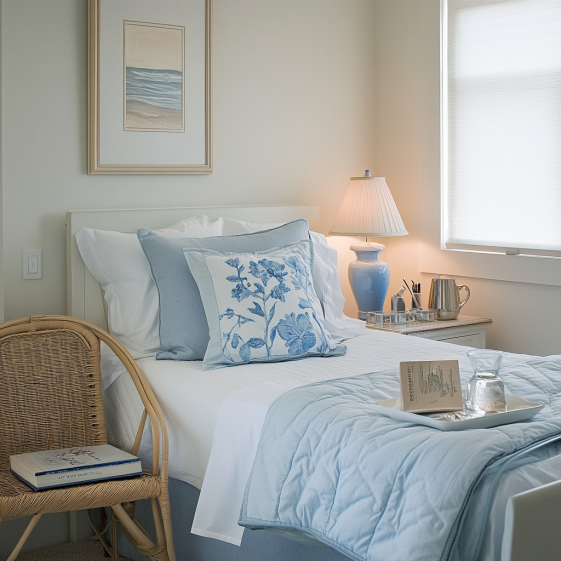
Full bed frame in modern bedroom

Top Benefits of Full Bed Frames

1. Space‑Smart & Comfortable

If you’re working with a smaller bedroom, a full bed frame gives you more wiggle room than a queen, while still offering crucial sleeping comfort compared to a twin. For a guest room or child’s room, the size is often just right. It’s also easier to maneuver when setting up in tight layouts.

Summary: You get a balanced size that’s ideal for tight quarters.

Space-saving full bed frame for small bedroom

2. Style Variety & Customization

From sleek metal to warm wood and plush upholstered finishes, full bed frames let you express your bedroom’s style. Metal frames often offer a minimalist, industrial feel; wooden frames bring warmth and tradition; upholstered frames lend softness and texture. Many models even come with detachable heads or footboards for future flexibility.

Summary: Pick a style that complements your vibe and budget.
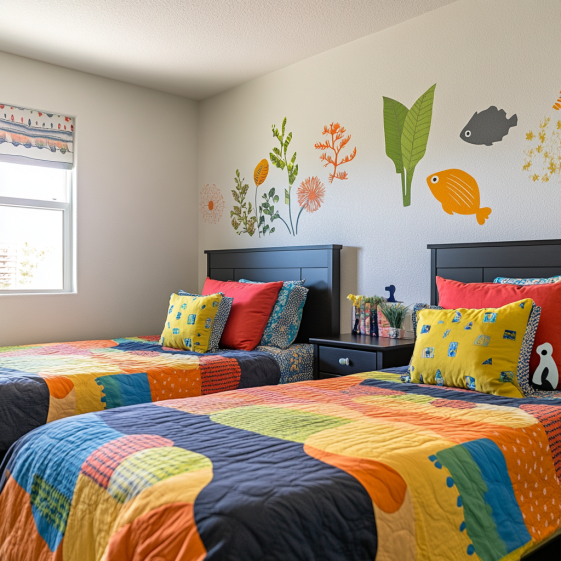
Stylish full bed frame with upholstered headboard

3. Storage and Functionality

Platform-style and storage full bed frames often include drawers or under‑bed compartments. This is especially helpful in small apartments or kid’s rooms. No need for extra dressers—stow away linens, seasonal clothes, or shoes right under the bed.

Summary: Gain space without sacrificing comfort or design.

Full bed frame with under-bed storage

4. Budget-Friendly Options

Full bed frames tend to be more affordable than their queen or king counterparts. You can find quality options at every price point, from simple metal platforms to ornate wooden frames with built-in features. This makes them especially ideal for first apartments, dorm rooms, or secondary bedrooms.

Summary: A cozy and cost-effective way to elevate your bedroom.

5. Ideal for Young Adults & Teens

Teens and college students benefit from the full bed frame’s compact size and flexibility. It offers more room than a twin but doesn’t crowd smaller dorms or apartments. Plus, it’s easier to move from place to place as they relocate over the years.

Summary: Great size for growth, comfort, and transitions.

How to Choose the Right Full Bed Frame

  1. Measure your space. Full frames are 54″ × 75″ for the mattress—add about 4–8 inches total for frame overhang/headboard. Confirm that it fits with clearances around the bed.
  2. Select your material. Wood is sturdy and classic; metal is light and modern; upholstered is soft and luxurious (but may require more cleaning).
  3. Pick a frame style. Platform (no box spring), storage (with built‑in drawers), classic rail/footboard, canopy, or sleigh—you choose.
  4. Look at support. Slatted frames with tight spacing can reduce the need for a box spring. Solid foundation frames offer support but can add bulk.
  5. Consider height. Higher frames might require step stools; low-profile frames can feel sleeker and easier to access.
  6. Review assembly & shipping. Metal frames often arrive flat‑packed; wood might need more assembly time or tools.
  7. Read reviews and warranty info. Look for at least a 1‑year frame warranty, noise feedback, and durability comments from users.
  8. Think about future use. Will the frame be used long-term or is it a transitional piece? Some models disassemble easily for moves; others are more permanent.

Best Options Compared

ModelMaterial & StyleStorageProsCons
Metal Platform FrameBlack metal, minimalist platformNoLightweight, affordable, noise‑resistantNo storage; basic look
Wooden Slat Storage FrameSolid pine wood, natural finishYes – four drawersWarm aesthetic, built‑in storage, sturdyHeavier; higher cost
Upholstered Bed FrameFabric‑wrapped wood frame, padded headboardOptional riser storageLuxurious feel, quiet, soft touchNeeds cleaning; more costly

Quick Answer

Full bed frames are the perfect middle ground between twin and queen—offering space‑saving comfort, style flexibility, and often storage options. Choose based on your room size, support needs, and aesthetic preference for best results.

Ready to upgrade your bedroom? Full bed frames offer practical versatility and style, especially when you pick the material and type that fits your space and lifestyle. From metal minimalism to warm wood or plush upholstered designs, there’s an option that delivers both comfort and function.

FAQ

What size mattress fits a full bed frame?
A standard full mattress is 54″ wide by 75″ long. Make sure your frame matches those dimensions and adds a few inches in outside width/length for trim and style features.
Do I need a box spring with a full bed frame?
If the frame is a platform style with slats that are close together (typically under 3″), you usually don’t need a box spring. Otherwise, you may want one for added support.
Can two people sleep comfortably on a full bed frame?
Full beds are best for one sleeper or smaller guest setups—two adults may feel cramped for nightly use. Couples generally prefer queen or king sizes for more breathing room.
How do I clean an upholstered full bed frame?
Vacuum regularly with an upholstery attachment, spot‑clean stains promptly with gentle fabric cleaner, and check manufacturer instructions for fabric type care.
Is storage worth it?
If floor space is limited, built‑in drawers or lift‑top storage are highly beneficial—just be sure to factor in enough clearance for drawer construction and ease of access.

Want new articles straight to your inbox? Subscribe to our cozy newsletter below and never miss an update!