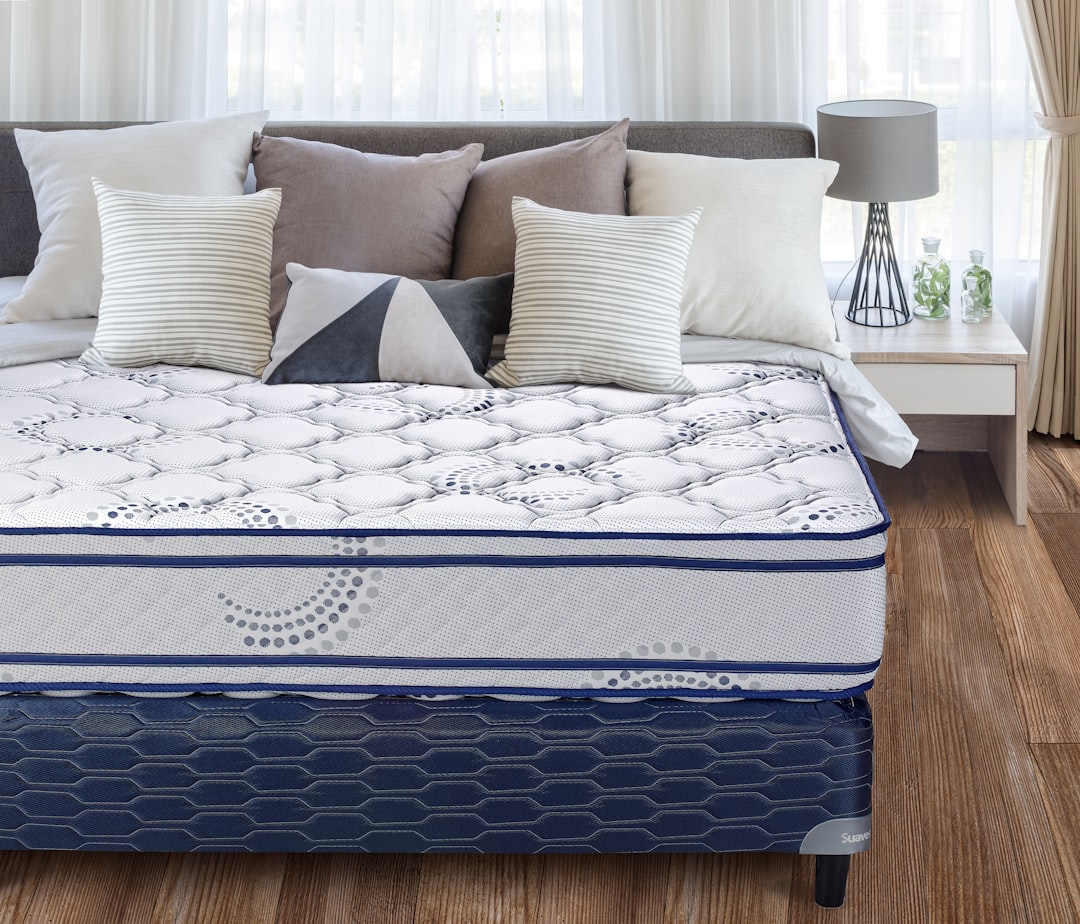
Best Memory Foam Mattresses: How to Pick the Right One for Your Sleep Style

Side sleeper resting on a top-rated best memory foam mattress 2024

The best memory foam mattresses share three things: a comfort layer of foam that weighs at least 3 lb per cubic foot, a firmness that matches how you sleep, and a support core that doesn’t dip under your hips. Everything else — copper, gel beads, “phase change” covers — is a smaller effect than getting those three right. So instead of chasing a model name that may be discontinued by next spring, shop the spec sheet.

What actually makes a memory foam mattress good

Brand marketing changes every year; the physics doesn’t. Model names churn too, so a “best of 2024” pick may not even be on sale now. Here’s what to check on the spec sheet before anything else.

Foam density (the number that predicts sagging)

Density is measured in pounds per cubic foot (lb/ft³) and it’s the closest thing to a durability rating foam has.

  • Under 3 lb/ft³: cheap, light, quick to soften. Common in bed-in-a-box beds under about $500.
  • 3 to 5 lb/ft³: the sweet spot. Slow contouring, holds up for years.
  • Over 5 lb/ft³: very dense and very hugging. Slow to respond, warmer, heavy to move.
  • Support core: the thick base slab should be high-density polyfoam at 1.8 lb/ft³ or better, or pocketed coils.

If a brand won’t publish density, ask their chat line. A company confident in its foam will tell you; if they dodge, that’s your answer.

Thickness and the layer stack

Most quality all-foam beds land between 10 and 14 inches tall. What matters more is the split: roughly 2 to 4 inches of memory foam on top, a transition layer, and 5 to 8 inches of support core.

A 12-inch mattress with 8 inches of soft memory foam isn’t better — it’s a hole you sink into. And if you weigh over about 230 lb, skip anything under 11 inches; you’ll press straight through to the base.

Firmness, translated

Brands rate firmness 1 to 10, and most beds labeled “medium” land around a 6. Useful starting points:

  • Side sleepers under 130 lb: 4 to 5
  • Side sleepers 130 to 230 lb: 5 to 6.5
  • Back sleepers: 6 to 7
  • Stomach sleepers: 7 to 8, no exceptions — your hips need to stay level with your shoulders
  • Over 230 lb: add about a point to any of the above
Person stretching awake after a night on one of the best memory foam mattresses

Best memory foam mattresses by sleeper type

Match the spec to the body and the problem. This is the shortcut version:

You are… Look for Avoid
A side sleeper with shoulder or hip pain 3–4 in of 3.5–5 lb memory foam, medium-soft feel Firm beds with a thin 1.5 in comfort layer
A back sleeper with low-back ache Medium-firm, zoned or transition layer under the lumbar Plush pillow-top foam that lets the hips drop
A stomach sleeper Firm, thin comfort layer, high-density core Deep-hug classic memory foam
A hot sleeper Open-cell or gel foam plus a coil base (hybrid) Thick dense foam with a quilted, padded cover
Sharing a bed with a restless partner All-foam build — best motion isolation you can buy Firm innersprings with connected coils
Over 230 lb 12 in or taller, 2 lb+ base foam, reinforced edges Sub-$400 foam beds with vague specs
Undecided between two firmnesses A flippable dual-firmness bed, or a long trial Guessing from a 3-minute showroom lie-down

If more than one row describes you, weight the one connected to pain. Comfort preferences shift; a shoulder that goes numb at 3 a.m. doesn’t.

Does memory foam sleep hot?

Partly, yes. Memory foam softens in response to body heat and wraps around you, so less skin touches open air. That’s why the hug feels good and why the heat lingers.

What genuinely helps, in rough order of impact:

  1. A coil support core. Air moves through springs. A foam slab doesn’t breathe much, whatever the cutaway diagram suggests. See our memory foam vs. hybrid comparison if you’re torn.
  2. A thinner comfort layer. Less foam around you, less trapped heat.
  3. Open-cell or perforated foam. Real effect, modest.
  4. Gel, copper and graphite infusions. They shift heat for the first part of the night, then saturate. Not nothing, not a fix.
  5. Your sheets. A percale cotton or linen sheet set beats any cooling cover on a foam bed, and swapping a heavy mattress protector for a thin one often does more than a new mattress would.

Trials, warranties and the fine print people skip

Foam takes weeks to feel normal, so the trial is part of the product. Before you buy, check these five things:

  • Minimum break-in period. Most brands require 21 to 30 nights before you can return. That’s fair — new foam is stiffer than settled foam — but it means a “100-night trial” is really about 70 nights of decision time.
  • Return fee and pickup. Some companies collect and donate free; others charge a return or restocking fee, especially outside the lower 48 states.
  • One return per customer. Plenty of trials let you exchange firmness only once.
  • Sag threshold in the warranty. Warranties usually cover a permanent body impression once it passes a set depth — often ¾ inch to 1½ inches. Anything shallower isn’t a defect in their eyes, even if you feel it.
  • What voids it. Using the wrong base, removing the law tag, or a single stain will void most warranties. Buy a protector on day one.

Also note whether the coverage is full-replacement or prorated. A “lifetime warranty” that’s prorated after year 10 mostly means a discount on your next mattress.

Setup: base, slats and the new-mattress smell

Memory foam needs a flat, rigid surface. No box spring — those were built to flex under innersprings.

  • Slat spacing: 3 inches or less, measured gap to gap. Wider and the foam bulges between slats and wears in lines.
  • Center support: queen and king frames need a center rail with a leg to the floor. A dip down the middle of a big bed is often the frame’s fault, not the foam’s, and brands will deny a warranty claim over it.
  • Platform or bunkie board: both fine. Solid plywood works too if you drill a few vent holes.
  • Expansion: a boxed mattress needs 24 to 72 hours to reach full height. It’s sleepable the first night; it just won’t feel final.

That fresh-foam smell is off-gassing from volatile organic compounds released as the foam decompresses. It usually fades in a few days with a window cracked. Researchers who measured VOC emissions from memory foam mattresses and modeled bedroom exposure reported concentrations below available health-based benchmarks, which is reassuring, though sensitive sleepers may still want to air a new bed out in another room for a day.

Worth knowing: every mattress set sold in the US has to pass a federal open-flame flammability standard, which is why foam beds contain a fire barrier layer. Look for CertiPUR-US on the foam if low-emission materials matter to you — it’s an industry certification, not a government one, but it does set limits on certain chemicals.

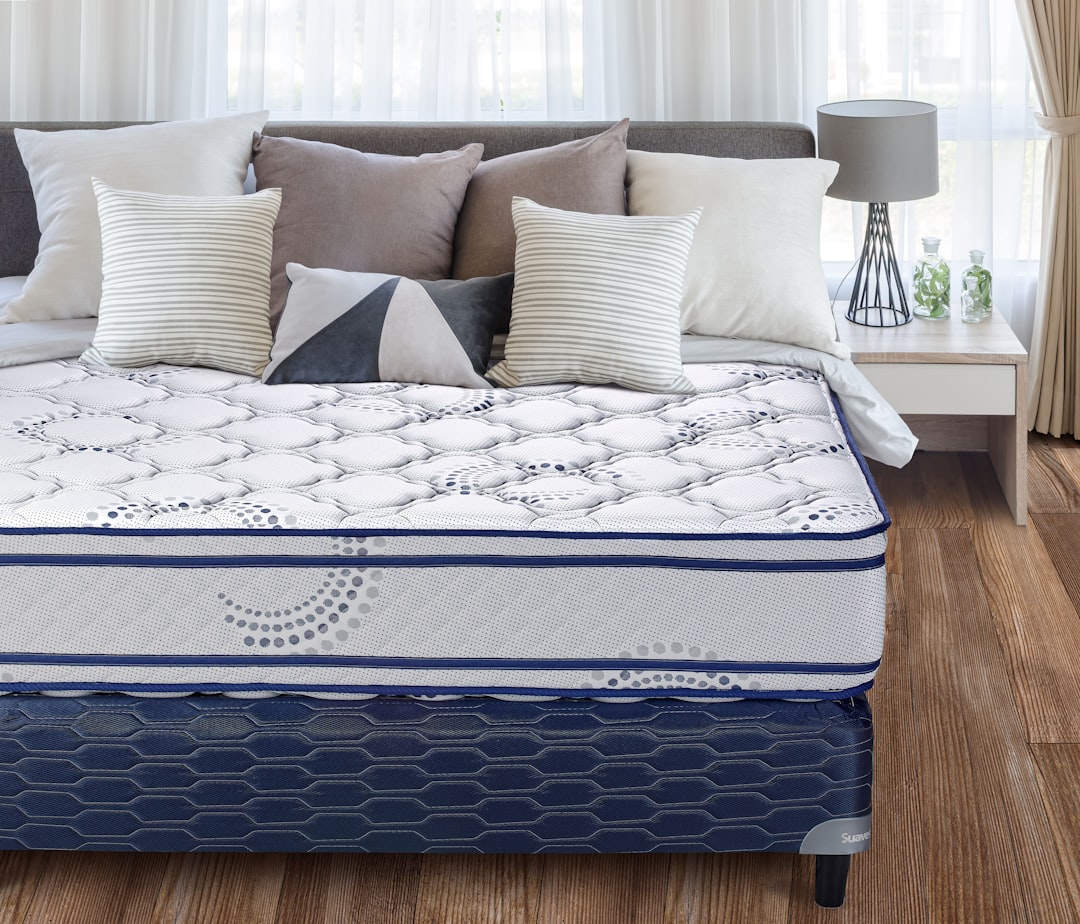
Memory foam mattress on a slatted platform bed frame in a bright bedroom

Where memory foam loses

Even the best memory foam mattresses are wrong for some people, and pretending otherwise wastes your money.

  • Combination sleepers. Turning over in deep foam takes effort. Latex or a hybrid moves with you better.
  • Edge sitting. All-foam perimeters compress when you put your socks on. Hybrids with reinforced edges hold up.
  • Adjustable-bed users on a budget. Foam bends beautifully, but cheap foam creases at the hinge points over time.
  • Anyone who hates the hug. No cooling gel fixes a feel you dislike. If sinking in bothers you, the whole category is wrong. Our memory foam vs. spring breakdown lays out the trade-offs for larger beds.

How much should you spend?

The best memory foam mattresses for most households are queen all-foam beds in the mid hundreds to low four figures. Going from a $400 bed to an $1,100 one buys real foam density and a better warranty; going from $1,100 to $3,000 mostly buys zoning, fancier covers and showroom service.

Prices swing hard around holiday sales, so if you’re not desperate, wait for one. If your ceiling is tight, start with our budget mattress picks under $500; if you want to compare every construction type first, the full guide to mattress types covers latex, innerspring and hybrid too.

Frequently asked questions

How long does a memory foam mattress last?

Plan on 7 to 10 years. Higher-density foam lands at the top of that range; sub-3 lb foam can develop a visible body impression in three or four years. The tell isn’t age — it’s whether you wake up stiff and feel better after a night somewhere else.

Do I need a box spring?

No. A platform frame, slats spaced 3 inches or less, or a solid foundation is what you want. A traditional box spring flexes and will leave the foam unsupported.

Can you flip a memory foam mattress?

Only if it’s built as a flippable, dual-sided model — most aren’t, because the soft comfort layers are on one side only. Rotate yours head-to-foot every three to six months instead. It evens out wear where your hips sit.

Is memory foam good for side sleepers?

It’s arguably the best category for them. The foam lets shoulders and hips settle in while keeping the waist supported, which is what keeps the spine straight. Pair it with a pillow tall enough to fill the gap between your ear and the mattress — our down vs. memory foam pillow comparison covers loft for side sleeping.

Why does my memory foam feel harder in winter?

The foam is temperature-sensitive by design, so in a cold room it firms up and takes longer to contour. Warmer bedding or a slightly warmer bedroom sorts it out.

Does a mattress topper fix a sagging bed?

No. A topper can change the surface feel of a mattress that’s still structurally sound, but it can’t bridge a dip in the support core. You’ll just get a soft layer that follows the same sag.

Side sleeper with shoulder sinking into a memory foam comfort layer

A quick pre-checkout checklist

  1. Memory foam density listed at 3 lb/ft³ or higher
  2. Base foam at 1.8 lb/ft³+, or pocketed coils
  3. Height 11 inches or more if either sleeper is over 230 lb
  4. Firmness matched to sleep position, not to a review headline
  5. Trial length minus the break-in period — how many nights do you really get?
  6. Return fee, and who hauls it away
  7. Warranty sag threshold in inches, and whether it’s prorated
  8. A frame that meets the brand’s slat-spacing rule, bought before the bed arrives

Get those eight right and most well-reviewed foam beds will work for you. Get them wrong and the fanciest cooling cover on the market won’t save the purchase.

Neatly made bed with layered bedding on a memory foam mattress

Updated September 2026.

Sustainable Wood Bed Frame: Eco-Friendly and Stylish Design

Sustainable Wood Bed Frame: Eco-Friendly and Stylish Design - Featured Image

Eco-Friendly Sustainable Wood Bed Frames for a Greener Bedroom

A sustainable wood bed frame offers style, comfort, and eco-conscious living in one choice. Made from responsibly sourced materials, these frames reduce environmental impact while providing long-lasting durability. Discover the benefits, materials, and styles that make sustainable wood bed frames the perfect choice for your greener bedroom.

Eco-Friendly Wooden Bed Frames for Green Homes

  • Sustainable wood bed frames are made from responsibly sourced materials like FSC-certified wood, bamboo, or reclaimed wood.
  • They provide durability, better indoor air quality, and help reduce environmental impact.
  • Various styles—from modern to rustic—allow eco-friendly choices without sacrificing design.
  • Proper maintenance extends the life and beauty of your bed frame.
  • Look for certifications like FSC to ensure genuine sustainability claims.

1. Benefits of Sustainable Wood

Choosing a sustainable wood bed frame means helping the planet while upgrading your bedroom’s style. The benefits include reduced deforestation, lower carbon footprint, and support for ethical forestry practices. In addition, sustainable wood tends to be naturally stronger and denser, ensuring your bed frame remains sturdy for decades. Beyond durability, many eco-friendly woods are hypoallergenic and free from harmful VOCs (volatile organic compounds), making them a healthier choice for sensitive sleepers.

  • Environmental Impact: Sourced from managed forests, sustainable wood promotes biodiversity and forest regeneration.
  • Healthier Living Spaces: Non-toxic finishes help maintain better indoor air quality.
  • Durability: Long-lasting and able to be repaired, refinished, or repurposed.

Sustainable Wood Bed Frame: Eco-Friendly and Stylish Design

2. Materials for Sustainable Beds

Eco-conscious bed frames come in several sustainable material options, each with unique benefits for your bedroom design and environmental impact. Understanding these materials will help you choose the right one for your needs.

  • Reclaimed Wood: Salvaged from old barns, homes, or factories, reclaimed wood offers a rustic look and helps reduce landfill waste.
  • FSC-Certified Wood: The Forest Stewardship Council label ensures the timber is harvested under strict environmental and social standards.
  • Bamboo: Technically a grass, bamboo grows rapidly without replanting and produces a lightweight yet strong frame.

Some manufacturers combine multiple materials—such as reclaimed oak with bamboo slats—to maximize sustainability and strength.

Sustainable Wood Bed Frame: Eco-Friendly and Stylish Design

3. Styles of Sustainable Bed Frames

From minimalist to rustic, sustainable bed frames fit any aesthetic. Manufacturers have embraced eco-friendly design, so you can choose a bed that complements your home’s style while staying true to your values.

  • Modern Designs: Sleek and minimalist frames that pair natural wood grains with clean lines.
  • Rustic Styles: Reclaimed wood frames with visible grain patterns and character marks that tell a story.
  • Custom Options: Select your wood species, finish, and headboard style for a one-of-a-kind eco-friendly bed.

Some brands even offer modular bed designs, allowing you to update or replace parts without buying a whole new frame.

Sustainable Wood Bed Frame: Eco-Friendly and Stylish Design

4. Maintenance of Sustainable Wood Beds

Proper care extends the life of your sustainable wood bed frame and keeps it looking its best. These beds are an investment, and with the right upkeep, they can last a lifetime—or longer.

  • Dust weekly with a soft cloth to prevent buildup.
  • Use plant-based wood polish to maintain finish and prevent drying.
  • Avoid placing the bed in direct sunlight to prevent fading and warping.
  • Place felt pads under frame legs to protect flooring and reduce wear.

Sustainable Wood Bed Frame: Eco-Friendly and Stylish Design

5. Buying Guide for Sustainable Frames

When shopping for a sustainable bed frame, do more than just glance at the label. Here’s how to make sure you’re truly buying green:

  • Ask about sourcing—was the wood locally harvested or imported?
  • Look for FSC, PEFC, or Cradle-to-Cradle certifications.
  • Examine joinery—strong joints indicate longer lifespan.
  • Consider end-of-life—can the frame be recycled or repurposed?

Remember, true sustainability combines eco-friendly sourcing with ethical labor practices and durability.

Sustainable Wood Bed Frame: Eco-Friendly and Stylish Design

6. Final Thoughts

At Cozy Bed Quarters, we believe that choosing a sustainable wood bed frame is more than just a design choice—it’s a commitment to a healthier planet and a better night’s sleep. Sustainable bed frames not only enhance the aesthetic appeal of your bedroom but also contribute to the preservation of our natural resources. By selecting responsibly sourced wood, you’re investing in furniture that stands the test of time while minimizing environmental impact.

Incorporating sustainability into your bedroom setup aligns with a growing awareness of eco-friendly practices. Sustainable wood bed frames blend durability, style, and environmental responsibility—helping you rest easy while supporting a greener future.

FAQ

What is a sustainable wood bed frame?
A bed frame made from responsibly sourced materials, such as FSC-certified or reclaimed wood, designed to minimize environmental impact.
Are sustainable bed frames more expensive?
They can be, but the durability and eco-benefits often outweigh the initial cost over time.
How can I verify a bed frame is sustainable?
Look for certifications like FSC or ask manufacturers about their sourcing practices and supply chain transparency.
Which wood type is most eco-friendly?
Bamboo and reclaimed wood are among the most sustainable options due to renewability and waste reduction.

Related reading from Cozy Bed Quarters

Other reading we found popular


Sustainable Sleep Products: Eco-Friendly Bedroom Guide

Eco-Conscious Sleep

Sustainable sleep products are the bedding, mattresses, frames and bedroom basics made from certified organic, renewable or recycled materials — and built well enough that you are not replacing them in two years. The fastest wins are certified sheets, a natural latex or wool mattress, a solid or reclaimed wood frame, and LED bulbs. You don’t have to redo the whole room at once; swapping one thing at a time as stuff wears out is the greener move anyway.

What makes a sleep product genuinely eco-friendly

Four things, really. What it’s made of, how it was processed, how long it lasts, and what happens to it when you’re done with it. Marketing tends to shout about the first one and stay quiet about the rest.

  • Material. Renewable or recycled beats virgin synthetic. Organic cotton, linen, hemp, wool, natural latex and FSC-certified wood all qualify.
  • Processing. A “natural” fiber can still be bleached, dyed and finished with nasty chemistry. Certification is how you check.
  • Durability. A sheet set that survives years of hot washes beats three cheap sets that pill and tear.
  • End of life. Can it be washed and reused as rags, composted, repaired, or recycled through a real program? Glued-together foam and mixed fibers usually can’t.

One honest note before you spend anything: the greenest mattress is often the one you already own. If yours still supports you, keep it.

Certifications worth knowing

Labels do the work your nose and hands can’t. These are the ones that mean something.

Label What it actually tells you
GOTS The Global Organic Textile Standard covers organic fiber content plus processing, chemical inputs, wastewater and labor conditions. A certified textile must contain at least 70% certified organic fibers.
OEKO-TEX STANDARD 100 Every component — thread, button, zip — has been lab-tested for harmful substances, with stricter limits the more skin contact a product has. It says nothing about organic farming.
GOLS The Global Organic Latex Standard, the latex equivalent of GOTS. Look for it on latex cores, not just on the cover fabric.
FSC Forest Stewardship Council certification traces wood back to responsibly managed forests through the supply chain. Useful for frames, slats and nightstands.
TSCA Title VI Not a green label, a US legal limit. Composite wood products such as plywood, MDF and particleboard — and finished furniture containing them — must be labeled as TSCA Title VI compliant for formaldehyde emissions.
CertiPUR-US An industry-run program for flexible polyurethane foam, testing for certain substances and emissions. It doesn’t make foam organic or renewable.

A certification on the finished product beats a certification on one ingredient. “Made with organic cotton” and “GOTS certified” are not the same sentence.

Organic cotton bedding, wooden furniture and plants showing sustainable sleep products in a bedroom

Sustainable sleep products for the bed itself

Bedding is where most people start, and it’s the right call: it’s cheap relative to a mattress, it touches your skin all night, and it wears out on a predictable schedule.

Sheets and duvet covers

Organic cotton is the easy default — soft, washable, widely certified. Linen comes from flax, needs less irrigation than cotton in most growing regions, and lasts for years once it softens up. Hemp behaves like a tougher linen and gets better with washing.

Bamboo deserves an asterisk. The plant grows fast with little input, but almost every “bamboo sheet” is viscose or rayon, meaning the pulp has been chemically dissolved and re-spun. A closed-loop process (lyocell) recovers most of the solvent; conventional viscose often doesn’t. If a bamboo sheet set carries no certification and no process detail, treat the green claims as decoration.

Whatever fiber you choose, buy fewer, better sets and rotate them. If you want a starting point, our roundup of sustainable bedding brands goes deeper on what to look for on a label.

Organic cotton duvet, natural fiber rug and wooden bed frame in a sunlit bedroom

Folded organic cotton, linen and hemp bedding stacked on a neatly made bed

Pillows

Pillow fill is where natural materials shine, because you replace pillows more often than anything else in the bed.

  • Natural latex — springy, supportive, holds its shape for years. Skip it if you have a latex allergy.
  • Buckwheat hulls — firm and adjustable; you add or remove hulls until the loft fits your neck. Noisy at first, and the hulls are compostable at the end.
  • Kapok or wool — softer, more traditional feel, both renewable.
  • Recycled polyester — not natural, but it keeps bottles out of landfill and washes easily. A reasonable budget pick.

Duvets and blankets

Wool regulates temperature well and is naturally flame resistant, which means the manufacturer needs fewer added flame retardants. Responsibly sourced down lasts decades if you air it and keep it in a washable cover. Cotton or linen throws sit fine in the middle.

Mattresses: the biggest single decision

A mattress is the heaviest, bulkiest thing in the room and the hardest to get rid of. It’s worth slowing down here.

Natural latex, organic wool and organic cotton are the core of most greener mattresses. Latex comes from rubber-tree sap, a renewable crop, and Dunlop latex in particular tends to be dense and durable. Wool adds loft and temperature regulation without synthetic fiber fill. Hybrid builds with a steel coil unit are also worth a look — steel is one of the most widely recycled materials there is, and coil units are easier to separate at end of life than a solid block of glued foam.

You’ll see claims that latex is “hypoallergenic” and “resists dust mites and mold”. Latex foam has a dense, closed structure that’s less hospitable than open fiber fill, but the practical evidence that it prevents allergy symptoms is thin. Washing bedding hot and using a zipped, washable protector does more for dust mites than the mattress material does.

Two questions worth asking before you buy: is the latex GOLS certified, or just “natural”? And can the layers be unzipped and replaced individually? A mattress you can re-layer instead of replace is the sustainable one. Our guide to eco-friendly organic mattress brands covers what different certifications cover on a mattress spec sheet.

Bed frames and bases

Search interest around eco-friendly bed frames is huge, and the answer is simpler than the marketing suggests: buy something solid, jointed and repairable.

Reclaimed and solid wood

Reclaimed wood is the lowest-impact option because the tree was already felled — you’re just extending its life. Solid hardwood with FSC certification is next. Both can be sanded, re-oiled and passed on. Check the finish, too: water-based or plant-oil finishes keep the chemistry mild.

Engineered wood and MDF

Not automatically bad — engineered panels use offcuts and fast-growing species efficiently — but glue is the issue. Look for the TSCA Title VI compliance label, and give any new flat-pack piece a few days of ventilation before you sleep next to it. The EPA notes that concentrations of many VOCs run consistently higher indoors than outdoors, so airing things out and opening a window matter more than any single “low-VOC” label.

Metal

Steel frames are durable and highly recyclable, though production is energy intensive. A frame with recycled steel content that survives three house moves is a perfectly defensible choice. If you want the material trade-offs side by side, see our comparison of eco-friendly bed frame materials.

Cardboard, bamboo and DIY

Engineered cardboard frames are real, genuinely light and fully recyclable, with obvious limits on weight and humidity — we’ve broken down the trade-offs in our look at the cardboard bed frame. Bamboo frames use a fast-growing grass, but check how the pieces are laminated. And a platform built from reclaimed lumber or pallets is still one of the cheapest low-impact beds going, as long as you use heat-treated pallets (stamped HT, not MB) and seal them properly.

Bedroom with reclaimed wood bed frame, natural fiber textiles and potted plants

Energy, light and air in the bedroom

Products are only half of it. The running costs of the room matter too, and these changes are cheap.

Lighting

If anything in your bedroom still runs on incandescent bulbs, that’s the first swap. ENERGY STAR reports that LED lighting uses at least 75% less energy and lasts 25 times longer than incandescent lighting. Warm bulbs around 2700K feel cozier at night, and a dimmer lets you drop the light level in the last hour before bed. There’s more on layering it properly in our guide to cozy bedroom lighting.

Heating and cooling

Heating and cooling are the biggest energy draw in most homes, so nudging the thermostat down overnight does real work — and a cooler room suits sleep anyway. Thermal or lined curtains hold heat in winter and block afternoon sun in summer, which takes load off both the boiler and the fan. Smart plugs or a switched power strip kill the standby draw from chargers, speakers and TVs.

Air quality, minus the myth

Plants are lovely. They are not an air purifier. A 2019 review of decades of research found that the ventilation in a normal room dilutes VOCs far faster than potted plants absorb them; the American Lung Association points out you’d need an implausible number of plants per square meter to match the lab results people quote. Keep the plants for how they make the room feel, and clean the air the boring way: open windows, change filters, fix damp, and skip synthetic air fresheners.

Cutting the waste your bed creates

This is the part most eco-bedroom articles skip, and it’s where the biggest impact hides.

  • Repair before replacing. A split seam, a loose slat or a wobbly bolt is a ten-minute fix.
  • Retire sheets into second lives. Worn cotton becomes cleaning rags, dust covers or quilt backing. Animal shelters often take old towels and blankets — call first.
  • Donate what’s still usable. Clean bedding in good condition is wanted by shelters and refuges; most won’t take used pillows or mattresses for hygiene reasons.
  • Recycle the mattress. Steel, foam, fiber and wood can all be reclaimed. The Mattress Recycling Council runs state programs in California, Connecticut, Oregon and Rhode Island, and its Bye Bye Mattress directory lists drop-off sites. Outside those states, check your city or county waste department, since many run bulky-waste collections that separate mattresses.
  • Ask about take-back. Some retailers remove the old mattress when they deliver the new one. Ask whether it’s recycled or landfilled; the answer varies a lot.

Where to spend first on a budget

If you can only do one thing this month, do it in this order:

  1. Sheets and a pillow protector. Cheapest change, closest to your skin, certified options are easy to find.
  2. LED bulbs and a dimmer. Pays for itself and improves the room at night.
  3. Pillows. Natural fill, replaced when they stop holding shape rather than on a schedule.
  4. Frame. Buy secondhand solid wood if you can. Used furniture is the lowest-impact purchase available, and old frames are often better made.
  5. Mattress. Last, because it’s the most expensive and the one most worth waiting on until you’ve done the research.

Secondhand is the quiet winner in all of this. A solid oak frame from a resale shop beats a new “eco” frame on every measure that matters.

FAQ

What counts as a sustainable sleep product?

Bedding, mattresses, frames and accessories made from organic, renewable or recycled materials, processed with verified chemical limits, and durable enough to last. Certification and repairability are what separate the real ones from the green-painted ones.

Is eco-friendly bedding more expensive?

Often yes up front, particularly for certified organic cotton and natural latex. Whether it works out cheaper over time depends on how long it lasts and how you care for it — that varies too much by product for anyone to promise you a number.

Does organic bedding help with allergies?

Indirectly at best. Organic certification limits pesticide residues and processing chemicals, which helps if you react to those. For dust mites, the proven moves are hot washing, a zipped mattress and pillow protector, and controlling humidity.

Are bamboo sheets eco-friendly?

It depends entirely on processing. The plant is fast-growing and low-input, but most bamboo fabric is chemically processed viscose. Look for lyocell or closed-loop processing and an OEKO-TEX certificate rather than trusting the word “bamboo” on the pack.

How do I get rid of an old mattress responsibly?

Check for a state or local recycling program first, then ask your retailer about take-back at delivery. Landfill should be the last option, not the default.

What’s the single easiest green swap in a bedroom?

LED bulbs. Low cost, immediate energy saving, and a warm dimmable bulb makes the room better to wind down in.

Updated September 2026.

Discover the Best Bedding Types and Purchasing Guide for You

"Elegant bedroom showcasing the Best Bedding Types, featuring cotton sateen sheets and a quilted coverlet for a cozy, luxurious feel."


Best Bedding Types: Complete Buying Guide for Comfort & Style

The Best Bedding Types include cotton sateen sheets, bamboo and Tencel options, luxury duvets, supportive pillows, and lightweight coverlets. This comprehensive guide explains how to choose bedding materials for optimal comfort, breathability, and durability.

Key Takeaways: Best Bedding Types

  • The Best Bedding Types depend more on fabric and weave than inflated thread count claims.
  • Natural fibers like cotton, bamboo, and Tencel provide breathability and longevity.
  • Duvets, pillows, and coverlets each contribute to overall sleep comfort and layering flexibility.
  • Choose pillows based on firmness, fill, and allergy considerations for your sleep style.
  • Layer thoughtfully—sheets, duvet, coverlet—for both function and design.

Best Bedding Types – elegant bedroom with cotton sateen sheets and a quilted coverlet for a cozy, luxurious feel

Finding the best sheets and bedding for your needs can transform your sleep quality. Rather than relying on buzzwords like “thread count,” focus on fiber quality, weave, and construction. By understanding the Best Bedding Types—from duvets and pillows to sheets and coverlets—you can create a sleep sanctuary tailored to your preferences.

How to Choose the Best Sheets for Your Home

Start your bedding journey with high-quality sheets. The Best Bedding Types always begin with the foundations of comfort, breathability, and durability. When shopping online, prioritize clear specs over marketing hype.

Sheet Fabric

The sheet fabric you choose directly impacts softness, longevity, and how the material handles temperature and moisture.

  • Cotton (especially long- or extra-long staple) is breathable, soft, and durable. See Sleep Foundation’s material guide. :contentReference[oaicite:0]{index=0}
  • Egyptian or Pima cotton adds luxury when genuinely sourced from long-staple fibers. :contentReference[oaicite:1]{index=1}
  • Bamboo / bamboo-derived viscose is moisture-wicking, silky, and eco-conscious. :contentReference[oaicite:2]{index=2}
  • Tencel (lyocell) offers a smooth finish with excellent temperature regulation. :contentReference[oaicite:3]{index=3}
  • Linen breathes well and softens over time — especially good in warmer climates. :contentReference[oaicite:4]{index=4}
  • Microfiber / synthetics are often lower cost but trade off some breathability. :contentReference[oaicite:5]{index=5}

Thread Count, Ply & Quality

Thread count is often misrepresented—evaluate single-ply yarns, fiber quality, and manufacturer transparency instead. :contentReference[oaicite:6]{index=6}

For cotton or bamboo sheets, a range of 200–600 is often optimal in comfort and airflow. :contentReference[oaicite:7]{index=7}

Avoid multi-ply counting tricks, and favor brands that clearly state fiber origin, weave type, and processing. :contentReference[oaicite:8]{index=8}

Weave & Feel

The weave determines texture, drape, and airflow.

  • Percale is crisp and breathable — ideal for warm sleepers. :contentReference[oaicite:9]{index=9}
  • Sateen is silky with subtle sheen, though may trap more heat. :contentReference[oaicite:10]{index=10}
  • Satin, Twill, Jersey and others provide additional texture and stretch variations.

Choosing the Perfect Duvet

The duvet is your core warmth layer in the bed. In a high-quality bedding setup, it deserves consideration equal to sheets.

See Sleep Foundation’s guide on duvet vs. comforter to compare options. :contentReference[oaicite:11]{index=11}

Duvet Fill Options

The type of fill strongly affects warmth, loft, and allergen exposure.

  • Down offers superior insulation and loft, but may not suit allergy-sensitive sleepers.
  • Down alternative / synthetic fills are hypoallergenic and easier to wash.
  • Hybrid fills combine both types to balance softness and support.

Duvet Cover & Style

A duvet cover protects the insert and adds visual flexibility. Opt for breathable fabrics (cotton, linen), or luxury blends in climates where extra sheen is desired.

Buying the Right Pillows

Pillows are essential in a bedding system—they support your head and neck nightly, so choose carefully.

Pillow Fill & Firmness

  • Down pillows are soft and breathable; select higher fill power for loft and support.
  • Down alternative / synthetic is allergy-friendly and often firmer.
  • Memory foam contours to your shape — good for side sleepers or neck support.
  • Hybrid pillows mix foam, fibers, or beads for tailored balance.

What Is a Coverlet & Why It Matters

A coverlet is a lightweight, often decorative layer used over or under the duvet. It adds style and flexibility to your bedding system without overhauling your core duvet or sheets.

Best Bedding Types – luxury coverlet layered on a neatly made bed for a cozy and elegant look

Other Sheet Materials & Niche Options

Beyond the major types, consider:

  • Silk sheets — luxurious, cooling, but require delicate care.
  • Flannel — brushed cotton for warmth in colder climates.
  • Fabric blends — like cotton + bamboo, combining strength and softness.

Microfiber and polyester are durable and budget-friendly, though less breathable. Sleep Foundation compares microfiber vs. cotton performance. :contentReference[oaicite:12]{index=12}

Eco-Friendly vs Conventional Bedding: What to Know

Eco-conscious shoppers weigh environmental impact, certifications, and longevity when selecting bedding types.

  • Certifications: Look for GOTS (organic textiles), OEKO-TEX, or other independent labels. :contentReference[oaicite:13]{index=13}
  • Fiber sourcing: Bamboo grows quickly; Tencel is processed with closed-loop systems; conventional cotton can require more water and chemicals.
  • Longevity: Bedding that lasts a decade offsets its production footprint.
  • End-of-life disposal: Natural fibers biodegrade more readily than synthetics.

Trusted Bedding Brands & What to Watch For

Prefer brands that offer transparency — clear material data, supply info, and trials or warranties.

Brands often featured in authority reviews include Boll & Branch, Brooklinen, Saatva, Parachute, and others. Sleep Foundation frequently lists these in its sheet evaluations. :contentReference[oaicite:14]{index=14}

Better Homes & Gardens offers guidance on bedding styling and layering, which complements the technical side of bedding choice. :contentReference[oaicite:15]{index=15}

Putting It All Together: Layering Strategy

Here’s a practical layering approach using the Best Bedding Types:

  1. Fitted & flat sheet: the breathable base layer.
  2. Duvet + insert: core warmth, adjustable by season.
  3. Coverlet / quilt / throw: decorative and extra warmth when needed.
  4. Pillows & shams: coordinate style and support.

For a visual and methodical layering tutorial, check Better Homes & Gardens’ “How to Make a Bed” guide. :contentReference[oaicite:16]{index=16}

Care, Maintenance & Longevity

Washing Tips

Use cold or gentle cycles, mild detergent, and avoid strong bleach. For down/down-alternative, add tennis balls in the dryer to preserve loft.

Rotation & Storage

Rotate bedding seasonally or quarterly. Store unused sets in breathable cotton bags (not sealed plastic) in a cool, dry space.

When to Replace Bedding

If sheets lose elasticity, pillows flatten, or duvets fail to loft, it’s time for an upgrade. Good-quality bedding can last 5–10 years or more with care.

Conclusion

By combining thoughtfully chosen sheets, a proper duvet, supportive pillows, and optional coverlets, you can define the Best Bedding Types for your bedroom. Prioritize transparency, material quality, and care — and your bedding will reward you with comfort and durability night after night.

FAQ

How do I choose the best sheets for my home?
Evaluate fiber quality, weave type, and true single-ply construction rather than chasing high thread count numbers.
What is the difference between thread count and sheet quality?
Thread count is just one metric—fiber type, weave, and craftsmanship matter more. :contentReference[oaicite:17]{index=17}
How do I choose the perfect duvet?
Balance fill type (down vs alternative) with warmth needs and allergy sensitivity.
What are the different types of bed pillows?
Common options: down, synthetic, memory foam, hybrid—each varies in loft, support, and allergen friendliness.
What is a coverlet and why do I need one?
A coverlet is a decorative, lightweight overlay used to enhance style and provide flexible warmth layering.

Related Reading


More Expert Insights

Updated 2025 with fresh fabric tips, easy-wash routines, and small-space bedding tricks.

A calm palette and washable layers are your hosting superpower. For a full room setup, see our guest bedroom ideas pillar guide.

Keep it cozy and straightforward. This repeatable recipe works in any style or season.

Hosting in a tight footprint? Pair this formula with ideas from small guest room ideas or a flexible sleep solution from best sofa beds and daybeds.

Your guests will notice sheets first. Choose the hand-feel that matches your climate and style.

Tip: instead of chasing high thread counts, focus on feel and easy care. For sleep-environment basics, see the Sleep Foundation. Adults need around seven hours of sleep nightly, according to the CDC. Shopping? Look for trusted bedding certifications to support safer materials. And if you’re budgeting, our guest bedroom on a budget guide shows how to upgrade for less.

Warm climate or hot sleepers? Pair a light quilt with a thin blanket. Cooler homes do well with an all-season duvet insert plus a throw at the foot.

Short on storage? A slim trunk or under-bed bin keeps extra pillows and throws handy—see small guest room ideas for space savers.

Need furniture that flips from day to night? Explore the best sofa beds for guest rooms for compact, comfortable options.

A breathable sheet set (cotton percale or sateen), a medium-weight duvet or comforter, and two pillow firmness options. Add a throw so guests can fine-tune warmth.

Plan for at least two sleeping pillows per sleeper (one soft, one medium/firm) plus optional shams for polish.

Cotton percale is typically airier and cooler; linen is another breathable option if you like a relaxed look.

Choose a duvet if you want faster laundry days (wash the cover). Choose a comforter if you prefer low-fuss, all-in-one bedding.

Air the room, fluff pillows, launder sheets and covers promptly, and use protectors to block moisture and dust.

The best bedding for guest room success is a simple formula: breathable sheets, an easy-care top layer, and a mix of pillow firmness. With a calm palette and smart protectors, you’ll turn over the bed in minutes and keep every guest comfy. For whole-room planning, see our guest bedroom ideas guide and explore budget-friendly upgrades that look luxe. For more cozy hosting tips, visit Cozy Bed Quarters.

Want men’s bedding that sharpens your room without a full overhaul? You can transform your space with small, smart updates that balance style and sleep quality. Start by choosing materials that match how you sleep and a color palette that feels calm and masculine. For deeper inspiration, explore our Cozy Bedding Sets guide.

For deeper research on fabrics, explore our Cozy Bedding Materials Guide and the Best Bedding Material for Hot Sleepers pillar pages. Both break down pros, cons, and who each material suits best.

Compare sets, comforters, and duvet cover + insert combos to match your storage and sleep habits. Check what’s included (shams, sheets, duvet, decorative pillows) so you’re not surprised when the box arrives.

Pick your size—queen, full, or king—and double-check fitted sheet pocket depth for a snug fit. Keep the palette cohesive with neutral solids, earthy blues, subtle stripes, or a reversible pattern for two looks in one set.

According to the CDC, adults need seven or more hours of sleep. Optimizing your sleep surface—sheets, pillows, and a breathable top layer—can make hitting that goal easier. For room setup tips, see the National Sleep Foundation’s bedroom environment guide.

Pick sheets by weave, not just thread count. A percale sheet feels cool and crisp; sateen feels smooth with subtle sheen. For top layers, choose a down or down-alternative duvet for loft and warmth. If you run hot, a breathable insert with a cotton shell helps regulate temperature. Not sure which top layer fits you? Compare choices in our Duvet or Comforter: Key Differences guide.

Choose a versatile duvet or comforter and your bed becomes the room’s focal point. Here are strong directions to explore as you build a men’s bedding look:

Want a quick overview of duvet inserts and loft? Watch this short explainer for care and fill basics.

If you prioritize safer materials, look for third-party labels. A useful primer is Sleepopolis’s guide to bedding certifications (OEKO-TEX®, CertiPUR-US®, GREENGUARD). For a shopper-friendly roundup of non-toxic options, browse the Gimme the Good Stuff guide. Keeping your bedroom cool (around 60–68°F) and choosing breathable layers also supports sleep quality, as noted by the Sleep Foundation.

Percale cotton feels crisp and cool for hot sleepers; sateen feels smoother and slightly warmer. Linen is great if you want relaxed texture and airflow.

Use breathable sheets (percale or linen), a lighter duvet insert in summer, and keep your room on the cooler side. Moisture-wicking pillowcases also help.

Close the loop on your men’s bedding upgrade with a thoughtful duvet and cover combo. Balance warmth and airflow for your climate, confirm fitted sheet depth, and pick a color story that suits your space. For more guides and picks, explore Cozy Bed Quarters.

Four Poster Bed History: How a Draft Shield Became a Status Symbol

he Great Bed of Ware, a historic four-poster bed displayed in a museum.

Four poster bed history begins with cold rooms and zero privacy: by the 1400s, joiners were building beds with four corner posts so curtains could hang from the frame itself instead of dangling from the ceiling. Those hangings trapped body heat, blocked drafts and dust, and screened the sleeper from the servants and relatives who often shared the chamber. The posts survived long after chimneys and central heating made them unnecessary, because by then they had become a way to show off.

Four poster bed history at a glance

Before about 1400 Curtains and a flat canopy (the tester) hang from ceiling ropes or a wall bracket. The bedstead underneath is a simple frame.
1400s Posts rise from the bed itself and carry the tester. The four-poster as we know it takes shape in wealthy European households.
1500s Massive joined oak beds with carved headboards, bulbous posts and inlay. Hangings often cost more than the woodwork.
1600s State beds go tall and fully upholstered. Posts disappear under silk, velvet and fringe.
1700s Mahogany, slim reeded or fluted posts, and plain American pencil-post beds. Lighter, cleaner lines.
1800s Iron and brass bedsteads spread, half-testers get popular, and hygiene reformers attack heavy hangings as dust traps.
1900s Central heating and fitted bedrooms push curtains out. The style fades to country houses and hotels.
Now Skinny wood or powder-coated steel frames, usually with no fabric at all. The posts are there to draw the eye.

The tester came first, the posts came second

Medieval inventories describe a “bed” as the textiles, not the woodwork. The valuable part was the set of curtains, the tester overhead, the dorsar hung behind the head, and the coverlet. Early canopies were suspended from the ceiling joists or cantilevered off the wall, which meant they could be taken down and moved with the household.

The switch to posts is the hinge point in four poster bed history, and it solved a practical problem. A frame that carried its own canopy could be set anywhere in the room, hold heavier fabric, and be assembled and knocked down with pegs and bolts. Once carpenters started making the posts decorative, the arms race was on.

Carved oak bed with heavy drapes illustrating early four poster bed history

The Tudor showpiece years

Sixteenth-century oak beds are the ones people picture: melon-shaped posts, arcaded headboards, inlaid panels in light and dark wood. The most famous survivor is the Great Bed of Ware, an oak four-poster carved, inlaid and originally painted, made in England around 1590–1600 and now in the Victoria and Albert Museum collection. It measures about 3.26 metres (10 feet 8 inches) across, near enough twice the width of a modern king mattress, and it sleeps four couples if you believe the old stories.

It was almost certainly a marketing stunt for a Hertfordshire inn, and it worked: Shakespeare name-checked it in Twelfth Night, and playwrights kept the joke running for a century.

Beds were also serious property. Shakespeare’s 1616 will left his wife the “second best bed,” a line scholars still argue over, and the fact that a bed merited a clause at all tells you where it sat in the household inventory.

Why the curtains mattered

  • Heat. An unheated stone or timber chamber loses warmth fast. Closed wool or serge hangings turn the bed into a small insulated room.
  • Privacy. Beds sat in rooms people walked through, and servants often slept on a truckle bed underneath.
  • Dust and soot. Open fires, rush lights and thatched or beamed ceilings dropped debris. The tester caught it.
  • Status. Silk damask cost a fortune. Everyone who entered the chamber could price it at a glance.

The Victorian backlash

By the mid-1800s, cheap rolled-iron and brass bedsteads were being sold as the sanitary alternative to carved wood, on the argument that metal gave bedbugs nowhere to hide and could be scrubbed. Sanitary writers of the period pushed the same line about hangings: heavy curtains held dust and stale air, so half-testers and bare frames gained ground. That shift, plus better heating, is the reason four poster bed history has a gap in it: the full tester bed nearly disappeared from ordinary bedrooms by 1920.

What the modern four-poster kept, and what it dropped

The modern chapter of four poster bed history keeps the silhouette and throws out almost everything else. Posts are thinner, often 2 to 3 inches square instead of a carved 6-inch column. Frames come in oak, ash, walnut, rubberwood and tubular or square-section steel. Most ship with a flat top rail on all four sides and no fabric.

The old warmth argument is mostly gone, but the light argument holds up. Darkness is one of the main signals your body clock reads, and the National Institute of General Medical Sciences notes that light and dark have the biggest influence on circadian rhythms. Lined curtains on a four-poster give you a pocket of dark inside a room you can’t fully black out, which is genuinely useful in a studio, a bright city flat, or a summer bedroom with thin blinds.

If you’re weighing a canopy against an open frame, our canopy bed vs four-poster comparison lays out the structural differences in detail.

Slim modern four-poster bed frame with clean square posts and no canopy fabric

How to tell an old four-poster from a reproduction

Plenty of “antique” four-posters are Victorian or early 20th-century frames assembled from older panelling, or straight reproductions. Things worth checking before you pay antique money:

  • Saw marks. Straight, irregular pit-saw marks suggest hand sawing. Regular arcs mean a circular saw, so the timber was cut no earlier than the 1830s.
  • Shrinkage. Turned posts and pegs on genuinely old wood dry out across the grain and go slightly oval. Perfectly round sections are a flag.
  • Pegs and bolts. Hand-cut pegs usually stand slightly proud. Original bed bolts are often hand-threaded and mismatched, with a bolt cover on the outer rail.
  • Patina mismatch. Compare the colour inside the joints with the outside faces. A “marriage” of parts from different beds shows up here first.
  • Carving depth. Machine carving is uniform and shallow; hand carving wanders and undercuts.
  • Mattress size. Many pre-1900 frames were built for a mattress narrower and shorter than today’s standards. Measure the inside of the rails before you plan any bedding.

None of this is proof on its own. Two or three matching signs, plus a dealer who will put the date in writing on the receipt, is what you want.

Will one fit your room? Measure these five things

  1. Ceiling height. Modern posts usually run 70 to 90 inches tall. On a standard 96-inch ceiling, aim for at least 8 to 12 inches of air above the top rail so the bed doesn’t look jammed in.
  2. Walkway clearance. Leave 24 inches minimum on any side you use, and 30 inches if you want to make the bed comfortably. Posts eat into that space visually more than a headboard does.
  3. Mattress and rail size. A queen mattress is 60 by 80 inches and a king is 76 by 80. Check the frame’s external footprint too; posts and rails can add 3 to 6 inches on each side.
  4. Delivery route. Ask whether the posts split into two sections with a threaded dowel. A one-piece 84-inch post will not turn a tight stair landing.
  5. Light fittings. Pendant lights, ceiling fans and sloped ceilings decide the whole thing. Tape the post height on the wall and live with it for a day.

Small rooms are not automatically out. A pale, slim-posted frame with no top rail reads lighter than a bulky upholstered headboard, because you can see the wall through it. Dark, heavy posts in a small room do the opposite.

Four-poster bed dressed with light linen curtains tied back at the posts

Dressing it without going full Tudor

Fabric is where this style goes wrong fastest. A few rules that keep it wearable:

  • Sheer linen or cotton voile at the head corners only. You get the softness without the cave.
  • If you want real blackout, line just the two curtains facing the window and leave the rest sheer.
  • For gathered curtains, allow about twice the rail length in fabric width so they hang in folds rather than flat panels.
  • Wash hangings on a schedule. They collect dust exactly as the Victorians complained.

For style-by-style options and canopy hardware, see our guide to choosing a four-poster canopy bed. If you’re drawn to the period look, the longer read on four-poster beds through history goes deeper on the decorative eras.

Keeping an old frame sound

Bed bolts loosen. Check and snug them every six months, and every time you move the bed; a wobbling four-poster is almost always four loose bolts, not a broken joint. Keep indoor humidity somewhere around 40 to 50 percent if you can, since swinging humidity is what splits old rails and pops inlay.

Use paste wax on waxed antique wood, not silicone spray polish, and never oil a shellacked surface. Felt pads under the posts stop them chewing floorboards and let you slide the bed out to clean.

Traditional wooden four-poster bed with turned posts and a flat tester frame

Frequently asked questions

When was the four-poster bed invented?

Four poster bed history has no single inventor or date. Curtained beds with ceiling-hung canopies existed well before 1400; beds with four corner posts carrying their own tester became common in wealthy European homes during the 1400s and were standard for the well-off by the 1500s.

Why do antique four-poster beds look so short?

Partly because of how they were used. People slept propped on bolsters and pillows rather than flat, and the piled bedding and high side rails make the sleeping area look shorter than it is. Average adult heights were modestly lower than today, but the “everyone was tiny” explanation is overstated. Measure the rails rather than guessing.

Do four-poster beds need curtains?

No. Most modern frames are sold bare and work fine as pure architecture. Add fabric only if you want the darkness, the warmth or the enclosed feeling.

Are four-poster beds bad for small bedrooms?

Not if you keep the posts slim, the finish light and the top rails open. What kills a small room is a heavy canopy plus full-length curtains, which cuts the floor plan into a box.

Is a four-poster bed a sustainable choice?

It can be. A solid hardwood frame with bolted joints is repairable and often outlives several mattresses, which is the whole argument for buying well once. Our guide to sustainable bed frames covers certifications, glues and finishes to look for.

What happened to bed curtains?

Chimneys, then stoves, then central heating removed the reason for them, and 19th-century hygiene campaigns finished the job by branding them dust traps. The ritual side of the bedroom shifted too, as our piece on bedding rituals through history explains.

Updated September 2026.

Space-Saving Bed Types: Murphy, Daybed, Trundle and More

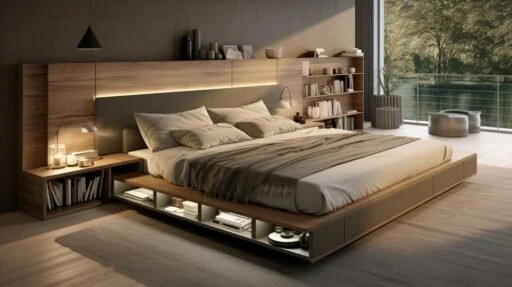
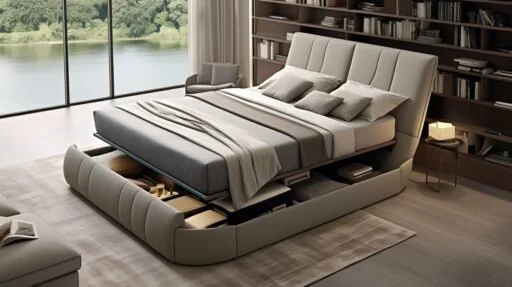
Functional Platform & Storage Beds

Platform and Storage Beds for Practical Living

Looking for a bed that not only provides comfortable sleep but also offers ample storage space? Look no further than functional platform and storage beds. These beds are the perfect solution for compact living spaces, allowing you to optimize every inch of your bedroom.

One of the key advantages of platform and storage beds is their built-in storage feature. The space underneath the bed can be used to store various items such as bed linens, clothes, and other belongings. This not only helps keep your bedroom organized and tidy but also maximizes the use of space in your home.

When choosing bedroom furniture, it’s important to consider long-term plans. Storage beds with drawers can be an essential investment, especially if you’re planning to move to a smaller living space in the future. These beds provide extra storage that can make a significant difference in smaller places.

There are various popular options for platform and storage beds, catering to different sizes, colors, and material preferences. Some popular models include the Myla Side Storage Bed, Zen Kids Bed with Drawers, Pactera Oak King Storage Bed, Ebba Storage Bed, Flekke Daybed, Folsom Storage Platform Bed, Kerrissa Storage Queen Platform Bed, Mr. Kate Moon Queen Upholstered Storage Bed, Room & Board Avery Bed, Mercury Row Cletus Upholstered Low Profile Platform Bed Frame, DG Casa Argo Upholstered Panel Bed Frame with Storage Drawers, and Novogratz Brittany Upholstered Bed.

Key Takeaways:

  • Platform and storage beds are a functional and space-saving solution for compact living spaces.
  • They offer built-in storage underneath the bed, helping keep the bedroom organized and tidy.
  • Storage beds with drawers are essential for long-term plans, especially for individuals planning future moves to smaller spaces.
  • Popular options include the Myla Side Storage Bed, Zen Kids Bed with Drawers, Pactera Oak King Storage Bed, and more.
  • These beds come in various sizes, colors, and materials, providing ample storage space while maintaining style and comfort.

Why Choose Platform and Storage Beds?

Platform and storage beds are the perfect choice for modern homes, providing space-saving designs that meet your unique needs and instantly upgrade your bedroom. These beds are designed with built-in storage underneath, allowing you to maximize every inch of space in your bedroom. Whether you’ve a small apartment or a large household, platform and storage beds offer the perfect solution to keep your bedroom organized and tidy.

One of the main advantages of choosing platform and storage beds is their ability to optimize space in compact living areas. The built-in storage underneath the bed provides ample space to store bed linens, clothes, or other items, keeping them easily accessible yet hidden from view. This not only helps in maximizing storage space but also contributes to a clutter-free and organized bedroom environment.

On top of that, platform and storage beds cater to individual needs and style preferences. They come in various sizes, colors, and materials, allowing you to choose a bed that complements your bedroom decor. Whether you prefer a sleek and minimalistic design or a more traditional and elegant style, there’s a wide range of options available to suit your taste.

Platform bed with under-bed drawers, one of the most practical space-saving bed types

Popular Options for Storage Beds
Myla Side Storage Bed
Zen Kids Bed with Drawers
Pactera Oak King Storage Bed
Ebba Storage Bed
Flekke Daybed

When it comes to long-term plans, such as future moves to smaller living spaces, storage beds with drawers become even more essential. These beds provide extra storage that can accommodate your belongings in a more compact setting. By choosing a storage bed, you ensure that you don’t compromise on space while still having plenty of room to store your essentials.

Conclusion

Platform and storage beds offer functional and stylish solutions for modern bedrooms. They provide space-saving designs that optimize storage space while meeting individual needs and style preferences. Whether you’re looking to upgrade your bedroom or planning for the future, platform and storage beds are a versatile and practical choice that improves both functionality and aesthetics in your space.

The Benefits of Storage Beds

Storage beds offer more than just a comfortable place to sleep – they provide built-in storage solutions that improve bedroom organization and ensure accessible bedding for everyone in the household. With their clever design, storage beds Use the often-underused space beneath the mattress, offering ample room to store bed linens, clothes, and other items. This built-in storage eliminates the need for bulky dressers or overflowing closets, creating a more streamlined and organized bedroom.

One of the key benefits of storage beds is their ability to keep the bedroom tidy and clutter-free. With easy access to stored items, such as extra blankets or seasonal clothing, you can maintain a clean and organized sleeping space. No more digging through drawers or rummaging in the closet – everything you need is conveniently stored right beneath your mattress.

Storage beds are especially beneficial for large households or shared bedrooms. By providing individual storage compartments, each family member or occupant can have their own designated space, ensuring accessible bedding for everyone. This eliminates the hassle of searching for misplaced items or sorting through mixed-up linens. Each person can easily locate their own bedding and keep their personal belongings stored neatly and securely.

Popular Options for Storage Beds
Myla Side Storage Bed
Zen Kids Bed with Drawers
Pactera Oak King Storage Bed
Ebba Storage Bed
Flekke Daybed
Folsom Storage Platform Bed
Kerrissa Storage Queen Platform Bed
Mr. Kate Moon Queen Upholstered Storage Bed
Room & Board Avery Bed
Mercury Row Cletus Upholstered Low Profile Platform Bed Frame
DG Casa Argo Upholstered Panel Bed Frame with Storage Drawers
Novogratz Brittany Upholstered Bed

Built-In Storage

Future-Proofing with Storage Beds

Thinking ahead is essential when it comes to furnishing your bedroom, especially if you anticipate future moves to smaller spaces – storage beds with drawers provide the necessary extra storage for optimizing limited square footage. These beds offer a practical solution for those who want to make the most out of their space without compromising on style or comfort.

Storage beds come in a variety of styles, sizes, colors, and materials, ensuring that you can find the perfect match for your bedroom decor. Whether you prefer a sleek and modern platform bed or a cozy upholstered frame, there are many options available to suit your taste and needs.

Not only do storage beds provide additional storage space for items like bed linens and clothes, but they also help in keeping your bedroom organized and tidy. The built-in drawers or compartments underneath the bed make it easy to access your belongings while keeping them neatly out of sight.

Investing in a storage bed is a smart choice for those looking to maximize their bedroom space and plan for the future. Whether you’re downsizing to a smaller home or simply want to optimize your current living situation, a storage bed offers a practical solution for keeping your belongings organized and your space clutter-free.

Popular Options for Storage Beds

There are several popular options for storage beds that combine functionality with style. The Myla Side Storage Bed and Zen Kids Bed with Drawers are excellent choices for those looking for sleek, modern designs. If you prefer a more rustic look, the Pactera Oak King Storage Bed and Ebba Storage Bed offer a warm and inviting appeal.

  • Myla Side Storage Bed
  • Zen Kids Bed with Drawers
  • Pactera Oak King Storage Bed
  • Ebba Storage Bed
  • Flekke Daybed
  • Folsom Storage Platform Bed
  • Kerrissa Storage Queen Platform Bed
  • Mr. Kate Moon Queen Upholstered Storage Bed
  • Room & Board Avery Bed
  • Mercury Row Cletus Upholstered Low Profile Platform Bed Frame
  • DG Casa Argo Upholstered Panel Bed Frame with Storage Drawers
  • Novogratz Brittany Upholstered Bed

With these popular options, you can find a storage bed that meets your storage needs while improving the overall aesthetic of your bedroom. Don’t compromise on space or style – choose a storage bed that offers both functionality and design.

Bed Material Color Size
Myla Side Storage Bed Wood Gray Queen
Zen Kids Bed with Drawers Wood White Twin
Pactera Oak King Storage Bed Oak Wood Brown King
Ebba Storage Bed Fabric Beige Full
Flekke Daybed Metal Black Twin

storage bed

When it comes to storage beds, there are many options available to cater to different tastes and needs – from the sleek and modern Myla Side Storage Bed to the versatile and stylish Zen Kids Bed with Drawers. These beds not only provide a comfortable and cozy sleeping space but also offer valuable storage solutions.

One popular choice is the Pactera Oak King Storage Bed, which features a sturdy oak frame and spacious built-in drawers, perfect for storing extra linens, clothing, or personal items. If you’re looking for a bed that combines functionality with contemporary design, the Ebba Storage Bed is an excellent option. Its clean lines and minimalist aesthetic make it a standout piece in any bedroom.

For smaller spaces or guest rooms, the Flekke Daybed is a smart choice. This versatile bed not only provides a comfortable sleeping area but also offers under-bed storage that can easily accommodate extra bedding or seasonal items. Another stylish and functional option is the Folsom Storage Platform Bed, which features a low-profile design and convenient storage drawers, making it an ideal choice for those seeking modern elegance.

Whether you prefer classic or contemporary styles, there’s a storage bed to suit your needs. From the elegant Kerrissa Storage Queen Platform Bed to the luxurious Mr. Kate Moon Queen Upholstered Storage Bed, you’ll find a wide range of options to match your bedroom decor and personal style. Other popular choices include the Room & Board Avery Bed, Mercury Row Cletus Upholstered Low Profile Platform Bed Frame, DG Casa Argo Upholstered Panel Bed Frame with Storage Drawers, and the Novogratz Brittany Upholstered Bed.

Bed Model Description
Myla Side Storage Bed Sleek and modern design with built-in storage drawers
Zen Kids Bed with Drawers Versatile and stylish bed with ample storage space
Pactera Oak King Storage Bed Sturdy oak frame with spacious built-in drawers
Ebba Storage Bed Contemporary design with clean lines and minimalist aesthetic
Flekke Daybed Smart solution for smaller spaces with under-bed storage
Folsom Storage Platform Bed Modern elegance with low-profile design and storage drawers
Kerrissa Storage Queen Platform Bed Elegant and functional design for a queen-sized bed
Mr. Kate Moon Queen Upholstered Storage Bed Luxurious bed with upholstered headboard and built-in storage
Room & Board Avery Bed Classic design with ample storage space
Mercury Row Cletus Upholstered Low Profile Platform Bed Frame Sleek and stylish bed frame with storage functionality
DG Casa Argo Upholstered Panel Bed Frame with Storage Drawers Elegant and functional bed frame with storage drawers
Novogratz Brittany Upholstered Bed Stylish and comfortable bed with under-bed storage

With such a wide variety of options, you can find the perfect storage bed that not only meets your storage needs but also complements your personal style. These beds offer practicality without compromising on style, making them a valuable addition to any bedroom.
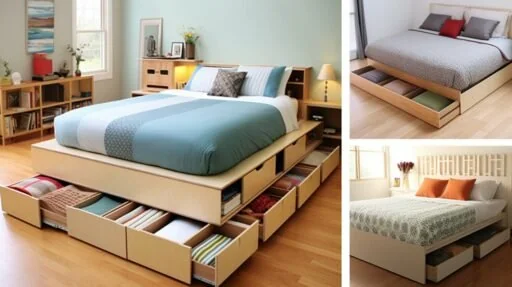
Popular Options for Storage Beds

For those seeking an elegant and functional sleeping solution, canopy beds offer a perfect blend of style and practicality. These timeless pieces of furniture not only add a touch of grandeur to the bedroom but also provide ample storage space to keep your belongings organized and within easy reach.

Canopy beds are known for their distinctive design, featuring four posts that extend vertically from each corner of the bed, supporting a frame or canopy overhead. This canopy can be draped with sheer fabrics to create a dreamy and romantic atmosphere, or left open for a more minimalist look.

One of the key advantages of canopy beds is their versatility. They come in various sizes, from twin to king, and can be found in a wide range of styles, materials, and finishes to suit different tastes and bedroom décors. Whether you prefer a sleek and modern design or a more traditional and ornate look, there’s a canopy bed option to match your personal style and preference.

canopy beds

On top of that, canopy beds often come with built-in storage features, such as drawers, shelves, or hidden compartments. These storage solutions allow you to maximize the functionality of your bed space, providing a convenient place to store extra bedding, clothing, or other items, while keeping them neatly out of sight.

Canopy Bed Styles

When choosing a canopy bed, consider the different styles available:

  • Traditional canopy beds feature intricate carvings and ornamental details, perfect for those who appreciate classic elegance.
  • Contemporary canopy beds offer a sleek and minimalist design, with clean lines and a focus on simplicity.
  • Canopy beds with storage combine the beauty of a canopy design with the practicality of additional storage space, providing a functional and stylish solution for smaller bedrooms.

With their timeless appeal and practical storage solutions, canopy beds are an excellent choice for those seeking a beautiful and functional addition to their bedroom. Whether you want to create a cozy and intimate space or make a stylish statement, a canopy bed can transform your bedroom into a luxurious retreat.

Popular Canopy Bed Options Size Material Color
Myla Side Storage Bed Queen Wood White
Zen Kids Bed with Drawers Twin Metal Black
Pactera Oak King Storage Bed King Oak Brown

If you’ve limited space or need to accommodate multiple sleepers, bunk beds are an excellent choice for maximizing sleeping space without sacrificing style or comfort. Bunk beds aren’t just for children’s bedrooms; they’ve become increasingly popular in adult bedrooms and guest rooms as well. These beds feature a space-saving design, with one bed stacked on top of another. This allows you to Use vertical space, leaving more floor space available for other furniture or activities.

Bunk beds come in a variety of styles and sizes to suit your needs and preferences. Whether you prefer a modern, sleek design or a classic and sturdy wooden frame, there’s a bunk bed that will fit your aesthetic. Also, bunk beds often feature built-in storage options, such as drawers or shelves, providing additional space to keep belongings organized. This is especially useful in smaller living spaces where every inch of storage matters.

To give you an idea of the range of options available, here are some popular models and styles of bunk beds:

1. Twin over twin bunk bed with built-in storage drawers
2. Full over full bunk bed with ladder and guardrails
3. Loft bunk bed with a desk and shelves underneath
4. L-shaped bunk bed with a workstation and bookshelves
5. Triple bunk bed for accommodating three sleepers

No matter which style you choose, bunk beds offer a practical and space-saving solution for maximizing sleeping space. they’re not only functional but can also add a fun and playful element to any bedroom. So, if you’re looking to optimize space in your bedroom or provide comfortable sleeping arrangements for guests, consider the versatility and efficiency of bunk beds.
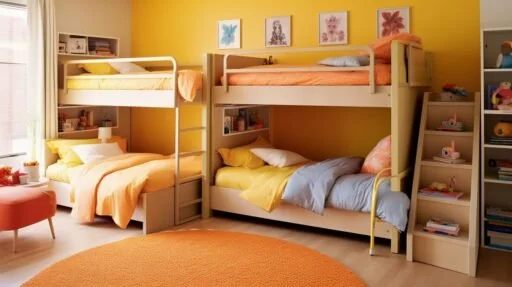
bunk beds

Sleepers Dimensions Material Price
2 78″ x 42″ x 63″ Wood $399
3 79″ x 43″ x 77″ Metal $499
2 80″ x 58″ x 69″ Wood $599
4 82″ x 58″ x 67″ Metal $699

Murphy Beds – The Ultimate Space-Saving Solution

When it comes to space-saving solutions, Murphy beds reign supreme – these foldable beds Smoothly blend into the wall, offering a practical and stylish sleeping option. Whether you live in a small apartment or want to optimize space in a multi-functional room, Murphy beds are the perfect choice. With their ability to be easily folded up and hidden away when not in use, they provide valuable floor space that can be used for other activities.

Murphy beds come in various sizes and styles to suit different needs and preferences. From sleek modern designs to more traditional options, there’s a Murphy bed to complement any interior décor. Some models even come with built-in storage options, allowing you to maximize the functionality of your space by storing bedding, pillows, or other items within easy reach.

One key advantage of Murphy beds is their versatility. they’re not only ideal for small living spaces but also for guest rooms, home offices, or even studio apartments. By simply folding up the bed, you can instantly transform the room into a productive workspace or an entertainment area for hosting friends and family. Murphy beds offer the flexibility to adapt to your changing needs and make the most of your available space.

Murphy Beds

  • Space-saving: Foldable design allows you to reclaim valuable floor space
  • Stylish and versatile: Wide range of styles and sizes to match any interior
  • Functional storage options: Some models feature built-in storage for added convenience
  • Adaptable to different rooms: Perfect for small apartments, guest rooms, or home offices
  • Ease of use: Effortlessly fold up and down without straining or damaging the bed
Murphy Bed Models Description
Model 1 Sleek modern design with built-in storage drawers
Model 2 Classic wooden frame with shelves for decorative items
Model 3 Contemporary style with a hidden desk for added functionality

If you’re looking to optimize space and add a touch of elegance to your living area, consider investing in a Murphy bed. With their innovative design and practicality, these space-saving solutions offer a comfortable sleeping option while still allowing you to make the most of your available space.

Adjustable Beds – Personalized Comfort and Functionality

Adjustable beds offer lots of benefits, from personalized comfort with adjustable sleeping positions to additional storage features that improve functionality. These beds are designed to provide a customizable sleeping experience, allowing you to find the perfect position for best relaxation and support. Whether you prefer to elevate your head, feet, or both, adjustable beds offer various positions to alleviate discomfort and promote better sleep.

But adjustable beds go beyond adjustable sleeping positions; they also offer built-in storage solutions that help to optimize space in your bedroom. With storage drawers built into the bed frame, you can conveniently store extra bedding, pillows, or other items, keeping your bedroom organized and clutter-free. This is especially useful for those with limited closet or storage space.
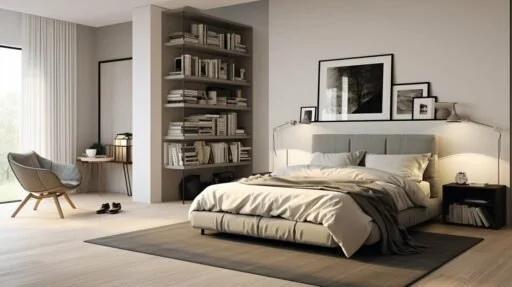
adjustable beds

Upgrade Your Sleep Experience

Investing in an adjustable bed isn’t only a practical choice; it can also elevate the overall look and feel of your bedroom. With a wide range of designs, materials, and sizes available, you can find an adjustable bed that complements your existing decor and fits Smoothly into your space. From sleek and modern to classic and elegant, there’s an adjustable bed that suits every style.

Top Picks for Adjustable Beds

Model Size Color
Myla Side Storage Bed Queen Gray
Zen Kids Bed with Drawers Twin White
Pactera Oak King Storage Bed King Oak

These are just a few examples of the many options available. Whether you’re looking for a bed with sleek lines, ample storage, or a combination of both, there’s an adjustable bed out there that can meet your specific needs and preferences.

To wrap things up, adjustable beds offer a range of benefits that can improve your sleep experience and improve the functionality of your bedroom. From personalized comfort to added storage, these beds provide the perfect blend of style and practicality. So, why settle for a standard bed when you can upgrade to an adjustable bed that caters to your unique needs? Explore the options available and transform your bedroom into a haven of comfort and organization.

Sofa Beds – Dual-Purpose Furniture for Guests

Sofa beds are the ultimate dual-purpose furniture, providing comfortable seating during the day and transforming into a cozy bed for guests at night. These versatile pieces are perfect for smaller living spaces or multi-functional rooms, where maximizing functionality is essential. With a simple adjustment, you can effortlessly convert a stylish sofa into a comfortable bed, accommodating overnight guests with ease.

One of the key advantages of sofa beds is their space-saving design. Instead of dedicating a separate room for guests, you can Use your living room or office as a guest room when needed. Sofa beds allow you to make the most of your available space without compromising on style or comfort.

When choosing a sofa bed, consider factors such as size, style, and mattress quality. Look for models that provide a Smooth transition from sofa to bed, ensuring a good night’s sleep for your guests. With a wide variety of options available, you can find a sofa bed that matches your personal taste and complements your existing furniture.

Sofa Beds

  • Space-saving solution for smaller living spaces or multi-functional rooms
  • Comfortable seating during the day, transforming into a bed at night
  • Convenient for accommodating overnight guests
  • Wide variety of styles, sizes, and mattress options available

Popular Sofa Bed Models:

Model Description
Myla Side Storage Bed Modern design with built-in storage
Zen Kids Bed with Drawers Functional and stylish option for children’s rooms
Pactera Oak King Storage Bed Elegant and spacious king-size bed with storage
Ebba Storage Bed Contemporary design with ample storage space
Flekke Daybed Versatile daybed with pull-out trundle

Trundle Beds – Convenient Sleeping Solutions

Trundle beds are a smart and convenient sleeping solution, offering an extra bed that can be easily tucked away when not in use. These beds feature a built-in trundle, which is essentially a second bed that can be pulled out from underneath the main bed. This additional sleeping space is perfect for accommodating overnight guests or sleepovers, allowing you to make the most of your available space.

One of the greatest advantages of trundle beds is their versatility. They can be used in various settings, such as children’s bedrooms, guest rooms, or even in multi-purpose rooms that require flexible furniture options. When the trundle isn’t in use, it simply slides back under the main bed, making it a practical solution for maximizing space in compact living areas.

Trundle beds come in a variety of styles and designs to suit different tastes and needs. Whether you’re looking for a sleek modern design or a more traditional look, there are trundle beds available in various materials, colors, and sizes. Some trundle beds even come with additional storage drawers, providing extra space to store bedding, clothes, or toys.

trundle beds

Model Description Size Color
Myla Side Storage Bed Modern design with built-in storage Queen Gray
Zen Kids Bed with Drawers Perfect for children’s rooms with extra storage Twin White
Pactera Oak King Storage Bed Classic oak bed with spacious storage drawers King Oak

These are just a few examples of the many trundle bed options available on the market. Whether you’ve limited space or simply want to be prepared for unexpected guests, a trundle bed is an excellent choice. It combines convenience, functionality, and style, ensuring you’ve a comfortable and inviting sleeping solution at your disposal.

Trundle beds are the perfect solution for maximizing sleeping space while maintaining the flexibility to use the room for other purposes. With their versatile design and convenient storage options, trundle beds are a smart investment for any home.

Daybeds – Style and Function in One

Daybeds combine style and function, providing a comfortable place to relax during the day and a cozy bed for sleeping, all while incorporating storage options. These versatile pieces of furniture are perfect for smaller living spaces, multi-functional rooms, or even as a stylish addition to a larger bedroom.

With their distinct design, daybeds offer a seating area during the day, allowing you to lounge, read a book, or simply unwind. At night, they effortlessly transform into a comfortable bed, accommodating overnight guests or providing a cozy space for a restful night’s sleep.

What sets daybeds apart is their storage functionality. Many models come equipped with built-in drawers or compartments, providing convenient storage space for extra bedding, pillows, or even clothing. This makes daybeds an excellent choice for maximizing space and keeping your bedroom organized and clutter-free.

daybeds

Benefits of Daybeds

Daybeds offer many benefits beyond their stylish appearance and space-saving design. Let’s take a closer look at why they’re a popular choice:

  • Versatility: Daybeds can be used in various settings, from living rooms and home offices to guest rooms and children’s rooms. They effortlessly blend into any decor style, making them a versatile addition to your home.
  • Additional seating: With their comfortable cushions and supportive backrests, daybeds can serve as additional seating options when you’ve guests over. They provide a cozy spot for conversations, movie nights, or simply relaxing with a good book.
  • Space-saving design: Daybeds are ideal for small living spaces where space optimization is a priority. They combine the functions of a sofa and a bed in one compact piece of furniture, making them perfect for studio apartments or rooms with limited square footage.
  • Convenient storage: The built-in storage drawers or compartments in daybeds offer a practical solution for organizing your belongings. You can easily store extra bedding, pillows, or even books and magazines within arm’s reach, eliminating the need for additional storage furniture.

Whether you’re looking to create a cozy reading nook, accommodate guests, or simply add a stylish element to your bedroom, daybeds are a fantastic choice. They Smoothly blend style and functionality, providing a comfortable place to relax and sleep while incorporating storage options to keep your space tidy and organized.

Popular Daybed Options Material Dimensions Storage
Flekke Daybed Wood 78.75″L x 41″W x 33.5″H 2 large drawers
Mr. Kate Moon Queen Upholstered Storage Bed Upholstered 87″L x 62.5″W x 35″H Under-bed drawer
Room & Board Avery Bed Wood 86″L x 65″W x 19″H Under-bed drawer

Futons – Versatile and Space-Saving

Futons are the perfect example of versatility, Smoothly transforming from a comfortable sofa into a bed, all while saving precious space in your home. Whether you live in a small apartment or need a multi-functional piece of furniture for a guest room or office, futons provide the perfect solution.

With their adjustable frames and foldable mattresses, futons offer a convenient way to maximize your living space. During the day, you can use them as stylish seating options, perfect for lounging or entertaining guests. Then, when the night falls, you can easily convert them into a cozy bed, ensuring a good night’s sleep for yourself or your visitors.

One of the greatest advantages of futons is their versatility in design. They come in various styles, colors, and materials, allowing you to choose the one that best complements your existing décor. Whether you prefer a modern, minimalist look or a more traditional aesthetic, there’s a futon out there for you.

When it comes to buying a futon, it’s important to consider factors such as size, mattress thickness, and ease of conversion. Also, you may want to look for futons with built-in storage compartments, providing extra space to keep your blankets, pillows, or other essentials conveniently tucked away.
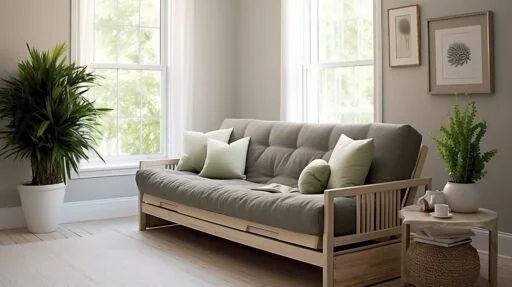
versatile futon

Advantages of Futons Disadvantages of Futons
  • Space-saving design
  • Easy conversion between sofa and bed
  • Versatile styles and materials
  • Convenient storage options
  • Cost-effective compared to traditional beds
  • Mattress may be less comfortable than traditional beds
  • May not provide adequate support for individuals with back issues
  • Some models may be difficult to assemble
  • Limited seating capacity compared to larger sofas

Quotes:

“A futon is a versatile piece of furniture that can transform any space into a functional living area,” says interior design expert Jane Smith. “With their space-saving design and customizable features, futons offer a practical and stylish solution for those with limited square footage.”

“Futons are an excellent choice for small apartments or guest rooms,” explains furniture specialist John Doe. “They provide a comfortable seating area during the day and can quickly convert into a bed for overnight guests. Plus, the storage options available in some futon models are a great bonus for keeping your living space organized.”

Popular Futon Styles
Style Description
Traditional Futon A classic design featuring a wooden frame and a comfortable cotton-filled mattress
Modern Futon Sleek and minimalistic, often made with metal or leather-like materials
Gaming Futon Perfect for gaming enthusiasts, with additional features like built-in speakers and charging ports
Convertible Futon A multifunctional option that can transform into a chaise lounge or even a sectional sofa

Four-Poster Beds – Classic Elegance with Storage

Four-poster beds exude classic elegance and can be customized with storage options, ensuring a luxurious yet functional sleeping experience. These beds are characterized by their tall, decorative posts at each corner, creating an air of grandeur and sophistication in any bedroom.

What sets four-poster beds apart from other bed styles is their ability to incorporate built-in storage, providing a practical solution for those seeking a combination of style and functionality. Whether it’s drawers discreetly tucked away beneath the mattress or a hidden compartment at the foot of the bed, these storage options allow you to optimize space while maintaining a visually pleasing aesthetic.

Imagine having extra storage compartments to keep your bed linens, blankets, or even seasonal clothing close at hand, yet neatly concealed from view. With four-poster beds, you can create a clutter-free environment while adding an element of luxury to your sleep sanctuary.

Popular Four-Poster Beds Features
Myla Side Storage Bed Built-in side storage compartments
Zen Kids Bed with Drawers Multiple drawers for kids’ essentials
Pactera Oak King Storage Bed Spacious under-bed storage
Ebba Storage Bed Hidden storage at the footboard

four-poster bed

These are just a few examples of the popular four-poster bed models available. They come in various sizes, materials, and finishes, allowing you to find the perfect fit for your bedroom decor. Whether you prefer a classic wooden design or a more contemporary look, there’s a four-poster bed to suit every style.

Experience the timeless elegance and functional storage of a four-poster bed, and transform your bedroom into a luxurious retreat that combines style with practicality.

Sleigh Beds – Stylish and Storage-Friendly

Sleigh beds offer a blend of style and functionality, with their distinctive curved design and built-in storage compartments providing a practical yet fashionable option. These elegant beds have a timeless appeal that adds a touch of sophistication to any bedroom. The curved headboard and footboard create a sense of luxury, making sleigh beds a focal point in the room.

What sets sleigh beds apart is their ability to combine style with storage. Many sleigh beds are designed with built-in storage compartments underneath the mattress, offering a convenient solution for keeping your bedroom organized and clutter-free. These storage compartments are perfect for storing extra bed linens, pillows, or seasonal clothing, allowing you to maximize the space in your bedroom.

“Sleigh beds not only provide a comfortable place to sleep but also serve as an elegant storage solution, helping you make the most of your bedroom space.” – Interior Design Magazine

When it comes to choosing a sleigh bed, you’ve a variety of options to suit your style and needs. Whether you prefer a classic wooden sleigh bed or a more modern upholstered design, there are endless possibilities to choose from. Popular options for sleigh beds include the Myla Side Storage Bed, Zen Kids Bed with Drawers, Pactera Oak King Storage Bed, Ebba Storage Bed, and Flekke Daybed.

Sleigh Bed Model Description Material Storage Type
Myla Side Storage Bed Elegant and versatile, featuring side storage compartments for easy access. Wood Side drawers
Zen Kids Bed with Drawers Designed with kids in mind, providing ample storage space for toys and essentials. Wood Underbed drawers
Pactera Oak King Storage Bed A king-size sleigh bed with spacious underbed storage for a clutter-free bedroom. Oak Underbed storage
Ebba Storage Bed A sleek and modern sleigh bed with hidden storage compartments for a minimalist look. Upholstery Hidden compartments
Flekke Daybed A versatile daybed with a trundle and storage drawers, perfect for guest rooms or small spaces. Wood Trundle bed and drawers

Whether you’re looking to upgrade your bedroom with a stylish and functional bed or optimize space in a smaller room, sleigh beds offer a perfect balance of style and storage. With their elegant design and built-in storage compartments, these beds provide the best of both worlds, allowing you to create a sophisticated and organized bedroom.

sleigh beds

Functional platform and storage beds are a game-changer for any bedroom, offering space-saving solutions, ample storage, and a touch of style to upgrade your sleeping space. These beds are specifically designed to optimize space in compact living areas, making them a perfect choice for those who are in need of additional storage without compromising on style or comfort.

One of the key advantages of storage beds is the built-in storage underneath the bed, which allows you to store bed linens, clothes, or other items conveniently. This not only helps in keeping your bedroom organized and tidy but also ensures that everyone’s bedding is easily accessible, particularly in large households.

When planning for the future, be it a move to a smaller living space or simply considering long-term needs, storage beds with drawers become essential. These beds provide extra storage that’s valuable in smaller places, allowing you to make the most of the available space while keeping your possessions neatly stored away.

With a wide range of popular options available, such as the Myla Side Storage Bed, Zen Kids Bed with Drawers, Pactera Oak King Storage Bed, and the Ebba Storage Bed, you can find a storage bed that suits your specific preferences and requirements. These beds come in various sizes, colors, and materials, ensuring that you can find one that perfectly complements your bedroom decor while providing ample storage space. Functional platform and storage beds truly offer the best of both worlds – practicality and style.

FAQ

Q: What are the benefits of platform and storage beds?

A: Platform and storage beds are an excellent solution for compact living spaces. They provide functional benefits by optimizing space and offering built-in storage options for bed linens, clothes, and other items.

Q: Why should I choose platform and storage beds?

A: Platform and storage beds are a great choice if you want to upgrade your bedroom while maximizing space. They cater to unique needs and style preferences, providing a stylish and functional solution.

Q: What are the benefits of storage beds?

A: Storage beds offer the convenience of built-in storage, helping to keep your bedroom organized and tidy. With storage space for bed linens, clothes, and other items, they ensure accessible bedding and a clutter-free environment.

Q: How do storage beds future-proof my bedroom?

A: Storage beds are an excellent choice for individuals or families planning future moves to smaller living spaces. They provide essential extra storage, which becomes even more valuable in smaller places.

Q: What are some popular options for storage beds?

A: Some popular options for storage beds include the Myla Side Storage Bed, Zen Kids Bed with Drawers, Pactera Oak King Storage Bed, Ebba Storage Bed, Flekke Daybed, Folsom Storage Platform Bed, Kerrissa Storage Queen Platform Bed, Mr. Kate Moon Queen Upholstered Storage Bed, Room & Board Avery Bed, Mercury Row Cletus Upholstered Low Profile Platform Bed Frame, DG Casa Argo Upholstered Panel Bed Frame with Storage Drawers, and Novogratz Brittany Upholstered Bed.

Q: What are canopy beds?

A: Canopy beds combine elegance with functionality. They add a touch of sophistication to your bedroom while still providing the benefits of storage space.

Q: How do bunk beds maximize sleeping space?

A: Bunk beds are an excellent choice for maximizing sleeping space, especially in shared bedrooms or when accommodating guests. They allow multiple beds to be stacked on top of each other, saving valuable floor space.

Q: What are Murphy beds?

A: Murphy beds are the ultimate space-saving solution. They can be effortlessly folded up to create extra floor space when not in use, making them perfect for smaller living spaces.

Q: What are adjustable beds?

A: Adjustable beds offer personalized comfort and functionality. They allow you to customize your sleeping positions and often come with built-in storage options for added convenience.

Q: What are sofa beds?

A: Sofa beds are dual-purpose furniture that serve as both seating and sleeping options. they’re ideal for accommodating overnight guests without the need for extra sleeping space.

Q: What are trundle beds?

A: Trundle beds are convenient sleeping solutions. They feature an additional bed hidden underneath the main bed, perfect for accommodating overnight guests or sleepovers.

Q: What are daybeds?

A: Daybeds offer style and function in one. They serve as both seating and sleeping options while also providing storage space.

Q: What are futons?

A: Futons are versatile and space-saving furniture pieces. They can serve as both a sofa and a bed, making them perfect for smaller living spaces or multi-functional rooms.

Q: What are four-poster beds?

A: Four-poster beds combine classic elegance with storage features. They add a touch of grandeur to the bedroom while providing ample storage space.

Q: What are sleigh beds?

A: Sleigh beds are stylish and storage-friendly. They feature curved headboards and footboards, along with convenient storage compartments, combining style and functionality.

Source Links

Quieter Sleep Environment: Block and Mask Noise at Night

Sleep Environment

To make a bedroom quieter, work in two directions at once: block sound with mass and airtight seals (heavy curtains, sealed gaps, a solid door), then mask whatever still gets through with a steady background sound such as white noise, a fan, or a soundscape app. Blocking is the only thing that actually lowers the decibel level in the room; masking simply makes leftover noise less noticeable by smoothing out the sudden jumps in volume that wake you. Start with the cheap fixes — sealing gaps, rugs, curtains, silencing noisemakers inside the room — and add sound masking last.

Why night noise is worth fixing

Noise does not have to wake you fully to cost you sleep. Sudden changes in sound level can pull you into lighter stages or trigger brief arousals you never remember. The World Health Organization’s guidance for Europe recommends less than 30 A-weighted decibels inside bedrooms at night for good-quality sleep, and less than 40 dB(A) as an annual night-time average outside bedrooms to avoid adverse health effects. Most city bedrooms sit well above that, which is why a two-layer approach — block, then mask — works better than either step alone.

Step 1: Block what you can

Sound behaves a lot like water: it travels through the easiest opening. Three things reduce how much of it reaches your bed — mass (heavy, dense materials), airtightness (no gaps for sound to leak through), and decoupling (separating surfaces so vibration cannot pass straight through). Everything below is a version of one of those three.

Seal the gaps first

  • Fit weatherstripping around the bedroom door and a sweep or draft stopper along the bottom — the gap under a typical door is the single biggest leak in most rooms.
  • Caulk gaps around window frames, trim and where pipes or cables enter the wall.
  • Check the quiet leaks: mail slots, air vents, and back-to-back electrical outlets on a shared wall.

Sealing is cheap, reversible and helps with drafts too. What it will not give you is a precise decibel drop: figures quoted online for weatherstripping vary wildly and depend on the door, wall and noise source, so treat any specific number with suspicion.

Add mass at windows and walls

  • Heavy curtains: floor-to-ceiling, dense, and wider than the opening so they overlap the frame. They mostly soften high-frequency street noise and reflections; they will not stop a bass-heavy truck. They also help with light and heat, which is why they are usually the best value upgrade.
  • Secondary glazing: double-pane replacement windows or removable acrylic inserts and magnetic panels for renters. Adding a second pane with an air gap is far more effective against traffic than any fabric.
  • Solid-core doors: hollow interior doors are essentially drumskins. Replacing one, or hanging a dense acoustic blanket over it, makes a noticeable difference for hallway noise.
  • Mass-loaded vinyl or a second layer of drywall: effective but expensive and usually a job for a contractor. Worth considering only in a remodel or a genuinely loud building.

Acoustic wall panels behind a bed creating a quieter sleep environment against street noise

Soften the floor and the room

Thick rugs with a dense pad cut footfall noise and reduce echo, which makes whatever sound does arrive feel less harsh. Bookcases, a padded headboard or a wardrobe against a shared wall add mass and break up reflections. This is comfort-level improvement, not isolation — useful, but it will not solve a neighbor’s subwoofer.

Absorption is not the same as blocking

Foam and fabric acoustic panels absorb sound inside a room, reducing echo and reverberation. They do very little to stop sound passing through a wall, because they add almost no mass. Panels are a reasonable finishing touch, and they can help if your room sounds hard and echoey, but if the goal is keeping the street out, spend the money on sealing and glazing first.

Step 2: Silence the noise you are making

Before blaming the street, audit your own room with the lights off:

  • Ticking clocks, humming chargers, buzzing LED drivers and appliances on standby.
  • A squeaky or rattling bed — often a loose joint or a slat shifting rather than the mattress. See our guide to reinforcing a metal bed frame for quieter sleep if yours creaks with every turn.
  • Rattling vents, loose window sashes, and radiator pipes that tick as they cool.
  • Phones set to vibrate on a hard nightstand — a felt pad or “do not disturb” schedule fixes this in seconds.
  • Household timing: dishwashers, laundry and robot vacuums are easy to reschedule outside your sleep window.

Step 3: Mask what is left

Masking raises the room’s baseline sound so intermittent noises — a door, a car, a snore — stand out less. The common options:

Sound What it is Who tends to like it
White noise Equal energy across all frequencies; sounds like static or a hiss People masking sharp, high-pitched noise such as voices or beeping
Pink noise More energy in the lower frequencies; resembles steady rain or wind in trees Those who find white noise too harsh
Brown noise Deeper still, bass-heavy; like distant surf or a waterfall People bothered by treble hiss, or masking low rumbles
Fan or air purifier Broadband mechanical noise with no loop or repeat Anyone who wants masking plus airflow, and hates recorded loops
Nature tracks, music, sleep stories Varied, non-steady audio People who need help winding down rather than constant masking

What the evidence actually shows

Masking is cheap and low-risk, but the research base is thinner than the marketing implies. A 2021 systematic review of noise as a sleep aid examined 38 studies and judged the evidence for white noise to be very weak — a conclusion restated in a recent randomized trial in older adults, which notes that some studies even reported white noise disrupting sleep. Trials since then continue to report benefits in some groups, especially in noisy settings such as hospital wards, but study sizes are small and designs vary.

One nuance worth knowing: the striking findings about pink noise and deep sleep come from research in which short pink-noise pulses were timed to a sleeper’s own slow brain waves, which increased slow-wave activity and memory scores in older adults. That is a lab technique, not the same thing as playing a pink noise track all night from a phone. Claims that any color of noise reliably improves memory, or that one color ruins REM sleep, go beyond what the published evidence supports.

The practical takeaway: if steady sound helps you, use it — it is drug-free and easy to stop. If it does not, or if it makes you more alert, there is no evidence-based reason to persist.

Sleep Sound Solutions white noise machine on nightstand

How to set it up

  1. Volume: just loud enough to blur the noise you are trying to cover, no louder. If you have to raise your voice over it, it is too loud.
  2. Placement: a few feet away, ideally between you and the noise source (the window or door), never pointed directly at your head.
  3. Consistency: use the same sound every night so it becomes a cue for sleep rather than a novelty. Pair it with a predictable wind-down; our nighttime routine guide covers the sequence.
  4. All night or timer? If your problem is falling asleep, a 30–60 minute timer is enough. If you wake at 3 a.m. to a garbage truck, run it continuously — masking only helps while it is playing. Frequent early-hours waking has other causes too, covered in our guide to waking up at 3 a.m.
  5. Device or app? A machine or fan avoids notifications and battery drain; an app is free, portable and lets you test sound types before buying — our roundup of sleep apps with soundscapes is a good place to start.

Looping is the main thing to check in any recorded sound: cheap tracks and machines repeat a short sample, and an audible seam every 30 seconds defeats the purpose.

Earplugs: the other option

Soft foam or silicone earplugs are the cheapest way to cut noise at the ear, and next to a busy road they often beat any room treatment. The trade-offs are comfort, ear hygiene with nightly use, and not hearing alarms, a crying child or a smoke detector. Many people alternate: earplugs on bad nights, masking on ordinary ones. No strong evidence favours one approach over the other, despite confident claims in both directions.

White noise and babies: keep it quiet and far away

Sound machines are widely used in nurseries, and the main concern is not whether they work but how loudly they are played. In a study published in Pediatrics, researchers tested 14 infant sleep machines and found that at maximum volume every machine produced more than 50 A-weighted decibels measured 30 cm away, above the level recommended for hospital nurseries. The authors recommended placing machines as far from the infant as possible, keeping the volume low, and limiting how long they run.

Two more safety points: never put a sound machine, monitor or any corded device in or on the crib. The US Consumer Product Safety Commission and the American Academy of Pediatrics advise keeping cords at least three feet away from any part of a crib, bassinet or play yard because of strangulation deaths involving monitor cords. For anything about ages, sleep training or how long to use a device with your own child, ask your pediatrician rather than the internet.

Common mistakes

  • Buying foam panels to stop street noise. They absorb, they do not block.
  • Ignoring the door gap while spending on curtains. Air paths beat materials every time.
  • Turning masking up to drown out noise completely. That just replaces one loud sound with another.
  • Expecting a decibel miracle from soft furnishings. Cushions and light drapes change the room’s character, not its isolation.
  • Treating sound as the whole problem. If you are still waking at the same time nightly, the issue may be timing or routine rather than noise — our step-by-step plan for fixing a sleep schedule tackles that side.

Round out the room

Noise control works best alongside the other basics: darkness and a cool room. Block streetlight with room-darkening blinds, cover bright LEDs, and keep the bedroom cool — the commonly cited comfortable range is roughly 60–68°F (15.5–20°C), though the “ideal” number is individual and often quoted with more precision than the evidence deserves.

Quiet sleep environment with noise reduction strategies

Soothing sleep environment with dark, quiet bedroom

Quick comparison

Fix What it does Cost and effort
Weatherstripping and caulk Closes the air paths sound leaks through Low; an afternoon, renter-friendly
Heavy floor-to-ceiling curtains Adds mass at the window; also blocks light Low to moderate; no installation damage with tension rods
Rugs and dense rug pads Cuts footfall and echo Low to moderate
Secondary glazing or window inserts Real reduction in traffic noise Moderate to high; inserts are renter-friendly
Solid-core door or acoustic blanket on the door Stops the weakest link in most bedrooms Moderate; blanket is the cheap version
Extra drywall or mass-loaded vinyl Genuine isolation on a shared wall High; usually professional work
White noise machine, fan or app Masks what remains; no reduction in actual noise Low; instant
Earplugs Cuts noise at the ear, wherever you sleep Very low; comfort varies

FAQ

Does white noise actually work?

For some people, clearly. Across the research as a whole the evidence is weak and inconsistent, so treat it as a cheap experiment rather than a guaranteed fix, and give it one to two weeks.

White, pink or brown noise — which is best?

There is no reliable evidence that one color beats the others for sleep. Choose by ear: brown and pink are softer and lower-pitched, white is hissier and better at covering high-pitched sounds.

Can I soundproof a rented bedroom?

You can improve it a lot without construction: removable weatherstripping and a door sweep, heavy curtains, acrylic window inserts, thick rugs, acoustic blankets on a door, and furniture against the shared wall. True isolation needs structural work, so set expectations accordingly.

Is it safe to run a sound machine all night?

For adults, the main issue is volume — keep it at a level where normal conversation is still easy. For infants, the tested machines all exceeded nursery-recommended levels at full volume, so keep it low, place it far from the crib, and keep cords well away from the sleep space.

Do sound machines block noise?

No. They add sound rather than removing it. Only mass, sealing and decoupling lower the noise level in the room; masking changes how noticeable the remainder is.

What is the cheapest thing that actually helps?

Sealing the door gap, then a rug and heavy curtains. Earplugs if you can sleep in them. Together those cost less than most sound machines.

Updated September 2026.

Hidden Storage Beds: How to Pick One That Actually Fits Your Room

hidden storage beds with drawers

Hidden storage beds tuck drawers, a lift-up platform, or headboard cubbies into the bed frame itself, so you get dresser-level storage without giving up another square foot of floor. A lift-up queen hides roughly 25 to 30 cubic feet underneath; four side drawers usually land closer to 8 to 10. The right pick depends on how much clearance you have around the bed, not on which one looks best in the photo.

The three main styles, and who each one suits

Style Rough capacity (queen) Needs clearance Best for
Drawer bed 8–10 cu ft in four drawers Floor space equal to drawer depth plus room to stand Daily items: pajamas, kids’ clothes, spare sheets
Lift-up (ottoman) bed 25–30 cu ft in one cavity Vertical swing room; nothing heavy on top Bulky, rarely used stuff: duvets, suitcases, decor
Headboard storage 2–5 cu ft in shelves and cubbies A few extra inches of wall depth Books, chargers, glasses when there’s no nightstand

Drawer beds

Drawers pull out from the sides, the foot, or both. They’re the easiest to live with day to day because you can open one with a knee and a coffee in hand.

The catch is floor space. A drawer that’s 18 inches deep needs 18 inches of clear floor to open, plus about a foot for you to stand in. Put a 20-inch drawer on the side facing a wall three feet away and you’ll be fine; put it facing a dresser two feet away and you’ll open it halfway forever.

  • Side drawers suit long, narrow rooms. Footboard drawers suit rooms where the bed sits against a side wall.
  • Full-extension metal glides let you reach the back of the drawer. Cheap roller glides usually stop at about two-thirds and sag once loaded.
  • Some budget frames use fabric-lined drawers that roll on casters directly across your floor. They glide fine on hardwood and stick on thick carpet.
  • Look at the drawer bottom. Thin hardboard bows under a stack of jeans; plywood doesn’t.

Lift-up platform beds

Gas struts raise the whole mattress deck, and the entire footprint underneath becomes one big box. That’s why capacity jumps so much compared to drawers, and why it’s the better answer for duffel bags, winter coats, and the holiday bins.

Two things to check before you commit. First, which way it opens: end-lift models swing the mattress toward the headboard and need ceiling and wall room, while side-lift models need clearance beside the bed. Second, the strut rating. Struts are matched to the weight of the platform plus a mattress, so a 100-pound hybrid on a frame speced for a light foam mattress will feel heavy on the way up and may drop faster than you’d like. The manufacturer’s max mattress weight is usually buried in the assembly manual, so ask before you buy.

Never open or close one while someone is sitting or lying on the bed, and keep kids clear of the gap when the platform is up.

Headboard storage beds

Cubbies, sliding panels, or a shallow cabinet built into the headboard replace the nightstand you don’t have room for. Handy in guest rooms and dorms, and they pair well with drawers below.

Measure the wall side too. A storage headboard can add 6 to 10 inches to the bed’s total length, which matters when the room is already tight at the foot. If the headboard has built-in outlets or USB ports, check whether the cord reaches your actual wall socket, since many run only about 6 feet.

Hidden storage beds with under-bed drawers in a small bedroom layout

How much can hidden storage beds actually hold?

Do the math instead of trusting the listing photo. Multiply the cavity’s length × width × depth in inches, then divide by 1,728 to get cubic feet.

A queen mattress is 60 by 80 inches, so a lift-up queen with an 11-inch-deep cavity gives you roughly 27 cubic feet once you subtract the frame walls. That’s about six large storage bins. A king (76 by 80 inches) gets you closer to 35.

Drawers lose volume to the glides, the drawer walls, and the center support rail. A typical under-bed drawer runs about 30 inches wide, 18 deep, and 7 tall, which is a little over 2 cubic feet each. Four of them is genuinely useful, but it’s a dresser’s worth, not a closet’s worth.

One more limit people forget: drawer height caps what you can store. Seven inches swallows folded t-shirts and flat sheets. It won’t take a rolled duvet or winter boots, which is where the lift-up platform wins.

Measure your room before you shop

  1. Walking space. Leave about 24 to 30 inches on the sides you use, and 36 inches on the main path to the door if you can.
  2. Drawer swing. Stand where the drawer will open and measure to the nearest obstacle. You need drawer depth plus roughly 12 inches.
  3. Door and closet swing. Mark where your bedroom and closet doors land. A footboard drawer that fights the closet door is a daily annoyance.
  4. Getting it in. Storage frames ship in several heavy boxes. Check the longest box length against your stairwell turn and doorway width, especially in older buildings.
  5. Mattress height. Storage platforms sit taller than standard frames. Add your mattress height and see whether your feet still reach the floor comfortably when sitting.

If your room is under about 10 by 10 feet, a lift-up bed often beats drawers purely because it needs no side clearance. Our roundup of space-saving bedroom ideas for tiny rooms goes deeper on laying out a small floor plan.

What to check on the frame itself

  • Slat spacing. Most foam and hybrid mattress warranties want slats no more than about 3 inches apart, with a center support leg on queen and larger. Wider gaps can void coverage.
  • Center rail and legs. Storage frames carry your weight plus whatever’s stored. A queen or king should have at least one center leg touching the floor.
  • Deck material. Solid MDF decks are heavier and trap more moisture than slatted decks. Particleboard swells permanently if it ever gets wet.
  • Hardware. Metal-to-metal bolted joints hold up better than cam locks in particleboard, which loosen after a couple of moves.
  • Reassembly. Ask whether the frame can be taken apart and rebuilt. Some glued storage bases are basically one-move furniture.

For size-specific picks and frame construction details, see our guides to under-bed storage frames, king-size bed frames with storage, and the twin bed with storage underneath for kids’ rooms.

Keeping the mattress dry under a closed base

You lose about a pint of moisture a night through breathing and sweating, and a sealed storage cavity gives it fewer places to go than an open frame. It’s not a reason to skip a storage bed, but it is a reason to pay attention if you live somewhere humid or sleep hot.

The EPA advises keeping indoor humidity below 60 percent, ideally between 30 and 50 percent, which is the single most useful number here. A cheap hygrometer on the nightstand tells you whether you need a dehumidifier or just a cracked window.

Practical habits that help:

  • Pick a slatted deck over a solid one when you have the choice.
  • Pull the sheets back for 20 minutes while you shower instead of making the bed immediately.
  • Strip the bed and stand the mattress up once or twice a year, and vacuum the cavity while it’s open.
  • If you spot condensation on the underside of the mattress, air the room more and consider a breathable mattress protector rather than a vinyl one.

What to store down there, and what not to

Good candidates: off-season clothing, spare bedding, suitcases, gift wrap, camping gear, photo boxes, shoes in bins.

Skip anything sensitive to heat, humidity, or that you need in a hurry. Important documents and electronics do better in a closet. So does anything you reach for weekly, since climbing over a lifted platform gets old fast.

Wool and cashmere need a little care. The National Pesticide Information Center recommends cleaning items before storage and keeping them in airtight bags or containers, because clothes moth larvae feed on soiled natural fibers. Vacuum-seal bags handle both the moths and the bulk. Clear bins with labels beat black trash bags, which turn into mystery lumps by February.

Hidden storage beds vs. the cheaper workarounds

A storage frame costs more than a plain platform, weighs a lot more, and is a pain to move. If you’re renting year to year, that matters.

The budget route is a standard frame plus risers and rolling bins. You get similar capacity for a fraction of the price, but the storage is visible unless you add a bed skirt, and the bed sits noticeably higher. Our guide to bed risers for storage covers weight limits and stability, and storage ideas for bedrooms with no closets covers everything that doesn’t live under the bed.

The middle ground: a drawer bed on the side you actually walk past, plus vertical storage on the wall. That usually clears more clutter than a lift-up bed you’re too lazy to open.

Common questions

Can you use a box spring with a storage bed?

Almost never. Storage frames are designed as platforms, and adding a box spring raises the mattress another 5 to 9 inches. Use the mattress directly on the slats or deck.

Do lift-up beds work with heavy mattresses?

Up to the frame’s stated limit. Thick innerspring and hybrid mattresses are the usual problem, and an overloaded strut makes the platform hard to raise and quick to fall. Weigh your mattress or check its spec sheet first.

Will the drawers work on carpet?

Caster-style drawers that roll on the floor struggle on plush carpet and thick pads. Drawers mounted on rails inside the frame don’t care what’s underneath.

Are they safe in a kid’s room?

Drawer beds, yes, and low ones are great for toy cleanup. Lift-up platforms are an adult-operated mechanism. If you go that route, teach the rule that nobody opens it alone.

How long does assembly take?

Plan on two to four hours for a drawer bed and expect a second pair of hands for the lift-up deck. Build it in the room where it’s staying, because a finished storage frame rarely fits back through a doorway.

Storage headboard with open shelves and cubbies above a platform bed

A quick buying checklist

  • Measured clearance on every side that opens
  • Cavity or drawer dimensions listed in inches, not just “spacious”
  • Slat spacing of about 3 inches or less, with center support
  • Max mattress weight for lift-up models
  • Full-extension glides on drawers
  • Plywood or solid wood at the stress points rather than bare particleboard
  • Replacement parts available for struts, glides, and slats

Get those seven right and the bed disappears into the room, which is the whole point. For more furniture that pulls double duty, browse our space-saving bedroom furniture picks.

Updated September 2026.

How to Brighten a Dark Room: Lamps, Light and Decor Tips

Lamps and Lighting

Practical Lamps and Lighting Options for Rooms

Studies show that natural light is beneficial for both mental and physical health, improving sleep and reducing stress. To brighten up a space without many windows, interior designers recommend using a variety of lighting sources, including overhead, task, table, and standing lamps. Soft bulbs can create a warm and inviting atmosphere, while mirrors can make a room feel larger and reflect light. Light-colored walls and floors, as well as light-colored rugs, can enhance brightness. Wallpaper and colors inspired by nature can also help brighten windowless rooms.

Key Takeaways

  • Natural light is beneficial for mental and physical health.
  • Use a variety of lighting sources, including overhead, task, table, and standing lamps.
  • Mirrors can make a room feel larger and reflect light.
  • Light-colored walls and floors enhance brightness.
  • Colors inspired by nature can help brighten windowless rooms.

Make the Most of Natural Light

One of the best ways to brighten up your space is by maximizing the use of natural light. Not only does natural light have numerous health benefits, but it also creates a warm and inviting atmosphere. Here are some tips to help you make the most of the natural light in your home:

  1. Remove heavy drapes and opt for light and breezy curtains that allow sunlight to filter in. This will help create a brighter and more open feel in your space.
  2. Make sure to open your windows and balcony doors regularly to draw in sunlight and fresh air. This can significantly enhance the brightness of your space.
  3. Regularly clean your glass panes to ensure maximum light penetration. Dust and grime can block sunlight from entering your room, so keeping your windows clean is essential.

By following these simple steps, you can harness the power of natural light to transform your space into a bright and uplifting environment. Natural light not only improves the overall aesthetic of your home but also positively impacts your well-being.

Expert Tip: Embrace the Sun

“Natural light is a valuable resource that can instantly improve the look and feel of any room. By maximizing the use of windows and incorporating light, airy decor, you can create a space that feels open, inviting, and filled with positive energy.” – Lighting Designer, Jane Anderson

So, open those curtains, clean those windows, and let the sun work its magic in your home. By making the most of natural light, you’ll create a bright and cheerful living space that you’ll love spending time in.

Benefits of Natural Light Tips for Maximizing Natural Light
1. Improves mood and boosts energy levels 1. Use light and breezy curtains
2. Enhances productivity and focus 2. Open windows and balcony doors regularly
3. Supports better sleep and reduces stress 3. Clean glass panes for maximum light penetration
4. Creates a warm and inviting atmosphere

Remember, natural light is a free and abundant source of illumination that can greatly enhance the overall ambience of your home. By implementing these tips, you’ll not only brighten up your space but also enjoy the numerous benefits that natural light has to offer.

Embrace Creative Lighting Solutions

When it comes to brightening up your space, there are numerous creative lighting solutions that can add charm and functionality to any room. Consider incorporating the following lighting options:

String Lights

String lights have become a popular choice for adding a touch of whimsy and ambiance to any space. Whether you wrap them around a headboard, drape them across a wall, or hang them from the ceiling, string lights can instantly transform a room into a cozy and enchanting retreat.

Plug-in Wall Sconces

If you’re looking for ornate lighting without the hassle of electrical work, plug-in wall sconces are the perfect solution. These fixtures can be easily installed and lend a touch of elegance to any room. With a variety of styles to choose from, you can find a wall sconce that complements your decor and provides the right amount of illumination.

Arc Floor Lamps

Make a statement with an arc floor lamp that not only brightens up a space but also serves as a stylish focal point. These lamps feature an arched design that allows you to position the light exactly where you need it. Place it next to a reading nook or over a dining table to create a warm and inviting atmosphere.

Mirrors

Strategically placing mirrors in a room can amplify the existing light and make the space feel more open and airy. Consider hanging a large mirror opposite a window to reflect the natural light or position smaller mirrors strategically to bounce light around the room.

Table Lamps

Table lamps are not only functional but also a great way to add a touch of style and personality to your space. Place them on bedside tables, desks, or side tables to provide task lighting and create a cozy ambiance. With various designs and sizes available, you can find the perfect table lamp to suit your needs and enhance your decor.

Plug-in Pendant Lights

If you want to add overhead lighting without the need for rewiring, plug-in pendant lights offer a convenient solution. These hanging lights can be plugged into an existing outlet and instantly brighten up your space. Choose from a range of styles, shapes, and colors to find the perfect pendant light that complements your aesthetic.

Flameless Candles

For a cozy and romantic atmosphere, consider using flameless candles. These battery-operated candles provide the warm glow of a traditional candle without the worry of an open flame. Place them on tables, shelves, or in lanterns to create a serene and relaxing environment.

Smart Bulbs

Upgrade your lighting with smart bulbs that allow you to control brightness, color temperature, and even change the ambiance of a room with just a tap on your smartphone. These innovative bulbs offer convenience and flexibility, allowing you to create the perfect lighting atmosphere for every occasion.

Ceiling Fixtures

When it comes to brightening up a room, don’t forget about ceiling fixtures. Whether it’s a stylish chandelier, a sleek flush mount, or a modern pendant light, ceiling fixtures can provide an overhead lighting solution that adds both functionality and style to your space.

Layered lamps and ceiling fixtures used to brighten a dark room in the evening

With these creative lighting solutions, you can transform your space into a well-lit and enchanting haven. From string lights and plug-in wall sconces to arc floor lamps and smart bulbs, there are endless possibilities to brighten up your home and create the perfect ambiance.

Incorporate Light-Enhancing Decor

When it comes to brightening up your space, incorporating light-enhancing decor can make a significant impact. From mirrors to light-colored paint, there are various elements you can introduce to maximize brightness and create an inviting atmosphere. Let’s explore some key decor solutions that can help optimize the lighting in your home.

Reflective Mirrors

Mirrors are a versatile decor piece that can not only add visual interest but also reflect light, creating the illusion of a larger and brighter space. Strategically placing mirrors across from windows or light fixtures can amplify the natural and artificial light in a room. Consider incorporating wall-mounted mirrors or free-standing floor mirrors to enhance the brightness of your space.

Light-Colored Paint

Choosing light-colored paint for your walls and ceilings can greatly improve brightness by reflecting more light. Opt for shades such as white, cream, or light pastels to create an airy and open feel in your rooms. Light-colored paint can also complement different lighting fixtures, allowing them to stand out and serve as focal points in your space.

Strategic Light Fixtures

Light fixtures play a crucial role in enhancing the overall lighting ambiance of your home. Consider installing wall sconces or pendant lights to provide both functional and decorative lighting in specific areas. These fixtures can add depth and dimension to your rooms while increasing brightness. Task lighting, such as desk lamps or under-cabinet lights, can also be incorporated to improve visibility in specific areas.

Decor Element Advantages
Mirrors Reflect light, create the illusion of a larger space
Light-Colored Paint Enhance brightness, reflect more light
Strategic Light Fixtures Provide functional and decorative lighting, increase brightness
LED Lighting Add indirect illumination, energy-efficient

By incorporating these light-enhancing decor elements, you can transform your space into a well-lit and inviting sanctuary. Experiment with different combinations and placements to find the perfect balance between functionality and aesthetics. Creating an atmosphere that embraces brightness will not only uplift your mood but also make your home feel more spacious and welcoming.

Optimize Brightness with Design Elements

When it comes to brightening up your space, design elements play a crucial role in optimizing brightness and creating a welcoming atmosphere. Here are some key design elements to consider:

Mirrored Furniture

Mirrored furniture not only adds a touch of elegance to your space, but it also helps amplify light and create a sense of spaciousness. Strategically placing mirrored pieces, such as a mirrored coffee table or dresser, can reflect light from windows or light fixtures, making your room appear brighter and more open.

Reflective Paint Colors

Choosing the right paint colors can significantly impact the brightness of your space. Opt for light and reflective paint colors, such as white, cream, or light grays. These colors bounce light around the room, creating a vibrant and airy ambiance. Combine contrasting hues on walls to add depth and create the illusion of more light.

Light-Colored Flooring and Decor

Light-colored flooring, such as neutral carpets or light wood, can enhance brightness and make your space feel more expansive. Additionally, incorporating light-colored decor, such as throw pillows, curtains, or artwork, can contribute to the overall brightness of your room.

Light Shelves

Light shelves are not only functional but also offer a stylish way to brighten up your space. These shelves can be used to display decorative items or even as additional light sources by incorporating LED strip lighting underneath. Light shelves add visual interest and can help distribute light more evenly throughout the room.

Design Element Description
Mirrored Furniture Reflects light, creating a sense of spaciousness
Reflective Paint Colors Bounces light around the room, enhancing brightness
Light-Colored Flooring and Decor Contributes to the overall brightness of the space
Light Shelves Adds functionality and distributes light more evenly

By incorporating these design elements into your space, you can optimize brightness and create a visually pleasing and inviting environment.

Bring Style and Functionality with Lighting Accessories

Lighting accessories can be the perfect finishing touch to your interior design, adding both style and functionality to your space. Whether you’re looking to create a cozy and ambient atmosphere or enhance the overall brightness of your room, there are a variety of lighting accessories that can help you achieve your desired effect.

LED Strip Lights

LED strip lights are a versatile and popular choice for adding a touch of style and ambiance to any room. These flexible lights can be easily installed under cabinets, along shelves, or even behind furniture to provide indirect illumination. With LED technology, you can choose from a wide range of colors and brightness levels to suit your mood and decor. They are also energy-efficient, ensuring long-lasting and cost-effective lighting solutions for your home.

String Lights

If you’re looking to create a warm and enchanting atmosphere, string lights are a perfect choice. Whether it’s for a holiday display or everyday use, string lights can add a cozy and inviting feel to any space. Consider using warm-toned all-white LED string lights for a soft and romantic glow. You can easily hang them along walls, wrap them around furniture, or drape them across ceilings to create a magical ambiance.

Electric Candles

If you love the warm flicker of candlelight but prefer a safer and more convenient option, electric candles are a great alternative. These flameless candles can add a touch of elegance and coziness to your space without the worry of an open flame. You can place them on tabletops, shelves, or even in lanterns to create a soothing and inviting atmosphere.

Accessories Description
Smart Bulbs Smart bulbs offer customizable brightness levels and color options, allowing you to create the perfect lighting for any occasion.
Dimmers Dimmers provide flexibility in adjusting the brightness levels of your lights, allowing you to create a variety of moods and ambiances.

With the right lighting accessories, you can transform your space into a haven that perfectly balances style and functionality. Whether you choose LED strip lights, string lights, electric candles, smart bulbs, or dimmers, these accessories are sure to enhance the overall atmosphere of your home. Experiment with different combinations and settings to create the perfect lighting scheme for every occasion.

Upgrade Your Lighting Tech

When it comes to creating the perfect ambiance in your space, upgrading your lighting technology can make a world of difference. With smart bulbs, smart LED strips, and dimmer switches, you have the power to transform your lighting setup and create various atmospheres to suit your mood and needs.

Smart bulbs are a game-changer in lighting technology. With the ability to be controlled remotely through a smartphone or voice commands, they offer convenience and versatility. You can adjust the brightness, color temperature, and even set schedules to mimic natural lighting conditions throughout the day. Whether you want energizing daylight brightness or a relaxing, softer glow in the evenings, smart bulbs allow you to customize your lighting experience.

Smart LED strips are another fantastic option for upgrading your lighting. These strips can be easily installed under cabinets or along shelves to provide indirect illumination. With the ability to change colors and brightness levels, they offer endless possibilities for creating unique lighting effects and highlighting different areas of your space.

Dimmer switches are an essential addition to your lighting tech arsenal. They give you full control over the brightness levels in your space, allowing you to create the perfect ambiance for any occasion. Whether you want bright, focused lighting for work or a soft, cozy glow for relaxation, dimmer switches offer the flexibility to adjust the lighting intensity to your preference.

Enhance Your Space with Smart Lighting

With smart bulbs, smart LED strips, and dimmer switches, you can upgrade your lighting technology and take your space to the next level. Whether you’re looking to create a vibrant, energizing atmosphere or a relaxing, cozy ambiance, these smart lighting solutions provide endless possibilities for customization and convenience.

By incorporating smart technology into your lighting setup, you can easily adjust the brightness, color, and intensity of your lights to suit your mood and needs. Whether you’re hosting a dinner party, enjoying a quiet evening at home, or working on a project, smart lighting allows you to create the perfect lighting environment with just a few taps on your smartphone or a simple voice command.

Smart bulbs, smart LED strips, and dimmer switches give you the freedom to experiment with different lighting effects, colors, and intensities, allowing you to transform your space and enhance its overall appeal. With the power of technology at your fingertips, you can create a truly immersive and enchanting lighting experience in your home or office.

Tips for a Well-Lit and Enchanting Interior

Creating a well-lit and enchanting interior is easier than you think. With the guidance of lighting experts, you can transform your space into a bright and inviting haven. Start by prioritizing natural light – open up curtains or blinds during the day to let in the sunshine and embrace the beauty of the outdoors. Mirrors are another secret weapon for enhancing brightness – strategically place them to reflect light and create the illusion of a larger space.

When it comes to choosing light fixtures, opt for designs that combine both functionality and aesthetics. Consider pendant lights, chandeliers, or wall sconces that not only illuminate your space but also add a touch of style and personality. Additionally, explore creative decor solutions that can balance natural and artificial light. From light-colored paint and rugs to decorative items that reflect light, these details can all contribute to a brighter and more inviting atmosphere.

Remember, the key to achieving the perfect lighting balance lies in experimentation. Play around with different lighting styles to create the desired ambience for each area of your home. Don’t be afraid to mix and match various types of lighting sources, such as floor lamps, table lamps, and overhead fixtures, to create layers of light. By embracing the expertise of lighting professionals and incorporating these tips, you’ll be well on your way to a well-lit and enchanting interior.

Source Links

Explore Stylish Nightstands and Bedside Tables for Your Room
Stylish Nightstands and Bedside Tables

Stylish Nightstands and Bedside Tables: A Complete Guide

Stylish Nightstands and Bedside Tables

Nightstands are essential bedroom furniture pieces that offer both functionality and style. They provide a convenient surface for lamps, reading materials, and personal items. Nightstands with drawers allow for discreet storage, while those with shelves offer open storage options. There are various styles available, including rustic, mid-century, modern, and traditional designs. Also, nightstands come in a variety of colors such as black, white, brown, walnut, gray, and blue, allowing you to find one that matches your decor. Consider the size of your bedroom and bed when selecting a nightstand, as taller options are suitable for taller beds, while small nightstands work well in cozy spaces. You can purchase nightstands individually or as a set of two for added value. Keep an eye out for sales to maximize your budget, and take advantage of free shipping options when shopping online.

Key Takeaways:

  • Nightstands provide both functionality and style to your bedroom.
  • Options include nightstands with drawers for discreet storage and those with shelves for open storage.
  • Consider the various styles, colors, and sizes available to match your decor and bedroom space.
  • Take advantage of sales and free shipping when shopping for nightstands online.
  • Consider purchasing nightstands individually or as a set of two for added value.

The Versatility of Stylish Nightstands with Drawers

When it comes to choosing the perfect nightstand for your bedroom, the options are endless. However, if you’re looking for a versatile piece that offers both style and functionality, consider investing in a nightstand with drawers. These cleverly designed furniture pieces provide a practical solution for organizing and storing personal items, helping you keep your bedroom clutter-free. With dedicated storage space, nightstands with drawers offer a clean and organized sleeping environment.

One of the key advantages of nightstands with drawers is their ability to keep your belongings out of sight. The discreet storage compartments allow you to neatly store essentials such as books, electronics, and accessories, ensuring that your bedroom remains tidy and visually appealing. Whether you’ve a small collection of bedtime reading materials or a multitude of gadgets, the number of drawers and their size can cater to your specific needs.

Another great feature of some nightstands with drawers is the inclusion of built-in charging stations. These convenient additions allow you to effortlessly charge your devices overnight while keeping your bedside area clutter-free. You no longer have to worry about tangled cords or searching for an available outlet, as nightstands with charging stations provide a Smooth and organized charging experience.

A Comparison of Nightstands with Drawers:

Feature Nightstand A Nightstand B Nightstand C
Number of Drawers 3 2 1
Drawer Size Medium Small Large
Built-in Charging Station No Yes No

As seen in the comparison table above, different nightstands with drawers offer varying levels of storage and additional features. Consider your individual storage needs and preferences when choosing the perfect nightstand for your bedroom. Whether you opt for a nightstand with multiple drawers or one with a built-in charging station, the versatility of nightstands with drawers ensures that you can find a design that suits your personal style and organization requirements.

With their practical storage solutions and ability to keep your bedroom organized, nightstands with drawers are an excellent addition to any bedroom. Invest in one today and enjoy the convenience and versatile functionality it brings to your sleeping space.

Embrace Modern Design with Contemporary Bedside Tables

When it comes to adding a touch of sophistication to your bedroom, contemporary bedside tables are the way to go. With their sleek designs and clean lines, these modern nightstands offer a minimalist aesthetic that effortlessly elevates any space. Crafted from materials like wood and metal, contemporary bedside tables aren’t only stylish but also highly functional.

One of the key features of modern nightstands is their versatility in storage options. Many contemporary designs incorporate both drawers and shelves, allowing you to keep your essentials organized and easily accessible. Whether you need a place to store books, electronics, or personal items, these bedside tables have you covered.

From sleek white nightstands to bold black options, there’s a wide range of colors to choose from, ensuring you can find the perfect match for your bedroom decor. The sleek and simple design of contemporary bedside tables complements various interior styles, making them a versatile choice for any room.

improve Your Bedroom with Modern Elegance

By embracing modern design with contemporary bedside tables, you can transform your bedroom into a stylish and elegant sanctuary. The clean lines and minimalist aesthetic of these nightstands create a sense of calm and serenity, perfect for promoting relaxation and a restful sleep environment. Not only do they provide functional storage solutions, but they also serve as eye-catching statement pieces that bring a touch of modern elegance to your bedroom.

Whether you prefer a nightstand with drawers or one with open shelves, contemporary bedside tables offer the perfect combination of style and practicality. Embrace modern design and discover the endless possibilities for transforming your bedroom into a chic and inviting space.

contemporary bedside tables

Table: Sleek and Stylish Contemporary Bedside Tables

Nightstand Model Dimensions Materials Color Options
Modern Elegance 22″H x 18″W x 16″D Wood and Metal White, Black, Walnut
Sleek Simplicity 24″H x 20″W x 18″D Wood and Metal White, Gray, Blue
Minimalist Beauty 20″H x 22″W x 16″D Metal Black, Silver, Gold
Contemporary Charm 26″H x 24″W x 18″D Wood Walnut, Oak, Espresso

Timeless Charm of Classic Stylish Nightstands

Classic nightstands are a must-have for any bedroom, offering a combination of traditional design and modern practicality. These elegant bedside tables add a touch of sophistication to your space while providing functional storage options. Crafted with attention to detail, classic nightstands are made from durable materials and feature exquisite finishes that elevate the overall aesthetic of your room.

When choosing a classic nightstand, consider the design that best complements your existing decor. Whether you prefer ornate carvings, graceful curves, or clean lines, there’s a style to suit every taste. Traditional bedside tables often come with drawers or shelves, allowing you to keep your essentials within reach while maintaining a clutter-free environment.

“Classic nightstands are timeless pieces that combine form and function. With their elegant designs and high-quality craftsmanship, they bring a touch of sophistication to any bedroom.” – Interior Design Expert

Whether you opt for a rich, dark wood finish or a lighter, more neutral tone, classic nightstands are versatile enough to blend Smoothly with various color schemes and decor styles. These timeless pieces not only provide practical storage solutions but also serve as statement pieces that improve the overall ambiance of your room.

Nightstand Design Key Features
Ornate Carvings Adds a touch of elegance and intricate detailing
Clean Lines Offers a more modern twist on a classic design
Graceful Curves Brings a sense of softness and femininity to the room
Rich Wood Finishes Provides a warm and luxurious look

Whether you’re aiming for a traditional, vintage-inspired aesthetic or looking to add a touch of timeless charm to a more contemporary space, classic nightstands are a perfect choice. With their elegant designs and versatile storage options, they offer both style and functionality that will stand the test of time.

When it comes to selecting the right nightstand, classic designs can improve the overall appeal of your bedroom. The timeless charm of these pieces adds a touch of elegance and sophistication, transforming your room into a haven of comfort and style.

Rustic Charm of Farmhouse-Inspired Nightstands

If you’re drawn to the charm of farmhouse decor, rustic nightstands are a perfect addition to your bedroom. These bedside tables often feature wooden construction with distressed finishes, showcasing a shabby chic aesthetic. With their country-inspired design, farmhouse bedside tables add warmth and character to any space. Whether you opt for a reclaimed wood nightstand or one with rustic details like cane accents, these pieces bring a touch of rustic charm to your bedroom.

“The farmhouse-inspired nightstands provide a unique blend of rustic charm and practical functionality. The distressed finishes and natural elements instantly create a cozy and inviting atmosphere in your bedroom.”

One of the key features of farmhouse-inspired nightstands is their ability to Smoothly blend with various decor styles. Whether you’ve a traditional, modern, or eclectic bedroom, these rustic nightstands can effortlessly complement your existing furniture. Their timeless appeal makes them a versatile choice that can be incorporated into different design aesthetics.

Table: Comparing Different Farmhouse-Inspired Nightstands

Nightstand Material Finish Special Features
Reclaimed Wood Nightstand Reclaimed wood Distressed Unique grain variations
Rustic White Nightstand Wood White-washed Ornate carvings
Shabby Chic Nightstand Wood and cane Weathered Elegant cane accents

Each farmhouse-inspired nightstand offers its own distinct features and charm. The reclaimed wood nightstand showcases unique grain variations, adding character and authenticity to your bedroom. The rustic white nightstand, with its white-washed finish and ornate carvings, exudes a vintage elegance that complements a shabby chic aesthetic. For those looking for a touch of elegance, the shabby chic nightstand features weathered wood with elegant cane accents, combining rustic charm with delicate detailing.

When styling your farmhouse-inspired nightstand, consider pairing it with vintage-inspired accessories like mason jars, distressed picture frames, and woven baskets. These accessories further improve the rustic charm and create a cohesive farmhouse-inspired look. Whether you’re designing a cozy cottage bedroom or a farmhouse-inspired retreat, rustic nightstands offer the perfect combination of charm and functionality.

Considerations for Choosing the Right Nightstand

When selecting the perfect nightstand for your bedroom, there are several important factors to consider. The size of your nightstand is Really important as it needs to be proportionate to the size of your bedroom and your bed. For taller beds, opt for a taller nightstand to ensure it doesn’t look disproportionate. On the other hand, if you’ve a cozy space or a lower bed, a smaller nightstand will fit better and won’t overpower the room.

If you’re looking to maximize floor space or create a minimalist look, floating nightstands are an excellent option. These nightstands attach to the wall, providing a sleek and space-saving solution. they’re especially beneficial in smaller bedrooms or rooms with limited floor space.

Tabletop space is an essential consideration when choosing a nightstand. The amount of space you need depends on your personal preferences and needs. If you’ve a lot of items you like to keep within reach, such as a lamp, books, and a glass of water, opt for a nightstand with sufficient surface area. Round nightstands generally offer less tabletop space compared to square or rectangular designs.

In terms of storage, consider whether you require drawers or shelves. Nightstands with drawers are ideal for keeping personal items hidden and organized, while nightstands with shelves offer more open storage solutions. Think about your specific storage needs and choose a nightstand that provides the right balance of functionality and style for your bedroom.

Table: Nightstand Size Guide

Bed Size Ideal Nightstand Height Ideal Nightstand Width
Twin 24-27 inches 16-18 inches
Full 24-27 inches 18-24 inches
Queen 24-27 inches 20-26 inches
King 24-27 inches 24-36 inches
California King 24-27 inches 24-36 inches

In the end, choosing the right nightstand involves finding a balance between style, functionality, and size. Consider the overall aesthetic of your bedroom, your personal preferences, and the specific needs of your space. By carefully considering these factors, you can select a nightstand that complements your bedroom decor while providing the functionality you require.

Conclusion: Elevate Your Bedroom with the Perfect Nightstand

When it comes to improving your bedroom, selecting the perfect nightstand is key. Your choice of nightstand can greatly impact the overall decor and style of your room. Whether you lean towards a modern, classic, or rustic look, there are options to suit every personal style.

Consider the size and storage needs of your space when making your decision. A nightstand that Smoothly fits into your bedroom will provide both functionality and aesthetic appeal. Take into account the available space next to your bed, and whether you require additional storage options. Nightstands with drawers can help keep your essentials organized and out of sight, while more sculptural designs can add artistic flair to your space.

Remember that your nightstand should complement the existing elements in your bedroom, such as your bed frame, lamps, and other furniture. By carefully selecting a nightstand that harmonizes with your overall decor, you can create a cohesive and inviting sleeping space.

So, whether you’re looking for a sleek and modern design, a timeless classic, or a charming farmhouse-inspired piece, the right nightstand can elevate your bedroom to new heights. Take the time to explore the various styles, sizes, and storage options available, and choose a nightstand that reflects your personal style and improves the overall ambiance of your bedroom.

Nightstands and Bedside Tables