Bedding Donations: Where to Donate and How to Prepare

Bedding Donations: Where to Donate and How to Prepare - Featured Image

Where to Donate Bedding: The Short Answer

Clean, undamaged sheets, blankets, quilts, duvet covers and mattress protectors are accepted by most homeless and family shelters, domestic violence refuges, refugee resettlement agencies, charity thrift stores such as The Salvation Army and Goodwill, and many animal rescues. Pillows, duvet inserts and mattress toppers are the items most often refused for hygiene reasons, so always check the organisation’s accepted-items list or call before you drive over. Anything torn, stained, damp or pest-exposed should go to textile recycling or be repurposed at home rather than donated.

Key Points

  • Wash and fully dry everything, then bag it by set with the size labelled.
  • Policies vary by location — the same national charity may accept linens in one town and decline them in another.
  • Twin-size bedding is frequently the most requested size for shelters with bunks and for children’s programmes.
  • Donation keeps usable textiles in circulation; EPA figures for 2018 put textiles sent to US landfills at 11.3 million tons, with a recycling rate of just 15.8 percent for items like sheets and pillowcases.
  • Noncash donations are only deductible if you itemise and the items are in good used condition or better.

Folded sheets and blankets bundled for donation, showing where to donate bedding locally

Who Accepts Bedding Donations

1. Homeless, family and domestic violence shelters

Shelters and transitional housing programmes are the most direct route: your linens go straight onto a bed rather than through a resale step. Most want twin and full sheet sets, blankets and mattress protectors; many ask for neutral colours and complete, labelled sets so intake volunteers can hand them out quickly. Storage and laundry capacity are the usual limits, which is why a phone call first saves everyone a wasted trip. If one shelter is full, ask for a referral — most know which partner agency is short.

2. Charity thrift stores

Thrift operations resell donated goods to fund services. The Salvation Army lists over 2,500 drop-off locations across the United States for clothing and household goods, with proceeds supporting its programmes, and Goodwill stores fund job training and employment services the same way. Habitat for Humanity ReStores are worth a call too, although they focus on furniture, appliances, housewares and building materials, so soft linens are accepted at some stores and not others.

3. Children’s bed programmes

Sleep in Heavenly Peace builds and delivers beds to children who don’t have one, working through local volunteer chapters. Programmes like this generally need new twin sheets, pillows and mattress protectors to go out with each bed, rather than used linens — check your nearest chapter’s current wish list before buying or bagging anything.

4. Refugee resettlement and mutual aid groups

Resettlement agencies and neighbourhood mutual aid networks assemble move-in kits for households arriving with nothing. They tend to want complete sets — fitted sheet, flat sheet, pillowcases and a blanket — in common sizes, which makes them a good home for spare guest-room bedding.

5. Animal shelters and rescues

Rescues use flat sheets, towels and blankets to line kennels and crates. Many ask for items without loose stuffing, since torn fill can be swallowed, and some decline anything that has been treated with strong fragrance. This is the best destination for bedding that is clean and soft but too dated or faded for a human recipient. Wash anything that has been near pets on the hottest setting the label allows first — the same approach used when washing bedding to deal with fleas.

6. Faith groups, community drives and reuse platforms

Churches, mosques, synagogues, schools and community centres run seasonal blanket and coat drives, and many issue receipts on the spot. For fast, hyperlocal rehoming, free-reuse networks such as Freecycle and Buy Nothing groups let a neighbour claim your linens within hours. Post clear photos, state the size and fibre, and arrange pickup in a public spot.

bedding donations provide comfort to animal shelters

What Gets Accepted — and What Doesn’t

Item Typical status Notes
Sheet sets, pillowcases, flat sheets Usually accepted Twin and full are in highest demand at shelters
Blankets, quilts, duvet covers Usually accepted Bundle covers with matching shams where possible
Mattress protectors and crib sheets Often accepted Crib items may need to meet current safety rules — ask
Comforters and duvet inserts Varies Bulk and laundering cost are the sticking points
Pillows and foam toppers Frequently declined Hygiene policies; try animal rescues or textile recycling
Electric blankets, waterbed sheets Often declined Safety and compatibility concerns
Torn, stained, damp or pest-exposed items Not accepted Recycle or repurpose instead

Charities pay to dispose of what they can’t use, so leaving out the borderline items is genuinely helpful. A simple test: if you wouldn’t hand it to a friend staying the night, don’t donate it.

How to Prepare Bedding for Donation

  1. Wash and dry completely. Follow the care label, use the hottest temperature the fabric allows, and make sure items are bone dry so nothing develops mildew in a bag. If you’re unsure how hot is safe for a given fibre, see our guide to washing temperatures and shrinkage.
  2. Skip heavy fragrance. Fresh and neutral beats perfumed — recipients may have allergies or sensitivities.
  3. Inspect in daylight. Check seams, elastic and corners for holes, thinning fabric or set-in stains.
  4. Bundle by set. Fold the sheets and tuck the set inside one of its own pillowcases so nothing separates during sorting.
  5. Label the size and count. A note such as “Queen sheet set x2, throw blanket x1” on a clear bag cuts intake time to seconds.
  6. Ask for a receipt at drop-off if you plan to claim a deduction.

Neatly folded donated bedding at nonprofit center — buy bedding donate near

Finding a Drop-Off or Pickup Near You

Map searches are a starting point, not an answer — results mix in retailers and closed locations. Narrow them down like this:

  • Open the organisation’s own website and look for an “accepted items” or “current needs” page before you go.
  • Call. Needs change weekly, and a two-minute call tells you sizes, hours and whether they’re at capacity.
  • Check neighbourhood apps and community noticeboards in libraries and coffee shops for drives that never show up in search results.
  • For larger loads, ask about home pickup. Several charity thrift operations schedule collections, and some will take linens alongside furniture.

Buy bedding donate near community center — local drive

Timing: Donate What the Season Needs

Matching donations to the weather gets them placed faster. Heavy blankets, quilts and warm comforters move quickly from autumn through winter, while breathable cotton and linen sheets are more useful in summer, particularly in hot climates and buildings without air conditioning. Shelters with limited storage may simply decline out-of-season bulk, so ask what they’re short of right now. If you’re deciding what to keep and what to pass on, our comparison of a duvet versus a comforter helps clarify which layers you actually use year-round.

Tax Deductions: What Actually Applies

Donated bedding may be deductible, but only under specific conditions. Contributions are deductible only if you itemise deductions on Schedule A, the recipient must be a qualified organisation, and clothing and household items generally must be in good used condition or better to be claimed at all. You deduct fair market value — what the item would sell for second-hand, not what you paid.

Keep a dated list describing what you gave, and get a written acknowledgement from the charity for donations of $250 or more. If your total noncash contributions for the year exceed $500, the IRS requires Form 8283 with your return. Photographs of the items are a sensible backup. Tax rules change and individual situations differ, so confirm details with the IRS or a tax professional rather than relying on a bedding guide.

If Your Bedding Can’t Be Donated

Worn linens still have value as raw material or around the house:

  • Textile recycling: Some municipalities and take-back bins accept clean but worn textiles for processing into wiping cloths, insulation and industrial fibre. Search your city’s waste department site, or use a locator such as Earth911. Remove hardware like zippers and snaps if the programme asks you to, and note that acceptance of pillows and pads varies widely.
  • Repurpose at home: Flat sheets become drop cloths, cleaning rags, garment bags, produce bags or furniture wraps for moving day. Worn duvets make crate liners, pet beds or picnic quilts.
  • Pass it sideways: Community theatre groups, art programmes, gardeners (frost cover) and workshops often want fabric that charities can’t use.

Buying Your Replacement Set With Reuse in Mind

The longer a set lasts, the more likely it can be donated later. Durable weaves such as percale and linen, and well-made cotton, wool and Tencel-type fibres, tend to survive repeated hot washes better than thin novelty sets. Third-party certifications give you something concrete to check: GOTS covers organic fibre content and processing, and OEKO-TEX STANDARD 100 tests finished textiles for harmful substances. Neither certification guarantees durability, so read fibre content and weave alongside the labels. For fibre-by-fibre detail, see our bedding materials guide, our picks for hot sleepers, and our overview of sustainable bedding brands.

FAQ

Can I donate bedding with minor stains or pilling?

Light pilling is usually fine. Visible stains, tears or persistent odours are the most common reasons donations get rejected, so send those items to textile recycling instead.

Who takes pillows?

Many people-facing shelters decline used pillows on hygiene grounds. Animal rescues and some textile recycling programmes will often take them if they’re clean and bagged — call first.

Can I donate a used duvet or comforter?

Sometimes. Duvet covers are widely accepted; inserts and comforters are harder to launder in bulk, so policies vary by organisation.

Does anyone pick up bedding donations?

Some charity thrift operations and resettlement groups schedule home pickups, usually with a minimum quantity or alongside furniture. Ask how bags should be labelled and left.

What size is most needed?

Twin is the most requested size at shelters with bunk beds and at children’s bed programmes. If you’re unsure whether a spare set fits a recipient’s bed, our guide on queen bedding on a full bed explains where sizes do and don’t overlap.

Can I donate bedding year-round?

Yes. Seasonal drives concentrate attention, but shelters and thrift stores take clean linens throughout the year — subject to their storage capacity that week.

preparing bedding donations provide reuse opportunities

Updated September 2026.

Who Invented Zipper Bedding? The Beddy’s Origin Story

Zipper Bedding

Zipper bedding as we know it today was invented by Betsy Mikesell, a Utah hairdresser and mom of three who was fed up with wrestling sheets onto her twins’ bunk beds. She built the first prototype at her mother’s house with fabric and the biggest zippers she could find, then launched it as Beddy’s in 2014 with her running partner and co-founder, Angie White. Zip-together bedding patents existed decades earlier, but Beddy’s is the brand that turned the idea into a mainstream product.

Below is the full origin story, what the patents actually say, who owns Beddy’s now, what happened to rival Zipit Bedding, and whether a zip-up bed is right for your room.

Key Takeaways

  • The short answer to who invented zipper bedding: Betsy Mikesell built the first Beddy’s prototype; she and Angie White co-founded the company and patented the design.
  • Beddy’s launched in 2014 after a Kickstarter campaign funded the first manufacturing run.
  • Earlier inventors patented zip-on bed coverings going back to the 1980s, so Beddy’s popularized the category rather than inventing the concept from scratch.
  • Zipit Bedding, the Shark Tank rival, appears to be dormant, leaving Beddy’s as the dominant brand.
  • Zipper bedding shines on bunk beds, lofts, RVs, daybeds and beds pushed against a wall.

Who Invented Zipper Bedding? The Short Answer

If you are asking who invented zipper bedding in its modern, buy-it-today form, the answer is Betsy Mikesell and Angie White, the two Utah moms behind Beddy’s. Mikesell had the idea and made the first prototype; White joined as co-founder and helped refine it into a sellable product.

According to the brand’s own history, Mikesell was frustrated that her twins could not make their bunk beds — until she climbed up and tried it herself and realized the job was nearly impossible. Beddy’s says she told Angie on their daily jog that “someone should invent that”, and then went and did it.

Who invented zipper bedding: the bunk bed problem that led to the Beddy's design

From Bunk Bed Frustration to a Homemade Prototype

The first version was homemade. Mikesell bought bedding fabric and the largest zippers she could source, then sat down with her mother and sewed prototype after prototype until the design worked.

Her own kids were the test panel. The brand’s history page notes her twins slept on the early prototypes while her older daughter bribed them to keep using the zipper bedding — informal testing, but enough to show the idea had legs.

The finished system is what Utah’s economic development office describes as a patented zipper bedding system that goes on like a fitted sheet, with easy-pull zipper tabs, a soft minky lining, a sewn-in bottom sheet, zippers running down both sides and comfort panels that extend outward so it still feels like normal bedding.

Kickstarter, Patents and the Launch of Beddy’s

Neither founder had business experience. They spoke to a patent attorney, finalized the design, took loans against their homes and turned to crowdfunding to pay for the first factory order.

A local profile reports that the Kickstarter campaign raised $108,000 in 40 days, and the first customer orders shipped later in 2014. Angie White’s SCORE profile notes the pair have been granted three patents on the design and that Beddy’s went on to appear on the Inc. 5000 list of fast-growing private companies.

One of those patents is easy to look up: U.S. Patent 9,872,575, “Bed covering,” issued in January 2018, describing a comforter portion that attaches to a fitted base with zippers running down both long sides. That two-zipper, fitted-base structure is the heart of what shoppers now call zipper bedding.

Was Zipper Bedding Invented Before Beddy’s?

Yes — the underlying idea is older than the brand, which is why “who invented zipper bedding” has a slightly longer answer than one name. Patent records show inventors chasing the same problem for decades.

Nina Schuetze received a U.S. patent in 1983 for a combination bedspread and sleeping enclosure that fastened to a form-fitted spread, aimed squarely at kids who leave beds unmade. Later filings, including a zippered bed-covering system credited to Wheeler, added zippers to multi-layer covers.

Closer to the modern product, inventor Jennifer MacDonald filed a “Zippered Bedding” application in 2009 that granted as U.S. Patent 8,756,730, describing a fitted bottom layer joined to a top layer by two zippers. MacDonald went on to co-found Zipit Bedding.

So the honest framing is this: several inventors patented zip-on bedding before Beddy’s existed, and Mikesell independently reinvented the concept for bunk beds, then patented her specific execution. Beddy’s is the company that made zipper bedding a household product, which is why it usually gets the credit.

Modern bedroom made up with zipper bedding for a neat, low-effort look

Who Owns Beddy’s Today?

The people who invented zipper bedding still run it. Beddy’s is a privately held, founder-led company rather than part of a big-box bedding group. There is no public record of a sale to a larger corporation, and Mikesell and White remain the names attached to the brand, with Mikesell as chief executive.

The company is based in the Salt Lake City area — earlier coverage places it in West Jordan, Utah, while recent local reporting describes it as South Jordan–based after a move to a larger facility. A 2022 Silicon Slopes profile described Beddy’s as a roughly $45 million a year business that had expanded from twin bunk sets to twin through king sizes.

The founders also pitched on CNBC’s West Texas Investors Club in 2016 — not Shark Tank, which is a common mix-up, because the best-known zippered bedding pitch on Shark Tank came from a different company entirely.

Is Zipit Bedding Still in Business?

Zipit Bedding was founded by sisters Hayley Carr and Jennifer MacDonald and pitched on Shark Tank in season five. They turned down the offers they received, later licensed the product, and got it into national retailers.

Today the picture looks different. Shark Tank update trackers report that Zipit’s official site and social accounts have gone quiet since around 2021 and that remaining stock is sold mainly by third-party marketplace sellers — signs of a business that is no longer actively trading.

That leaves Beddy’s as the category leader, with smaller sellers and marketplace brands offering generic zip-up sets around it.

What Is Zipper Bedding, Exactly?

Zipper bedding replaces the usual fitted sheet, flat sheet and comforter with a two-piece system. A fitted base goes on the mattress like a normal fitted sheet, and a comforter top attaches to that base with zippers running down both long sides.

To get in, you unzip one or both sides and fold the top back. To make the bed, you zip it up — that’s the whole job, which is why it took off for bunk beds, loft beds and beds shoved against a wall where tucking is miserable.

Most sets include a decorative outer fabric, a soft lining (cotton or minky), and matching pillowcases or shams with flaps that keep pillows tucked. Beddy’s also sells organic zipper sheets and duvet options, and a ZipBase system with replaceable zipper lining pieces to extend the life of a set.

How zipper bedding is washed

It goes in a normal machine — no dry cleaning required. Beddy’s care guidance is to unzip the top from the base and wash the two pieces separately in cold water on a normal cycle, tumble dry low, and use liquid detergent rather than pods or scent beads, which can lodge in the folds.

Splitting the set in two also solves the practical problem: a full zipper bedding set in one piece is a lot of bulk for a home washer. If you want a refresher on layering and fabric choices generally, our complete guide to bedding walks through the basics.

The Real Benefits of Zipper Bedding

The appeal is mostly practical, and it is strongest in the situations that inspired the invention in the first place.

  • Bed making takes seconds. One zip, and the bed looks made — the single biggest reason parents buy it.
  • Kids can actually do it. No tucking, no straightening a flat sheet that ends up in a knot.
  • It works where normal bedding doesn’t. Bunk beds, loft beds, RV bunks, daybeds, captain’s beds and any mattress against a wall.
  • Sheets stay put. The bottom sheet is built into the base, so it can’t pull loose in the night.
  • Helpful for limited mobility. Less lifting, tucking and walking around the bed to finish the job.

There are trade-offs worth naming. A zipped set is warmer and less adjustable than a loose sheet-and-duvet layer, so hot sleepers often unzip the sides or size up the lining choice — our guide to the best bedding material for hot sleepers is useful here.

Couples who want separate covers also need to think it through, since a single zipped top means shared bedding rather than two duvets. And because the set is bulky, laundry day takes a bit more planning than tossing in a flat sheet.

Zipper bedding set on a bunk bed, the format Beddy's was designed to solve

How to Compare Zipper Bedding Sets

Because one brand dominates and the rest of the market is fragmented, it pays to compare on features rather than logos. These are the details that change how a set feels and how long it lasts.

What to check Why it matters
Lining fabric Minky is plush and warm; cotton breathes better for warm rooms and summer use.
Zipper quality and tabs The zipper is the part that gets used daily — chunky teeth and easy-pull tabs age better.
Two-sided vs one-sided zips Zips down both sides let you get in from either side and vent heat easily.
Base construction A sewn-in bottom sheet with full-perimeter elastic stays put on deeper mattresses.
Washability Sets that separate into two pieces fit an ordinary home washer.
Replaceable parts Replaceable zipper lining panels extend the life of an expensive set.

Fabric feel is half the decision. If you are weighing minky against cotton or linen, our rundown of cozy bedding materials compares how each one sleeps.

Who Zipper Bedding Suits Best

Zipper bedding is a strong fit for kids’ rooms, shared rooms, bunk and loft setups, RVs and camper bunks, guest rooms that need to look tidy with zero effort, and anyone who finds standard bed making physically awkward.

It’s a weaker fit if you love the ritual of layering quilts and throws, if you and a partner fight over covers, or if you sleep hot and prefer a light flat sheet most of the year. In a maximalist bedroom you can still layer on top of a zipped set — the base just does the tidy work for you.

Brand origin stories are surprisingly useful when you’re shopping, too. If you like knowing who is behind your bedding, see our look at where Dusk Bedding is based.

FAQ

Who invented zipper bedding?

Betsy Mikesell invented the modern version and co-founded Beddy’s with Angie White in Utah, launching the product in 2014. Earlier inventors had patented zip-on bed coverings, but Beddy’s made the format mainstream.

When was Beddy’s founded?

The idea took shape around 2012, the Kickstarter campaign ran in early 2014, and the first customer orders shipped that same year.

Who owns Beddy’s?

Beddy’s remains a privately held, founder-led Utah company. Co-founder Betsy Mikesell serves as chief executive, and there is no public record of the brand being sold to a larger group.

Is zipper bedding patented?

Yes. Beddy’s holds multiple U.S. patents on its design, including U.S. Patent 9,872,575, and other inventors hold earlier patents on related zip-on bedding systems.

Is Zipit Bedding still in business?

It appears not. The company’s website and social channels went inactive in the early 2020s, and remaining products turn up through third-party marketplace sellers rather than the brand itself.

Is zipper bedding good for bunk beds?

That’s exactly what it was designed for. Because there is nothing to tuck, a child can make a top bunk in seconds without climbing around the frame.

Can you wash zipper bedding at home?

Yes. Unzip the top from the base, wash and dry the two pieces separately in cold water with liquid detergent, and tumble dry on low.

The Bottom Line

The answer to who invented zipper bedding is a good reminder that most useful inventions come from someone who got tired of a small daily annoyance. Betsy Mikesell couldn’t make a bunk bed, so she sewed a solution with her mom, patented it with a friend, and built a national brand out of it.

For anyone dealing with bunk beds, RV bunks or a mattress jammed against a wall, zipper bedding still solves the problem better than a stack of loose sheets. Everyone else should weigh the convenience against the warmth and the shared-cover issue before switching.

Updated September 2026.

Where Is Dusk Bedding Based? Uncover the Secret Behind the Brand

Where Is Dusk Bedding Based? Uncover the Secret Behind the Brand - Featured Image


Dusk Bedding Review: Materials, Quality & Sustainability

Dusk Bedding delivers a luxury look at an accessible price. In this review, we cover what makes Dusk Bedding popular—its materials, feel, durability, sustainability claims, and how it compares with eco-friendly alternatives.

Key Takeaways: Dusk Bedding 2026

  • 📍 Dusk Bedding is headquartered in Leeds, UK, known for “luxury for less” with a robust online presence.
  • Offers a wide range of products including duvet covers, sheets, and new home products like furniture and lighting.
  • Focus on sustainability with varied certifications; shoppers should verify product-specific claims.
  • Expanded operations in 2025, doubling dispatch capacity to fulfill over 950,000 orders annually.


Elegant bedroom with Dusk Bedding duvet set — Dusk Bedding

Where Is Dusk Bedding Based?

Short answer: Dusk Bedding operates out of Leeds, West Yorkshire, UK. The brand has established a strong identity through its online platform, offering stylish, hotel-inspired bedding and home textiles.

Primarily functioning as an ecommerce retailer, Dusk ensures seamless shopping experiences through its sophisticated online platform. If you’re in the U.S., review delivery timelines and return policies before purchasing.

Brand Origins & UK Presence

In brief: Established in 2016, Dusk has grown by merging timeless design with affordability. Known for its classic white ensembles and quilted textures, Dusk creates a “boutique hotel” feel without breaking the bank.

When considering value versus longevity, focus on thread length, weave, and fabric weight. Our guides on materials and thread count can help clarify claims:
Bedding Materials Guide,
Thread Count Explained.

Neutral, quilted textures and pillows styled with Dusk Bedding

Product & Material Range

The gist: Dusk’s offerings include duvet covers, sheets, pillows, toppers, and now expanded home products like furniture and lighting. Materials range from cotton percale to sateen and linen for variety in feel.

  • Egyptian cotton / Percale: Crisp and breathable, ideal for hot sleepers.
  • Egyptian cotton / Sateen: Silky with a subtle sheen, slightly warmer.
  • Linen: Durable and airy, perfect for a relaxed look.
  • Filled bedding: Options include down and anti-allergy alternatives, plus toppers.

Not sure which feel suits you? Start here:
Fitted vs Flat Sheets,
Choosing Pillows for Comfort.

Dusk Bedding Egyptian cotton duvet cover set on bed

International Availability

Bottom line: U.S. shoppers can access Dusk’s curated selections online. Inventory and delivery terms may vary, so confirm shipping policies and returns at checkout.

Tip: For cool-to-the-touch fabrics, choose “percale” cotton or linen and follow care instructions to maintain the texture. See:
Temperature-Regulating Bedding.

Sustainability & Ethics

Quick take: Dusk emphasizes responsible sourcing and recyclable packaging, though certifications vary by product. For eco-standards, look for OEKO-TEX® or GOTS labels on item pages.

To compare eco-claims with alternatives, skim our guides:
Organic Bedding Benefits,
Bedding & Allergies.

Dusk Bedding packaging and linens — eco-minded details

Eco-Friendly vs. Conventional Bedding

TL;DR: Eco-friendly bedding uses organic fibers and safer dyes, while conventional options are often cheaper and more accessible.

Environmental Impact: Carbon, Water & Biodegradability

In short: Environmental impacts vary by material. Linen typically requires less water than cotton, and organic cotton avoids synthetic pesticides. Proper laundering reduces the overall impact.

Want a deeper dive on materials? See:
Best Bedding Material to Enhance Your Sleep.

Certification Breakdown: What Labels Mean

Big picture: Certifications verify safety and sourcing. OEKO-TEX® tests for harmful substances; GOTS is the standard for organic cotton. Look for clear labels and long-staple cotton mentions for quality assurance.

For more on weaves and materials, Parachute offers a helpful guide:
Parachute: Bed Sheets Guide.

Buyer’s Guide: Picking the Right Dusk Bedding (or Alternative)

Snapshot: Consider your sleep climate and preferences when choosing bedding.

  1. Hot sleeper? Opt for percale or linen for better airflow. If you like a silky feel, try lighter sateen with a breathable insert.
  2. Prefer a drapey, hotel feel? Sateen cotton with a mid-weight duvet fits the bill.
  3. Want timeless texture? Choose linen for a relaxed look that softens with each wash.
  4. Sensitive skin? Look for OEKO-TEX® claims and gentle detergents. Check our Bedding & Allergies guide.
  5. Thread count? It’s not everything—fiber length and weave matter more:
    Thread Count Explained.

Care & Maintenance (to Make Bedding Last)

Essentials: Wash on gentle cycles with cool or warm water; avoid heavy fabric softeners, and dry on low or line-dry. Rotate sets to minimize wear. Linen naturally creases and softens over time.

Bookmark this evergreen reference:
Better Homes & Gardens: Bedding Tips & Care.

FAQs: Dusk Bedding

Where is Dusk Bedding based?
Dusk is a UK-based brand headquartered in Leeds, West Yorkshire. Customers primarily shop online.
What materials does Dusk use?
Dusk offers cotton percale, cotton sateen, Egyptian cotton, linen, and filled bedding like duvets and pillows.
Is Dusk Bedding sustainable?
Sustainability practices vary by collection. Look for OEKO-TEX® and GOTS certifications for organic options.
How do I choose percale vs. sateen vs. linen?
Percale is cool and crisp; Sateen is smooth and drapey; Linen is airy and durable. Match the feel to your climate and preferences.
See comparison.

Final Thoughts

Dusk Bedding provides a hotel-like experience without the high price tag. For the best choice, consider fiber, weave, and certifications, then follow care guidelines to extend your bedding’s life. Need more insights? Explore guides on Cozy Bed Quarters:
Bedding Materials Guide.


Related Reading

About the Author

Joseph Rett is the founder of Cozy Bed Quarters, a Phoenix-based sleep and bedding resource. With years of experience researching sleep science and bedding products, Joseph helps people create comfortable, sustainable sleep spaces. Living in Arizona’s desert climate has given him unique insights into temperature-regulating bedding and cooling sleep solutions.

When Bedding Ceremonies Ended History and Meaning

When Bedding Ceremonies Ended History and Meaning - Featured Image

Short answer: when did bedding ceremonies end is a question with a range rather than a date — the public bedding of newlyweds faded out across Europe between roughly 1650 and 1800. In England the custom was already old-fashioned among the wealthy by the early 1700s, while German-speaking regions kept legally flavoured versions of it into the 1800s. There is no single “last bedding ceremony” on record; the ritual shrank, softened and finally disappeared as marriage proof moved from the bedroom to the parish register.

Key Takeaways

  • No fixed end date: ask when did bedding ceremonies end and the honest answer is a slow decline between about 1650 and 1800, at different speeds in different countries.
  • England: out of fashion among the elite by the early 18th century, lingering longer in rural communities.
  • German-speaking Europe: the legally significant Beilager survived in some form into the 19th century.
  • Why it ended: written contracts, banns and registers replaced the need for public proof of consummation.
  • What is left: tossing objects at the newlyweds, blessing the bed and escorting the couple away all survive in softened, symbolic forms.

When Did Bedding Ceremonies End? The Fast Timeline

The bedding ceremony was the wedding custom of putting the newlywed couple into the marital bed in front of witnesses — family, friends and neighbours — to complete the marriage. Its purpose was to establish consummation, though in most of Western Europe the witnesses left before anything happened, making the ritual symbolic rather than voyeuristic.

That symbolic version is the one that lasted longest, and it is why the answer to when did bedding ceremonies end is fuzzy. A ritual that once carried legal weight slowly turned into a joke, then an embarrassment, then a footnote.

Region Strongest period When it faded
England Medieval period to the 1600s Largely abandoned by polite society in the early 1700s
German-speaking lands (Beilager) High Middle Ages onward Practised in some form until roughly the 19th century
Scandinavia Medieval period Faded as church and state registration took over
Royal and noble courts 1400s to 1600s Reduced to a ceremonial escort, then dropped in the 1700s
A dressed four-poster bed illustrating the question of when did bedding ceremonies end and how marriage beds were once public property.

What Actually Happened at a Bedding Ceremony

In England the ritual usually opened with a priest blessing the bed. The couple then prepared for bed and drank sweet, spiced wine while the celebration carried on around them.

Next came the games. Groomsmen and bridesmaids sat along the sides of the bed and threw the couple’s stockings at them; a direct hit was said to mean the thrower would be the next to marry. Finally the bed curtains were drawn and the couple was left alone.

Elsewhere the mood changed with the region. In 16th-century Germany the bedding was accompanied by pipes, drums and deliberately rowdy noise, after which guests carried on celebrating loudly enough that nobody could hear the newlyweds. In many places the bride and groom were undressed separately by their families before being led to the bedroom.

Royal weddings were the most crowded of all. Historic Royal Palaces describes how, in the Tudor bedding ceremony, a royal groom was escorted to the bedchamber by a throng of courtiers — you can read their account of Tudor royal wedding traditions for the full picture.

Why the Ritual Existed in the First Place

Under canon law an unconsummated marriage could be annulled, so a marriage that nobody could vouch for was a marriage that could be undone. Where property, inheritance and political alliances were at stake, a room full of witnesses was insurance.

The legal force of the ritual varied enormously from place to place and across time. In parts of Scandinavia the bedding became a requirement for a valid marriage, and even proxy weddings involved bringing the bride and a stand-in groom to bed — with a sword laid between them to make clear that nothing further was expected.

German law took the bed just as seriously. The Beilager, in which bride and groom were ceremonially covered in the marriage bed before witnesses, carried legal force; the 13th-century Sachsenspiegel tied a wife’s entry into her husband’s legal status to her entry into his bed. That is a long way from a party game, and it explains why the custom took centuries to die.

For more on how the ritual worked at different social levels, see our guide to medieval wedding bedding ceremonies.

6 Essential Facts About When Bedding Ceremonies Ended

  1. There is no single end date. The custom faded over roughly two centuries, region by region and class by class.
  2. Most witnesses left before consummation. Across most of Western Europe the ritual was symbolic, which is exactly why it could survive so long.
  3. The law mattered more than the mood. Where bedding carried legal force, as in German and Scandinavian practice, it outlived the fashion for it.
  4. Refusals began long before the end. Charles I of England barred his bedroom door to the crowd, yet the custom remained common for about another century among all social classes, including the royal family.
  5. Paperwork finished it off. As marriage validity came to rest on contracts and registers rather than consummation, the ritual lost its purpose.
  6. Fragments survive. Blessing the bed, throwing things at the newlyweds and escorting the couple away from the party are all descendants of the same instinct.
A heritage wedding reenactment showing the kind of symbolic ritual people picture when they ask when did bedding ceremonies end.

Why Bedding Ceremonies Disappeared: Four Real Reasons

Understanding why matters more than the date, because the reasons explain the ragged timeline behind when did bedding ceremonies end in each country.

1. Marriage proof moved onto paper

The most important reason is the least romantic. As marriage became more formalised, the validity of a union was settled by the existence of a contract rather than by whether anyone had seen the couple go to bed.

England’s Marriage Act of 1753, often called Lord Hardwicke’s Act, is the clearest marker. From 25 March 1754 marriages performed anywhere other than a church or public chapel, and without banns or licence, were declared null and void. Once a signed register settled the question, a bedroom full of neighbours proved nothing that a clerk could not prove better.

2. Houses changed shape

Early modern beds sat in rooms that were far more public than ours. Bed hangings existed partly to create privacy when the great bed stood in a shared room; as dedicated bedrooms became more common in the mid-1700s, those curtains became less necessary.

A private bedroom quietly makes a public bedding awkward. The architecture of the house and the manners of the household changed together.

3. Manners tightened

Bawdy songs, stocking-throwing and crowd noise at the bedroom door read very differently to 18th-century polite society than they had to a medieval village. Elites dropped the custom first, and the rest of the country followed unevenly, which is why rural versions outlasted courtly ones.

4. The community stopped being a witness

The bedding was never really about the couple; it was about the community certifying an alliance. Once that certifying role belonged to church and state, the ritual was left doing a job nobody needed done. Our article on why bedding ceremonies disappeared from modern weddings follows that shift in more detail.

Common Myths About the End of the Custom

Myth: guests watched the couple have sex. In most of Western Europe they did not. The couple were put to bed, the curtains were closed and the company withdrew, and the whole point was the public act of putting them there.

Myth: it ended overnight. The evidence points the other way. Individual refusals appear well before the custom’s general decline, and it persisted for roughly a century after those refusals became fashionable.

Myth: the Game of Thrones version is documentary. The show borrowed a real medieval practice and pushed it toward cruelty for drama. The underlying custom was legal theatre, frequently rowdy, but not the leering free-for-all of fantasy television. Anyone asking when did bedding ceremonies end because of a television scene is usually picturing a version that never quite existed.

Myth: bundling was the same thing. Bundling, or bed courting, involved a courting or betrothed couple spending the night in bed under a parental roof, sometimes with a board or sack between them. It belongs to courtship, not to the wedding night, and it followed its own timeline.

What Replaced the Bedding Ceremony

A fair follow-up to when did bedding ceremonies end is what filled the gap. Nothing replaced it directly, because its legal job was taken over by documents. Socially, though, the energy went sideways into the customs we still recognise: the send-off, the decorated getaway car, the bouquet or garter toss that predicts who marries next, and the honeymoon suite prepared in advance.

The stocking-throwing game is the closest ancestor of that last one, since a direct hit was believed to mark the next person to wed. The prediction survived; the audience in the bedroom did not.

The bed itself also changed status. It went from a piece of household furniture that visitors expected to see to the centrepiece of the one room in the house nobody enters uninvited.

Fresh linens and cleaning supplies representing the private bed preparation that followed the era answered by when did bedding ceremonies end.

From Public Ritual to Private Bedroom

Preparing a bed for a special night is still a ritual; it simply has an audience of one or two. Fresh sheets, a made bed and a calm room now do the work that blessings and bawdy songs once did in front of thirty people.

That is the thread connecting a 15th-century bedchamber to a modern bedroom: the bed as a marker of something significant. If you want to go deeper into the history, our overview of how bedding ceremonies evolved across history traces the full arc, and bedding ceremonies in Renaissance Europe looks at the period when the custom peaked.

A quiet, tidy bedroom showing the private space that emerged after the period covered by when did bedding ceremonies end.

Frequently Asked Questions

When did bedding ceremonies end, exactly?

There is no exact date. Public bedding faded between roughly 1650 and 1800, disappearing from polite English society in the early 18th century while surviving longer in rural areas and in German-speaking Europe.

What was the last bedding ceremony?

No reliable record names a definitive last one. Because the custom shrank gradually into escorting, toasting and joking, it ended by erosion rather than by a final performance.

Were bedding ceremonies real, or a fantasy invention?

They were entirely real and were practised by nobility and commoners alike across many European cultures, with the details differing from place to place.

Did the bedding ceremony make a marriage legal?

Sometimes. The legally binding nature of the ritual varied greatly by place and period; in some regions it was decisive, and in others it was ceremonial reassurance.

Why did people stop having bedding ceremonies?

Written proof of marriage, more private housing, stricter ideas of decency and the shift of authority from the community to church and state all pushed in the same direction.

Does anyone hold a bedding ceremony today?

Not as a living wedding custom. It appears at historical reenactments and heritage events, and in fiction, where it is usually dramatised rather than reconstructed.

Final Thoughts

So, when did bedding ceremonies end? Practically speaking, they were finished as a normal part of European weddings by the end of the 18th century, and they had stopped being respectable in England a good deal earlier than that.

What ended was not the idea that a marriage bed matters, only the idea that the neighbours get a vote. For a wider view of the whole tradition, see our hidden history of European nuptial bedding ceremonies.

Updated September 2026.

Best Time to Buy Sheets and Bedding: 5 Months to Shop

What is the Best Time to Buy Bedding or the Best Bedding to Sleep in? - Featured Image

The best time to buy bedding is January, when stores run “white sales” on sheets, towels and comforters to clear out post-holiday inventory. If you can’t wait for January, four other windows reliably beat full price: Presidents Day weekend in February, Memorial Day in May, back-to-school season in August, and Black Friday week in November. Almost everything in between is a flash sale on a price that was quietly raised first.

Below you’ll find how those five months compare, what actually gets marked down in each one, and how to tell whether your sheets are worn out enough to justify shopping at all.

The Best Time to Buy Bedding, Month by Month

Month What’s discounted Why it works
January Sheets, towels, comforters, pillows, duvet covers Annual white sales clear post-holiday stock during retail’s slowest stretch
February Sheets, blankets, bath linens Presidents Day weekend home sales, plus winter clearance
May Lightweight quilts, linen and percale sheets, cooling bedding Memorial Day home events land just before the summer rush
August Twin XL sets, basic sheet bundles, towels, mattress pads Back-to-college promotions favor practical, budget bedding
November Premium and direct-to-consumer brands that rarely discount Black Friday and Cyber Monday push sitewide sales instead of category ones

January: White Sales Are Still the Best Time to Buy Bedding

January earns the top spot for one reason: it is the only month when nearly every retailer discounts linens at the same time, so you can compare real prices instead of one brand’s version of a sale.

The tradition goes back further than most shoppers realize. In 1878, Philadelphia department store owner John Wanamaker declared January the month for a “white sale,” discounting bed linens that at the time came only in white. The name stuck even after sheets started arriving in every color imaginable.

Consumer Reports still lists bedding among the products that hit deep discounts in January, noting that many retailers hold white sales with big discounts on sheets and pillows, making it a good chance to replace worn-out bedding. Expect the widest selection in the first two weeks, and the steepest clearance prices on leftover colorways toward the end of the month.

White sheets and duvet in a sunlit bedroom illustrating the best time to buy bedding in January

One caveat: January favors classic, core products. If you want a specific limited print or a seasonal color, you may find it sold out rather than marked down.

Buying a mattress in the same refresh? The calendar is different for beds than for linens, so check our guide to the best time of year to buy a mattress before you order both at once.

February: Presidents Day Weekend Picks Up the Leftovers

Presidents Day falls on the third Monday in February (February 15 in 2027), and the long weekend has turned into one of the biggest home-goods sale events of the year. Home retailers rank it alongside Memorial Day for the deepest bedding discounts of the first half of the year.

February is the second-best time to buy bedding, mostly because it’s January’s second act. Anything that didn’t sell during the white sales gets marked down again, which makes it the best month for flannel, heavyweight duvets and winter throws at clearance pricing.

The trade-off is selection. By mid-February you’re often choosing from odd sizes and a handful of remaining colors, so go in flexible.

May: Memorial Day, and the Time to Buy Cooling Bedding

Memorial Day lands on the last Monday in May (May 31 in 2027) and kicks off the summer home-sale season. It is the smartest moment to buy breathable bedding, because retailers are promoting it before demand peaks in July.

Look for linen, cotton percale, seersucker and lightweight quilts rather than plush microfiber. If you sleep hot, this is also a good time to add a lighter-weight duvet insert so you can swap seasonally instead of fighting one heavy comforter all year.

For help matching fabric to your sleep temperature, our guide to bedding, sleepwear and temperature regulation breaks down which weaves actually move heat away from the body.

Stacked sheet sets on a summer sale table during the best time to buy bedding for a dorm room

August: The Best Time to Buy Sheets for a Dorm or Guest Room

August is the quiet bargain month. Retailers stock up for students heading to campus, which means bundle pricing on the plain, practical items most households actually need: sheet sets, pillowcases, towels, mattress pads and basic comforters.

Twin XL bedding is the obvious win, but the same promotions usually cover queen and king basics. If you’re outfitting a guest room or keeping a spare set for the laundry rotation, August value is hard to beat.

Just read the fiber content before you buy. Dorm bundles are often lightweight microfiber, which is fine as a backup set but won’t last like a well-made cotton sheet.

November: Black Friday and Cyber Monday Beat January on Premium Brands

Black Friday follows US Thanksgiving, which puts it on November 27 in 2026, with Cyber Monday the following weekend. Department-store bedding deals in November tend to look a lot like January’s, so the real advantage lies elsewhere.

November is when direct-to-consumer bedding brands that hold their prices all year finally run sitewide promotions. If you’ve been waiting on a specific premium sheet set, this is usually the one sale it appears in, and bundle pricing on sheets plus a duvet cover is common.

Two practical notes. Sign up for a brand’s email list a few weeks early, since early-access windows are frequently better stocked than the public sale. And check the return policy, because holiday orders sometimes come with extended returns, which matters when you can’t feel the fabric first.

Bedding sets in an online shopping cart during Black Friday, a strong time to buy sheets

What About Prime Day and Other Mid-Year Sales?

Amazon’s members-only event has drifted around the calendar; in 2026 it ran June 23 through 26 rather than in July. It’s genuinely useful for commodity bedding such as pillow protectors, mattress pads, budget microfiber sets and bath towels.

It’s less useful for premium linens, which rarely appear at their true lowest price there. Treat mid-year events as a top-up moment rather than your main purchase, because the best time to buy bedding you’ll sleep on for years is still a scheduled seasonal sale.

Best Time to Buy Sheets vs. Towels, Duvets and Pillows

  • Sheets: January first, then August for basics and November for premium brands.
  • Towels: January and August, when bath linens are bundled with bedding promotions.
  • Comforters and duvet inserts: February for warm ones at clearance, May for lightweight ones.
  • Pillows: January white sales and November sitewide events; pillows are often add-on discounts rather than headline deals.
  • Mattress protectors: mid-year sale events, where commodity items are priced aggressively.

How to Tell a Real Bedding Deal From a Fake One

A “70% off” banner means nothing without a reference price. Before you add to cart, check what the set sold for a few weeks earlier, either through the retailer’s own price history or by comparing the same product at a second store.

Then compare on a per-set basis rather than per-piece. A sheet “set” can mean two pieces or four, and a cheaper listing that excludes pillowcases isn’t cheaper at all.

Finally, factor in shipping and returns. Free returns are worth more than an extra 10% off, because fabric feel, drape and pocket depth are hard to judge from a product photo. Measure your mattress height first, especially if you use a topper.

It also helps to know what you’re paying for. Our breakdown of why quality bedding is worth the investment covers where the money actually goes in a well-made set.

Folded towels and linens on store shelves during a January white sale

Signs It’s Time to Replace Your Bedding

The best time to buy bedding is whenever a genuine sale meets a genuine need, so it helps to know when your current set is finished. Bedding guides generally suggest replacing sheets every two to three years, or roughly every 100 washes, with quality, fiber and rotation making a big difference either way.

Use this checklist instead of the calendar alone:

  1. Thin, translucent patches in the middle of the fitted sheet, or fraying at the hems
  2. Pilling that returns right after washing
  3. Elastic that no longer grips, so the fitted sheet pops off overnight
  4. Towels that push water around instead of absorbing it
  5. Odors or stains that survive a proper wash
  6. Color that has faded unevenly from sun or repeated hot washes

Keep a mental note through the autumn, then shop the January sale with a specific list. That’s the difference between saving money and buying another set you don’t need.

What to Look For When You Buy

Weave matters more than the number on the package. Percale is crisp, matte and cool-sleeping; sateen is smoother and warmer to the touch; linen is textured, breathable and softens over years of washing.

Thread count is the most oversold spec in bedding. Consumer Reports has found that a higher thread count doesn’t guarantee better sheets, partly because manufacturers can inflate the count by twisting multiple thin yarns together. A mid-range count in good long-staple cotton usually outperforms a four-figure claim on a bargain set.

If the numbers still confuse you, our explainer on what thread count really means for softness and durability goes deeper, covering how cotton, linen and bamboo compare in practice.

Two practical checks before you commit: confirm the pocket depth fits your mattress, and buy one set first if you’re trying a new brand. Sales tempt you into buying three of something you haven’t slept on yet.

How to Make a Sale Purchase Last

Rotating between two or three sets spreads the wear and gives each one time to recover between washes. Wash on a gentle cycle in warm rather than hot water, and skip fabric softener, which coats fibers and reduces absorbency in towels.

Line-drying or tumbling on low protects elastic and finishes far better than high heat. Wash new bedding before its first use, too, since that removes manufacturing finishes and starts the softening process.

Not sure how often to launder everything? Our guide on how often to wash bedding covers sheets, pillowcases, duvet covers and protectors.

FAQ

What is the best time to buy bedding?

January, during white sales. Nearly every retailer discounts linens at once, so selection is widest and prices are easiest to compare. February, May, August and November are the reliable backups.

When is the best time to buy sheets specifically?

January for the broadest choice, August for inexpensive everyday sets, and Black Friday week in November if you’re after a premium brand that rarely goes on sale.

Why are January sales called white sales?

Because household linens were sold only in white when the event began in 1878. The name outlived the product, and today’s white sales include colors, patterns and bath linens.

Is Black Friday better than January for bedding?

It depends on the brand. Department stores and mass retailers tend to price similarly in both months, while direct-to-consumer bedding brands usually save their best sitewide offers for late November.

How often should you replace sheets?

Every two to three years is a common guideline, or about 100 washes. Quality fabric that’s rotated with a second set can last considerably longer.

Are there real bedding discounts in summer?

Yes. Memorial Day weekend in May is strong for cooling bedding, mid-year online sale events are good for commodity items, and August back-to-college promotions bundle basics at low prices.

The Bottom Line

The best time to buy bedding, in short, is January. Plan your main refresh around it, use February for winter clearance, May for cooling fabrics, August for backups and November for the splurge set. That single habit does more for your budget than chasing every flash sale that lands in your inbox.

Updated September 2026.

How Long Does Bedding Last? 7 Cozy Secrets for a Longer Life

How Long Does Bedding Last? 7 Cozy Secrets for a Longer Life - Featured Image

Key Takeaways

  • Sheets and Pillows: Replace every 1-2 years. High-quality options last longer.
  • Comforters: With proper care, down comforters can last 10-20 years.
  • Quality Matters: Opt for long-staple organic cotton, bamboo, or linen for durability.
  • Regular Care: Rotate and wash bedding as per guidelines to maximize lifespan.
  • Invest Wisely: Ethical Bedding offers bamboo sheets lasting up to 10 years, priced $150-250.

How Long Bedding Lasts and When to Replace It

How long does bedding last? Sheets and pillows should be replaced every 1–2 years, while comforters and duvets can last 10–20 years with proper care. This guide not only tells you when to replace your bedding but also offers expert-backed tips for extending its life, ensuring years of comfort and freshness.

Understanding the lifespan of your bedding helps you make informed decisions about when to replace your items and how to care for them to maximize longevity.

Durability and longevity of bedding

Ever wondered how long does bedding last? Sheets, pillows, and comforters all have distinct lifespans. Scratchy sheets, flat pillows, or a comforter that no longer warms are signs your bedding is past its prime. Knowing when to replace bedding improves sleep quality, hygiene, and maintains a fresh, hotel-like feel.

This guide breaks down the lifespan of various bedding items, highlights signs of wear, and shares actionable tips to extend their life. Curious for more expert insights? Check out The Company Store’s guide on bedding replacement.

How Long Does Bedding Last? Quick Breakdown

Different bedding types have varied lifespans, influenced by materials, quality, and care. Here’s a quick overview to help you decide when to replace:

Bedding Type Average Lifespan
Sheets 1–2 years (cotton/linen)
Comforters 10–20 years
Pillows 1–2 years
Decorative Pillows 3–5 years
Mattress Toppers 3–5 years

Pro Tip: Material quality impacts longevity. Premium fabrics like organic bamboo, linen, and sateen weaves last longer than standard cotton or polyester. For more insights, see Purple’s guide on sheet lifespans.

Sheets: The Bedrock of Comfort

Sheets, the closest layer to your skin, affect comfort and hygiene. High-quality cotton or linen sheets generally last 1–2 years, while cheaper microfiber or polyester blends often degrade sooner. Wear and tear depend on washing frequency, detergent choice, and drying methods.

Sheets can lose softness, develop pilling, or thin over time. If your sheets feel rough and lose their sheen, it’s time for a refresh.

Watch for These Signs:

  • Pilling, fuzz, or a scratchy texture
  • Thinning spots, frayed edges, or small tears
  • Persistent fading, discoloration, or worn-out appearance

Care Tip: Wash sheets weekly or bi-weekly in cold or warm water, avoiding fabric softeners. Use mild detergents and line-dry when possible. Refer to our Bedding and Hygiene Guide for care tips. Rotating 2-3 sheet sets reduces wear and keeps beds fresh.

Comforters: Your Cozy Cloud

Comforters, often the star of bedding sets, can last 10–20 years with proper care. Down comforters offer the longest lifespan—up to two decades—if protected by a duvet cover and maintained well. Synthetic or down-alternative comforters usually last 5–10 years before losing loft and warmth.

If your comforter loses warmth or feels lumpy, it’s likely time to upgrade. A persistent musty odor also signals it’s past its prime.

Time to Replace If You Notice:

  • Clumps or uneven filling that can’t be reshaped
  • Flat spots where loft has collapsed
  • Lingering odors or stains that won’t wash out

Keep It Fluffy: Use a duvet cover to protect against dust and spills. Fluff comforters regularly to maintain even filling distribution, and wash them seasonally or as recommended. Learn more in our Choosing the Right Bedding post.

Pillows: Head and Neck Heroes

Pillows are essential for restful sleep but wear out quickly. Replace pillows every 1–2 years, depending on their fill and quality. Worn-out pillows can cause neck strain, worsen allergies, and reduce sleep quality.

If you wake up with neck pain or frequently fluff your pillow with little effect, it may be time to replace it. Dust mites and allergens accumulate over time, so even if your pillow looks fine, it might not be hygienic.

Look for:

  • Lumps or flat spots that can’t be reshaped
  • A lingering odor even after washing
  • Increased allergies or congestion upon waking

Hygiene Hack: Use a pillow protector to shield against sweat, oils, and dust. Wash protectors regularly along with pillowcases. For deeper cleaning advice, see our Mattress Hygiene and Cleaning guide.

3 Bedding Myths (Busted!)

Understanding how long bedding lasts helps debunk myths around bedding care and replacements.

Here are some myths that could lead you to make poor choices:

1. Higher thread count = longer-lasting sheets. Thread count isn’t everything. A 400-thread count Egyptian cotton sheet can outlast a 1,000-thread count sheet of inferior materials. Quality of fiber is key.

2. Comforters don’t need washing. Comforters should be washed at least every 6-12 months. Like sheets, they accumulate sweat and dust. A duvet cover helps but doesn’t eliminate the need.

3. Pillows last forever. Even the best pillows lose support over time due to compression and moisture. A quick test: fold your pillow in half. If it doesn’t spring back, it’s time to replace it.

With the right knowledge of how long bedding lasts, you can ensure your bedding remains a source of comfort and hygiene.

Durability and longevity of bedding

7 Simple Ways to Extend Bedding Life

Bedding is an investment, but with care, it can last longer. Here are 7 strategies to keep bedding soft, fresh, and durable:

1. Rotate Bedding Sets

Don’t use the same sheet set until they wear out. Rotate 2–3 sets to allow rest periods and reduce wear from constant washing.

2. Wash With Care

Hot water and harsh cycles weaken fibers. Use cold or warm water and a gentle cycle to preserve fabric integrity while cleaning effectively.

3. Skip Fabric Softeners

Fabric softeners coat fibers, reducing absorbency. Instead, add white vinegar to rinse cycles for natural softness.

4. Don’t Overload the Washer

Too many items in the washer cause friction and uneven cleaning. Allow bedding room to move freely for a gentler wash.

5. Air Out Regularly

Weekly, air out comforters and pillows in a sunny spot. Sunlight naturally disinfects and prevents odors.

6. Store Smart

Store bedding in breathable cotton bags, not plastic, to prevent moisture and mildew.

7. Fluff Often

Fluff pillows and comforters daily to maintain loft and shape, preventing clumps over time.

Following these steps, you’ll extend the lifespan of your bedding and keep it feeling new longer.

By following these tips, you’ll extend the lifespan of your bedding, knowing precisely how long does bedding last can enhance your sleep environment.

How long does bedding last?

FAQ

How often should you replace sheets?
Sheets last 1–2 years, varying with wash frequency and fabric. Replace when pilling, fraying, or fading occurs.
What type of bedding lasts the longest?
Natural fibers like organic cotton, bamboo, and linen outlast synthetics. They resist pilling, maintain softness, and age well with care.
How long does a comforter last?
Down comforters last 10–20 years with care; synthetic ones last 5–10. A duvet cover extends life considerably.

These FAQs provide a quick snapshot of bedding lifespans, helping you plan replacements wisely.

These insights will help ensure you know how long does bedding last and can plan your replacements effectively.

Final Thoughts: Keep It Cozy, Keep It Clean

Understanding how long does bedding last and taking steps to care for it can drastically improve both comfort and health. Fresh, well-maintained bedding enhances sleep quality by keeping allergens and irritants at bay. Trust your senses: if something smells off, feels scratchy, or looks worn, it’s time to replace it.

Understanding how long does bedding last is vital for maintaining an inviting sleep space and ensuring your comfort.

Need more cozy tips? Explore our Types of Mattresses guide or read Mattress Hygiene and Cleaning. With the right care, your bedding will continue to give you the restful sleep you deserve.

About the Author

Joseph Rett is the founder of Cozy Bed Quarters, a Phoenix-based sleep and bedding resource. With years of experience researching sleep science and bedding products, Joseph helps people create comfortable, sustainable sleep spaces. Living in Arizona’s desert climate has given him unique insights into temperature-regulating bedding and cooling sleep solutions.

Can Bedding Go in the Dryer? Safe Settings and Times by Fabric

Can Bedding Go in the Dryer? Expert Drying Tips for Every Fabric - Featured Image

Can Bedding Go in the Dryer? The Straight Answer

Can bedding go in the dryer? Almost all of it can — cotton, flannel, microfiber and bamboo-viscose sheets, duvet covers, quilts, down and down-alternative comforters, and polyester or down pillows all tumble fine on low heat. The short list of things that should stay out: solid memory foam and latex pillows, most electric blankets, silk, and anything whose label says “dry flat,” “line dry” or “dry clean only.”

The damage people blame on dryers is almost never the dryer itself. It’s heat plus time — a high-heat cycle run 30 minutes past dry, week after week. Drop the temperature, pull things out slightly damp, and the same machine that “ruins” sheets will keep them soft for years.

Can Bedding Go in the Dryer? Quick Reference by Item

Here is the whole answer to “can bedding go in the dryer” in one table. Times assume a full-size vented dryer with the drum no more than half full; gas and heat-pump dryers run differently, so treat them as starting points.

Item Dryer-safe? Setting Rough time What goes wrong
Cotton sheets (percale, sateen) Yes Low / permanent press 45–60 min Shrinkage at the fitted-sheet corners; a papery, crunchy hand
Flannel sheets Yes Low 50–70 min Pilling from over-tumbling
Linen sheets Yes, briefly Low, remove damp 20–30 min Stiffening and shrinkage if dried bone dry
Bamboo viscose / lyocell Yes Delicate or low 30–45 min Weakened wet fibers; heat sets permanent creases
Microfiber / polyester Yes Low only 30–40 min Melting, glazing and static at medium or high
Silk sheets and pillowcases No Air-dry flat, out of sun 4–8 hrs Dulled sheen, water rings, shrinkage
Duvet cover (cotton) Yes Low 40–60 min Ties and buttons snagging — close them first
Down comforter Yes Lowest heat + dryer balls 2–4 hrs Clumped fill and mildew if stored damp
Down-alternative comforter Yes Low + dryer balls 1.5–3 hrs Fill migrating into corners
Cotton quilt / coverlet Yes Low 60–90 min Popped stitching on vintage pieces
Wool blanket No heat Air-fluff or flat dry 12–24 hrs flat Felting — irreversible
Weighted blanket Label decides Low, large drum 60–120 min Bead pockets tearing; motor strain in a small dryer
Polyester or down pillow Yes Low + dryer balls 45–75 min Damp core that smells within days
Memory foam or latex pillow No Air-dry only 24–48 hrs Foam crumbles; shape and support gone
Waterproof mattress protector Usually, gently Low or no heat 30–45 min Backing film cracking or peeling
Electric / heated blanket Only if the label allows Lowest heat, 10–15 min, then flat Several hrs to finish Kinked internal wiring

Freshly dried white cotton sheets smoothed on a bed, the result when you ask can bedding go in the dryer and use a low-heat cycle

What “low,” “medium” and “high” Actually Mean in Degrees

Whether bedding can go in the dryer safely comes down to numbers your dial never shows you, which is why label advice feels vague. Published figures also disagree, so treat these as bands rather than exact numbers. Maytag puts tumble dry low at roughly 125 °F (52 °C), medium around 135 °F (57 °C), and high or sanitize cycles reaching up to about 140 °F (60 °C). Appliance repair guides list wider spreads — low near 95–110 °F (35–43 °C) and high anywhere from 135–160 °F (57–71 °C).

Setting Typical air temperature Best for Keep away
Air fluff / no heat Room temperature Refreshing, dust removal, wool, foam-free pillows Nothing — it can’t overheat anything
Low / delicate About 95–125 °F (35–52 °C) Sheets, duvet covers, comforters, microfiber, bamboo Nothing, but expect longer cycles
Medium / permanent press About 130–135 °F (54–57 °C) Heavy cotton quilts, mattress pads with no film backing Synthetics, bamboo, anything elastic
High / heavy duty About 135–160 °F (57–71 °C) Towels; bedding only when the label says “tumble dry” with no temperature Sheets you want to keep soft, all fills, all elastics

One useful legal detail: under the US care labeling rule, if a label just says “Tumble dry” with no temperature, the manufacturer is telling you any heat setting is safe. If a temperature is named, it’s named because something goes wrong above it (16 CFR Part 423). The same rule notes that commercial dry cleaning can include hot tumble drying up to 160 °F (71 °C) — hotter than your home dryer’s high setting.

Read the Care Label Properly (It Takes Ten Seconds)

The label settles whether your bedding can go in the dryer at all. Labels are usually stitched into the fitted sheet’s side seam, the comforter’s corner, or the pillow’s gusset. Two symbols decide everything: the square with a circle inside (tumble dry) and the dots inside it. One dot means low, two means medium, three means high. A circle with an X through it means no tumble drying at all; a square with a horizontal line means dry flat.

What labels skip is the gap between shell and fill. A cotton shell over polyester fill will happily sit at medium — the fill won’t. Label missing or faded? Default to low heat and pull the item out slightly damp.

Sheets, Duvet Covers and Pillowcases

Cotton, percale and sateen

Low heat, 45 to 60 minutes, and stop while the hems still feel cool and faintly damp. The elastic in a fitted sheet is the weak point — usually spandex or rubber bonded to the fabric, and repeated high heat turns it brittle long before the cotton wears out. If your fitted sheet stopped gripping after a year, heat is the likely culprit.

Wrinkles come from cooling in a heap. Pull sheets out the moment the cycle ends, snap each piece once in the air, and drape it over the bed for ten minutes. That habit replaces ironing for most people.

Linen

Linen dries fast and shrinks when you push it. Twenty to thirty minutes on low, then finish it on the bed while it is still noticeably damp. Over-drying just makes it stiff and board-like.

Bamboo viscose, lyocell and modal

These are the fabrics people most often cook by accident. Viscose fibers lose a lot of strength when wet, so a hot, heavy tumble stresses them at their weakest. Delicate or low, 30 to 45 minutes, and never wring them by hand first. If you like cooling fabrics, our guide to the best bedding material for hot sleepers covers how these weaves behave over time.

Microfiber and polyester blends

Polyester is plastic. It softens well below the temperature cotton tolerates, which is how microfiber sheets end up with shiny, slick patches that never come out. Low heat only, short cycles, and skip the dryer sheets — they leave a waxy film that kills the wicking.

Silk

Silk is the clearest no. Roll it in a dry towel, press — never twist — then lay it flat or hang it in shade away from sun and radiators. Expect four to eight hours. If that sounds like too much upkeep, our guide to bedding materials compares easier fabrics.

Close-up of a stitched bedding care label showing tumble dry low and wash temperature symbols

Comforters, Duvets and Weighted Blankets

Down and down-alternative comforters

Bulky bedding is where most dryer disasters happen, and the fix is patience rather than technique. The Sleep Foundation recommends the lowest heat setting with wool dryer balls or clean tennis balls to break up the fill, and says a full cycle commonly runs two to four hours depending on size. Pause roughly every 30 minutes, pull the comforter out, shake it hard, and squeeze any lumps apart with your hands before it goes back in (Sleep Foundation).

Two details matter more than the heat setting:

  • Use timed dry, not the auto-sensor cycle. Moisture sensors read the outer shell. A comforter can feel dry on the outside with a damp core, and the machine will shut off early.
  • Skip fabric softener and dryer sheets. They coat down clusters and flatten loft, and the effect doesn’t wash back out.

Down-alternative fill dries faster and forgives more, which is one practical reason to choose it if you wash your bedding often. Our duvet vs comforter comparison covers the rest of that decision.

Will it even fit? The half-drum rule

Can bedding go in the dryer you already own? Forget cubic-foot marketing numbers and use this test: load the wet comforter, close the door, and start the cycle for 20 seconds. If it tumbles and falls, you’re fine. If it slides around in one wet lump or presses against the drum wall, it’s too big — it will dry unevenly, stay damp in the middle, and strain the motor. Take it to a laundromat’s oversized machine instead. A queen comforter in a compact apartment dryer almost never tumbles properly.

Weighted blankets

Labels vary more here than on any other bedding item, so this is one where the tag genuinely is the rule. Many glass-bead blankets say tumble dry low; some say air-dry only; almost all set a weight ceiling for home machines. A soaked 20-pound blanket can gain several pounds of water, and that unbalanced mass is hard on a domestic drum. If you’re unsure, drape it over two parallel drying racks so the weight spreads out instead of hanging from one edge.

Wool blankets and wool-filled duvets

Heat plus agitation plus moisture equals felting, and felting is permanent. Air-fluff with no heat for 15 minutes to knock out dust, then dry flat on a towel. Never hang wet wool — it stretches under its own weight.

Bedding hanging on an outdoor line in the sun as an alternative to machine drying

Pillows and Protectors

Pillows that can go in

Can bedding go in the dryer when it is a pillow? Usually, with one big exception. Most polyester and down-alternative pillows can be machine dried on a low or air-dry setting, and down pillows dry the same way as down comforters — slowly, with dryer balls, and only until the core is genuinely dry. Two pillows at a time keeps the drum balanced. The Sleep Foundation’s guidance is blunt about the other category: virtually all solid memory foam and polyfoam pillows can’t be safely machine washed or dried, because water and heat break the foam down (Sleep Foundation, “Can You Put Pillows in the Dryer?”). Latex behaves the same way.

For foam and latex, remove the cover and wash that, spot-clean the core with a barely damp cloth, and let it air out in a ventilated room for a day or two. If yours has gone flat rather than dirty, our notes on choosing pillows for comfort cover when replacing beats reviving.

Waterproof mattress protectors

The top side is usually cotton or polyester terry; the waterproof side is a thin polyurethane film, and that film is what fails. Low or no heat, short cycles, no ironing. If yours feels crinkly or crackles when you sit down, the laminate has already broken down and washing will not reverse it.

Electric and heated blankets

Some are machine washable, some are spot-clean only, and the label decides. Maytag advises skipping dry cleaning unless the label calls for it, since solvents can damage the internal wiring, and avoiding bleach, softener and ironing. Where tumble drying is allowed, the usual instruction is lowest heat for 10 to 15 minutes, then flat to finish. Plug it in only when it is completely dry.

Lofty white comforter tumbling in a large-capacity dryer drum with wool dryer balls

How to Tell Bedding Is Actually Dry

“Dry enough” is where mildew starts, and it is the reason people decide bedding cannot go in the dryer safely. Three checks, in order:

  1. Let it cool first. Warm fabric always feels drier than it is. Give it five minutes out of the drum before judging.
  2. Press the seams and corners. Hems, piping, elastic channels and quilted corners hold water longest. Pinch them between your fingers.
  3. Smell the core. With down or thick fill, push your face into the middle. Wet feathers have a distinct barnyard smell that appears before you can feel any dampness.

If anything reads damp, run another 20 minutes on low, or drape it over a door and give it overnight. Bedding put away slightly damp is the number one cause of musty-smelling linen closets.

Four Things Worth Checking Before You Press Start

Before you decide whether your bedding can go in the dryer today, run through this:

  • The lint filter, every load. Bedding sheds heavily, and a clogged screen raises drum temperature, lengthens cycles and is a real fire risk. Every dryer manual insists on this one.
  • Zippers, ties and buttons. Close them. Open duvet ties tangle into a rope and stop everything tumbling.
  • The load size. One comforter, or one sheet set, or two pillows. Mixing a comforter with sheets guarantees a damp middle.
  • The vent hose. If a normal sheet load suddenly takes twice as long, restricted airflow is usually why, not a dying heating element.

Air-Drying and the Hybrid Method

Line drying costs nothing and is gentler on every fiber, but it leaves cotton stiff and fades dark colors in strong sun. The hybrid approach gets you both: hang until about 80 percent dry, then tumble on low for 10 to 15 minutes. For linen and bamboo especially, that short finish is the difference between crisp and cardboard.

Drying indoors in winter has a cost worth naming: a full sheet load releases a lot of moisture into the room. Crack a window or run an extractor fan. Damp indoor air feeds dust mites too, so the ventilation does double duty.

On dryer balls, honestly

Wool dryer balls are widely recommended for down and pillows, and the logic is sound: they create air gaps and knock clumps apart. Independent testing on how much drying time they actually save is thin, though, and packaging claims about energy savings are not well supported. Use them for loft, not for your electricity bill.

Fixing What Already Went Wrong

Sheets came out stiff and scratchy

Usually detergent or softener buildup baked in by heat. Rewash with half the usual detergent plus a cup of white vinegar in the rinse, skip the softener, and dry on low to just-damp.

The comforter is lumpy

Re-wet it. Run a rinse and spin, then dry again with dryer balls on low, pausing to break clusters by hand. Clumped fill can be redistributed while wet; once dry and matted, it rarely recovers.

Everything shrank

Cotton shrinks most in its first hot wash-and-dry, and it is largely one-way. A fitted sheet that no longer reaches the corners can sometimes be stretched back a little while damp. Otherwise, plan around it: buy deep-pocket sheets, wash cold, dry low from day one.

Static everywhere

Over-drying synthetics, almost always. Shorter cycles, wool balls, and a damp washcloth tossed in for the last five minutes fix it without dryer sheets. Towels make it worse, which is one reason our post on whether bedding and towels can be washed together argues for separate loads.

Frequently Asked Questions

Can bedding go in the dryer on high heat if I am in a hurry?

Only if the label says “tumble dry” with no temperature listed, which under the care labeling rule means any setting is safe. Otherwise high heat costs you elastic, loft and fabric life — and on bulky items it barely saves time, because the outside dries while the core stays wet.

How long does a comforter take to dry?

Two to four hours on low for a down comforter, depending on size, per Sleep Foundation guidance. Down-alternative usually lands nearer 1.5 to 3 hours. If your machine finishes a king comforter in 45 minutes, it isn’t dry inside.

Does the dryer kill dust mites?

Hot drying does reduce mite populations, and it is a standard allergy-control recommendation alongside hot washing. Exact temperature-and-time thresholds vary between studies, so treat it as one useful step rather than a guarantee — washing weekly matters more than any single setting.

Can I put a duvet cover in the dryer with the duvet inside?

No. The cover traps moisture against the fill, the fill can’t tumble freely, and you’ll get a damp, clumped core. Separate them, dry the insert alone, and put the cover back on when both are fully dry.

Why does my bedding smell musty even after drying?

Either it went into the closet slightly damp, or the washer is the source. Run an empty hot cycle with cleaner, leave the washer door open between loads, and give bulky items the full drying time they need.

Is air-drying really better for my sheets?

Gentler, yes — no heat means less fiber stress and no shrinkage. But sun fades dyes and air-dried cotton feels stiff, so the hybrid method gives you most of the longevity with none of the crunch. So can bedding go in the dryer for its entire life without wear? No fabric is immortal, but low heat buys you years.

Updated September 2026.

Can Bedding and Towels Be Washed Together? What Actually Happens

Can Bedding and Towels be Washed Together? Discover the Answer! - Featured Image

Can Bedding and Towels Be Washed Together? The Straight Answer

Can bedding and towels be washed together? Yes, your machine will not object, and nothing catastrophic happens the first time you do it. But it is a compromise load: terry towels shed lint onto smooth sheets, the towels come out of the dryer damp while the sheets are already over-dried, and you end up picking one water temperature that is either too hot for your sheets or too cool for the towels.

If you do it once in a while because you are short on quarters at the laundromat, fine. If it is your weekly routine, your sheets will look fuzzy and feel scratchy sooner than they should, and your towels will stay a little less fluffy than they could be.

What Actually Goes Wrong in a Mixed Load

People asking whether bedding and towels can be washed together usually expect one big reason not to. There isn’t one. Four smaller problems stack up instead. None of them ruins anything overnight. Together they explain why laundry pros keep the two piles apart.

1. Lint transfer is the visible one

Towels are woven with looped terry pile, and those loops shed cotton fibers constantly, heaviest during the first five or six washes of a brand-new towel. Sheets are flat weaves — percale, sateen, jersey — with nothing to catch on, so the lint settles on the surface and shows up as a grey-white haze, especially on dark sheets. White towels plus navy sheets is the worst possible pairing. Dark towels plus white sheets is the second worst.

You can reduce it: run an extra rinse, use the highest spin your sheets allow, and never wash brand-new towels with anything but other towels.

2. Drying times do not match

A bath towel holds far more water than a flat sheet because absorbency is the entire point of terry cloth. Laundry specialists quoted by AOL put it plainly — washing them together leads to “uneven drying, increased lint transfer, and reduced overall cleanliness.” In practice you either pull damp towels out and re-run the dryer, or you leave everything in until the towels are dry and cook your sheets for 20 extra minutes. Over-drying cotton is what makes sheet hems pucker and elastic go slack.

3. You have to pick one temperature, and it is the wrong one for something

This is the real cost. Bath towels are heavily soiled items that benefit from hot water; fine cotton, linen, bamboo viscose and anything with a printed pattern do better warm or cool. One dial, two needs.

4. Tangling and spin imbalance

Flat sheets and duvet covers act like parachutes. They wrap around towels mid-cycle, trap them in a wet bundle, and that bundle throws a front-loader off balance during the final spin. The machine slows down, re-distributes, tries again. You get a longer cycle and wetter laundry. Duvet covers are the worst offenders because everything smaller ends up inside them — button or zip them closed before they go in.

Wash Temperatures That Actually Do Something

Temperature is where the bedding-and-towels question gets settled, so here are the numbers that matter.

For dust mites, the Mayo Clinic advises washing sheets, blankets, pillowcases and bedcovers weekly in water of at least 130°F (54°C), and notes that if bedding cannot take that heat, 15 minutes in a dryer above 130°F will kill the mites before you wash and dry normally to rinse the allergens out. The Asthma and Allergy Foundation of America gives the same 130°F figure for weekly sheet washing followed by a hot dryer cycle. In the UK, the NHS guidance widely cited by appliance makers is 60°C (140°F) for household linen, towels and underwear.

At the strict end, the CDC’s healthcare laundry guidance describes at least 160°F (71°C) for a minimum of 25 minutes as the commonly recommended hot-water standard, and notes chlorine bleach becomes active at 135–145°F (57–63°C). That is a hospital benchmark, not a household target, and most domestic water heaters are set around 120°F (49°C) for scald safety, so your “hot” wash may never get near it. Worth knowing before you assume a hot cycle sanitizes anything.

Fabric Wash temp Dryer Watch out for
Cotton terry towels Warm to hot, 104–140°F (40–60°C) Medium to high Fabric softener kills absorbency
Cotton percale / sateen sheets Warm, 86–104°F (30–40°C); hot 130°F (54°C) for mites Low to medium Over-drying causes puckering and pilling
Linen sheets Cool to warm, 86–104°F (30–40°C) Low, remove slightly damp Hot water accelerates shrinkage
Bamboo viscose / lyocell Cool, up to 86°F (30°C), gentle cycle Low or air dry Heat weakens the fiber; pills against terry
Microfiber polyester sheets Warm, up to 104°F (40°C) Low High heat can melt or glaze the fiber
Silk / satin pillowcases Cold hand wash or 86°F (30°C) delicate, mesh bag Air dry flat Never share a load with towels
Down or synthetic comforters Warm, gentle, large drum only Low with dryer balls, hours not minutes Needs the whole drum to itself

Read the care label rather than this table if the two disagree. Labels win. If yours has faded away, our guide to bedding materials and how each fiber behaves will tell you what you are dealing with.

Folded sheets and bath towels sorted into separate piles — can bedding and towels be washed together

When Mixing Is Fine, and When It Is Genuinely a Bad Idea

The honest answer to “can bedding and towels be washed together” depends on what is in the pile, so here is the split, because blanket rules annoy people who have one machine and no time.

Go ahead and combine when

  • Both piles carry the same care label temperature and spin speed.
  • The colors match closely — white with white, or mid-tones with mid-tones.
  • Your towels are at least six washes old and past their shedding phase.
  • The total load fills no more than about three-quarters of the drum.
  • Your sheets are plain cotton, not linen, bamboo, silk or anything with a delicate finish.
  • You can split them into two loads in the dryer afterwards.

Keep them apart when

  • The towels are brand new. First wash alone, always — dye runoff and lint are both at their peak.
  • Someone in the house has a stomach bug, a skin infection, or a wound. Wash their towels hot and on their own.
  • You are washing linen, silk, bamboo viscose or a fine-gauge sateen.
  • You have a dust mite or asthma issue and need the 130°F (54°C) bedding wash the Mayo Clinic describes — towels do not need to be in that load taking up space.
  • You are washing a duvet, comforter or mattress protector. Those need the drum to themselves.
  • Anyone in the household is immunocompromised or you are laundering cloth diapers.

Where the evidence is thin

The hygiene argument gets overstated online. Bacteria do move between items in a wash — University of Arizona microbiologist Charles Gerba has spent years documenting cross-contamination in domestic laundry, and his point about cold water is that it is designed to get textiles clean rather than to eliminate microorganisms. What nobody has shown is that a healthy adult gets sick because their bath towel shared a drum with their pillowcase. Both items came off the same body. Treat the hygiene angle as a reason to be careful when someone is ill, not a reason to panic about your normal Sunday wash.

How Much Fits: Load Weights and Drum Capacity

Overloading undoes everything else you get right, and it is the single most common reason a combined load comes out grey, linty and still smelling faintly of damp. Samsung’s own guidance puts a bath towel at roughly 0.75 kg (1.7 lb) and a full-size bed sheet at about 0.5 kg (1.1 lb), and says laundry should sit in a very loose pile — if you have to push it down to close the door, it is too much.

Drum size Roughly equals Realistic bedding-and-towel combo
6 kg (13 lb) 2 bed sheets, 2 pillowcases, 5 small towels One twin sheet set only — no towels
7–8 kg (15–18 lb) 2 bed sheets, 2 pillowcases, 5 small towels Queen sheet set, or 4–5 bath towels, not both
9–10 kg (20–22 lb) 2 bed sheets, 2 pillowcases, 6 towels plus clothing Queen sheet set plus 2 bath towels, loosely packed
12–14 kg (26–30 lb) Bulky items: comforters, blankets, multiple linen sets King sheet set plus 3–4 towels, or one king comforter alone

The load figures above come from appliance-maker capacity guides, which is why they read as approximate — a soaked bath sheet weighs several times its dry weight, and it is the wet weight the drum has to spin. For front-loaders, the standard advice is to pile items loosely to about three-quarters of the drum height. Top-loaders with a center agitator want laundry spread evenly around the post, not wrapped around it.

The hand test: load the drum, then slide your flat hand in above the laundry. If your hand fits between the pile and the top of the drum without squeezing, the load can tumble. If it cannot, split it.

How to Wash Bedding and Towels Together Without Wrecking Your Sheets

If the answer to “can bedding and towels be washed together” is going to be yes in your house this week, run it like this.

  1. Unbutton and shake out. Close duvet cover buttons or zips so nothing gets swallowed, and shake fitted sheets loose so they go in flat rather than balled.
  2. Load in the right order. Sheets first, towels on top, alternating so the towels do not clump on one side. Never more than three-quarters full.
  3. Pick the gentler temperature. When the two disagree, the sheets decide. A 104°F (40°C) wash with a good detergent cleans towels perfectly well for everyday soil.
  4. Dose detergent for the load, not the drum. Follow the cap markings for your water hardness and soil level. Excess detergent does not rinse out and is what makes both towels stiff and sheets dull.
  5. Skip liquid fabric softener. It coats fibers with a water-repellent film, which is exactly what you do not want on a towel — it is the reason towels start pushing water around instead of soaking it up. Half a cup of distilled white vinegar in the rinse does the softening job without the coating.
  6. Add an extra rinse. It drops loose lint down the drain instead of onto your pillowcases.
  7. Use the highest spin your sheets tolerate — usually 1,000–1,200 rpm for cotton. Less water in equals less time in the dryer.
  8. Split the load before drying. This is non-negotiable if you want either item to last. See below.

Drying Is Where Most People Undo the Good Work

You can answer “can bedding and towels be washed together” with a yes at the washer and still lose the argument at the dryer. Even if you washed them together, dry them apart. Towels want medium to high heat and time; sheets want low to medium and should come out just shy of bone dry. Shake each sheet open before it goes in — a balled-up fitted sheet dries in patches and comes out creased into permanence.

Clean the lint screen between the two loads. A towel load fills it, and a clogged screen slows the sheet load down while raising the drum temperature.

One useful exception: if you wash bedding cool but want the dust mite benefit, the Mayo Clinic notes that 15 minutes in a dryer above 130°F (54°C) kills mites, after which washing removes the allergen residue. That gets you the hygiene result without hot-washing a fabric that hates hot water. For fabric-by-fabric dryer settings, including the ones you should never tumble, see our guide to whether bedding can go in the dryer.

Washing machine drum loaded loosely with white sheets and cotton bath towels

The Energy and Money Side

Most people asking whether bedding and towels can be washed together are really asking whether one load is cheaper than two, so it is worth knowing where the cost actually sits. ENERGY STAR figures cited widely across efficiency guidance put roughly 90% of the energy a washer uses into heating the water, not turning the drum. That means two cool loads can cost less to run than one hot one.

So the cheapest routine is usually not “everything in one hot wash.” It is sheets on a cool or warm cycle, towels on a warm or hot cycle, and a full drum each time. At a laundromat, where you pay per load rather than per kilowatt, the maths flips — that is the one situation where mixing genuinely saves money, and where an extra rinse plus separate dryer loads is the compromise worth making.

What to Check Before You Combine a Load

  • Both care labels. Match the lowest temperature and the gentlest cycle symbol in the load.
  • Colorfastness on anything new. Dab a damp white cloth on a hidden corner; if color lifts, it washes alone.
  • Towel age. Under six washes means separate.
  • Your machine’s rated capacity in kilograms or cubic feet, printed in the manual or inside the door frame.
  • Whether the load is one sheet set or two. Two queen sets plus towels will not tumble in a standard domestic drum.
  • Your water heater setting. If it sits at 120°F (49°C), your hot cycle is not reaching the 130°F (54°C) dust mite threshold unless the machine has an internal heater or a sanitize cycle.

Sorting System That Takes Ten Seconds

Three baskets beats one, and it removes the can-bedding-and-towels-be-washed-together decision entirely.

  • Basket one: sheets, pillowcases, duvet covers — light, flat weaves, cooler washes.
  • Basket two: towels, bath mats, washcloths — heavy, linty, hotter washes.
  • Basket three: bulky bedding — comforters, blankets, mattress protectors. These go in alone, occasionally, and often need a laundromat’s large-capacity machine.

Washing bedding weekly and towels every three to four uses keeps each basket filling at a natural pace, which is the practical reason the two piles rarely need to share a cycle in the first place. If your sheets are wearing out faster than you expect regardless of how you wash them, our piece on how long bedding actually lasts covers the other culprits.

Clean folded bath towels stacked beside laundered cotton bed sheets on a shelf

FAQ: Can Bedding and Towels Be Washed Together

Will towels really put lint all over my sheets?

Older, well-washed towels shed very little, and on white or light sheets you may never notice. New towels and dark sheets are the combination that shows it. An extra rinse and a high spin help; a clean lint screen between dryer loads helps more.

What temperature kills dust mites and bacteria in bedding?

The Mayo Clinic and the Asthma and Allergy Foundation of America both point to 130°F (54°C) for weekly bedding washes to kill dust mites, and the CDC’s healthcare standard is 160°F (71°C) held for 25 minutes. Most home water heaters are set around 120°F (49°C), so check whether your machine has its own heater or a sanitize cycle before assuming your hot wash qualifies.

Can I dry towels and sheets together?

You can, but it is the step most worth splitting. Towels hold more water and need more heat and time, so a shared load means damp towels or over-cooked sheets. Over-drying is what shortens sheet life.

Does washing bedding and towels together damage the washing machine?

Not directly. What damages nothing but frustrates everything is the imbalance: sheets wrap around towels, the wet bundle sits on one side of the drum, and a front-loader will slow the spin and restart it repeatedly. Half-full drums and buttoned duvet covers prevent it.

Can I wash towels with clothes instead?

Towels with everyday cotton clothing at a matched temperature is workable. Towels with activewear, fleece, anything with velcro or zips, or anything dark and smooth is not — you get lint on one side and snags on the other.

How often should I wash sheets and towels?

Sheets weekly is the figure both the Mayo Clinic and the AAFA use in their dust mite guidance, stretching to every two weeks if nobody in the bed has allergies and you are not a hot sleeper. Bath towels every three to four uses, hung to dry fully between uses. Night sweats change the answer — if that is you, our notes on bedding materials for hot sleepers and temperature-regulating sheets are the better fix.

Sources Worth Reading

Updated September 2026.

Traditional Bed Designs Around the World by Culture

Bed Designs from Around the World

Bed Designs From Around the World Explained

Key Takeaways

  • 2026 design trends focus on cocoon-like sanctuaries with sculptural bed frames.
  • Modern canopy beds with lush drapery are making a comeback as cozy retreat spaces.
  • Storage-integrated and custom designs offer practical solutions for urban living.
  • Wellness-driven materials and designs enhance comfort and reduce allergens.
  • Incorporating global influences offers unique, personalized sleeping environments.

Carved wooden bed with draped canopy showing traditional bed designs from different cultures

Discover the fascinating world of bed designs from around the globe. Each country offers its unique take on the art of sleeping and bedroom design. From traditional to modern, cultural influences shine through in the diverse range of bed designs found internationally. Let’s delve into the world of global bed designs and explore the beauty and functionality they bring to our sleeping spaces.

The Influence of Sleep Cultures on Bed Design

Sleep cultures have a profound impact on the design of beds, reflecting the unique sleep practices, traditions, and beliefs of different societies. Understanding the cultural influences behind bed design provides valuable insights into creating an optimal sleep environment that promotes rest and well-being.

In many cultures, sleep is considered essential to overall health and balance. Traditional Chinese medicine, for example, views sleep as a means to harmonize the yin and yang energies within the body. This belief is reflected in the design of Chinese beds, which focus on providing a supportive and comfortable sleeping surface that enhances these balancing energies.

Korean culture, on the other hand, regards sleep as the best medicine for rejuvenation and healing. This emphasis on the healing power of sleep is reflected in the design of Korean beds, which prioritize comfort and relaxation to ensure a restorative sleep experience.

Sleep Culture Beliefs Influences on Bed Design
Traditional Chinese Sleep balances yin and yang energies Firm and supportive sleeping surface
Korean Sleep is the best medicine Comfortable and relaxing bed designs

Sleep cultures offer unique perspectives on the importance of rest and its impact on overall well-being. By incorporating these cultural influences into bed design, we can create sleep environments that honor and support the diverse sleep traditions and beliefs of different societies.

Japanese culture values dedication and commitment to work, even to the point where sleeping on the job is seen as a sign of hard work. This cultural belief is reflected in the design of Japanese beds, such as the traditional futon beds, which are easily foldable and storable, allowing individuals to optimize their living spaces and demonstrate their commitment to their responsibilities.

The Influence of Sleep Cultures on Bed Design

By studying and appreciating the cultural influences on bed design, we gain valuable insights into sleep practices and traditions from around the world. These insights can inspire us to create sleep environments that align with our individual needs and cultural values, promoting restful sleep and overall well-being.

The Influence of Sleep Cultures on Bed Design

Sleeping Space vs. Living Space

When it comes to bedroom design, there is a wide range of approaches when it comes to sleeping space and living space. Different cultures have their own unique perspectives on how these two areas of the home should be integrated or separated. In some countries, like Japan, sleeping and living spaces are seamlessly combined, with people sleeping on futons in the same room where they eat and entertain guests. This integrated approach allows for a more communal living experience and maximizes the use of space.

On the other hand, many Western cultures tend to separate sleeping and living spaces. In these cultures, bedrooms are seen as private sanctuaries, spaces solely dedicated to rest and relaxation. This separation provides a sense of privacy and allows individuals to create a tranquil environment away from the activities of daily life. Such division also ensures that individuals can maintain a clear distinction between work and rest, promoting a healthier work-life balance.

Ultimately, the decision between integrated sleeping and living spaces or separate areas depends on individual preferences and cultural norms. Some may prefer the social aspect of having both functions in one room, while others may prioritize creating a peaceful and dedicated space for sleep. Regardless of the approach chosen, it is important to design a space that promotes comfort, relaxation, and a good night’s sleep.

bedroom design

Bed Designs from Japan

Japan is renowned for its unique and traditional bed designs that have stood the test of time. Two of the most popular bed designs from Japan are tatami mats and futon beds. These designs offer not only a comfortable sleeping experience but also several health benefits.

tatami mats and futon beds

Tatami Mats

Tatami mats are a staple in Japanese homes and are made from rice straw. These mats are used as flooring and provide a firm and supportive sleeping surface. The natural material of tatami mats allows for good air circulation, keeping the sleeping area cool and preventing the growth of mold and mites. The texture and scent of tatami mats add a pleasant sensory experience to the sleeping environment.

Futon Beds

Futon beds, on the other hand, are roll-up mattresses that are placed directly on the tatami mats. They are made from natural fibers such as cotton or wool and provide a soft and comfortable sleeping surface. Futons are designed to be easily stored away during the day, making them ideal for small living spaces. The ability to roll up and store the futon allows for versatility in the use of the room.

Tatami Mats Futon Beds
Material Rice straw Natural fibers (cotton or wool)
Support Firm Soft
Air Circulation Good
Storage Roll-up and store

Both tatami mats and futon beds offer a unique sleeping experience that promotes relaxation and a connection with nature. In addition to the physical benefits, these traditional Japanese sleeping arrangements add an element of cultural authenticity and aesthetic appeal to any bedroom.

Bed Designs from China

China has a rich history of unique bed designs, and one of the most notable is the Kang stove bed. The Kang bed is a traditional Chinese bed design that incorporates a built-in fireplace, providing warmth and comfort during cold weather. It is a common feature in northern China, where winters can be harsh and temperatures plummet.

The Kang bed holds significant cultural significance in Chinese daily life. It is not just a place to sleep but also serves as a multifunctional space for work and leisure activities. Families gather around the Kang bed to bond, share meals, and engage in various traditional activities. It evokes nostalgic feelings and creates a sense of warmth and family.

Kang stove bed

The Cultural Significance of the Kang Bed

The Kang bed is more than just a piece of furniture; it represents the Chinese way of life. It symbolizes the importance of warmth, family, and togetherness in Chinese culture. The Kang bed is a testament to the resourcefulness and ingenuity of the Chinese people, who have adapted their living spaces to suit their unique needs and climate.

The Kang bed design reflects the traditional lifestyle of the Chinese people and their emphasis on warmth and comfort. It is a testament to their ingenuity in creating practical solutions that enhance their quality of life. The Kang bed is not only a functional piece of furniture but also a cultural symbol that embodies the essence of the Chinese way of life.

In the next section, we will explore another fascinating bed design from a different part of the world.

Bed Designs from India

India has a rich tradition of bed design, and one of the most popular and versatile options is the charpai bed. The charpai bed consists of a simple wooden or bamboo frame, often intricately carved, and is strung with ropes or cloth to create a comfortable sleeping surface. This traditional Indian bed design offers several benefits.

Firstly, the charpai bed is known for its versatility. It can be easily moved from indoors to outdoors, allowing individuals to enjoy the fresh air while lounging or sleeping. Additionally, the charpai bed can serve multiple purposes. During the day, it can be used as a seating area or a daybed, and at night it transforms into a comfortable sleeping space.

Another advantage of the charpai bed is its cooling effects. The design allows for excellent ventilation, keeping the user cool during hot weather. The ropes or cloth that form the sleeping surface promote airflow, preventing the buildup of heat and moisture. This makes the charpai bed a popular choice in regions with high temperatures.

“The charpai bed is not just a piece of furniture; it is a symbol of Indian culture and craftsmanship.”

The Versatility of Charpai Beds

Charpai beds are not only functional but also showcase the artistry and creativity of Indian craftsmen. The frames are often intricately carved and decorated, adding a touch of elegance to any space. The ropes or cloth can be woven in different patterns and colors, allowing for customization and personalization. With their versatility and aesthetic appeal, charpai beds have become a popular choice for those seeking a traditional Indian touch in their homes.

Advantages of Charpai Beds Disadvantages of Charpai Beds
  • Versatile, can be used as a seating area or a daybed
  • Easily movable from indoors to outdoors
  • Provides excellent ventilation and cooling effects
  • Offers a traditional and cultural touch to the bedroom
  • May not provide the same level of support as modern mattresses
  • Requires occasional maintenance and restringing
  • Not suitable for individuals with back or joint issues

Despite its advantages, it is important to note that the charpai bed may not provide the same level of support as modern mattresses. It is ideal for those who prefer a firmer sleeping surface. Additionally, the ropes or cloth may require occasional maintenance and restringing to ensure the bed remains in good condition.

In conclusion, charpai beds offer a traditional Indian bed design that is both versatile and aesthetically pleasing. Their ability to serve multiple purposes, provide ventilation and cooling, and showcase Indian craftsmanship makes them a unique and popular choice. Whether used indoors or outdoors, the charpai bed adds a touch of cultural heritage and comfort to any sleeping space.

charpai beds

Bed Designs from Latin America

Latin America is renowned for its unique and culturally significant bed designs, with hammocks being a prime example. Hammocks have a long-standing tradition in the region and are valued for their comfort, cooling properties, and cultural symbolism.

hammocks

Hammocks are not just a simple sleeping option but have deep cultural significance in Latin American countries. They are often associated with relaxation, leisure, and a sense of privacy. Hammocks offer a perfect retreat from the hot weather, providing a cool and breezy sleeping experience. The open, suspended design allows for optimal airflow, ensuring a comfortable night’s sleep.

The use of hammocks in Latin America dates back centuries, with the Maya people in Central America believed to be the originators. Throughout history, hammocks have become an integral part of everyday life in many Latin American communities, representing a connection to nature and a way of embracing simplicity.

Benefits of Hammocks in Latin American Bed Design

Hammocks offer several benefits that contribute to their popularity in Latin American bed design:

  • Comfort and Cooling: The gentle rocking motion of a hammock provides a soothing sensation, promoting relaxation and deeper sleep. The open design allows for optimal air circulation, keeping the body cool in hot climates.
  • Cultural Significance: Hammocks hold important cultural value and symbolize a laid-back lifestyle and connection with nature. They evoke a sense of tranquility and are often associated with leisure and relaxation.
  • Space-Saving Solution: Hammocks are an excellent choice for small living spaces, as they can be easily hung and stored, saving valuable floor space. They offer a versatile alternative to traditional bed frames and can be used both indoors and outdoors.

Embracing Latin American bed designs, such as hammocks, can bring a touch of cultural richness and uniqueness to your sleep environment. Whether hung indoors or outdoors, a hammock provides a comfortable and refreshing sleeping experience, allowing you to enjoy the benefits of Latin American sleep culture right in your own home.

Exploring Unique and Unconventional Bed Designs

When it comes to bed designs, there are countless options beyond the traditional. If you’re looking to make a bold statement or create a truly one-of-a-kind sleeping space, consider exploring unique and unconventional bed designs. These creative options not only offer functionality but also add a touch of personality to your bedroom.

“The only limit to creativity is your imagination.”

One example of an unconventional bed design is the floating bed. Suspended from the ceiling, these beds create a visually stunning illusion of floating in mid-air. Not only do they make a striking centerpiece, but they also maximize floor space and give your room a modern and sleek look.

If you’re a music lover, you might consider a sonic bed. These innovative beds come with built-in speakers that allow you to enjoy music or even experience surround sound while you sleep. Whether you’re listening to soothing melodies or your favorite playlist, a sonic bed adds an extra layer of relaxation and entertainment to your nighttime routine.

For those who crave a touch of luxury, there are bed designs that incorporate unique materials such as leather or velvet. These sumptuous materials not only create a stylish and opulent look but also provide a luxurious feel and comfort for a restful night’s sleep.

From unconventional shapes to surprising materials, the world of bed design offers a diverse range of options for those seeking something truly different. Whether you’re drawn to the sleekness of a floating bed, the immersive experience of a sonic bed, or the elegance of a leather or velvet design, there’s a unique bed out there to suit your style and preferences.

unique bed designs

Bed Design Description
Floating Bed A suspended bed that creates the illusion of floating in mid-air, maximizing floor space and providing a sleek and modern look.
Sonic Bed A bed with built-in speakers for a surround sound experience, allowing you to listen to music or enjoy soothing sounds while you sleep.
Luxury Bed A bed made from unique materials such as leather or velvet, providing a stylish and opulent look for a touch of luxury.

Benefits of Unique Bed Designs

  • Personalize Your Space: Unique bed designs allow you to express your personality and create a space that reflects your individual style.
  • Create a Focal Point: Unconventional beds make a bold statement and serve as a centerpiece in your bedroom, adding visual interest to the space.
  • Add Functionality: Some unique bed designs, like floating beds, maximize floor space and provide additional storage options, making them both stylish and practical.

Whether you’re looking for a conversation starter or a design that fits your specific needs, exploring unique and unconventional bed designs opens up a world of possibilities. Let your imagination run wild and discover the perfect bed that goes beyond the ordinary.

Conclusion

In conclusion, exploring bed designs from around the world offers a unique opportunity to incorporate global influences into your own sleeping space. By embracing different traditions and styles, you can create a personalized and culturally diverse environment that enhances your comfort and well-being.

From the traditional tatami mats and futon beds of Japan to the warmth and comfort of Kang stove beds in China, each culture’s bed designs bring their own unique benefits and cultural significance. By incorporating these designs into your own home, you can experience the practicality, versatility, and comfort that they offer.

However, don’t limit yourself to just traditional designs. The world of bed design is filled with creative and unconventional options, such as floating beds and sonic beds, that allow you to express your own personality and preferences. These unique bed designs provide a blend of functionality and style, making your sleeping space truly one-of-a-kind.

So, whether you choose to embrace the traditional or explore the unconventional, the key is to find inspiration from different sleep cultures and bed designs. By doing so, you can create a sleeping space that not only reflects your individuality but also enhances your comfort and well-being night after night.

FAQ

What are some examples of traditional bed designs from around the world?

Some examples of traditional bed designs include tatami mats and futon beds from Japan, Kang stove beds from China, charpai beds from India, and hammocks from Latin America.

What cultural influences shape bed design?

Sleep cultures play a significant role in shaping bed design. Different cultures have unique beliefs and practices surrounding sleep, which influence the design and functionality of beds.

How do sleep cultures vary across different countries?

Sleep cultures vary across countries in terms of the integration of sleeping and living spaces, the importance placed on rest, and the design elements that prioritize comfort and well-being.

What are the health benefits of traditional Japanese bed designs?

Tatami mats provide a firm and supportive sleeping surface, while futon beds offer flexibility and are ideal for small spaces. Both designs are known for their unique health benefits.

What is the significance of Kang beds in Chinese culture?

Kang beds are deeply rooted in Chinese daily life, symbolizing both work and leisure activities. They evoke a sense of nostalgia, warmth, and family connections.

How versatile are charpai beds from India?

Charpai beds are simple wooden frames strung with ropes or cloth. They can be moved from indoors to outdoors and used as daybeds or lounge chairs, showcasing their versatility.

What is the cultural significance of hammocks in Latin America?

Hammocks have a long history in Latin American culture and are associated with comfort and cooling. They provide a sense of privacy and relaxation and continue to be an important part of sleep culture in many Latin American countries.

What are some unique and unconventional bed designs to explore?

Some unique and unconventional bed designs include floating beds, magnetic floating beds, and sonic beds with built-in speakers. These designs offer a blend of functionality and style, allowing individuals to express their personality and preferences through their choice of bed design.

How can incorporating global bed designs enhance our sleeping spaces?

Incorporating global bed designs into our own homes allows us to embrace different traditions and create unique, personalized sleeping spaces. By learning from various sleep cultures and exploring unconventional bed designs, we can find inspiration to enhance our comfort and well-being.

Source Links

About the Author

Joseph Rett is the founder of Cozy Bed Quarters, a Phoenix-based sleep and bedding resource. With years of experience researching sleep science and bedding products, Joseph helps people create comfortable, sustainable sleep spaces. Living in Arizona’s desert climate has given him unique insights into temperature-regulating bedding and cooling sleep solutions.

Stylish Bed Frames to Elevate Your Bedroom Decor

Stylish Bed Frames to Elevate Your Bedroom Decor - Featured Image

Stylish Slumber Bed Frames: How They Shape Style, Space & Sleep

Key Takeaways on Stylish Slumber Bed Frames

  • Curved and sculptural frames are at the forefront of 2026 trends, promoting relaxation and sophistication.
  • Match the style and material (timber, metal, upholstered) to your decor for a cohesive look and enhanced durability.
  • Storage frames with gas lift features maximize space, perfect for smaller bedrooms.
  • A supportive frame reduces motion transfer and improves sleep quality by maintaining spinal alignment.
  • Consider size, layout, budget, and materials when choosing the right bed frame for your space.

Stylish slumber bed frames have a significant impact on the overall aesthetic of a bedroom. They not only provide support for the mattress but also serve as a focal point for the room’s decor. The right stylish slumber bed frame can elevate the style and ambiance of a bedroom, creating a restful and inviting space for relaxation. In this article, we will explore the various ways in which stylish slumber bed frames impact bedroom decor and discuss the benefits and advantages of choosing the best stylish slumber bed frames.

Enhancing Bedroom Style: The Power of Stylish Slumber Bed Frames

Choosing a stylish slumber bed frame that matches your aesthetic is the quickest way to refresh your decor. These frames double as support and a visual centerpiece, setting the tone for the entire bedroom.

Stylish slumber bed frames are not just functional pieces of furniture; they have the power to enhance the style and ambiance of a bedroom. With a wide variety of designs, materials, and finishes available, these bed frames can be customized to match any aesthetic preference. Whether you prefer a sleek and modern look or a rustic and farmhouse-inspired vibe, there is a stylish slumber bed frame that can transform your bedroom into a visually appealing space.

One of the advantages of stylish slumber bed frames is their ability to serve as a focal point in the room. A well-chosen stylish slumber bed frame can instantly draw attention and create a cohesive look in the bedroom. From intricately designed sculptural frames to minimalist platform beds, the options are endless. Additionally, bed frames with unique features, such as storage drawers or headboards, not only add functionality but also contribute to the overall style of the room.

When it comes to finding the top stylish slumber bed frames, it’s important to consider both style and quality. Look for bed frames that are made from durable materials and have a solid construction. This ensures that your bed frame will not only look stylish but also provide the necessary support for your mattress. Additionally, consider the size and layout of your bedroom, as well as any specific design preferences, to select a stylish slumber bed frame that complements the overall decor.

Bed Frame Style Key Features
Curved and Sculptural Rounded headboards, organic shapes
Canopy Elegant, four-poster design with drapery
Oversized Upholstered Tactile fabrics, enveloping headboards
Minimalist Modern Clean lines, sleek design

“A well-chosen stylish slumber bed frame can instantly transform the look and feel of your bedroom, adding a touch of style and sophistication.”

Upholstered headboard in a modern bedroom, an example of stylish bed frames

The Importance of Choosing the Right Stylish Slumber Bed Frame

A stylish slumber bed frame that fits your space and mattress, matches your style, and is built to last ensures comfort and value.

When it comes to creating the perfect bedroom, choosing the right stylish slumber bed frame is essential. A stylish slumber bed frame is not just a piece of furniture that holds your mattress; it plays a vital role in both the aesthetic appeal and functionality of your bedroom. To ensure you make the best choice, consider these key factors:

Size and Compatibility

Measure room and mattress first—proper sizing prevents cramped layouts and ensures balanced proportions.

Before buying a stylish slumber bed frame, measure your bedroom and mattress dimensions. It’s crucial to choose a bed frame that fits comfortably in your space and accommodates your mattress size. A properly sized stylish slumber bed frame will create balance in the room and prevent any awkward or cramped arrangements.

Style and Design

Pick a frame that complements your theme—modern, traditional, or eclectic—so the bed ties the whole room together.

Your stylish slumber bed frame should complement your bedroom’s style and reflect your personal taste. Whether you prefer a modern, minimalist look or a more traditional and ornate design, there are countless options to choose from. Consider the overall theme of your bedroom and select a stylish slumber bed frame that enhances the desired aesthetic.

Budget and Durability

Spend for sturdiness—solid construction outlasts trends and protects your mattress investment.

Set a budget for your stylish slumber bed frame purchase and research different options within your price range. While it’s important to find an affordable option, don’t compromise on quality. Your stylish slumber bed frame should be durable and built to last, providing you with long-term comfort and support.

By considering these factors and doing thorough research, you can find the perfect stylish slumber bed frame that not only complements your bedroom decor but also offers the comfort and quality you deserve.
choosing the right stylish slumber bed frames for your bedroom

The Versatility of Stylish Slumber Bed Frame Materials

Wood, metal, and upholstered stylish slumber bed frames each create a distinct vibe—pick the material that matches your look and maintenance needs.

When it comes to stylish slumber bed frames, the choice of material plays a significant role in both aesthetics and functionality. Different materials offer unique benefits and can help create the desired atmosphere in your bedroom. Let’s explore the versatility of stylish slumber bed frame materials and how they can enhance your sleeping space.

Wood Stylish Slumber Bed Frames

Choose wood for timeless warmth and durability—oak, pine, and walnut suit styles from rustic to contemporary.

Wood stylish slumber bed frames are timeless and versatile, adding warmth and natural beauty to any bedroom. Whether you prefer a rustic, farmhouse-inspired look or a sleek and contemporary design, wood frames can effortlessly complement various decorating styles. They come in a wide range of wood types, such as oak, pine, or walnut, each with its unique character and grain pattern. Wood stylish slumber bed frames are known for their durability and longevity, making them a smart investment for years to come.

Metal Stylish Slumber Bed Frames

Pick metal for a slim, modern silhouette with sturdy support and easy assembly.

If you prefer a modern and minimalist aesthetic, metal stylish slumber bed frames are an excellent choice. They offer sleek lines and sleek finishes that can instantly update the look of your bedroom. Metal frames are lightweight, making them easy to move and assemble. Additionally, they provide excellent support and stability for your mattress. Metal stylish slumber bed frames are available in various colors, such as black, white, or silver, allowing you to match them to your existing decor effortlessly.

Upholstered Stylish Slumber Bed Frames

Choose upholstered frames for plush comfort and a luxe look, with easy-to-coordinate fabrics like linen or velvet.

For those seeking comfort and luxury, upholstered stylish slumber bed frames are the perfect option. These frames feature a padded headboard and sometimes a footboard, offering a plush and cozy feel. Upholstered stylish slumber bed frames come in a wide range of fabric choices, including linen, velvet, or leather, allowing you to customize the look to suit your style. Not only do they provide a comfortable place to lean against when reading or watching TV, but they also add a touch of elegance and sophistication to your bedroom.

Bed Frame Material Benefits
Wood Timeless beauty, durability, versatile styles
Metal Modern and minimalist look, lightweight and easy to move
Upholstered Comfort, luxury, wide range of fabric choices

Choosing the right stylish slumber bed frame material depends on your personal preferences, desired style, and budget. Consider the overall aesthetic of your bedroom and select a material that harmonizes with the existing decor. Whether you opt for the warm and natural beauty of wood, the sleek and modern appeal of metal, or the luxurious comfort of an upholstered frame, your choice will significantly impact the look and feel of your sleeping space. Embrace the versatility of different stylish slumber bed frame materials and create a bedroom that reflects your unique style and provides the perfect setting for a good night’s sleep.
stylish slumber bed frame materials including wood metal and upholstered

Maximizing Space with Storage Stylish Slumber Bed Frames

Storage stylish slumber bed frames replace extra dressers with built-in drawers or shelves, freeing floor space and keeping essentials within reach.

When it comes to optimizing space in your bedroom, storage stylish slumber bed frames are a game-changer. These innovative frames offer built-in drawers or compartments that provide valuable storage solutions, helping you declutter and organize your space effectively. With a storage stylish slumber bed frame, you can maximize every inch of your bedroom, making it more spacious and functional.

Storage stylish slumber bed frames come in various designs and configurations, allowing you to choose the one that best suits your needs. Some models feature under-bed drawers that can accommodate extra bedding, clothing, or personal items, keeping them out of sight and neatly organized. Others have headboard shelves or built-in bookcases that provide additional storage space for books, decor, or bedside essentials.

“A storage stylish slumber bed frame is a practical solution for small bedrooms or anyone looking to make the most of their space. It allows you to keep your belongings within reach while maintaining a clutter-free environment.”

The Benefits of Storage Stylish Slumber Bed Frames

Expect better organization, more usable floor area, everyday convenience, and design flexibility in one piece of furniture.

  • Organization: With storage compartments readily available, you can easily keep your bedroom tidy and organized. No more searching for misplaced items or dealing with cluttered surfaces.
  • Space-saving: By eliminating the need for additional storage furniture like dressers or chests, storage stylish slumber bed frames free up valuable floor space, making your room feel more spacious and open.
  • Convenience: Having storage within your stylish slumber bed frame allows you to access your belongings conveniently without having to bend down or reach high shelves.
  • Versatility: Storage stylish slumber bed frames come in various styles and designs, ensuring that you can find one that complements your bedroom decor and personal taste.

stylish slumber bed frame with storage drawers maximizing space

The Impact of Stylish Slumber Bed Frames on Sleep Quality

A sturdy, well-designed stylish slumber bed frame stabilizes your mattress, supports spinal alignment, and reduces partner motion—key ingredients for deeper sleep.

Choosing the right stylish slumber bed frame goes beyond just aesthetics – it can also have a significant impact on your sleep quality. A supportive stylish slumber bed frame provides a stable foundation for your mattress, ensuring proper alignment of your spine and reducing pressure points. This can help alleviate discomfort and promote more restful sleep. In contrast, a flimsy or worn-out stylish slumber bed frame can lead to sagging or uneven support, which can result in poor sleep posture and potential discomfort.

Furthermore, a sturdy stylish slumber bed frame helps minimize motion transfer, which means you’re less likely to be disturbed by your partner’s movements during the night. This can contribute to a more peaceful and uninterrupted sleep experience. Additionally, a supportive stylish slumber bed frame can create a comfortable and ergonomic sleep environment by providing optimal mattress height and stability, allowing you to get in and out of bed with ease.

When choosing a stylish slumber bed frame for better sleep quality, consider options such as platform beds or frames with slats that offer ample support. Avoid stylish slumber bed frames with weak or inadequate support systems, as they can compromise the overall quality of your sleep. Take the time to research and read reviews to ensure you select a stylish slumber bed frame that meets your specific needs and preferences.

By investing in a supportive stylish slumber bed frame, you can create a sleep sanctuary that promotes optimal comfort and relaxation, allowing you to wake up feeling refreshed and rejuvenated each morning.
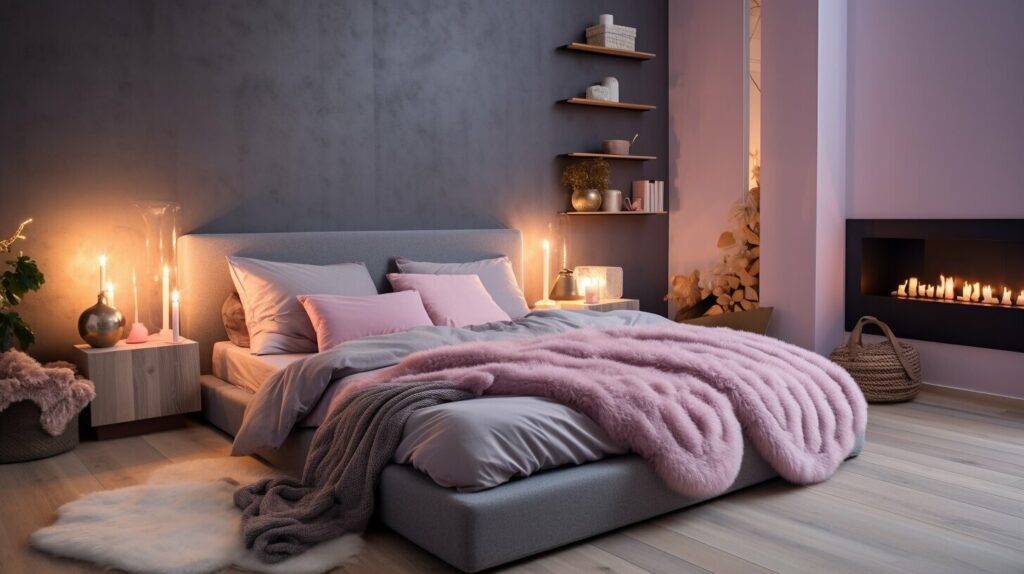
impact of stylish slumber bed frames on sleep quality with supportive frames

Stylish Slumber Bed Frames as Statement Pieces

Treat the bed as art—select a stylish slumber bed frame to showcase personality and create an immediate focal point.

When it comes to bedroom decor, stylish slumber bed frames can be more than just functional pieces of furniture. They have the power to transform your bedroom into a stylish and visually captivating space. Stylish slumber bed frames can serve as statement pieces, showcasing your unique style and adding personality to the room.

With their wide range of designs, stylish slumber bed frames offer endless possibilities for creating a distinctive look. Whether you prefer a bold and ornate frame or a minimalist and sleek design, there is a stylish slumber bed frame out there to suit your taste. Choose a frame that reflects your individual style and becomes the focal point of the room.

Not only do unique stylish slumber bed frames elevate the aesthetic appeal of your bedroom, but they also contribute to the overall ambiance of the space. They can create a sense of luxury, comfort, or even a touch of whimsy. A visually striking stylish slumber bed frame can instantly catch the eye and make a statement about your personal style.

Expressing Personal Style

Use ornate details, bold silhouettes, or minimalist lines to express who you are every time you enter the room.

Stylish slumber bed frames are an opportunity to express your personal style and make a bold statement in your bedroom. Whether you opt for a vintage-inspired frame with intricate details or a sleek and modern design, your stylish slumber bed frame can become a reflection of your personality. It’s a chance to showcase your creativity and create a unique space that truly feels like your own.
unique stylish slumber bed frames as statement pieces

Best Stylish Slumber Bed Frames for Different Bedroom Styles

Match frame to theme: minimalist for modern rooms, distressed wood for farmhouse, light woods and storage for Scandinavian, and plush or detailed builds for classic elegance.

When it comes to choosing the best stylish slumber bed frame for your bedroom, there are countless options available to suit different styles and preferences. Whether you prefer a modern and contemporary look or a more traditional and classic design, finding the right stylish slumber bed frame can enhance the overall aesthetic of your space. To help you make an informed decision, we have curated a list of the top stylish slumber bed frames in the market based on customer reviews and expert recommendations:

1. Modern Minimalist:

Opt for a low-profile platform frame with clean lines in metal or light-finish wood for a crisp, clutter-free look.

The sleek and simple design of a modern minimalist stylish slumber bed frame can create a clean and sophisticated look in your bedroom. Opt for a platform bed frame with clean lines and minimalist details to achieve this style. Consider materials like metal or wood with a natural finish for a sleek and modern aesthetic.

2. Rustic Farmhouse:

Choose distressed or reclaimed wood with simple detailing; a canopy silhouette can add graceful height.

If you prefer a more rustic and farmhouse-inspired vibe, choose a stylish slumber bed frame with a distressed wood finish and charming details. Look for bed frames with intricate woodwork and vintage-inspired designs. A canopy stylish slumber bed frame with rustic accents can also add a touch of elegance to your farmhouse-style bedroom.

3. Scandinavian Chic:

Light woods, tapered legs, and integrated drawers keep lines airy while adding useful storage.

For a Scandinavian-inspired bedroom, opt for a stylish slumber bed frame that embodies simplicity and functionality. Look for bed frames with clean lines, light wood finishes, and minimalistic designs. A platform stylish slumber bed frame with storage drawers can also be a practical addition to your Scandinavian chic bedroom.

4. Classic Elegance:

Upholstered headboards, tufting, or ornate metalwork in rich tones deliver a timeless, luxurious mood.

To create a timeless and elegant bedroom, choose a stylish slumber bed frame with elaborate details and luxurious finishes. Consider bed frames with upholstered headboards or intricate metalwork. Opt for rich colors like deep mahogany or velvet fabrics for a touch of opulence.

Bed Frame Style Material Price
Modern Minimalist Stylish Slumber Bed Frame Modern Metal or Wood $300 – $600
Rustic Farmhouse Stylish Slumber Bed Frame Farmhouse Wood $400 – $900
Scandinavian Chic Stylish Slumber Bed Frame Scandinavian Wood $500 – $800
Classic Elegance Stylish Slumber Bed Frame Classic Wood or Metal $600 – $1200

These are just a few examples of stylish slumber bed frames that can complement different bedroom styles. The key is to choose a stylish slumber bed frame that aligns with your personal taste and the overall theme of your bedroom. Consider factors like durability, comfort, and budget when making your selection. By choosing the best stylish slumber bed frame for your bedroom style, you can create a space that is both visually appealing and functional for a restful slumber.

Conclusion

The right stylish slumber bed frame elevates design, saves space, and supports healthier sleep—choose thoughtfully and your bedroom will look and feel better every day.

Stylish slumber bed frames play a crucial role in the overall aesthetic and functionality of your bedroom. They have a significant impact on the room’s decor, serving as a focal point and enhancing the style of the space. Beyond their visual appeal, stylish slumber bed frames also provide support and stability for your mattress, ensuring a comfortable sleep environment.

By carefully selecting the right stylish slumber bed frame, you can enjoy numerous benefits. A sturdy and supportive frame promotes proper spinal alignment and reduces pressure points, contributing to better sleep quality. Additionally, stylish slumber bed frames with storage options help maximize space and keep your bedroom organized and clutter-free.

With a wide variety of stylish slumber bed frames available, you can find the perfect match for your individual needs and preferences. Whether you prefer a modern and sleek design or a rustic and farmhouse-inspired frame, there’s a stylish slumber bed frame out there that will elevate the style and comfort of your bedroom. Upgrade your decor and create a sleep sanctuary that reflects your personal style with the wide range of stylish slumber bed frame options on the market.

FAQ

What impact do stylish slumber bed frames have on bedroom decor?
Stylish slumber bed frames have a significant impact on the overall aesthetic of a bedroom. They not only provide support for the mattress but also serve as a focal point for the room’s decor.
How do stylish slumber bed frames enhance bedroom style?
Stylish slumber bed frames come in various designs, materials, and finishes, allowing homeowners to find the perfect match for their aesthetic preferences. They can help create a cohesive and visually appealing look in the bedroom.
What factors should I consider when choosing a stylish slumber bed frame?
Consider the size of the room and mattress, the desired style and design, and your budget. Reading stylish slumber bed frame reviews and understanding the different types can also help in making an informed decision.
What are the different types of stylish slumber bed frame materials?
Stylish slumber bed frames are available in various materials, including wood, metal, and upholstered. Each material offers unique benefits and should be chosen based on personal style preferences, durability requirements, and budget considerations.

How do storage stylish slumber bed frames maximize space in the bedroom?
Storage stylish slumber bed frames feature built-in drawers or compartments for extra bedding, clothing, or personal items. They offer a clutter-free and organized environment, allowing for a more spacious and functional bedroom.


How do stylish slumber bed frames impact sleep quality?
A sturdy and supportive stylish slumber bed frame provides a stable foundation for the mattress, ensuring proper spine alignment and reducing pressure points. It also helps reduce motion transfer for more undisturbed sleep.
How can stylish slumber bed frames be used as statement pieces?
Unique stylish slumber bed frames can become the focal point of the room, adding visual interest and personality. By choosing a frame that reflects individual style, homeowners can create a bedroom that is visually captivating.
What are the best stylish slumber bed frames for different bedroom styles?
There are countless options when choosing the best stylish slumber bed frames. The room’s theme, desired comfort level, and budget all play a role in selecting the best frame to match your space.


Related reading from Cozy Bed Quarters

Other reading we found popular

About the Author

Joseph Rett is the founder of Cozy Bed Quarters, a Phoenix-based sleep and bedding resource. With years of experience researching sleep science and bedding products, Joseph helps people create comfortable, sustainable sleep spaces. Living in Arizona’s desert climate has given him unique insights into temperature-regulating bedding and cooling sleep solutions.