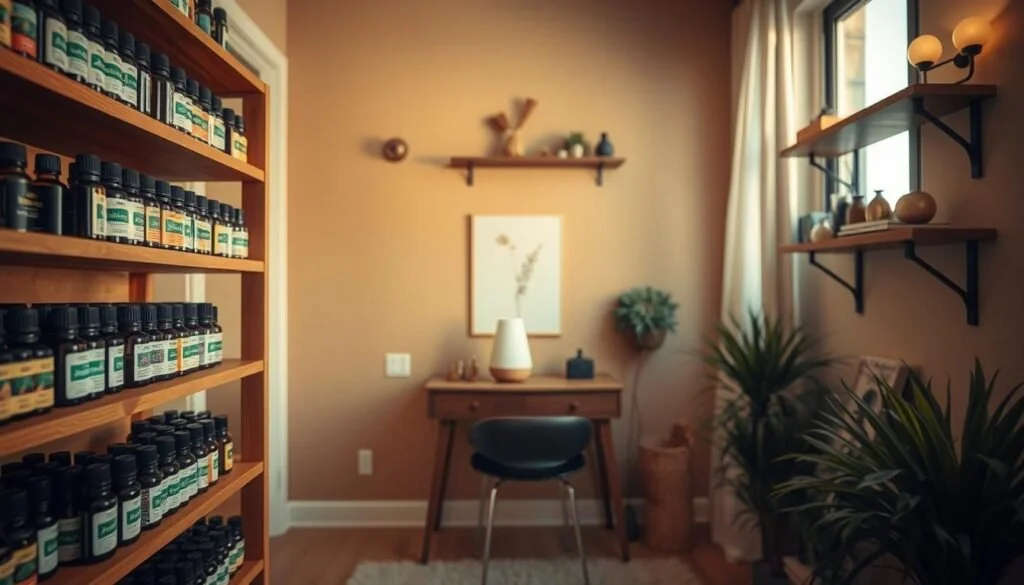
15 Must-Have Items Every Guest Room Needs

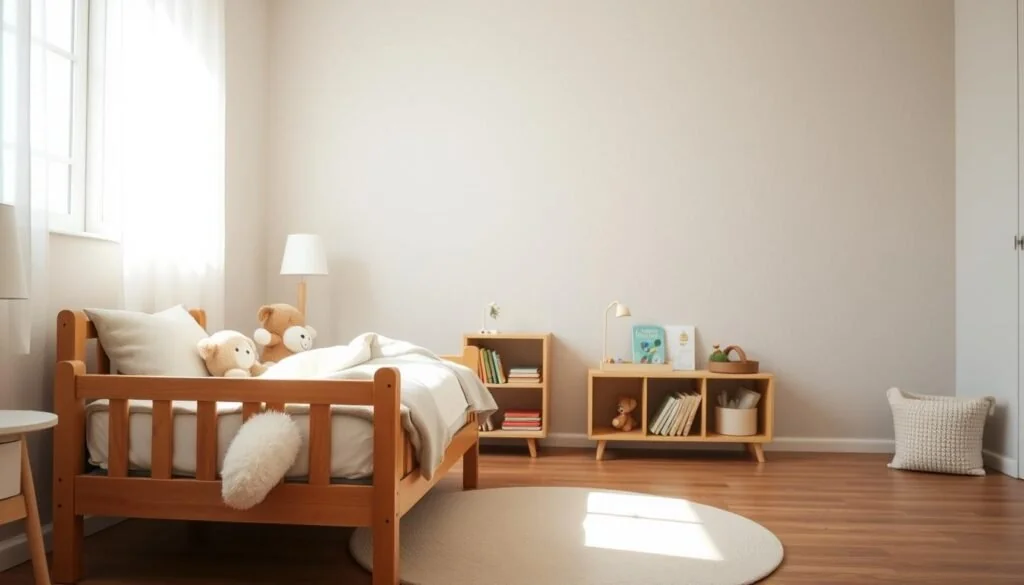
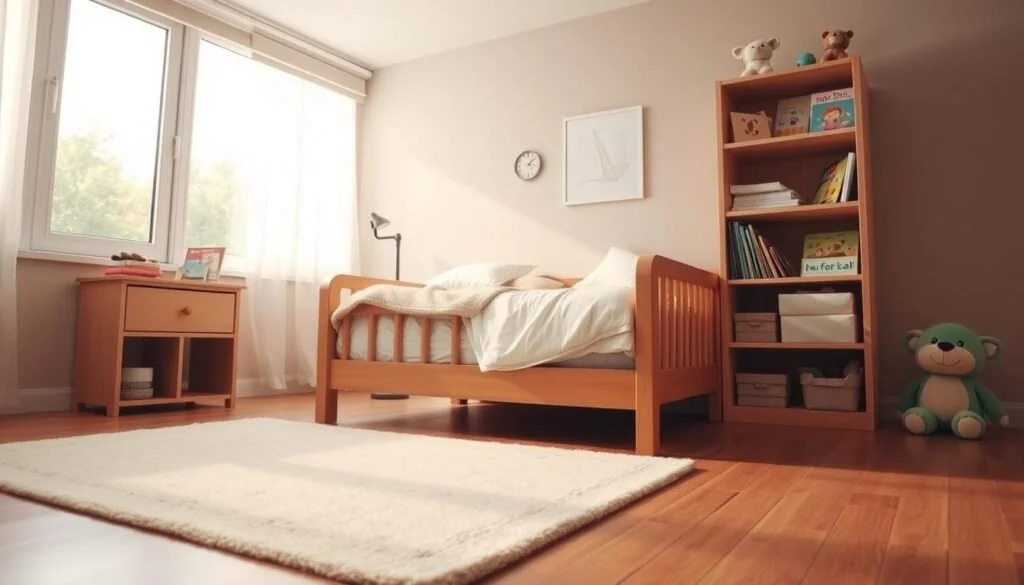
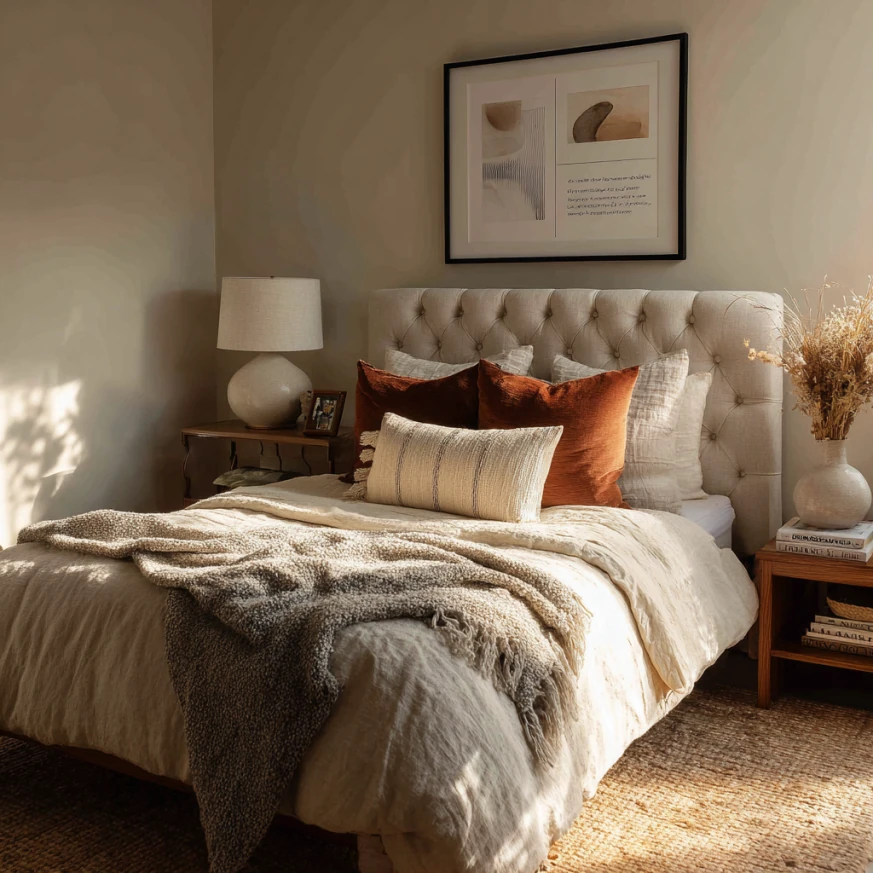
Guest Room Essentials in a cozy bedroom setting - must items guest

Essential Items Every Guest Room Needs

If you’ve wondered what truly matters in a guest space, this guest room essentials checklist gives you the exact 15 things that make visits comfy, calm, and delightfully low-stress. See the full guest room essentials checklist for a printable version you can run through before every arrival.

Updated 2025 with smarter storage picks, compact nightstand alternatives, and easy comfort upgrades.

Think “mini boutique stay”: simple comforts + small luxuries, beautifully within reach. For more setup inspiration, explore our guest bedroom ideas guide.

Key Takeaways

  • Guest room essentials checklist = comfort first, clutter last.
  • Two pillow types, breathable sheets, and a medium-weight top layer cover most sleep styles.
  • Floating shelves and rolling carts make great nightstand alternatives in small rooms.
  • Visible storage (hooks, hangers, luggage rack) keeps surfaces tidy and stress-free.
  • Little extras—chargers, Wi-Fi card, water carafe—feel five-star on any budget.

Start with comfort: the bed, bedding, and pillows

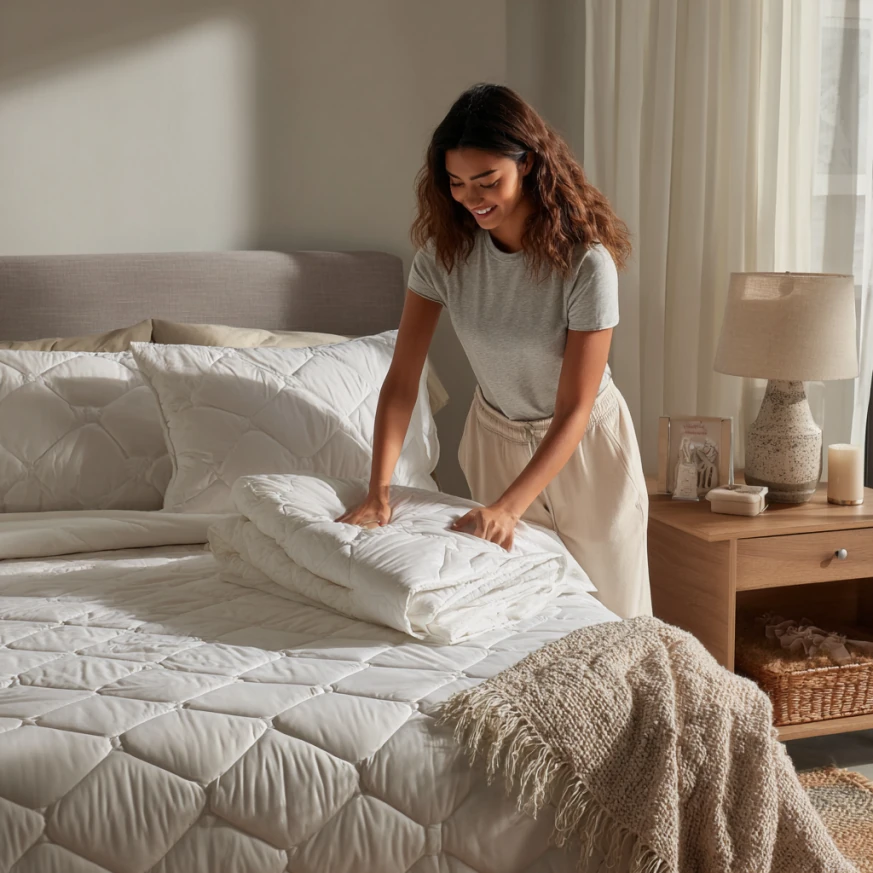
A restful night is the heart of hospitality. Aim for breathable sheets, a medium-weight duvet or comforter, and two pillow firmness options so guests can fine-tune comfort. According to the CDC, adults need at least seven hours of sleep; choosing breathable materials and keeping the room dark and quiet makes it easier to get there. If you’re shopping, consider options with certified bedding labels for added safety and peace of mind.

Mini-scenario: Your friend arrives late, pulls back cool, crisp sheets, and finds a softer pillow for side sleeping—instant relief after a long drive. Dive deeper in the best bedding for a guest room for fabric tips and care.

Nightstand alternatives that save space

If a full table won’t fit, no worries—your guests just need a small perch for light, water, and a phone.

Floating nightstands

A slim wall shelf or ledge keeps floors clear and still holds a lamp, tissues, and a charger.

Rolling utility cart

Park it by the bed when hosting; roll it back to your office corner later. See more small-space layouts in small guest room ideas.

15 Must-Have Items Every Guest Room Needs - guest room essentials - must items guest

Storage made obvious (and pretty)

Guests relax faster when it’s clear where to put things. Offer a few hangers, a luggage spot, and a drawer or basket for small items.

Hooks + hangers

Two sturdy wall hooks and five open hangers beat a jam-packed closet every time.

Luggage rack or bench

A foldable rack (or thrifted bench) prevents suitcase sprawl—budget tips live in guest bedroom on a budget.

Hidden helpers

Under-bed bins or a storage bed hide spare linens; a small tray on the shelf corrals keys and jewelry. For multi-purpose rooms, consider a sofa bed or daybed to keep the layout flexible.

15 Must-Have Items Every Guest Room Needs - guest room essentials - must items guest

Lighting and privacy that feel hotel-level

Layer a ceiling light with a warm bedside lamp, plus a tiny nightlight for late-night trips. Add blackout options to support deeper sleep. The National Sleep Foundation notes that darker, cooler rooms promote better rest and faster sleep onset.

Bedside lighting

Reachable switches and dimmable bulbs say “welcome, unwind.”

Blackout solutions

Full curtains are wonderful; a liner or sleep mask works in a pinch. See the big-picture hosting flow in our guest bedroom ideas pillar guide.

15 Must-Have Items Every Guest Room Needs - guest room essentials - must items guest

Tech, toiletries, and thoughtful extras

It’s the little conveniences that earn “You thought of everything!” texts the next morning.

Chargers + Wi-Fi card

Set out a universal cable (USB-C/Lightning) and a neatly printed network/password card.

Water carafe + glasses

Prevents midnight kitchen trips and looks quietly luxurious on any budget.

Mini hotel kit

Toothpaste, makeup wipes, cotton swabs, lotion, and a spare toothbrush in a small basket—done. Inspiration from Good Housekeeping toiletry kit picks can help stock yours affordably.

15 Must-Have Items Every Guest Room Needs - guest room essentials - must items guest

Before guests arrive: line the trash bin, spritz a light room spray, quick vacuum, and crack a window.

The 15 must-have items: your printable guest room essentials checklist

Save or screenshot this list and run through it before every arrival.

  1. Fresh sheet set (breathable cotton or linen).
  2. Medium-weight duvet/comforter with a washable cover.
  3. Two pillow types per sleeper (soft + medium/firm).
  4. Bedside lamp with reachable switch.
  5. Small nightlight for safe late-night walks.
  6. Floating nightstand, slim ledge, or rolling cart.
  7. Universal charger + printed Wi-Fi card.
  8. Water carafe and two glasses.
  9. Two bath towels + hand towel (neatly visible).
  10. Toiletry basket (toothpaste, wipes, cotton swabs, lotion).
  11. Five open hangers + two sturdy wall hooks.
  12. Folding luggage rack or bench.
  13. Small trash bin lined and ready.
  14. Room refresh: light spray, quick vacuum, window cracked for a minute.
  15. Tray or dish for keys, jewelry, and pocket items.

Essentials at a glance

Prefer a quick skim? Here’s a downloadable guest room checklist you can keep on your phone.

  • Sleep
    • Must-have: Breathable sheets, two pillow types
    • Why it matters: Comfort for hot/cool sleepers without fuss
  • Lighting
    • Must-have: Bedside lamp + nightlight
    • Why it matters: Wind-down routine and safe midnight navigation
  • Storage
    • Must-have: Hooks, hangers, luggage perch
    • Why it matters: Unpacks clutter; keeps pathways open
  • Convenience
    • Must-have: Charger, Wi-Fi card, water carafe
    • Why it matters: No guesswork; thoughtful “wow” factor
  • Care
    • Must-have: Towels, toiletry basket, trash bin
    • Why it matters: Fresh, hotel-like basics—without the bill

15 Must-Have Items Every Guest Room Needs - guest room essentials - must items guest

FAQ

What’s the single most important item to prioritize?

Comfortable sleep: breathable sheets, a medium-weight top layer, and two pillow firmness options.

How can I adapt this guest room essentials checklist for a tiny room?

Swap a full nightstand for a floating shelf or cart, use wall hooks, and store spare linens in under-bed bins.

Do I really need blackout curtains?

They help, especially in bright neighborhoods. If installation isn’t possible, add a liner or place a sleep mask on the shelf.

What if I’m on a tight budget?

Use what you have + thrift the rest. Our guest bedroom on a budget guide shows high-impact, low-cost swaps.

What’s the quickest “company is coming” reset?

Fluff pillows, smooth the duvet, crack a window, set out towels, water, charger, and the Wi-Fi card—five minutes, huge impact.

Conclusion

With this guest room essentials checklist, you’ll welcome visitors with calm confidence—whether you have a spare room or a convertible office nook. Start with comfort, make storage obvious, and add small luxuries that feel personal. For layouts, furniture picks, and printable prep tools, explore our guest room essentials checklist and guest bedroom ideas—all from Cozy Bed Quarters.

Related reading from Cozy Bed Quarters

Other reading we found popular


The Best Sofa Beds and Daybeds for a Multi-Purpose Guest Room

Sofa Beds Daybeds Multi in a cozy bedroom setting

Best Sofa Beds for Guest Rooms in 2025

If you’re hunting for the best sofa bed for guest room comfort, this friendly guide covers sizes, mattress types, and smart layouts—plus daybeds and small-space tricks that look luxe without the stress.

Updated 2025 with compact layouts, easy-care fabrics, and quick measuring tips.

Below, you’ll find the best sofa bed for guest room setups that actually fit and feel great.

Pick a sleeper that fits your room’s flow first—then layer bedding for boutique-level comfort. For the full hosting blueprint, see our guest bedroom ideas guide.

Key Takeaways

  • Best sofa bed for guest room success starts with measurements—width, pull-out depth, and walking paths.
  • Choose the mattress type (foam, innerspring, or hybrid) that matches your guests’ preferences.
  • Daybeds and loveseats shine in tiny rooms; sectionals with sleepers work in multipurpose living spaces.
  • Easy-care upholstery and removable covers simplify maintenance between stays.
  • Pair your sleeper with breathable layers from our best bedding for guest room guide.

How to choose the right sleeper for your space

Start with the room’s footprint and the path guests take when the bed is open. Measure the sofa length, the pull-out depth, and the space left for walking. If you host often, prioritize a smooth, squeak-free mechanism and supportive sleep surface. This helps you choose the best sofa bed for guest room layouts without blocking doors.

Mini-scenario: Your office-guest room is 10×11 feet. A full-size loveseat sleeper leaves a walkway to the closet; a queen blocks the door. The loveseat wins—and looks tailored day to day.

Working in tight quarters? Combine these tips with small guest room ideas and our guest room essentials checklist for stress-free prep.

Choosing the Right Sofa Bed for Guests

The sleep surface matters more than cushions—especially if you want the best sofa bed for guest room comfort. Here’s what to consider so guests actually sleep well.

Foam mattresses

  • Consistent support with fewer bars or pressure points from the frame.
  • Great for quick setups; often lighter to pull out.

Innerspring mattresses

  • Traditional bounce; some models feel firmer and cooler.
  • Check for a quality support deck so springs don’t telegraph through.

Hybrid & toppers

  • Foam + coil blends can balance contour and airflow.
  • A 2–3″ topper (stored under the sofa) upgrades any sleeper instantly.

Bonus comfort: Build a simple layer set from the best bedding for guest room guide—percale or linen sheets + medium-weight duvet.

According to the Sleep Foundation, most adults need at least seven hours of sleep each night—so a supportive sleeper can make a real difference for overnight guests. When shopping, look for models with modern support decks and consider verified materials. A quick way to decode labels is to check a mattress and bedding certifications guide.

Quick size guide & measuring checklist

Match sleeper size to the way your room actually functions.

  • Twin/Chair Sleeper (30–39″ wide): Perfect for studio nooks or offices; minimal pull-out depth.
  • Full/Loveseat Sleeper (52–60″ wide): Cozy for couples or ideal for solo guests with extra sprawl.
  • Queen Sleeper (60–66″ wide): Hotel-like feel; confirm pull-out depth (often 85–92″ total).
  • Sectional Sleeper: Great for multipurpose family rooms—check chaise clearance and traffic flow.

These ranges make picking the best sofa bed for guest room dimensions simple.

Measure twice: doorways, hall turns, elevator size, pull-out depth, and the leftover path to closets or the bathroom.

Top picks by room type (9 ideas)

Use these scenarios to match your layout with the sleeper style that will serve you best—day and night—so you can choose the best sofa bed for guest room without guesswork.

1–2) Tiny office or studio: loveseat sleeper or daybed

  • Loveseat sleeper: Full-size comfort, compact by day, minimal pull-out depth.
  • Daybed + trundle: Reads like a bench; trundle adds occasional +1 capacity.


The Best Sofa Beds and Daybeds for a Multi-Purpose Guest Room - sofa beds daybeds multi

3–4) Narrow guest room: twin chair sleeper or click-clack futon

  • Twin/Chair sleeper: Folds out fast; great when floor space is at a premium.
  • Click-clack futon: Back drops flat; no pull-out clearance needed.

The Best Sofa Beds and Daybeds for a Multi-Purpose Guest Room - sofa beds daybeds multi

The Best Sofa Beds and Daybeds for a Multi-Purpose Guest Room - sofa beds daybeds multi

5–6) Family room hybrid: queen sleeper or sectional with chaise

  • Queen sleeper: Feels like a “real bed” for couples—measure for traffic flow.
  • Sectional sleeper: Seats a crowd daily; converts for holidays and long weekends.

The Best Sofa Beds and Daybeds for a Multi-Purpose Guest Room - sofa beds daybeds multi

7–8) Storage-savvy spaces: lift-top ottoman + topper or storage sofa bed

  • Ottoman + topper combo: Hide a 2–3″ topper and linens inside for instant comfort.
  • Storage sofa bed: Built-in drawer keeps bedding handy—great for small homes.

9) Design-first rooms: upholstered daybed with luxe pillows

  • Dress a daybed in textured neutrals and one accent color; add a bolster for daytime lounging.

Sofa bed vs daybed vs futon: quick comparison

FeatureSofa BedDaybedFuton
Best forMultipurpose living rooms; frequent hostingGuest nooks & offices; relaxed stylingUltra-small rooms; quick conversions
Sleep feelMattress (foam/innerspring/hybrid)Standard twin mattress (add trundle)Firm, single-surface cushion
Space needsRequires pull-out depth clearanceNo unfold; trundle clearance onlyNo pull-out; back drops flat
Daily lookReads as a sofaReads as a lounge benchCasual, minimalist
Setup speedModerateFastFast

Upholstery, care, and cozy upgrades

Choose fabrics that clean easily and look polished after a quick refresh.

  • Performance fabrics: Stain-resistant weaves are ideal for busy rooms.
  • Removable covers: Zip-off cushion covers make laundry days painless.
  • Color palette: Calm neutrals + a single accent make styling effortless.
  • Bedding add-ons: Keep a topper and spare linens in a storage ottoman.

For a five-minute pre-arrival routine—water carafe, chargers, and towels—see our guest room essentials checklist. If you’re polishing your space on a shoestring, peek at guest bedroom on a budget for high-impact, low-cost upgrades.

For frequent hosts, prioritize spinal support: the American Academy of Sleep Medicine recommends consistent sleep schedules and comfort-forward setups—your sleeper’s mattress quality and pillow options matter more than flashy features.

Best sofa bed for guest room: quick setup checklist

Use this bite-size list before every stay so your sleeper feels truly guest-ready.

  • Measure pull-out depth and leave a clear path to the bathroom.
  • Layer breathable sheets + a medium-weight duvet (or quilt + throw).
  • Offer two pillow types: one soft, one medium/firm.
  • Stage a rolling cart or ledge shelf for lamp, water, tissues, and charger.
  • Place a sleep mask on the pillow if blackout isn’t possible.

Want the full hosting roadmap? Start with our pillar guide: How to Create the Perfect Guest Bedroom: A Host’s Checklist.

FAQ

What size is best for a small office-guest room?

A full-size loveseat sleeper or a daybed with trundle usually fits best while keeping walkways open—often the best sofa bed for guest room combos.

How do I make a sleeper feel like a real bed?

Add a 2–3″ topper, breathable sheets, and two pillow firmness options. Finish with a medium-weight duvet or quilt.

Is a futon okay for adult guests?

Yes—choose a sturdier frame and pair it with a topper for extra comfort, especially for side sleepers.

What about maintenance between stays?

Air out cushions, launder sheets and covers, and keep a lint roller plus fabric refresher in a basket nearby.

Daybed or sofa bed for frequent hosting?

If you host couples often, pick a queen sofa bed. If most guests are solo, a daybed with trundle is simpler and space-friendly.

Conclusion

The best sofa bed for guest room balances footprint, sleep quality, and daily life. Measure first, choose the right mattress type, and layer breathable bedding. With a few cozy upgrades, your multipurpose room will feel effortless to use—and delightful to stay in. Explore more cozy how-tos in Cozy Bed Quarters.

Related reading from Cozy Bed Quarters

Other reading we found popular

Sleep Sanctuary Ideas: Create the Perfect Restful Space

Sleep Sanctuary Ideas: Create the Perfect Restful Space - Featured Image


Sleep Sanctuary Design Ideas for Better Rest

Sleep Sanctuary Ideas that work: simplify your space, choose breathable bedding, set gentle lighting, and add soothing scents and sounds. Follow these friendly, science‑aware tips to turn your bedroom into a calm, restorative retreat tonight.

Updated: August 24, 2025

Key Takeaways

  • Build your sleep sanctuary around breathable, eco‑friendly bedding and soft, low‑glare light.
  • Create calm with aromatherapy, steady soundscapes, and simple nightly rituals.
  • Choose durable, non‑toxic, sustainably made furniture and finishes.
  • Sleep Sanctuary Ideas shine when clutter is low and air is fresh—plants and smart tech can help.

A sleep sanctuary is a dedicated space that promotes deep rest and tranquility. Unlike a standard bedroom, it blends calming aesthetics, sustainable materials, and sensory cues that support healthy sleep. Designed thoughtfully, it becomes a personal retreat to recharge and reduce stress before tomorrow.

Sleep Sanctuary Ideas in a serene minimalist bedroom

What Is a Sleep Sanctuary and Why It Matters

A sleep sanctuary sets the stage for consistent, high‑quality rest. A calmer room supports memory, mood, and overall wellness—and helps you fall asleep faster.

  • Quick context: good sleep routines are linked with better daytime focus and emotional balance. See our guide on sleep quality and memory.
  • Try this: dim lights an hour before bed, silence notifications, and journal for three minutes to cue your wind‑down.

Tranquil bedroom illustrating benefits of a restful sleep featuring sleep sanctuary ideas

Bedding & Layering Essentials

Breathable fabrics keep your body at a steady temperature so you sleep deeper. Layering adds comfort and makes seasonal tweaks easy.

  • Materials that breathe: organic cotton, Tencel, and linen are soft, moisture‑managing picks. Look for GOTS or OEKO‑TEX labels.
  • Layers that flex: combine a light duvet, two pillow types (one soft, one medium), and a throw you can add or remove.
  • Example: pair linen sheets with a medium‑weight duvet in spring; add a wool blanket when temperatures drop.
  • Explore calming wind‑downs that pair well with fresh sheets in our sleep meditation guide.

Sleep Sanctuary - Eco-friendly bedding layers made from organic cotton and featuring sleep sanctuary ideas

Colors, Lighting & Calming Scents

Soft greens, muted blues, and gentle lavender tones relax the nervous system. Warm, dimmable light signals that it’s time to unwind.

  • Color tip: keep bold hues for accents; paint walls in soft, low‑saturation shades for a quieter feel.
  • Light tip: use warm bulbs and bedside lamps; try circadian‑friendly smart bulbs for evening wind‑downs.
  • Scents that soothe: lavender, chamomile, or sandalwood via a diffuser or linen spray as part of your nightly ritual.
  • Example: switch your lamps to warm 2700K LEDs and add three deep breaths with a lavender mist before bed.

Sleep Sanctuary - Bedroom in calming colors with soft, dimmable lighting featuring sleep sanctuary ideas

Sustainable Furniture & Non‑Toxic Choices

Timeless, well‑made pieces reduce waste and chemicals that can affect indoor air quality. Choose finishes that keep your sleep sanctuary fresh.

  • Look for: FSC‑certified wood, reclaimed materials, low‑ or zero‑VOC paints, and natural fiber textiles.
  • Example: a solid wood bed frame with a water‑based finish and a simple nightstand that hides cords for visual calm.
  • Bonus: shop brands with transparent sourcing—see sustainable bedding picks to align values with comfort.

Non-toxic materials and natural textiles in a clean sleep featuring sleep sanctuary ideas

Soundscapes, Rituals & Clutter Control

Gentle, consistent sound masks disruptions; tiny rituals train your brain for sleep; a tidy room lowers mental load.

  • Sound: white noise or rain tracks create a steady backdrop that reduces wake‑ups.
  • Rituals: five minutes of stretching or a short meditation helps your body shift gears—start with our guided relaxation.
  • Clutter: use simple bins and a “clear surfaces” rule so bedtime feels open and breathable.
  • Example: set a 10‑minute “reset” timer after dinner to put the room in order before your wind‑down.

White noise machine and minimal nightstand supporting a quiet sleep featuring sleep sanctuary ideas

Green Upgrades & Smart Tech

Plants can freshen the vibe while smart tools fine‑tune comfort. Use technology lightly so it supports, not distracts, your sleep sanctuary.

  • Plants: snake plant, aloe vera, or peace lily add life and can improve perceived air freshness.
  • Smart picks: dimmable bulbs, simple automations, and—if you like data—a smart mattress that adjusts firmness or temperature.
  • Example: schedule lights to fade over 20 minutes while a gentle ocean track starts at low volume.

Sleep Sanctuary - Green bedroom upgrades with houseplants and subtle smart featuring sleep sanctuary ideas

FAQ

What are the key elements of a sleep sanctuary?

Breathable bedding, calming colors, soft lighting, soothing scents, plants, and a clutter‑free layout.

How can I make my bedroom eco‑friendly?

Choose organic textiles, certified wood furniture, low‑VOC finishes, and durable pieces you’ll keep for years.

What colors are best for relaxation?

Soft greens, muted blues, and gentle lavenders tend to quiet the nervous system and feel restful.

Can scents really improve sleep?

Yes. Lavender, chamomile, and sandalwood are popular because their aromas support a calm, wind‑down routine.

Which nightly rituals actually help?

Brief journaling, light stretching, and a short meditation work well—consistency matters more than length.

Final Thoughts

Designing a sleep sanctuary is a kind, sustainable gift to yourself. Start small, keep what works, and let your room evolve into the calm space you crave. For more inspiration, explore our Cozy Bed Quarters guides.

Related Reading


Memory Foam vs. Spring vs. Hybrid: Which is Best for You?

Memory Foam vs Spring Mattress - memory foam vs. spring

Memory Foam vs Spring Mattresses Explained

If you’re choosing between memory foam vs spring mattress, pick foam for deep contouring and motion isolation, choose springs for bouncy lift, airflow, and stronger edges, and consider a hybrid if you want both.

Updated August 25, 2025.

Key Takeaways

  • Memory foam excels at pressure relief and motion isolation for couples.
  • Spring designs feel cooler and more responsive with stable edge support.
  • Hybrids blend foam comfort with coil lift for balance.
  • Durability depends on foam density, coil gauge, and build quality.
  • This guide compares memory foam vs spring mattress so you can decide fast.

Start with our hub mattress buying guide, then see position-based picks in our best mattress for side sleepers. Curious about brand feel? Don’t miss our Casper vs Purple comparison.

Why shoppers compare memory foam vs spring mattress

These two builds dominate the market and deliver distinct feels. Memory foam “hugs” your curves for uniform pressure relief, while springs offer a buoyant, airy surface with easy movement. If you’re unsure which feel you like, list your must-haves—cooling, contouring, edge support, and budget—to narrow choices fast.

7 key differences at a glance

Use these factors to prioritize what matters most for your sleep.

  1. Support & alignment: Foam molds along the spine; coils push back with lift. Back and stomach sleepers often like the buoyancy of springs.
  2. Pressure relief: Foam cushions shoulders/hips for side sleepers. Pocketed coils can contour well when topped with quality foams.
  3. Cooling & airflow: Springs breathe naturally; foams need ventilation or cooling infusions to offset warmth.
  4. Motion isolation: Foam absorbs movement best; pocketed coils reduce transfer better than traditional linked coils.
  5. Edge support: Springs usually win with reinforced edges; many foams compress more at the perimeter.
  6. Durability: High-density foams and thicker-gauge coils resist sagging longer.
  7. Price & value: Entry foam is budget-friendly; advanced coils and hybrids land mid-to-premium.
  • Choose foam if: you want deep contouring, the quietest feel, and top-tier motion isolation.
  • Choose springs if: you run hot, want a lifted feel, and prefer firmer edges.
  • Choose a hybrid if: you want a bit of both—foam comfort + coil airflow and bounce.

Memory Foam vs. Spring vs. Hybrid: Which is Best for You?

Memory foam comfort: feel, cooling, and quality

Memory foam uses viscoelastic layers that react to heat and pressure, creating a slow, cradling feel. This close contouring evens out pressure and helps partners sleep through each other’s movements.

Look for open-cell structures, perforations, or gel/graphite infusions if you sleep hot. Quality cues include denser support cores and transition foams that prevent “stuck” sensations. These features help a memory foam vs spring mattress feel cooler and more supportive.

For safer materials and straightforward labels, consider shopping by certifications like CertiPUR-US®, GREENGUARD Gold, or GOTS/GOLS. See this clear explainer on bedding certifications and a practical overview of non-toxic mattress options.

Spring comfort: coils, airflow, and edge support

Spring mattresses rely on steel coils for lift and breathability. They tend to sleep cooler and feel more responsive, which helps combination sleepers change positions easily.

Pocketed coils contour individually and cut down motion transfer, while reinforced perimeter rails deliver steadier edges for sitting and sleeping wide.

Memory Foam vs. Spring vs. Hybrid: Which is Best for You?

Which is best for your sleep style?

Match feel to your primary sleep position and body type to find comfort on night one.

Side sleepers

Choose medium to medium-soft foam or a plush-top hybrid to cushion shoulders and hips without losing alignment.

Back sleepers

Medium to medium-firm works for most. Zoned coils or denser core foams hold the lumbar zone level.

Stomach sleepers

Go firmer so hips don’t sink. Many prefer springs or supportive hybrids for a flatter surface.

Combination sleepers

Seek responsiveness. Latex-infused foams or coil-supported hybrids make position changes easier when comparing memory foam vs spring mattress choices.

Durability, costs, and policies

Longevity comes from solid materials, not flashy names. Higher-density foams in the core resist impressions; thicker, tempered coils with more turns add resilience.

For long-term value, confirm a 90–120 night trial and at least a 10-year warranty. Read the indentation and foundation requirements to keep coverage valid. For neutral guidance, see the National Sleep Foundation – Mattress Resources. Clinical context on sleep comfort is available from the American Academy of Sleep Medicine.

Plan by tier: budget foam for guest rooms or lighter bodies, mid-range pocketed-coil and hybrid models for best balance, and premium builds for advanced cooling, zoning, or natural latex. Try feel in-store if you can, then compare online pricing and policies. Prioritize risk-reducing terms: free returns or low-cost pickup, clear trial windows, and warranties that specify sag depth.

Couple testing memory foam vs spring mattress options in a showroom - memory foam vs. spring

FAQ

Which lasts longer: memory foam or spring?

With quality materials, both can last 7–10+ years. Look for denser foams in the core and thicker-gauge, tempered coils with sturdy edge reinforcement.

Do foam mattresses sleep hotter?

Traditional foams retain heat, but open-cell designs and cooling infusions help. Springs and hybrids typically run cooler thanks to airflow around coils.

What’s best for back pain?

Medium to medium-firm firmness with even pressure relief is a common sweet spot. Foam cradles the lumbar curve; zoned coils add targeted lift.

Is a hybrid a safe middle ground?

Yes. Hybrids pair foam comfort with coil support and airflow, making them versatile for couples and combination sleepers.

Do I need a box spring?

Most modern beds work on solid platforms, properly spaced slats, or adjustable bases. Check the brand’s foundation rules to protect the warranty.

Conclusion

Choosing between memory foam vs spring mattress comes down to feel, temperature, and support. Foam hugs and isolates motion; springs lift, breathe, and steady the edges; hybrids balance both. Match firmness to your position, verify policies, and test at home. For cozy, confidence-boosting comparisons, see our full mattress buying guide or return to the main comparison hub.

Related reading from Cozy Bed Quarters

Other reading we found popular

The Toddler Bed Transition Handbook: Expert Tips

The Toddler Bed Transition Handbook

The Toddler Bed Transition Handbook — Timing, Safety & Routines

Updated 2025. The Toddler Bed Transition Handbook is your step-by-step guide to moving from crib to first bed with fewer wake-ups and less stress. Aim for around age three, watch clear readiness signs, childproof the room, and keep routines simple and consistent for calm, confident nights.

Key Takeaways from The Toddler Bed Transition Handbook

  • Waiting until ~age 3 often leads to smoother nights and better boundary-keeping.
  • Readiness shows up as climbing attempts, “big kid” interest, and following simple rules.
  • Safety first: anchor furniture, secure windows, and keep the sleep zone clutter-free.
  • Short, predictable routines reduce anxiety and help new habits stick.
  • Use The Toddler Bed Transition Handbook as your checklist for timing, setup, and coaching.

The Toddler Bed Transition Handbook overview image

A calm, stepwise plan keeps the change positive for toddlers and parents.

Understanding the Shift from Crib to Bed

Big moves work best when development and environment match. Many families consider the change around age two, but closer to three is often easier because children better understand boundaries and morning rules. See how kids’ beds evolve as needs grow.

In practice, The Toddler Bed Transition Handbook encourages pacing: try adjustments in small steps, celebrate progress, and avoid rushing due to outside timelines.

Readiness Signs You Can Trust

Look for consistent, practical cues before you switch. The Toddler Bed Transition Handbook highlights three: safety, interest, and self-control.

  • Safety: Repeated climbing or attempts to exit the crib despite lowering the mattress.
  • Interest: Asking for a “big kid” bed, talking about siblings’ beds, or choosing themed bedding.
  • Self-control: Following simple two-step directions and staying seated at meals for a few minutes.

Not seeing all the signals yet? It’s okay to wait. If an early try brings lots of roaming, return to the crib for a few weeks and retry later.

Readiness cues in The Toddler Bed Transition Handbook

Steady signs—safety, interest, and simple self-control—point to real readiness.

Safety First: Prepare the Room Like a “Big Crib”

Freedom to get out of bed means the whole room must be safe. Crawl at child level to spot hazards. Anchor dressers and bookshelves, add outlet covers, move cords out of reach, and secure windows. Use a low, stable mattress and consider a rail during the first weeks. For material and air-quality labels you’ll see while shopping, review mattress certifications explained.

Keep the sleep zone simple: mattress, breathable bedding, and one familiar lovey. Store toys in bins away from the bed to reduce “playtime temptation.” The Toddler Bed Transition Handbook also suggests a quiet landing spot—like a small rug—to soften early tumbles.

Room setup from The Toddler Bed Transition Handbook

Anchor furniture, manage cords, and keep the sleep zone clear to prevent nighttime wandering mishaps.

Make It Theirs: Involve Your Toddler Early

Ownership lowers resistance. Start two to three weeks before the switch. Offer small choices—two sheet patterns, where the favorite stuffed animal rests, which book goes first. Walk through the move step-by-step so nothing feels sudden.

Use simple language: “At bedtime, we lie down, cozy up, and rest our bodies until morning.” The Toddler Bed Transition Handbook recommends daytime practice—lie down together for one minute, whisper “goodnight,” and celebrate success.

Parent-child choices in The Toddler Bed Transition Handbook

Small choices create big buy-in—kids love showing off “their” bed.

Bedtime Routine & Night Wakings: Keep It Predictable

Familiar anchors calm the change: bath, PJs, two books, lights out. Add a nightlight and a brief goodnight phrase. When wakings happen, keep responses short and steady—return to bed with minimal talking. Consistency teaches what to expect.

The Toddler Bed Transition Handbook suggests a simple reward chart for staying in bed and a “morning light” clock to signal wake time. If your child roams, calmly guide them back each time without new snacks, screens, or long chats.

Timing, Sleep Needs, and What Experts Say

Toddlers generally need ample total sleep over 24 hours. For age-appropriate ranges and healthy-sleep guidelines, see the National Sleep Foundation’s children & sleep overview and the American Academy of Sleep Medicine pediatric resources. Many families find that waiting until closer to three years supports impulse control and smoother nights.

If a sibling is arriving or daycare schedules are shifting, plan the transition a few weeks before or after other big changes. The Toddler Bed Transition Handbook encourages one change at a time for stability.

Quick 2-Week Action Plan

Use this simple sequence from The Toddler Bed Transition Handbook to reduce stress and build momentum.

  1. Days 1–3: Talk about the new bed, read bedtime stories about growing up, and childproof the room.
  2. Days 4–6: Let your child choose sheets and a bedtime book order; practice quick “lie down and rest” drills.
  3. Days 7–9: Assemble the bed, keep the crib available as backup, and walk through the routine in daylight.
  4. Days 10–14: First nights in the bed. Repeat the same routine; return to bed calmly if they wander.

Want more setup details and bedding ideas? Explore safe toddler bedding tips.

FAQ

What age is best to start The Toddler Bed Transition Handbook steps?

Many children do best closer to age three, when they can follow simple rules. If climbing out creates safety risks earlier, prepare the room and switch sooner.

How do I handle constant get-outs after switching?

Keep responses calm and brief. Guide back to bed with the same phrase each time. A morning-light clock and a small reward chart help most families within two weeks.

Should I move to a floor bed or a framed toddler bed?

Both can work. Choose a low, stable surface with a clear perimeter and a safe room. A short rail can help during the first weeks.

What if my toddler isn’t interested yet?

Wait until you see steady cues—interest, simple self-control, and safe behavior in the crib. It’s fine to pause and try again later.

How much sleep do toddlers need?

Consult expert ranges and nap guidance from the National Sleep Foundation and the AASM. Aim for ample total sleep over 24 hours and a consistent schedule.

Is it okay to switch back to the crib?

Yes. If nights become chaotic, return to the crib for a short reset and retry later. The goal is safe, steady rest for everyone.

Conclusion

The Toddler Bed Transition Handbook keeps the process simple: choose patient timing, prepare a safe room, involve your child, and keep routines predictable. Follow your little one’s cues, and you’ll protect everyone’s rest while building confident independence. Keep exploring practical guides at Cozy Bed Quarters.

Related Reading

Find Bedding Donation Locations and Drop-Offs Near You

bedding donate near me

Where to Find Bedding Donate Near Your Area

Answer first: Need to clear linens fast? Search Bedding Donate Near Me to find nearby charities, then prep items so they’re clean, safe, and ready for reuse. Below you’ll find who accepts what, how to prep donations, and easy pickup options. Updated 2025.

Meta description: Find Bedding Donate Near Me options fast. Discover 9 places that accept sheets, blankets, and more, plus prep tips for clean, safe, easy donations in 2025.


Bedding Donate Near Me drop-off station with bagged linens

Featured: Bag clean, clearly labeled linens before you head to a donation site.

Key Takeaways

  • Not every group accepts pillows or used duvets. Check lists and call first.
  • Wash, dry fully, and bag items. Include sizes on labels for quick sorting.
  • Use Bedding Donate Near Me to surface local shelters, pet rescues, and reuse centers.
  • When donation isn’t possible, recycle textiles or upcycle at home.

Bedding Donate Near Me: Quick Finder

“Near me” results can feel random. Use them as a starting point, then verify what each site accepts. Many shelters welcome sheets, blankets, and mattress protectors. Some do not take pillows or foam toppers for hygiene reasons.

Mini-scenario: You enter “Bedding Donate Near Me” and get five results. Two accept sheets and blankets only, one takes everything including crib bedding, and two are pickup-only this month. You circle the best match and plan a drop-off Saturday.

What Charities Accept: A Quick Checklist

Most programs accept gently used, freshly washed items. Policies vary, so confirm by phone or on the donation page.

  • Often accepted: Sheet sets, blankets, quilts, duvet covers, mattress protectors, crib sheets.
  • Sometimes accepted: Pillows, comforters, foam toppers (depends on hygiene rules).
  • Usually not accepted: Torn, stained, musty, or pest-exposed items.
  • Great alternatives: Pet rescues for older towels, throws, and flat sheets.

Mini-scenario: Your guest set is clean but dated—perfect for a community shelter. The lumpy pillow? Your local animal rescue will happily repurpose it for kennels.

Where to Donate Locally (With Simple Map Tips)

Use your maps app plus “Bedding Donate Near Me,” then filter by ratings and hours. Favor groups that list an item acceptance policy on their website.

  • Homeless and family shelters: Often want twin and full sets, plus blankets.
  • Domestic violence shelters: Prefer neutral colors and labeled sizes.
  • Refugee resettlement orgs: Need complete sets for move-in kits.
  • Thrift partners for nonprofits: Sell linens to fund services.
  • Pet rescues/animal shelters: Reuse blankets and flat sheets for bedding.
  • Community buy-nothing groups: Great for fast, hyperlocal rehoming.

Contextual help from Cozy Bed Quarters: match fabric to use-case—see our sheet fabrics guide for durability, and skim when to replace sheets before you decide what to donate.

Mini-scenario: Two shelters are a 12-minute drive. You call both. One asks for twin sheets only; the other will take duvet covers but not inserts. Decision made.

Local Bedding Donate Near Me options including shelters and thrift centers

Many shelters, thrift partners, and rescues will accept clean sheet sets and blankets.

How to Prepare Bedding for Donation (Fast Prep List)

Clean, dry, and label. That’s the difference between a keeper and a discard.

  1. Wash hot, dry fully: Follow care tags. Aim for fresh, not perfumey.
  2. Inspect: No rips, stains, or lingering odors.
  3. Bundle sets: Fold sheets into their pillowcase; add size labels.
  4. Bag smart: Clear bags help volunteers sort quickly.
  5. Include counts: “Queen set x2, throw blanket x1” on a note.

For fabric care basics, see our quick guide: how to wash bedding and keep fibers strong for second-life use.

Mini-scenario: You build two neat “queen set” bundles with size notes. Drop-off takes two minutes because sorting is effortless.

Bedding Donate Near Me community donation center in 2025

Updated 2025: More donation centers now accept crib bedding and mattress protectors.

Safety & Sanitary Standards You Should Know

Freshness matters for health and dignity. Many organizations request laundered linens and may decline pillows for hygiene. For context on sleep cleanliness and laundering cadence, the National Sleep Foundation shares simple wash-frequency guidance. Healthy sleep environments also benefit from low-irritant materials; see the Gimme the Good Stuff Non-Toxic Mattress Guide for certification overviews you might reference when rehoming baby bedding.

Mini-scenario: A shelter notes “no pillows.” You keep those for a textile recycler and donate your freshly laundered sheet sets instead—everyone wins.

Alternatives When Donation Isn’t an Option

When an item doesn’t qualify, don’t trash it—reuse or recycle.

  • Textile recycling: Many centers accept clean but worn linens. Search your city with “textile recycling.”
  • Upcycle at home: Cut flat sheets into cleaning rags or sew into produce bags.
  • Pet projects: Turn worn duvets into crate liners or picnic throws.

Want greener replacements? Our eco-friendly bedding guide explains material choices and care that prolongs life—so your future donations stay useful longer.

Mini-scenario: Your comforter has a tear. You stitch it into two pet blankets, then donate your intact duvet cover to a family shelter.

Homeless shelter Bedding Donate Near Me collection area

Homeless shelters often request twin sets, neutral colors, and freshly washed bedding.

FAQ

Who accepts pillows near me?

Policies vary. Many people-facing shelters decline pillows. Pet rescues or textile recycling programs often accept them if clean and bagged.

Can I donate used duvets or comforters?

Sometimes. Many groups accept duvet covers but not inserts. Call first and confirm their hygiene policy before you go.

Will any charity pick up my bedding?

Some thrift partners and resettlement orgs offer pickup. Ask about minimum quantities and how to label bags. Schedule during dry weather.

How clean is “clean enough” for donations?

Wash and fully dry right before donating. Avoid heavy fragrance. Label sizes and sets so volunteers can sort quickly.

What should I do with stained or torn items?

Recycle textiles or repurpose at home. Most charities can’t use damaged linens, but recyclers and pet rescues often can.

Conclusion

With a plan, Bedding Donate Near Me becomes a quick, kind errand. Choose the right recipient, prep items well, and give your linens a second life. You’ve got this—and if you need fabric care or material tips, Cozy Bed Quarters is here to help. Visit Cozy Bed Quarters for more practical, friendly guides.

Related Reading

Your Guide to Crafting the Perfect Wardrobe Design

Wardrobe Design

Creating a bold and unique wardrobe means picking pieces that show who you are. You want to feel confident and stand out. A good collection of versatile, high-quality clothes can last for years.

A well-designed wardrobe is more than looks; it’s about function and expressing yourself. By choosing quality and custom options, you make a space that’s truly yours.

Key Takeaways

  • Crafting the perfect wardrobe involves curating pieces that reflect your personality.
  • A well-curated wardrobe can serve you for years, giving you endless styling options.
  • Custom wardrobe solutions can make your space more functional and beautiful.
  • Choosing quality pieces is key for a wardrobe that lasts.
  • Your personal style is important in making a unique wardrobe.

Understanding the Basics of Wardrobe Design

To create the perfect wardrobe, you must learn the basics of wardrobe design. A good wardrobe is not just about looks; it’s also about being useful and organized. The right storage can greatly help keep your closet tidy and organized.

What is Wardrobe Design?

Wardrobe design is about planning a closet that fits your needs. It considers the room size, your style, and the clothes you have. Good wardrobe design makes your closet both useful and nice to look at.

The Importance of Proper Storage Solutions

Good storage is key to a tidy and organized closet. This means using shelves, drawers, and rods wisely to save space. Smart storage helps keep your closet neat and makes the most of its space.

Getting wardrobe storage solutions can also improve your closet’s use. For example, dividers and bins keep socks and accessories in order. Also, double hanging rods can double your hanging space, helping you manage your clothes better.

Learning about wardrobe design and storage is important. It helps you make a closet that looks good and works well. Whether your closet is small or big, good design makes a big difference.

Assessing Your Space for Wardrobe Design

To design a wardrobe that fits your space, you must measure your room accurately. This first step is key for a great wardrobe design.

Measuring Your Room Dimensions

Begin by measuring the room’s length, width, and any obstacles like heating vents or outlets. Use a tape measure for exact measurements.

Write down these measurements carefully. They are the base of your wardrobe design. Making a simple floor plan can help you see your space better.

Identifying Available Wall Space

After getting your room’s dimensions, find the wall space for your wardrobe. Think about windows, doors, and other features that might change your design.

Choose the style you want, like Modern Wardrobe Ideas or a classic look. Then, see how it fits with your wall space.

Wall FeatureImpact on DesignConsiderations
WindowsAffects placement and sizeConsider window size and position
DoorsInfluences wardrobe placementThink about door swing and clearance
Electrical OutletsImpacts design and functionalityPlan around outlet locations

By measuring your room well and finding the right wall space, you can make a Built-in Wardrobe that’s both useful and looks good.

Setting Your Style Preferences

Your wardrobe should show off your personal taste. It could be traditional or modern. This makes your wardrobe special and matches your room’s decor.

Traditional vs. Modern Wardrobe Designs

Choosing your wardrobe style is a big decision. Traditional wardrobe designs have classic details, rich wood, and timeless elegance. Modern wardrobe ideas are simpler, with clean lines and new materials.

If your home has a classic style, a traditional wardrobe fits well. But, if your home is simple and modern, a sleek wardrobe is better.

A sleek, modern wardrobe design against a minimalist backdrop. In the foreground, a well-organized display of carefully curated clothing items, artfully arranged to showcase their unique styles and textures. The middle ground features a clean, white-paneled wall with strategically placed shelves and hanging rods, creating a visually balanced and harmonious composition. The background is a soft, diffused light, casting a warm, inviting glow and highlighting the subtle details of the wardrobe pieces. The overall atmosphere is one of elegance, simplicity, and a refined sense of personal style.

Selecting Colors and Finishes

The colors and finishes of your wardrobe change how it looks. Pick colors that match or contrast with your room. Finishes can be wood, metal, or more.

Choosing a finish that matches your furniture makes your room look better. For example, oak furniture looks great with an oak wardrobe. This creates a personalized space.

Creating a beautiful wardrobe is about mixing style with function. Think about your needs and what looks good. This way, your wardrobe will be both useful and stylish.

Choosing the Right Material for Your Wardrobe

Choosing the right material for your wardrobe is key. It affects the look, feel, and how well it works. The material you pick can make your wardrobe last longer and look better.

If you want to build a wardrobe, knowing your options is important. Your choice will shape the wardrobe’s look and how it performs over time.

Wood Options: Solid vs. Engineered

Wood is a top pick for wardrobes because it’s strong and looks great. There are two main types: solid wood and engineered wood.

Solid Wood: It’s strong and lasts a long time. You can stain or paint it to fit any style. It’s also less likely to change shape over time.

Engineered Wood: This is a cheaper option made from layers of wood fibers. It’s less likely to shrink or expand with temperature changes.

MaterialDurabilityAesthetic AppealCost
Solid WoodHighNatural, classic lookExpensive
Engineered WoodMedium to HighVersatile, can mimic solid woodModerate

Other Materials: Metal, Glass, and More

Materials like metal and glass are also popular for wardrobes.

Metal: It’s modern and adds an industrial feel. It’s strong and can be used for frames, shelves, or drawers.

Glass: Glass shelves or doors add elegance. They’re perfect for showing off items and make rooms look bigger.

Think about your style, the room’s look, and your budget when picking a material. The right choice makes your wardrobe both useful and beautiful.

Custom vs. Pre-Made Wardrobes

Custom and pre-made wardrobes have their own perks. Knowing these can guide you in choosing the right one. It’s key to compare the tailored designs of custom wardrobes with the cost savings of pre-made ones.

Benefits of Custom Wardrobe Solutions

Custom wardrobes offer tailored designs that fit your exact needs. They blend function and style perfectly. You can add features like drawers, shelves, and rods that suit your space.

For example, if you have many suits or dresses, a custom wardrobe can have special compartments. This keeps your clothes organized and wrinkle-free.

Custom wardrobes also let you pick materials, finishes, and accessories that reflect your style. According to Contempo Space, they can make your bedroom look better and feel more personal.

Cost-Effectiveness of Pre-Made Options

Pre-made wardrobes are a cost-effective choice. They come in standard sizes and are easy to set up. This makes them great for those watching their budget or in a hurry.

While they can’t be customized like custom wardrobes, you can make them work with the right accessories. Adding shelves, baskets, or dividers can boost their functionality.

FeaturesCustom WardrobesPre-Made Wardrobes
CustomizationHighly customizable to fit specific needsLimited to standard sizes and configurations
CostGenerally more expensive due to tailored designMore budget-friendly
InstallationTypically requires professional installationCan be DIY or professional installation

In conclusion, choosing between custom and pre-made wardrobes depends on your needs, budget, and taste. Understanding the pros of each can help you pick the best option for your bedroom.

Organizing Your Wardrobe Efficiently

A tidy wardrobe saves time and boosts your wardrobe design. To keep it organized, use smart techniques that use your closet space well.

For more ideas on organizing your closet, check out creative closet organization ideas. They can help you make the most of your storage.

Wardrobe Organizers: A Neatly Curated Collection An elegant array of wooden and metal shelves, drawers, and hanging rods fills a well-lit, minimalist room. Soft natural light streams in through large windows, casting a warm glow on the organized storage solutions. Meticulously folded clothes, carefully arranged accessories, and neatly hung garments create a sense of order and tranquility. The composition emphasizes clean lines, neutral tones, and thoughtful functionality, capturing the essence of an efficiently organized wardrobe. A wide-angle lens captures the full scope of this harmonious space, inviting the viewer to envision their own tailored closet solutions.

Smart Closet Organization Techniques

Smart closet organization means using every inch for a functional storage system. Use wardrobe organizers like shelves, drawers, and rods. This way, you can find what you need quickly and avoid clutter.

To improve your closet, try double hanging rods for more space. Or, use stackable shelves for folded clothes. Don’t forget to use the back of the door with racks for shoes, bags, or belts.

Seasonal Clothing Rotation

Seasonal clothing rotation is another great way to keep your wardrobe tidy. Store out-of-season clothes in labeled bins. This frees up closet space and makes getting dressed easier.

When you switch clothes, check their condition. Consider donating or throwing away items that don’t fit anymore. This keeps your wardrobe organized and makes the most of your clothes.

By using these smart techniques and seasonal rotation, your closet design services will be more efficient. You’ll enjoy a smoother and less stressful dressing routine.

Incorporating Functionality Into Your Wardrobe

A well-designed wardrobe is more than looks; it’s about being useful. Think about how you can make your wardrobe better for you. It’s not just about having enough space, but organizing it well.

Adding Shelving and Drawers

Adding shelving and drawers boosts your wardrobe’s usefulness. Shelves are great for folded items like sweaters and jeans. They keep things organized and easy to find. Drawers are perfect for smaller items like socks and accessories.

For shelving, choose adjustable ones to fit different sizes. Use dividers in drawers to keep things tidy. This makes your space more efficient and easier to use.

Implementing Accessories for Better Use

Accessories also play a big role in making your wardrobe better. Things like hanging organizers, shoe racks, and belt racks can increase storage. Hanging organizers are great for jackets, bags, or out-of-season clothes. Shoe racks keep your shoes organized and in sight.

Tips for Maximizing Functionality:

  • Use double rods to double your hanging space.
  • Install shelves above hanging areas for storing less frequently used items.
  • Consider a drawer organizer for your jewelry or accessories.

By adding these elements, you can make your wardrobe stylish and practical. This makes your daily routine more efficient.

Enhancing Your Wardrobe with Lighting

Good lighting can really change how your wardrobe looks and feels. It’s not just about seeing better; it’s about making your daily routine more fun. The right lights can show off your favorite clothes, make the space seem bigger, and even boost your mood.

Benefits of Integrated Lighting Solutions

Integrated lighting fits right into your wardrobe design. It’s energy efficient and looks sleek and modern. This way, your lighting and wardrobe design work together perfectly.

One big plus of integrated lighting is even illumination in your wardrobe. This reduces eye strain and makes finding clothes easier. Plus, you can adjust the lighting to fit your mood or needs.

Choosing the Right Light Fixtures

Choosing the right lights for your wardrobe involves a few key decisions. First, think about the kind of lighting you want. Do you like warm white lighting for a cozy feel, or cool white lighting for something brighter?

Next, think about where to put your lights. For example, LED strip lighting can add a modern touch along shelves or under rods. Or, recessed lighting can give a more subtle, elegant look.

By picking and placing your lights carefully, you can make your wardrobe both useful and beautiful. Whether you’re updating your current wardrobe or starting fresh, lighting is a key part to think about.

Maximizing Small Spaces with Wardrobe Design

You don’t need a big room for a great wardrobe. Smart design can make a big difference. To make the most of small spaces, plan carefully and focus on storage.

A cozy, well-organized wardrobe interior in soft, natural tones. In the foreground, various storage solutions are displayed, including modular shelving units, hanging rods, and neatly folded garments. The middle ground features a mix of open and closed storage compartments, efficiently utilizing every inch of space. In the background, a window allows natural light to filter in, creating a serene and calming atmosphere. The entire scene is captured with a wide-angle lens, emphasizing the intelligent use of limited space and the harmonious blend of form and function.

Tips for Compact Wardrobe Solutions

Designing a compact wardrobe means using space wisely. Think about built-in wardrobes that fit into corners or along walls. This makes the most of your room’s space.

Also, add multi-functional elements to your design. For example, a dressing table with storage or a bed with built-in drawers.

Clever Storage Hacks

Clever storage hacks can really improve your wardrobe’s function. Use vertical space by installing shelves or storage units that reach the ceiling.

Also, consider adjustable shelving and dividers. These let you customize your storage to fit your needs. This keeps your wardrobe organized and uses space well.

With these compact wardrobe solutions and storage hacks, you can have a stylish and functional wardrobe, even in the smallest spaces.

Personalizing Your Wardrobe Design

Making your wardrobe your own is key. It lets you show off your style. Adding special touches and custom features can make it both useful and beautiful.

Adding Decorative Elements

Decorative touches can really change your wardrobe’s look. Think about adding modern wardrobe ideas like detailed carvings or patterned mirrors. These can give your wardrobe a unique feel.

For example, a bold-colored wall or a special light can highlight your wardrobe. Interior design experts say it’s about showing your personality through design.

“A well-designed wardrobe is not just about storing clothes; it’s about creating an experience.”

Design Enthuasiast

Customizing with Door Styles and Knobs

Doors and knobs are more than just practical. They’re a chance to add style and personality. You can pick from many door styles, like sliding or hinged, to fit your space and taste.

Door StyleDescriptionBest For
Sliding DoorsSpace-saving and sleekSmall rooms or modern designs
Hinged DoorsClassic and traditionalClassic or vintage designs
Bi-fold DoorsEasy access and compactLaundry rooms or utility wardrobes

Knobs and handles come in countless styles. You can pick from sleek metals to fancy designs. For a custom wardrobe solution, mix different styles for a unique look.

Upgrading Your Wardrobe Over Time

Keeping your wardrobe looking good and working well is key. As your tastes and needs change, your wardrobe should too. It’s all about making it fit your life better.

Refresh Timing

Knowing when to update your wardrobe is important. If it’s not holding your stuff anymore or your style has shifted, it’s time for a change. Wardrobes can last years, but a fresh look now and then keeps them in top shape.

Signs it’s time for a refresh:

  • Outdated design or style
  • Insufficient storage space
  • Poor functionality
  • Changes in personal or professional needs

Implementing Updates

When you decide it’s time for a change, start planning. Think about what needs fixing. Maybe you need more shelves, better lighting, or a smarter layout.

Consider the following update ideas:

Update IdeaBenefit
Adding double rodsDoubles hanging space
Incorporating shelvesProvides additional storage for folded items
Implementing drawersEnhances organization and accessibility

By upgrading your wardrobe wisely, you keep it useful and stylish in your home.

Conclusion: Your Dream Wardrobe Awaits

Creating your dream wardrobe needs careful planning. Start by understanding Wardrobe Design basics and assess your space. This way, you get a stylish and functional storage solution.

With Custom Wardrobe Solutions, you can make your storage fit your needs. Add shelving, drawers, and modern lights. Looking at Modern Wardrobe Ideas keeps your wardrobe looking good and working well.

Taking Action: Next Steps in Your Design Process

Now, you know the basics of Wardrobe Design. Measure your room and pick your style. Then, choose materials and design a layout that suits you.

Follow these steps and keep your goals in mind. You’ll make a wardrobe that’s both beautiful and useful. Whether you want a small change or a big update, the right Custom Wardrobe Solutions will help.

FAQ

What is the importance of proper storage in wardrobe design?

Proper storage is key in wardrobe design. It makes your closet more functional. With custom shelving and drawers, you can organize your clothes better.

How do I assess my space for wardrobe design?

Start by measuring your room and finding wall space. This helps you design a closet that fits perfectly. Use smart storage ideas to make the most of your space.

What are the benefits of custom wardrobe solutions?

Custom wardrobes offer tailored storage and space optimization. They also reflect your style. You can include features like shelving and drawers.

How do I choose the right material for my wardrobe?

Think about durability, style, and budget when picking a material. Wood is classic, while metal and glass add a modern look.

What are some tips for organizing my wardrobe efficiently?

Organize your closet by categorizing clothes and using dividers. A seasonal rotation helps keep things tidy. This makes finding clothes easier.

How can I enhance the ambiance and functionality of my wardrobe with lighting?

Use LED lights for a warm, inviting closet. Choose stylish, functional light fixtures. This improves both look and use of your wardrobe.

How can I personalize my wardrobe design?

Add molding or trim for a personal touch. Customize with unique door styles and knobs. Include personal items like photos to make it yours.

When should I refresh my wardrobe design?

Refresh your wardrobe when your needs change. This could be due to new clothes or a lifestyle shift. Update to reflect your style or new storage ideas.

What are some cost-effective options for wardrobe design?

Pre-made wardrobes are affordable, with many styles available. You can also refinish furniture for a budget-friendly wardrobe.

How can I maximize small spaces with wardrobe design?

Use wall-mounted shelves and fold-down rods in small spaces. Clever storage like hidden compartments and stackable drawers also helps. This makes small spaces functional and stylish.


Toddler Bed Transition: What You Need to Know

Toddler Bed Transition

Switching your child from a crib to a big kid bed is a big step. The right time for this transition is key. It affects their sleep and how well they adjust. Waiting until they’re almost 3 can mean fewer bedtime fights and better sleep.

Getting ready for this change means checking if your child is ready. Look for signs like climbing out of the crib or wanting a big kid bed. For tips on a smooth transition, check out the ultimate guide to the toddler bed.

Key Takeaways

  • Wait until your child is closer to 3 years old for a smoother transition.
  • Check for signs of readiness before making the switch.
  • Involve your child in the process to make it more engaging.
  • Maintain a consistent bedtime routine.
  • Prepare the room for safety to prevent accidents.

Why Transition to a Toddler Bed?

Knowing when and how to switch your child to a toddler bed is key. It affects their sleep and comfort. As your child grows, certain signs show it’s time for a new bed.

Signs Your Child is Ready

Several signs mean your child is ready for a toddler bed. These include climbing out of the crib, being too big, and wanting a “big kid bed.” Climbing out of the crib is a big safety warning that it’s time to switch, as it can hurt them. If your child is near the crib’s weight or height limit, they need a bigger bed.

Benefits of Switching Early

Switching to a toddler bed early has many benefits. It helps your child get used to a big bed, making the change easier. Early transition also encourages independence and maturity. Plus, toddler beds are safe and comfy, with guardrails to stop falls.

Safety Considerations

Safety is very important when moving to a toddler bed. Make sure the bed meets safety standards for toddler beds. It should have strong guardrails on both sides to keep your child in. Also, place the bed in a safe spot, away from windows, curtains, and dangers.

By knowing when your child is ready and taking safety steps, you can make the switch to a toddler bed a success. This change is not just about growing up. It’s about making a safe and comfy sleep space for your child.

Choosing the Right Toddler Bed

Getting ready to move your child from a crib to a toddler bed is a big step. It’s important to pick the right bed for a smooth transition. You need to think about safety, comfort, and what your child likes.

Types of Toddler Beds

Toddler beds come in many styles, each with special features. You can pick from convertible beds that grow with your child, standard toddler beds for a cozy sleep, or themed beds to make bedtime fun.

A cozy and inviting toddler bed nestled in a sun-drenched nursery, its soft gray wood frame and plush white bedding creating a serene and comfortable atmosphere. The bed is positioned prominently in the center of the frame, with a lush green potted plant and a fluffy white rug in the foreground, suggesting a harmonious and natural environment. The background features gentle pastel-colored walls, adorned with whimsical wall decor, such as framed prints or hanging mobiles, adding a touch of playfulness to the scene. The lighting is warm and diffused, creating a soothing and inviting ambiance, perfect for a toddler's transition to a more independent sleep space.

Features to Look For

When choosing a toddler bed, focus on a few key things. Safety is top priority; look for beds with guardrails and a strong frame. Comfort matters too; choose the right mattress size and type for support. Also, consider how easy the bed is to convert if it’s a convertible model.

Popular Brands to Consider

Many brands are known for their quality and safety. Pottery Barn Kids offers stylish and durable beds. Delta Children has a range of affordable, safe toddler beds. Graco is trusted for beds with advanced safety features.

When looking at toddler beds, you might wonder about the toddler bed vs crib debate. Cribs are for younger babies, but toddler beds are better for older toddlers. They offer more space and independence.

Preparing Your Child for the Transition

Helping your child get used to a toddler bed is important. You need to talk about the change, involve them, and make them excited about the new bed.

Talk About the Change

Telling your child about the change is the first step. Explain that a toddler bed is for big kids. Say something like, “You’re growing up, and big kids sleep in a special bed called a toddler bed.” Use simple and positive words to make it sound good.

Involve Them in the Decision

Letting your child help choose the bed makes them feel more involved. They can pick out the bed or bedding. This can be fun for both of you. For example, you can say, “Let’s pick out a special bed for you.” This makes them feel important and in control.

Create Excitement Around the New Bed

Make the new bed feel special. Let them help set it up or choose a favorite stuffed animal. Making the bed their own can help them feel less anxious.

StrategyBenefit
Talking about the changeReduces uncertainty and anxiety
Involving them in the decisionIncreases their sense of control and excitement
Creating excitement around the new bedMakes the transition a positive experience

By following these steps, you can make the transition to a toddler bed positive. Remember, be patient and consistent. With time, your child will get used to their new bed, and bedtime will become easier.

Setting Up the Toddler Bed Space

Transitioning to a toddler bed is more than just getting a new bed. It’s about making a safe and cozy sleep area. It’s important to make sure the room is safe and childproofed.

Ideal Room Arrangement

Think carefully about where to put the toddler bed. It should be away from windows and curtains. The room should also be well-ventilated and at a good temperature.

A clutter-free room helps reduce distractions. It makes the room peaceful, perfect for sleep.

A cozy and well-lit toddler's bedroom, with a sturdy wooden toddler bed in the foreground. The bed features soft, plush bedding in neutral tones, along with fluffy pillows and a stuffed animal or two. In the middle ground, a low bookshelf or toy storage unit, filled with age-appropriate books and toys, creates a warm and inviting atmosphere. The background showcases a gently textured wall in a soothing, muted color palette, complemented by a sizable window that allows natural light to flood the space. The overall scene conveys a sense of safety, comfort, and thoughtful design, perfectly suited for a toddler's transitional sleep environment.

Bedding and Accessories Suggestions

Choosing the right bedding and accessories is key for toddler sleep training. Use a firm mattress and tight sheets to lower SIDS risk. Avoid soft toys, blankets, and pillows that could be dangerous.

Consider using a toddler bed guard rail to stop falls.

Safety Measures to Implement

It’s vital to focus on toddler bed safety. Make sure the room is safe by securing furniture and appliances. Use safety gates at the door to keep your child in the room.

Check the room often for hazards and fix them quickly.

By paying attention to these details, you can make a sleep area that’s safe and promotes good sleep habits for your toddler.

Making the Transition Smooth

Transitioning to a toddler bed can be smooth with the right strategies. These methods help both you and your child. A well-thought-out plan can lessen the stress of this change.

Establish a Familiar Routine

Keeping a consistent bedtime routine is key. It tells your child it’s time for sleep. This routine brings security and comfort in the new bed. For more tips, check our Ultimate Guide to the Toddler Bed.

Activities like bath time, reading, or singing can be part of this routine. The goal is to keep these activities the same. This way, your child knows what to expect.

Use Comfort Items

Comfort items are very important for a smooth transition. These could be a favorite toy, blanket, or any object that makes your child feel safe.

Having these items in the toddler bed helps your child feel more comfortable. It makes it easier for them to fall asleep.

Be Patient During Adjustments

Being patient is essential during this time. Your child might not like the change or wake up at night. They might need reassurance and comfort.

Patience and understanding are vital. With a consistent approach, your child will get used to the new bed over time.

Handling Sleep Disruptions

Switching from a crib to a toddler bed can cause sleep problems. But, there are ways to handle these issues. As your child gets used to the new bed, being ready for sleep challenges is important.

Common Challenges Faced

Children often struggle with the new bed. They might resist bedtime, wake up a lot, and feel anxious at night. Creating a consistent bedtime routine helps your child know it’s time to sleep.

Some common problems include:

  • Not wanting to stay in bed
  • Waking up and crying at night
  • Being scared of the dark or the new place

Tips for Managing Nighttime Anxiety

Nighttime anxiety is common when moving to a toddler bed. To deal with this, introduce comfort items like a favorite toy or blanket. Also, make sure the bedroom is dark, quiet, and comfortable to help calm your child.

Strategies for Encouraging Sleep

To help your child sleep better, create a calming pre-sleep routine. This can include reading, singing, or a warm bath. Gradually transitioning to the new bed by starting with naps or having your child sleep in it for a few hours before full nights can also be helpful.

Being patient and consistent is key. It might take time for your child to get used to the new bed. So, it’s important to stick to the routine and make changes as needed.

Transitioning from Crib to Toddler Bed

Switching your child from a crib to a toddler bed is a big step. It’s not just about getting a new bed. It’s about making sure your child is safe and comfortable.

Timing the Move

The best time to move to a toddler bed varies. It usually happens between 18 months and 3.5 years. Look for signs like climbing out of the crib or wanting a “big kid” bed. For more help, check our ultimate guide to the toddler bed

Steps to Take During the Transition

Start by letting your child help choose the new bed or bedding. A consistent bedtime routine can also help them adjust.

Be patient as it takes time for them to get used to the new bed. Make sure the bed is safe and comfy.

What to Expect After the Change

After switching to a toddler bed, your child’s sleep might change. They might wake up more or have trouble falling asleep. Keep a bedtime routine and offer comfort items to help.

Watch how your child adjusts and be ready to make changes if needed. With patience, most kids get used to their new bed.

Maintaining Safety Post-Transition

Switching to a toddler bed is just the start. Keeping your child safe is a continuous effort. As they grow and become more independent, it’s key to keep their sleep area safe.

A cozy toddler's bedroom with a sturdy wooden bed, soft bedding, and plush toys. The bed is positioned against a neutral-toned wall, with a large window allowing natural light to stream in. A tall bookshelf stands nearby, filled with children's books and educational toys. The room is bathed in a warm, gentle glow, creating a sense of safety and comfort. The camera angle is low, capturing the bed from a child's perspective, emphasizing the importance of a secure and inviting sleeping space. The overall atmosphere is one of tranquility and care, reflecting the section's focus on maintaining safety during the toddler bed transition.

Toddler Bed Safety Tips

To keep your child safe in their toddler bed, consider these tips:

  • Ensure the bed is placed away from windows and curtains.
  • Use guardrails on both sides of the bed to prevent falls.
  • Keep the bed free from soft bedding and toys that could pose a suffocation risk.

Guardrails are a must-have for toddler beds to prevent your child from rolling out during sleep. Make sure they are securely attached to the bed.

Childproofing Considerations

Childproofing the room is as important as the bed itself.
Secure any heavy furniture to the walls to prevent tip-overs, and ensure that electrical outlets are covered.

It’s also a good idea to remove any hazardous materials or objects from the room.

Monitoring Sleep Behavior

Watching your child’s sleep behavior after the transition is important. Look out for any changes in their sleep patterns or signs of distress.

By staying alert and keeping a safe sleep environment, you can ensure your child’s safety and well-being.

Celebrating Your Child’s New Bed

Getting a toddler bed is a big step for your child. To make it a good experience, celebrate the new bed. This helps make bedtime a happy time.

Making the Transition Memorable

Make the new bed special for your child. Let them choose new bedding or a favorite toy. This makes the bed a cozy spot and bedtime fun.

Involving Loved Ones

Get family and friends involved to make it exciting. Share the news and have them come to see the bed. For more tips, check out Thirsties Baby for help with the transition.

Positive Bedtime Associations

Start a bedtime routine to make bedtime good. Activities like reading or singing can help. This makes the new bed easier to get used to.

FAQ

What is the ideal age to transition my child to a toddler bed?

Waiting until your child is almost 3 years old can help avoid bedtime fights. It also improves their sleep.

How do I know if my child is ready for a toddler bed?

Watch for signs like wanting a big bed, climbing out of the crib, or showing readiness for change.

What type of toddler bed is best for my child?

Look for a bed that’s low, has guardrails, and is sturdy. IKEA, Pottery Barn Kids, and DaVinci are good brands.

How can I make the transition to a toddler bed smooth for my child?

Keep bedtime routines the same, let your child help choose the bed, and use comfort items.

What safety measures should I take when setting up the toddler bed?

Place the bed away from windows, secure furniture and curtains, and use safety gates if needed.

How can I handle sleep disruptions during the transition?

Stay patient, keep bedtime routines consistent, and reassure your child to adjust to the new bed.

What are some common challenges faced during the transition to a toddler bed?

Nighttime anxiety, resisting bedtime, and trouble settling down are common issues.

How can I childproof the room to ensure my child’s safety?

Secure furniture, install safety gates, and remove dangerous objects or materials.

What are some ways to make the transition to a toddler bed a positive experience?

Involve your child, make it a special event, and create positive bedtime routines like reading stories.

What are some tips for maintaining safety post-transition?

Always watch your child’s sleep, keep the bed safe, and be ready to make changes if needed.

When should I consider transitioning my child from a toddler bed to a big kid bed?

Move to a big kid bed when your child grows out of the toddler bed or shows readiness, usually around 4-5 years old.

Upgrade to Eco-Friendly Bedding for a Greener Bedroom

Eco-Friendly Bedding

Choosing eco-friendly bedding is a big step towards a sustainable lifestyle. It improves your sleep quality and helps the planet. It’s a simple change that makes a big difference.

Traditional bedding can harm the environment. But, sustainable bedding is made with the earth in mind. It uses materials that are kind to our planet and make your bedroom greener.

By picking eco-friendly bedding, you support green practices. You also make your sleep space healthier for you.

Key Takeaways

  • Choose sustainable bedding to reduce your environmental footprint.
  • Eco-friendly bedding promotes a healthier sleep environment.
  • Sustainable materials are gentle on the earth.
  • Upgrade your bedroom with green bedroom solutions.
  • Support environmentally responsible practices.

What is Eco-Friendly Bedding?

Eco-friendly bedding aims to reduce harm to the environment. Eco-friendly bedding uses materials that are kind to our planet.

Understanding eco-friendly bedding is key. Eco-friendly bedding is more than a trend. It’s a choice for a better sleep and a greener future.

Definition and Importance

Eco-friendly bedding comes from sustainable sources. It’s made with care for our planet. Choosing it helps lower pollution and saves resources.

Learn more about sustainable bedding at The Ultimate Guide to Sustainable Bedding. It offers tips for eco-friendly choices.

Materials Used in Eco-Friendly Bedding

Materials in eco-friendly bedding are key to its greenness. Organic cotton, bamboo, and Tencel are top picks. They’re chosen for their eco-friendliness, durability, and softness.

Organic cotton is grown without harmful chemicals. Bamboo is fast-growing and uses little water. Tencel is made from wood pulp and is breathable. Choosing these materials improves your sleep and supports green manufacturing.

Benefits of Switching to Eco-Friendly Bedding

Choosing eco-friendly bedding means a healthier sleep space and supporting the planet. This simple change can greatly improve your health and the environment.

A cozy bedroom with a plush, eco-friendly comforter in natural hues taking center stage. The bedding is made from sustainable materials like organic cotton or bamboo, with a textured, breathable weave. Soft lighting from a bedside lamp casts a warm glow, creating a serene atmosphere. In the background, potted plants and natural wood accents reinforce the eco-friendly theme. The overall impression is one of comfort, quality, and environmental consciousness.

Health Benefits for You

Eco-friendly bedding cuts down on harmful chemicals, making your sleep better. Traditional bedding can release chemicals that irritate your skin and lungs. On the other hand, sustainable bedding uses natural materials that are kind to your skin and lower allergy risks.

“Natural and organic bedding reduces chemical exposure,” a sleep expert notes. “This can improve your sleep and health.”

Also, eco-friendly bedding helps keep your body temperature right, which is good for sleep. Materials like organic cotton and Tencel keep you cool in summer and warm in winter.

Positive Environmental Impact

Making environmentally friendly linens supports green farming and making. Organic cotton, for example, means no toxic pesticides or synthetic fertilizers. This helps the soil, saves water, and lessens farming’s environmental harm.

Also, brands that focus on eco-friendly bedding use less packaging and shipping. Your choice of sustainable bedding tells makers to care more about the planet.

In short, switching to eco-friendly bedding boosts your health and helps the planet. It’s a win-win choice with many health benefits and positive effects on the environment.

Popular Eco-Friendly Bedding Materials

Choosing the right eco-friendly bedding starts with knowing the materials that make it sustainable. You have several options when it comes to bedding made from natural and sustainable sources.

Organic Cotton

Organic cotton is a top choice for eco-friendly bedding. It’s grown without toxic pesticides or synthetic fertilizers. This makes organic cotton better for the environment and healthier for you.

Organic sheets are soft, breathable, and durable. They’re a great choice for upgrading your bedding.

Tencel and Lyocell

Tencel and Lyocell are sustainable forms of lyocell fiber. They’re made from wood pulp, often from eucalyptus or birch trees. These natural fiber bedding options are known for their moisture-wicking properties and breathability.

They also feel gentle against the skin.

Bamboo

Bamboo bedding is popular for its softness and eco-friendly qualities. Bamboo grows quickly, needing little water and no pesticides. Bedding made from bamboo is hypoallergenic and breathable.

When choosing eco-friendly bedding, think about what matters to you. Whether it’s organic cotton, the sustainability of Tencel and Lyocell, or the luxurious feel of bamboo, you’re helping the environment.

How Eco-Friendly Bedding is Made

Making eco-friendly bedding combines sustainable materials and careful manufacturing. This method cuts down on environmental harm. It also makes sure the bedding is safe and healthy for users.

Sustainable Manufacturing Processes

Manufacturers of eco-friendly bedding use sustainable manufacturing processes. These methods cut down on waste and energy use. They often run on renewable energy like solar or wind power.

Many also use closed-loop systems. These systems recycle water and materials, lowering environmental impact.

A large, modern sustainable manufacturing facility situated in a lush, green landscape. The building has sleek, minimalist architecture with abundant natural light flooding through floor-to-ceiling windows. In the foreground, workers in eco-friendly uniforms operate cutting-edge, energy-efficient machinery to produce organic, high-quality bedding materials. The mid-ground showcases a robotic assembly line carefully crafting and packaging the final products. In the background, a verdant forest provides a serene, natural backdrop, conveying a sense of harmony between industry and the environment. The scene is bathed in warm, golden sunlight, radiating an atmosphere of eco-conscious productivity and environmental stewardship.

Choosing the right materials is key. Eco-conscious textiles like biodegradable or recyclable ones are used. This choice greatly reduces the product’s environmental footprint.

Fair Trade Practices

Fair trade is a big part of making eco-friendly bedding. It means workers get fair pay and safe working conditions. Fair trade also helps workers improve their lives.

Supporting fair trade helps create a better supply chain. It benefits workers and makes the bedding better and more trustworthy.

Choosing eco-friendly bedding supports a fair and sustainable world. It’s not just about better sleep. It’s about making a positive change.

Tips for Choosing Eco-Friendly Bedding

Choosing the right eco-friendly bedding can seem hard. But, focusing on certifications and your sleep needs makes it easier.

Look for Certifications

When you’re looking for eco-friendly bedding, check for certifications. These show the product meets environmental and health standards. Look for GOTS (Global Organic Textile Standard) and Oeko-Tex certifications. They mean the bedding is organic and free from harmful chemicals.

CertificationDescriptionBenefits
GOTSEnsures textiles are made from organic fibersEnvironmentally friendly, safe for sensitive skin
Oeko-TexCertifies textiles are free from harmful substancesReduces exposure to chemicals, safe for all ages

Consider Your Sleep Needs

Your sleep needs are key when choosing bedding. Think about whether you like soft, breathable fabrics or something firmer. Eco-friendly bedding comes in many materials, like organic cotton, Tencel, and bamboo. Each offers a different comfort level.

Consider your sleeping habits too. Do you sleep hot or cold? Some eco-friendly materials are better at keeping you cool or warm. For example, bamboo bedding is great for keeping you cool because it’s breathable.

Caring for Eco-Friendly Bedding

Looking after your chemical-free bed linens is key to keeping them in top shape. By following the right washing and care tips, your eco-friendly bedding will stay comfy and last longer.

Washing and Maintenance Tips

Wash your eco-friendly bedding in cold water to keep it in great condition. Cold water is better for the fabric and saves energy. Also, use a mild detergent without harsh chemicals to keep it eco-friendly. For more tips, check out The Ultimate Guide to Sustainable Bedding.

Don’t over-dry your bedding. Take it out of the dryer when it’s a bit damp and let it air dry. This helps avoid wrinkles and wear. Washing it regularly is good, but too much can damage the fabric.

Avoiding Harmful Chemicals

When washing your bedding, stay away from harsh chemicals and bleach. These can harm the fabric and undo the eco-friendly benefits. Choose eco-friendly detergents that are safe for the planet.

By following these care tips, you can enjoy your eco-friendly bedding for years. It’s a step towards a greener lifestyle.

Where to Buy Eco-Friendly Bedding

Finding the right bedding for a greener bedroom is key. We’re here to help you find it. Many brands now offer eco-friendly bedding options due to growing demand.

Reputable Brands to Consider

Look for reputable brands that focus on sustainability when searching for eco-friendly bedding. Brands like those with eco-friendly bedding collections are known for using organic materials and sustainable methods.

BrandNotable FeaturesCertifications
TakasaEco-friendly bedding made from organic cottonGOTS, Oeko-Tex
Boll & BranchSustainable bedding with eco-friendly materialsGOTS, Fair Trade
ParachuteTurkish cotton bedding with a focus on sustainabilityOeko-Tex, Fair Trade

Online vs. Local Shopping

You can buy eco-friendly bedding online or in local stores. Online shopping is convenient and offers a wide selection. You can read reviews and compare prices easily. Local stores let you touch and feel the products before buying.

Think about what matters most to you. Online shopping is great for convenience and variety. Local stores are better for seeing and feeling the quality of bedding before you buy.

Choosing between online and local shopping depends on your preferences and needs. Buying eco-friendly bedding from reputable brands improves your sleep and helps the planet.

Eco-Friendly Bedding and Allergies

Switching to eco-friendly bedding can greatly improve your allergy symptoms. It’s made from materials that are good for your skin and the planet. If you wake up with itchy eyes and a runny nose, it’s time to try eco-friendly bedding.

Benefits for Allergy Sufferers

Eco-friendly bedding is made from natural materials that are hypoallergenic. This means they’re less likely to cause allergic reactions. Unlike regular bedding, which may have harsh chemicals, these options are kind to your skin and the environment.

Choosing bedding from organic cotton, bamboo, or Tencel can lower your exposure to allergens.

Key benefits for allergy sufferers include:

BenefitDescription
Reduced exposure to harsh chemicalsEco-friendly bedding avoids chemicals that can irritate skin and trigger allergies.
Hypoallergenic materialsNatural materials in eco-friendly bedding are less likely to cause allergic reactions.
Improved sleep qualityEco-friendly bedding can lead to better sleep by reducing allergy symptoms.

Hypoallergenic Options

When looking for hypoallergenic bedding, search for organic cotton, bamboo, or Tencel. These materials are soft on your skin and breathable. They also help keep you cool and dry while you sleep.

A serene, well-lit bedroom setting featuring a luxurious king-size bed with pristine, hypoallergenic bedding. The sheets are made of soft, breathable organic cotton, while the comforter is filled with eco-friendly, hypoallergenic microfiber. Soft, diffused lighting filters through sheer, linen curtains, creating a calming atmosphere. The bed is positioned against a minimalist, white-washed wooden headboard, complemented by a pair of matching nightstands with simple, clean-lined lamps. The overall scene evokes a sense of tranquility and purity, conveying the benefits of eco-friendly, allergen-free bedding for a restful, healthy sleep.

Some popular hypoallergenic bedding options include:

  • Organic cotton bedding, grown without harmful pesticides or synthetic fertilizers.
  • Bamboo bedding, known for its breathability and natural resistance to dust mites.
  • Tencel bedding, made from wood pulp and excellent at wicking away moisture.

Choosing eco-friendly, hypoallergenic bedding creates a healthier sleep space. It’s good for your health and supports sustainable practices.

Eco-Friendly Bedding for Kids

Eco-friendly bedding for kids is more than a trend; it’s essential for their health and the planet’s. As a parent, you aim to give your kids the best start, including a healthy sleep space.

Choosing the right bedding means thinking about your kids’ health, comfort, and safety, and the planet’s well-being. Sustainable bedding options are soft, breathable, and long-lasting. They ensure your kids sleep comfortably.

Safe and Sustainable Choices

When picking eco-friendly bedding, look for materials without harmful chemicals. Organic cotton and bamboo are great because they’re soft, breathable, and safe for kids’ skin.

Here’s a look at popular eco-friendly materials for kids’ bedding:

MaterialBreathabilitySoftnessEnvironmental Impact
Organic CottonHighVery SoftLow Impact
BambooVery HighSoftLow Impact
TencelHighVery SoftLow Impact

Brands Specializing in Children’s Bedding

Many brands focus on eco-friendly bedding for kids, providing stylish and sustainable choices. Some top brands include:

Boll & Branch and Parachute are known for their high-quality, eco-friendly bedding made from sustainable materials.

When looking for eco-friendly bedding, choose brands that value sustainability and transparency. By picking eco-friendly bedding, you ensure a healthier sleep space for your kids. You also support sustainable practices that help the planet.

Eco-Friendly Bedding and Sleep Quality

Choosing the right eco-friendly bedding can greatly improve your sleep. The materials in your bedding are key to a good night’s sleep. Sustainable bedding helps create a healthier sleep space, which is vital for your well-being.

Improving Sleep with Sustainable Materials

Eco-friendly bedding is made from materials that are good for the planet and your skin. Organic cotton, Tencel, and bamboo are favorites because they are breathable, soft, and hypoallergenic. These materials keep your body temperature right and reduce allergens, making for better sleep.

Using sustainable materials means fewer chemicals and dyes, making a healthier sleep space. This is great for those with allergies or sensitivities. By picking eco-friendly bedding, you’re not just improving your sleep but also helping the planet.

Eco-Friendly Options for All Sleep Styles

Whether you sleep hot or cold, or prefer soft or firm bedding, there’s something for you. For example, bamboo bedding keeps you cool in summer and warm in winter. On the other hand, organic cotton is perfect for those who love soft, breathable fabrics.

Think about the thread count and weave of your bedding too. A higher thread count often means softer fabric, but make sure it’s eco-friendly. Some brands offer high-thread-count organic cotton bedding that’s both luxurious and sustainable.

By picking the right eco-friendly bedding for your sleep style, you can greatly improve your sleep. It’s about making a sleep space that’s healthy and sustainable.

Transforming Your Bedroom with Eco-Friendly Decor

Now that you’ve switched to eco-friendly bedding, it’s time to upgrade your bedroom. Add green decor and sustainable accessories to make it a relaxing space. This way, you’ll enjoy a peaceful night’s sleep.

Creating a Cohesive Look

To make your bedroom eco-friendly, mix your new bedding with sustainable furniture and decor. Look for items made from reclaimed wood, bamboo, or other eco-friendly materials. This will make your bedroom look great and support the environment.

Accessorizing Sustainably

For accessorizing, choose items that are stylish and green. Pick lamps, vases, and other decor made from natural materials or recycled glass. This adds a green touch to your bedroom and reduces your environmental impact.

By adding these elements, you’ll have a bedroom that’s both beautiful and eco-friendly. Enjoy your new green haven!

FAQ

What is eco-friendly bedding made of?

Eco-friendly bedding comes from materials like organic cotton, Tencel, Lyocell, and bamboo. These are grown and harvested in ways that are good for the planet.

How does eco-friendly bedding benefit my health?

It keeps you away from harmful chemicals and toxins in regular bedding. This makes for a healthier sleep space and might help with allergies.

What certifications should I look for when buying eco-friendly bedding?

Look for GOTS (Global Organic Textile Standard) and Oeko-Tex. These show the bedding is safe and sustainable.

Can eco-friendly bedding help with allergies?

Yes, it’s often made to be hypoallergenic and fights dust mites. It’s a good choice for allergy sufferers.

How do I care for my eco-friendly bedding?

Wash it in cold water with a gentle detergent. Don’t use fabric softeners or bleach to keep it lasting longer.

Is eco-friendly bedding suitable for children?

Yes, it’s safe and sustainable for kids. There are many brands that make eco-friendly bedding for children.

Can eco-friendly bedding improve my sleep quality?

Yes, it’s made from materials that help you sleep better. It suits different sleep needs and preferences.

Where can I buy eco-friendly bedding?

You can find it at online stores, specialty shops, and local boutiques. They sell sustainable and eco-friendly products.

How can I transform my bedroom into an eco-friendly haven?

Start with eco-friendly bedding and add green decor. Use natural fiber rugs, recycled glass furniture, and energy-saving lights.

What are some popular eco-friendly bedding materials?

Popular materials include organic cotton, Tencel, Lyocell, and bamboo. They’re soft, breathable, and good for the planet.

Discover Your Local Bedding Donation Choices

Local Bedding Donation Options

When you declutter your home, you might find many gently used items. Donating these items is a great way to help your community. It not only helps those in need but also supports sustainable living.

Did you know many textiles end up in landfills? Forbes says about 87% of textiles like bedsheets and towels can take up to 200 years to decompose if made from synthetic materials. By donating your gently used bedding, you’re helping the environment.

You have the power to make a difference by choosing to donate your bedding locally. This simple act can greatly reduce waste and help those who need it most.

Key Takeaways

  • Donating gently used bedding supports sustainable living.
  • Local donation options can significantly reduce waste.
  • Your donations can make a positive impact on those in need.
  • Textiles can take centuries to decompose in landfills.
  • Donating bedding locally is a simple yet effective way to give back.

Why Donate Bedding?

Donating your gently used bedding helps make our community better. It reduces waste and gives essential items to those who need them. This act of kindness is very important.

Benefits of Donating Bedding

Donating bedding has many benefits. It clears out your home and makes room for new things. It also helps people in need by giving them the bedding they need.

You can find a local charity or organization that accepts bedding donations. This makes it easy to help your community.

Environmental Impact

Bedding production, distribution, and disposal harm the environment. By donating your used bedding, you reduce the need for new, resource-intensive products. This supports sustainable living by keeping items out of landfills and reducing waste.

Helping Those in Need

Having enough bedding is a basic need for many. Donating bedding ensures everyone has a comfortable place to sleep. This is very important for those who are homeless or struggling financially.

Your donation can greatly improve their lives. It provides warmth and comfort during tough times.

In conclusion, donating bedding is a simple yet powerful way to help your community, reduce waste, and support those in need. By choosing where to donate your bedding wisely, you can positively impact others’ lives and contribute to a more sustainable future.

Local Charities Accepting Bedding Donations

Looking to donate bedding? Many local charities are ready to accept your help. They play a big role in supporting those in need in your area.

Homeless Shelters

Homeless shelters are key places for bedding donations. They offer a safe place for those without a home. Your donations help make sure they have a warm, comfy place to rest.

By giving to local homeless shelters, you help your community’s most vulnerable people.

Domestic Violence Shelters

Domestic violence shelters give refuge to those fleeing abuse. Bedding donations are very important here. They help provide comfort and security to those who have been through trauma.

Your donation can really help those seeking help.

Faith-Based Organizations

Many faith-based groups also accept bedding donations. They often give these donations to those in need, without asking about their background. By donating to faith-based charities, you help your community in a big way.

Joining a Local Bedding Drive or making a Community Bedding Donation can change lives. Your efforts ensure everyone has basic needs like clean bedding.

How to Find Donation Locations

It’s easy to find local charities that accept bedding donations online and offline. The right place to donate is key to helping those in need.

Online Resources

The internet is a great tool for finding donation centers. Try searching for “bedding donation centers near me” or “local charities accepting bedding donations.” Websites like DonationTown or PickupPlease can help you find charities in your area.

Many local non-profits have websites with lists of accepted items and drop-off locations. Always check the charity’s website for their specific guidelines on bedding donations.

Community Boards

Community boards in local coffee shops, libraries, and centers are great resources. They often list local charities and their contact info. You can also post on these boards to ask about bedding donation opportunities.

Social Media Groups

Social media platforms like Facebook and Nextdoor have groups for local giving and charity. Joining these groups can give you info on where and how to donate bedding. You can also ask for recommendations or share your plans to donate.

ResourceDescriptionBenefits
Online ResourcesWebsites and search engines to find local charities.Convenient, 24/7 access to information.
Community BoardsPhysical boards in community areas listing local charities.Personal, local information; opportunity to interact with community members.
Social Media GroupsOnline communities on platforms like Facebook and Nextdoor.Interactive, allows for real-time queries and responses.

By using these resources, you can support local bedding charities and make a difference. Whether you like online searching or community engagement, there’s a method for you.

Preparing Your Bedding for Donation

To prepare your bedding for donation, follow a few important steps. This makes sure it’s useful and valued by Local Nonprofit Bedding Organizations.

Start by cleaning and sanitizing your bedding. This step is key for hygiene and acceptance by bedding donation services. Always check the care labels first. Different materials need different washing methods.

Cleaning and Sanitizing

Wash your bedding in hot water if you can. Dry it on high heat to sanitize it well. If some items can’t be washed at home, take them to a professional cleaner. They can handle delicate or special-care items.

A cozy bedroom setting with a neatly folded stack of clean, freshly laundered bedding in the foreground. Soft, warm lighting casts a comforting glow, highlighting the plush textures of the pillows, duvet, and sheets. In the middle ground, a wooden chest or dresser serves as a staging area, with additional folded items ready for donation. The background features a neutral-toned wall, creating a minimalist, serene atmosphere that emphasizes the generosity and care put into preparing these bedding items for a new home. The overall composition conveys a sense of organization, comfort, and the thoughtful act of giving.

Proper Packaging

After cleaning and drying, package your bedding for easy transport. Use strong bags or boxes that are not too big or heavy. This makes it easier for bedding donation services and volunteers to handle.

Including Accessories

Don’t forget to include bedding accessories like pillows or mattress protectors. Many people in need appreciate a full set of bedding. This makes their sleeping space more comfortable. Check with Local Nonprofit Bedding Organizations to see if they want accessories.

By following these steps, your bedding donation will help those in need. It will bring them comfort and a better place to sleep.

Seasonal Considerations for Donations

Seasonal changes affect what bedding is most needed. When you’re looking to donate bedding locally, knowing these needs can make your donation more impactful.

As the weather changes, so does the demand for bedding. In cold months, warm bedding is needed. In warm months, light, breathable bedding is better.

Winter Bedding Needs

In winter, warm blankets and quilts are in high demand. They help keep people warm and comfortable on cold nights. Donating these items is very helpful for those without heat or who are homeless.

“The cold winter months can be harsh, and having a warm blanket can make a significant difference in someone’s life,” says a local homeless shelter representative. Donating warm bedding brings comfort to those in need.

“A warm blanket can be a lifesaver during the cold winter months. It’s not just about being warm; it’s about having a sense of security and comfort.”

Summer Bedding Essentials

In summer, lightweight bedding like cotton sheets and lightweight blankets are better. They help keep people cool and comfortable in the heat. Donating these items is very helpful for those in hot places or without air conditioning.

Donating bedding that matches the season can have a big impact. Whether it’s warm blankets for winter or light sheets for summer, your local bedding donation can bring comfort and relief to those who need it most.

Donation Events in Your Area

Your local community is hosting donation events for bedding. These events are a great way to give back. By donating, you help your community and declutter your home.

A bustling community donation center, sunlit and welcoming. In the foreground, neatly folded bedding sets and pillows await new homes, their soft textures and vibrant patterns inviting passersby. Middle ground showcases volunteers carefully arranging the donations, faces alight with purpose. In the background, an airy, open-concept space with warm wooden accents and potted plants, creating a calming, homely atmosphere. Soft, diffused lighting filters through large windows, casting a gentle glow over the entire scene. A sense of togetherness and generosity permeates the air, capturing the essence of a local bedding donation event.

Scheduled Collection Days

Many groups have scheduled collection days. These are set times to drop off your donations. It’s easy to help those in need by attending these events. To find bedding donation centers, check local charity websites or community boards.

Special Drives

Communities also have special drives for specific needs. These might include winter bedding for the homeless or new bedding for families in crisis. Joining these drives can really help meet community needs.

Local Partnerships

Local businesses and charities often team up for donation events. These partnerships make your donation even more impactful. By supporting these events, you help build community spirit and cooperation.

To find out about upcoming events, follow local charities on social media or sign up for their newsletters. You can also look at community boards or local newspapers. This way, you can make sure your donations have the biggest impact.

Tax Deductions for Donations

Donating bedding to local charities can help those in need and might save you on taxes. If you donate bedding to a qualified charity, you could get a tax break. To get this benefit, you need to know the process and keep good records of your donations.

Understanding the Process

To get a tax deduction for bedding donations, follow a few steps. First, make sure the charity you’re donating to is a 501(c)(3) organization. You can check this on the IRS website or by contacting the charity.

Then, list your deductions on your tax return using Schedule A. The value of your donation goes on this schedule. It’s important to figure out the fair market value of your bedding. This is the price someone would pay for it today.

“The fair market value of donated goods is a critical factor in determining the amount of your tax deduction.” – IRS Guidelines

Keeping Donation Receipts

To get a tax deduction, you need a receipt from the charity. This receipt should have the charity’s name, donation date, and what you donated. For donations over $250, you need a written acknowledgement. Donations over $500 require Form 8283 with your tax return.

It’s smart to take photos of what you donated and keep records of its condition. This helps prove your deduction if audited. By following these steps and keeping good records, you can claim your tax deduction and help local charities.

What Not to Donate

It’s important to know what charities won’t accept when donating bedding. Donating bedding is a kind act, but some items may not be right for donation. This could be because of their condition or type.

Unsafe or Damaged Items

Charities usually don’t take bedding that’s damaged, soiled, or has pests. Things like torn mattresses, stained or ripped sheets, and comforters with broken zippers or torn fabric are often not accepted. These items can be harmful to the people receiving them and may not be useful.

A well-lit, airy interior of a local nonprofit bedding organization. In the foreground, neatly folded stacks of freshly laundered sheets, blankets, and comforters in soothing neutral tones. In the middle ground, volunteers carefully sorting and inspecting donations. The background features shelves lined with organized bins and storage containers, conveying a sense of efficiency and care. Soft, diffused natural lighting filters in through large windows, casting a warm, inviting glow over the scene. The overall atmosphere is one of quiet industriousness, with a focus on providing quality bedding to those in need.

Before you donate, check your bedding for any damage. If something is too far gone, it’s better to throw it away than donate it. This way, your donation will be safe and helpful to those in need.

Specific Charity Guidelines

Every charity has its own rules about what they can and can’t accept. For example, some Local Nonprofit Bedding Organizations might not take pillows or certain materials. It’s key to ask the charity what they need before you donate.

If you’re looking for places to donate bedding, do some research. Look up local charities and their rules. Many organizations list what they accept on their websites or give contact info for questions. By knowing these rules, you can make sure your donation helps.

Being careful about what you donate and following the charity’s rules can really help your community. Your donations can bring comfort and support to those who really need it.

Personal Experiences with Bedding Donations

Donating bedding is more than just getting rid of old items. It’s about making a real difference in your community. When you donate bedding locally, you join a movement of kindness. This movement directly helps those around you.

Stories from Donors

Donors often talk about the joy of decluttering and giving away bedding. One donor said she cleared her linen closet and gave the bedding to a local shelter. She felt a strong connection to her community.

Another donor found it easy to donate through local charities. They said, “Finding a bedding charity near me was simple, and donating was rewarding.”

Testimonials from Recipients

People who received bedding donations are very thankful. A homeless shelter resident said, “Getting clean, warm bedding was a surprise comfort. It showed us we’re not forgotten.”

These stories show the real impact of bedding donations. They bring comfort, dignity, and hope to those in need.

By donating bedding locally, you help individuals and families in crisis. Your donation can make a big difference. It can turn a cold night into a warm, restful one for someone in need.

Volunteer Opportunities Related to Bedding Donations

Community bedding donations are thanks to hardworking volunteers. These individuals help sort, distribute, and more. Their efforts are key to the success of these programs.

How You Can Help

You can help with a Local Bedding Drive by volunteering. Many groups offer tasks like sorting and distributing donations. You can also help with fundraising events. Your time helps ensure those in need get the bedding they need.

Sorting donations needs attention to detail and a willingness to work. You can also help distribute donations to shelters, families, and individuals who need them.

Benefits of Volunteering

Volunteering for a Community Bedding Donations initiative helps those in need. It also gives you a sense of fulfillment and connection to your community. You’ll meet others, learn new skills, and gain valuable experience.

Volunteering is a great way to give back to your community and make a difference. Many say they feel a deep sense of satisfaction and purpose when helping a cause they care about.

By volunteering for a Local Bedding Drive or similar initiatives, you join a bigger effort to support your community. Your contribution, whether in time or effort, is invaluable to these programs’ success.

The Future of Bedding Donation Initiatives

Bedding donation efforts are changing to meet new community needs. You can help by keeping up with local programs. This way, you support these important causes.

Emerging Trends

New programs are starting up. Groups like Support Local Bedding Charities and Local Nonprofit Bedding Organizations are leading the way. They focus on specific needs, making sure donations help where they’re needed most.

You can make a difference by donating bedding, volunteering, or sharing the need for donations. Your support is key as community needs keep changing.

Staying Involved

To keep up with the latest, follow local charities and nonprofits on social media or visit their websites. This lets you quickly help out and join in on events that help those in need.

FAQ

What types of bedding are typically accepted by local charities?

Local charities usually accept gently used bedding. This includes sheets, blankets, comforters, and pillows. Always check with the charity first to see what they need.

How do I find local bedding donation centers near me?

Look online for charities that accept bedding. Check community boards for donation drives. Join social media groups to find others who want to help.

Can I donate bedding that is stained or damaged?

No, it’s best not to donate stained or damaged bedding. Charities want clean, gently used items. Check their guidelines before donating.

Are there any seasonal considerations for bedding donations?

Yes, the type of bedding needed changes with the seasons. Warm blankets are needed in winter, while lightweight bedding is better for summer.

Can I receive a tax deduction for donating bedding?

Yes, you might get a tax deduction for donating to a qualified charity. Keep records of your donations, including receipts and charity documentation.

How can I get involved in volunteer opportunities related to bedding donations?

Many charities need volunteers to sort and distribute bedding. Look online for volunteer opportunities or contact local charities directly.

What is the environmental impact of donating bedding?

Donating bedding helps reduce waste and supports sustainable living. It gives your used bedding a new home, reducing landfill waste.

Can I donate bedding to support specific causes, such as homeless shelters or domestic violence shelters?

Yes, many charities, like homeless and domestic violence shelters, accept bedding donations. Research these organizations to find the best way to help.

How do I properly prepare my bedding for donation?

Clean and sanitize your bedding before donating. Package it for easy transport. Include any accessories that may be needed.